Silicone Steamer Basket Manufacturer
Develop silicone steamer baskets with application-specific dimensions, steam-hole layouts, stable support structures, and custom branding for wholesale, OEM, and private-label kitchenware programs.
Home » Silicone Kitchen Products » Silicone Kitchen Gadgets » Silicone Steamer Basket
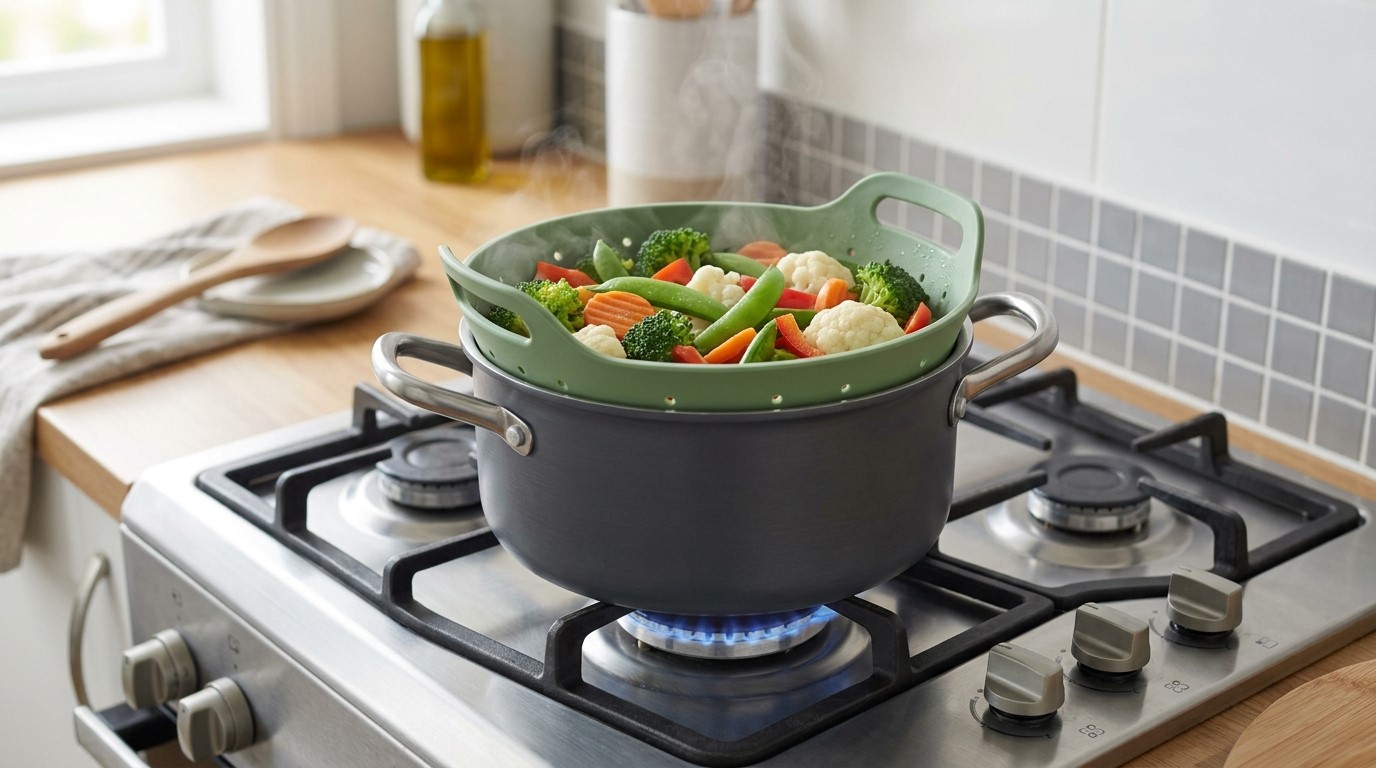
What Is a Silicone Steamer Basket?
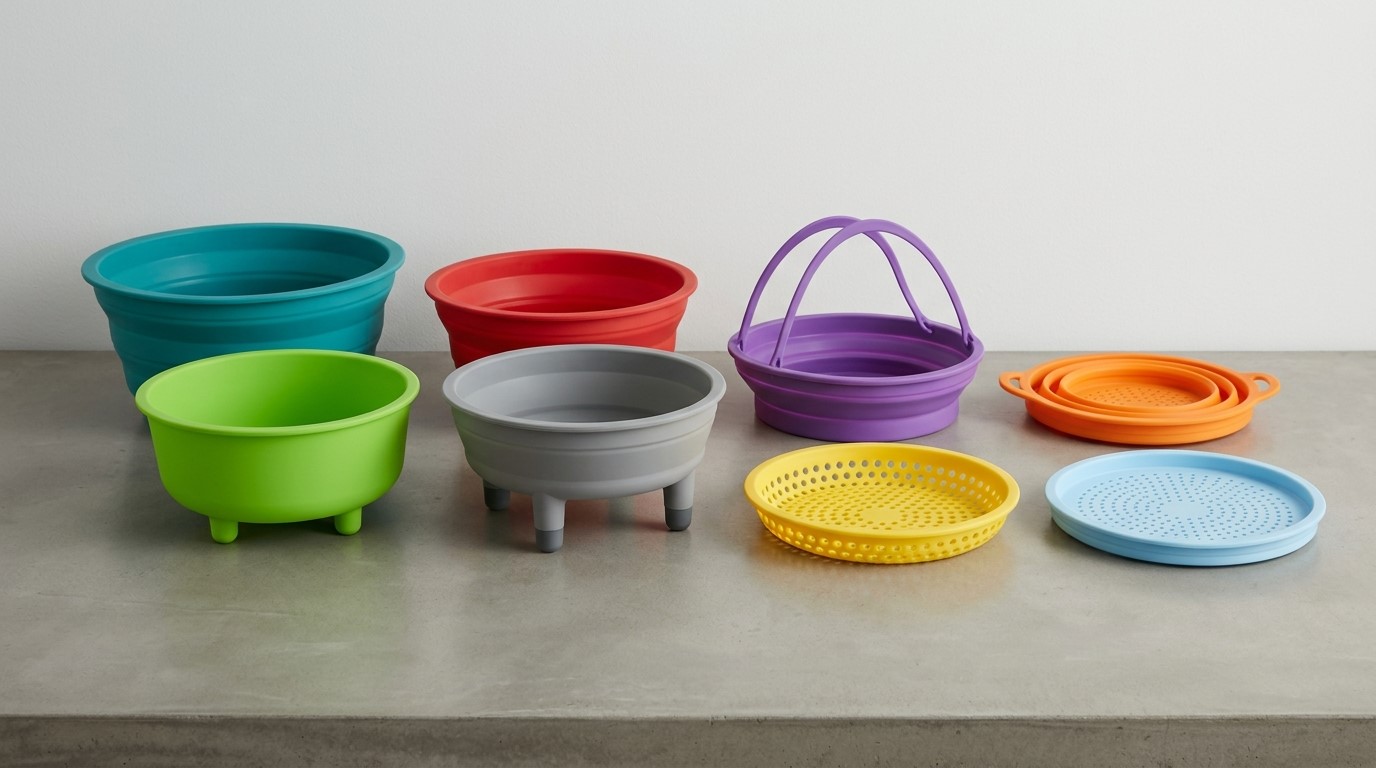
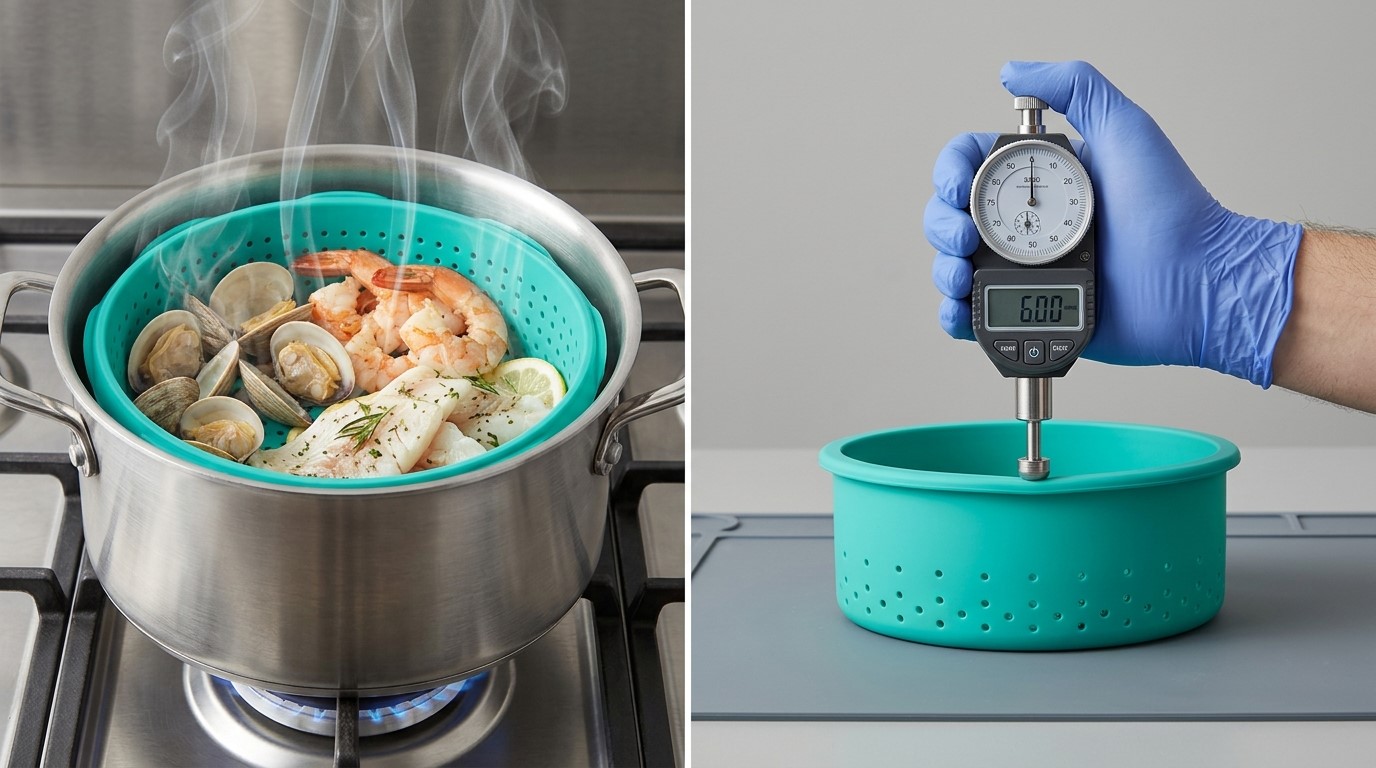
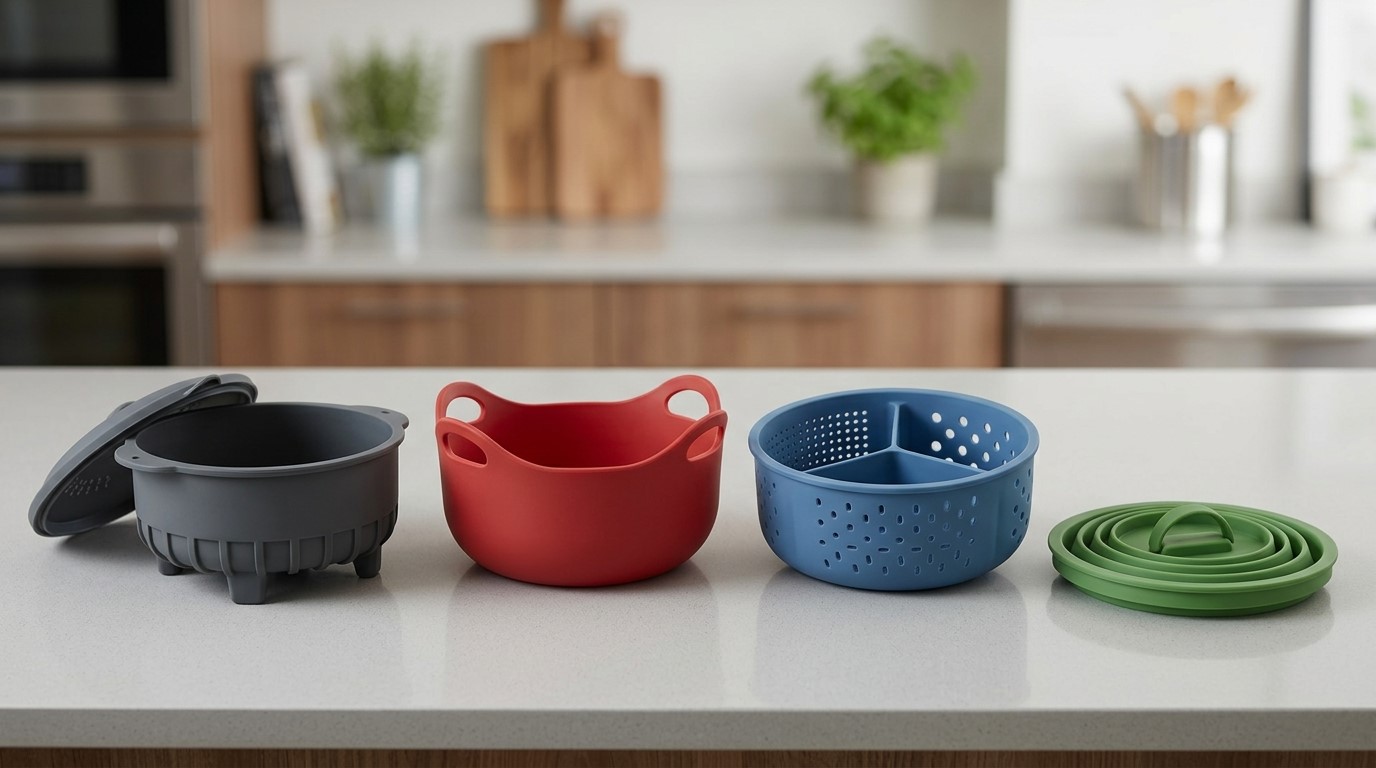
A flexible silicone steamer basket holds food above hot water, using perforations to circulate steam efficiently for optimal cooking, cleaning, and cookware compatibility as an effective silicone kitchen tool. Custom OEM and ODM designs tailor dimensions, depths, drainage patterns, colors, and branding to fit specific pots or microwaves. Additional options can include integrated handles, collapsible structures, and specialized supports to match diverse culinary requirements.
RY Silicone is a China-based custom silicone product manufacturer established in 2012. We support B2B product development, sampling, and bulk manufacturing for brands, distributors, wholesalers, and private-label kitchenware businesses serving international markets.
Silicone Steamer Basket Manufacturing at a Glance
MOQ & Lead Times
Existing designs can support faster launches; custom tooling, sampling, and production schedules depend on design complexity and order quantity.
Product Specs
Define basket diameter, depth, hole geometry, wall thickness, hardness, and cookware compatibility before approving the production sample.
Branding & Color
Coordinate silicone colors, molded logos, and suitable printing methods with your brand guidelines and intended food-contact surfaces.
Packaging & Retail Preparation
Choose bulk cartons, individual bags, printed retail boxes, or e-commerce packaging with SKU labels and barcode coordination.
Who We Manufacture Silicone Steamer Baskets For
Silicone steamer basket developments for different sales channels, cookware systems, and private-label strategies.

Kitchenware & Cookware Brands
Develop a coordinated steaming accessory range with consistent colors, practical basket dimensions, and distinctive branding. Custom structures help differentiate your products while matching the cookware sizes and user needs defined in your product brief.
Distributors & Wholesalers
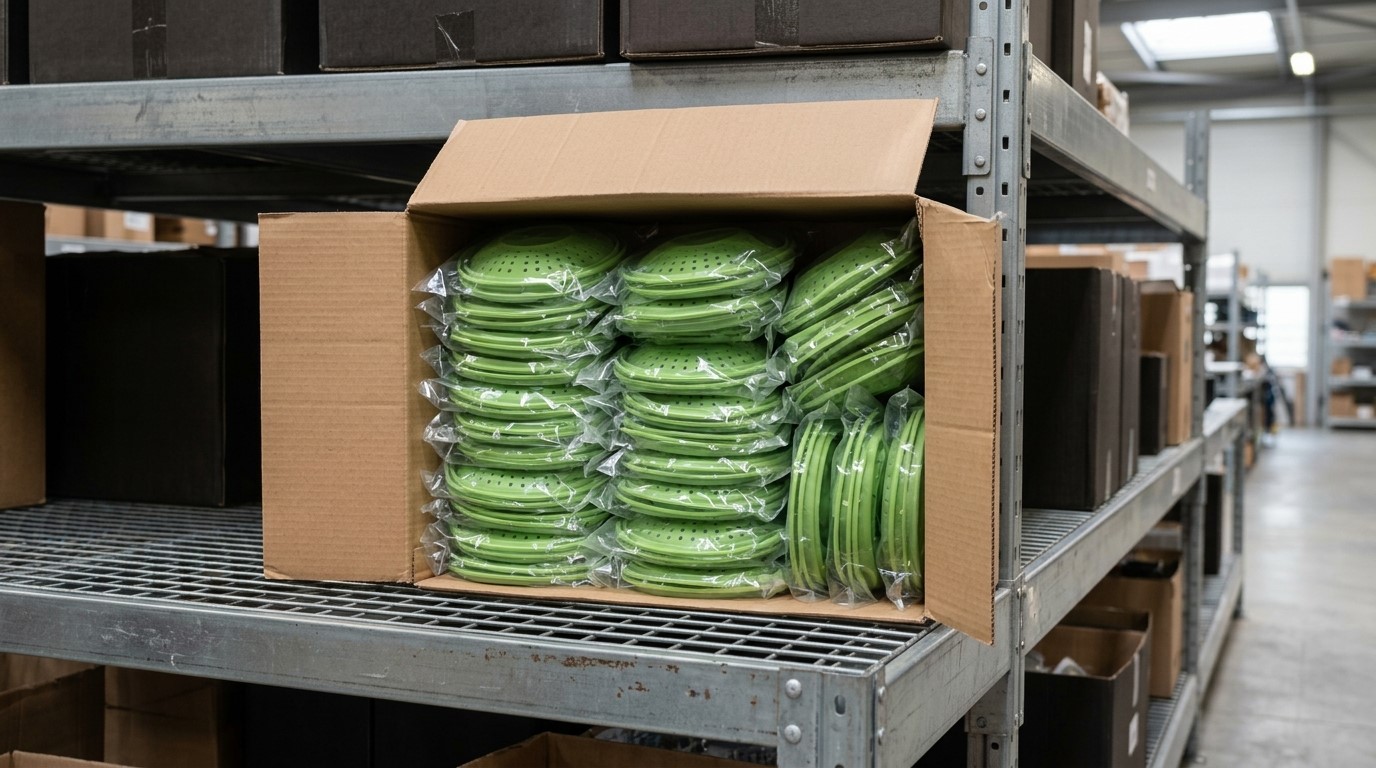
Source silicone steamer baskets in bulk for kitchenware, cookware, and household product distribution. We review size combinations, material requirements, packaging formats, and repeat-order specifications to support a consistent range across wholesale customers.
Private-Label & Retail Brands
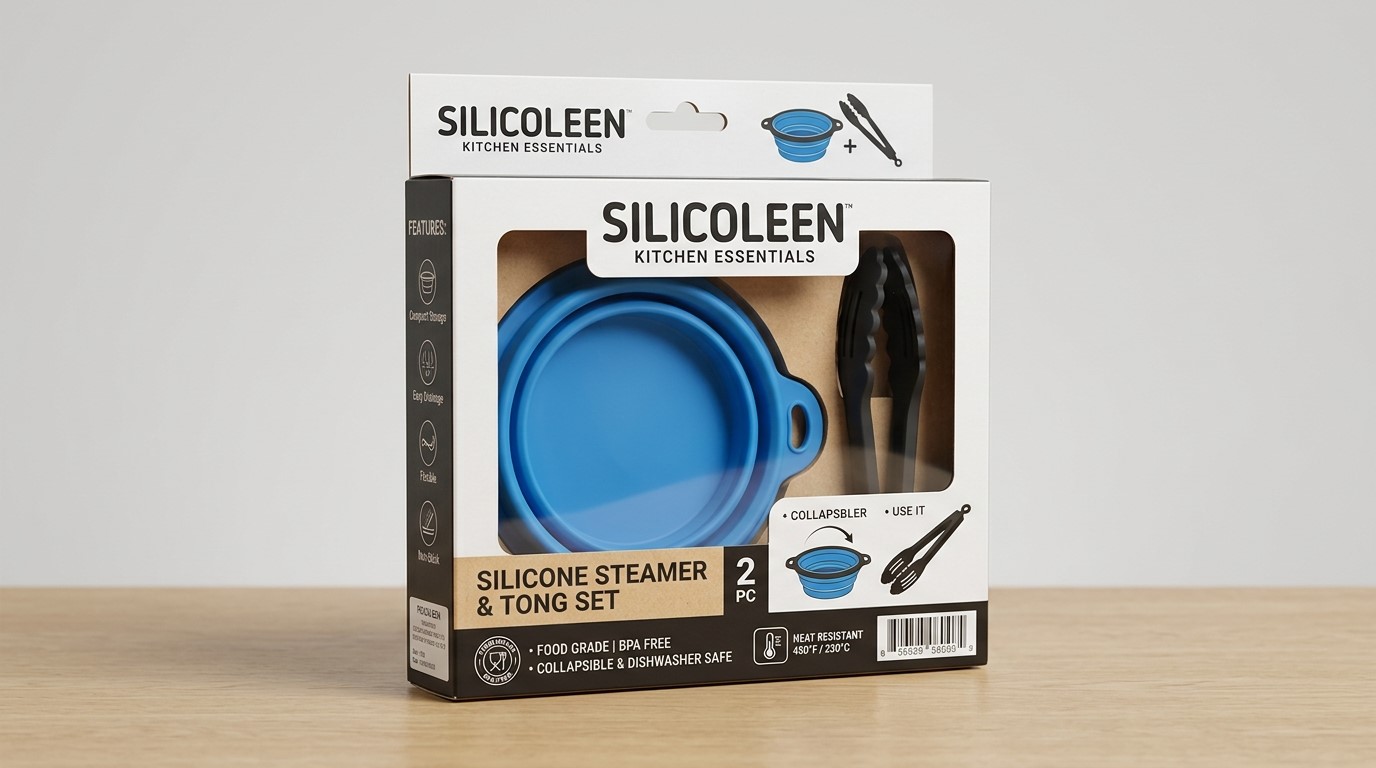
Build private-label products around approved designs, brand colors, and packaging artwork. Existing structures may simplify product introduction, while new tooling allows you to differentiate basket geometry, support features, and logo placement for your target market.
E-commerce Sellers & Marketplace Brands
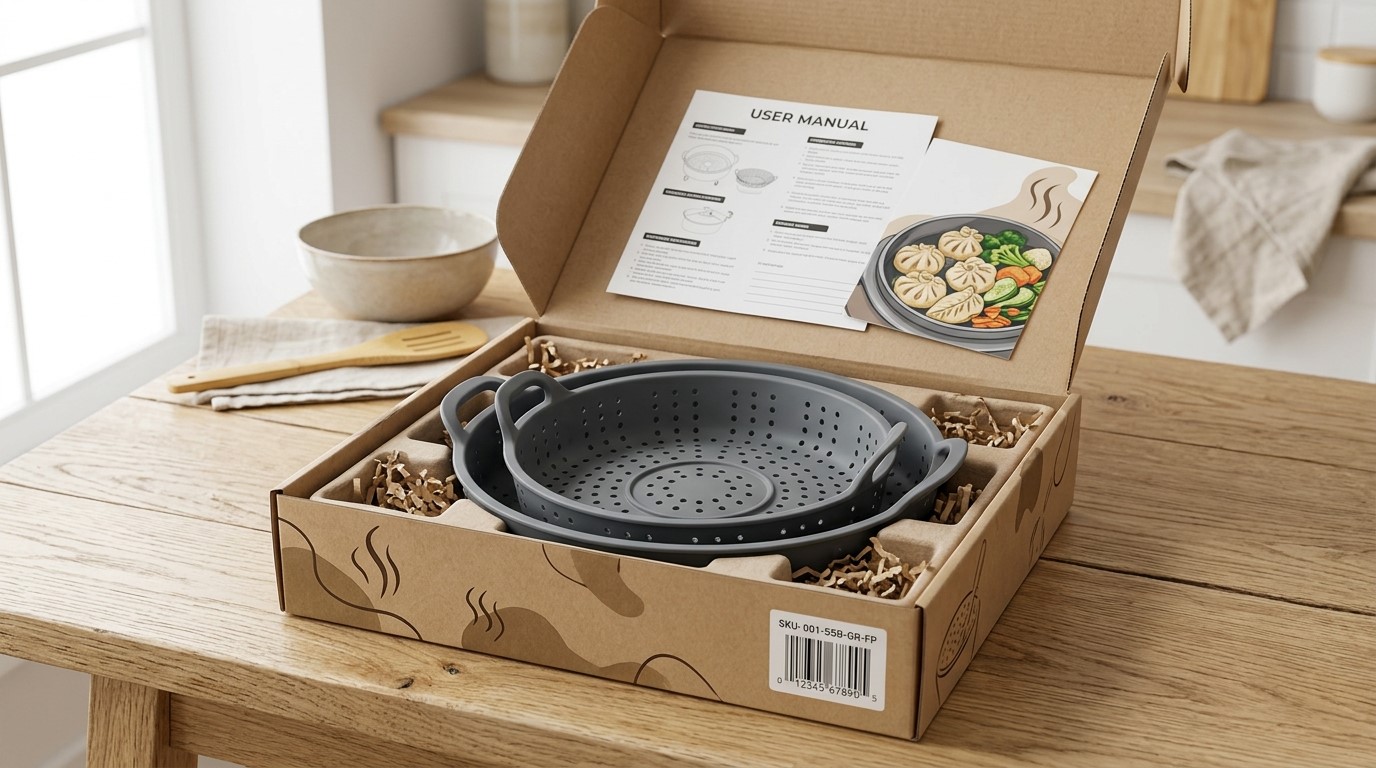
Prepare products for online listings with consistent dimensions, unit weights, packaging information, and SKU identification. Individual retail boxes, barcode labels, and instruction inserts can be coordinated with your fulfillment requirements and product presentation.
Hospitality & Foodservice Suppliers
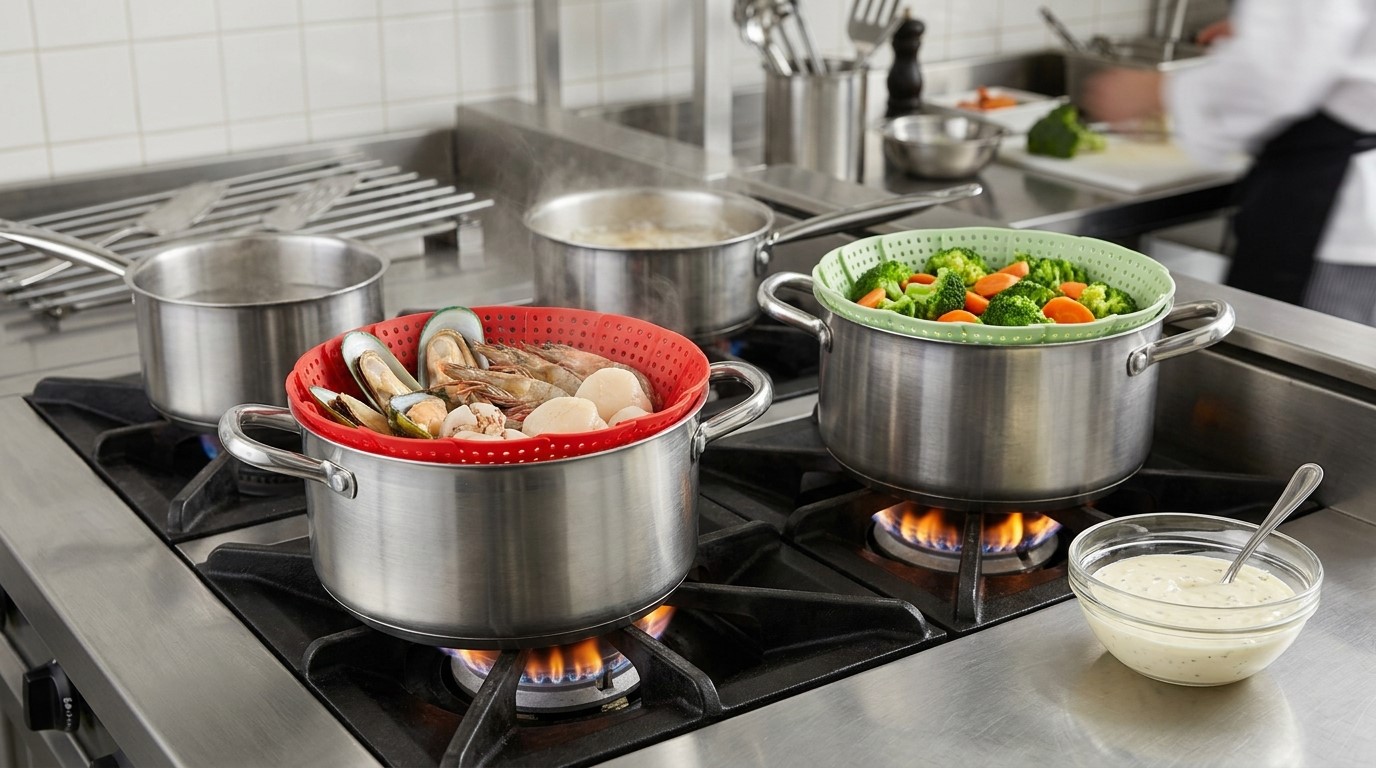
Develop reusable steaming accessories for suitable commercial kitchen applications. Basket capacity, loading behavior, cleaning requirements, and repeated heat exposure should be evaluated against the intended equipment and operating conditions before specifications are finalized.
Kitchen Gift & Product Set Developers
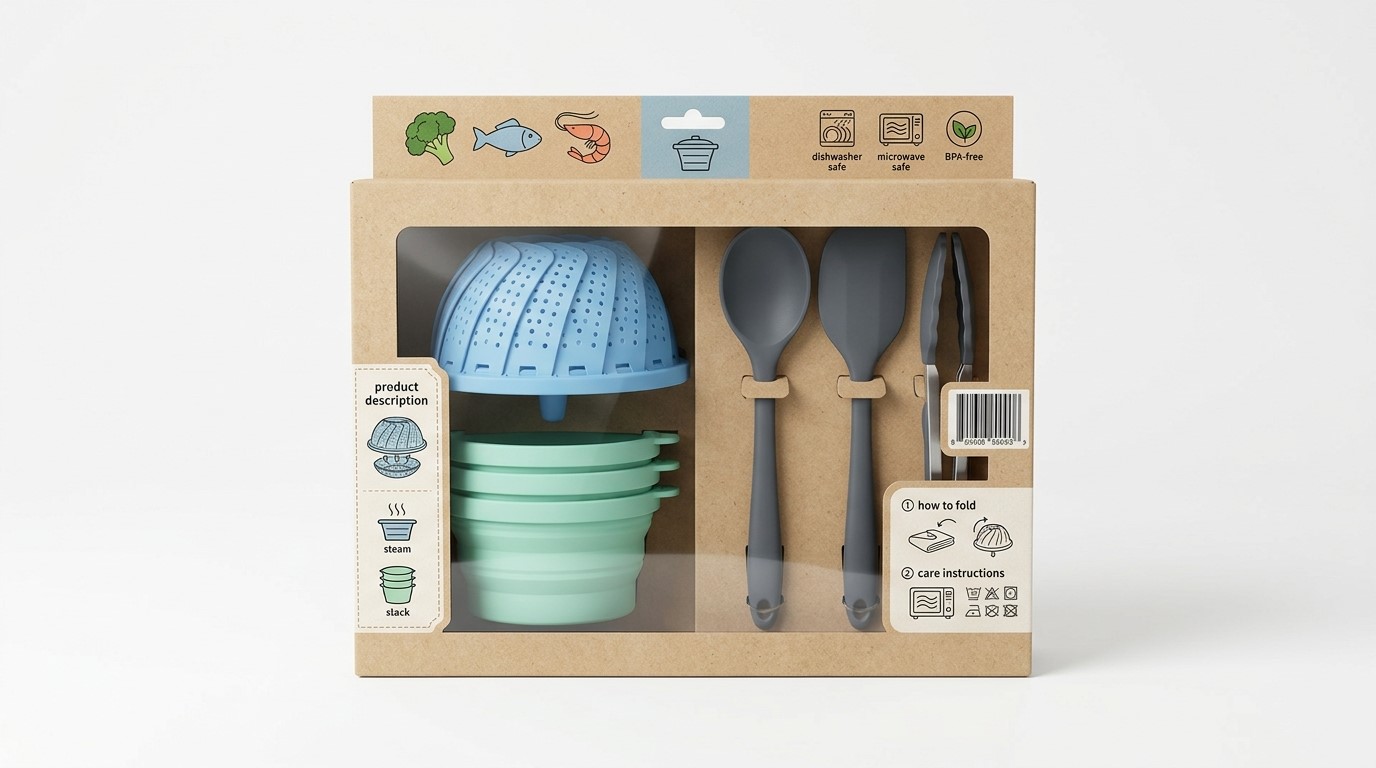
Include silicone steamer baskets in cookware bundles, kitchen starter sets, or seasonal product collections. Coordinated colors, compact packaging, and complementary utensil designs can help create a unified assortment for retail promotions and branded gift programs.
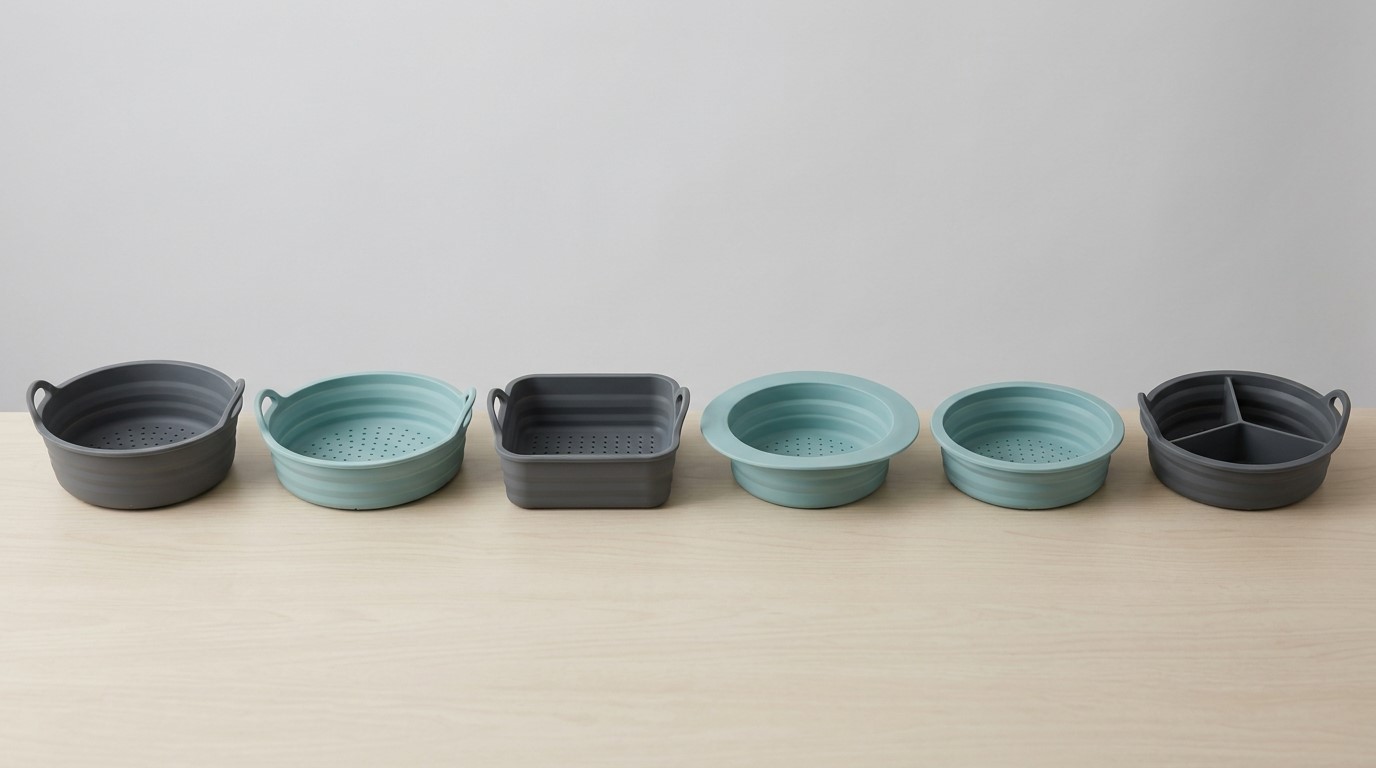
Silicone Steamer Basket Types We Can Develop
Round Silicone Vegetable Steamer Baskets
Collapsible Silicone Steamer Baskets
Silicone Steamer Baskets with Handles
Raised-Base Silicone Steamer Baskets
Rectangular & Specialty-Shaped Steamer Baskets
Compartmentalized & Custom-Structure Steamer Baskets
Silicone Microwave Vegetable Steamer
Silicone Steamer Basket Customization
Customize your basket geometry, steam openings, support structure, and retail presentation around your cookware range.
Accurate sizing requires upper/base diameters, depth, overall height, and envelope clearance for integrated features. Engineering reviews account for silicone flexibility, heat, and food weight rather than relying on nominal dimensions alone. Measurable acceptance points are established before sampling.
Available options include:
- Round, oval, and rectangular outlines
- Wide-rim or compact-rim designs
- Shallow or deep basket profiles
- Straight or tapered sidewalls
- Integrated dividers or compartment layouts
- Custom corner radii and rim profiles
- Existing designs or newly developed tooling
Basket geometry determines pot fit, food support, and steaming capacity. RY Silicone evaluates concepts or existing drawings, reviewing rims, footprints, and wall angles. We balance taper and depth against pot size, load, and handling before approving mold designs.
Available options include:
- Upper rim diameter and base diameter
- Overall height and usable basket depth
- Base thickness and sidewall thickness
- Foot height and support spacing
- Handle length and grip clearance
- Perforation diameter and spacing
- Dimensional tolerances defined for critical fit areas
Material selection balances steaming conditions, food safety, and structural design. Silicone compounds, hardness, and thickness control flexibility and shape retention. Flexible baskets collapse easily, whereas firmer designs support heavy loads. Finally, specifications undergo temperature and market reviews before approval.
Available options include:
- Silicone compounds selected for the intended food-contact application
- Project-specific Shore A hardness
- Flexible or firmer sidewall structures
- Reinforced base or rim configurations
- Standard silicone colors or custom color matching
- Material declarations and applicable supporting documents
- Compound selection reviewed against intended temperature conditions
Internal structure impacts steam circulation, food support, drainage, and cleaning. Perforation patterns, hole size, spacing, and base thickness require careful design to prevent tearing and residue accumulation. Integrated feet, handles, and dividers also need attention during tooling review.
Available options include:
- Circular, elongated, or application-specific perforations
- Uniform or zone-based hole distribution
- Open or reinforced base structures
- Integrated feet or raised support features
- Molded handles or lifting features
- Divided food compartments
- Surface textures and smooth cleaning areas
- Structural transitions designed for practical demolding
Start Your Custom Silicone Steamer Basket Project
Send your cookware dimensions, basket design, intended steaming conditions, order quantity, and branding requirements. RY Silicone can review the manufacturing approach and define the next sampling steps.
How to Specify a Better Silicone Steamer Basket
Start with cookware fit and loaded stability, then optimize steam circulation, cleaning, and branding.
- Cookware dimensions: Provide the pot’s internal diameter, usable depth, and support configuration.
- Basket geometry: Specify the upper diameter, base diameter, basket depth, and overall height.
- Steam-hole layout: Define opening size, spacing, and distribution while preserving sufficient material between holes.
- Load requirements: Describe the intended foods and expected load so the base and sidewalls can be evaluated.
- Material and hardness: Confirm the intended temperature range, food-contact use, and desired flexibility.
- Handling structure: Identify whether integrated handles, feet, or a collapsible design is required.
- Cleaning access: Review narrow openings, corners, dividers, and textured areas for residue retention.
- Branding and packaging: Confirm logo location, retail format, labeling, and destination-market documentation.
Do not approve a design on empty-basket dimensions alone. Prototype evaluation should include cookware fit, a representative load, lifting behavior, and drainage.
Full Specification Guide
How to Specify a Silicone Steamer Basket?— Cookware compatibility, steam circulation, geometry, perforation layout, hardness, stiffness & dimensional stability
Silicone Steamer Basket Logo & Branding Methods
Select branding based on basket geometry, cleaning, and food-contact areas.
Screen Printing
Offer vibrant, crisp custom designs for silicone steamer baskets.
Pad Printing
Transfers vibrant, precise logos onto curved, irregular silicone surfaces using durable, flexible silicone pads and food-safe ink.
In-Cavity Logos
Require early artwork approval to ensure precise, durable custom logos.
Embosse & Debossed
Raised surface or recessed logos sunken design, both food-safe and durable.
Silicone Steamer Basket Material & Performance Options
The material and structure must work together to support steaming, handling, cleaning, and repeated use.
Select the compound according to the intended food-contact application and destination market.
The chosen silicone formulation should be assessed for its intended contact conditions, processing requirements, and applicable compliance documentation. Food-contact suitability should not be inferred from color, odor, or a generic description alone. The final review needs to account for the actual compound and pigment, along with any printing or other materials used in the finished product.
Material Comparison
Silicone vs. Plastic Steamer Basket: How to Choose Optimal One for Your Programs? —Dimensional stability, stiffness, flexibility, migration, toxicity, crack & heat resistance, space-saving need, weight, and compatibility for diverse cookers.
Match the verified operating range to the intended steaming conditions.
Steam exposure, contact with hot cookware, and handling immediately after cooking place different demands on a silicone basket. The selected compound must be suitable for the specified temperature conditions, while wall thickness and geometry must preserve the required shape and function. A supplier’s raw-material temperature rating should not automatically be treated as proof that every finished basket design performs identically.
Develop perforations to balance steam passage, food support, and cleaning.
The size, spacing, and distribution of openings determine how steam can pass through the basket and how water drains after steaming. Openings that are too large may provide inadequate support for smaller food pieces, while closely spaced holes can leave narrow silicone bridges that are vulnerable to tearing. Prototype testing should therefore consider representative foods, drainage behavior, and the basket’s structural integrity together.
Balance easy removal with sufficient support under the intended load.
A flexible basket can be easier to handle and store, but excessive deformation may make it difficult to lift hot food without tilting. Hardness, base thickness, sidewall geometry, and integrated support features jointly determine how the basket behaves. A firmer compound alone cannot compensate for an unsuitable base design or poorly placed openings.
Protect narrow material bridges and highly stressed transitions.
Perforations, handle roots, divider intersections, and transitions between thick and thin sections deserve particular attention during engineering review. These areas can experience concentrated stress during lifting, folding, and cleaning. Material selection should be evaluated alongside the geometry rather than relying on a hardness value as the sole indicator of durability.
Keep food-contact surfaces practical to inspect, wash, and dry.
Smooth surfaces can simplify routine cleaning, while textured areas may improve grip or provide a distinctive product finish. However, deep textures, narrow recesses, and poorly accessible corners can retain residue. The finish should be selected according to the basket’s intended use and validated through cleaning evaluation, especially where the design includes dividers, embossed graphics, or closely spaced openings.
Review the actual compound and pigment for the intended processing and use conditions.
Silicone color, surface appearance, and odor should be checked against an approved production sample. Strong residual odor, oily residue, or visible discoloration can indicate a need to investigate the material, curing process, or handling conditions. Sensory checks are useful screening measures, but they do not replace laboratory testing where formal compliance or migration assessment is required.
Available project documents may include:
- Silicone material data sheets
- Material declarations
- FDA-related material documentation, where applicable
- LFGB-related documentation, where applicable
- REACH-related reports, where relevant
- Agreed project-specific test reports
Document scope must match the selected silicone compound, pigments, any printing materials, the intended use, and the destination market. A raw-material report should not be presented as proof of compliance for every finished basket configuration.
The service life of silicone steamer baskets extend when washed after each use, dried fully, kept away from sharp utensils, and stored flat and dry.
Care Methods
How to Care for Silicone Steamer Basket? —cleaning steps, odor and residue cleaning, drying, storage in cool conditions, and stain prevention.
How Silicone Steamer Baskets Are Manufactured

STEP 1: Requirement Review
Review basket diameter, depth, pot compatibility, support structure, perforation layout, handling features, and intended load. Check whether thin sections and closely spaced holes can be molded consistently.
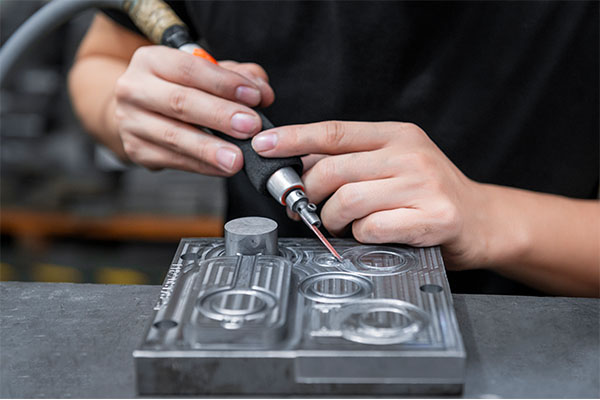
STEP 2: Silicone Material Selection
Select a silicone compound according to intended steam exposure, food-contact requirements, flexibility, tear resistance, and color. Confirm applicable material documentation before production approval.
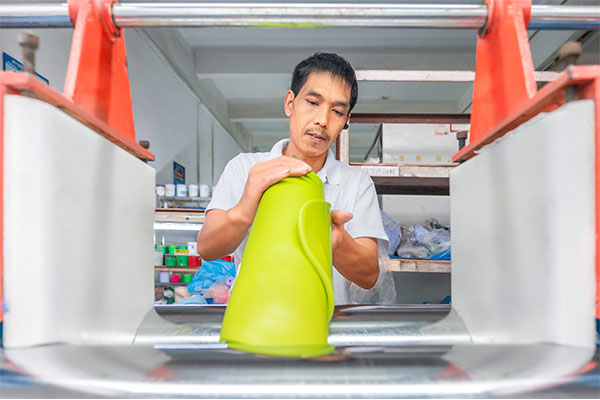
STEP 3: Mold Design and Tooling
Develop mold cavities, parting lines, vents, and demolding features around the basket geometry. Perforations, handles, and raised supports require particular attention to tooling strength and release.
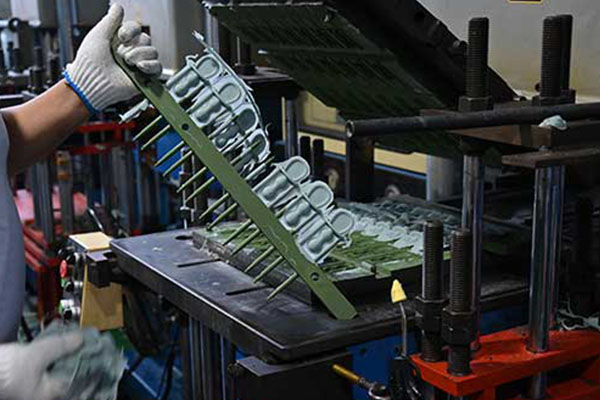
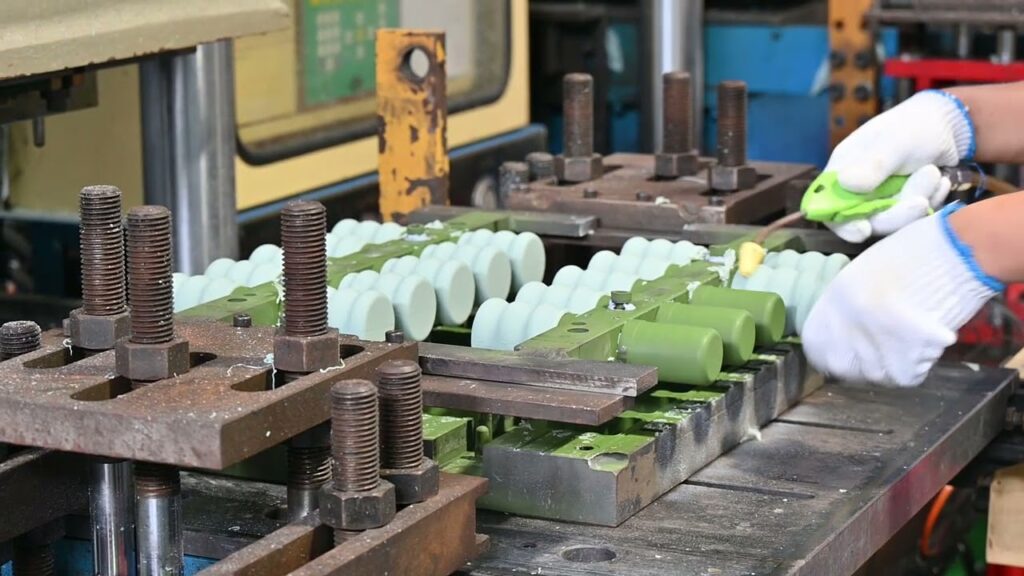
STEP 4: Silicone Molding
Control material quantity, molding conditions, cavity filling, and curing according to the approved process. Inconsistent filling around thin ribs or hole edges may create weak sections or visible defects.

STEP 5: Deflashing and Finishing
Remove excess silicone without damaging perforation edges, basket rims, or flexible handles. Inspect critical openings for blocked passages and check that trimming does not leave sharp or irregular edges.
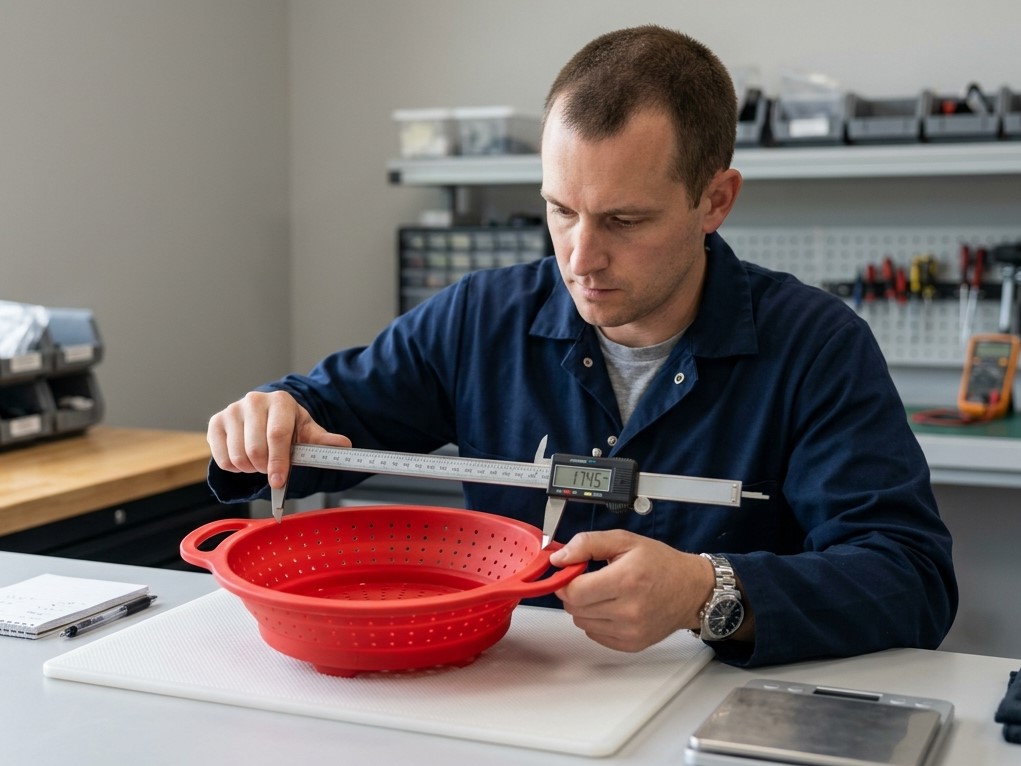
STEP 6: Dimensional and Functional Inspection
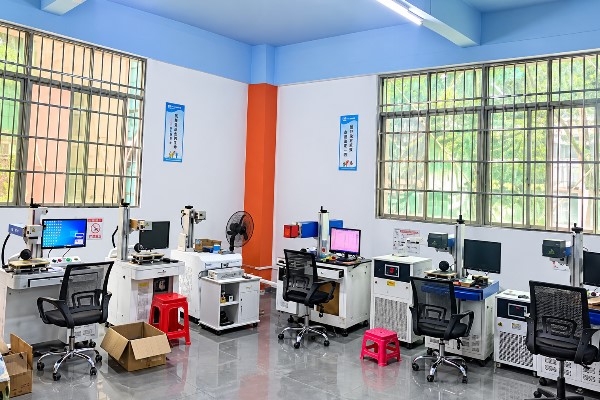
Check overall dimensions, hole openings, rim consistency, support height, and compatibility with the agreed cookware reference. Evaluate loaded shape retention where the design requires it.
STEP 7: Branding and Appearance Review
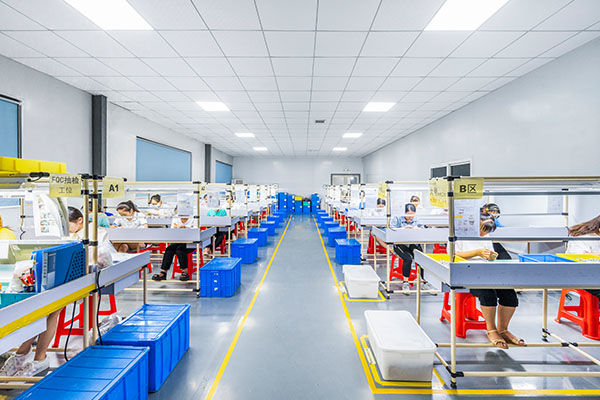
Verify logo position, color consistency, surface finish, and any secondary printing. Branding near thin walls or perforations must be checked for distortion, poor definition, and interference with function.
STEP 8: Final Inspection and Packing
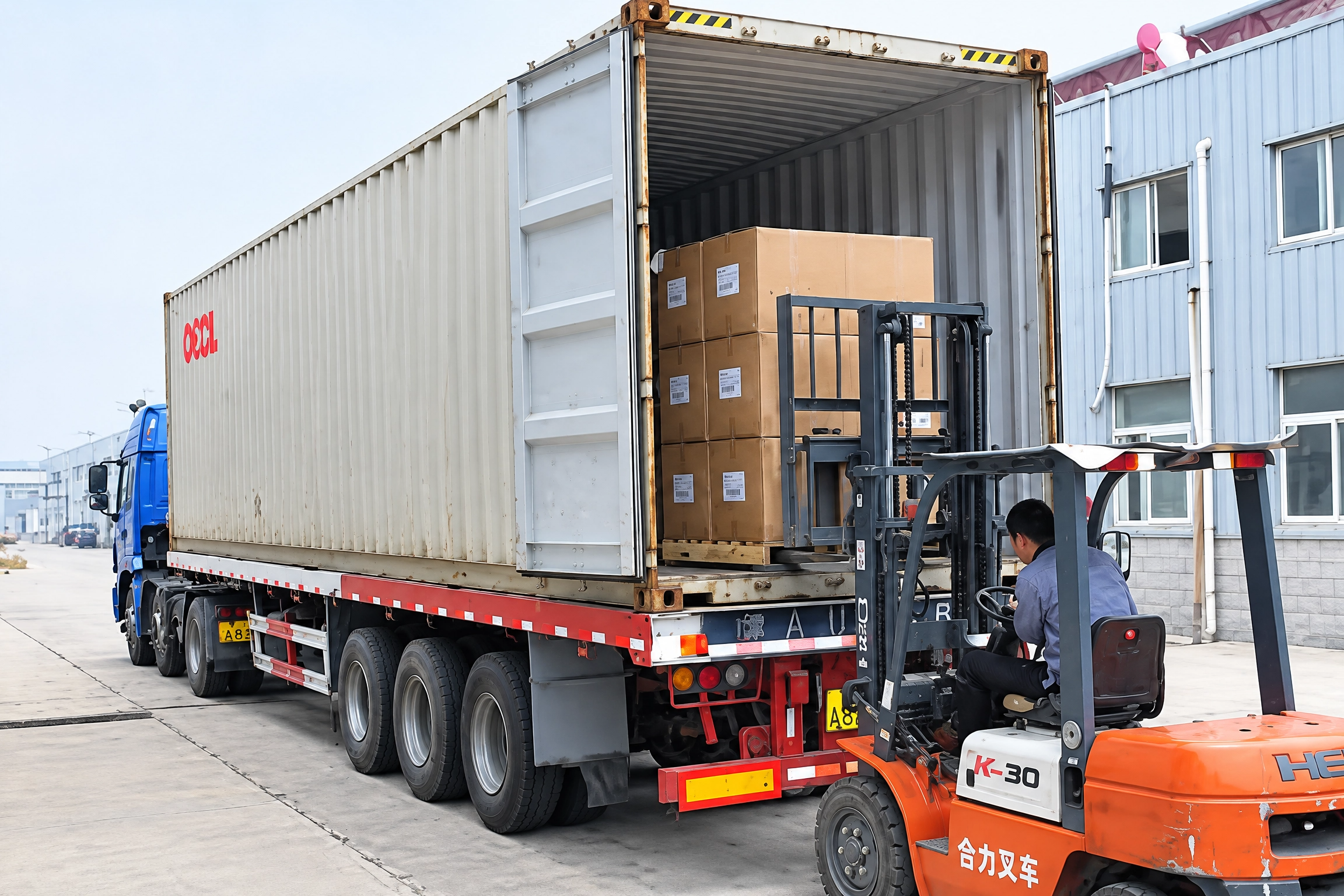
Complete the agreed inspection plan, confirm quantity and labeling, and pack products according to shipping requirements. Keep approved samples and inspection records for repeat-order comparison where agreed.
Silicone Steamer Basket Quality Control
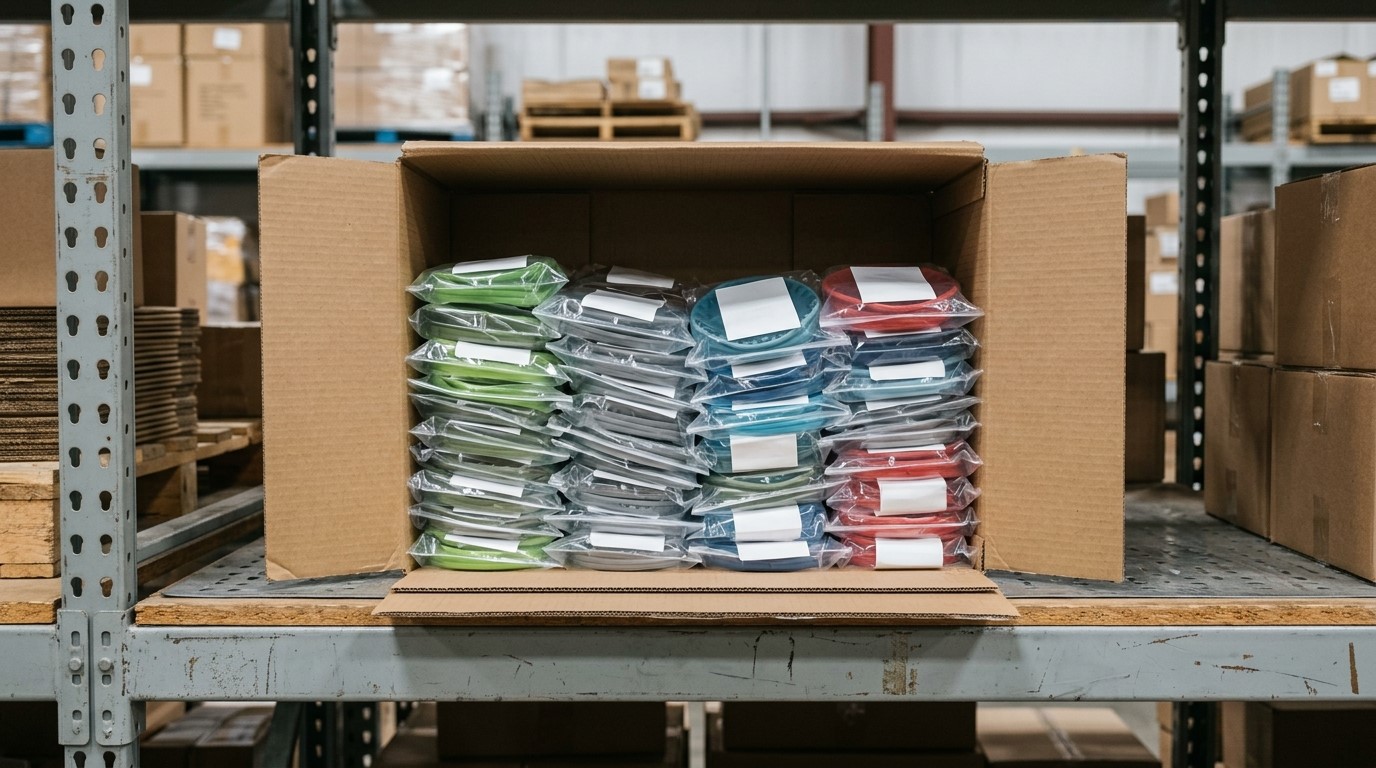
Quality control should address the basket’s actual operating conditions, not only its appearance after molding. For custom silicone steamer baskets, RY Silicone can define inspection points around material suitability, steam passage, pot fit, load support, branding, and packaging in the approved project specification.
AQL 2.5 / 4.0 Standard Inspection
We run final random sampling plans to verify batch consistency:
AQL 2.5
Critical / Major Defects
AQL 4.0
Minor Visual Flaws
Another inspection standard can be used when specified in the purchase order.
Incoming Material Inspection
- Verify material grade, supplier documentation, compound identification, and color requirements against the approved specification.
- Review the applicability of food-contact documentation to the selected compound, pigments, and intended destination market.
- Confirm that material substitutions require review rather than being introduced without approval.
Sample Approval
- Measure overall diameter, basket depth, rim profile, base geometry, and support height against the approved drawing.
- Inspect representative perforations for opening size, spacing, blocked holes, and irregular edges.
- Test the basket in the agreed cookware reference, including rim clearance, support stability, and removal after use.
- Record any required design adjustments before approving mass production.
In-Process Molding Control
- Monitor filling and curing consistency, especially where thin ribs meet thicker base or sidewall sections.
- Check for incomplete filling, trapped defects, excessive flash, tears, surface contamination, and visible color variation.
- Pay particular attention to the rim and perforation edges, where trimming defects can affect appearance or reduce local strength.
Dimensional and Structural Verification
- Check critical dimensions using agreed measurement methods and tolerances.
- Assess loaded deformation, rim stability, handle integrity, and recovery after unloading where these functions are part of the design.
- Evaluate the relationship between hole density and supporting material; a higher open area can improve steam passage but may reduce stiffness.
- Confirm that the basket retains its intended shape under the specified test conditions rather than relying on empty-state dimensions alone.
Heat, Cleaning, and Functional Checks
- Define heat-exposure tests according to the selected compound and intended operating conditions.
- Where required, evaluate odor, discoloration, permanent deformation, and physical damage after the agreed test cycle.
- Review cleaning access around deep perforations, seams, handles, and recessed features.
- Confirm that any dishwasher or other cleaning claims are supported by the agreed material and finished-product validation.
Logo, Color, and Packaging Inspection
- Check logo legibility, position, depth, or print adhesion according to the approved artwork and sample.
- Compare product color with the approved reference under agreed inspection conditions.
- Verify packaging quantity, labels, barcode placement, product identification, and protection against deformation during transport.
Silicone Steamer Basket Packaging Options
Plan packaging early because printed items need separate schedules.

Bulk Packaging
Suitable for distributors, wholesalers, and business customers purchasing larger quantities. Products are packed in organized quantities to support warehouse handling and consolidated shipments.
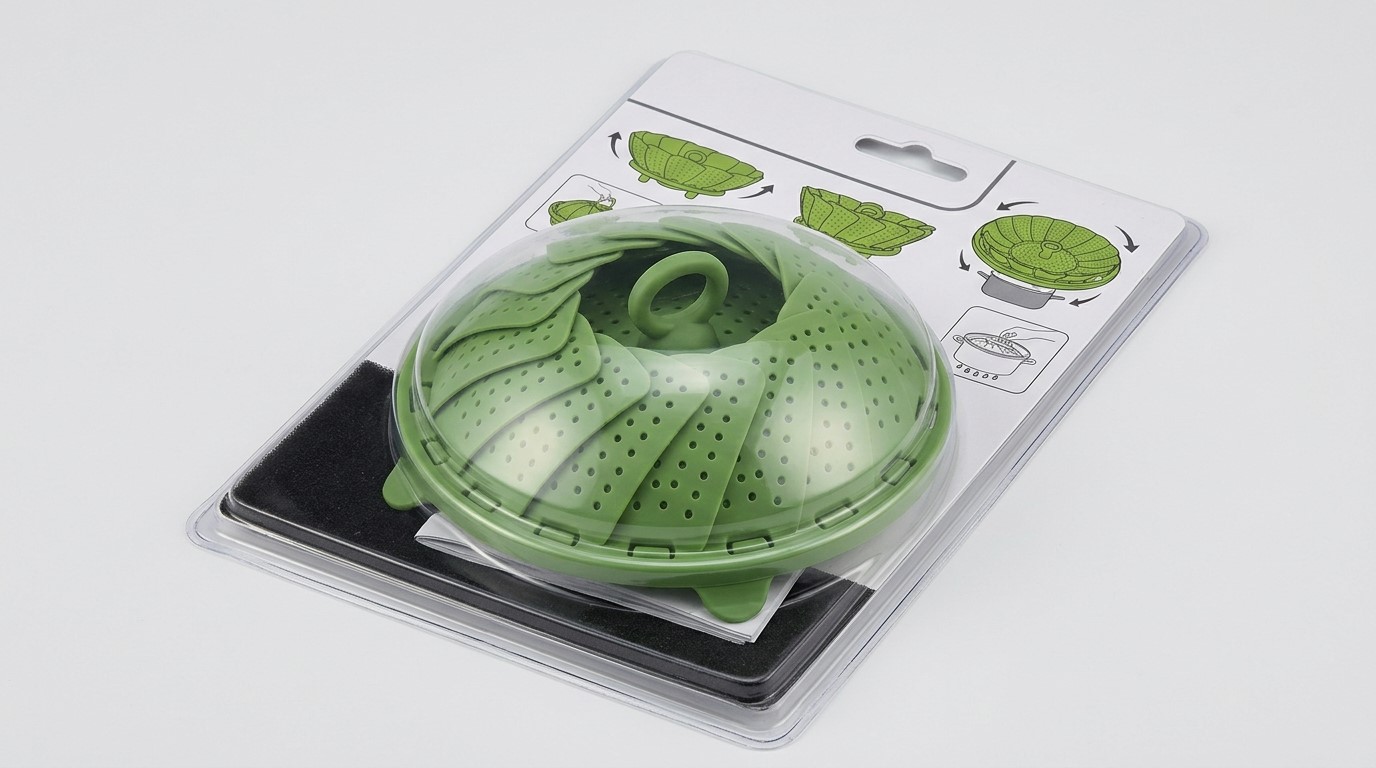
Retail Packaging
Individual bags, printed sleeves, or product boxes can support retail display and product identification. Artwork, instructions, and barcode placement can be reviewed before printing.
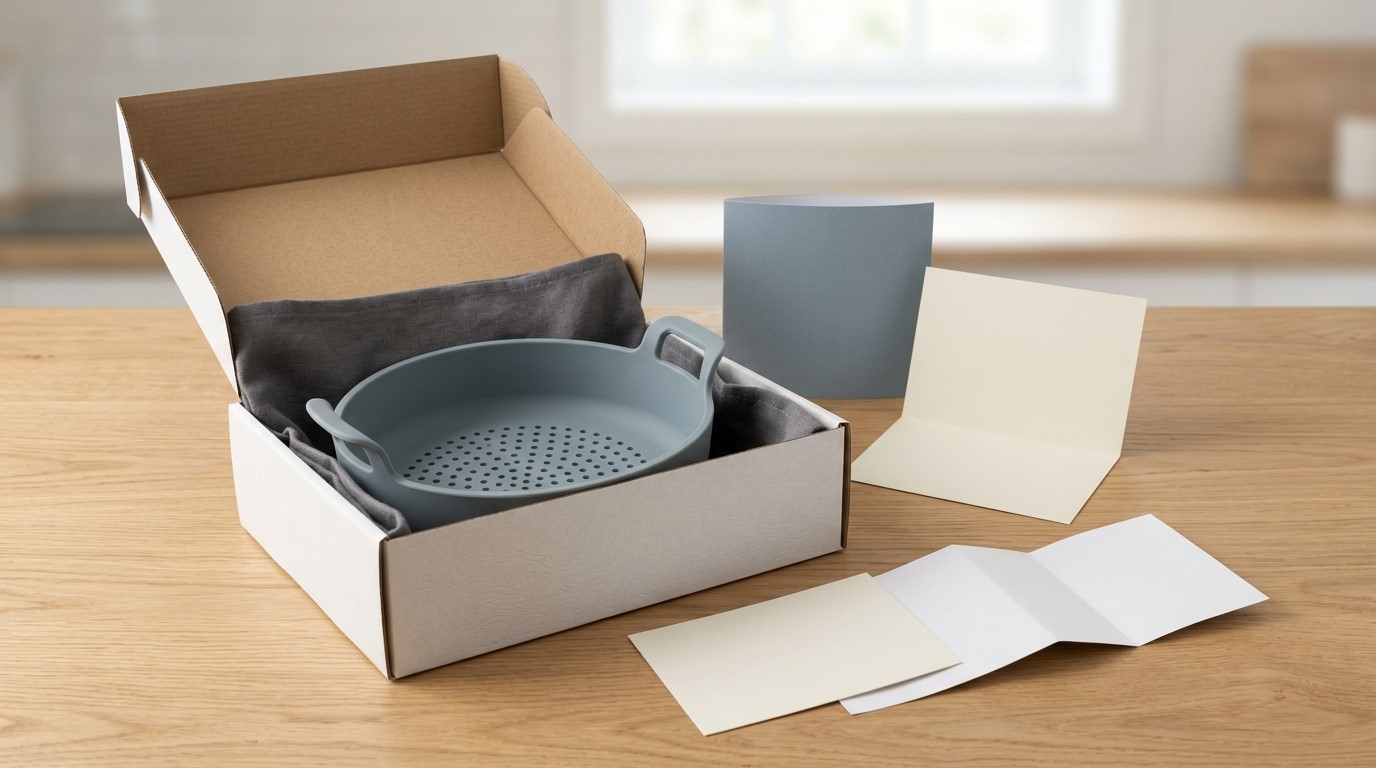
Ecommerce Packaging
Packaging can be planned around parcel handling, dimensional efficiency, and product protection. Confirm the packed dimensions and presentation requirements for your fulfillment and shipping workflow.
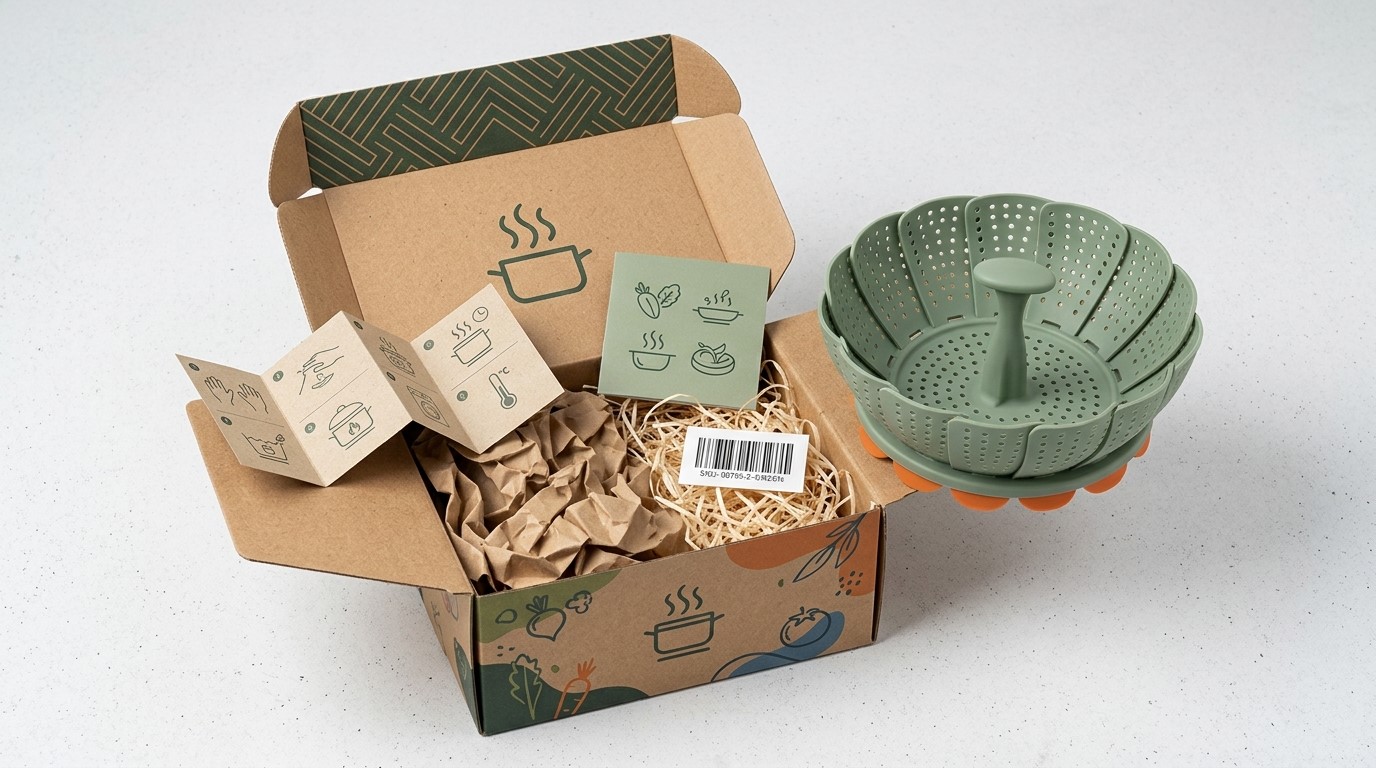
Premium Brand Packaging
Custom presentation boxes, inserts, and coordinated packaging can support cookware gift sets, seasonal programs, and premium kitchenware collections. Final insert geometry should match the approved product.

Custom Silicone Steamer Basket Typical Specifications
| Specification | Preliminary reference / customization scope |
|---|---|
| Product type | Round, collapsible, handled, raised-base, rectangular, or custom-geometry steamer baskets |
| Material | Silicone compound selected for intended food-contact use and heat exposure |
| Hardness | Initial design discussion may consider approximately 40–70 Shore A; confirm against support, flexibility, and demolding requirements |
| Overall diameter | Customized to the target pot or cookware range |
| Basket depth | Customized to food capacity, pot clearance, and storage requirements |
| Perforation diameter | Design-dependent; an initial concept may explore approximately 2–8 mm, subject to drainage, food retention, and structural testing |
| Hole spacing and open area | Customized according to steam circulation, strength, cleaning access, and tooling feasibility |
| Base and sidewall thickness | Set through engineering review; transitions and thin sections require moldability and strength assessment |
| Support structure | Flat or raised base, support feet, rim supports, or other approved geometry |
| Handles | No handles, integrated grip areas, or custom handle forms, subject to heat exposure and load requirements |
| Color | Custom colors are subject to compound, pigment and color-matching review |
| Logo | Embossed, debossed, molded graphics, or compatible secondary printing |
| Food-contact documentation | Available documents depend on the selected compound, applicable market requirements, and project scope |
| Dimensional tolerance | Defined by drawing, critical-fit features, tooling capability, and agreed inspection method |
| MOQ | Reference starting points: around 500 pcs for an existing mold with customization, or around 3,000 pcs for a new custom-molded project; confirm after design review |
| Samples | Reference estimate: approximately 5–10 working days for a sample using an existing design, subject to availability |
| Custom tooling | Reference estimate: approximately 10–20 working days after design and tooling approval |
| Mass production | Reference estimate: approximately 15–25 working days after sample approval, depending on order and production conditions |
A material specification alone does not establish the performance or regulatory status of every finished basket configuration.
Why Work with RY Silicone
Silicone Manufacturing Experience Since 2012
RY Silicone was established in 2012. Experience across silicone product development provides a foundation for reviewing custom dimensions, material selection, tooling considerations, and production requirements.
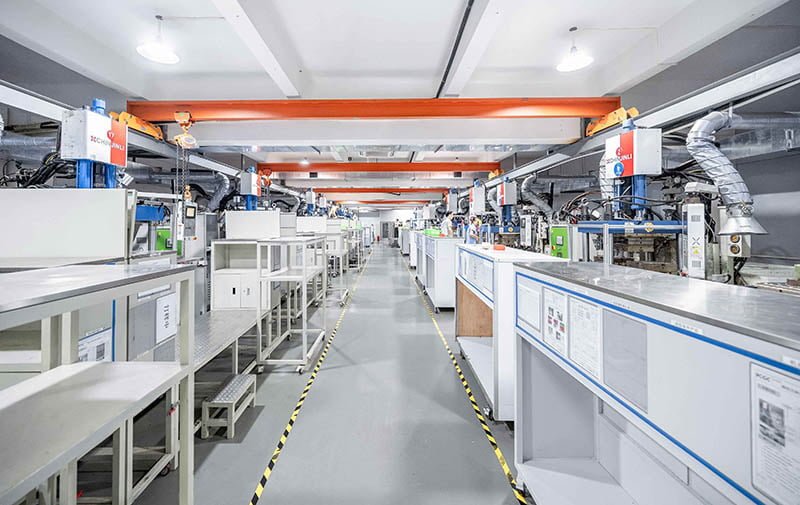
10,000+ m² Production Facility
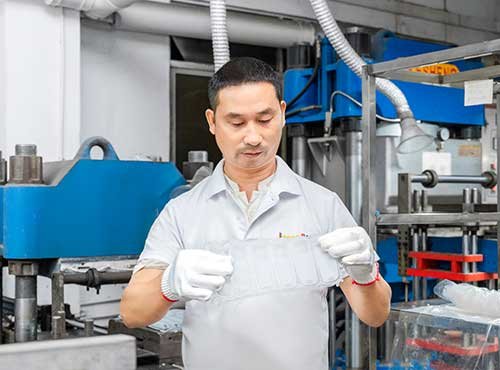
Our in-house silicone kitchen accessories factory supports tooling, molding, finishing, branding, inspection, and packaging.
30+ Production Machines
Multiple production machines support different silicone steamer baskets structures and scalable order volumes.
Up to 100,000 Silicone Products per Day
That headroom is what lets us take on repeat orders and five- to six-figure runs without pushing out your delivery date.
Actual mold capacity depends on cavity configuration, cycle time and inspection requirements.
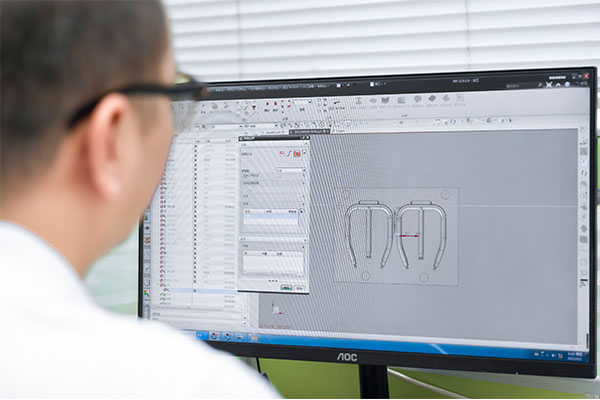
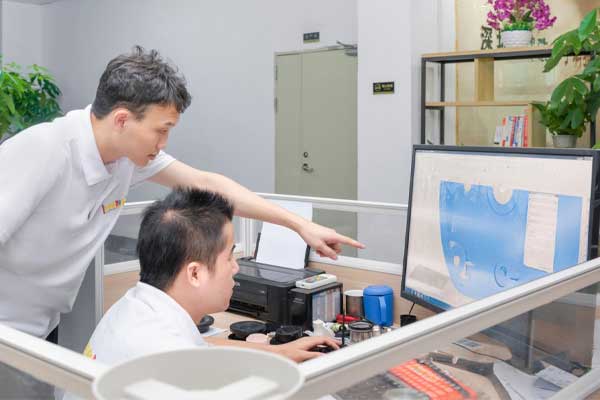
Engineering Review Before Quotation
We do not quote only from a product name or image.
Instead, our engineers walk through the steamer basket shape and cavity count, then the material, dimensions, color, logo, and packaging—and we check the destination market too, since a steamer basket headed for the EU and one headed for the US can call for different documentation. Only then do we confirm the manufacturing proposal.
Sample-Based Production
Everything is locked to one approved sample before mass production — the cavity dimensions and color first, then surface finish, logo position and packaging. On the floor that sample outranks any spec sheet: if the two disagree, we pause the run and confirm with you.
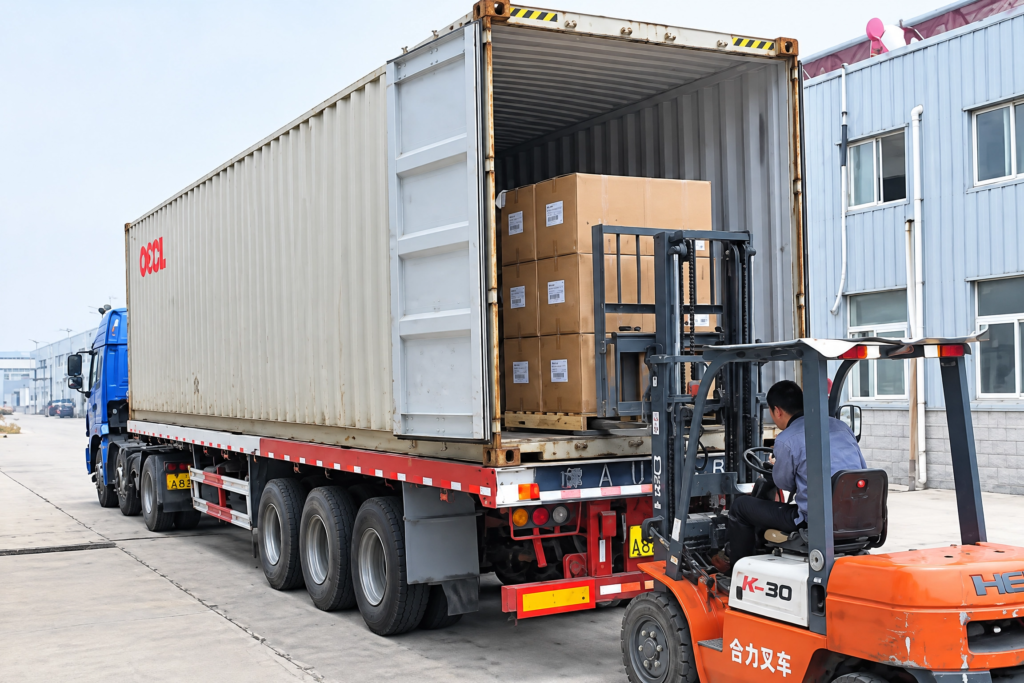
Export Project Support
As a China-based silicone steamer basket and kitchen gadgets factory and supplier, RY Silicone serves clients in North America, Europe, and other international markets.
Our team supports product documentation, commercial communication, packaging coordination, and shipment preparation.
Silicone Steamer Basket FAQ
What is the MOQ for custom silicone steamer baskets?
The MOQ depends on whether an existing mold can be used or new tooling is required. As an initial reference, an existing-mold project with custom branding may start around 500 pieces, while a new custom-molded design may start around 3,000 pieces. Confirm the final MOQ after reviewing the design, color, and packaging.
Can you manufacture silicone steamer baskets to fit a specific pot?
Yes, the design can be developed around a target cookware size. Provide the pot’s internal diameter, rim geometry, usable depth, and any support or clearance requirements. A sample fit check is recommended, particularly if the basket must remain stable under load.
What material is suitable for a silicone steamer basket?
The compound should be selected for intended food-contact use, steam exposure, flexibility, tear resistance, and structural support. The appropriate formulation and temperature limits need to be confirmed with the material supplier and validated for the intended application.
What temperature can a silicone steamer basket withstand?
There is no single temperature rating that applies to every silicone basket. The permitted operating range depends on the selected compound and finished-product design. Confirm the intended temperature and exposure duration before material selection, and avoid using an unverified rating in product listings.
Can you customize the perforation size and pattern?
Yes, hole diameter, spacing, distribution, and open area can be customized subject to tooling feasibility. The layout should balance steam circulation and drainage with food retention, structural strength, and cleaning access. Increasing the open area without reviewing the supporting ribs may weaken the basket.
Can you make collapsible baskets or baskets with handles?
These can be considered as custom design directions. Collapsible structures require attention to folding geometry, wall thickness, and recovery, while integrated handles require suitable grip geometry and strength. Both features should be evaluated for their intended heat exposure and handling conditions.
Can you provide food-contact compliance documentation?
Documentation depends on the selected silicone compound, pigments, manufacturing process, finished-product configuration, and destination market. Relevant material declarations, applicable FDA-related or LFGB-related documentation, REACH-related reports, and agreed test reports may be reviewed where available and applicable. A raw-material report should not be treated as proof that every finished-product configuration complies.
Can you add our logo and brand colors?
Customization may include molded-in logos, embossed or debossed graphics, and compatible secondary printing. Color matching depends on the approved reference and material formulation. Logo placement should be reviewed against perforations, thin walls, and high-flex areas to avoid distortion or interference with product function.
How long do samples and mass production take?
As a preliminary reference, samples based on an existing design may take about 5–10 working days, custom tooling about 10–20 working days, and mass production about 15–25 working days after sample approval. Actual schedules depend on tooling, material availability, order quantity, inspection, and packaging requirements.
Can you develop a completely new steamer basket shape?
Yes, a new shape can be assessed through OEM/ODM development. Submit a sketch, reference product, CAD file, or dimensional drawing. The engineering review should cover pot compatibility, support geometry, perforation placement, mold parting lines, demolding, and target production volume before tooling is approved.
What should we provide to receive an accurate quotation?
Provide the target product type, dimensions, pot compatibility requirements, hole layout, material expectations, hardness if known, color, logo artwork, estimated order quantity, destination market, and packaging needs. If specifications are incomplete, share the intended application and reference images so the design can be reviewed first.
Can you customize packaging for wholesale or retail sales?
Packaging can be planned for bulk distribution, individual retail sales, e-commerce fulfillment, or gift sets. Provide your packaging artwork, labeling and barcode requirements, preferred packing quantity and shipping method. The final proposal depends on product dimensions and the protection needed during transport.
What information should I include in an RFQ?
Share the following details with RY Silicone to start your project:
- Product design: Reference image, sketch, CAD file, or existing sample.
- Dimensions: Basket diameter, depth, target pot size, and critical clearances.
- Structure: Hole diameter and pattern, base support, rim design, handles, or collapsible features.
- Material: Intended application, temperature exposure, food-contact requirements, and preferred hardness, if known.
- Branding: Logo artwork, color references, and preferred branding method.
- Order: Estimated quantity, sample requirements, and expected reorder volume.
- Market and packaging: Destination country, requested documentation, labeling, and retail or bulk packaging.
Ready to develop your own silicone steamer basket range? Request a quotation to review design feasibility, material options, tooling requirements, and a project-specific production plan.