
Silicone Bead Manufacturer
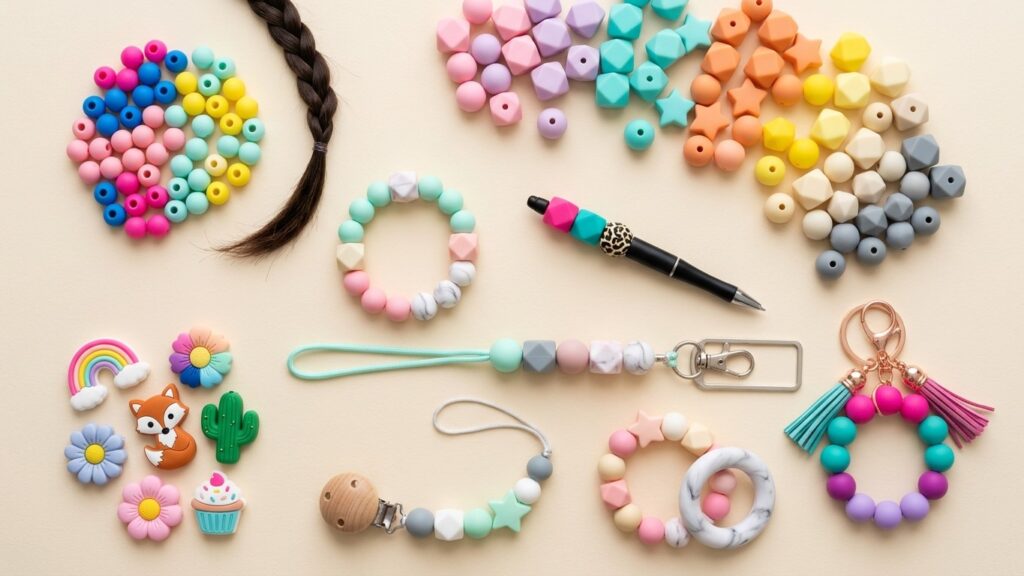
What Is a Silicone Bead?
Custom silicone beads are molded components tailored to your exact specifications regarding shape, color, texture, and size. Frequently used in baby teethers, pacifier clips, jewelry, and sensory products, they are versatile, safe elements designed for both practical everyday applications and creative craft assemblies.
Established in 2012, RY Silicone is a Chinese custom manufacturer specializing in OEM and ODM products for global brands and wholesalers. Operating a 10,000+㎡ facility with over 30 machines, the company achieves a robust daily production capacity of up to 100,000 diverse silicone items across multiple categories.
Silicone Bead Manufacturing at a Glance
MOQ & Lead Times
Existing designs can start from lower quantities, while new shapes require dedicated tooling and project-based production planning.
Size & Structure
Diameter, hole size, wall thickness, and geometry are developed together to support assembly and intended use.
Color & Surface
Choose custom Pantone colors, smooth or textured finishes, and molded patterns matched to your product collection.
Branding & Packaging
Support includes molded logos, retail packaging, barcode labels, inserts, and bulk packing for wholesale distribution.
Who We Manufacture Silicone Beads For
Start with the final application, then develop bead structure, material, and presentation around it.
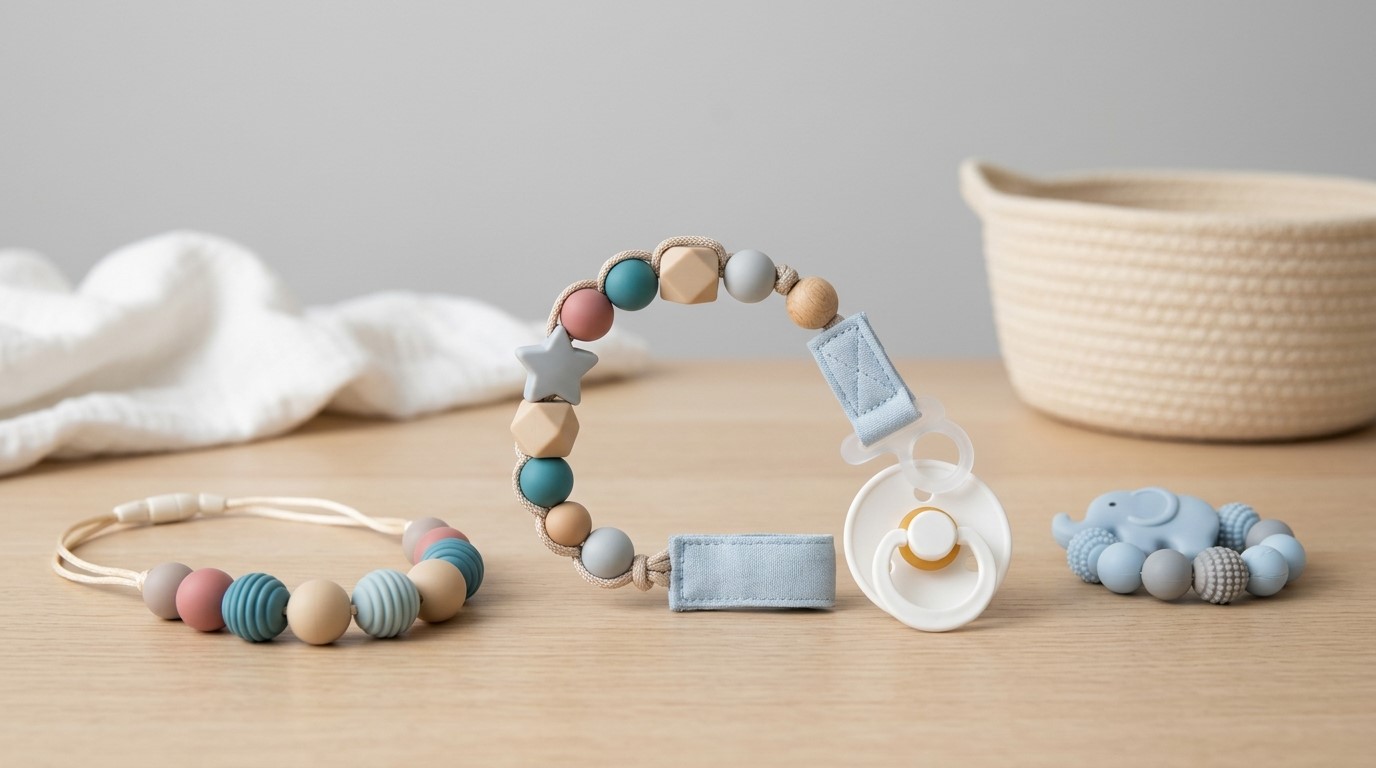
Baby Product Brands
Develop coordinated silicone bead collections for teething accessories, pacifier clips, and sensory products. We help define bead dimensions, surface texture, color systems, and assembly features before sampling begins.
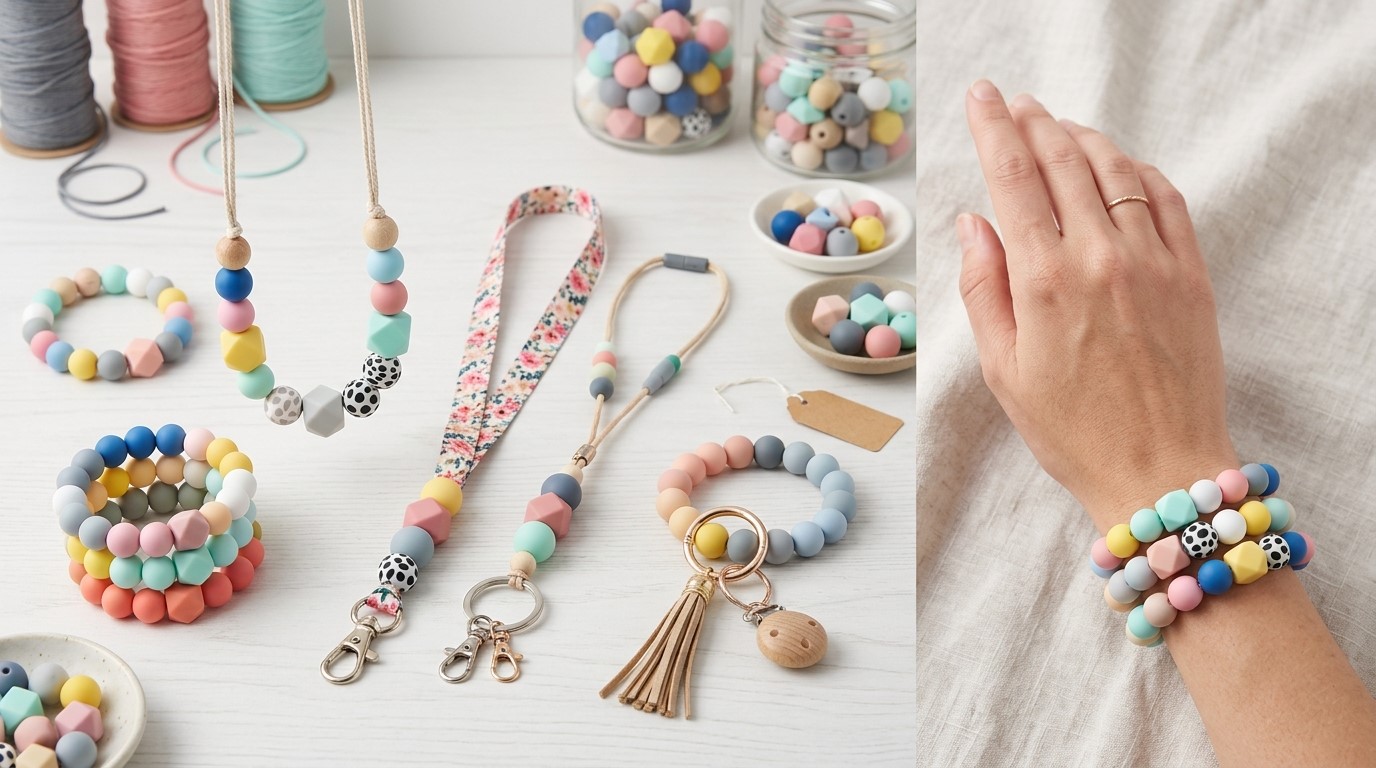
Jewelry & Accessory Brands
Design silicone beads for necklaces, bracelets, keychains, and wearable accessories where color consistency, surface quality, and dimensional compatibility influence the finished product's overall appearance.
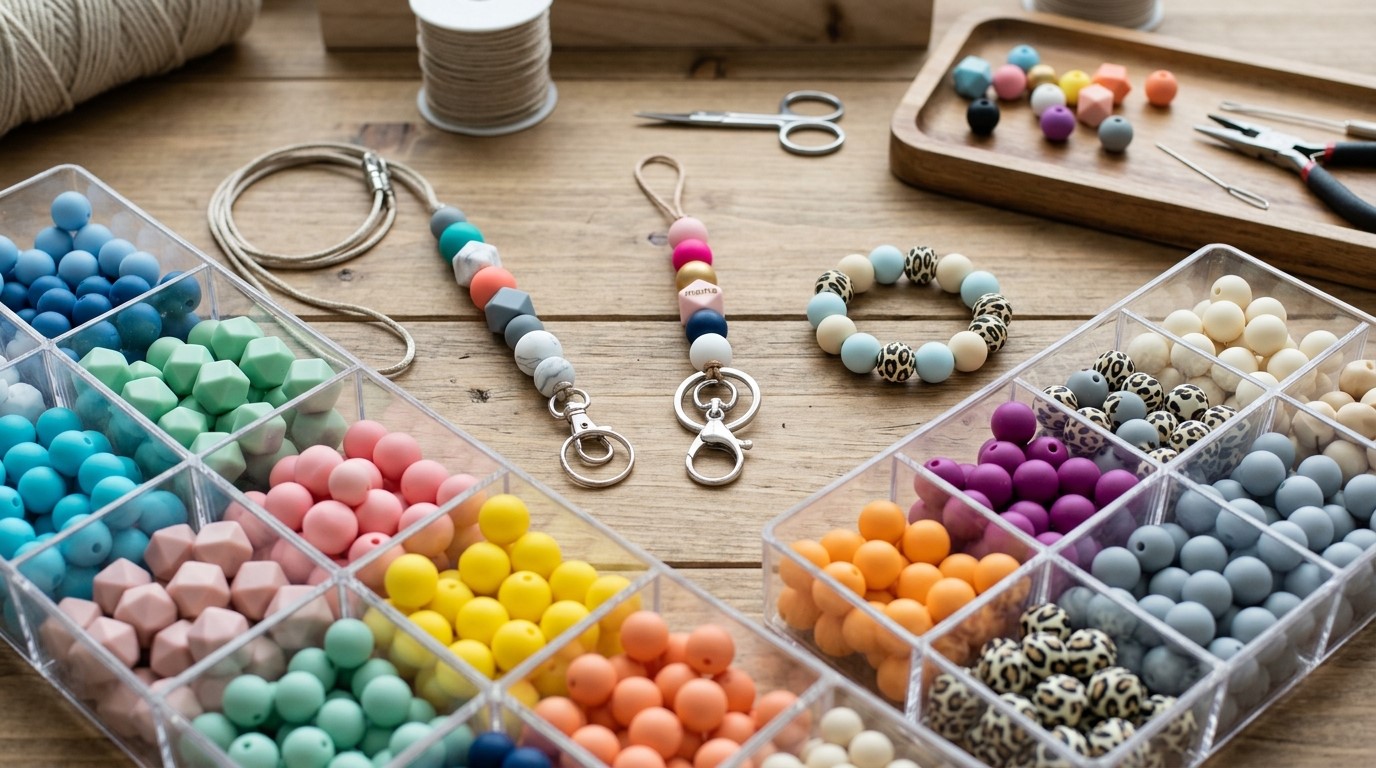
Craft & DIY Suppliers
Build assortments around geometric, letter, round, and novelty silicone beads for creative projects. Bulk color combinations, mixed sizes, and organized retail packaging help simplify downstream merchandising.

Hair Braiding Brands
Colorful, flexible silicone beads protect styles, add vibrant style, and slide smoothly into braids without pulling, breaking, or damaging natural hair during daily wear.
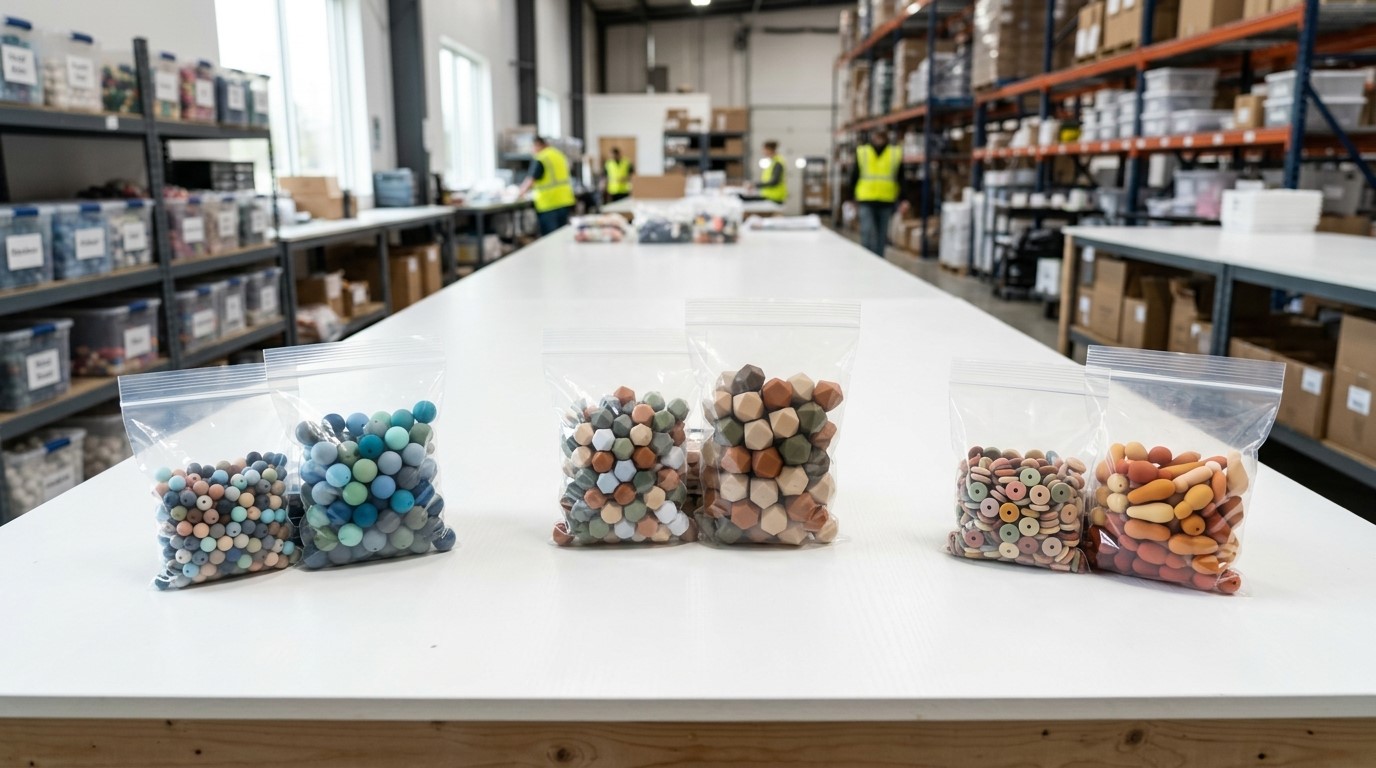
Distributors & Wholesalers
Source silicone beads in bulk across standard shapes, sizes, and colors for resale through craft, baby-product, and accessory channels. Mixed color programs and coordinated packaging can support broader SKU ranges.
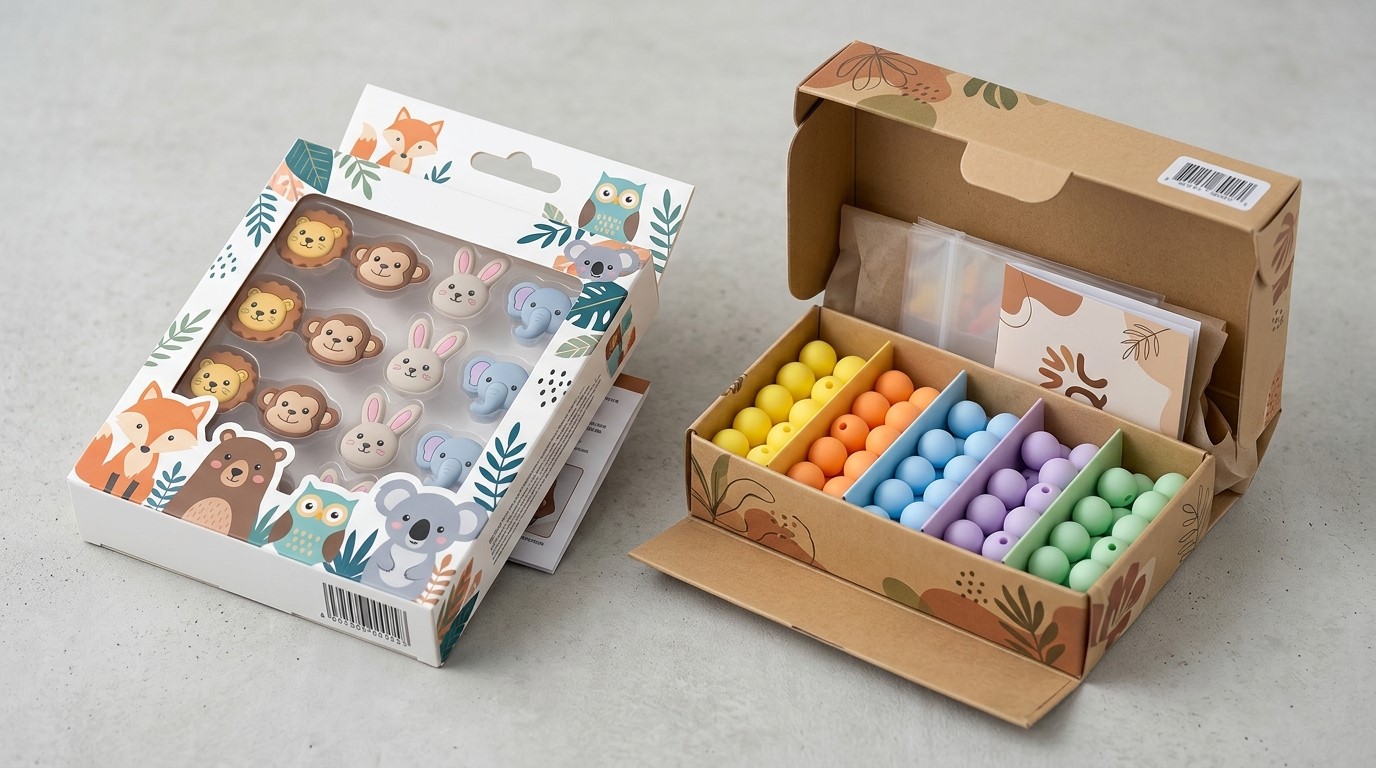
Retail & Ecommerce Sellers
Launch private-label silicone bead collections with custom packaging, barcode labels, and SKU organization. Products can be prepared around marketplace requirements and coordinated into visually consistent product families.
Silicone Bead Types We Can Develop
Silicone Hair Beads
Silicone Focal Beads
Silicone Bead Keychain
Silicone Bead Bracelets
Silicone Letter Beads
Silicone Teething Beads
Customized Silicone Beads
Silicone Bead Customization
Develop the bead around your application before finalizing tooling.
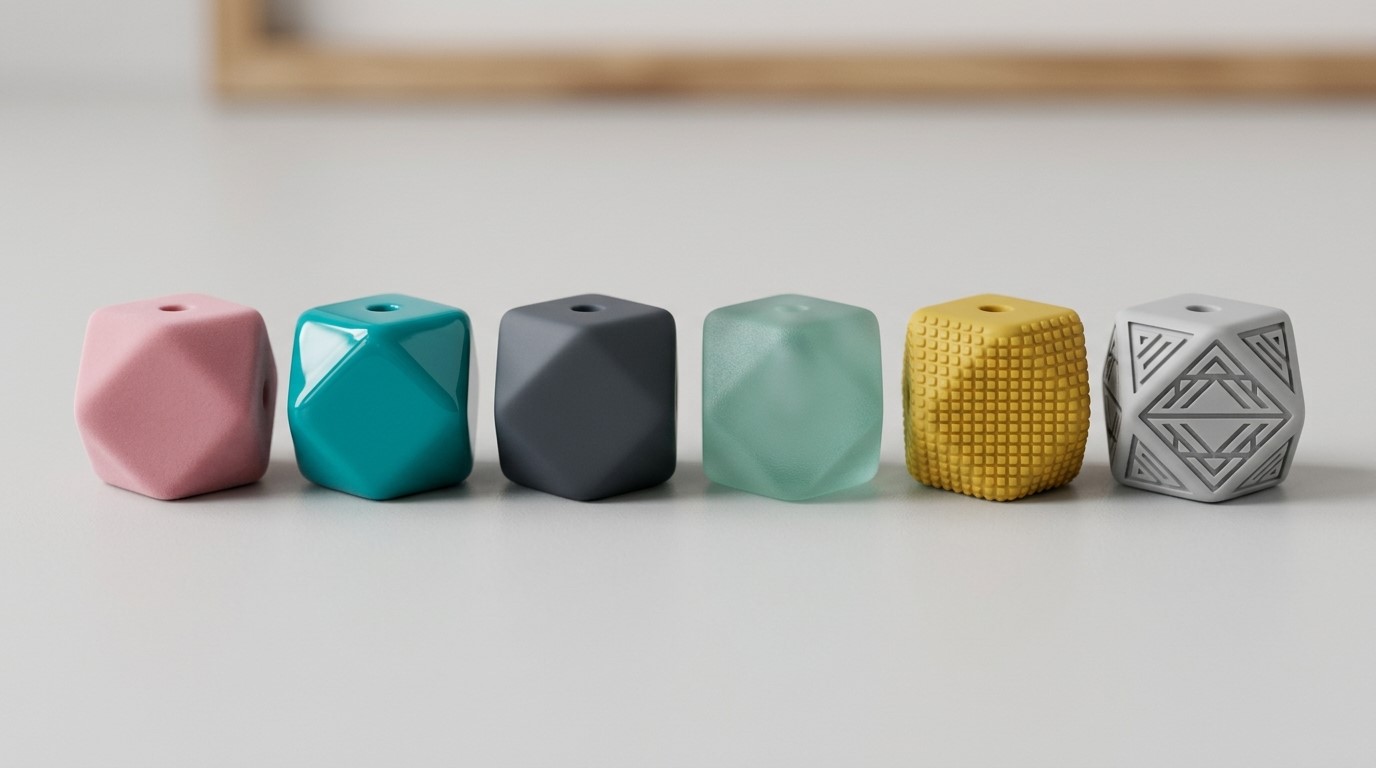
Select surface details based on appearance, tactile interaction, and molding practicality. Fine textures require particular attention because excessive depth can affect molding definition and cleaning.
Available options include:
- Smooth surfaces
- Frosted surfaces
- Matte finishes
- Glossy finishes
- Fine molded textures
- Raised patterns
- Recessed patterns
- Geometric facets
- Molded decorative details
- Project-specific tactile surfaces
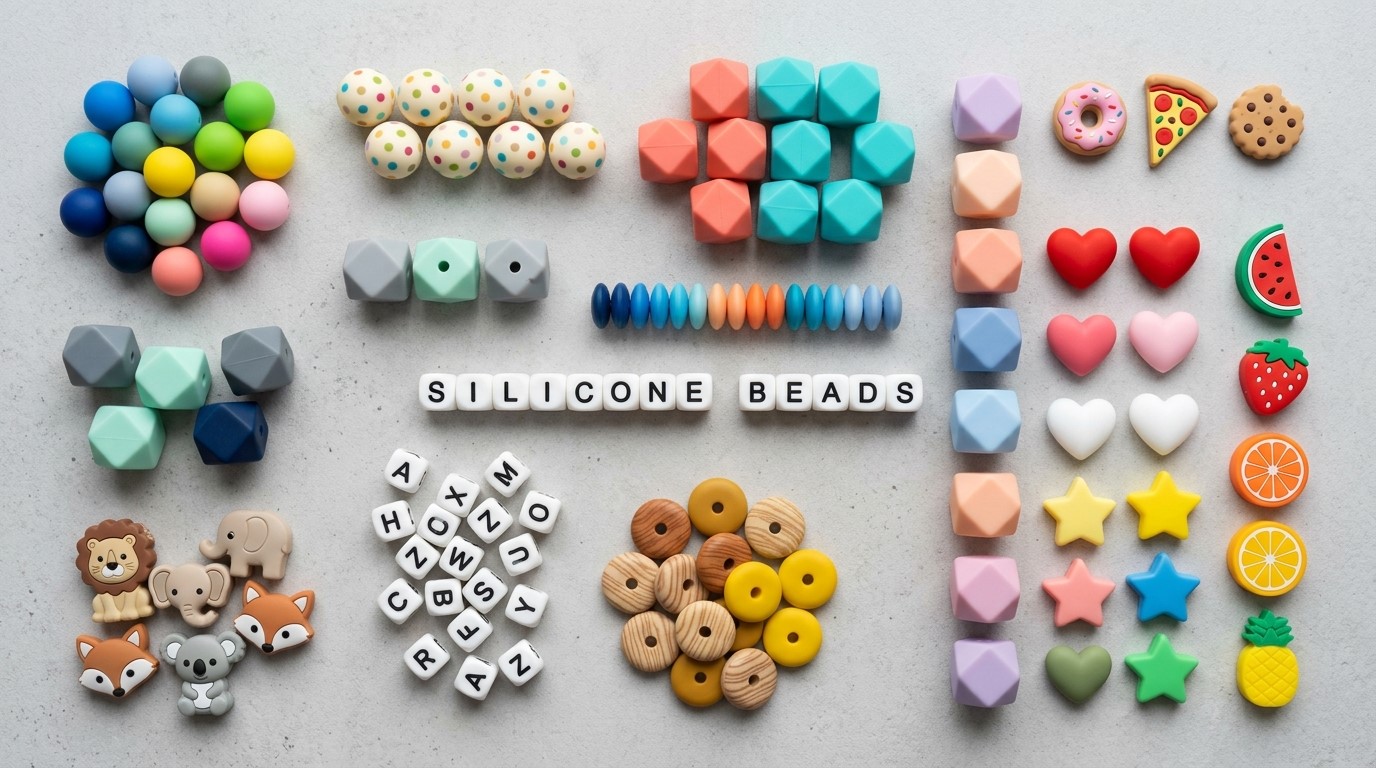
Choose an existing geometry for faster development or create a proprietary design when your collection needs stronger visual differentiation and recognizable brand identity.
Available options include:
- Round beads
- Dot beads
- Hexagon beads
- Icosahedron beads
- Diamond beads
- Hearts & star shapes
- Cube beads
- Abacus beads
- Lentil beads
- Flat disc beads
- Letter and number beads
- Animal-inspired shapes
- Food and fruit shapes
- Shaped silicone beads
- Multi-part visual collections
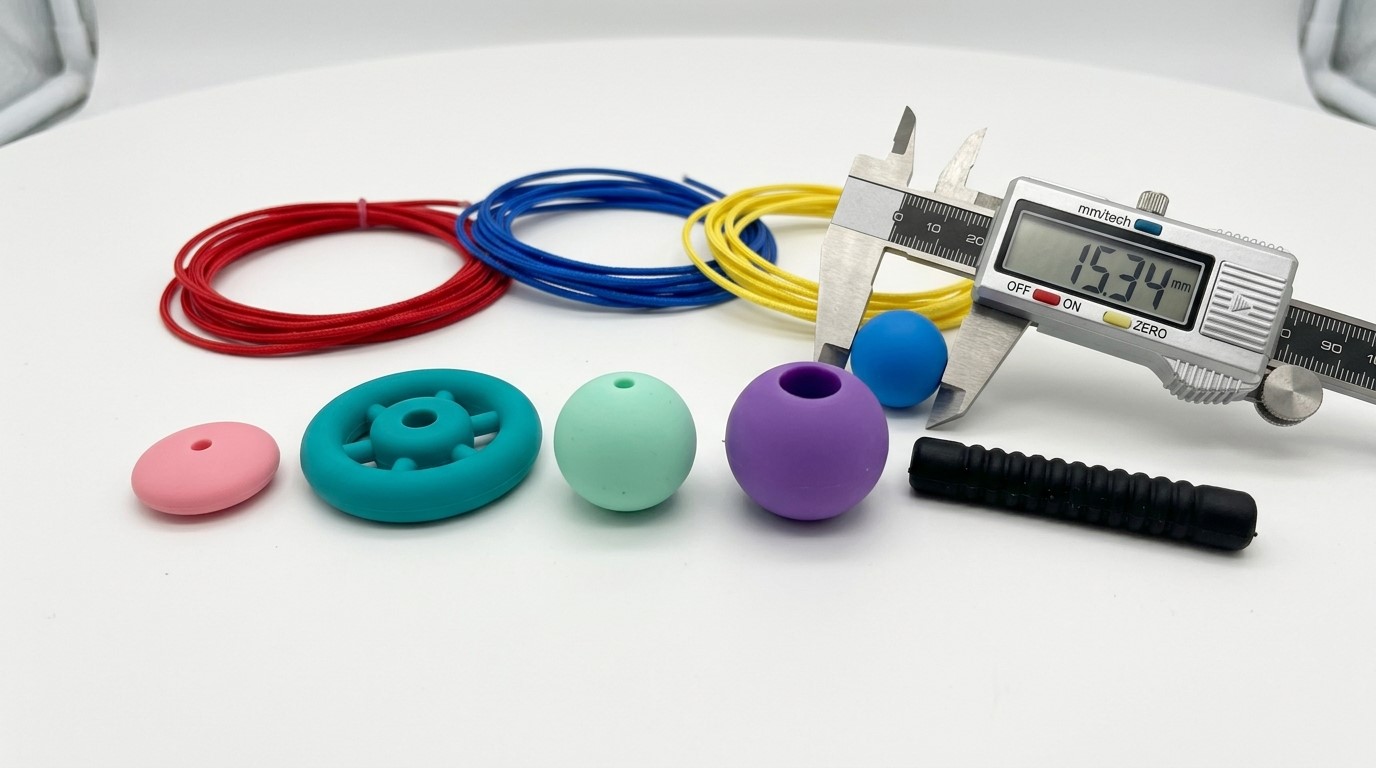
We define overall dimensions together with hole structure because a visually attractive bead can still create assembly problems when tolerances are not matched.
Available options include:
- Custom diameter
- Length and width adjustment
- Hole diameter
- Hole position
- Through-hole structure
- Single-hole designs
- Multi-hole structures
- Mixed-size bead sets
- Project-specific dimensional tolerances

Match individual beads or complete collections to your brand system using approved color references and production samples before mass manufacturing.
Available options include:
- Standard silicone colors
- Custom Pantone matching
- Single-color beads
- Two-color combinations
- Coordinated color palettes
- Seasonal color collections
- Jelly spacers
- Premium opal beads
- Focal beads
- Confetti beads
- Glitter designs
- Shimmer pearl spacers
- Marble designs
- Glow-in-the-dark beads
Start Your Custom Silicone Bead Project
Send us your bead design, dimensions, application, and target quantity. Our team will review the structure and recommend a practical material, tooling, and production plan.
How to Specify a Better Silicone Bead
A reliable silicone bead starts with geometry and application compatibility, not appearance alone.
- Overall size — Match bead dimensions to the intended product and assembly design.
- Hole diameter—Confirm compatibility with cords, clips, or other connecting components.
- Hole alignment — Keep through-holes centered to avoid inconsistent assembly angles.
- Hardness — Select the Shore A range according to flexibility and structural requirements.
- Surface finish—Choose smooth, matte, or textured surfaces based on appearance and use.
- Detail depth — Keep molded patterns deep enough for definition without creating difficult demolding.
- Color consistency—Approve physical production samples for collection-wide color matching.
- Application requirements — Define the final use before confirming material, design files, and documentation.
Internal structure, hole design, and material hardness can have a greater effect on real-world performance.
Full Specification Guide
How to Specify Silicone Beads—size selection, hole dimensions, hardness, surface structure, material requirements, and a complete sourcing checklist.
Silicone Bead Logo & Branding Methods
Branding options should match the bead geometry, available surface area, and intended application.
Screen Printing
Efficient and cost-effective for flat or large silicone beads.
Pad Printing
Target to print sharp and fine graphics onto the curved surfaces with small areas.
Laser Engraving
Process permanent recessed patterns or logos effectively without ink.
Transfer Printing
Via HTP or hydrodipping to print graphics with details around the curved surface.
Silicone Bead Material & Performance Options
Material selection should follow the final application rather than relying on generic silicone specs.
Suitable for silicone beads used in products that require food-contact material considerations.
Platinum-cured silicone is widely used in applications where material purity, odor control, and product positioning require a higher-grade compound. Documentation requirements should be confirmed according to the selected material and destination market.
For baby-related products, the complete product configuration matters, especially for silicone baby pacifier beads and baby teethers. A material report for the silicone compound should not be automatically presented as evidence of compliance for every finished assembly.
Material Comparison
Silicone vs. Acrylic Beads: Which Material Is Better? —Heat resistance, impact resistance, flexibility, clarity needs, chemical stability, stains & odors resistance, food contact, and safety.
Changes in hardness affect both tactile feel and structural behavior.
Softer silicone provides greater flexibility and a gentler tactile experience, while firmer compounds maintain geometric stability more effectively. The final hardness should be matched to the size, shape, wall structure, and intended application of the bead.
For beads with narrow holes or detailed geometry, hardness affects the part’s behavior during demolding.
Small structural transitions require more attention than large visible surfaces.
The tear resistance and mechanical properties of the silicone should be considered in the initial design phase. Crack-resistant bulk silicone beads for teething also should be evaluated for long-term sensory stimulation with reliability.
The area surrounding a through-hole may become a localized stress point during assembly. A poorly designed hole edge may deform repeatedly, even if the rest of the bead appears structurally sound.
Therefore, material selection and tooling design should be reviewed together rather than independently.
A clean surface improves appearance and reduces the visibility of production variation.
Smooth silicone surfaces reveal contamination, bubbles, and inconsistent finishes more easily. Textured surfaces can hide minor visual variations, but they require careful tooling and surface prep for printing to maintain pattern definition across repeated production cycles.
A strong odor indicates the need for a material and curing review.
Unusual odors or surface residue may indicate issues with raw material selection, fillers, or curing conditions. Basic production screening can identify obvious concerns, while formal compliance verification requires appropriate laboratory testing.
Color matching should be approved on physical samples rather than digital screens.
Silicone thickness, surface finish, and surrounding lighting can affect how a color is perceived. For coordinated bead collections, the approved sample should serve as the reference for future production batches.
Available project documentation may include:
- Material data sheets
- Material declarations
- FDA-related documentation
- LFGB-related documentation
- REACH-related reports
- Project-specific test reports
The documentation scope should match the selected silicone compound, pigment, finished product structure, and destination market.
Avoid harsh chemicals or bleach to clean your beads. Rinse beads with warm soapy water or mild detergents and then dry them completely.
Moreover, properly stringing and assembling silicone beads safely also extends the service life of them.
Maintenance Guide
How to Maintain Silicone Beads? —Regular cleaning, especially when used in baby teething and pacifier products; thorough drying; storage avoiding sunlight; preventing wearing in the shower; checking often.
How Silicone Beads Are Manufactured
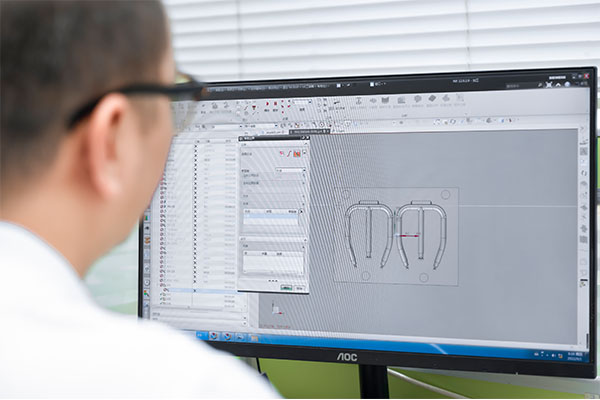
STEP 1: Requirement Review
Every project begins by confirming the bead application, dimensions, shape, hole structure, hardness, color program, order quantity, packaging, and documentation requirements.
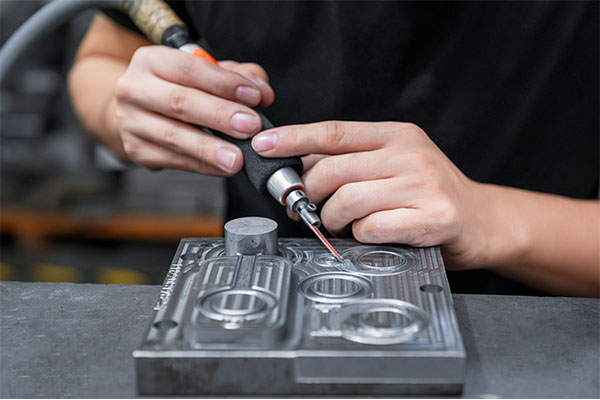
STEP 2: Tooling Evaluation
Our engineering team reviews whether an existing design can be adapted or whether the requested geometry requires dedicated tooling for stable production.
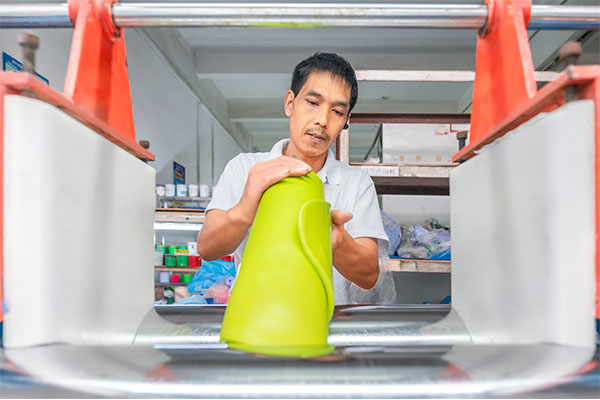
STEP 3: Material and Color Preparation
The selected silicone compound is prepared with the approved pigment formulation, while color references and material requirements are checked before molding begins.
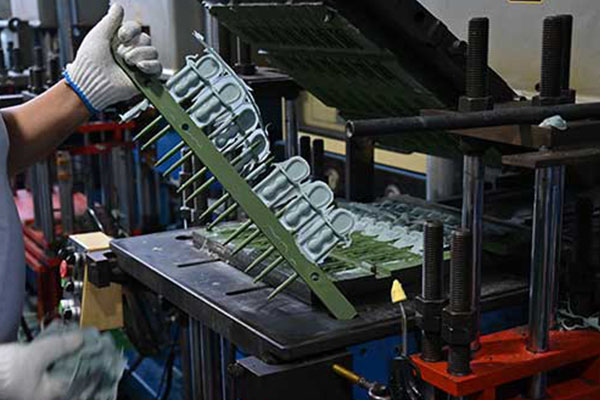
STEP 4: Silicone Molding
The prepared silicone is formed in the approved mold under controlled curing conditions, producing the required geometry, surface details, and structural features.
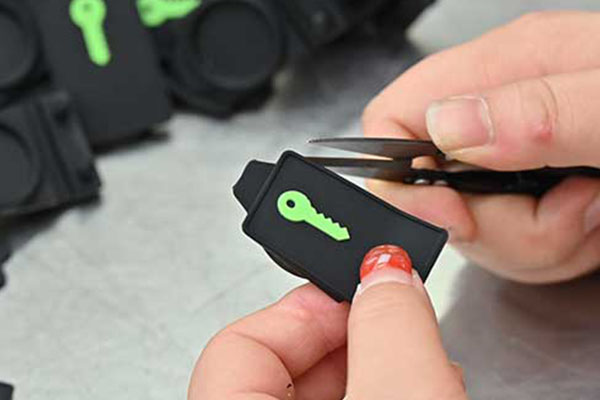
STEP 5: Demolding and Trimming
Once cured, each bead is removed from the mold and inspected for incomplete forming, flash, damaged edges, or deformation around critical features.
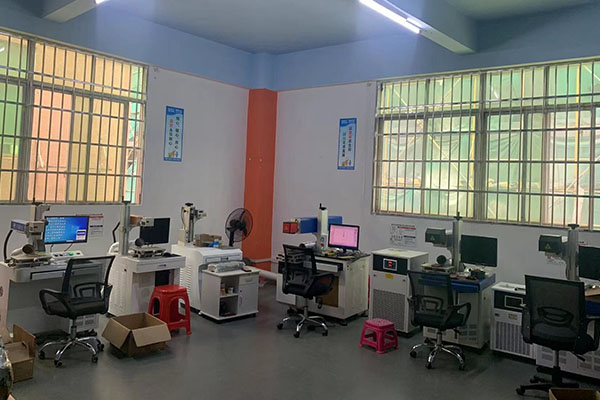
STEP 6: Surface and Detail Processing
Molded logos, textures, and decorative features are reviewed against the approved sample, with secondary processing added when required by the project specification.
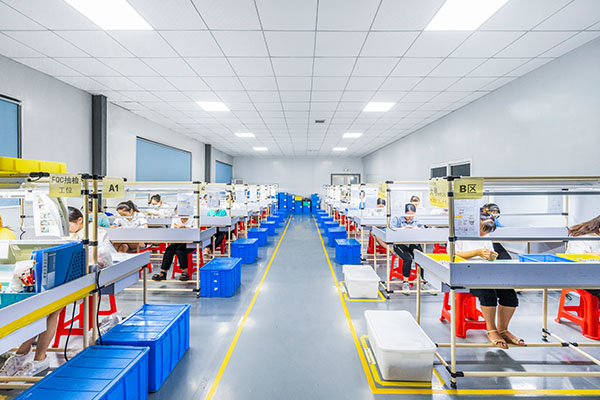
STEP 7: Quality Inspection
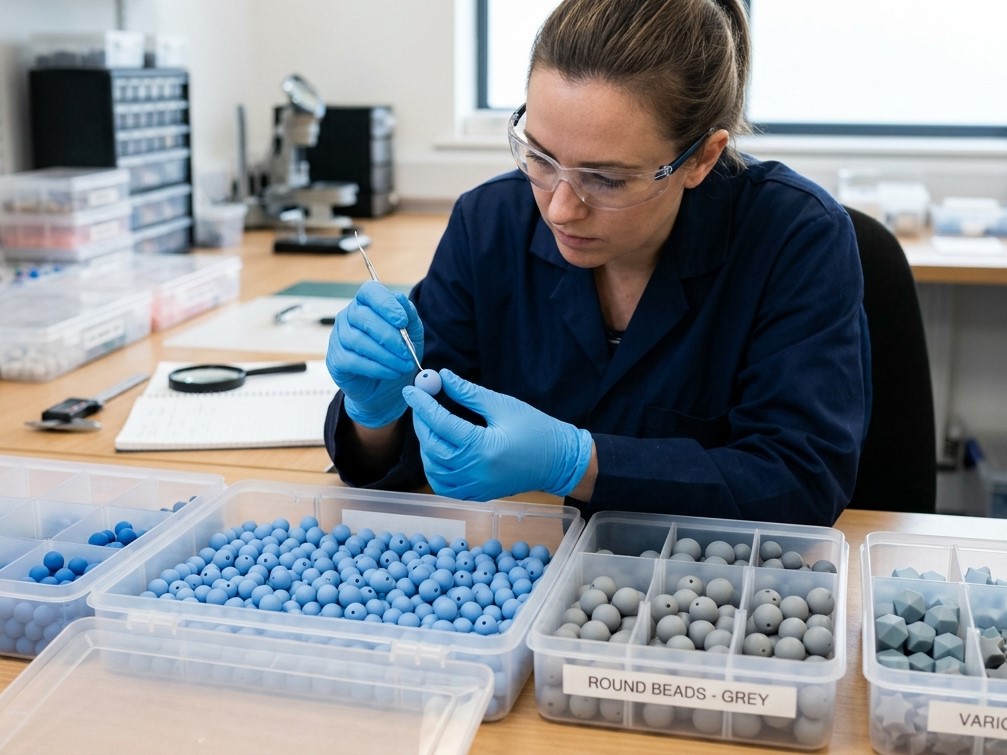
Our QC team checks dimensions, hole structure, color, surface quality, and other agreed-upon specifications against the approved production reference before packing.

STEP 8: Packaging and Shipment
Finished silicone beads are counted, sorted, and packed according to bulk, retail, or project-specific packaging requirements before shipment preparation.
Silicone Bead Quality Control
AQL 2.5 / 4.0 Standard Inspection
Final random sampling plans can be used to verify batch consistency according to the agreed inspection requirements.
AQL 2.5
Critical / Major Defects
AQL 4.0
Minor Visual Flaws
Another inspection standard can be applied when specified in the purchase order.
Approved Sample Control
The approved sample becomes the production reference for:
- Overall shape
- Product dimensions
- Hole position
- Hole diameter
- Color
- Surface finish
- Molded details
- Product weight
- Packaging presentation
For multi-color collections, individual approved samples should be retained for each color rather than relying on a single general reference.
Incoming Material Review
Incoming silicone, pigments, and supplier documents are reviewed against project requirements, ensuring strict material identification.
In-Process Inspection
Operators inspect production for defects, flash, and contamination, ensuring through-holes remain open and structurally consistent.
Appearance Inspection
Finished silicone beads are checked for:
- Visible bubbles
- Surface contamination
- Incomplete molding
- Excessive flash
- Damaged edges
- Surface deformation
- Irregular texture
- Poor molded detail
Acceptable silicone bubble criteria must match the product category, as small flaws vary in consumer visibility.
Dimensions and Hole Structure
Dimensions are verified against the approved specification, including:
- Overall diameter
- Length and width
- Hole diameter
- Hole position
- Shape symmetry
- Weight consistency
Separate hole inspection is essential because parts meeting external tolerances can still fail assembly from internal blockages.
Color Consistency
Production colors are compared with approved references under controlled viewing conditions.
For mixed bead sets, color variation should be evaluated as a collection rather than inspecting each color independently. A technically accurate color can still appear visually inconsistent beside adjacent beads.
Surface and Molded Detail
Inspection covers:
- Texture definition
- Pattern completeness
- Embossed logo clarity
- Debossed detail
- Edge sharpness
- Surface uniformity
- Missing molded features
Complex shapes need close inspection at transitions and narrow features where material flow impacts definition.
Packaging Inspection
Before shipment, the team verifies:
- Product quantity
- Color assortment
- SKU separation
- Labels
- Barcode information
- Product inserts
- Retail packaging
- Carton markings
Packing accuracy for mixed-color orders is vital; incorrect color ratios cause downstream problems despite high individual bead quality.
Silicone Bead Packaging Options
Packaging should match how the silicone beads will be sold, assembled or distributed.
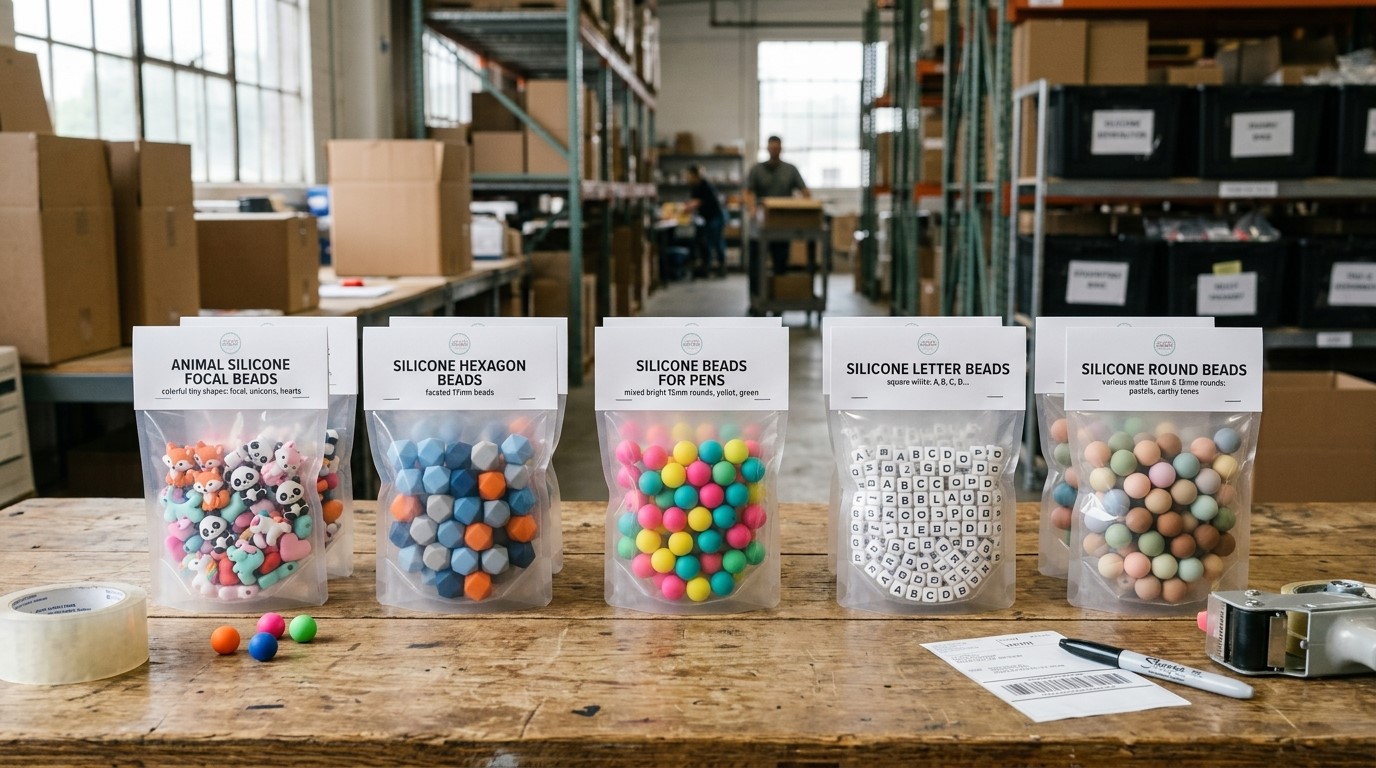
Bulk Packaging
Individual beads or larger quantities can be packed in simple bags to support wholesale orders, assembly operations, and high-volume downstream production efficiently.
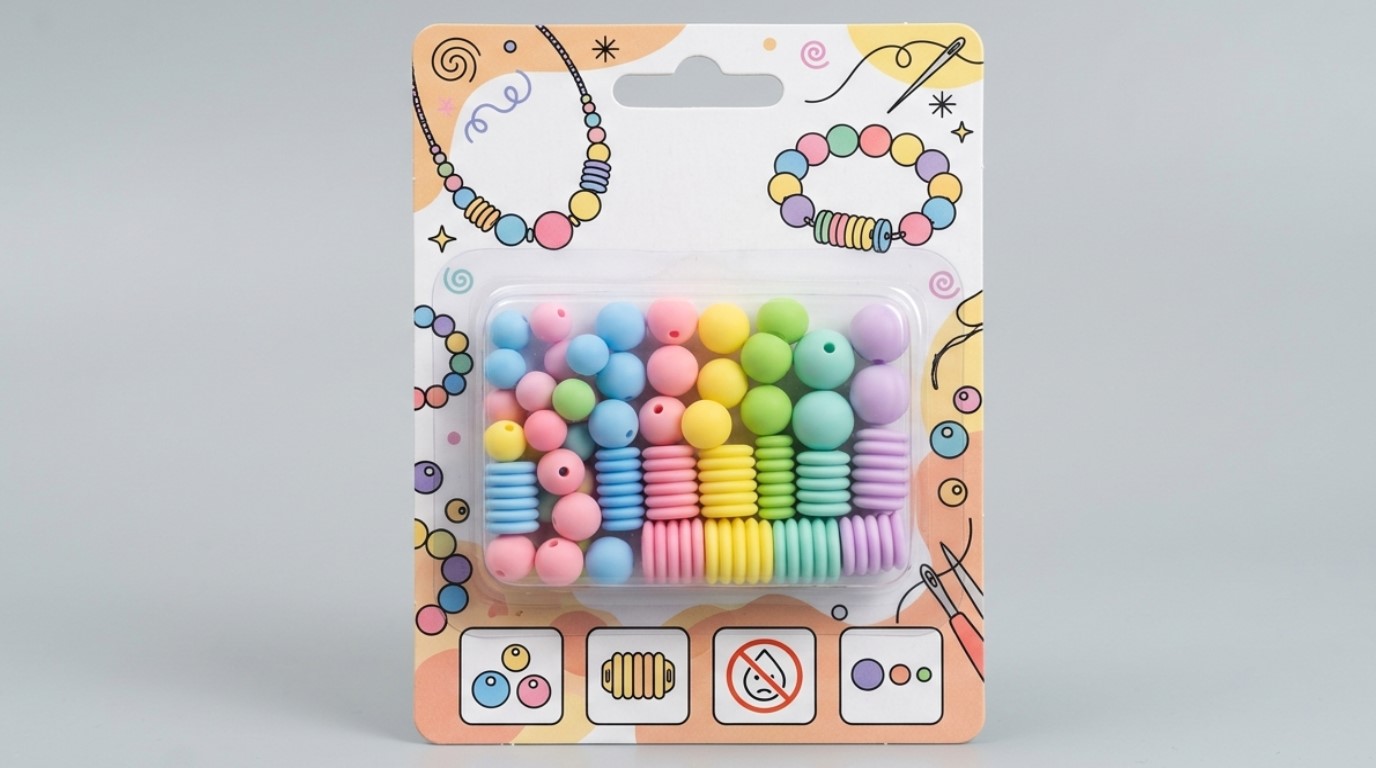
Retail Packaging
Header cards, printed bags, and paper boxes provide branded presentation for craft assortments, baby accessories, and consumer-facing silicone bead collections.
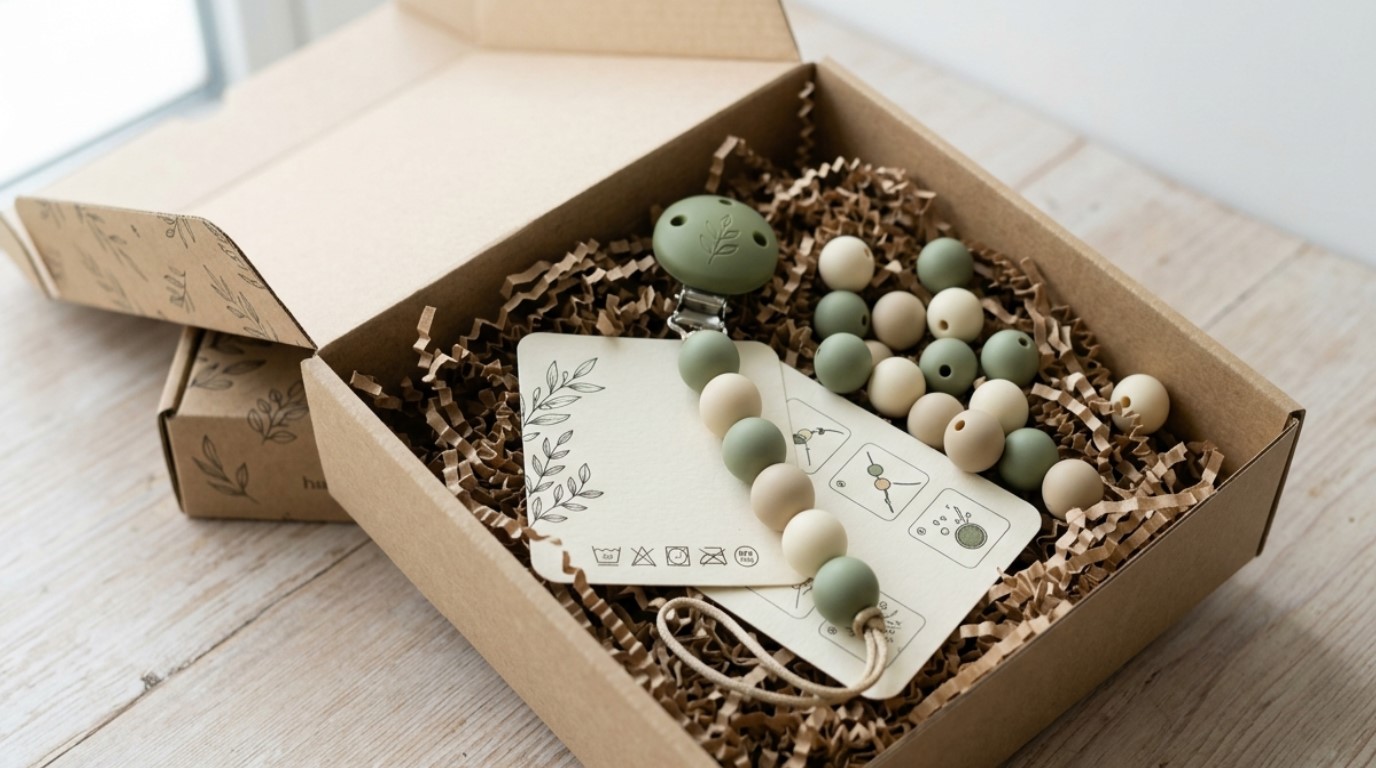
Ecommerce Packaging
SKU labels, barcode stickers, and organized color assortments help prepare silicone bead products for online marketplaces and direct-to-consumer fulfillment programs.
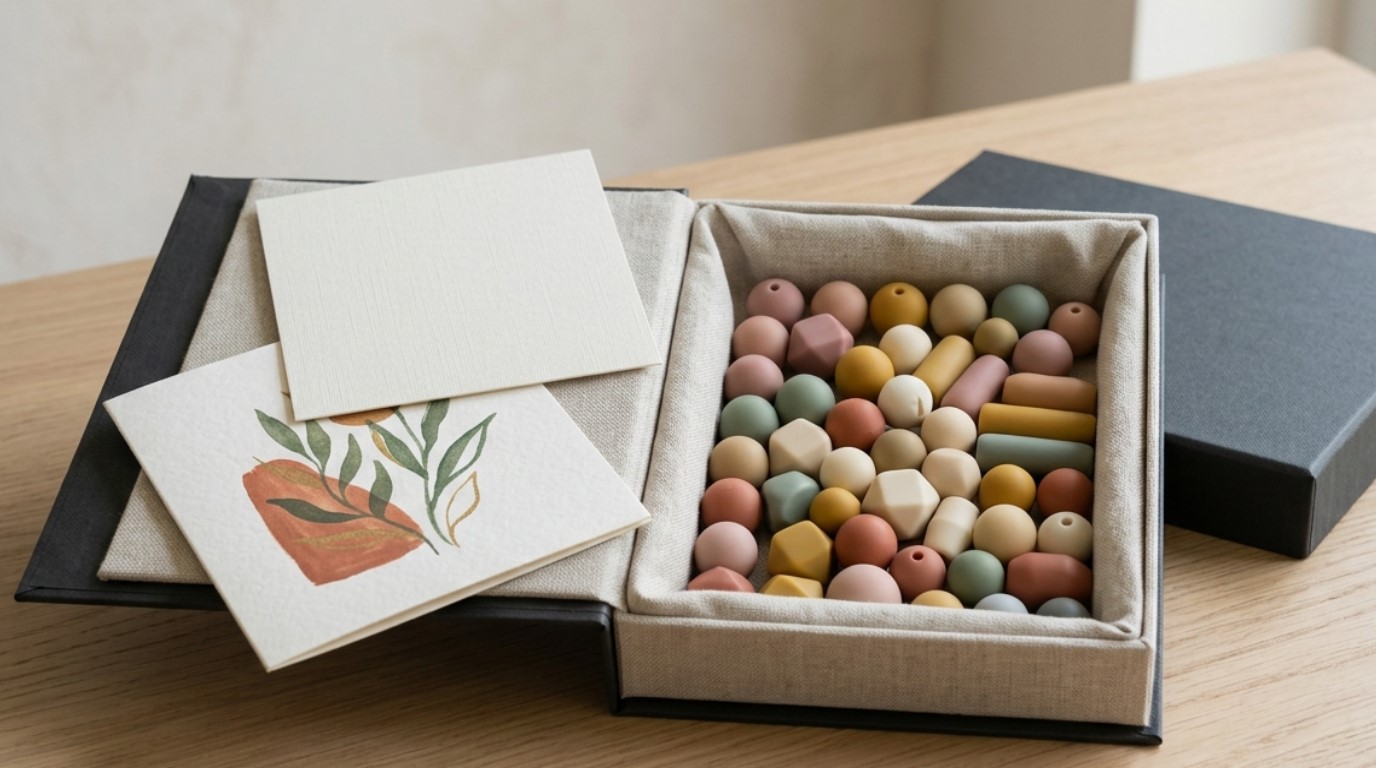
Premium Brand Packaging
Custom boxes, coordinated inserts, and organized bead sets create a stronger unboxing experience for gift collections and higher-value branded accessories.
Typical Custom Silicone Bead Specifications
| Specification | Typical Reference |
|---|---|
| Product | Custom silicone bead |
| Applications | Baby accessories, jewelry, sensory products, crafts and promotional products |
| Material | Silicone compound selected according to application requirements |
| Curing system | Platinum-cured or other approved silicone formulation |
| Shape | Round, geometric, letter, number, textured or custom-shaped |
| Size | Custom dimensions according to bead design |
| Diameter range | Project-specific |
| Hole structure | Through-hole, custom hole diameter or project-specific configuration |
| Surface | Smooth, matte, textured, embossed or debossed |
| Hardness | Project-specific Shore A range |
| Colors | Standard colors or custom Pantone matching |
| Branding | Molded logo, embossed details or custom decorative features |
| Molding process | Compression molding or approved silicone molding process |
| Packaging | Bulk bag, mixed set, header card, retail box or custom packaging |
| MOQ | Based on existing design or new tooling requirements |
| Sample lead time | Confirmed according to product complexity |
| Mass-production lead time | Confirmed after sample approval and order requirements |
| Inspection | Approved sample plus agreed AQL or customer inspection standard |
| OEM and ODM | Available |
Final specifications should be confirmed according to the bead geometry, material, color program, application, and approved production sample.
Why Work with RY Silicone

Silicone Manufacturing Experience Since 2012
RY Silicone is a China-based manufacturer focused on custom silicone product development and manufacturing since 2012.
We support overseas clients from initial product evaluation through sampling, bulk production, inspection, and shipment preparation.

10,000+ m² Production Facility
Our manufacturing facility supports multiple stages of silicone product development, including tooling coordination, molding, finishing, quality inspection, and packaging.
This integrated workflow helps keep technical requirements connected from the approved design through final production.

30+ Production Machines
Multiple production machines support different silicone product structures, manufacturing processes, and production volumes.
Capacity allocation is planned according to product geometry, curing requirements, and confirmed delivery schedules.
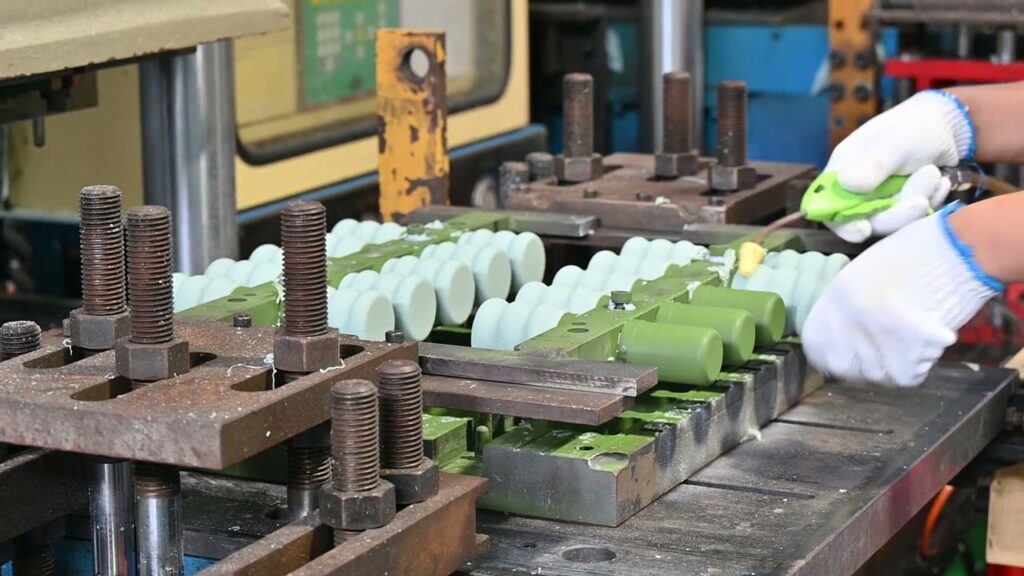
Up to 100,000 Silicone Products per Day
Our production capacity supports repeat orders and scalable manufacturing programs across different silicone product categories.
Actual output depends on bead dimensions, cavity quantity, molding cycle time, finishing requirements, and inspection standards.

Engineering Review Before Quotation
A quotation should not be based solely on a product image.
Our team first reviews the bead shape and intended application, then checks dimensions, hole structure, material requirements, colors, and packaging. This helps identify manufacturing issues before tooling or sampling begins.

Sample-Based Production
Mass production follows an approved physical reference rather than relying only on digital artwork.
The production reference locks the key visual and structural requirements first, then provides a common standard for color, surface finish, and molded details during inspection.

Export Project Support
RY Silicone supplies custom silicone products to international clients across different market channels.
Our team supports project communication, packaging coordination, production documentation, and shipment preparation for OEM, ODM, and private-label programs.
Silicone Bead FAQ and Final RFQ
What is the MOQ for custom silicone beads?
MOQ depends on whether you select an existing bead design or develop a completely new shape.
Existing designs with custom colors may support lower order quantities, while proprietary shapes, hole structures, and detailed molded patterns usually require dedicated tooling and a project-specific MOQ. Final quantities should be confirmed after reviewing the design and packaging plan.
Can you manufacture custom-shaped silicone beads?
Yes.
We can evaluate custom round, geometric, letter, number, animal, and novelty shapes according to your product concept.
New shapes normally require tooling evaluation before production. The design review focuses not only on appearance but also on moldability, demolding behavior, structural transitions, and detail definition.
What silicone bead size can you make?
Silicone bead dimensions can be customized according to the product design and intended application.
To evaluate a new project, provide the target diameter or overall dimensions together with the hole size and assembly method. Size should not be selected independently because bead geometry and hole structure affect each other during manufacturing.
Can you customize the hole diameter of silicone beads?
Yes.
Through-hole dimensions can be developed around your assembly requirements, including compatibility with cords, clips, or other connecting components.
The hole diameter and position should be confirmed on the physical sample. A small dimensional variation may not be visually obvious but can affect downstream assembly efficiency.
Which silicone hardness is suitable for silicone beads?
The suitable hardness depends on the bead shape, size, and intended application.
Softer silicone provides greater flexibility and a different tactile feel, while firmer silicone can maintain geometric stability more effectively. Instead of selecting hardness from a generic number, we recommend reviewing it together with the final product structure.
Can you match custom colors for silicone beads?
Yes.
Provide a Pantone reference or approved physical sample for color development. For multi-color collections, each production color should have its own approved reference.
Digital color displays should not be treated as the final production standard because lighting, screen settings, and silicone surface characteristics can change color perception.
Can you make letter and number silicone beads?
Yes.
We can develop alphabet, number, and symbol bead collections for personalized accessories, educational products, and creative applications.
Small characters require particular tooling review because narrow strokes and deep recessed areas may lose definition if the artwork is too detailed for the available bead size.
Can you add a logo to silicone beads?
Yes.
Depending on the available surface area and design, branding options can include:
- Embossed logos
- Debossed logos
- Molded symbols
- Decorative patterns
- Custom-shaped branding elements
For small curved beads, molded branding is usually more practical than trying to reproduce highly detailed graphics through secondary surface printing.
Are silicone beads suitable for baby products?
Silicone beads can be developed for baby-related products using specific materials and manufacturing controls.
However, their suitability should be evaluated based on the finished product as a whole rather than on the beads alone. The specific application requires a review of material selection, product construction, assembly method, and destination-market requirements.
Can you provide FDA, LFGB, or REACH documentation?
Available documentation depends on the selected silicone compound, pigments, finished product configuration, and destination market.
Please provide the specific standard or document requirement during project evaluation so we can confirm which material documentation or testing route is appropriate.
A raw-material report should not automatically be presented as proof for every finished product configuration.
How long does silicone bead sampling take?
Sample timing depends on whether the project uses an existing design or requires new tooling.
Simple existing-shape projects generally move faster, while custom geometry requires additional time for tooling evaluation, sample production, and approval. The final timeline should be confirmed after reviewing the complete project requirements.
What information do you need to quote a silicone bead project?
Please provide:
- Target order quantity
- Intended application
- Bead shape or reference design
- Overall dimensions
- Hole diameter and structure
- Target material requirements
- Preferred hardness
- Pantone color references
- Logo or artwork files
- Surface texture requirements
- Packaging requirements
- Destination country
- Required reports or tests
- Target delivery date