Silicone Baby Bib Manufacturer
Durable, custom-branded food-grade silicone baby bibs with adjustable designs, offering OEM and ODM manufacturing worldwide.
What Is a Silicone Baby Bib?
A custom silicone baby bib is a personalized, reusable feeding accessory made from food-grade rubber. Developed to your exact design, color, and packaging specifications, it protects clothing by efficiently catching food and spills during meals.
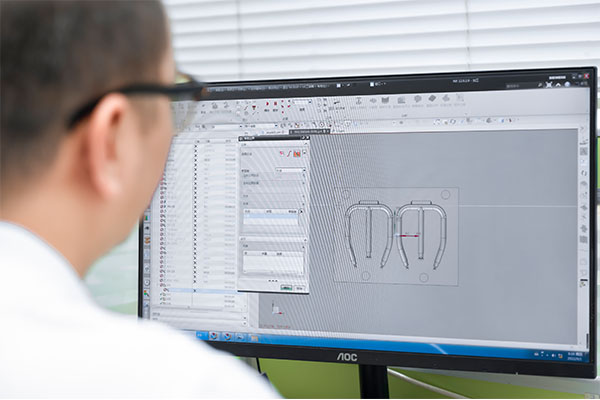
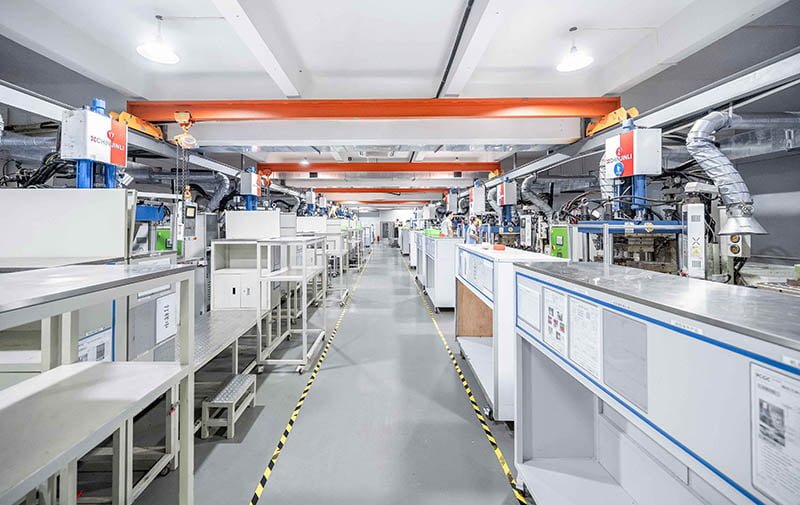
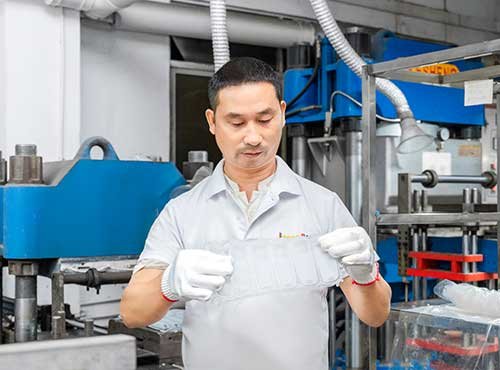
RY Silicone is a custom silicone manufacturer based in China, established in 2012. The factory covers 10,000+ m², operates 30+ production machines, and supports a daily output of up to 100,000 silicone products. We manufacture OEM & ODM and private-label silicone baby bibs for brands, distributors, and wholesalers serving North America, Europe, and other international markets.
Silicone Baby Bib Manufacturing at a Glance
MOQ & Lead Times
Existing designs start at 500 pieces, while fully customized silicone bibs begin at 3,000, with samples taking 5–10 days.
Product Specifications
Adjustable silicone bibs with reinforced pockets and custom dimensions support various infant feeding stages.
Logo & Branding
Durable branding methods like embossing, screen printing, and molded logos ensure long-lasting visibility through washing and daily use.
Packaging Options
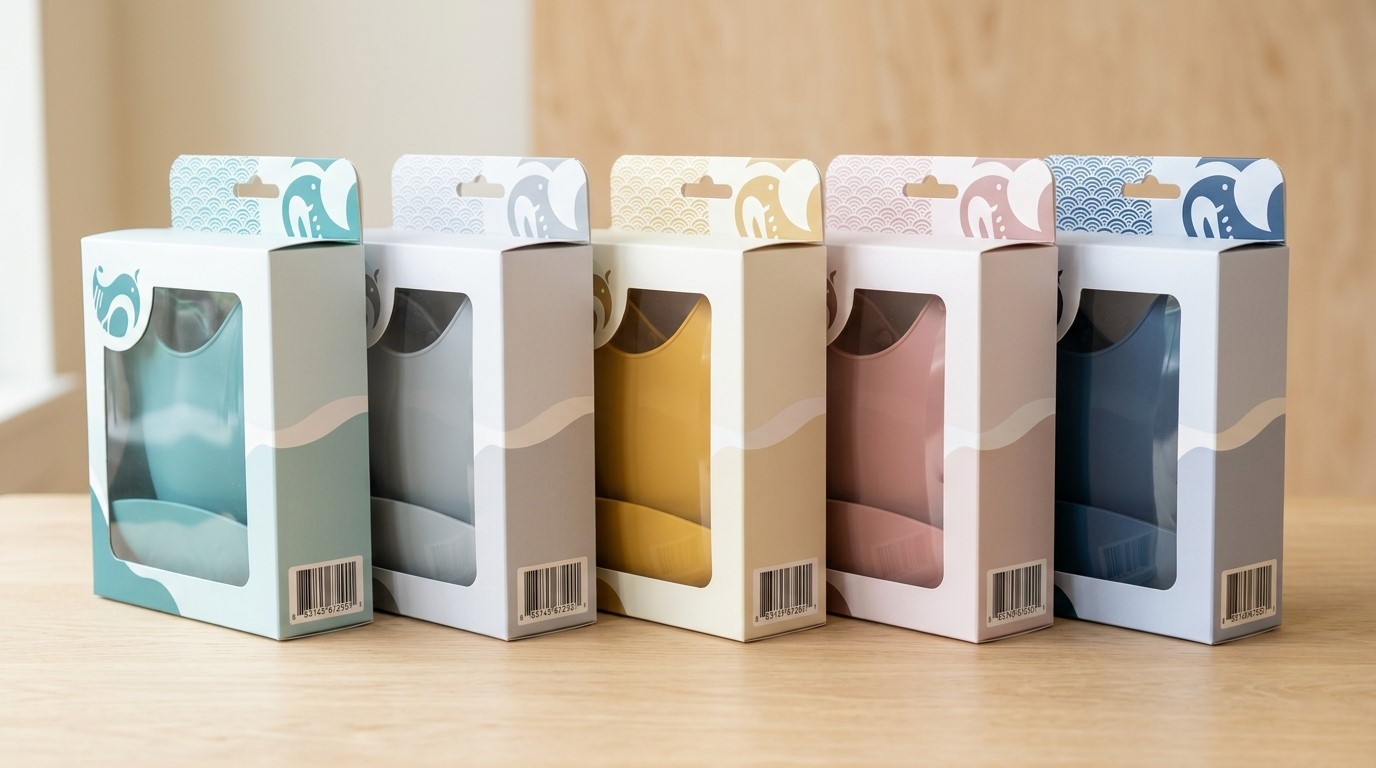
Custom packaging options, including retail boxes and barcode labels, perfectly match wholesale, e-commerce, and retail distribution channels.
Who We Manufacture Silicone Baby Bibs For
Develop feeding products that align with your sales channels and brand positioning.

Baby Product Brands
Create coordinated feeding collections that combine silicone bibs with spoons, bowls, cups, and feeding sets. Consistent colors, packaging, and material specifications will strengthen your product portfolio.
Daycare Centers & Childcare Organizations
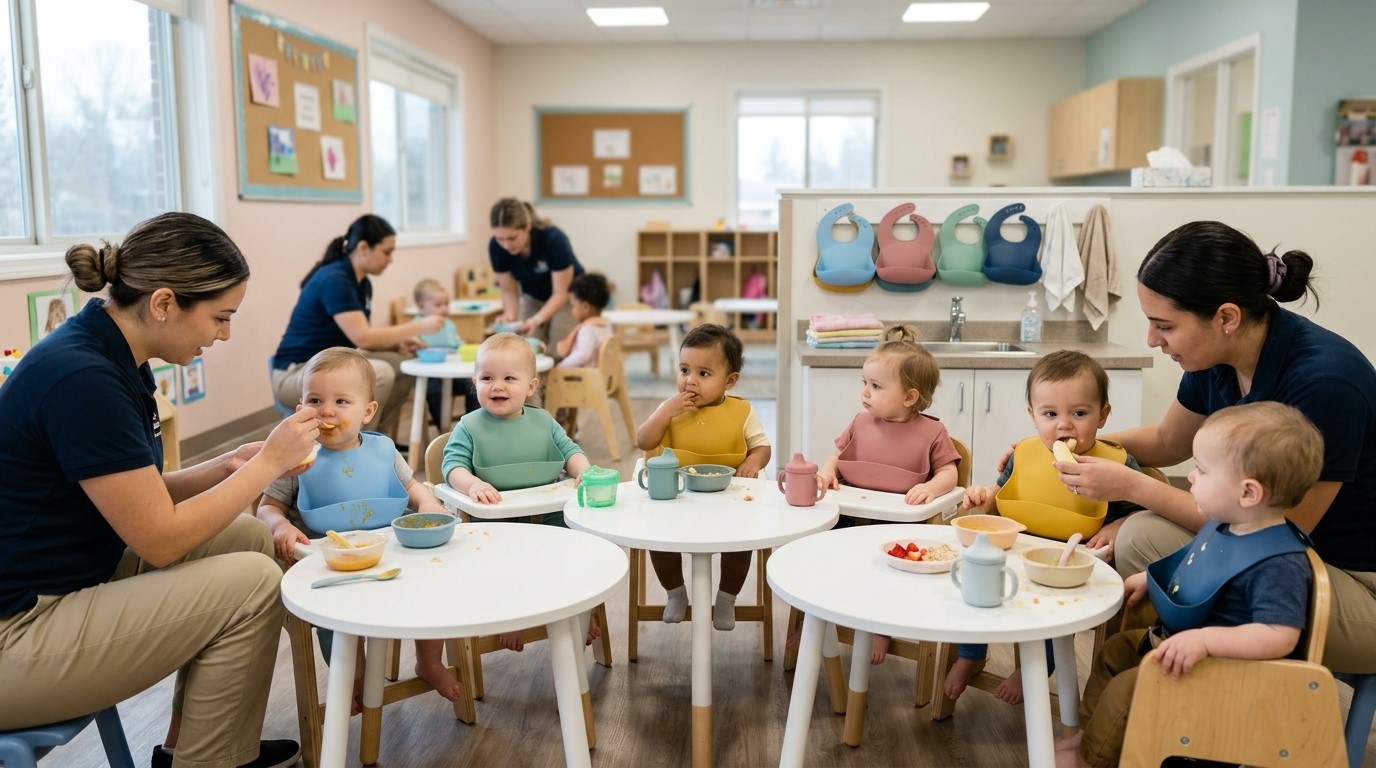
Select durable feeding products that can withstand repeated daily use and frequent cleaning. Material safety, ease of maintenance, and long-term performance are often the most important purchasing considerations.
Baby Feeding Set Manufacturers
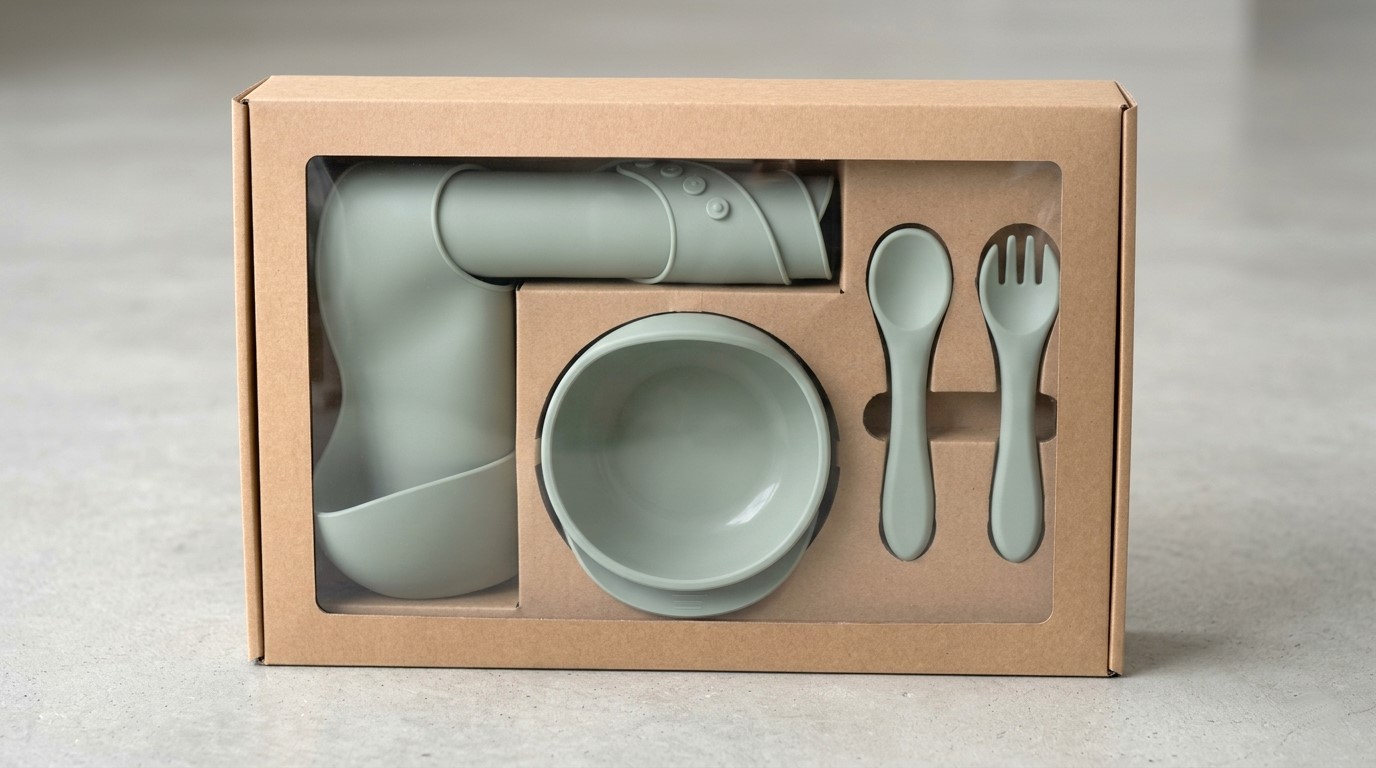
Combine silicone baby bibs with spoons, bowls, placemats, divided plates, and snack cups to create complete feeding kits. Coordinated manufacturing improves color consistency, packaging efficiency, and overall collection development.
Infant & Toddler Product Retailers
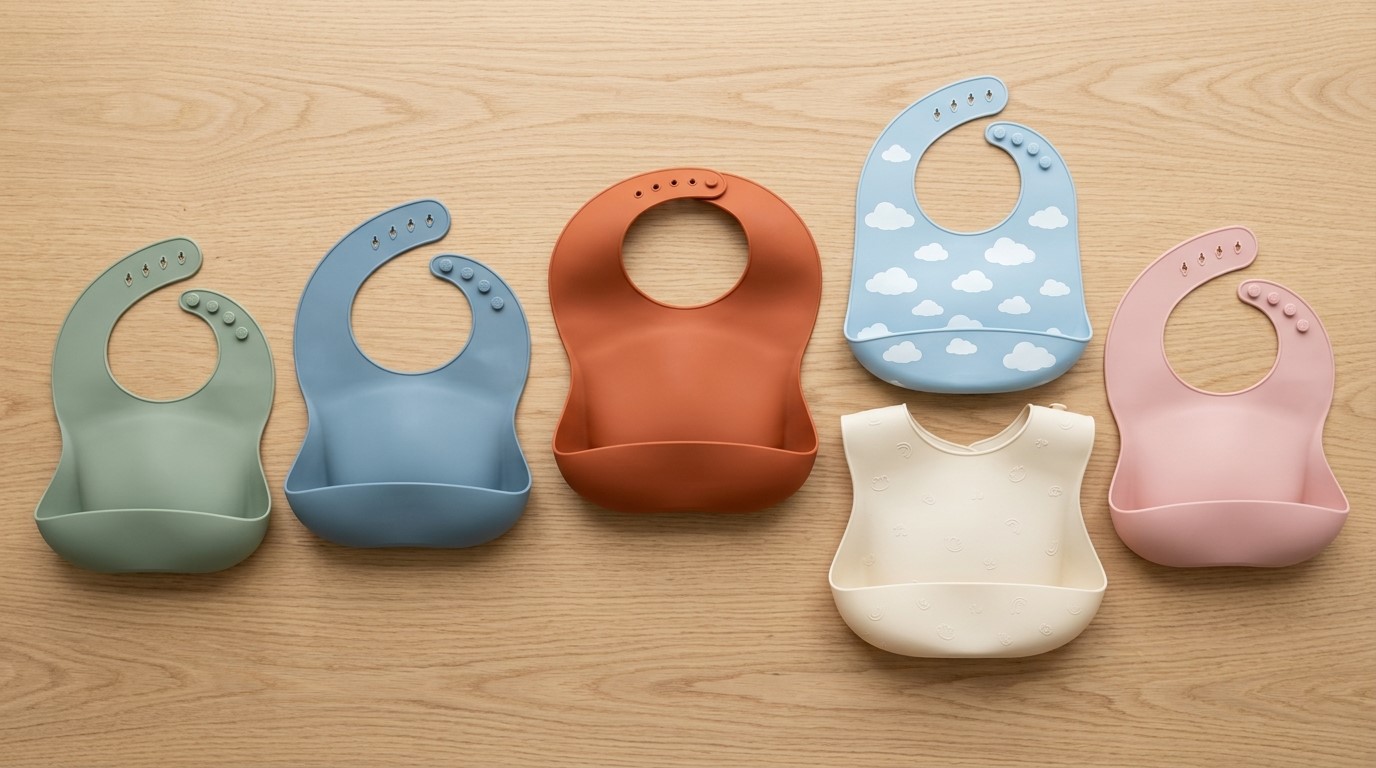
Expand your product categories with practical feeding accessories designed for different age groups. Adjustable structures and multiple styles support a broader selection of products across retail channels.
Distributors & Wholesalers
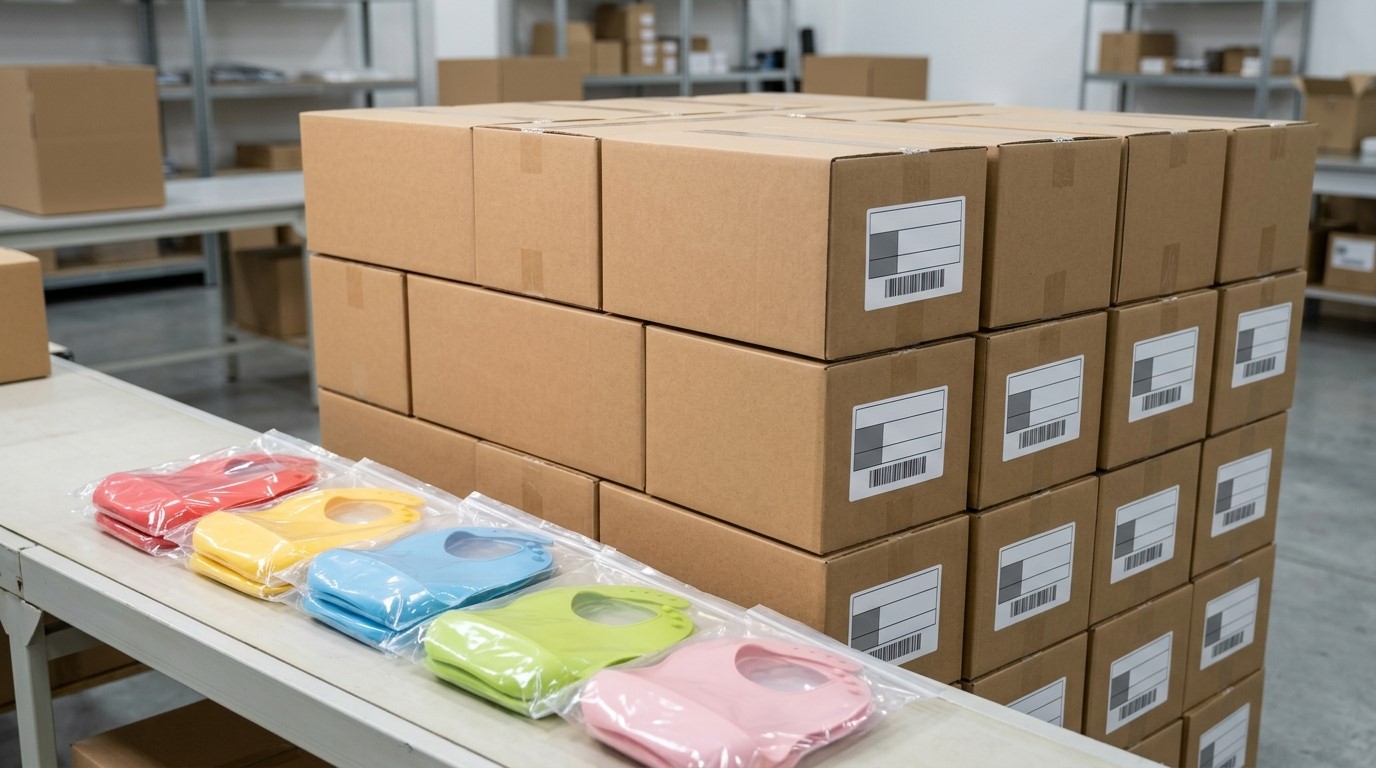
Source silicone baby bibs in bulk for supermarkets, specialty stores, online platforms, and regional distribution networks. Existing designs and private-label services help accelerate market expansion.
Ecommerce Sellers
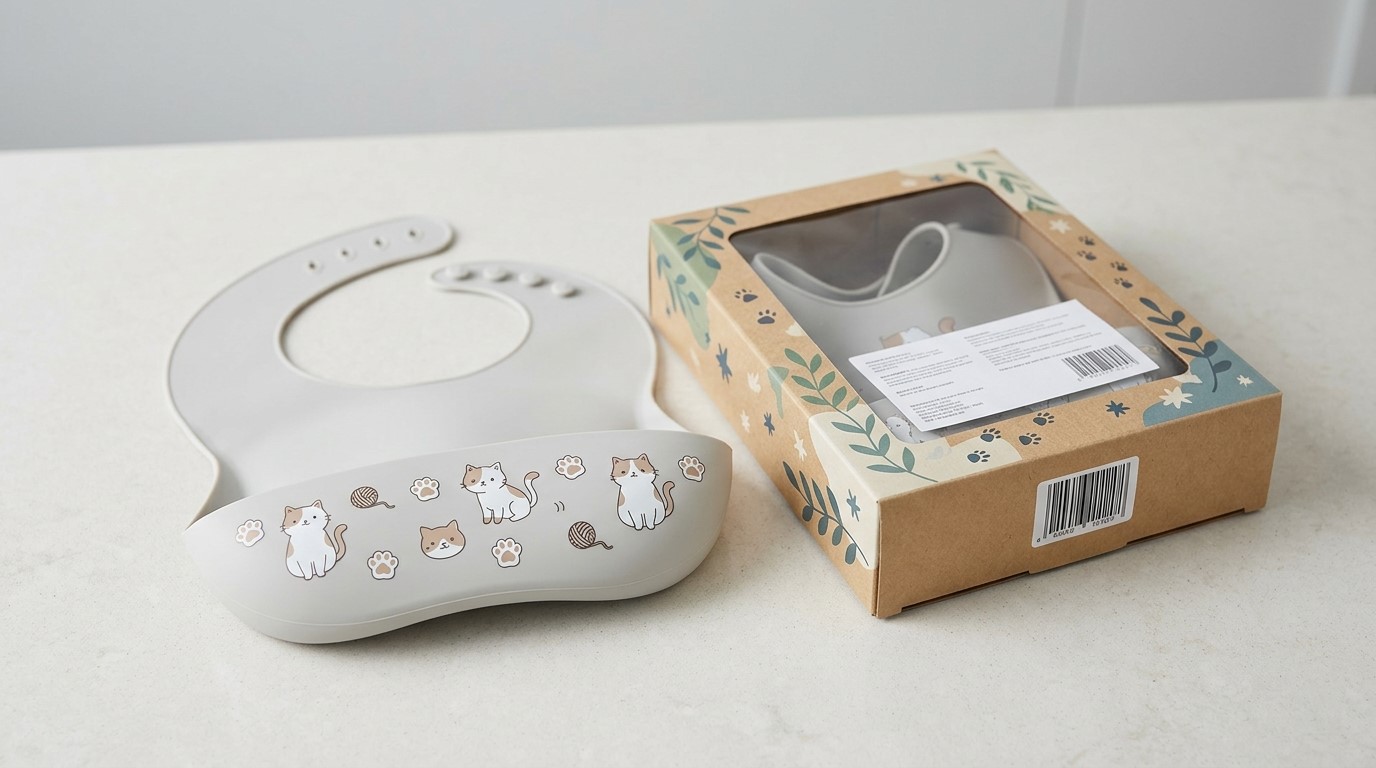
Add customized packaging, product inserts, barcode labels, and branded presentations. Products can be prepared for marketplace fulfillment, independent websites, and direct-to-consumer sales programs.
Silicone Baby Bib Types We Can Develop
Silicone Feeding Bib
Silicone Roll-Up Bib
Waterproof Silicone Bib
Adjustable Silicone Baby Bibs
Printed Silicone Baby Bibs
Custom Silicone Baby Bibs
Silicone Baby Bib Customization
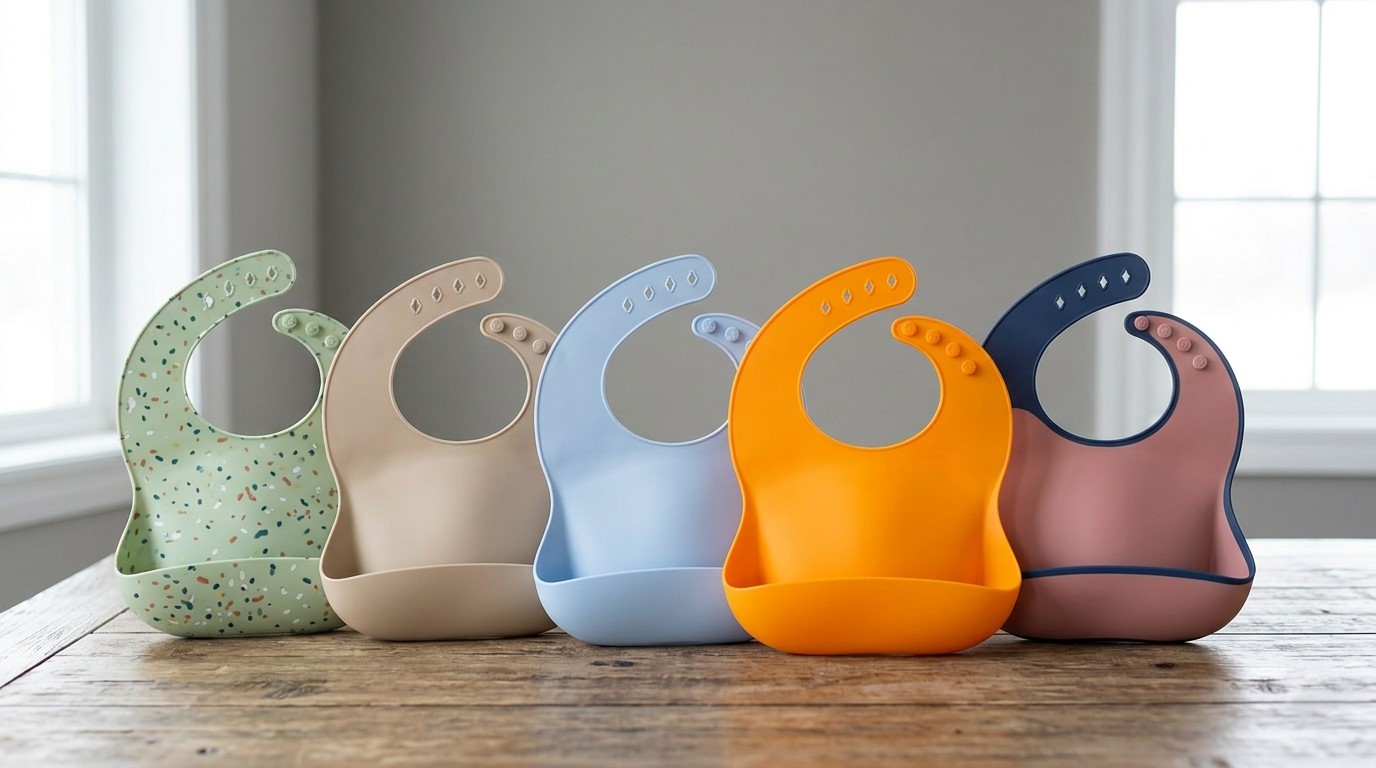
Custom development begins with shape, neck, color, and branding.
Design different bib outlines, pocket depths, neck curves, and edge profiles to create products that match specific age groups and feeding applications.
Available options include:
- Standard bib shapes
- Deep catching pockets
- Foldable designs
- Wide-coverage bibs
- Travel-friendly structures
- Custom outlines
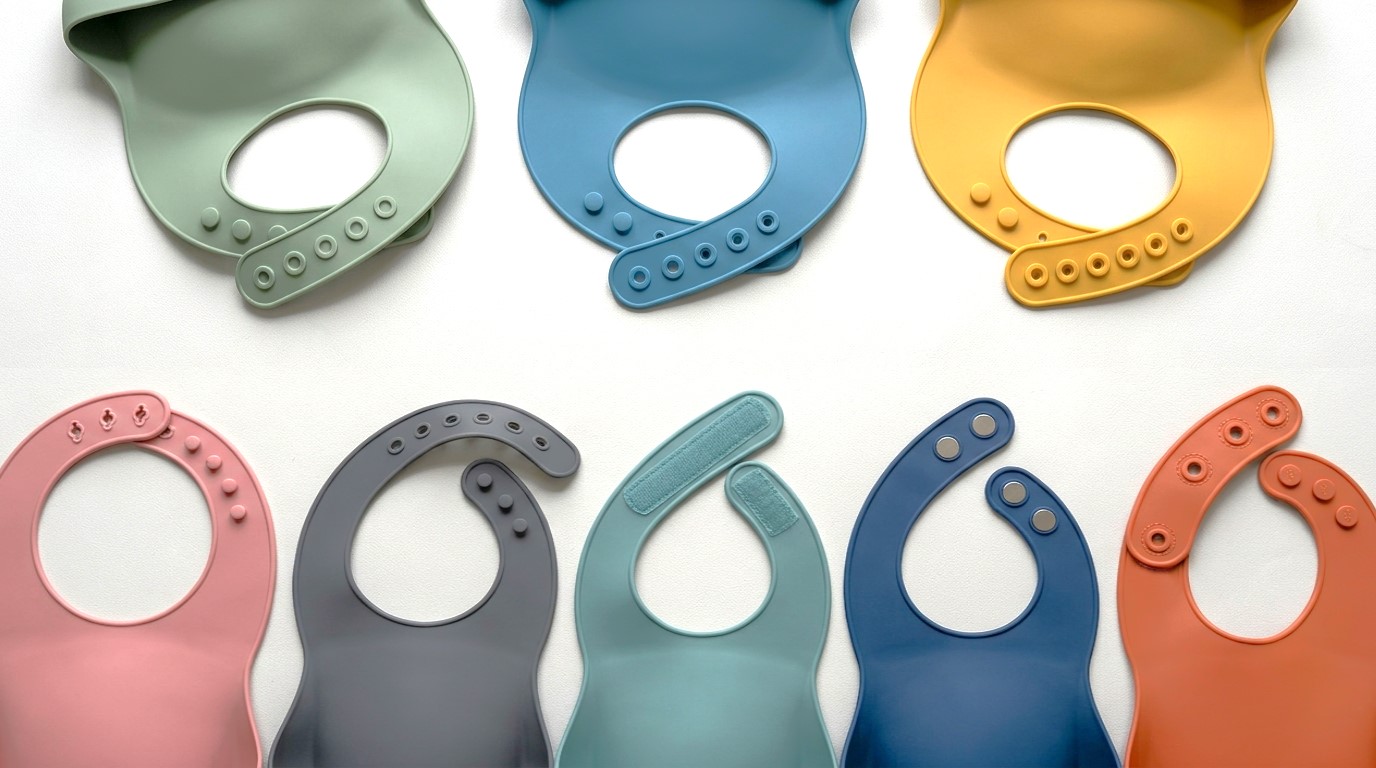
Select the most suitable closure system to improve comfort and accommodate different growth stages. Closure design directly affects product lifespan and user experience.
Available options include:
- Four-button closures
- Five-button closures
- Six-button closures
- Adjustable neck openings
- Extended neck straps
- Velcro
- Magnetic
- Reinforced button structures
- Thickness
Match product colors with your existing baby-product collections and visual identity through customized pigmentation and durable branding solutions.
Available options include:
- vibrant colors
- neutral tones
- Pantone matching
- Pastel color collections
- Dual-color designs
- Embossed logos
- Debossed logos
- Printed graphics
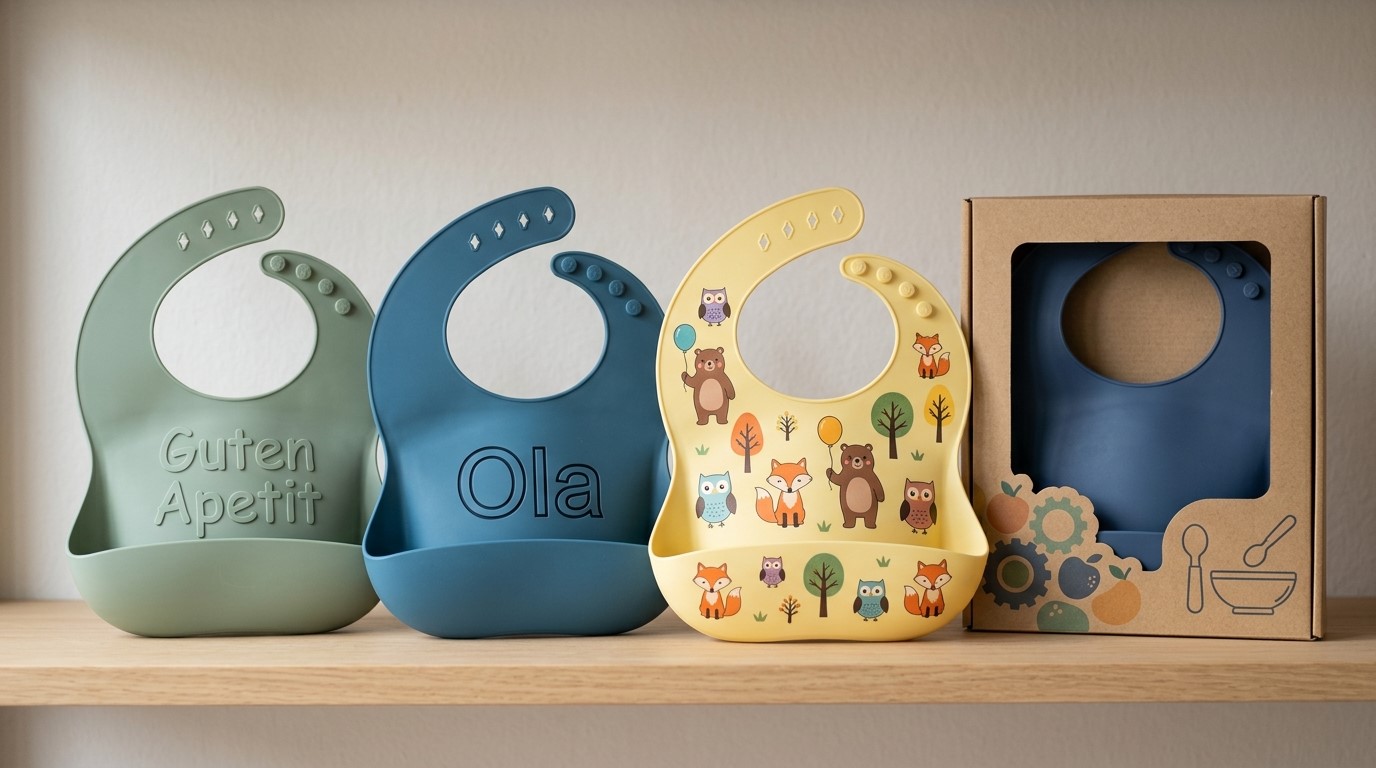
Integrate your logo directly into the product to improve brand visibility and long-term durability. Different logo methods support different aesthetic and performance requirements.
Available options include:
- Embossed logos
- Debossed logos
- Screen printing
- Mold-in pattern
- Decorative patterns
- Character illustrations
- Cartoon patterns
- Custom brand packaging materials
- Gift packaging
- Ecommerce packaging
- Retails packaging with custom boxes
- Custom labels
Start Your Silicone Baby Bib Project
Share your product concept, target market, branding requirements, and expected order quantity. Our engineering team will recommend the most suitable silicone baby bib design, manufacturing solution, and packaging strategy.
How to Specify a Better Silicone Baby Bib
A well-designed silicone baby bib should improve feeding efficiency while remaining comfortable, safe, and practical for everyday use.
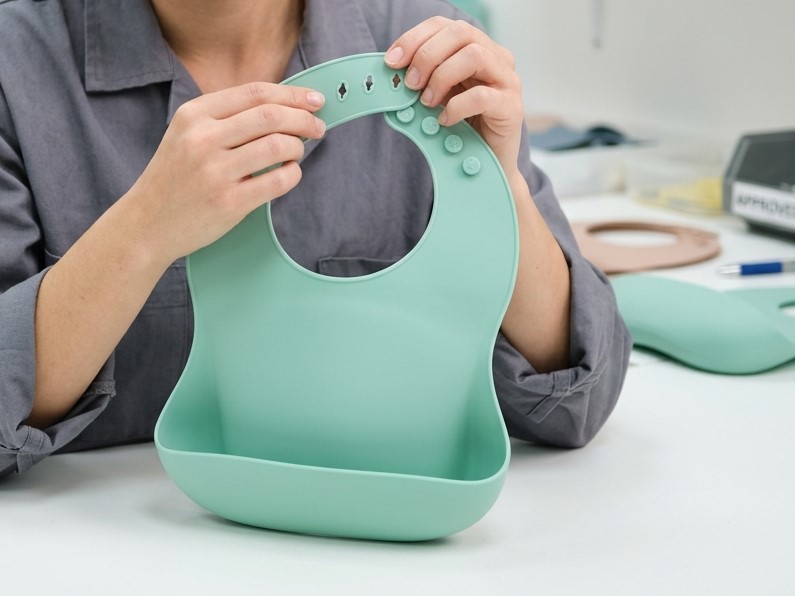
- Pocket Capacity—A deeper pocket catches more food, but excessive depth may affect comfort when babies sit in high chairs.
- Neck Adjustment—Multiple fastening positions allow one bib to fit different growth stages and extend product lifespan.
- Material Hardness—Softer silicone improves flexibility, while excessive softness can reduce pocket stability during feeding.
- Coverage Area — Wider coverage protects clothing more effectively, especially during baby-led weaning.
- Edge Design — Rounded edges reduce skin irritation around the neck and shoulders.
- Weight—Lightweight designs improve comfort and reduce resistance from younger infants.
Specification Guide
How to Specify a Better Silicone Baby Bib—including size selection, pocket design, neck adjustment, material hardness, and age-based feeding recommendations.
Silicone Baby Bib Logo & Branding Methods
Choose a branding method that matches your product positioning, retail channel, and durability requirements.
Screen Printing
Screen printing creates colorful graphics, patterns, and simple logos on flat silicone surfaces. It works well for decorative baby-product collections and character-themed designs.
Mold-In Graphics
Patterns, measurement marks, and brand elements can be integrated directly into the molding process for a more distinctive product design.
Debossed Logos
Recessed logos create a clean appearance while maintaining excellent durability after repeated washing and sterilization.
Embossed Logos
Raised logos become part of the molded structure, creating long-lasting branding without additional ink or coatings.
Silicone Baby Bib Material & Performance Options
Material selection affects comfort, safety, and long-term durability.
Food-contact safety should always be the first consideration.
Platinum-cured silicone is commonly selected as food-grade silicone for premium baby bibs because it offers low odor, excellent flexibility, and consistent performance during repeated use.
RY Silicone supplies FDA-approved silicone materials to ensure the safety of silicone products for babies, including silicone bib.
Material Comparison
Food Contact Silicone Baby Bib vs. Fabric One: Which Is Better for Baby?—Catchers design, waterproofness, ease of cleaning, durability, flexibility, and elasticity.
Comfort and practicality depend on flexibility, not just choosing the softest material available.
The hardness of the silicone, measured on the Shore A scale, can be selected according to the bib structure. Softer compounds improve flexibility, and slightly firmer materials help the catch pocket maintain its shape.
One-piece molded silicone creates reliable liquid resistance.
Unlike fabric bibs, silicone does not absorb liquids. Milk, soup, and sauces remain on the surface and can be removed quickly after feeding.
Silicone withstands daily cleaning and sterilization more effectively than many traditional materials.
Most food-grade silicone compounds remain stable between -40°C and 230°C, supporting hot-water washing and common sterilization methods.
Surface quality directly influences long-term product appearance.
Low-quality compounds may retain odors or become discolored after prolonged exposure to strongly pigmented foods such as tomato sauce, berries, and curry.
Available documents may include:
- Material data sheets
- FDA-related documentation
- LFGB-related documentation
- REACH-related reports
- Material declarations
- Project-specific reports
Documentation should always match the selected silicone, pigment, printing method, and destination market.
A material report alone should not be presented as evidence for every finished-product configuration.
Daily cleaning and proper maintenance can extend the service life of a silicone bib and ensure optimal performance.
Regular cleaning methods include wiping with a cloth, rinsing under warm water for sticky stains, soaking in warm water with baking soda for half an hour for stubborn stains, and using a dishwasher for deep cleaning.
Maintenance Guide
How to Clean & Care for Silicone Baby Bibs—cleaning, sterilization, storage, and stain prevention.
How Silicone Baby Bibs Are Manufactured

STEP 1: Requirement Review
Every project starts by confirming the bib style, age group, dimensions, logo method, packaging requirements, regulatory standards and expected order quantity.
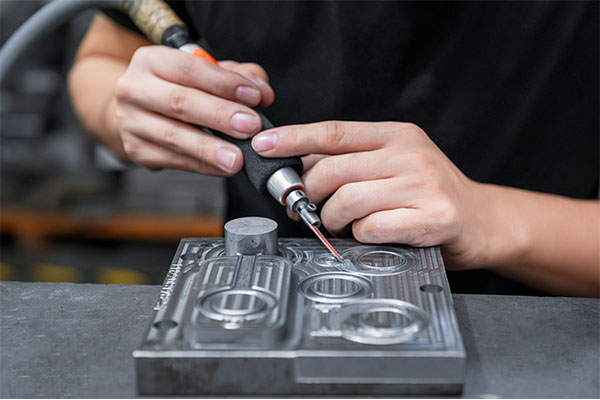
STEP 2: Tooling Evaluation
Existing molds are reviewed first. New bib shapes, customized pockets and proprietary designs may require completely new tooling.
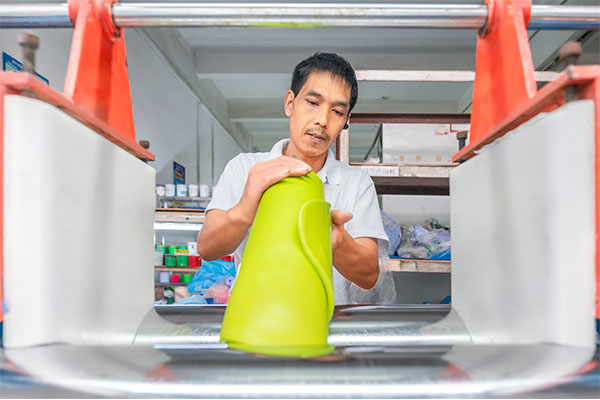
STEP 3: Material Preparation
Food-grade silicone compounds are mixed with approved pigments according to the final color and material specifications.
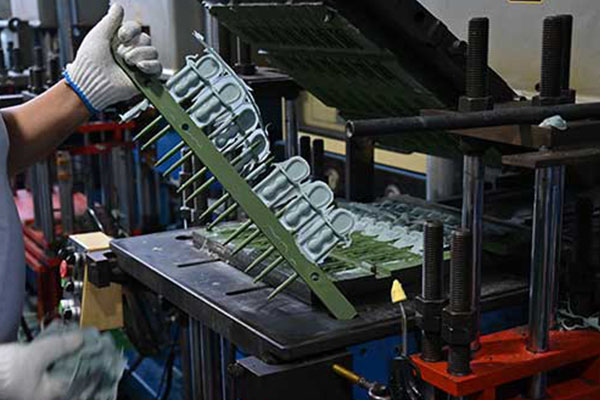
STEP 4: Silicone Molding
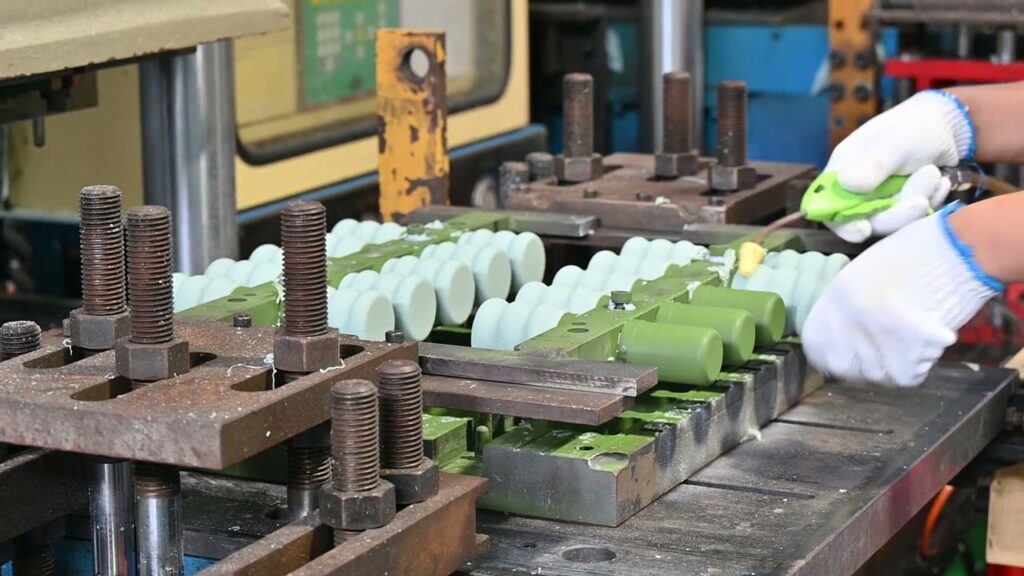
Compression molding or liquid silicone molding is selected according to the product structure, production volume and tooling requirements.
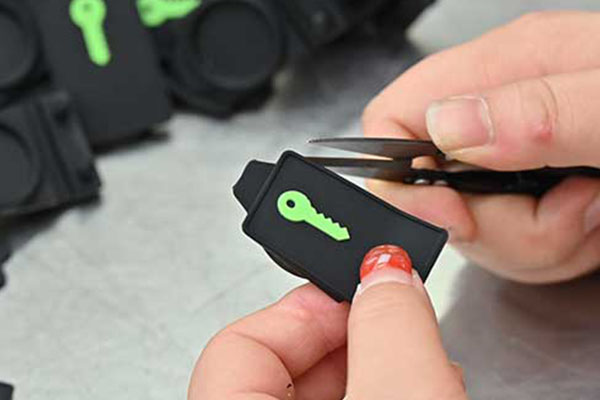
STEP 5: Trimming and Deflashing
Excess flash is removed after molding. Particular attention is paid to the neck closure and pocket edges to prevent discomfort during use.
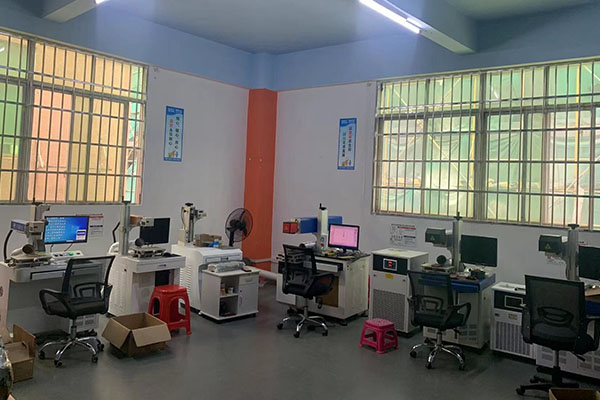
STEP 6: Surface Processing
Printing, embossing and decorative processes are completed according to the approved artwork and production standards.
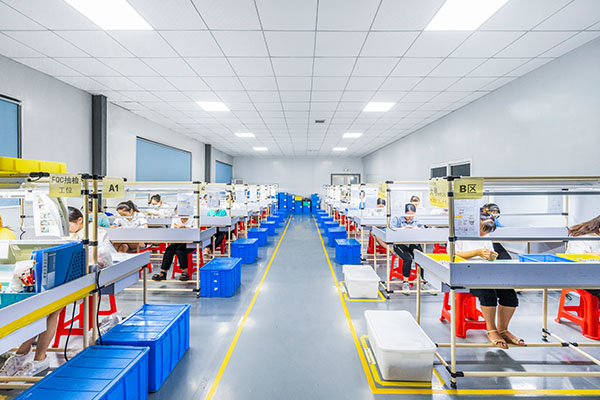
STEP 7: Quality Inspection
Finished products are inspected against the approved sample, engineering drawings and purchase order specifications.
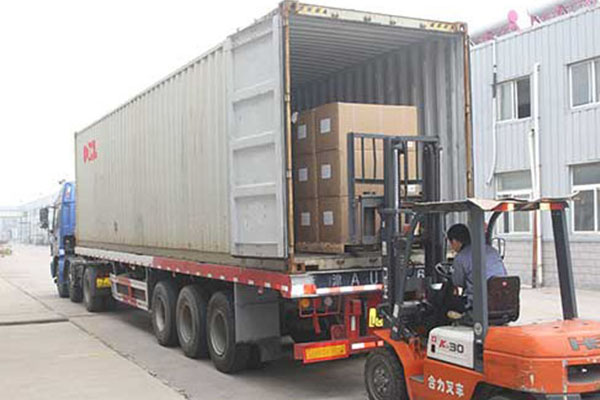
STEP 8: Packaging and Shipment
Products are counted, packed, labeled and prepared according to the agreed retail, wholesale or ecommerce packaging requirements.
Silicone Baby Bib Quality Control
Quality control goes beyond checking the silicone itself. Feeding products require consistent dimensions, reliable closures, stable colors and safe materials throughout every production batch.
AQL 2.5 / 4.0 Standard Inspection
Final inspections follow random sampling procedures to verify production consistency.
AQL 2.5
Critical / Major Defects
AQL 4.0
Minor Visual Flaws
Alternative inspection standards can also be implemented according to your purchasing requirements.
Approved Sample Control
The approved sample becomes the production reference for:
- Overall dimensions
- Neck closure design
- Pocket structure
- Material hardness
- Color consistency
- Logo placement
- Packaging presentation
Incoming Material Inspection
Silicone compounds, pigments and supporting documents are reviewed before production to ensure that all materials match the approved project specifications.
In-Process Inspection
Production operators continuously monitor:
- Incomplete molding
- Flash formation
- Pocket deformation
- Button performance
- Surface contamination
- Color variation
- Closure performance
Appearance Inspection
Each silicone baby bib is inspected for:
- Surface damage
- Tears
- Bubbles
- Irregular edges
- Uneven trimming
- Foreign contamination
Dimensional Verification
Critical dimensions are measured against the approved standard, including:
- Bib length
- Bib width
- Pocket depth
- Neck opening
- Button spacing
- Velcro position
Color Inspection
Finished products are compared with approved color references under controlled lighting conditions to minimize batch-to-batch variation.
Logo Quality
The inspection process verifies:
- Logo position
- Print clarity
- Embossed depth
- Ink coverage
- Edge definition
- Artwork completeness
Functional Testing
Neck-button durability or velcro & adhesive reliability, folding performance and pocket recovery are evaluated according to the agreed testing procedure.
Packaging Verification
Product quantities, barcode labels, instructions, retail packaging and carton markings are checked before shipment.
Silicone Baby Bib Packaging Options
Choose packaging according to your sales channel, target customers and product positioning.

Bulk Packaging
Individual bags or multi-piece cartons provide an economical solution for distributors, wholesalers and institutional purchasing programs while helping reduce overall packaging costs.
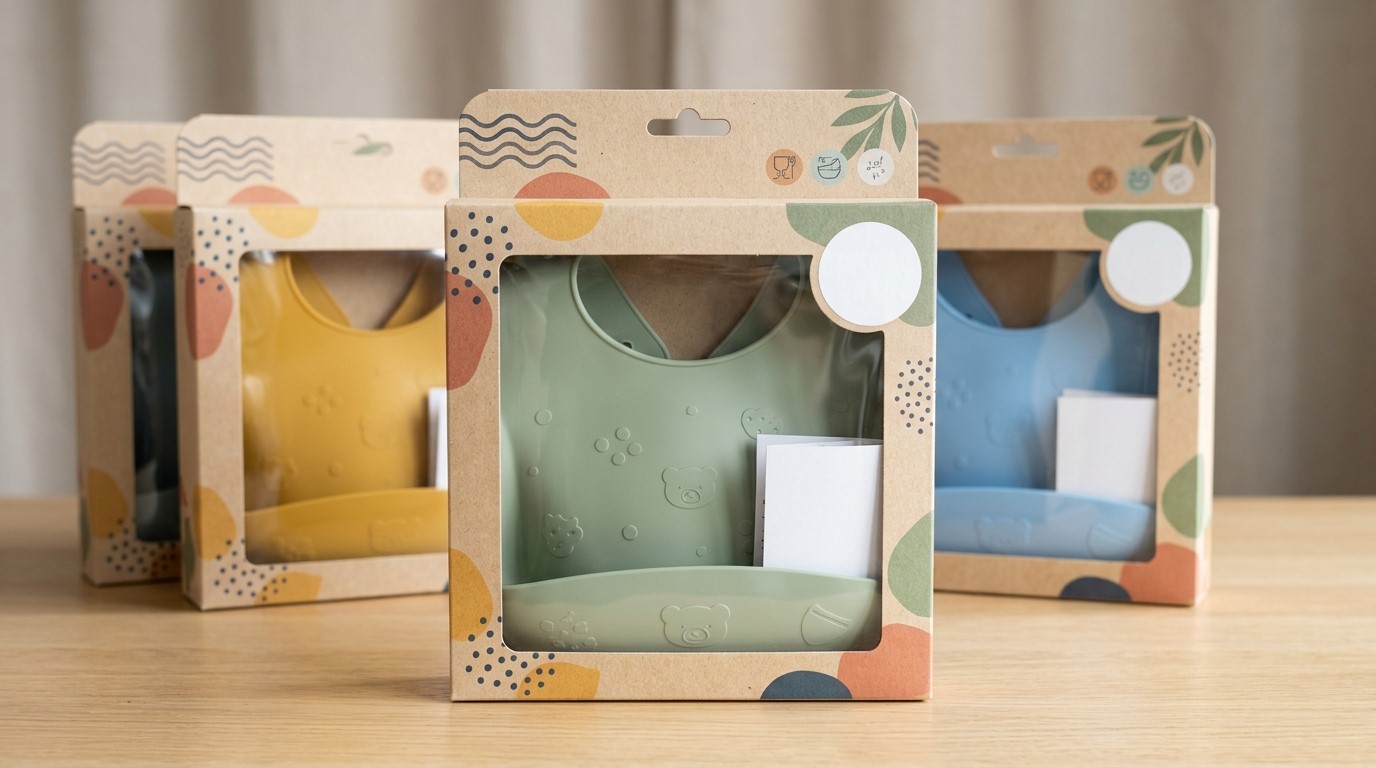
Retail Packaging
Printed boxes, hang cards, product information, and branded inserts create stronger shelf presentation while providing space for feeding instructions, safety information and product branding.

Ecommerce Packaging
SKU labels, barcode systems and customized inserts support online marketplaces and direct-to-consumer fulfillment while improving inventory management and product identification.

Premium Brand Packaging
Custom gift boxes, premium printing and coordinated packaging designs strengthen brand recognition while creating a more distinctive presentation for higher-value baby-product collections.

Silicone Baby Bib Typical Specifications
| Specification | Typical Reference |
|---|---|
| Product | Custom silicone baby bib |
| Application | Infant feeding and toddler mealtime |
| Material | Food-grade silicone |
| Hardness | 30–70 Shore A |
| Temperature range | -40°C to 230°C |
| Bib width | 220–280 mm |
| Bib length | 260–350 mm |
| Pocket depth | 40–80 mm |
| Thickness | 1.5–3.0 mm |
| Neck adjustment | 4–6 adjustable positions |
| Color | Standard or custom Pantone colors |
| Surface finish | Smooth, matte or textured |
| Logo methods | Embossing, debossing and screen printing |
| Packaging | Bulk, OPP bag, retail box or customized packaging |
| Existing-style MOQ | From 500 pieces |
| New custom-design MOQ | From 3,000 pieces |
| Sample lead time | 5–10 working days |
| Mass-production lead time | 15–25 working days |
| Inspection | Approved sample and AQL 2.5/4.0 |
| OEM & ODM | Available |
All figures are initial project references. Final specifications are confirmed according to the selected material, design, and approved sample.
Why Work with RY Silicone
Silicone Manufacturing Experience Since 2012
RY Silicone has specialized in custom silicone product manufacturing since 2012, supporting brands from product development through mass production and global delivery.
10,000+ m² Production Facility
Our integrated manufacturing facility combines tooling, molding, printing, quality inspection, and packaging within one production system.
30+ Production Machines
Multiple production lines support different product structures, allowing flexible scheduling for both standard and customized silicone baby bib programs.
Up to 100,000 Silicone Products per Day
Large-scale production capacity supports repeat orders and growing retail programs without unnecessary production delays.
Engineering Review Before Quotation
We do not provide quotations based only on a reference image.
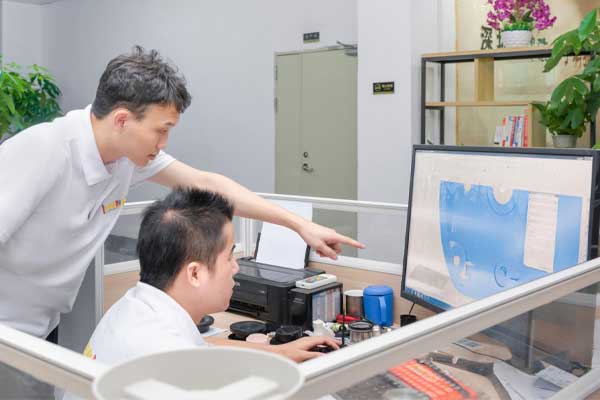
Our engineering team reviews the bib structure first, then confirms dimensions, material, closure design, branding, packaging, and compliance requirements before preparing a manufacturing proposal.
Sample-Based Production
Mass production always follows one approved sample.
Pocket dimensions, neck adjustments, colors, and logos are locked before production begins to reduce variation between batches.
Export Project Support
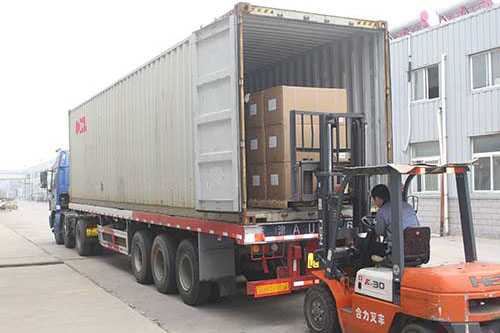
RY Silicone supplies silicone baby bibs to customers throughout North America, Europe, and other international markets.
Our team supports documentation, packaging coordination, shipping preparation, and international communication throughout the entire project lifecycle.
Silicone Baby Bib FAQ and Final RFQ
What is the MOQ for custom silicone baby bibs?
The MOQ starts from 500 pieces for existing designs with custom branding and 3,000 pieces for completely new custom-developed products.
The final MOQ depends on the bib structure, color requirements, logo method, packaging configuration, and tooling requirements.
For first-time projects, production can sometimes be divided into multiple shipments to reduce inventory pressure while maintaining tooling efficiency.
Which silicone material is best for baby bibs?
Platinum-cured food-grade silicone is the preferred material for most premium baby bib projects.
It offers:
- Low odor
- Excellent flexibility
- Better transparency
- Stable performance
- Good durability
The final material should always be selected according to the target market, certification requirements, and product positioning.
How do I select the best silicone bib?
When choosing a silicone bib, consider the following key factors based on your daily needs:
- Waterproof & Easy to Clean: Look for dishwasher-safe options with deep crumb-catching pockets.
- Fit & Comfort: Ensure it features an adjustable neck fastening to grow with your baby.
- Design & Portability: Pick modern styles or lightweight, roll-up materials for on-the-go convenience.
- Safety: Opt for 100% food-grade silicone free from BPA, PVC, and phthalates.
Is a silicone bib recommended for self-feeding or weaning of babies?
Yes, a silicone baby bib is optimal for first solid foods.
Catching Foods: Their built-in pouches effectively capture dropped purées and finger foods, reducing messes and keeping clothes clean.
Stain Resistance: Unlike fabric alternatives, non-porous silicone repels stubborn stains from bright foods like carrots and beets—just wipe them clean.
Travel-Friendly: These flexible bibs are incredibly portable and roll up easily to stash in a diaper bag for hassle-free meals on the go.
Can you develop a completely new silicone baby bib design?
Yes.
We support OEM and ODM development, including:
- New shapes
- Pocket structures
- Neck adjustments
- Surface textures
- Logo integration
- Packaging design
Design files, physical samples, or reference sketches can all be used during product development.
Can you match our Pantone color?
Yes.
Pantone color matching is available for silicone baby bib projects.
A physical sample should always be approved before mass production because wall thickness, surface texture, and silicone formulation may influence the final appearance.
Are your silicone baby bibs BPA-free?
Yes.
Food-grade silicone materials can be supplied without BPA, lead, and PVC.
If your project requires specific documentation, please provide the required standard before sampling begins.
Can you add our logo to the baby bib?
Yes.
Available branding methods include:
- Embossing
- Debossing
- Screen printing
- Molded graphics
The recommended method depends on the logo complexity, durability requirements, and visual expectations.
Which certifications can you provide?
Available documentation may include:
- FDA-related documents
- LFGB-related documents
- REACH-related reports
- Material declarations
- Project-specific testing documents
Documentation requirements should be confirmed according to your destination market.
Are silicone baby bibs dishwasher-safe?
Most food-grade silicone baby bibs can be cleaned in dishwashers.
However, cleaning temperatures and sterilization procedures should follow the selected material specifications and customer requirements.
How long does production take?
Typical lead times include:
- Samples: 5–10 working days
- Tooling: 10–20 working days
- Mass production: 15–25 working days
Production schedules may change according to order quantity, packaging complexity, and seasonal demand.
What information do you need to quote a silicone baby bib project?
Please provide:
- Estimated order quantity
- Target age group
- Product dimensions
- Reference drawings or samples
- Material requirements
- Pantone colors
- Logo artwork
- Packaging requirements
- Destination country
- Required certifications
- Expected delivery schedule