Silicone Tubing Manufacturer
Industrial and food-grade extruded silicone tubing for fluid transfer and ventilation. Custom ID/OD, wall, hardness, reinforcement, printing, and packaging for OEM/ODM, wholesale, and private-label orders.
Home » Silicone Tubing Manufacturer
What Is Silicone Tubing?
A silicone tubing is a flexible, heat-resistant extruded silicone rubber tube that carries liquids or gases in food equipment, lab systems, medical devices, and automotive and industrial machinery. A custom (OEM/ODM) silicone tubing is specified to your exact ID/OD, wall thickness, hardness, color, reinforcement, length, printing, and packaging for a ready-to-sell or ready-to-assemble program.
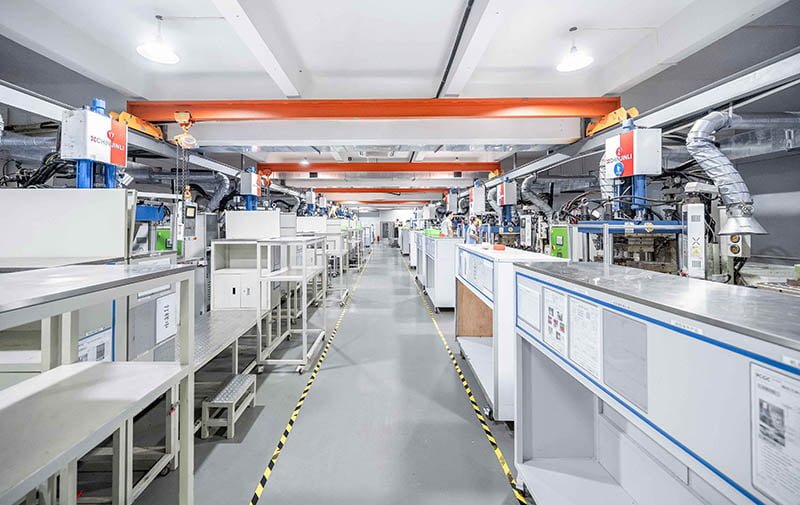
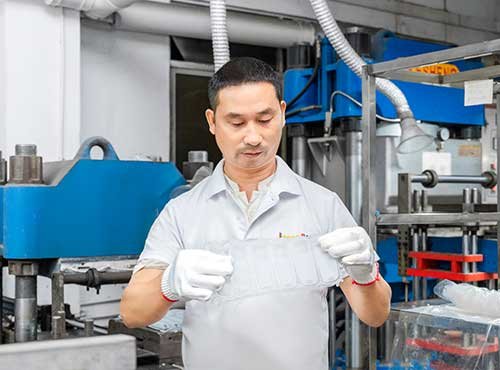
RY Silicone is a custom silicone manufacturer based in China, established in 2012. The factory covers 10,000+ m², runs 30+ extrusion and processing machines, and can produce up to 100,000 silicone products per day.
Silicone Tubing Manufacturing at a Glance
MOQ & Lead Times
From 1,000 meters for standard sizes; from 3,000–5,000 meters for new tooling. Samples in 5–10 working days; production in 10–20 after approval.
Size & Tolerance
Custom ID/OD and wall thickness with typical tolerances down to ±0.10–0.30 mm depending on size and extrusion line control.
Material & Performance
Platinum- or peroxide-cured silicone, 40–70 Shore A, temperature range -76℉ to 392℉; higher limits depend on compound and wall structure.
Branding & Packaging
Continuous inkjet or laser marking, color striping, barcode labels, bulk coils, cut lengths, sterile bags (on request), and retail-ready boxes.
Who We Manufacture Silicone Tubing For
Begin with the sales channel, then determine the tubing, branding, and packaging.

Industrial Manufacturers
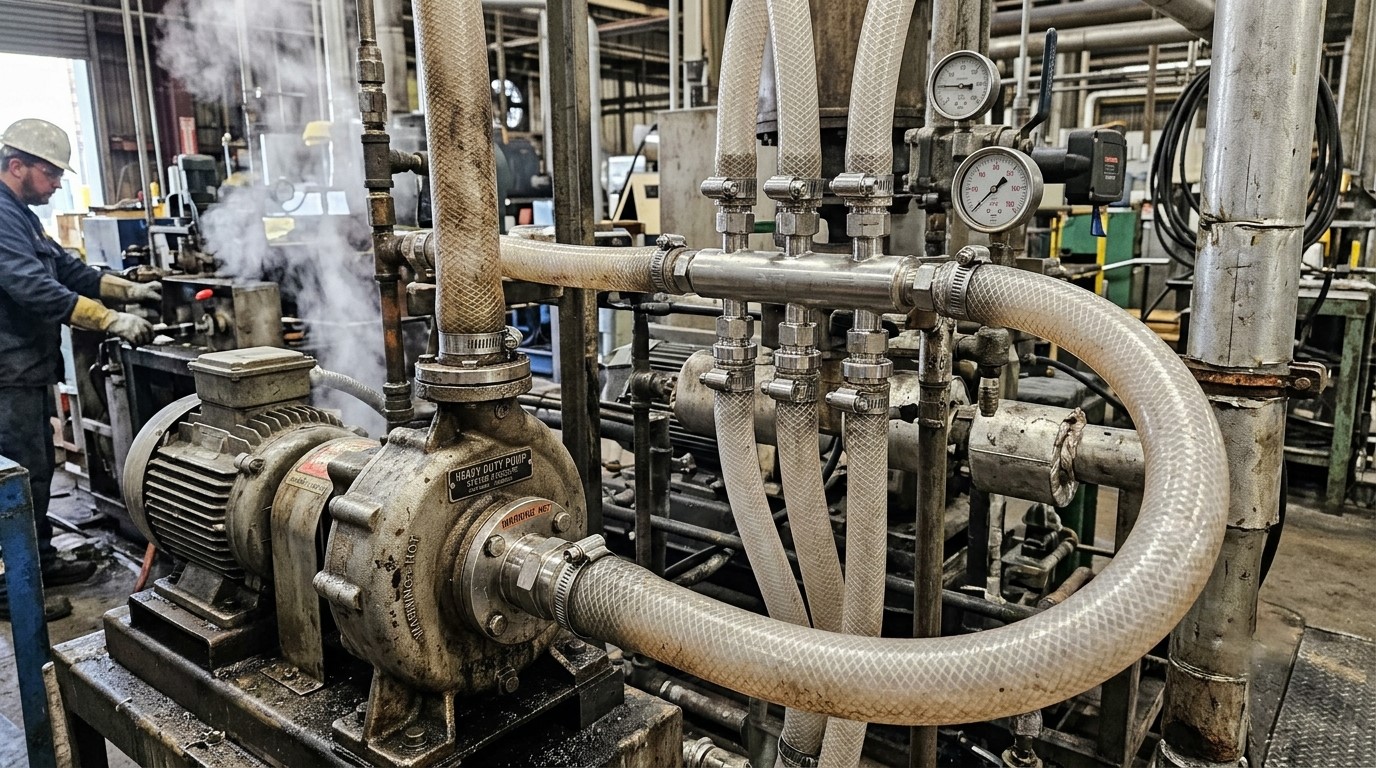
Specify ID/OD, wall, hardness, and reinforcement to fit pumps, barbed fittings, manifolds, and assemblies with reliable repeatability across batches.
Food & Beverage Equipment Brands
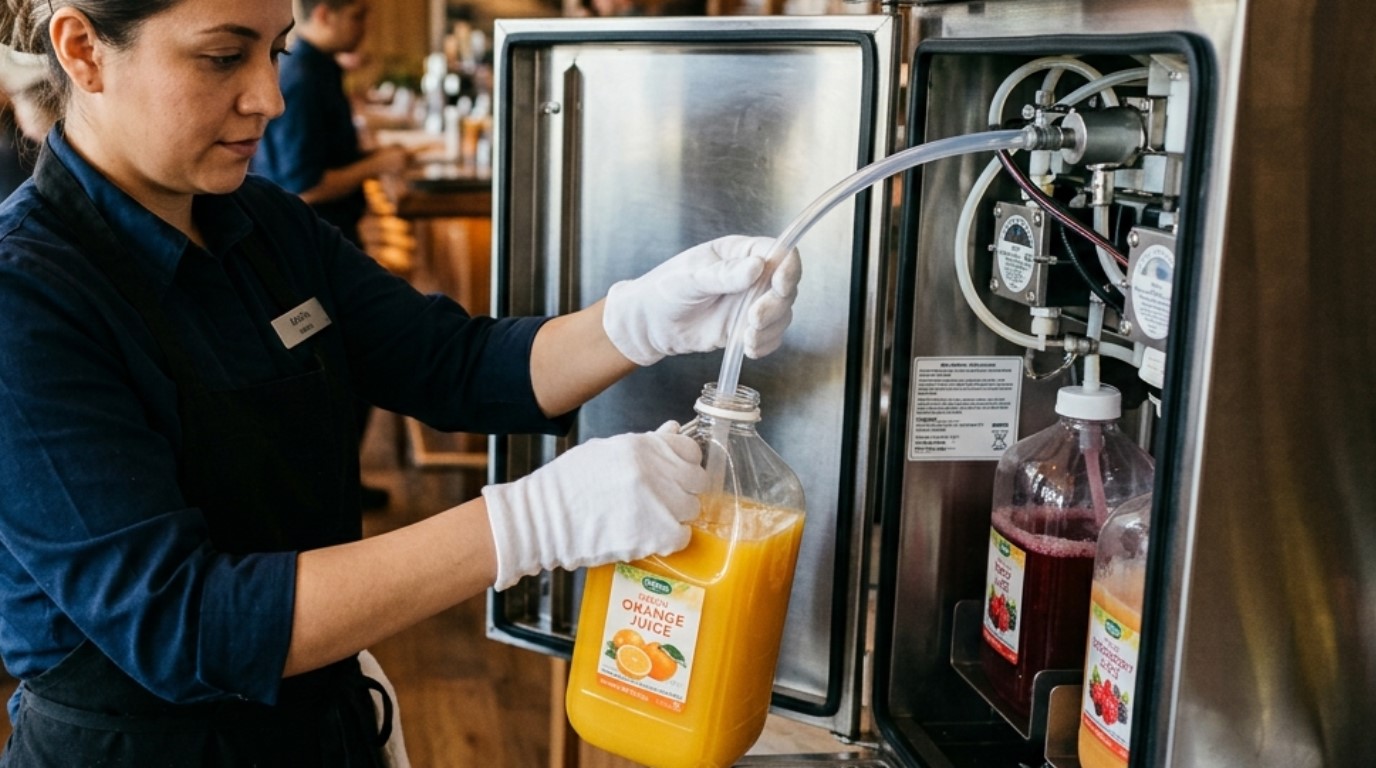
Food-contact platinum-cured tubing matched to LFGB/FDA material documentation, cut lengths, color cues, and e-commerce or retail packaging.

Medical & Laboratory Suppliers
High-purity, biocompatible silicone tubing delivers hypoallergenic performance, ultra-smooth bores, and strict tolerances. Fully sterilizable, it is essential for catheters, IVs, pumps, and labware.
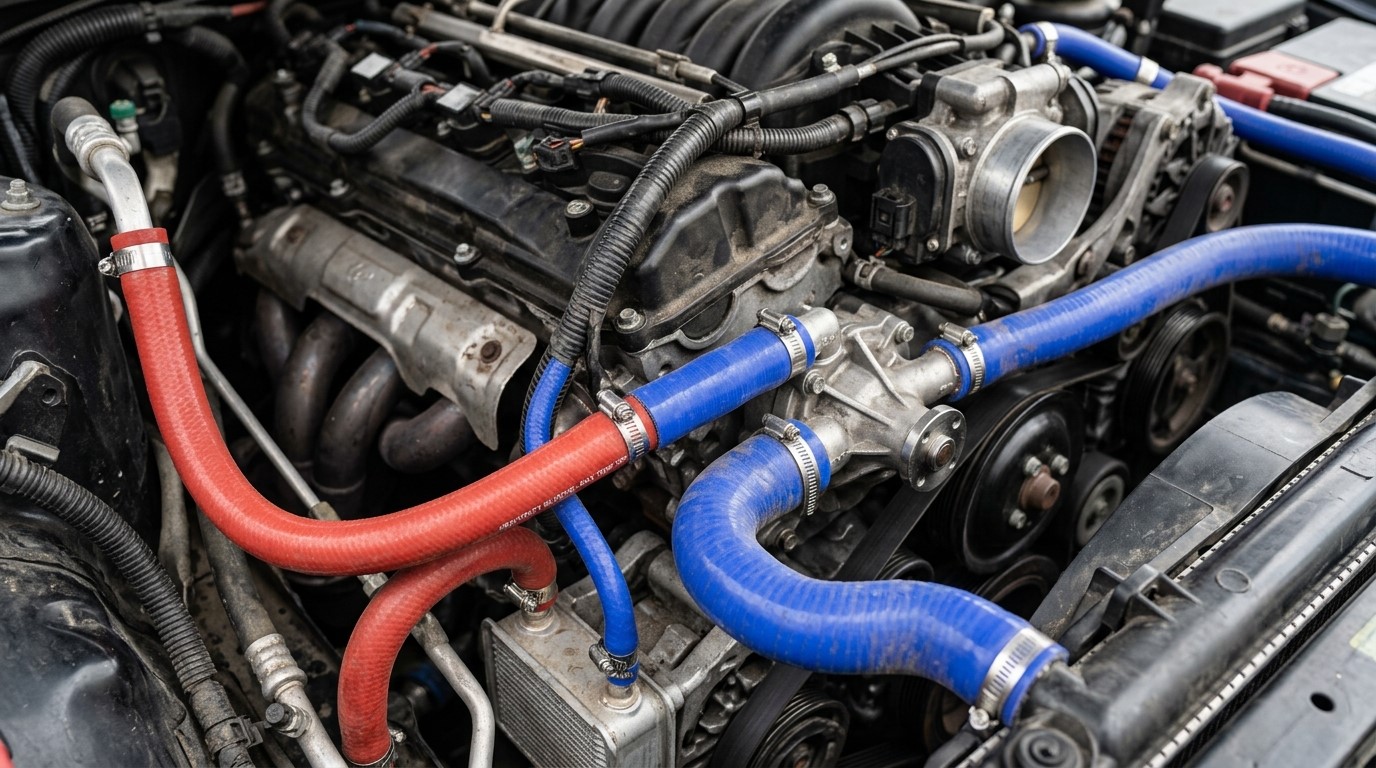
Automotive & Motorsport
Silicone tubing outlasts regular rubber under heat and vibration. It resists ozone and chemicals, making it ideal for engine coolant systems, turbochargers, and heavy industrial machinery.
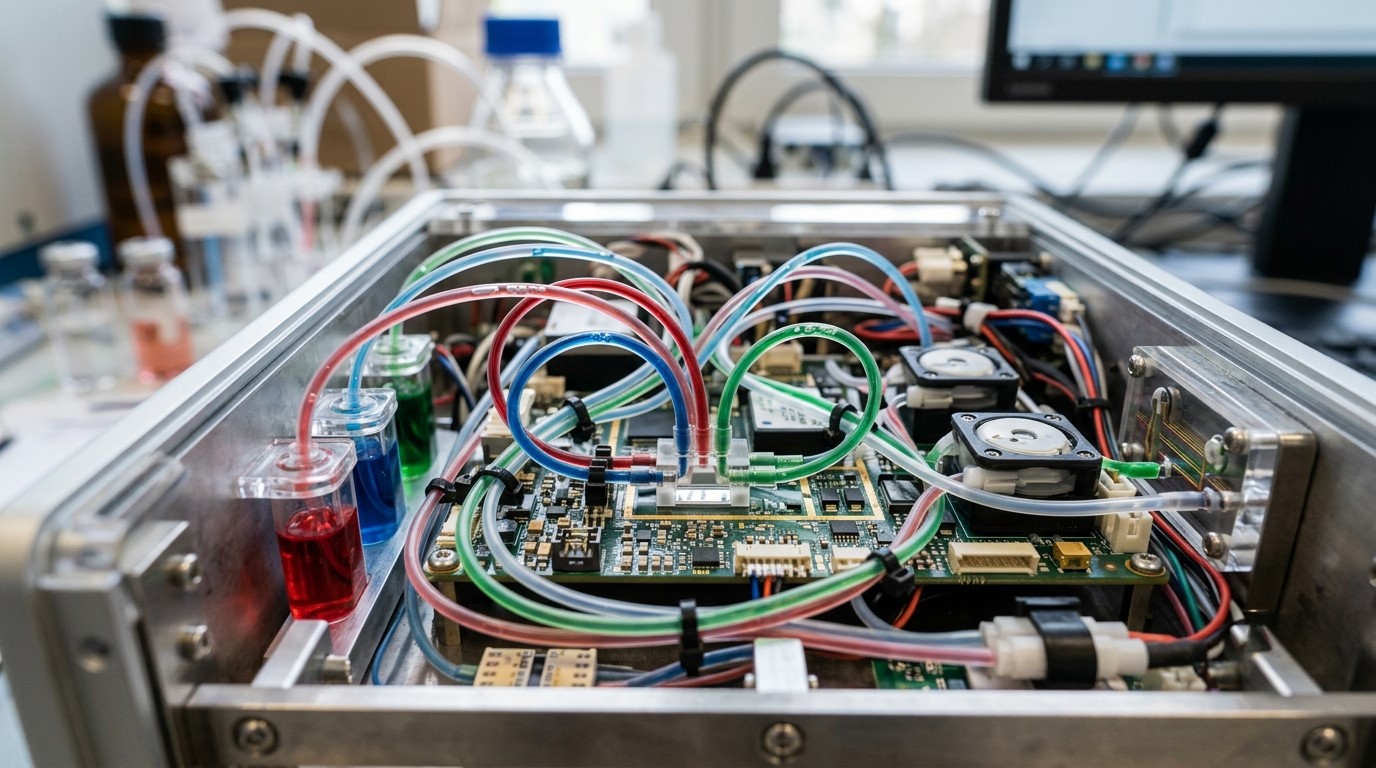
Electronic Instruments
Silicone tubing is used in electronic equipment to insulate and protect electrical wiring from extreme temperatures and the ambient environment.
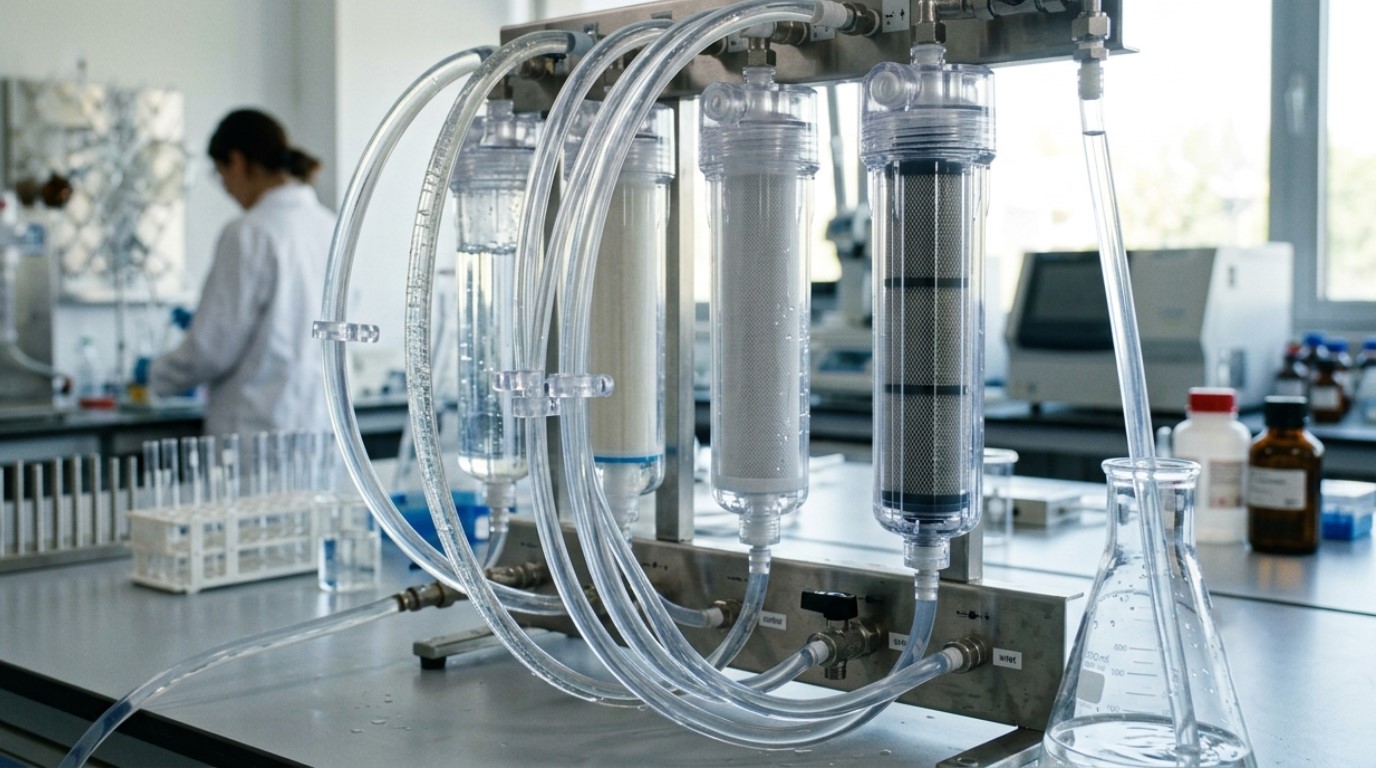
Water filtration and purification
Food-grade silicone tubing is ideal for water filtration and purification systems. Its non-toxic, flavorless properties prevent contamination, ensuring clean and safe water in homes and laboratories.
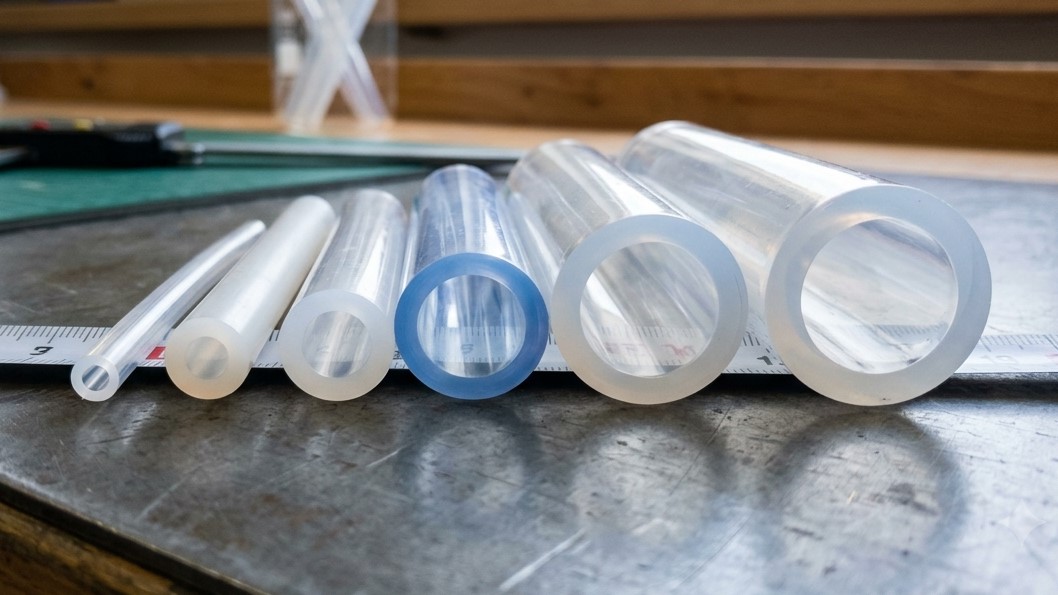
Silicone Tubing Types We Can Develop
General Purpose Silicone Tubing
Reinforced Silicone Tubing
Silicone Shrink Tubing
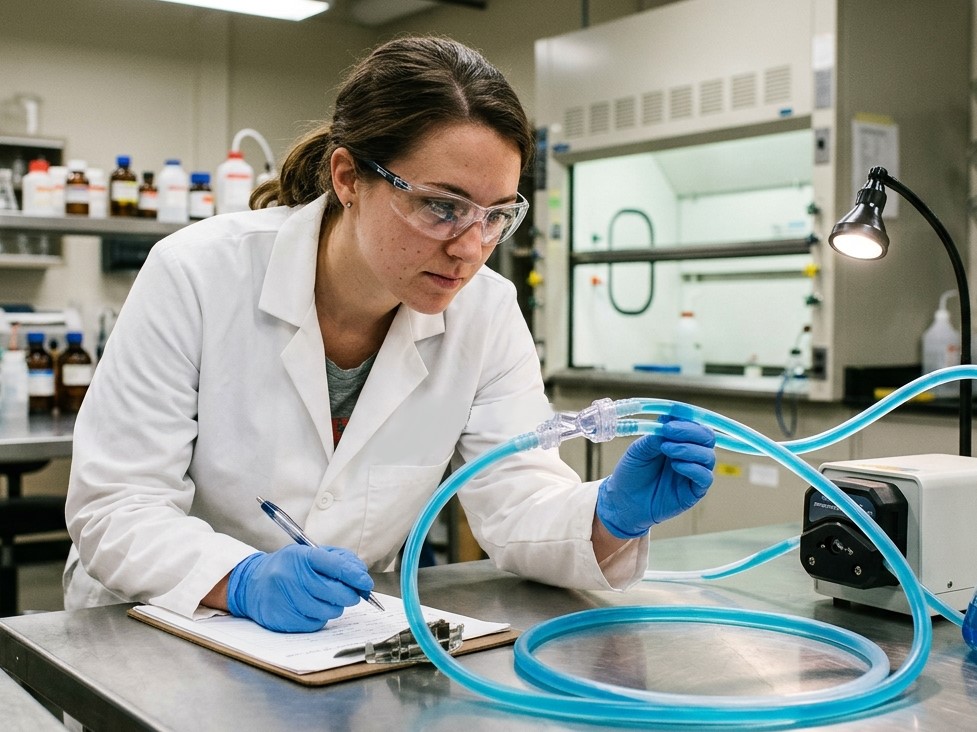
Silicone Tubing for Peristaltic Pump
Stretchy Silicone Tubing
Food-Grade Silicone Tubing
Medical-Grade Silicone Tubing
Colored & Stripe-Marked Tubing
Silicone Tubing Customization
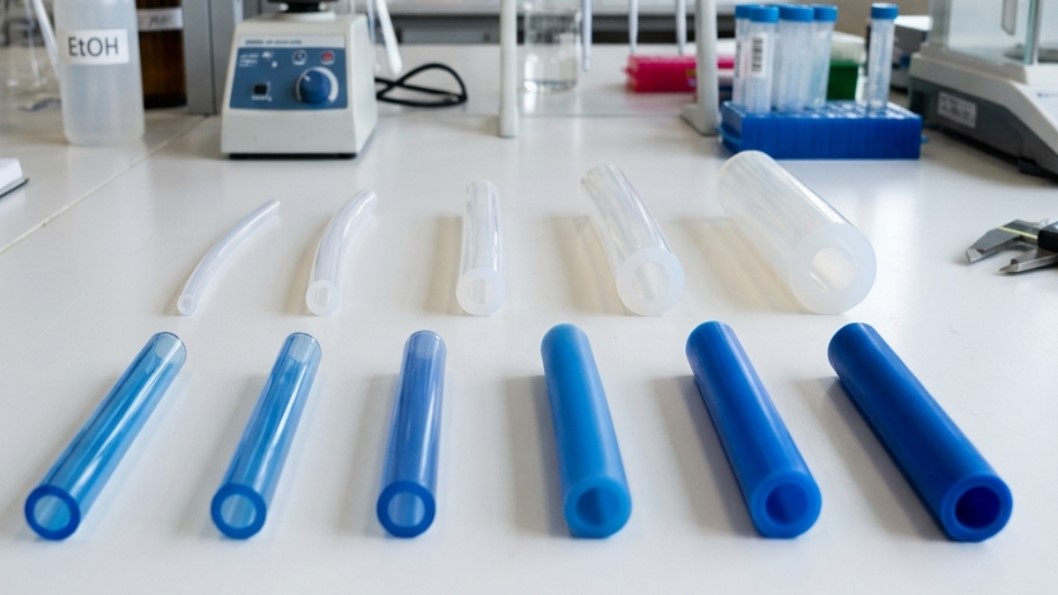
Four levers define your custom silicone tube: size, material, reinforcement, and color/marking.
Choose the exact ID/OD and wall-to-matching fittings, flow, coils or cut lengths, and meter-mark or lot-mark.
- Thin tubing with flexibility and thin wall structure for electrical sleeving
- Medium tubing for fluid and powder transfer
- Large tubing for air ducts and dielectric applications
- Wall thickness
- Coils, long lengths, or cut-to-size available
Select platinum- or peroxide-cured compounds in 40–70 Shore A. We can add post-cure for low extractables, tune durometer for kink resistance, and align documentation with your market.
- Platinum-cured silicone tubing with high purity and non-toxic
- Peroxide-cured silicone tubing with wear- and tear-resistance in heavy-duty conditions
- Biocompatibility needs
- Outdoor durability
- Optional transparency or opaque
- Hardness adjustment for anti-kink and flexibility
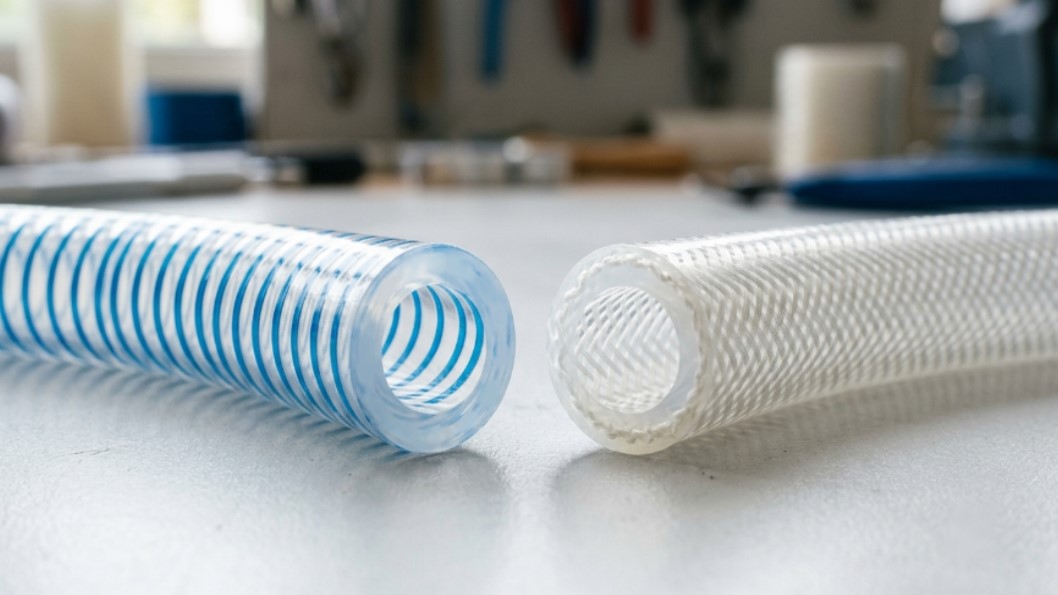
Reinforcements are used to improve the performance of silicone tubing for specific applications.
- Polyester (PET), nylon, or fiberglass braiding in tubing for additional strength in high-pressure systems to avoid bursting
- Tight spiral design for kink resistance
- Smooth inner surface with priming improvements
- Low-tack surface treatment for enhanced handling
- Elongation, tear strength, compression set, and other mechanical properties for specific needs
- Vacuum or pressure needs
- Carbon-filled tubing for static dissipation
- Availability for coolant, oil, and antifreeze for automotive and heavy machinery
- High-temperature silicone tubing and tubing with cold resistance for exhaust systems, hot air transfer, or industrial ovens
- Wire-reinforced tubing to prevent collapse under suction with spiral wire for medical suction or automotive cooling systems
- Custom silicone tube connector for integration with compatibility
Targeted to reliability, safety, and efficiency in specific applications, colored or transparent silicone tubing is customized for requirements.
- Basic solid or specialty colors
- Transparent or clear for visual fluid monitoring
- Transparency options (clear silicone tubing or other custom silicone tubing)
- Multi-color co-extruded striped tubing for easy identification
- Reflective additives
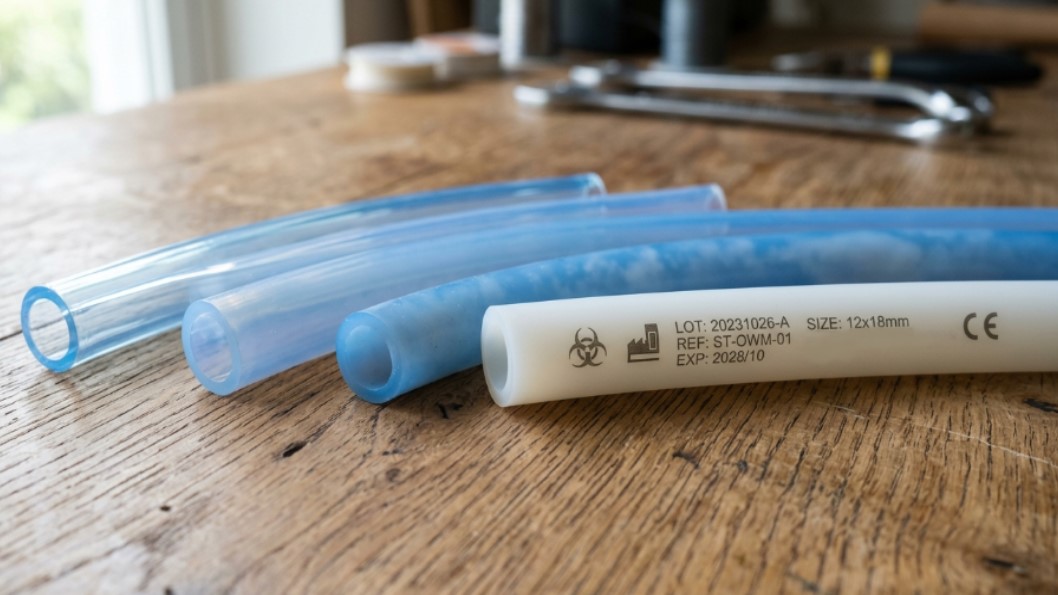
- Continuous inkjet or laser marking for logos, lengths, lot codes, and regulatory statements on tubing
Start Your Custom Silicone Tubing Project
Send your ID/OD, hardness, reinforcement, and packaging needs, and get an engineered proposal with samples and timelines. Primary: Request a Quotation | Secondary: Request Samples
How to Specify a Better Silicone Tubing
Lock ID/OD, wall, hardness, and reinforcement together—not one by one.
- ID/OD & Wall—tolerance bands must match fittings, clamps, and flow targets.
- Hardness—softer (40–50A) aids pump life and flexibility; harder (60–70A) resists kinking and clamp creep.
- Silicone Material Grade Selection—Food-grade, medical-grade, or heavy-duty applications
- Reinforcement—braided or spiral design; both change OD and minimum bend radius.
- Temperature—confirm the real exposure window and duty cycle; wall and reinforcement affect usable limits.
- Media compatibility—pigments and inks must suit the fluid, cleaning agents, and target market.
- Peristaltic fit—match the wall and rebound to the pump head; life changes dramatically with small durometer shifts.
- Length & Marking—Define coil length, meter marks, logos, and lot codes up front.
- Documentation—define which reports are needed so materials/pigments align with FDA/LFGB/REACH.
Full specification guide
How to Specify a Better Silicone Tubing—ID/OD tolerance, durometer selection, bend radius, pressure and vacuum, peristaltic life, kink resistance, and a printable checklist.
Silicone Tubing Logo & Branding Methods
Choose the branding method that fits the logo, surface and tooling plan.
Laser Marking
Permanent, non-ink text on suitable opaque compounds. Useful for sterile or solvent-sensitive environments when contrast is acceptable.
Continuous Inkjet Printing
Prints size, brand, meter marks, and lot codes along the tube. Good contrast on translucent or opaque colors with approved inks.
Stripe Co‑Extrusion
One or more longitudinal color stripes for quick line identification without printing inks.
Labels & Packaging Marks
A raised, ink-free brand mark formed in the mold for a premium look.
Silicone Tubing Material & Performance Options
Select a suitable compound, curing system, pigment, and documentation for each project.
Best for beverage and food equipment.
Platinum-cured silicone with post-cure supports low odor and extractables with food-contact compounds when paired with compliant pigments and inks.
Material Comparison
Silicone Tubing vs. PVC Tubing: Which Is Better? — Heat temperature, flexibility, stretchability, kink resistance, hardness range, tensile strength, and UV resistance.
60°C to 200°C is a typical working range for silicone tubing.
The usable ceiling depends on compound, wall thickness, and reinforcement; confirm continuous vs. intermittent exposure.
Braid reinforcement increases burst and working pressure.
The rating depends on ID/OD, wall, braid angle, and temperature. Unreinforced tube is for low-pressure transfer and pumps.
Helical wire prevents collapse under vacuum and tight bends.
For unreinforced tube, the durometer and wall largely decide the minimum bend radius and kink onset.
Pump life is driven by wall thickness, durometer, head geometry, and speed.
A softer wall improves compression/rebound but may reduce kink resistance elsewhere.
Post-cure reduces volatiles and odor.
For sensitive media, define extraction test conditions and select compatible pigments and printing inks.
Moreover, surface pretreatments can improve adhesion for printing process.
As specified: steam, EtO, or gamma, subject to compound and any printed marks. Not intended for implant use.
Material data sheets, declarations, and project-specific reports are available. The scope must match the exact compound, pigment, and destination market.
Care guide
How to Clean & Care for Silicone Molds — cleaning steps, odor and residue fixes, drying, storage and stain prevention.
Proper cleaning and maintenance methods extend the service life and ensure performance of silicone tubing.
Care guide
How to Clean & Care for Silicone Molds — cleaning steps, odor and residue fixes, drying, storage and stain prevention.
How Custom Silicone Tubing Is Manufactured

STEP 1: Requirement Review
We confirm ID/OD, wall, durometer, reinforcement, coil length, printing string, documentation, and destination market, then set tolerance targets and test plan.
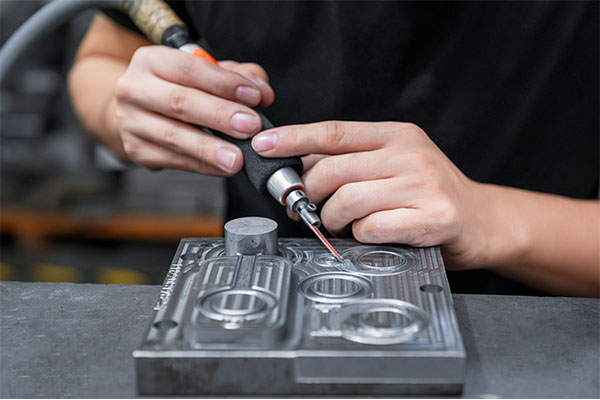
STEP 2: Tooling Evaluation
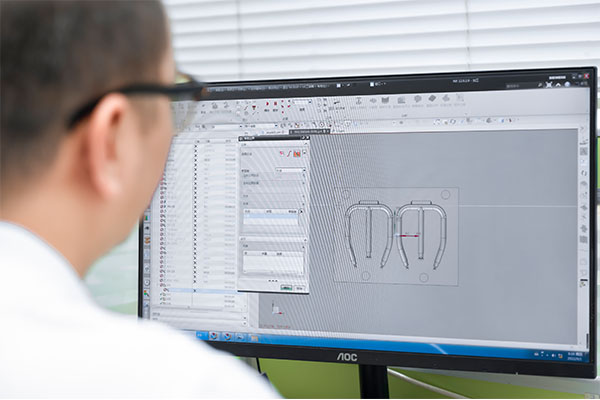
Existing dies are checked; new sizes or reinforcement schemes may need custom dies, mandrels, and braid settings before sampling.
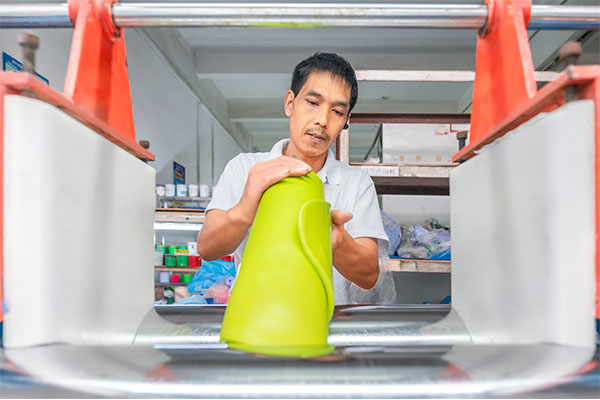
STEP 3: Material and Color Preparation
The chosen silicone and pigment are mixed into the formulation, then conditioned for extrusion and a small post-cure trial.
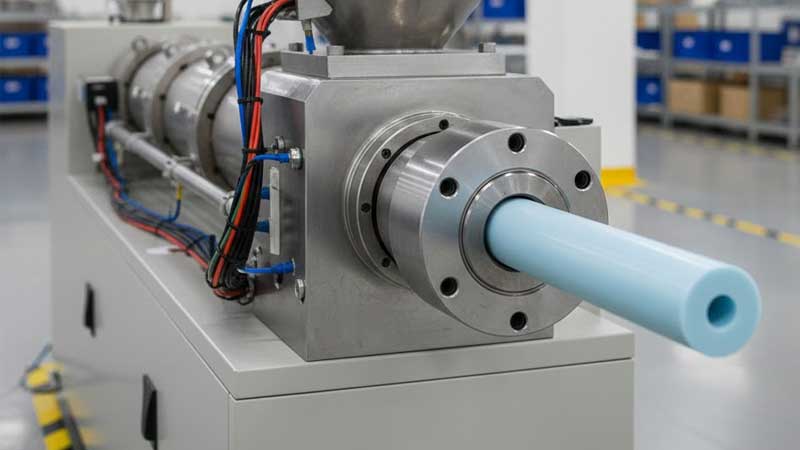
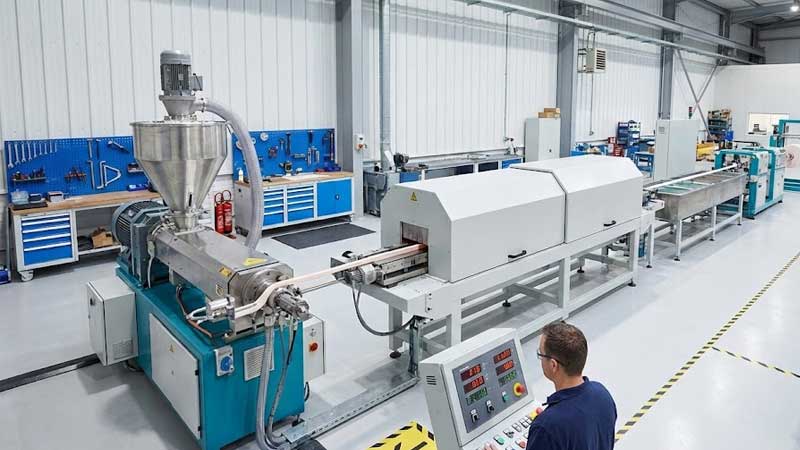
STEP 4: Extrusion Molding
Compound is extruded through the die to target ID/OD and wall, with closed-loop line control for size and ovality.
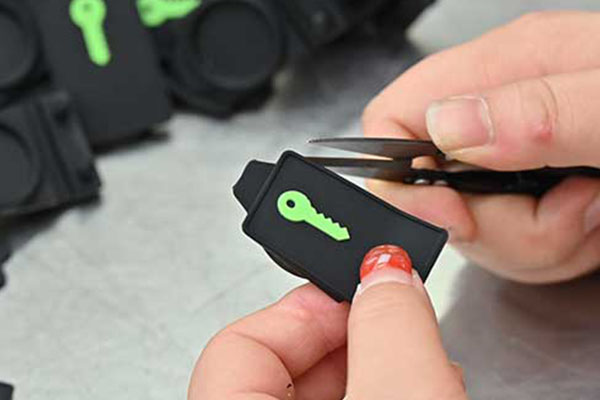
STEP 5: Curing & Finish
The tube is continuously vulcanized in a hot-air tunnel or salt bath; platinum systems may include in-line post-cure.
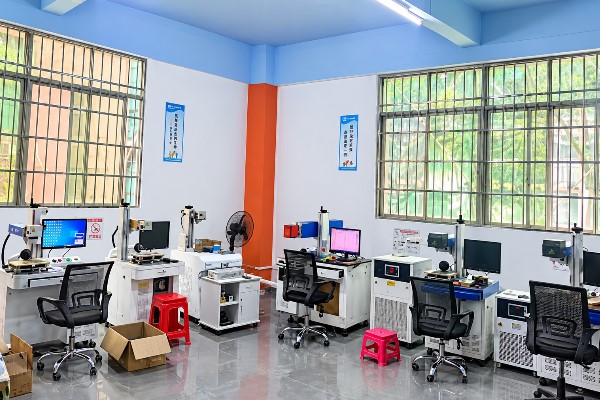
STEP 6: Reinforcement (if any)
Braid or wire is applied between silicone layers, then encapsulated to a smooth outer surface ready for marking.
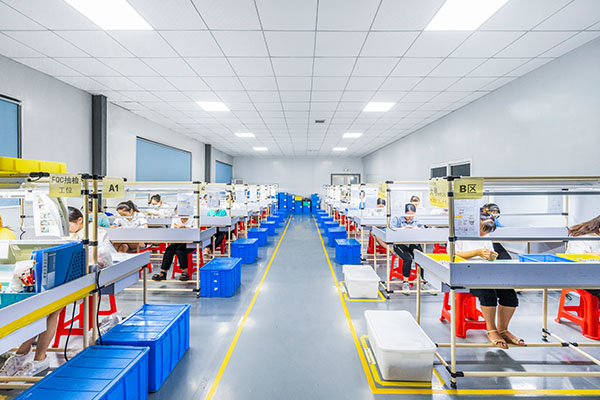
STEP 7: Printing, Cutting & Coiling
Continuous inkjet or laser applies texts; tubes are cut to length or coiled, meter-marked, and tied or bagged per the packaging plan.
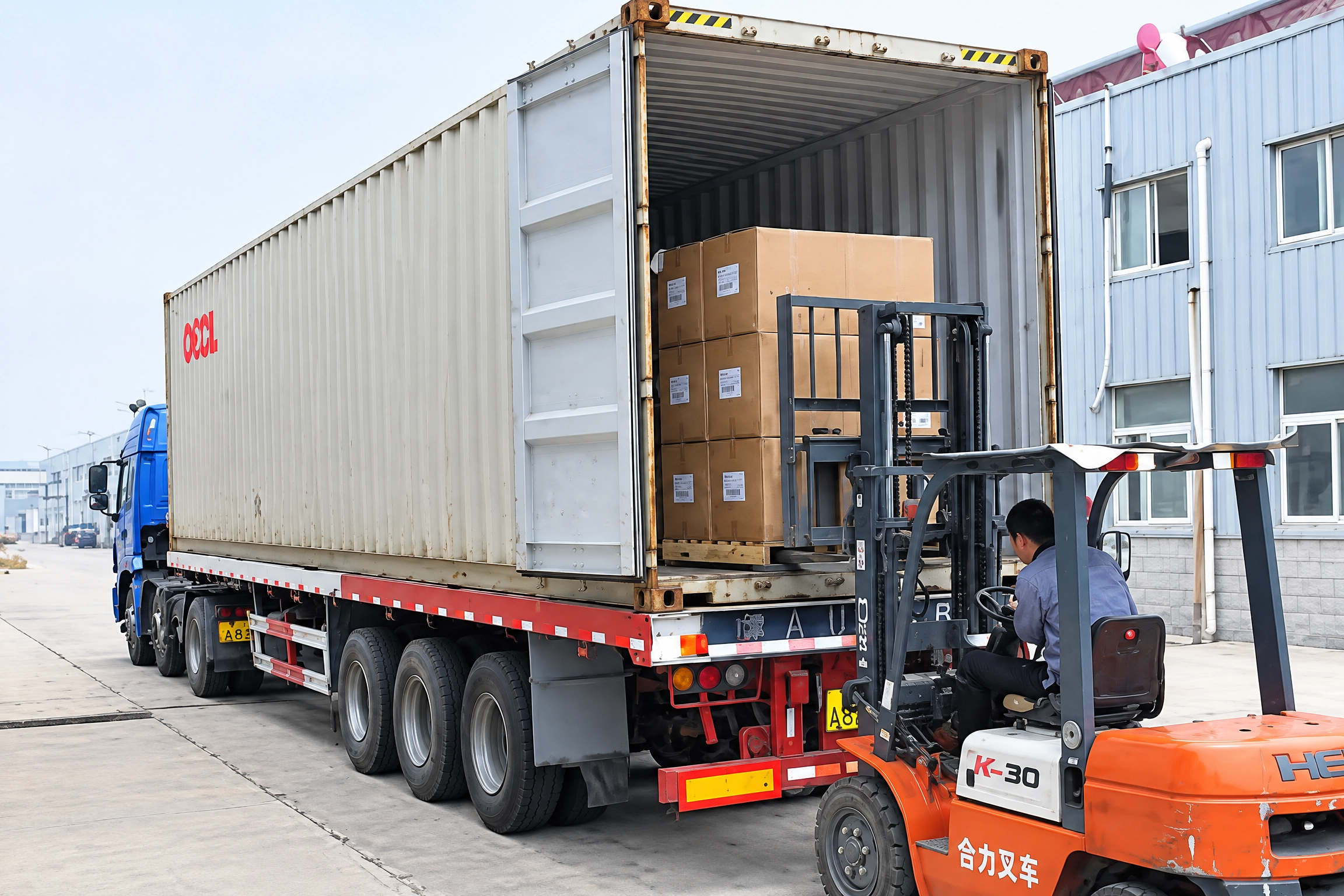
STEP 8: Inspection & Packing
ID/OD, wall, hardness, and visual quality are checked against the approved sample and AQL plan; cartons are labeled and prepared for shipment.
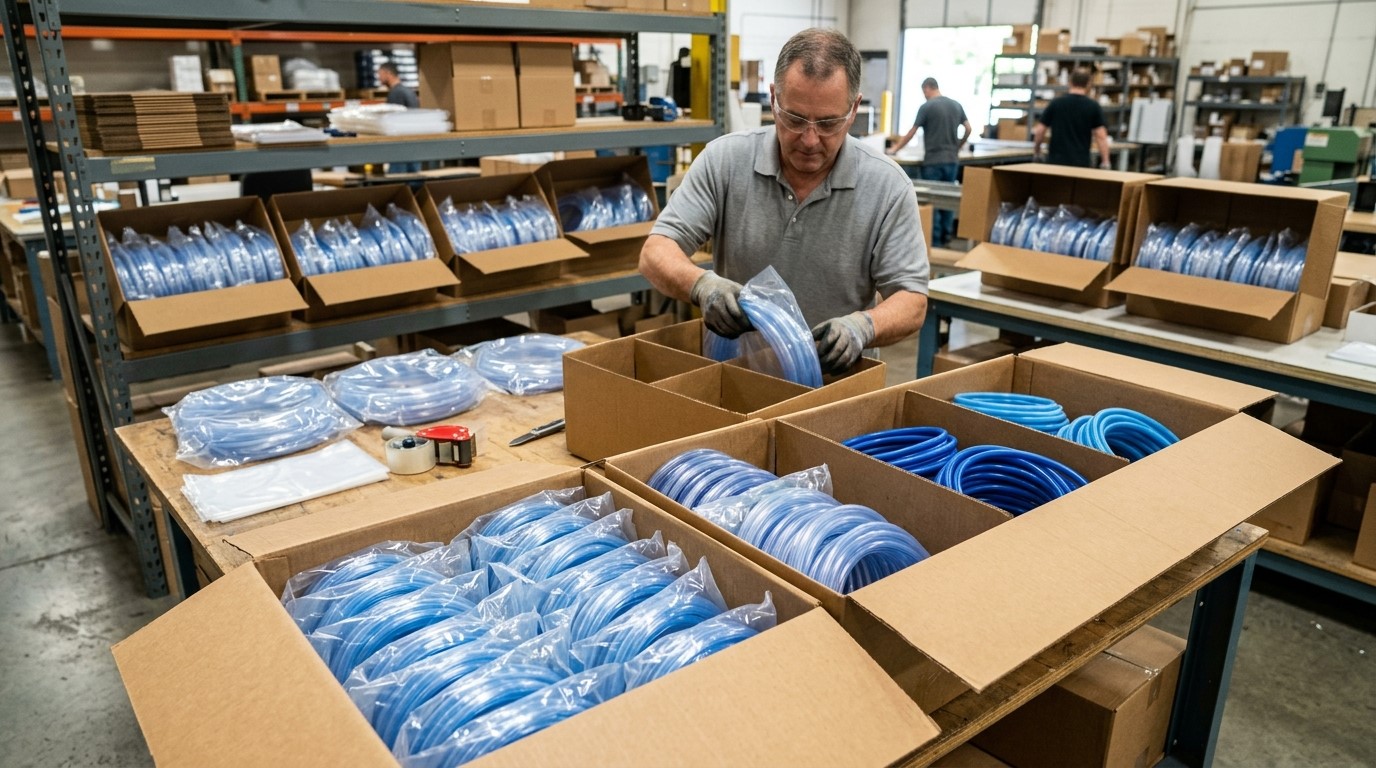
Silicone Tubing Quality Control
Quality control involves more than just checking the silicone material. It also requires consistent color, stable cavity dimensions, clean surfaces, accurate branding, and dependable packaging.
AQL 2.5 / 4.0 Standard Inspection
We conduct final random sampling plans to verify batch consistency:
AQL 2.5
Critical / Major Defects
AQL 4.0
Minor Visual Flaws
Another inspection standard may be used if specified in the purchase order.
Approved Sample Control
One signed sample defines size, hardness, color, print string, and packaging; the line is paused if results diverge from that sample.
Incoming Materials
Silicone, pigments, braid yarn, and inks are checked against the formulation and documentation required for the destination market.
In‑Process Checks
ID/OD and wall are monitored with inline gauges; ovality, surface finish, and print clarity are verified at set intervals.
Dimensions & Tolerance
Micrometers and pin gauges verify ID/OD; typical tolerance bands are agreed upon per size class and extrusion setup.
Hardness
Shore A durometer checks confirm batch consistency and expected kink/fit behavior.
Pressure & Vacuum (as specified)
Braid tubes undergo burst and hold tests; wire-reinforced tubes are checked for collapse under specified vacuum and bend radius.
Peristaltic Fit (when relevant)
Life or flow stability testing can be run to a specified head, speed, and fluid.
Marking & Length
Print readability, character height, and repeat are checked; coil length and meter marks are verified.
AQL Final Inspection
AQL 2.5 for major and 4.0 for minor defects, or your specified plan; results recorded with lot traceability.
Silicone Tubing Packaging Options
Packaging for plans should be planned early because separate schedules are needed for printed items.

Bulk Coils
Cost-efficient coils with ties, clear labels, and carton barcodes suit OEM assembly lines and distributors prioritizing handling efficiency and stock rotation across multiple SKUs.
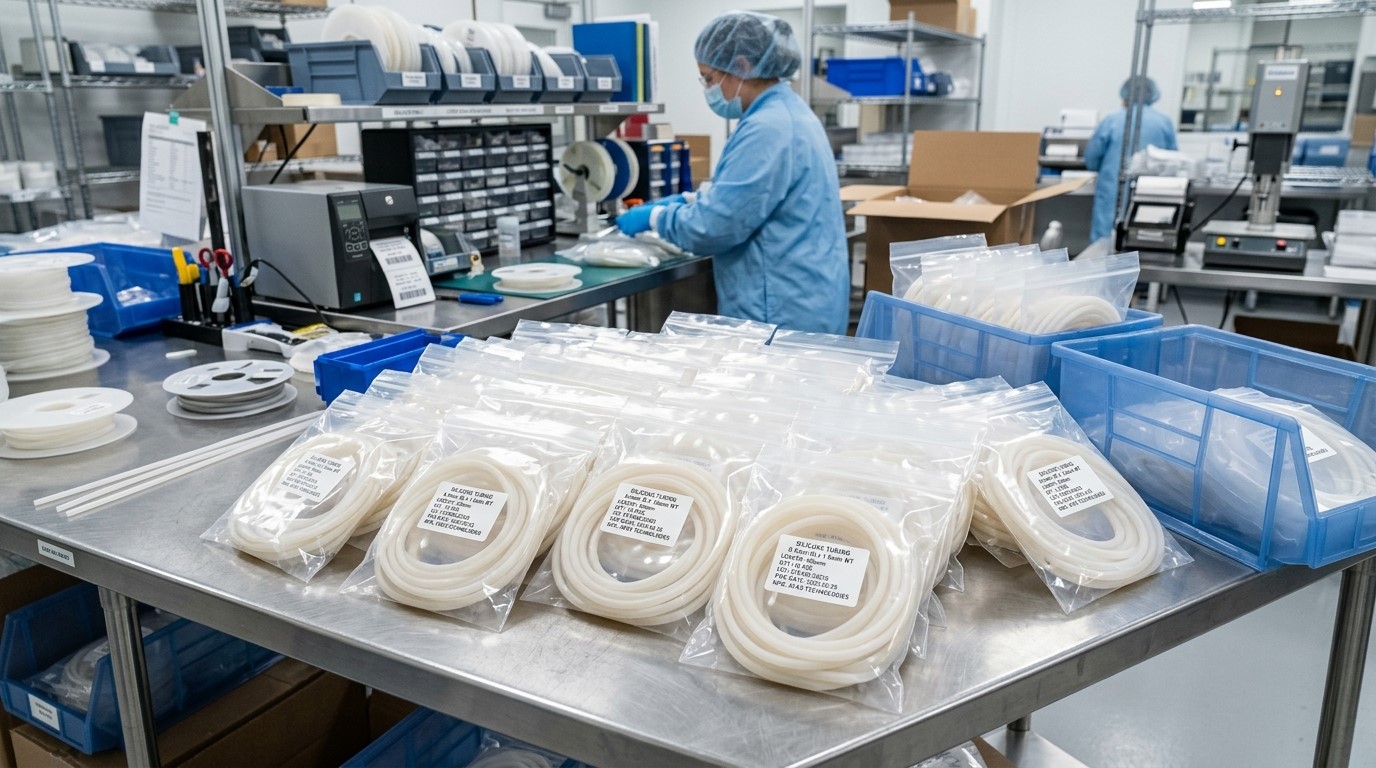
Cut-Length Bags
Pre-cut lengths bagged in sets with size and lot labels simplify workstation kitting, reduce cutting waste, and support cleaner handling in lab and light‑industrial environments.
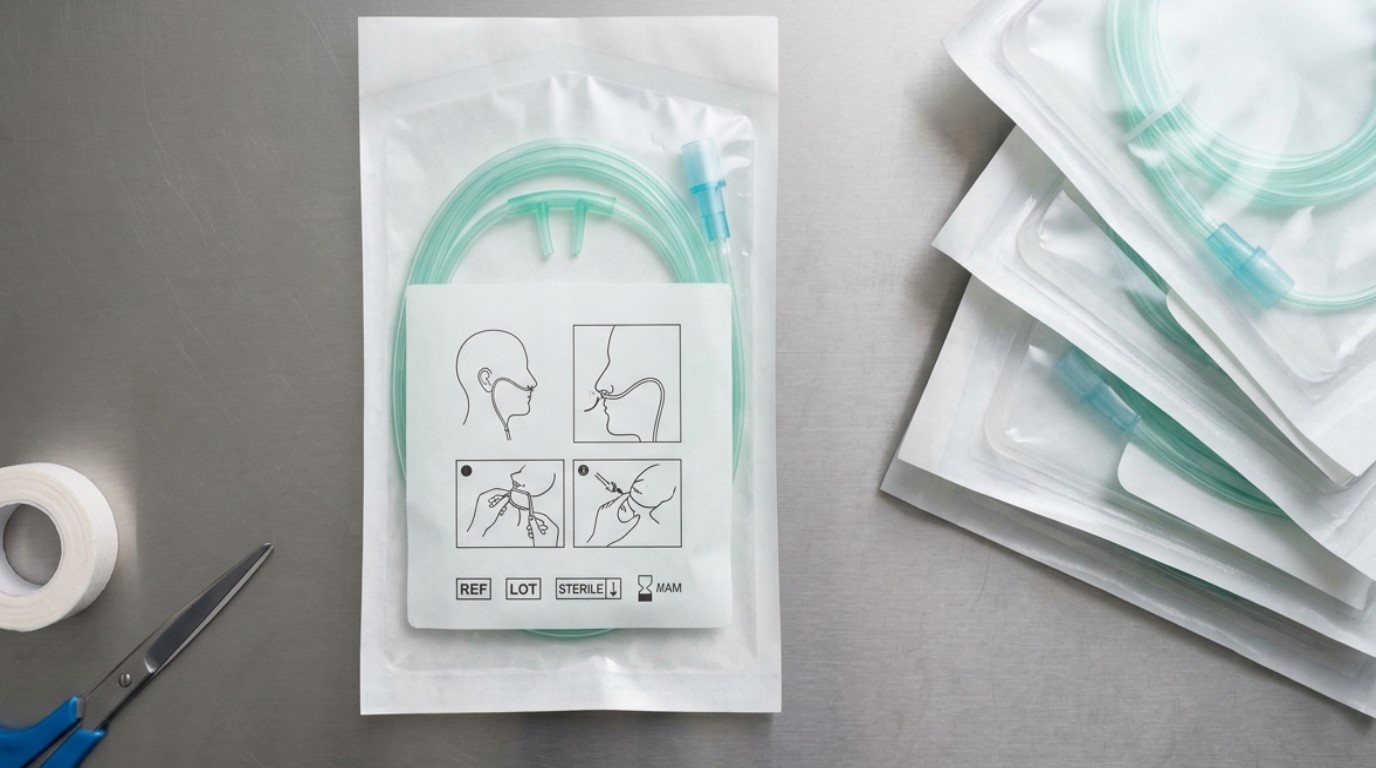
Sterile or Clean Pack
When specified, cleanroom packing and sterile bags are coordinated with validated printing, double-bagging, and outer carton marks for controlled areas and documented handling flows.
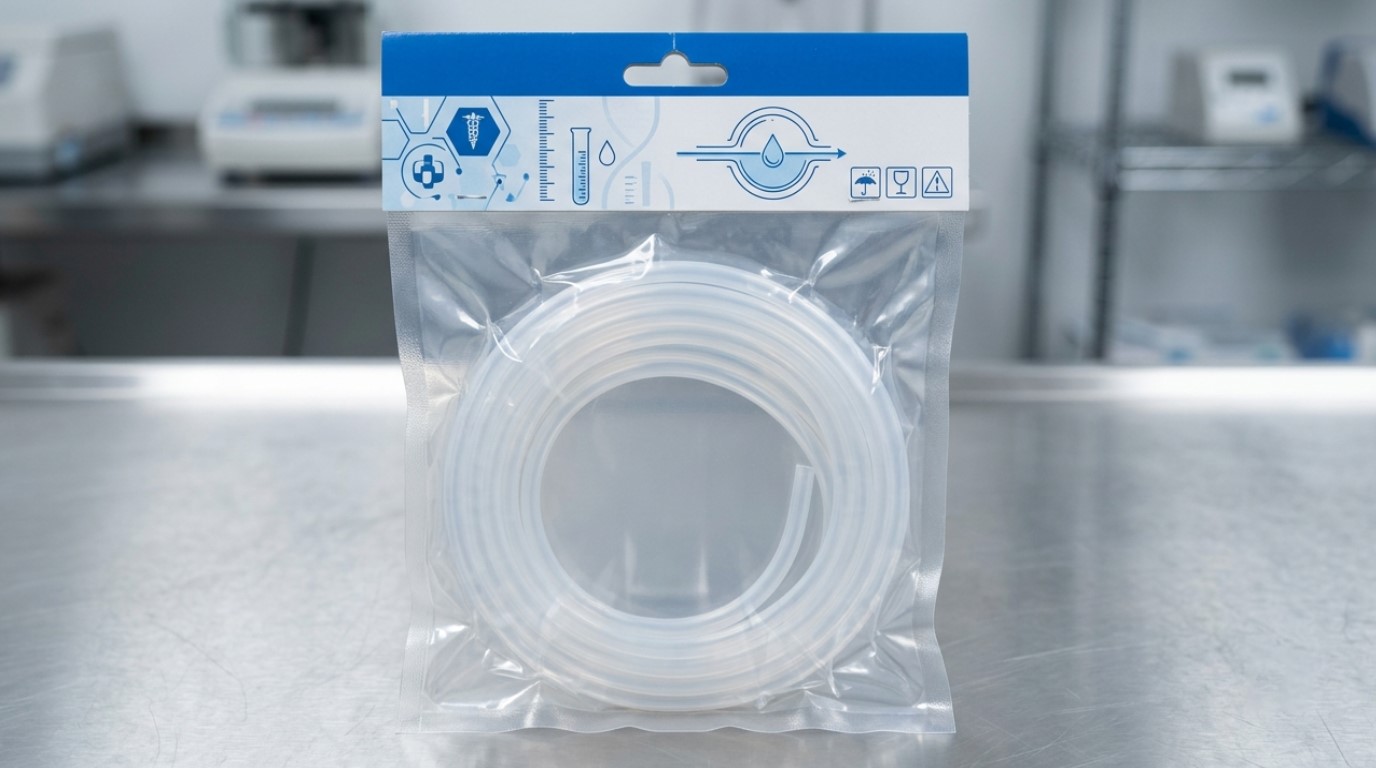
Retail & Ecommerce
Branded coil sleeves, UPC/EAN barcodes, instruction inserts, and safety statements prepare SKUs for marketplaces and stores, with carton labeling aligned to fulfillment center requirements.

Typical Silicone Tubing Specifications
| Specification | Reference Range |
|---|---|
| Product | Extruded silicone tubing (unreinforced, braided or wire-reinforced) |
| Inner diameter (ID) | 1.0–25.0 mm standard; larger on request |
| Outer diameter (OD) | 2.0–35.0 mm depending on wall and reinforcement |
| Wall thickness | 0.5–5.0 mm per size and application |
| Tolerance (ID/OD) | ±0.10–0.30 mm typical, agreed per size class |
| Hardness (Shore A) | 40–70 Shore A; peristaltic often 45–55A |
| Temperature range | -60°C to 200°C; project ceiling per compound and wall |
| Working pressure | Unreinforced: low pressure; Braid: rating set by ID/OD/wall/temp (confirmed by test) |
| Vacuum rating | Wire-reinforced: collapse resistance set by wire pitch and wall (confirmed by test) |
| Reinforcement options | Polyester braid, aramid braid, helical steel wire, none |
| Peristaltic suitability | Yes for unreinforced; wall and hardness tuned to pump head |
| Color & finish | Translucent, opaque colors, Pantone match; optional stripe(s) |
| Printing/marking | CIJ or laser text; meter marks; lot/date codes |
| Coil length | 10–100 m coils typical; custom cut lengths available |
| Documentation | Material data sheets, declarations; FDA/LFGB/REACH reports per project |
| MOQ | From 1,000 m standard; 3,000–5,000 m when new tooling is required |
| Lead time | Samples 5–10 days; mass production 10–20 days after approval |
| OEM / ODM | Available; private-label packaging supported |
All figures are initial project references and are finalized against the approved sample, test plan, and purchase order.
Why Work with RY Silicone
Silicone Manufacturing Experience Since 2012
A China-based factory specializing in custom silicone extrusion and molding for global OEMs, brands, and distributors.
10,000+ m² Production Facility
In-house extrusion, curing, braiding, printing, and packaging support flexible MOQs and stable repeat orders.
30+ Production Machines
30+ production machines with scalable runs across multiple IDs and packaging schemes.
Up to 100,000 Silicone Products per Day
That headroom enables us to take on repeat orders and five- to six-figure production runs without delaying your delivery date.
Actual mold capacity depends on cavity configuration, cycle time, and inspection requirements.
Engineering Review Before Quotation
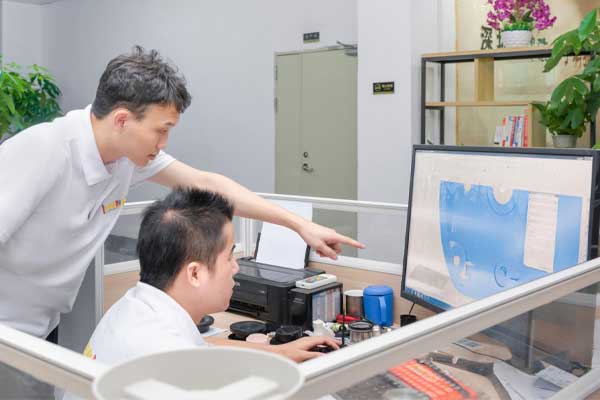
We evaluate ID/OD tolerance, durometer, reinforcement, bend radius, print string, and documentation so the quote matches manufacturability and compliance.
Sample-Based Production
One approved sample and print proof govern the run; if reality and paperwork diverge, production pauses for confirmation.
Export Project Support
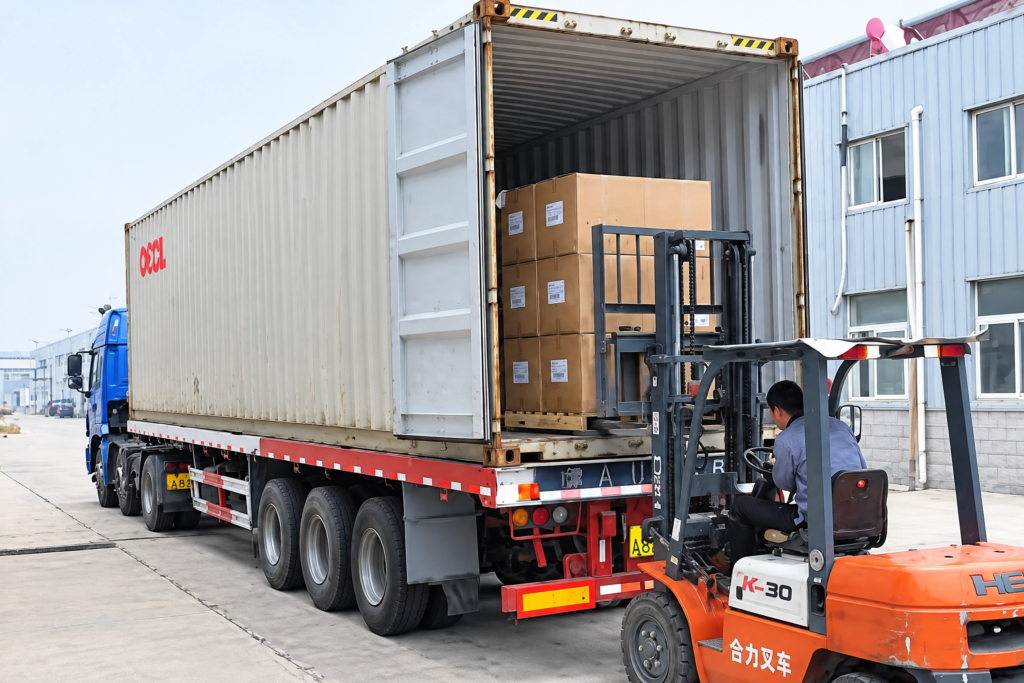
OEM/ODM, wholesale, and private-label programs with carton labeling, barcodes, and shipment documents for North America, Europe, and beyond.
Silicone Tubing FAQ and Final RFQ
What is the MOQ for custom silicone tubing?
From 1,000 meters for standard sizes and colors; from 3,000 to 5,000 meters when new dies or reinforcement setups are needed. MOQ may vary with ID/OD, color, and packaging.
Platinum- or peroxide-cured—which should I choose?
Platinum-cured is preferred for food-contact and low-odor needs. Peroxide-cured can suit industrial uses. The right choice depends on media, odor limits, and documentation.
What ID/OD tolerance can you hold?
Typical bands are ±0.10–0.30 mm depending on size and line setup. We agree on a size-class table during sampling and validate it with inline and offline gauges.
Can you rate the tubing for pressure or vacuum?
Yes, for reinforced constructions. We confirm ratings by burst/hold or collapse tests at specified temperatures. Unreinforced tubes are for low pressure and pumps.
Is your tubing suitable for peristaltic pumps?
Yes, for unreinforced designs. We tune the wall and durometer to your pump head; expected life depends on speed, squeeze, fluid, and temperature.
Why is reinforced silicone tubing more expensive?
While general-purpose silicone can be extruded and cured continuously, reinforced silicone tubing requires an intricate, multi-step process.
During manufacturing, the tube wall is built layer by layer on a temporary support rod called a mandrel, and a structural spiral or braid is applied simultaneously. After the material is heat-cured (crosslinked), the mandrel must be physically removed, adding labor and technical challenges.
How do I clean standard and heat-proof silicone tubing?
For everyday cleaning and to remove contaminants, you can wash heat-proof silicone tubing using warm water and a mild detergent. If your application requires sensitive use or a higher level of sanitation, wiping or flushing the tubing with alcohol-based solutions is recommended.
Moreover, there are sterilization methods that depends on specific application and the grade of the tubing:
- Autoclaving: Uses high-pressure steam and is ideal for medical-grade tubing.
- Chemical Cleaning: Perfect for delicate systems where exposure to high heat could cause damage.
- Gamma or EtO (Ethylene Oxide): Best suited for critical medical and laboratory environments.
Can you provide FDA, LFGB, or REACH documentation?
Available documentation depends on the selected compound, pigments, and inks and the destination market. Provide the exact standard so we align materials accordingly.
Can you print our brand and size on the tube?
Yes. Continuous inkjet or laser marking can include size, brand, meter marks, and lot codes. Approve the string, character height, and repeat interval before production.
Do you supply cut-to-length pieces?
Yes. We deliver coils or pre-cut lengths with bag labels and lot codes, packed per workstation or retail requirements.
Are translucent and colored tubes both available?
Yes. Translucent natural silicone and opaque Pantone-matched colors are available. Stripe co‑extrusion provides line ID without inks.
What applications are not suitable?
We do not supply for implantable or life-sustaining applications. Strong solvents, oils, or high pressure may require alternative materials or reinforcement—share your media and duty cycle.
What is the custom development process and timeline?
Scope review → tooling confirmation → sample in 5–10 days → approval → production in 10–20 days. Testing (pressure, vacuum, pump life) may extend timing per plan.
Proper custom silicone extrusion design is benefitial for your silicone tubing project, meeting the functional, aesthetic, and performance requiremenets.
To quote your project, please provide:
- Drawings or design files
- Target quantity and coil/cut length
- ID/OD and wall, or fitting standard
- Hardness (Shore A) and reinforcement need
- Media, temperature, and pressure/vacuum
- Peristaltic pump model (if relevant)
- Color, stripe, and print string
- Packaging and labeling requirements
- Destination market and required documents
- Target delivery date