Manufacturing custom silicone products since 2012

Silicone Soap Molds Manufacturer

Create durable silicone soap molds with custom shapes, cavity layouts, colors, logos, and packaging for handmade soap brands, wholesalers, and private-label programs.

Home » Silicone Soap Molds

What Is a Silicone Soap Mold?

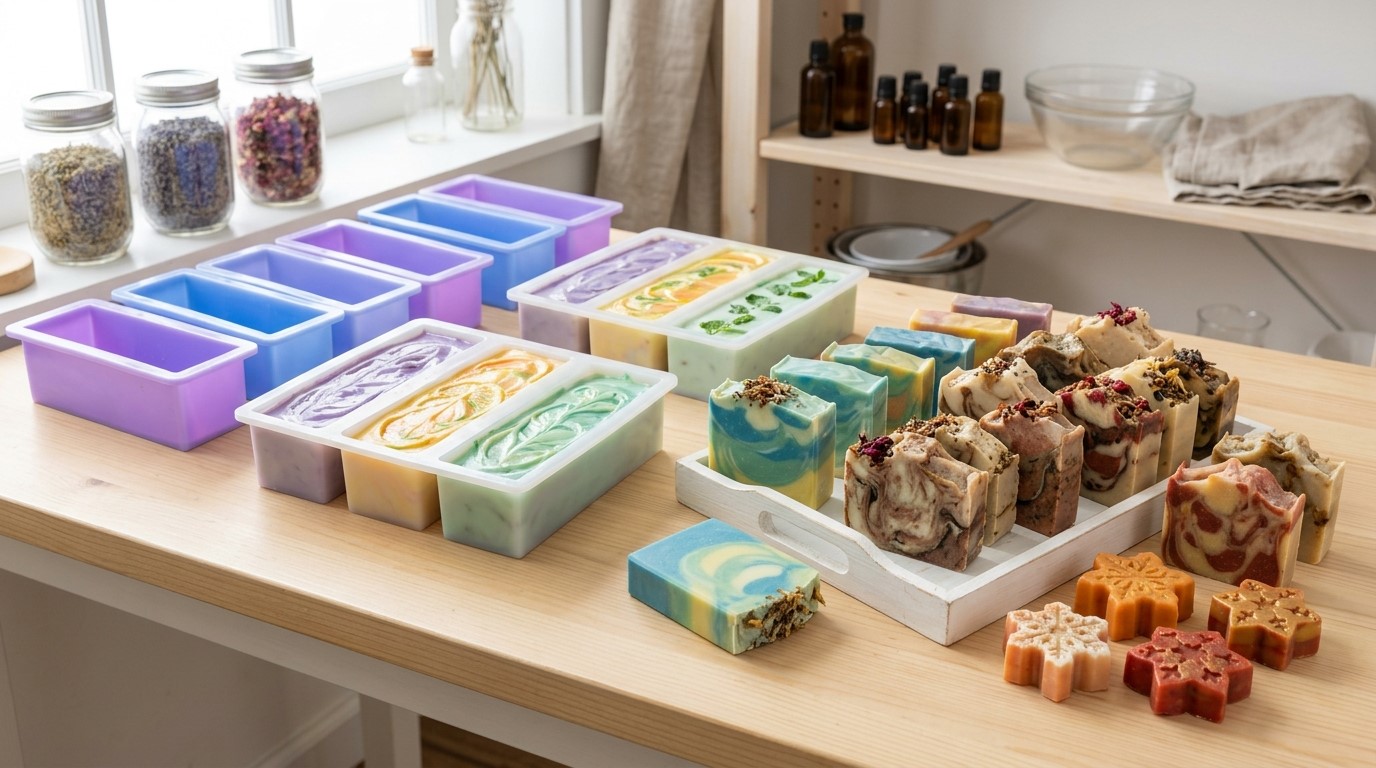
A custom silicone soap mold is a flexible tool designed around your exact cavity shape, dimensions, branding, and packaging needs. These silicone soap mold solutions make it easy to shape liquid or semi-solid soap into repeatable bars or designs while ensuring the finished product releases smoothly with minimal damage.

Manufactured by RY Silicone, an established custom OEM/ODM silicone factory in China since 2012, production utilizes a 10,000+ square meter facility equipped with 30+ machines. While overall daily output reaches up to 100,000 products, specific capacity for soap molds depends heavily on your unique cavity structure, size, and material selections.

Silicone Soap Mold Manufacturing at a Glance

MOQ & Development

Existing mold designs support lower-volume branded projects, while unique cavity shapes and structures require dedicated tooling development.

Product Specs

Cavity dimensions, mold size, wall thickness, and hardness are engineered around soap volume, release performance, and handling stability.

Branding Options

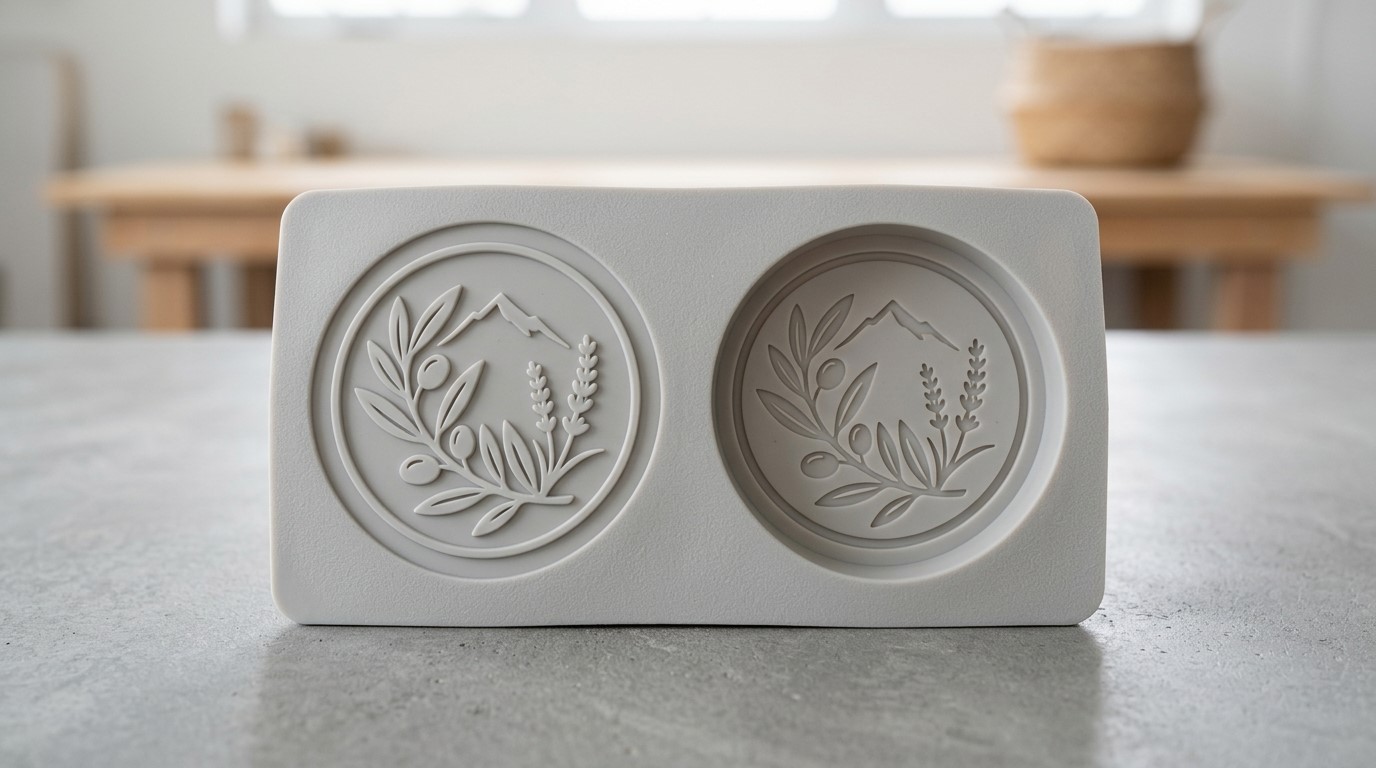
Add molded logos, cavity artwork, embossed details, or selected printing methods to create recognizable private-label soap mold collections.

Packaging Solutions

Choose bulk packing, individual bags, retail boxes, or customized packaging with labels, inserts, and barcode-ready artwork for your channel.

Who We Manufacture Silicone Soap Molds For

Choose the mold structure around your soap type, production method, and sales channel.

Silicone loaf soap molds and custom silicone soap molds for Handmade Soap Brands

Handmade Soap Brands

Develop distinctive silicone soap molds for signature bars, artisan collections, and seasonal launches. Custom cavity shapes, surface details, and molded branding help your products create a recognizable identity across expanding retail collections.

Silicone soap molds with in-cavity pattern for Private-Label Soap Sellers

Private-Label Soap Sellers

Build a branded soap mold program using existing structures or newly developed tooling. We support custom colors, cavity designs, logos, and retail packaging for businesses developing differentiated private-label product ranges.
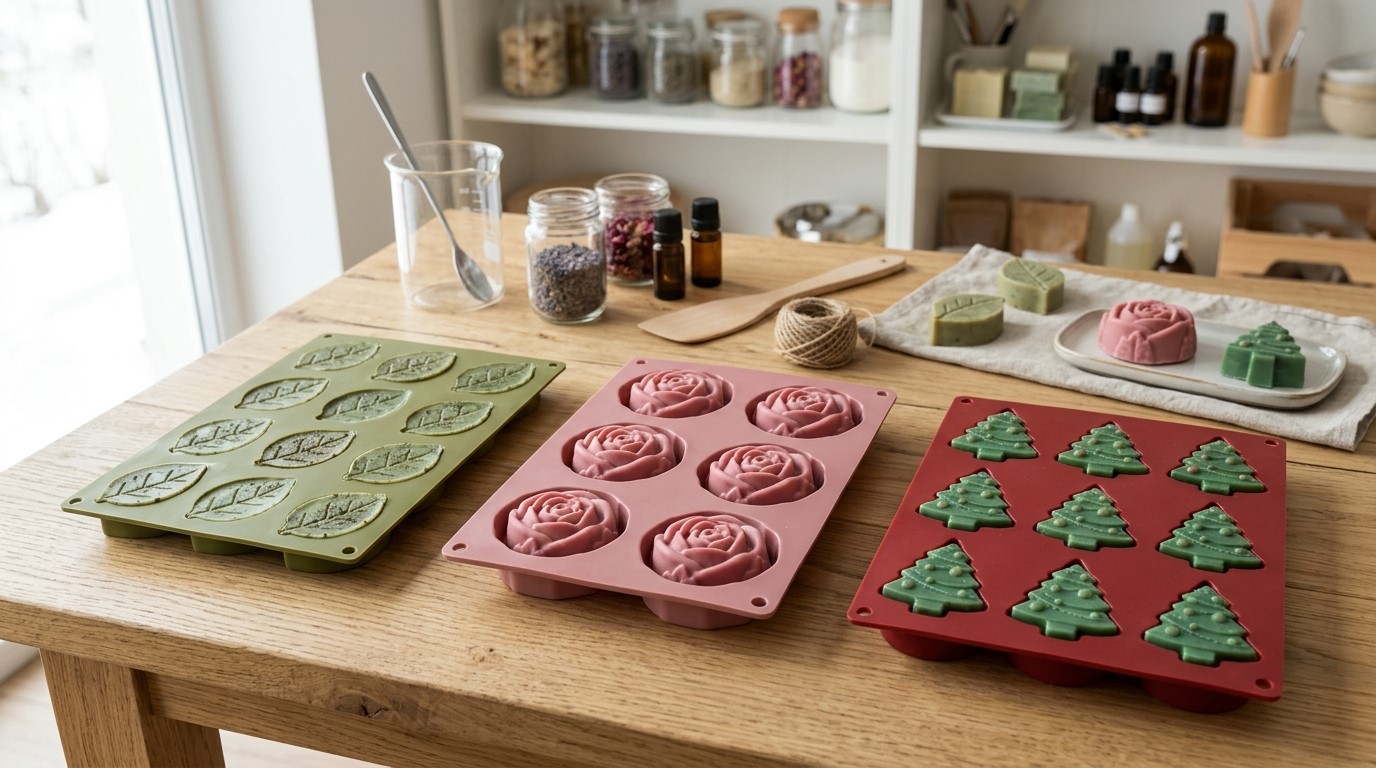
Novelty silicone soap molds for Soapmaking Supply Brands

Soapmaking Supply Brands

Create practical molds designed for repeated filling, curing, and demolding. We evaluate cavity depth, wall structure, and flexibility together so the finished mold matches your soapmaking process and intended product format.
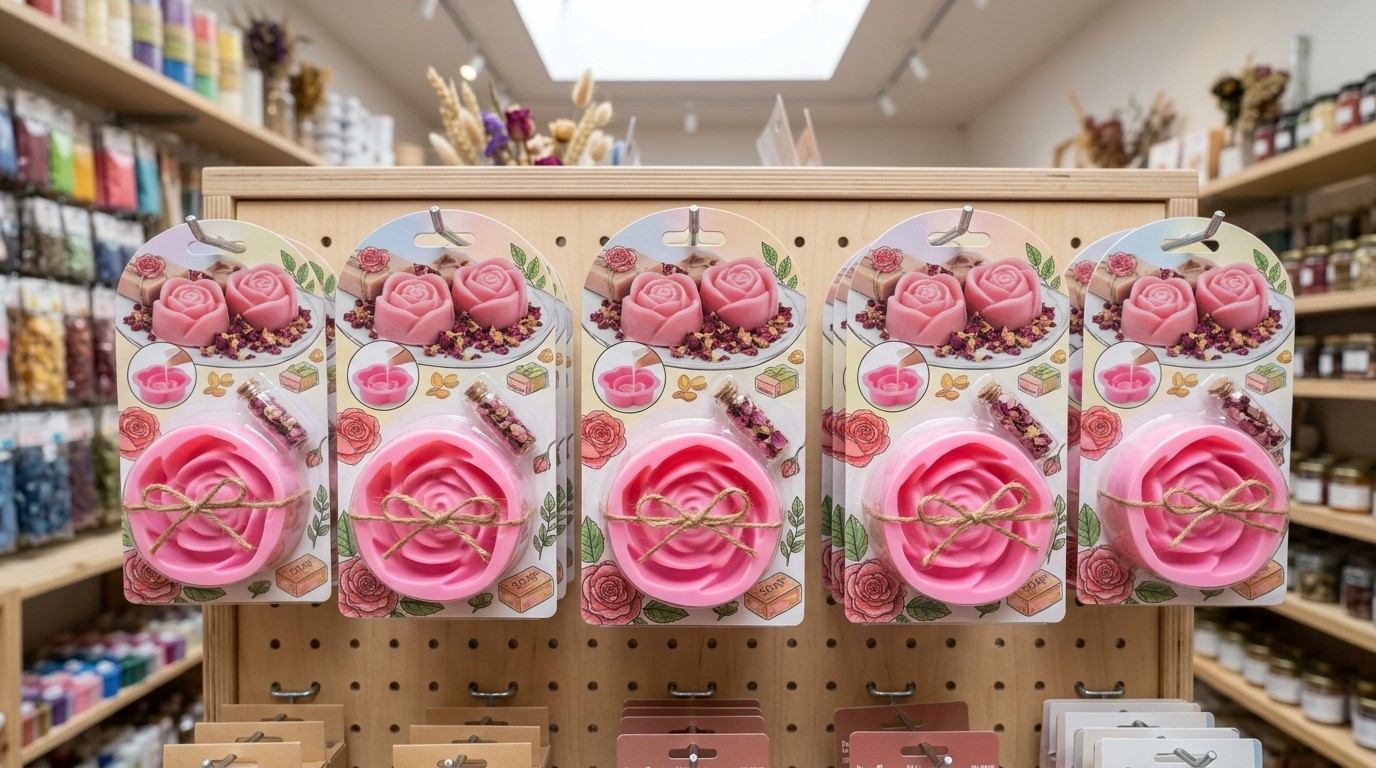
Silicone rose sopa molds in blister packaging for Craft Hobby Retailers

Craft & Hobby Retailers

Offer silicone soap molds for home soapmaking, DIY kits, and creative workshops. Product shapes, packaging, and instructions can be adapted to improve shelf presentation and simplify customer selection.

A multi cavity silicone leaf shaped soap mold for Distributors Wholesalers

Distributors & Wholesalers

Source silicone soap molds in bulk for craft, beauty, hobby, and homeware channels. Standard designs enable broader product selection, while customized packaging and branding support different customer segments and regional markets.

Silicone soap mold liner in handmade soap making kit for Promotional & Seasonal Programs

Promotional & Seasonal Programs

Develop themed molds for holidays, gift sets, workshops, and limited campaigns. Existing mold concepts can shorten development, while custom cavities provide stronger differentiation when your campaign requires exclusive shapes.
Silicone Soap Mold Types We Can Develop

Silicone Soap Mold Customization

Build the mold around your soap format, production process, and brand requirements.

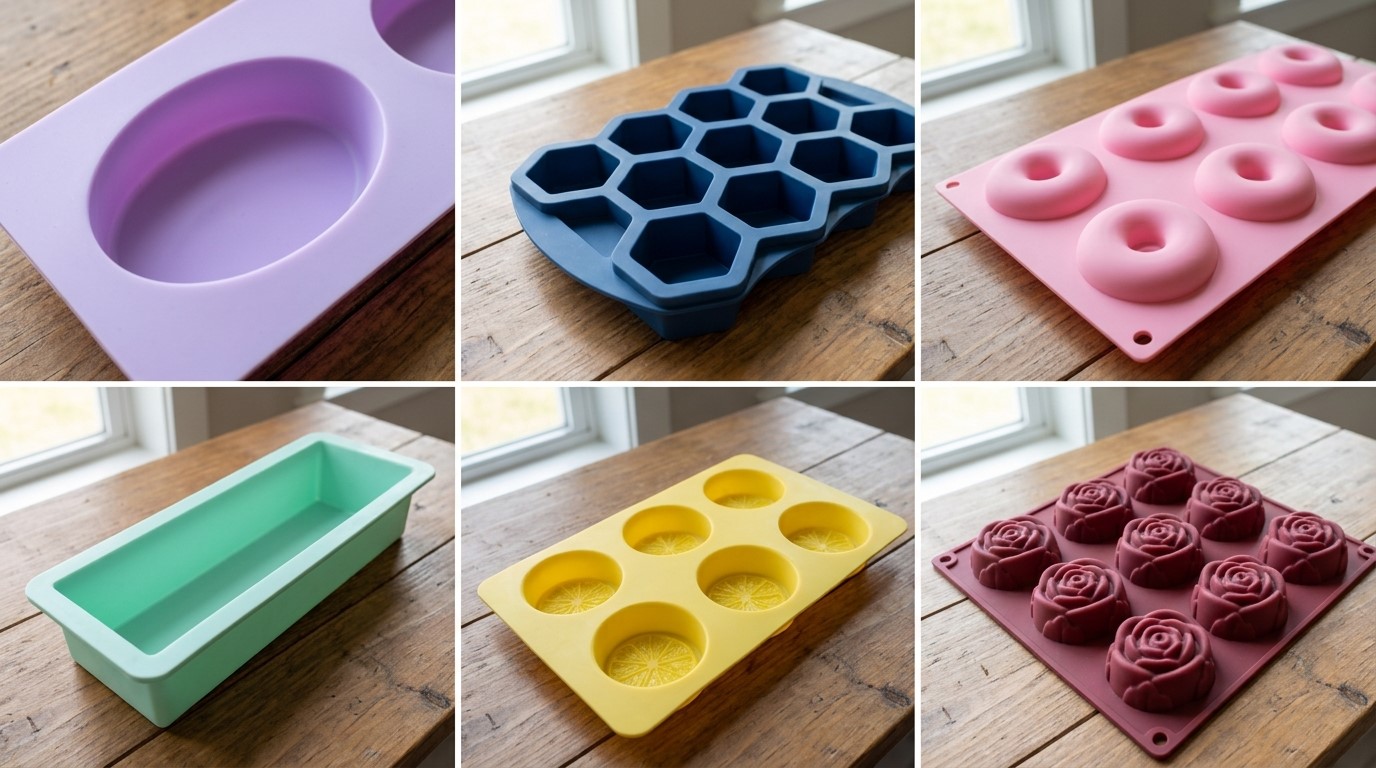
Flexible shape designs of silicone soap mold

Choose a mold structure that matches your target soap design, from standard bars to detailed decorative or completely exclusive cavity concepts.

Available options include:

  • Rectangular and square batch
  • Round, oval, and hexagon cavities
  • Rose, flower and botanical shapes
  • Honeycomb shapes
  • Classic leaf
  • Citrus shapes
  • Snowflake designs
  • Donut designs
  • Loaf mold structures
  • Geometric designs
  • Animal and novelty shapes
  • Custom silhouettes
  • Single-cavity layouts
  • Multi-cavity arrangements

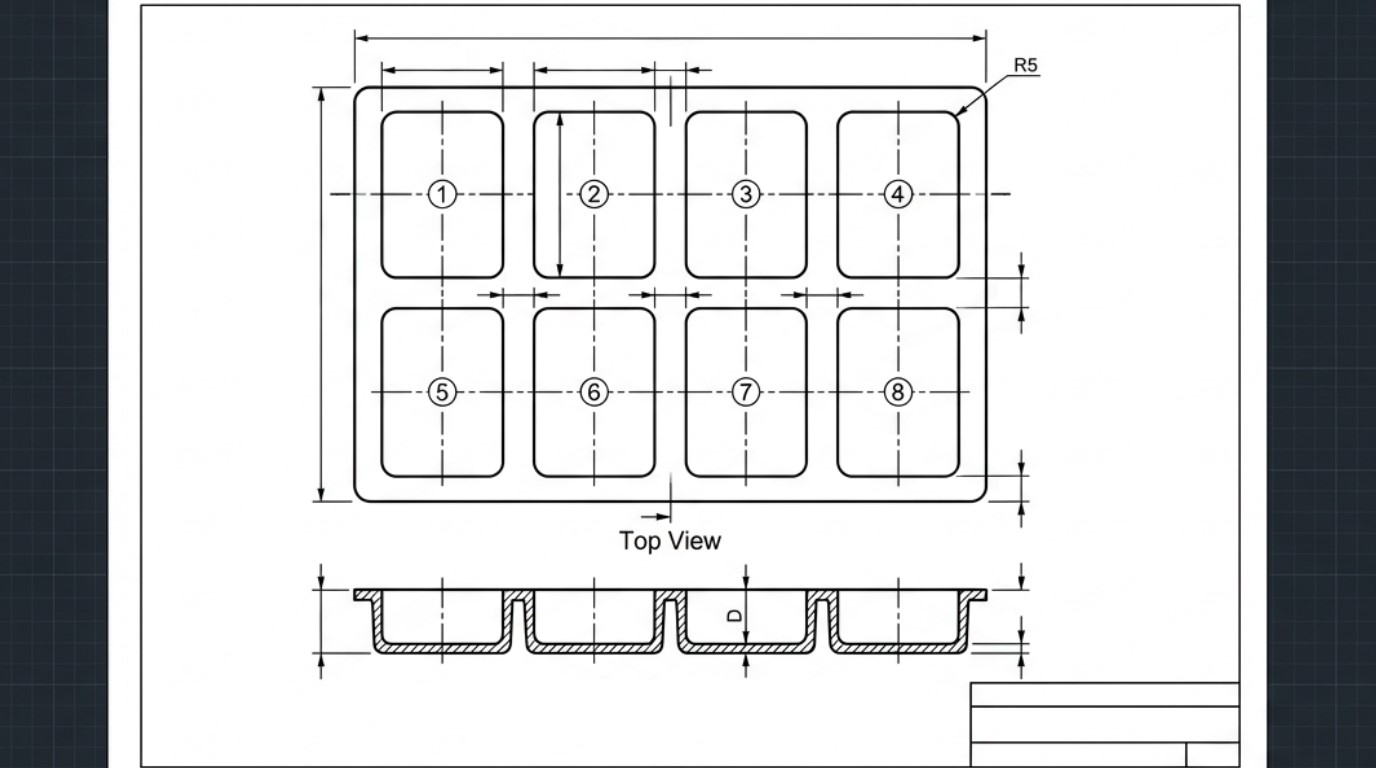
Desired dimension needs upon length, width, depth, corner radius, and wall thickness of custom silicone soap molds

Define cavity dimensions and overall mold structure according to your required soap weight, production batch, and handling method.

Available options include:

  • Custom cavity length and width
  • Custom cavity depth
  • Target soap volume
  • Single-bar dimensions
  • Multi-cavity spacing
  • Overall mold dimensions
  • Custom wall thickness
  • Reinforced rims
  • Loaf mold capacity

Custom silicone soap mold with desired structure for flexibility and stiffness needs

Design silicone mold construction around filling stability, venting, shrinkage, flexibility, draft angles, and repeated demolding so the mold performs reliably throughout regular production.

Available options include:

  • Soft or firmer mold structures
  • Adjustable wall thickness
  • Reinforced sidewalls
  • Stable base designs
  • Flexible cavity walls
  • Integrated handles
  • Stackable structures
  • Silicone liner designs
  • Compatibility with wooden support boxes

Diverse branding options and logo designs for your silicone soap molds project

Add recognizable details to the mold or finished soap by using molded artwork designed to create the desired visual effect and ensure proper cavity release.

Available options include:

  • Embossed logos
  • Debossed logos
  • In-cavity branding
  • Letters and numbers
  • Custom artwork
  • Brand symbols
  • Patterned surfaces
  • Molded decorative textures
  • Printing on suitable non-contact areas

Start Your Silicone Soap Mold Project

Send your soap mold concept, dimensions, quantity, and branding requirements. RY Silicone will review the structure and recommend a suitable custom manufacturing plan.

How to Specify a Better Silicone Soap Mold

A better soap mold balances cavity design, structure, flexibility, and your soapmaking process.

  • Cavity dimensions—Match the target soap size, weight, and intended cutting or portion format.
  • Wall thickness — Balance flexibility with enough support to prevent distortion during filling and movement.
  • Hardness — Select a silicone hardness that supports both detailed release and structural stability.
  • Cavity depth — Review depth carefully because deep, narrow cavities can make demolding more difficult.
  • Surface detail—Fine artwork requires sufficient definition without creating fragile edges inside the mold.
  • Mold structure — Large loaf molds may require external support or reinforced silicone walls.
  • Release design — Draft angle and cavity geometry should be reviewed before tooling begins.

A softer mold does not automatically guarantee easier release.

Full Specification Guide

How to Specify a Silicone Soap Mold—covering cavity dimensions, hardness, wall thickness, draft angle, loaf structures, and custom mold development.

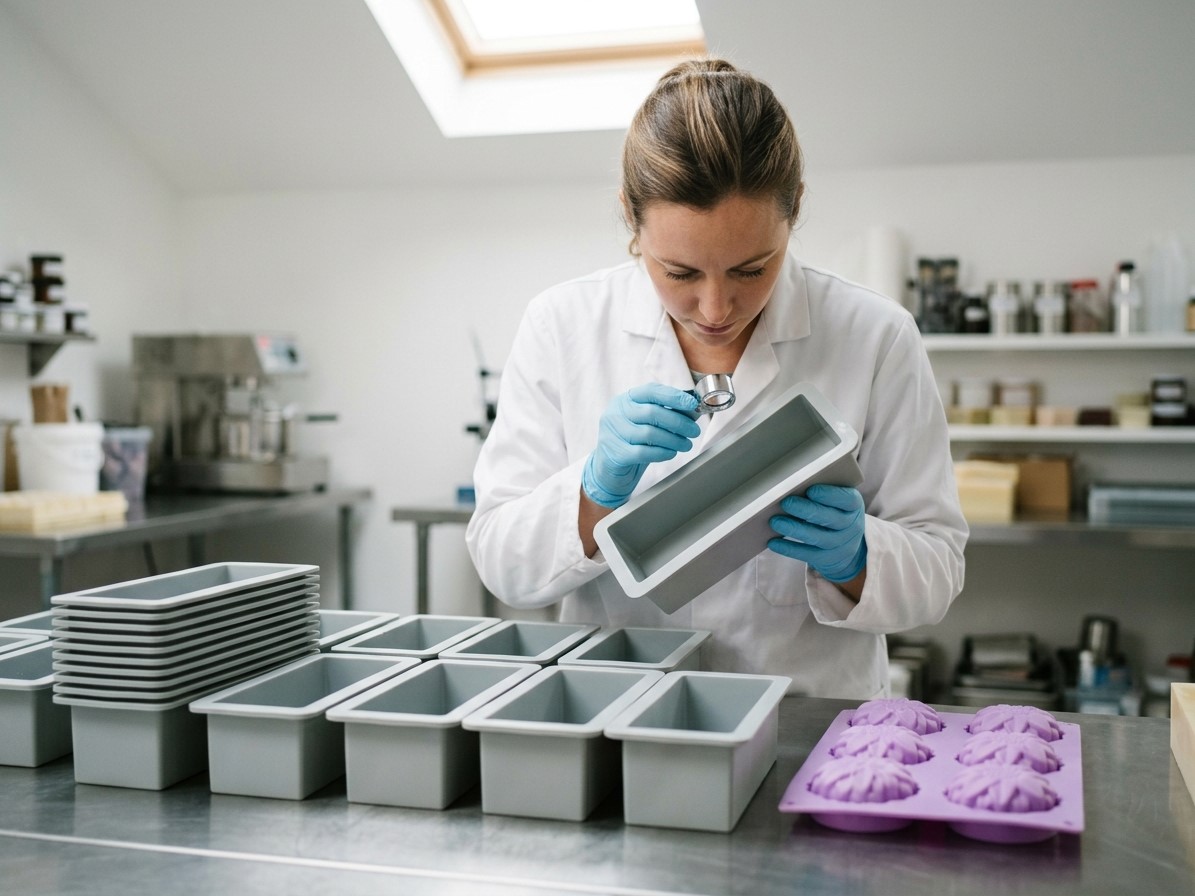
A QC tester is inspecting a silicone loaf soap mold

Silicone Soap Mold Logo & Branding Methods

Choose the branding method according to the artwork, cavity structure, and whether the design appears on the mold itself or the finished soap.

In-Cavity Logos

The logo is built directly into the cavity so each finished soap bar carries a consistent branded mark.

Surface Textures

Custom textures create distinctive geometric, botanical, and branded soap surfaces.

Embossed Details

Raised mold features create recessed patterns on the soap.

Debossed Details

Recessed mold features create raised details on the soap.

Silicone Soap Mold Material & Performance Options

Material selection should support your soapmaking process, cavity detail, and expected service life.

Suitable for molds used to make soap bars for consumer and commercial use.

Select the silicone compound according to the silicone mold design, curing process, and target market. Documentation requirements must be confirmed for the selected material and project.

More information about silicone material grade complete guide is here.

Material Comparison

Silicone vs. Metal vs. Wood Soap Molds: Which Is Best? — Compare flexibility, durability, insulation, release behavior, and suitable soap-making applications.

Flexibility helps release cured soap without damaging detailed edges.

A softer compound improves demolding, while a firmer structure provides better support during filling and movement. The final hardness should be evaluated together with cavity depth, wall thickness, and mold size.

Thin edges and detailed cavity features require sufficient resistance to repeated flexing.

Fine decorative cavities can experience concentrated stress during demolding. We review material strength and local wall thickness before tooling to reduce the risk of tearing around narrow details.

The mold must be able to withstand the temperatures and conditions of your soapmaking process.

Cold-process, hot-process, and melt-and-pour soapmaking can place different demands on the mold. Select a compound that is matched to the intended process rather than choosing only by appearance.

A stable cavity surface preserves consistent soap details over repeated production cycles.

Smooth surfaces, controlled cavity geometry, and proper curing reduce visible defects that can transfer from the mold to finished soap bars.

Available documentation about the safety and regulations may include:

  • Material data sheets
  • Material declarations
  • Project-specific test reports
  • FDA-related documentation
  • LFGB-related documentation
  • REACH-related reports

The documentation scope must match the selected silicone compound, pigment, and target market.

A raw-material report should not be presented as proof for every finished product configuration.

When soap is released from the silicone soap mold, remove any leftover soap with a sponge and dishwashing liquid. After ~15~20 minutes, spray the mold as well as cavities with alcohol. Then wipe it up with a clean cloth or tissue. And your mold is ready for next soap forming.

Care Guide

How to Clean and Maintain Silicone Soap Molds — covering washing, drying, stain prevention, storage, and methods for extending mold service life.

How Silicone Soap Molds Are Manufactured

1. Requirement Review

STEP 1: Requirement Review

Every project starts by confirming the soap type, cavity design, dimensions, cavity count, hardness, color, branding, packaging, and required documentation.
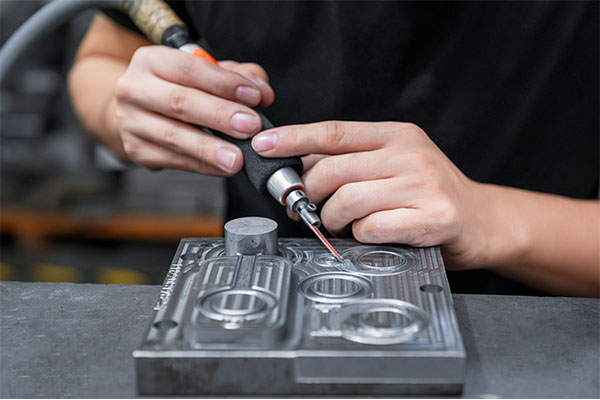
2. Mold Evaluation

STEP 2: Tooling Evaluation

Engineers review the cavity geometry, wall structure, and draft requirements before deciding whether an existing mold can be adapted or new tooling is required.
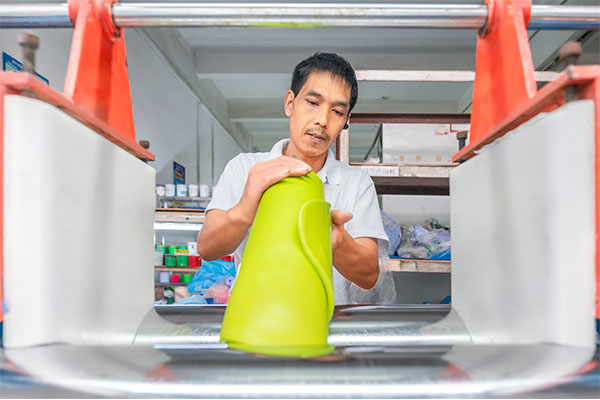
3. Material and Color Preparation

STEP 3: Material Preparation

The approved silicone compound is prepared with the selected pigment according to the confirmed material and color requirements before production begins.
4. Silicone Molding

STEP 4: Silicone Molding

The prepared material is formed using the approved molding process, selected according to mold dimensions, cavity detail, production volume, and structural requirements.

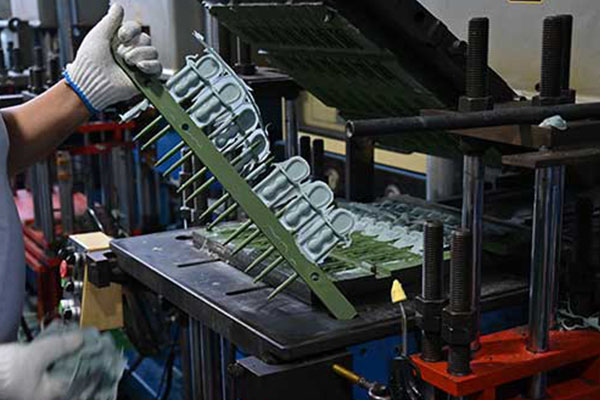
5. Demolding and Trimming

STEP 5: Demolding and Trimming

Once cured, each mold is removed from the production tool and trimmed. Edges, cavity details, and thin sections are then inspected.
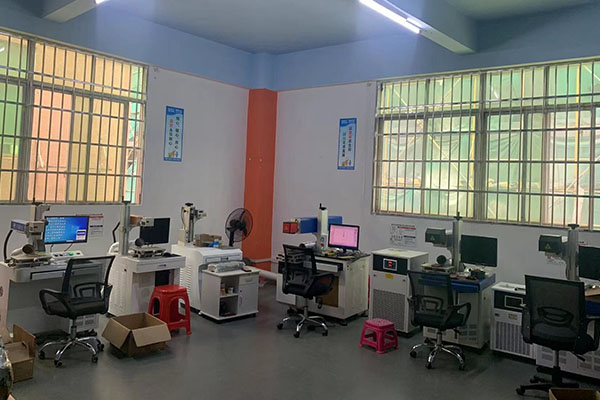
6. Logo and Surface Processing

STEP 6: Branding & Surface Processing

Molded logos, decorative textures, or approved surface treatments are completed according to the artwork, position, and appearance standard confirmed during sampling.
7. Quality Inspection

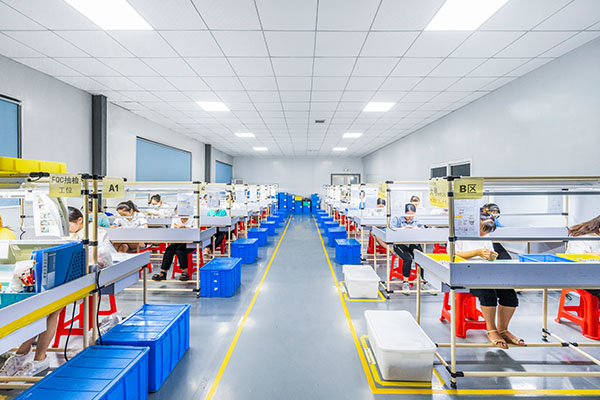
STEP 7: Quality Inspection

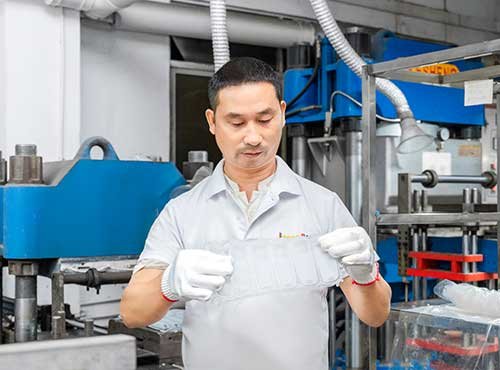
Finished molds are checked against the approved sample and specification, with attention to dimensions, cavity detail, color, surface condition, and branding.
8. Packaging and Shipment

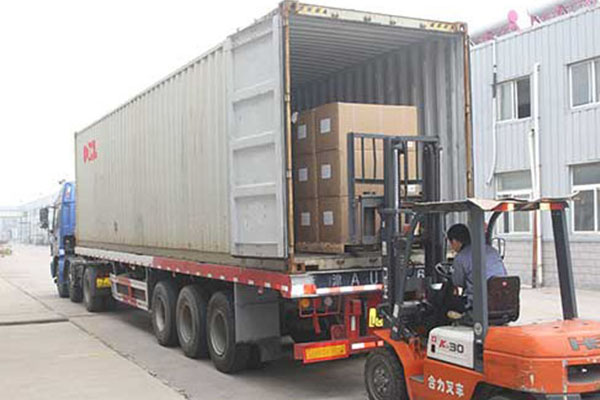
STEP 8: Packaging and Shipment

After final inspection, products are counted, labeled, and packed according to the approved packaging method before carton marking and shipment preparation.

Silicone Soap Mold Quality Control

Quality control begins with the approved sample and continues through material preparation, molding, finishing, and final packaging inspection.

AQL 2.5 / 4.0 Standard Inspection

We conduct final random sampling inspections to verify batch consistency:

AQL 2.5

Critical / Major Defects

AQL 4.0

Minor Visual Flaws

Another inspection standard may be used if specified in the purchase order.

The approved sample becomes the production reference for:

  • Cavity shape and dimensions
  • Overall mold size
  • Wall thickness
  • Color
  • Surface texture
  • Logo or decorative detail
  • Packaging presentation

Prior to production, silicone compounds, pigments, and relevant supplier documentation are checked against the confirmed project requirements.

During molding, operators inspect the material fill, cavity completeness, color consistency, visible bubbles, and surface defects to prevent problems from continuing through the production run.

Each production batch is checked for:

  • Tears or damaged thin sections
  • Incomplete molding
  • Severe air bubbles
  • Surface contamination
  • Irregular trimming
  • Damaged cavity details
  • Visible deformation

The overall dimensions, cavity dimensions, and key wall sections are measured against the approved specifications. For large or flexible molds, the inspection also considers whether the structure will remain stable during normal filling and handling.

The production color is compared with the approved reference under controlled viewing conditions. Pigment concentration and material thickness can affect the final appearance.

Inspection covers molded artwork and decorative features, including:

  • Position
  • Size
  • Edge definition
  • Detail completeness
  • Molded depth
  • Fine-line clarity
  • Visible distortion

The mold structure is reviewed using an agreed-upon internal method or a project-specific test approach. Detailed cavities require special attention because excessive flexing can put stress on narrow sections when soap is repeatedly removed

After the product is packaged, our QC team verifies the quantity, labels, barcode information, inserts, individual packaging, outer cartons, and shipping marks against the approved packaging requirements.

Silicone Soap Mold Packaging Options

Plan packaging early because printed components require separate artwork approval and production schedules.

Silicone soap molds in polybags for bulk packaging and shipment

Bulk Packaging

Simple individual bags or multi-piece packing helps control costs for wholesalers, soapmaking suppliers, and customers purchasing molds for professional production or distribution.

A silicone loaf soap mold set in window packaging for retailers

Retail Packaging

Header cards, printed boxes, and branded inserts create stronger shelf presentation while providing space for instructions, product details, and barcode information.

Silicone soap molds with christmas theme in ecommerce packaging need

Ecommerce Packaging

SKU labels, scannable barcodes, protective inner packing, and product inserts can be prepared around your marketplace requirements and fulfillment process.
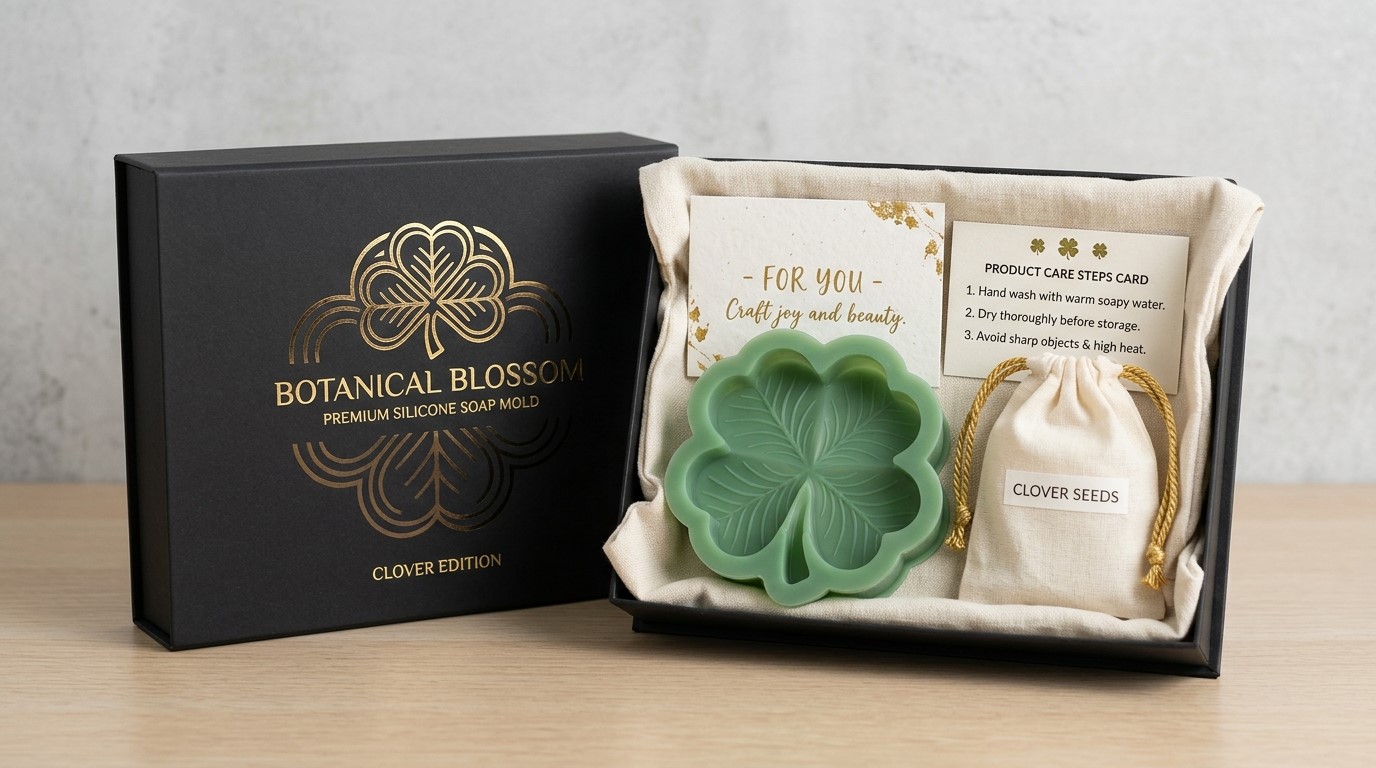
Silicone clover soap mold in designed premium brand packaging with greeting card

Premium Brand Packaging

Custom paper boxes, printed sleeves, instructional cards, and coordinated brand presentation support gift sets and higher-value private-label soap mold collections.

Typical Silicone Soap Mold Specifications

SpecificationTypical Reference
ProductCustom silicone soap mold
ApplicationsCold-process, hot-process and melt-and-pour soapmaking
MaterialSilicone rubber selected for the approved application
Hardness rangeSelected according to mold size, cavity detail and structural requirements
Mold structureSingle cavity, multi-cavity, loaf mold or flexible liner
Cavity shapeStandard or fully custom
Cavity dimensionsCustomized according to target soap size and volume
Wall thicknessCustomized according to flexibility and structural support requirements
Cavity layoutSingle, multi-cavity or custom arrangement
ColorsStandard colors or custom Pantone matching
SurfaceSmooth, matte, textured or custom decorative finish
Branding methodsIn-cavity logo, embossed detail, debossed detail or suitable surface printing
Molding processCompression molding or another approved silicone molding process
PackagingBulk packing, individual bag, header card, paper box or custom retail packaging
Existing-style order quantityDepends on the selected mold and customization requirements
Custom toolingRequired for exclusive shapes, dimensions or cavity structures
Sample lead timeConfirmed according to tooling complexity and project requirements
Mass-production lead timeConfirmed after sample approval and order review
InspectionApproved sample plus agreed AQL or customer inspection standard
OEM & ODMAvailable

All figures and specifications are initial project references and must be confirmed according to the selected mold structure, material, artwork, and approved sample.

Why Work with RY Silicone

RuiYang Silicone factory

Silicone Manufacturing Experience Since 2012

RY Silicone is a China-based manufacturer focused on custom silicone product development and production since 2012.

From initial product evaluation to sampling, bulk production, inspection, and export preparation, our team supports each stage of your silicone soap mold project.

Video Image1

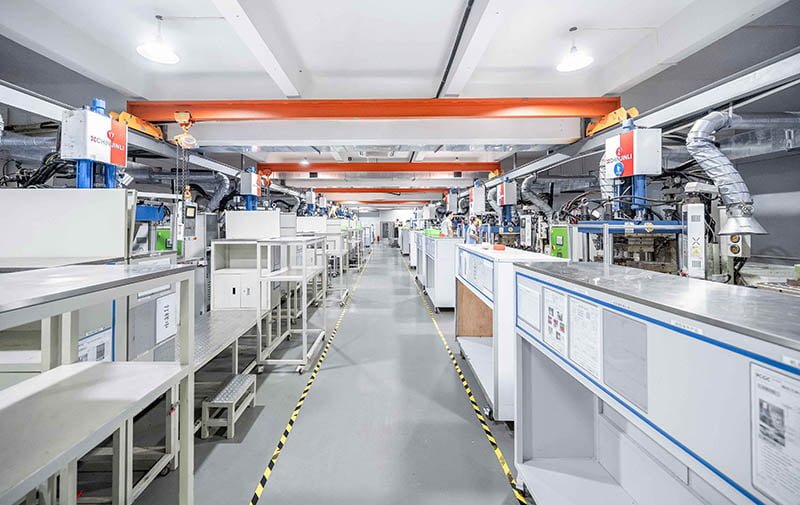
10,000+ m² Production Facility

Our 10,000+ m² production facility supports silicone molding, finishing, quality inspection, and packaging coordination under one manufacturing system.

This integrated workflow helps control communication between approved samples and mass-production requirements.

silicone machine

30+ Production Machines

More than 30 production machines support different silicone product structures, mold sizes, and scalable order volumes.

Production planning is matched to cavity complexity, curing requirements, and the quantity needed for your project.

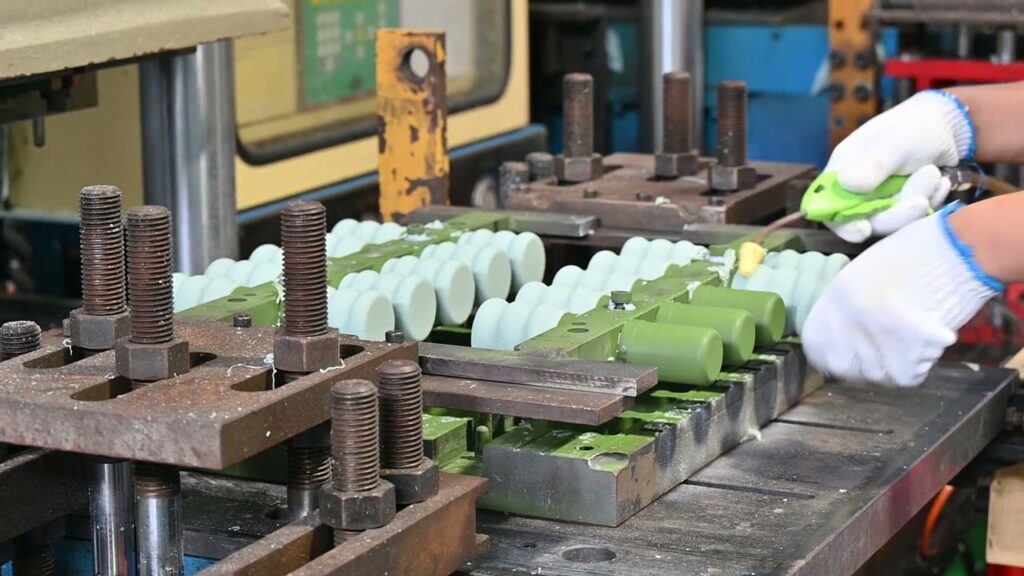
ruiyang silicone compression mol

Up to 100,000 Silicone Products per Day

Our overall production capability reaches up to 100,000 silicone products per day.

Actual silicone soap mold output depends on mold dimensions, cavity count, wall thickness, production cycle, and inspection requirements.

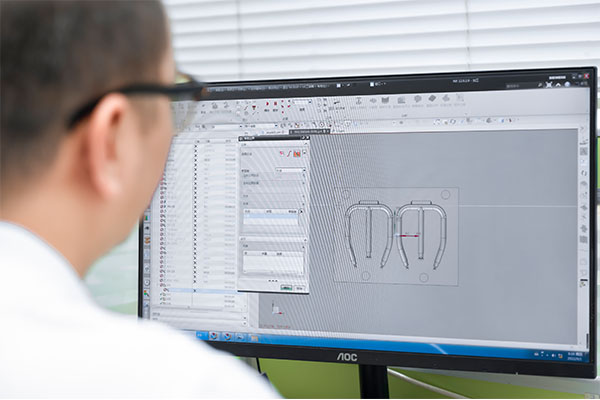
silicone Products Design

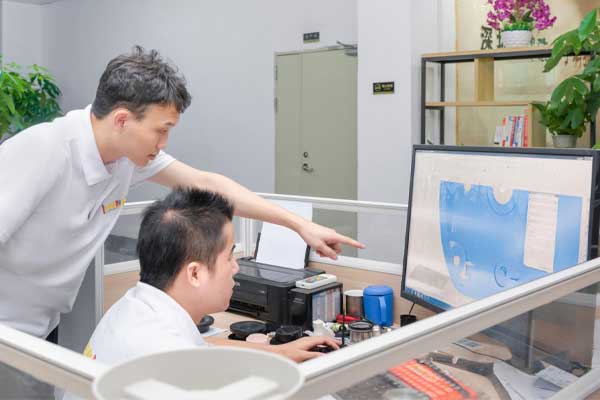
Engineering Review Before Quotation

We do not quote a silicone soap mold project from a product name alone.

Our engineering team reviews the cavity structure first, then evaluates dimensions, wall thickness, hardness, surface detail, and expected soapmaking process. Deep cavities with sharp internal details require particular attention because a design that looks correct in a drawing can still create difficult demolding or fragile silicone sections after tooling.

Rysilicone quality control

Sample-Based Production

Mass production follows an approved sample or confirmed production standard.

Cavity dimensions and overall structure are locked first, followed by color, surface detail, branding, and packaging. If a production requirement conflicts with the approved reference, the project should be reviewed before the batch continues.

Shipping

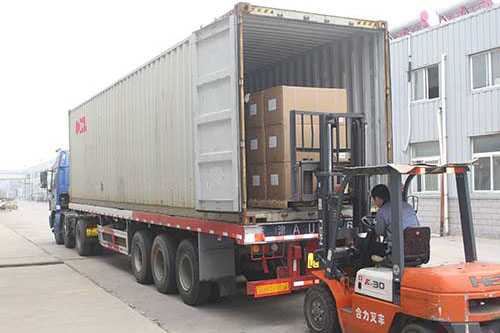
Export Project Support

RY Silicone supplies custom silicone products to brands, distributors, wholesalers, and private-label businesses in North America, Europe, and other international markets.

Our team supports commercial communication, packaging coordination, product documentation, and shipment preparation according to confirmed project requirements.

Silicone Soap Mold FAQ and Final RFQ

MOQ depends on whether you select an existing mold design or require completely new tooling. Existing structures generally support a lower starting quantity, while exclusive cavity designs must cover the tooling and production setup required for the project.

Send us your target quantity, preferred mold type, and customization requirements for a project-specific MOQ proposal.

Yes. We can evaluate custom cavity shapes based on your drawing, reference image, physical sample, or 3D design.

New shapes, dimensions, cavity layouts, and branded artwork may require dedicated tooling before sampling and mass production.

The best structure depends on your soap type, batch size, and production method.

Single-cavity molds suit individual designs, while multi-cavity structures improve repeatability. Loaf molds and silicone liners are better suited to larger batches that are later cut into individual bars.

Yes. A logo, text, or graphic can be integrated into the mold cavity so the design transfers directly onto the finished soap.

Before tooling, we review line width, detail depth, edge geometry, and cavity orientation to ensure the artwork can mold and release clearly.

Please provide:

  • Target soap shape
  • Reference dimensions
  • Target cavity volume
  • Number of cavities
  • Reference images or drawings
  • Required mold color
  • Logo or artwork files
  • Packaging requirements
  • Target order quantity
  • Destination market
  • Required documentation
  • Target delivery date

Yes. Provide your Pantone reference or approved color standard.

A physical sample should be approved before mass production because material thickness, surface texture, and viewing conditions can influence the final appearance.

The appropriate hardness depends on cavity depth, wall thickness, mold size, and the required level of flexibility.

A softer material can support easier flexing during demolding, while a firmer compound can improve stability for larger or more heavily filled molds. These factors should be evaluated as a complete structure.

Silicone soap mold liners come in a variety of sizes and capacities and are a popular choice for soap making.

Wood molds insulate your soap as it hardens and keep it warm, which is beneficial for the gel phase.

However, avoid using cast iron, aluminum, tin, or copper molds, as they may react with the lye and create harmful gases. However, stainless steel soap molds are safe to use.

Silicone soap molds can be used for various soap-making methods, such as cold process, hot process, and melt-and-pour.

Due to their superior heat resistance and durability, silicone soap molds are optimal for long-term use without warping. Whether you're adding lotion bars, bath salts, or shampoo bars, silicone soap molds can help you get started.

The intended process should be confirmed before selecting materials because temperature resistance, filling behavior, and production handling influence mold design.

Development time depends on whether an existing structure can be used or new tooling is required.

The project schedule should be confirmed after reviewing the cavity design, tooling complexity, sample requirements, and production quantity.

Yes. A properly designed silicone soap mold can be reused repeatedly when the material, wall structure, and cavity geometry match the intended application.

Service life depends on how the mold is flexed, cleaned, stored, and used during production.

Available documentation may include material data sheets, material declarations, and project-specific reports.

FDA-related, LFGB-related, or REACH-related documentation depends on the selected silicone compound, pigment, and destination market. Please provide your required standard before production so the documentation scope can be reviewed.

Yes. Sampling allows you to review cavity dimensions, mold flexibility, surface detail, and overall appearance before mass production.

The sample also provides a practical reference for confirming production requirements before the final order is released.

Ask For A Quick Quote

If you fail to submit the form, please write to us directly at [email protected]