
Silicone Gloves Manufacturer
RY Silicone manufactures heat-resistant silicone gloves for cooking, baking, grilling, and protective handling, with custom designs, colors, textures, branding, and packaging.
What Is a Silicone Glove?
A silicone glove is a flexible protective hand covering made from silicone rubber that helps improve grip and protect hands when handling hot cookware, baking trays, grills, and other temperature-exposed objects. Depending on its structure and application, a silicone glove can provide heat resistance, water resistance, and a non-slip handling surface.
A custom silicone glove is developed around your intended application, glove size, thickness, cuff design, grip texture, color, logo, and packaging requirements. RY Silicone is a China-based silicone manufacturer established in 2012, supporting OEM & ODM projects for brands, distributors, and wholesale customers.
Silicone Gloves Manufacturing at a Glance
MOQ & Lead Times
Existing projects have lower requirements, whereas new glove structures demand dedicated tooling and project evaluation.
Heat Protection
Glove materials, thickness, and construction match intended temperature and handling conditions.
Grip & Structure
Raised textures and patterned palms and finger structures can improve control when handling smooth, wet, or hot surfaces.
Branding & Packaging
Custom colors, molded logos, and retail-ready packaging help build a silicone glove range around your brand.
Who We Manufacture Silicone Gloves For
Silicone gloves can be developed differently depending on where and how they will be used.
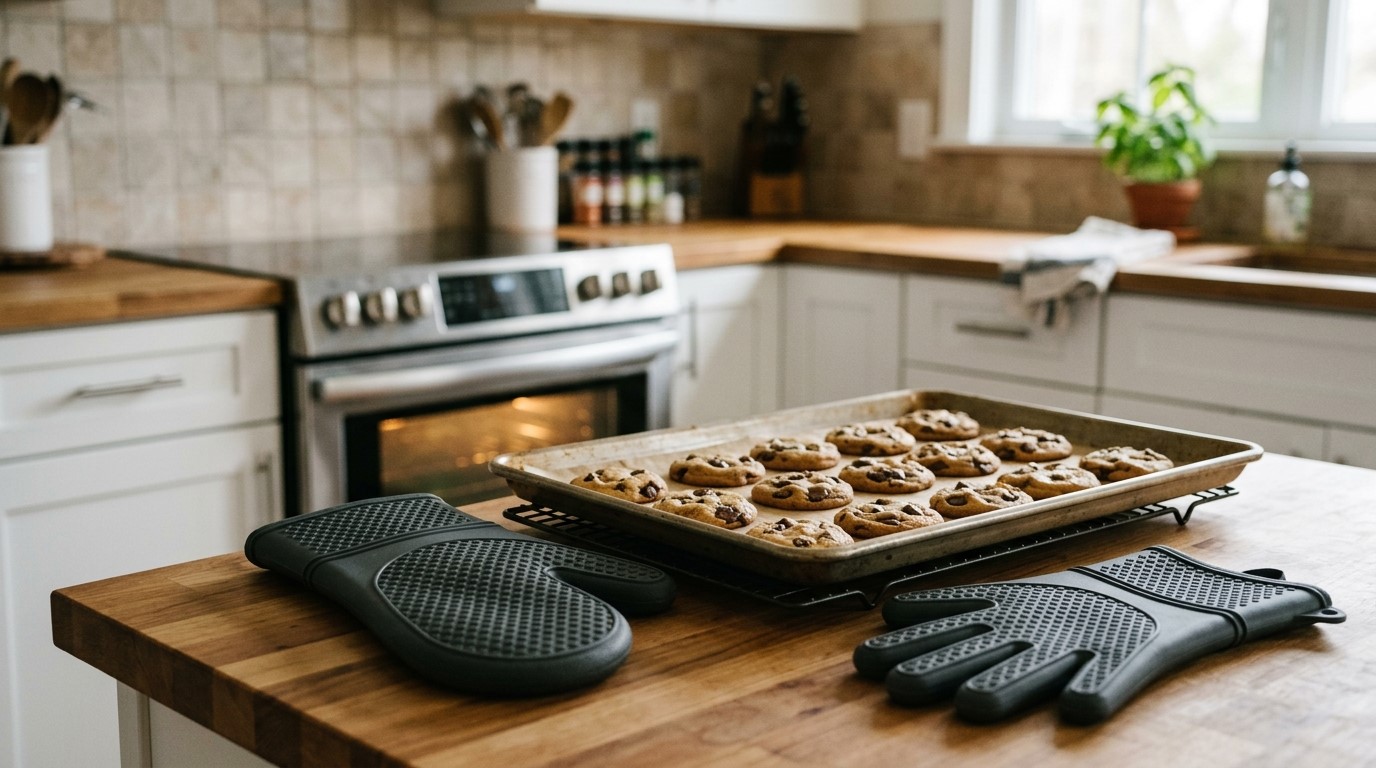
Kitchenware & Cookware Brands
Design branded silicone oven gloves to match your cookware collection and retail style, balancing a cohesive color system with reliable heat protection and comfortable handling.
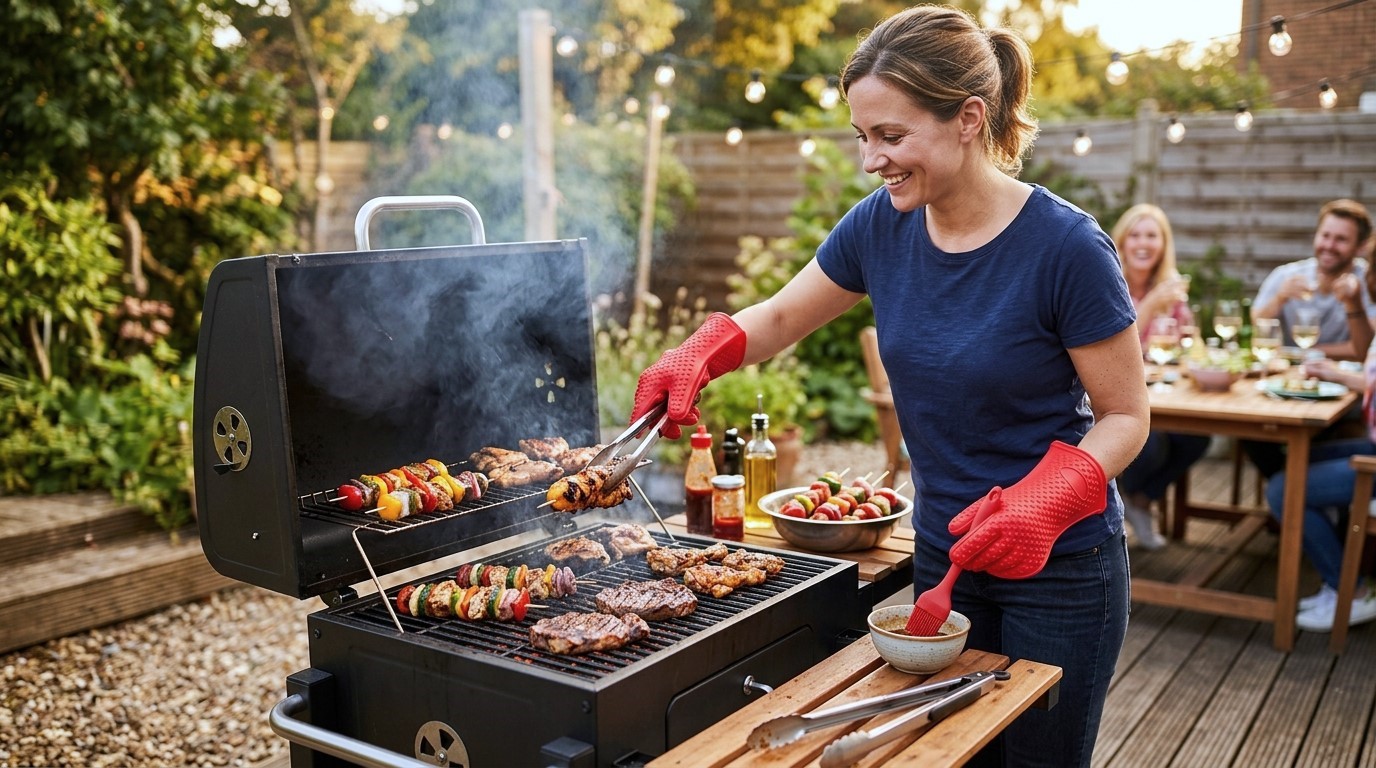
BBQ & Outdoor Cooking Brands
Create silicone gloves for grilling, smoking, and outdoor cooking applications where grip, cuff coverage, and handling flexibility affect the user experience.

Hospitality & Foodservice Suppliers
Develop reusable protective gloves for commercial kitchens and food-preparation environments where repeated handling, cleaning convenience, and consistent performance are important.
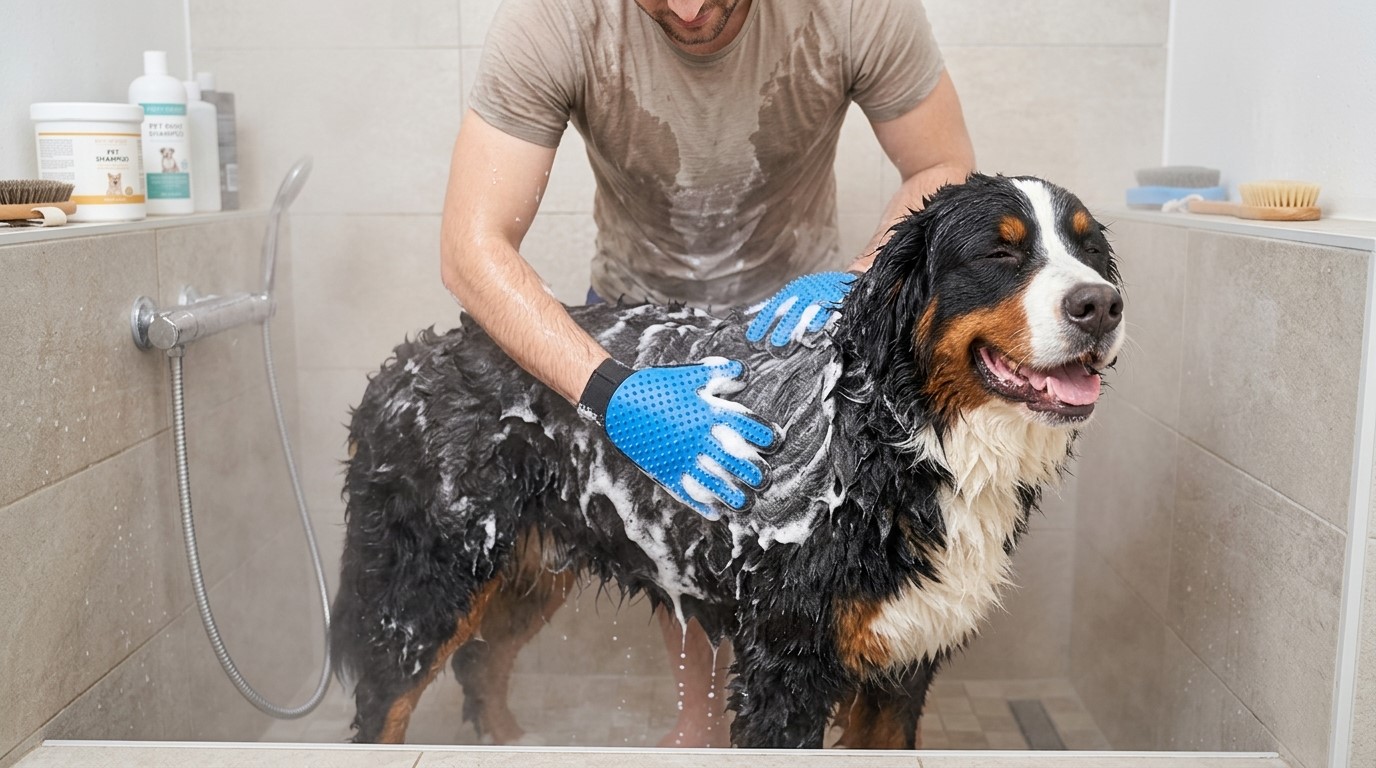
Pet Care & Grooming Industry
Design with durable silicone massage gloves with a textured surface and ease of cleaning for effective and gentle pet care, massage, bath time, coat maintenance, and grooming time.
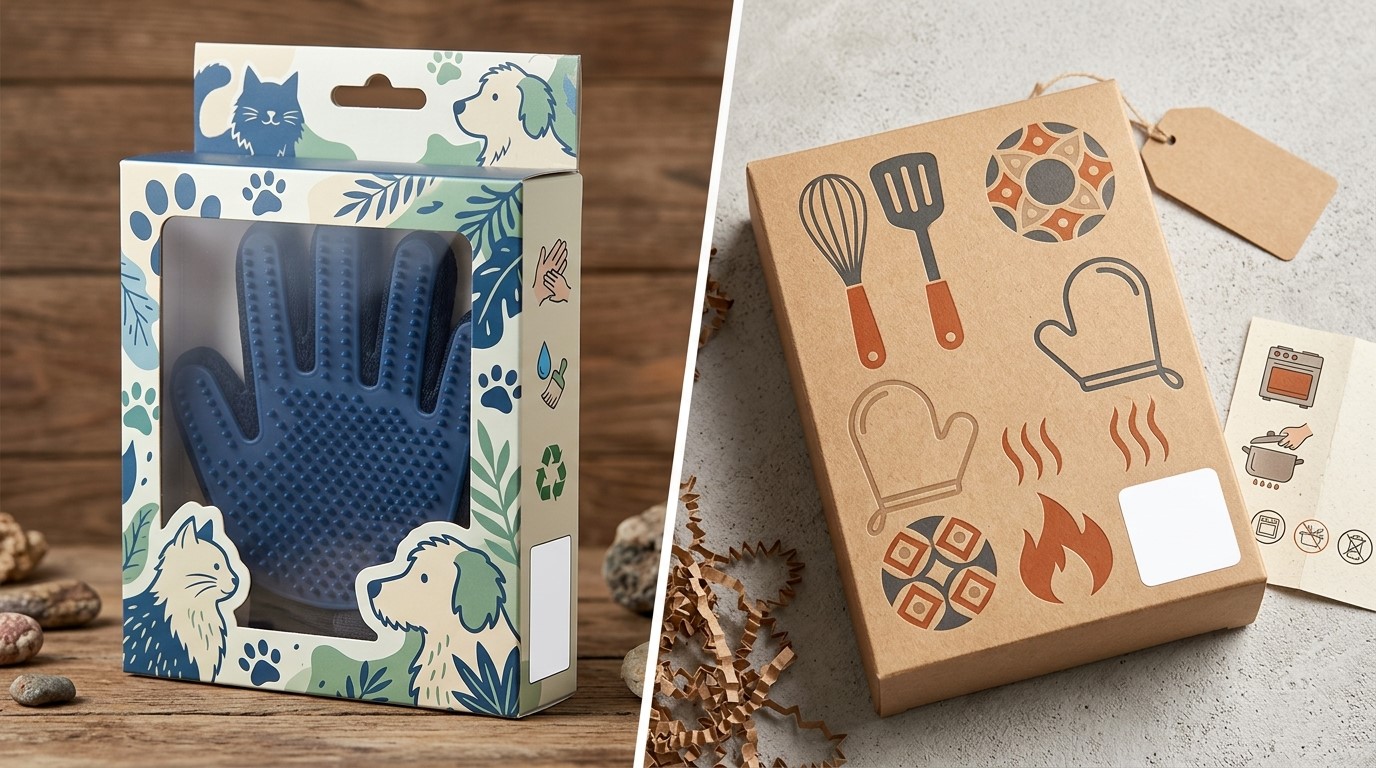
Retail & Ecommerce Sellers
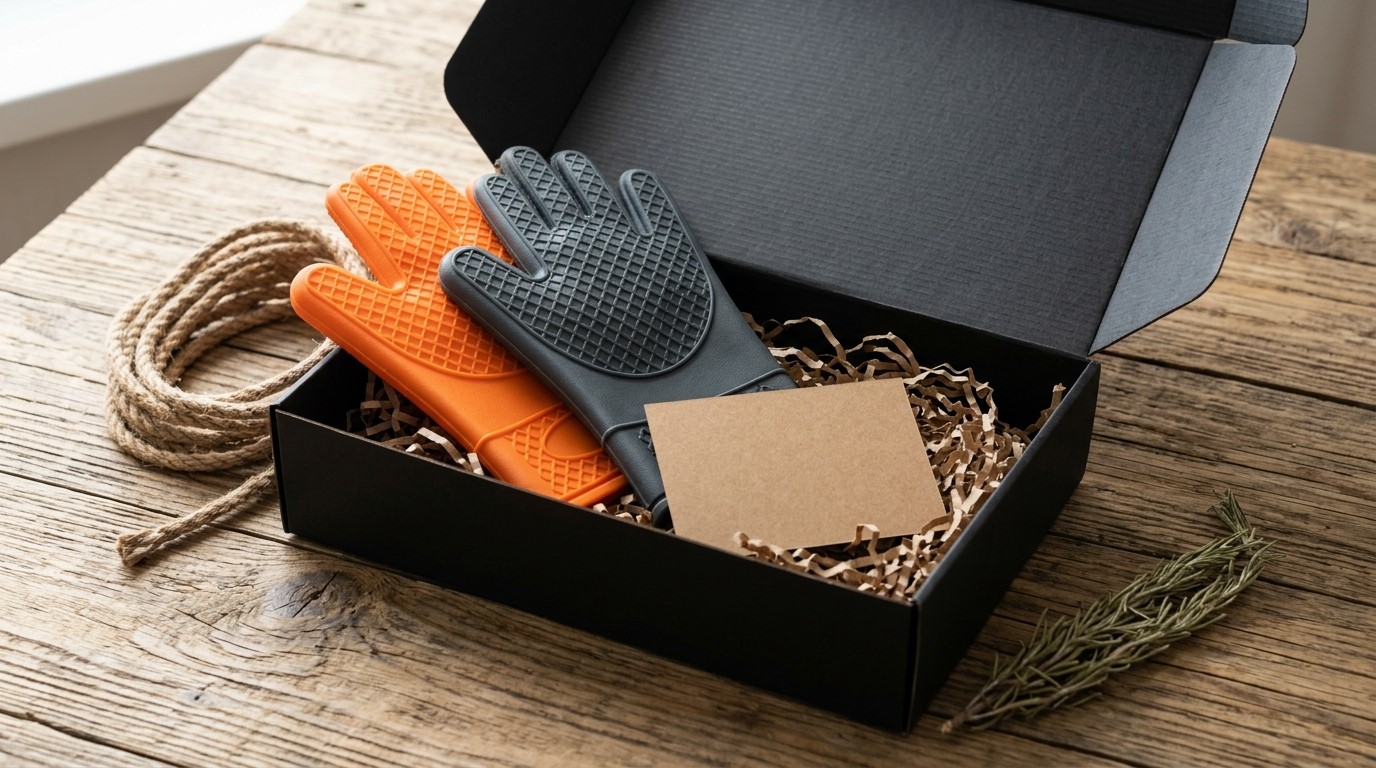
Build private-label silicone glove products with custom colors, logos, packaging, barcode labels, and inserts prepared for retail stores and e-commerce fulfillment.
Promotional Product Companies
Create branded silicone gloves for cooking campaigns, corporate gifts, events, and promotional programs with molded or printed branding and coordinated packaging.
Silicone Gloves Types We Can Develop
Silicone Oven Gloves
Silicone Grill Gloves
Silicone Cooking Gloves
Silicone Dishwashing Gloves
Silicone Glove Oven Mitts
Silicone Gloves for Baking
Silicone Gloves Customization
Custom silicone glove projects begin by defining the application and protection requirement.
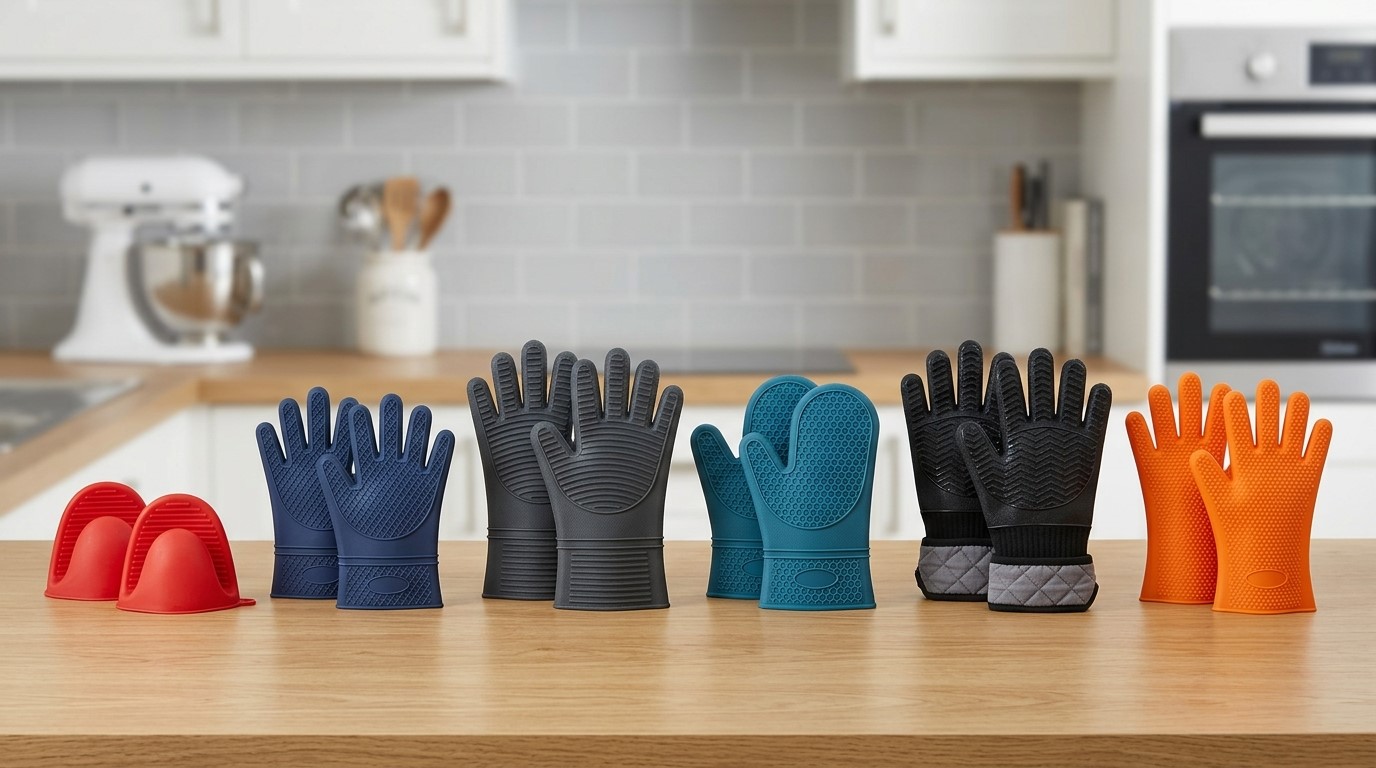
Choose a glove structure that matches how the product will be worn and what users need to handle.
Available options include:
- Full-finger glove designs
- Five-finger structures
- Mitten-style designs
- Compact hand covers
- Custom finger proportions
- Left- and right-hand configurations
- Long or short cuff structures
- Application-specific glove shapes
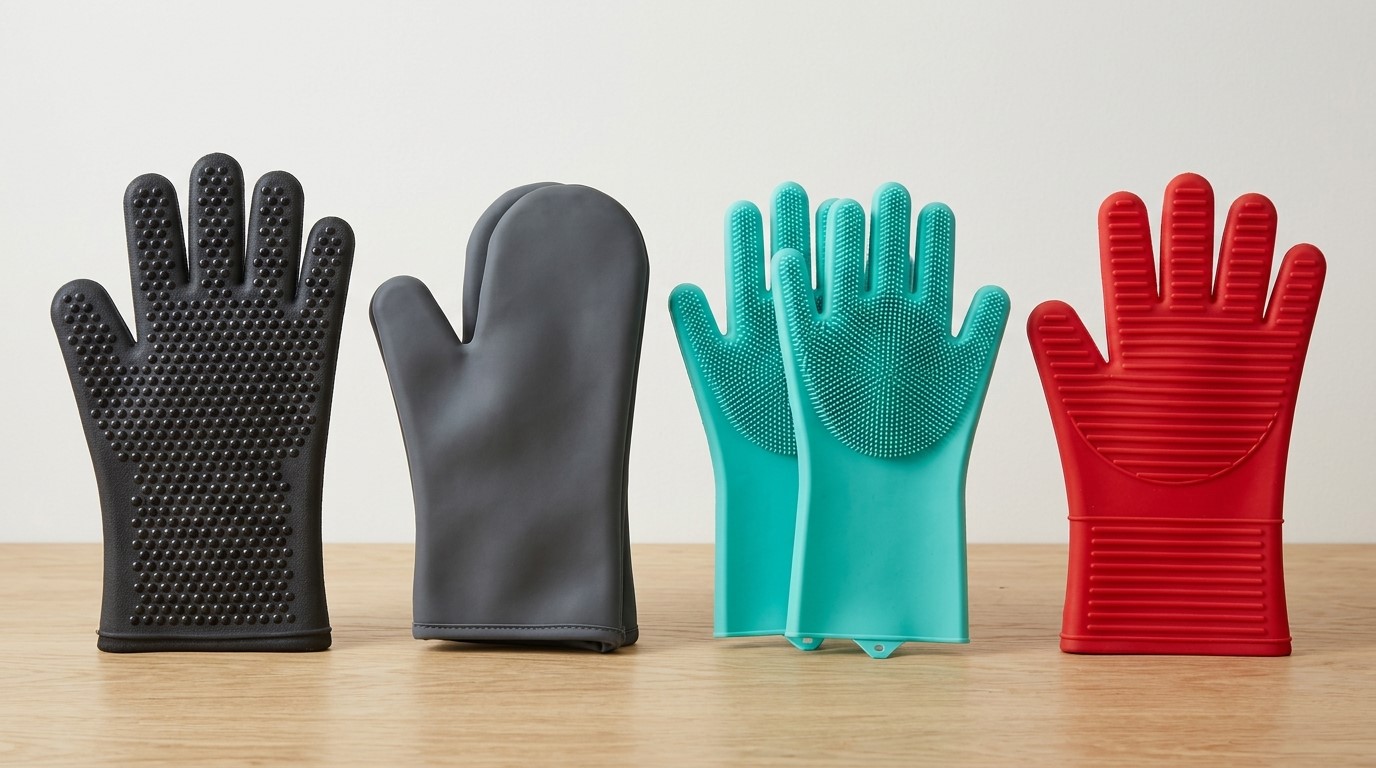
Add molded surface patterns to improve grip and create a distinctive product appearance.
Available options include:
- Raised dots
- Ribbed patterns
- Honeycomb textures
- Geometric grip patterns
- Matte surfaces
- Fine molded textures
- Palm-specific grip zones
- Custom molded surface designs
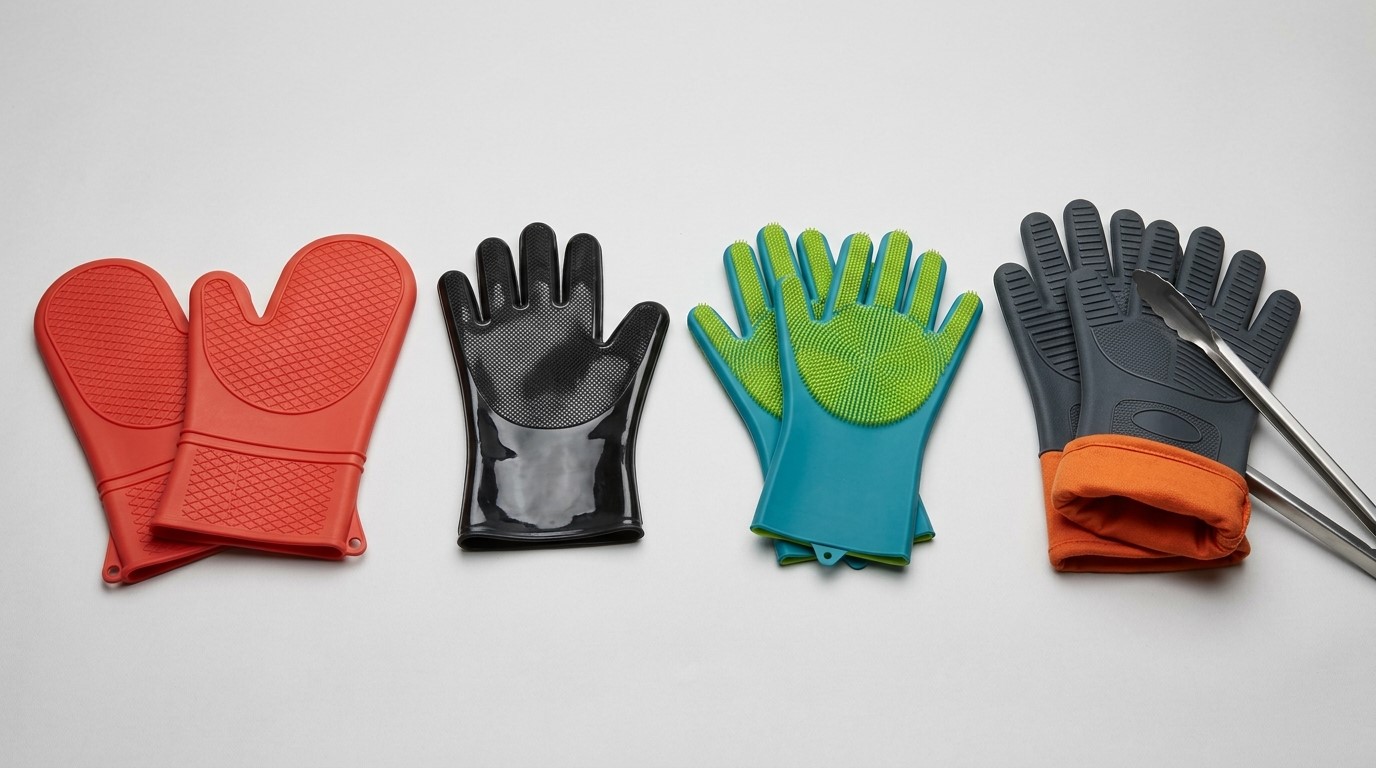
Match the silicone glove to your product collection and brand identity with approved color references.
Available options include:
- Standard silicone colors
- Custom Pantone matching
- Single-color designs
- Coordinated product colors
- Matte finishes
- Glossy details where suitable
- Multi-part color combinations
- Custom visual appearance
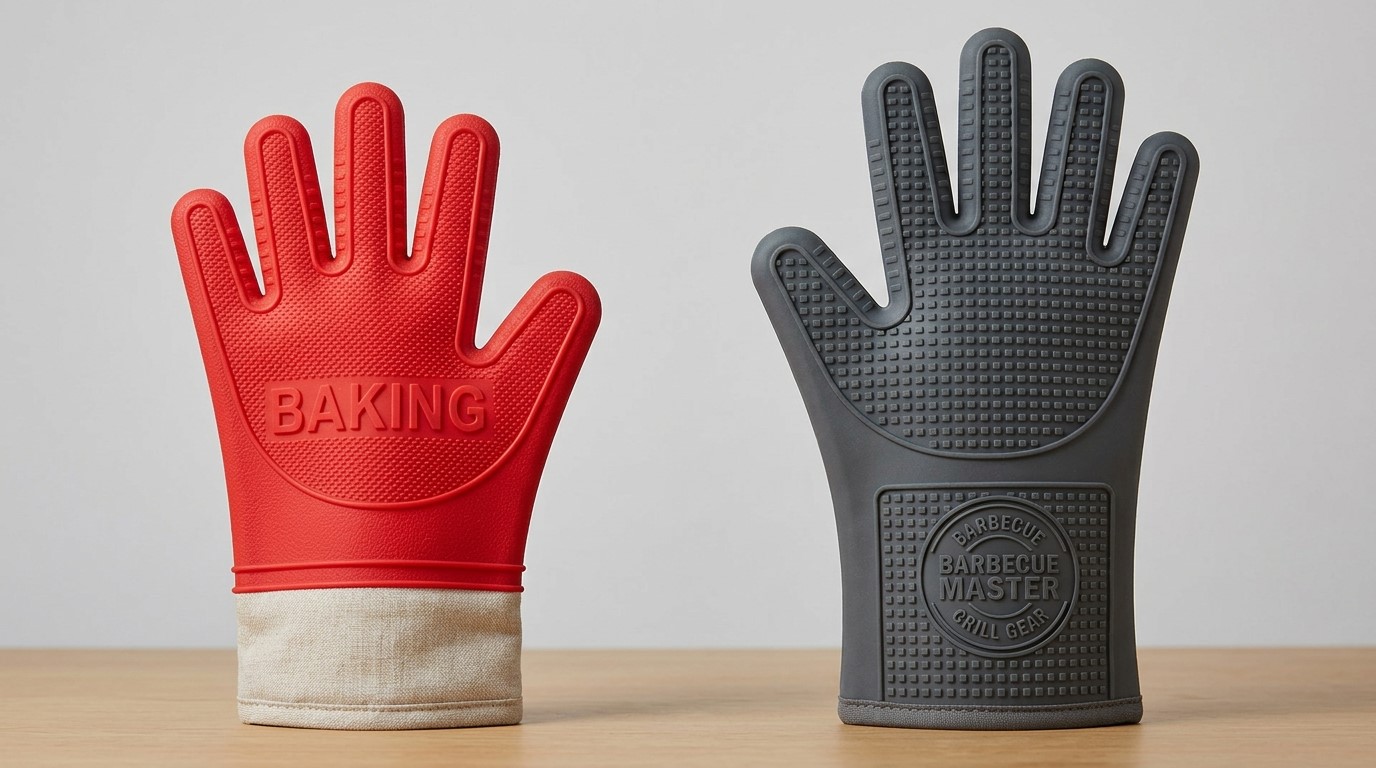
Plan branding according to the glove structure, logo detail, and required durability.
Available options include:
- Embossed logos
- Debossed logos
- Molded brand marks
- Screen printing on suitable areas
- Custom artwork placement
- Retail labels
- Barcode stickers
- Private-label packaging
Start Your Custom Silicone Gloves Project
Send us your silicone glove design, application, quantity, and branding requirements. RY Silicone will review the structure and recommend a practical manufacturing plan.
How to Specify a Better Silicone Glove
A better silicone glove starts with the actual handling task, not temperature resistance alone.
- Application—define whether the glove is for baking, grilling, cookware handling, or another protective task.
- Heat Exposure—specify the expected temperature, contact time, and whether exposure is direct or intermittent.
- Thickness—balance thermal protection with finger flexibility and comfortable movement.
- Grip Pattern—match the palm texture to smooth cookware, wet surfaces, or cooking tools.
- Glove Length—choose cuff coverage based on the risk area around the wrist and lower arm.
- Fit—confirm hand dimensions and finger proportions before tooling.
- Cleaning Method—consider repeated washing, food-contact requirements, and intended reuse.
Full Specification Guide
How to Choose the Right Silicone Gloves—covering heat exposure, thickness, grip, fit, and application-specific design.

Silicone Gloves Logo & Branding Methods
Choose the branding method according to the logo detail, glove surface, and expected product life.
Screen Printing
Add visible graphics or simple color logos to suitable silicone glove surfaces.
Molded Brand Marks
Add visible graphics or simple color logos to suitable silicone glove surfaces.
Embossed Logos
A raised logo formed directly during molding creates permanent branding without additional ink.
Debossed Logos
A recessed logo is molded into the silicone surface for a clean and durable brand detail.
Silicone Gloves Material & Performance Options
Choose silicone and glove construction together because material alone lacks real protection.
Best for gloves used around food preparation and kitchen handling.
Food-contact projects can use silicone compounds that are suitable for the intended market and application. The required documentation should match the selected silicone, pigment, and finished product configuration.
Material Comparison
Silicone vs. Latex Gloves: Which Is Better? —Comparing heat handling, grip, cleaning, allergic reaction, reusability, outdoor reliability, and reusable performance.
Temperature resistance must be evaluated with contact time and glove thickness in mind.
While a silicone compound may tolerate high temperatures, a glove’s practical protection depends on how long the hand is in contact with a hot object and how quickly heat transfers through the glove’s structure.
Thermal conductivity and temperature range of silicone relate to the performance of heat-resistant silicone gloves.
Therefore, maximum material temperature should not be automatically equated with guaranteed hand protection performance.
A glove must protect the hand without unnecessarily hindering controlled movement.
Softer silicone improves flexibility, while a firmer construction provides greater structural support. The thickness and finger geometry must be balanced with the intended handling task.
Surface texture improves control when handling cookware and smooth objects.
Raised dots, ribs, and custom-molded patterns can increase grip. The most effective pattern depends on whether the glove will be used with dry cookware, wet surfaces, or greasy kitchen tools.
High-stress areas require structural reinforcement during the development of gloves.
Finger joints, cuff transitions, and thin sections undergo repeated stretching.
The wall thickness should be consistent enough to reduce weak points without unnecessarily increasing the glove’s rigidity. This accelerates tear resistance and other mechanical properties, ensuring a long service life.
A one-piece silicone structure can prevent liquids from directly soaking into the glove material.
This feature is useful for reusable kitchen applications, though the complete glove design and intended exposure conditions should still be reviewed.
The final appearance is affected by the selected pigment and production process.
Custom Pantone colors can be developed for branded projects. However, physical samples must be approved before mass production because surface finish and material thickness can influence the perceived color.
Available project documentation may include:
- Material data sheets
- Material declarations
- FDA-related documentation
- LFGB-related documentation
- REACH-related reports
- Project-specific testing documents
The documentation scope must match the selected silicone compound, pigment, intended application, and destination market.
The service life and appearance can be improved by appropriate cleaning and maintenance methods.
Warm water and mild dish soap are safe to clean silicone gloves to remove oils, odors, and stains.
Quickly refresh your silicone gloves after each use and deep clean weekly or after high-grease cooking, grilling, or smoky roasting. Degrease with dish soap, especially on fingertips and textured areas. If required, a soft-bristled brush or a soft sponge is effective for gloves with deep ridgets.
Hand wash or gently machine wash by dishwasher hybrid silicone gloves with inner fabrics or cotton liners to eliminate mildew.
Maintenance Guide
How to Maintein for Silicone Gloves—Covering washing, drying, and storage in a cool and dry place away from sharp objects & direct sunlight, structural inspection prior to using, and long-term maintenance.
How Silicone Gloves Are Manufactured
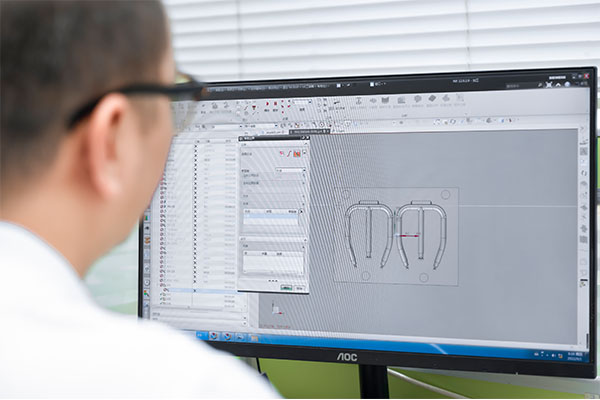
STEP 1: Requirement Review
Every project begins by confirming the intended application, glove style, target dimensions, color, grip requirement, branding, packaging, and requested documentation.
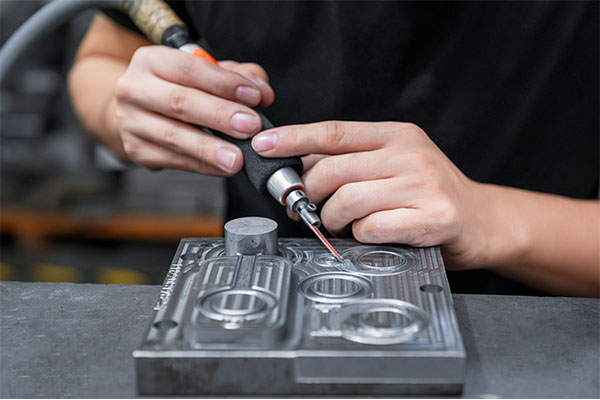
STEP 2: Tooling Evaluation
The glove structure is reviewed for finger geometry, wall thickness, texture depth, and demolding feasibility before existing tooling is selected or new tooling is developed.
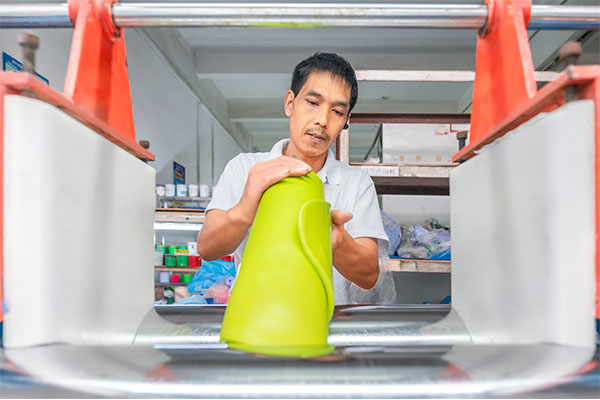
STEP 3: Material Preparation
The approved silicone compound is prepared with the required pigment and formulation according to the confirmed product specification and production requirements.
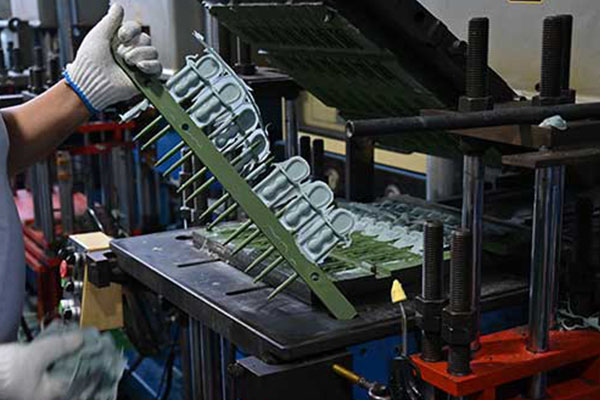
STEP 4: Silicone Molding
The silicone material is molded into the approved glove structure using a process selected for the design, material system, and production volume.
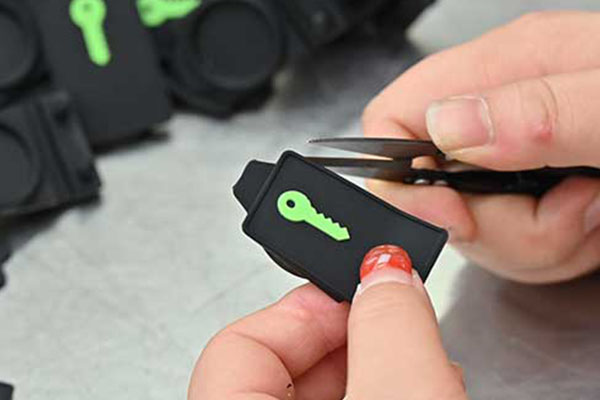
STEP 5: Demolding and Trimming
Once cured, the glove is removed from the mold, and excess flash is trimmed before critical areas are checked for incomplete molding.
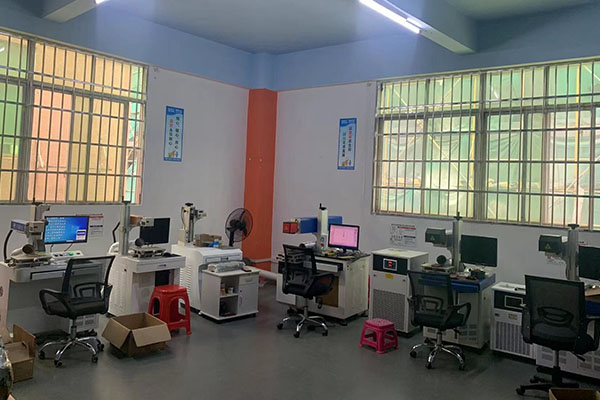
STEP 6: Surface and Branding Processing
Molded logos, printed artwork, or additional surface details are completed according to the approved artwork, positioning, and appearance requirements.
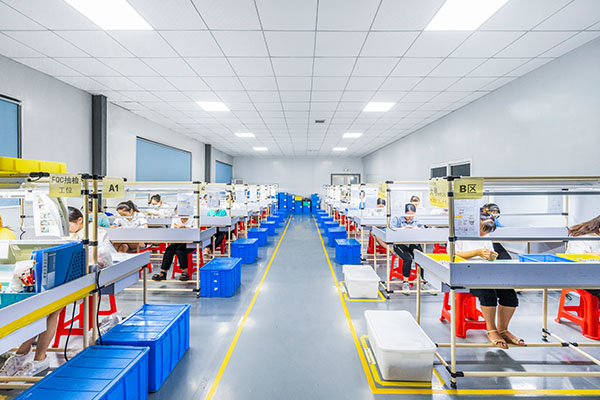
STEP 7: Quality Inspection
Finished gloves are compared with the approved sample to verify dimensions, color, surface texture, branding, and visible manufacturing quality.
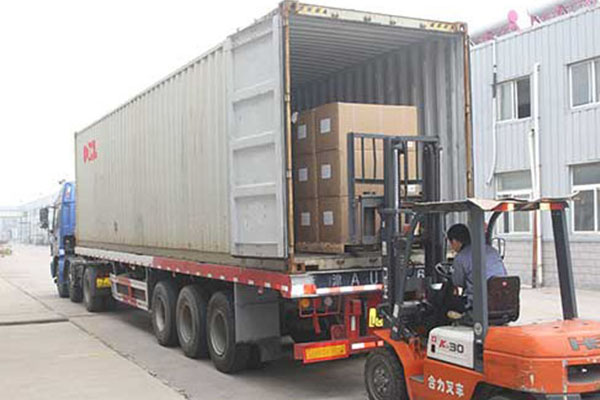
STEP 8: Packaging and Shipment
Approved products are counted, packed, and labeled according to the confirmed packaging specification before carton marking and shipment preparation.
Silicone Gloves Quality Control
Quality control for silicone gloves encompasses more than just appearance. The finished product must match the approved structure, fit, grip pattern, color, branding, and project-specific performance requirements.
AQL 2.5 / 4.0 Standard Inspection
We run final random sampling plans to verify batch consistency:
AQL 2.5
Critical / Major Defects
AQL 4.0
Minor Visual Flaws
The final inspection criteria should be confirmed according to the product’s intended application and approved quality requirements.
Approved Sample Control
The approved sample becomes the production reference for:
- Overall glove shape
- Hand and finger dimensions
- Wall thickness requirements
- Color
- Surface texture
- Grip pattern
- Logo position
- Packaging presentation
Incoming Material Review
Before production begins, incoming silicone compounds, pigments, and supporting materials are checked against the confirmed project requirements.
Material documentation is also reviewed when the project requires specific market- or application-related records.
In-Process Inspection
Production teams monitor molding quality throughout the manufacturing process, focusing on complete material filling and consistent glove formation.
Particular attention is given to:
- Finger sections
- Thin wall areas
- Cuff transitions
- Grip textures
- Flash around mold parting lines.
Appearance Inspection
Finished silicone gloves are checked for visible defects, including:
- Tears
- Contamination
- Severe bubbles
- Incomplete molding
- Surface damage
- Excessive flash
- Irregular edges
- Visible color variation
Dimensions and Structure
Critical dimensions are verified against the approved specification.
Depending on the glove design, inspection can include:
- Overall length
- Palm width
- Finger dimensions
- Cuff length
- Finger & cuff thickness
- Wall thickness
- Grip-pattern definition
Color Control
Production colors are compared with the approved reference under controlled viewing conditions.
For custom colors, the approved physical sample remains the primary production reference.
Grip Pattern Quality
Raised textures and molded grip areas are inspected for completeness and definition.
A grip pattern that appears acceptable visually can still lose effectiveness if the molded texture is incomplete or excessively softened during production.
Logo Quality
Molded or printed branding is checked for:
- Position
- Size
- Edge definition
- Molded depth
- Ink coverage
- Missing details
- Blurred printing
- Visible adhesion issues
Packaging Inspection
Before shipment, the final inspection verifies:
- Product quantity
- Correct size or SKU
- Labels and barcodes
- Inserts
- Individual packaging
- Printed boxes
- Carton markings
Silicone Gloves Packaging Options
Plan packaging early since labels and printed materials need separate production schedules.
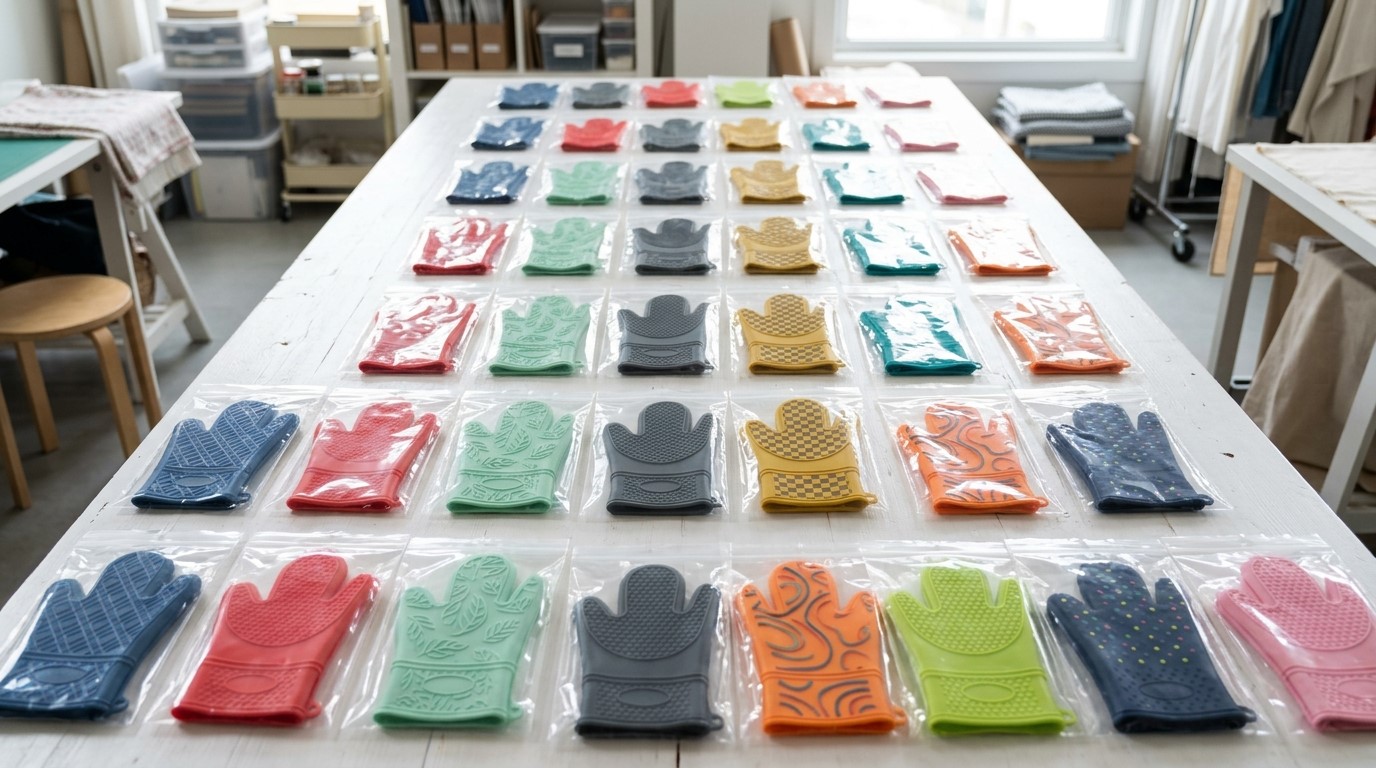
Bulk Packaging
Simple individual bags or multi-piece packing help control costs for wholesalers, distributors, and commercial supply programs requiring efficient bulk handling.

Retail Packaging
Header cards, printed boxes, and branded labels create stronger shelf presentation while providing space for product information and barcode identification.
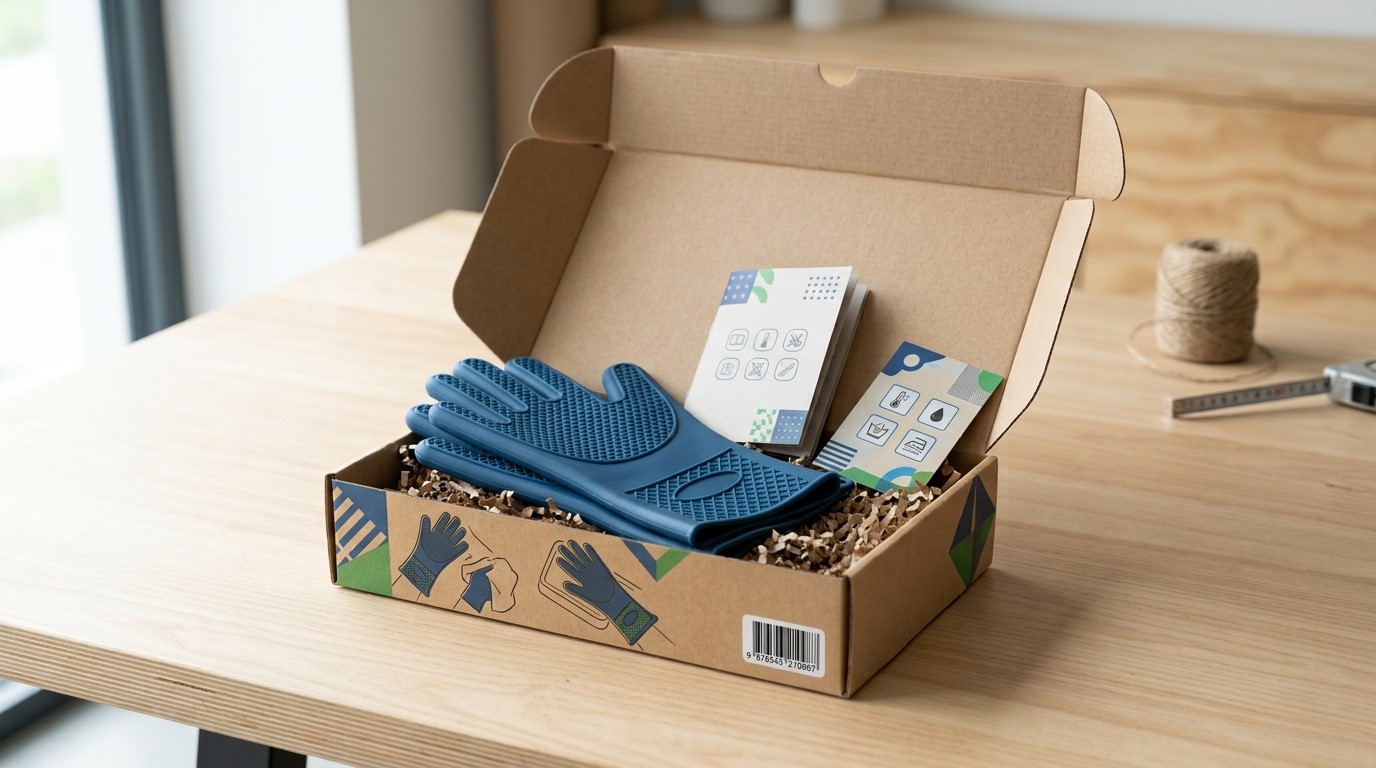
Ecommerce Packaging
SKU labels, barcode stickers, instruction inserts, and shipping-ready packaging can be coordinated with your marketplace and fulfillment requirements.
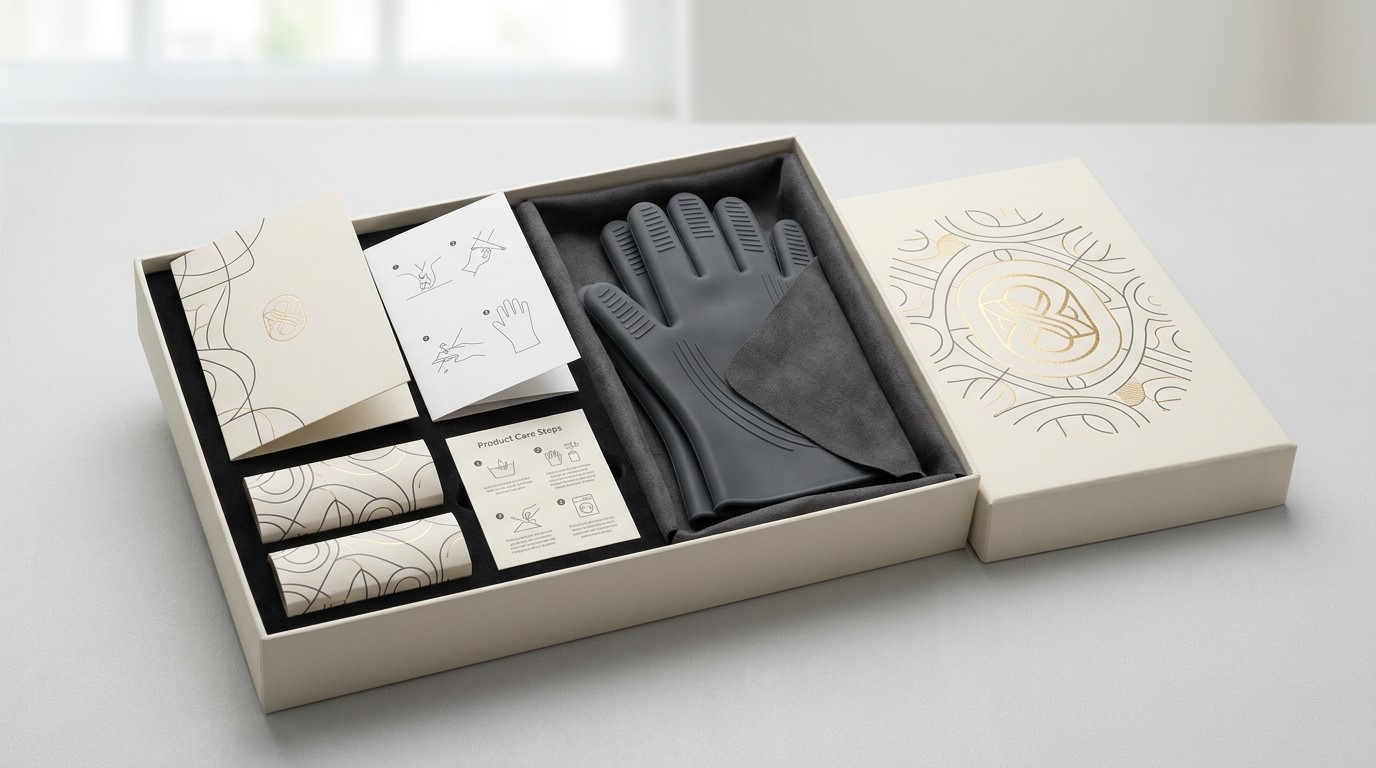
Premium Brand Packaging
Custom-printed boxes, sleeves, and coordinated inserts support higher-value silicone glove collections where brand presentation influences the retail experience.
Typical Silicone Gloves Specifications
| Specification | Typical Project Reference |
|---|---|
| Product | Custom silicone gloves |
| Main applications | Cooking, baking, grilling, BBQ and protective handling |
| Material | Silicone rubber selected for the intended application |
| Glove styles | Five-finger, mitten-style, compact hand cover or custom design |
| Size | Custom hand dimensions and glove proportions |
| Overall length | Customized according to glove style and cuff coverage |
| Wall thickness | Developed according to flexibility and application requirements |
| Surface | Matte, glossy or molded texture |
| Grip pattern | Raised dots, ribs, geometric patterns or custom texture |
| Cuff | Short, extended or custom-designed |
| Colors | Standard colors or custom Pantone matching |
| Logo methods | Embossed, debossed, molded or screen printed |
| Molding process | Selected according to glove structure and production requirements |
| Packaging | Bulk bags, individual bags, header cards, printed boxes or custom packaging |
| MOQ | Confirmed according to tooling, design and packaging requirements |
| Sample lead time | Confirmed after project evaluation |
| Mass-production lead time | Confirmed according to order quantity and project complexity |
| Inspection | Approved sample plus agreed AQL or customer inspection standard |
| OEM and ODM | Available |
All figures and final specifications are confirmed according to the selected glove design, material, intended application, and approved sample.
Why Work with RY Silicone

Silicone Manufacturing Experience Since 2012
RY Silicone is a China-based manufacturer focused on custom silicone product manufacturing since 2012. We support overseas projects from early product evaluation and sampling through production, inspection, and shipment preparation.

10,000+ m² Production Facility
Our production facility supports silicone molding, finishing, surface processing, inspection, and packaging within a coordinated manufacturing workflow for custom silicone product projects.

30+ Production Machines
Multiple production machines support different product structures and order volumes. Production planning is matched to the glove design, molding requirements, and confirmed delivery schedule.
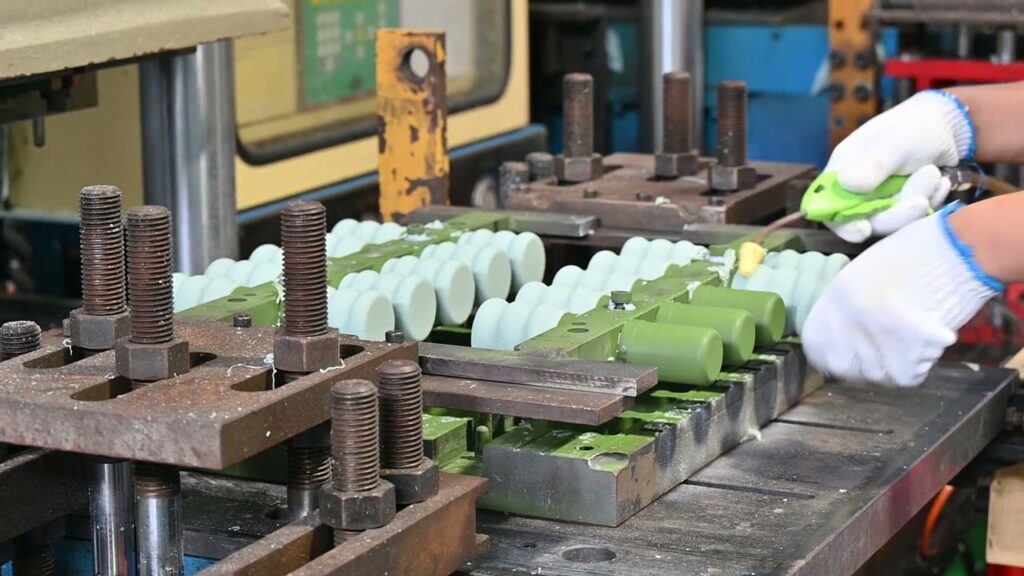
Up to 100,000 Silicone Products per Day
Our production capacity supports scalable silicone manufacturing and repeat orders. Actual output depends on product structure, molding cycle, inspection requirements, and packaging complexity.

Engineering Review Before Quotation
We do not quote a silicone glove project from a product name alone.
Our team reviews the intended application first, then evaluates the glove structure, dimensions, thickness, grip texture, color, branding, and packaging. This process helps identify manufacturing issues before tooling and production decisions are finalized.
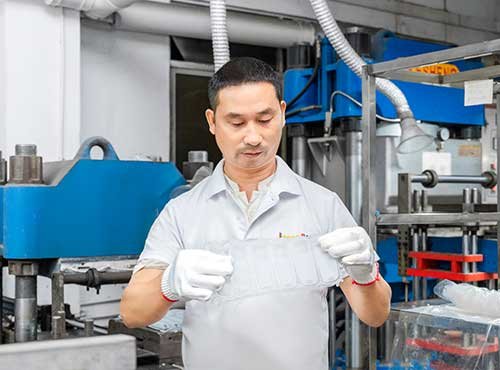
Sample-Based Production
Mass production follows one approved reference standard.
Critical product details are confirmed on the approved sample, including glove shape, dimensions, color, surface texture, grip pattern, and branding. If a production requirement conflicts with the approved standard, the project should be reviewed before continuing.
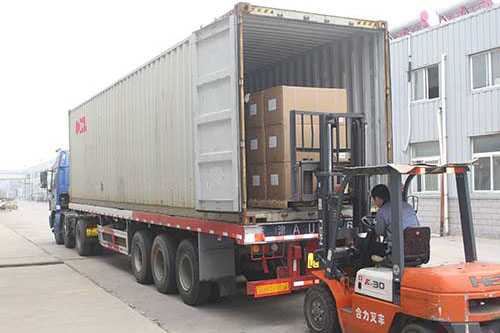
Export Project Support
RY Silicone supplies custom silicone products to clients in North America, Europe, and other international markets.
Our team supports commercial communication, project documentation, packaging coordination, and shipment preparation for OEM, ODM, and private-label projects.
Silicone Gloves FAQ and Final RFQ
What is the MOQ for custom silicone gloves?
MOQ depends on whether you select an existing glove design or develop a completely new structure. Tooling, material, color, logo method, and packaging requirements are reviewed before confirming the project minimum.
Can you develop a completely custom silicone glove?
Yes, RY Silicone can evaluate custom glove projects based on your drawings, reference samples, or product requirements. New hand shapes, finger structures, cuff lengths, grip patterns, and molded branding may require dedicated tooling.
How heat-resistant are silicone gloves?
Heat resistance depends on the selected silicone compound, glove thickness, contact time, and the type of hot object being handled. Material temperature resistance should not be treated as an automatic guarantee of hand-protection performance.
Please provide the expected temperature and handling conditions so the glove structure can be evaluated for your application.
How do I choose the right thickness for silicone gloves?
The thickness should balance thermal protection and hand flexibility. While a thicker glove reduces heat transfer, it can also hinder finger movement and precise handling.
Confirm the intended application, contact duration, and required dexterity before finalizing the wall structure.
Can you make silicone gloves in custom sizes?
Yes.
We can develop custom projects around the required hand dimensions, overall glove length, palm width, finger proportions, and cuff coverage.
For a new design, dimensional references or a physical sample help the engineering team evaluate the structure more accurately.
Which grip pattern is best for silicone gloves?
The best grip pattern depends on what the gloves will be used for. Raised dots, ribs, and geometric textures can provide different handling characteristics for cookware, smooth surfaces, and cooking tools.
Grip performance should be considered in conjunction with the surface condition of the objects being handled.
Can you match a custom Pantone color?
Yes.
Provide your Pantone reference for color development, and then approve a physical production sample before mass production.
Keep in mind that the final appearance can be influenced by the silicone formulation, surface texture, and product thickness.
Which logo method is best for silicone gloves?
Embossed and debossed logos are formed directly during molding, providing permanent, ink-free branding.
Screen printing is suitable for low-flex surface areas when stronger visual color contrast is required. The best method depends on the artwork details, logo position, and durability expectations.
When does a silicone glove require new tooling?
New tooling is generally required when developing:
- A new glove shape
- Custom finger proportions
- A different cuff structure
- New dimensions
- Custom grip patterns
- Molded logos
- Unique surface textures
- A new structural design
Existing tooling may provide a faster starting point when the available glove structure already fits your project requirements.
Are silicone gloves suitable for food-related applications?
Silicone gloves used for food preparation can be made with materials selected for food contact applications, if necessary.
The necessary documentation depends on the silicone compound and pigment selected, the intended use, and the destination market.
Is it possible to boil silicone gloves?
If the gloves are made of pure silicone and do not contain magnets, adhesives, or liners, then boiling is an option.
However, sanitizing them with hot water and dish soap is generally recommended.
Can you provide FDA, LFGB, or REACH documentation?
The available documentation depends on the selected material and finished-product configuration.
Please provide your destination market and the required standard before production so that we can evaluate whether the requested documentation and testing scope are suitable for the project.
What information do you need to quote a custom silicone glove project?
Please provide:
- Design files
- Target order quantity
- Intended application
- Reference image, drawing, or physical sample
- Required glove style
- Target dimensions or size range
- Expected temperature exposure
- Required thickness or flexibility
- Grip-pattern requirements
- Pantone color
- Logo artwork
- Branding position
- Packaging requirements
- Destination country
- Required reports or testing
- Target delivery date