Silicone Seal Manufacturer
Custom silicone seals for industrial, automotive, medical, food, and consumer applications. OEM/ODM manufacturing offers tailored dimensions, materials, hardness, colors, and packaging globally.
What Is a Silicone Seal?
A silicone seal is a precision-molded elastomeric component designed to block liquids, gases, dust, and contaminants between mating surfaces while accommodating movement, pressure, and temperature shifts. Essential across industrial, automotive, medical, and electronic applications, OEM & ODM silicone seals are custom-manufactured in specific dimensions, cross-sections, hardness, material grades, and colors for tailored performance.
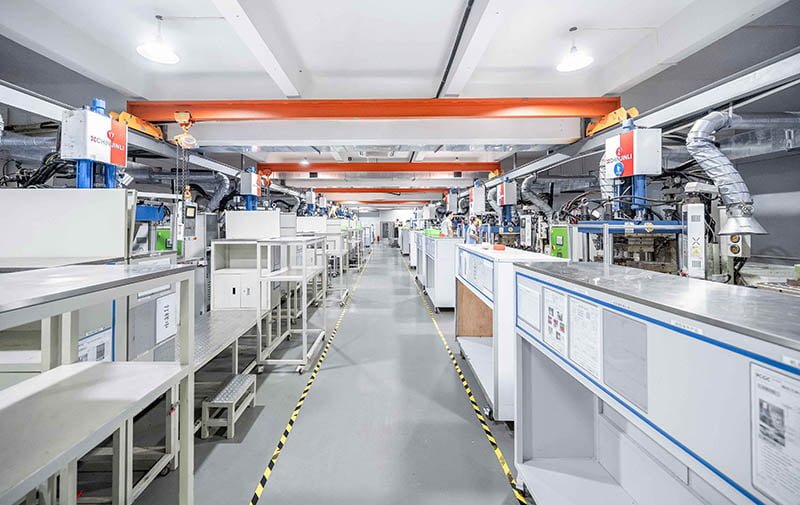
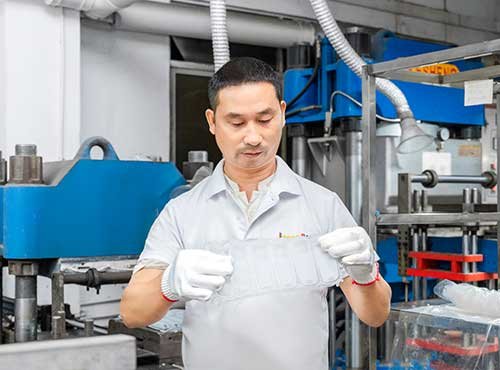
Established in 2012, China-based RY Silicone is a custom manufacturer specializing in silicone seals for aerospace, industrial brands, equipment manufacturers, and global distributors across North America and Europe. Operating a 10,000+ m² factory with 30+ machines, we produce up to 100,000 high-quality silicone products daily.
Silicone Seal Manufacturing at a Glance
MOQ & Lead Times
Existing seal orders start at 500 pieces; custom profiles require 3,000. Samples take 7–12 working days, and mass production takes 15–25 days after approval.
Material & Performance
Select standard VMQ silicone, food-grade, medical-grade, flame-retardant, high-temperature, or fluorosilicone (FVMQ) compounds. Hardness: 20–80 Shore A: operating temperatures: -60°C to 230°C, material-dependent.
Manufacturing Capabilities
Supply O-rings, gaskets, profiles, lip seals, bellows, and precision-molded components using compression molding, liquid silicone rubber molding, and extrusion for tight tolerances.
Branding & Packaging
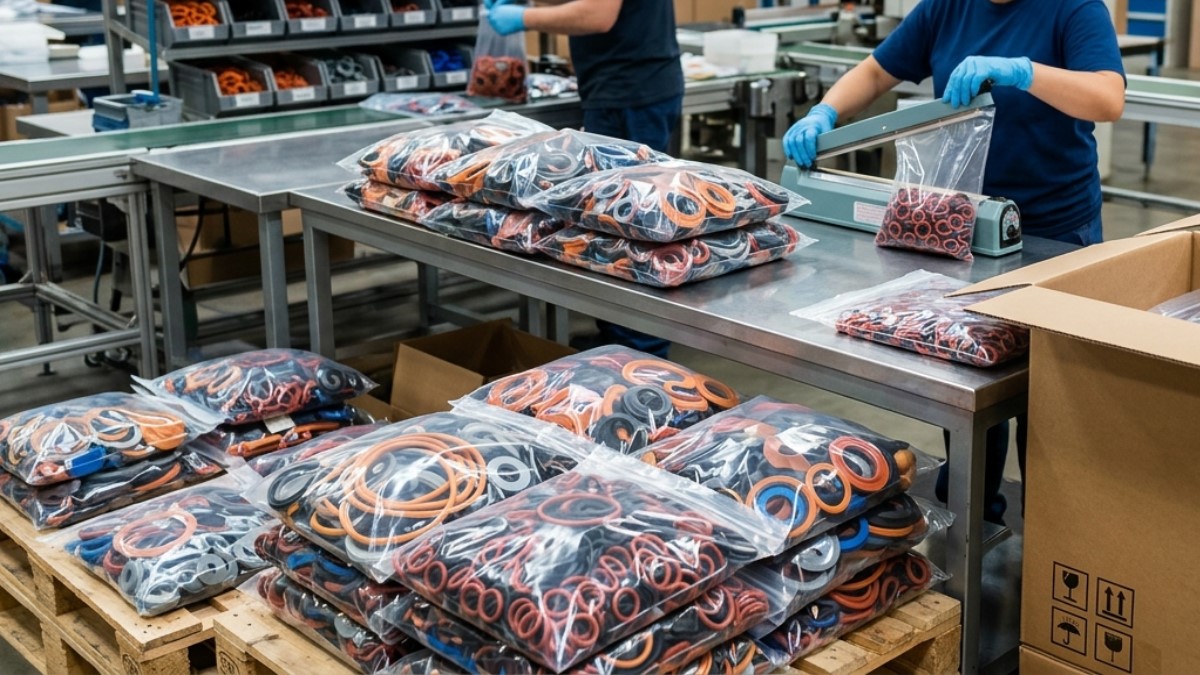
Bulk industrial packaging, labeled PE bags, barcode labels, kit assembly, retail packaging, and private-label solutions are available to match your distribution channel and inventory system.
Who We Manufacture Silicone Seals For
Different industries require tailored seals based on operating environments, material selection, tolerances, and compliance.

Industrial Equipment Manufacturers
Essential for pumps, valves, and hydraulics, our silicone seals maintain complete dimensional stability under severe compression and thermal cycling while meeting stringent flame-resistance standards like UL94.

Automotive Component Suppliers
Widely used in lighting systems, electrical connectors, engine compartments, battery systems and HVAC assemblies. Material selection focuses on heat resistance, ozone resistance and long-term durability while meeting OEM dimensional requirements.
Medical Device Manufacturers
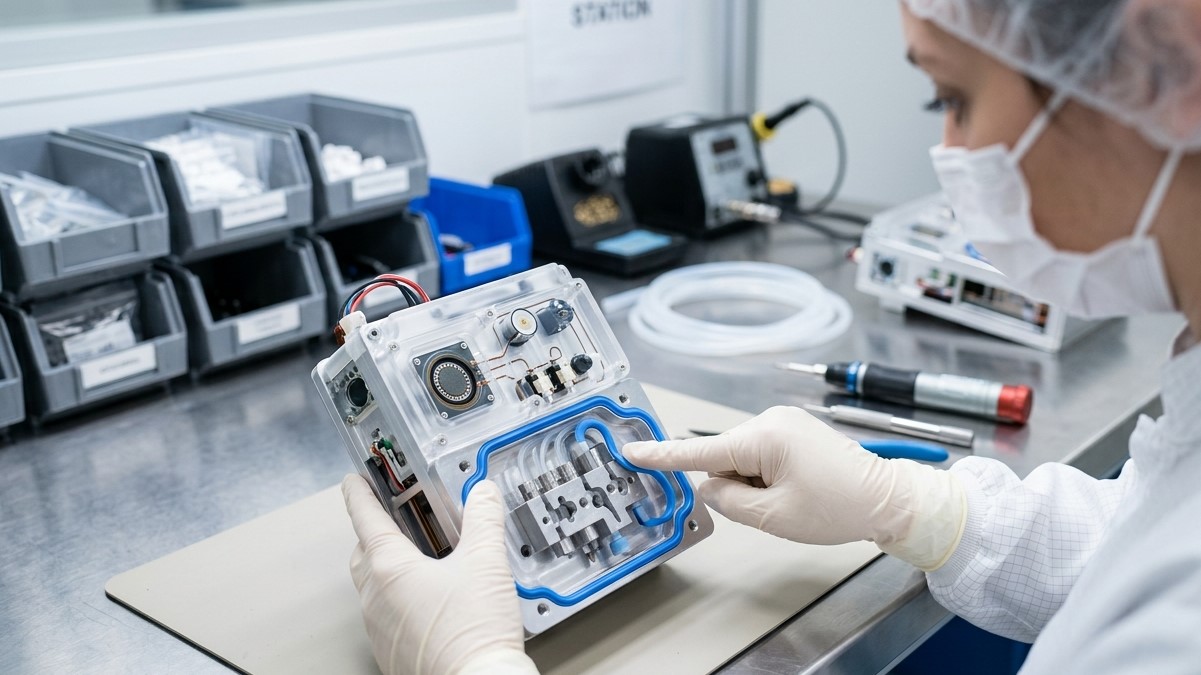
Medical equipment, including diagnostic devices, requires silicone seals with excellent biocompatibility, low extractables, and consistent molding. We manufacture skin-safe, medical-grade silicone components supported by complete regulatory documentation for your project.
Food Processing Equipment Manufacturers
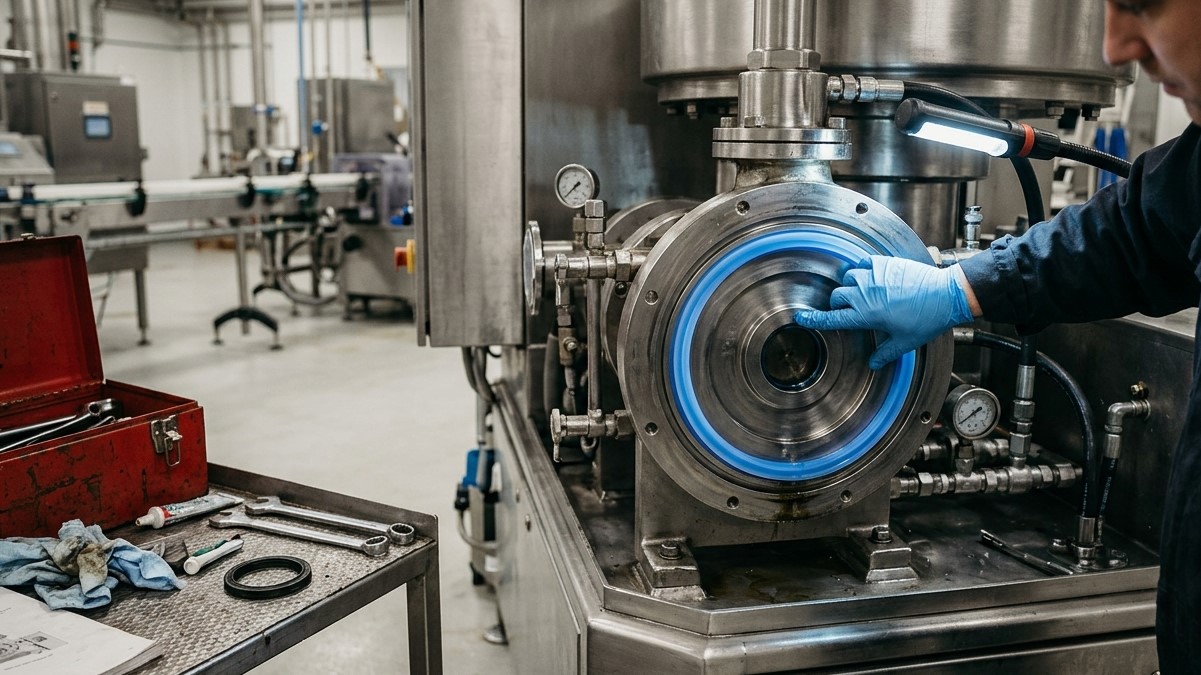
Food-contact sealing components require suitable silicone compounds that withstand repeated cleaning, steam sterilization and temperature fluctuations. Documentation can be provided according to the selected material and target market requirements.

Electronics & Electrical Equipment Brands
High-precision dustproof and waterproof sealing components shield enclosures, sensors, and connectors from environmental contamination and moisture, guaranteeing consistent, reliable seal performance during assembly for sensitive electronics.
Distributors & Industrial Wholesalers
Support wholesale and bulk silicone seal programs covering standard profiles as well as custom-engineered sealing components. Flexible packaging, private labeling and stable production capacity help distributors serve multiple industries with consistent supply.
Silicone Seal Types We Can Develop
Silicone O Ring
Silicone Gasket
Extruded Silicone Rubber Seals
Silicone Lip Seal
Silicone Bellows
Rotary Shaft Seals
Custom Silicone Sealing Components
Silicone Seal Customization
Custom silicone seal projects start with geometry, material, dimensions, and hardness.
Selection of suitable silicone seals to match your electronics or structure
Determine the geometry of silicone seals after defining the temperature, closing force, assembly, and state or dynamic applications. Distinct cross-section and construction play a crucial role in sealing performance.
- D-section profile for cushioning and adhesive attachment
- P-section profile for mechanical fastening
- E-section profile (double lip) for rigid mouting strips and bar insertion
- U-section profile to protect edges with open channel
- T-section profile against lateral displacement
- Lip seal for extended sealing edge under directional fluid pressure
- Hollow tubular profile for excellent elastic recovery and low closing force
- Solid construction without cavity for O-rings and channel sealing
- Cellular for limited closing force
- Co-extruded for diverse properties by zone
- Seals with insert for vibration, tensile strength, and stiffness
Choose the silicone compound according to the operating environment and compliance requirements. The material affects temperature resistance, compression set, mechanical properties, chemical compatibility, and service life.
Available options include:
- Standard VMQ silicone
- Food-grade silicone (standards explained)
- Medical-grade silicone (standards explained)
- Fluorosilicone (FVMQ)
- Flame-retardant silicone with relevant standards
- Conductive silicone
- High-strength silicone
- Low-temperature silicone
- High-temperature silicone
- Peroxide- or platinum-cured compounds
Define the seal geometry to match your assembly and sealing requirements. Accurate dimensions improve installation consistency while reducing the risk of leakage caused by excessive compression or insufficient sealing force.
Available options include:
- Inner diameter (ID)
- Outer diameter (OD)
- Cross-section diameter
- Wall thickness
- Overall height
- Custom sealing profiles
- Corner-molded structures
- Tight tolerance requirements
- Drawing or sample-based manufacturing
Select the hardness that balances flexibility, closing force, sealing performance, and mechanical properties. A softer seal conforms more easily to uneven surfaces, while a harder compound offers better structural stability under higher mechanical loads.
Available options include:
- 20–30 Shore A (soft to uneven surfaces)
- 40–50 Shore A
- 60–80 Shore A (improved structural stability under higher mechanical loads)
- Multi-hardness designs
- Compression set optimization
- Enhanced tear resistance
- High-elasticity compounds
Start Your Custom Silicone Seal Project
Share your application, operating environment, drawings or samples, estimated quantity, and compliance requirements. Our engineering team will recommend the appropriate material, seal structure, and manufacturing process before quotation.
How to Specify a Better Silicone Seal
A reliable silicone seal is determined by how well its material, geometry, and operating conditions work together—not by a single specification.
- Operating Environment — Define the working temperature, media, pressure, and outdoor exposure before selecting the silicone compound.
- Seal Geometry — Confirm the cross-section, groove dimensions, and compression ratio to achieve consistent sealing without excessive deformation.
- Material Grade — Select standard, food-grade, medical-grade, or fluorosilicone according to regulatory and application requirements.
- Hardness — Match Shore A hardness to the sealing force, mating surfaces, and installation method rather than choosing the hardest material available.
- Compression Set — Evaluate long-term deformation because permanent compression can reduce sealing effectiveness even when dimensions remain within tolerance.
- Dimensional Tolerance — Specify realistic tolerances for critical sealing surfaces to balance manufacturing cost and assembly performance.
- Chemical Compatibility — Review contact with oils, fuels, solvents, steam, or cleaning agents before confirming the material.
- Service Life — Consider maintenance intervals, operating cycles, and environmental aging when defining the material and design.
Specification Guide
How to Specify a Better Silicone Seal — Learn how compression ratio, hardness, tolerance, material selection, weather resistance, flexibility, elasticity, and operating conditions influence sealing performance and product life.
Silicone Seal Logo & Branding Methods
Silicone seal branding provides identification, guidance, and traceability, chosen based on size, environment, and lifespan.
Laser Marking
Laser engraving produces permanent identification without adding ink or coatings. It is commonly used for serial numbers, batch codes, and traceability marks on selected silicone compounds where long-term readability is required.
Pad Printing
Pad printing works for simple marks on exposed, non-abrasive seal surfaces.
Molded Logos
Molded, raised, or recessed logos create permanent identification for long-life parts that won't wear away.
Color Identification
Color-coding material grades, hardness, or batches streamlines OEM manufacturing and maintenance efficiency.
Silicone Seal Material & Performance Options
Prioritize silicone material properties over hardness or thickness, matching them to operating environment, mating surfaces, and service life.
The preferred material for most industrial sealing applications.
VMQ silicone offers excellent flexibility, weather resistance, and long-term performance across a wide temperature range. It is commonly used in electrical equipment, lighting products, consumer appliances, and general industrial machinery.
Material Selection
Silicone Seals Vs. EPDM Seals — Temperature resistance, flexibility, long-term reliability, UV exposure, stretch, oil resistance, and mechanical strength.
Suitable for equipment involving direct or indirect food contact.
Food-grade silicone compounds are widely used in beverage systems, coffee machines, kitchen equipment, and food-processing machinery. Documentation can be provided according to the selected material and destination market.
Designed for healthcare and medical-device applications.
Medical-grade silicone provides excellent biocompatibility and process consistency for seals used in diagnostic equipment, laboratory instruments, and selected medical devices. Material selection should always follow the applicable regulatory requirements for the target market.
Provides improved resistance to fuels, oils, and aggressive chemicals.
Compared with standard VMQ silicone, fluorosilicone maintains similar flexibility while offering significantly better resistance to aviation fuels, lubricants, and many petroleum-based fluids. It is commonly specified for aerospace, automotive, and chemical-processing equipment.
Maintains sealing performance across demanding thermal conditions.
Depending on the selected compound, silicone seals generally operate between -60°C and 230°C. Short-term exposure beyond this range may be possible for certain formulations, but continuous service temperatures should always follow the material specification.
Moreover, silicone seals may get brittle and leak during freezing within more shrinks, severe compression set by proper hardness, incomplete post-curing, silicone materials, or excessive fillers.
One of the most important factors affecting long-term sealing performance.
A seal may remain dimensionally accurate after production but gradually lose sealing force if permanent deformation occurs during long-term compression. For static sealing applications, compression set often has a greater influence on service life than tensile strength alone.
The sealing material must match the media it contacts.
Silicone performs well against water, ozone, UV exposure, outdoor durability, and many weathering conditions. However, prolonged exposure to certain fuels, concentrated acids, or aggressive solvents may require fluorosilicone or another elastomer. Material compatibility should always be reviewed before production.
Available project documentation may include:
- Material Data Sheets (TDS)
- Material Safety Data Sheets (MSDS/SDS)
- FDA-related documentation
- LFGB-related documentation
- REACH declarations
- RoHS compliance
- USP Class VI (selected materials)
- Project-specific laboratory reports
The available documentation depends on the selected compound, pigments, post-processing methods, and destination market. A raw material certificate alone should not be considered evidence that every finished sealing component automatically complies with all regulatory requirements.
Silicone seals typically achieve the longest service life when installed within the recommended compression range, protected from mechanical damage and inspected periodically for wear or permanent deformation during scheduled maintenance.
Maintenance Guide
How to Clean & Maintain Silicone Seals — Learn proper cleaning methods, inspection intervals, storage recommendations, and replacement guidelines that help maximize sealing performance over time.
How Silicone Seals Are Manufactured

STEP 1: Requirement Review
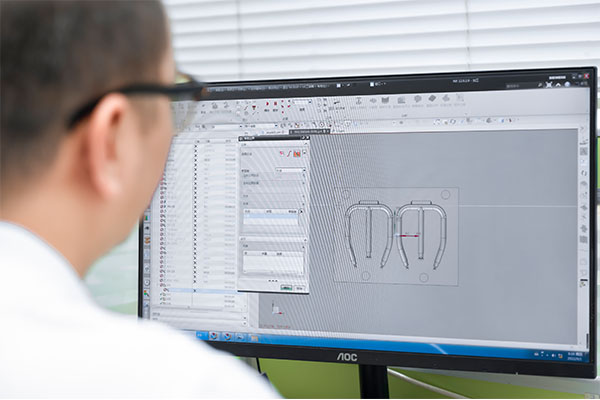
Every project begins with an engineering review of application details, operating parameters, and demand specifications before our team recommends a custom manufacturing solution.
STEP 2: Mold Evaluation
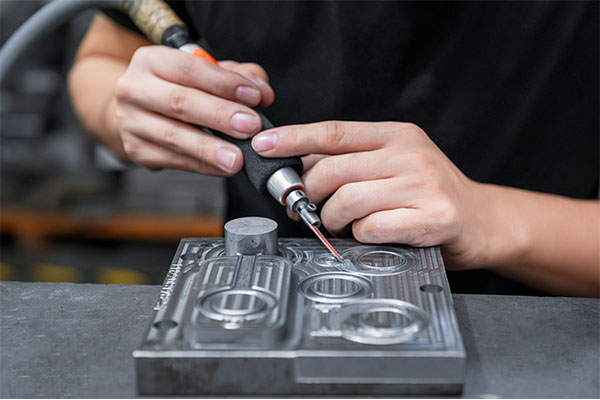
While custom seal geometries need new molds reviewed for shrinkage and tolerances, critical focus must go to controlling parting-line flash to prevent service failure.
STEP 3: Material and Color Preparation
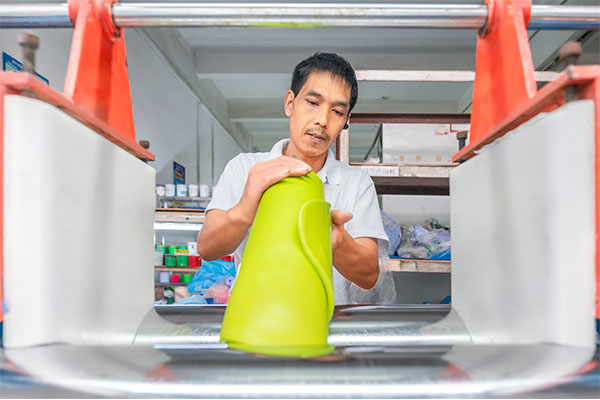
The chosen silicone compound is mixed with additives and colorants per formulation. Each batch is tested for consistency to ensure uniform hardness, strength, and color.
STEP 4: Silicone Molding
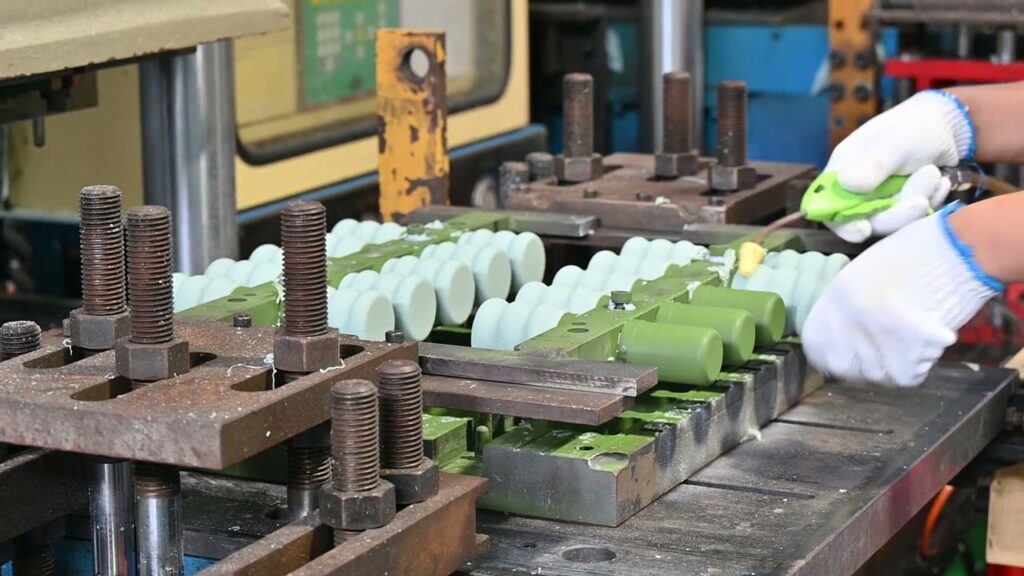
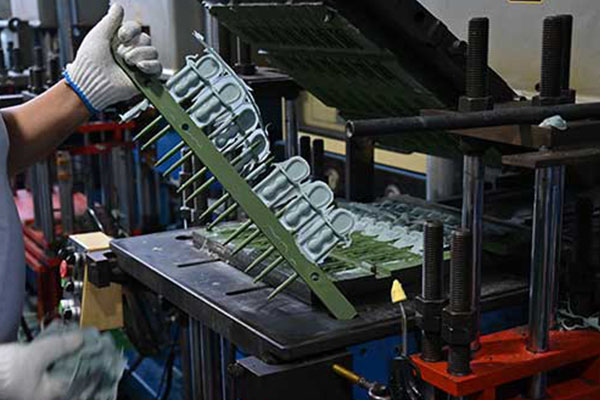
Manufacturing processes are selected based on design and volume: compression molding suits standard seals, LSR molding enables high-precision automated production, and silicone extrusion creates continuous profiles or spliced complex frames.

STEP 5: Deflashing & Finishing
After curing, seals are trimmed via manual, precision, or cryogenic methods to remove excess flash. Crucially, even minor lip imperfections can alter compression and cause leaks under pressure.
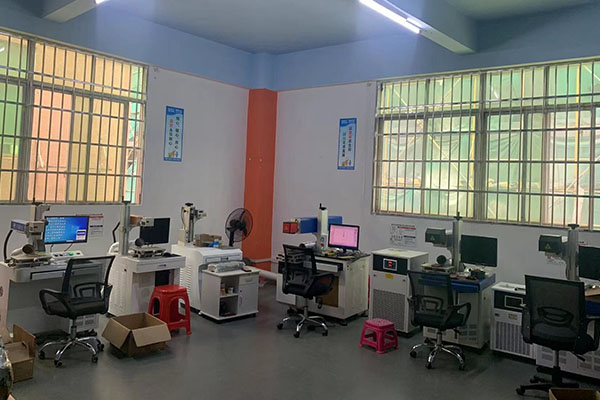
STEP 6: Surface Processing & Identification
Apply part numbers, logos, markings, or color IDs per approved documentation. Position these features outside the primary sealing area to maintain sealing performance.
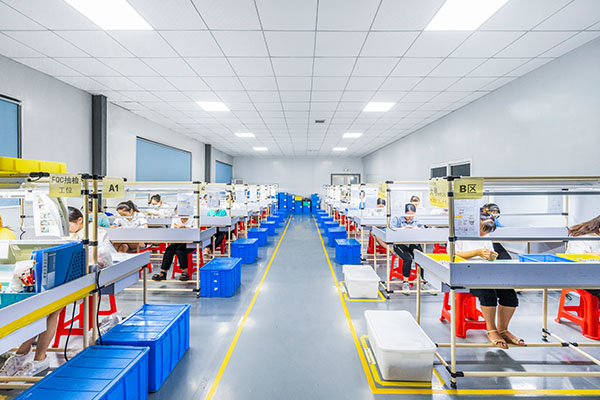
STEP 7: Quality Inspection
Finished products undergo dimensional, hardness, appearance, and functional testing against approved samples, engineering drawings, and standards prior to packaging.
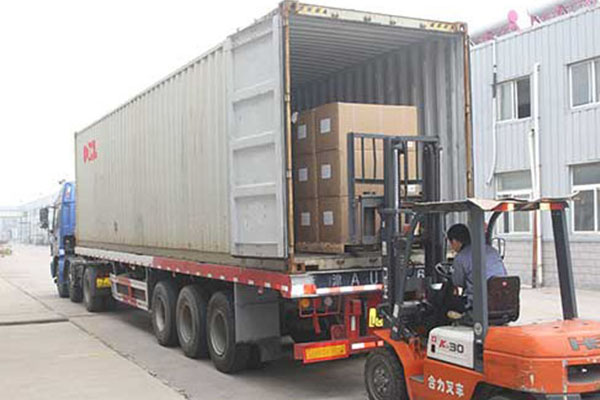
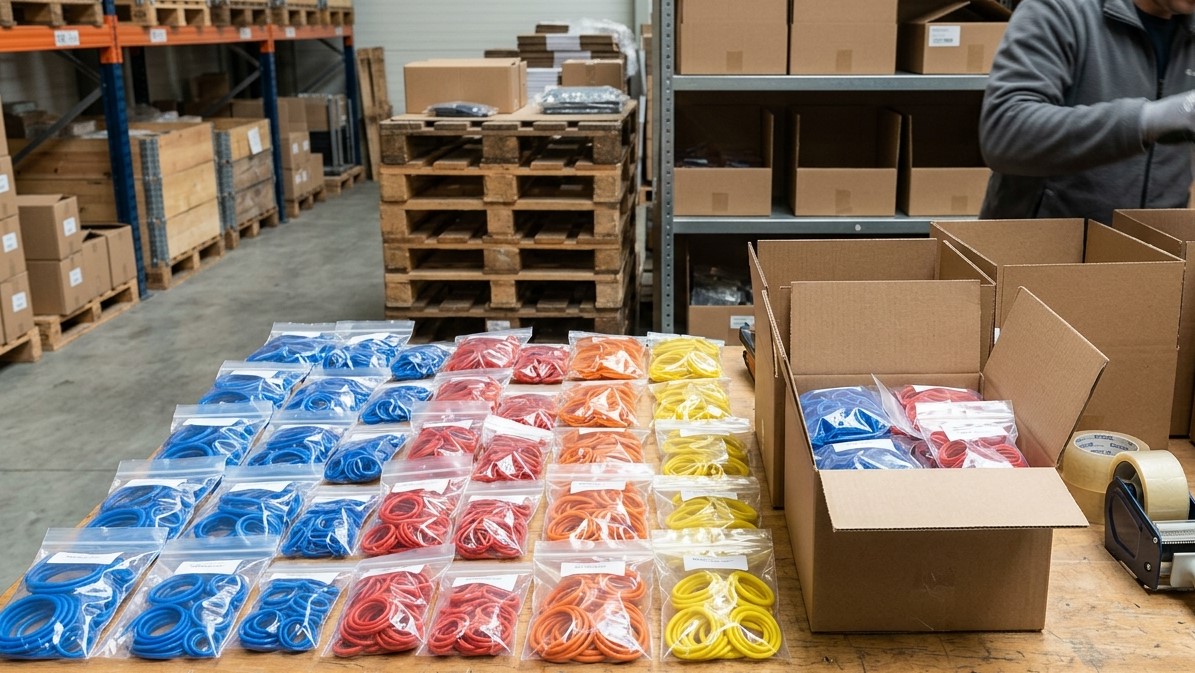
STEP 8: Packaging and Shipment
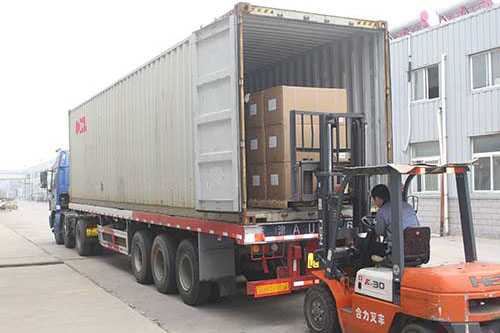
Products are counted, labeled, and packaged per specifications. Export cartons, pallets, barcodes, and shipping marks are prepared for warehouse management and international transport.
Silicone Seal Quality Control
Quality control is maintained throughout all stages of production—from incoming materials to packaging—to ensure that every batch consistently meets approved sealing specifications.
AQL 2.5 / 4.0 Standard Inspection
Batch inspection follows agreed sampling standards before shipment.
AQL 2.5
Critical / Major Defects
AQL 4.0
Minor Visual Flaws
Alternative inspection standards can also be implemented when specified in the purchase order.
Approved Sample Control
The approved sample becomes the manufacturing reference throughout production. Inspection compares each batch against the approved standard for:
- Overall dimensions
- Cross-section
- Hardness
- Material grade
- Color
- Surface finish
- Identification marks
- Packaging configuration
Incoming Material Verification
Silicone compounds, pigments, and supporting material documentation are verified before production. Material batches are reviewed to ensure consistency with the approved project specification.
In-Process Inspection
Production operators continuously monitor:
- Molding completeness
- Flash formation
- Curing consistency
- Surface defects
- Color variation
- Parting-line quality
- Process stability
Operators review molding completeness, rim condition, visible color variation and surface defects during production.
Dimensional Inspection
Critical sealing dimensions are measured using calibrated inspection equipment according to engineering drawings and agreed tolerances.
Typical inspection items include:
- Inner diameter (ID)
- Outer diameter (OD)
- Cross-section diameter
- Thickness
- Overall height
- Groove dimensions where applicable
Hardness Verification
Each production batch is tested to confirm Shore A hardness remains within the approved specification, helping maintain consistent compression characteristics during assembly.
Appearance Inspection
Products are inspected for:
- Flash
- Short shots
- Surface contamination
- Air bubbles
- Tears
- Cracks
- Surface damage
- Color inconsistency with silicone color materbatch or pigments
Functional Performance Verification
Depending on the application, additional verification may include:
- Compression set evaluation
- Tensile strength
- Elongation
- Tear resistance
- Leak testing
- Assembly fit verification
Not every project requires all performance tests. The inspection plan is determined according to the product specification and customer requirements.
Packaging Inspection
Before shipment, our QC team verifies:
- Product quantity
- Part number labels
- Barcode labels
- Packaging materials
- Carton markings
- Shipping labels
- Pallet identification
This final review helps ensure products arrive ready for inventory management and production-line assembly.
Silicone Seal Packaging Options
We recommend custom packaging to protect seal performance, streamline inventory and assembly, and meet your production, distribution, and cleanliness needs.

Bulk Polybag Packaging
Seals are packed in labeled polybags for low-cost, high-volume production, efficient warehouse storage, and automated inventory management.

Kitting & Sub-Assembly
Sensitive seals for electronics and medical applications are packed in specialized anti-static or clean materials based on required standards.
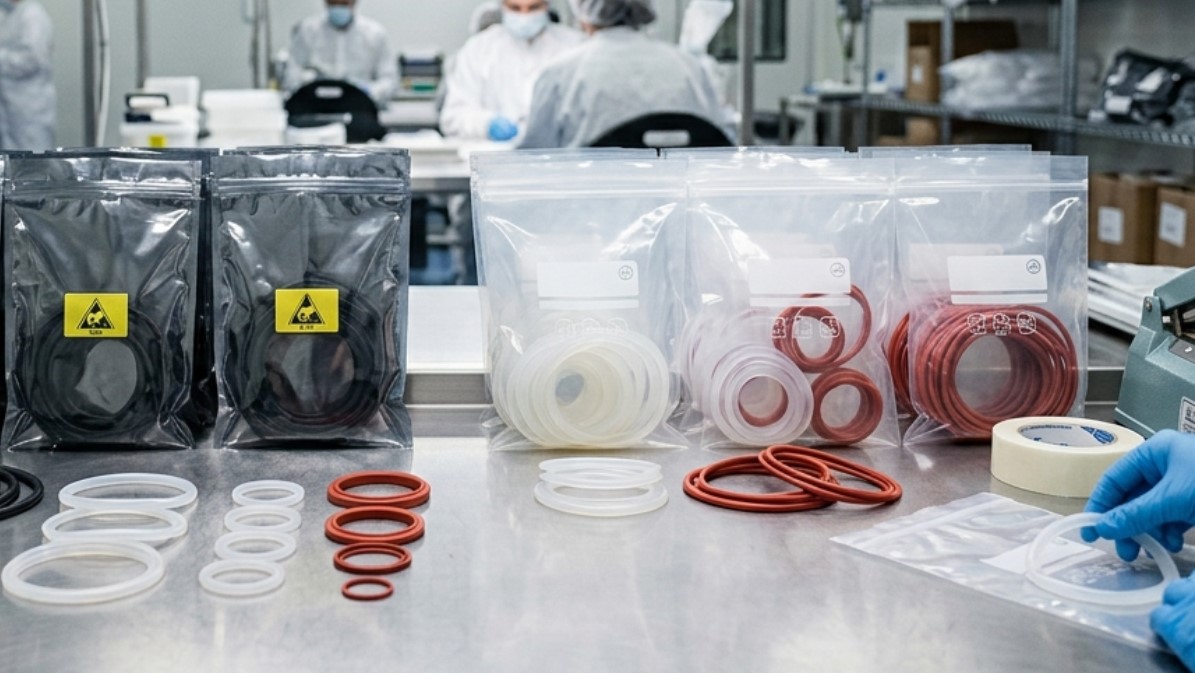
Anti-Static & Clean Packaging
Sensitive seals for electronics and medical applications are packed in specialized anti-static or clean materials based on required standards.

Private Label & Distributor Packaging
Custom labeling, barcodes, and branded packaging help distributors manage inventory, present a consistent brand, and include required instructions.

Typical Silicone Seal Specifications
| Specification | Typical Reference |
|---|---|
| Product | Custom silicone seal |
| Seal Types | O-rings, gaskets, extruded profiles, lip seals, bellows, custom seals |
| Material | VMQ, Food-grade, Medical-grade, FVMQ and specialty silicone compounds |
| Hardness | 20–80 Shore A |
| Operating Temperature | -60°C to 230°C, depending on compound |
| Color | Standard colors or custom Pantone matching |
| Cross Section | Custom according to drawings |
| Inner Diameter (ID) | Custom |
| Outer Diameter (OD) | Custom |
| Thickness | Custom |
| Dimensional Tolerance | According to product design and application |
| Surface Finish | Standard, matte or custom finish |
| Compression Set | Material dependent |
| Tensile Strength | According to selected compound |
| Elongation | Material dependent |
| Logo Methods | Molded logo, pad printing, laser marking, color identification |
| Manufacturing Process | Compression molding, LSR molding, extrusion |
| Packaging | Bulk bags, assembly kits, clean packaging, retail packaging |
| Existing Tool MOQ | From 500 pieces |
| Custom Tool MOQ | From 3,000 pieces |
| Sample Lead Time | 7–12 working days |
| Mass Production | 15–25 working days after approval |
| Inspection Standard | Approved sample + AQL 2.5 / 4.0 or customer specification |
| Compliance | FDA, LFGB, REACH, RoHS, USP Class VI (depending on selected material) |
| OEM & ODM | Available |
Final specifications are confirmed according to the selected material, seal geometry, tooling, operating environment, and approved samples.
Why Work with RY Silicone
Silicone Manufacturing Experience Since 2012
RY Silicone has specialized in custom silicone product manufacturing since 2012, supporting OEM and ODM projects from engineering review through mass production.
Our team understands that sealing components are functional parts where manufacturing consistency directly affects product reliability.
10,000+ m² Production Facility
Our manufacturing facility combines tooling, material preparation, molding, trimming, inspection, and packaging under one roof. Keeping these processes in-house allows better process control and shorter communication throughout product development.
30+ Production Machines
Multiple compression molding, LSR molding, and auxiliary production machines enable us to manufacture a wide variety of silicone sealing products, from miniature precision seals to large industrial gaskets and extruded sealing profiles.
Up to 100,000 Silicone Products per Day
Our production capacity supports both recurring OEM programs and large-volume wholesale orders.
Actual output depends on seal geometry, molding cycle, inspection requirements, and packaging configuration.
Engineering Review Before Quotation
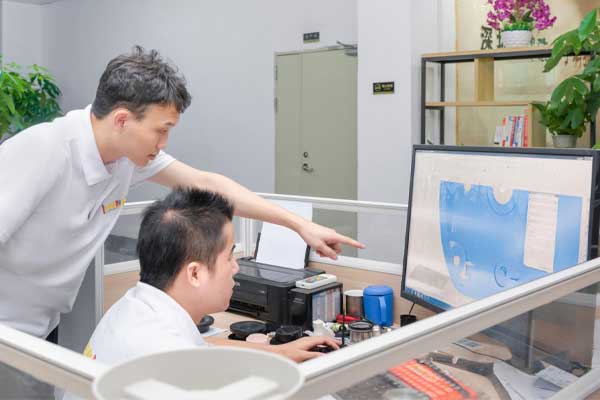
A silicone seal cannot be accurately quoted using dimensions alone. Before providing pricing, our engineers review the application, operating temperature, pressure, sealing media, material selection, tolerance requirements, and production method to recommend the most suitable manufacturing solution.
In many projects, selecting a more appropriate compound or adjusting the seal geometry provides greater long-term value than simply choosing a tighter tolerance or harder material.
Sample-Based Production
Mass production begins only after the approved sample has been confirmed. Material grade, hardness, dimensions, sealing profile, color, identification marks, and packaging all become the production standard for subsequent batches.
When engineering drawings and approved samples differ, production is paused until the discrepancy is clarified. This approach helps prevent costly quality issues caused by outdated documentation or design revisions.
Export Project Support
As a China-based silicone seal manufacturer and supplier, RY Silicone supports customers throughout North America, Europe, and other international markets.
We assist with technical documentation, export packaging, inspection coordination, and shipment preparation to simplify international sourcing.
Silicone Seal FAQ and Final RFQ
What is the MOQ for custom silicone seals?
The minimum order quantity generally starts from 500 pieces for existing tooling and approximately 3,000 pieces for completely custom tooling. The final MOQ depends on the seal size, material, tooling complexity, and packaging requirements.
Can you manufacture silicone seals from our drawings?
Yes.
We can manufacture according to 2D drawings, 3D CAD files, or physical samples. If engineering information is incomplete, our team can review the application and recommend suitable dimensions before tooling begins.
Which Shore A hardness should I choose?
The appropriate hardness depends on sealing pressure, mating surfaces, and installation conditions.
Softer materials generally conform better to uneven surfaces, while harder compounds provide greater structural support under higher mechanical loads.
What tolerance can you achieve?
Dimensional tolerances depend on the manufacturing process, material characteristics, and seal geometry.
Critical sealing dimensions are evaluated during project review to determine practical production tolerances.
Which silicone material is suitable for food-contact applications?
Food-grade silicone compounds are commonly selected for food-processing equipment and beverage systems.
Documentation is provided according to the selected material and the regulatory requirements of the destination market.
Can silicone seals replace EPDM or NBR seals?
In many applications, yes.
Silicone offers excellent temperature resistance, UV stability, and weather resistance. However, EPDM, NBR, FKM, or fluorosilicone may provide better performance for specific chemicals, fuels, or pressure conditions.
Material selection should always be based on the actual operating environment.
How do you control the compression set?
Compression set is influenced by material formulation, curing conditions, and operating temperature.
During product development, we evaluate compound selection together with seal geometry because both factors contribute to long-term sealing performance.
Can you provide FDA, LFGB, or REACH documentation?
Yes, where applicable.
Available documentation depends on the selected silicone compound, pigments, post-processing methods, and destination market.
Please specify the required standard before quotation.
What information do you need for the quotation?
To prepare an accurate quotation, please provide:
- Product drawings or CAD files
- Physical samples (if available)
- Seal type
- Material requirements
- Hardness
- Operating temperature
- Working media
- Pressure conditions
- Annual quantity
- Color requirements
- Compliance requirements
- Packaging requirements
- Destination country
- Required delivery schedule