Manufacturing custom silicone products since 2012

Silicone Spatula Manufacturer

Silicone spatulas designed for baking, cooking, mixing and food preparation. Develop custom OEM/ODM silicone spatulas with food-grade materials, seamless construction, branded logos and retail-ready packaging.

What Is a Silicone Spatula?

A silicone spatula is a food-contact kitchen utensil with a flexible silicone head designed for mixing, scraping, folding, spreading, and cooking without damaging cookware surfaces. A custom (OEM/ODM) silicone spatula is manufactured to your required size, blade shape, handle structure, material, color, logo, and packaging for retail, wholesale, or promotional programs.

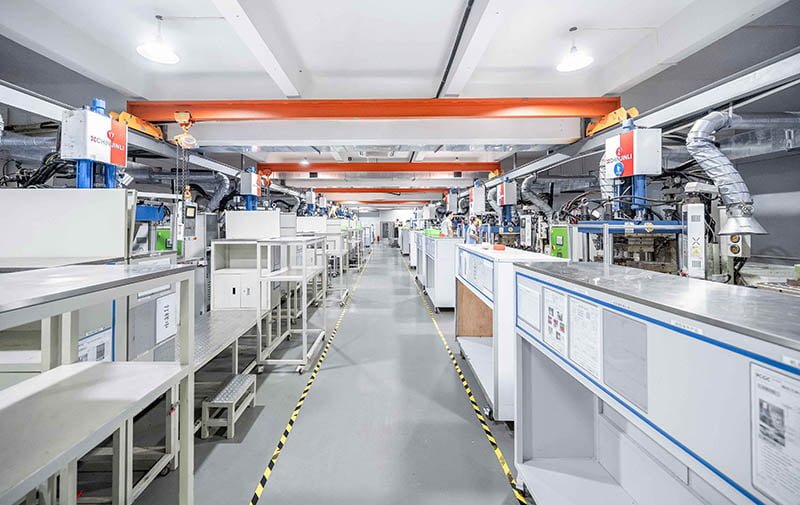
RY Silicone is a custom silicone manufacturer based in China, established in 2012. The factory covers more than 10,000 m², operates over 30 production machines, and produces up to 100,000 silicone products per day. We manufacture OEM and ODM silicone spatulas for kitchenware brands, distributors, wholesalers, and private-label retailers across North America, Europe, and other international markets.

Silicone Spatula Manufacturing at a Glance

MOQ & Lead Times

Custom branding starts at 500 units; new shapes require 3,000. Samples take 5–10 working days, followed by mass production in 15–25 days after approval.

Material & Performance

Food-grade silicone (40–70 Shore A) handles -40°C to 230°C. Available in solid silicone or reinforced with stainless steel or nylon cores for varied uses.

Logo & Branding

Embossing, debossing, laser engraving, pad printing, and screen printing are selected according to the handle material, branding position, and durability requirement.

Packaging

Bulk export cartons, OPP bags, header cards, printed paper boxes, gift packaging, and e-commerce-ready retail packaging are available for different sales channels.

Who We Manufacture Silicone Spatulas For

Start with your target market, then determine the spatula structure, branding, and packaging.

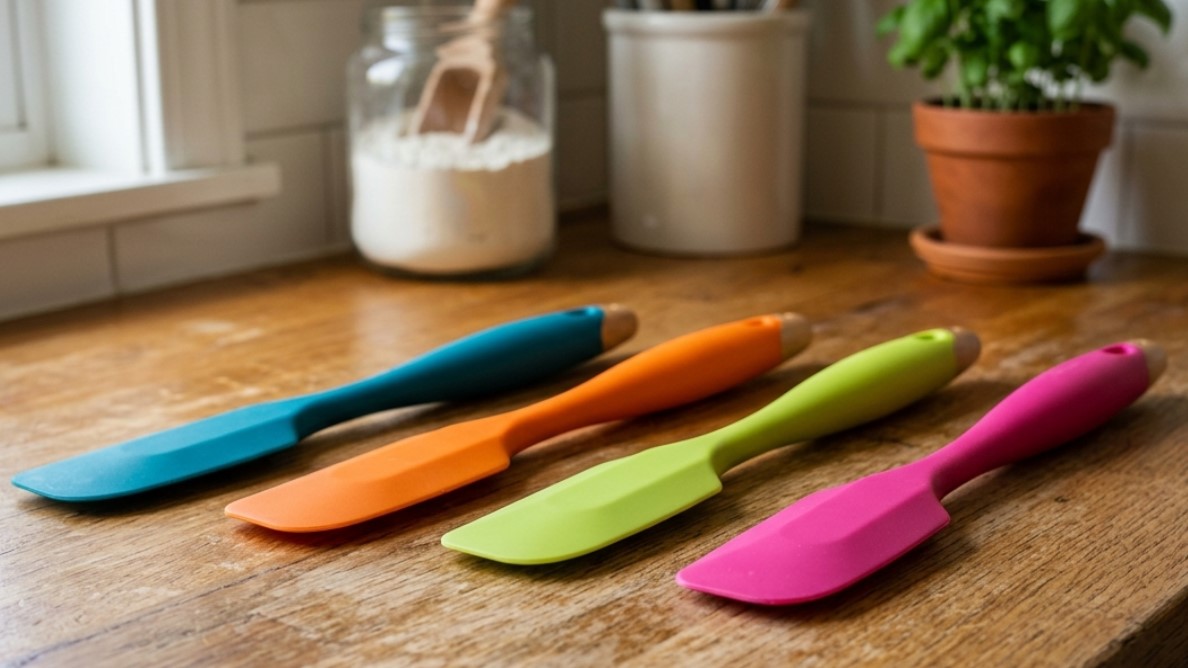
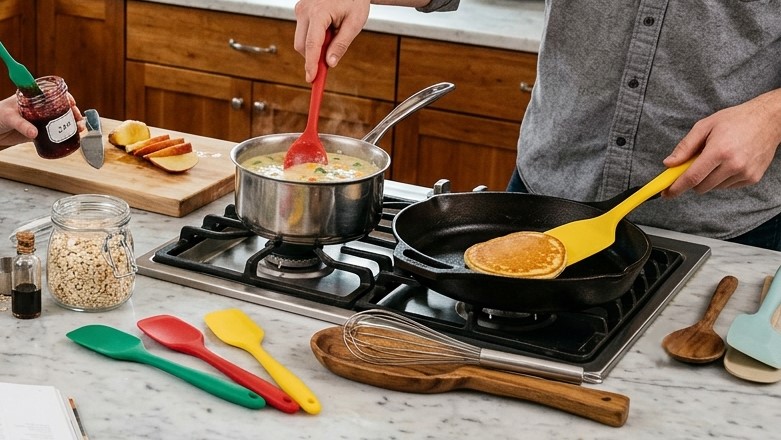
versatile and food contact silicone spatular for cooking brands with FDA approved silicone materials

Kitchenware Brands

Develop complete spatula collections with coordinated colors, handle styles, and retail packaging that match your existing cookware or bakeware product lines.
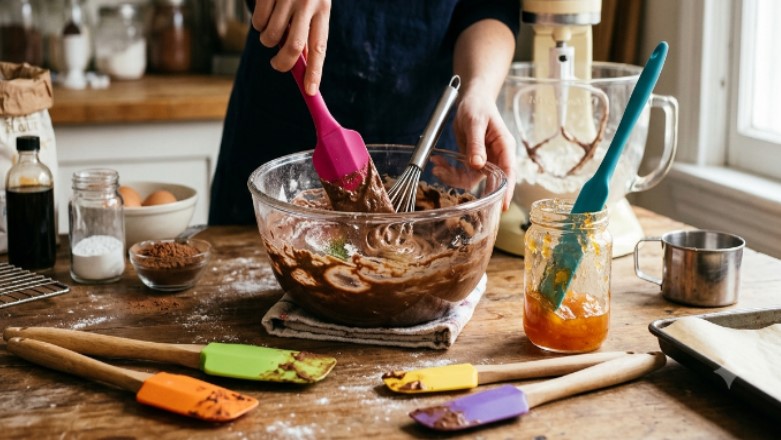
Food contact custom silicone baking spatulas for bakeware brands with highle design

Bakeware Manufacturers

Produce baking spatulas that handle cake batter, frosting, pastry cream, and dough mixing. Blade flexibility and heat resistance are balanced according to bakery applications.
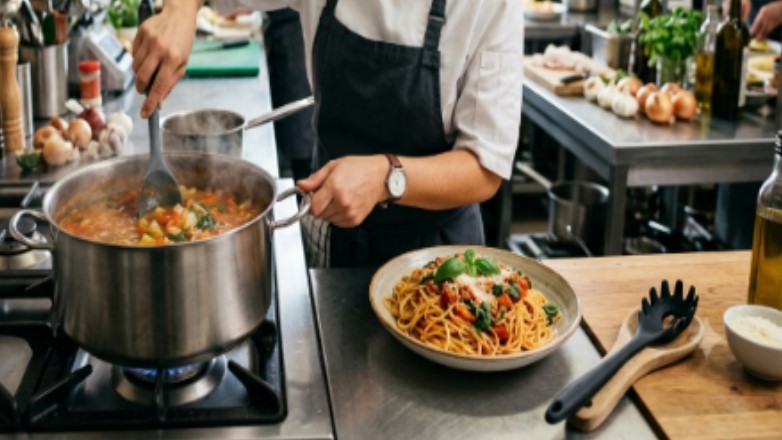
Food grade silicone spoon spatula and silicone pasta server for Restaurant Catering Suppliers

Restaurant & Catering Suppliers

Supply durable kitchen utensils for commercial kitchens where repeated daily use, dishwasher cleaning, and high-temperature cooking demand long-lasting performance.
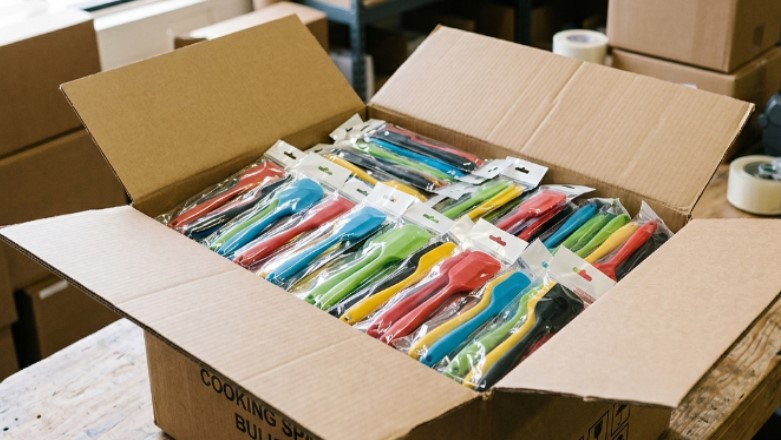
Packed silicone spoon spatulas are packed for Distributors Wholesalers 1

Distributors & Wholesalers

Purchase silicone spatulas in bulk for supermarkets, kitchenware stores, and hospitality suppliers. Existing designs provide faster delivery, while OEM products create stronger product differentiation.
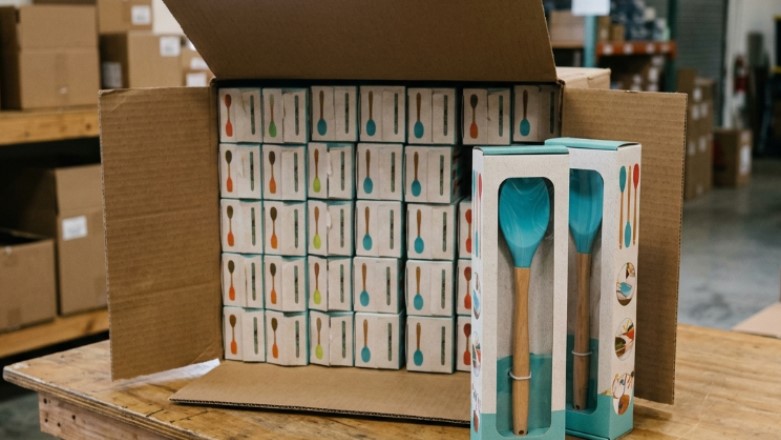
FDA approved silicone baking spatulas are packed in boxes for Retail Ecommerce Sellers

Retail & Ecommerce Sellers

Private-label silicone spatulas with barcode labels, instruction cards, and branded retail packaging arrive ready for online marketplaces, chain stores, and specialty kitchen retailers.
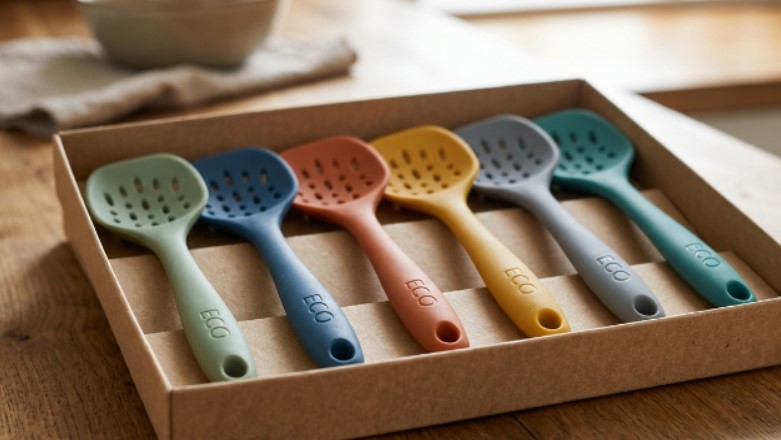
Food grade silicone cooking spatulas are packed in paper box for Promotional Product Companies

Promotional Product Companies

Manufacture branded silicone spatulas for cooking events, food exhibitions, corporate gifts, and promotional campaigns with molded logos or custom color matching.
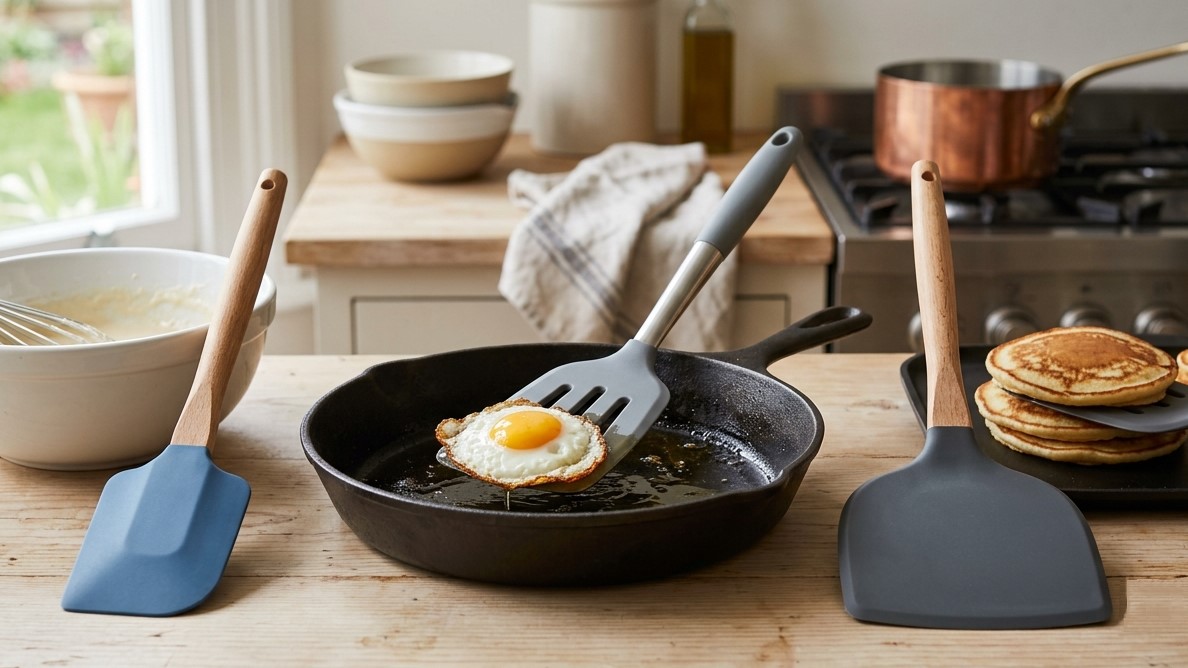
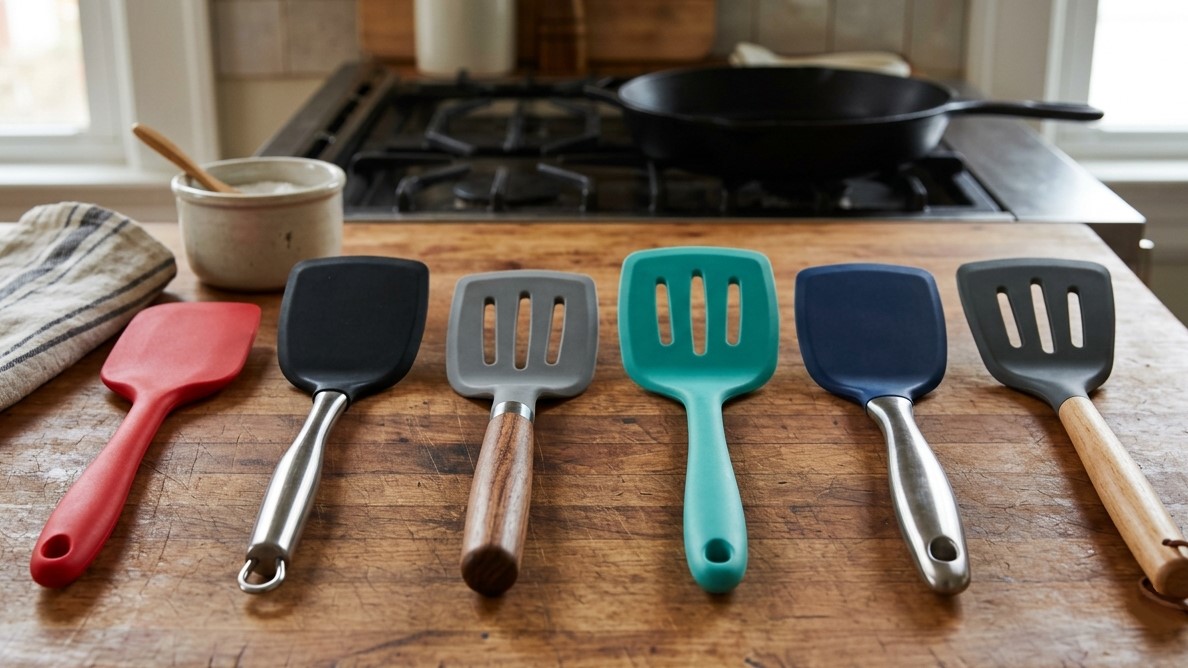
Silicone Spatula Types We Can Develop

Silicone Spatula Customization

Every custom project starts by defining how the spatula will be used, then matching the structure, material, and branding to your market.

Custom silicone spatulas with highly design flexibility in shapes

Choose a spatula profile that matches the intended cooking or baking application. Existing designs shorten development time, while new tooling creates exclusive products for your brand.

Available options include:

  • Cooking spatulas
  • Baking spatulas
  • Spoon spatulas
  • Jar spatulas
  • Mini spatulas
  • Turner spatulas
  • Angled spatulas
  • Offset spatulas
  • Flexible blade designs
  • Heavy-duty blade designs

Diverse structure and parts for assembly including one-piece silicone rubber, stainless stain handle, and wood handle of silicone spatulas

Select the internal construction according to flexibility, strength, and intended service life. The reinforcement should support the silicone blade without making it uncomfortable during use.

Available options include:

  • One-piece solid silicone construction
  • Stainless steel core
  • Nylon core
  • Reinforced handle
  • Removable head design
  • Soft, flexible blade
  • Firm cooking blade
  • Hanging hole
  • Ergonomic handle profile

Different colors design in custom silicone spatulas

Match the product to your brand identity with custom colors and durable branding methods. Surface finish and logo placement should be confirmed before tooling or printing begins.

Available options include:

  • Standard silicone colors
  • Pantone color matching
  • Glossy finish
  • Matte finish
  • Fine texture
  • Embossed logo
  • Debossed logo
  • Pad printing
  • Screen printing
  • Laser engraving on suitable handle materials

Different packaging methods of silicone spatulas involving bulk, retal, premium gift packaging

Packaging should reflect the sales channel from the beginning of the project. Retail presentation, barcode requirements, and instruction inserts often require separate artwork approval before production.

Available options include:

  • Bulk export packaging
  • Individual OPP bags
  • Header cards
  • Printed paper boxes
  • Window gift boxes
  • Barcode labels
  • User instruction cards
  • Retail display packaging
  • Ecommerce packaging
  • Private label packaging

Start Your Custom Silicone Spatula Project

Send your target quantity, preferred spatula style, branding requirements and packaging plan. Our engineering team will recommend the most suitable construction, material and manufacturing solution for your project.

How to Specify a Better Silicone Spatula

A silicone spatula performs well when the blade, core and silicone compound are designed as one system rather than as separate parts.

  • Blade Flexibility — Match the flexibility to the intended application. Softer blades scrape mixing bowls more completely, while firmer blades provide better control for cooking.
  • Internal Core — Choose solid silicone, nylon or stainless steel reinforcement according to the required stiffness, weight and durability.
  • Silicone Hardness — Most kitchen spatulas use 40–70 Shore A, depending on blade thickness and intended use.
  • Heat Resistance — Confirm the maximum operating temperature for your cooking environment instead of relying on a general material specification.
  • Blade Shape — Straight, spoon, jar and angled profiles each suit different cooking and baking tasks.
  • One-Piece Construction — Seamless designs improve hygiene by eliminating joints where food residue and moisture can collect.

A firmer spatula is not always better. The most practical design balances flexibility, stiffness and user comfort for the specific application.

Full specification guide

How to Specify a Better Silicone Spatula — blade geometry, silicone hardness, internal core selection, heat resistance, food-grade materials and a complete OEM specification checklist.

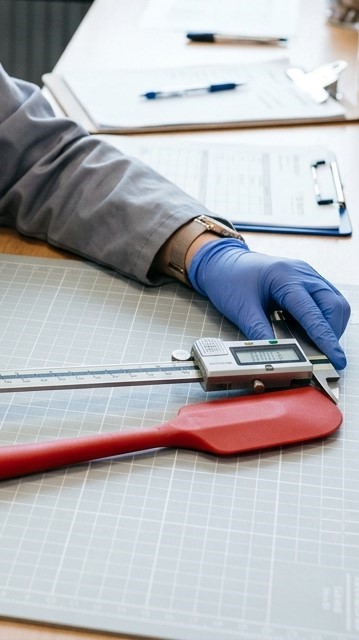
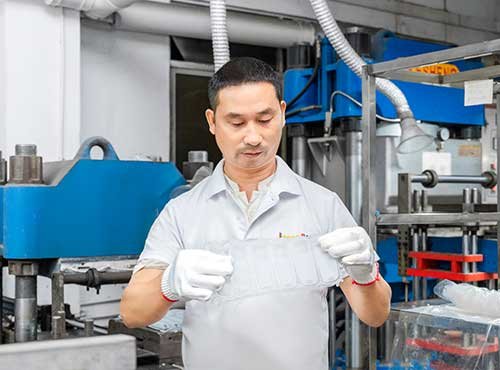
The dimension of a silicone cooking spatula is tested by staff from quality control team from RY Silicone

Silicone Spatula Logo & Branding Methods

Choose the branding method according to the product structure, expected service life and brand appearance.

Screen Printing

A cost-effective solution for simple logos, graphics and measurement marks on flat silicone handle surfaces.

Laser Engraving

Available on compatible handle materials or metal inserts where a clean, premium appearance is preferred.

Pad Printing

Suitable for detailed multi-color logos on curved handles or limited branding areas.

Embosse & Debossed

Logos are molded directly into the silicone surface, creating permanent branding without ink that will not wear off during normal use.

Silicone Spatula Material & Performance Options

The right silicone compound depends on how the spatula will be used, cleaned, and sold. Material selection should always be evaluated together with the blade structure and reinforcement.

The foundation of every kitchen spatula.

Food-contact spatulas are typically manufactured from platinum-cured or peroxide-cured food-grade silicone. Material selection should match the target market and required compliance documentation.

Material comparison

Platinum-Cured vs Peroxide-Cured Silicone: Which Is Better for Kitchen Utensils? — Food-contact, odor-tolerance, transparency of silicone, and curing cycles.

Designed for everyday cooking and baking.

Most silicone spatulas operate between -40°C and 230°C, allowing them to move from refrigerated ingredients to hot cookware without becoming brittle or deforming. The exact temperature limit depends on the selected silicone compound and internal construction.

Comfort depends on balancing flexibility with support.

The silicone blade and reinforcing core should work together as one system. An overly soft blade can feel unstable during cooking, while excessive stiffness reduces scraping performance when mixing batter or cleaning bowls.

High-quality silicone helps maintain appearance after repeated use.

Brightly colored sauces, cooking oils, and spices can stain lower-quality silicone more easily. Selecting premium compounds and appropriate pigments improves long-term color stability and reduces odor absorption.

A fast screen for filler or curing problems.

A strong chemical odor or oily residue may indicate issues with fillers, curing or material selection. Visual and sensory screening can flag obvious risks, although laboratory testing is required for formal compliance claims.

Available documents may include:

  • Material Data Sheets (TDS)
  • Material Declarations
  • FDA-related documentation
  • LFGB-related documentation
  • REACH-related reports
  • Project-specific compliance reports

The available documentation depends on the selected silicone, pigment, printing process, and destination market.

A raw material certificate alone should not be presented as compliance evidence for every finished spatula configuration.

Wash the spatula after use, avoid prolonged contact with open flames, and inspect the blade regularly for cuts caused by sharp utensils. Proper storage helps preserve appearance and extends service life.

Care guide

How to Clean & Care for Silicone Spatulas—dishwasher cleaning, stain removal, odor reduction, and storage recommendations.

How Silicone Spatulas Are Manufactured

1. Requirement Review

STEP 1: Requirement Review

Every project begins by confirming the spatula type, target market, order quantity, dimensions, blade flexibility, handle structure, color, branding method, packaging, and requested compliance documents.
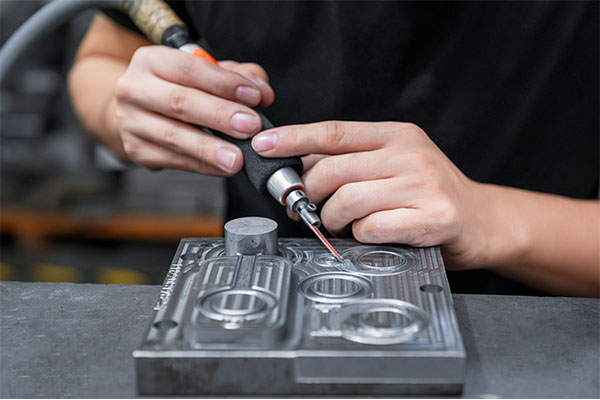
2. Mold Evaluation

STEP 2: Design & Tooling Evaluation

Our engineering team checks whether an existing tool can be used.New blade shapes, handle structures, molded logos, or structural changes may require new tooling or tool modification.
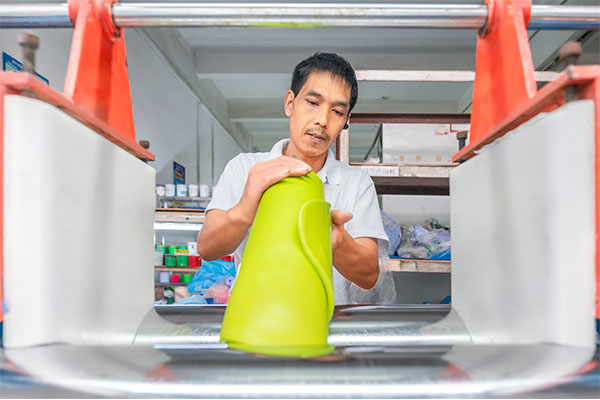
3. Material and Color Preparation

STEP 3: Material and Color Preparation

The approved food-grade silicone compound is blended with the confirmed pigment to match the target hardness and color specification.
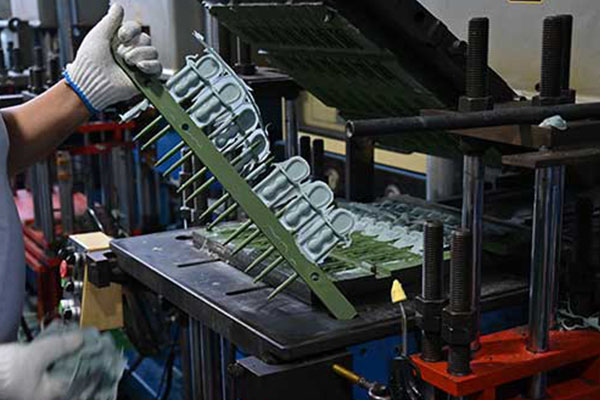
4. Silicone Molding

STEP 4: Silicone Molding

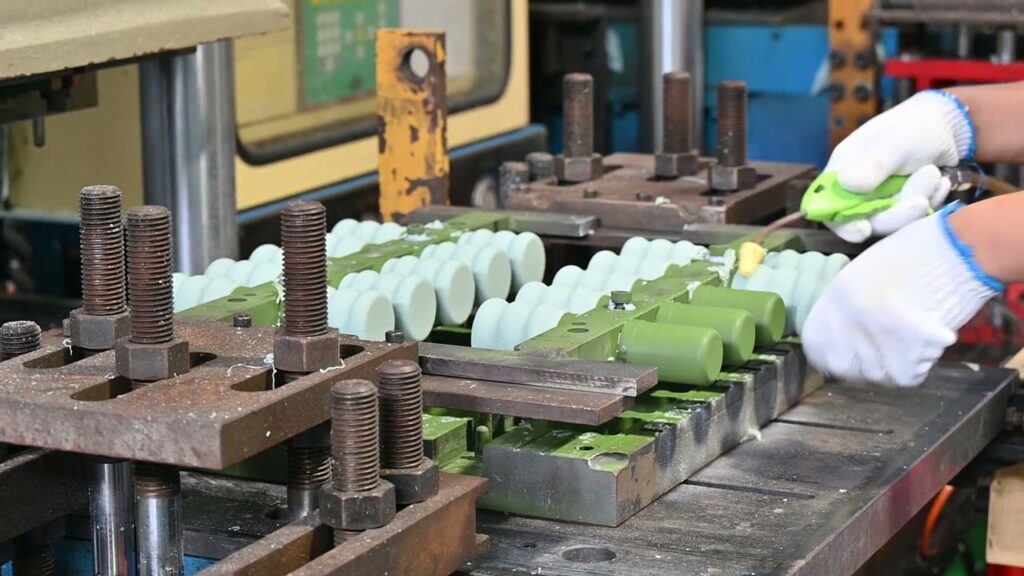
The silicone is molded using the approved compression-molding or liquid-silicone process according to the product structure and production volume.
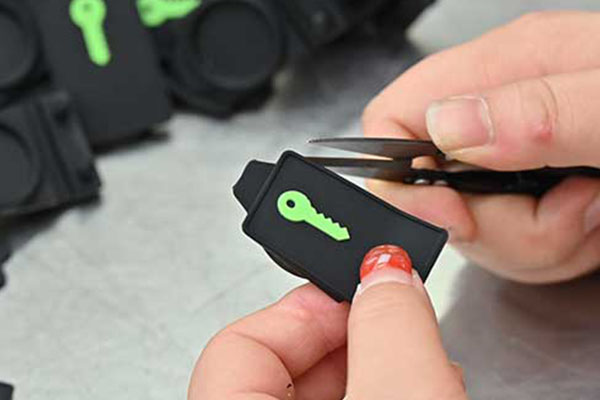
5. Demolding and Trimming

STEP 5: Core Assembly (Optional)

For reinforced spatulas, stainless steel or nylon cores are positioned and secured according to the approved design before final molding or assembly.
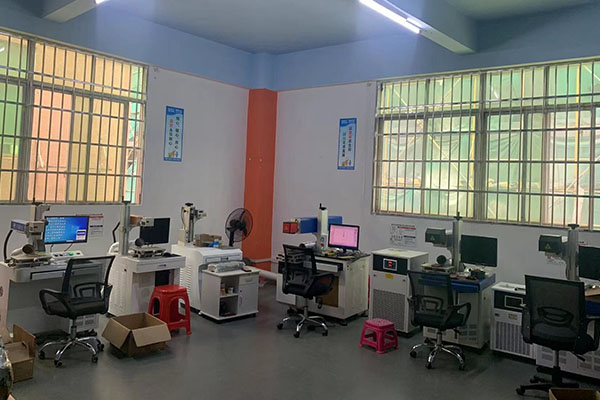
6. Logo and Surface Processing

STEP 6: Trimming & Finishing

After curing, excess flash is removed, and the blade edges, handle surface, and hanging-hole details are checked for defects or irregularities.
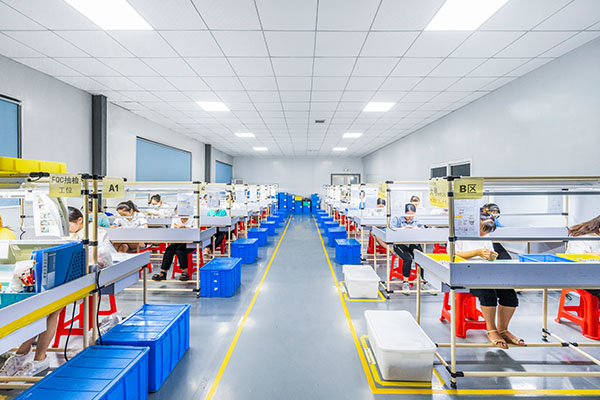
7. Quality Inspection

STEP 7: Quality Inspection

Embossing, debossing, printing, or laser marking is completed according to the approved artwork and positioning standard.

8. Packaging and Shipment

STEP 8: Packaging and Shipment

Finished spatulas are inspected, counted, packed, labeled, and prepared for the agreed shipping method.
Silicone Spatula Quality Control

A kitchen utensil must be comfortable to use, safe for food contact, and consistent across the entire production batch.

AQL 2.5 / 4.0 Standard Inspection

We run final random sampling plans to verify batch consistency:

AQL 2.5

Critical / Major Defects

AQL 4.0

Minor Visual Flaws

Alternative inspection standards can be applied when specified in the purchase order.

The approved sample becomes the production reference for:

  • Overall dimensions
  • Blade flexibility
  • Color
  • Weight
  • Surface finish
  • Logo position
  • Packaging presentation

Incoming silicone compounds, pigments, cores, and supplier documents are checked against the confirmed project requirements.

During production, operators verify:

  • Complete molding
  • Blade thickness
  • Core positioning
  • Color consistency
  • Surface quality
  • Flash control

Each product is checked for:

  • Tears
  • Contamination
  • Severe bubbles
  • Incomplete molding
  • Surface damage
  • Irregular edges
  • Handle defects

Our QC team evaluates:

  • Blade flexibility
  • Handle rigidity
  • Core stability
  • Hanging-hole integrity
  • Dishwasher durability sampling
  • Basic heat-resistance verification

The inspection covers:

  • Position
  • Size
  • Edge definition
  • Ink coverage
  • Embossing or debossing depth
  • Missing detail
  • Blurred printing

Product quantity, labels, barcodes, inserts, bags, boxes, and carton marks are verified before shipment.

Silicone Spatula Packaging Options

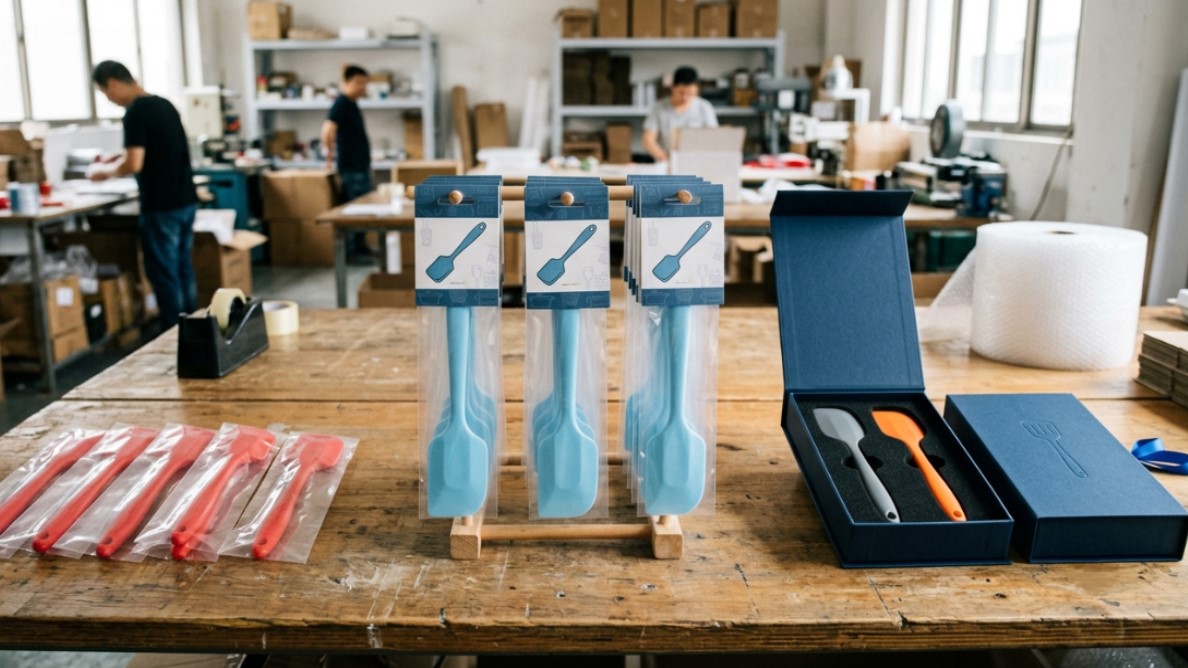
Plan packaging early because printed boxes, header cards, and retail inserts require separate artwork approval and production scheduling.

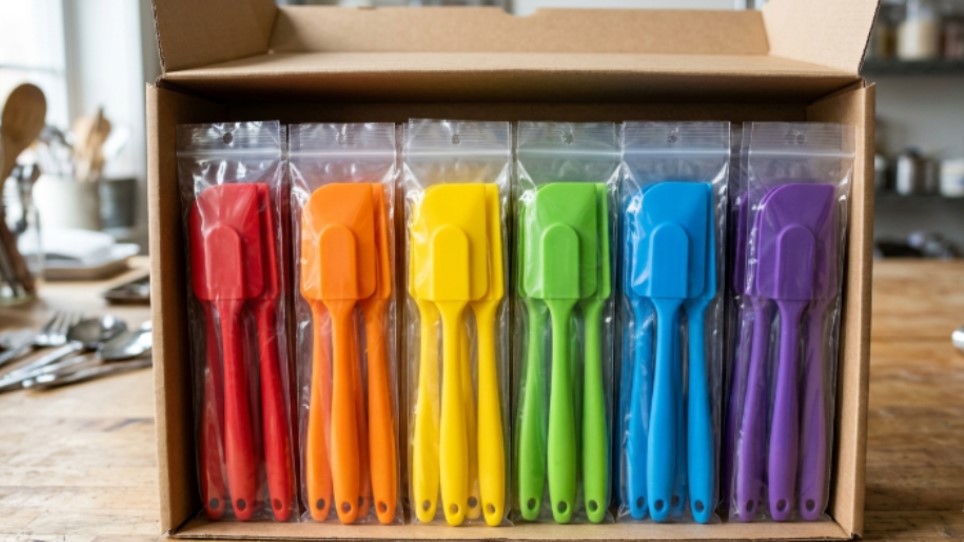
Approved silicone spatulas are packed in plastic bags for bulk packaging

Bulk Packaging

Cost-efficient export packaging tailored for wholesalers, distributors, and commercial kitchen suppliers.
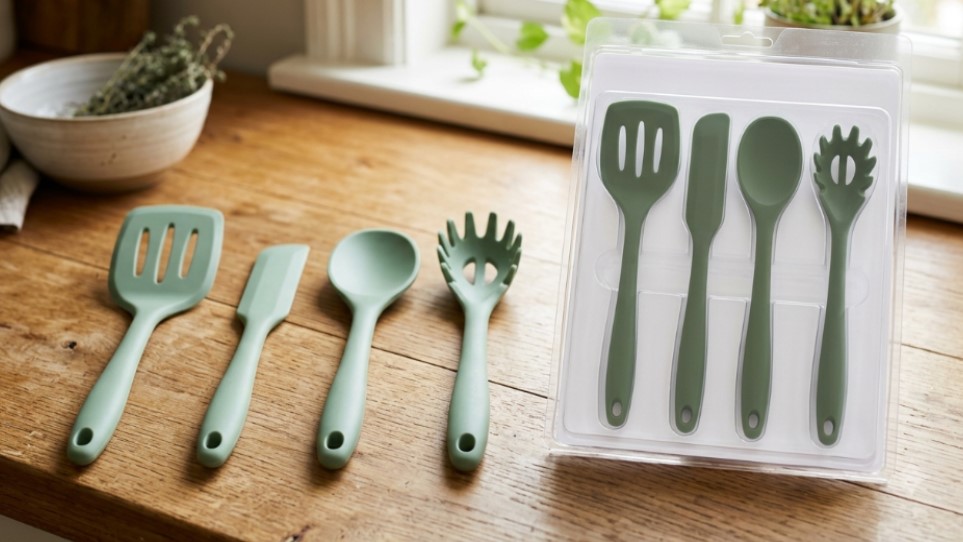
Packed silicone spatula set for retail packaging

Retail Packaging

Branded header cards, bags, and boxes designed for store shelf presentation.
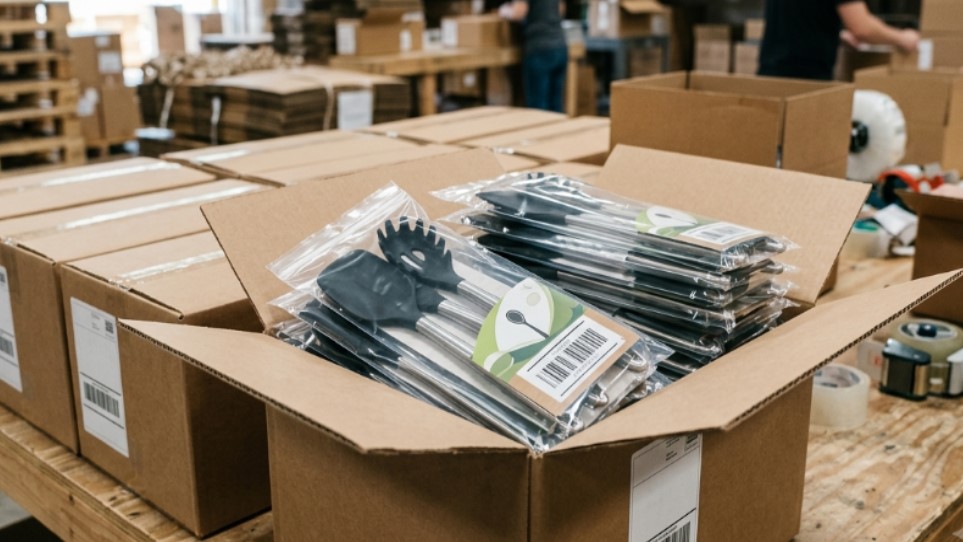
Custom silicone spatula sets are packed in custom boxex for e-commerce packaging

Ecommerce Packaging

Marketplace-compliant SKU labels, barcodes, and instruction cards optimized for online fulfillment.
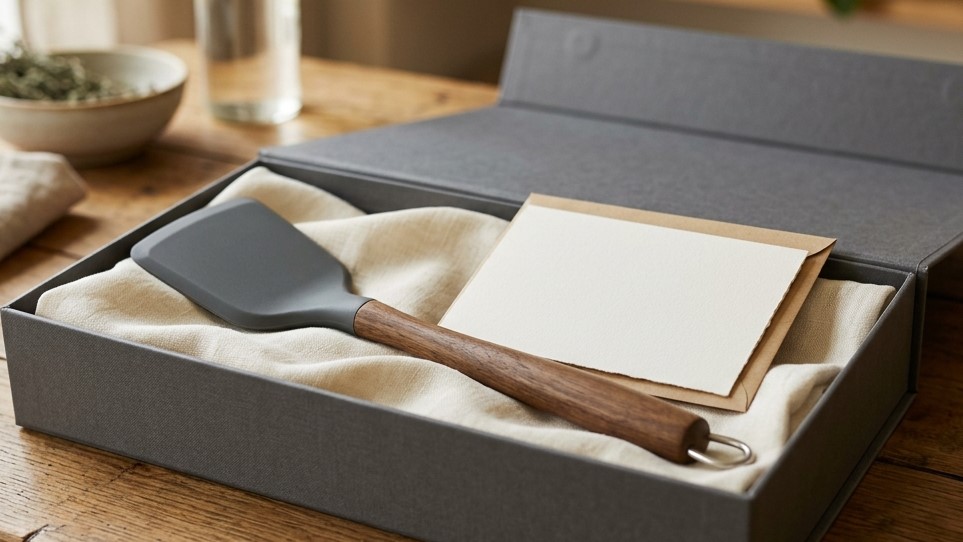
Premium silicone cooking spatula is packed in designed gift box

Premium Brand Packaging

Custom gift boxes, printed sleeves, and inserts crafted for high-value kitchenware collections.

Typical Silicone Spatula Specifications

SpecificationTypical Reference
ProductCustom silicone spatula
ApplicationsCooking, baking, mixing, scraping and food preparation
MaterialFood-grade platinum- or peroxide-cured silicone
Hardness range40–70 Shore A
Temperature range-40°C to 230°C
ConstructionOne-piece silicone, nylon core or stainless steel core
Overall length180–320 mm
Blade width25–90 mm
ColorsStandard colors or custom Pantone matching
SurfaceGlossy, matte or fine texture
Logo methodsEmbossed, debossed, pad printing, screen printing or laser engraving
PackagingOPP bag, header card, paper box or custom retail packaging
Existing-style order quantityFrom 500 pieces
Custom-molded order quantityFrom 3,000 pieces
Standard sample lead time5–10 working days
Mass-production lead time15–25 working days after approval
InspectionApproved sample plus agreed AQL or customer inspection standard
OEM & ODMAvailable

Final specifications are confirmed according to the selected spatula design, material, artwork, and approved sample.

Why Work with RY Silicone

RuiYang Silicone factory

Silicone Manufacturing Experience Since 2012

RY Silicone is a China-based factory that has focused on custom silicone product manufacturing since 2012.

We support overseas clients from product evaluation and sampling through bulk production, inspection and delivery.

Video Image1

10,000+ m² Production Facility

Our in-house production facility supports tooling, molding, finishing, branding, inspection, and packaging under one coordinated manufacturing system.

silicone machine

30+ Production Machines

Multiple production lines support different spatula structures, silicone compounds, and scalable order volumes.

ruiyang silicone compression mol

Up to 100,000 Silicone Products per Day

That production headroom allows us to support repeat orders and large-volume retail programs without compromising delivery schedules.

Actual capacity depends on spatula size, molding cycle time, and inspection requirements.

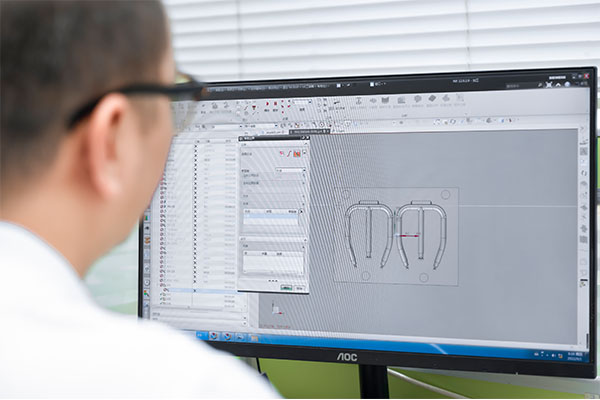
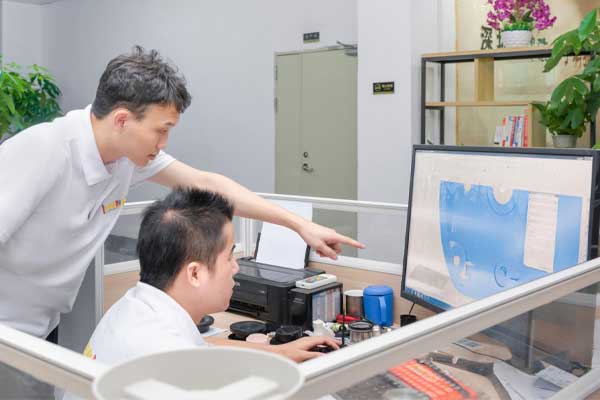
silicone Products Design

Engineering Review Before Quotation

We do not quote only from a product name or photo.

Instead, our engineers review the spatula application, blade geometry, reinforcement structure, silicone hardness, color, logo method, packaging plan, and destination market before confirming the manufacturing proposal.

Rysilicone quality control

Sample-Based Production

Everything is locked to one approved sample before mass production — the cavity dimensions and color first, then surface finish, logo position and packaging. On the floor that sample outranks any spec sheet: if the two disagree, we pause the run and confirm with you.

Shipping

Export Project Support

As a China-based silicone spatula factory and supplier, RY Silicone serves clients in North America, Europe, and other international markets with documentation coordination, packaging support, and shipment preparation.

Silicone Spatula FAQ & Final RFQ

The MOQ is from 500 pieces for an existing spatula design with custom branding and from 3,000 pieces for a new custom-molded spatula. The exact minimum depends on the structure, color, logo, and packaging required.

For most retail and food-service applications, a one-piece seamless spatula is preferred because it is easier to clean and eliminates gaps that can trap food residue and moisture. Detachable designs may be used when replaceable heads are required.

For baking and bowl scraping, softer compounds around 40–50 Shore A are common. For cooking spatulas and turners, firmer compounds around 55–70 Shore A provide better support and control.

Yes. Stainless steel reinforcement is available for spatulas that require additional rigidity and long-term durability during cooking.

Yes. Provide the Pantone reference and approve a physical color sample before mass production. Surface finish and silicone thickness can slightly influence the final appearance.

Embossed and debossed molded logos generally provide the best long-term durability because the branding is formed directly into the silicone rather than printed on the surface.

We can supply food-grade silicone materials with FDA-approved or LFGB-certified documentation. The applicable documents depend on the selected silicone, pigment, printing process, and destination market.

Yes.

We can review sketches, CAD files, samples, or reference photos and evaluate tooling, blade geometry, reinforcement structure, and production feasibility.

Available options include bulk export cartons, OPP bags, header cards, printed paper boxes, gift packaging, and e-commerce-ready retail packaging.

Please provide:

  • Target order quantity
  • Spatula type and application
  • Reference dimensions or sample
  • Preferred blade flexibility
  • Core material (solid silicone, nylon, or stainless steel)
  • Pantone color
  • Logo artwork
  • Packaging requirements
  • Destination country
  • Required compliance documents
  • Target delivery date

Ask For A Quick Quote

If you fail to submit the form, please write to us directly at [email protected]