
Silicone Rubber Strip Manufacturer
What Is a Silicone Rubber Strip?
A silicone rubber strip is a flexible sealing and protection component made from silicone rubber that provides reliable performance in applications requiring temperature resistance, elasticity, insulation, and environmental protection. A custom silicone rubber strip is manufactured according to your required profile, dimensions, hardness, color, adhesive backing, and application conditions.
RY Silicone is a China-based silicone rubber manufacturer established in 2012. Our factory covers 10,000+ m², operates 30+ production machines, and supports custom silicone rubber strip development from tooling evaluation and sampling to mass production. We supply OEM/ODM silicone strips for industrial equipment, automotive components, electrical products, construction systems, and commercial applications.
Silicone Rubber Strip Manufacturing at a Glance
MOQ
Custom standard strips start at 500 units; new extrusion profiles require 3,000 units minimum.
Lead Times
Samples take 7–15 days, custom tooling takes 10–20 days, followed by mass production.
Material & Performance
Features 20–80 Shore A hardness and handles temperatures from -60°C to 230°C.
Profiles & Finishing
Offers solid, sponge, hollow, and U-channel designs with custom finishes.
Who We Manufacture Silicone Rubber Strips For
From sealing requirements to installation conditions, we help different industries select the right silicone profile, material, and production method.
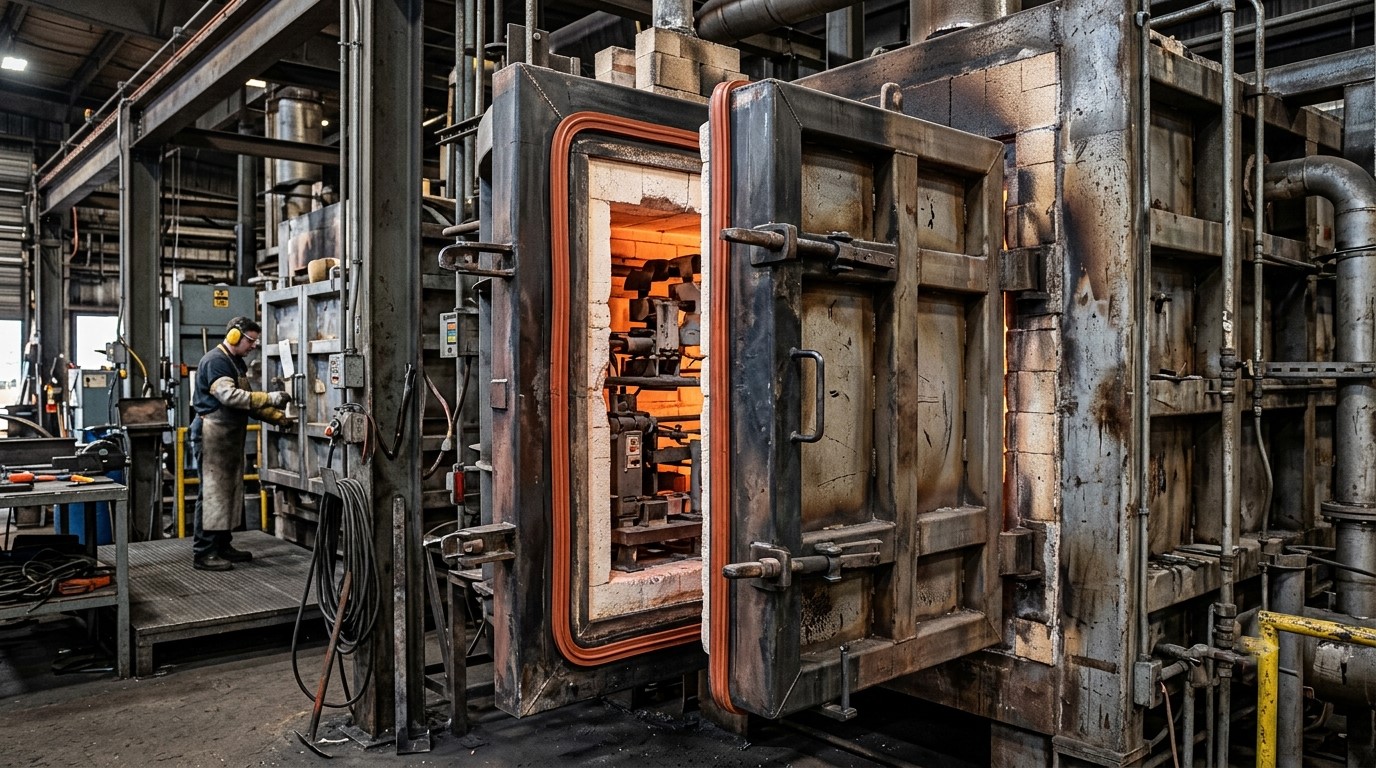
Industrial Equipment Manufacturers
Develop silicone rubber strips for machinery, cabinets, control panels, and equipment doors where sealing stability, temperature resistance, and long service life are required.

Automotive & Transportation Suppliers
Supply silicone strips for vehicle sealing, lighting systems, engine compartments, and interior components where vibration resistance, weatherability, and dimensional consistency are important.
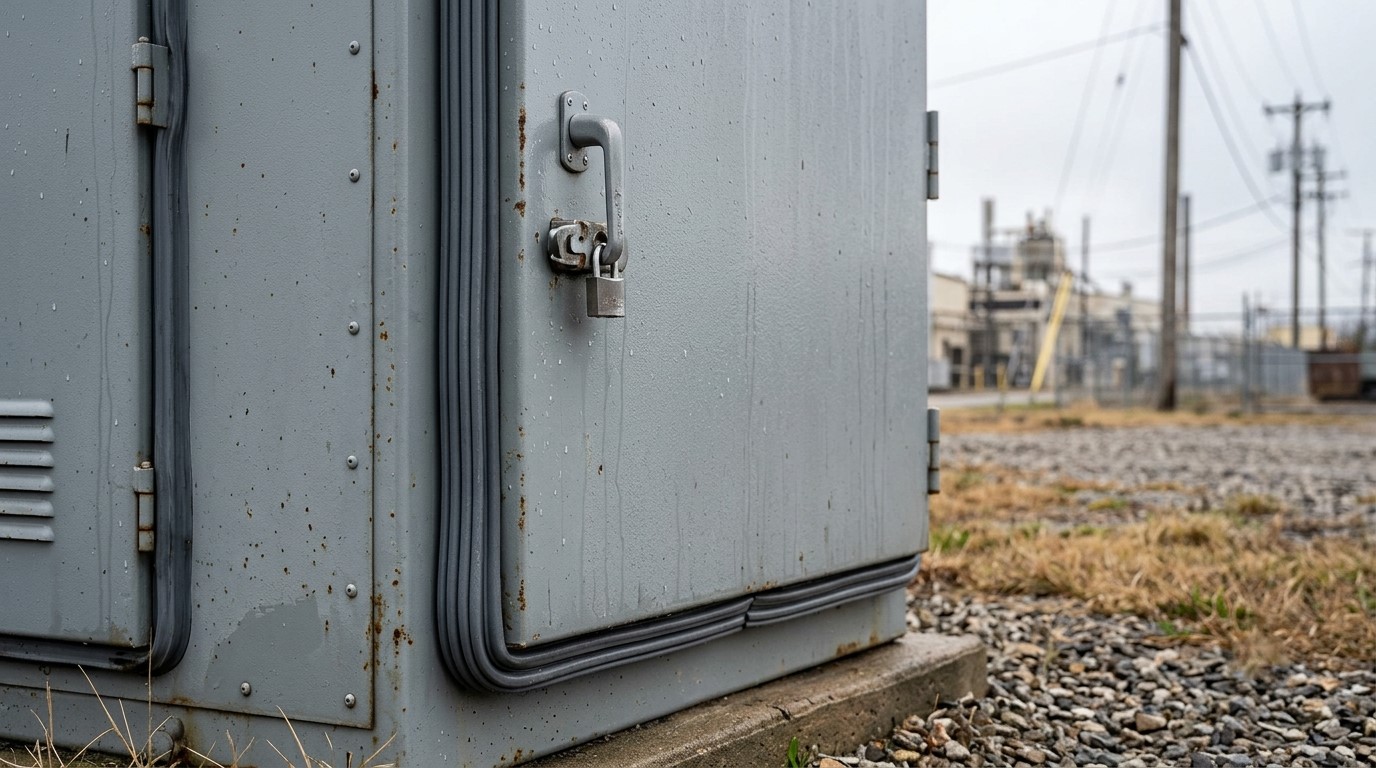
Electrical & Electronics Brands
Create insulating and protective silicone strips for electrical enclosures, devices, and components requiring dielectric performance, clean surfaces, and reliable environmental protection.

Construction & Window System Companies
Produce silicone sealing strips for doors, windows, glass systems, and architectural applications where sealing, flexibility, weather durability, and long-term outdoor performance matter.
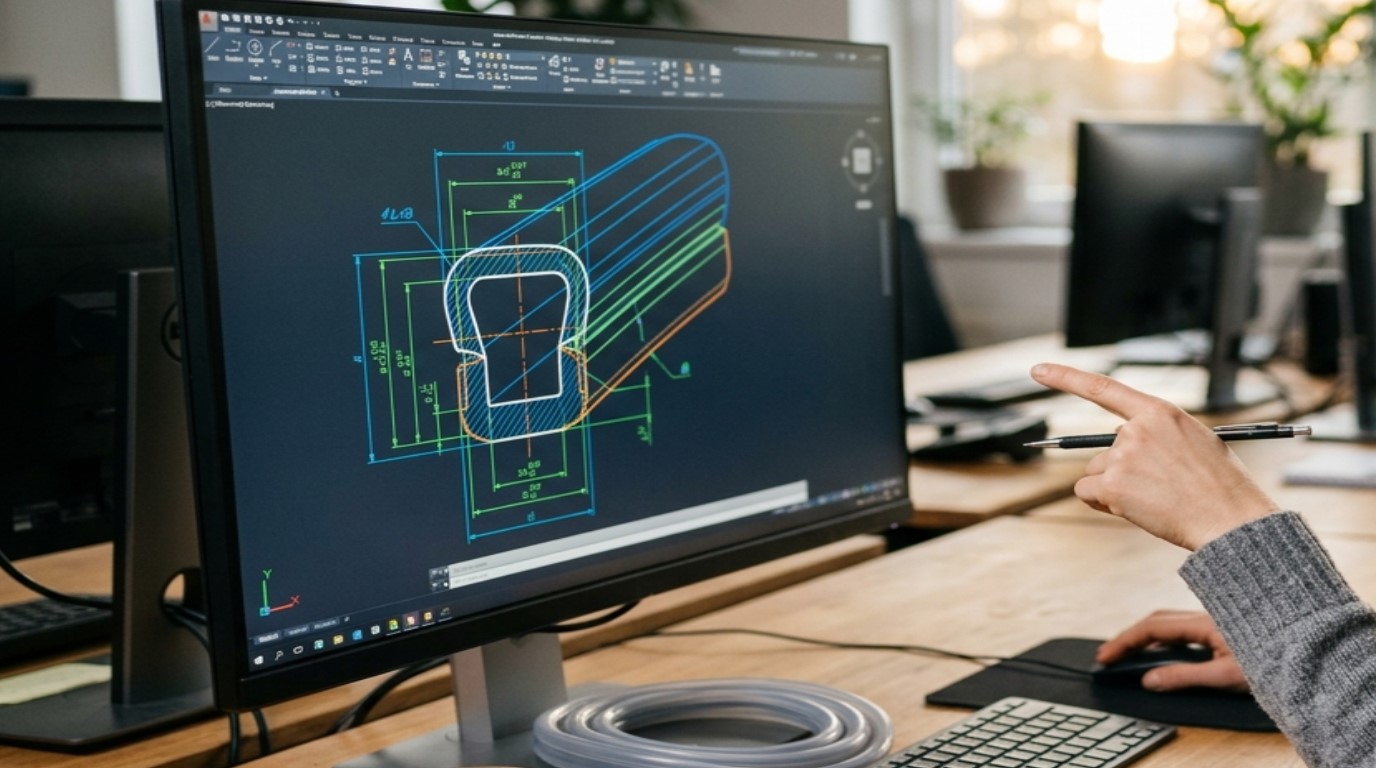
Engineering & OEM Product Developers
Develop silicone rubber weather-sealing strips for buildings, supporting new product sampling and material selection to reduce risks and ensure compatibility.
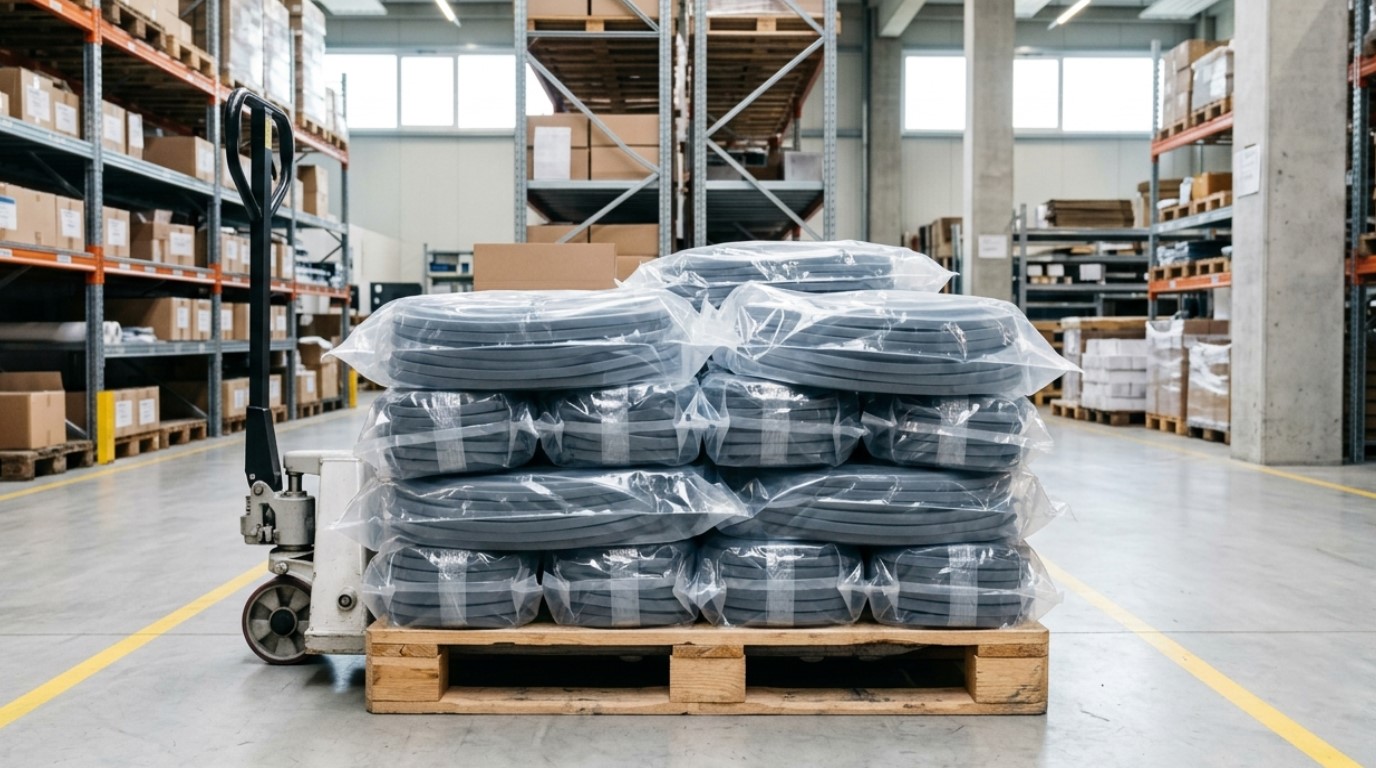
Distributors & Wholesale Suppliers
Provide bulk silicone rubber strips with customized sizes, colors, packaging, and private-label options for industrial supply channels and regional markets.
Silicone Rubber Strip Types We Can Develop
Solid Silicone Rubber Strip
Silicone Sponge Gasket Strips
Silicone Foam Strips
Silicone U-Channel Strips
Adhesive Silicone Strips
Silicone Gasket Strips & Seal Strip
Custom Extruded Silicone Profiles
Silicone Rubber Strip Customization
Custom silicone rubber strip projects begin with the right profile design, material selection, and application requirements.
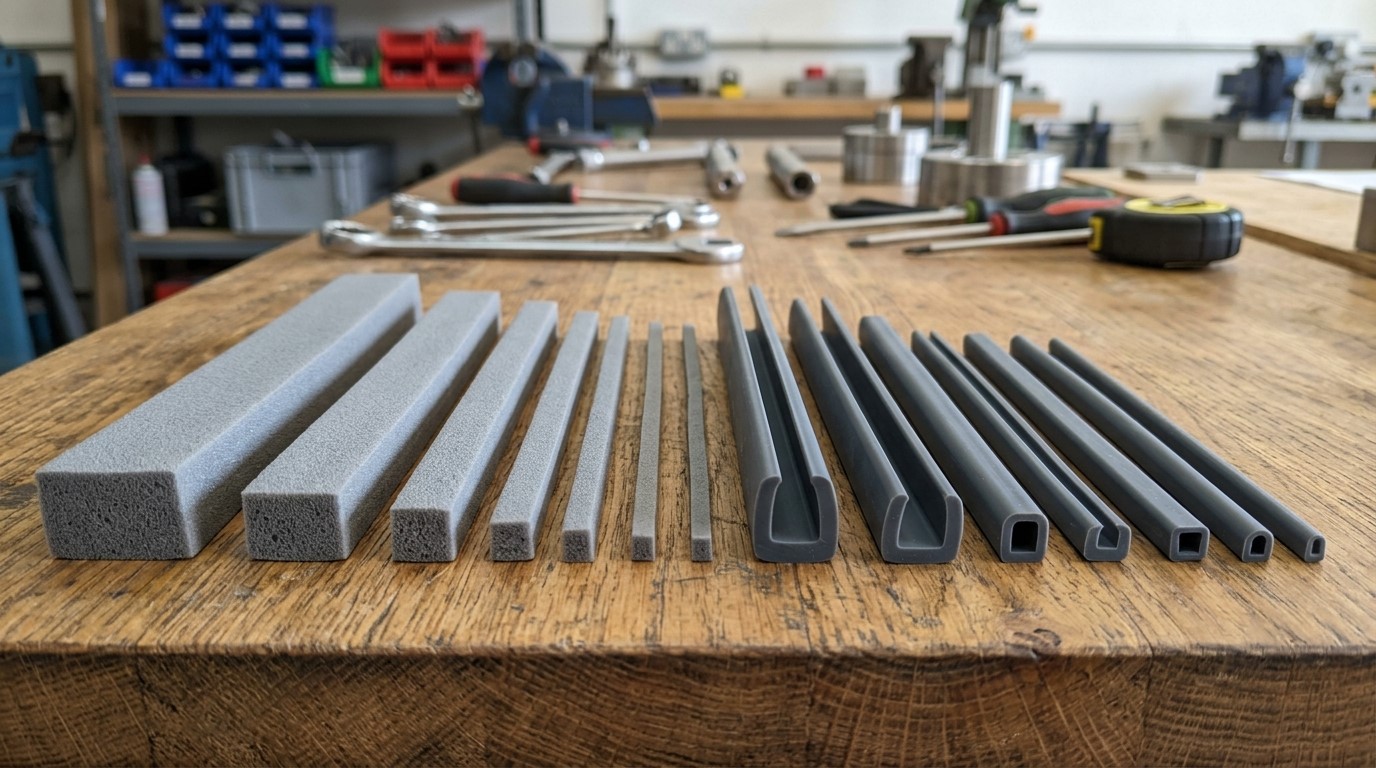
We match strip dimensions to your installation space, sealing gap, waterproofness, and assembly requirements.
Available options include:
- Custom width and thickness
- Length cutting
- Round, square, and rectangular profiles
- Complex cross-section designs
- Tolerance-controlled dimensions
- Customer drawing or sample matching
- Custom extruded strip
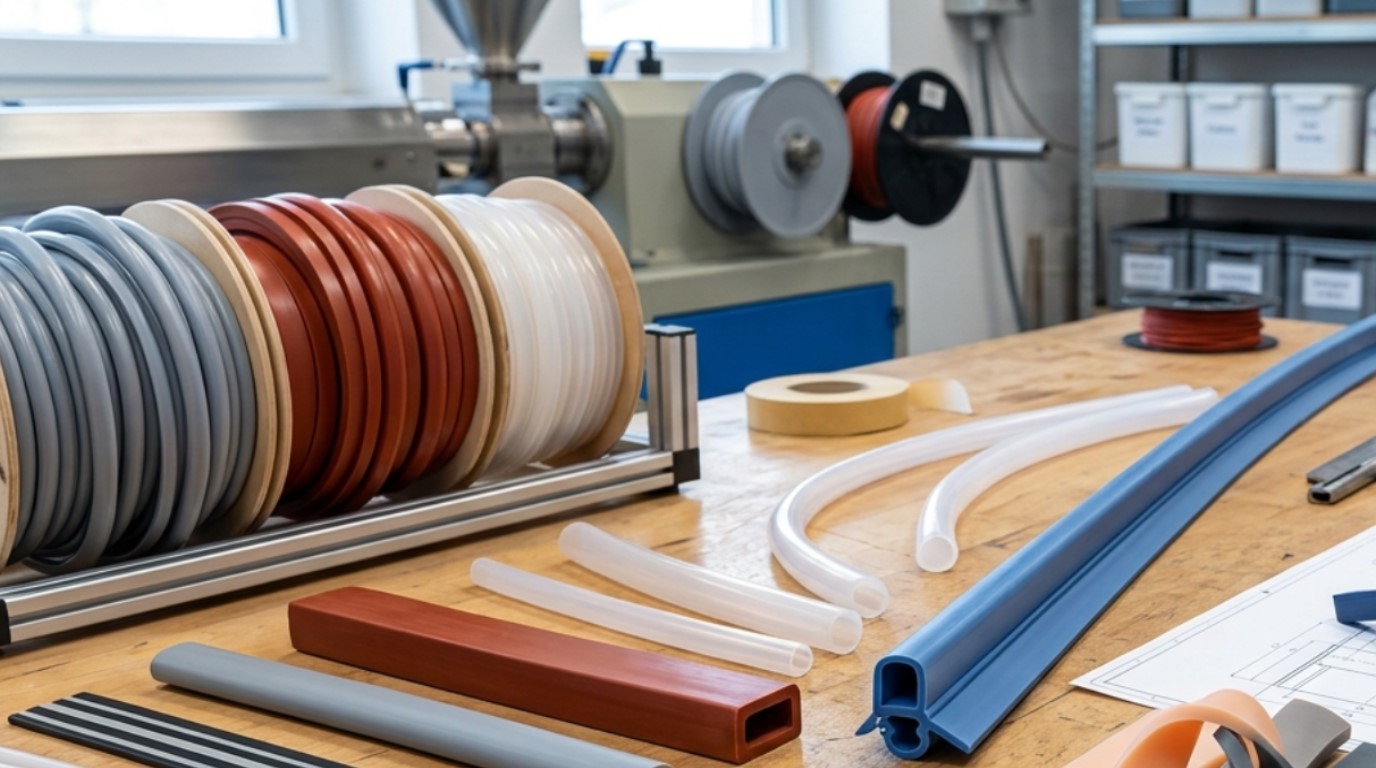
We select silicone compounds based on working conditions, compression requirements, and performance expectations.
Available options include:
- General-purpose silicone rubber
- High-temperature silicone
- Food-grade silicone
- Medical-grade silicone
- Flame-retardant silicone
- Electrically insulating silicone
- Different hardness grades from soft to firm
- Chemical resistance
- Thermal stability
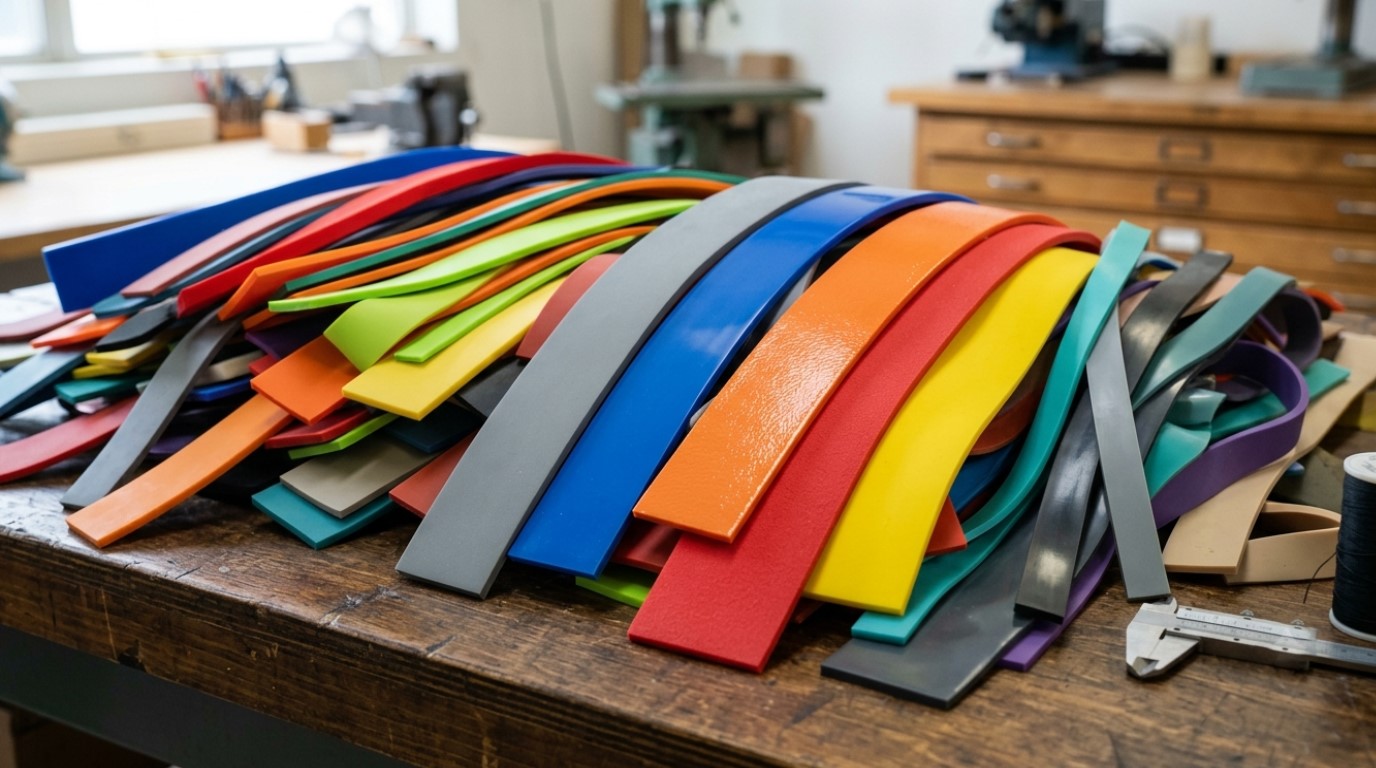
We develop silicone rubber strips in different colors for identification, branding, and application requirements.
Available options include:
- Standard silicone colors
- Custom Pantone color matching
- Color-coded identification strips
- Smooth surface finish
- Matte surface finish
- Special appearance requirements
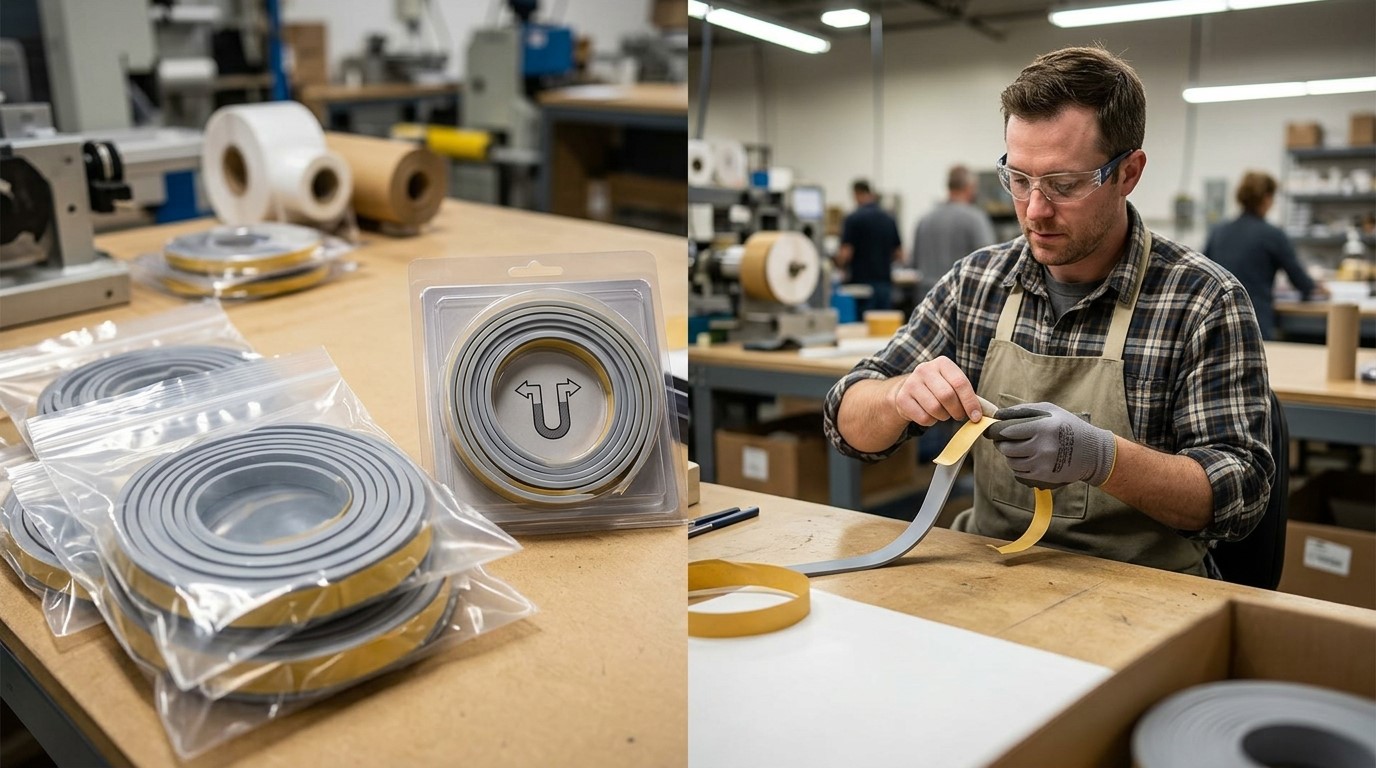
We add secondary processes that improve installation efficiency and product functionality.
Available options include:
- Adhesive backing
- Cutting to fixed lengths
- Splicing or bonding
- Surface coating
- Packaging by roll or piece
- Customized labeling
Start Your Silicone Rubber Strip Project
Share your silicone strip requirements, drawings, or samples with RY Silicone. We will evaluate the profile, material, and production method to develop a suitable manufacturing solution.
How to Specify a Better Silicone Rubber Strip
A silicone rubber strip should be selected based on the sealing function, installation condition, and working environment rather than size alone.
- Application Environment—Define whether the strip is exposed to heat, moisture, chemicals, outdoor weather, or repeated compression.
- Profile Design—Cross-section geometry affects sealing force, installation fit, and long-term deformation.
- Hardness—Softer silicone improves flexibility and gap filling, while firmer silicone provides stronger support and dimensional stability.
- Compression Performance—Compression set resistance determines whether the strip maintains sealing ability after long-term use.
- Tolerance Requirement—Accurate dimensions help prevent installation problems, especially for tight mechanical assemblies.
- Adhesive Selection — Self-adhesive strips require the correct adhesive type for the mounting surface and operating environment.
A thicker silicone strip is not automatically better.
Full Specification Guide
How to Specify a Better Silicone Rubber Strip—profile selection, hardness range, compression requirements, tolerance control, and material options.
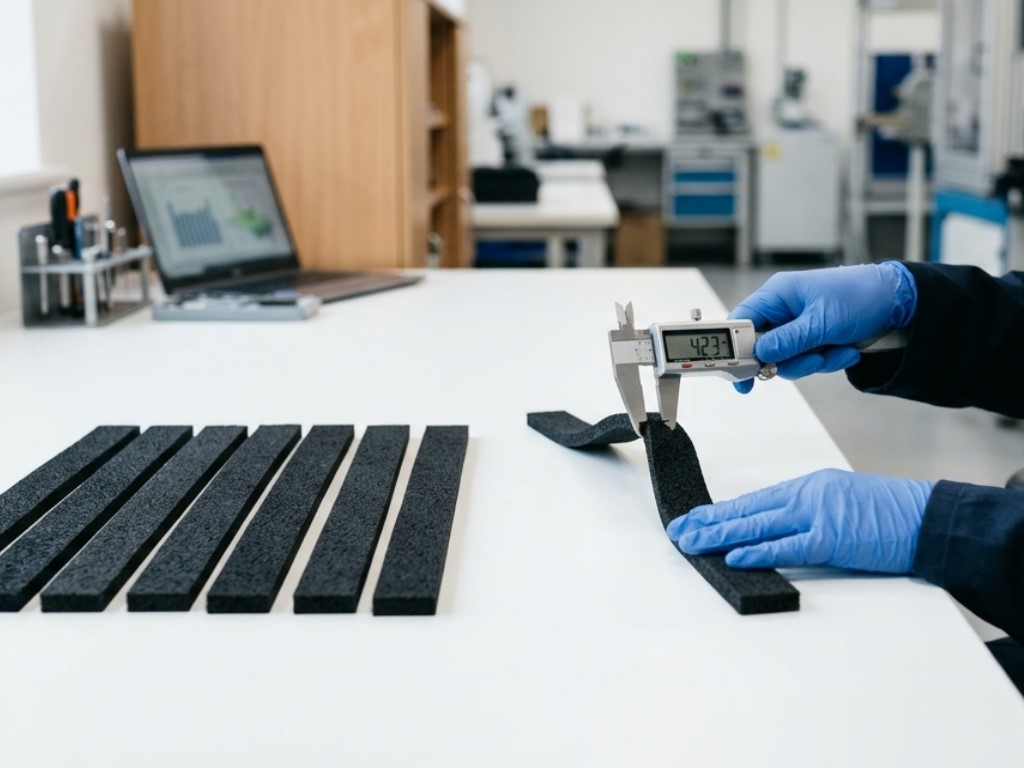
Silicone Rubber Strip Logo & Branding Methods
Screen Printing
Suitable for adding logos, part numbers, or directional marks on silicone strip surfaces when clear visual identification is required.
Laser Marking & Surface Identification
Permanent markings can be added for product identification, batch tracking, or installation references without affecting the main sealing function.
Embossed & Debossed
Molded logos provide durable, ink-free identification for long-term industrial applications.
Customized Packaging Branding
Labels, bags, and cartons feature private labels, SKUs, and custom designs.
Silicone Rubber Strip Material & Performance Options
RY Silicone selects silicone compounds based on sealing requirements, environmental conditions, and application performance.
Maintains flexibility under demanding temperature conditions.
Silicone rubber strips can operate in high-temperature environments where traditional rubber materials may lose elasticity. The selected compound, profile thickness, and application conditions determine the final temperature capability.
Material comparison
Silicone Rubber Strip vs. EPDM Strip—temperature range, high-temperature sealing applications, compression performance, durability, flexibility, UV resistance, and budget.
Supports long-term sealing performance under repeated pressure.
Compression set is a key factor for sealing strips because excessive permanent deformation can reduce contact pressure over time. Material hardness, profile design, and curing conditions must work together to maintain recovery performance.
Provides stable performance for outdoor and exposed applications.
Silicone rubber naturally offers resistance to UV exposure, ozone, and weather changes, making it suitable for outdoor equipment, architectural sealing, and transportation applications.
Helps protect electrical components from environmental exposure.
Silicone rubber strips can be developed for electrical insulation applications where flexibility, dielectric properties, and clean surface performance are required.
Improves protection requirements in specialized environments.
Flame-retardant silicone compounds are available for applications requiring additional fire-performance considerations. The exact rating depends on the selected formulation and required testing standard.
Available documents may include:
- Material data sheets
- Material declarations
- RoHS-related documentation
- REACH-related reports
- Customer-required test reports
- Project-specific compliance documents
Documentation scope depends on the selected silicone compound, additives, production process, and target market.
A raw-material report should not be presented as proof for every finished silicone rubber strip configuration.
Prior to installation and applications, surface preparation, proper use of adhesive backing, regular inspection, and operation environments evaluation.
Maintenance Guide
How to maintain silicone rubber strips? —Regular inspections upon peels or wear, daily cleaning by water and warm detergents, lubrication, addtional protection or replacement for strips in harsh environments.
How Silicone Rubber Strips Are Manufactured
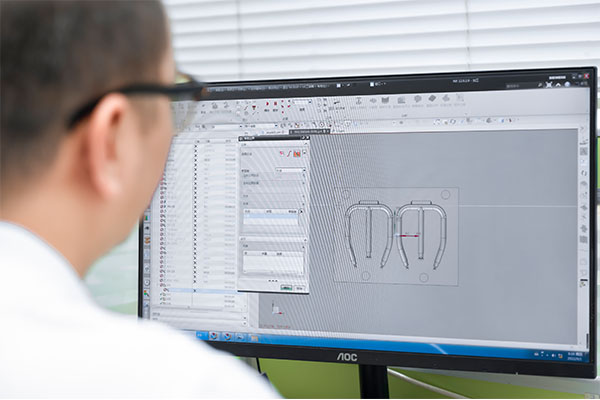
STEP 1: Requirement Review
Every project begins by confirming the strip application, profile drawing, dimensions, hardness, tolerance, color, quantity, and required performance conditions.
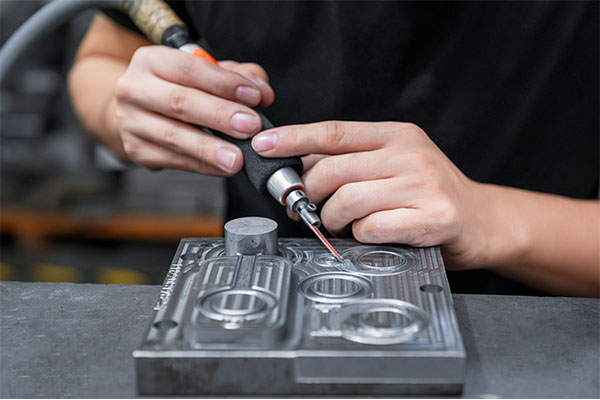
STEP 2: Profile & Tooling Evaluation
Our engineering team reviews the cross-section design, extrusion feasibility, wall thickness, and dimensional requirements before creating the production tooling.
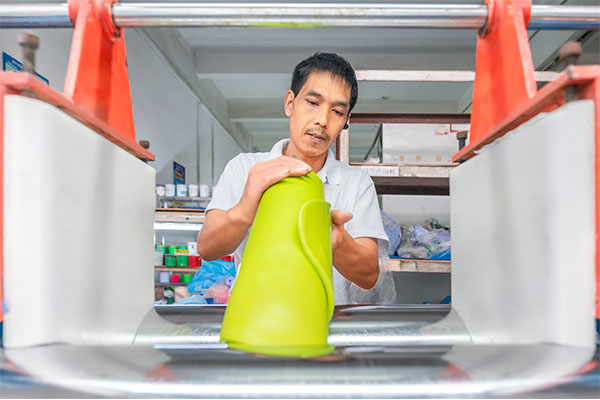
STEP 3: Silicone Compound Preparation
The selected silicone rubber compound is prepared with the approved hardness, color pigment, and performance requirements for the application.
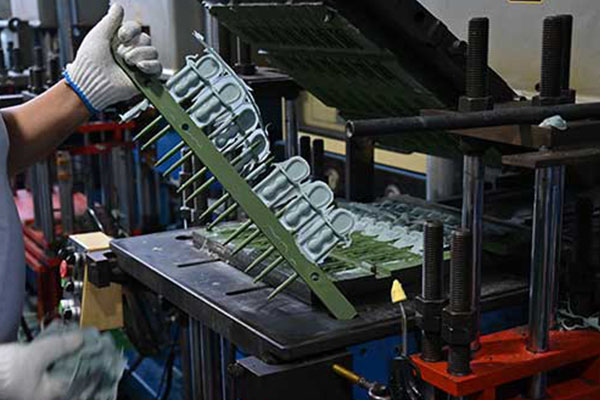
STEP 4: Silicone Extrusion or Molding
The silicone material is processed through extrusion or molding methods depending on profile complexity, production volume, and structural requirements.

STEP 5: Curing Process
The formed silicone profile is cured under controlled conditions to achieve stable elasticity, hardness, and dimensional performance.
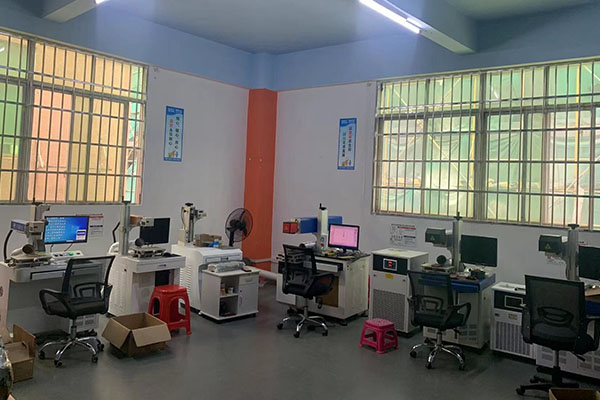
STEP 6: Cutting & Post-Processing
After curing, strips are cut, joined, backed with adhesive, or processed according to the approved product specification.
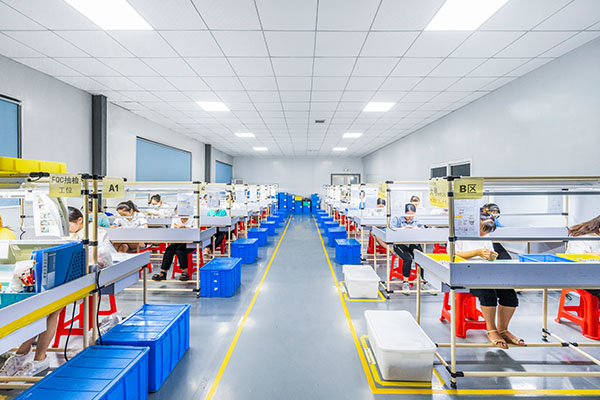
STEP 7: Quality Inspection
Our QC team checks dimensions, appearance, hardness, color consistency, and functional requirements against the approved sample.
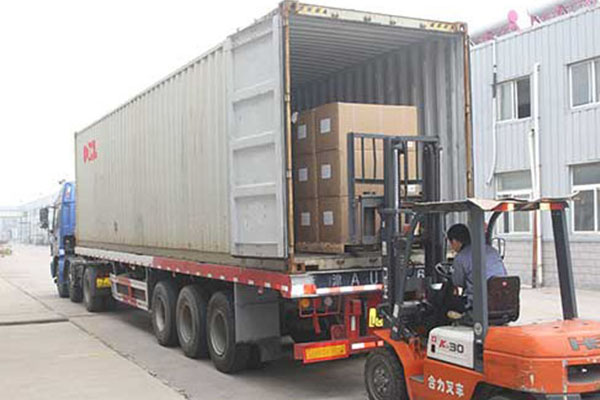
STEP 8: Packaging and Shipment
Finally, silicone rubber strips are packed by roll, piece, or customized packaging method, then labeled and prepared for shipment.
Silicone Rubber Strip Quality Control
Quality control for silicone rubber strips focuses on more than appearance inspection. Stable sealing performance requires consistent dimensions, hardness, elasticity, surface condition, and production repeatability across the entire batch.
AQL 2.5 / 4.0 Standard Inspection
Final inspection can follow agreed sampling plans to verify production consistency:
AQL 2.5
Critical / Major Defects
AQL 4.0
Minor Visual Flaws
If specified in the purchase order, another inspection standard can be used.
Approved Sample Control
The approved sample becomes the reference for:
- Profile shape
- Cross-section dimensions
- Hardness
- Color
- Surface finish
- Adhesive position
- Cutting length
- Packaging presentation
Incoming Material Review
Before production begins, incoming silicone compounds, pigments, adhesive materials, and supporting documents are checked against the approved project requirements.
In-Process Inspection
Production teams monitor:
- Extrusion stability
- Profile shape consistency
- Surface quality
- Curing condition
- Color variation
- Cutting accuracy
Appearance Inspection
Each silicone rubber strip is checked for:
- Surface contamination
- Bubbles or voids
- Cracks or tearing
- Uneven edges
- Color inconsistency
- Visible extrusion defects
Dimensions and Tolerance
Inspection covers:
- Width
- Thickness
- Length
- Profile geometry
- Cross-section consistency
- Die inspection
Dimensional control is of particular importance for silicone strips because a profile that appears acceptable may still fail installation if the compression space or fitting dimensions fall outside the required tolerance.
Additionally, sharp corners in custom silicone profiles necessitate sufficient extrusion stability and curing control. Otherwise, the edge may collapse after vulcanization.
Hardness & Elasticity
The silicone hardness is checked against the approved specification to confirm:
- Correct Shore A range
- Expected flexibility
- Compression recovery performance
- Material consistency
Adhesive Quality (When Required)
Self-adhesive silicone strips are checked for:
- Adhesive position
- Backing liner condition
- Bonding consistency
- Surface cleanliness
Packaging Inspection
Before shipment, our team verifies:
- Roll length or piece quantity
- Labels
- Product identification
- Carton marks
- Customer packaging requirements
Silicone Rubber Strip Packaging Options
Packaging is selected according to order volume, installation method, and distribution requirements.
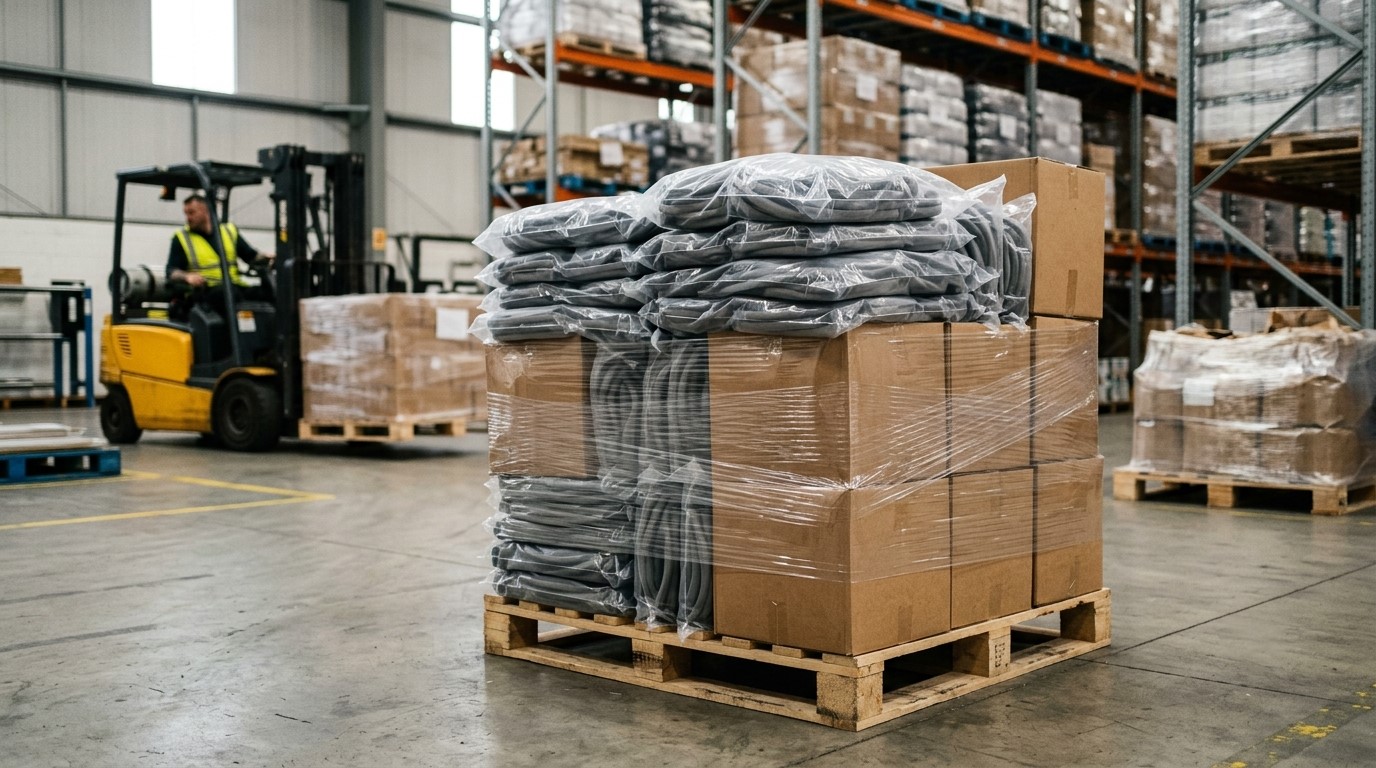
Bulk Packaging
Roll packaging or multiple-piece bags provide an efficient solution for industrial users, distributors, and large-volume orders where cost control and easy handling are priorities.
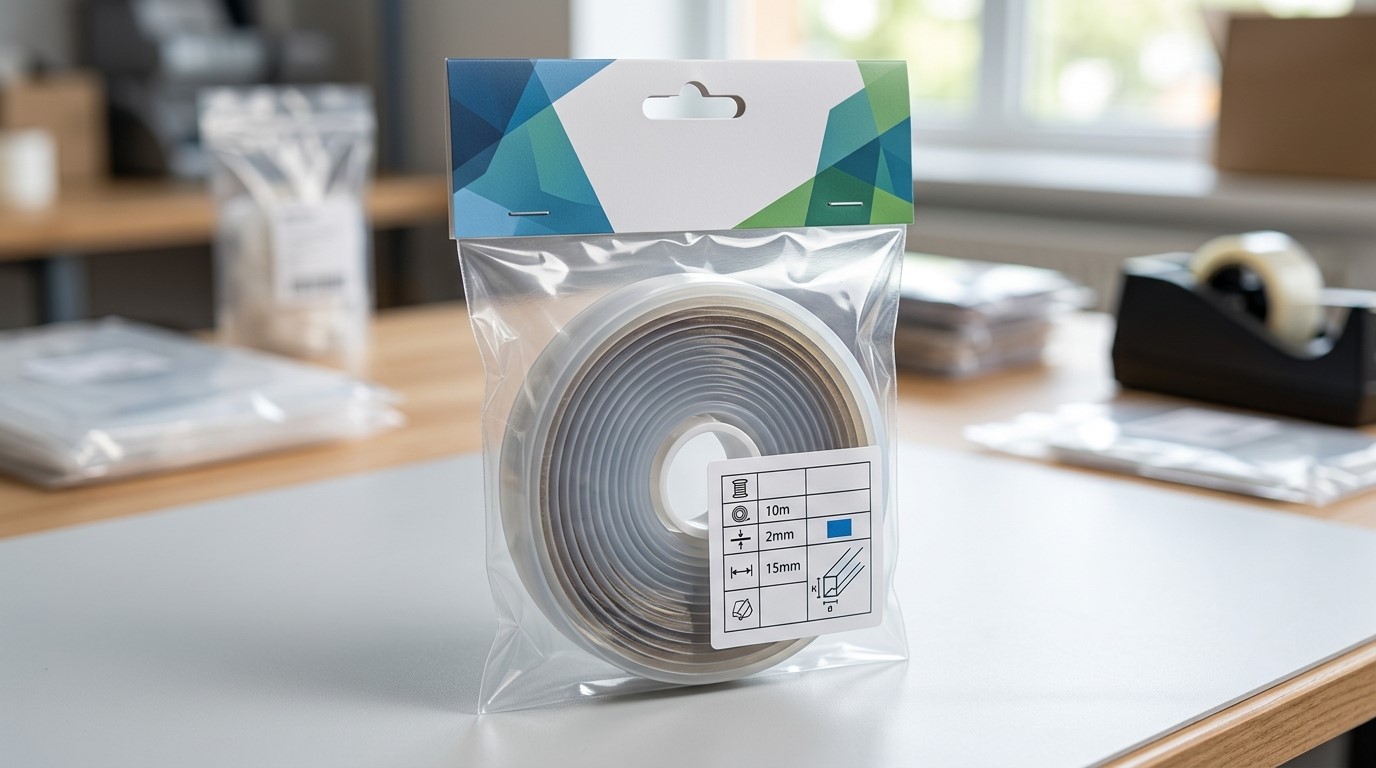
Individual Packaging
Single-piece bags, labels, and identification cards help organize different sizes, colors, or specifications for customers requiring better inventory management.
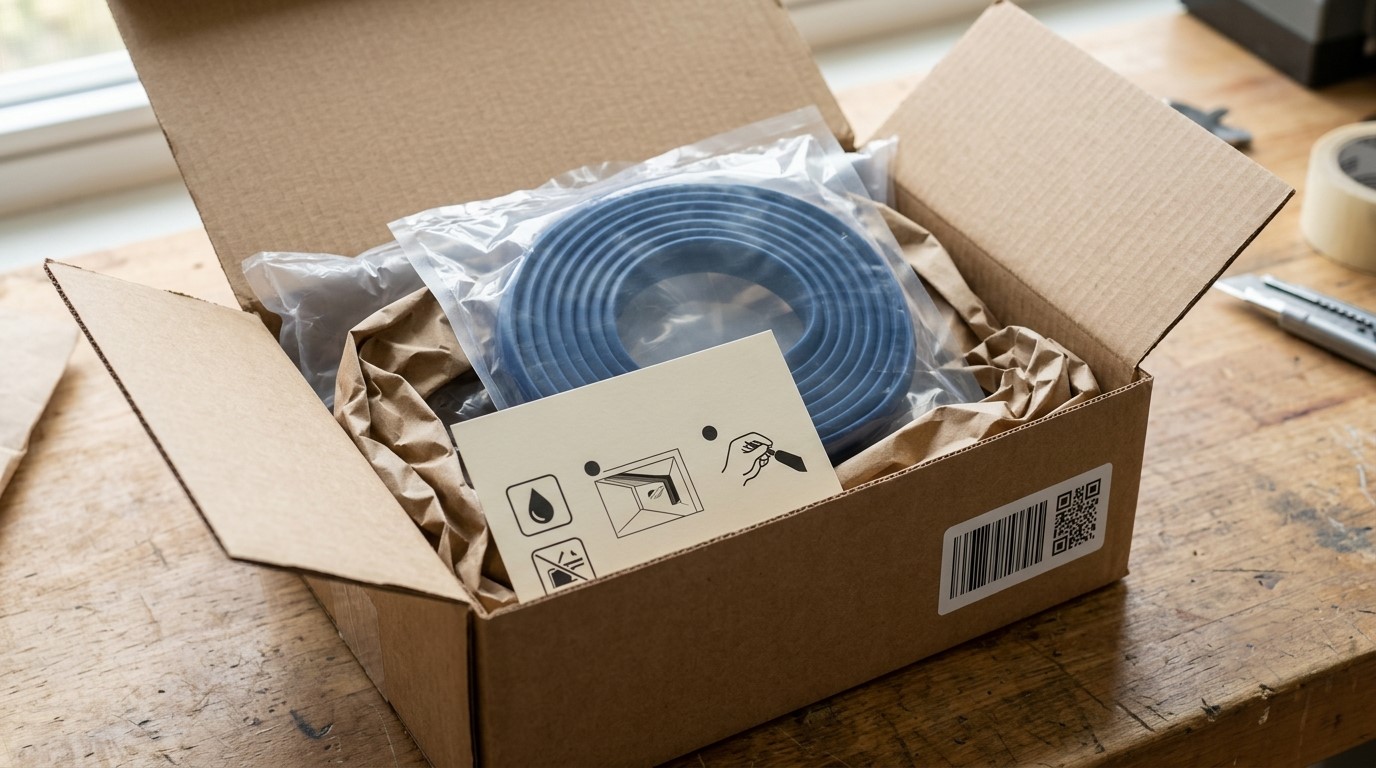
E-Commerce Packaging
Customized labels, barcodes, SKU information, and retail-ready packing methods support online sellers and private-label product channels.
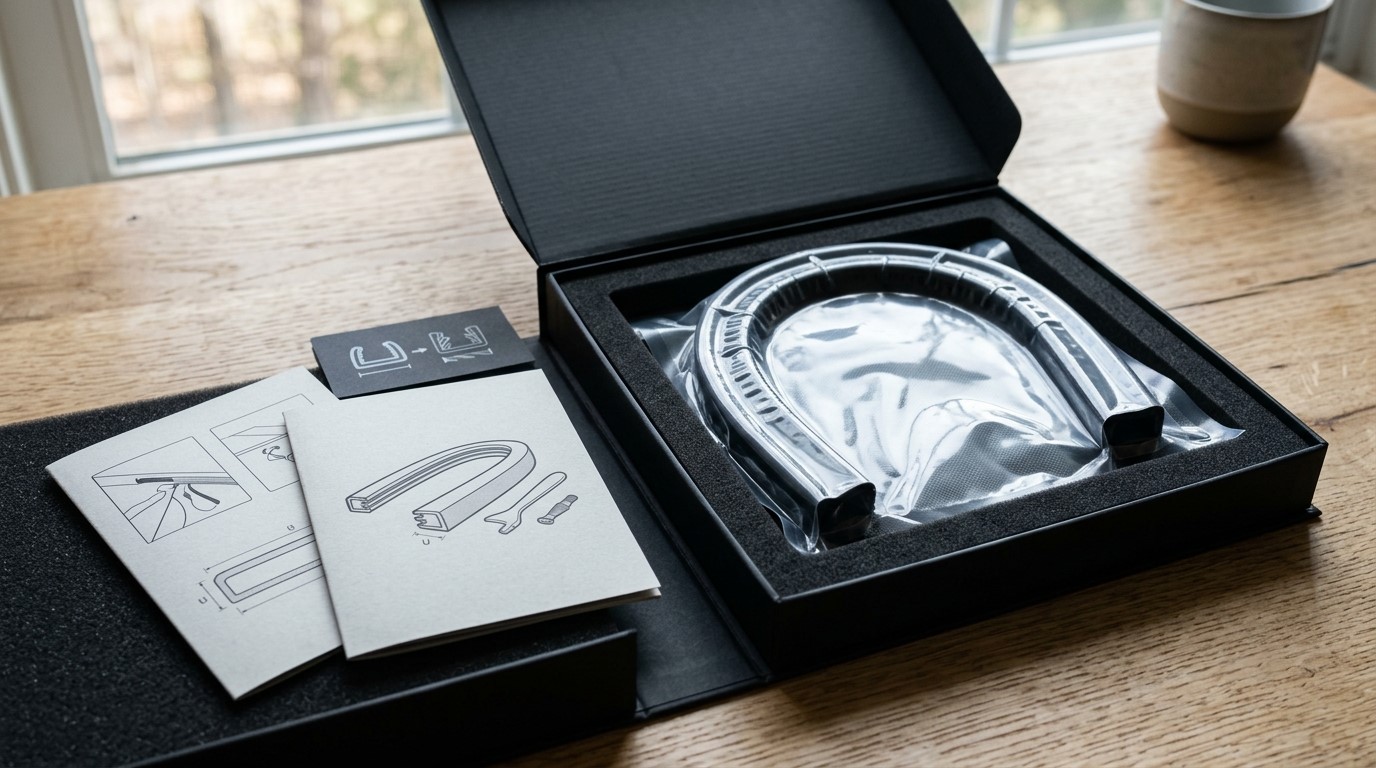
Premium Brand Packaging
Custom-printed boxes, branded rolls, instruction inserts, and coordinated packaging designs create a stronger presentation for specialized silicone strip products.
Typical Custom Silicone Rubber Strip Specifications
| Specification | Typical Reference |
|---|---|
| Product | Custom silicone rubber strip |
| Material | VMQ Silicone rubber, HTV, solid or sponge silicone options |
| Hardness Range | 20–80 Shore A |
| Temperature Range | -76℉ to 446℉ (-60°C to 230°C), depending on compound |
| Profile Type | Solid strip, sponge strip, U-channel, custom extrusion profile |
| Cross Section | Round, square, rectangular or custom geometry |
| Width Range | Custom according to drawing or sample |
| Dimensional Tolerance | ±0.1–0.3 mm depending on profile |
| Thickness Range | Custom according to application requirements |
| Color | Standard colors or Pantone matching |
| Compression Set | 15~40%; depending on compound |
| Surface Finish | Smooth, matte, textured or customer specified |
| Manufacturing Process | Silicone extrusion, molding and secondary processing |
| Adhesive Option | Pressure-sensitive adhesive backing available |
| Cutting Method | Fixed-length cutting, roll supply or custom packing |
| Applications | Sealing, insulation, cushioning, protection and industrial assemblies |
| MOQ | From 500 pieces for standard profiles; custom tooling projects from 3,000 pieces |
| Sample Lead Time | 7–15 working days |
| Tooling Lead Time | 10–20 working days |
| Mass Production Lead Time | Based on approved sample and production requirements |
| OEM / ODM | Available |
Final specifications are confirmed according to the selected silicone compound, profile design, tooling, and approved sample.
Why Work with RY Silicone

Silicone Manufacturing Experience Since 2012
RY Silicone is a China-based silicone manufacturer focused on custom silicone rubber product and industrial custom silicone parts development and production since 2012.
We provide comprehensive product development support for silicone extrusion and molding, managing every aspect of the process from evaluation and engineering to mass production, inspection, and export delivery.
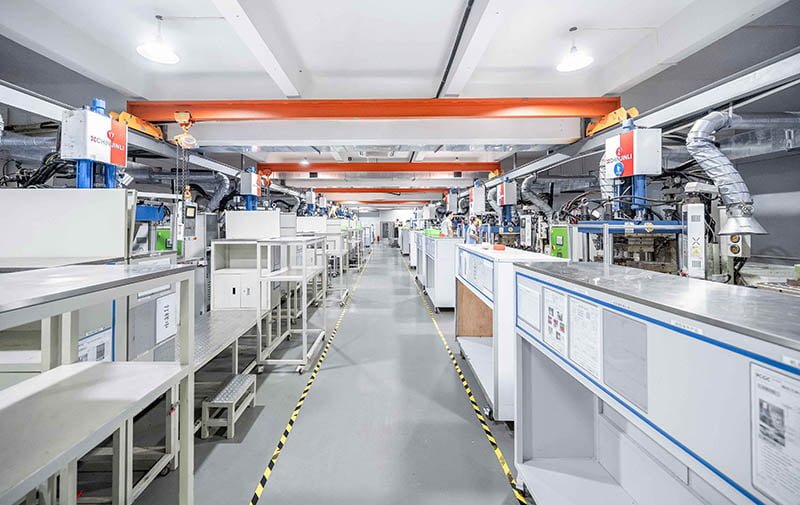
10,000+ m² Production Facility
Our production facility supports the entire silicone rubber strip manufacturing process, from material preparation and tooling coordination to extrusion, curing, cutting, finishing, quality inspection, and packaging.
This integrated workflow reduces communication gaps between development stages and improves consistency in production for repeat orders.

30+ Production Machines
Our manufacturing equipment can handle different silicone rubber strip structures, production volumes, and customization requirements.
Our multiple machines allow us to handle various profile sizes, material formulations, and processing requirements while maintaining stable production schedules.
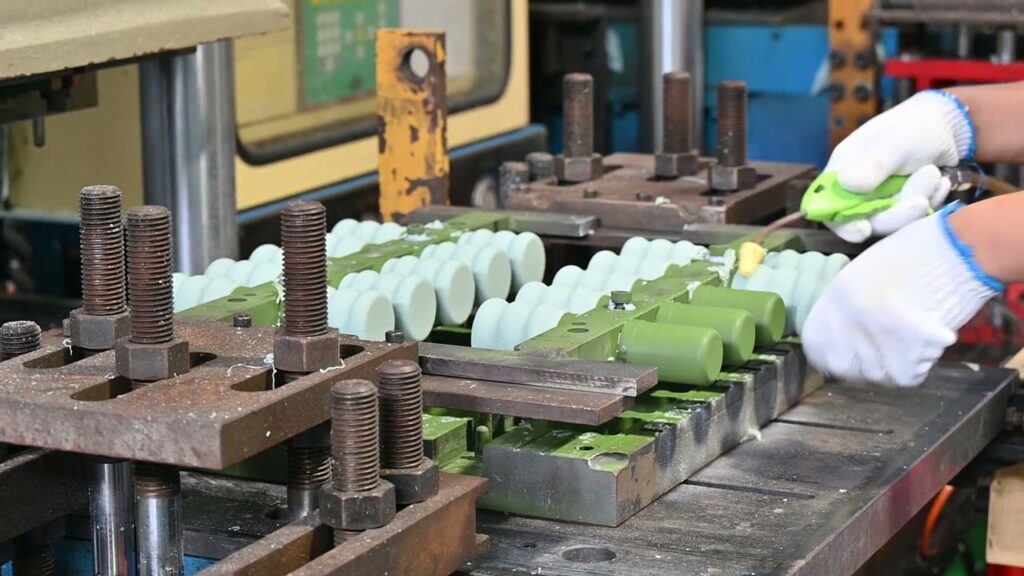
Up to 100,000 Silicone Products per Day
Our production capacity can support large-volume silicone projects while maintaining the flexibility to accommodate customized orders.
Actual output depends on the profile of the silicone strip, the production method, the design of the tooling, the inspection requirements, and the packaging process.
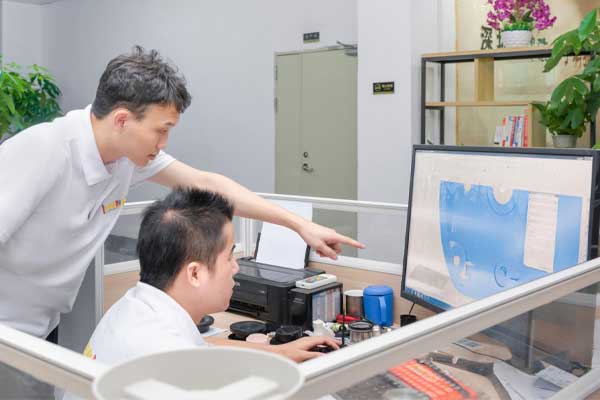
Engineering Review Before Quotation
Before tooling, our engineers will review your application environment, including space, temperature, and compression, to prevent installation failures and deformation risks.
A part that matches a drawing may still fail if it does not compress or bend correctly. Early engineering analysis ensures optimal performance and prevents costly mistakes.
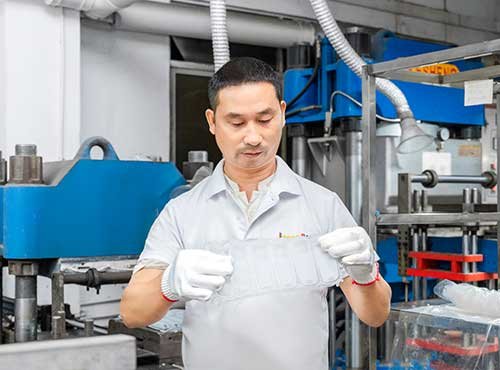
Sample-Based Production
Prior to mass production, custom silicone rubber strips are verified against an approved sample, taking into account dimensions, hardness, color, finish, adhesive, length, and packaging.
For sealing components, physical samples are more practical than drawings alone for accurately verifying installation fit and compression behavior.
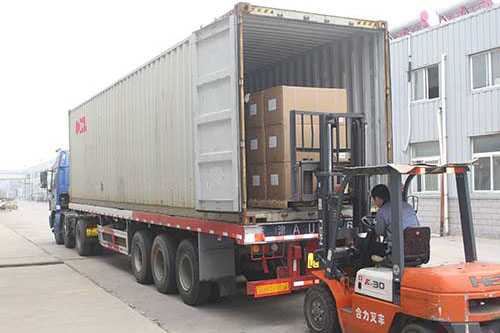
Export Project Support
RY Silicone is a China-based silicone rubber manufacturer and supplier that supports customers in North America, Europe, and other international markets.
Our team assists with product documentation, technical communication, packaging coordination, production updates, and shipment preparation.
Silicone Rubber Strip FAQ and Final RFQ
What is the MOQ for custom silicone rubber strips?
The MOQ starts from 500 pieces for standard-profile silicone strips with customization. New custom extrusion profiles generally start from 3,000 pieces because tooling and setup costs are involved.
The exact quantity depends on the profile design, material, color, cutting method, and packaging requirements.
Can you manufacture silicone rubber strips from our drawing or sample?
Yes.
We can evaluate customer drawings, CAD files, or physical samples to develop matching silicone rubber strips.
Our engineering team reviews profile geometry, dimensions, hardness, and production feasibility before confirming the manufacturing plan.
Which silicone hardness is suitable for sealing strips?
The suitable hardness depends on the sealing function and installation condition.
Soft silicone strips provide better flexibility and gap filling, while firmer silicone strips provide stronger structural support. The correct hardness should be selected together with profile design and compression requirements.
What sizes and shapes of silicone rubber strips can you make?
We manufacture custom silicone strips in various profiles, including
- Flat strips
- Square strips
- Rectangular strips
- Round cords
- U-channel profiles
- Custom cross-sections
Dimensions are developed according to customer drawings, samples, or application requirements.
Can you add adhesive backing to silicone rubber strips?
Yes.
Self-adhesive silicone strips can be produced with pressure-sensitive adhesive backing. Adhesive selection should be evaluated according to the mounting surface, temperature exposure, and expected service conditions.
What applications are silicone rubber strips used for?
Silicone rubber strips are commonly used for:
- Industrial equipment sealing
- Electrical enclosure protection
- Automotive components
- Door and window systems
- Machinery cushioning
- Heat-resistant sealing applications
Are silicone rubber strips resistant to high temperatures?
Yes.
Compared with many conventional elastomers, silicone rubber provides strong temperature resistance. The operating range varies depending on the silicone compound selected, the profile design, and the application environment.
Can silicone rubber strip be applied in outdoors for long-term reliability?
Yes, silicone rubber strips are exceptionally well-suited for outdoor applications.
When products or components are exposed to harsh environmental elements such as sunlight, UV radiation, ozone, moisture, rain, and extreme temperatures, standard elastomers often harden, crack, or degrade quickly.
However, silicone rubber is engineered for outdoor durability and offers strong resistance to weathering and sunlight.
Can you provide food-grade or medical-grade silicone strips?
Yes.
Food-grade and medical-grade silicone materials are suitable for certain applications. The availability of documentation depends on the selected silicone compound, additives, production process, and target market requirements.
What is the difference between silicone sponge, foam, and solid silicone strip?
Solid silicone has a compact structure with no visible cells, offering superior sealing for high ratings, like IP67. The material requires 15–20% compression, but higher force is necessary to achieve this compression.
Silicone sponges feature a closed-cell structure, which makes them softer. They require at least 50% compression to function effectively.
Silicone foam is generally characterized by either an open-cell or a modified closed-cell structure. Like sponge, it requires at least 50% compression, but its cell structure presents a challenge in achieving high IP waterproof ratings.
Overall, solid silicone is the optimal material for waterproof seals requiring IP67 or higher protection ratings. In contrast, cellular sponges and foams require greater deformation (50% or more) to achieve a proper seal, due to their significantly softer composition.
What is the difference between silicone extrusion and molding?
Extrusion is suitable for continuous profiles such as long sealing strips and cords, while molding is better for complex shapes or parts requiring specific cavity structures.
The correct process depends on profile geometry, production volume, and performance requirements.
How do you ensure dimensional consistency of the silicone strip?
We control dimensions through approved tooling, production parameter management, and inspection during manufacturing.
For precision applications, profile geometry, hardness, and compression behavior are reviewed together because dimensional accuracy alone does not guarantee proper installation performance.
What information do you need for a silicone rubber strip quotation?
Please provide:
- Application purpose
- Product drawing or physical sample
- Cross-section dimensions
- Required length or roll quantity
- Silicone hardness requirement
- Color specification
- Temperature or environmental conditions
- Adhesive requirement
- Packaging requirements
- Destination country
- Required certifications or reports
- Target delivery schedule