Silicone Hose Manufacturer
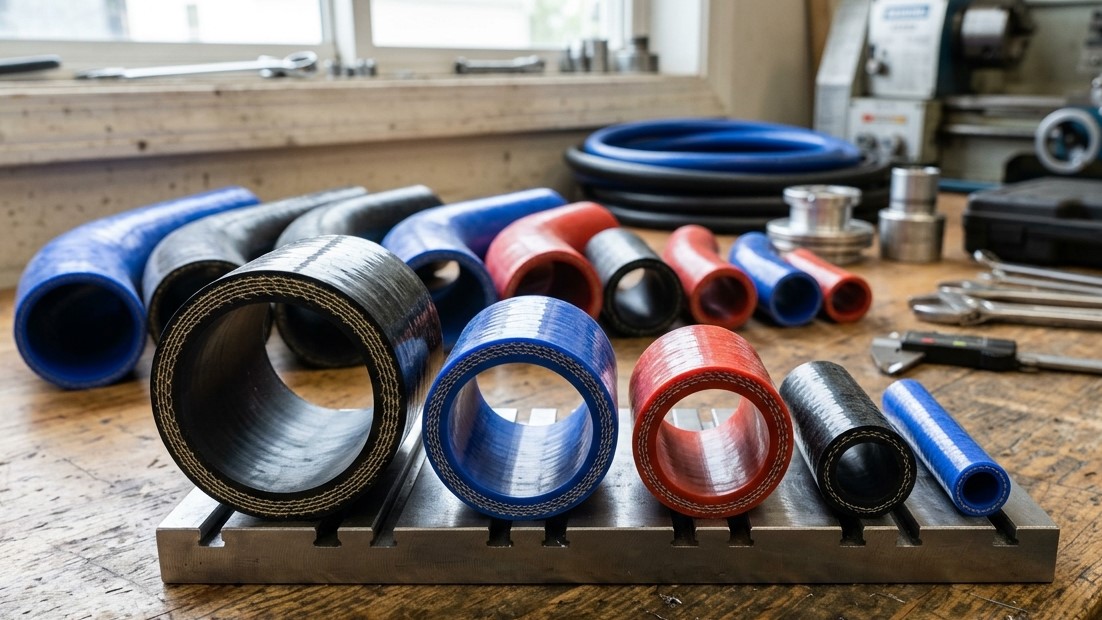
RY Silicone designs and manufactures custom OEM and ODM silicone hoses for automotive, industrial, medical, food processing, and fluid transfer applications.
What Is a Silicone Hose?
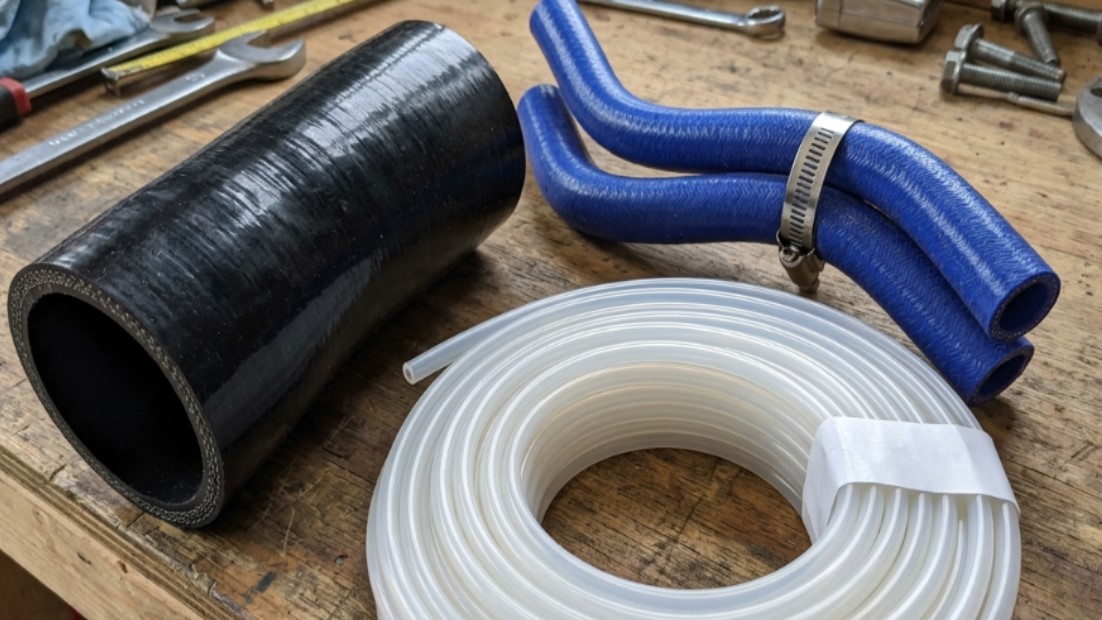
A silicone hose is a flexible elastomer tube made from silicone rubber that transfers air, fluid, or gas while maintaining performance under temperature changes, pressure requirements, and demanding operating environments. A custom silicone hose is developed according to your required dimensions, reinforcement structure, material grade, connection design, and application conditions.
RY Silicone is a China-based silicone hose manufacturer established in 2012. The factory covers 10,000+ m², operates 30+ production machines and supports OEM/ODM silicone hose projects for automotive suppliers, industrial equipment manufacturers, medical companies, food-related brands and international distributors.
Silicone Hose Manufacturing at a Glance
MOQ & Lead Times
Custom silicone hoses start at 500 pieces, with samples ready in 7–15 days before mass production begins.
Product Specifications
Custom silicone hoses are developed around inner diameter, outer diameter, wall thickness, length, hardness, reinforcement layer, bend radius, and connection requirements.
Material & Performance
Selected for thermal stability, flexibility, and aging resistance, silicone hoses provide application-specific performance with a hardness range of 30 to 80 Shore A.
OEM Manufacturing Support
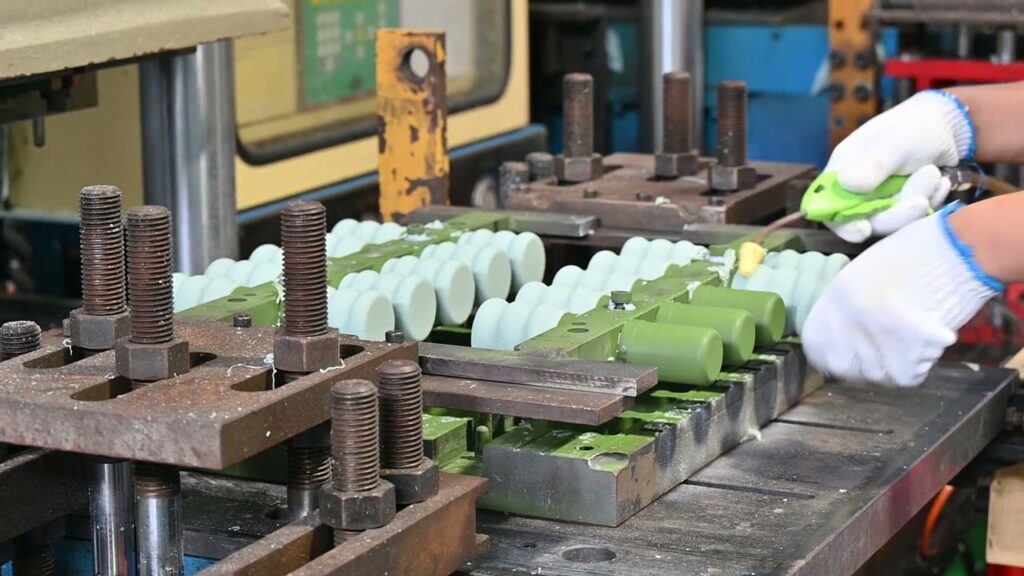
From engineering review and sampling to molding, trimming, inspection, and export packaging, RY Silicone supports complete silicone hose production for global customers.
Who We Manufacture Silicone Hoses For
Silicone hose projects prioritize environment, size, material, and connection for reliable industrial flexibility.

Automotive & Vehicle Manufacturers
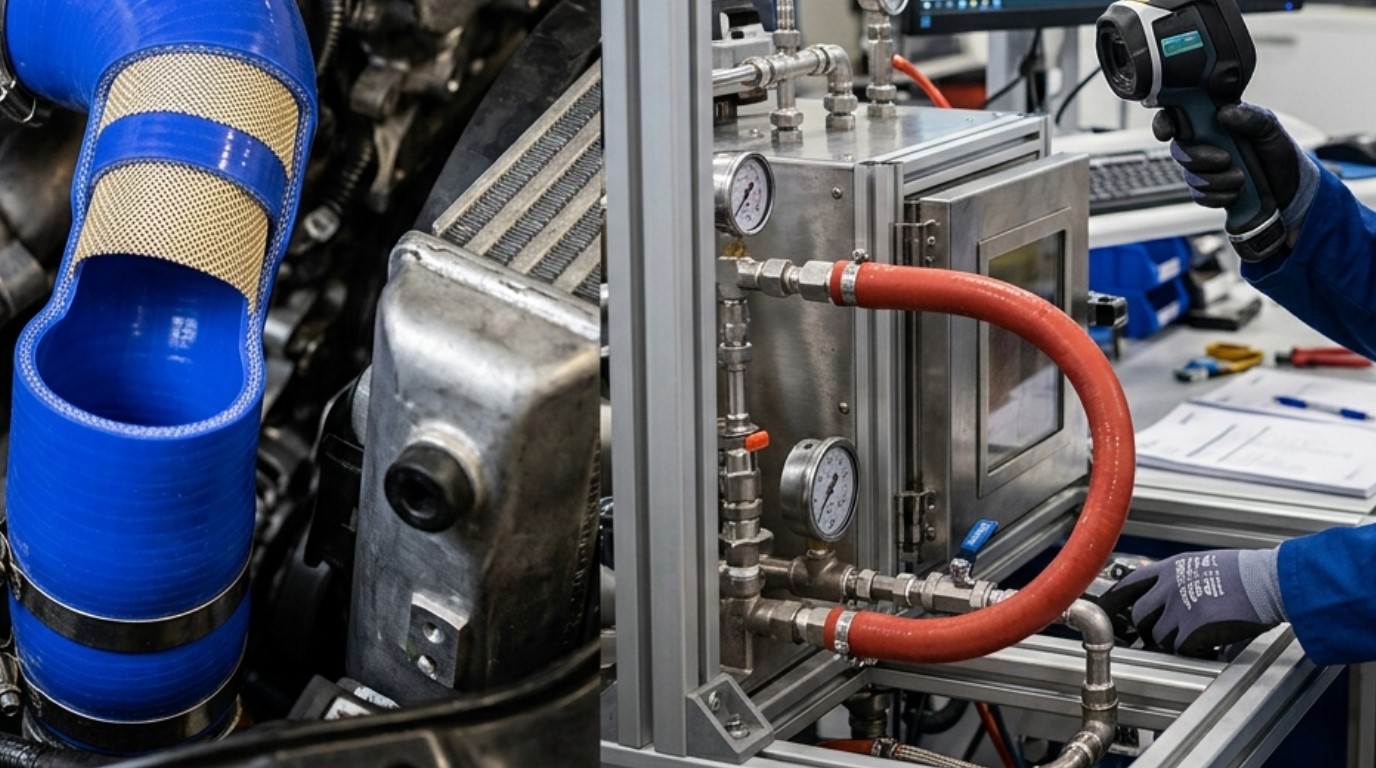
Engineered for high heat and vibration, custom silicone hoses for cooling, turbo, intake, and engine bays are optimized for dimensions, reinforcement layers, and tight bend radii to ensure reliable vehicle routing and installation.
Industrial Equipment Manufacturers
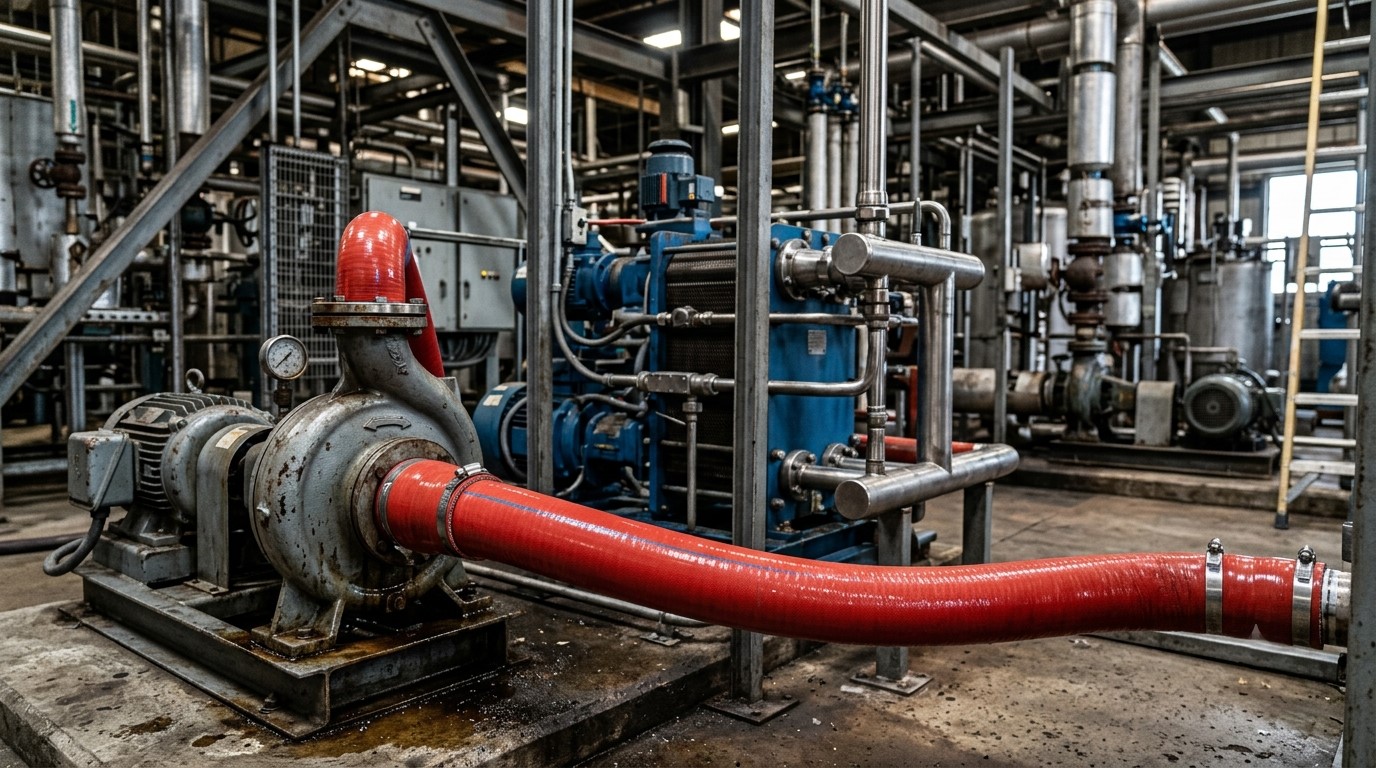
We engineer reliable silicone hoses for machinery, automation, and pumps. After evaluating pressure, fluid compatibility, temperature, and connection needs, we recommend the ideal hose structure for your continuous operational requirements.

Medical & Healthcare Equipment Companies
Custom silicone tubing and hose components for medical, laboratory, and healthcare applications depend on material selection, operating conditions, and compliance documentation to ensure safety, reliability, and full regulatory traceability.
Food Processing & Beverage Equipment Brands
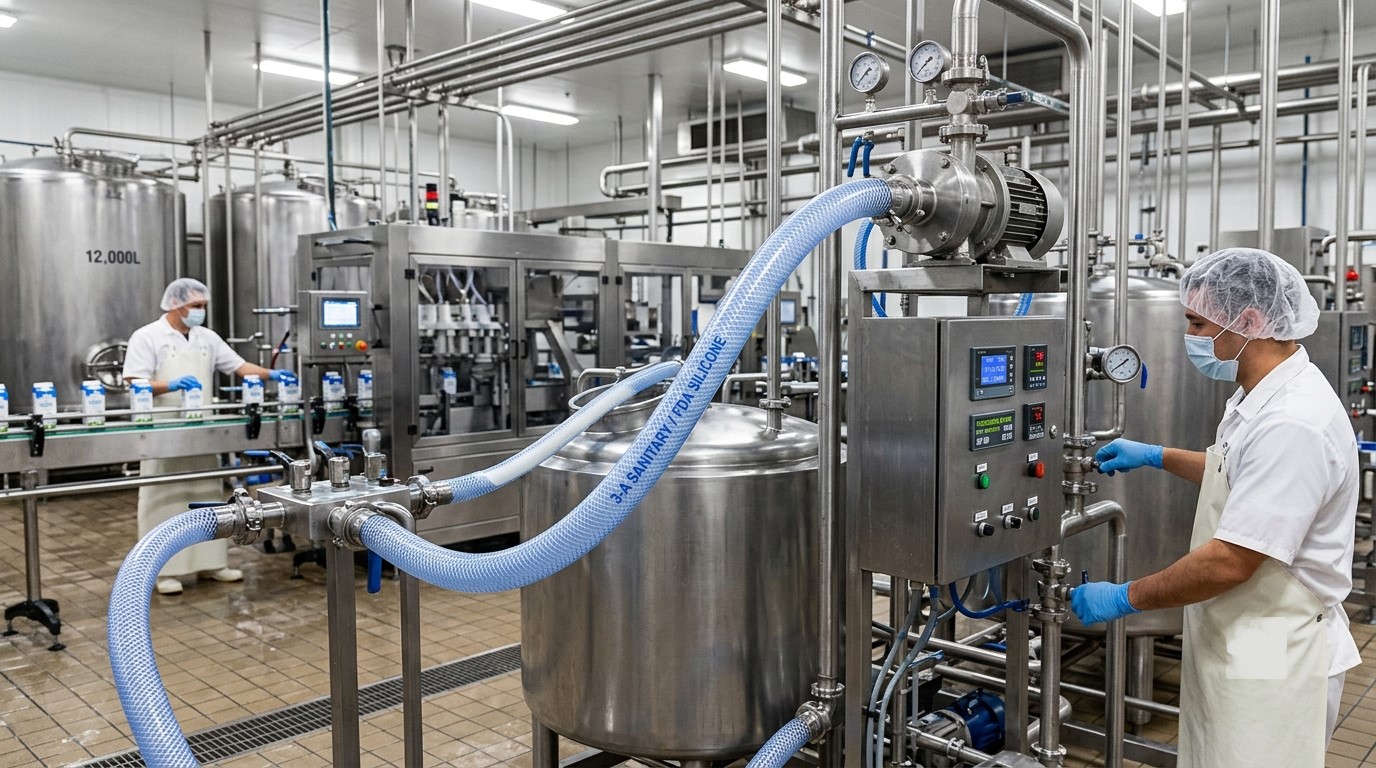
Supply certified silicone hoses for food processing and fluid transfer systems. Food-contact projects are carefully evaluated based on the selected compound, pigments, production controls, and target market safety requirements.
Distributors & Wholesale Suppliers
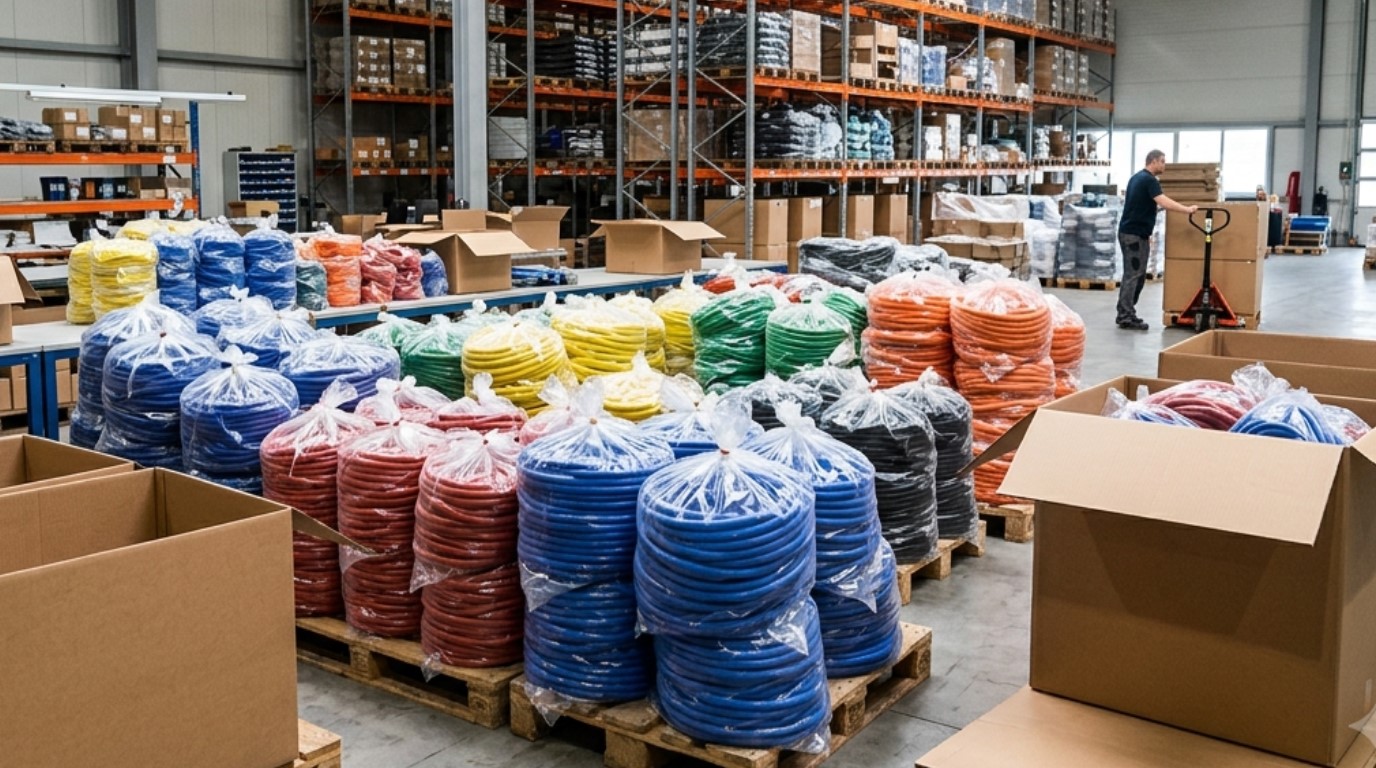
Support distributors with bulk silicone hose production, custom dimensions, private label requirements, and repeat-order manufacturing.Standard sizes can provide faster sourcing, while custom structures help create differentiated product solutions for specific customer markets.

OEM Product Developers & Engineering Teams
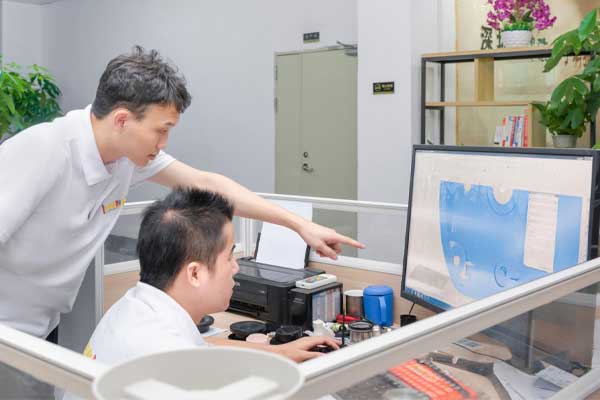
Work with engineering teams from early design review through sampling and production approval.Our team evaluates hose geometry, material selection, reinforcement design, and manufacturing feasibility before confirming the production plan.
Silicone Hose Types We Can Develop
Silicone Tube
Silicone Vacuum Hose
Silicone Radiator Hose
Silicone Coolant Hoses
Silicone Heater Hose
Silicone Intake Hoses
Silicone Coupler
Braided Silicone Hose
High-Temperature Silicone Hose
Medical Silicone Hoses
Custom Silicone Hoses
Silicone Hose Customization
Custom silicone hose projects start with application requirements, then move into dimensions, material structure, color, and packaging decisions.
We supply distinct shapes of silicone hoses with or without bends or curves for your requirements and specific applications by evaluating the current cooling system, size, fit, angle, and spatial constraints.
- Straight without bends
- Silicone 45-degree elbow
- Silicone 90-degree elbow
- 135-degree silicone elbow
- 180-degree silicone elbow
- Hump hose for absorbing vibrations and thermal expansion
- Silicone T hose for heater core or bypass circuit
- Radiator hose with upper and bottom hose connectors
We match hose dimensions to your assembly requirements, including internal flow space and installation position.
Available options include:
- Inner diameter
- Outer diameter
- Wall thickness
- Length
- Bend radius
- Connection size
- Custom hose routing
We select silicone compounds according to temperature, flexibility, durability, and application conditions.
Available options include:
- General-purpose silicone
- High and low temperature-resistant silicone
- Odorless and tasteless
- Food-grade silicone
- Medical-grade silicone
- Different Shore A hardness levels
- Reinforced silicone structures
- High resistance to water absorption
- Chemical resistance
- Oil resistance
We design the hose construction around pressure requirements and mechanical conditions.
Available options include:
- Single-layer silicone hose
- Multi-layer silicone hose
- Fabric-reinforced structure
- Custom reinforcement placement
- Straight or shaped hose designs
- OEM replacement structures
Start Your Custom Silicone Hose Project
Please send us details of your required quantity, hose type, logo artwork, size, shape, structure, reinforcement and packaging requirements. RY Silicone will then review the project and recommend suitable hoses, materials, branding methods and production plans.
How to Specify a Better Silicone Hose
The right silicone hose balances size accuracy, material performance, and installation reliability.
Before production, confirm these key specifications:
- Inner Diameter — Determines flow capacity and connection compatibility with the mating components.
- Outer Diameter — Affects clamp selection, assembly space, and overall hose strength.
- Wall Thickness — Influences flexibility, pressure resistance, and deformation control.
- Hardness — Usually selected by application needs; softer silicone improves flexibility, while firmer silicone provides stronger shape retention.
- Reinforcement Layer — Fabric reinforcement improves pressure stability while maintaining controlled flexibility.
- Working Temperature — Defines whether the hose can operate continuously under heat exposure or thermal cycling.
- Bend Radius — Prevents excessive compression and flow restriction when the hose is routed through tight spaces.
- Connection Design — End shape, size, and interface details should match the final assembly.
Full specification guide
How to Specify a Better Silicone Hose — covering diameter selection, reinforcement structure, hardness, temperature range, and application requirements.
Silicone Hose Logo & Branding Methods
Silicone hoses are usually technical components, so branding methods focus on identification, OEM recognition, and long-term durability rather than decorative appearance.
Screen Printing
Provides clear markings for suitable silicone surfaces.Commonly used for logos, product codes, flow direction marks, or technical identification.
Laser Marking
Creates precise identification details without adding ink layers.Suitable for applications requiring clean appearance and traceability information.
Molded Marking
A permanent logo, part number, or identification mark is created directly during molding.
Color Identification
Different silicone hose colors can help identify systems, functions, or product series.
Silicone Hose Material & Performance Options
RY Silicone selects silicone compounds according to the operating environment, performance requirements, and target application.
Maintains flexibility under demanding temperature conditions.
Silicone hoses are widely selected for applications requiring stable performance across temperature changes. The suitable temperature range depends on silicone formulation, wall thickness, reinforcement structure, and operating conditions.
Material comparison
Silicone Hose vs. Rubber Hose: Which One Should I Select?—Resistance to extreme temperature, service life, reliability, costs for maintenance & replacement, long-term durability, and environmental resistance in harsh conditions.
Supports complex routing and limited installation space.
Silicone naturally provides elastic recovery, allowing hoses to bend and return to shape when the structure is correctly designed.
A softer hose is not always the best choice. Excessive softness may reduce shape stability in applications requiring support or pressure resistance.
Depends on reinforcement design and hose construction.
Reinforced silicone hoses use internal fabric layers to improve pressure stability while maintaining flexibility.
The reinforcement structure should match the actual working pressure rather than simply increasing material thickness.
Helps extend service life in harsh environments.
Silicone offers strong resistance to aging caused by heat, ozone, and environmental exposure.
Final compatibility should be reviewed against the actual fluid, chemicals, and operating conditions.
A fast screen for filler or curing problems.
A strong chemical odor or oily residue may indicate issues with fillers, curing or material selection. Visual and sensory screening can flag obvious risks, although laboratory testing is required for formal compliance claims.
A fast screen for filler or curing problems.
A strong chemical odor or oily residue may indicate issues with fillers, curing or material selection. Visual and sensory screening can flag obvious risks, although laboratory testing is required for formal compliance claims.
Proper cleaning and maintenance methods will extend the service life of your silicone hose.
Regular inspection and storage away from sunlight and in wet conditions, the flexibility, color consistency, and performance can eliminate the factors for performance and long-term reliability.
Maintenance Guide
How to clean silicone hose? —Routine cleaning by warm detergents and water, wipe, and dry.
How Custom Silicone Hoses Are Manufactured

STEP 1: Requirement Review
Every project starts with reviewing the application, hose dimensions, working environment, quantity, material requirements, reinforcement structure, color, and documentation needs.The engineering team evaluates the complete hose requirement instead of quoting only from a drawing or product name.
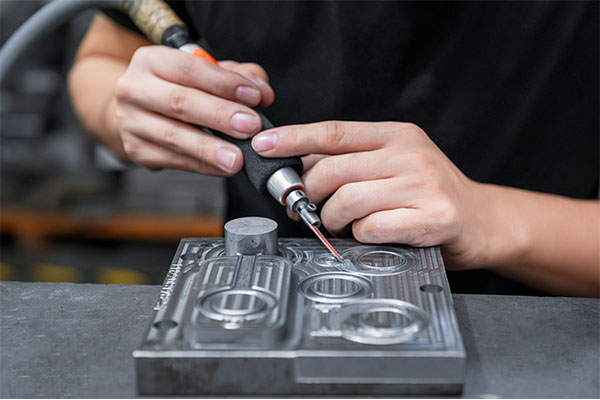
STEP 2: Engineering & Design Evaluation
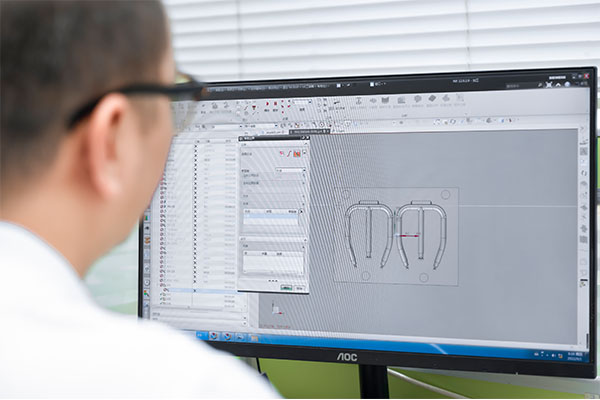
The hose design is reviewed for manufacturability, including diameter ratio, wall thickness, bend radius, connection areas, and reinforcement placement.A silicone hose can have correct dimensions on a drawing but still create installation problems if the bending area or transition section is not properly designed.
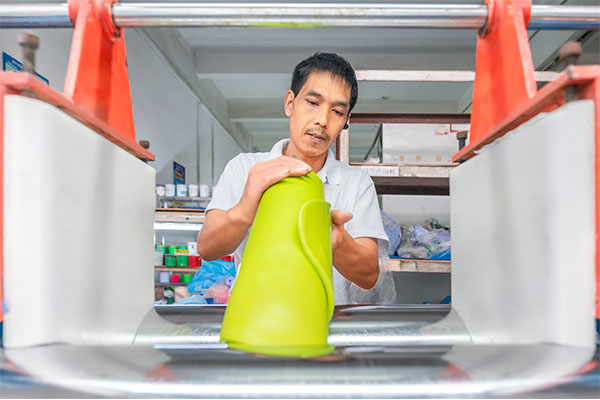
STEP 3: Material & Compound Preparation
The approved silicone compound is prepared according to the required hardness, temperature range, color, and application conditions.Material selection is matched with the final use, such as automotive heat exposure, industrial operation, food contact, or medical applications.
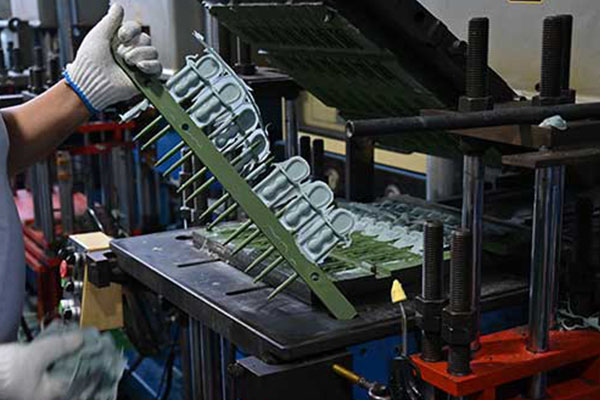
STEP 4: Silicone Hose Forming
The silicone material is processed through the selected molding or extrusion method according to the hose structure and production requirements.The manufacturing process is adjusted based on hose shape, reinforcement requirements, and production volume.

STEP 5: Reinforcement Integration
For reinforced silicone hoses, fabric layers are positioned during production to improve pressure stability while maintaining flexibility.The reinforcement must be placed correctly because uneven positioning can create weak areas during bending or long-term operation.
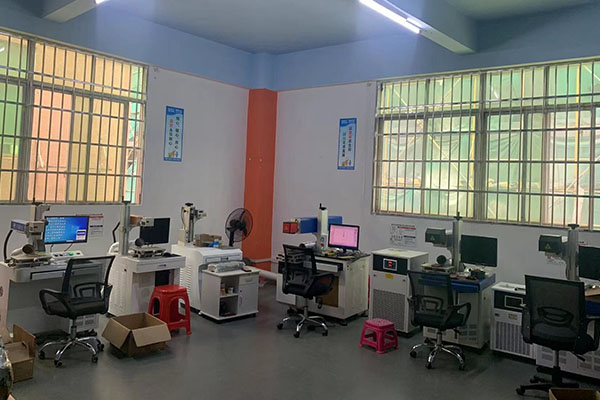
STEP 6: Curing & Shaping
The silicone hose is cured under controlled conditions to achieve the required elasticity, dimensional stability, and surface quality.Curing parameters directly affect hardness, compression behavior, and final product consistency.
STEP 7: Trimming & Surface Processing
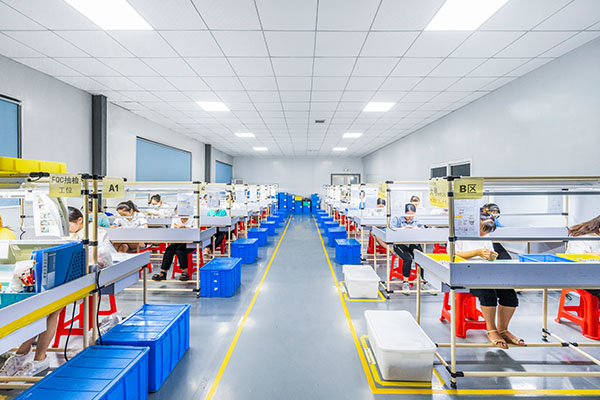
After forming, excess material is removed, and the hose ends and surfaces are inspected.Additional processes such as marking, cutting, or customized finishing are completed according to approved requirements.
STEP 8: Quality Inspection & Packaging
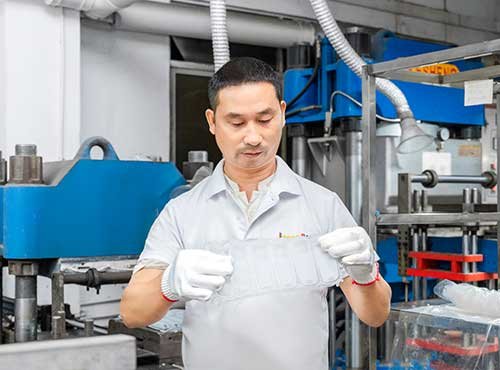
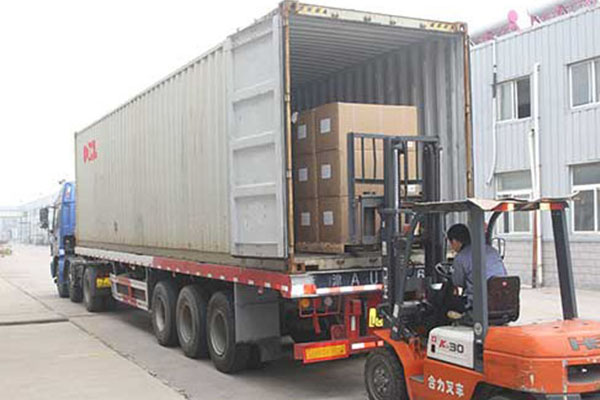
Finished silicone hoses are checked against approved specifications before packing.Final inspection covers dimensions, appearance, hardness, color, marking, packaging, and customer requirements before shipment.
Silicone Hose Quality Control
Quality control focuses on both material consistency and final installation performance.
AQL 2.5 / 4.0 Standard Inspection
We conduct final random sampling plans to verify batch consistency:
AQL 2.5
Critical / Major Defects
AQL 4.0
Minor Visual Flaws
If specified in the purchase order, another inspection standard can be used.
Approved Sample Control
The approved sample becomes the production reference for:
- Hose shape
- Inner diameter
- Outer diameter
- Wall thickness
- Length
- Hardness
- Color
- Surface finish
- Marking position
Production follows the approved sample to maintain batch consistency.
Incoming Material Review
Incoming materials are checked before production:
- Silicone compound
- Pigments
- Reinforcement materials
- Supplier documentation
Material selection must match the confirmed project requirements.
In-Process Inspection
During production, operators and QC teams monitor:
- Forming quality
- Reinforcement position
- Surface defects
- Dimensional stability
- Color consistency
- Cutting accuracy
Appearance Inspection
Each hose is checked for:
- Surface contamination
- Cracks
- Bubbles
- Uneven surfaces
- Incomplete forming
- Abnormal deformation
- Visible reinforcement issues
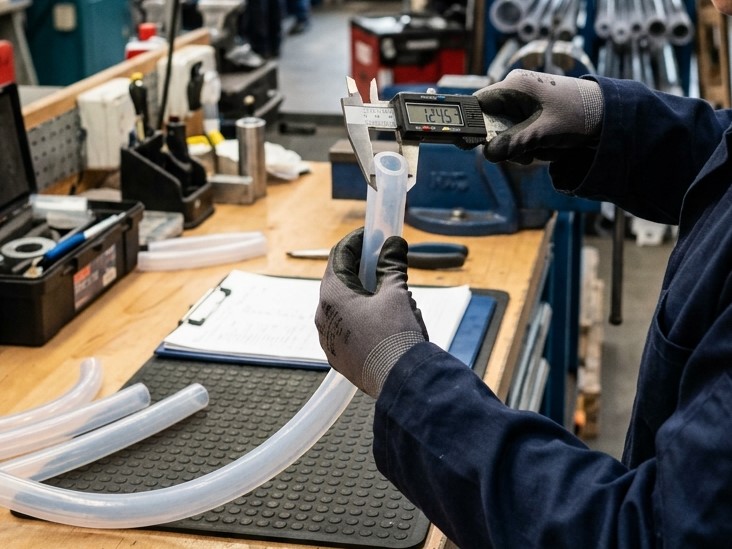
Dimensional Inspection
Critical dimensions are verified according to specifications:
- Inner diameter
- Outer diameter
- Wall thickness
- Length
- Connection areas
- Bend shape
Performance Verification
Inspection methods may include:
- Hardness testing
- Flexibility checking
- Pressure-related testing according to project requirements
- Temperature-related evaluation according to application needs
Testing requirements depend on the final application and customer specification.
Silicone Hose Packaging Options
Packaging is planned according to shipping method, customer requirements, and product handling needs.

Bulk Packaging
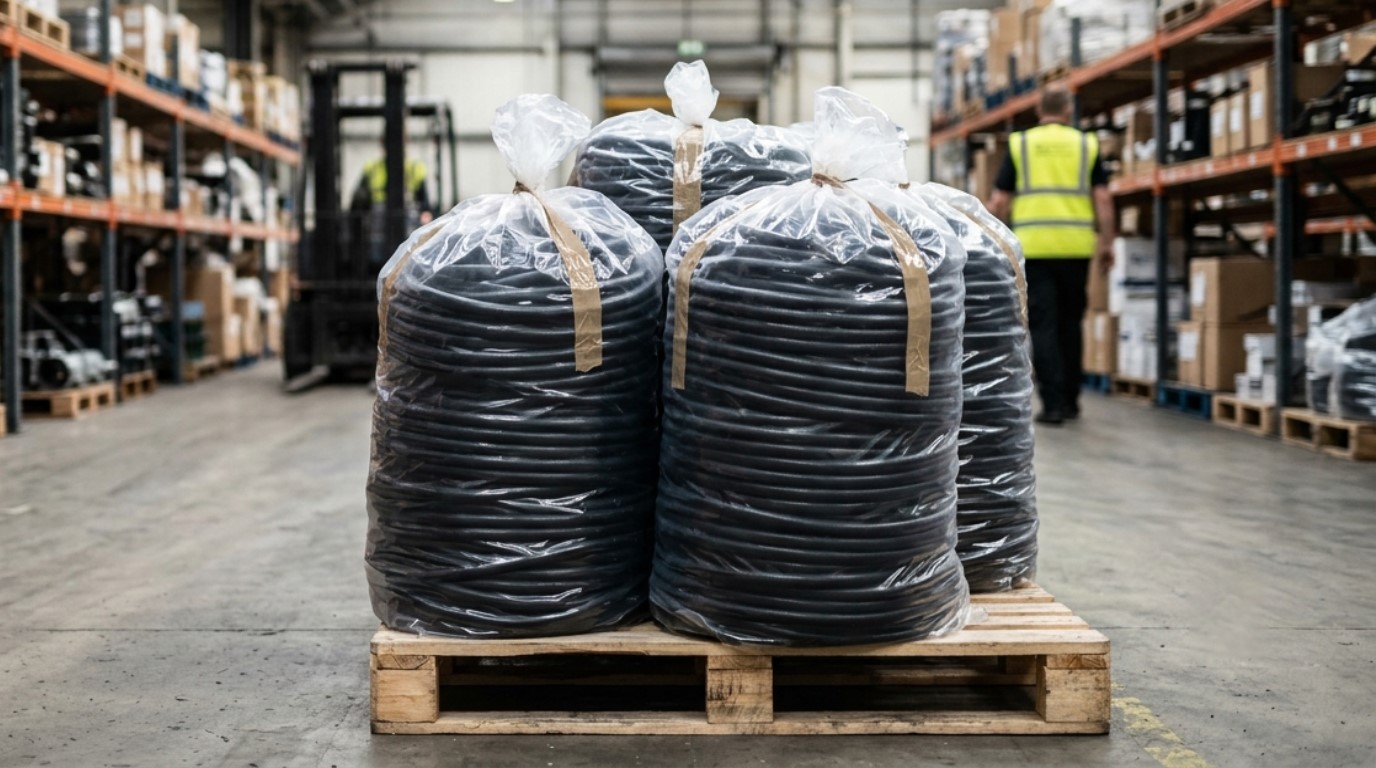
Individual hoses or grouped quantities are packed in cartons for industrial customers, distributors, and high-volume applications where cost efficiency is important.
Retail Packaging
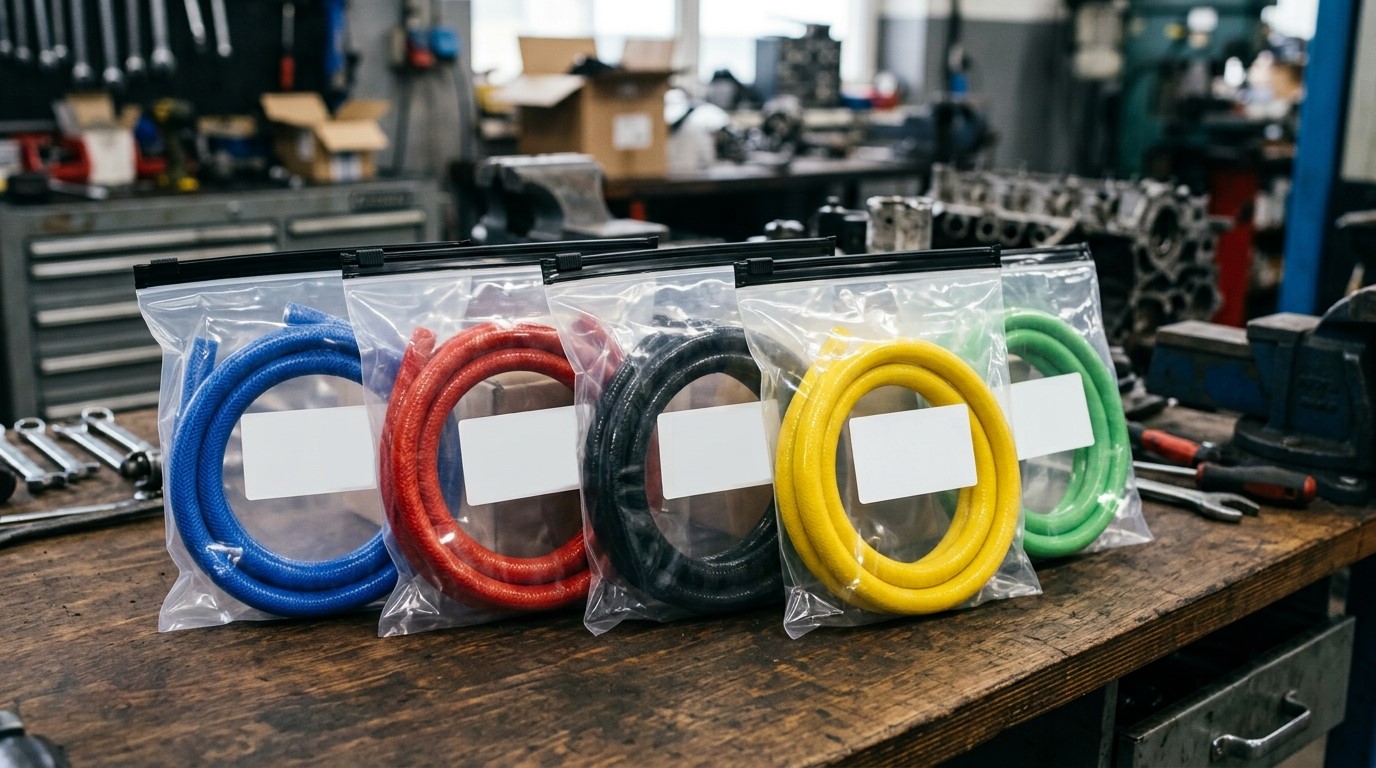
Each hose can be packed separately with labels or identification information for easier warehouse management and customer distribution.
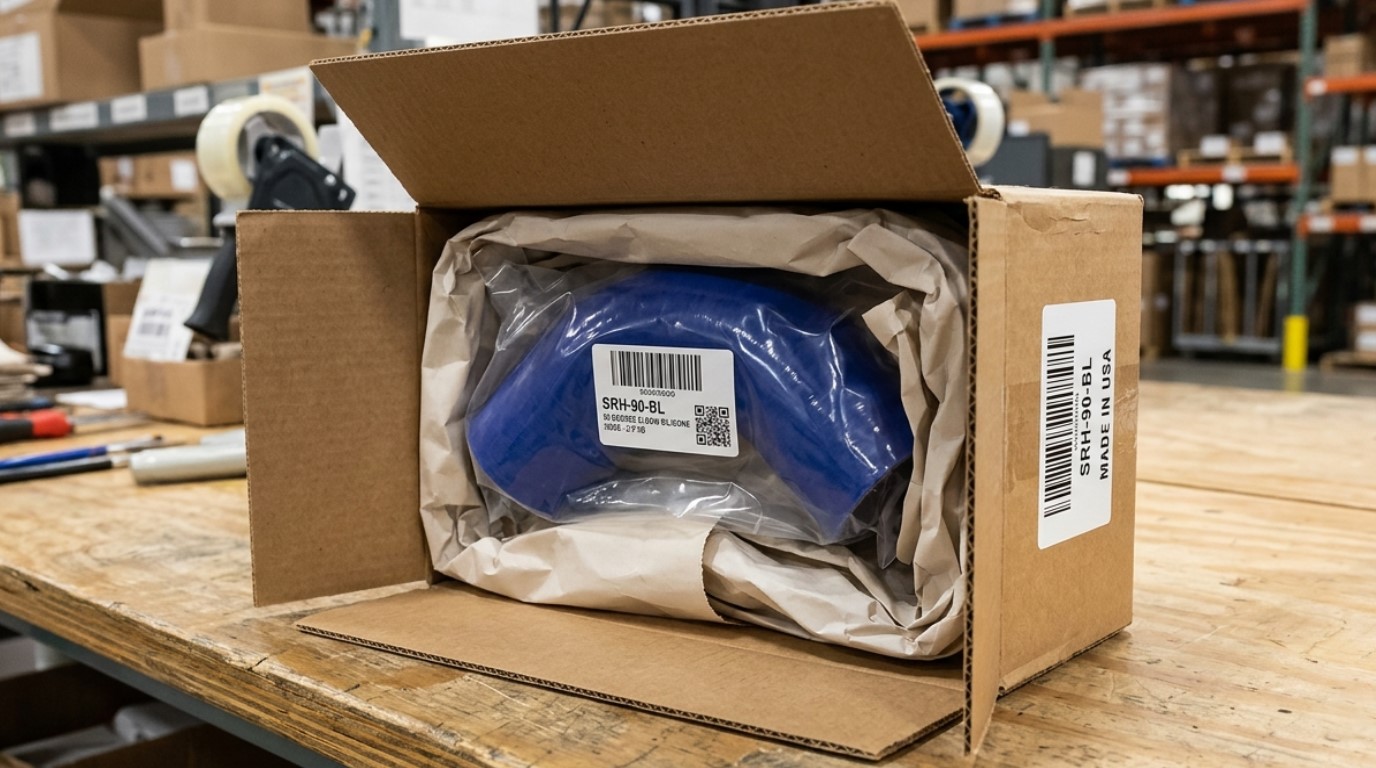
Ecommerce Packaging
Custom labels, part numbers, barcodes, and customer-specific packaging can be prepared for OEM projects requiring traceability and brand consistency.
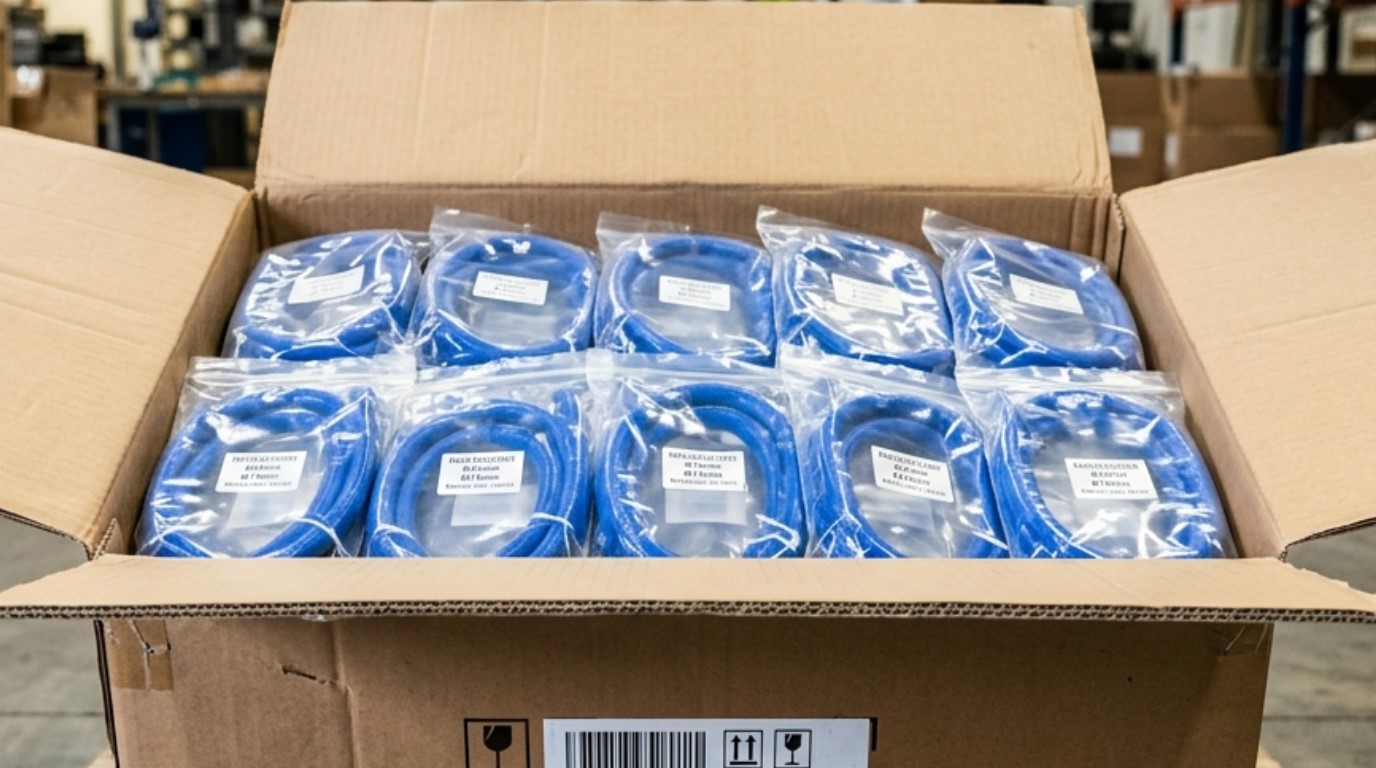
Premium Brand Packaging
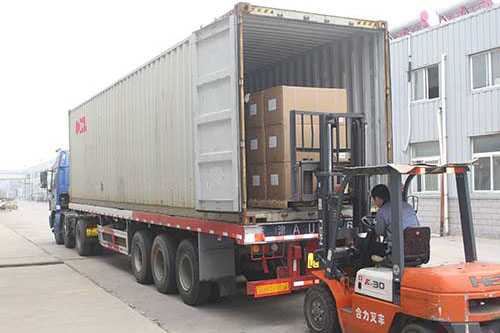
Export cartons are prepared according to shipment requirements, including quantity marking, protection methods, and destination handling needs.

Typical Silicone Hose Specifications
| Specification | Typical Reference |
|---|---|
| Product | Custom silicone hose |
| Applications | Automotive systems, industrial equipment, medical devices, food processing, fluid transfer systems |
| Material | Silicone rubber, application-selected compound |
| Hardness Range | 30–80 Shore A |
| Inner Diameter | Custom according to connection requirements (≥6.5mm) |
| Outer Diameter | Custom according to assembly space |
| Wall Thickness | Custom according to pressure and flexibility requirements |
| Length | Custom cut length or continuous production |
| Reinforcement | Polyester fabric reinforcement or customized reinforcement structure |
| Temperature Range | Depends on silicone compound and application conditions |
| Pressure Capability | Depends on diameter, wall thickness and reinforcement design |
| Bend Radius | Customized according to routing requirements |
| Surface Finish | Smooth silicone surface or application-specific finish |
| Colors | Standard colors or custom Pantone matching |
| Marking Methods | Molded marking, screen printing, laser marking or identification marks |
| Production Process | Extrusion, molding or approved silicone forming process |
| Inspection | Dimension, appearance, hardness, color and customer-defined testing |
| Packaging | Bulk cartons, individual bags, OEM labels or export packaging |
| MOQ | From 500 pieces depending on design and production requirements |
| Sample Lead Time | 7–15 working days depending on structure |
| Mass Production Lead Time | Confirmed after sample approval and production planning |
| OEM & ODM | Available |
Final specifications depend on hose design, silicone compound, reinforcement structure, testing requirements, and approved samples.
Why Work with RY Silicone
Silicone Manufacturing Experience Since 2012
RY Silicone is a China-based silicone manufacturer specializing in custom silicone products since 2012.
We support international customers from product evaluation and sampling through production, inspection, and export delivery.
10,000+ m² Production Facility
Our factory supports silicone product development with integrated capabilities, including material preparation, molding, finishing, quality inspection, and packaging.
This structure helps reduce communication gaps between engineering and production teams.
30+ Production Machines
Multiple production machines support different silicone product structures, order volumes, and manufacturing requirements.
Production planning is adjusted according to those dimensions, reinforcement structure, and delivery requirements.
Up to 100,000 Silicone Products per Day
Our production capacity supports repeat orders and large-volume manufacturing programs.
Actual silicone hose output depends on product structure, cycle time, inspection requirements, and production planning.
Engineering Review Before Quotation
We do not quote only from a product name or image.
Our engineering team reviews:
- Hose dimensions
- Application environment
- Material selection
- Reinforcement structure
- Color requirements
- Marking method
- Packaging needs
This helps identify manufacturing risks before production begins.
Sample-Based Production
Mass production starts after approval of the final sample.
The approved sample becomes the reference for dimensions, appearance, hardness, color, structure, and packaging requirements.
Export Project Support
RY Silicone supports customers in North America, Europe, and other international markets.
Our team assists with:
- Product communication
- Documentation coordination
- Packaging requirements
- Production updates
- Shipment preparation
Silicone Hose FAQ and Final RFQ
What is the MOQ for custom silicone hoses?
The MOQ starts from 500 pieces depending on hose structure, dimensions, material requirements, and customization level.
For first-time custom projects, order quantities can be discussed according to tooling requirements, testing needs, and production planning.
Can you manufacture silicone hoses with custom sizes?
Yes.
We develop silicone hoses with customized inner diameter, outer diameter, wall thickness, length, bend shape, and connection requirements.
Which industries use silicone hoses?
Silicone hoses are commonly used in:
- Automotive systems
- Industrial equipment
- Medical equipment
- Food processing systems
- Laboratory applications
- Fluid and air transfer systems
The suitable silicone structure depends on the working environment and performance requirements.
What silicone hardness is suitable for my hose?
The correct hardness depends on installation and operating conditions.
Softer silicone provides more flexibility, while firmer silicone improves shape retention. The final selection should consider bending, pressure, temperature, and assembly requirements.
Do reinforced silicone hoses have better performance?
Reinforcement improves pressure resistance, shape stability, burst strength, and structural support, but the design must match the application.
Moreover, you should figure out these questions before sourcing in bulk:
- Material selection inside the hose
- The pressure rating
- Layers of reinforcement
- Pressure testing available
A reinforced hose is not automatically better if the added structure limits flexibility or creates installation problems.
Can you manufacturer automotive silicone hoses?
Yes.
We develop automotive silicone hoses for applications such as cooling systems, intake systems and customized OEM replacement projects, which include silicone coolant hose kit, silicone radiator hose, oil-resistant silicone hose., etc.
Do you supply 5/8 silicone heater hose?
Yes.
We also supply high heat silicone hoses and common sizes of silicone heater hoses involving:
- 5/8’’ silicone heater hose for common size (approx. 15.9 mm)
- 3/4’’ silicone heater hose for coolant hoses with large displacement (approx. 19.0 mm)
- 3/8’’ silicone heater hose for turbocharger coolant lines with lower-flow lines (Approx. 9.5mm)
RY Silicone isn’t limited in silicone hose with mentioned inner diameter (ID), our custom silicone hoses offer highly design flexibility upon ID, OD, thickness, flow rate, pressure rating, temperature rating, oil- & fuel-resistance for your silicone hose project.
Can you offer silicone hose clamps?
Certainly.
We also supply T-bolts, spring-loaded T-bolts, cushioned loops, and constant tension clamps for your silicone hose project.
Which vulcanization method should I choose for my custom silicone hose?
The right choice depends on your specific application:
Select Platinum vulcanization if you require high purity, no by-products, and clear visibility of the fluids flowing through the hose (ideal for medical, pharmaceutical, or food-grade applications).
Select Peroxide vulcanization if you need a budget-friendly solution with high resistance to compression and extended durability under peristaltic pumping conditions.
Can you match custom colors?
Yes, we offer fully customizable color matching tailored to your exact brand or application requirements. We can develop custom colors using:
- Pantone References (PMS): Precise shade matching for corporate identity and branding.
- Physical Samples: Send us a sample, and our lab will match it as closely as possible.
Available Color & Appearance Options:
- Standard Silicone Colors: A wide range of industry-standard hues readily available.
- Custom Pantone Matching: Engineered specifically to your brand guidelines.
- Solid & Translucent Finishes: Choose from opaque solid colors or transparent/translucent silicone variants.
- Surface Identification Marks: Add custom text, logos, or tracking stripes directly onto the hose.
Do you provide FDA, LFGB, or REACH documentation?
Available documentation depends on the selected silicone compound, pigment, production process, and destination market.
Please provide your required standard so we can confirm suitable documentation.
What information is needed for a silicone hose quotation?
Please provide:
- Application
- Target quantity
- Inner diameter
- Outer diameter
- Wall thickness
- Length
- Working temperature
- Pressure requirement
- Reinforcement requirement
- Color
- Drawing or sample
- Packaging requirement
- Destination market
How do you ensure silicone hose quality?
Quality control includes approved sample comparison, incoming material inspection, production monitoring, dimensional inspection, appearance checking, and final shipment verification.