Manufacturing custom silicone products since 2012

Silicone Wax Pot Manufacturer

Custom OEM/ODM reusable silicone wax pots with branding and retail packaging for salons, spas, and home waxing kits.

Home » Silicone Wax Pot
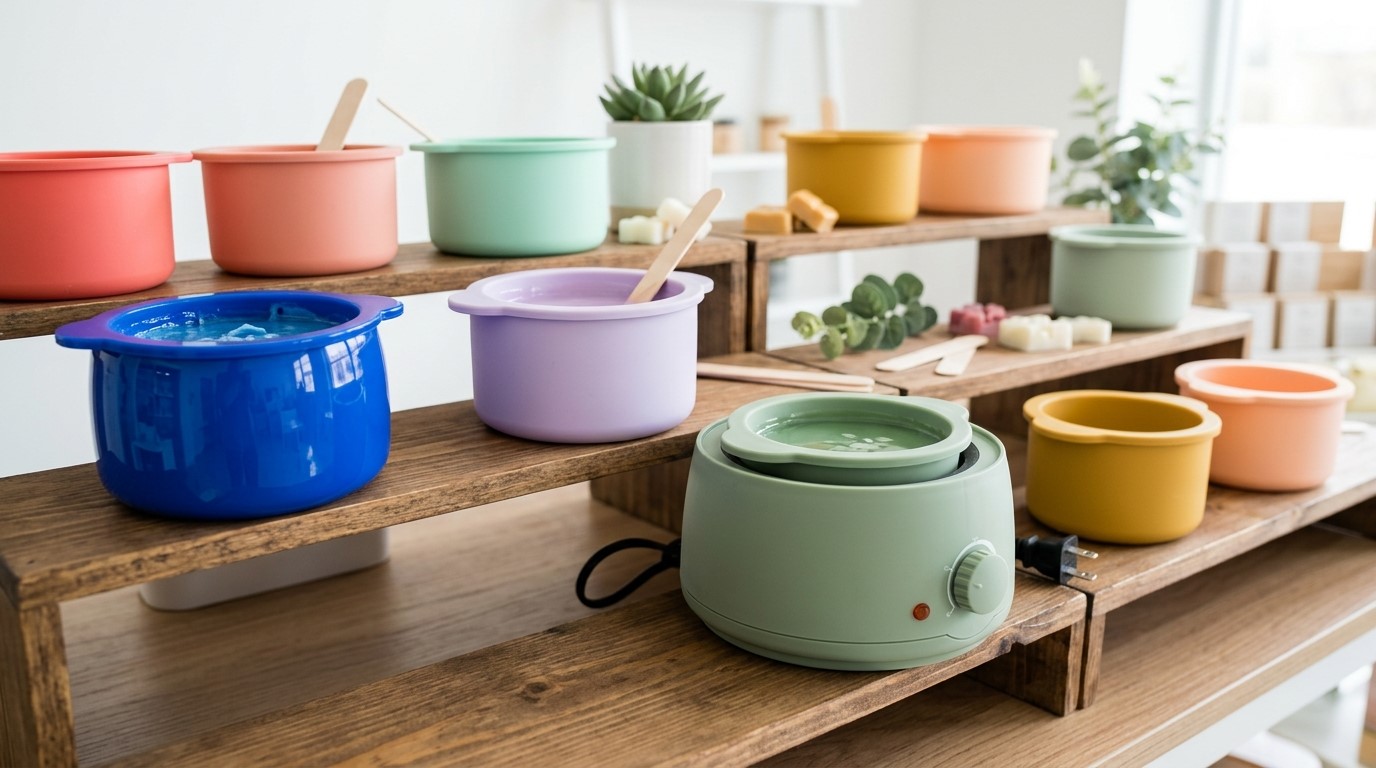
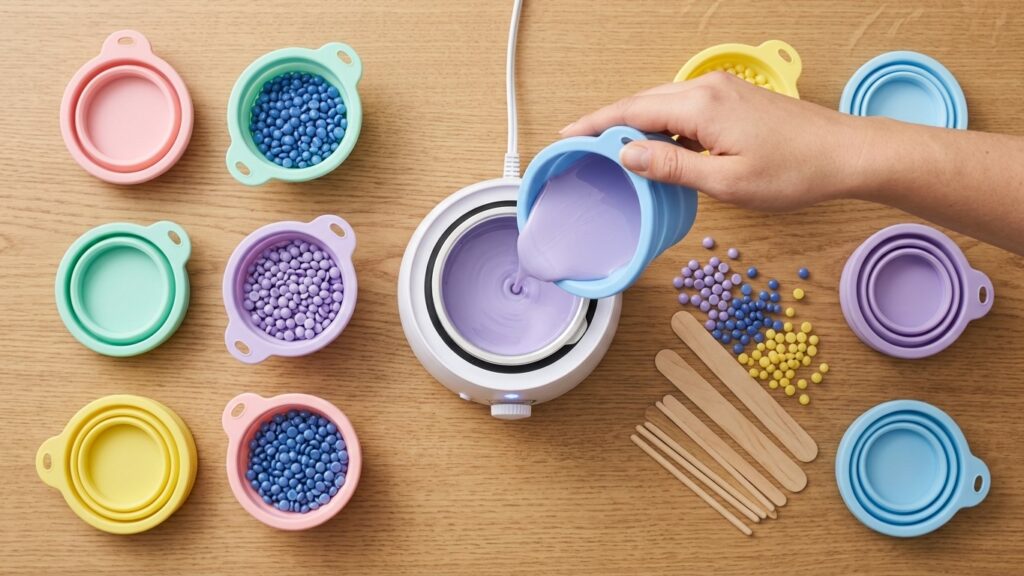
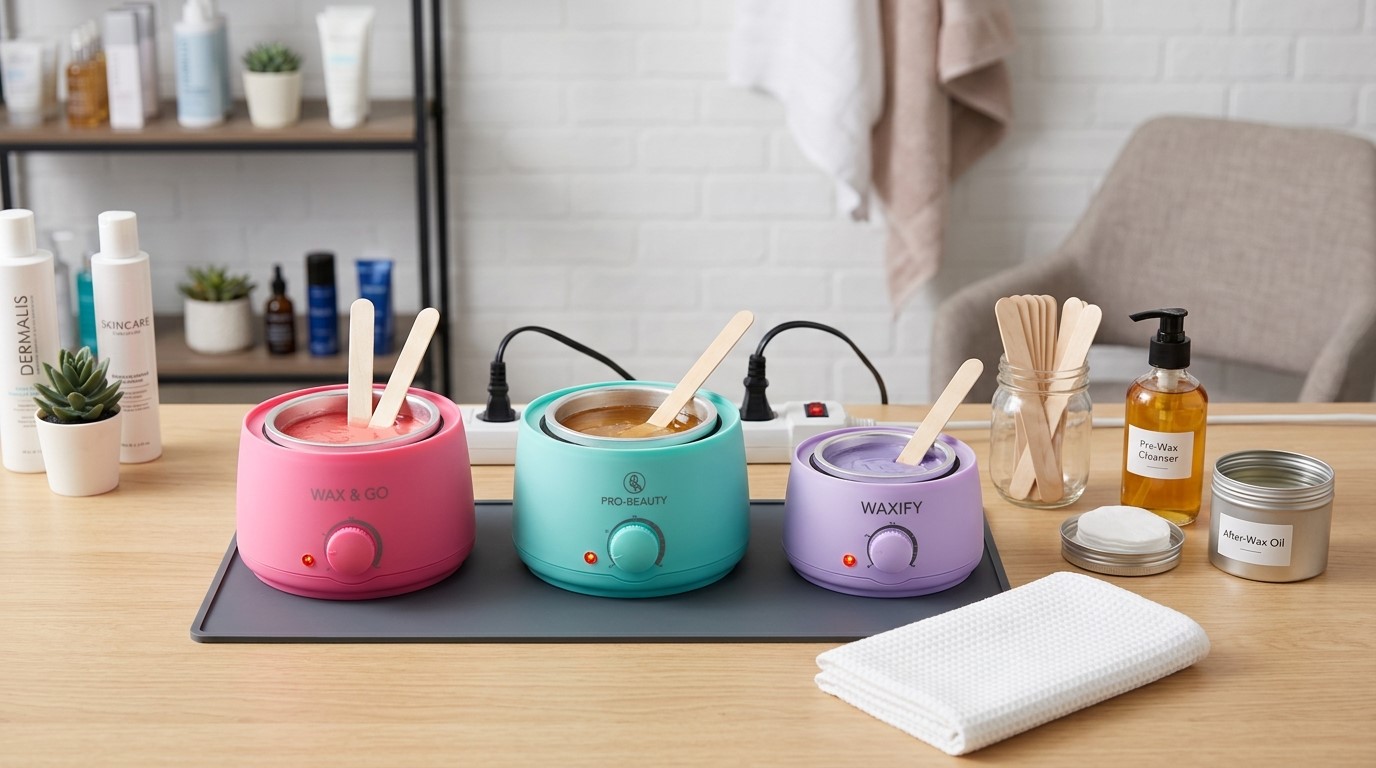
Collapsible silicone wax pots and a silicone wax warmer

What Is a Silicone Wax Pot?

A silicone wax pot is a flexible, heat-resistant container used inside or alongside a warmer to heat, hold, and dispense depilatory wax, ensuring easy wax removal and quick cleaning. Custom pots are tailored precisely to your required capacity, dimensions, structure, color, branding, and packaging for professional retail applications.

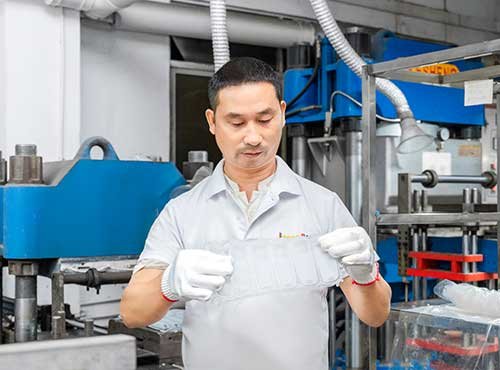
Established in 2012, RY Silicone is a trusted manufacturer based in China. Alongside wax pots, we produce versatile craft items like silicone candle molds, soap making tools, and resin crafting accessories. Spanning over 10,000 ㎡ with 30+ advanced production machines, our daily capacity reaches 100,000 units. We proudly support OEM and ODM projects for global brands.

Silicone Wax Pot Manufacturing at a Glance

MOQ

From 500 pieces for selected existing designs with custom branding, with new custom-molded projects starting from 3,000 pieces.

Product Specs

Define capacity, diameter, height, wall thickness, hardness, and temperature requirements around your wax warmer and intended use.

Branding

Add molded logos, embossed or debossed marks, or suitable printed branding according to the pot structure and required durability.

Packaging

Choose bulk, individual, e-commerce-ready, or premium retail packaging with labels, inserts, and branded presentation for your sales channel.

Who We Manufacture Silicone Wax Pots For

Choose the sales channel first, then define the pot structure, branding, and packaging around its use.

Silicone wax pots for Professional Beauty Brands

Professional Beauty Brands

Develop silicone wax pots for salon and spa equipment brands that need reliable reusable containers matched to their warmer systems, preferred capacity, and professional product positioning.
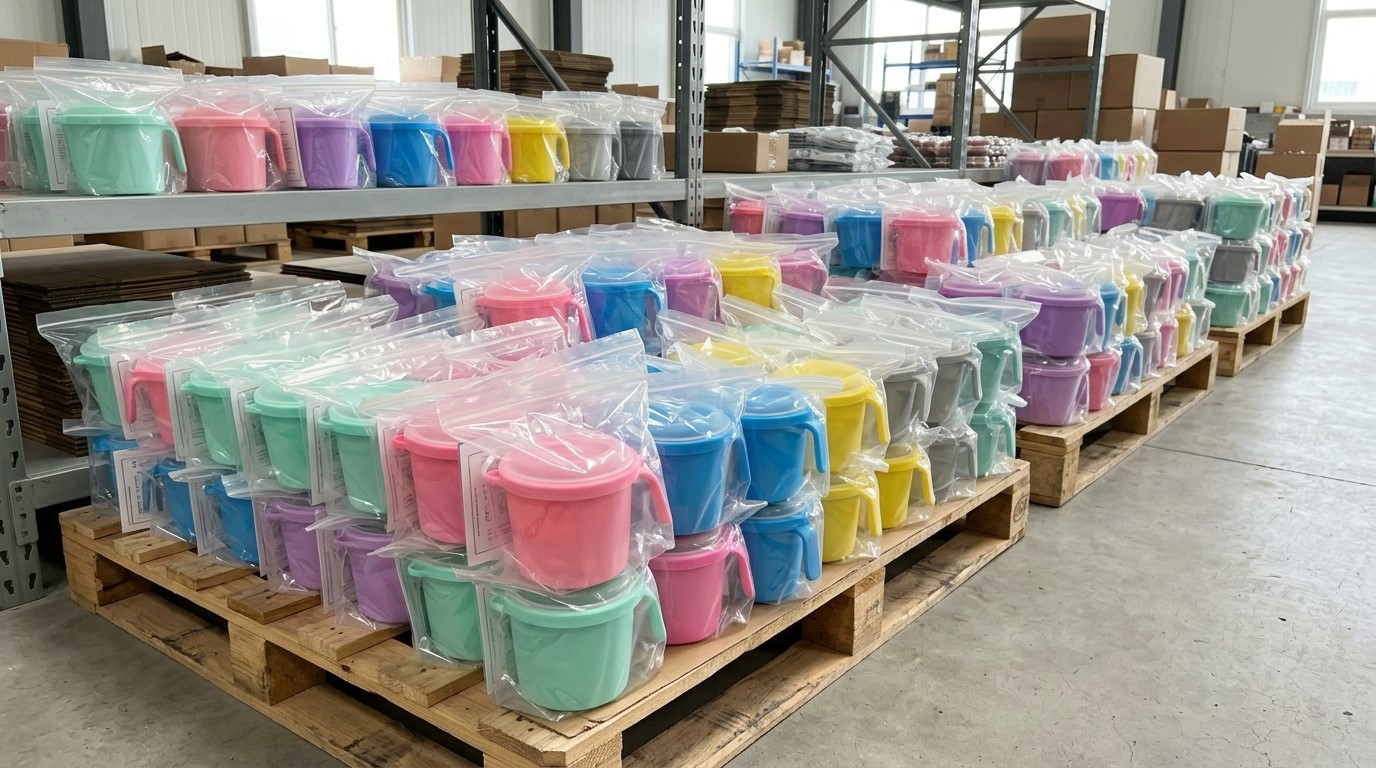
Silicone wax pots in polybags for Distributors & Wholesalers

Distributors & Wholesalers

Source silicone wax pots in bulk for beauty equipment distributors, salon suppliers, and professional waxing channels. Existing structures can simplify repeat purchasing, while custom tooling supports differentiated product ranges.
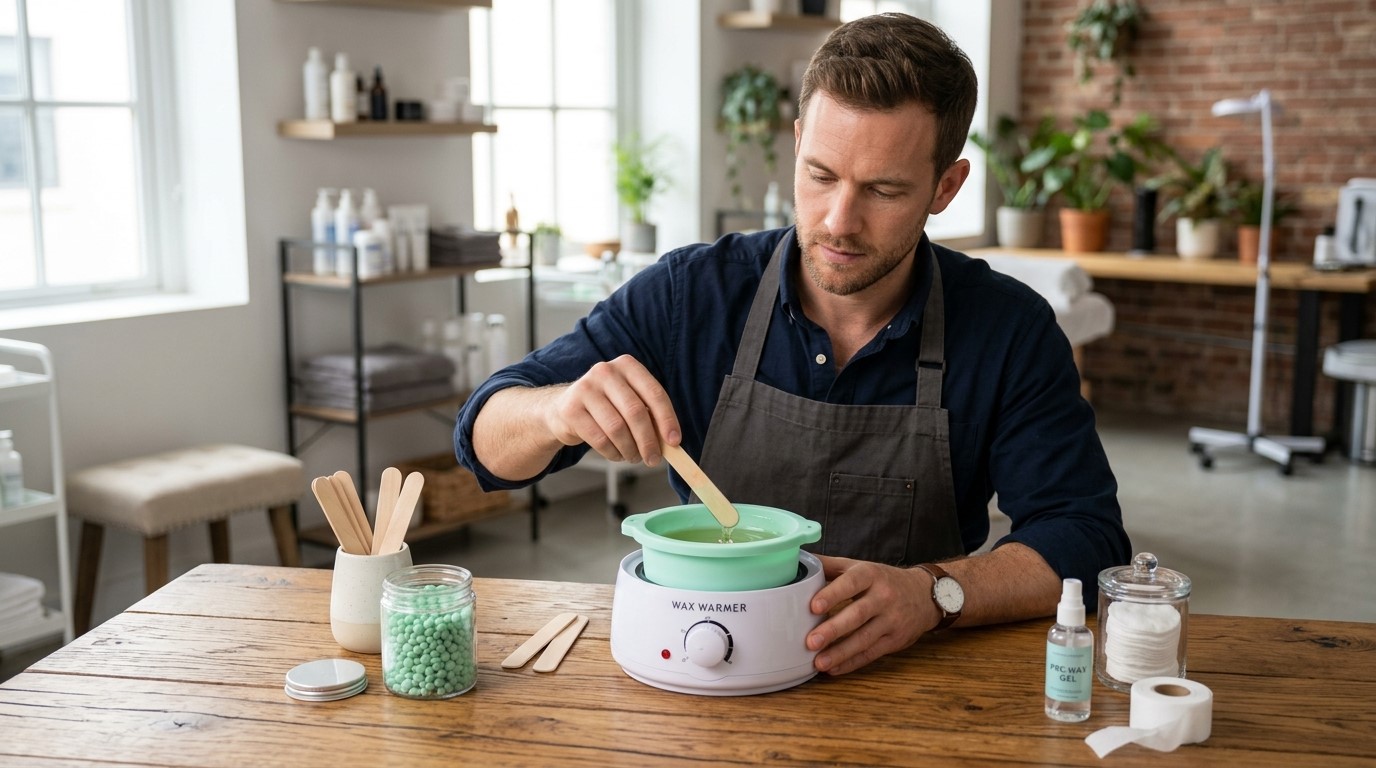
Custom silicone wax warmer with desired dimensions height and base structure for Wax Warmer Manufacturers

Wax Warmer Manufacturers

Match the pot's outer dimensions, base structure, height, and capacity to your wax warmer design. A coordinated container-and-warmer fit helps improve handling and gives your equipment range a more integrated appearance.
Portable silicone wax pots for Private-Label Beauty Brands

Private-Label Beauty Brands

Build a branded wax accessory around your own color system, logo, and packaging requirements. Custom silicone colors and molded branding can create a consistent identity across waxing products and related beauty accessories.
Custom pacakging of silicone wax pots for Retail & Ecommerce Sellers

Retail & Ecommerce Sellers

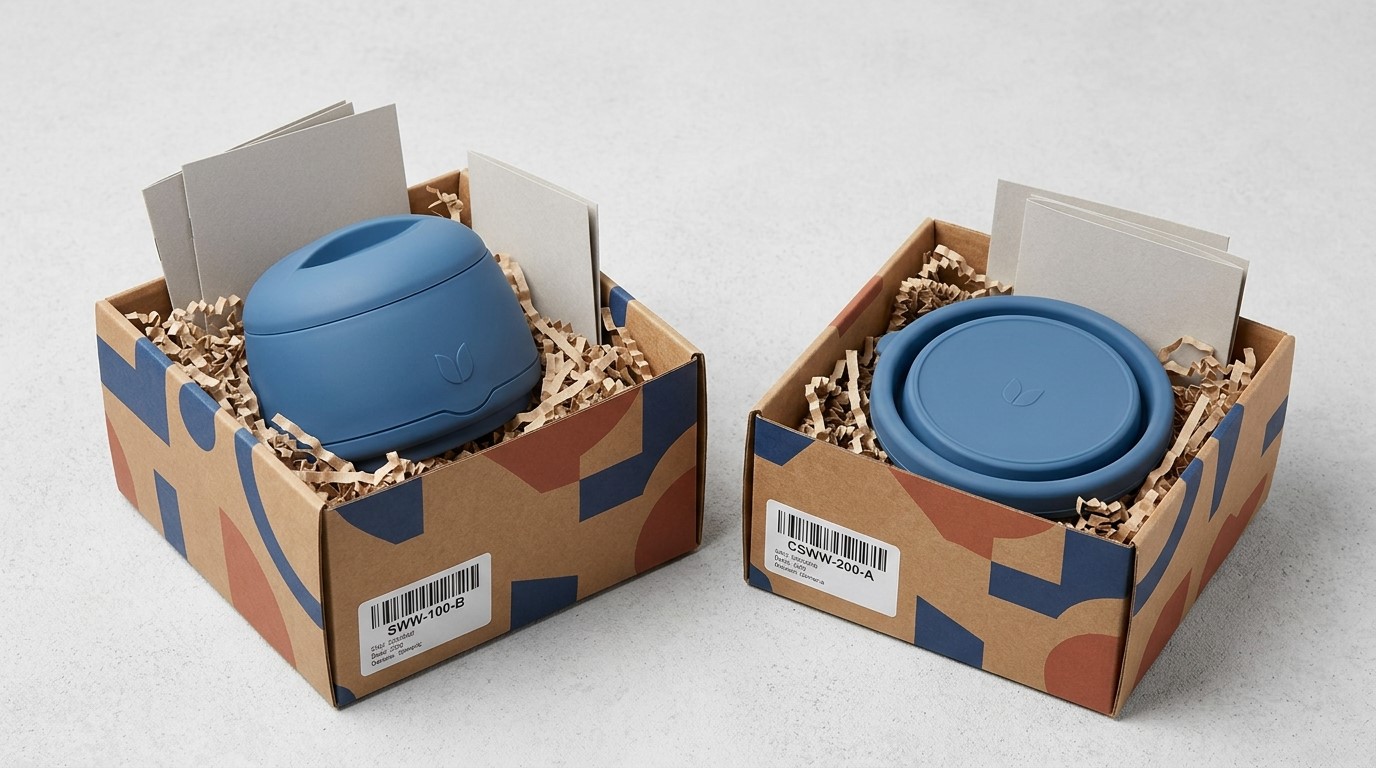
Prepare silicone wax pots for online and retail sales with individual packaging, SKU labels, barcodes, instruction inserts, and product information. Packaging can be adapted to marketplace or direct-to-consumer requirements.
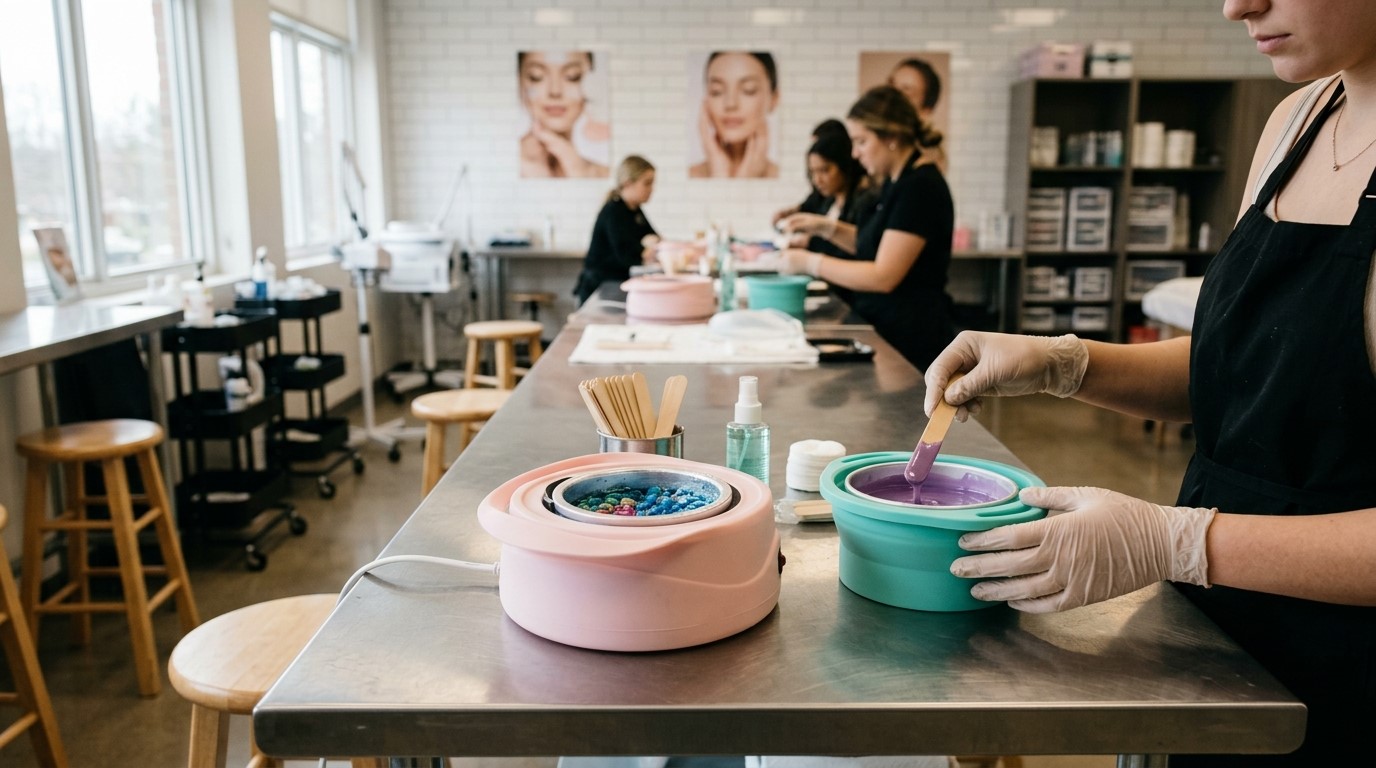
Silicone wax pots for Beauty Schools Training Centers

Beauty Schools & Training Centers

Supply reusable wax containers for repeated training sessions where easy cleaning, stable handling, and consistent capacity matter. The structure can be selected around the wax warmer and teaching workflow.
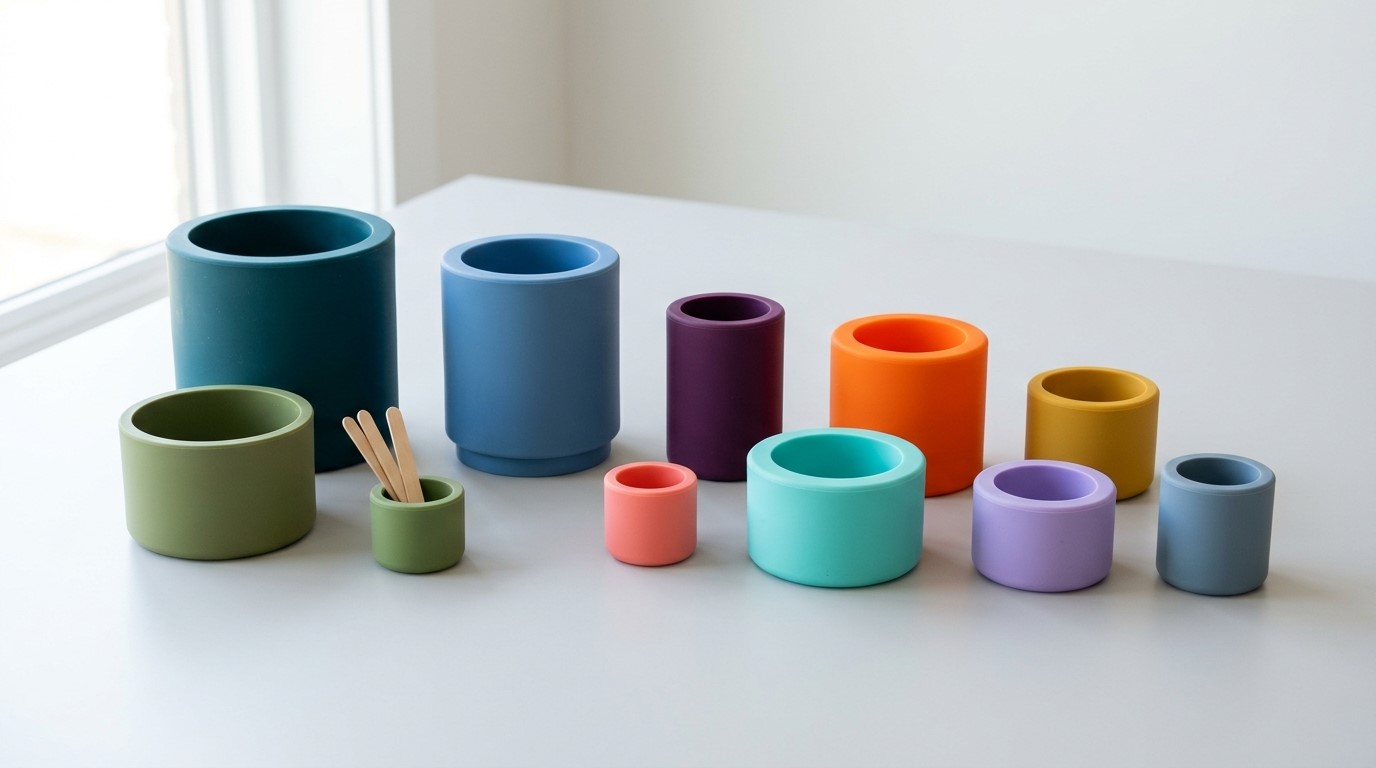
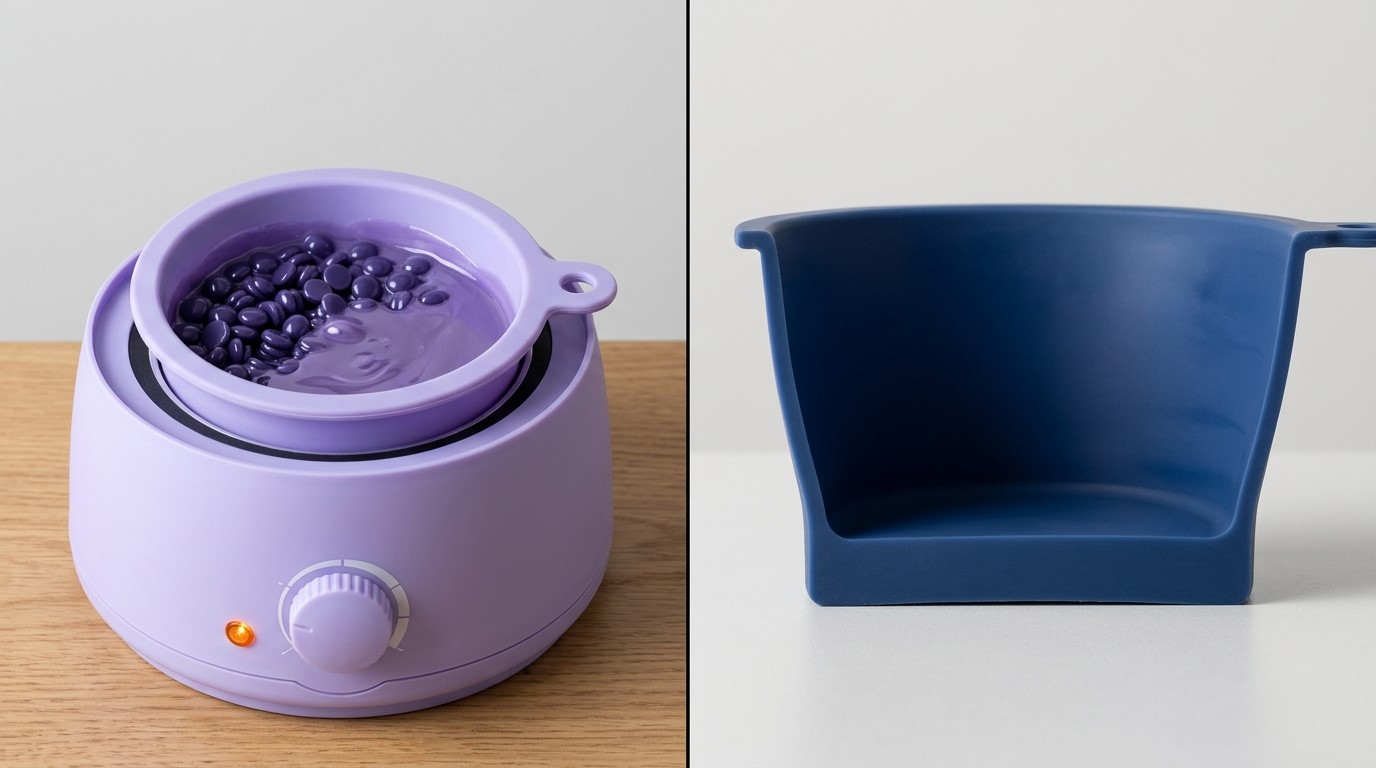
Silicone Wax Pot Types We Can Develop

Silicone Wax Pot Customization

Custom mold projects start with shape, size, color and packaging.

Distinct sizes of silicone wax pots for different capacity, dimension, and wall thickness

Match the pot to your warmer cavity, required wax volume, and available handling space.

Available options include:

  • Custom capacity
  • Inner diameter
  • Outer diameter
  • Overall height
  • Wall thickness
  • Base thickness
  • Rim dimensions
  • Warmer-compatible geometry

Specific structure designs of silicone wax pots

Select the silicone structure around repeated heating, wax contact, flexibility, and cleaning requirements.

Available options include:

  • Silicone compound selection
  • Different Shore A hardness
  • Flexible or firmer structures
  • Heat-resistant formulation
  • Smooth molded surface
  • Reinforced base structure
  • Handle-integrated designs
  • Application-specific material review

Flexible color and surface finish options for silicone wax warmers

Build the pot around your brand identity or equipment color system.

Available options include:

  • Standard silicone colors
  • Custom Pantone matching
  • Solid colors
  • Two-color concepts where the structure allows
  • Matte surface
  • Glossy surface
  • Molded color identification
  • Brand-matched accessory colors

Diverse branding ways in silicone wax warmers with desired logos

Add your brand identity without compromising the pot’s working surface or cleaning requirements.

Available options include:

  • Embossed logos
  • Debossed logos
  • Molded-in branding
  • Pad printing on suitable areas
  • Screen printing on suitable surfaces
  • Logo placement on the rim
  • Logo placement on the external wall
  • Custom molded symbols or marks

Start Your Silicone Wax Pot Project

Send your warmer dimensions, target capacity, quantity, and branding requirements. We will review the structure, silicone, tooling, and packaging before production.

How to Specify a Better Silicone Wax Pot

A reliable wax pot starts with the warmer’s fit, then balances capacity, flexibility, and heat performance.

  • Capacity—Define the working wax volume rather than choosing size from the external dimensions alone.
  • Inner & Outer Diameter—match wax opening and confirm internal clearance before tooling begins.
  • Height — Check the pot against the warmer depth and the required filling level.
  • Wall Thickness—Balance flexibility for cleaning with enough structure for filled handling.
  • Base Thickness — Give the bottom enough support to remain stable during heating and lifting.
  • Hardness — Select the Shore A range according to capacity, wall geometry, and handling requirements.
  • Rim Design — Keep the upper edge stable enough for controlled pouring without making demolding unnecessarily difficult.
  • Handle Structure—If a handle is required, evaluate its connection to the pot wall under filled weight.

A softer pot may release cooled wax easily but can become difficult to handle when heavily filled.

Full Specification Guide

Define warmer dimensions, capacity, wall structure, hardness, and handling requirements before requesting a production quotation.

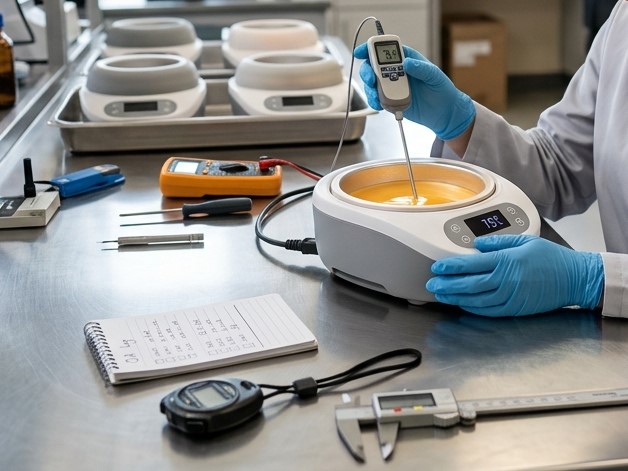
A tester is inspecting the temperature when a silicone wax warmer is working

Silicone Wax Pot Logo & Branding Methods

Choose the branding method according to the logo design, pot geometry, and required durability.

Screen Printing

Cost-effective printing methods with durability and durability of patterns and logos.

Pad Printing

Prints in curved areas and small areas with efficiency.

In-Cavity Logos

Brand marks or identification can be incorporated as part of the wax pot.

Embossed & Debossed

A raised or recessed logo creates an ink-free and permanent brand mark.

Silicone Wax Pot Material & Performance Options

The silicone compound, hardness, and structural design should be selected together with the warmer and waxing process.

The silicone must withstand repeated heating cycles within the intended operating conditions.

Wax pots are exposed to repeated heating and cooling rather than a single temperature event, so the selected compound and wall structure need to suit the actual warmer application.

Material Comparison

Silicone wax pot vs. stainless steel wax pot: Which is better? Consider ease of cleaning, heat resistance, impact resistance, stiffness, reliability, and thermal conductivity.

A suitable silicone surface helps cooled wax separate during cleaning.

The release result depends on the silicone surface, wax formulation, cooling conditions, and pot geometry. Sampling should include actual wax removal rather than relying only on material specifications.

Controlled flexibility makes the pot easier to clean without compromising its stability when handling.

The pot should be flexible enough to assist with wax removal while retaining its shape when filled. Therefore, hardness should be evaluated alongside wall and base thickness.

The rim, handle connection, and thin structural areas require special attention.

Repeated flexing during cleaning can concentrate stress around narrow sections. Check these areas during sampling, particularly on pots with integrated handles or pouring features.

A clean molded surface is easier to maintain and has a more consistent appearance.

The surface condition can affect how wax residue behaves after repeated heating cycles. Excessive residue, visible defects, or an unusual odor should prompt a review of the material and curing process.

Available documentation may include:

  • Silicone material data sheets
  • Material declarations
  • Design files
  • Project-specific test reports
  • Applicable compliance documentation
  • Selected compound specifications

The appropriate documentation depends on the selected silicone, pigments, printing system, and destination market.

A material report for the raw silicone should not automatically be treated as proof for every finished wax pot configuration.

Allow the wax to cool before removing the solidified residue, and use cleaning methods that are compatible with the selected silicone and wax system.

Avoid using sharp tools that could cut the silicone surface. After cleaning, rinse away any remaining detergent or residue, and allow the pot to dry completely before storing it.

For production projects, test cleaning methods with the actual wax formulation, as hard wax, soft wax, and blended formulations can leave different residue patterns.

Maintenance Guide

How to maintain silicone wax pots? —Let the silicone cool and solidify; remove the leftover wax, rinse and wash, air dry, and store them properly.

How Silicone Wax Pots Are Manufactured

1. Requirement Review

STEP 1: Requirement Review

Every project begins with the warmer dimensions, target capacity, pot structure, hardness, color, branding, packaging, and intended waxing application.
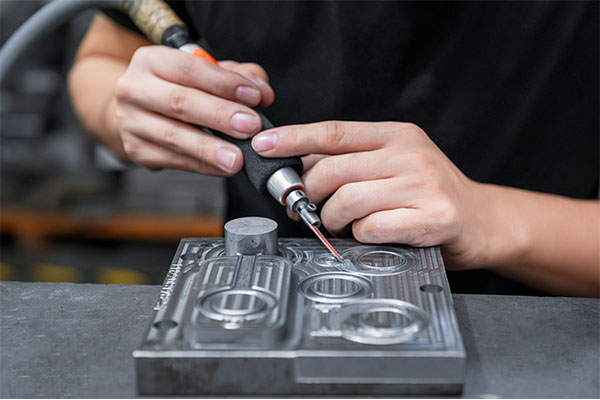
2. Mold Evaluation

STEP 2: Tooling Evaluation

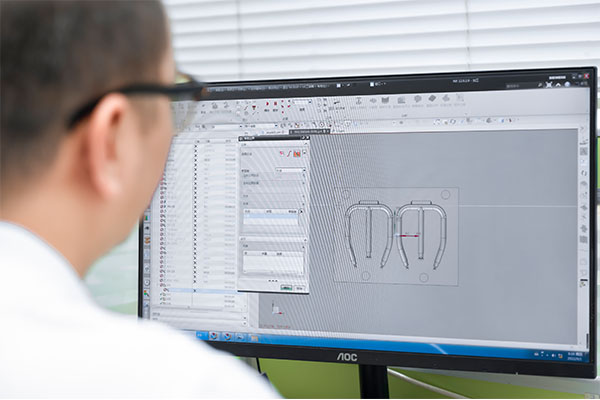
Engineering reviews the pot geometry, wall thickness, base structure, rim, and handle requirements to determine whether an existing tool is suitable or new tooling is needed.
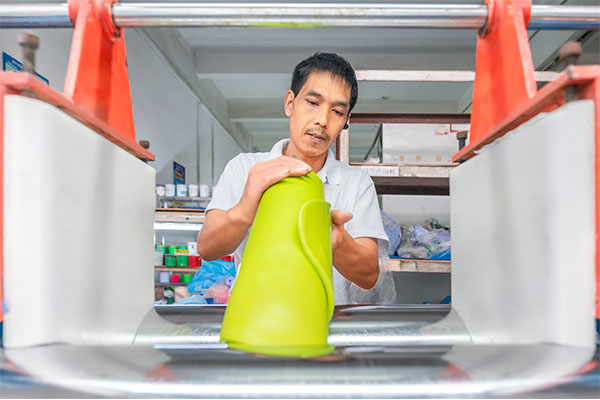
3. Material and Color Preparation

STEP 3: Silicone & Color Preparation

The selected silicone compound is prepared with the approved pigment and formulation, while material requirements are checked against the intended heating and cleaning conditions.
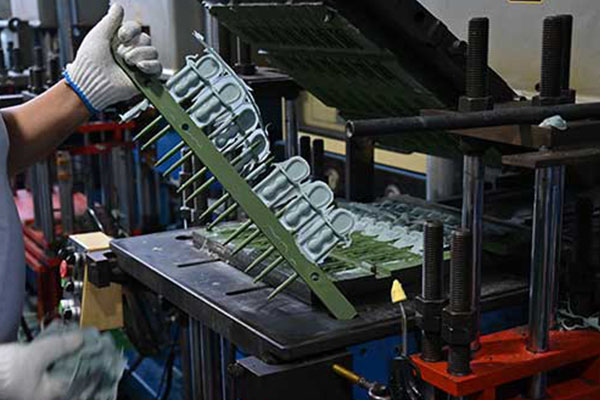
4. Silicone Molding

STEP 4: Silicone Molding

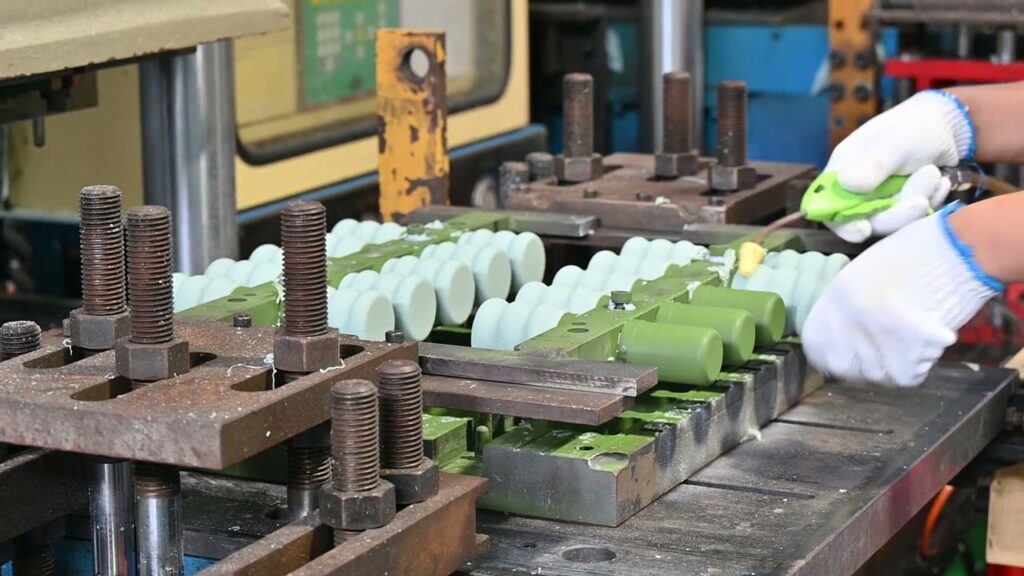
The silicone is formed using the approved molding process, with molding conditions controlled around the pot geometry, cavity structure, and required dimensional consistency.

5. Demolding and Trimming

STEP 5: Demolding and Trimming

After curing, each pot is removed from the mold and trimmed. The rim, base, handle connections, and visible edges receive particular attention during finishing.
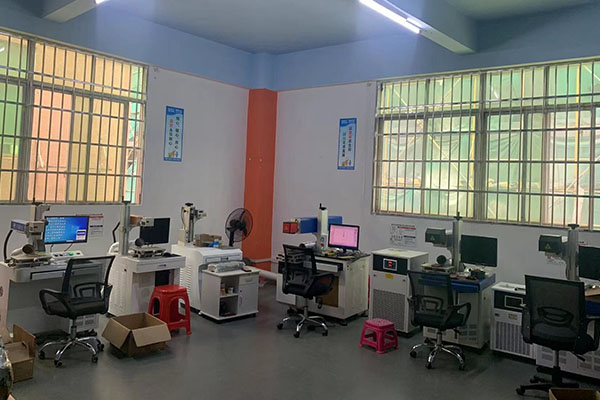
6. Logo and Surface Processing

STEP 6: Surface & Branding

Approved molded logos, printed marks, or surface treatments are applied according to the confirmed artwork, position, and durability requirements.
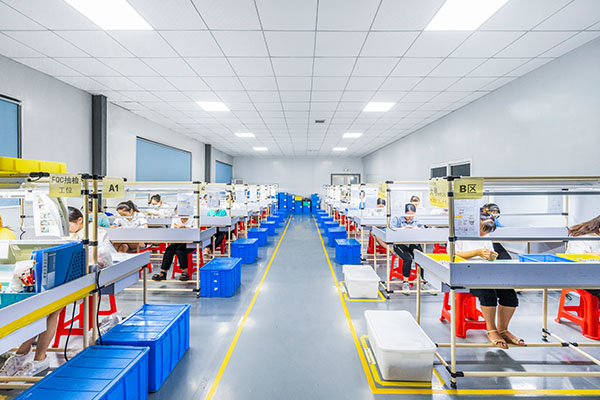
7. Quality Inspection

STEP 7: Quality Inspection & Testing

Finished pots are checked against the approved sample and production specification, including dimensions, capacity, appearance, color, logo, and structural condition.
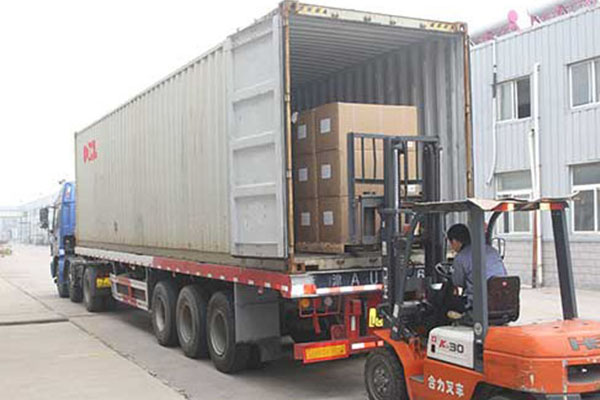
8. Packaging and Shipment

STEP 8: Packaging and Shipment

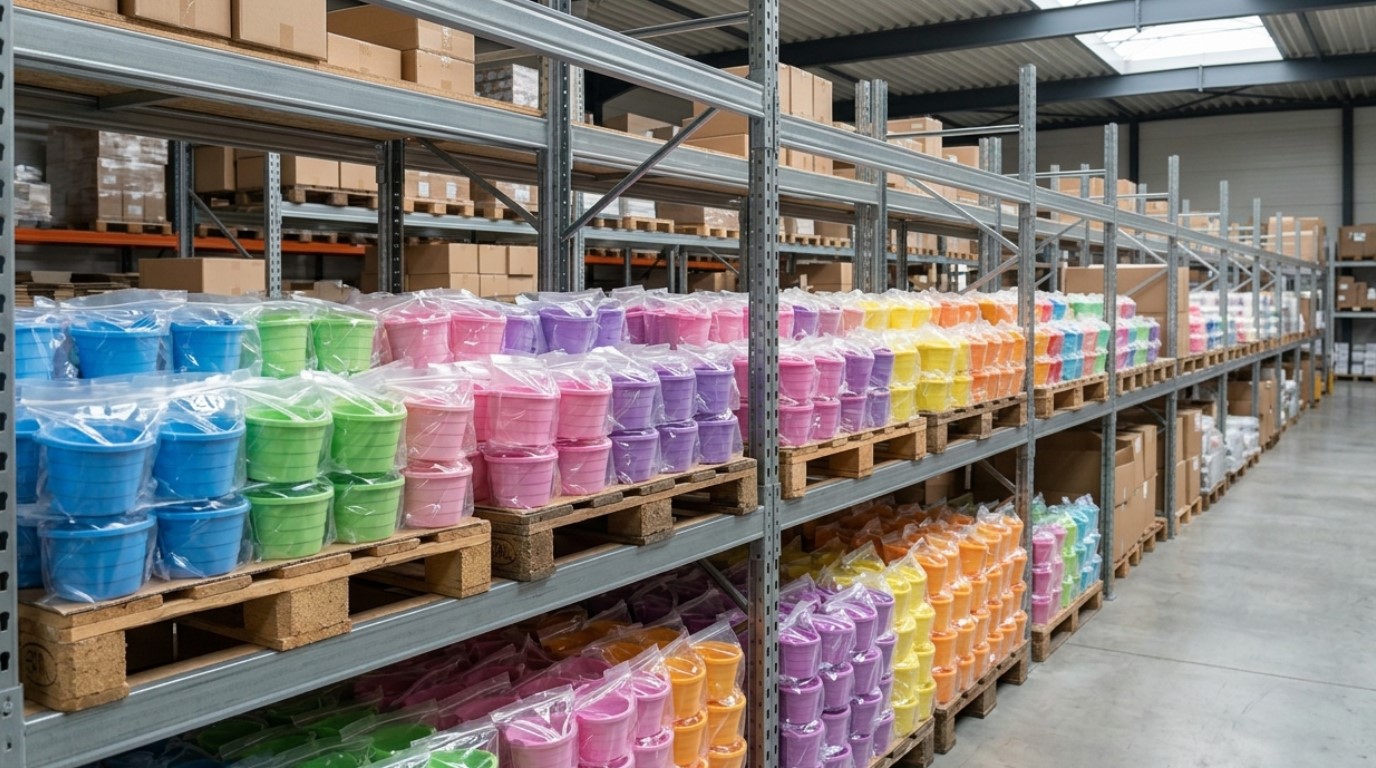
The finished pots are counted, packed, labeled, and carton-marked according to the approved packaging plan before shipment through the agreed logistics method.
Silicone Wax Pot Quality Control

Quality control covers more than silicone appearance. Warmer fit, dimensional consistency, capacity, rim condition, and cleaning performance all influence the finished product.

AQL 2.5 / 4.0 Standard Inspection

Final random inspection can follow an agreed-upon AQL sampling plan:

AQL 2.5

Critical / Major Defects

AQL 4.0

Minor Visual Flaws

Another inspection standard can be applied when specified in the purchase order.

The approved sample becomes the physical reference for:

  • Overall shape
  • Inner and outer dimensions
  • Capacity
  • Wall structure
  • Base thickness
  • Color
  • Surface finish
  • Logo position
  • Packaging presentation

Prior to production, silicone compounds, pigments, and relevant supplier documentation are checked against the confirmed project requirements.

During the manufacturing run, production checks focus on mold completeness, visible surface defects, color consistency, rim formation, base condition, and structural details.

Finished pots are checked for:

  • Tears
  • Contamination
  • Severe bubbles
  • Incomplete molding
  • Surface damage
  • Flash
  • Irregular edges
  • Deformed rims

The overall dimensions, inner and outer diameters, and height are verified against the approved specification.

Capacity should also be checked using the agreed-upon measurement method because the internal geometry, not just the external size, determines the usable wax volume.

The production color is compared with the approved color sample under controlled viewing conditions.

Visual differences may appear between a physical color sample and the final molded product because wall thickness, surface texture, and lighting affect how color is perceived in silicone.

Inspection covers:

  • Logo position
  • Logo size
  • Edge definition
  • Molded depth
  • Print coverage where applicable
  • Missing detail
  • Blurred printing
  • Visible adhesion issues

Where required by the project, samples can be evaluated under the agreed heating conditions to check dimensional stability, handling behavior, and overall structural performance.

A wax pot intended for repeated heating should be assessed as a complete product rather than judged from silicone hardness alone.

The approved sample can be tested with the intended wax to assess cooled-wax removal, residue behavior, and cleaning effort.

This is particularly important because release behavior can vary between wax formulations even when the same silicone pot is used.

Before shipment, QC verifies:

  • Product quantity
  • Individual packaging
  • Labels
  • Barcodes
  • Inserts
  • Boxes
  • Carton marks
  • Shipping quantities

Silicone Wax Pot Packaging Options

Plan packaging early because printed items need separate schedules.

Silicoen wax pots in polybags

Bulk Packaging

Individual bags or multi-piece packing provides a cost-conscious solution for distributors, wholesalers, and professional equipment suppliers ordering larger quantities.
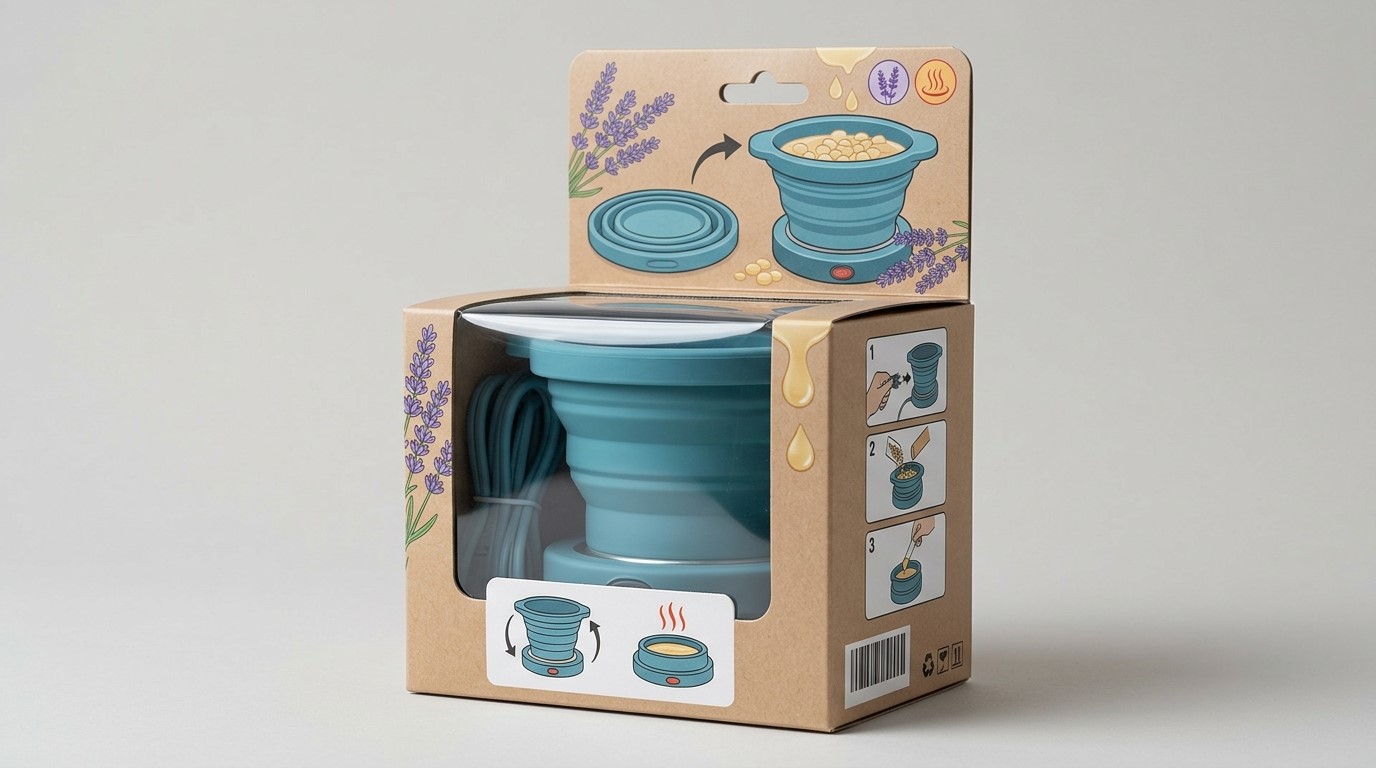
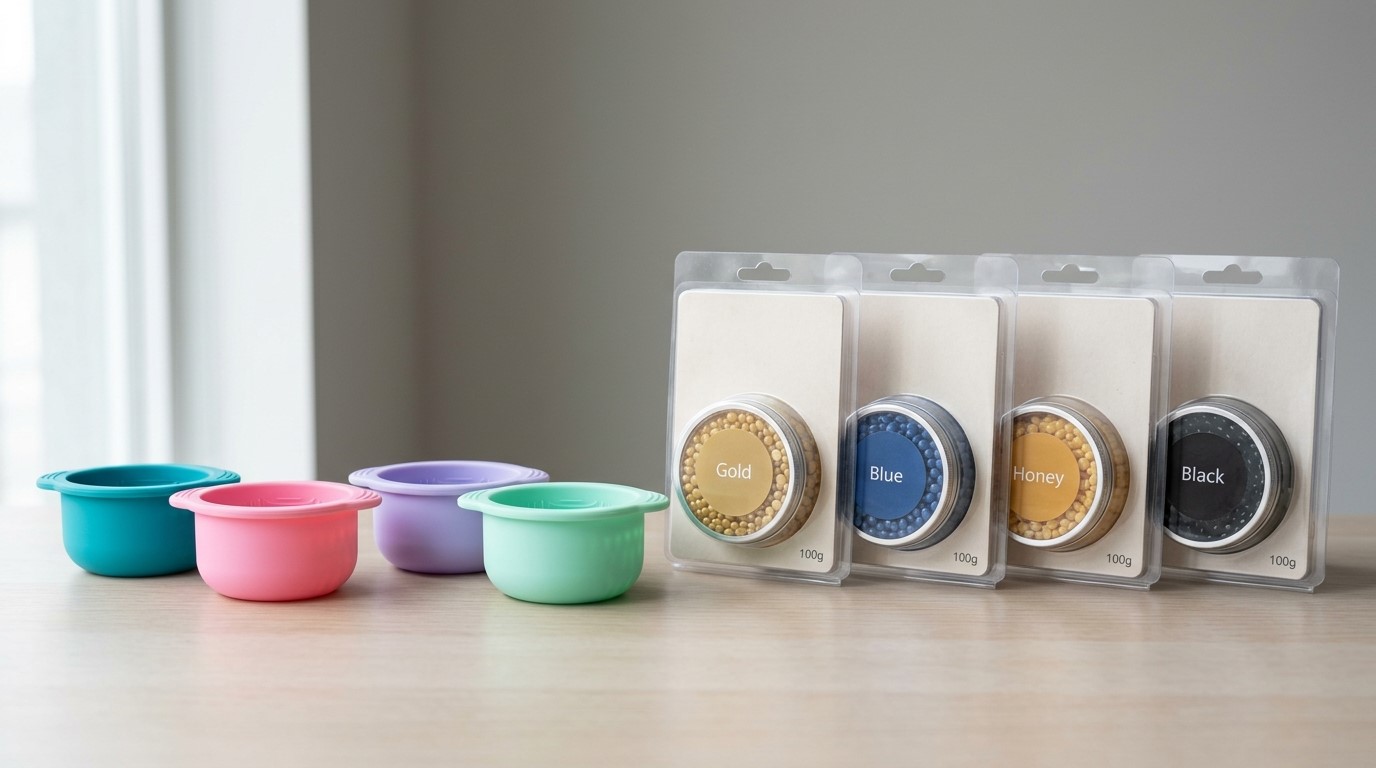
A collapsible silicone wax warmer in window packaging for retail packaging

Retail Packaging

Printed boxes, sleeves, header cards, or individual bags give private-label beauty products a more complete shelf-ready presentation with space for branding and product information.
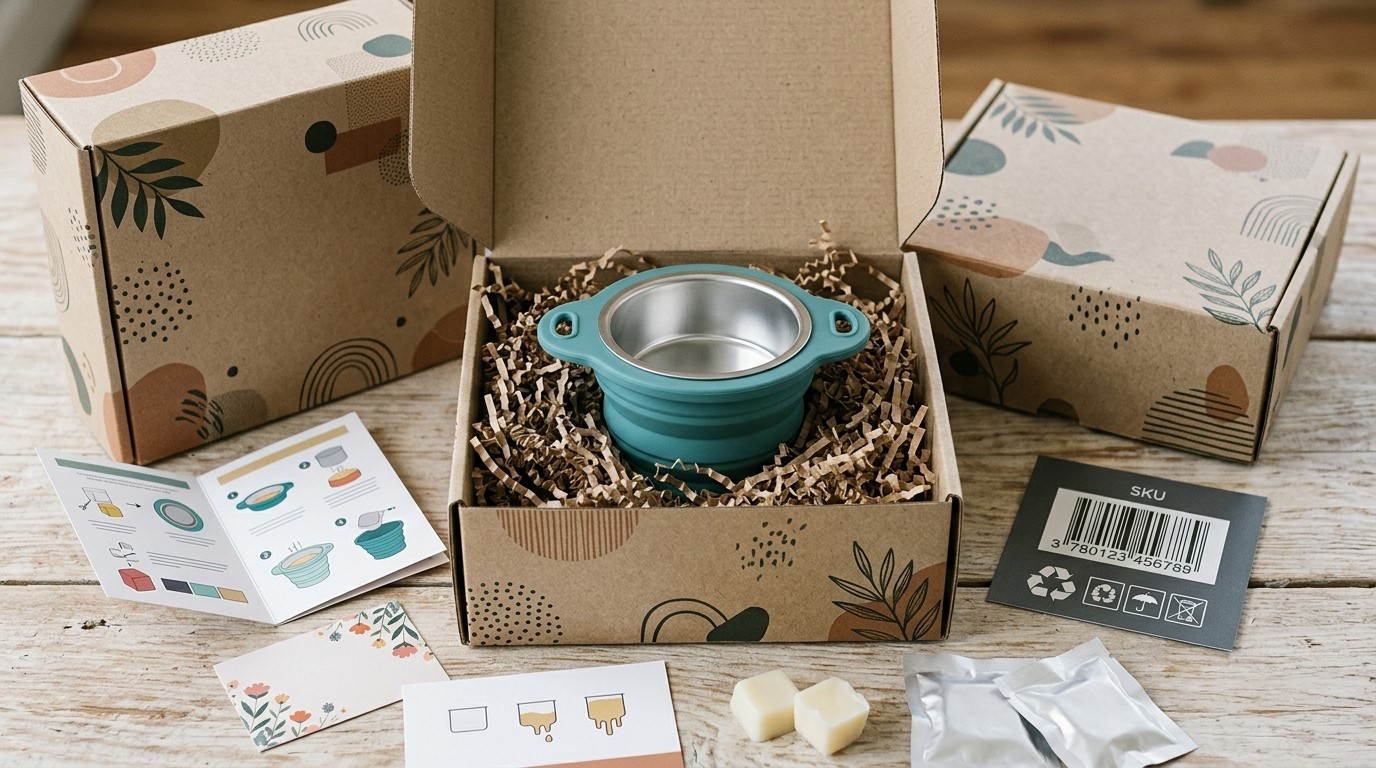
Silicone wax pots in paper box and labels for ecommerce packaging needs

Ecommerce Packaging

SKU labels, barcodes, instruction inserts, and protective outer packaging can be prepared for direct-to-consumer orders and marketplace fulfillment requirements.
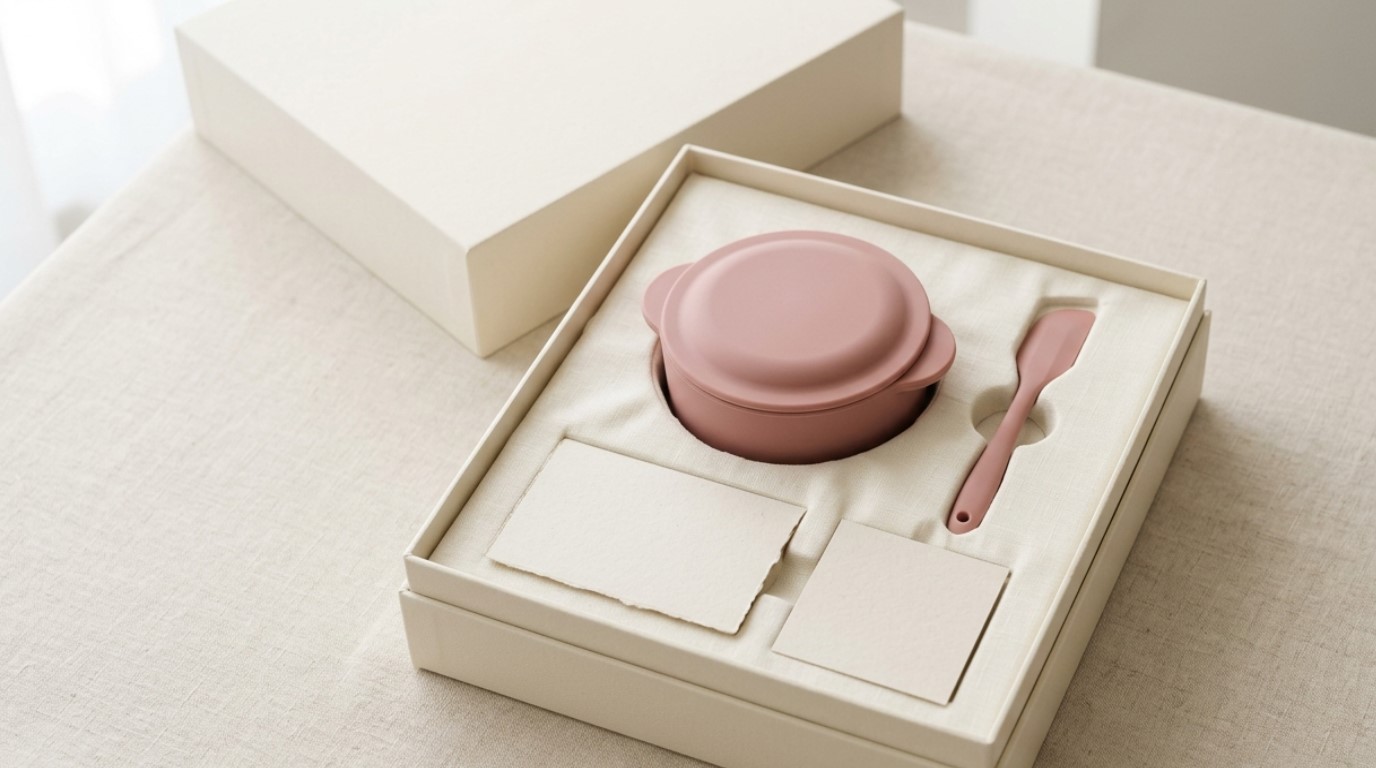
A silicone wax warmer with tools in custom premium brand packaging

Premium Brand Packaging

Custom printed boxes, coordinated inserts, and branded presentation create a higher-end package for salon equipment brands and premium home waxing product ranges.

Silicone Wax Pot Typical Specifications

SpecificationTypical Reference
ProductCustom silicone wax pot
ApplicationWax warming, salon waxing, spa use, beauty equipment and home waxing
MaterialSilicone rubber selected for the intended application
Silicone hardnessProject-specific; selected according to structure and handling requirements
CapacityCustom based on wax volume and warmer dimensions, ranging from 500 to 6,000 ml generally
Inner diameterCustom according to warmer compatibility
Outer diameterCustom according to warmer cavity and clearance
Overall heightCustom according to warmer depth and required capacity
Wall thicknessCustom according to flexibility and structural requirements
Base structureStandard or reinforced according to filled weight and warmer design
RimStandard, reinforced or pouring-oriented
HandleOptional integrated handle
SurfaceSmooth, matte, glossy or custom molded texture where suitable
ColorsStandard colors or custom Pantone matching
Logo methodsEmbossed, debossed, molded-in, pad printing or screen printing where suitable
Wax compatibilityConfirmed according to the intended wax formulation
Heat performanceSelected according to the actual warmer operating conditions
PackagingBulk, individual bag, retail box, ecommerce or custom packaging
Existing-design MOQFrom 500 pieces for selected existing designs with custom branding
Custom-molded MOQFrom 3,000 pieces
Standard sample lead time5–10 working days
Custom tooling lead time10–20 working days
Mass-production lead time15–25 working days after approval
InspectionApproved sample plus agreed AQL or customer inspection standard
OEM / ODMAvailable

Final specifications are confirmed according to the selected silicone compound, wax pot structure, warmer dimensions, artwork, packaging, and approved sample.

Why Work with RY Silicone

RuiYang Silicone factory

Silicone Manufacturing Experience Since 2012

RY Silicone is a China-based factory that has been focused on custom silicone product manufacturing since 2012.

Our team supports international projects from product evaluation and sampling to bulk production, inspection, packaging, and shipment preparation.

Video Image1

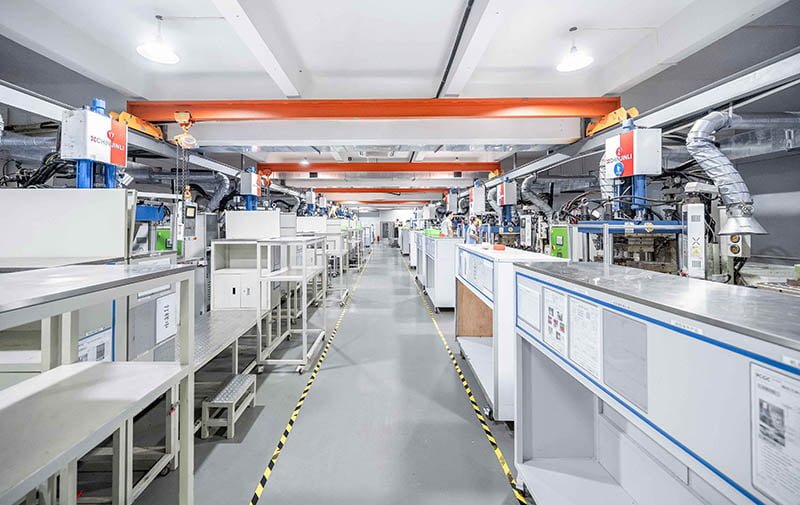
10,000+ m² Production Facility

Our production facility supports silicone molding, finishing, branding, quality inspection, and packaging within an integrated manufacturing workflow.

silicone machine

30+ Production Machines

Multiple production machines allow us to handle different silicone product structures and production volumes while supporting repeat orders.

ruiyang silicone compression mol

Up to 100,000 Silicone Products per Day

This production capacity allows us to take on larger repeat orders and scalable silicone product programs without relying on a single production line.

Actual wax pot capacity depends on product geometry, cycle time, cavity arrangement, and inspection requirements.

silicone Products Design

Engineering Review Before Quotation

We do not provide quotations based solely on a product name or reference photograph.

Our engineering review begins with the intended wax warmer and then verifies the capacity, inner and outer dimensions, wall structure, base design, hardness, color, branding, and packaging. This approach helps us identify compatibility issues before tooling and production costs are incurred.

Rysilicone quality control

Sample-Based Production

Mass production follows an approved physical sample.

This sample establishes the agreed-upon shape, dimensions, color, surface appearance, and branding position. If a production condition conflicts with the approved sample, the issue is reviewed before the batch continues.

Shipping

Export Project Support

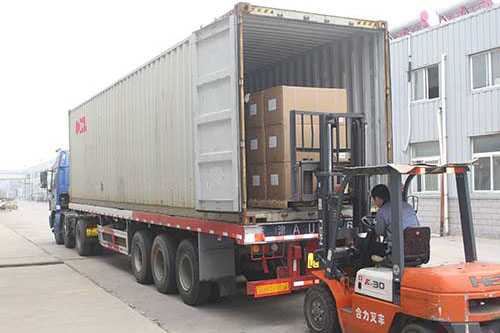
RY Silicone supplies silicone products to international customers and supports overseas projects, providing assistance from commercial communication to packaging coordination and shipment preparation.

For projects requiring market-specific documentation, we review the requested standard against the selected material, pigment, printing system, and destination market before confirming available documentation.

Silicone Wax Pot FAQ and Final RFQ

The MOQ starts from 500 pieces for selected existing designs with custom branding and from 3,000 pieces for new custom-molded designs. The final minimum depends on the pot structure, capacity, color, tooling, and packaging requirements.

For a first custom launch, a staged order may be considered when the combined production plan covers the required tooling and manufacturing costs.

Yes.

Provide the warmer's internal cavity dimensions, pot reference sample, or technical drawing. We can evaluate the inner diameter, outer diameter, height, base structure, and clearance before confirming the pot design.

A pot that looks dimensionally similar is not necessarily compatible if the base or rim interferes with the warmer.

Capacity is customized around the intended wax volume and warmer dimensions.

The final usable capacity depends on the internal diameter, height, wall thickness, and required filling level. A physical sample or target dimensions can help establish the appropriate cavity volume.

The appropriate hardness depends on the pot size, wall thickness, base structure, and handling method.

A softer structure can improve flexibility during cleaning, while a firmer structure can provide better shape retention when the pot is filled. The final selection should be confirmed through sampling rather than choosing hardness independently from the geometry.

The silicone compound is selected according to the intended heating conditions.

Because wax pots experience repeated heating and cooling, the finished structure should be evaluated under the actual operating conditions of the target warmer. The applicable temperature performance depends on the selected silicone formulation and product design.

RY Silicone manufactures custom silicone wax warmers with capacities ranging from 500 to 6,000 ml to meet your home or salon needs. Our reliable warmers allow for the repeated heating of hard, soft, and roll-on waxes.

Moreover, you can adjust the temperature on the rotary switch to control your wax consistency and meltdown.

Silicone provides a flexible surface and non-stick conveniences that can help with removing cooled wax residue.

Compared to conventional metal wax pots or bowls, silicone is a better alternative thanks to its versatility and reusability. What's more, silicone wax warmer liners can withstand dishwasher cycles, but you should make sure that all the wax is removed from the liners.

Cleaning performance also depends on the wax formulation, surface condition, and pot geometry. We recommend testing the actual wax used in your product rather than assuming identical release performance across different wax types.

Yes.

We can evaluate embossed, debossed, and molded-in logos, as well as suitable printing methods for appropriate surfaces.

For molded branding, the logo's line width, depth, and position need to work with the tooling and demolding direction.

Yes.

Custom silicone colors can be developed around a provided Pantone reference or physical color sample.

A physical color approval is recommended before mass production because silicone wall thickness, surface finish, and lighting can influence the final visual appearance.

Yes.

Handles, pouring features, and other structural elements can be incorporated into a new design when the geometry supports practical molding and use.

For handled pots, the connection between the handle and container wall should be reviewed under the filled weight to reduce stress concentration during lifting.

Available documentation depends on the selected silicone, pigments, printing materials, and destination market.

Please provide the exact standard or document requirement before production so the applicable documentation can be reviewed against the finished product configuration.

A raw-material report should not be treated as automatic proof of compliance for every finished wax pot configuration.

Please provide:

  • Target order quantity
  • Wax warmer model or dimensions
  • Target pot capacity
  • Inner and outer diameter
  • Overall height
  • Reference sample or drawing
  • Wall and base requirements
  • Target silicone hardness
  • Pantone color
  • Logo artwork
  • Branding position
  • Packaging requirements
  • Destination country
  • Required compliance documents or tests
  • Target delivery date

Ask For A Quick Quote

If you fail to submit the form, please write to us directly at [email protected]