
Silicone Gasket Manufacturer
OEM/ODM silicone gasket maker offers precision molding, die cutting, extrusion, engineered materials, and packaging for industrial, food-contact, medical, and electrical enclosure applications.
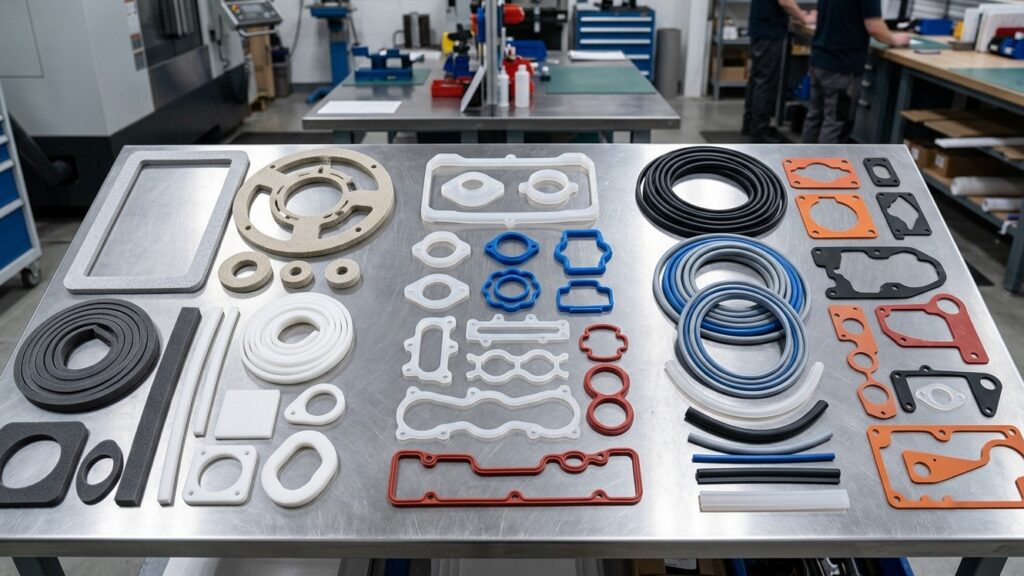
What Is a Silicone Gasket?
A silicone gasket is a resilient sealing component made from silicone rubber that fills the gap between two mating surfaces to prevent the leakage of liquids, gases, dust, or contaminants while maintaining reliable sealing under compression. A custom (OEM & ODM) silicone gasket is manufactured to your required dimensions, material grade, hardness, color, sealing performance, and packaging for a specific application.
RY Silicone is a custom silicone manufacturer based in China, established in 2012. The factory covers 10,000+ m², operates 30+ production machines, and manufactures up to 100,000 silicone products per day. We supply silicone gaskets for equipment manufacturers, industrial distributors, wholesalers, and global brands.
Silicone Gasket Manufacturing at a Glance
MOQ & Lead Times
Standard gasket orders start at 500 pieces, custom tooling at 3,000. Samples take 5–10 days; mass production takes 15–25 after approval.
Material & Performance
Available in 20–80 Shore Silicone compounds with operating temperatures from -60°C to 230°C, depending on the selected material and application requirements.
Manufacturing Methods
Compression molding, die cutting, extrusion, and secondary fabrication are selected according to gasket geometry, dimensional tolerance, and production volume.
Branding & Packaging
Custom labels, part numbers, barcode stickers, PE bags, vacuum packaging, kitting, and retail-ready packaging are available according to your distribution channel.
Who We Manufacture Silicone Gaskets For
Start with the operating environment, then determine the gasket material, sealing structure, and production method.
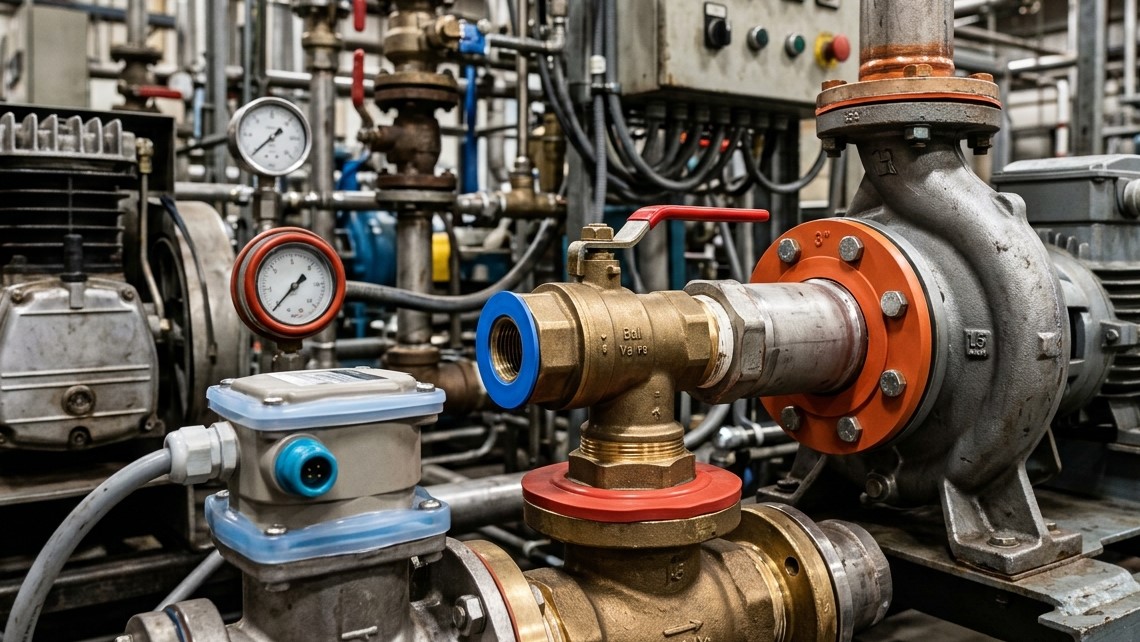
Industrial Equipment Manufacturers
Reliable sealing is essential for pumps, valves, connectors, sensors, compressors, machinery, automation equipment, and shock-absorbing gaskets with flexibility, temperature & shock resistance.
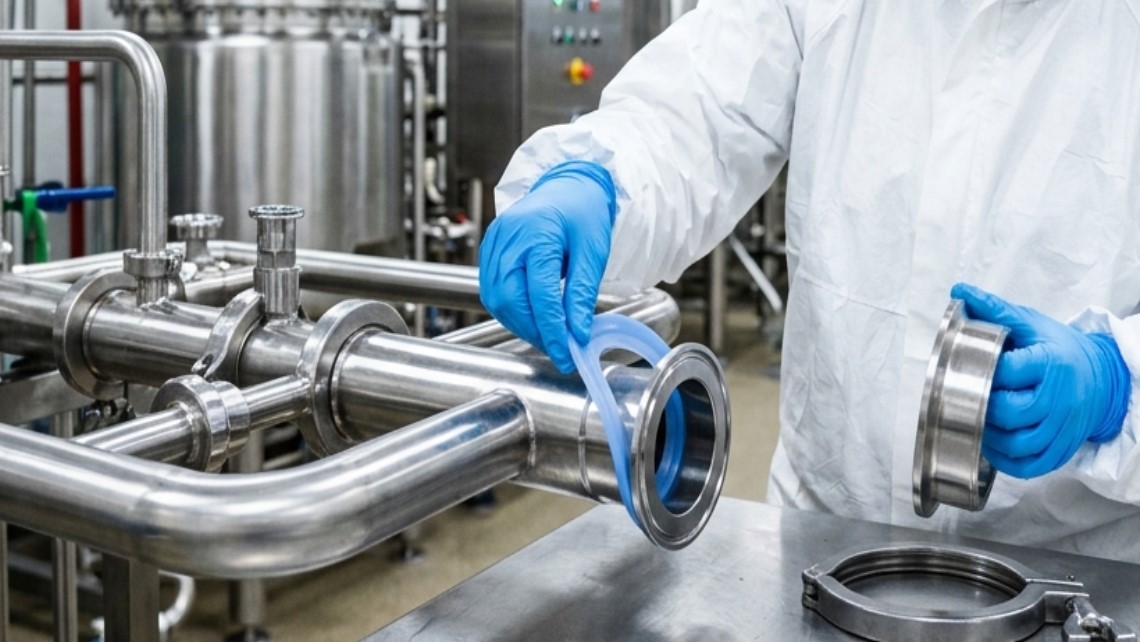
Food Processing Equipment Manufacturers
Food-contact silicone gaskets are manufactured using suitable compounds selected for hygienic processing equipment, beverage systems, and commercial kitchen machinery.
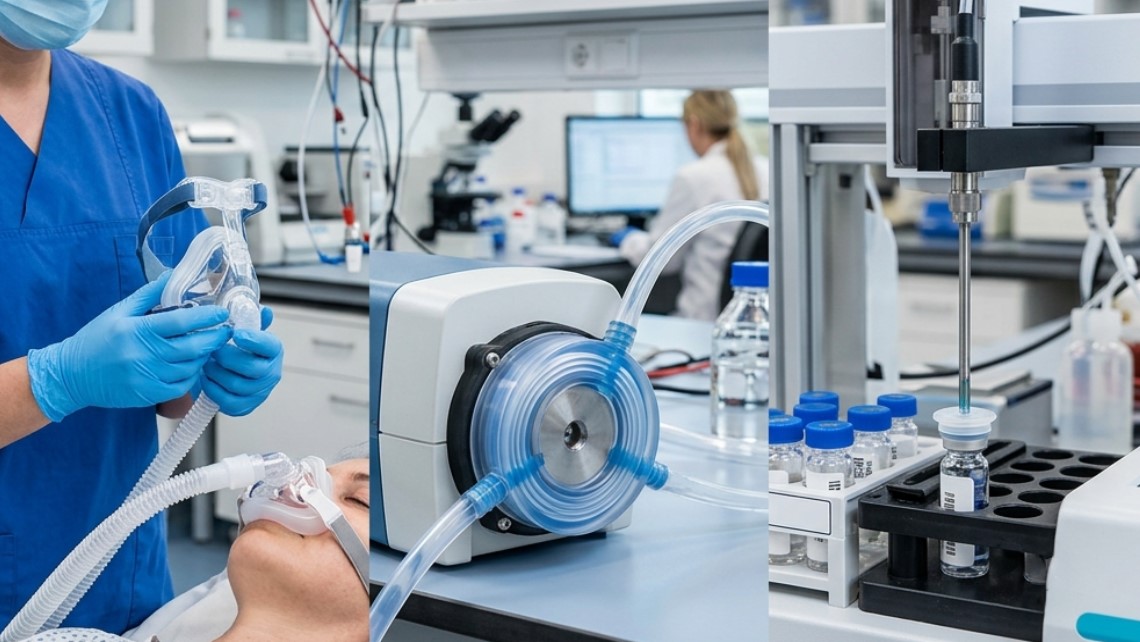
Medical Device Companies
Silicone gaskets are used in diagnostics, respirator seals, fluid transfer pumps, laboratory sampling equipment, and healthcare devices where dimensional consistency, clean manufacturing, and material traceability are priorities.
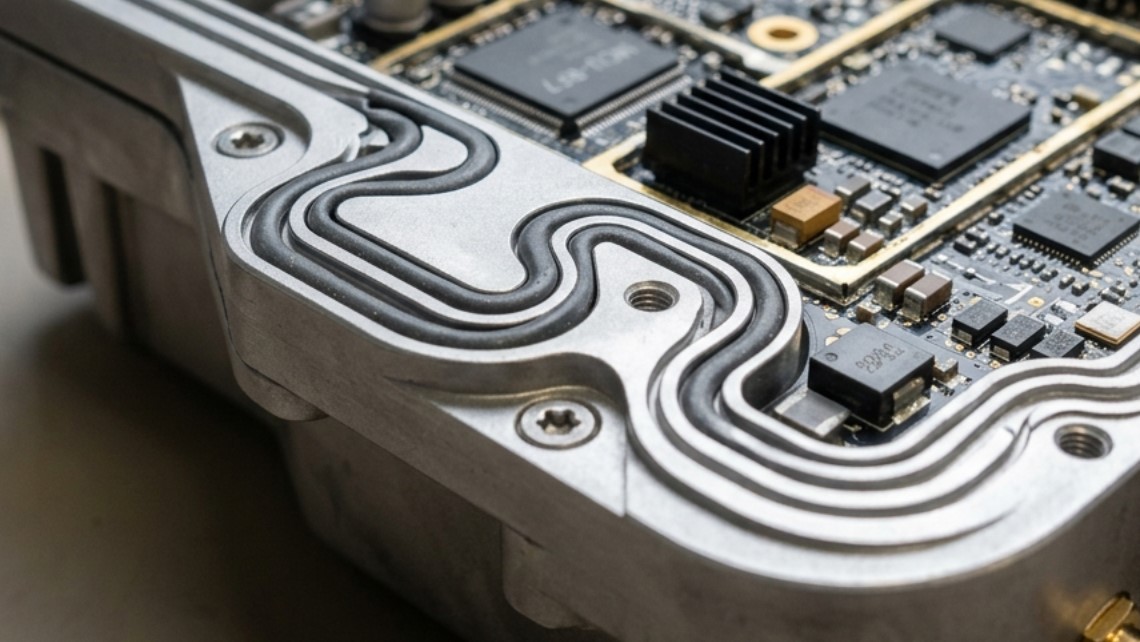
Electrical & Electronics Manufacturers
Silicone sealing components protect outdoor electrical cabinets, LED lighting, battery systems, and electronic enclosures against moisture, dust, electromagnetic interference, and environmental exposure.
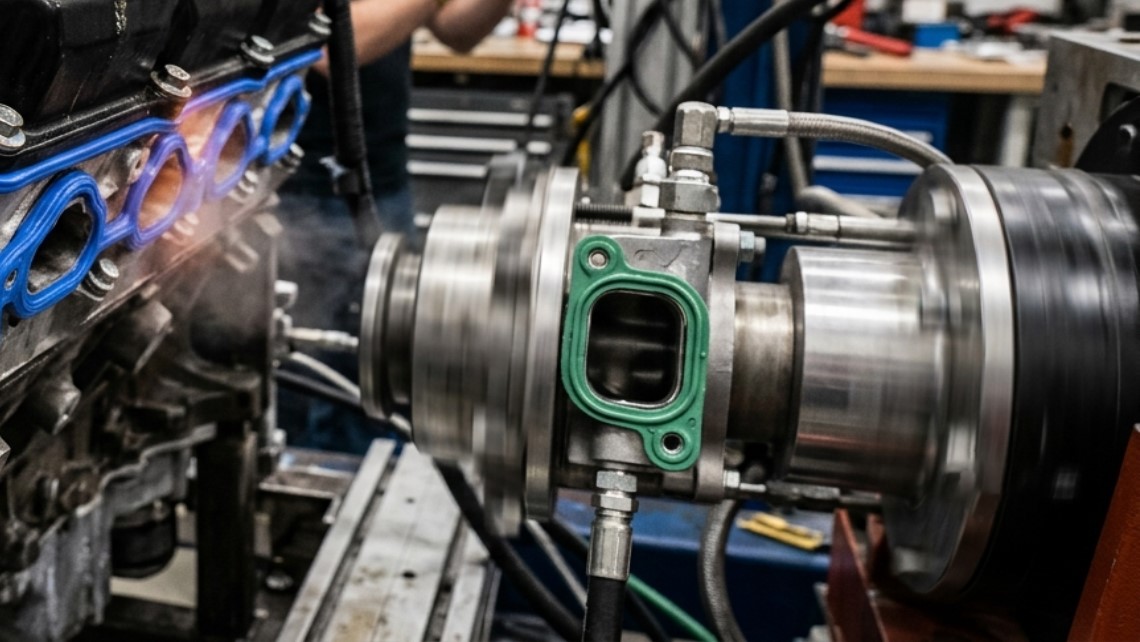
Automotive & Transportation Suppliers
Engineered silicone gaskets support demanding environments involving temperature fluctuations, vibration, and long-term compression in vehicle and transportation equipment.
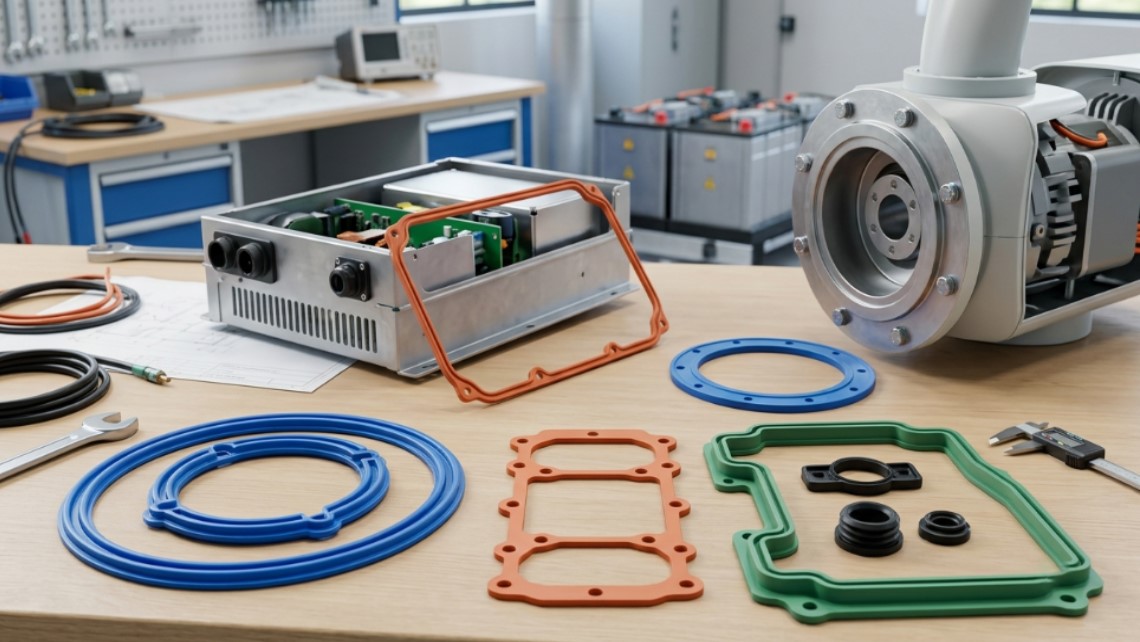
Renewable Energy Equipment Manufacturers
Manufacture custom silicone gaskets that protect solar, battery, EV, wind, and electrical equipment from harsh environmental conditions.
Silicone Gasket Types We Can Develop
Flat Silicone Gaskets
High-Temperature Silicone Gaskets
Silicone Sponge Gasket
Silicone Foam Gasket
Die Cut Silicone Gaskets
Molded Silicone Gaskets
Extruded Silicone Gaskets
Conductive Silicone Gaskets
Food Grade Silicone Gaskets
Medical Grade Silicone Gaskets
Fluorosilicone Gasket
Custom Silicone Gaskets
Silicone Gasket Customization
Every gasket project begins with the sealing application, then develops the material, dimensions, and production process around that requirement.
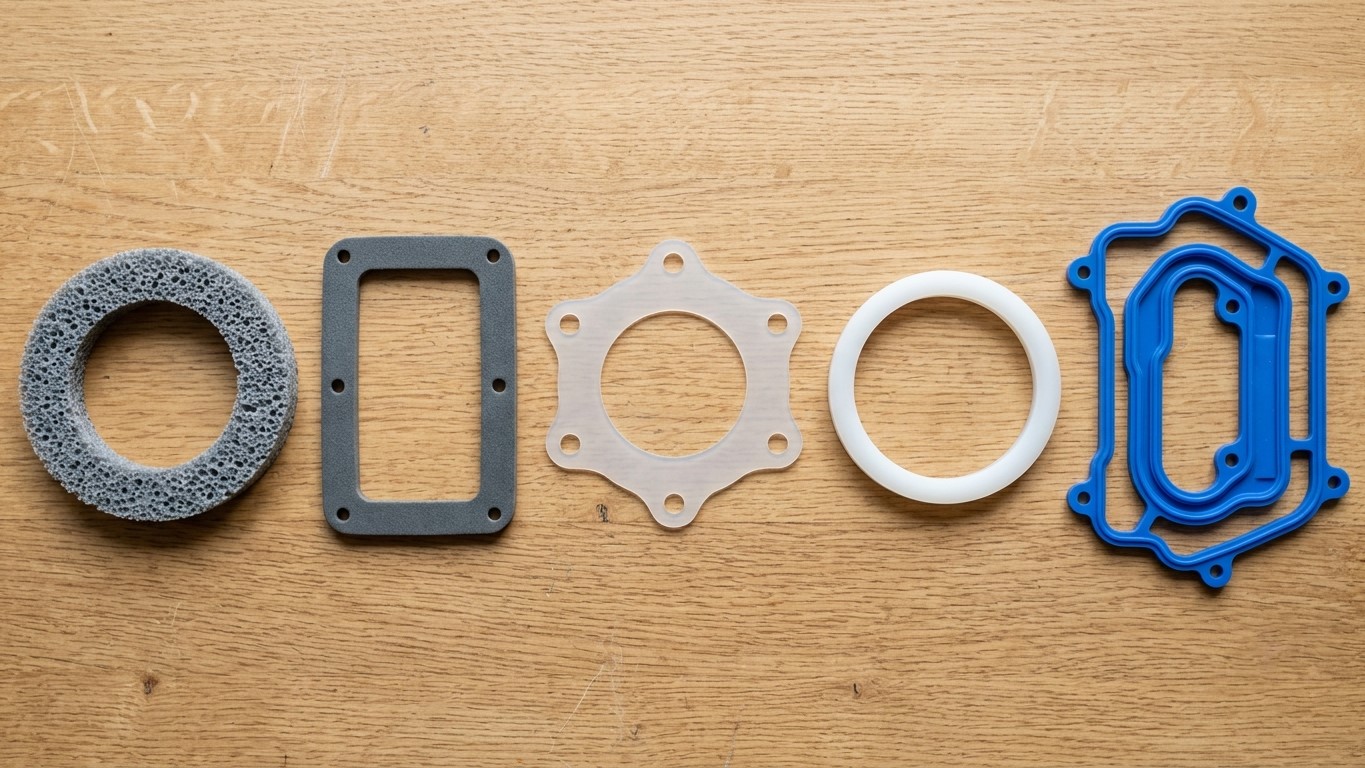
Choose the silicone compound that matches your operating environment rather than selecting by hardness alone. We help determine the appropriate material based on temperature, sealing media, compression requirements, and regulatory standards.
Available options include:
- General-purpose silicone
- Food-grade silicone (FDA-Approved)
- Medical-grade silicone
- Flame-retardant silicone (UL 94 Silicone)
- Conductive silicone
- High-temperature silicone
- Low-temperature silicone
- Sponge silicone compounds
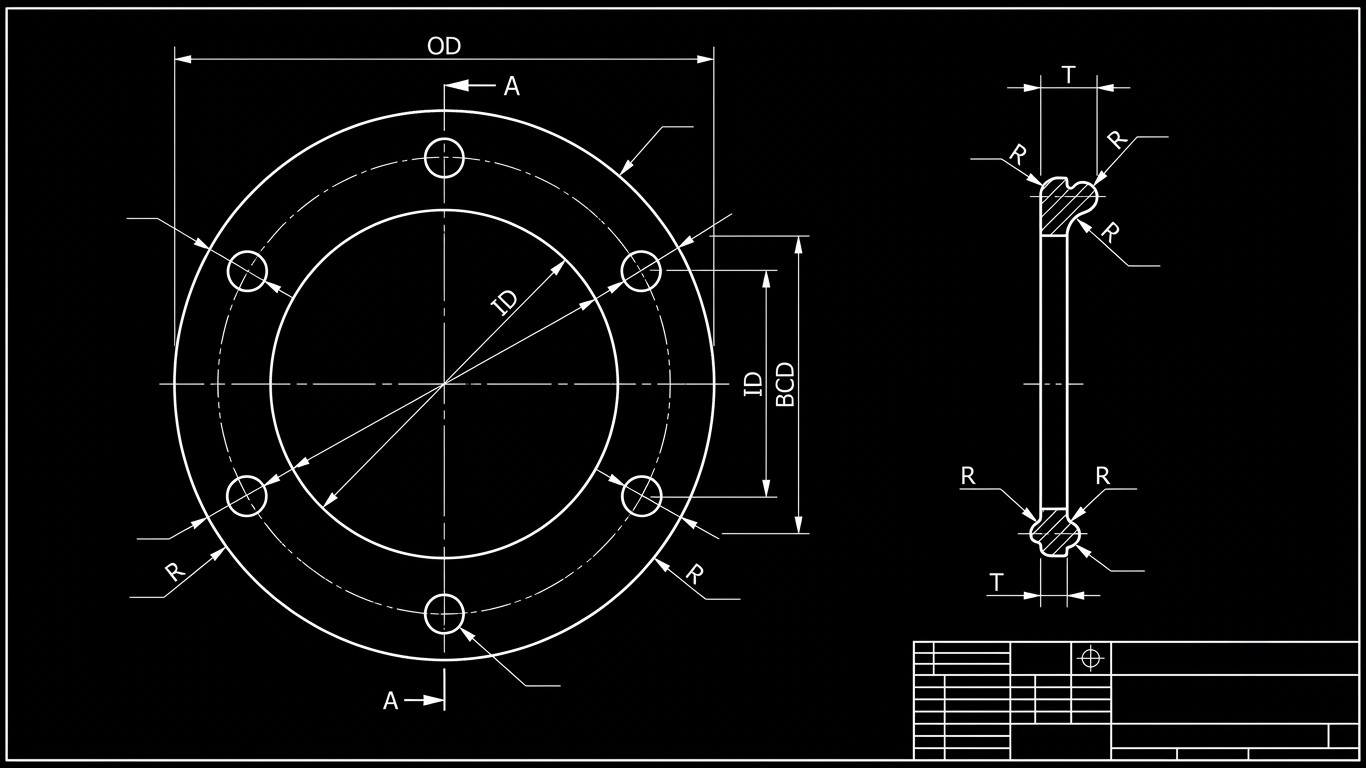
Dimensional accuracy directly affects sealing performance and assembly efficiency. We manufacture according to engineering drawings while reviewing tolerances, sealing surfaces, and installation conditions before tooling begins.
Available options include:
- Custom outer dimensions
- Inner diameters
- Thickness
- Cross-sectional profiles
- Hole patterns
- Groove structures
- Cell structure (from open to closed; closed celled for environmental seals)
- Corner radii
- Assembly locating features
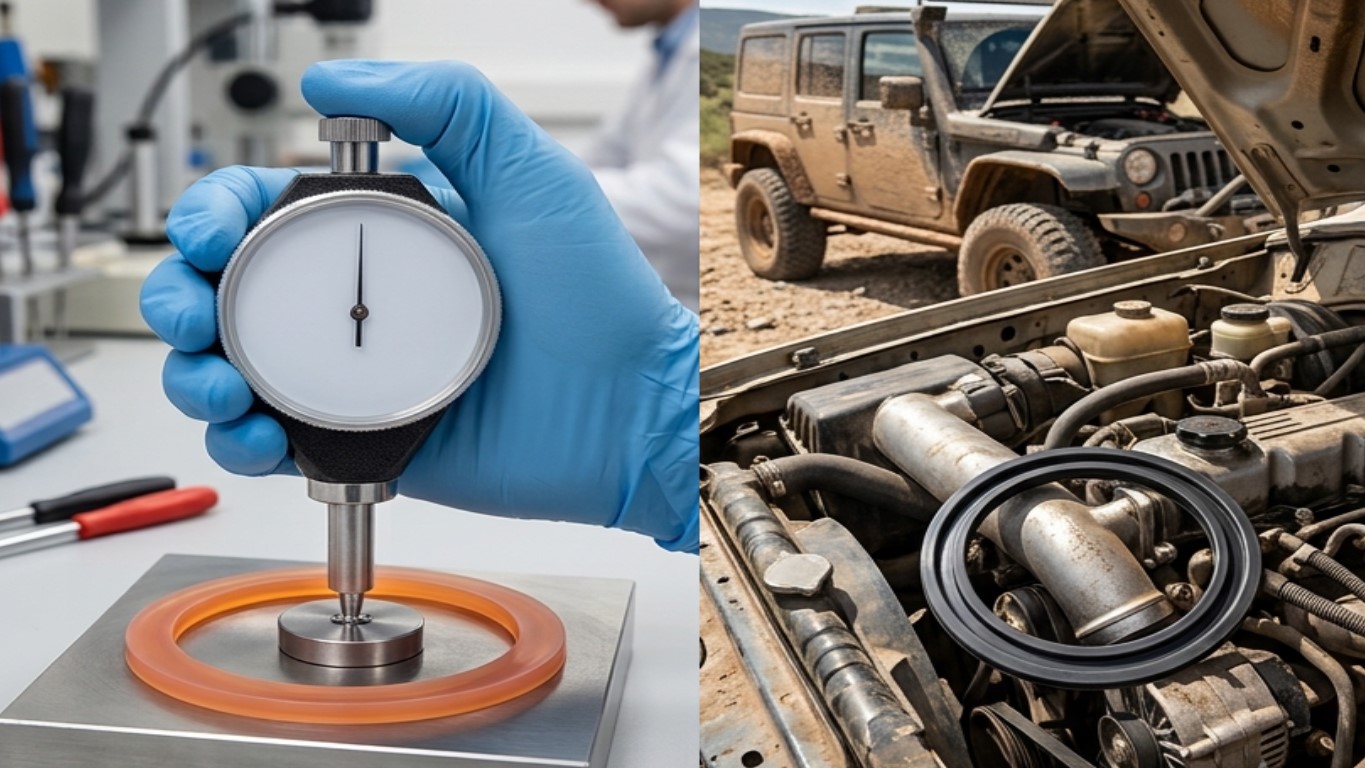
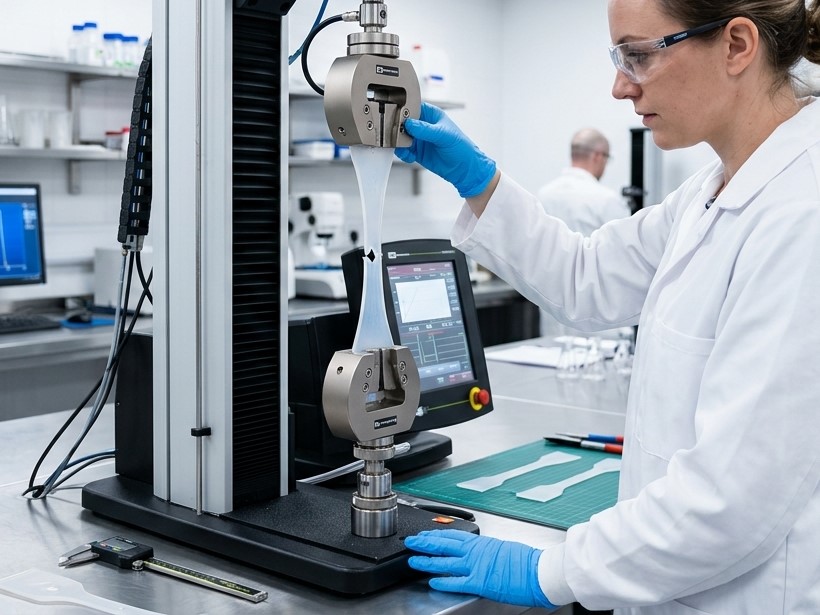
Material properties are adjusted to balance sealing reliability, durability, and manufacturing efficiency. Performance targets are reviewed during project evaluation rather than after tooling is completed.
Available options include:
- 20–80 Shore A material hardness
- Compression-set optimization
- Seal structure
- Structural strength and surface roughness in thickness and contact area design
- Tensile strength adjustment
- Tear resistance
- Weather resistance
- UV resistance
- Ozone resistance
- Survive the hard environment, like being autoclaved, gamma-irradiated, high-temperature & high-pressure
- Chemical compatibility
- Electrical insulation
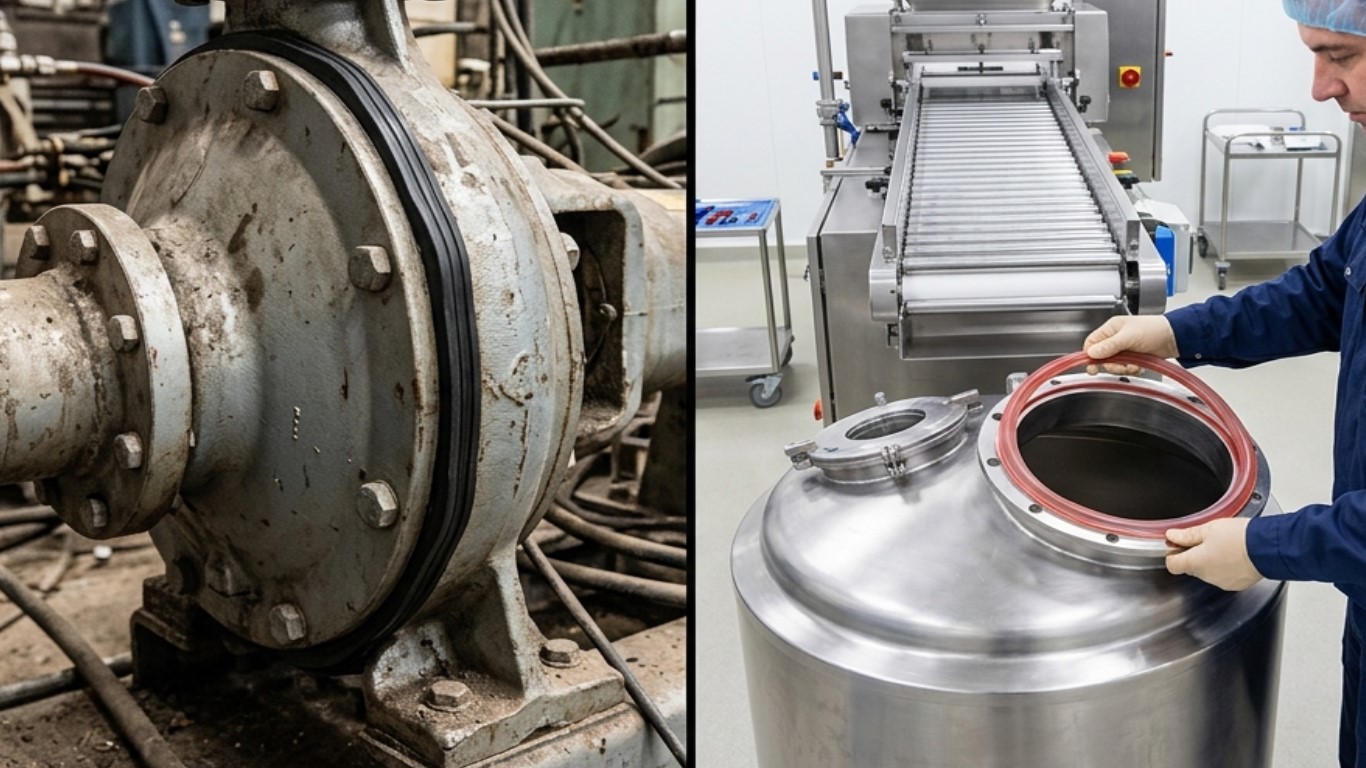
Custom silicone gaskets with versatility suit specific environments, improving long-term sealing reliability and simplifying equipment maintenance.
- Industrial machinery and automation systems with tought conditions
- Pumps, valves, and pipeline equipment with excellent sealing
- Food and beverage processing machines with FDA-approved silicone
- Sensitive medical and laboratory equipment
- Electrical cabinets and outdoor enclosures
- LED lighting and electronic assemblies with EMI shielding
- HVAC and air-handling equipment
- Reliable automotive electrical systems
- Demanding aerospace & defense hardware
- Ruggedized industrial equipment
- High-performance space vehicles and equipment
- Advanced and high-performance technological devices
- Water treatment equipment with water resistance
- Renewable energy equipment
Start Your Silicone Gasket Project
Send your quantity, gasket type, dimensions, and packaging requirements. RY Silicone will review the project and recommend a suitable gasket, material, branding method and production plan.
How to Specify a Better Silicone Gasket
Reliable sealing depends on matching the gasket to the operating conditions instead of selecting material by thickness or hardness alone.
- Operating Environment — Define the working temperature, sealing media, pressure, and installation location before selecting the material.
- Material Grade — Match the silicone compound to food-contact, medical, electrical, or industrial requirements.
- Compression Range — Design the gasket to operate within the recommended compression level for consistent sealing and longer service life.
- Dimensional Tolerance — Specify critical sealing dimensions and acceptable tolerances according to the mating components.
- Hardness — Choose a Shore A range that balances sealing flexibility with structural stability.
- Surface Finish — Smooth sealing surfaces reduce leakage risks, while textured surfaces may improve assembly depending on the application.
- Assembly Method — Consider bolt spacing, groove design, and installation sequence during gasket development.
Full specification guide
How to Specify a Better Silicone Gasket — material selection, hardness, compression set, tolerance, sealing pressure, temperature range, and a complete engineering specification checklist.s
Silicone Gasket Logo & Branding Methods
Branding should support product identification without affecting sealing performance. For industrial gaskets, logos and identification marks are normally placed outside the sealing surface or on non-functional areas.
Pad Printing
Pad printing applies part numbers, model codes, or simple logos to suitable flat surfaces. It is commonly used when molded identification is unnecessary.
Laser Marking
Laser marking creates clean, professional, and clear identification for serial numbers, batch codes, and traceability.
Molded Logos
Molded raised or recessed logos permanently identify silicone gaskets without ink, ensuring long-term durability.
Color Identification
Colored silicone identifies gasket specs, hardness, or placement without altering structure.
Silicone Gasket Material & Performance Options
We evaluate the entire operating environment, not just hardness, to select gasket materials that perform throughout their service life.
Suitable for most industrial sealing applications.
General-purpose VMQ silicone provides excellent flexibility, weather resistance, and long-term sealing performance for machinery, electrical equipment, and general industrial assemblies.
Material Comparison
Silicone Gaskets vs. EPDM Gaskets: Which Material Is Best? — Compare temperature resistance, chemical compatibility, compression set, durability, flexibility and stretch in freezing, oil resistance, and typical industrial applications.
Designed for equipment that contacts food or beverages.
Food-contact silicone compounds can be selected for processing equipment, beverage systems, and commercial kitchen machinery. Documentation should match the selected material and destination market.
Maintains sealing performance across demanding thermal cycles.
Depending on the selected compound, silicone gaskets typically operate between -60°C and 230°C. Continuous operating temperature should always be evaluated together with compression load, sealing pressure, and service duration.
Helps maintain sealing force over long service periods.
Compression set is often more important than tensile strength in static sealing applications. A gasket that permanently deforms after prolonged compression may no longer provide sufficient sealing pressure, even when its dimensions remain within tolerance.
Suitable for long-term outdoor exposure.
Silicone naturally withstands ultraviolet light, ozone, and weathering better than many conventional elastomers, making it suitable for outdoor electrical equipment and environmental sealing.
Supports electrical isolation while providing environmental sealing.
Silicone rubber combines reliable sealing with excellent electrical insulation for electrical cabinets, battery systems, electronic housings, and power distribution equipment.
Available documentation may include:
- Material Data Sheets
- FDA-related documentation
- LFGB-related documentation
- REACH declarations
- RoHS declarations
- Material certifications
- Project-specific test reports
The applicable documents depend on the selected compound, pigments, additives, and destination market.
A material certificate should always correspond to the approved compound used in production rather than being treated as universal documentation for every gasket configuration.
Silicone gaskets perform best when stored flat, protected from sharp objects, and kept away from unnecessary contamination before installation. Proper storage helps preserve elasticity and dimensional stability during long-term inventory.Maintenace
Maintenace Guide
How to Clean & Store Silicone Gaskets — Cleaning methods, storage recommendations, inspection practices, and replacement guidelines for longer service life.
How Silicone Gaskets Are Manufactured
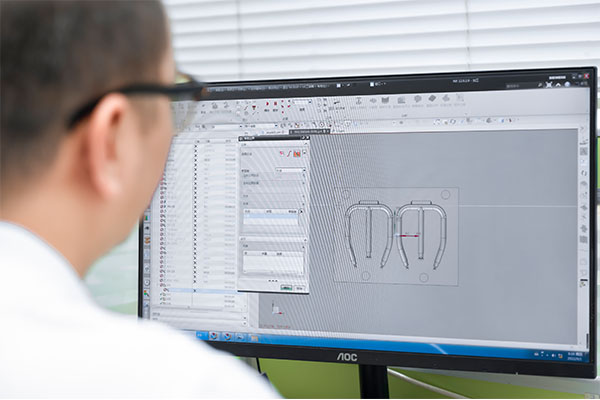
STEP 1: Requirement Review
Every project begins with a review of the application, operating environment, sealing media, dimensions, material requirements, quantity, certification needs, and engineering drawings.
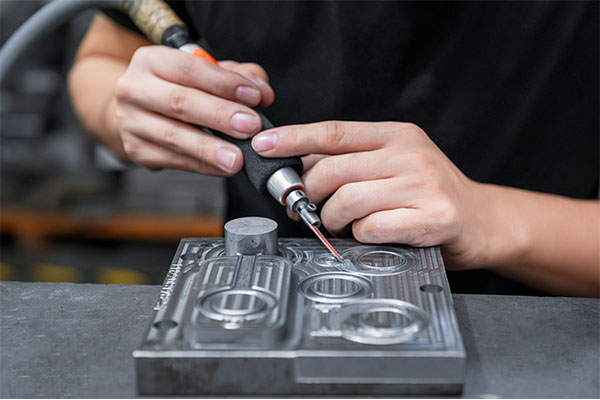
STEP 2: Engineering Evaluation
Our engineering team determines the most suitable manufacturing method based on gasket geometry, tolerance requirements, material utilization, and production volume. Existing tooling is reviewed before recommending new mold development.
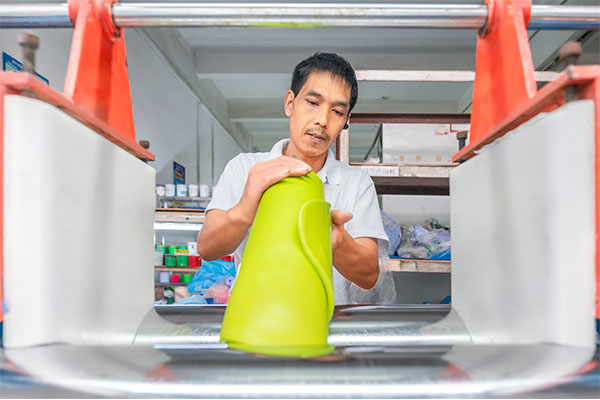
STEP 3: Material Preparation
The approved silicone compound is mixed with the specified pigment and additives under controlled conditions to achieve the required hardness, physical properties, and color consistency.
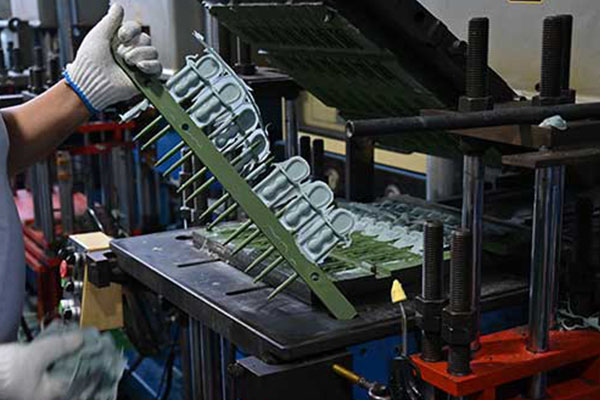
STEP 4: Forming Process
Compression molding, die cutting, or silicone extrusion is selected according to the gasket design. Selecting the correct manufacturing process improves dimensional consistency while reducing unnecessary production costs.

STEP 5: Deflashing & Finishing
After curing, the flash is removed, and the sealing edges are carefully finished to achieve clean profiles without damaging critical sealing surfaces.
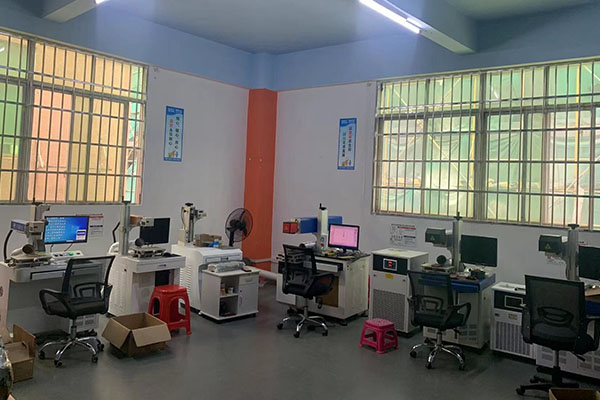
STEP 6: Identification & Secondary Operations
Part numbers, molded logos, laser markings, or secondary fabrication processes are completed according to the approved production documents before inspection.
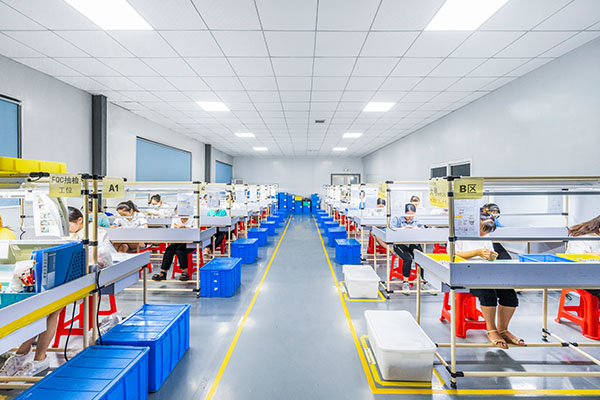
STEP 7: Quality Inspection
Finished gaskets are inspected against the approved sample, engineering drawing, and purchase order. Critical sealing dimensions receive priority during dimensional verification.
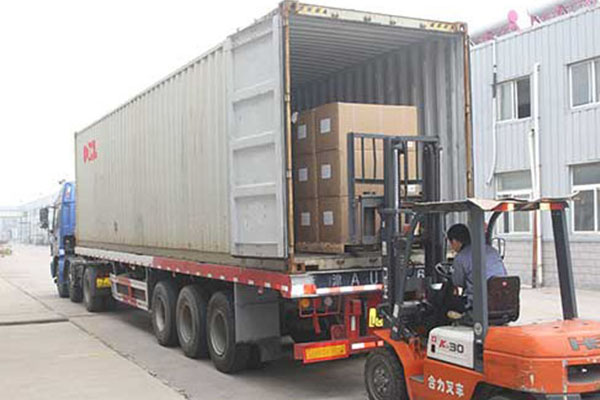
STEP 8: Packaging and Shipment
Approved products are counted, labeled, packaged, and prepared for domestic or international shipment according to the agreed packaging specification.
Silicone Gasket Quality Control
Consistent quality means more than producing a gasket that matches the drawing. Every production batch should deliver the same sealing performance, material properties, and dimensional accuracy from the first piece to the last.
AQL 2.5 / 4.0 Standard Inspection
Finished silicone gaskets are inspected using agreed sampling plans before shipment.
AQL 2.5
Critical / Major Defects
AQL 4.0
Minor Visual Flaws
Alternative inspection standards can be implemented when specified in your purchase order or quality agreement.
Approved Sample Control
Every mass-production order is compared with the approved reference sample to ensure manufacturing consistency.
Inspection items include:
- Overall dimensions
- Thickness
- Cross-sectional profile
- Material hardness
- Color
- Surface finish
- Logo position
- Packaging presentation
Incoming Material Inspection
Silicone compounds, pigments, and supporting documentation are verified before production begins. Material batch numbers remain traceable throughout manufacturing to maintain production consistency.
In-Process Inspection
Operators monitor production continuously to identify potential issues before they affect batch quality.
Typical inspection items include:
- Complete molding
- Flash consistency
- Surface cleanliness
- Air bubbles
- Incomplete filling
- Profile accuracy
- Color consistency
Dimensional Verification
Critical sealing dimensions are measured using calibrated equipment according to engineering drawings.
Typical inspection items include:
- Overall length and width
- Thickness
- Inner diameter
- Outer diameter
- Hole position
- Groove dimensions
- Cross-sectional profile
- Dimensional tolerances
Material Performance Verification
Depending on project requirements, verification may include:
- Shore A hardness
- Tensile strength
- Elongation
- Compression set
- Tear resistance
- Density
Not every project requires every test. The inspection plan is confirmed according to the product specification and application.
Appearance Inspection
Every gasket is visually checked before packaging.
Inspection covers:
- Flash
- Surface contamination
- Tears
- Cracks
- Surface damage
- Foreign particles
- Color variation
- Incomplete trimming
Packaging Verification
Before shipment, our QC team verifies:
- Correct product quantity
- Product labels
- Part numbers
- Barcode labels
- Packaging method
- Carton markings
- Shipping labels
A packaging review helps prevent warehouse identification errors and simplifies receiving at your facility.
Silicone Gasket Packaging Options
Packaging should match how your gaskets move through storage, assembly, and distribution. Selecting the right packaging method protects sealing surfaces while improving inventory efficiency.
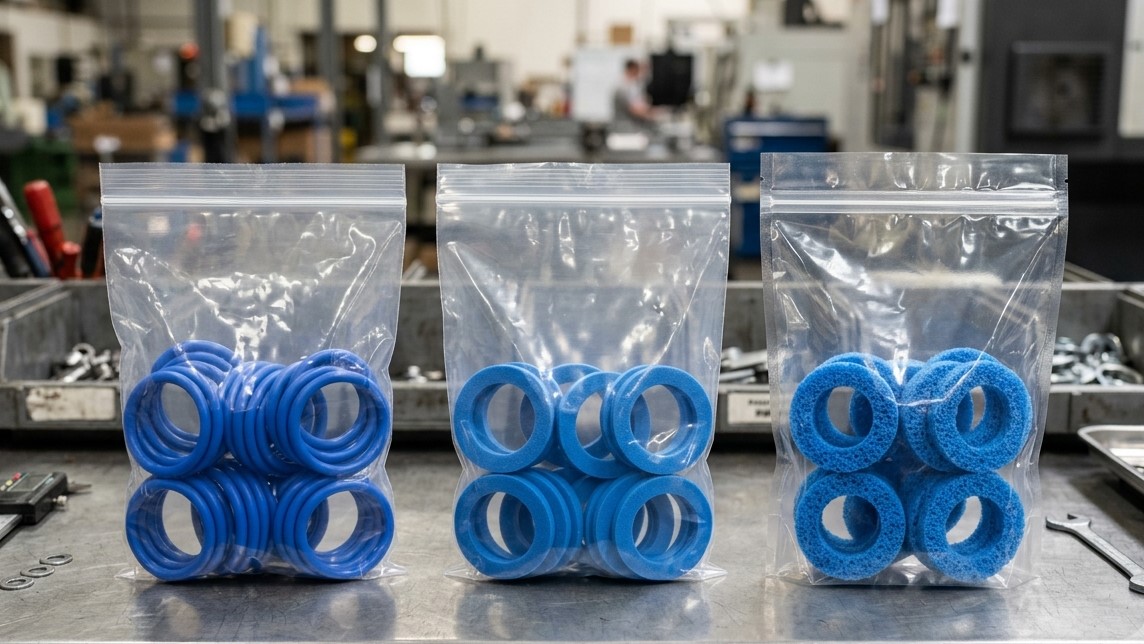
Bulk Packaging
Individual PE bags or grouped bulk cartons provide an economical solution for distributors, industrial maintenance suppliers, and high-volume manufacturing programs requiring efficient warehouse handling.
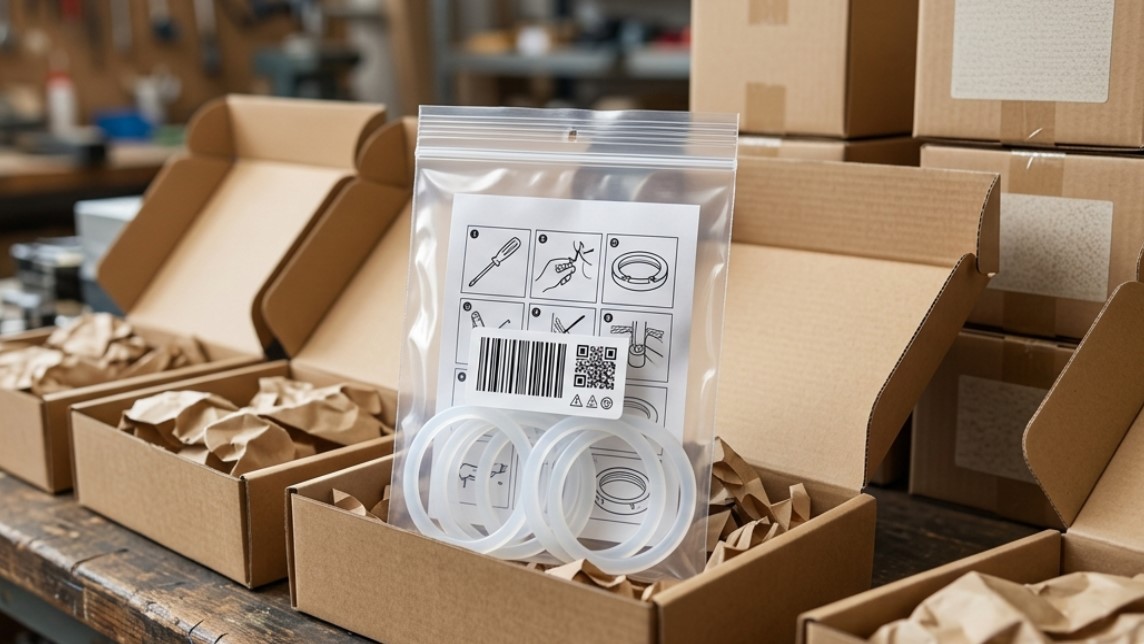
Kitting & Assembly
Gaskets can be sorted into assembly kits with matching components, labels, and part numbers to simplify production lines, reduce picking errors, and improve installation efficiency.
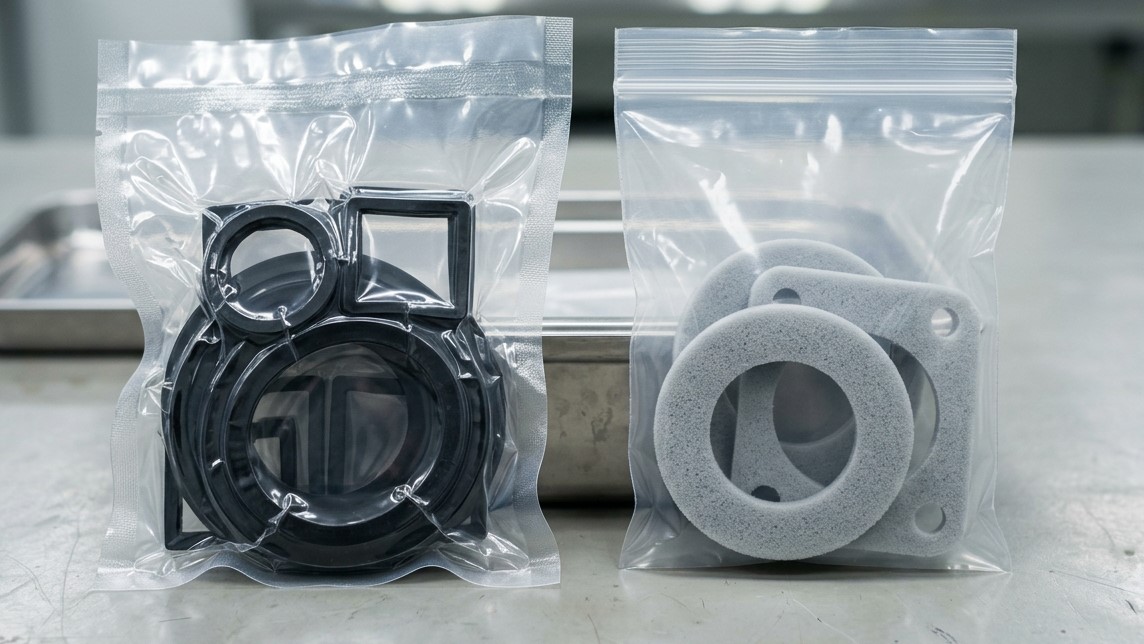
Clean & Protective
Vacuum bags, anti-contamination packaging, and protective separators help prevent dust, deformation, and surface damage during transportation and storage before final assembly.
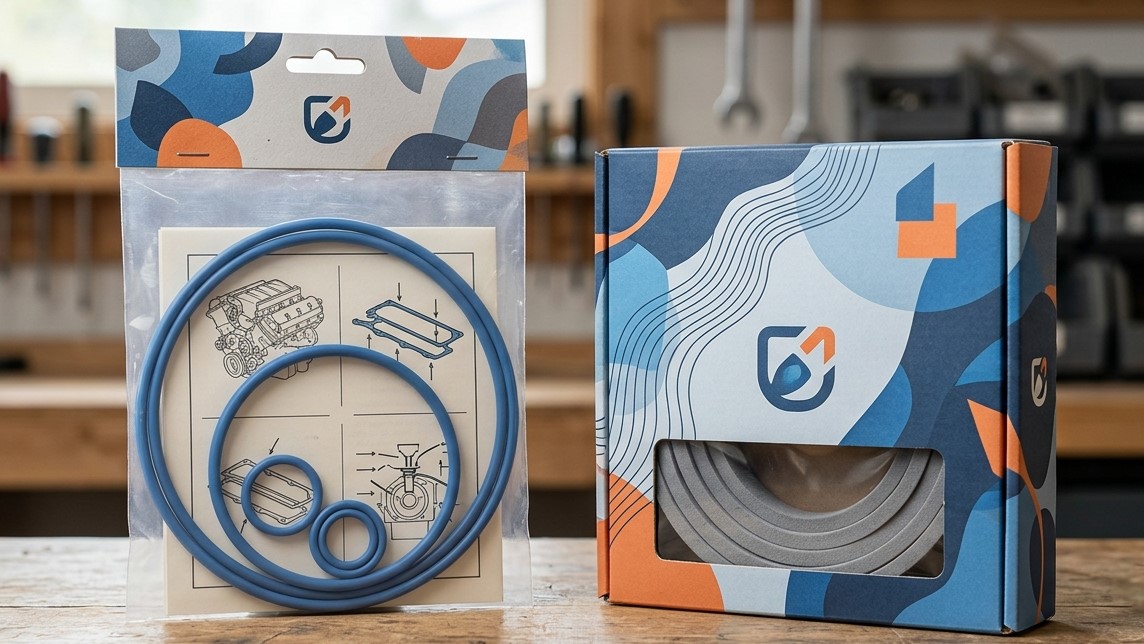
Retail & Private Label
Custom-printed bags, retail boxes, barcode labels, and branded cartons create ready-to-sell packaging for distributors, replacement parts, aftermarket products, and private-label programs.
Typical Silicone Gasket Specifications
| Specification | Typical Reference |
|---|---|
| Product | Custom Silicone Gasket |
| Manufacturing Methods | Compression Molded, Die-Cut, Extruded |
| Material | VMQ Silicone Rubber |
| Hardness | 20–80 Shore A |
| Thickness | 0.3–25 mm |
| Operating Temperature | -60°C to 230°C (depending on compound) |
| Standard Colors | Transparent, White, Black, Red, Blue or Custom Pantone |
| Surface Finish | Smooth, Matte or Textured |
| Tolerance | According to drawing and manufacturing process |
| Cross Section | Flat, Round, Square, Custom Profiles |
| Density | According to selected silicone compound |
| Compression Set | Engineered according to application |
| Certifications | FDA, LFGB, REACH, RoHS (subject to selected material) |
| Packaging | Bulk, PE Bag, Vacuum Pack, Assembly Kit, Retail Box |
| Existing Design MOQ | From 500 pieces |
| Custom Tooling MOQ | From 3,000 pieces |
| Sample Lead Time | 5–10 Working Days |
| Mass Production | 15–25 Working Days After Approval |
| Inspection Standard | Approved Sample + AQL or Customer Standard |
| OEM & ODM | Available |
Final specifications are confirmed according to the approved drawing, selected material, manufacturing process, and production sample.
Why Work with RY Silicone

Silicone Manufacturing Experience Since 2012
RY Silicone has specialized in custom silicone product manufacturing since 2012, supporting OEM and ODM projects for the industrial, food-processing, medical, and electronic industries worldwide.
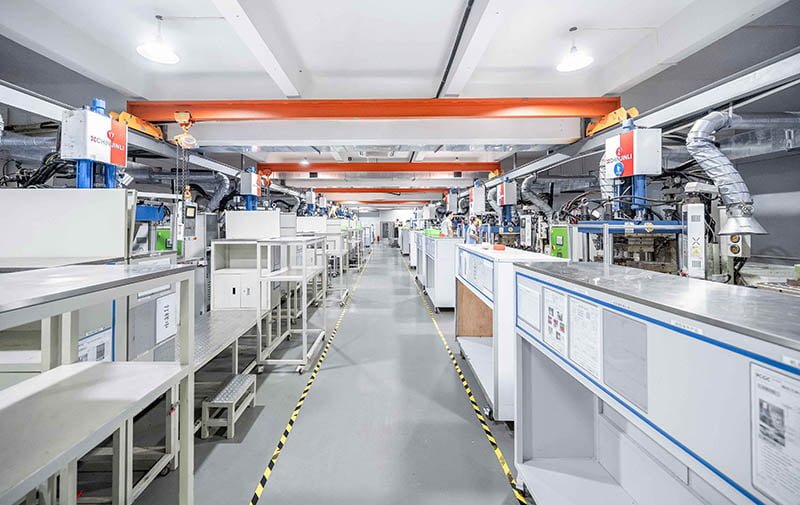
10,000+ m² Production Facility
Our production facility integrates tooling, compression molding, extrusion, die cutting, finishing, inspection, and packaging, allowing better control over quality and delivery throughout the project.

30+ Production Machines
Dedicated molding presses, extrusion lines, and precision converting equipment support both standard gasket production and complex custom sealing solutions across different order volumes.
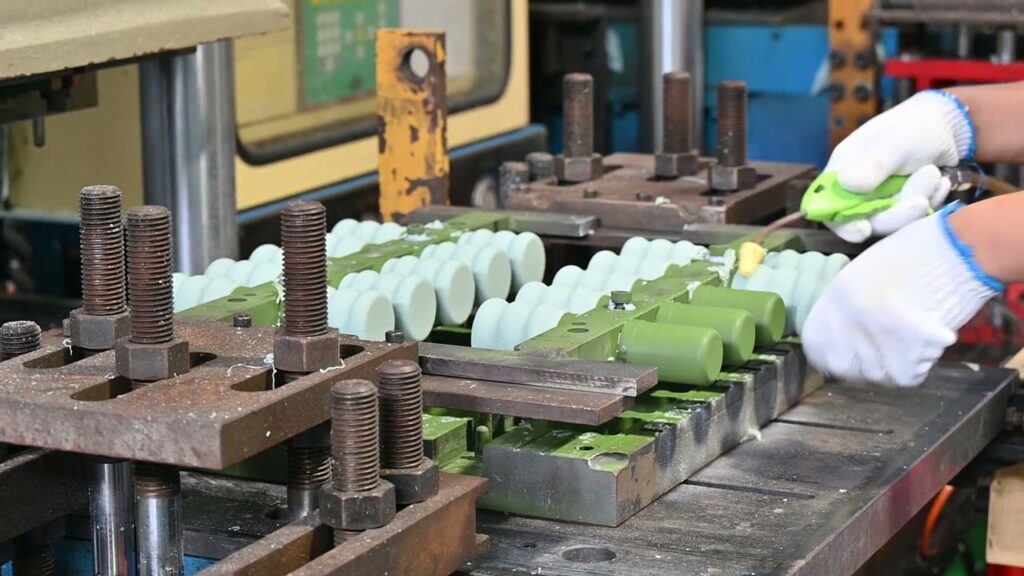
Up to 100,000 Silicone Products per Day
Our manufacturing capacity supports everything from prototype projects to long-term production programs. Actual output depends on gasket size, manufacturing process, tooling configuration, and inspection requirements.
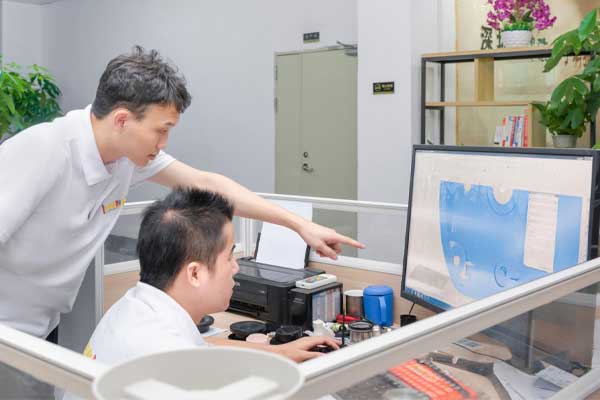
Engineering Review Before Quotation
Every quotation begins with an engineering review instead of simply pricing a drawing.
We evaluate the sealing application, operating environment, compression requirements, manufacturing method, material selection, and certification needs before recommending the most suitable production solution.
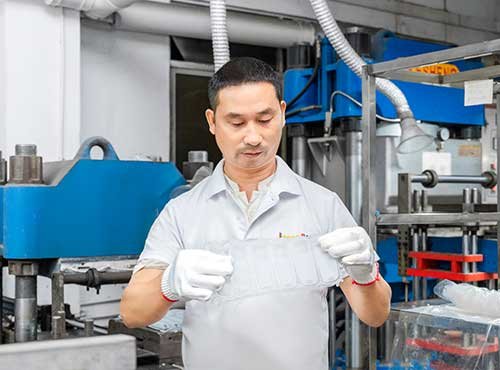
Sample-Based Production
Mass production begins only after the approved sample has been confirmed. Dimensions, hardness, material grade, surface finish, logo details, and packaging specifications are all controlled against this reference throughout manufacturing.
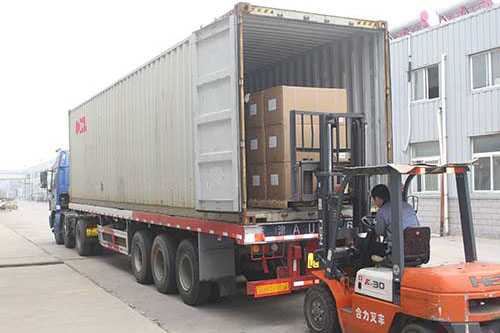
Export Project Support
RY Silicone supplies custom silicone gaskets to customers throughout North America, Europe, and other international markets.
Our team assists with engineering communication, export documentation, packaging coordination, and shipment planning to support global sourcing projects.
Silicone Gasket FAQ and Final RFQ
What is the MOQ for custom silicone gaskets?
The MOQ generally starts from 500 pieces for existing gasket designs with custom branding or packaging. For completely new molded gasket designs requiring dedicated tooling, the MOQ typically starts from 3,000 pieces.
The exact quantity depends on the gasket size, manufacturing process, material, and tooling complexity. For new development projects, we can review phased production plans when they better suit your product launch.
Can you manufacture silicone gaskets according to our CAD drawings?
Yes.
We manufacture custom silicone gaskets from 2D drawings, 3D CAD files, PDF engineering drawings, or physical samples. If only an assembled component is available, our engineering team can also evaluate the sealing geometry before tooling recommendations are made.
What factors should be taken into account in the initial design of custom silicone gaskets?
Prior to gasket design, consider your requirements, involving:
- The type of material (compound, chemistries, additive packages)
- Proper Sizing
- Cell structure needs
- Intended use (electronics, automotive, aerospace, and food processing)
- Hardness (20~80 Shore A typically)
- Temperature & pressure
- Corrosion & chemical exposure
- Water resistance
- Availability
- Budget
Which silicone hardness should I choose?
The appropriate hardness depends on the sealing pressure, mating surface finish, installation method, and operating environment.
As a general engineering reference:
- 20–40 Shore A — Soft sealing surfaces, low compression force, and sealing with low closure force
- 40–60 Shore A — General industrial sealing applications
- 60–80 Shore A — Higher mechanical stability and structural support
Hardness should always be evaluated together with gasket thickness and compression ratio rather than selected independently.
What operating temperature can silicone gaskets withstand?
Standard silicone compounds typically operate between -76℉ and 446℉ (-60°C and 230°C) and are exposed to high heat without degradation or wearing out. Besides, silicone gaskets enable them to withstand heat up to 423℉ (219°C) intermittently and remain flexible at as low as -94℉ (-70°C).
Actual performance depends on factors including:
- Continuous or intermittent exposure
- Compression load
- Contact media
- Service duration
- Selected silicone formulation
Projects involving prolonged high-temperature operation should be reviewed during material selection.
Are silicone gaskets waterproof?
Silicone gaskets feature waterproofing, moisture resistance, repelling liquids, and watertight seal performance.
These properties make them optimal for industries facing moisture and water, heavy water spray, and in wet conditions, as well as submersion.
Which manufacturing process is best for my gasket?
The most suitable process depends on the gasket geometry and production volume.
Generally:
- The cutting is efficient for flat gasket designs
- Compression molding suits complex three-dimensional shapes and specialty silicone (like conductive silicone or fluorosilicone)
- Injection molding with less parting line flash ensures structural integrity
- Extrusion is recommended for continuous sealing profiles
- Waterjet cutting for rapid prototypes by high-precision and die-less in days
- Flash cutting for rapid turn-by-turn tool-less and automated
- Secondary fabrication may be used for finished frame or ring assemblies
Our engineering team recommends the most economical process after reviewing your drawing.
Can silicone gaskets be used for food-contact applications?
Yes.
Food-contact silicone gaskets can be manufactured using suitable food-grade silicone compounds. The required documentation should match your destination market, selected material, pigments, and production configuration.
Can you match custom colors?
Yes.
We manufacture silicone gaskets in standard colors or custom Pantone colors.
Please note that gasket thickness, material formulation, and surface texture may slightly influence the final appearance of certain colors. A production color sample is recommended before mass production.
Are gaskets and seals the same thing?
Yes and no.
While the terms are often used interchangeably in casual conversation, they refer to distinct components with different functions in engineering and manufacturing applications.
The main difference lies in whether the parts being joined are stationary or in motion. Gaskets are engineered for static applications, while seals are designed for dynamic applications.
What certifications can you provide?
Depending on the selected silicone compound, available documentation may include:
- FDA-related documentation
- LFGB-related documentation
- REACH declarations
- RoHS declarations
- Material Data Sheets
- Project-specific laboratory reports
Please provide your target market and required standards before quotation so we can confirm the appropriate documentation.
What dimensional tolerances can you achieve?
Tolerance depends on the manufacturing method, gasket dimensions, material properties, and tooling design.
Critical sealing dimensions should always be identified on the engineering drawing so inspection resources can focus on the features that most influence sealing performance.
What information is required for a quotation?
To prepare an accurate quotation, please provide:
- Annual or project order quantity
- CAD drawing or PDF drawing
- Physical sample (if available)
- Material requirements
- Hardness
- Operating temperature
- Contact media
- Required certifications
- Color requirements
- Logo or part-number artwork
- Packaging requirements
- Destination country
- Target delivery schedule
Providing complete project information during the initial review allows us to recommend the most appropriate manufacturing process, material, and production plan while reducing unnecessary development time.
Tailored to your CAD drawings, physical samples, or exact sealing specifications, custom silicone gaskets provide a precise fit and superior performance for demanding applications like aerospace and medical devices.