Manufacturing custom silicone products since 2012

Silicone Spoon Manufacturer

Food-grade silicone spoons for baby feeding, cooking, serving, and promotional programs. Develop custom spoon shapes, colors, logos, and retail packaging with OEM/ODM manufacturing for brands, distributors, and wholesalers.

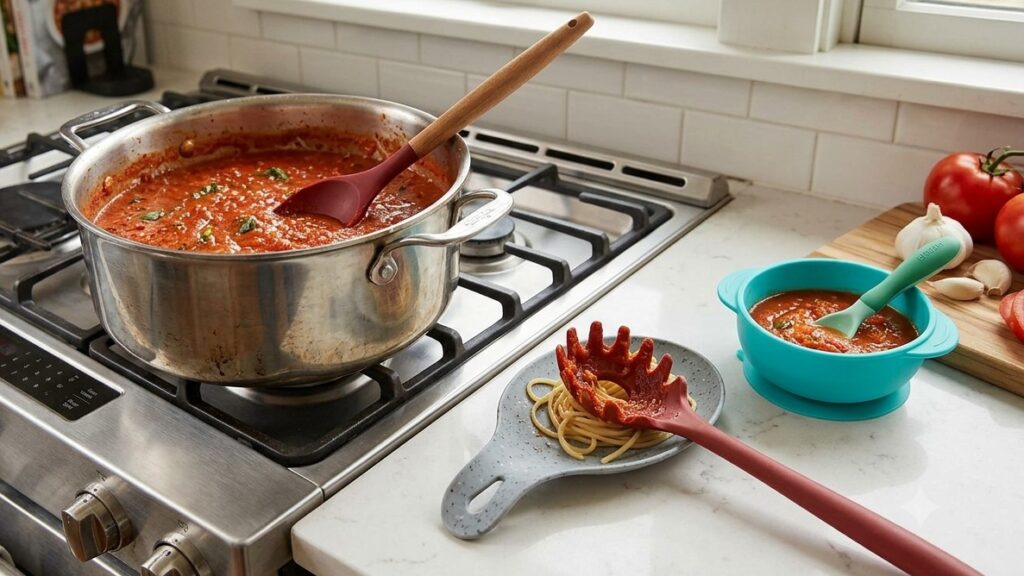
Food-contact silicone cooking spoon, silicone baby feeding spoon, and silicone pasta server in kitchen setting

What Is a Silicone Spoon?

A silicone spoon is a versatile, reusable utensil crafted from food-grade silicone, perfect for feeding, cooking, or serving without scratching cookware. Depending on its intended use, it can be fully molded from flexible silicone or built around a reinforced internal core for added strength and structure.

RY Silicone is a leading custom (OEM/ODM) manufacturer established in China in 2012. Operating out of a 10,000+ m² facility with over 30 production machines and a daily output of 100,000 units, we produce tailored silicone spoons—customized by size, shape, color, logo, and packaging—for baby brands, kitchenware suppliers, and private-label partners across North America, Europe, and worldwide.

Silicone Spoon Manufacturing at a Glance

MOQ

From 500 pieces for existing spoon designs with custom branding, or 3,000 pieces for completely new custom-developed spoon designs.

Lead Times

Samples in 5–10 working days, custom tooling in 10–20 working days, and mass production in 15–25 working days after sample approval.

Material & Performance

Food-grade platinum- or peroxide-cured silicone, typically 30–70 Shore A, with working temperatures from -40°C to 230°C.

Branding & Packaging

Embossed logos, debossed logos, laser engraving, pad printing, custom colors, barcode labels, and retail-ready packaging.

Who We Manufacture Silicone Spoons For

Start with your sales channel, then determine the spoon structure, branding, and packaging that best fit your market.

Food-grade silicone training spoons and silicone baby feeding spoons are packed with custom packaging for baby feeding brands

Baby Feeding Brands

Develop silicone spoons that match your feeding collection, including bowls, bibs, cups, and teethers. Consistent colors, ergonomic dimensions, and food-grade materials help create a unified product range.
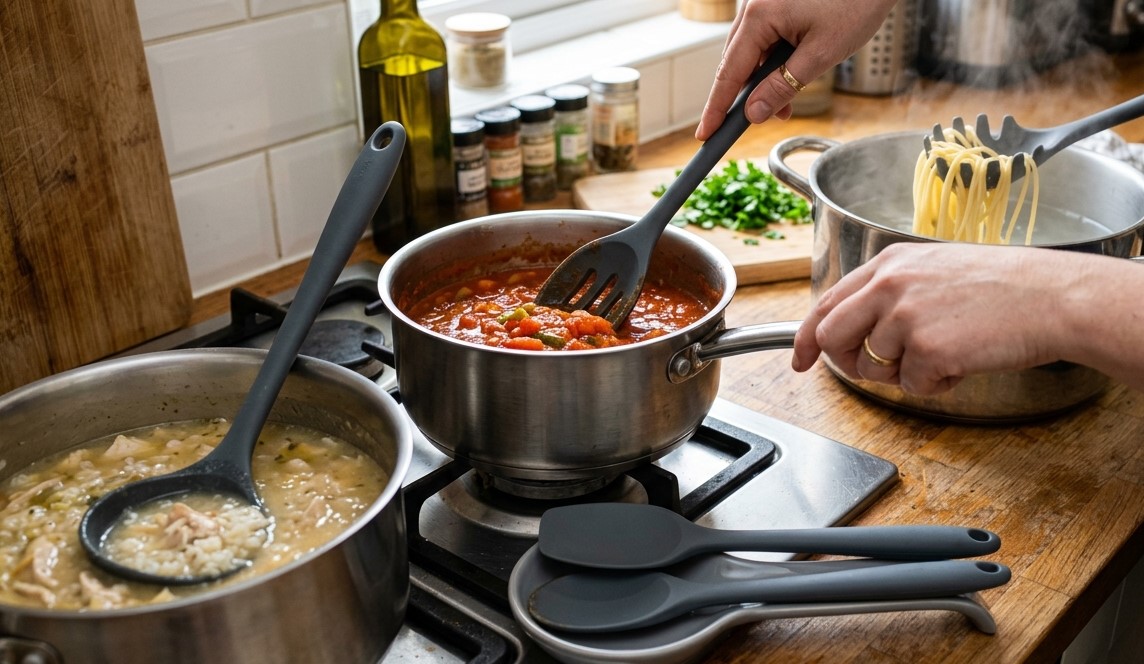
Heat resistant and FDA approved silicone cooking and mixing spoons for kitchenware brands

Kitchenware Brands

Expand your cookware collection with silicone cooking, serving, and mixing spoons designed for everyday kitchen use. Heat resistance, handle comfort, and long-term durability are usually the main considerations.

Temperature-resistant custom silicone cooking spoons with excellent durability and dishwasher safe performance for food service and hospitality suppliers

Food Service & Hospitality Suppliers

Manufacture durable silicone serving spoons and cooking utensils for restaurants, hotels, catering companies, and commercial kitchens where repeated daily use requires reliable material performance.
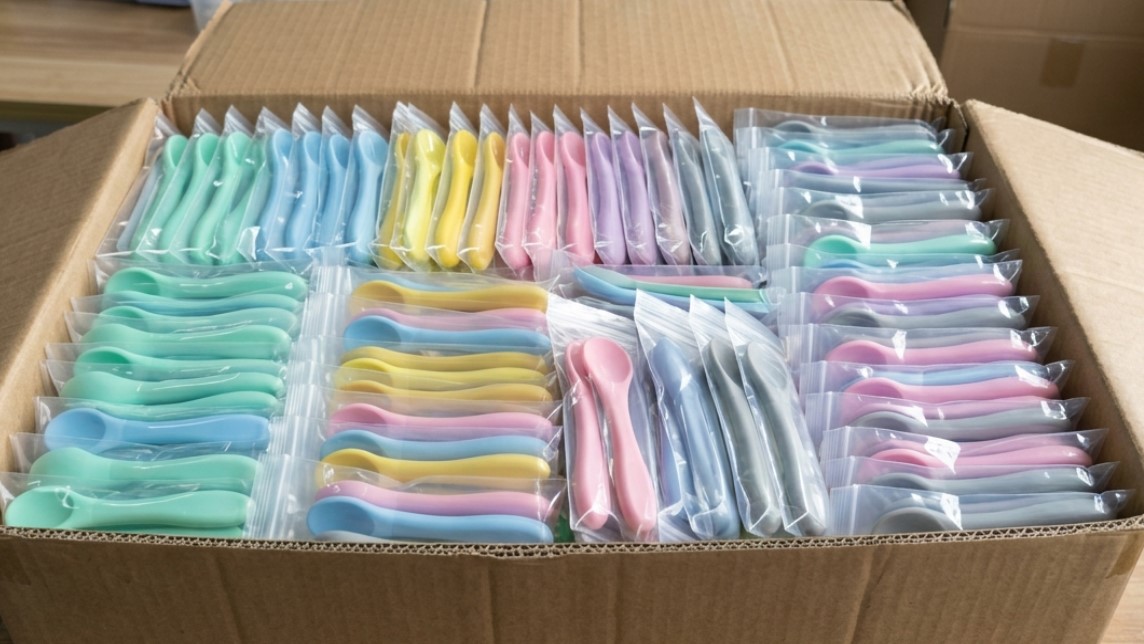
Colorful silicone baby feeding spoons are packed in OPP bags with bulk packaging method

Distributors & Wholesalers

Purchase silicone spoons in bulk for supermarkets, homeware retailers, baby stores, and promotional channels. Existing designs allow faster delivery, while custom products strengthen product differentiation.

Food contact silicone measuring spoon set is packed in custom box for promotional and gift companies

Promotional & Gift Companies

Produce branded silicone spoons for marketing campaigns, cooking schools, food brands, and corporate promotions. Engraved logos and custom packaging help reinforce brand recognition.
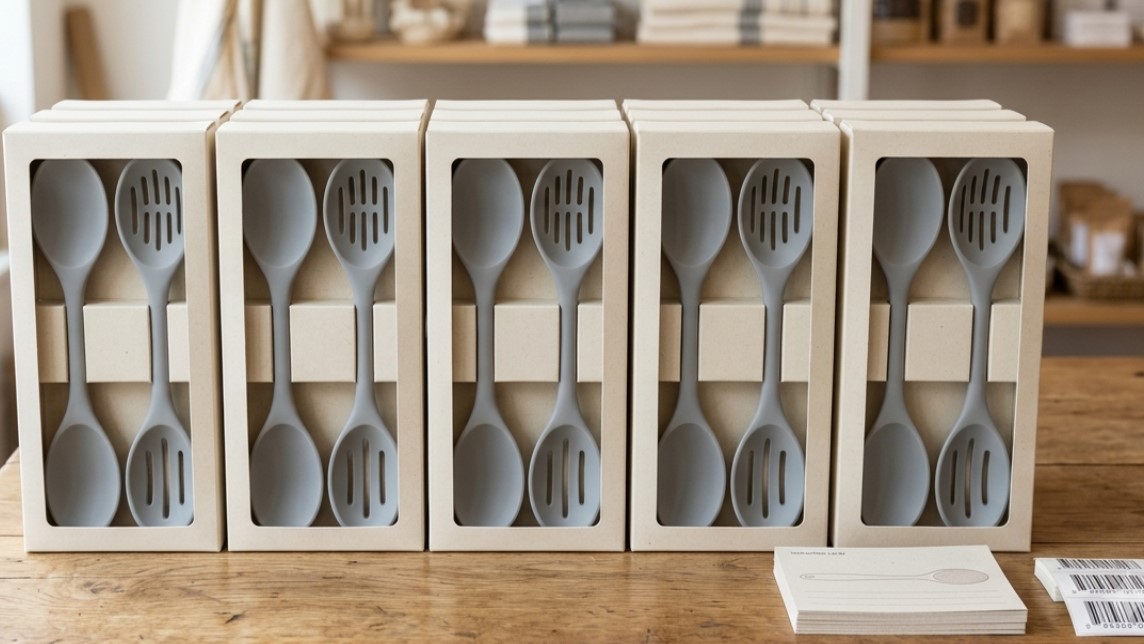
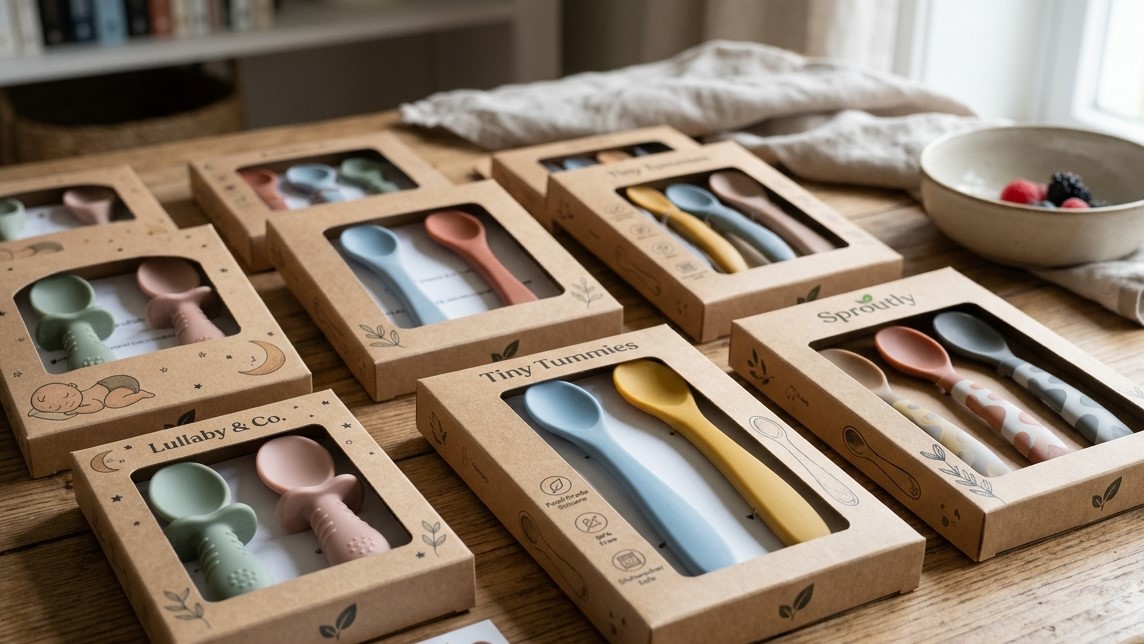
Consistant and FDA approved silicone training spoons for baby and slotted silicone feeding spoons are packed in window box packaging for retail and recommerce sellers

Retail & Ecommerce Sellers

Launch private-label silicone spoon collections with customized packaging, instruction cards, barcode labels, and marketplace-ready SKU management.
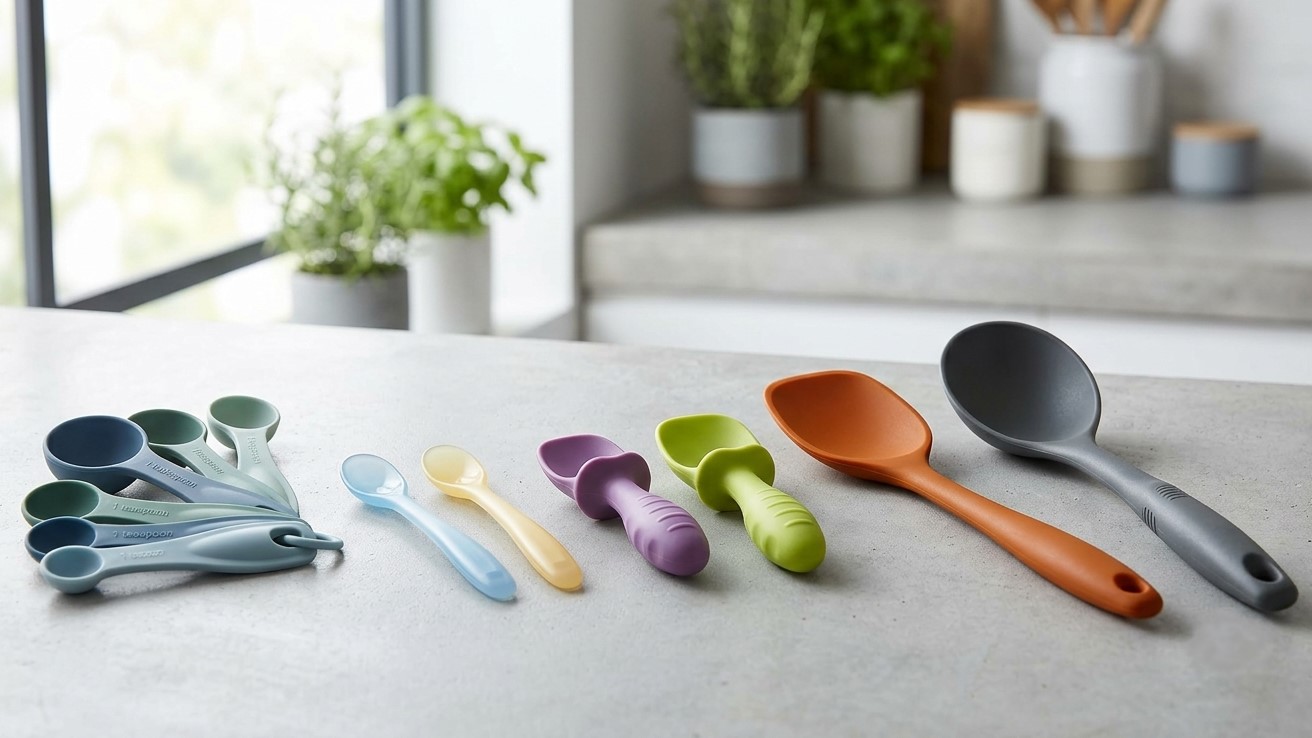
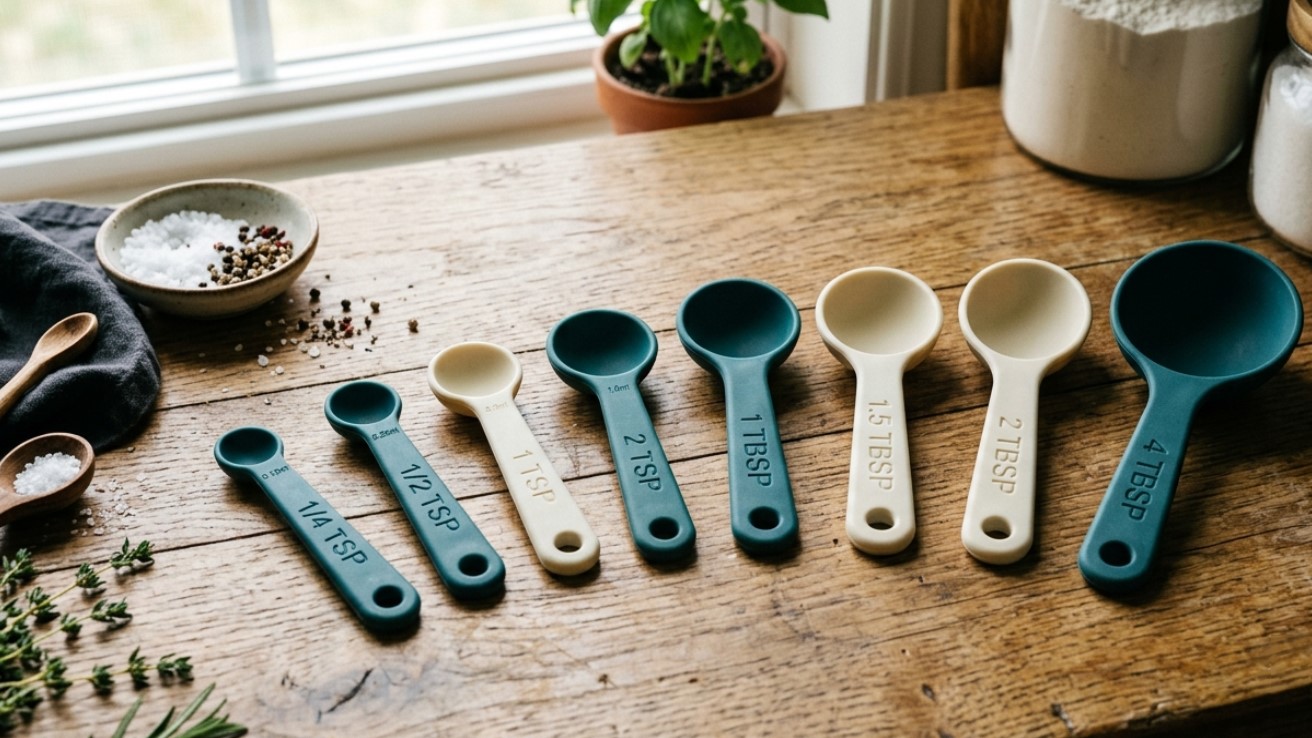
Silicone Spoon Types We Can Develop

Silicone Spoon Customization

Every custom silicone spoon project begins by defining how the product will be used, followed by its structure, appearance, and retail presentation.

Different shape designs in silicone measuring spoons with distinct capacities silicone training feeding spoons and silicone cooking spoons

The spoon profile determines user comfort, production tooling, and product positioning. Existing spoon designs reduce development time, while custom tooling creates a distinctive product that matches your brand identity.

Available options include:

  • Baby feeding spoon shapes
  • Toddler self-feeding designs
  • Cooking spoon profiles
  • Serving spoon designs
  • Measuring spoon sets
  • Spoon-bowl capacity
  • Rounded or flat bowl profiles
  • One-piece molded structures
  • Reinforced handle construction

Different sizes of silicone measuring spoons with distinct capacities and engraved markings

Dimensions affect handling comfort, product weight, and intended application. The spoon head and handle should be designed together to achieve the right balance between flexibility and strength.

Available options include:

  • Overall spoon length
  • Spoon-bowl width
  • Spoon-bowl depth
  • Handle diameter
  • Handle length
  • Edge thickness
  • Reinforced core dimensions
  • Product weight
  • Custom dimensional tolerances

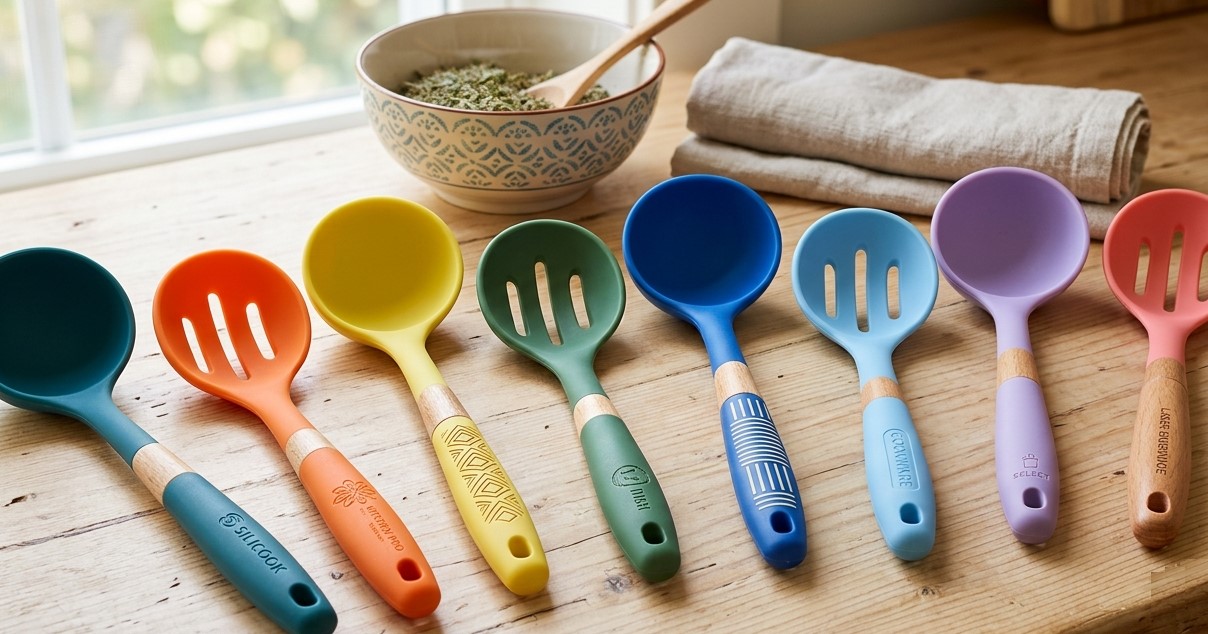
Different color designs in food-grade silicone ladles

Color helps distinguish product collections and strengthens brand recognition. We match the silicone compound to your approved Pantone reference before production begins.

Available options include:

  • Standard silicone colors
  • Pantone color matching
  • Matte surface finish
  • Smooth surface finish
  • Soft-touch texture
  • Embossed logos
  • Debossed logos
  • Laser engraving
  • Pad printing for non-food-contact areas

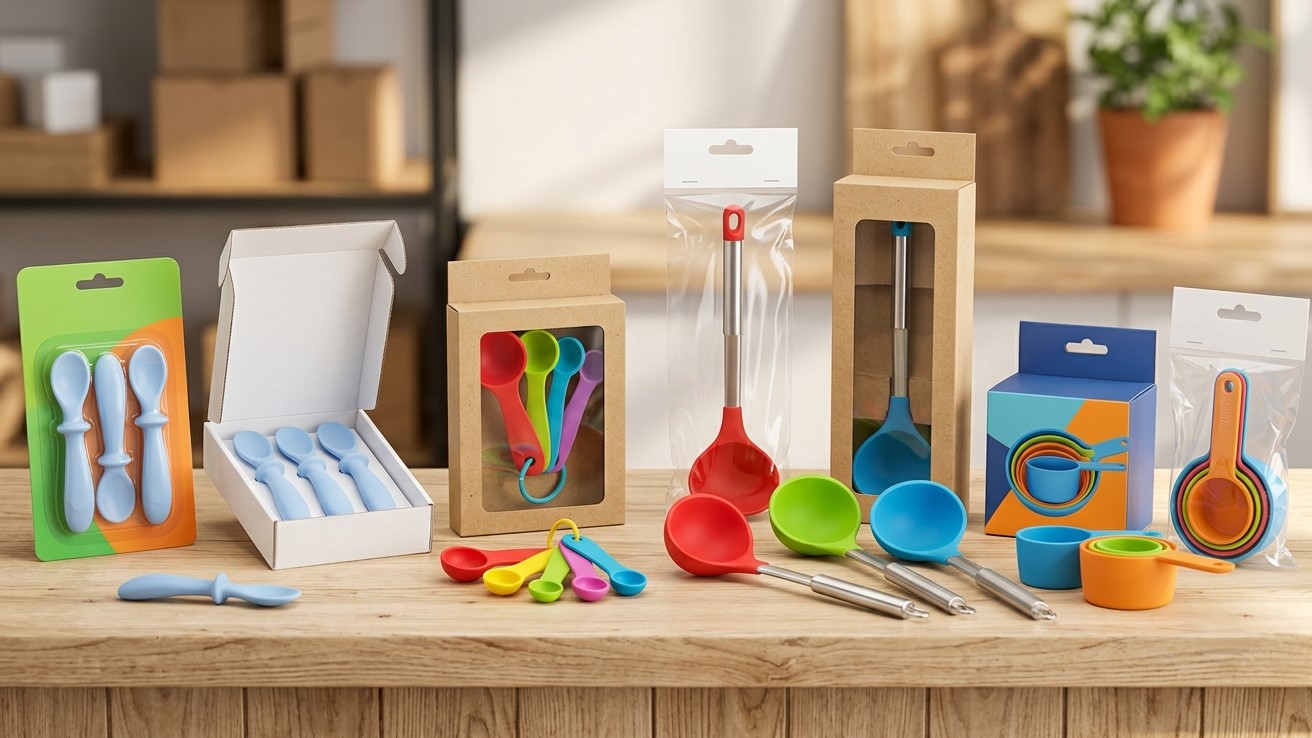
Different custom pacakaging ways for bulk, retail, e-commerce, and premium gift requirements

Packaging should match your sales channel from the beginning of the project because printed materials, retail boxes, and barcode labels require separate artwork approval before mass production.

Available options include:

  • Bulk packaging
  • Individual OPP or PE bags
  • Printed retail boxes
  • Window gift boxes
  • Hang cards
  • Barcode labels
  • Instruction leaflets
  • Private-label packaging
  • Ecommerce-ready packaging

Start Your Custom Silicone Spoon Project

Send your target quantity, spoon application, logo artwork, and packaging requirements. We will recommend the appropriate spoon structure, material, branding method, and manufacturing plan.

How to Specify a Better Silicone Spoon

A well-designed silicone spoon is tailored to its intended application, rather than being made of the softest material or having the thickest structure. Performance depends on how the dimensions, hardness, and reinforcement work together.

  • Silicone Hardness—Match the hardness to the application. Softer silicone provides a gentler feeding experience for babies, while firmer compounds improve stability for cooking and serving utensils.
  • Spoon Bowl Thickness—The bowl should flex slightly without collapsing under food. Thickness influences comfort, durability and the overall user experience.
  • Handle Structure—Choose a fully molded silicone handle for soft flexibility, or add a reinforced nylon or stainless-steel core when greater rigidity is required.
  • Edge Radius — Smooth, rounded edges improve comfort during feeding and reduce the risk of scratching cookware or delicate surfaces.
  • Surface Finish — Matte finishes provide a softer touch and better grip, while smoother finishes are easier to clean and can reduce food residue.
  • Logo Position — Branding should remain visible without interfering with food-contact areas or user comfort.

A softer spoon is not necessarily a better spoon. Material hardness, spoon geometry, and intended use should always be evaluated.

Full specification guide

How to Specify a Better Silicone Spoon—spoon dimensions, hardness selection, reinforcement options, food-grade materials and a complete specification checklist.

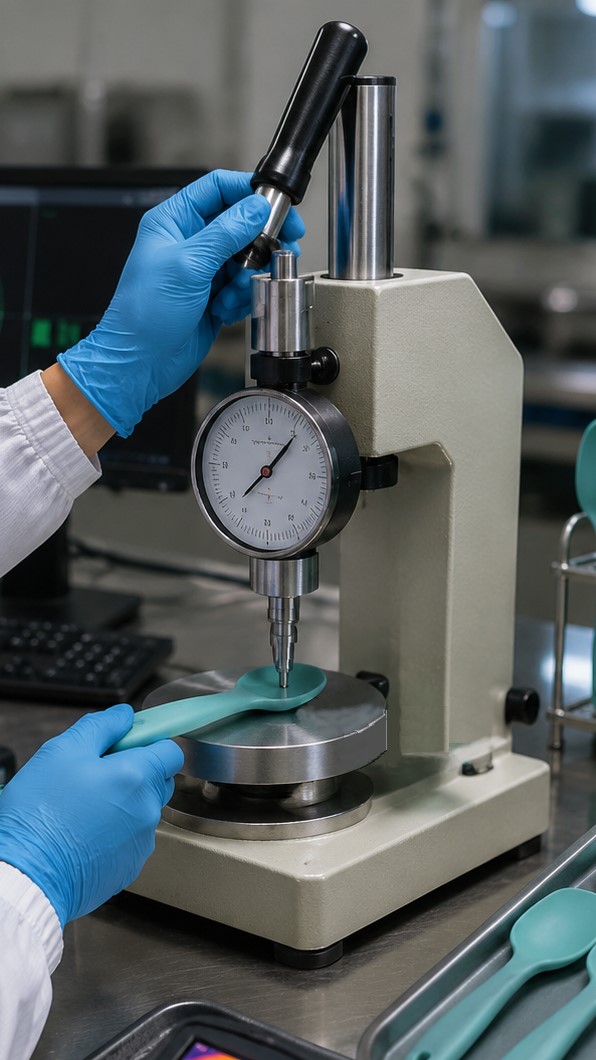
A tester is testing the hardness and strength of a silicone spoon

Silicone Spoon Logo and Branding Methods

Select the branding method according to your logo design, production volume, and expected product life.

Screen Printing

Suitable for colorful logos on handle surfaces with excellent visual impact for retail products.

Laser Engraving

Produces fine permanent markings on selected reinforced handles or coated components where high-definition graphics are required.

Embossed Logos

A raised logo molded directly into the silicone creates permanent branding without additional printing.

Debossed Logos

Recessed branding provides a clean appearance and maintains excellent durability through repeated washing.

Silicone Spoon Material and Performance Options

We recommend the silicone compound, reinforcement structure, and documentation according to the intended application and destination market.

The preferred material for reusable feeding and kitchen utensils.

Food-contact silicone should be selected according to the target market and regulatory requirements. Platinum-cured silicone is commonly chosen for premium baby products because it offers excellent purity, low odor, and long-term stability.

Material comparison

Platinum Silicone vs. Silicone-Coated Plastic Spoons: Which Is Best? — compare durability, food safety, flexibility, heat resistance, and manufacturing costs.

Designed for both hot and cold food applications.

Silicone spoons typically perform from -40°C to 230°C, allowing the same product to be used for freezing, cooking, and dishwashing. The maximum working temperature depends on the selected silicone compound and any internal reinforcement.

The spoon should flex where needed while remaining stable during use.

One manufacturing detail often overlooked is the relationship between bowl thickness and silicone hardness. A very soft silicone combined with an overly thin spoon bowl may feel comfortable at first but can bend excessively when lifting thicker foods. We adjust both factors together so the finished spoon delivers the intended feeding or serving experience.

Additional rigidity improves performance for larger utensils.

Baby feeding spoons are often manufactured as one-piece silicone products, while cooking and serving spoons frequently include a nylon or stainless-steel core. Selecting the correct reinforcement reduces handle deformation without making the utensil unnecessarily heavy.

Material consistency starts with the silicone compound.

A noticeable chemical odor or oily surface may indicate unsuitable fillers or incomplete curing. Visual inspection can identify obvious abnormalities, but formal compliance should always be verified through the appropriate material documentation.

Available documents may include:

  • Material data sheets
  • FDA-related documentation
  • LFGB-related documentation
  • REACH-related reports
  • Material declarations
  • Project-specific testing reports

The documentation supplied depends on the selected silicone compound, pigments, decoration process, and destination market.

A raw material certificate should not be presented as proof for every finished product configuration.

Silicone spoons last longer when washed promptly after use, dried completely before storage, and kept away from sharp utensils that may damage the silicone surface.

Care guide

How to Clean & Care for Silicone Spoons Like a Silicone Soup Ladle—cleaning methods, stain removal, odor prevention, and storage recommendations. For more information on the care guide and selection methods, you can click "Care Guide" above.

How Custom Silicone Spoons Are Manufactured

1. Requirement Review

STEP 1: Requirement Review

Every project starts by confirming the spoon application, target market, annual demand, dimensions, material, hardness, color, branding method, packaging, and required compliance documents.
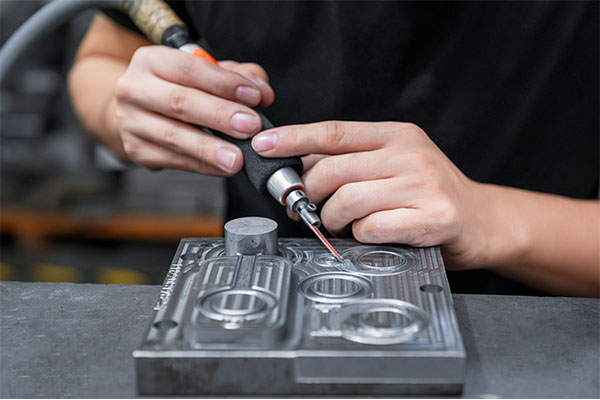
2. Mold Evaluation

STEP 2: Mold Evaluation

Our engineering team reviews whether an existing spoon design can meet your requirements or whether new tooling is necessary. Changes to the spoon profile, bowl capacity, handle structure, or integrated logo usually require a new mold.
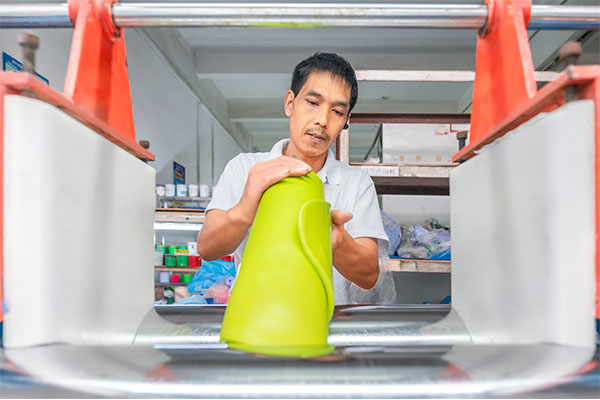
3. Material and Color Preparation

STEP 3: Material and Color Preparation

The approved food-grade silicone compound is blended with the selected pigments before molding. Material batches are verified to maintain consistent hardness, color, and processing performance throughout production.
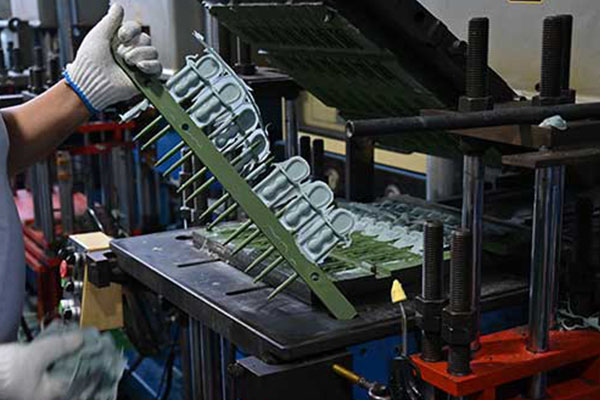
4. Silicone Molding

STEP 4: Silicone Molding

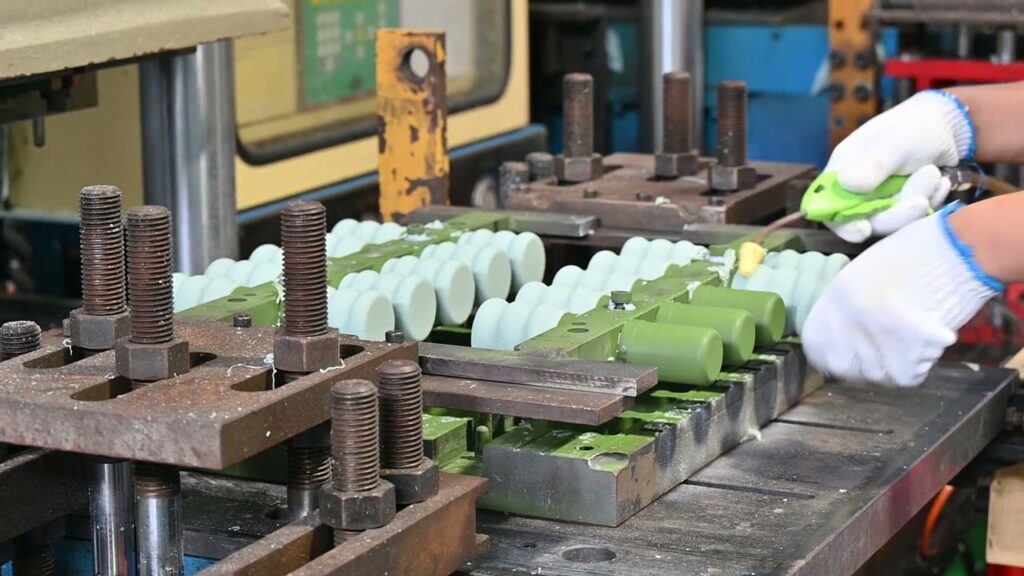
The compound is molded using the approved compression-molding or liquid-silicone process.The right process is chosen to match cavity structure, material, tooling and production volume.
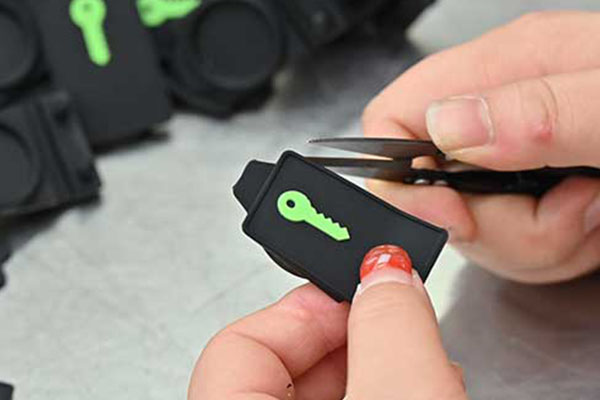
5. Demolding and Trimming

STEP 5: Demolding and Trimming

After curing, each spoon is removed from the mold and trimmed to eliminate flash. The edges, spoon bowl, and handle are inspected for smoothness before any branding process begins.
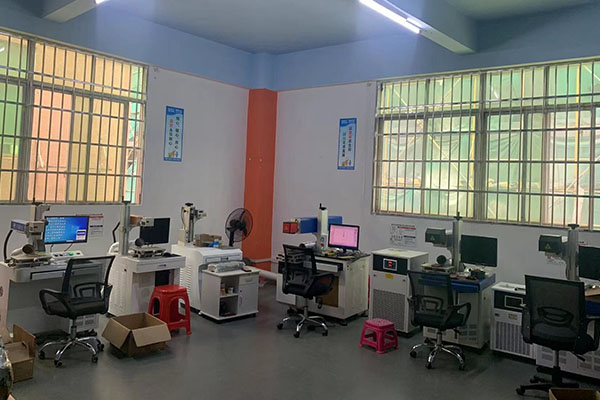
6. Logo and Surface Processing

STEP 6: Logo and Surface Processing

Embossing, debossing, pad printing, or laser engraving is completed according to the approved artwork. Logo position, depth, and appearance are checked against the approved sample.
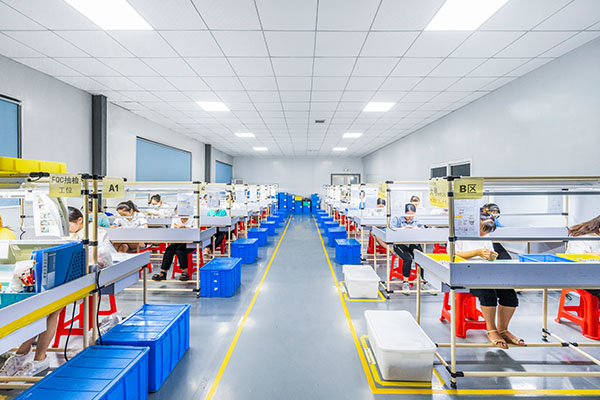
7. Quality Inspection

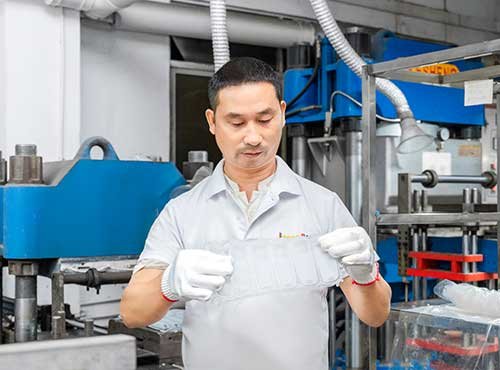
STEP 7: Quality Inspection

Our QC team checks the finished mold against the approved sample, specification and purchase order.

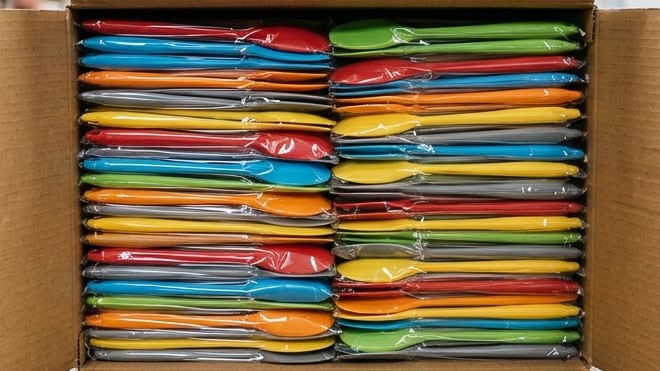
8. Packaging and Shipment

STEP 8: Packaging and Shipment

Finished products are counted, packed, labeled, and carton-marked according to the approved packaging specification before export.
Silicone Spoon Quality Control

Quality control covers much more than food-grade materials. Consistent dimensions, comfortable handling, clean surfaces, and stable branding are equally important for a successful retail product.

AQL 2.5 / 4.0 Standard Inspection

Final random inspections verify production consistency using agreed sampling plans:

AQL 2.5

Critical / Major Defects

AQL 4.0

Minor Visual Flaws

Alternative inspection standards can also be applied when specified in the purchase order.

The approved sample becomes the production reference for:

  • Spoon dimensions
  • Bowl profile
  • Handle structure
  • Weight
  • Hardness
  • Color
  • Surface finish
  • Logo position
  • Packaging presentation

Incoming silicone compounds, pigments, reinforcement materials, and supplier documentation are verified before production begins.

Operators monitor:

  • Molding completeness
  • Flash formation
  • Surface finish
  • Color consistency
  • Handle alignment
  • Reinforcement positioning

Each spoon is checked for:

  • Flash residue
  • Burrs
  • Surface contamination
  • Air bubbles
  • Incomplete molding
  • Surface scratches
  • Edge defects
  • Visible deformation

Critical dimensions are measured according to the approved specification, including:

  • Overall length
  • Spoon-bowl width
  • Spoon-bowl depth
  • Handle thickness
  • Product weight

Production colors are compared with the approved master sample under controlled lighting conditions to minimize batch variation.

Inspection covers:

  • Logo position
  • Logo dimensions
  • Printing quality
  • Molded logo definition
  • Ink coverage
  • Missing details
  • Adhesion performance

The finished spoon is reviewed for:

  • Flexibility
  • Handle rigidity
  • Spoon bowl recovery
  • Edge smoothness
  • User comfort

The evaluation method is confirmed according to the approved sample or customer testing requirements.

Before shipment, we verify:

  • Product quantity
  • Packaging materials
  • Barcode labels
  • Retail boxes
  • Instruction leaflets
  • Carton markings
  • Shipping labels

Silicone Spoon Packaging Options

Packaging should be planned during product development because retail artwork and printed materials require separate approval and production schedules.

Premium and food-contact silicone spoons are packed in OPP bags with bulk packaging

Bulk Packaging

Simple individual bags or multi-piece packaging help control cost for distributors, professional users and promotional distribution.
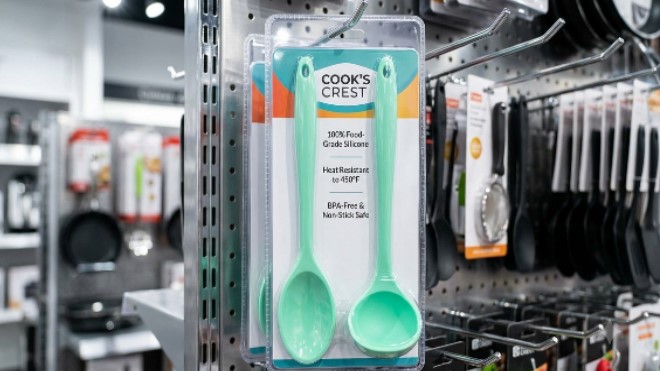
FDA-approved silicone spoon set with a silicone serving spoon and a silicone ladle

Retail Packaging

Header cards, blister packs, reusable bags and printed paper boxes provide space for branding, recipes and barcode information.
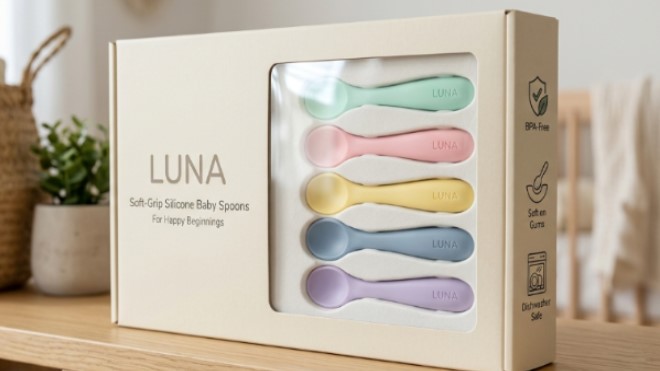
Silicone baby feeding spoons are packed with window box packaging

Ecommerce Packaging

We prepare SKU labels, scannable barcodes, product inserts and marketplace-specific outer labels according to your packaging file.
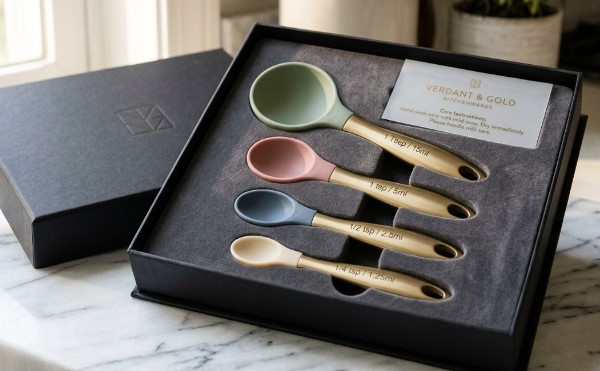
Different capacities and sizes of food contact custom silicone measuring spoons are packed in premium gift packaging

Premium Brand Packaging

Custom boxes, printed sleeves, recipe inserts and coordinated brand presentation can support higher-value retail products.

Typical Custom Silicone Spoon Specifications

SpecificationTypical Reference
ProductCustom silicone spoon
ApplicationsBaby feeding, toddler feeding, cooking, serving, mixing
MaterialFood-grade platinum- or peroxide-cured silicone
Hardness Range30–70 Shore A
Temperature Range-40°C to 230°C
Spoon LengthCustom dimensions
Spoon Bowl WidthCustom dimensions
Spoon Bowl DepthCustom dimensions
Handle StructureOne-piece silicone, nylon-reinforced or stainless-steel reinforced
Surface FinishMatte, smooth or textured
ColorsStandard colors or custom Pantone matching
Logo MethodsEmbossed, debossed, laser engraved or pad printed
Production ProcessCompression molding or liquid silicone molding
PackagingOPP bag, PE bag, retail box, gift box or custom packaging
Existing-Design MOQFrom 500 pieces
Custom Design MOQFrom 3,000 pieces
Sample Lead Time5–10 working days
Tooling Lead Time10–20 working days
Mass Production Lead Time15–25 working days after approval
Inspection StandardApproved sample plus agreed AQL standard
OEM & ODMAvailable

Final specifications are confirmed according to the selected spoon design, material, logo artwork, packaging requirements, and approved sample.

Why Work with RY Silicone

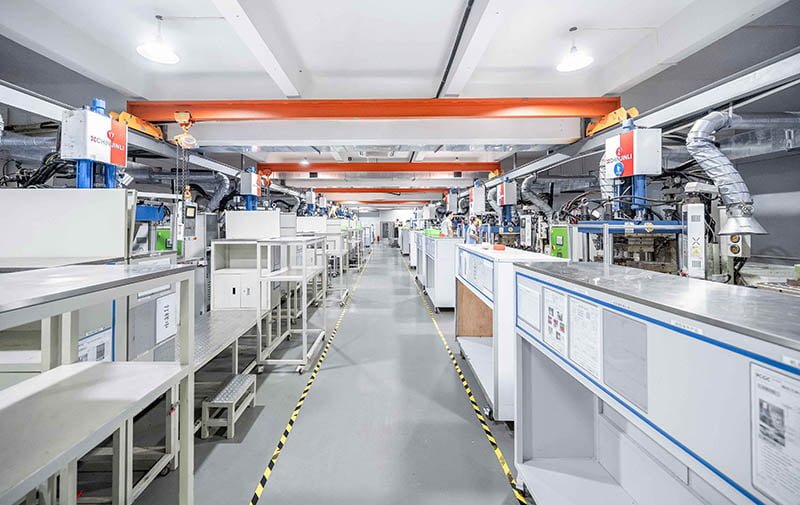
RuiYang Silicone factory

Silicone Manufacturing Experience Since 2012

RY Silicone is a China-based factory that has focused on custom silicone product manufacturing since 2012.

We support overseas clients from product evaluation and sampling through bulk production, inspection and delivery.

Video Image1

10,000+ m² Production Facility

Our in-house silicone mold factory supports tooling, molding, finishing, branding, inspection and packaging.

silicone machine

30+ Production Machines

Multiple production machines support different silicone mold structures and scalable order volumes.

ruiyang silicone compression mol

Up to 100,000 Silicone Products per Day

That headroom is what lets us take on repeat orders and five- to six-figure runs without pushing out your delivery date.

Actual mold capacity depends on cavity configuration, cycle time and inspection requirements.

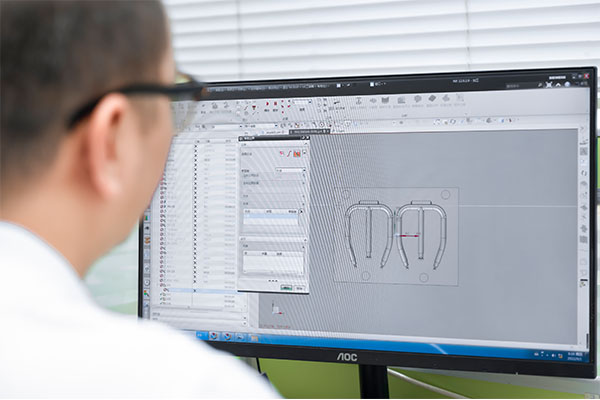
silicone Products Design

Engineering Review Before Quotation

We do not quote only from a product name or image.

Instead, our engineers walk through the mold shape and cavity count, then the material, dimensions, color, logo and packaging — and we check the destination market too, since a mold headed for the EU and one headed for the US can call for different documentation. Only then do we confirm the manufacturing proposal.

Rysilicone quality control

Sample-Based Production

Everything is locked to one approved sample before mass production — the cavity dimensions and color first, then surface finish, logo position and packaging. On the floor that sample outranks any spec sheet: if the two disagree, we pause the run and confirm with you.

Shipping

Export Project Support

As a China-based silicone mold factory and supplier, RY Silicone serves clients in North America, Europe and other international markets.

Our team supports product documentation, commercial communication, packaging coordination and shipment preparation.

Silicone Spoon FAQ and Final RFQ

The MOQ starts from 500 pieces for existing spoon designs with custom branding and from 3,000 pieces for fully custom spoon development.

The final MOQ depends on the spoon size, structure, color requirements, logo process, and packaging configuration.

Food-grade silicone spoons are widely used for baby feeding because they are soft, durable, and resistant to common temperature changes.

The applicable documentation depends on the selected silicone material, pigment, and destination market.

There is no single hardness that suits every application.

Baby feeding spoons generally use softer compounds to improve comfort, while cooking and serving utensils often require higher hardness levels to improve stability and reduce deformation.

Yes.

One-piece molding is commonly used for baby feeding spoons because it eliminates assembly points and simplifies cleaning.

The design should still be reviewed to ensure the desired balance between flexibility and structural support.

Not always.

Smaller utensils may perform well as fully molded silicone products, while larger cooking or serving spoons often benefit from a nylon or stainless-steel core to improve rigidity.

The appropriate structure depends on spoon size and intended use.

Yes.

Pantone color matching is available for most silicone spoon projects.

A physical approval sample is recommended because surface texture, wall thickness, and material formulation can slightly influence the final appearance.

Embossed and debossed logos provide permanent branding because they are molded directly into the product.

Pad printing offers greater design flexibility for colorful graphics, while laser engraving may be suitable for selected reinforced components.

The best solution depends on the logo design and product positioning.

Yes.

Most food-grade silicone spoons can perform within a temperature range of -40°C to 230°C.

The exact temperature capability depends on the selected silicone compound and product structure.

Available reports depend on the selected silicone material, pigments, decoration methods, and destination market.

Please provide the required standard during quotation so that we can confirm the appropriate documentation.

Please provide:

  • Target order quantity
  • Spoon application
  • Reference dimensions or samples
  • Desired hardness
  • Spoon structure
  • Pantone color reference
  • Logo artwork
  • Packaging requirements
  • Destination country
  • Required testing or documentation
  • Target delivery date

Ask For A Quick Quote

If you fail to submit the form, please write to us directly at [email protected]