Manufacturing custom silicone products since 2012

Silicone Rubber Heater Manufacturer

Custom flexible silicone rubber heaters provide tailored thermal solutions for tanks, pipes, batteries, electronics, and industrial OEM or ODM equipment.

Home » Silicone Rubber Heater Manufacturer
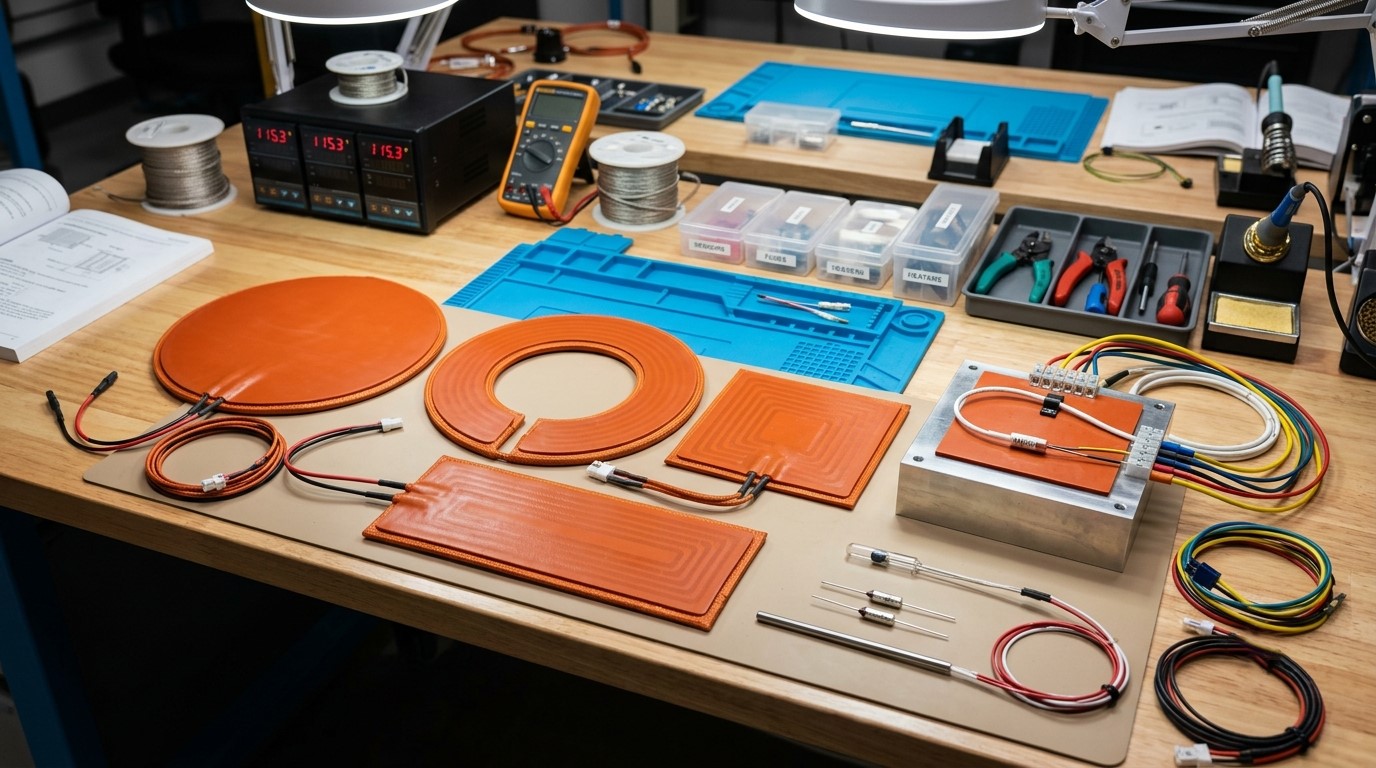
Different heating zones design and assemblies for heating system in custom silicone rubber heaters

What Is a Silicone Rubber Heater?

A silicone rubber heater is a flexible heater that conforms to irregular surfaces to provide controlled heat. Custom-built for specific shapes and requirements, they use etched-foil or wire-wound designs for efficient, direct thermal transfer.

RY Silicone is a China-based custom silicone manufacturer established in 2012. The factory covers 10,000+ m², operates 30+ machines, and can produce up to 100,000 silicone products per day, supporting OEM/ODM silicone component projects for international customers.

Silicone Rubber Heater Manufacturing at a Glance

Thermal Design

Define target temperature, heating area, and watt density first so heat output matches the actual application.

Heater Specifications

Set dimensions, resistance, voltage, wattage, thickness, and element construction around the available installation space.

Electrical & Sensor Options

Food-grade platinum- or peroxide-cured silicone, 30–60 Shore A, stable from -40°C to 230°C.

Branding & Packaging

Embossed or debossed molded logos, plus OPP/PE bags, header cards, blister packs and printed retail boxes.

Who We Manufacture Silicone Rubber Heaters For

Different applications require different combinations of heat output, geometry, control, and mounting.

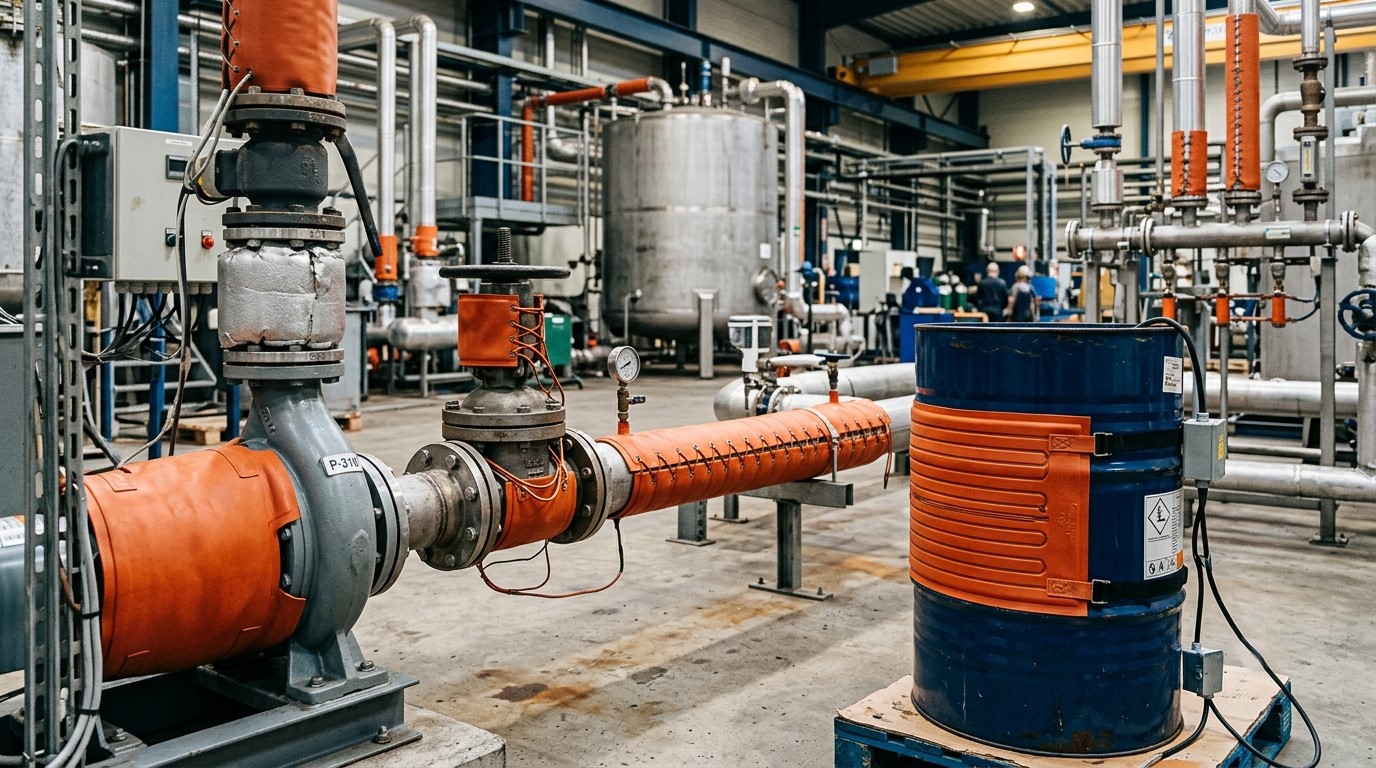
Silicone rubber heater in applications of industrial equipment

Industrial Equipment Manufacturers

Develop industrial silicone rubber heater for tanks, vessels, pipes, valves, pumps, machinery, and processing equipment where controlled surface heating prevents freezing, maintains viscosity, or stabilizes operating temperatures.
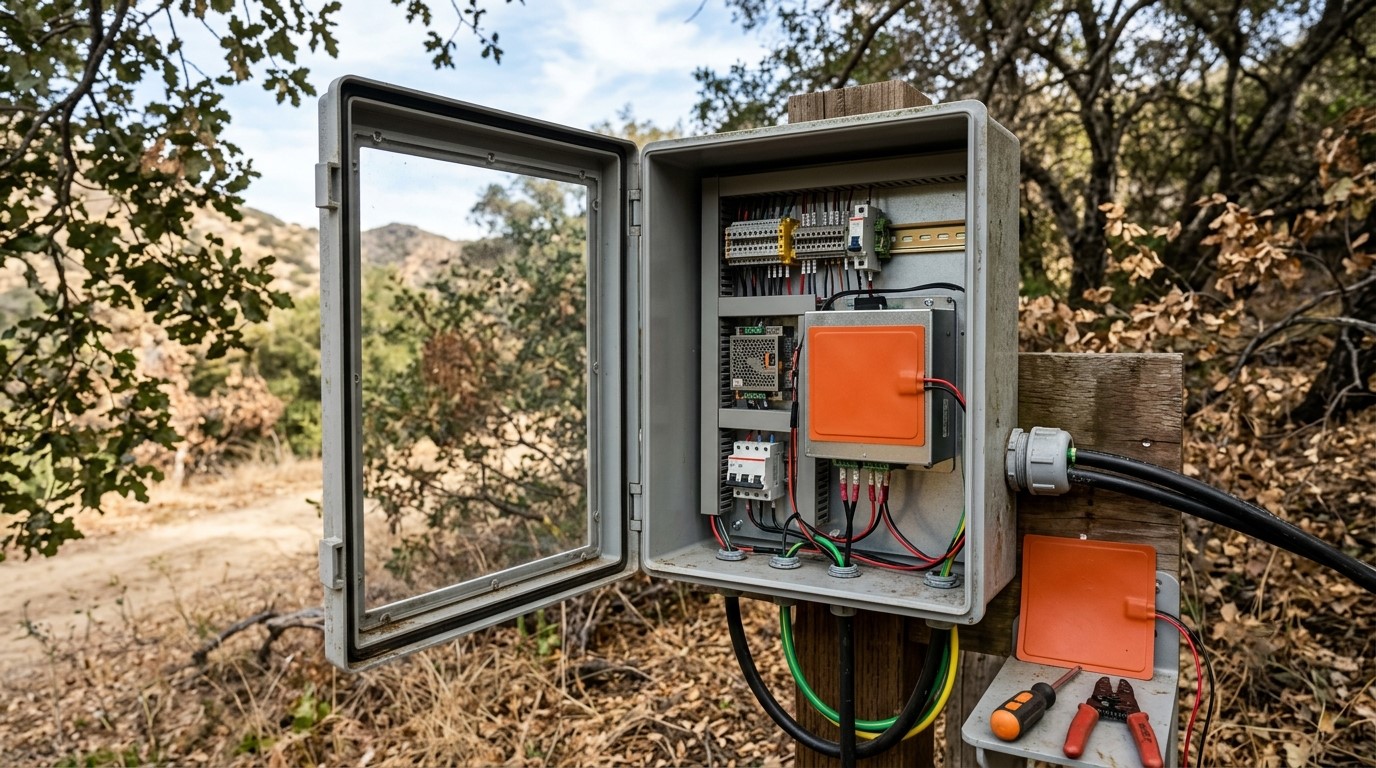
Silicone rubber heaters in applications of electronics and instrumentation

Electronics & Instrumentation Brands

Use thin, flexible heaters where limited installation space demands close surface contact, controlled warm-up, and reliable thermal transfer around instruments, enclosures, or sensitive components.
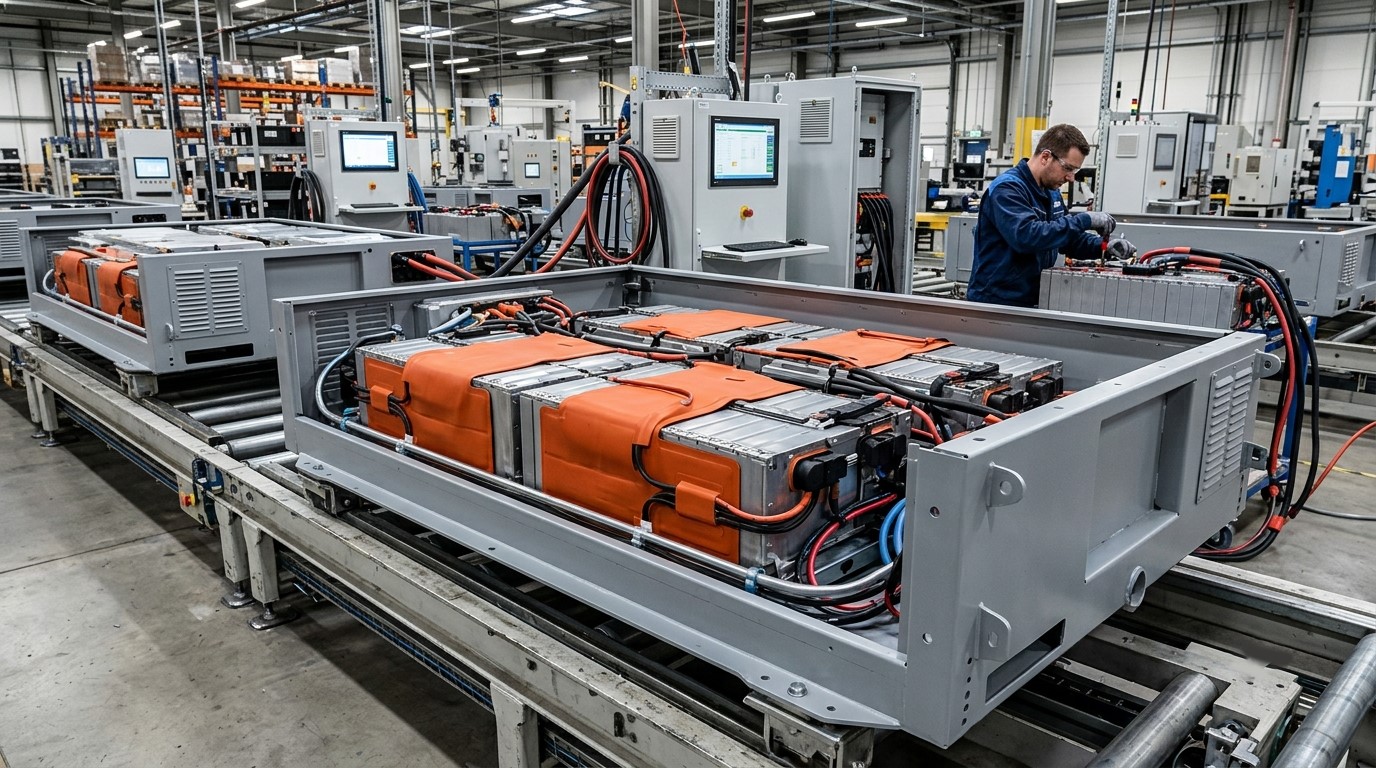
Silicone rubber heaters in applications of battery and energy equipment for enhanced durability and performance

Battery & Energy Equipment Manufacturers

Engineer application-specific heaters around battery housings, enclosures, and thermal-management structures where controlled heat distribution, electrical configuration, and mounting reliability must work together.

Silicone rubber heaters in applications of medical and laboratory equipment

Medical & Laboratory Equipment Manufacturers

Build heating components for clinical and laboratory equipment where temperature stability, sensor integration, repeatable thermal performance, and controlled manufacturing are important design considerations.
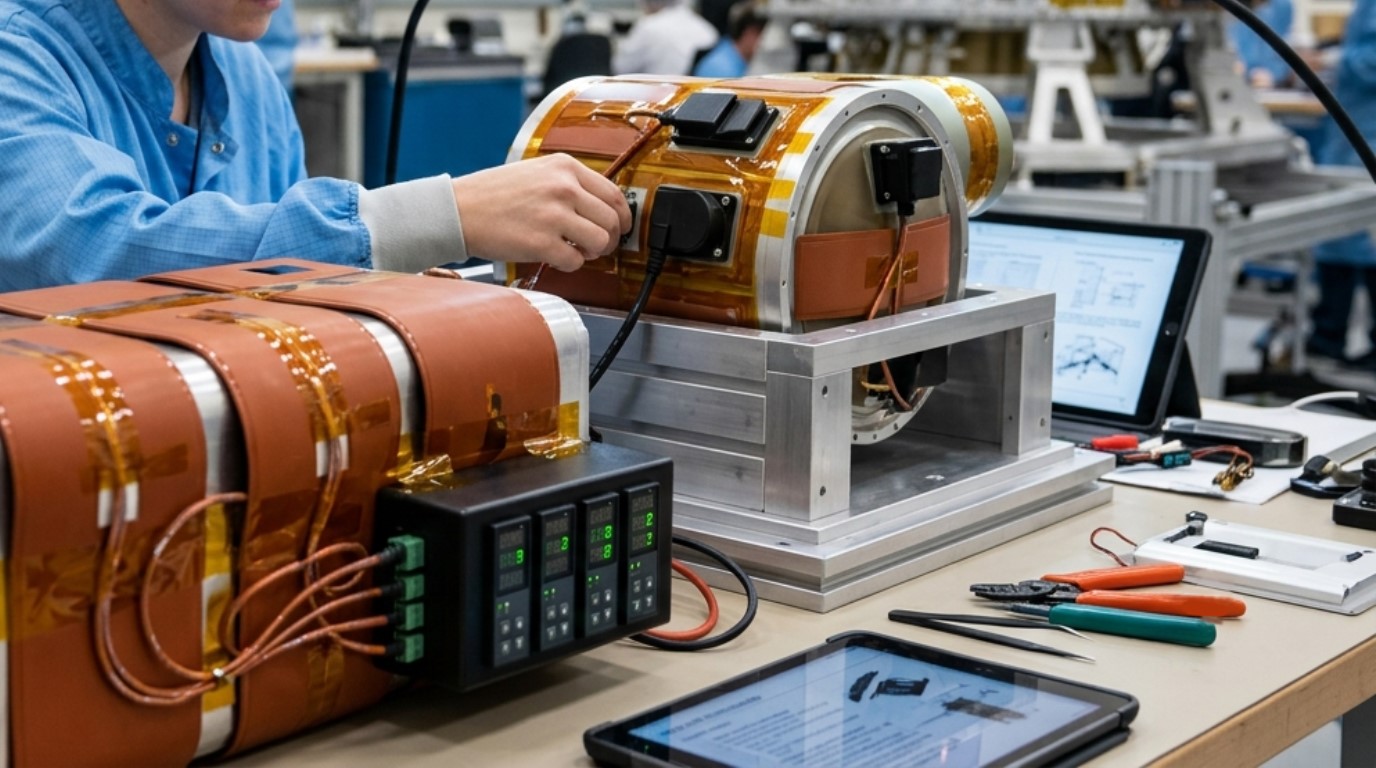
Advanced etched foil silicone rubber heaters for aerospace battery and defense instrument

Aerospace Battery & Defense Instrument Manufacturers

Engineered for aerospace and defense manufacturers with reliable, shape-conforming, thermal protection, ensuring optimal battery efficiency and longevity in extreme cold environments.
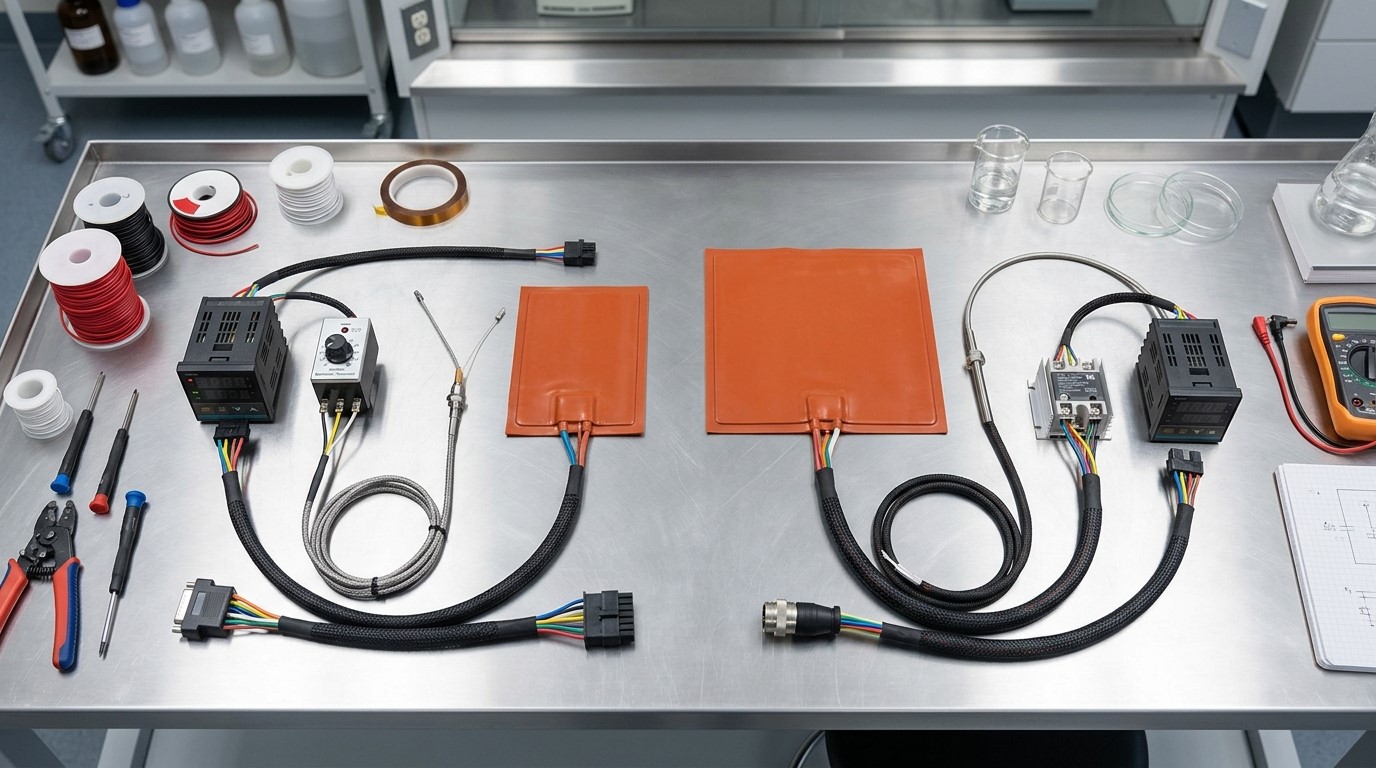
high design flexibility of silicone rubber heaters with diverser integrated assemblies for heating system

Heating System Integrators

Combine flexible heaters with thermostats, RTDs, thermocouples, controllers, wiring harnesses, and connectors to create a more complete thermal-control assembly.

Silicone Rubber Heater Types We Can Develop

Silicone Rubber Heater Customization

Start with the heating area, then match the electrical and mechanical design to the installation.

Different shapes of custom silicone rubber heaters for diverse substrates

We develop the heater geometry around your available mounting surface and required heating zone.

Available options include:

  • Rectangular heater pads
  • Circular and ring shapes
  • Curved heater designs with excellent formability
  • Irregular custom profiles
  • Cutouts and mounting holes
  • Multi-zone layouts
  • Custom edge profiles
  • Complex geometries
  • Specific design to fit into compact spaces

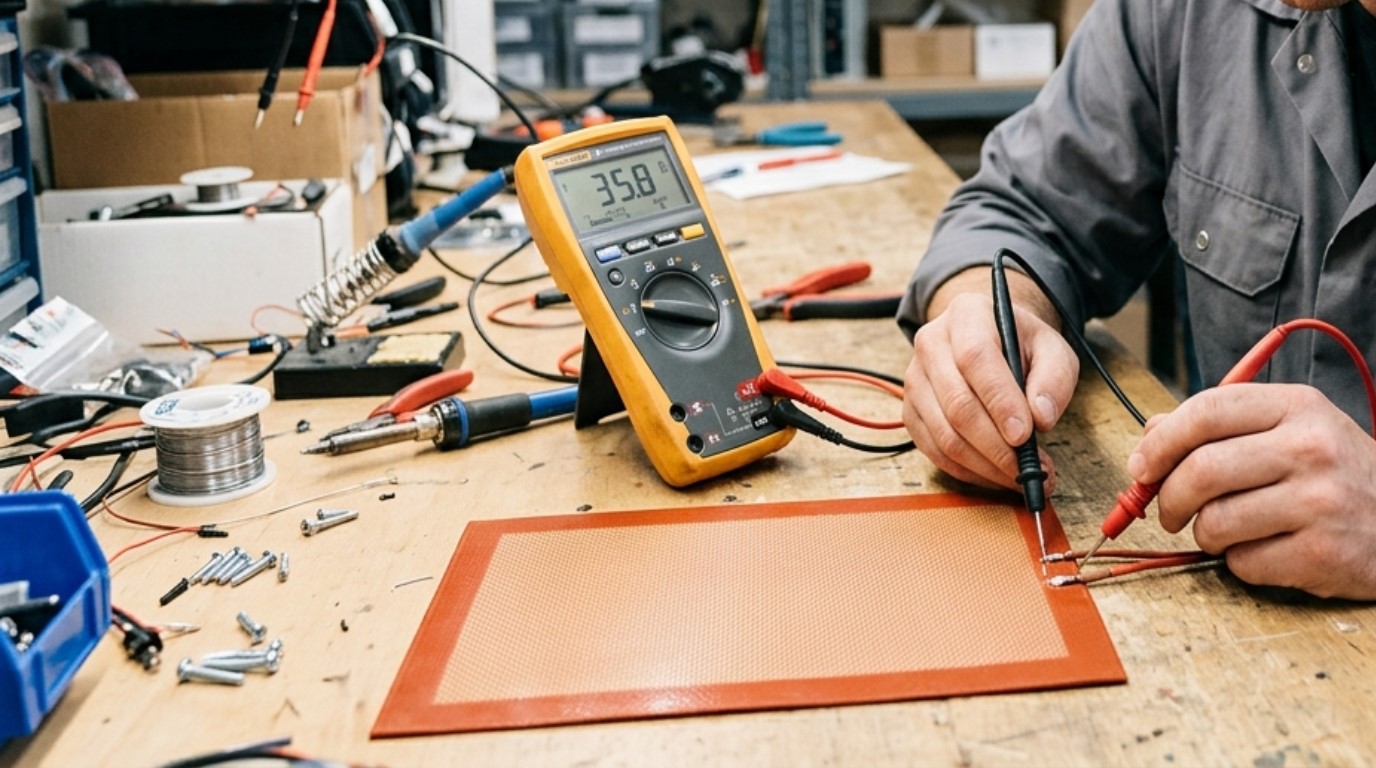
The resistance and other electrical properties of a silicone rubber heater is measured by tool

Set the electrical characteristics according to the available power supply and required heat output.

Available options include:

  • Dielectrics
  • Strain relief for wires and components
  • Dual voltages design
  • Distinct watt densities
  • Rated voltage
  • Resistance value
  • Wattage
  • Watt density
  • AC or DC configuration
  • Lead-wire specification
  • Connector configuration
  • Electrical termination position

Optional assemblies for heating system in custom silicone rubber heaters

We match the heater construction and control method to the required operating temperature.

Available options include:

  • Target operating temperature
  • Maximum temperature requirement
  • Integrated temperature sensors
  • Multiple heat zones and shaded watt densities
  • RTD integration
  • Thermocouple integration
  • Thermal fuses
  • Thermistors
  • Connectorization
  • External temperature controller compatibility

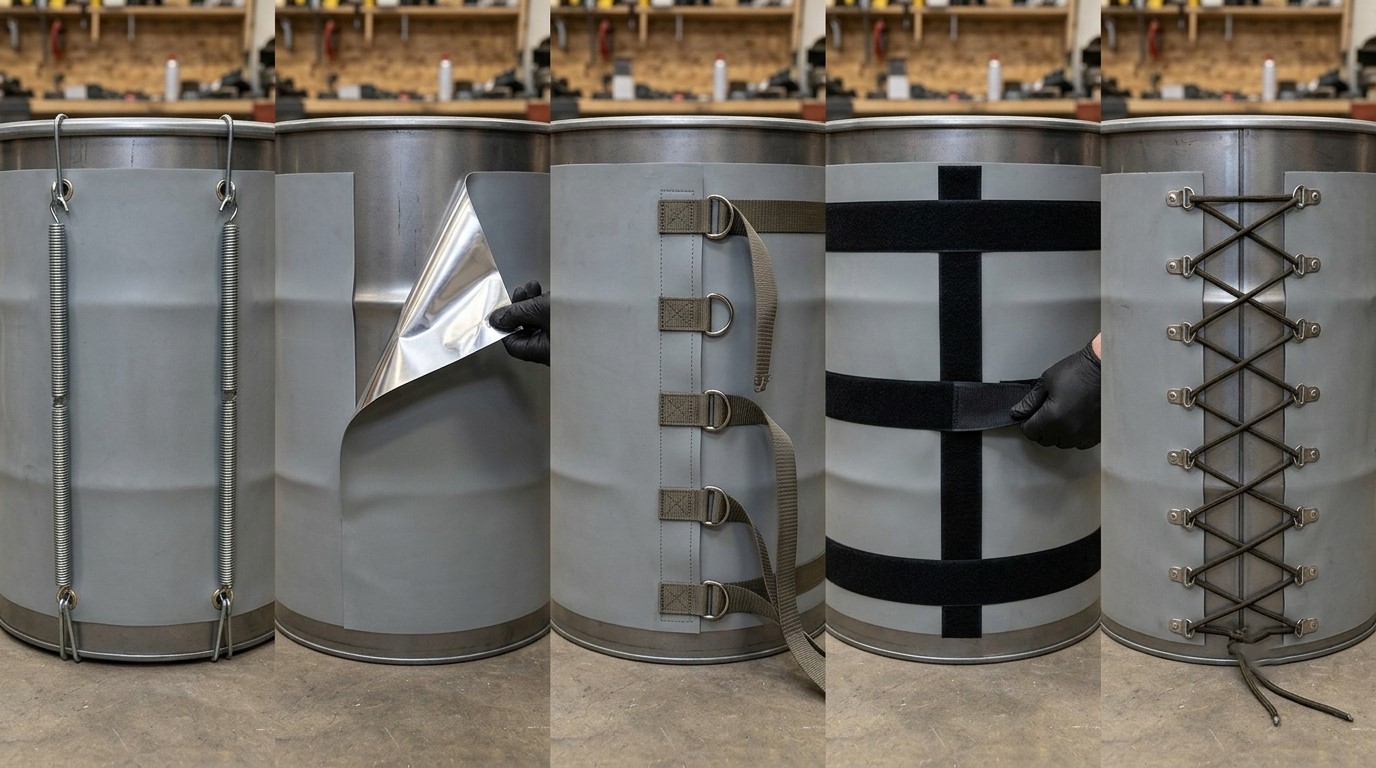
Different mounting methods for custom silicone rubber heater and specific requirements

Choose the attachment method according to the substrate, operating conditions, and service requirements.

Available options include:

  • Pressure-sensitive adhesive (PSA)
  • Foil backing
  • D-rings
  • Velcro straps
  • Boot hooks
  • Spring
  • Mechanical robust encapsulation
  • Value-added snap fasteners
  • Clamping
  • Bonded installation
  • Custom mounting holes
  • Cutout alignment
  • Lead-exit positioning
  • Removable installation structures

Start Your Silicone Rubber Heater Project

Send your heater drawing, electrical requirements, and target quantity. We will review the thermal design, silicone construction, electrical configuration, and production route before sampling.

How to Specify a Better Silicone Rubber Heater

A reliable heater starts with matching watt density, surface area, temperature, and mounting conditions—not wattage alone.

  • Heating area — Define the actual surface that needs heat rather than specifying only overall heater dimensions.
  • Voltage — Confirm the available power supply before resistance and wattage are finalized.
  • Resistance — Resistance must match the required voltage and electrical output for the heater design.
  • Wattage — Set total power according to the required heat load and warm-up performance.
  • Watt density — Evaluate power per heated area because concentrated heat can create temperature differences or localized overheating.
  • Operating temperature — Separate the required surface temperature from the maximum allowable heater temperature.
  • Substrate — Consider the material, dielectrics, thickness, shape, and thermal conductivity of the surface being heated.
  • Mounting — Confirm whether the heater will use adhesive, mechanical fastening, clamping, or another installation method.
  • Temperature control — Add a thermostat, RTD, or thermocouple when the application requires controlled or monitored heating.
  • Lead configuration — Lock wire length and exit position before tooling so the heater fits the final assembly.

A larger wattage rating does not automatically produce better heating.

Full specification guide

How to Specify a Better Silicone Rubber Heater—covering heater dimensions, voltage, resistance, wattage, watt density, temperature, sensors, mounting, and electrical requirements.

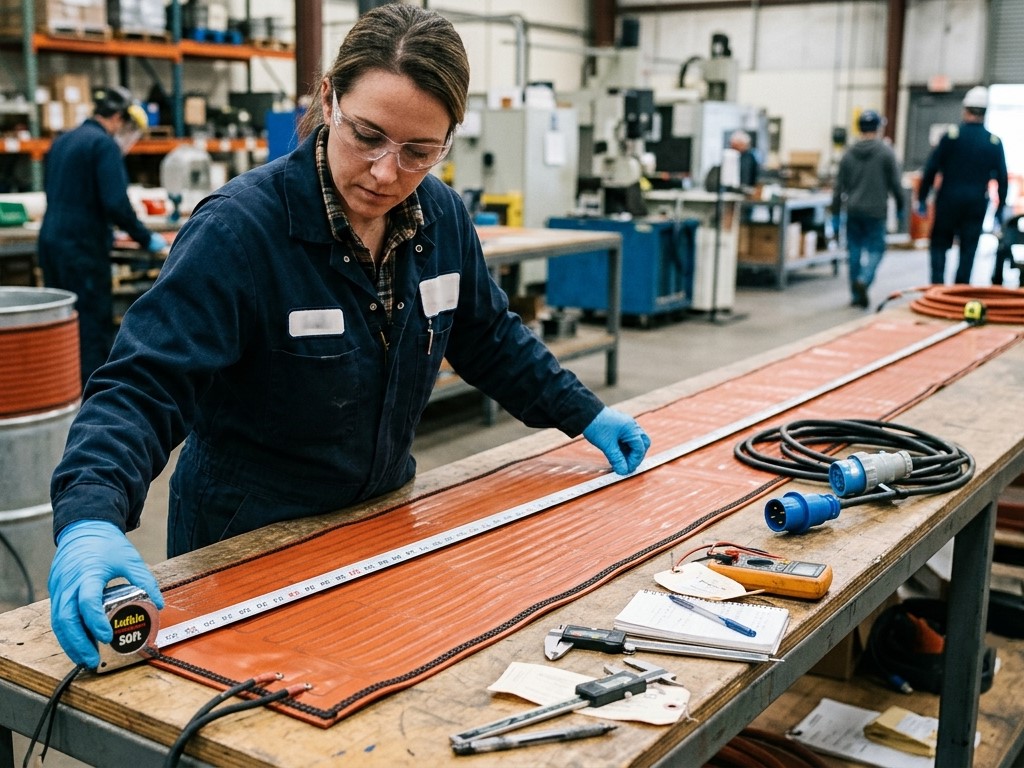
A tester is measuring the length of a silicone rubber drum heater

Silicone Rubber Heater Identification & Marking

Silicone rubber heater branding appears on surfaces, labels, or packaging, avoiding the heating area.

Surface Printing

Screen or pad printing on non-heating areas for clear part numbers and branding.

Laser Marking

Permanent etching provides wear-resistant traceability and serial numbers for harsh environments.

Electrical & Rating Markings

Essential voltage, wattage, and safety ratings printed to ensure proper industrial usage.

Identification & Packaging

Customized labels and packaging configured for your specific SKU and installation needs.

Silicone Rubber Heater Material & Performance Options

Select the silicone rubber compound, heating element, and electrical construction as a single integrated system.

Thin silicone construction allows the heater to conform closely to the target surface.

Silicone rubber provides a flexible encapsulation around the heating element, making it suitable for flat, curved, and irregular installation surfaces. The final flexibility depends on heater thickness, reinforcement, and construction.

Material & Performance Guide

Silicone Rubber Heater & Polyimide Heater—compare silicone construction, heating elements, watt density, temperature control, sensors, and mounting requirements.

Watt density determines how concentrated the heating power is across the active area.

Two heaters with the same total wattage can behave differently when their heated areas differ. We therefore evaluate total wattage together with active area and the required surface temperature.

The selected silicone and heater construction must match the required operating temperature.

Although silicone heating elements possess outstanding thermal stability across a wide temperature range, temperature requirements should distinguish between the heater’s operating temperature, the surface temperature being maintained, and the maximum temperature permitted by the complete assembly.

Resistance and voltage must be locked before production.

Our custom silicone rubber heaters offer dual voltages and varying watt densities for your flexible heater project.

The electrical relationship between voltage, resistance, and power directly affects the heat output of a resistive heater. Therefore, changes to the heater’s dimensions or resistance after approval can affect the thermal result.

The spacing and geometry of the heating elements influence how evenly heat reaches the target surface.

Ineffective element distribution can result in hot zones and cooler areas, especially around corners, cutouts, and irregular shapes.

Due to the excellent thermal conductivity and thermal stability of silicone heaters, as well as their ability to rapidly recover and efficiently transfer heat by vulcanization to most surfaces, proper design is essential.

Integrated temperature sensing provides a more controlled route for applications requiring temperature feedback.

RTDs, thermocouples, thermostats, or other control components can be positioned according to the required measurement point and control strategy.

The heater needs close and consistent contact with the heated surface.

Air gaps, poor adhesion, excessive curvature, or unsuitable mounting can reduce heat transfer and create localized temperature differences. The installation method should therefore be confirmed before final heater dimensions are approved.

Proper heater installation can effectively eliminate the damage of the silicone rubber heater and performance problems.

These flexible heaters require several considerations: inspection prior to installation, avoiding over-flexing, using only the designed fasteners (not other adhesives), surface checking, and label removal.

Maintenance Guide

How to maintain silicone rubber heaters—ensure complete cooling before operation, avoid over-bending and pulling on lead wires, inspect for overheating, punctures, or discoloration, and use proper fastening, installation, or reinstallation methods without strain or force.

How Silicone Rubber Heaters Are Manufactured

1. Requirement Review

STEP 1: Requirement Review

Every project begins by confirming dimensions, heating area, voltage, resistance, wattage, temperature target, sensor requirements, lead configuration, mounting method, and application conditions.
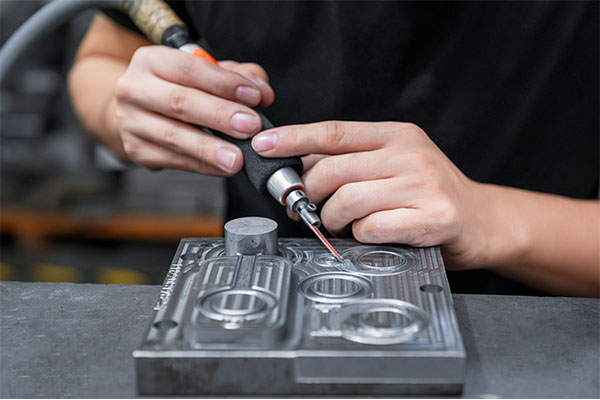
2. Mold Evaluation

STEP 2: Heater Design Evaluation

Engineering reviews the heater geometry, active heating area, element layout, cutouts, and lead exits to ensure the design fits the available installation space.

3. Material and Color Preparation

STEP 3: Silicone & Element Preparation

The approved silicone compound, heating element, electrical materials, and reinforcement components are prepared according to the confirmed heater construction.
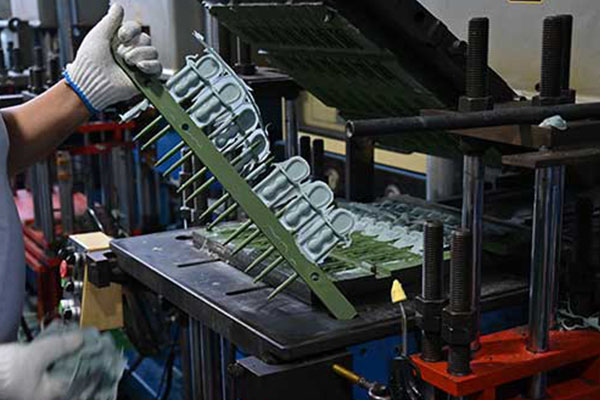
4. Silicone Molding

STEP 4: Heating Element Formation

The resistance element is produced to the required electrical specification, with its pattern or wire arrangement positioned to provide the intended heating distribution.

5. Demolding and Trimming

STEP 5: Silicone Encapsulation

The heating element is embedded and encapsulated within silicone rubber, creating the flexible heater structure while maintaining the required thickness and element position.
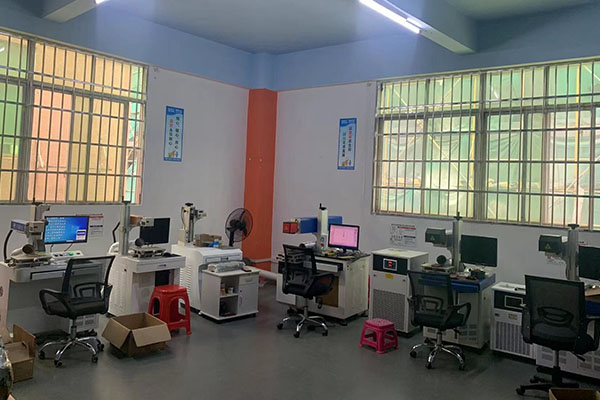
6. Logo and Surface Processing

STEP 6: Lead & Component Assembly

Lead wires, connectors, sensors, thermostats, or other specified electrical components are installed at their approved locations and checked for secure integration.
7. Quality Inspection

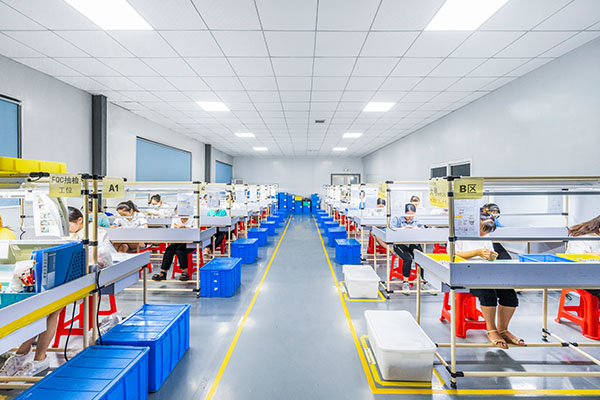
STEP 7: Electrical & Performance Inspection

Finished heaters are checked against the approved specification, including dimensions, resistance, electrical configuration, appearance, and other agreed performance requirements.
8. Packaging and Shipment

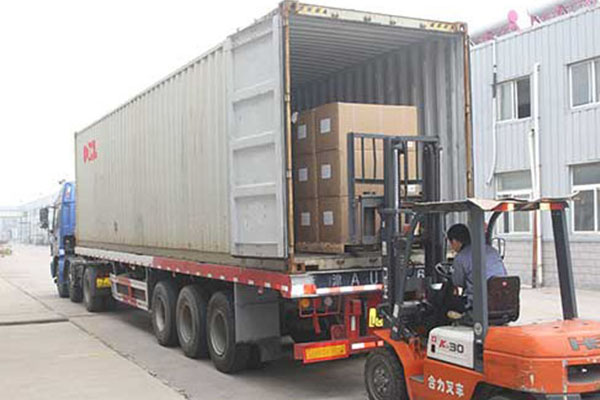
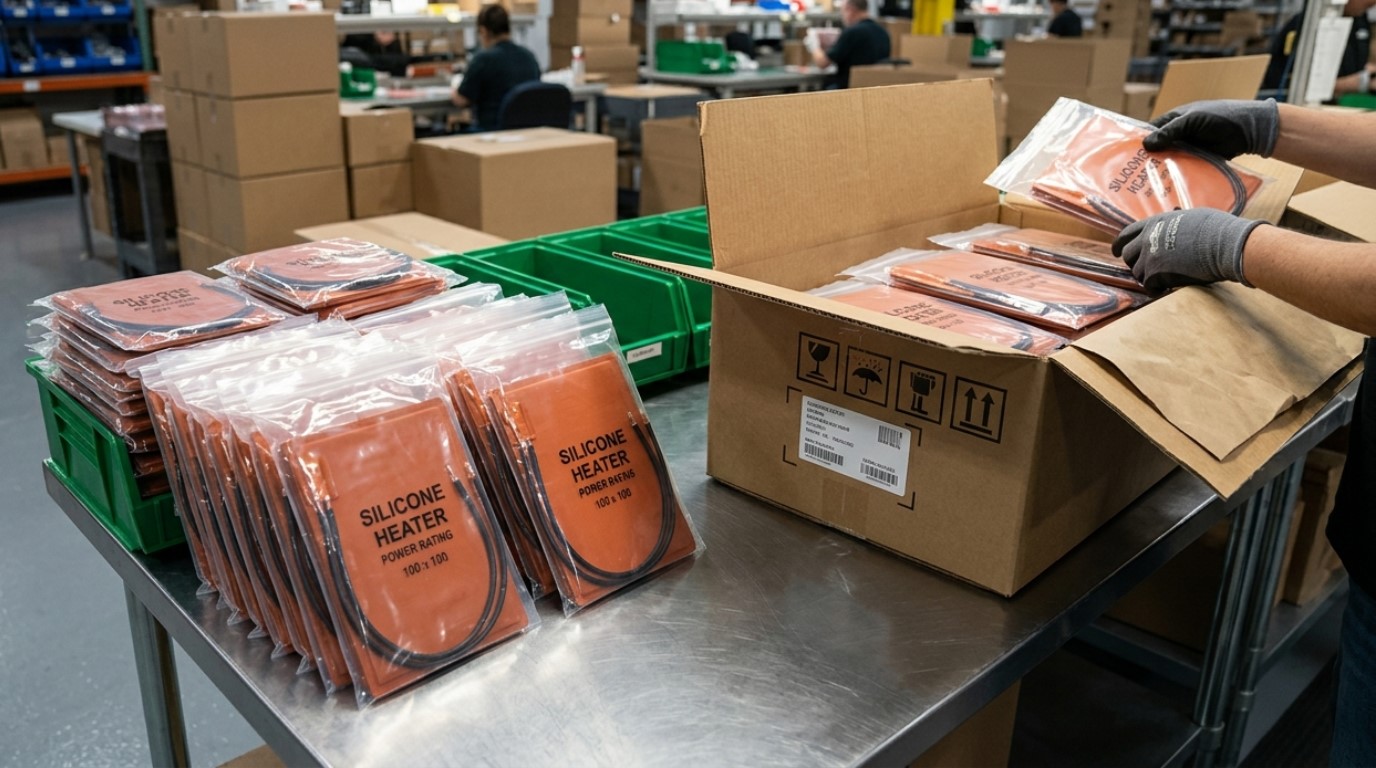
STEP 8: Packaging and Shipment

Finally, heaters are individually protected or bulk packed according to the application, SKU structure, and shipping requirements before carton labeling and shipment preparation.
Silicone Rubber Heater Quality Control

Quality control covers more than electrical continuity. A production heater must match the approved design in dimensions, resistance, heating-element position, lead configuration, appearance, and packaging.

AQL 2.5 / 4.0 Standard Inspection

Final random sampling can be applied to verify batch consistency:

AQL 2.5

Critical / Major Defects

AQL 4.0

Minor Visual Flaws

Another inspection standard can be applied when specified in the purchase order.

The approved sample becomes the production reference for:

  • Overall dimensions
  • Heater shape
  • Thickness
  • Resistance
  • Lead position
  • Lead length
  • Sensor position
  • Surface finish
  • Marking
  • Packaging presentation

Silicone compounds, heating elements, lead wires, connectors, and other specified materials are checked against the confirmed project requirements and available supplier documentation.

During production, operators monitor silicone encapsulation, heating-element positioning, lead exits, visible surface defects, and overall heater formation.

Finished heaters are checked for:

  • Tears
  • Cracks
  • Burr
  • Contamination
  • Severe bubbles
  • Incomplete encapsulation
  • Irregular edges
  • Surface damage
  • Exposed or displaced heating elements

Overall dimensions, heated-area geometry, and thickness are verified against the approved drawing or sample. Cutouts and mounting features receive additional attention because small dimensional changes can affect installation.

Electrical checks can include:

  • Resistance
  • Continuity
  • Lead connection
  • Rated voltage configuration
  • Insulation-related checks when specified
  • Sensor or thermostat connection

The heating element must remain within its approved pattern. Excessive displacement can change local watt density and create unwanted temperature variation.

Lead exits, connectors, and sensor positions are checked against the approved configuration to prevent installation problems during final assembly.

Product quantity, labels, part numbers, bags, protective materials, cartons, and carton marks are verified before shipment.

Silicone Rubber Heater Packaging Options

Packaging is matched to the heater’s geometry, electrical configuration, SKU structure, and distribution requirements.

Silicone rubber heaters in bulk packaging

Bulk Packaging

Individual protective bags or multi-piece packaging provide a practical option for industrial customers purchasing heaters for assembly-line integration and repeat production.
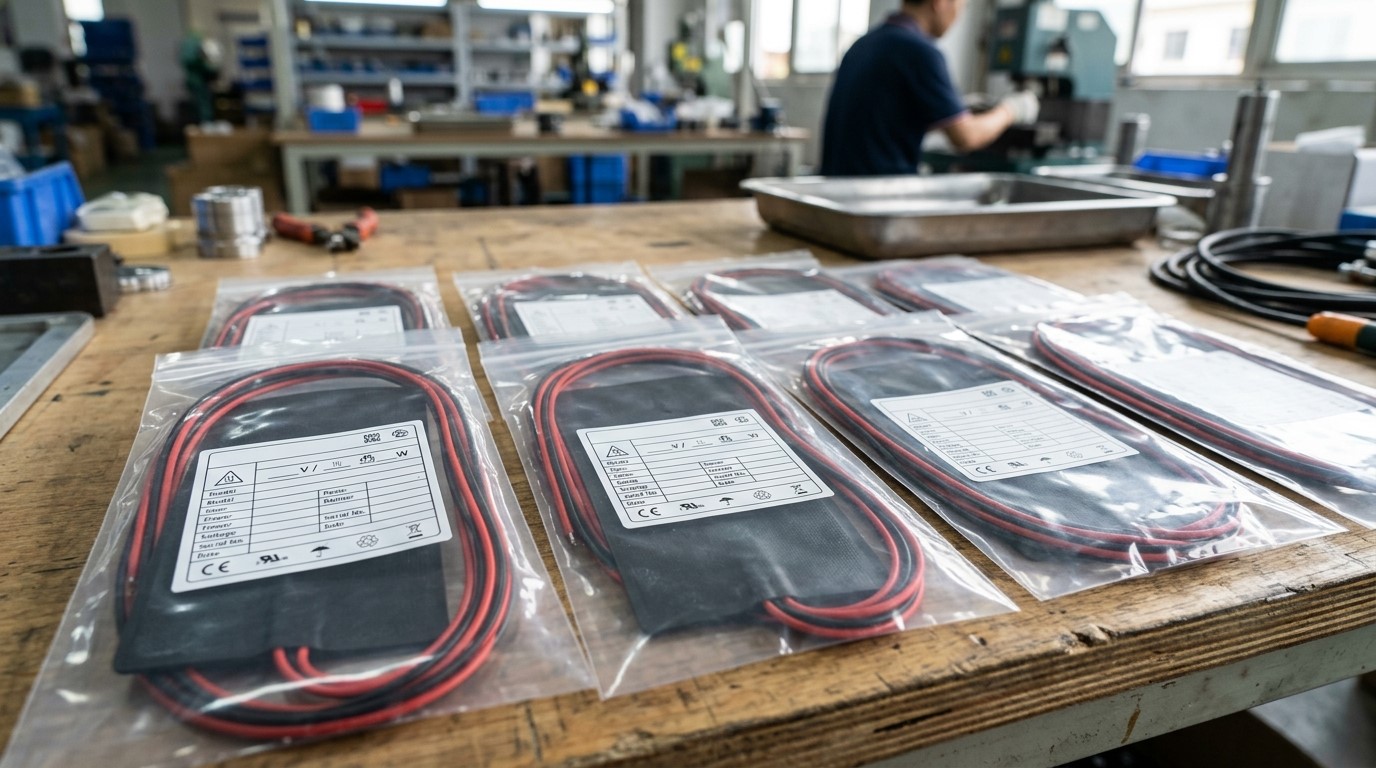
black silicone rubber heaters in individual packaging

Individual Packaging

Each heater can be separately protected and labeled with its part number, electrical specification, or SKU information to simplify warehouse handling and production identification.
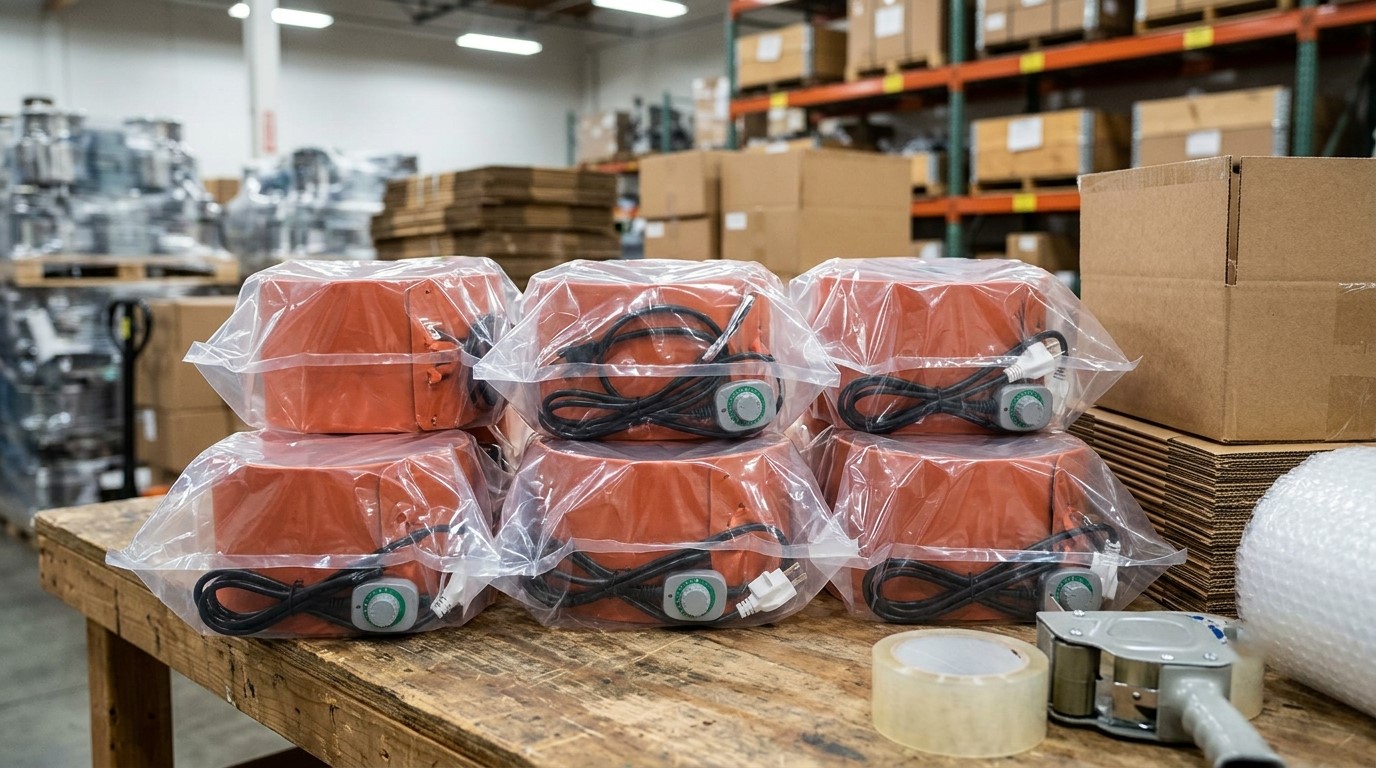
Custom silicone rubber drum heaters in distributor packaging

Distributor Packaging

Barcode labels, SKU identification, product inserts, and customized outer packaging can support distributors and retail-oriented channels where individual product identification is required.

Silicone rubber heaters in OEM project packaging with instrument information and labels

OEM Project Packaging

Custom cartons, protective separators, labels, and packing instructions can be coordinated around your equipment model, shipment quantity, and destination requirements.


Silicone Rubber Heater Typical Specifications

SpecificationTypical Reference
ProductCustom silicone rubber heater
ConstructionFlexible silicone rubber heating element
Temperature Range-40℉~450℉ (-40℃~232℃)
Heater shapeRectangular, circular, curved or custom profile
Heating elementEtched foil or wire-wound construction
VoltageUp to 750 Volts typically; custom according to application
ResistanceCustom according to voltage and power requirement
WattageCustom according to required heat output
Watt densityUp to 40 watts per square inch usually; custom according to heating area and application
ThicknessCustom according to installation space
Operating temperatureApplication-dependent
Sensor optionsThermostat, RTD, thermocouple or other specified sensor
Lead wiresCustom length, gauge and exit position
ConnectorsOptional custom configuration
MountingPSA, mechanical fastening, clamping or specified method
CutoutsCustom holes, slots and openings available
ShapeStandard or fully custom geometry
SurfaceSilicone rubber encapsulated construction
BrandingMarking or labeling according to project requirements
PackagingIndividual, bulk, OEM or custom packaging
MOQProject-dependent; confirmed according to heater size, electrical configuration, tooling and production requirements.
Sample lead time5–10 working days, depending on design complexity
Custom tooling / development10–20 working days when required
Mass production15–25 working days after approval
InspectionApproved sample plus agreed AQL or customer inspection standard
OEM / ODMAvailable

Final specifications are confirmed according to the selected heater construction, electrical design, dimensions, material, application conditions, and approved sample.

Why Work with RY Silicone

RuiYang Silicone factory

Silicone Manufacturing Experience Since 2012

RY Silicone is a China-based silicone manufacturer established in 2012, supporting overseas customers from product evaluation and sampling through bulk production, inspection, and delivery.

Video Image1

10,000+ m² Production Facility

Our production facility supports silicone molding, finishing, inspection, and packaging, providing an integrated manufacturing base for custom silicone component projects.

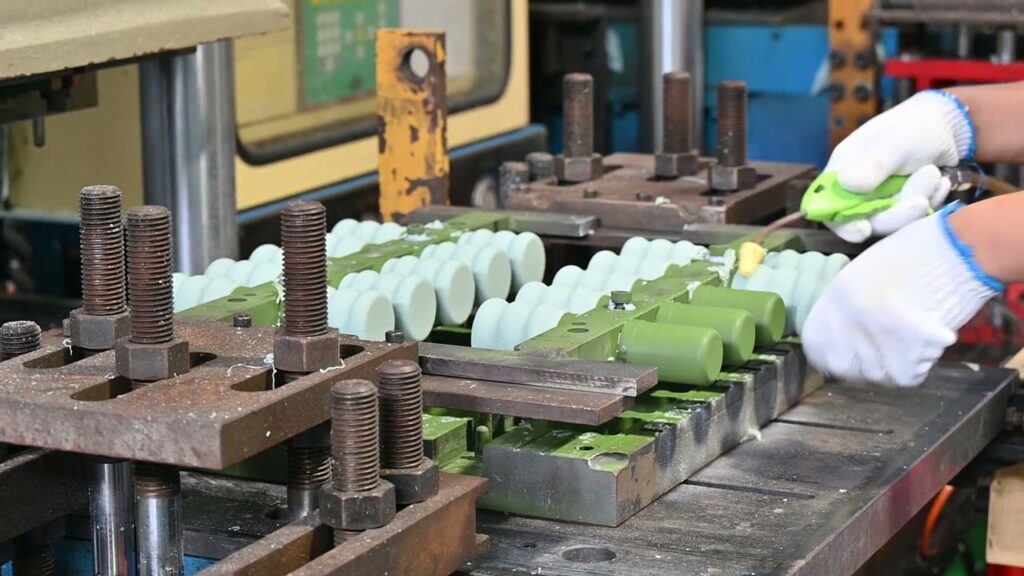
silicone machine

30+ Production Machines

More than 30 production machines support different silicone product structures and scalable production requirements.

ruiyang silicone compression mol

Up to 100,000 Silicone Products per Day

The facility has a capacity of up to 100,000 silicone products per day, with actual production capability depending on product structure, cycle time, and inspection requirements.

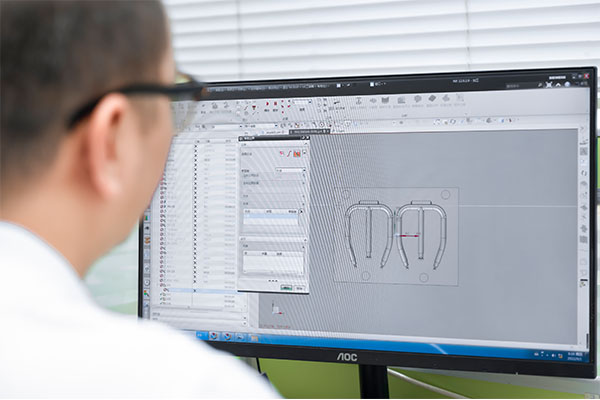
silicone Products Design

Engineering Review Before Quotation

We review the heater drawing or sample before confirming a manufacturing proposal. The engineering review should cover heater dimensions, heating area, electrical requirements, lead configuration, sensor position, mounting method, and destination-market requirements rather than quoting from a product name alone.

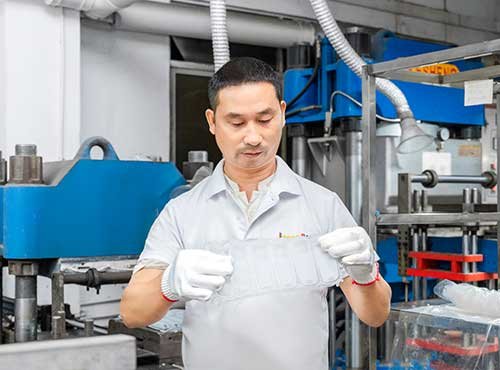
Rysilicone quality control

Sample-Based Production

The approved sample becomes the production reference. Dimensions, electrical configuration, lead position, surface condition, and other agreed characteristics are locked before mass production, reducing the risk of changes between sampling and production.

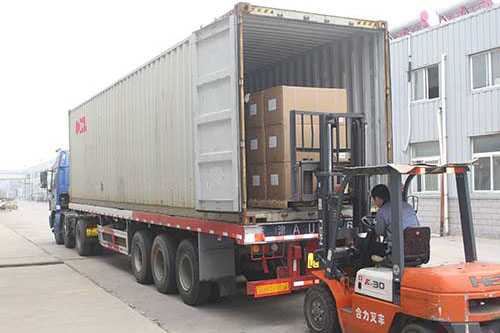
Shipping

Export Project Support

RY Silicone supports international customers with product documentation, commercial communication, packaging coordination, and shipment preparation.


The same project approach can be applied to custom silicone rubber heater programs requiring repeat production and OEM/ODM coordination.

Silicone Rubber Heater FAQ and Final RFQ

MOQ starts from 500 pieces for suitable existing configurations. Custom heater projects may require a different quantity depending on heater dimensions, electrical design, tooling, materials, and assembly requirements.

Yes.

Provide a 2D drawing, CAD file, existing heater sample, or detailed specification. Engineering can review the required dimensions, heating area, electrical characteristics, lead configuration, and mounting structure before quotation.

Wire-wound silicone rubber heaters are recommended when:

  • Small to medium batches
  • Prototypes and proving out the design parameters
  • Prior to entering high-volume product with etched foil flexible heaters
  • Plastic processing, food warming, and industrial processes

Etched foil silicone rubber heaters are optimal for:

  • Tighter patterns of elements
  • Eliminations of short out
  • Even and precise heat distribution
  • Higher flexibility for curved or irregular surfaces
  • Thinner overall thickness of flexible heater
  • Tight corners and complex geometry
  • Advanced thermal management solution
  • Medical devices, aerospace, and electronics

According to your specific needs and applications, rough silicone is optimal for durable flexible heaters, while smooth silicone is ideal for stain resistance and permanent mounting solutions.

Although our custom silicone rubber heaters are reliable in wet environments, in the presence of contamination, at various environmental temperatures, in outdoor environments, and in vacuums, you should also consider the texture of the materials for optimal performance.

Yes. Voltage, resistance, and wattage can be developed around the electrical requirements of the final equipment.

These values should be confirmed together because changing one electrical parameter can affect the heater's power output.

Yes.

Custom profiles can include irregular outlines, curved surfaces, cutouts, and mounting holes.

The final geometry should be evaluated together with the heating-element layout so the active heating area remains appropriate.

Yes.

Temperature-sensing components can be integrated when required by the application.

Sensor type and position should be defined according to the desired measurement point and temperature-control method.

You can choose unsupport, or there are reinforced silicone rubber heaters for enhancing mechanical strength, dimensional stability, and flexibility, which include:

  • Wound into specific patterns by resistnace wire
  • Create precise resistor patterns by metal foil via chemical etching
  • Abrasive-resistant fiberglass weave
  • Multi-laber lamination
  • Vulcanization

Batteries and battery packs used in the aerospace, defense, and telecommunications industries often experience severe sub-zero or fluctuating temperatures.

Without proper thermal management, these conditions can lead to reduced capacity, sluggish charge times, or total power failure.

High-performance, custom silicone rubber heaters maintain consistent, optimal operating temperatures, regardless of external environmental conditions. This reliability is essential for mission-critical applications such as avionics in aerospace and frontline communication devices in defense.

Safety is paramount in the fields of aerospace and defense engineering. Advanced custom silicone rubber heaters are equipped with integrated thermal switches and cut-offs.

These safety features prevent overheating and other temperature-related hazards by ensuring that batteries consistently operate within safe physical parameters, thereby substantially reducing the risk of catastrophic accidents or equipment damage.

Depending on the application, heaters can be designed for pressure-sensitive adhesive (PSA), mechanical fastening, clamping, or other specified installation methods.

The substrate and operating environment should be confirmed before selecting the mounting structure.

Please provide:

  • Target order quantity
  • Heater application
  • Overall dimensions
  • Active heating area
  • Required voltage
  • Resistance or wattage
  • Target operating temperature
  • Maximum temperature requirement
  • Substrate or heated component
  • Mounting method
  • Lead-wire specification
  • Connector requirements
  • Sensor or thermostat requirements
  • Cutouts or mounting holes
  • Drawing, CAD file, or physical sample
  • Destination country
  • Required reports or tests
  • Target delivery date

Wattage should be selected from the required heat load and application conditions rather than from heater size alone.

The heated area, substrate, insulation, ambient conditions, warm-up requirement, and target temperature all influence the required power.

Yes.

Their flexible construction allows them to conform to many curved surfaces. The minimum bend condition, heater thickness, mounting method, and operating temperature should be reviewed before production.

Documentation depends on the selected materials, electrical components, heater construction, and destination market. Provide the exact standard or document requirement so the applicable reports can be confirmed rather than assuming one report covers every finished configuration.

Ask For A Quick Quote

If you fail to submit the form, please write to us directly at [email protected]