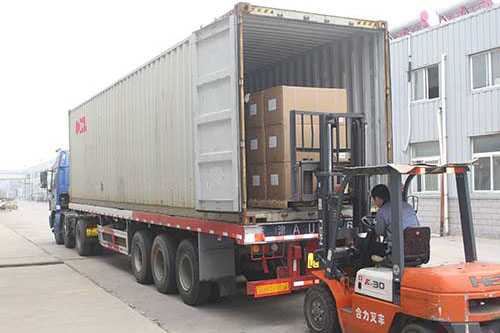
Silicone Ice Tray Manufacturer
Flexible silicone ice trays for cubes, spheres, novelty shapes, and branded drinkware collections, with custom cavities, colors, lids, logos, and retail packaging.
A silicone ice tray is a flexible food-contact mold that forms water into ice cubes, spheres, or custom shapes and releases the frozen pieces through controlled flexing. A custom silicone ice tray is developed around your cavity size, shape, color, lid, branding, and packaging requirements.
RY Silicone is a China-based custom silicone manufacturer established in 2012. Our manufacturing capability supports OEM/ODM silicone products for brands, distributors, and wholesalers serving international markets.
Silicone Ice Tray Manufacturing at a Glance
MOQ
From 500 pieces for existing tray designs with custom branding to 3,000 pieces for new custom-molded designs.
Lead Times
Samples in 5–10 working days, custom tooling in 10–20, and mass production in 15–25 after approval.
Material & Performance
Food-grade silicone options in 30–60 Shore A, with flexible structures designed for freezing, release, and repeated handling.
Branding & Packaging
Custom silicone colors, molded logos, suitable surface printing, and retail packaging support private-label ice tray collections.
Who We Manufacture Silicone Ice Trays For
Choose the sales channel first, then develop the tray around your product positioning and packaging needs.

Kitchenware & Drinkware Brands
Create coordinated ice tray collections around your brand colors, cavity shapes, and target retail price. Custom layouts, lids, and molded branding help distinguish your products from standard freezer trays.

Bars, Restaurants & Hospitality Suppliers
Develop ice trays for hospitality applications where cavity volume, release behavior, and repeated handling matter. Tray structure, flexibility, and storage requirements should be evaluated together rather than selected by appearance alone.

Homeware & Lifestyle Brands
Build novelty ice trays around specific themes, drink occasions, or seasonal collections. Custom cavity geometry allows your range to extend beyond conventional cubes while maintaining a practical silicone structure.

Event & Promotional Companies
Create branded ice trays for weddings, campaigns, corporate gifts, hospitality events, and seasonal promotions. Molded logos or custom-shaped cavities can turn an everyday kitchen product into a promotional item.
Distributors & Wholesalers
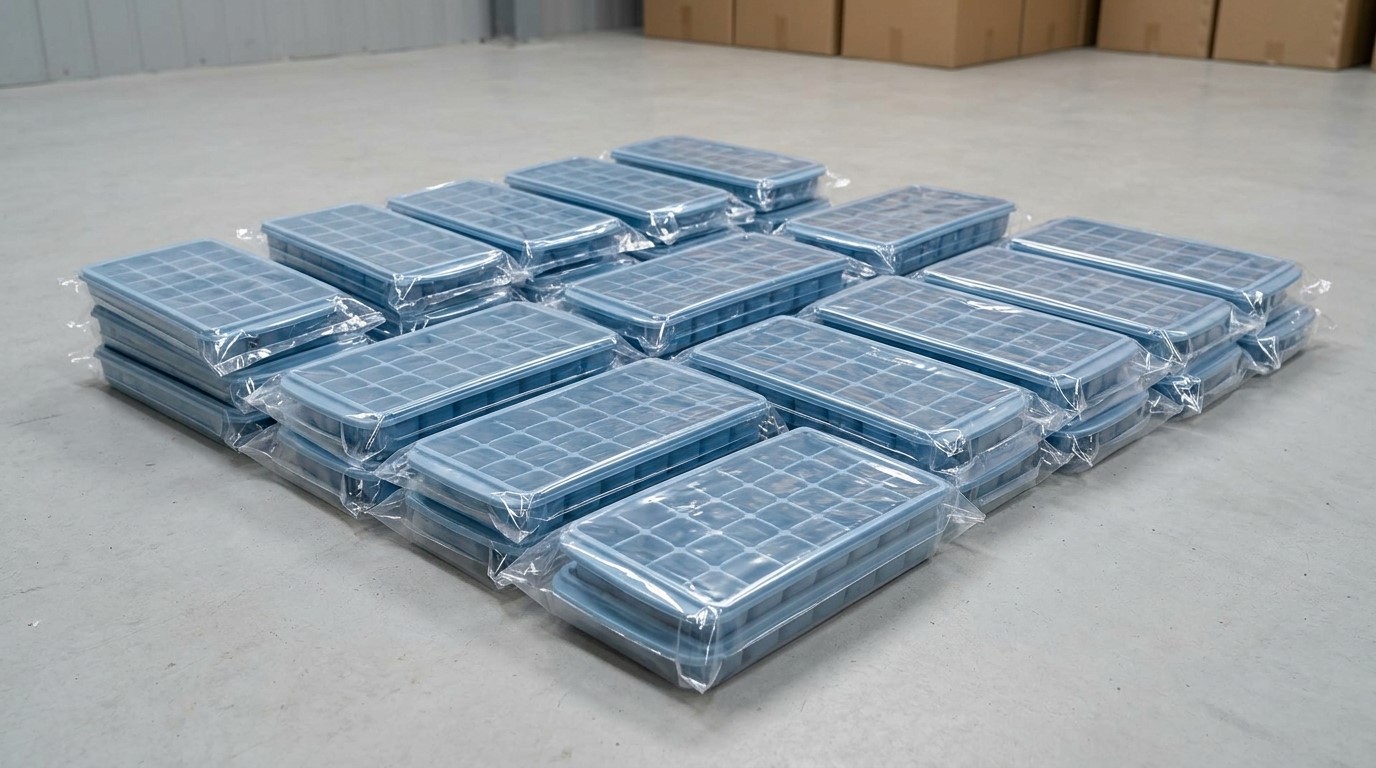
Source silicone ice trays wholesale and in bulk for kitchenware, homeware, barware, and seasonal product ranges. Existing designs provide a practical starting point when your priority is assortment breadth and delivery efficiency.
Retail & Ecommerce Sellers
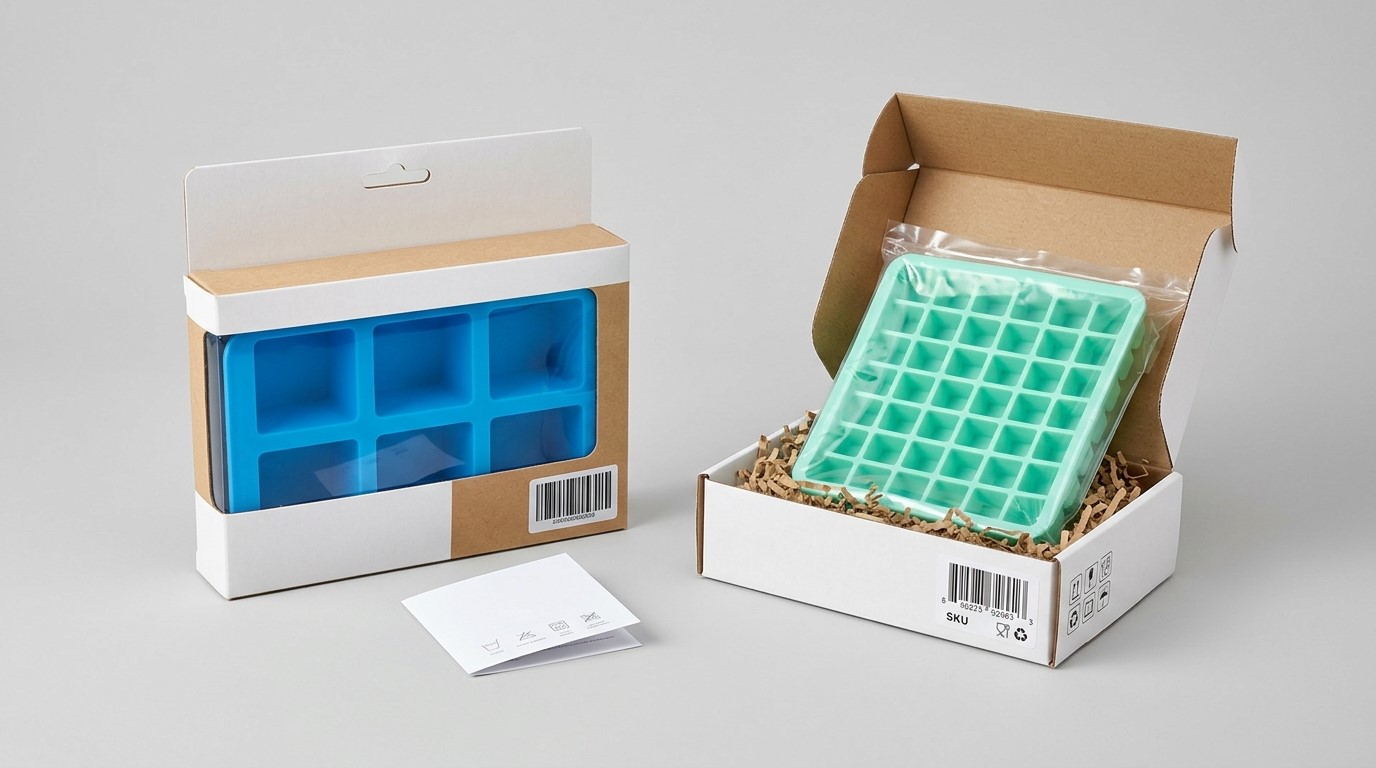
Add SKU labels, barcode information, inserts, and branded boxes to create ecommerce-ready ice tray products. Custom colors and recognizable cavity shapes can support private-label collections and marketplace differentiation.
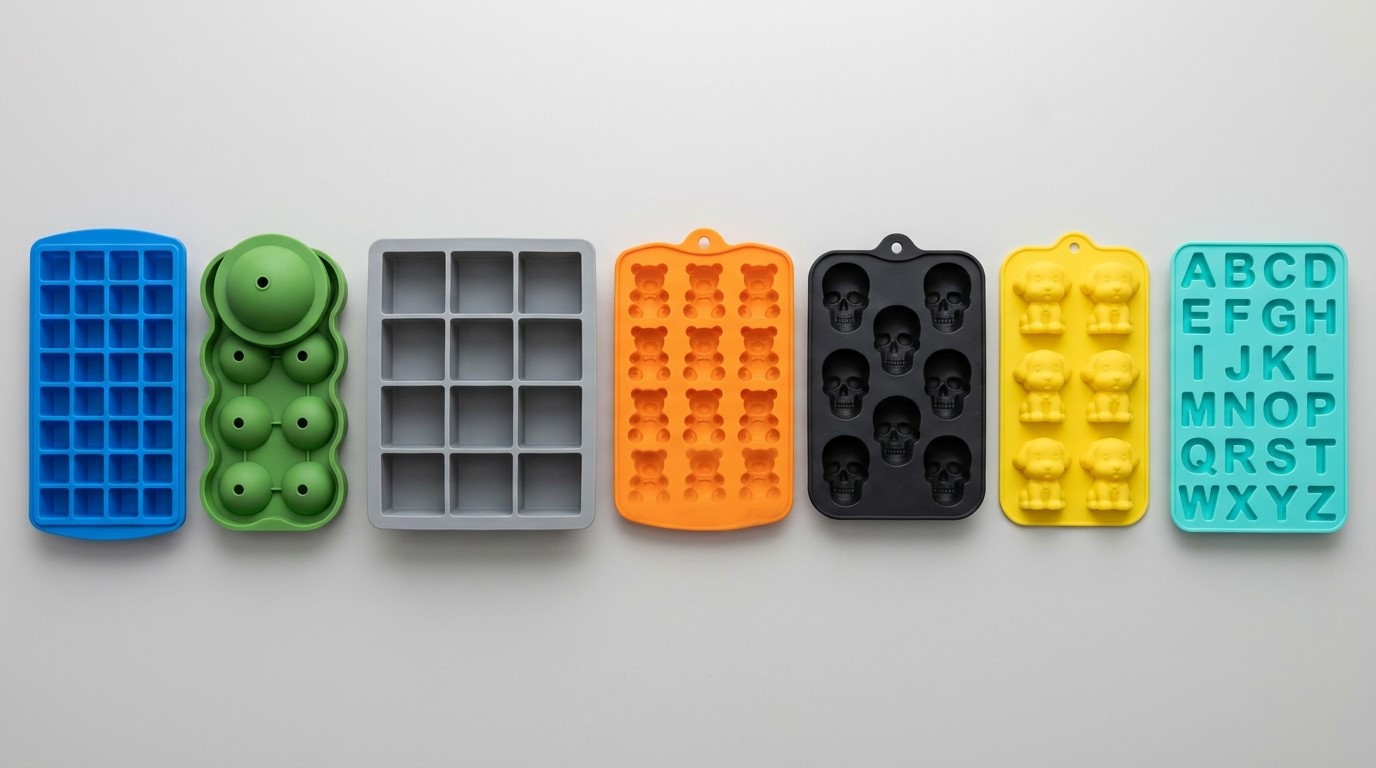
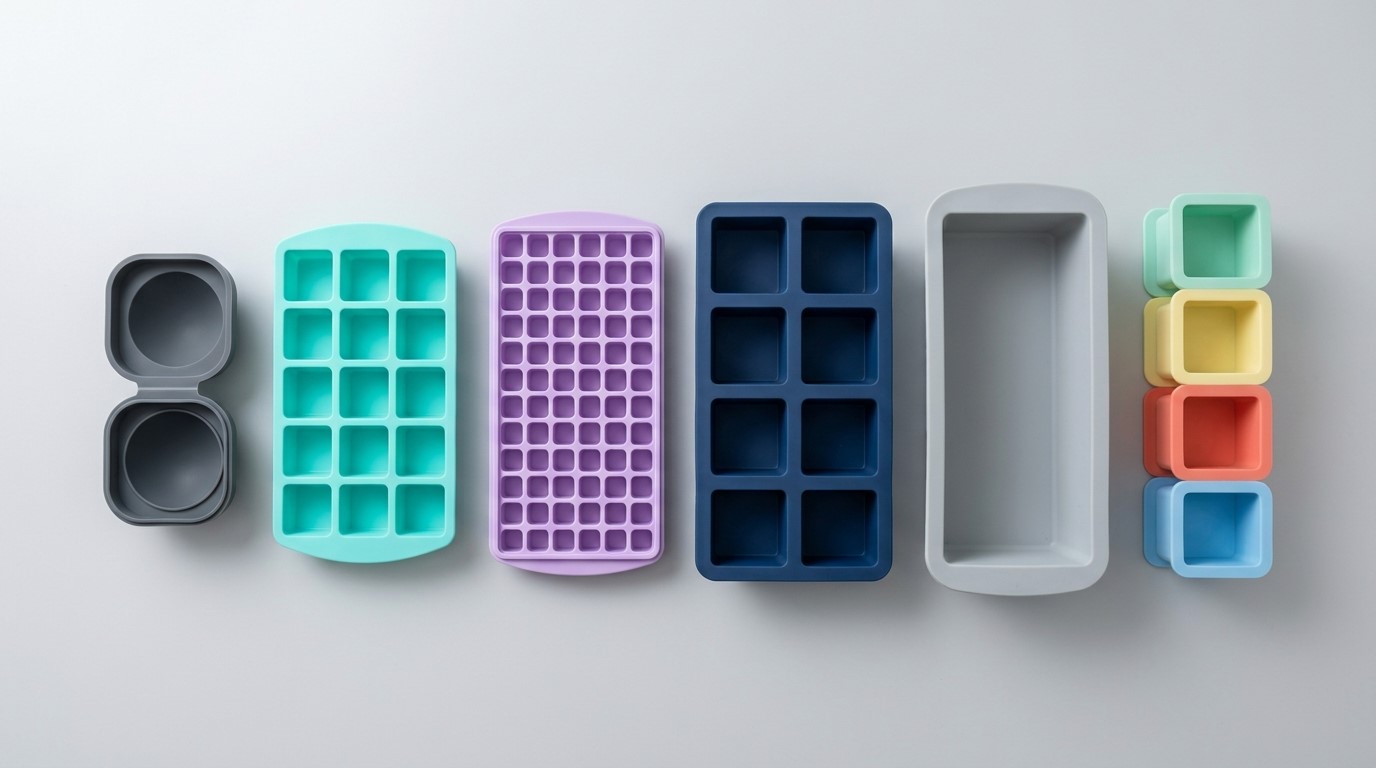
Silicone Ice Tray Types We Can Develop
Silicone Ice Cube Trays
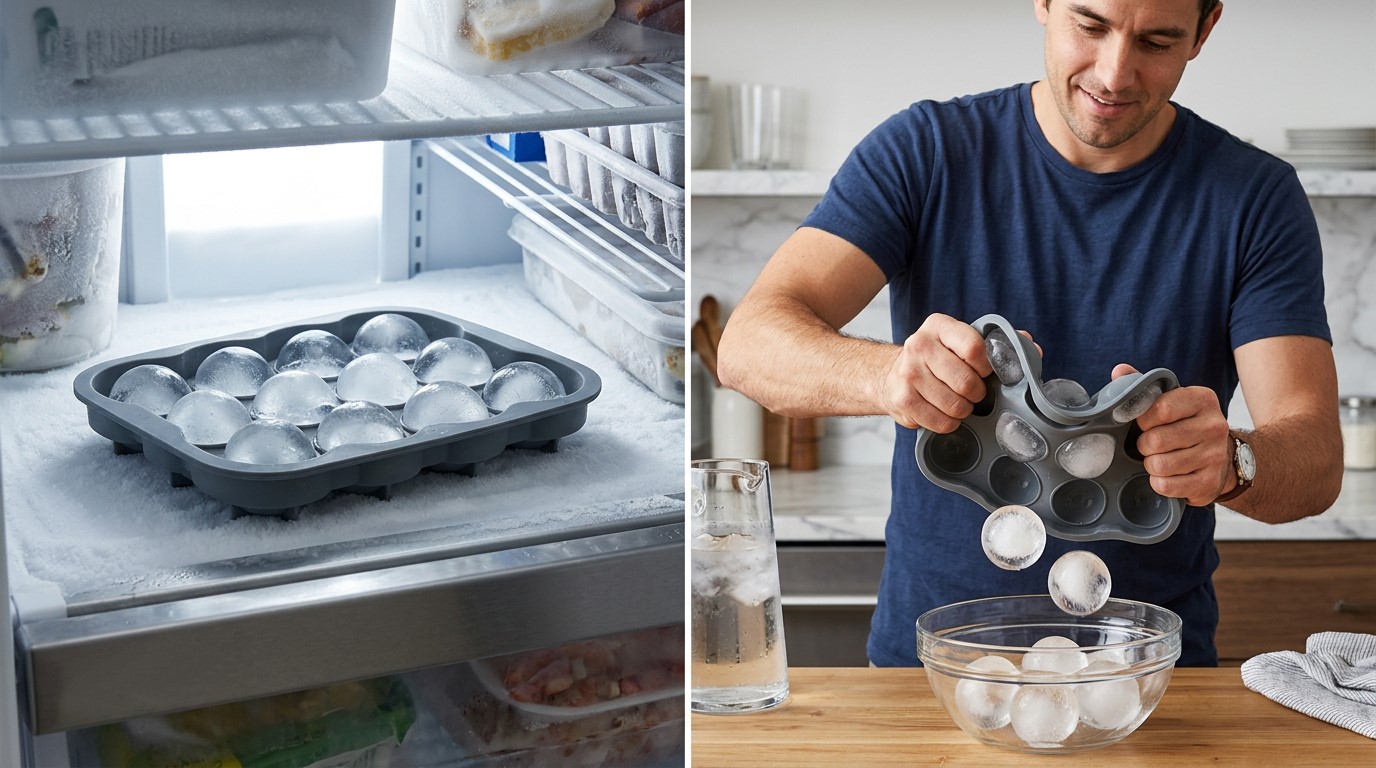
Silicone Ice Sphere Trays
Large Silicone Ice Cube Trays
Silicone Ice Cube Trays With Lids
Novelty Silicone Ice Cube Trays
Silicone Ice Block Mold
Silicone Cylinder Ice Mold
Silicone Mini Ice Cube Trays
Silicone Water Bottle Ice Cube Tray
Silicone Honeycomb Ice Tray
Custom Logo Silicone Ice Mold
Silicone Ice Tray Customization
Custom ice tray projects can be developed around cavity design, structure, material, branding, and packaging.
Select your ice shape to optimize drink pairing, freezing, release, and freezer space.
Available options include:
- Cube cavities
- Square Shapes
- Sphere cavities
- Large-format cubes
- Gummy bear shapes
- Dog-shaped ice cube silicone
- Cat paw & cat face shapes in silicone ice cube dog cat
- 3D Bunny designs
- Heat Shapes
- Apple shapes
- Strawberry shapes
- Coffe Bean shapes
- Beard designs
- number shapes
- Letter designs in silicone monogram ice cube tray
- Geometric designs
- Custom logo cavities
Set the cavity dimensions and tray structure around the intended ice volume, freezer space, and handling method. A larger cavity can improve visual impact but also increases freezing time and product weight.
Available options include:
- Custom cavity dimensions
- Single or multi-cavity layouts
- Different ice volumes
- Tray length and width
- Cavity spacing
- Rim thickness
- Stackable structures
- Steel core or steel frame structure
- Lid-compatible structures
Select silicone hardness and structure according to flexibility, release behavior, and repeated freezer use. Softer silicone can make demolding easier, while firmer structures provide greater tray stability.
Available options include:
- Food-grade silicone
- 30–60 Shore A hardness
- Flexible structures
- Firmer tray structures
- Custom silicone colors
- Glossy surfaces
- Matte surfaces
Build branding into the silicone or add suitable printing and retail presentation according to your sales channel.
Available options include:
- Embossed logos
- Debossed logos
- In-cavity branding
- Suitable pad printing
- Suitable screen printing
- OPP or PE bags
- Header cards
- Printed paper boxes
- Ecommerce-ready packaging
- Premium retail packaging
Start Your Silicone Ice Tray Project
Send your tray design, cavity requirements, quantity, and branding details to receive a practical manufacturing proposal.
How to Specify a Better Silicone Ice Tray
The best ice tray balances cavity volume, flexibility, release, and freezer storage requirements.
- Cavity size — define the target ice volume before tooling.
- Cavity geometry — avoid shapes that create difficult release points.
- Silicone hardness — select flexibility according to demolding and handling needs.
- Wall thickness — balance structural support with easy flexing.
- Rim stability — maintain a stable edge when filling and moving the tray.
- Lid fit — confirm sealing, stacking, and freezer clearance when a lid is required.
- Cavity spacing — leave enough silicone structure between cavities for repeated flexing.
- Surface finish — match glossy, matte, or molded texture to the intended product appearance.
A thicker or harder tray is not automatically better; the structure should match the cavity design and handling method.
Full Specification Guide
How to Specify a Better Silicone Ice Tray—cavity dimensions, hardness, wall structure, lid fit, and packaging considerations.
Silicone Ice Tray Logo & Branding Methods
Choose the branding method according to the logo design, cavity position, surface, and durability requirement.
Screen Printing
Suitable for selected non-contact areas where a colored logo provides stronger visual branding than molded details.
In-Mold Logos
A logo incorporated into the cavity can transfer your brand mark directly onto the finished ice.
Embossed Logos
Raised, ink-free branding permanently molded directly into the silicone structure.
Debossed Logos
Recessed, subtle branding seamlessly molded directly into the tray surface.
Silicone Ice Tray Material & Performance Options
Material selection should support freezer use, repeated flexing, clean release, and the requirements of your target market.
Food-grade silicone is the primary material choice for ice trays with safety and relevant regulations.
It can be used for ice-making applications, and the required documentation depends on the chosen compound, pigment, production controls, and destination market.
Material Comparison
Silicone vs. Plastic vs. Metal Ice Trays: Which Is Best?—Flexibility, release, durability, temperature performance, and material selection are all important factors to consider.
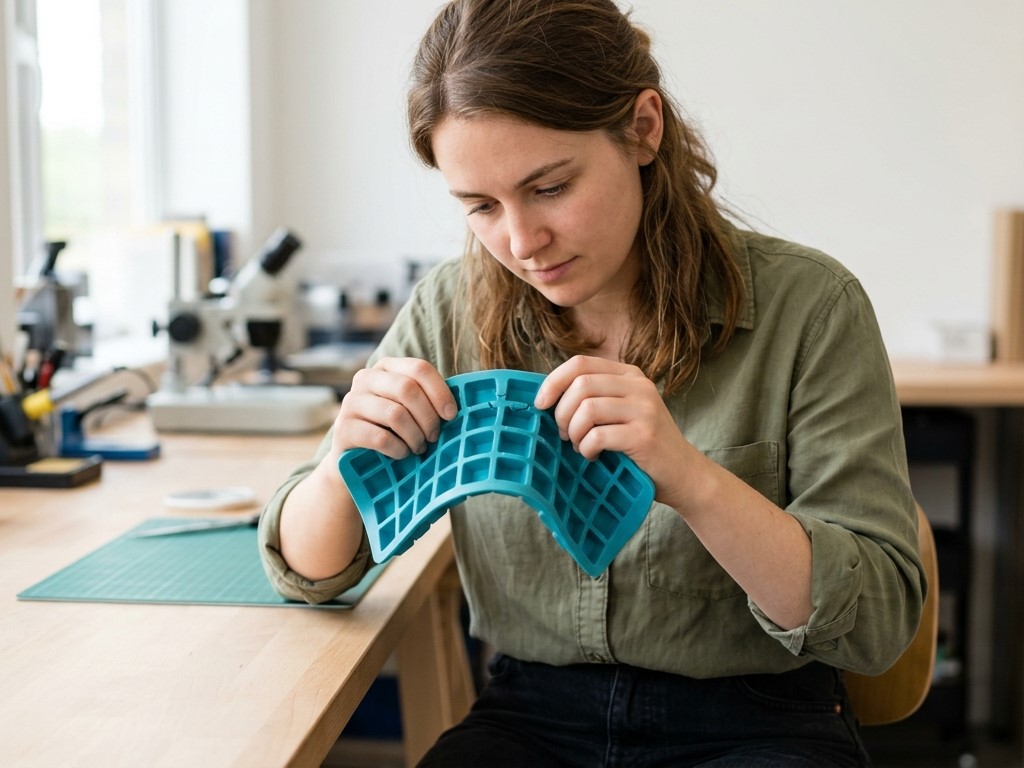
Controlled flexibility makes ice easier to remove without excessive force.
The hardness of the silicone, the geometry of the cavities, and the structure of the walls work together during demolding. Flexible silicone ice cube trays with a softer structure make flexing easier. In contrast, a firmer structure with a steel core provides better support when the tray is filled and moved.
The compound should remain flexible throughout repeated freezing and handling cycles.
Material selection should account for the intended freezer temperature, tray thickness, and repeated flexing, rather than relying on temperature resistance alone.
Thin rims and narrow cavity connections need sufficient tear resistance.
Deep cavities, sharp transitions, and thin connecting walls can concentrate stress during demolding. It is better to review these areas during tooling than to correct them after mass production.
Low odor and clean surfaces are important for products used around ice and beverages.
A strong odor or oily residue may indicate issues with the material, curing, or processing. Sensory screening can identify obvious problems, while formal compliance claims require appropriate testing.
RY Silicone also is committed to accelerating the efficiency of material, energy, and waste recycling, which affects purity, odor creation, material stability, and environmental sustainability.
Available project documentation may include:
- Material data sheets
- Material declarations
- FDA-related documentation
- LFGB-related documentation
- REACH-related reports
- Project-specific test reports
- Traceable quality system for repeat orders
The applicable documentation depends on the selected silicone, pigment, printing ink, curing process, and destination market.
A series of quality inspections, compliance, and traceability influence the safety of food and the reliability of silicone ice trays.
Cleaning with safety and proper maintenance methods can extend the service life of a silicone ice tray.
Wash the silicone ice tray with warm water and a clean cloth. Rinse completely to avoid soap, detergent, or liquid residue.
You can also submerge it in a vinegar solution, rub it with a baking soda paste, or bake the tray in the oven at around 350°F (175°C) for 10-15 minutes.
Avoid harsh cleaning tools that may damage the silicone ice mold’s structural integrity. Additionally, allow silicone trays to air dry completely before storing them.
Maintenance Guide
How to maintain for Silicone Ice Trays—washing, odor control, drying, storage, and stain prevention.
How Silicone Ice Trays Are Manufactured

STEP 1: Requirement Review
Every project begins by confirming the tray type, cavity dimensions, ice volume, hardness, color, branding, lid requirements, packaging, and requested documentation.
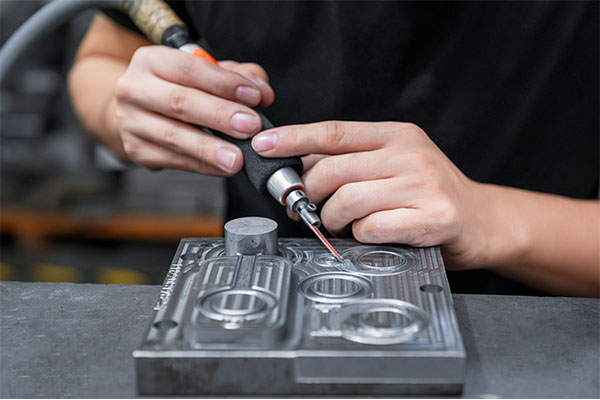
STEP 2: Mold Design & Evaluation
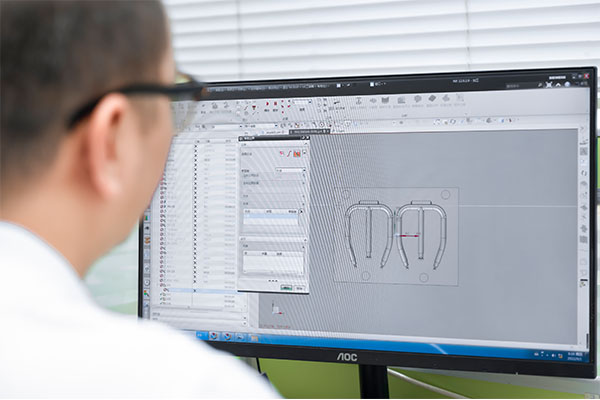
The engineering team reviews the cavity geometry, wall structure, draft, cavity spacing, and demolding direction to determine whether existing tooling can be used.
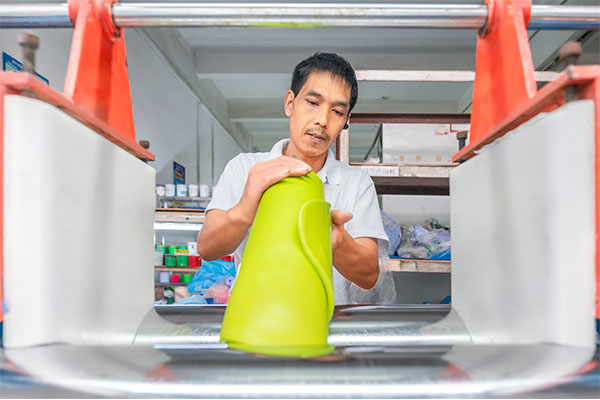
STEP 3: Material & Color Preparation
The approved silicone compound is prepared with the confirmed pigment, while hardness and material requirements are matched to the agreed tray structure.
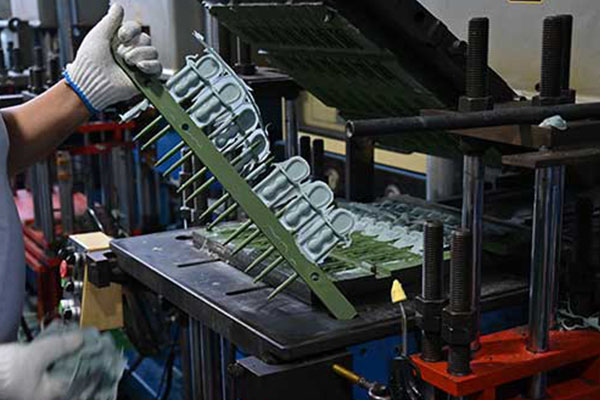
STEP 4: Silicone Molding
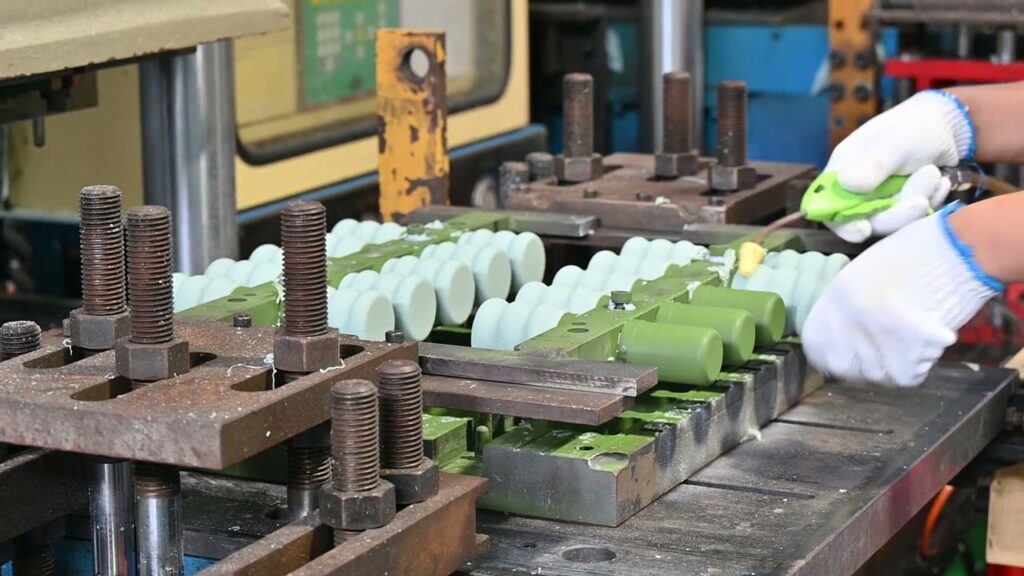
The silicone is formed using the approved molding process according to the tray geometry, tooling design, material, and production volume.
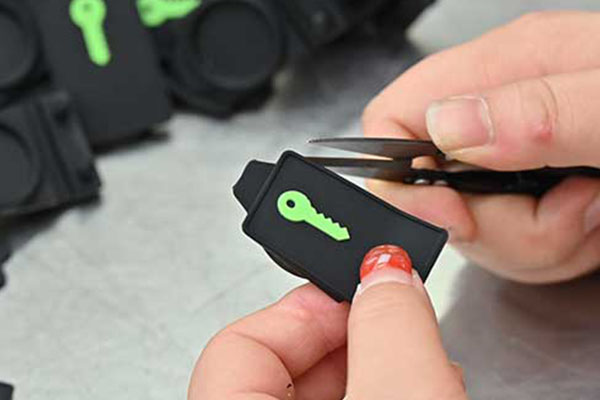
STEP 5: Demolding and Trimming
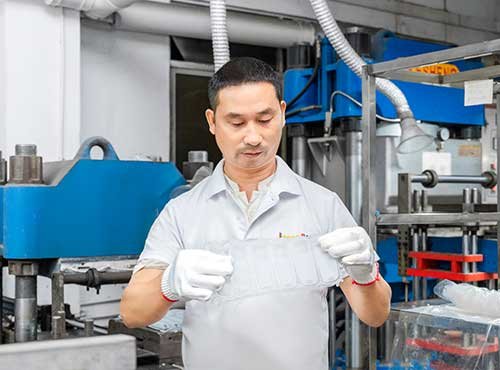
After curing, each tray is removed from the mold and trimmed, with particular attention given to cavity edges, rims, and thin connecting sections.
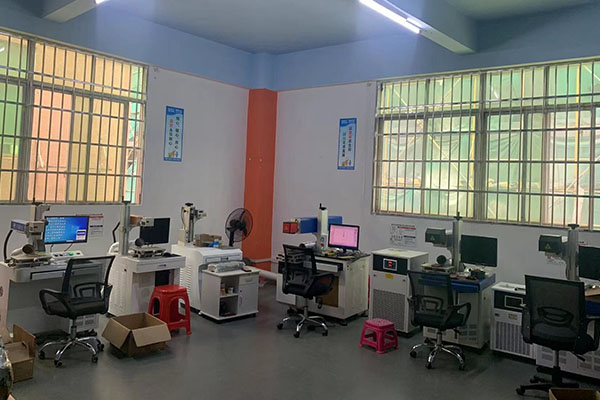
STEP 6: Logo and Surface Processing
Embossing, debossing, in-cavity branding, or approved printing follows the confirmed artwork, position, and appearance standard.
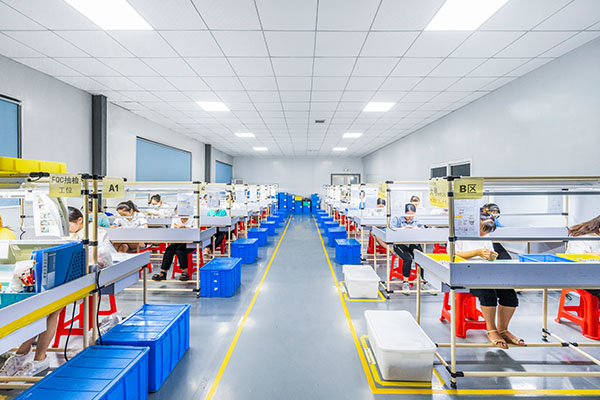
STEP 7: Quality Inspection
The QC team checks the finished trays against the approved sample, dimensional requirements, appearance standard, branding, and purchase order.
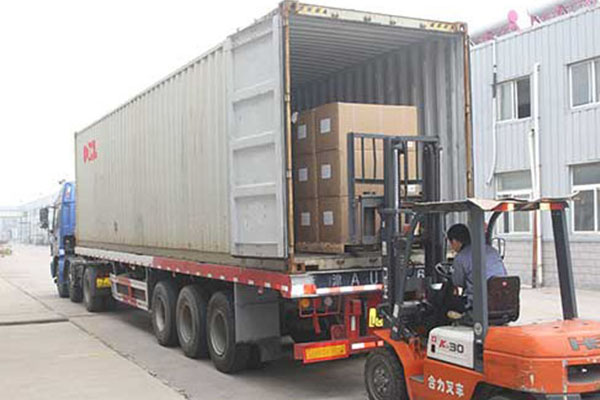
STEP 8: Packaging and Shipment
Finally, trays are counted, individually or in bulk packed, labeled, and carton-marked before shipment according to the agreed logistics plan.

Silicone Ice Tray Quality Control
Quality control covers more than silicone appearance. Cavity consistency, flexibility, dimensions, color, branding, and packaging all affect the finished tray.
AQL 2.5 / 4.0 Standard Inspection
Final random sampling can follow an agreed AQL plan:
AQL 2.5
Critical / Major Defects
AQL 4.0
Minor Visual Flaws
Another inspection standard can be applied when specified in the purchase order.
Approved Sample Control
The approved sample becomes the reference for:
- Tray shape
- Cavity dimensions
- Cavity arrangement
- Color
- Weight
- Surface finish
- Logo position
- Lid fit
- Packaging presentation
Incoming Material Review
Silicone compounds, pigments, and supplier documents are checked against the confirmed material and project requirements before production.
In-Process Inspection
Operators review molding completeness, cavity definition, color consistency, surface condition, and visible defects during production.
Appearance Inspection
Each tray is checked for:
- Tears
- Contamination
- Severe bubbles
- Incomplete molding
- Surface damage
- Flash
- Irregular edges
- Deformation
Dimensions and Weight
Overall tray dimensions, cavity dimensions, and product weight are verified against the approved specification.
Color Control
Production colors are compared with the approved sample under controlled viewing conditions, particularly for custom Pantone colors.
Logo Quality
Inspection covers:
- Position
- Size
- Edge definition
- Molded depth
- Ink coverage where applicable
- Missing detail
- Blurred printing
- Visible adhesion problems
Flexibility & Release
Tray flexibility and release behavior are reviewed using an agreed internal method or customer test protocol.
Deep cavities and narrow structures receive additional attention because repeated flexing can expose weak tooling geometry.
Packaging Inspection
Quantity, labels, barcodes, inserts, bags, boxes, and carton marks are verified before shipment.
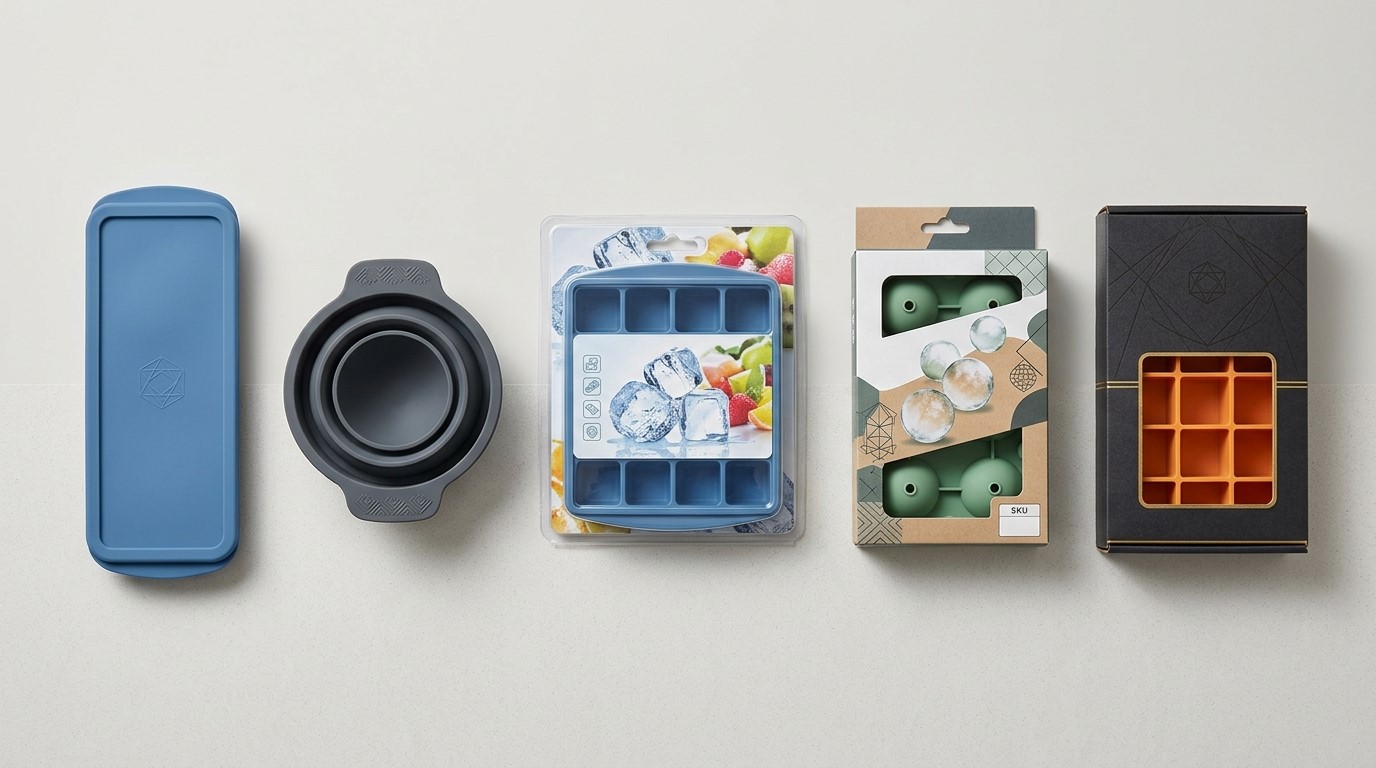
Silicone Ice Tray Packaging Options

Bulk Packaging
Simple individual bags or multi-piece cartons help control packaging costs for distributors, wholesalers, and promotional orders.
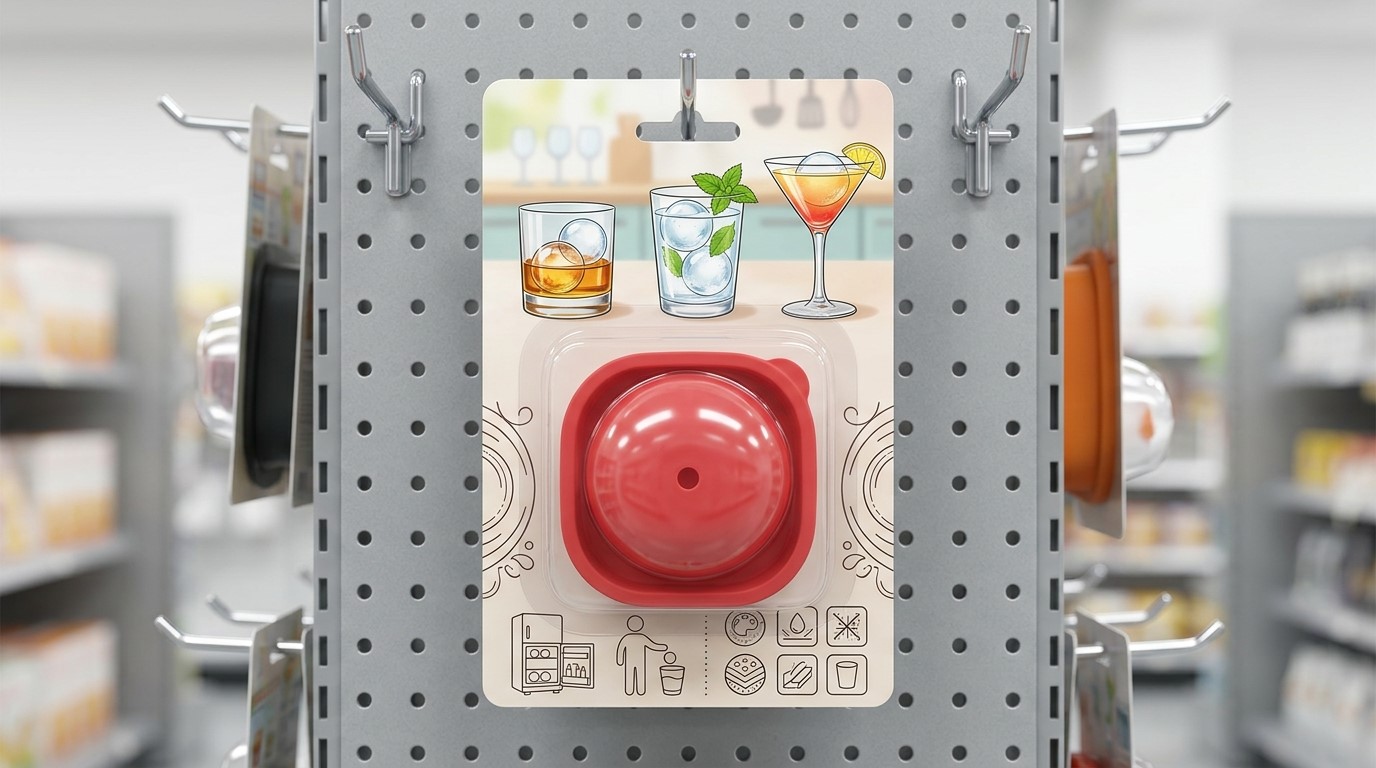
Retail Packaging
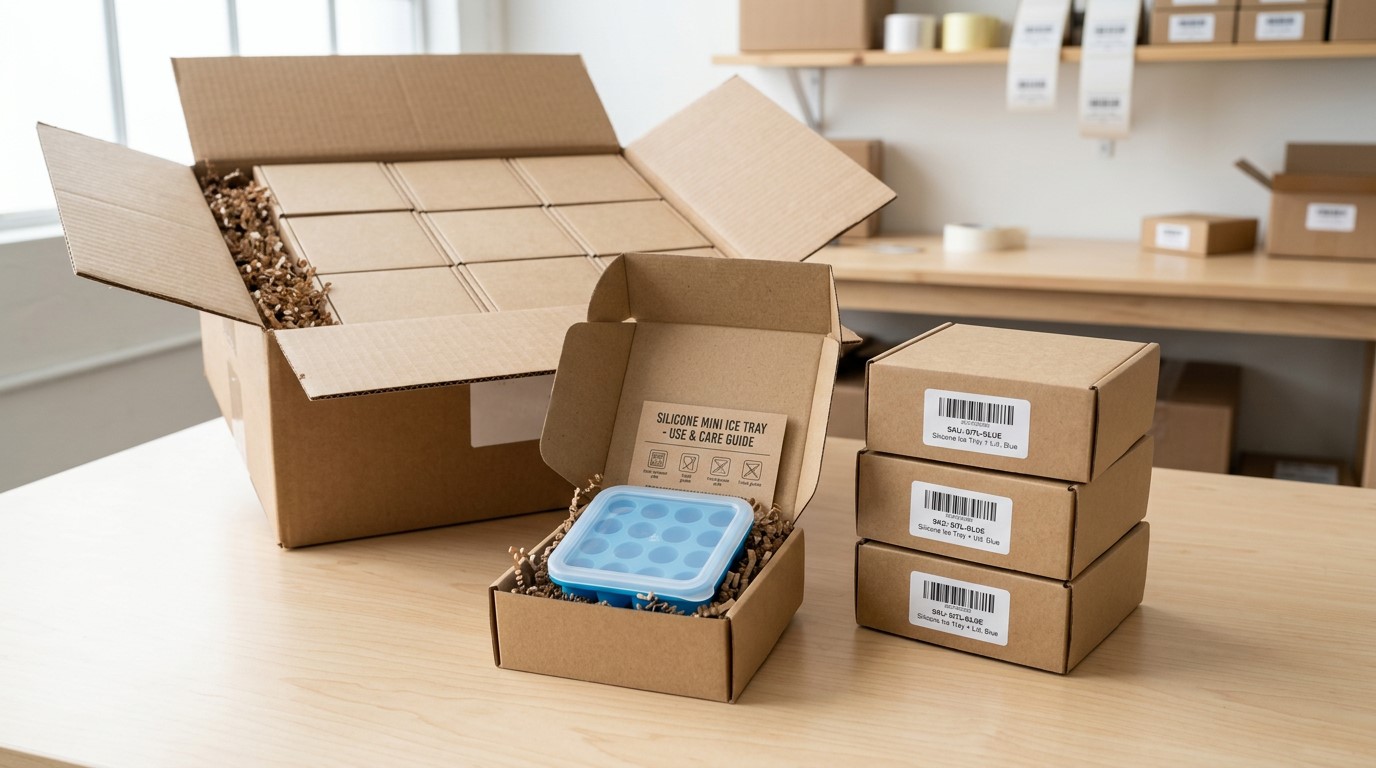
Header cards, reusable bags, blister packs, product care step cards, or printed paper boxes provide space for branding, product information, barcodes, and usage instructions.
Ecommerce Packaging
SKU labels, scannable barcodes, product inserts, and shipping-ready outer packaging support marketplace listings and direct-to-consumer fulfillment.

Premium Brand Packaging
Custom boxes, printed sleeves, recipe cards, and coordinated inserts create a stronger presentation for premium kitchenware and lifestyle collections.

Silicone Ice Tray Typical Specifications
| Specification | Typical Reference |
|---|---|
| Product | Custom silicone ice tray |
| Applications | Ice cubes, spheres, large-format ice and novelty ice |
| Material | Food-grade silicone |
| Hardness | 30–60 Shore A |
| Weight | 3~16+ ounces (85~450+ g) |
| Temperature Use | Freezer applications; final range depends on compound |
| Cavity Layout | Single or multi-cavity |
| Cavity Shape | Cube, sphere, large cube, novelty or custom |
| Cavity Volume | Custom according to required ice size |
| Tray Structure | Flexible or firmer structure |
| Lid | Optional, according to design |
| Colors | Standard colors or custom Pantone matching |
| Surface | Glossy, matte or molded texture |
| Logo Methods | Embossed, debossed, in-cavity, pad or screen printing |
| Molding Process | Compression molding or approved liquid-silicone process |
| Packaging | OPP bag, PE bag, header card, blister, paper box or custom retail packaging |
| Existing-Design MOQ | From 500 pieces |
| Custom-Molded MOQ | From 3,000 pieces |
| Sample Lead Time | 5–10 working days |
| Custom Tooling Lead Time | 10–20 working days |
| Mass Production Lead Time | 15–25 working days after approval |
| Inspection | Approved sample plus agreed AQL or customer inspection standard |
| OEM / ODM | Available |
Final specifications are confirmed according to the selected tray design, material, cavity structure, artwork, and approved sample.
Why Work with RY Silicone
Silicone Manufacturing Experience Since 2012
RY Silicone is a China-based factory focused on custom silicone product manufacturing since 2012.
We support overseas clients from product evaluation and sampling through bulk production, inspection, and delivery.
10,000+ m² Production Facility
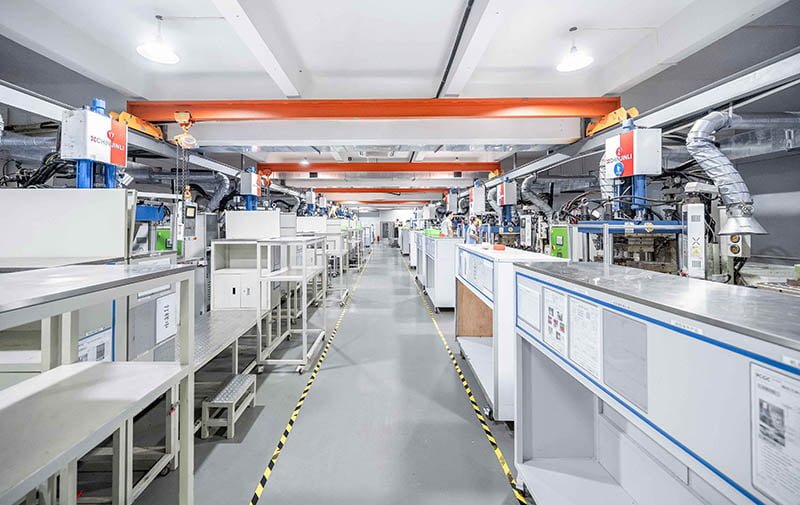
Our in-house silicone manufacturing facility supports tooling, molding, finishing, branding, inspection, and packaging within one production system.
30+ Production Machines
Multiple production machines support different silicone tray structures and scalable order volumes.
Up to 100,000 Silicone Products per Day
This production capacity supports repeat orders and larger-volume programs while maintaining a structured production schedule.
Actual ice tray capacity depends on cavity configuration, cycle time, tooling, and inspection requirements.
Engineering Review Before Quotation
We do not quote only from a product name or reference image.
Our engineering team reviews the cavity shape, ice volume, dimensions, hardness, color, lid structure, branding, and packaging before confirming the manufacturing proposal.
Sample-Based Production
Mass production follows one approved sample covering cavity dimensions, color, surface finish, logo position, structure, and packaging.
If the production sample conflicts with the agreed reference, the run is paused for confirmation.
Export Project Support
RY Silicone serves clients across North America, Europe, and other international markets.
Our team supports product documentation, packaging coordination, commercial communication, and shipment preparation.
Silicone Ice Tray FAQ and Final RFQ
What is the MOQ for custom silicone ice trays?
The MOQ starts from 500 pieces for an existing tray design with custom branding and from 3,000 pieces for a new custom-molded design. The final quantity depends on the tray structure, cavity layout, color, branding, and packaging.
Can you make custom-shaped silicone ice trays?
Yes.
We can develop cube, sphere, large-format, and novelty ice trays, as well as custom cavity shapes based on your drawings, samples, or design concepts.
Can silicone ice trays include lids?
Yes.
Lid-compatible designs can be developed when freezer storage, stacking, odor protection, or spill control is important.
Lid fit and tray dimensions should be evaluated together.
What silicone hardness is available for ice trays?
Typical silicone hardness is 30–60 Shore A. Softer silicone provides easier flexing, while firmer silicone offers greater structural support.
The appropriate hardness depends on cavity depth, tray size, and handling requirements.
Are your silicone ice trays food-grade?
Food-grade silicone is available for ice trays. Applicable documentation depends on the selected silicone, pigment, production controls, and destination market.
Can you match a custom Pantone color?
Yes. Provide the Pantone reference, and a physical color sample can be approved before mass production. Surface finish and silicone thickness can influence the final visual appearance.
Can you add our logo to a silicone ice tray?
Yes.
Available options include embossed, debossed, and in-cavity logos, with pad or screen printing available for suitable areas.
The appropriate method depends on:
- logo size
- position
- surface
- food-contact requirements.
How do you prevent custom ice tray cavities from tearing during demolding?
The cavity geometry, draft, wall thickness, silicone hardness, and connecting structure are reviewed during tooling.
Deep cavities with thin transitions can create concentrated stress, so these areas should be resolved before mass production.
Can silicone ice trays be used for large ice cubes or spheres?
Yes.
We can develop larger cavities for specialty cubes and sphere-shaped ice.
The cavity volume, tray structure, and expected freezing time should be considered together during specification.
Can you provide FDA, LFGB, or REACH documentation?
Available reports depend on the selected silicone, pigment, printing ink, and destination market.
Provide your target market and exact documentation requirement so the applicable reports can be confirmed.
What information do you need to quote a custom silicone ice tray?
Please provide:
- Target order quantity
- Ice tray type
- Reference dimensions
- Cavity shape and quantity
- Target ice volume
- Lid requirements
- Target silicone hardness
- Pantone color
- Logo artwork
- Branding position
- Packaging requirements
- Destination country
- Required reports or tests
- Target delivery date