
Silicone Bottle Manufacturer
Custom silicone bottles for baby feeding, sports hydration, travel, and everyday use. RY Silicone develops flexible, reusable bottles with application-specific structures, closures, colors, and private-label packaging.
What Is a Silicone Bottle?
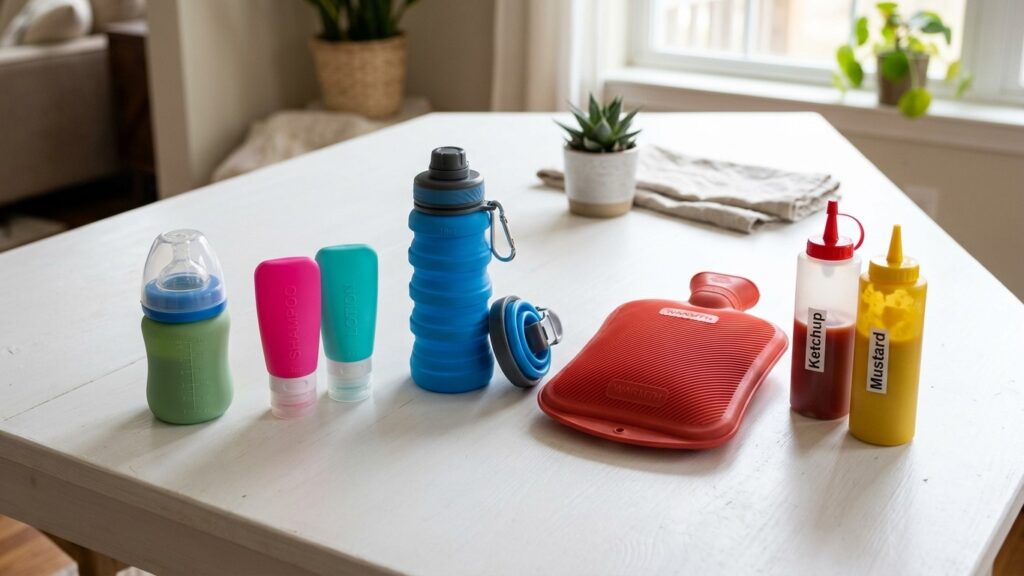
A silicone bottle is a reusable container made from flexible silicone rubber for holding liquids such as water, milk, beverages, or other compatible contents. Its collapsible structure can reduce storage space, while the soft body provides a different handling experience from rigid plastic or glass bottles.
A custom silicone bottle is developed around your required capacity, bottle profile, opening, closure, hardness, color, and branding. RY Silicone is a China-based custom silicone manufacturer established in 2012. Our production operation supports OEM/ODM projects for brands, distributors, and wholesalers serving international markets.
Silicone Bottle Manufacturing at a Glance
MOQ & Lead Times
Existing bottle designs support lower-entry branding, whereas custom bottle tooling requires a development process with approved samples.
Bottle Specifications
Choose the capacity, body geometry, wall structure, silicone hardness, and opening according to filling, carrying, squeezing, or storage.
Logo & Branding
Build your identity through custom silicone colors, molded logos, embossed or debossed details, and suitable secondary printing areas.
Packaging Designs
Prepare bottles for wholesale, retail, or e-commerce channels with individual bags, header cards, printed boxes, barcode labels, and product inserts.
Who We Manufacture Silicone Bottles For
From product concept to packaging, the bottle structure should match your selling channel and intended use.
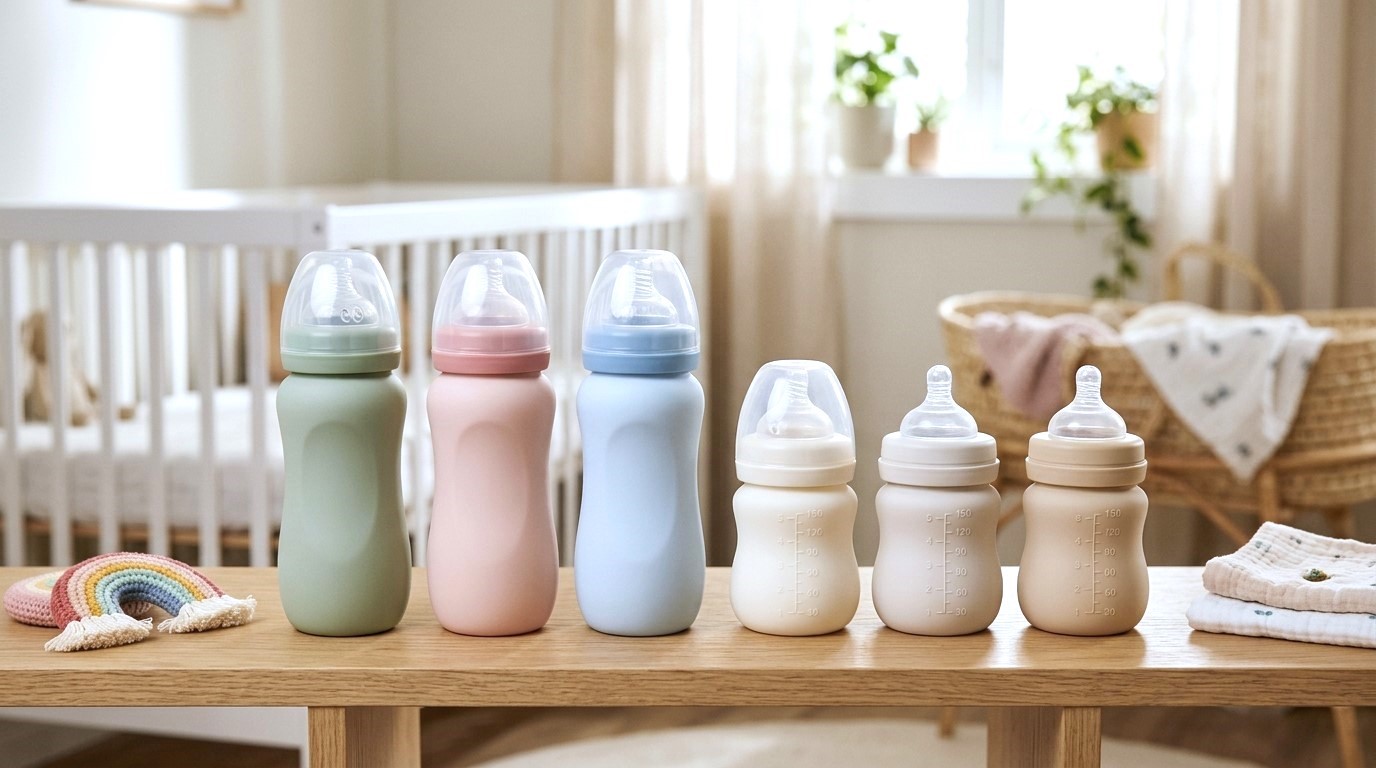
Baby & Feeding Brands
Develop silicone bottles for baby-feeding ranges where soft handling, appropriate capacity, closure design, and material documentation are important to the product specification.
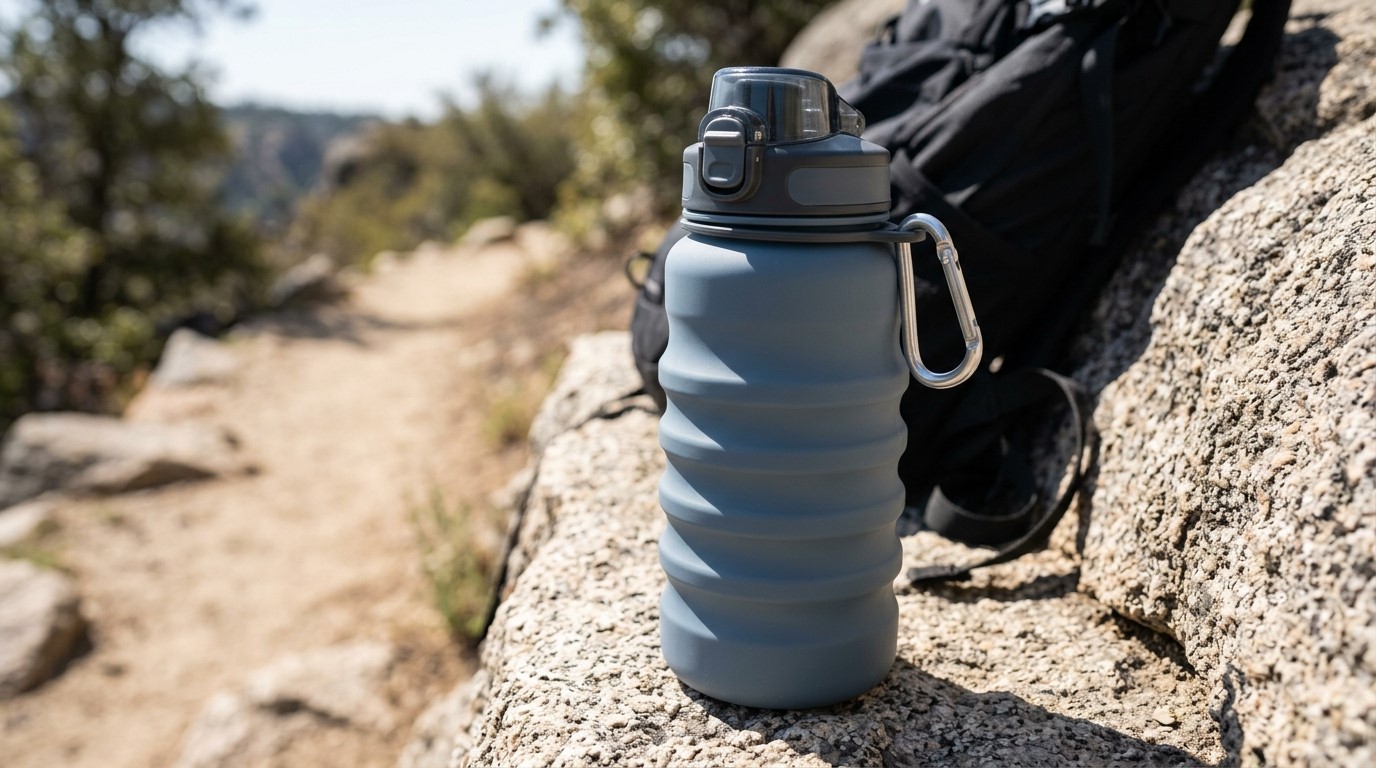
Sports & Outdoor Brands
Create reusable hydration bottles for active users with practical capacity, grip, portability, and closure structures suited to sports, fitness, and outdoor applications.
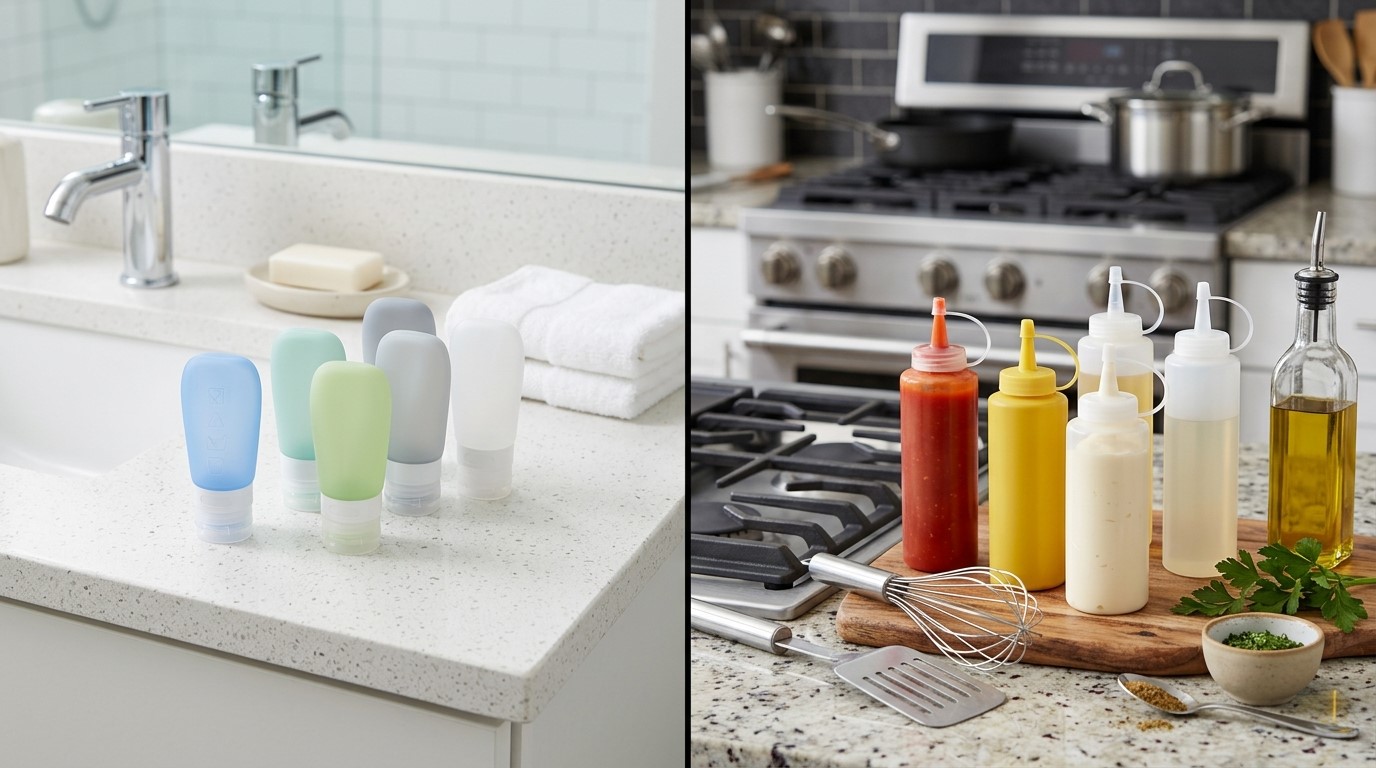
Travel & Lifestyle Brands
Build collapsible or space-saving bottles for travelers and everyday users who value compact storage, flexible construction, and reusable product design.
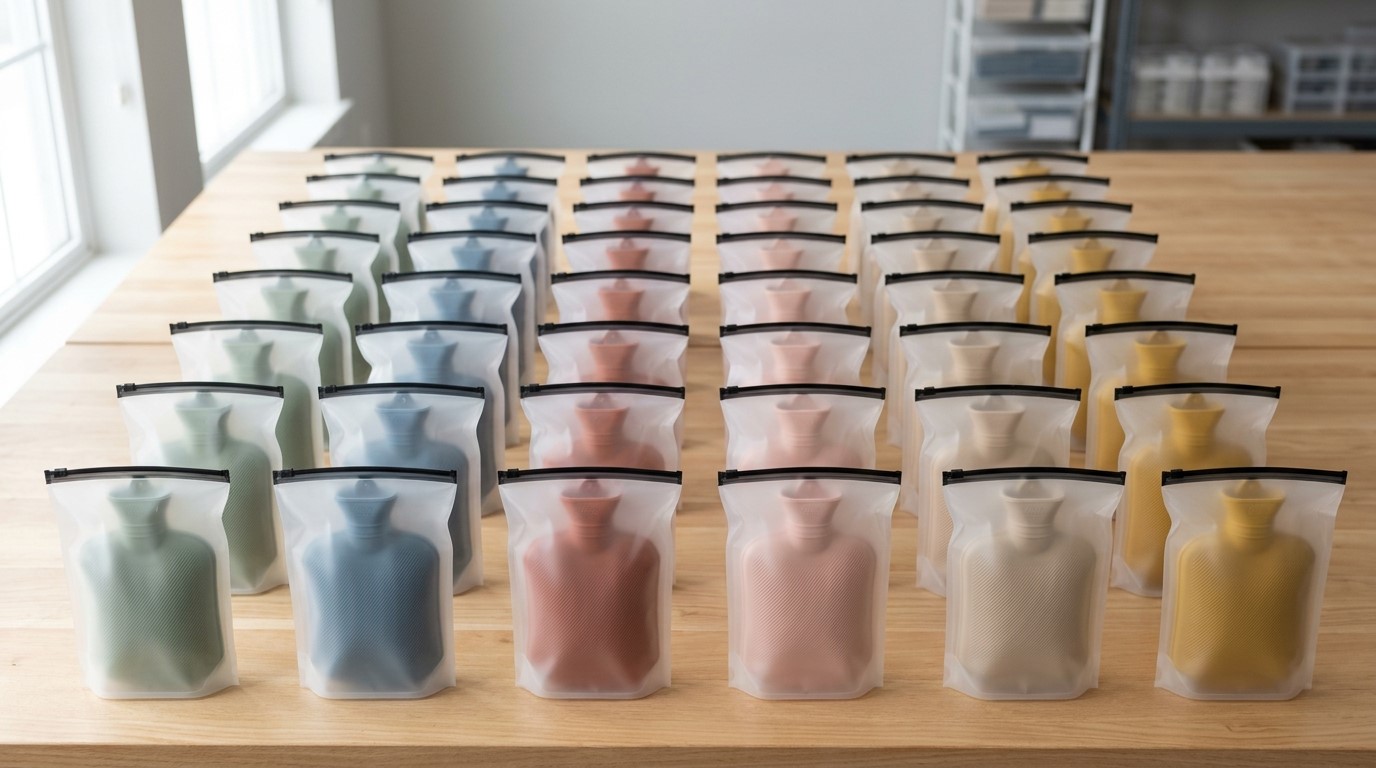
Distributors & Wholesalers
Source silicone bottles in bulk for kitchenware, baby products, outdoor goods, or lifestyle channels, with coordinated colors and packaging across multiple SKUs.
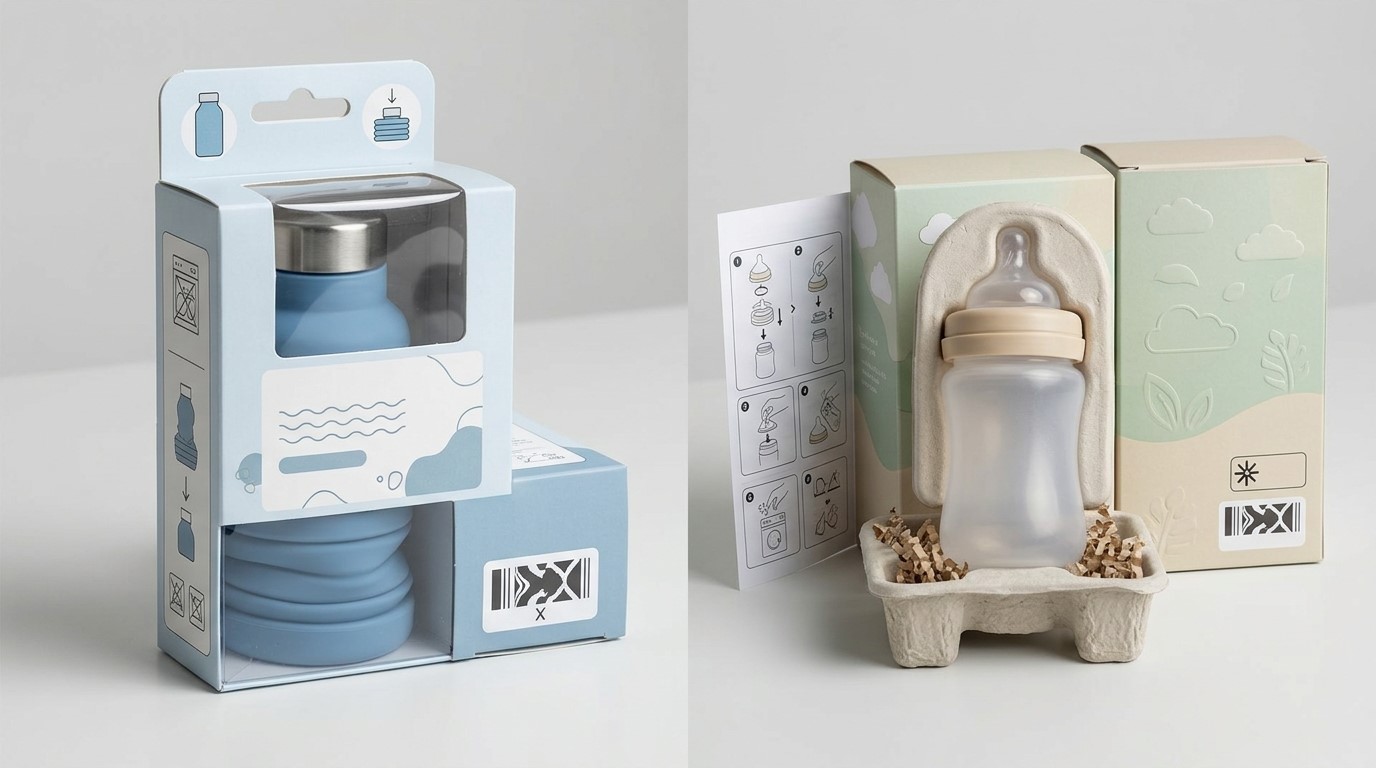
Retail & Ecommerce Sellers
Add private-label branding, SKU labels, barcodes, inserts, and retail packaging so silicone bottles can move directly into stores, marketplaces, or branded e-commerce channels.
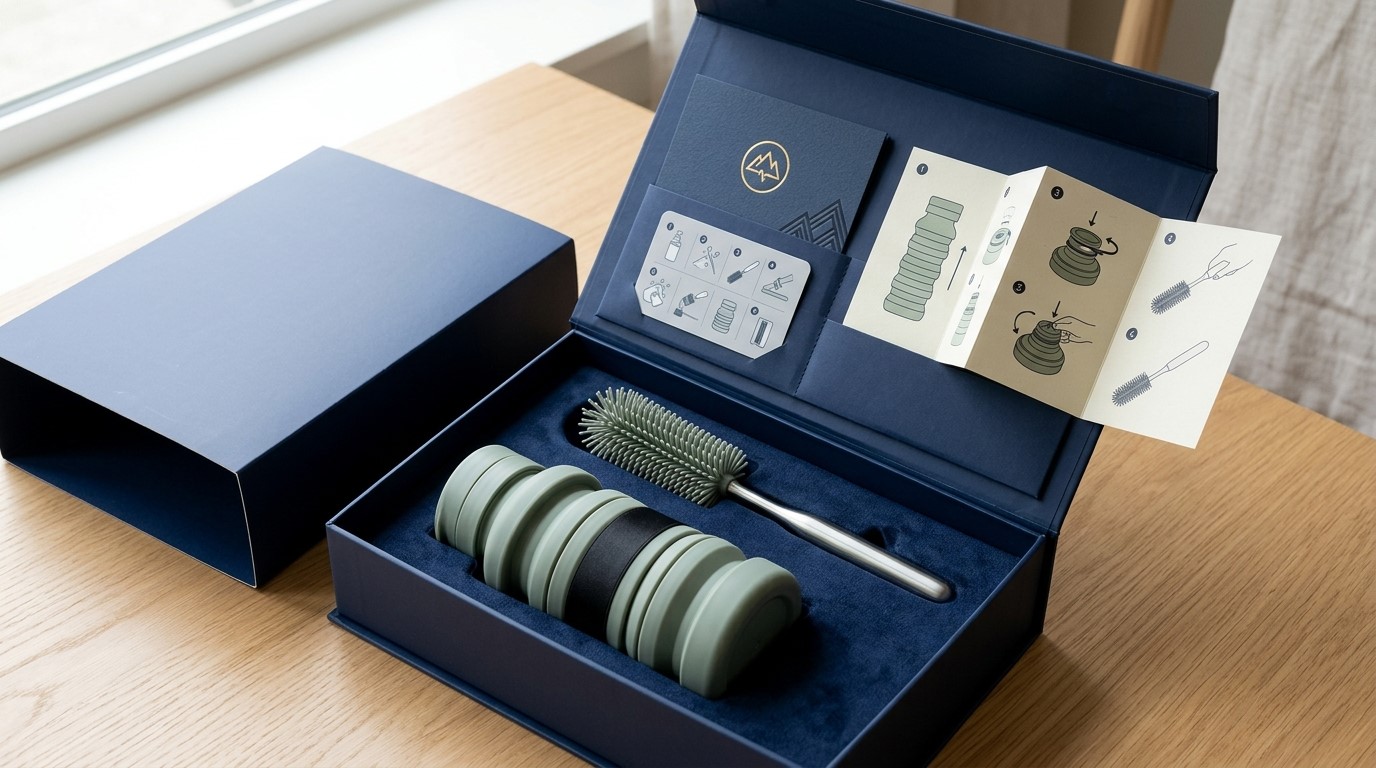
Promotional & Corporate Programs
Develop branded bottles for campaigns, events, organizations, and customer promotions where logo visibility, color matching, and practical daily use support longer brand exposure.
Silicone Bottle Types We Can Develop
Silicone Collapsible Water Bottles
Silicone Water Bottles
Silicone Feeding Bottles
Silicone Hot Water Bottle
Silicone Travel Bottles
Silicone Squeeze Bottles
Silicone Bottle Customization
Define the bottle around its use case first, then lock the structure, closure, and branding.

Choose the liquid volume and external dimensions together so the finished bottle remains practical to hold, fill, and carry.
Available options include:
- 100–250 ml compact formats
- 300–500 ml everyday bottles
- 600–1,000 ml hydration formats
- Custom target capacity
- Graduated volume markings
- Wide or narrow bottle profiles
- Single-wall or reinforced structures
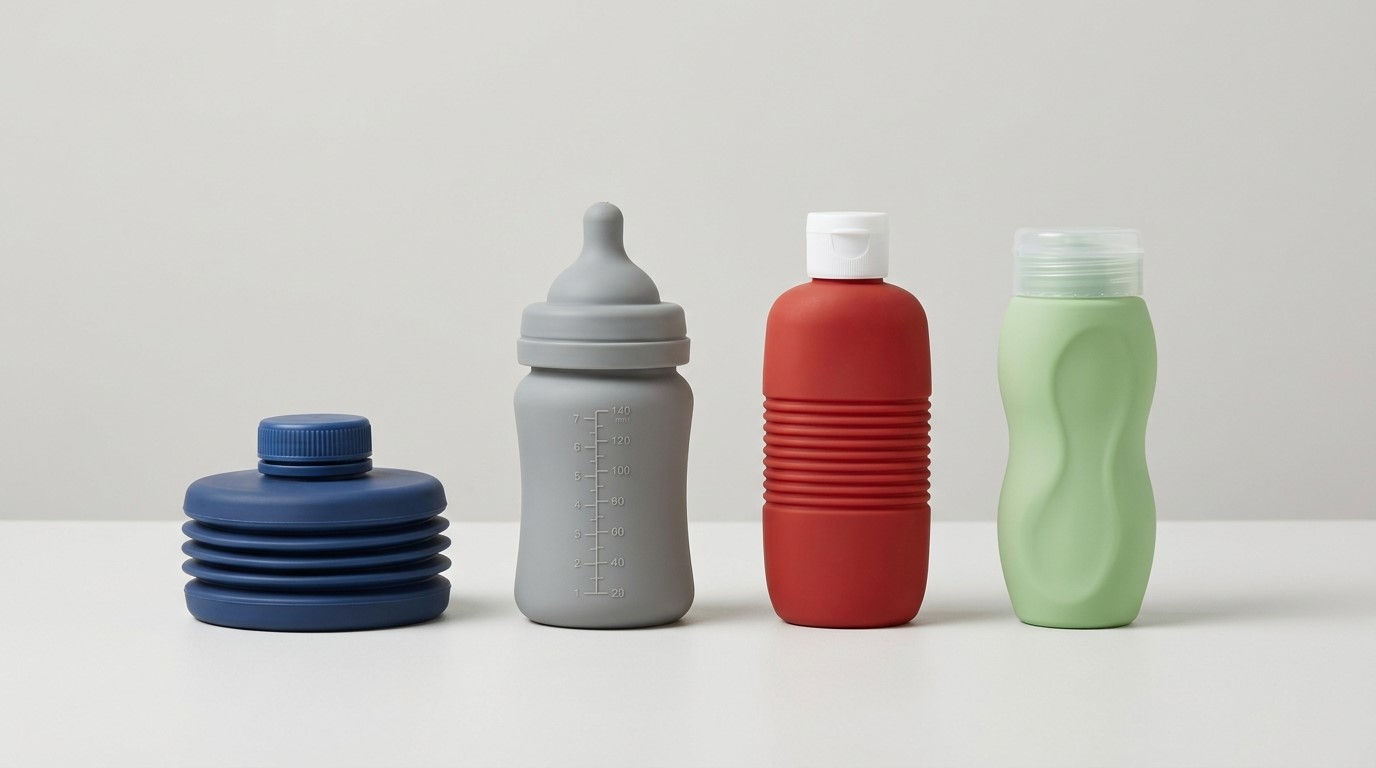
We adjust the silicone body to balance flexibility, shape retention, and handling. Collapsible designs require particular attention to how the body folds without creating unstable sections.
Available options include:
- Collapsible body
- Flexible or firmer walls
- Ribbed grip areas
- Reinforced base
- Ergonomic bottle profiles
- Foldable sections
- Flat or rounded base
- Custom nipple levels & specific flow rates of feeding bottles
- Custom wall thickness

Select the opening and closure system according to how the bottle will be filled, squeezed, carried, and cleaned.
Available options include:
- Screw caps
- Flip-top closures
- Push-pull openings
- Wide-mouth openings
- Silicone sealing components
- One-way valve or pressure release structure for leakproof travel bottle
- Tethered caps
- Carry loops
- Custom closure structures

Match silicone colors and molded branding to your product identity while keeping functional areas easy to use.
Available options include:
- Custom silicone colors
- Pantone color matching
- Matte surface
- Glossy surface
- Embossed logos
- Debossed logos
- Molded symbols or markings
- Suitable printed branding areas
Start Your Silicone Bottle Project
Bring your bottle concept, existing design, or reference sample to a manufacturer that can evaluate material, structure, closure, branding, and packaging as one complete product.
How to Specify a Better Silicone Bottle
A reliable bottle specification connects capacity, flexibility, closure performance, and repeated-use requirements.
- Capacity—define the target liquid volume and usable fill level.
- Body dimensions—specify height, diameter, and profile for your intended packaging and handling.
- Wall thickness—balance flexibility with shape retention and collapse behavior.
- Hardness—select a Shore A range that provides the required squeeze and structural feel.
- Opening size—match the mouth diameter to filling, pouring, and cleaning requirements.
- Closure fit—verify cap engagement and sealing through physical sampling rather than dimensions alone.
- Base stability—ensure the bottle remains sufficiently stable when placed on a surface.
- Collapsibility—for foldable bottles, test repeated compression because the fold pattern affects long-term usability.
- Volume markings—define scale position, graduation, and readability when measured filling is required.
- Leak performance—evaluate the complete bottle-and-closure assembly under the intended handling conditions.
A softer bottle is not automatically better; the right hardness depends on grip, stability, and collapse requirements.
Specification Guide
How to Specify a Better Silicone Bottle—capacity, wall structure, closure fit, hardness, dimensions, and practical performance considerations.
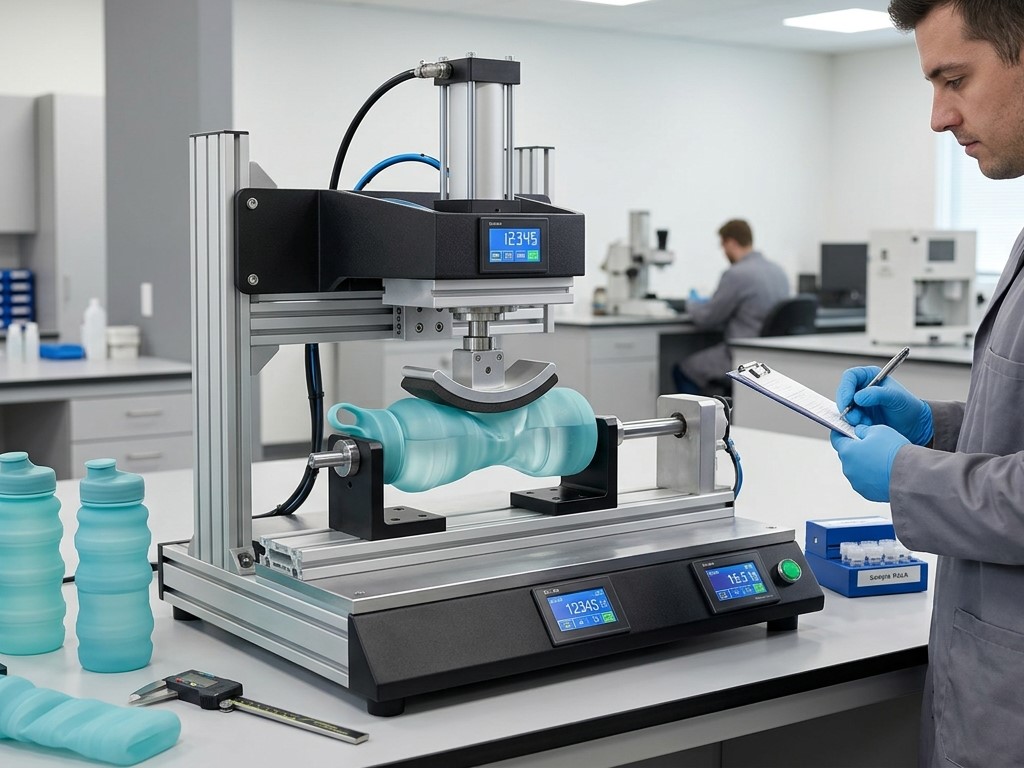
Silicone Bottle Logo & Branding Methods
Select branding alongside bottle geometry since molded artwork impacts tooling.
Screen or Pad Printing
Suitable non-contact areas can carry printed logos, text, or graphic elements when the artwork requires color contrast beyond molded silicone by the selected ink system, surface preparation, and curing.
Molded Graphics
Symbols, measurement marks, or decorative details can be incorporated directly into the tooling for consistent repeat production.
Embossed Logos
Raised silicone branding provides an ink-free visual effect and works well for simple brand marks integrated into the bottle surface.
Debossed Logos
Recessed logos create a subtle branded appearance while maintaining the flexible silicone surface around the mark.
Silicone Bottle Material & Performance Options
The compound, curing system, pigment, and documentation are matched to the project by us.
For beverage, baby feeding, and other oral contact applications, select the silicone compound according to its intended use and destination market.
Considerations should also include pigments, additives, printing inks, adhesives, and other components that may come into contact with users or the contents.
Material Comparison
Silicone vs. Plastic Bottles—flexibility, weight, foldability, durability, temperature performance, and application considerations.
Neck dimensions, sealing surfaces, thread or locking features, and material flexibility all affect the fit and sealing performance of closures.
During tooling development, review the interface together with the selected cap, lid, valve, or other closure component to ensure consistent engagement and sealing. Dimensional stability, temperature exposure, and contact with beverages or chemicals should also be considered.
The silicone body should be able to flex without losing its intended shape permanently.
The hardness of the silicone, the wall thickness, the shoulder geometry, the base structure, and the reinforcing features all affect the squeeze force and recovery.
For collapsible bottles, the fold zones should be designed to collapse predictably, without excessive buckling or stress concentration.
The material selection should be based on the actual hot, freezing, and ambient use conditions, as well as cleaning and dishwasher cycles and repeated thermal cycles.
The applicable temperature range depends on the silicone compound selected, the bottle’s wall thickness and geometry, the closure components, and the other materials used in the assembly.
Therefore, the approved product specification should define the intended operating and cleaning conditions rather than relying on a generic silicone temperature range.
Thin sections around openings, folds, seams, closure interfaces, and attachment points require particular attention.
Repeated squeezing, folding, stretching, and attachment loading can concentrate stress in these areas.
Wall thickness transitions, radii, draft, material hardness, local geometry, and fatigue-resistant designs should therefore be reviewed during tooling development to reduce the risk of tearing or premature fatigue.
The selection of low-odor material and controlled curing supports a better finished product.
A strong residual odor or surface residue should prompt a review of the compound selection, pigments, and curing conditions, rather than being treated as normal.
Post-curing and appropriate cleaning processes may also be considered when tighter control of residual volatiles or odor is required by the application.
Available documentation may include:
- Material technical data sheets
- Material declarations
- FDA-related documentation
- LFGB-related documentation
- REACH-related reports
- Project-specific test reports
- Finished-product testing where required
Documentation should be matched to the actual finished-product configuration. The selected silicone compound, pigments, printing inks, adhesives, closure components, and other materials may affect the applicable compliance requirements.
A raw-material certificate alone should not be presented as proof of compliance for every finished silicone bottle configuration.
Appropriate cleaning and maintenance can help preserve the hygiene, appearance, flexibility, and sealing performance of silicone bottles over repeated use.
Warm water and mild dish soap are generally suitable for cleaning silicone bottles and removing beverage residue, oils, odors, and stains. Disassemble removable caps, valves, and other closure components, if applicable, to clean the bottle neck, sealing areas, and internal surfaces thoroughly.
Moreover, as an easy and effective cleaning way, a silicone bottle brush is also recommended.
For deeper cleaning, use a soft sponge or soft-bristled brush to clean the interior, mouth, folds, textured areas, and closure components without damaging the silicone surface.
Maintenance Guide
How to Maintain Silicone Bottles—Rinsing after each use, drying completely, inspecting regularly the silicone body, folds, mouth, and sealing components for tearing, deformation, or other signs of wear before continued use.
How Silicone Bottles Are Manufactured
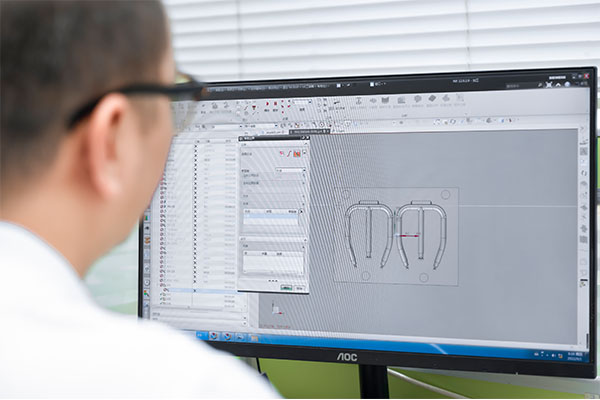
STEP 1: Requirement Review
The capacity, bottle dimensions, hardness, wall structure, closure type, branding, color, and application requirements are reviewed before tooling or production begins.
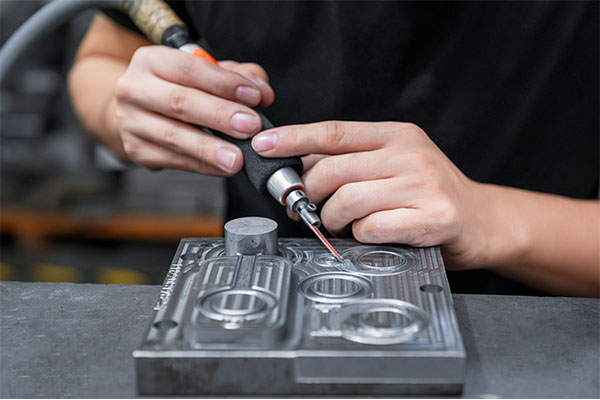
STEP 2: Tooling & Structure Evaluation
Engineering checks the mold structure, parting lines, wall transitions, neck geometry, and collapsible sections to reduce molding defects and improve dimensional consistency.
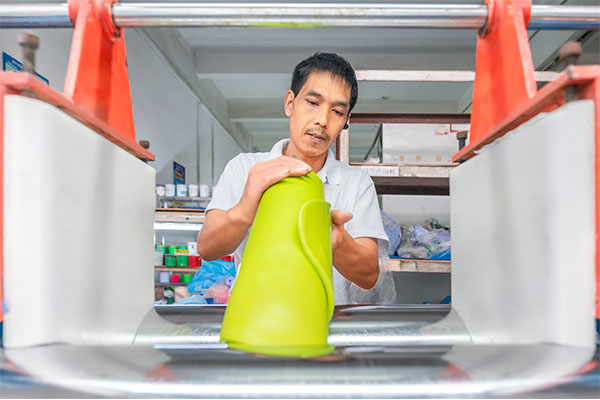
STEP 3: Material and Color Preparation
The selected silicone compound and approved color formulation are prepared according to the project specification, with material and pigment documentation reviewed where required.
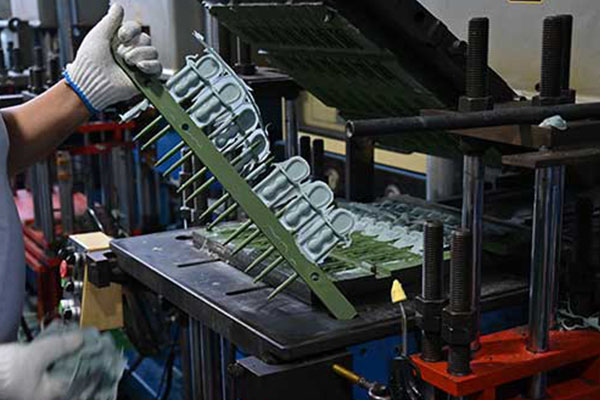
STEP 4: Silicone Molding
Silicone material is formed in the selected tooling under controlled molding conditions. Critical areas include the bottle wall, neck, base, and folding sections.
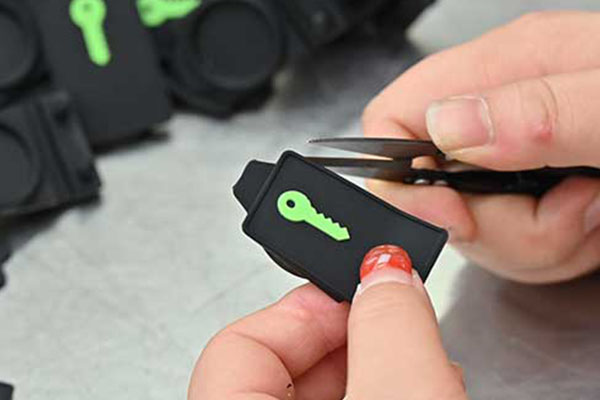
STEP 5: Demolding and Trimming
After molding, bottles are carefully demolded and trimmed to remove flash while preserving the opening, sealing surfaces, base geometry, and overall appearance.
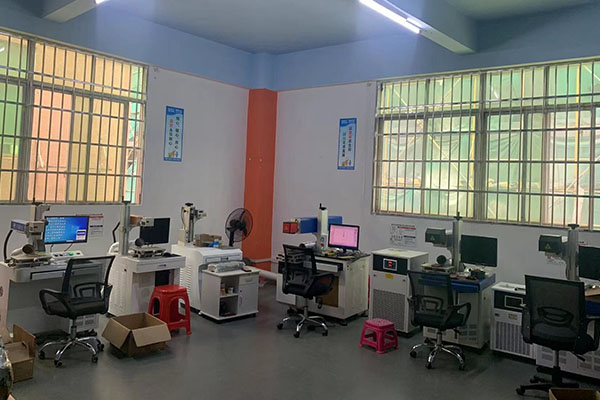
STEP 6: Branding & Closure Assembly
Approved logos, markings, or printed graphics are applied as specified, followed by assembly of compatible caps, seals, loops, or other closure components.
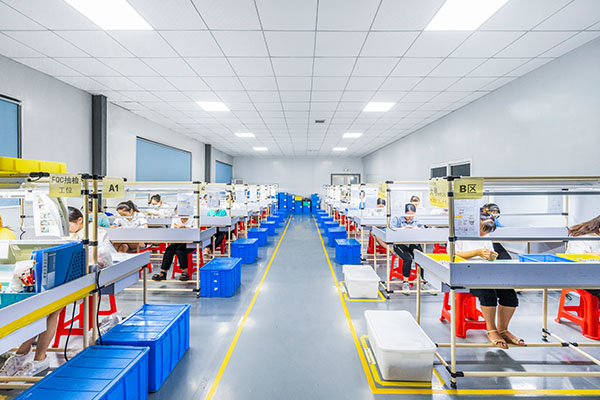
STEP 7: Quality Inspection & Leak Testing
Finished bottles are checked against the approved sample for dimensions, appearance, color, closure fit, and functional performance, including agreed leak-testing requirements.
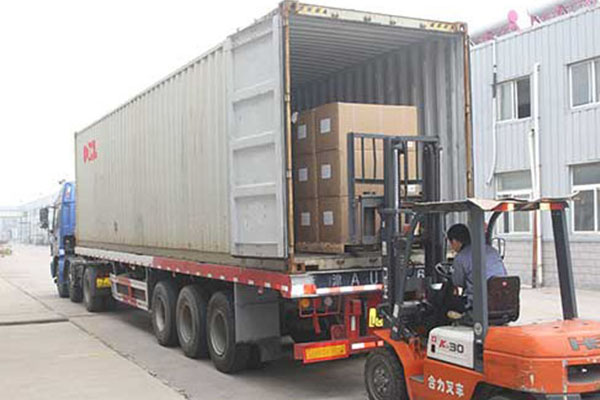
STEP 8: Packaging and Shipment
Qualified bottles are packed according to the selected retail or bulk format, with labels, barcodes, inserts, and carton markings prepared for your distribution requirements.
Silicone Bottle Quality Control
Quality control for silicone bottles goes beyond checking the silicone compound. The approved sample, bottle dimensions, closure fit, leak performance, appearance, branding, and packaging must remain consistent throughout production.
AQL 2.5 / 4.0 Standard Inspection
We run final random sampling plans to verify batch consistency:
AQL 2.5
Critical / Major Defects
AQL 4.0
Minor Visual Flaws
Another inspection standard can be used when specified in the purchase order.
Approved Sample Control
The approved production sample becomes the physical reference for the finished silicone bottle. Key characteristics are checked against this reference:
- Bottle shape and profile
- Capacity and dimensions
- Silicone hardness and flexibility
- Weight
- Surface finish
- Color
- Logo position and definition
- Closure appearance
- Packaging presentation
Using one approved sample as the production reference helps keep later batches aligned with the specification rather than relying on visual judgment alone.
Incoming Material Review
Incoming silicone, pigments, and closures are checked against project requirements and supplier documentation. Regulated applications, like food contact or baby products, require specific documentation matching the actual formulation, pigments, printing, and target market, not generic statements.
In-Process Inspection
Production operators inspect bottles during molding and finishing to identify problems before they continue into later processes.
Key checks include:
- Molding completeness
- Neck and opening formation
- Wall and base consistency
- Collapsible section formation
- Visible color variation
- Surface defects
- Flash and irregular edges
- Logo or marking quality
- Closure assembly
This stage is particularly important for collapsible bottles because dimensional accuracy alone does not confirm that the body will fold and recover as intended.
Appearance Review
Finished silicone bottles are checked for visible defects that could affect appearance or usability:
- Tears
- Contamination
- Severe bubbles
- Incomplete molding
- Surface damage
- Excessive flash
- Irregular edges
- Deformed bottle sections
The inspection standard follows the approved sample and agreed quality requirements.
Dimensions and Weight
Bottle height, diameter, opening dimensions, base geometry, and other agreed measurements are verified against the approved specification.
Weight is also checked because changes in silicone usage can indicate variation in wall structure or molding conditions.
For collapsible designs, wall thickness and fold geometry should be evaluated together. A bottle can meet its overall height and diameter targets while still behaving differently if a critical folding section varies.
Color Consistency
Production colors are compared with the approved sample under controlled viewing conditions. Custom colors and Pantone references should be confirmed before mass production to establish the intended visual standard.
Logo Quality
Branding inspection covers the details that affect how your private-label bottle appears after production:
- Position
- Size
- Edge definition
- Molded depth
- Ink coverage
- Missing detail
- Blurred printing
- Visible adhesion problems
Curved silicone surfaces can change the visual proportion of artwork compared with a flat digital file, so the physically approved sample remains the practical reference for mass production.
Closure & Leak Performance
The bottle body and closure are evaluated as one functional system. Inspection can cover:
- Cap engagement
- Seal positioning
- Neck-to-cap fit
- Opening alignment
- Leakage during agreed handling tests
- Squeeze or compression behavior
- Tether or loop attachment where applicable
A closure that fits a nominal opening can still perform differently when a flexible silicone neck deforms during squeezing or sideways carrying. This is why closure fit should be validated on the finished bottle rather than judged from dimensions alone.
Flexibility & Functional Performance
Bottle flexibility and shape recovery are evaluated against approved designs, focusing on high-stress fold areas for collapsible bottles. Tensile and tear testing methods and acceptance criteria must align with product structures and purchase specifications.
Packaging Inspection
Before shipment, the finished packaging is checked for:
- Product quantity
- Individual bags
- Boxes or retail packaging
- Labels
- Barcodes
- Product inserts
- Carton marks
- Packaging presentation
The packaging configuration is verified against the approved packaging file so that the product arriving at your warehouse matches the agreed retail or bulk presentation.
Silicone Bottle Packaging Options
Proper packaging can fit wholesale, retail, e-commerce, or private-label models.
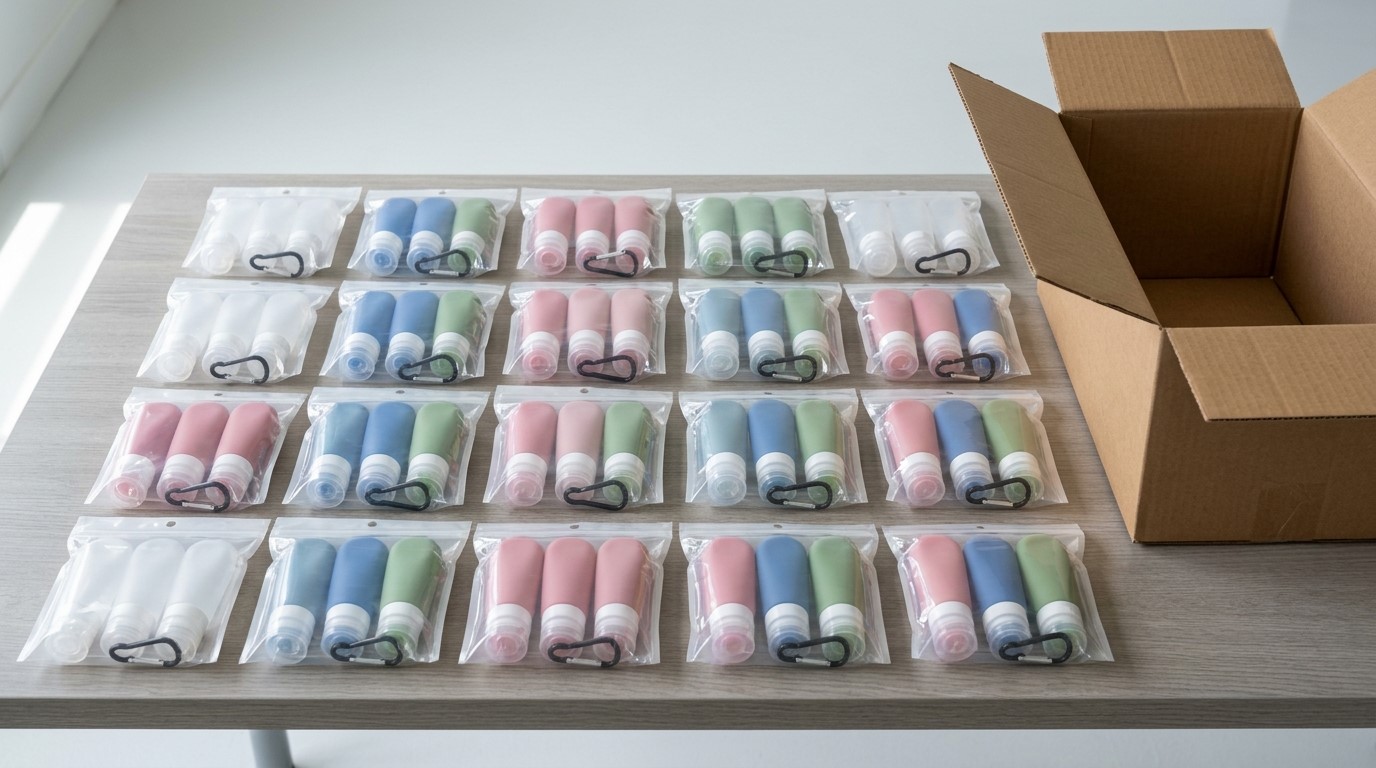
Bulk Packaging
Individual PE or OPP bags with grouped cartons provide a practical solution for distributors and wholesalers requiring efficient storage and shipment.
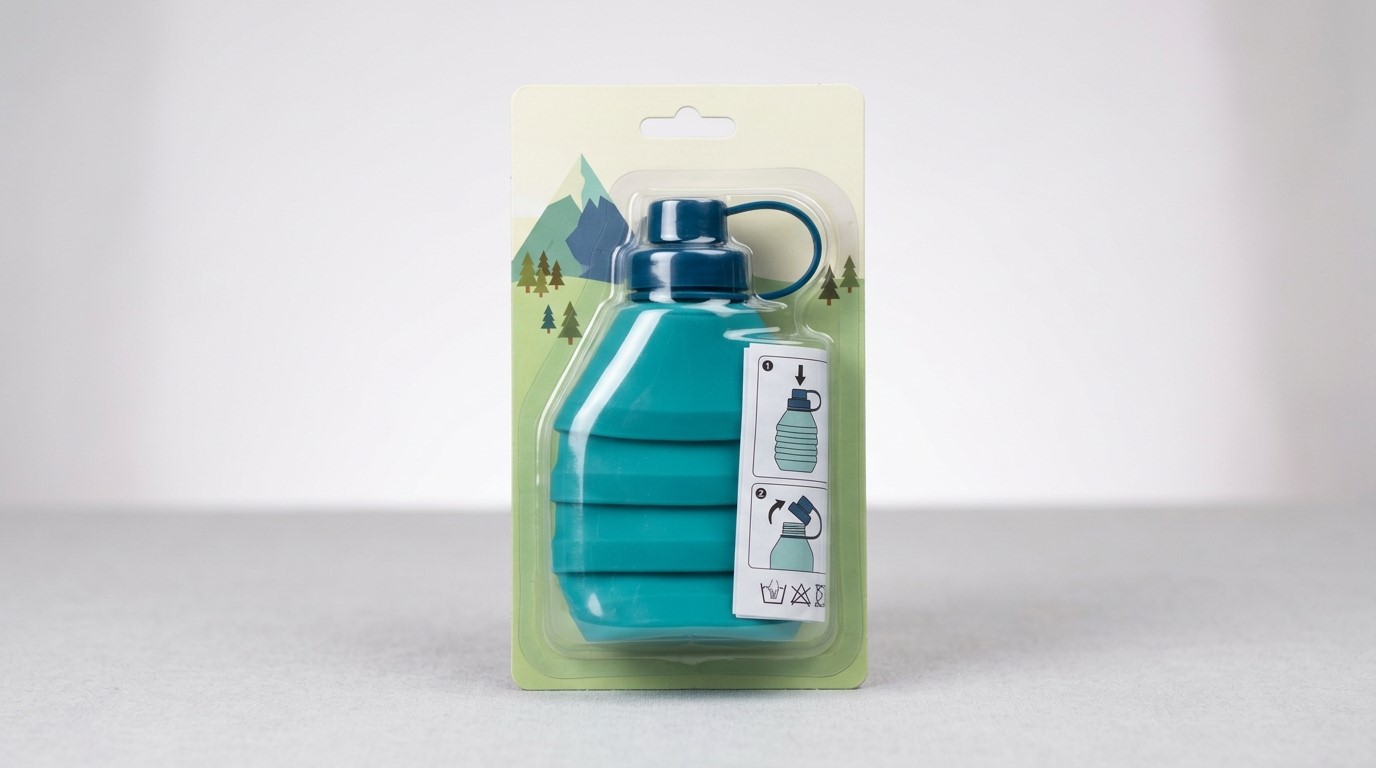
Retail Packaging
Printed paper boxes, sleeves, or header-card packaging can present the bottle as a finished retail product while carrying your logo, product information, and barcode.

Ecommerce Packaging
Compact individual packaging with protective separation, product labels, and inserts helps organize SKU information and supports direct-to-consumer fulfillment.
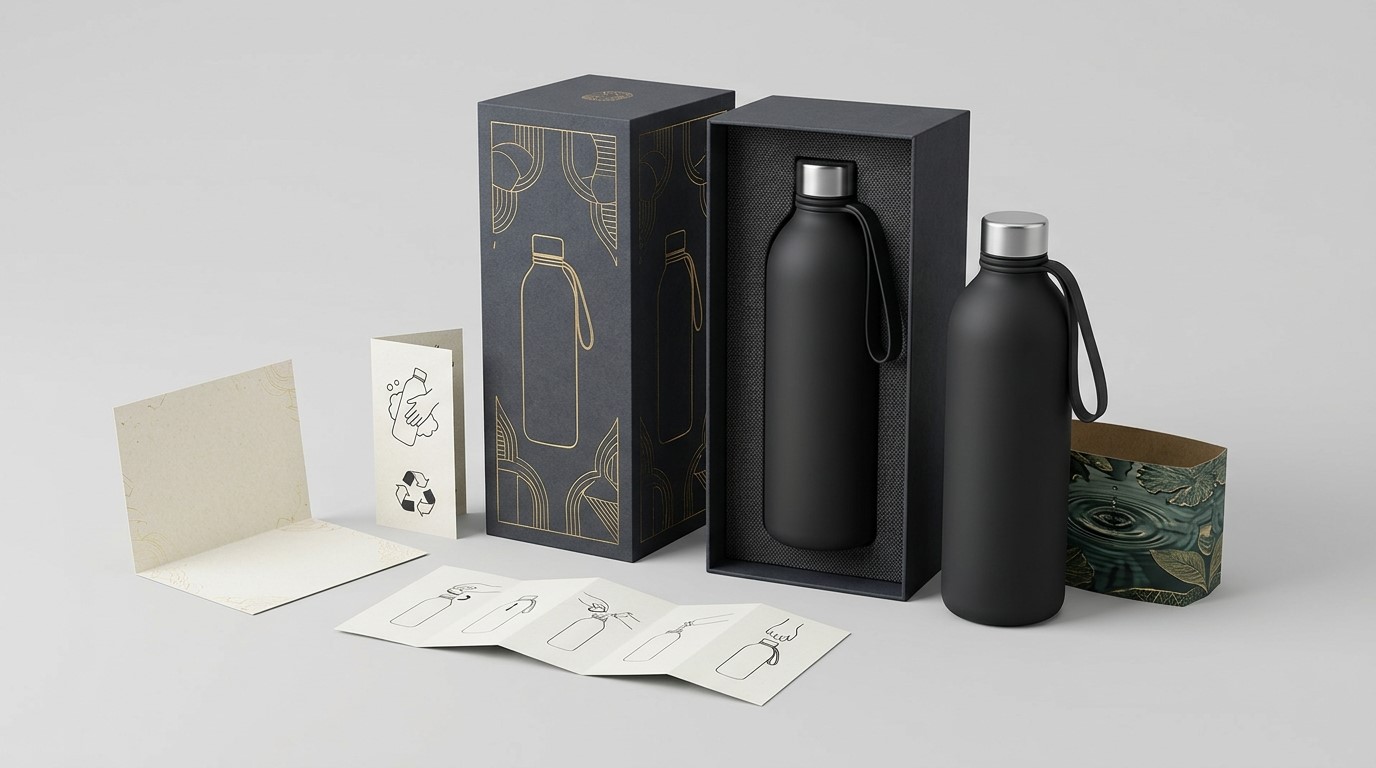
Premium Brand Packaging
Custom-printed boxes, branded inserts, and coordinated packaging components create a more complete presentation for lifestyle, baby, sports, or premium consumer-product ranges.
Typical Custom Silicone Bottle Specifications
| Specification | Typical Options / Reference |
|---|---|
| Capacity | 100–1,000 ml or custom |
| Bottle Dimensions | Custom height, diameter, and profile |
| Silicone Hardness | Approx. 30–70 Shore A, application-dependent |
| Wall Thickness | Approx. 1.5–4.0 mm, structure-dependent |
| Temperature Range | Approx. -40°C to 200°C, depending on material and finished design |
| Material | Food-contact silicone or application-specific silicone |
| Bottle Type | Collapsible, reusable, sports, baby, travel, or custom |
| Closure | Screw cap, flip-top, push-pull, wide-mouth, or custom |
| Color | Custom colors, Pantone matching available |
| Branding | Embossed, debossed, molded graphics, screen/pad printing |
| Surface | Matte, smooth, or project-specific finish |
| Logo Position | Body, base, cap or other approved area |
| MOQ | From 500 pcs for suitable existing designs; new custom projects typically from 3,000 pcs |
| Sample Lead Time | Approximately 5–10 working days |
| Custom Tooling | Approximately 10–20 working days |
| Mass Production | Approximately 15–25 working days after approval |
| OEM / ODM | Supported |
These figures are typical references, not universal limits; final specifications depend on bottle structure, silicone, closure, and application requirements.
Why Work with RY Silicone

Silicone Manufacturing Experience Since 2012
RY Silicone is a China-based factory focused on custom silicone product manufacturing since 2012. We support overseas clients from product evaluation and sampling through bulk production, inspection, and delivery.
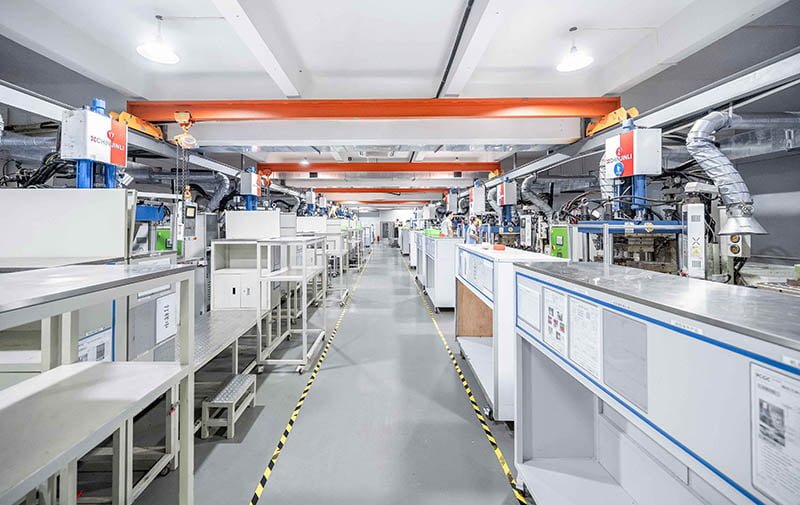
10,000+ m² Production Facility
Our in-house production facility supports the manufacturing stages required for silicone products, including molding, finishing, branding, inspection, and packaging.

30+ Production Machines
30+ production machines support different silicone product structures and scalable order volumes, providing production flexibility for both standard and custom silicone bottle programs.
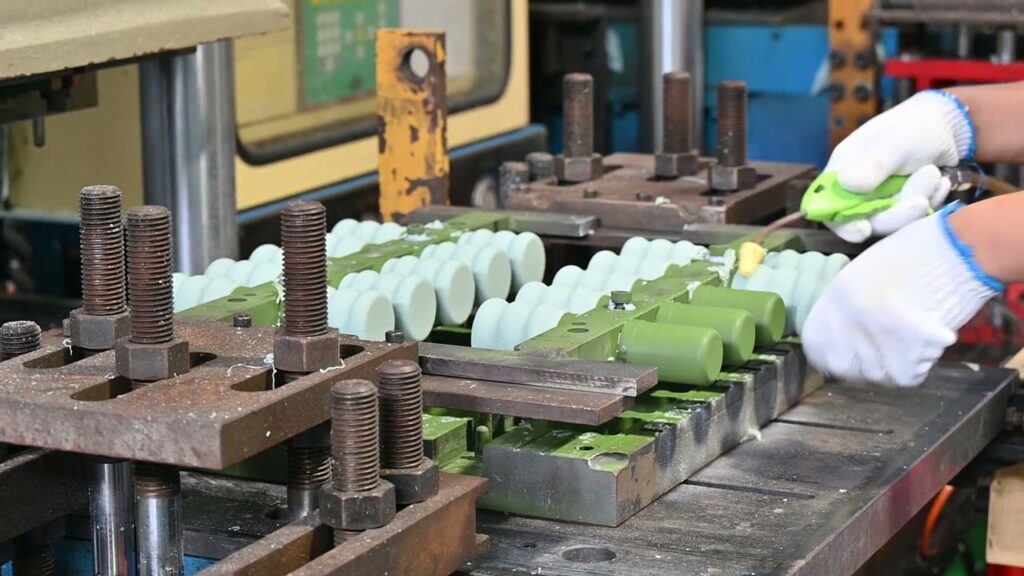
Up to 100,000 Silicone Products per Day
Production capacity reaches up to 100,000 silicone products per day across the manufacturing operation. Actual bottle capacity depends on product structure, cycle time, tooling configuration, and inspection requirements.
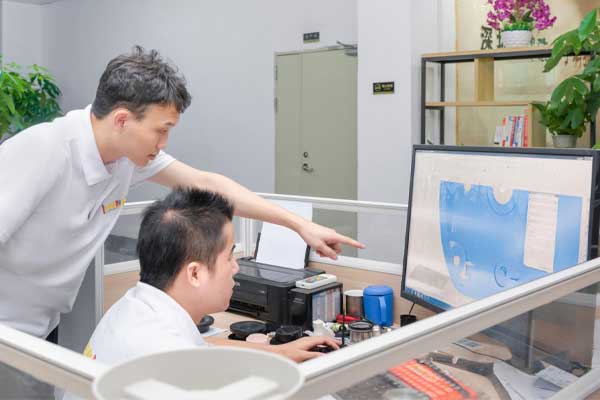
Engineering Review Before Quotation
We do not quote only from a product name or image. Engineering reviews the bottle structure, material, dimensions, color, logo, and packaging before confirming the manufacturing proposal.
For silicone bottles, this review is particularly useful when the design includes a collapsible body, customized neck, special closure, or molded branding that affects tooling and production.
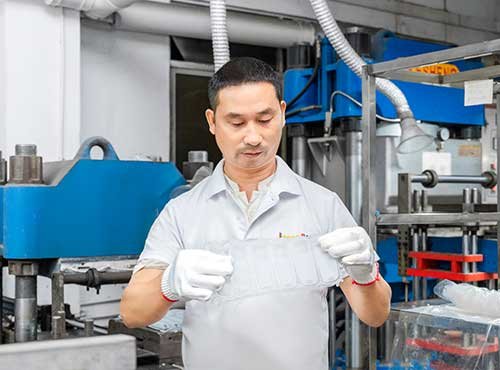
Sample-Based Production
Mass production is based on one approved sample. Bottle dimensions and color are confirmed first, followed by surface finish, logo position, closure details, and packaging.
If the approved sample and specification conflict, production is paused for confirmation.
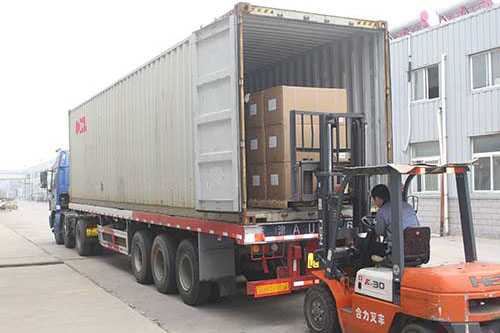
Export Project Support
As a China-based silicone manufacturer and supplier, RY Silicone serves clients in North America, Europe, and other international markets. Our team supports product documentation, commercial communication, packaging coordination, and shipment preparation.
Silicone Bottle FAQ and Final RFQ
What is the MOQ for custom silicone bottles?
For suitable existing designs, orders can start from approximately 500 pieces. New custom tooling projects typically start from approximately 3,000 pieces, depending on the design and production requirements.
Can you make silicone bottles in different capacities?
Yes. Capacity can be developed around your target volume, external dimensions, wall structure, and closure system. Common project ranges can cover approximately 100–1,000 ml, with custom capacities available.
Which silicone hardness should I choose?
Hardness depends on how the bottle should feel and function. Softer silicone supports easier squeezing and folding, while firmer silicone can provide greater shape retention and base stability.
How do you prevent silicone bottles from leaking?
Leak performance depends on the complete system rather than the bottle body alone. The neck geometry, sealing surface, cap engagement, silicone deformation, and closure tolerance should be evaluated together.
Can you manufacture collapsible silicone bottles?
Yes.
We can develop collapsible structures with different folding sections, wall structures, and base designs. During functional evaluation, repeated folding should be considered rather than relying only on dimensional inspection.
Are there leakproof designs for silicone feeding bottles for babies?
Yes.
According to your requirements for sealing and leakproofing silicone feeding bottles, RY Silicone engineers have enhanced the bottles by optimizing the valve structures, negative pressure response, and flow stability to provide a safe and comfortable feeding experience for babies and parents.
Do you also supply matching accessories for silicone bottles?
Certainly.
As a custom silicone product manufacturer, RY Silicone also provides complete OEM solutions. By offering custom closure and bottles, we enable producing matching silicone bottle sleeves, bottle caps, silicone bottle brushes, and bottle covers.
Can I customize the bottle color and logo?
Yes.
Custom colors, Pantone matching, embossed or debossed logos, molded graphics, and suitable printing methods can be used according to the bottle surface and branding requirements.
Can silicone bottles be used for food or baby applications?
For food-contact or baby applications, the material and finished-product requirements must be defined for the intended market.
Documentation and compliance depend on the silicone compound, pigments, printing materials, final configuration, and destination market.
What packaging can you provide?
Packaging options include individual PE/OPP bags, header cards, printed paper boxes, product inserts, barcode labels, and customized retail packaging for private-label programs.
How long does a custom silicone bottle take?
As a general reference for project timelines, please allow approximately 5–10 business days for samples, 10–20 business days for new tooling, and 15–25 business days for mass production after approval.
What information should I provide for a quotation?
The more complete your specification, the more accurately engineering can evaluate tooling and production requirements. Include:
- Relevant design files
- Target capacity
- 2D drawing or 3D file
- Bottle dimensions
- Silicone hardness preference
- Wall structure
- Closure type
- Color or Pantone reference
- Logo artwork
- Intended application
- Target market
- Estimated order quantity
- Packaging requirements
- Required compliance documentation