
Silicone Sheet Manufacturer
Custom silicone sheets for sealing, insulation, gasketing, and industrial fabrication, with controlled thickness, hardness, color, surface finish, and OEM converting.
What Is a Silicone Sheet?
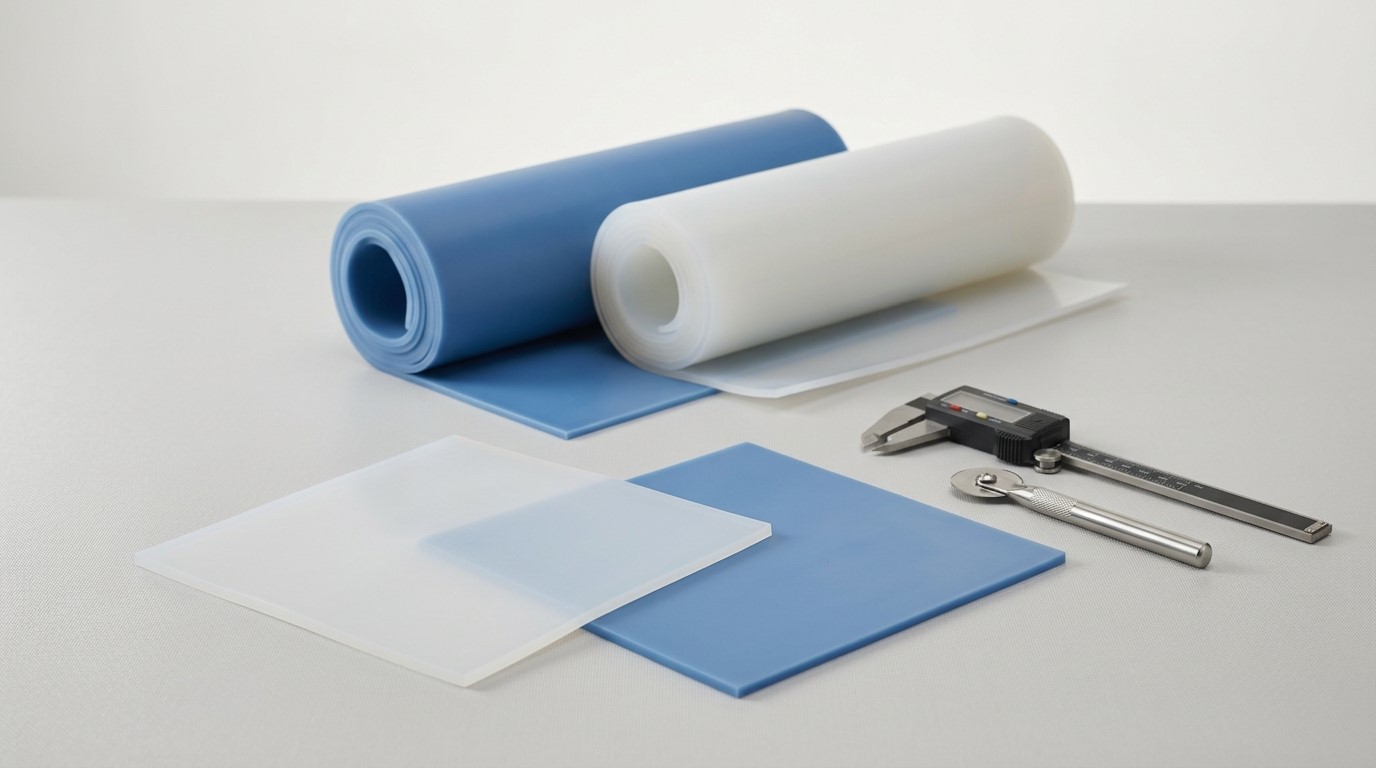
A silicone sheet is a flat, flexible, solid silicone rubber material supplied in rolls or cut sheets for sealing, insulation, gasketing, cushioning, and fabrication applications as unsung heroes. Its performance depends on the silicone compound, hardness, thickness, surface finish, and working environment.
A custom silicone sheet can be developed to your required thickness, dimensions, hardness, color, surface texture, reinforcement, adhesive backing, and compliance requirements. RY Silicone is a China-based custom silicone manufacturer established in 2012, supplying silicone sheet solutions for industrial brands, OEMs, distributors, and wholesalers.
Silicone Sheet Manufacturing at a Glance
Thickness & Dimensions
Specify sheet thickness, width, length, and dimensional tolerance to match your cutting, sealing, or assembly requirements.
Material & Performance
Select silicone compounds and hardness levels according to temperature, compression, insulation, sealing, and environmental requirements.
Surface & Custom Processing
Choose smooth, textured, fabric-reinforced, adhesive-backed, or converted sheet structures for your downstream application.
MOQ & Packaging
Support bulk sheet orders, custom-cut formats, private-label packaging, and production planning for industrial distribution.
Who We Manufacture Silicone Sheets For
Select sheet structure based on application, fabrication process, and operating environment.

Industrial Equipment OEMs
Use silicone sheets for gaskets, seals, cushioning layers, and protective interfaces where stable dimensions and temperature resistance are required.

Automotive & Transportation Suppliers
Develop sheet materials for seals, insulation, vibration interfaces, and protective components exposed to heat, moisture, or demanding service conditions.

Electronics & Electrical Manufacturers
Specify silicone sheets for electrical insulation, heat-resistant barriers, protective layers, and component interfaces where dielectric performance and dimensional stability matter.
Medical & Healthcare Equipment Brands
Use suitable silicone sheet compounds for equipment seals, protective interfaces, and fabricated components, with material documentation matched to the intended application.
Distributors & Wholesalers
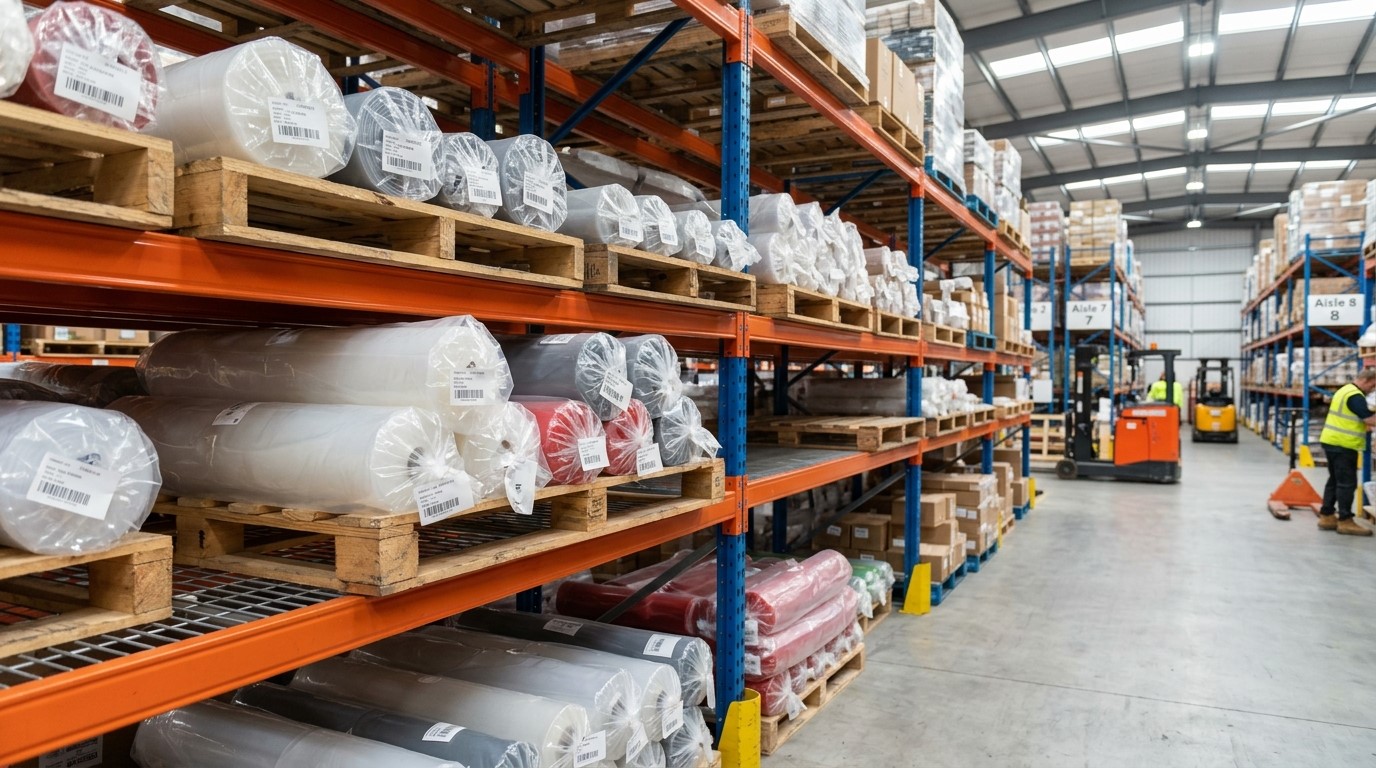
Source silicone rubber sheets in standard or custom sizes for industrial customers, fabrication shops, and maintenance channels requiring consistent repeat supply.

Fabrication & Converting Companies
Order sheet material for die cutting, kiss cutting, CNC cutting, gasket production, and other secondary converting processes. Thickness consistency and surface condition directly affect cutting accuracy.
Silicone Sheet Types We Can Develop
Solid Silicone Sheets
High-Temperature Silicone Sheet
Clear Silicone Sheet
Silicone Insulation Sheets
Fiberglass-Reinforced Silicone Sheets
Silicone Foam Sheets
Silicone Sponge Sheet
Adhesive Silicone Sheet
Silicone Sheet Customization
Select the sheet structure around your application, fabrication process, and required performance.
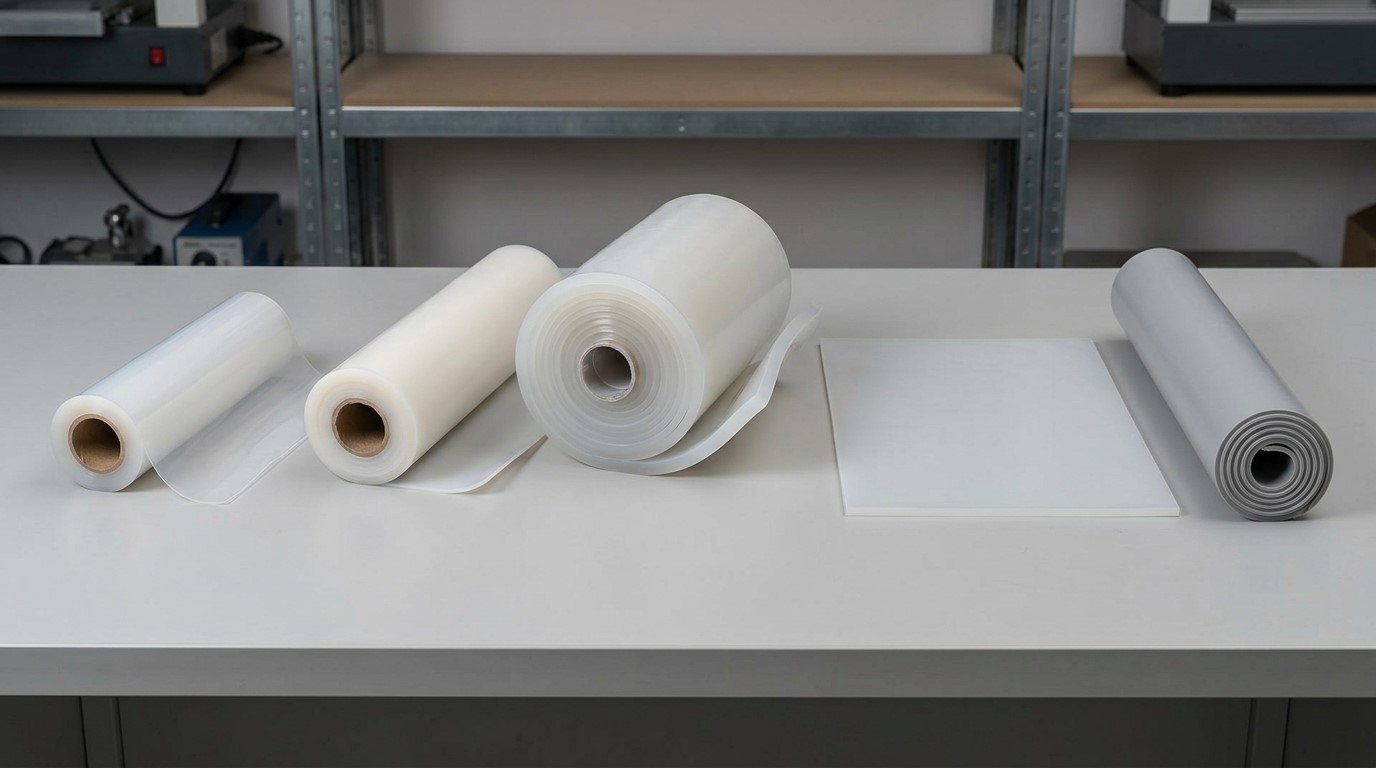
Choose the sheet thickness and tolerance needed for sealing, insulation, or downstream converting.
Available options include:
- 0.01-0.50 inches thick for medical silicone sheets generally
- 0.03-0.50 inches thick for commercial silicone sheets typically
- 0.20-7.80 inches of standard thickness for industrial-grade silicone sheet
- Custom thickness
- Thickness tolerance
- Electrical insulation layer thickness
- Custom widths and lengths
- Supplied in rolls or sheets
- Die-cut thickness requirements

We match the silicone compound to temperature, sealing, insulation, and environmental requirements.
Available options include:
- General-purpose silicone
- Commercial-grade
- Medical-grade silicone
- Food-grade silicone
- High or medium strength
- High-temperature silicone
- Fire-resistant sheet with reliability
- Fiberglass-reinforced sheets
- Fluorosilicone
- Electrically conductive sheets
- Different Shore hardness and durometer ratings
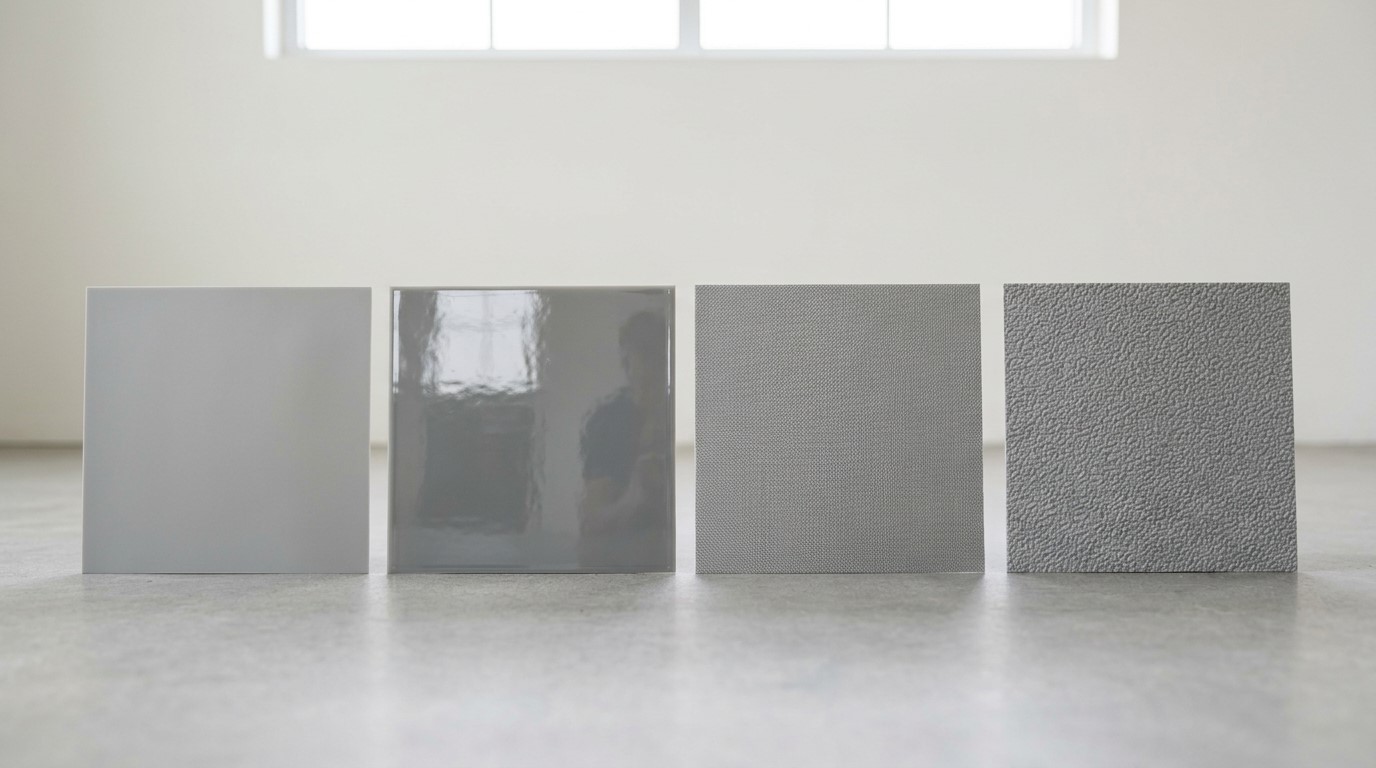
Specify the surface condition according to sealing, bonding, release, and fabrication requirements.
Available options include:
- Smooth surface
- Matte surface
- Textured surface
- Fabric-textured surface
- Raised texture or smooth finish of uncured sheets
- Single-sided treatment
- Double-sided treatment

Plan secondary processing together with the sheet specification for finished components.
Available options include:
- Die cutting
- Water jet cutting
- CNC cutting
- Laser cutting
- Manuel cutting
- Custom shapes
- Gasket cutting
- Adhesive backing with suitable backing liners
- Double-sided adhesive sheets
- Slitting
- Custom sheet dimensions
- Kiss-cut or converted formats
- Lamination, reinforcement, and precise fabrication for high-temp silicone sheets
- Optional antimicrobial coatings for medical silicone sheets
Start Your Custom Silicone Sheet Project
Send your required thickness, dimensions, hardness, application, quantity, and processing requirements. RY Silicone can review the material, sheet structure, converting, quality, and packaging requirements before quotation.
How to Specify a Better Silicone Sheet
The right silicone sheet balances thickness, hardness, and compound performance with the final application.
- Thickness—define the finished thickness and acceptable tolerance before tooling or converting.
- Hardness—select Shore A according to compression, flexibility, and handling requirements.
- Temperature—specify the actual continuous and intermittent operating temperatures.
- Surface—smooth surfaces suit many sealing interfaces, while textured surfaces can change friction and contact behavior.
- Reinforcement—fabric reinforcement can improve dimensional stability when the sheet must resist stretching or handling deformation.
- Compression behavior—sealing applications should evaluate compression set rather than hardness alone.
- Electrical performance—insulation applications require the appropriate dielectric and electrical properties.
- Downstream processing—die cutting, slitting, or adhesive lamination—should be considered before finalizing the sheet structure.
Full Specification Guide
How to Specify a Better Silicone Sheet—thickness, hardness, temperature, reinforcement, compression behavior, and converting requirements.
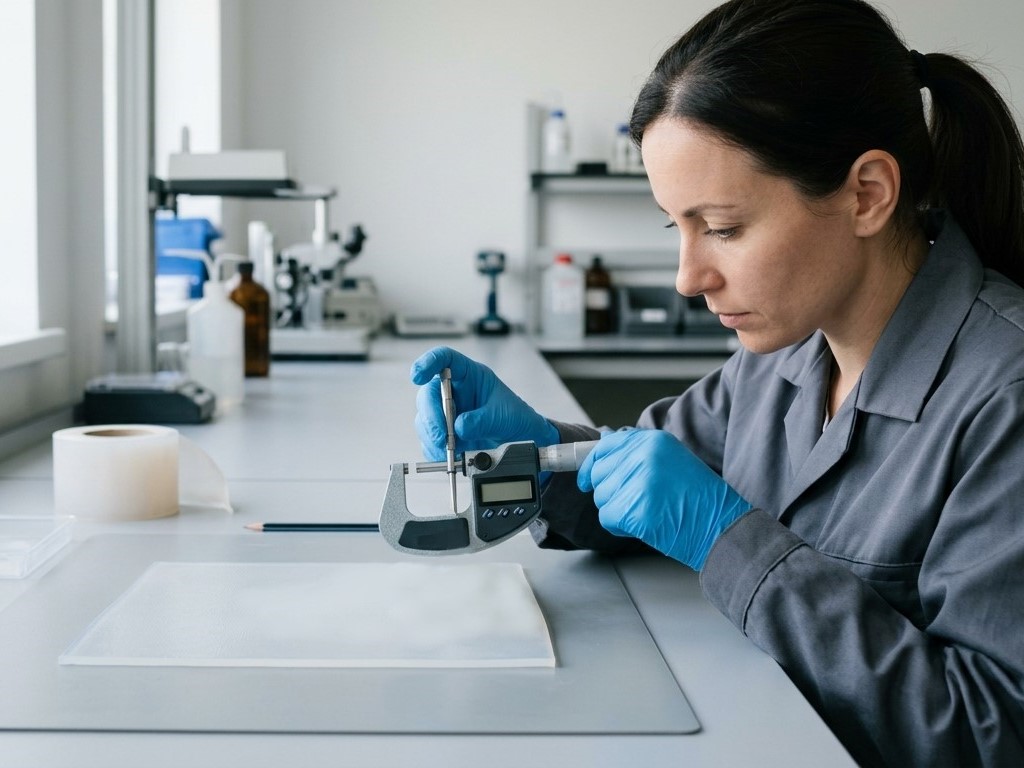
Silicone Sheet Logo & Branding Methods
Brand silicone sheets through packaging and surface markings rather than artwork.
Screen Printing
Screen printing can add simple identification marks, logos, part numbers, or technical information to suitable silicone sheet surfaces.
Pad Printing
Pad printing applies small identification graphics onto suitable flat surfaces with controlled ink transfer.
Laser Marking
Laser processing durable, ink-free identification marks on compatible silicone compounds.
Packaging Branding
Apply custom branding to industrial packaging and labels without compromising sheet functionality.
Silicone Sheet Material & Performance Options
Select materials based on temperature, compression, insulation, and environmental needs.
The proper silicone material grade provides the right balance of flexibility, strength, temperature resistance, and surface performance for silicone sheets in specific applications.
Silicone sheet material grades and hardness levels are custom formulated so the selected compound meets exact application requirements for flexibility, compression behavior, temperature range, chemical resistance, and surface properties.
Selected silicone grades must ensure mechanical stability for sealing, vibration damping, insulation, or protection while retaining installation flexibility. Specialized industrial formulations further enhance resistance to heat, aging, and chemical exposure.
Material Comparison
Silicone Sheet vs. EPDM Sheet: Which Is Optimal for Your Project? —Temperature resistance, chemical exposure, flexibility, compression performance, durability, and application requirements.
Silicone rubber maintains flexibility across a wide temperature range.
The selected compound and sheet thickness should match the actual continuous and intermittent operating conditions rather than relying on a nominal temperature rating alone.
Compression behavior determines whether a silicone sheet can maintain a reliable sealing interface.
For gasket applications, hardness alone is insufficient; compression set, thickness, and contact geometry must be evaluated together.
Silicone sheets can provide flexible electrical insulation for demanding equipment interfaces.
When selecting electrical-grade material, consider dielectric strength and ratings, thickness, and the surrounding operating environment.
Material structure affects how a sheet behaves during cutting, installation, and repeated handling.
Fabric reinforcement improves dimensional stability, preventing stretching or deformation during fabrication or assembly.
Surface finish affects the way the silicone sheet contacts adjacent components.
Smooth, matte, or textured surfaces can be selected according to sealing, handling, bonding, and assembly requirements.
Available documentation may include:
- Material data sheets
- Material declarations
- FDA-related documentation where applicable
- LFGB-related documentation where applicable
- REACH-related reports
- Material migration and leaching tests
- Project-specific test reports
The applicable documentation depends on the selected silicone compound, additives, surface treatments, and destination market. A raw-material report should not be presented as proof for every finished sheet configuration.
Appropriate cleaning helps maintain the surface condition and performance of reusable silicone sheets.
Rinse thoroughly to remove residues and allow the sheet to dry completely before storage, assembly, or further processing.
Avoid aggressive solvents, abrasives, or excessive friction to protect silicone surfaces, coatings, and printed markings. Store sheets flat or supported, protecting them from prolonged compression, sharp objects, extreme heat, and direct environmental exposure to maintain their dimensions and appearance.
Storage & Handling Guide
How to Store and Handle Silicone Sheets—Temperature, humidity, avoidance of direct sunlight, ventilation, shelf life inspection, packaging, and handling with gloves.
How Silicone Sheets Are Manufactured

STEP 1: Requirement Review
Every project begins with the required thickness, sheet dimensions, hardness, compound, color, surface finish, application environment, converting requirements, and documentation.
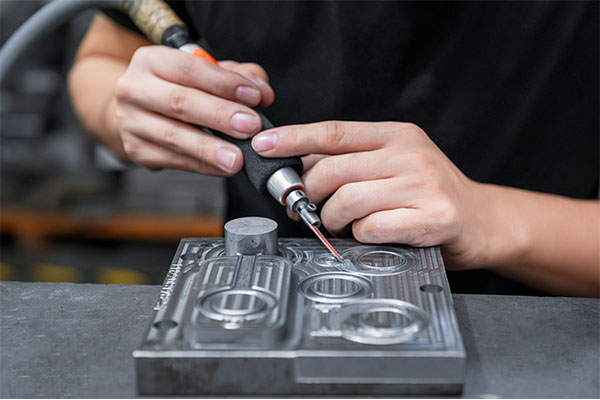
STEP 2: Production Evaluation
The selected silicone compound is reviewed against the intended temperature, sealing, insulation, flexibility, and environmental requirements before production begins.

STEP 3: Material Preparation
Silicone raw material is prepared with the approved formulation, pigments, and additives, with the compound controlled for the specified sheet performance.

STEP 4: Silicone Calendering
The silicone compound is processed into a continuous or defined sheet structure using the approved manufacturing method and controlled to the required thickness.
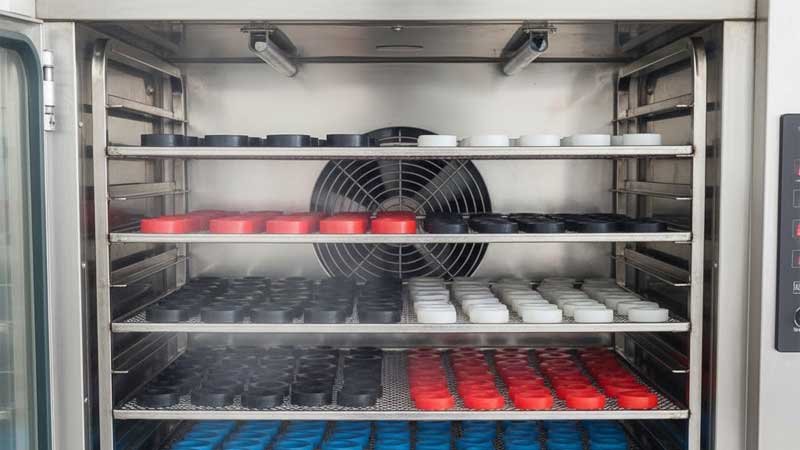
STEP 5: Curing
The formed silicone is cured under controlled process conditions to establish its final elastic properties, dimensional stability, and surface characteristics.
STEP 6: Surface & Converting
After curing, the sheet can undergo surface treatment, slitting, cutting, adhesive lamination, or other approved secondary processing.
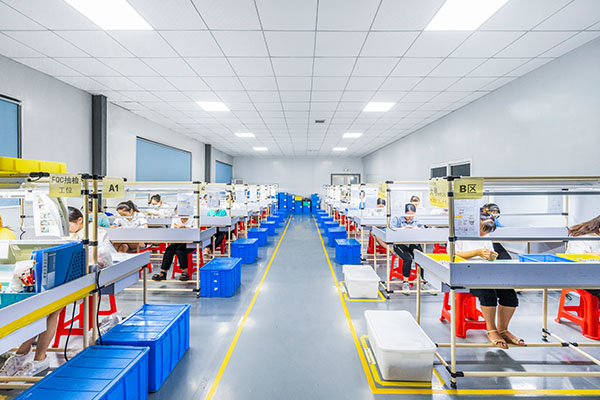
STEP 7: Quality Inspection
QC checks thickness, dimensions, hardness, appearance, color, and performance against approved specifications and samples.
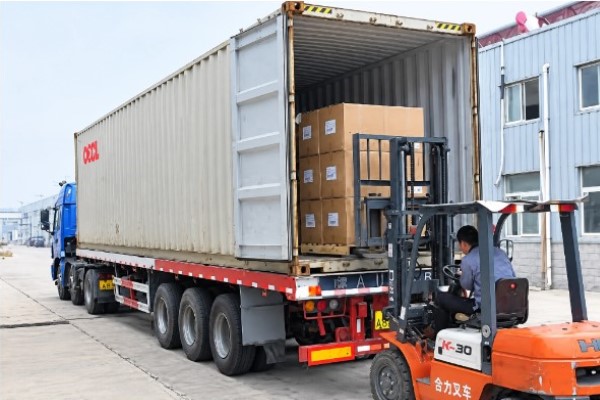
STEP 8: Packaging and Shipment
Finished sheets are protected against contamination, deformation, and damage, then packed, labeled, and prepared for the agreed shipping method.
Silicone Sheet Quality Control
Quality control covers more than visual appearance. Thickness consistency, hardness, dimensions, and surface condition directly affect downstream fabrication and finished-part performance.
AQL 2.5 / 4.0 Standard Inspection
We run final random sampling plans to verify batch consistency:
AQL 2.5
Critical / Major Defects
AQL 4.0
Minor Visual Flaws
Another inspection standard can be applied when specified in the purchase order.
Approved Sample Control
The approved sample becomes the production reference for:
- Thickness
- Hardness
- Color
- Surface finish
- Sheet dimensions
- Appearance
- Packaging presentation
Incoming Material Review
Incoming silicone compounds, pigments, and supplier documentation are checked against the confirmed project requirements before production.
In-Process Inspection
Operators monitor sheet formation, thickness consistency, curing condition, visible contamination, surface defects, and dimensional stability during production.
Appearance Review
Finished sheets are checked for:
- Tears
- Contamination
- Surface damage
- Visible bubbles
- Incomplete curing
- Irregular edges
- Significant color variation
Thickness & Dimensions
Sheet thickness, width, length, and converted dimensions are checked against the approved specification. Thickness variation is particularly important when the sheet will later be die-cut into gaskets or seals.
Hardness
Shore A hardness is compared with the approved material specification to confirm consistency between production batches.
Color & Surface
Production color and surface finish are compared against the approved sample under controlled viewing conditions.
Functional Checks
Where required by the project, additional testing may evaluate:
- Compression behavior
- Tensile properties
- Tear resistance
- Electrical properties
- Temperature performance
- Adhesive performance
The exact test method should be agreed upon before mass production rather than assumed from the silicone grade alone.
Packaging Inspection
Sheet quantity, dimensions, labels, SKU information, protective packaging, and carton markings are verified before shipment.
Silicone Sheet Packaging Options
Plan the packaging early because printed items require a separate schedule.

Bulk Industrial Packaging
Large-volume sheets are packed efficiently for distributors, fabricators, and industrial customers requiring cost-controlled shipment.
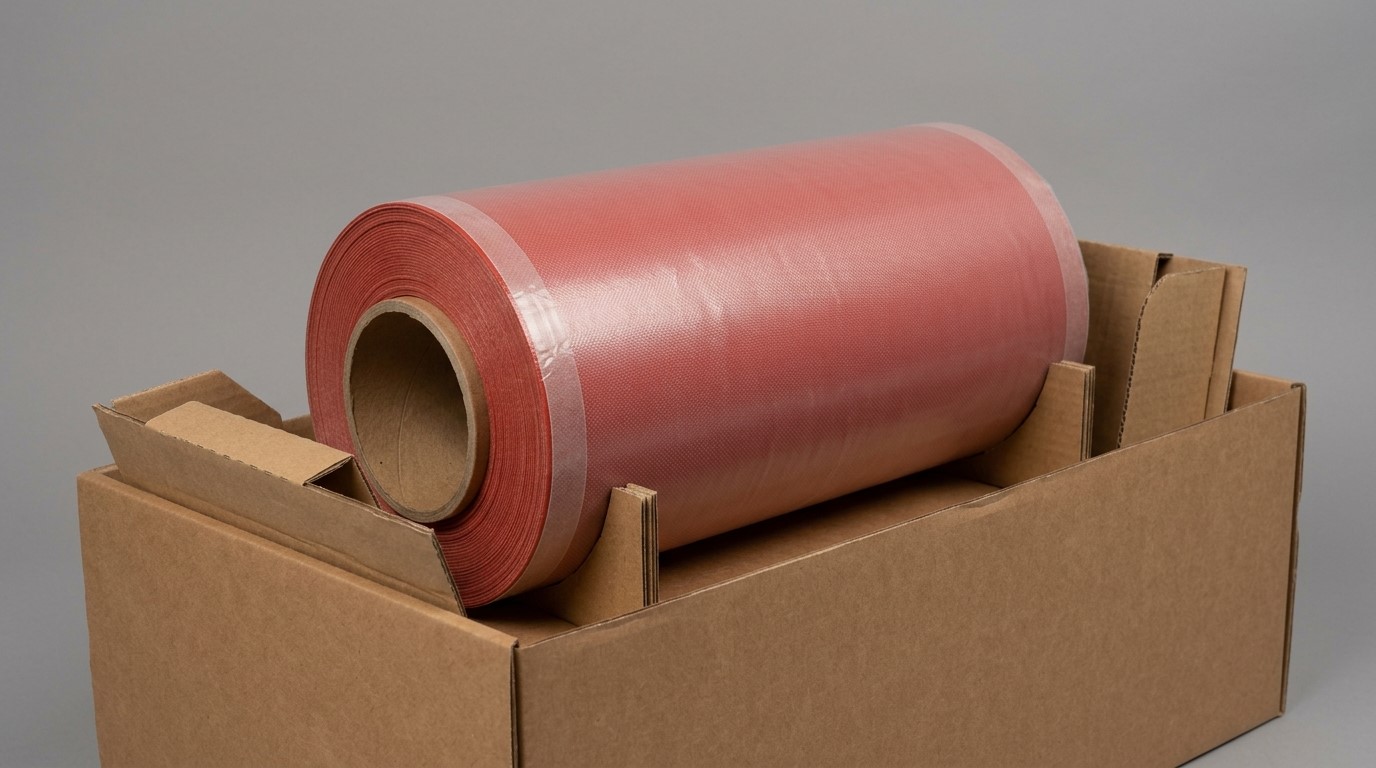
Protective Packaging
Individual sheets or rolls can receive protective layers to reduce contamination, surface damage, and deformation during transportation.
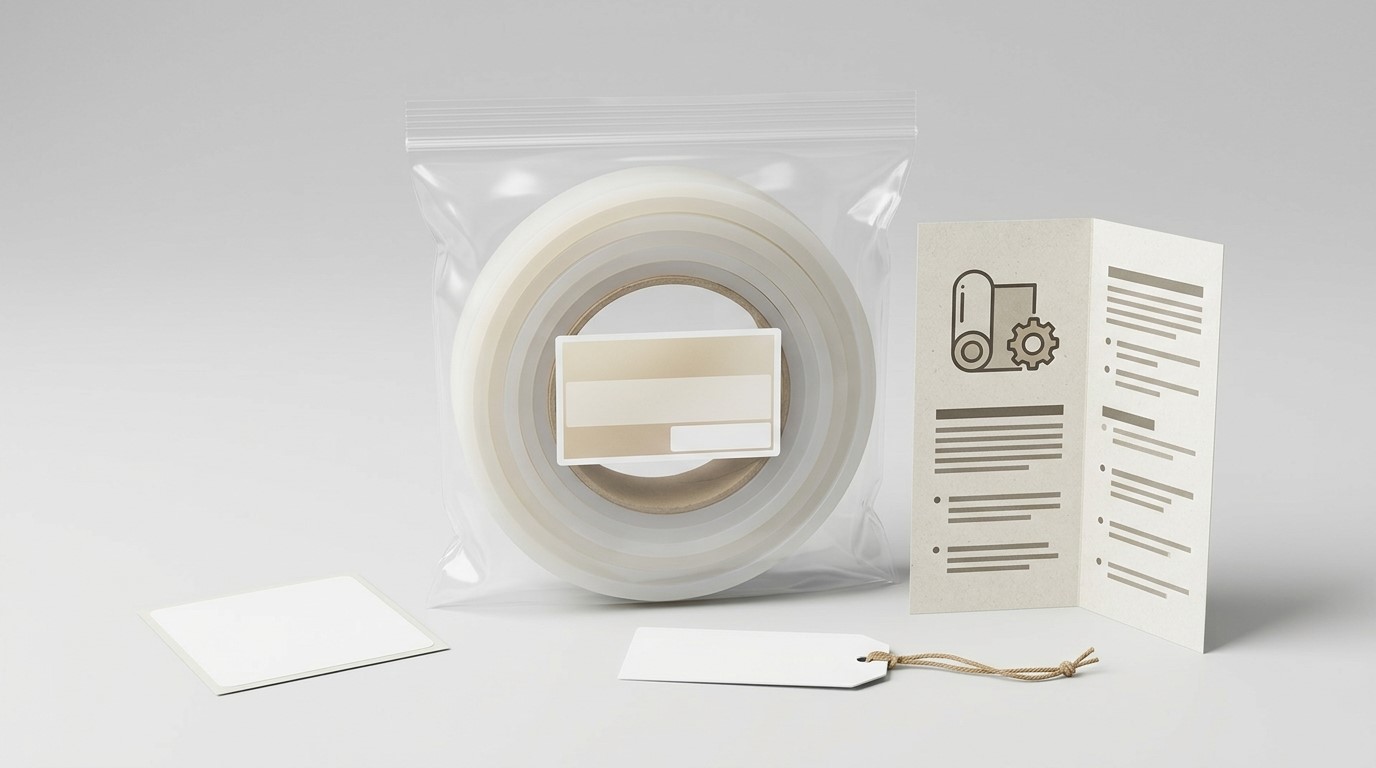
Private-Label Packaging
Custom bags, labels, and cartons can identify your brand, SKU, material grade, and product information for wholesale distribution.

E-commerce Packaging
Smaller converted sheets can be prepared with retail-ready labels, barcodes, product inserts, and protective outer packaging for online sales.
Custom Silicone Sheet Typical Specifications
| Parameter | Typical Specification |
|---|---|
| Product Type | Solid silicone sheet, reinforced sheet, sponge/foam sheet |
| Material | Silicone rubber compound selected for the application |
| Material Grade | General-purpose, commercial-, medical-, and food-grade |
| Hardness | Custom Shore A |
| Thickness | Custom; confirmed according to sealing, insulation, or converting requirements |
| Sheet Format | Flat sheet or roll format |
| Width & Length | Custom dimensions |
| Surface Finish | Smooth, matte, textured, or fabric-textured |
| Color | Standard or custom color |
| Reinforcement | Optional fabric reinforcement |
| Adhesive Backing | Optional PSA backing |
| Secondary Processing | Slitting, die cutting, gasket cutting, custom shapes |
| Performance Requirements | Temperature, compression, electrical insulation, tear resistance, or other application-specific requirements |
| Quality Inspection | Approved sample, incoming material, in-process, and final inspection |
| MOQ | Project-dependent |
| Lead Time | Project-dependent and confirmed after specification review |
| OEM / ODM | Available |
The final specifications are confirmed based on the selected compound, intended applications, artwork, and approved sample.
Why Work with RY Silicone

Silicone Manufacturing Experience Since 2012
RY Silicone has been engaged in custom silicone product manufacturing since 2012, supporting product development, manufacturing, finishing, inspection, packaging, and export requirements.
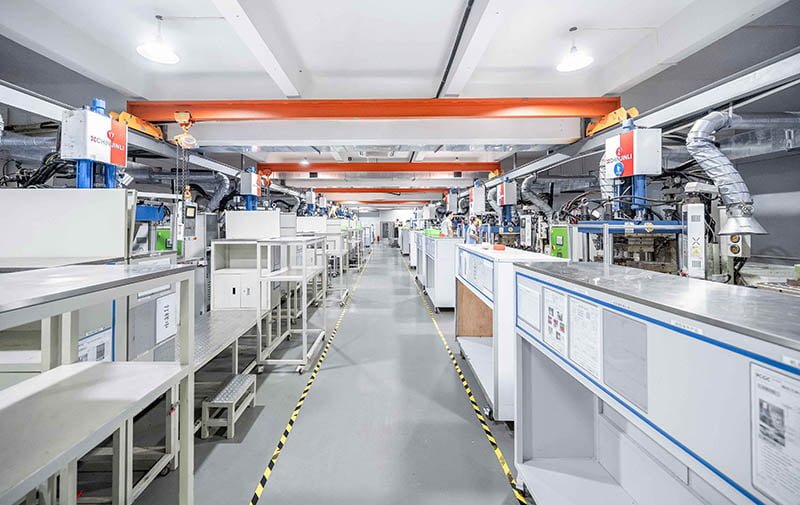
10,000+ m² Production Facility
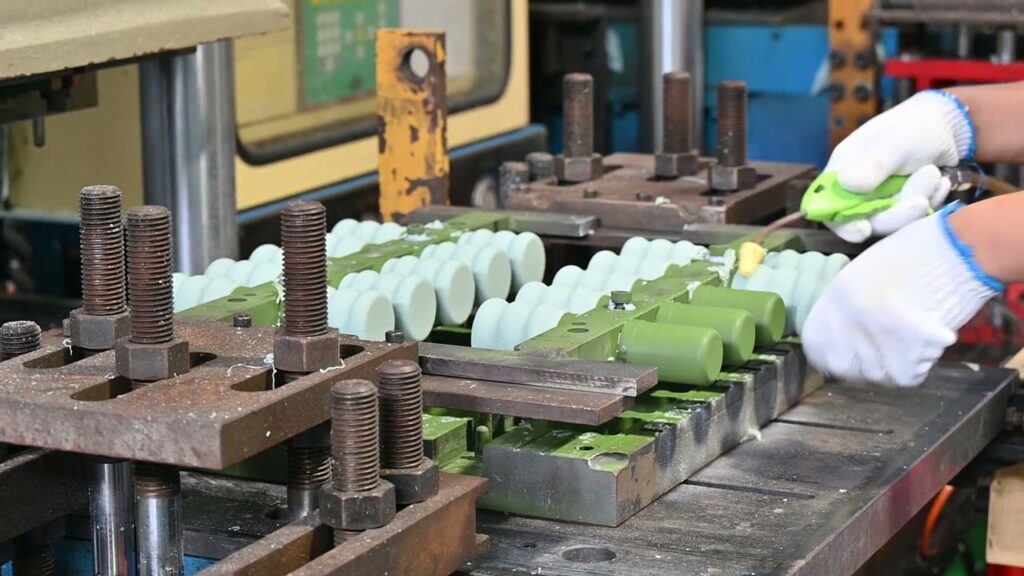
The facility integrates tooling, molding, finishing, branding, inspection, and packaging capabilities, supporting coordinated production for custom silicone projects.

30+ Production Machines
More than 30 production machines support different silicone manufacturing requirements, with equipment selection matched to product structure and production needs.
Up to 100,000 Silicone Products per Day
Production capacity can reach up to 100,000 silicone products per day, depending on product structure, process cycle, inspection requirements, and production scheduling.

Engineering Review Before Quotation
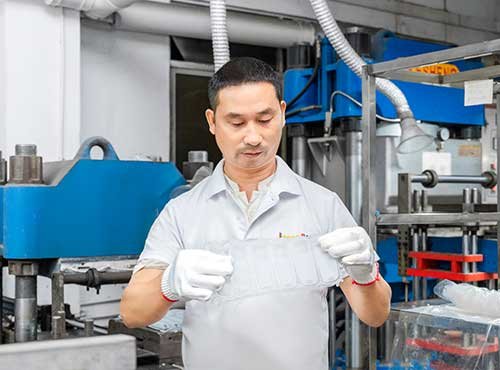
Before quotation, engineering can review product dimensions, material requirements, colors, branding, packaging, and other project details to identify manufacturing considerations early.
Sample-Based Production
Production can be organized around an approved sample or specification reference, helping align dimensions, appearance, material characteristics, and other agreed requirements before volume manufacturing.
Export Project Support
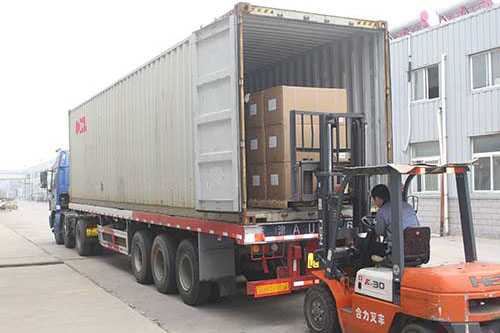
RY Silicone supports international projects with commercial communication, documentation coordination, packaging preparation, and shipment arrangements for customers in overseas markets.
Silicone Sheet FAQ and Final RFQ
What is the MOQ for custom silicone sheets?
The MOQ varies by project. It varies according to the silicone compound, sheet dimensions, color, thickness, reinforcement, converting requirements, packaging, and order quantity. RY Silicone will confirm the practical MOQ after reviewing your specifications.
Can you manufacture silicone sheets with custom thicknesses?
Yes.
We can develop custom thicknesses and dimensions around the intended application. For precision gasket or die-cut applications, specify the required thickness tolerance together with the finished-part requirements.
What hardness options are available for silicone sheets?
Hardness is selected according to flexibility, compression behavior, handling, sealing requirements, and the downstream fabrication process. RY Silicone can review your application and confirm the appropriate Shore A specification.
Which silicone material should I choose for high-temperature applications?
The material selected depends on the actual continuous and intermittent operating conditions, the surrounding environment, the mechanical requirements, and the sheet thickness. The required operating conditions must be provided before the compound is confirmed.
Can silicone sheets be converted into gaskets or seals?
Yes, silicone sheet material can be supplied for downstream fabrication or converted into custom shapes, such as gaskets.
The thickness, hardness, dimensional tolerance, compression behavior, and cutting geometry should be reviewed together.
Can you manufacture fabric-reinforced silicone sheets?
Yes.
We can incorporate fabric or mesh core reinforcement when greater dimensional stability or handling strength is required. The reinforcement structure should be specified according to the intended application and converting process.
Can you add adhesive backing to silicone sheets?
Yes, adhesive-backed configurations can be developed.
However, the adhesive system, liner, bonding surface, service temperature, and final assembly conditions must be evaluated to ensure compatibility with the application.
How to select a suitable cutting process for silicone sheets project?
Precision, quantity, edge details, and production time relate to the cutting process selection.
CNC Cutting: Suited for custom profiles and high precision.
Die Cutting: Optimal for scalable production, cost-effective for large batches.
Waterjet Cutting: Suitable for complex shapes and reinforced silicone sheets.
Moreover, RY Silicone can supply cut-to-fit silicone sheets, which support customizable size, ease of trimming, and effective sealing solutions for irregular objects as well as HVAC (heating, ventilation, and air conditioning) systems.
To eliminate edge fraying or distortion after processing, the sheet cutting process considers the following: selected cutting methods, temperature, blade conditions, and sheet stabilization.
Can you provide material documentation for silicone sheets?
The type of documentation provided depends on the selected silicone compound, additives, surface treatments, destination market, and project requirements. The required standard or documentation package should be specified when requesting a quote.
A raw material report should not automatically be considered proof for every finished sheet configuration.
What sheet formats can you supply?
Silicone sheets can be supplied in sheet or roll formats. Additional converting services are available, including slitting, die cutting, gasket cutting, and custom shaping, according to project requirements.
Can silicone sheets be branded or marked?
Depending on the surface and application, identification methods include screen printing, pad printing, laser marking, and branded packaging. The marking method should be reviewed together with surface compatibility and durability requirements.
What information do you need for a silicone sheet quotation?
Please provide:
- Design files
- Documentation requirements
- Dimension and thickness
- Hardness rating
- Intended applications and operating environments
- Surface finish
- Color
- Reinforcement
- adhesive backing
- Cutting methods
- Quantity
- Packaging and destination market
How are silicone sheets inspected before shipment?
Quality control may include comparing the product to an approved sample, reviewing incoming materials, conducting in-process inspections, and performing final inspections.
Typical checks include measuring the thickness and dimensions, testing the hardness and appearance, and evaluating the color and surface condition. Application-specific performance tests may also be conducted.
Can silicone sheet replace EPDM or another rubber sheet?
Not automatically.
Material substitution should be evaluated based on operating temperature, compression behavior, chemical and environmental exposure, electrical requirements, flexibility, and the final sealing or insulation function.