Manufacturing custom silicone products since 2012

Silicone Spoon & Fork Manufacturer

RY Silicone develops baby and toddler spoon-and-fork sets around handle length, utensil geometry, and component construction. Share your drawing and market to discuss OEM/ODM options.

Home » Silicone Baby Products » Silicone Spoon & Fork

What Is a Silicone Spoon & Fork Set?

A silicone spoon and fork set is a pair of feeding utensils made partly or fully with silicone components for serving or self-feeding. Within a silicone baby products range, baby and toddler sets may use short handles, soft utensil ends, or other forms designed for a specific feeding stage.

Custom silicone spoon and fork sets are products developed to match a brand’s selected design, dimensions, material construction, colors, logo, and packaging. RY Silicone is a China-based silicone product manufacturer established in 2012. Its overall facility covers more than 10,000 m² and operates 30+ production machines across silicone product categories; those company-wide figures do not describe dedicated spoon-and-fork capacity.

Silicone Spoon & Fork Manufacturing at a Glance

Order Planning

Order quantity and production timing are quoted after the utensil design, material construction, branding, packaging, and destination market are defined.

Product Specifications

Set configuration, handle dimensions, utensil-end shape, component materials, color, and packaging are documented against the approved project specification.

Branding Options

Logo placement and method are selected around the handle geometry, material combination, artwork, and intended retail presentation.

Packaging Planning

Choose packaging around the sales channel and set contents, product identification, and the buyer’s approved artwork and labeling requirements.

Who We Manufacture Silicone Spoon & Fork Sets For

Support feeding-product programs for brands, distributors, retailers, and product developers.

Custom silicone fork and spoon sets with food grade standards and excellent durability for Baby and Toddler Feeding Brands

Baby and Toddler Feeding Brands

Build a coordinated feeding range around a spoon-and-fork set, with product forms and brand presentation suited to your intended age segment and sales market. Final age guidance and claims should follow your product assessment and applicable market requirements.
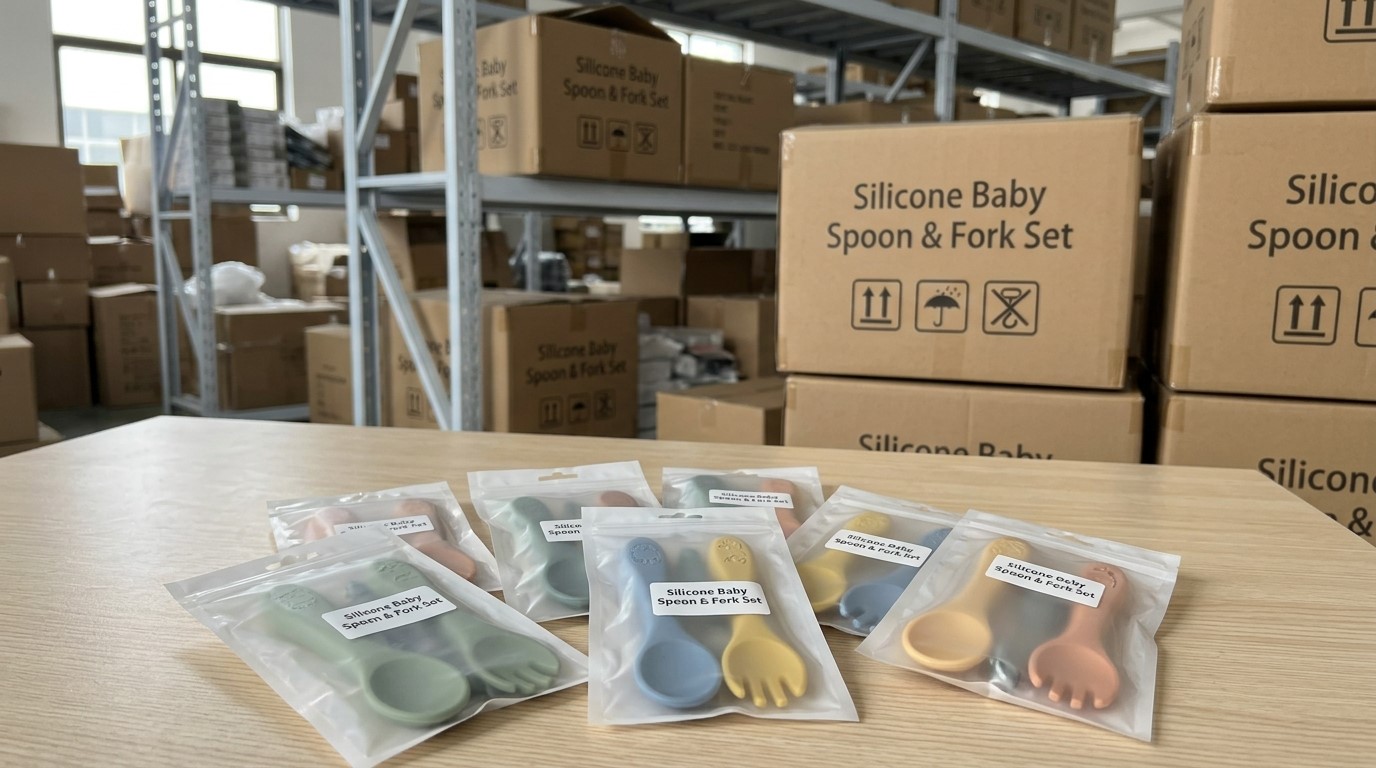
Custom silicone fork and spoon sets in polybags for Distributors and Wholesalers

Distributors & Wholesalers

Source set configurations for regional catalogs and repeat purchasing. Share expected order structure, destination markets, packaging needs, and any required product documents so the quotation reflects your distribution plan.
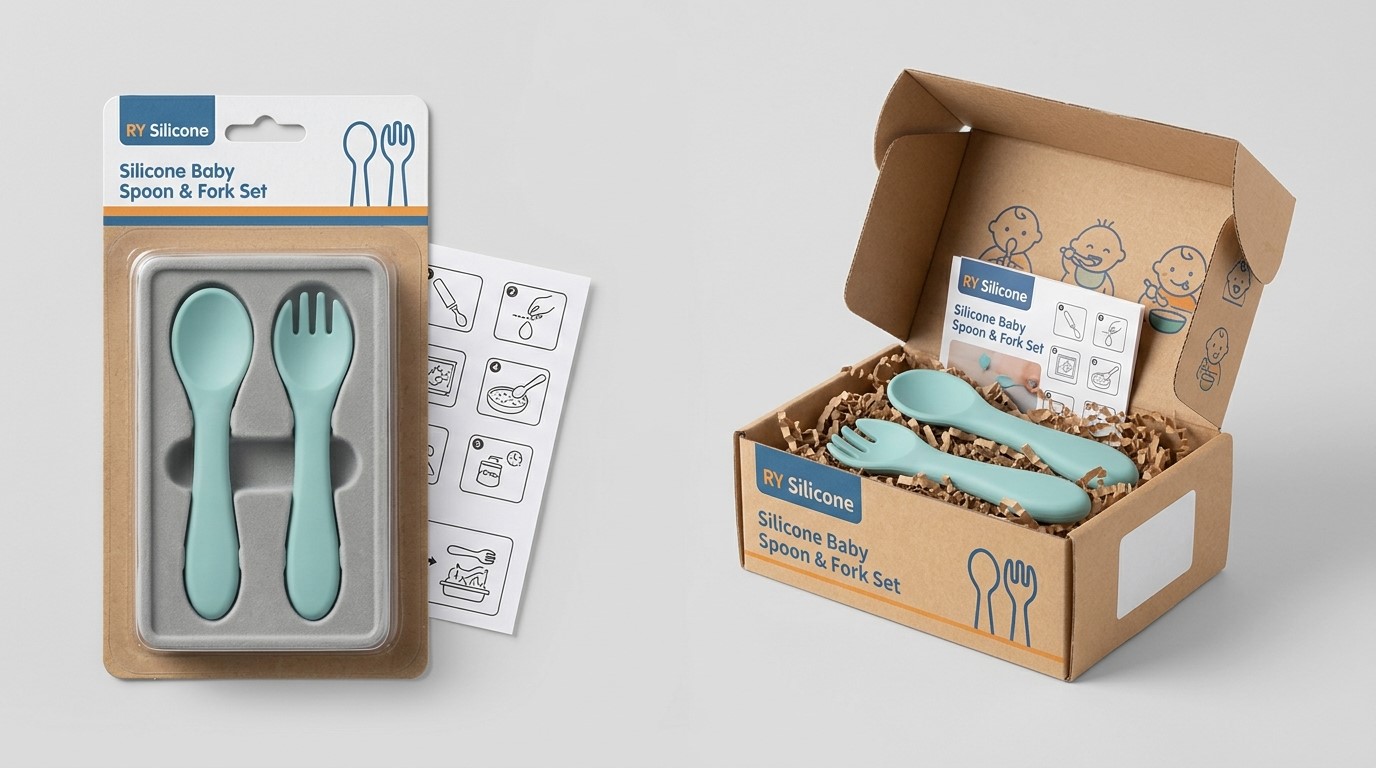
Custom silicone fork and spoon sets with flexible packaging options for Retail and E commerce Sellers

Retail and E-commerce Sellers

Prepare a clearly identified utensil set for online or store presentation. Product images, set contents, care information, packaging, and product claims should match the approved production version and target market.

Custom silicone fork and spoon sets with designed packaging and brand methods for Private-Label Product Teams

Private-Label Product Teams

Develop a branded spoon-and-fork offering with selected colors, logo placement, and packaging. A physical reference or drawing helps align the proposed construction with your product positioning.

custom silicone feeding set with custom silicone fork and spoon combination for Feeding-Set Developers

Feeding-Set Developers

Include a spoon-and-fork pair in a broader feeding assortment when the product structure and pack configuration support it. Complete sets with bowls, plates, cups, or bibs should be scoped as a separate feeding-set project.
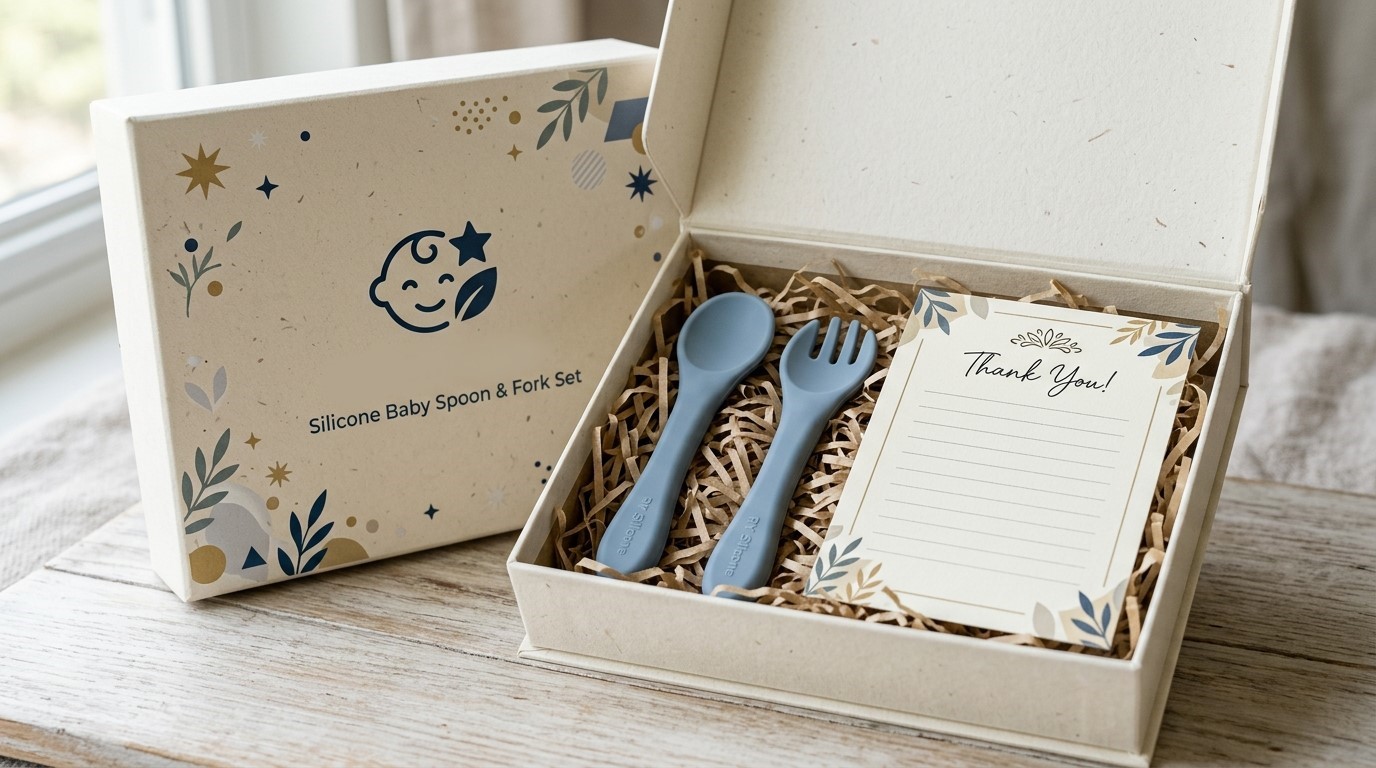
Custom silicone fork and spoon sets in desired packaging for Promotional and Gift Programs

Promotional and Gift Programs

Plan branded utensil sets for baby-focused gift or promotional assortments. Artwork, pack contents, retail labeling, and destination-market requirements need to be defined before production planning.
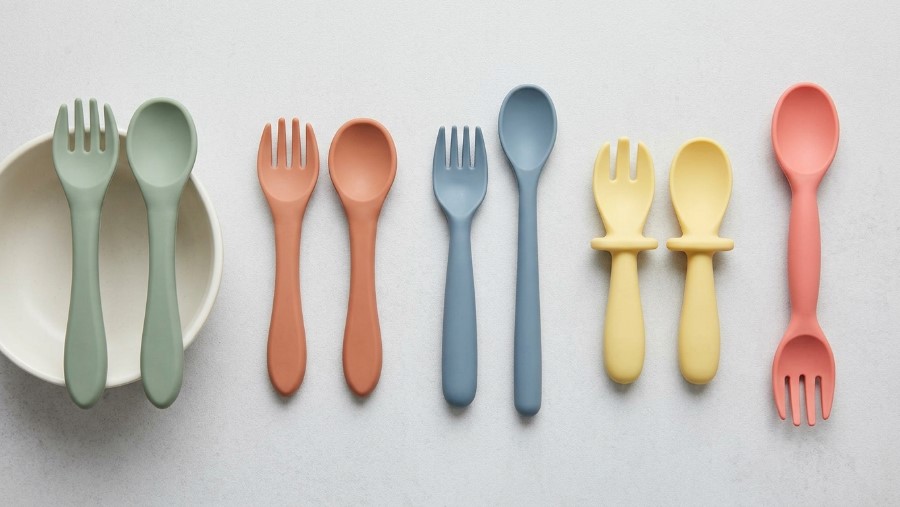
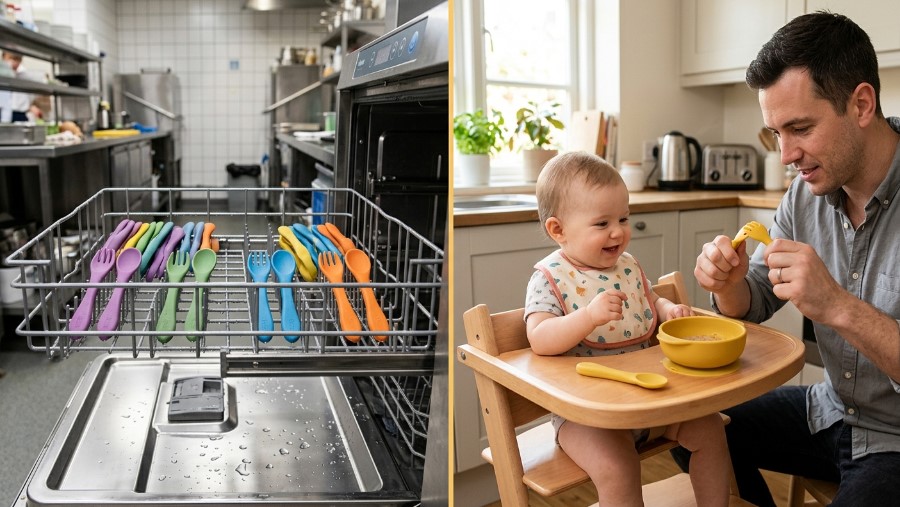
Silicone Spoon & Fork Types We Can Develop

Silicone Spoon & Fork Customization

Define the product construction and retail requirements before sampling to keep the quotation aligned with the intended set.

Flexible spoon bowl fork tine and dimension designs of custom silicone fork and spoon sets for your project

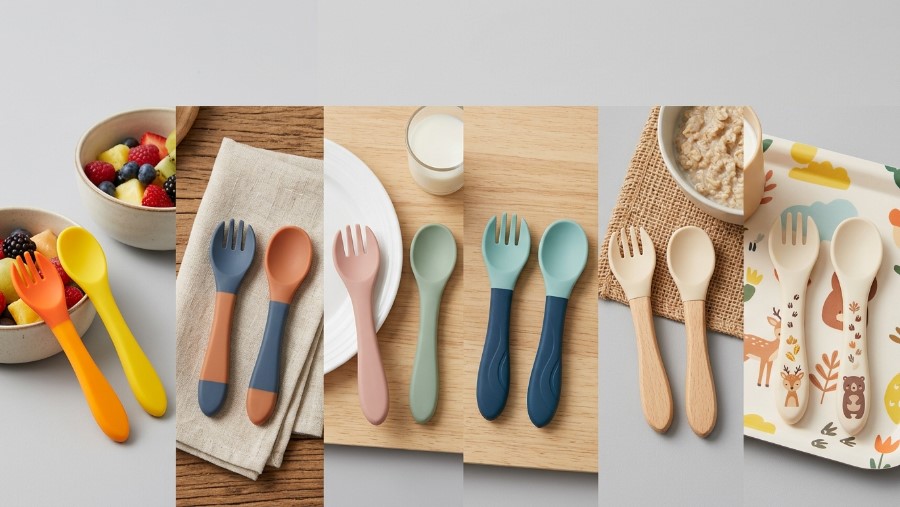
Define the spoon and fork as a coordinated pair before sampling. For mixed-material handle concepts, show the intended shape and where silicone meets a proposed stainless steel, bamboo, wood, PP, Tritan, or other plastic component. Use a drawing or reference sample to specify:

  • Spoon bowl width, depth, and edge profile
  • Fork tine count, spacing, length, and tip form
  • Handle length, grip section, and animal-themed features
  • Joining location and dimensions for each utensil

Dishwasher-safe and food-contact custom silicone fork and spoon set as reliable tableware with safety

Assign a proposed material to each component rather than specifying the whole set as “silicone.” Identify the utensil ends, grips, handle cores, exposed surfaces, and any joining parts.

For a mixed-material design, define:

  • Silicone coverage and target hardness by component
  • The proposed handle material and joining method
  • Pigments, inks, and other specified materials
  • Destination-market documentation and finished-product evidence needs

Diverse color options for your custom silicone fork and spoon program

Plan color at both set and component levels so the spoon and fork form a coordinated product.

Provide a physical sample or agreed color reference for each shade, and assess the appearance on the selected materials. Specify:

  • Matching or complementary spoon and fork colors
  • Separate colors for utensil ends, grips, and handles
  • Base colors and decorative accents for animal-themed designs
  • Color quantities and any translucent or multicolor effect for sample review

Custom silicone fork and spoon sets with food contact standards for Baby and Toddler Feeding Brands

Define product branding and packaging artwork against the final utensil surfaces and pack contents. Provide vector artwork, proposed logo size and position, and the destination market. Confirm:

  • Molded or printed logo options for the selected material and surface
  • Animal-themed decoration as artwork separate from the brand logo
  • Paired packaging
  • Inclusion in a larger feeding set
  • Retail format
  • Label copy, barcode, inserts, and approved artwork

Start Your Custom Silicone Spoon & Fork Project

Send a drawing, sample, target quantity, destination market, and packaging brief so our team can assess the product scope and prepare a project quotation.

How to Specify a Better Silicone Spoon & Fork Set

Specify the utensil geometry, materials, and pack contents together because each affects product evaluation and sourcing.

  • Set contents: State whether the pack contains one spoon and one fork or additional items.
  • Geometry: Provide overall length, handle dimensions, spoon bowl depth, and fork tine details.
  • Construction: Identify silicone parts, any other materials, and how components join.
  • Use stage: Describe the intended user group and feeding context; confirm age guidance separately for the target market.
  • Branding: Supply logo artwork, position, color references, and preferred method if known.
  • Packaging: Define retail format, labels, barcodes, inserts, and destination requirements.
  • Order plan: Provide forecast quantity, color split, and target delivery window for quotation.

Specification Guide

Silicone Spoon & Fork Set Specification Guide — dimensions, component construction, branding, packaging, and quotation inputs for a B2B project.

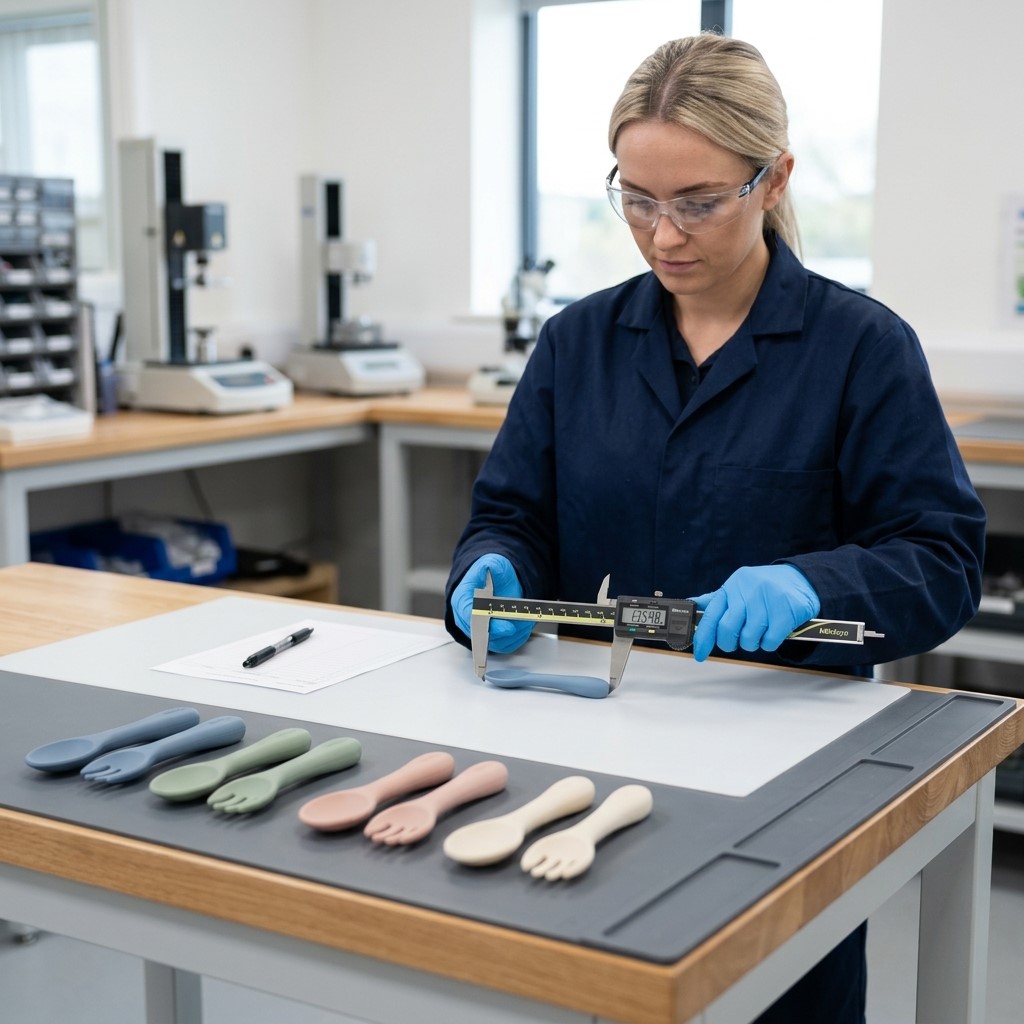
A tester is evaluate the dimension consitency of a silicone fork and spoon set

Silicone Spoon & Fork Logo & Branding Methods

Select a branding method after reviewing the artwork, component material, and available logo surface.

Screen or Pad Printing

Printed marks may suit selected surfaces and artwork. Adhesion, wear expectations, and any food-contact boundary must be assessed for the actual ink and product configuration.

Packaging Branding

Packaging can carry product identity, set contents, and include a barcode and buyer-supplied retail copy.

Debossed or Embossed Logo

Build wear- and crack-resistant raised or recessed logo or graphics on the handle part of the silicone spoon or fork.

Molded Logo

Raised or recessed branding can be formed in a silicone component when the design and tooling support the required detail.

Silicone Spoon & Fork Material & Performance Options

Component construction affects grip, flexibility, utensil shape, and documentation needs.

Specify where silicone is used in the spoon and fork.

The spoon bowl, fork, handle, or grip may use different constructions across product designs. Material grade selection and food-contact documents must match the exact component, pigment, and target market.

Material Comparison

Silicone vs. Plastic: Which Material Is Optimal for a Baby Fork and Spoon Set—Component selection, construction considerations, heat resistance, flexibility, chemical safety, durability, and odor & wear resistance.

Spoon-bowl dimensions define the geometry specified for the feeding utensil.

Record the bowl width, depth, and edge profile on the drawing, then use the approved sample to check the molded shape. Geometry alone does not establish food-retention performance; evaluate that outcome with an agreed product and use method.

Fork-tine geometry and finishing should be specified together.

Define tine count, spacing, length, and tip profile together. Narrow gaps may make flash removal and visual inspection more difficult, while geometry changes alter the specified outline. Set dimensions on the drawing and agree on trimming and inspection criteria for the selected design.

Do not claim feeding performance without product-specific evaluation.

Handle length, grip profile, and material interfaces define the handle specification.

Specify handle length and cross-section on the drawing. If the design combines silicone with a rigid core or another handle material, define the interface and joining structure separately. Check the finished profile and fit against the approved sample; any retention test needs an agreed method and acceptance criteria.

Spoon depth, fork-tine geometry, and component flexibility shape the utensil-end specification.

Define spoon-bowl depth and edge profile alongside fork-tine spacing and tip form. The selected silicone component’s flexibility can also affect the final shape.

Record the intended dimensions on the drawing and compare the molded profile with the approved sample; confirm any use-performance claim separately.

Documentation must cover the selected materials and finished utensil construction.

Identify the silicone compound, pigments, inks, and any other food-contact components. Match document scope to the destination market and complete utensil construction. A raw-material declaration alone does not establish that every finished set meets market requirements; check product-level evidence and any applicable testing scope for the selected configuration.

Care instructions must match the finished product construction.

Dishwasher, sterilization, heating, or other care statements should be used only when supported for the selected materials, joints, decoration, and product configuration.

Care guide

How to Clean Silicone Baby Fork and Spoon? —care information and product-specific verification points.

How Silicone Spoon & Fork Sets Are Manufactured

1. Requirement Review

STEP 1: Requirement Review

The project starts with set contents, target dimensions, component materials, intended market, logo, packaging, order quantity, and requested product documentation.
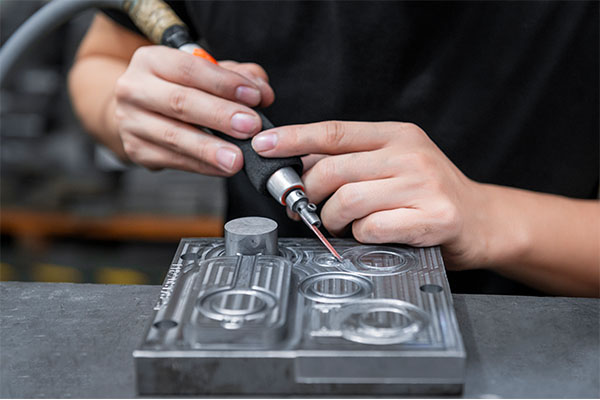
2. Mold Evaluation

STEP 2: Design and Tooling Evaluation

Engineers assess the spoon bowl, fork tines, handle geometry, parting lines, and any mixed-material interface to determine tooling and sampling requirements.
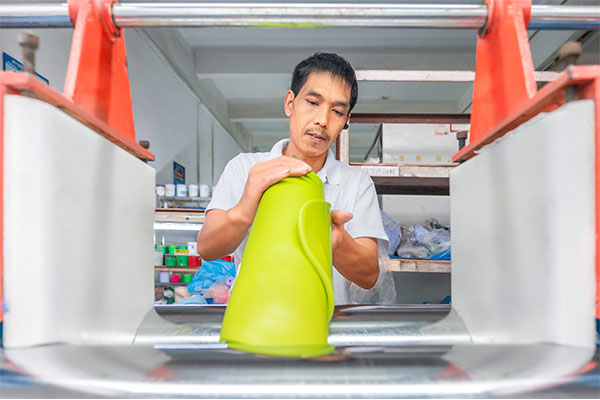
3. Material and Color Preparation

STEP 3: Material and Color Preparation

Selected silicone compounds and pigments are prepared against the agreed specification; other handle materials and purchased components are identified separately for the project.
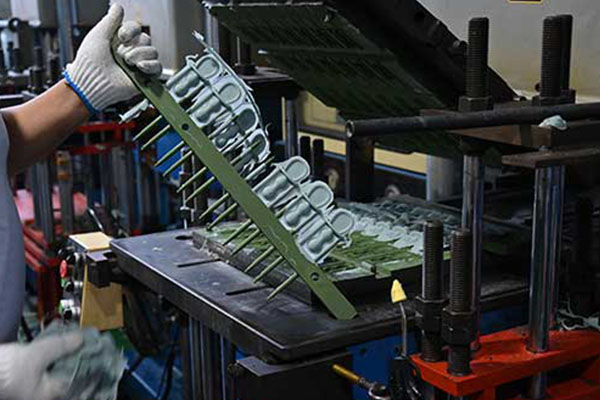
4. Silicone Molding

STEP 4: Silicone Molding

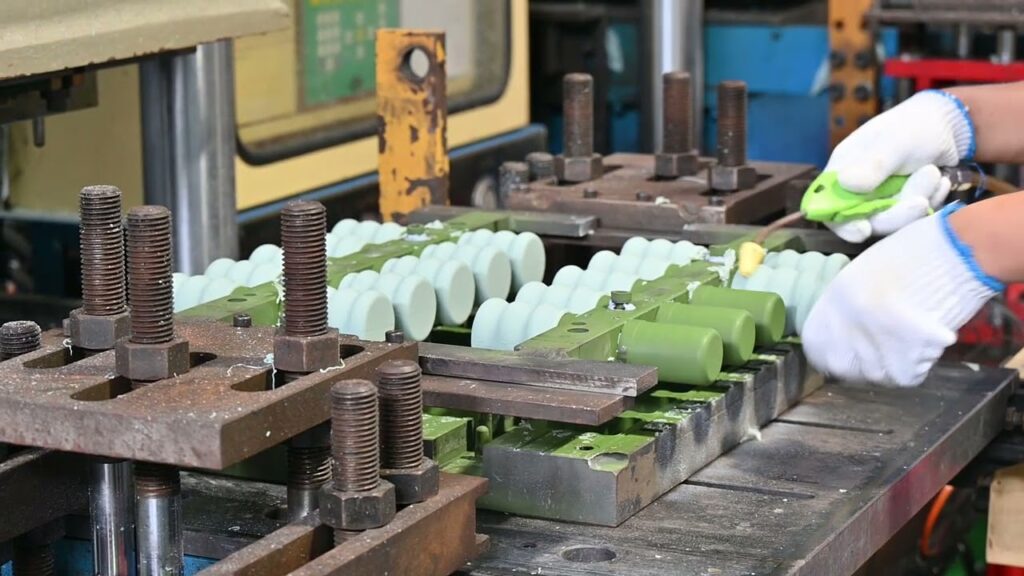
Silicone components are formed using a process selected after reviewing geometry, material, tooling, and order requirements; other components follow their specified manufacturing route.
5. Demolding and Trimming

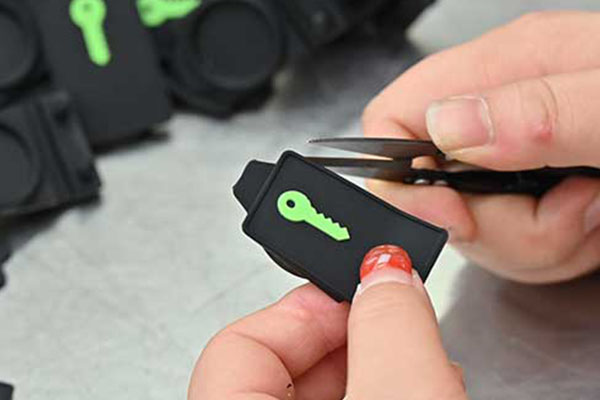
STEP 5: Demolding and Finishing

After forming, parts are demolded and trimmed. Spoon edges, fork tine tips, handle surfaces, and visible interfaces are checked against the approved sample.
6.-Logo-and-Surface-Processing

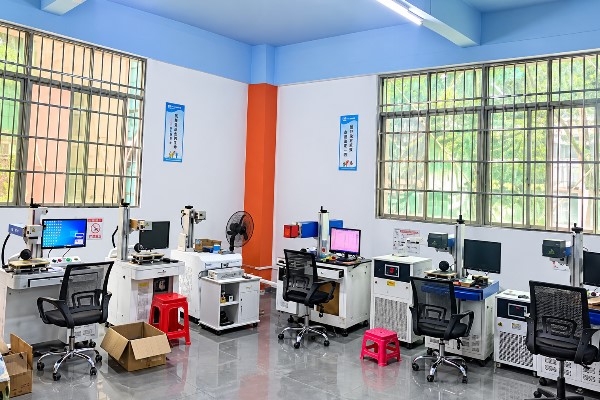
STEP 6: Branding and Assembly

Approved molded or printed branding is applied, and separate components are assembled where required. Placement and fit follow the project drawing and approved sample.

7. Quality Inspection

STEP 7: Quality Inspection

Finished sets are checked for set contents, appearance, key dimensions, component fit, color, branding, and packaging against the approved project references.

8-Packaging-and-Shipment-enhanced

STEP 8: Packaging and Shipment

Products are counted and packed according to the approved pack configuration, labels, and carton requirements, then prepared for the agreed shipment arrangement.
Silicone Spoon & Fork Quality Control

Quality checks should reflect the product’s small geometry, component construction, decoration, and final pack contents.

AQL 2.5 / 4.0 Standard Inspection

We run final random sampling plans to verify batch consistency:

AQL 2.5

Critical / Major Defects

AQL 4.0

Minor Visual Flaws

Another inspection standard can be used when specified in the purchase order.

The approved sample establishes the reference for set contents, color, appearance, utensil geometry, handle construction, logo position, and packaging presentation.

Material names, supplier documents, pigments, and packaging are checked against the project requirements. Documentation scope must correspond to the components and target market.

Production checks focus on molding completeness, trimming, spoon edges, fork tine formation, component interfaces, and branding placement where applicable.

Inspect visible contamination, flash, surface marks, deformation, spoon bowl dimensions, fork tine spacing, handle length, and other drawing dimensions.

For mixed-material designs, inspect the specified joining area and fit against the approved sample. Any retention or strength test requires an agreed method and acceptance criteria.

Check logo position, size, legibility, molded definition, or print appearance against the approved artwork and sample.

Verify the number and type of utensils, labels, barcodes, inserts, retail box, and export carton against the approved packing specification.

Silicone Spoon & Fork Packaging Options

Select packaging around the product set, sales channel, required labeling, and protection.

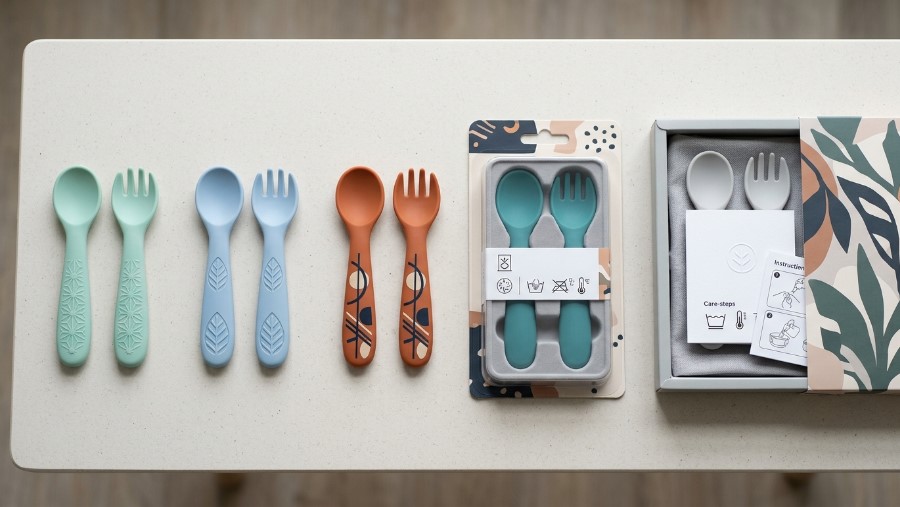
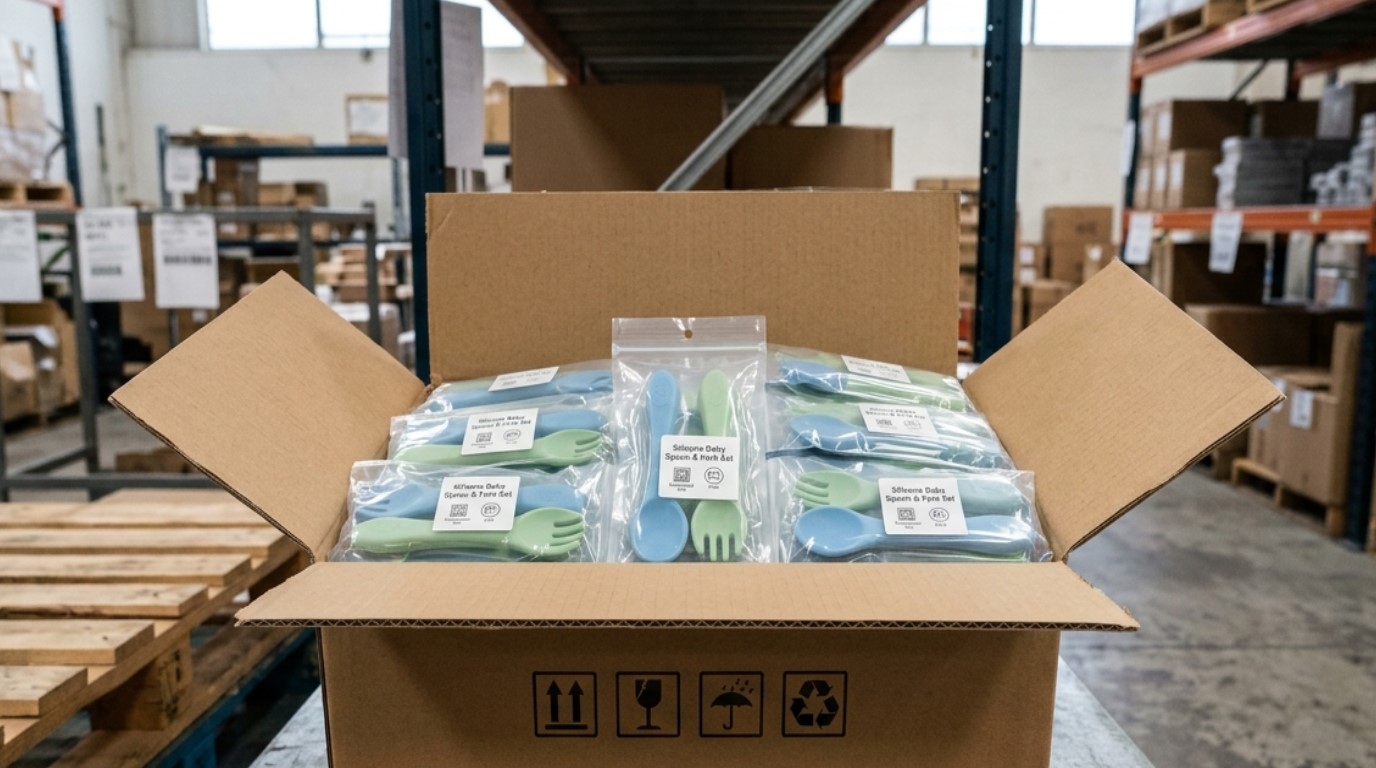
custom silicone baby spoon and fork set with desired bulk packaging for programs

Bulk Packaging

Individual bags or grouped packs can support wholesale handling when retail presentation is not required. Confirm pack count, identification, and carton quantities.
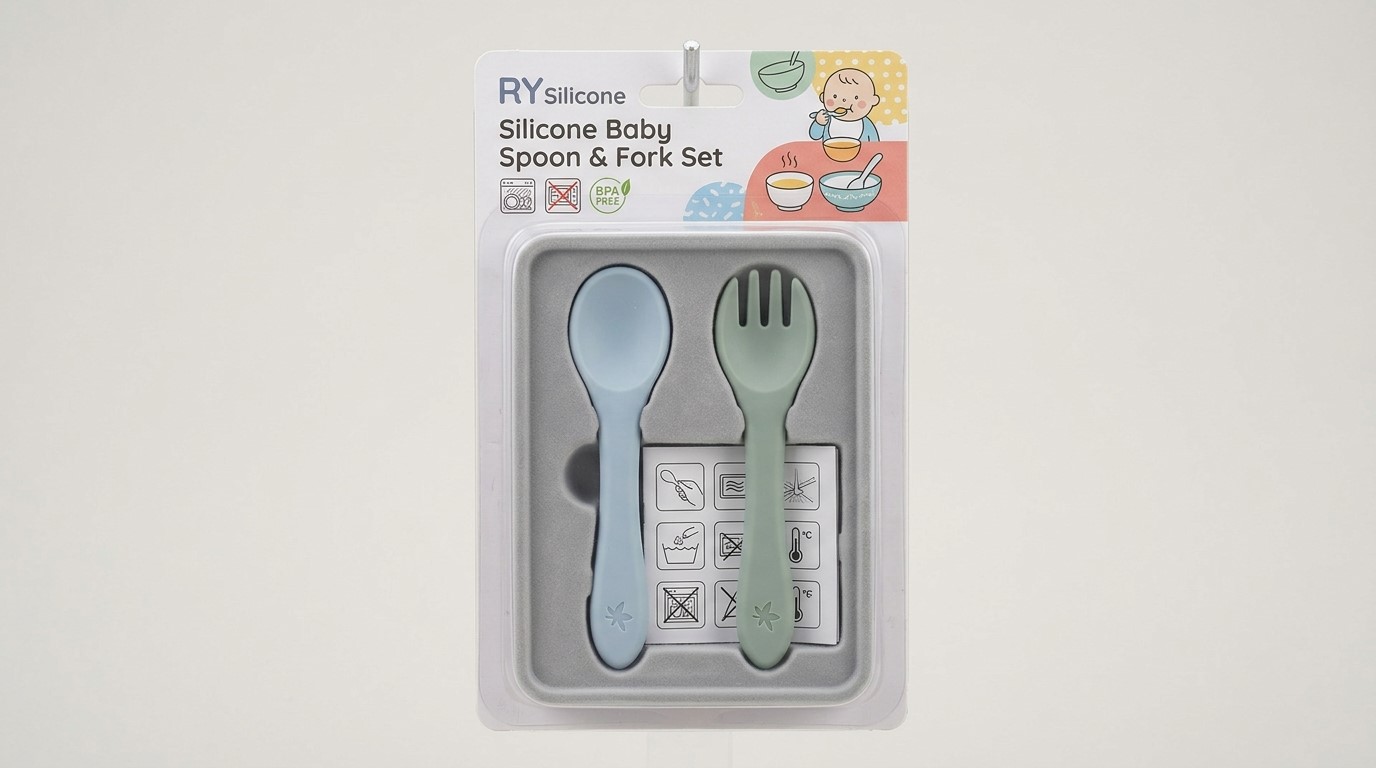
custom silicone baby spoon and fork set with desired retail packaging for programs

Retail Packaging

Printed cards, paper boxes, or other approved retail formats can present the set contents and brand. Final copy and artwork are supplied or approved by the customer.
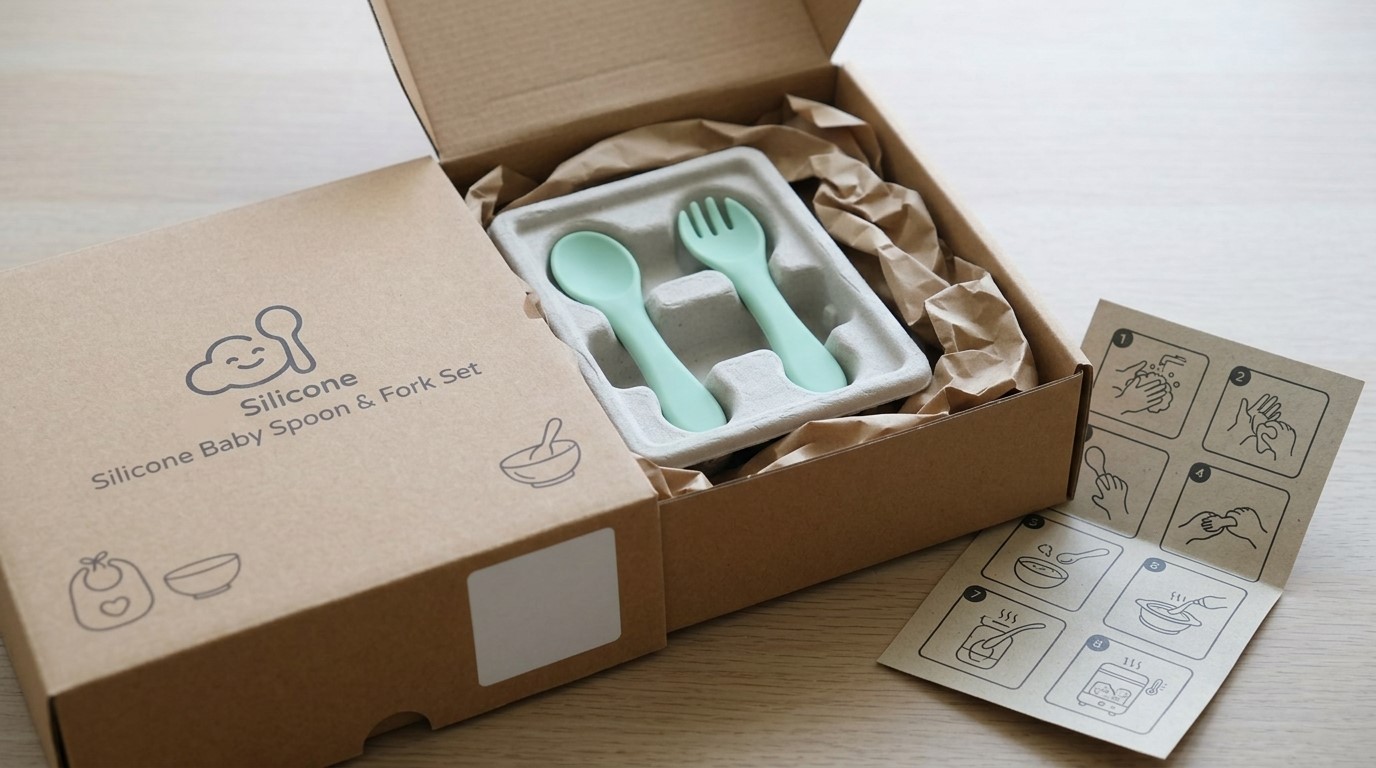
custom silicone baby spoon and fork set with desired e-commerce packaging for programs

Ecommerce Packaging

Plan labels, barcode placement, product identification, and outer packaging around the buyer’s fulfillment requirements. Confirm the final package dimensions before order release.
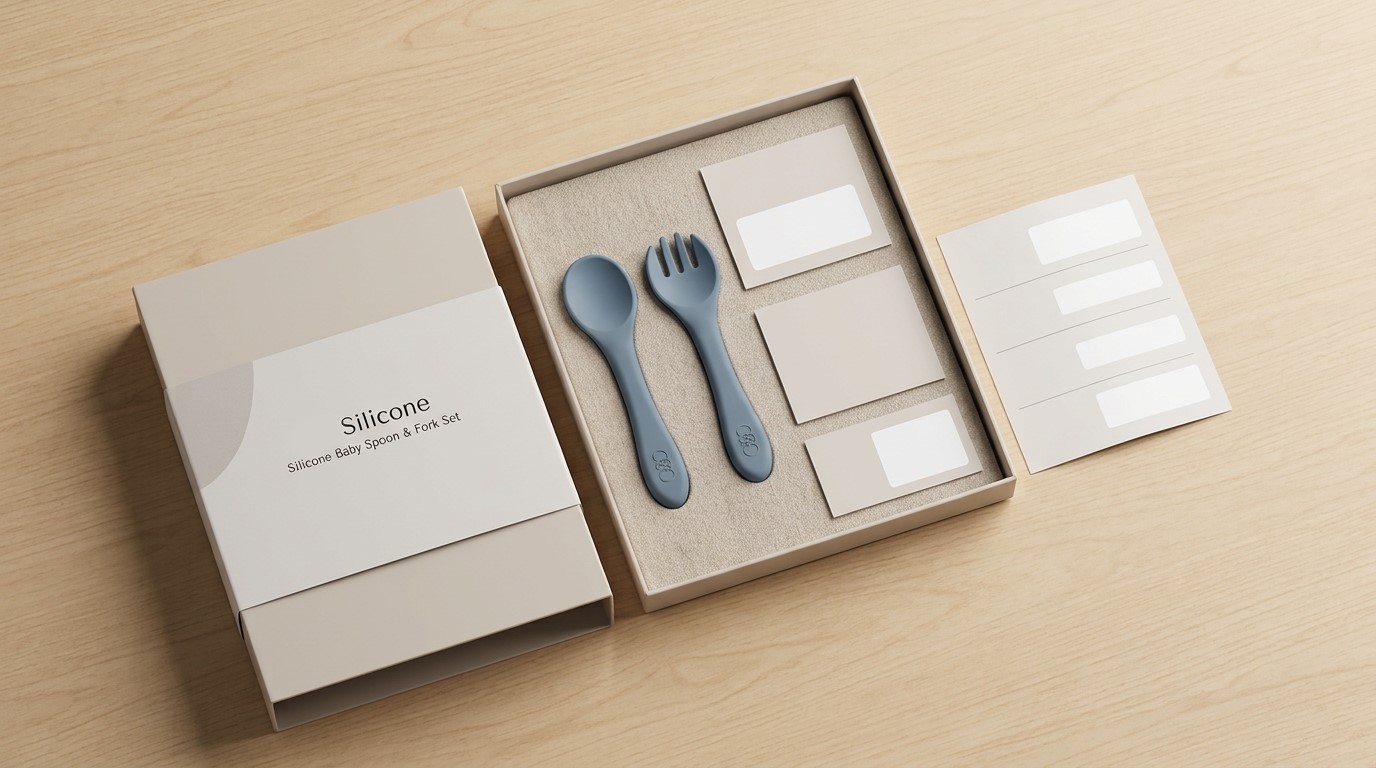
custom silicone baby spoon and fork set with desired premium brand packaging for designed brand identifications

Premium Brand Packaging

Custom boxes and coordinated inserts can support gift-oriented or premium product lines. Materials, artwork, inserts, and pack assembly need to be defined in the quotation scope.


Typical Custom Silicone Spoon & Fork Specifications

SpecificationProject Reference
ProductSilicone baby or toddler spoon and fork set
Set contentsOne spoon and one fork, or project-defined configuration
Component constructionSilicone or silicone combined with other specified materials
Spoon dimensionsPublished product examples: 8.9–14 cm overall length and 2.5–3.35 cm reported overall width; varies by design
Fork dimensionsPublished product examples: 8.9–14 cm overall length and 2.5–3.35 cm reported overall width; varies by design
Handle dimensionsHandle-only measurements are not consistently published; specify by drawing or sample, or ask about available designs
Silicone hardnessSelected for the specified silicone component and design
ColorsApproved standard or custom color reference
BrandingMolded or printed, subject to design and material review
PackagingBulk, retail, e-commerce, or custom project format
Food-contact documentationConfirmed for selected materials, pigments, and destination market
MOQQuoted after product, order, and packaging requirements are defined
Sample and production timingQuoted after specification and project scope review
InspectionApproved sample plus agreed purchase-order standard
OEM / ODMProject scope to be reviewed

Final specifications are set by the approved drawing, materials, sample, packaging, and destination-market requirements.

Why Work with RY Silicone

RuiYang Silicone factory

Silicone Manufacturing Experience Since 2012

RY Silicone has manufactured silicone products since 2012. Our team supports spoon-and-fork projects from specification review and sampling through production coordination and export preparation.

Video Image1

10,000+ m² Production Facility

The 10,000+ m² figure describes the overall facility and is not dedicated to spoon-and-fork production. The project route is assessed against its selected construction and requirements.

silicone machine

30+ Production Machines

RY Silicone operates 30+ machines across its silicone product manufacturing activities. This is a company-wide figure, not a count of machines assigned to this product.

ruiyang silicone compression mol

Up to 100,000 Silicone Products per Day

This is the factory-wide capacity across silicone product categories, not the daily output or delivery promise for spoon-and-fork sets. Product output depends on the approved design and production plan.

silicone Products Design

Engineering Review Before Quotation

The team evaluates spoon depth, fork-tine geometry, trimming access, handle dimensions, and material interfaces before quotation. Narrow tine gaps can complicate flash removal.

Rysilicone quality control

Sample-Based Production

An approved sample provides the reference for utensil shape, component fit, color, logo position, and pack contents. Drawing discrepancies are resolved before production release.

8-Packaging-and-Shipment-enhanced

Export Project Support

RY Silicone coordinates project specifications, available product documentation, packaging details, and shipment preparation with overseas customers. Market-specific requirements are assessed for the selected configuration.

Silicone Spoon & Fork FAQ and Final RFQ

MOQ depends on the product construction, order quantity, color allocation, branding, and packaging. Share those requirements to receive a project-specific quotation.

The set may use silicone for specified components or combine silicone with other materials. The exact material construction and documents available should be confirmed for the selected design and destination market.

Custom development can be assessed from a drawing, physical sample, or design brief. Feasibility, tooling, sample scope, and production terms are determined after reviewing the proposed geometry and construction.

Mixed-material construction can be evaluated from the proposed design. The interface, joining method, use conditions, and any required fit or retention criteria must be specified before quotation.

These are possible design directions for discussion. Provide dimensions, reference images, and intended product positioning so the structure can be assessed; age guidance and product claims require separate review.

Provide set contents, design files, drawings or samples, dimensions, component materials, color references, logo artwork, packaging requirements, order quantity, destination market, and target timing.

Logo and packaging options are assessed against the product surface, artwork, component materials, pack configuration, and sales market. Final artwork and copy should be approved before production.

Available documents depend on the selected silicone, pigments, other components, and destination market. State the specific standards or documents required so their availability and scope can be checked.

The approved drawing and sample define the project references for dimensions, appearance, colors, component fit, branding, and packaging.

Any inspection method or tolerance should be agreed upon in the specification.

Yes.

The spoon-and-fork pair can be scoped as part of a broader assortment.

Additional products such as bowls, plates, cups, or bibs should be listed separately so contents, packaging, and quotation scope are clear.

Send your target set configuration, design references, expected quantity, destination market, branding needs, packaging format, required documents, and target launch window. RY Silicone can then assess the project scope and quotation inputs.

Ask For A Quick Quote

If you fail to submit the form, please write to us directly at [email protected]