
Silicone Pet Bowl Manufacturer
Silicone feeding bowls for dogs and cats, including slow feeders, collapsible travel bowls, and non-slip designs. Custom shapes, food-contact materials, molded logos, and retail packaging.

What Is a Silicone Pet Bowl?
A silicone pet bowl is a type of reusable silicone pet product with flexible food-grade silicone rubber for serving food or water to dogs, cats, and other pets. Silicone bowls include conventional feeding designs, maze-style slow feeders, collapsible travel bowls, and non-slip versions. Their flexible construction supports lightweight handling, cleaning, and different feeding applications.
A custom silicone pet bowl is developed to meet specified dimensions, capacity, feeding structure, hardness, color, and branding requirements. RY Silicone is a China-based custom silicone manufacturer established in 2012. Its manufacturing facility covers 10,000+ m², operates 30+ machines, and has an overall capacity of up to 100,000 silicone products daily.
Silicone Pet Bowl Manufacturing at a Glance
MOQ & Lead Times
Order quantities reflect existing tooling or new designs. Sampling, mold development, and production schedules are confirmed during project evaluation.
Size & Feeding Performance
Customize bowl diameter, capacity, wall thickness, feeding channels, rim support, and anti-slip structures for different pets.
Material Options
Select food-contact-grade silicone, with hardness and curing systems matched to bowl stability, flexibility, repeated cleaning, and intended use.
Logo & Packaging
Add molded branding, custom colors, printed sleeves, retail boxes, barcode labels, and private-label packaging for your sales channels.
Who We Manufacture Silicone Pet Bowls For
Develop silicone pet bowl collections for different sales channels and feeding applications.

Pet Product Brands
Build coordinated dog and cat bowl collections with distinctive shapes, brand colors, and feeding features. Develop custom designs or adapt available tooling to your positioning and product launch schedule.

Distributors & Wholesalers
Source silicone pet bowls wholesale for pet stores, specialty retailers, and regional distribution networks. Combine feeding bowl sizes, slow-feeder designs, and packaging formats within an organized product range.
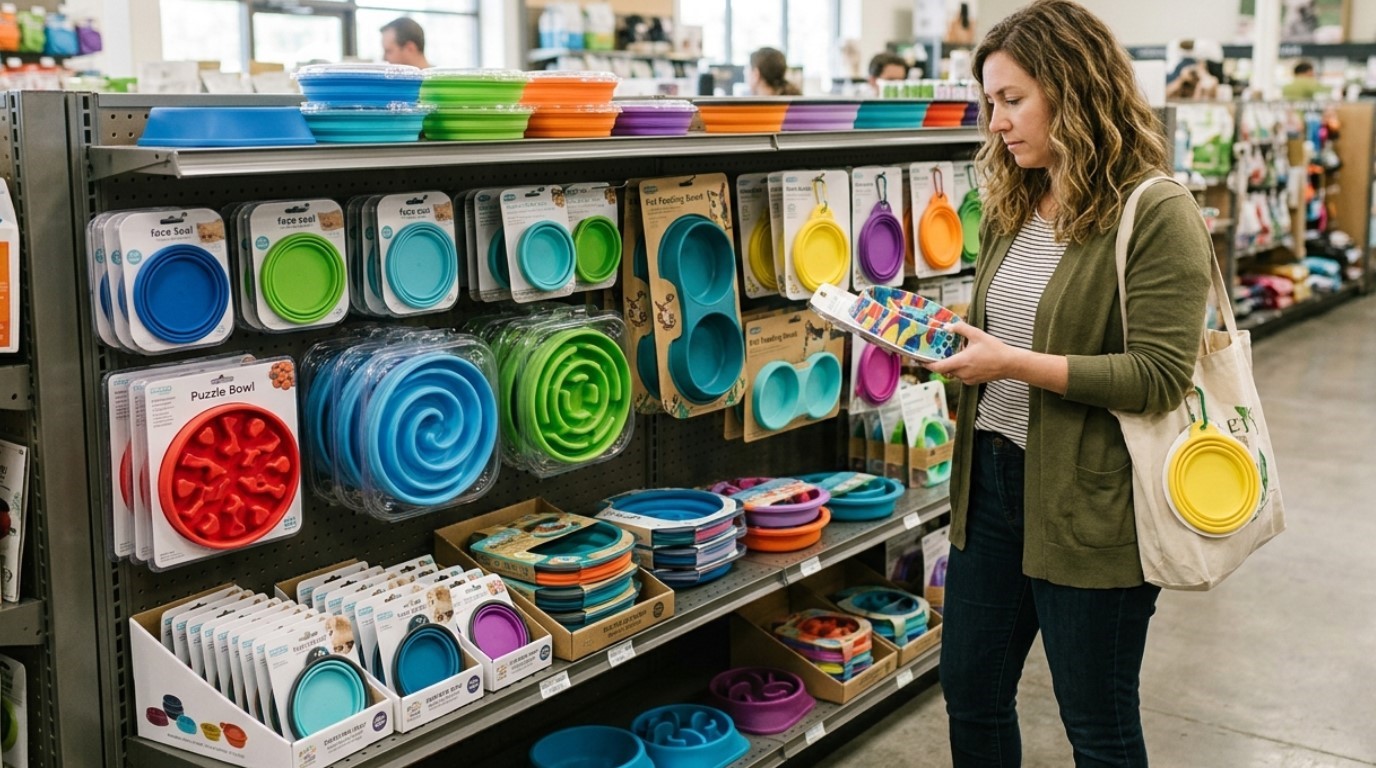
Pet Stores & Retail Chains
Create shelf-ready feeding products with consistent branding and clear size identification. Coordinate bowl dimensions, packaging footprints, barcode labels, and display presentation for multiple retail locations.

Ecommerce & Private-Label Sellers
Develop silicone pet bowls for online marketplaces and independent stores. Customize product colors, feeding features, packaging dimensions, inserts, and SKU labels to support differentiated listings and order fulfillment.

Pet Boarding & Daycare Facilities
Source reusable bowls for daily feeding and supervised enrichment activities. Prioritize practical capacity, floor stability, easy cleaning, and repeat-use durability across different pet sizes.

Promotional & Pet Subscription Brands
Develop branded feeding accessories for welcome kits, loyalty programs, and pet subscription boxes. Match bowl size, colors, logo placement, and packaging to the campaign and distribution plan.
Silicone Pet Bowl Types We Can Develop
Silicone Slow Feed Dog & Cat Bowls
Silicone Collapsible Pet Bowls
Silicone Non-Slip Pet Bowls
Silicone Dog Feeding Bowls
Silicone Cat Feeding Bowls
Silicone Double Feeding Bowls
Silicone Bowls with Integrated Feeding Mats
Silicone Pet Bowl Customization
Customize feeding structures, bowl dimensions, materials, and branding for your product range.

The geometry of a feeding bowl influences food accessibility, cleaning convenience, floor stability, and tooling design. Standard round bowls are suitable for general feeding, while shallow bowls provide easier access for cats. Slow feeders require carefully arranged ridges and channels, while integrated mat designs require balanced proportions between the bowl and base. During development, we evaluate wall transitions and undercuts to prevent difficult demolding and fragile features.
Available options include:
- Round or oval bowls
- Square and rectangular outlines
- Shallow or deep cat feeding profiles
- Maze-style slow-feeder patterns
- Double-compartment structures
- Integrated feeding bowl mats
- Collapsible bowl profiles
- Elevated and tilted design
- Portable food and water bowl design
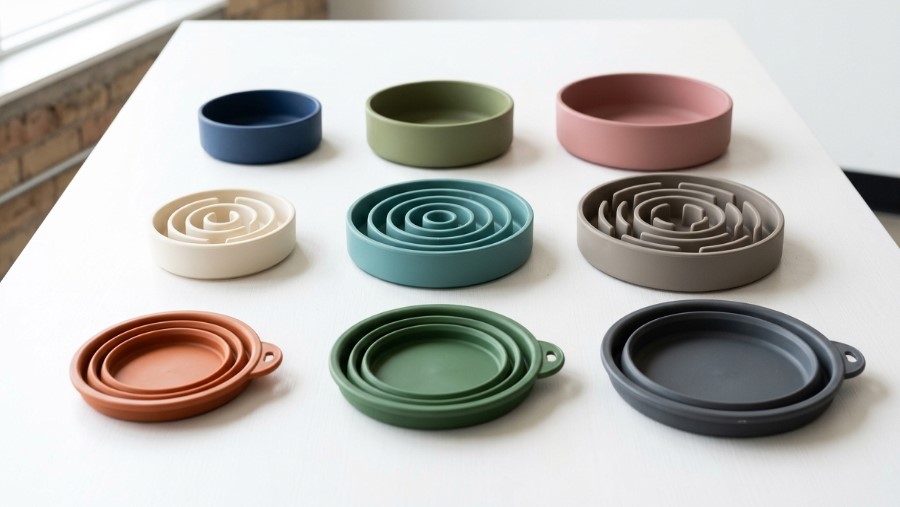
Choose bowl dimensions according to the intended animal, feeding portion, and product design. The diameter and depth determine the basic feeding volume, but slow-feeder ridges reduce the usable capacity. Sidewall thickness affects handling and stability, while rim geometry influences resistance to deformation. For collapsible bowls, consider the folded height and hinge transitions. We will review these dimensions together before finalizing a tooling specification.
Available options include:
- Custom bowl diameter
- Custom overall height
- Target usable capacity
- Custom sidewall thickness
- Rim thickness and reinforcement
- Feeding channel width and depth
- Suction-cup diameter and arrangement
- Folded height and expanded height
- Custom compartment dimensions

Choose the silicone’s hardness and construction according to the bowl’s feeding function. Softer formulations support folding and flexibility of the suction base, while firmer structures provide better shape retention for conventional bowls. Bowls can also have thicker walls or reinforced geometry where greater stiffness is needed. When selecting material, consider repeated washing, food contact, pigmentation, and mechanical loading. We evaluate the structural performance of the selected silicone compound.
Available options include:
- Platinum-cured silicone
- Food-contact-grade formulations
- Custom Shore A hardness
- Flexible collapsible structures
- Reinforced bowl rims
- Thickened bases
- Molded non-slip textures
- Low-odor material selection
- Compound and pigment documentation

Create a coordinated product range with custom colors, molded brand marks, and packaging. For silicone pet bowls, branding is generally best positioned on the outer wall, base, or rim so that it does not interfere with feeding or create unnecessary cleaning recesses. Pantone color matching ensures product line consistency, and molded logos eliminate the need for exposed printing ink. Packaging can be developed alongside the product for retail, e-commerce, or wholesale distribution.
Available options include:
- Custom Pantone colors
- Single-color or two-color designs
- Embossed logos
- Debossed logos
- Suitable exterior printing
- Matte or smooth surface finishes
- Printed paper sleeves
- Custom retail boxes
- Barcode and SKU labels
- Private-label product sets
Start Your Custom Silicone Pet Bowl Project
Share your bowl type, dimensions, expected quantity, target market, and branding requirements. We will review the design, tooling, material, and production options.
How to Specify a Better Silicone Pet Bowl
A well-specified pet bowl balances feeding access, structural stability, cleaning, and repeated use.
- Bowl capacity: Define the usable food or water volume, not just the external dimensions.
- Feeding profile: Match bowl depth and rim accessibility to the intended pet.
- Slow-feeder geometry: Specify ridge height, channel width, and cleaning access.
- Sidewall thickness: Prevent excessive deformation during filling and lifting.
- Base stability: Select wide-contact bases or suction structures for suitable surfaces.
- Material hardness: Balance flexibility with shape retention.
- Collapsible design: Confirm folding geometry and repeated-bending performance.
- Surface finish: Avoid narrow recesses that trap food residue.
- Cleaning requirements: Check compatibility with the intended washing method.
Specification Guide
How to Choose a Silicone Pet Bowl: Size, Capacity, Hardness, and Feeding Design—a practical guide to pet bowl sizing, slow-feeding geometry, base stability, and structural specifications.
Silicone Pet Bowl Logo & Branding Methods
Choose branding methods that protect feeding surfaces and maintain long-term legibility.
Screen Printing
Used for appropriate larger or flatter exterior surfaces. Printed areas must be evaluated for abrasion resistance and cleaning requirements.
Pad Printing
Suitable for selected small logos on accessible external surfaces.
Embossed Logos
Raised lettering or symbols are formed directly during molding.
Debossed Logos
Recessed brand marks provide a clean appearance on suitable exterior walls and bases.
Silicone Pet Bowl Material & Performance Options
The material must support food contact, bowl stability, and repeated cleaning.
Food-contact silicone is a preferred option for reusable pet feeding bowls.
Food-grade silicone can provide low-odor molded surfaces and suitable mechanical performance. The compound, pigments, curing process, and finished product must be assessed against the intended food-contact requirements.
Material Comparison
Silicone vs. Stainless Steel vs. Plastic Pet Bowls: Which Is Better? —Compare flexibility, weight, stability, cleaning, surface durability, and intended use.
Material hardness influences folding behavior, base flexibility, and bowl stability.
A 30–40 Shore A formulation provides greater flexibility for collapsible structures and certain suction features. A 40–60 Shore A formulation offers a practical starting range for conventional feeding bowls requiring improved shape retention.
Hardness alone does not determine stability. Sidewall height, thickness, base diameter, and rim geometry are equally important.
Base geometry controls how effectively the bowl resists sliding.
A wide silicone contact base can increase friction, while molded suction cups provide additional anchoring on suitable smooth, nonporous surfaces.
Suction performance is affected by sealing-edge geometry and floor condition. Textured flooring can prevent a reliable seal.
Reinforce thin or highly stressed sections before confirming mold construction.
Slow-feeder ridges, collapsible folds, hanging loops, and thin rims are vulnerable to repeated bending or tearing.
Smooth transitions and suitable wall thickness help distribute stress. Sharp internal corners should be avoided where possible.
Silicone supports normal pet-feeding temperatures and repeated cleaning.
Many conventional silicone rubber compounds have broader thermal capability than ordinary pet-feeding conditions require. For pet bowls, the main considerations are hot-water washing, dishwasher exposure when validated, deformation resistance, and the selected compound’s service limits.
The cleaning temperature and method should be verified for the finished bowl, especially for collapsible or multi-material structures.
Smooth transitions and accessible channels reduce difficult-to-clean areas.
Slow-feeder patterns should provide enough room for washing tools to reach the channel bottoms.
Tight corners, deep enclosed grooves, and unnecessary decorative recesses increase residue retention. The surface finish and molding quality also affect cleaning convenience.
Low-odor products require appropriate compounds and controlled curing.
An unusual chemical odor or oily residue can indicate a formulation or processing issue. Sensory inspection is useful during production, while relevant laboratory tests provide stronger evidence for specified material properties.
Available documentation can be evaluated according to the project:
- Silicone material data sheets
- Material composition declarations
- FDA 21 CFR 177.2600-related documentation
- EU food-contact documentation
- LFGB-related test reports
- REACH-related declarations
- Finished-product migration or extractables reports
Food-contact compliance claims must match the intended market and the tested product configuration.
A raw-material certificate alone does not establish the compliance of every finished bowl design.
Wash silicone pet bowls with warm water and mild detergent. Remove food residues from corners, feeding channels, and the base before rinsing thoroughly.
Allow the bowl to dry completely before storage. Inspect folding rings, raised ridges, and suction cups for visible damage after repeated use.
Dishwasher cleaning should follow the tested product’s instructions. Avoid sharp scrapers or abrasive cleaning tools that may damage the silicone surface.
Care guide
How to Clean and Maintain Silicone Pet Bowls—daily washing, slow-feeder groove cleaning, odor management, drying, and wear inspection.
How Silicone Pet Bowls Are Manufactured
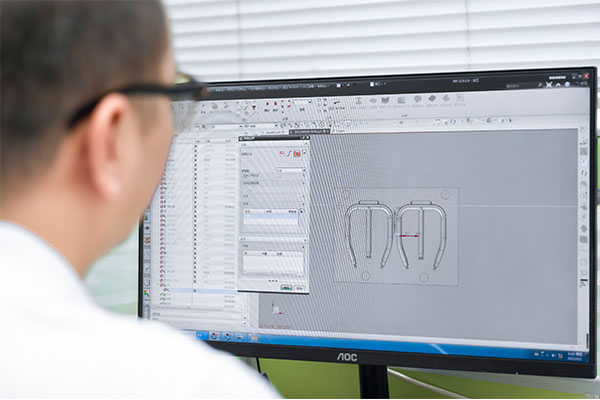
STEP 1: Requirement Review
The project begins with the bowl type, intended pet size, feeding capacity, drawings, material requirements, color, branding, packaging, destination market, and estimated order quantity.
STEP 2: Mold Evaluation
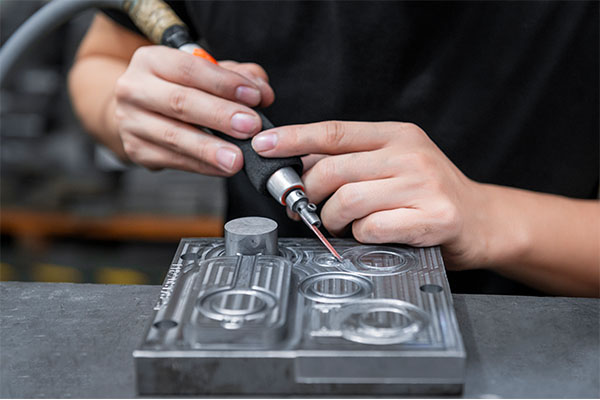
Engineers review available molds or evaluate new tooling. Slow-feeder ridges, suction undercuts, collapsible folds, and reinforced rims receive particular attention before tool design approval.
STEP 3: Material and Color Preparation
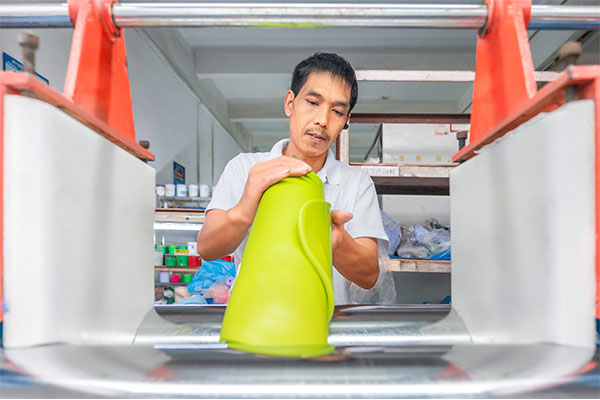
The selected silicone compound and pigment are prepared according to the approved formulation. Material identification, color consistency, and intended food-contact requirements are checked.
STEP 4: Compression Molding
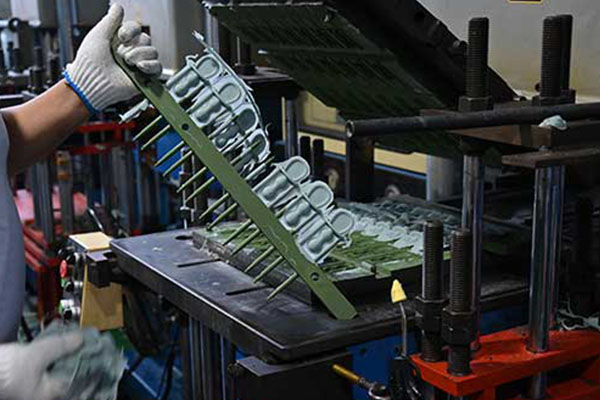
Silicone compounds are placed into heated molds and cured under controlled conditions. Process settings are adjusted for wall thickness, intricate channels, and the specific tooling configuration.
STEP 5: Demolding and Trimming
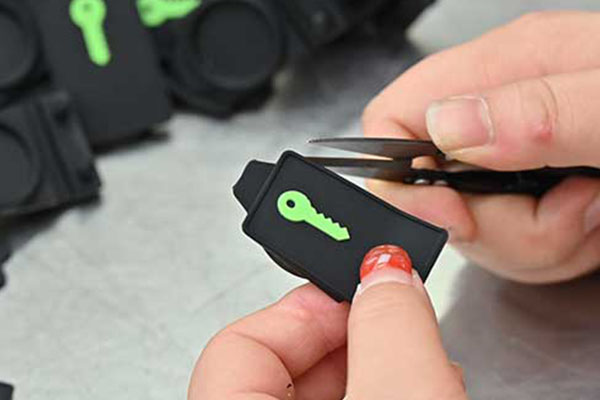
After curing, bowls are removed and excess flash is trimmed. Feeding ridges, suction edges, rims, and folding sections are inspected for molding defects.
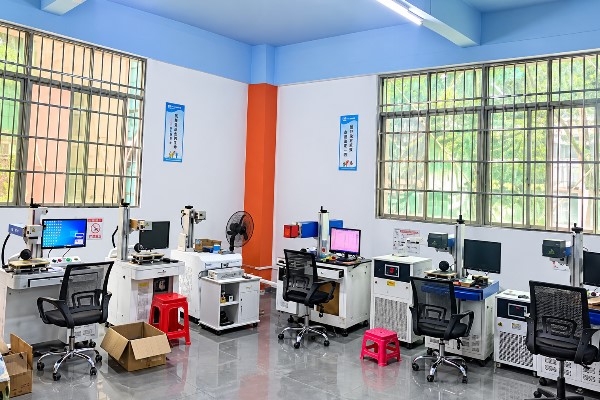
STEP 6: Logo and Surface Processing
Molded logos are formed during production. Approved printing or other suitable exterior decoration is completed, followed by checks of placement and appearance.
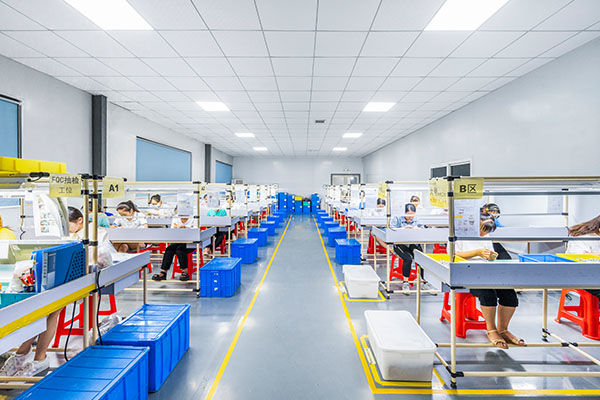
STEP 7: Quality Inspection
Finished bowls are compared with approved samples. Inspectors check dimensions, weight, color, surface quality, feeding structure, flexibility, logo, and agreed functional requirements.
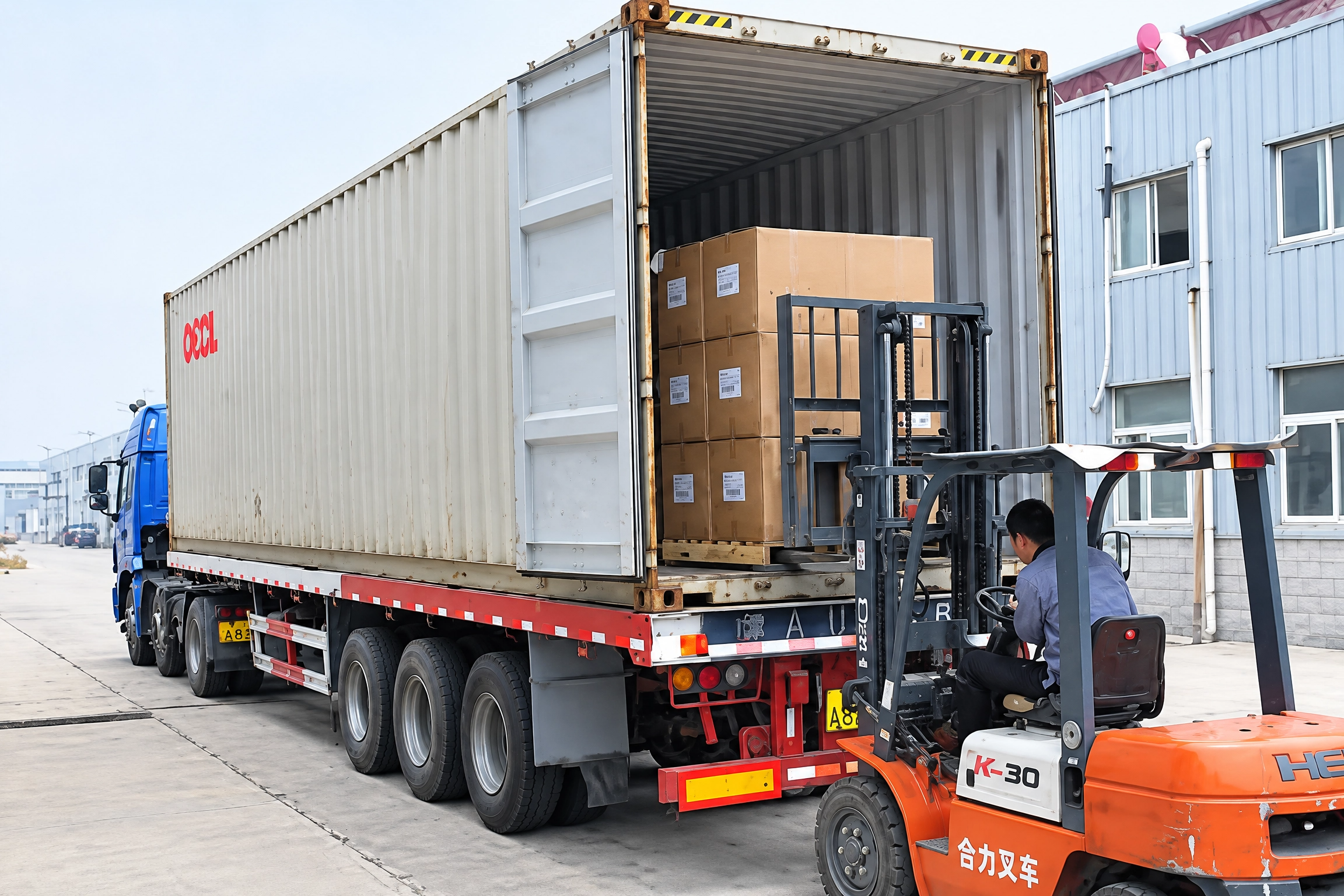
STEP 8: Packaging and Shipment
Approved products are cleaned or prepared as specified, counted, packed, labeled, and carton-marked. Shipment preparation follows the confirmed packaging and export requirements.
Silicone Pet Bowl Quality Control
Pet bowl inspection must address functional feeding performance as well as appearance and dimensions.
AQL 2.5 / 4.0 Standard Inspection
Final shipment inspection can follow an agreed AQL sampling plan, such as:
AQL 2.5
Critical / Major Defects
AQL 4.0
Minor Visual Flaws
Another inspection standard can be established in the purchase order.
Approved Sample Control
The approved physical sample establishes the production reference for:
- Bowl dimensions and usable capacity
- Material hardness
- Base and sidewall structure
- Feeding-channel geometry
- Color and surface finish
- Logo position
- Packaging presentation
Incoming Material Review
Silicone compounds, pigments, and relevant supplier documents are checked against the approved material specification.
In-Process Inspection
During molding, production checks focus on complete filling, stable curing, clean demolding, and consistent wall thickness.
Special attention is given to deep feeding channels and thin suction-cup edges.
Dimensional & Capacity Inspection
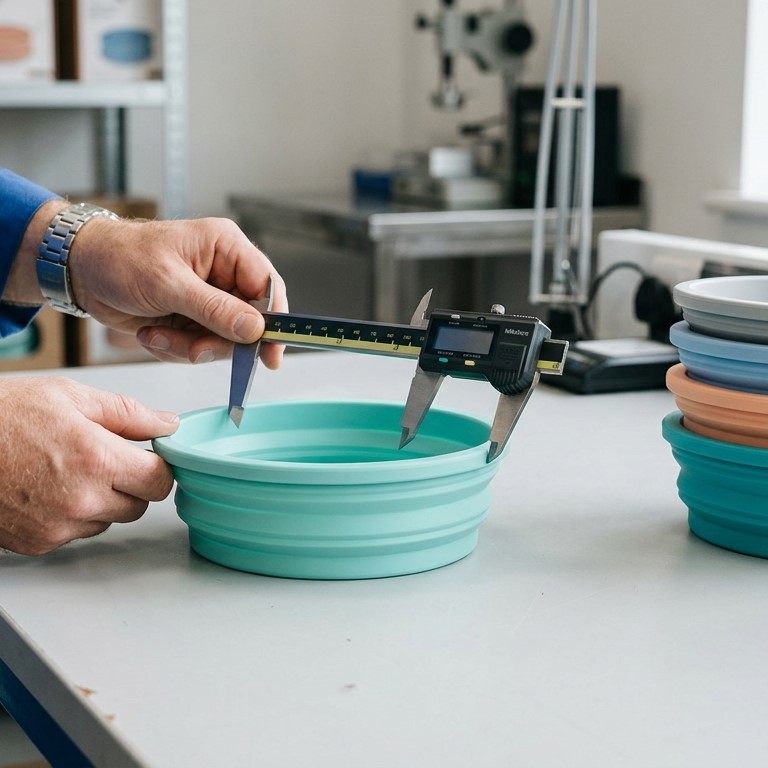
Bowl diameter, height, wall thickness, and weight are checked against the approved specification.
For slow feeders, functional capacity must account for the volume occupied by raised feeding structures.
Feeding-Structure Inspection
Slow-feeder ridges and channels are checked for:
- Incomplete molding
- Torn ridge edges
- Excessive flash
- Sharp or irregular transitions
- Blocked feeding channels
- Deformation after demolding
Base Stability & Suction Tests
Non-slip behavior can be evaluated using agreed surfaces and test conditions.
For suction designs, the inspection protocol should specify the reference surface, attachment method, and required holding or pull-off force.
Folding & Flexibility Tests
Collapsible bowls can undergo repeated folding tests to check for cracking, permanent deformation, or weakening at the fold transitions.
Test cycles and acceptance criteria should be agreed upon before production.
Appearance & Branding Inspection
Inspectors compare product color, logo definition, surface texture, and visible defects with the approved sample.
Printing checks may include agreed adhesion or rubbing tests.
Packaging Verification
The final inspection checks packaging quantity, barcode accuracy, SKU information, inserts, retail boxes, and shipping-carton identification.
Silicone Pet Bowl Packaging Options
Plan packaging early because printed items need separate schedules.

Bulk Packaging
Individual protective bags or grouped carton packing support wholesale distribution while reducing unnecessary retail materials and simplifying large-volume shipments.

Retail Packaging
Printed sleeves, header cards, and branded paper boxes present bowl sizes, feeding features, colors, and product instructions for store displays.
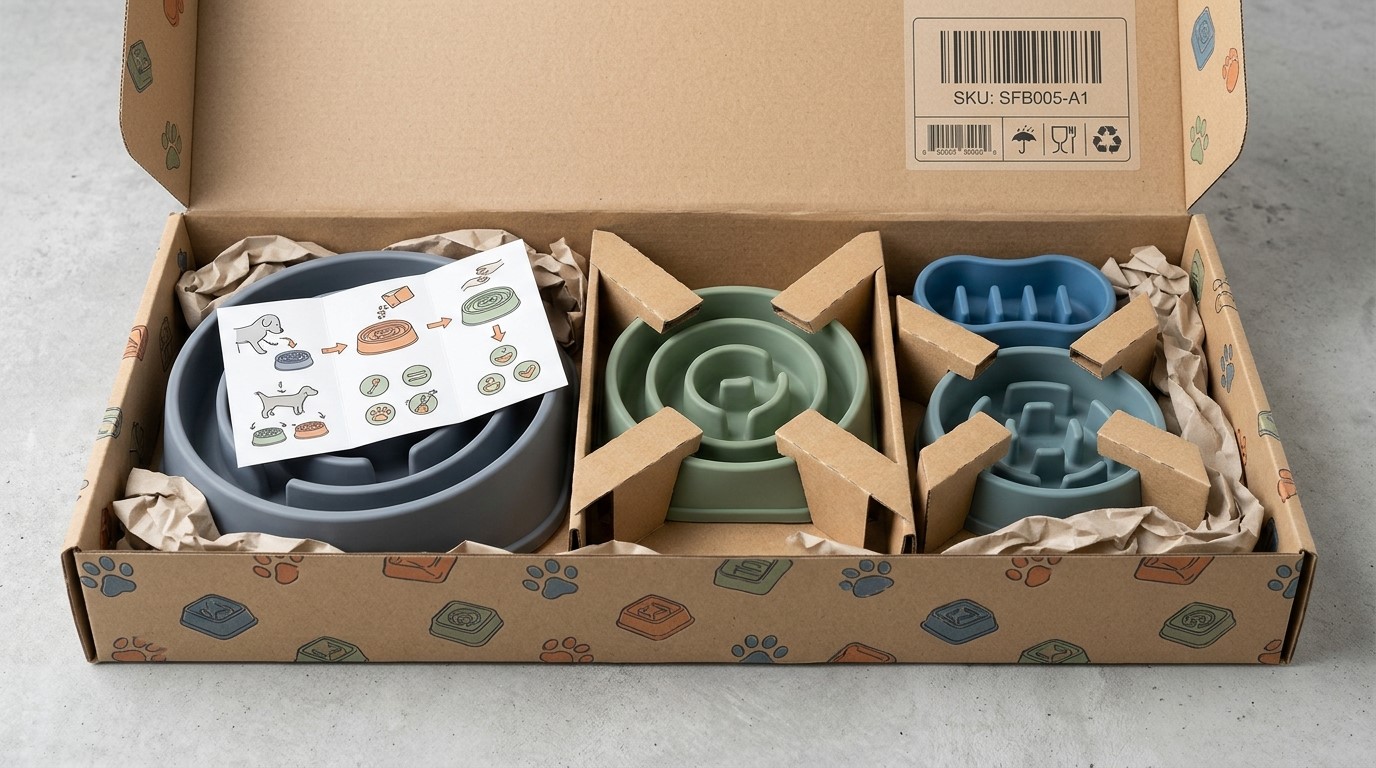
Ecommerce Packaging
Compact product boxes, SKU labels, barcodes, and protective inserts support online fulfillment while organizing multiple bowl sizes and color variations.

Premium Brand Packaging
Custom printed boxes, coordinated inserts, and branded accessory sets create a consistent presentation for higher-value pet feeding collections and gifts.
Typical Custom Silicone Pet Bowl Specifications
| Specification | Typical Reference |
|---|---|
| Product | Silicone pet feeding bowls |
| Applications | Dog feeding, cat feeding, travel, slow feeding, water bowls |
| Material | Food-contact-grade silicone rubber |
| Curing system | Platinum-cured or project-approved formulation |
| Hardness | 30–60 Shore A |
| Standard bowl diameter | 12–25 cm |
| Shallow slow-feeder diameter | 18–28 cm |
| Larger custom slow-feeder designs | Up to 30–36 cm or custom |
| Bowl height | 2–10 cm, depending on structure |
| Target capacity | 150–1,500 mL |
| Wall thickness | 2–4 mm initial design reference |
| Slow-feeder structure | Custom ridge height, width, and channel spacing |
| Base options | Wide-contact, textured, suction-cup, reinforced |
| Folding structure | Fixed, collapsible, or integrated travel design |
| Colors | Standard colors or custom Pantone matching |
| Logo | Embossed, debossed, suitable exterior printing |
| Surface | Smooth, matte, or molded texture |
| Manufacturing | Compression molding; alternative processes by project |
| Packaging | Bulk bags, sleeves, printed boxes, retail sets |
| MOQ | Confirmed by existing tooling or custom mold requirements |
| Sample lead time | Quoted after design and tooling review |
| Tooling lead time | Quoted according to mold complexity |
| Mass-production lead time | Confirmed after sample approval |
| Inspection | Approved sample and agreed inspection criteria |
| OEM / ODM | Available |
All dimensions and performance values are initial references, subject to approved drawings and sampling.
Why Work with RY Silicone

Silicone Manufacturing Experience Since 2012
RY Silicone is a China-based manufacturer specializing in custom silicone products since 2012. We support product development, material selection, mold evaluation, sampling, and bulk manufacturing for international customers.
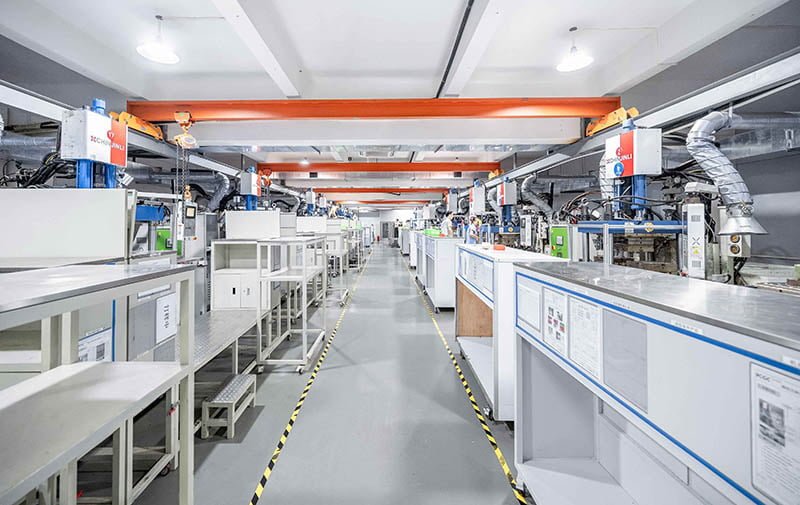
10,000+ m² Production Facility
Our manufacturing facility supports silicone molding, product finishing, inspection, and packaging coordination. Pet bowl projects can be evaluated for existing tooling or new product structures.

30+ Production Machines
More than 30 machines provide capacity across different silicone manufacturing projects. Production planning considers mold cavity count, bowl size, curing requirements, and order quantity.
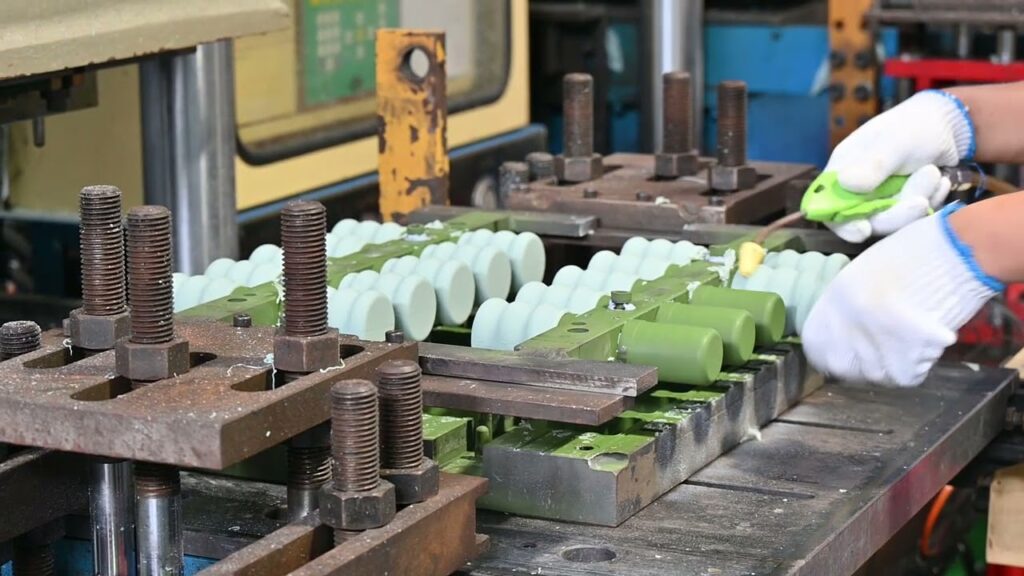
Up to 100,000 Silicone Products per Day
Our overall silicone product manufacturing capacity reaches up to 100,000 pieces daily. Actual silicone pet bowl output is calculated separately from tooling configuration, cycle time, and inspection requirements.
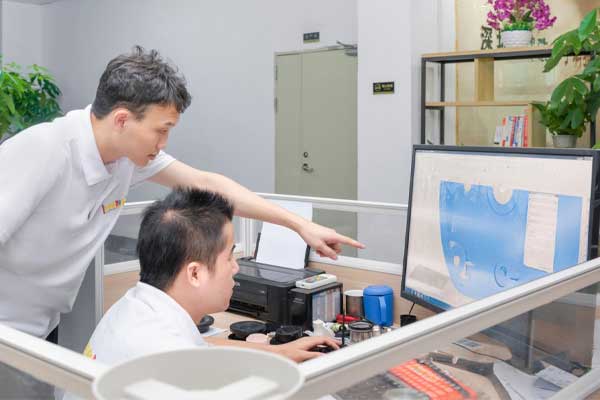
Engineering Review Before Quotation
Our team evaluates feeding geometry and bowl capacity before confirming tooling requirements. Special attention goes to slow-feeder channels, collapsible sections, suction structures, and cleaning accessibility.
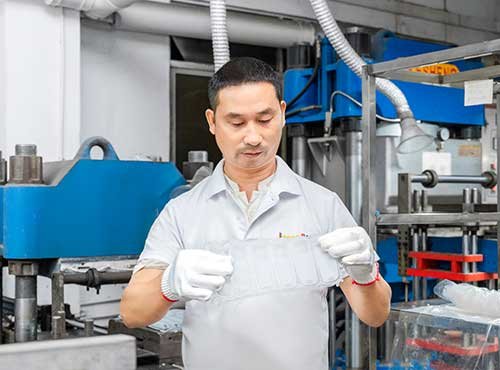
Sample-Based Production
Approved samples establish the reference for bowl dimensions, material hardness, color, feeding features, and branding. Production inspections then compare finished products with the confirmed reference.
Export Project Support
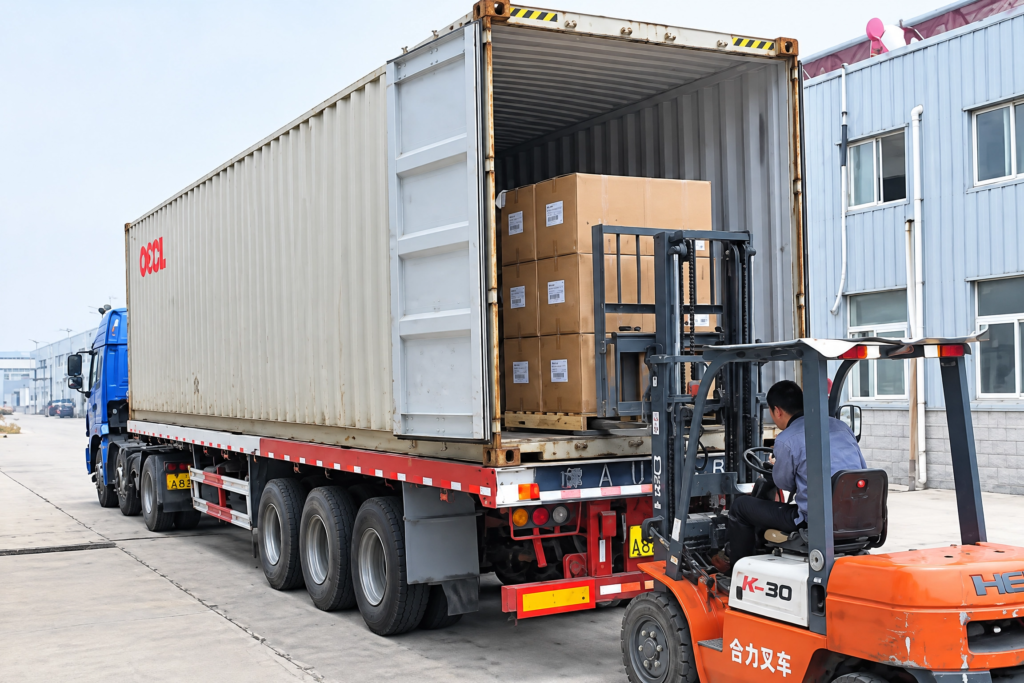
RY Silicone serves brands, wholesalers, and distributors across North America, Europe, and other international markets. We coordinate documentation requirements, product labeling, packaging approvals, and shipment preparation.
Silicone Pet Bowl FAQ and Final RFQ
What is the MOQ for custom silicone pet bowls?
Minimum order quantities are confirmed after reviewing the bowl design and available tooling. Existing designs with custom colors or branding may require lower initial quantities than entirely new molded structures.
New slow-feeder patterns, custom shapes, and integrated bases require separate tooling and production evaluation. Share your target quantity for an accurate quotation.
Which silicone material is best for pet feeding bowls?
Platinum-cured, food-contact-grade silicone is a preferred option for reusable pet feeding bowls.
A 40–60 Shore A compound provides a practical starting point for conventional bowls, while 30–40 Shore A suits more flexible collapsible sections or selected suction structures.
Finished-product compliance should be evaluated according to the intended market and food-contact conditions.
What size silicone pet bowl should I choose?
Start with the intended animal, feeding portion, and bowl function. Small or shallow bowls may use diameters of 12–18 cm, while larger feeding designs often require 18–25 cm or more. Slow-feeder bowls require additional allowance for ridges that occupy internal space. Confirm the usable capacity rather than relying on external diameter alone.
Can you manufacture silicone slow-feeder dog bowls?
Yes. RY Silicone can evaluate slow-feeder concepts with customized maze patterns, feeding ridges, channel depths, and anti-slip bases. The design review considers food accessibility, cleanability, demolding, and ridge durability. New feeding patterns generally require custom tooling.
Can silicone slow-feeder bowls help dogs eat more slowly?
Raised ridges and maze-style channels make food less directly accessible, which can encourage slower feeding. Results vary with the pet, food type, channel arrangement, and bowl dimensions. The product should not be marketed as guaranteeing prevention of bloating, choking, or digestive disorders.
How do you prevent silicone pet bowls from slipping?
A wider base increases floor contact, while suitable silicone surface textures can improve friction. Suction cups offer additional stability on smooth, nonporous surfaces. A suction structure should be tested on the intended surface because textured floors and uneven contact reduce sealing performance.
Can collapsible silicone dog bowls hold water without collapsing?
Yes, when their folding geometry and structural thickness are properly designed. The expanded sidewall must support the intended water volume without excessive deformation. During development, we assess rim stability, fold transitions, and repeated folding performance before confirming the design.
Can I customize the bowl diameter, capacity, and feeding channels?
Yes. Custom tooling supports changes to diameter, height, usable capacity, ridge patterns, and channel geometry. Bowl size and feeding structure should be evaluated together because the internal features affect usable feeding space, mold construction, and cleaning access.
Are silicone pet bowls dishwasher-safe?
Many silicone pet bowls can be designed for dishwasher cleaning, but the claim should follow the finished product's tested cleaning conditions. High-temperature cycles, aggressive detergents, printed decoration, and multi-material components may introduce additional limitations. Approved cleaning instructions should specify the intended method.
What is the difference between silicone and stainless steel pet bowls?
Silicone bowls are flexible, lightweight, and suitable for collapsible or molded slow-feeding structures. Stainless steel bowls are more rigid and resist cutting or scratching differently. Silicone is attractive for travel and customized feeding features, while stainless steel is often preferred when rigid construction and resistance to chewing or gouging are priorities.
Can you provide FDA, LFGB, or other food-contact documentation?
Relevant documentation can be reviewed according to the specified material, additives, pigmentation, finished product, and destination market. FDA 21 CFR 177.2600 and applicable European food-contact requirements may form part of the assessment. A material supplier's report should not be represented as universal certification for every finished bowl.
Can custom logos and Pantone colors be added?
Yes. Custom colors, embossed logos, debossed logos, and suitable external printing can be evaluated. Molded logos are particularly useful where long-term durability is important. Final color and artwork appearance should be approved through physical sampling before bulk production.
What information is needed to quote a custom silicone pet bowl?
Send the following project details:
- Bowl type and intended application
- Target pet size or breed category
- Design files, product drawings, CAD files, or reference samples
- Overall dimensions and usable capacity
- Material and hardness requirements
- Slow-feeder or suction-base design
- Custom Pantone colors
- Logo artwork and placement
- Expected order quantity
- Packaging format
- Destination market
- Required test reports or documentation
- Target delivery date