Manufacturing custom silicone products since 2012

Silicone Container Manufacturer

Airtight, leakproof silicone containers for food storage, meal prep, baby food, and travel. Custom sizes, sets, sealing lids, molded logos, and retail packaging for brands, distributors, and wholesalers.

What Is a Silicone Container?

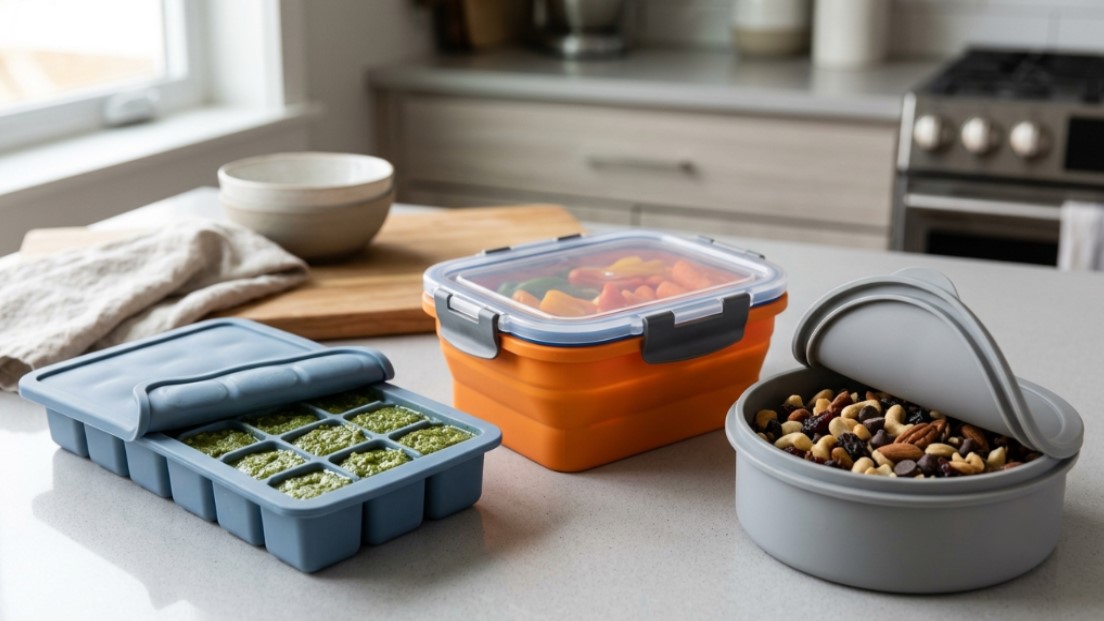
A silicone container is a flexible, heat-resistant vessel made from food-grade silicone that stores and protects contents, often with a sealing lid for leakproof and airtight performance. A custom (OEM/ODM) silicone container is the same product built to your capacity, shape, lid structure, color, logo, and packaging for retail or foodservice.

RY Silicone is a custom silicone manufacturer in China, established in 2012. The factory covers 10,000+ m² with 30+ machines and produces up to 100,000 silicone products per day. We supply OEM/ODM silicone containers to brands, distributors, and wholesalers across North America, Europe, and other global markets.

Silicone Container Manufacturing at a Glance

MOQ & Lead Times

From 500 sets with existing tooling and custom branding, or 2,000–3,000 sets for new tooling. Samples: 7–10 days; tooling: 10–20; mass production: 15–25 after approval.

Sizes & Sets

Capacities from 50 ml to 1,500 ml; singles or 2–6 piece sets; standard or collapsible bodies; optional measuring marks and nesting/stacking designs.

Material & Performance

Food-grade platinum- or peroxide-cured silicone, 45–60 Shore A, -40°C to 230°C, dishwasher- and microwave-safe; post-cured for low odor per project requirements.

Branding & Packaging

Molded logos on lids or bases; pad/screen printing on non-contact areas; barcodes, retail boxes, sleeves, and ecommerce-ready packs.

Who We Manufacture Silicone Containers For

Start from your channel, then lock the seal design, set the composition, and do the branding and packaging.

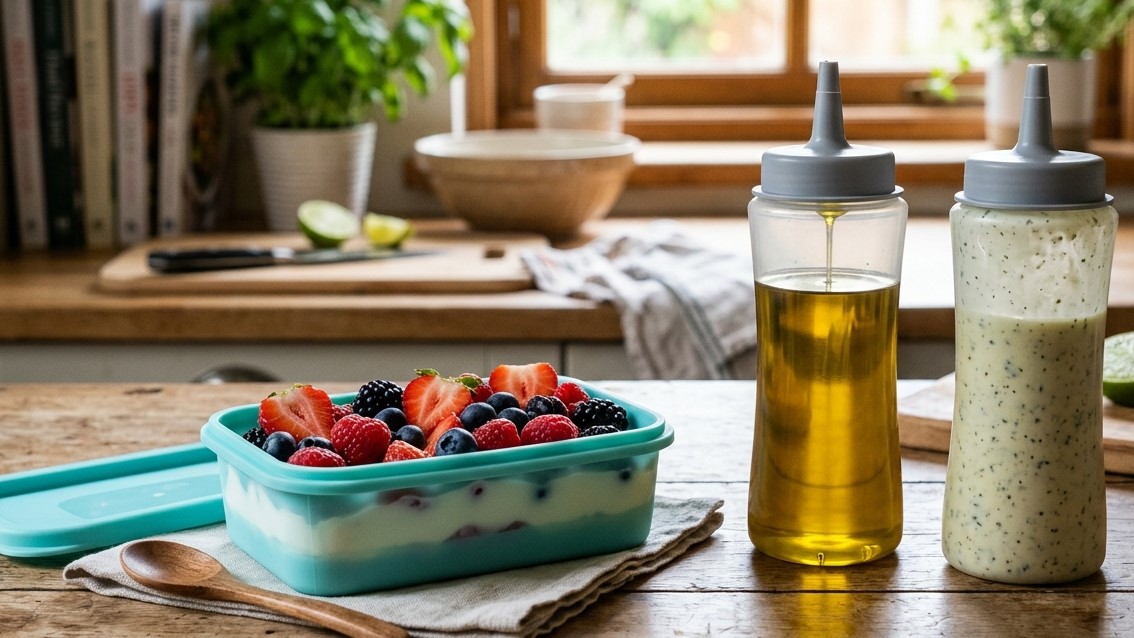
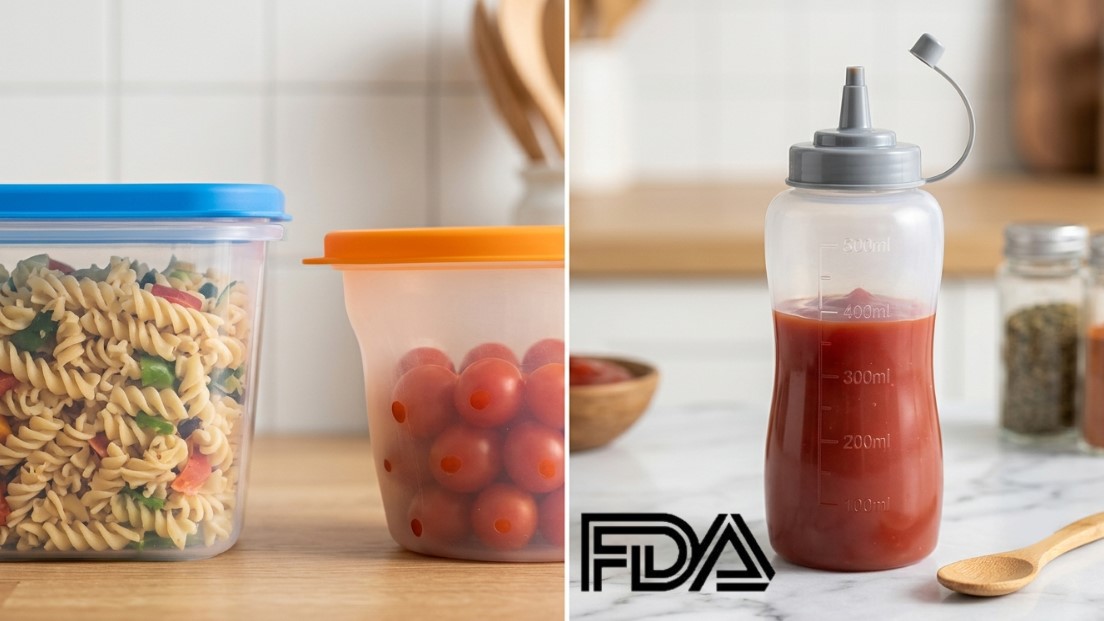
Food-contact silicone food storage container and silicone squeeze bottle for sauce dressings

Kitchenware & Food Storage Brands

Build coordinated container lines by capacity tier, lid type, and price point. Unique colors, molded marks, and retail packaging create a consistent shelf presence.
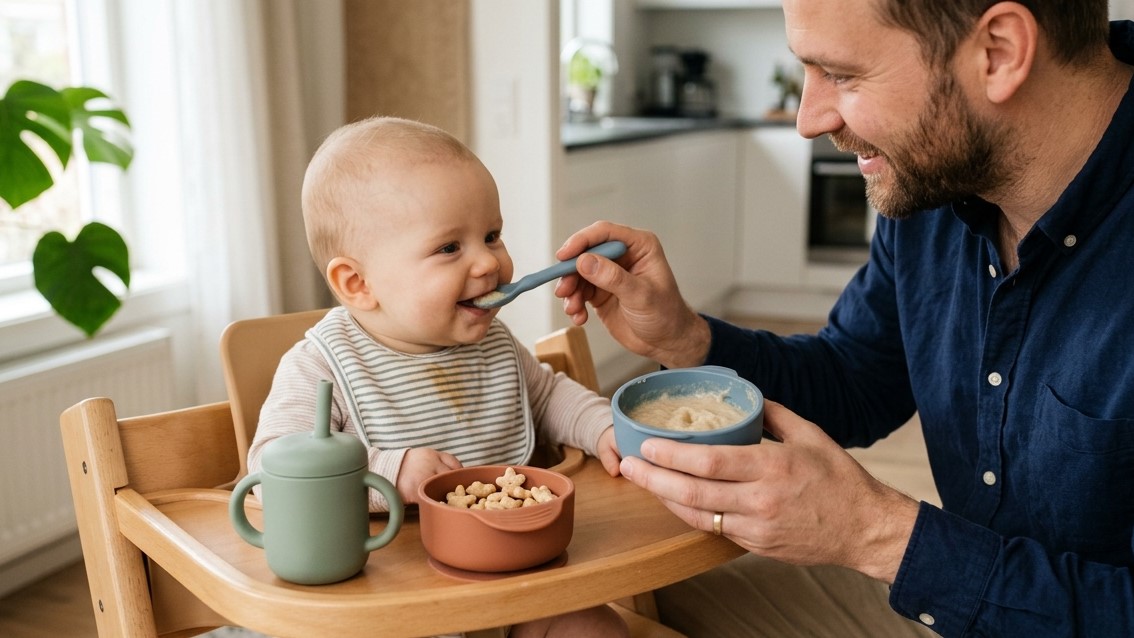
FDA-approved silicone containers for bab & kid feeding brands

Baby & Kids Feeding Brands

Develop portioned baby-food cups and snack containers with soft-touch lids, volume marks, and dishwasher resilience. Compliance and clean taste are the priorities.
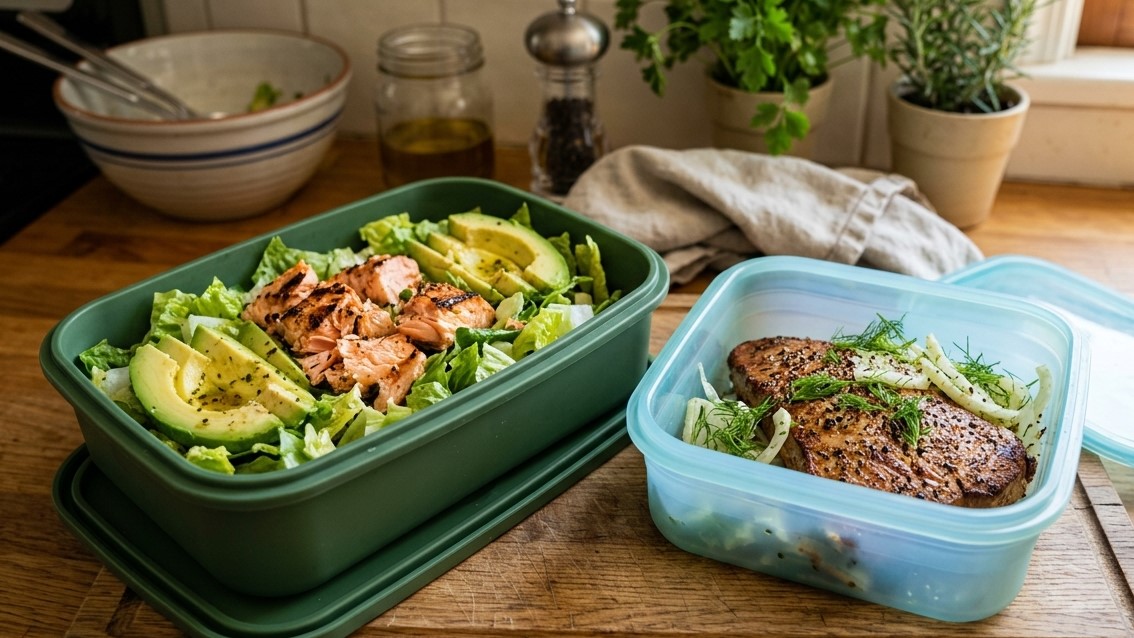
Reusable food contact silicone containers for meal prep and fitness brands

Meal Prep & Fitness Programs

Portion-controlled, stackable sets with vented microwave lids and clear labeling speed weekly prep and drive repeat purchases across subscription or kit models.
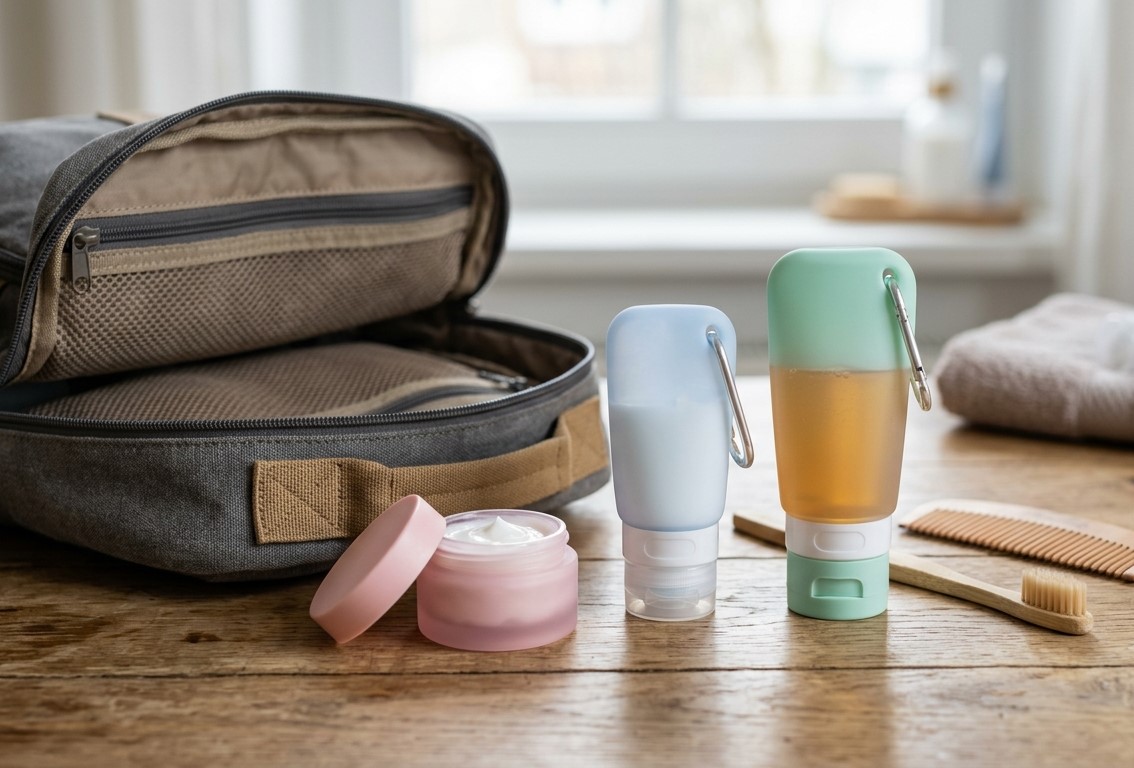
Reusable silicone travel bottles as travel accessories and beauty brands

Beauty & Travel Accessories

Silicone jars and travel containers for balms and creams require clean interiors, tight lids, and non-contact branding on caps, sleeves, or boxes.
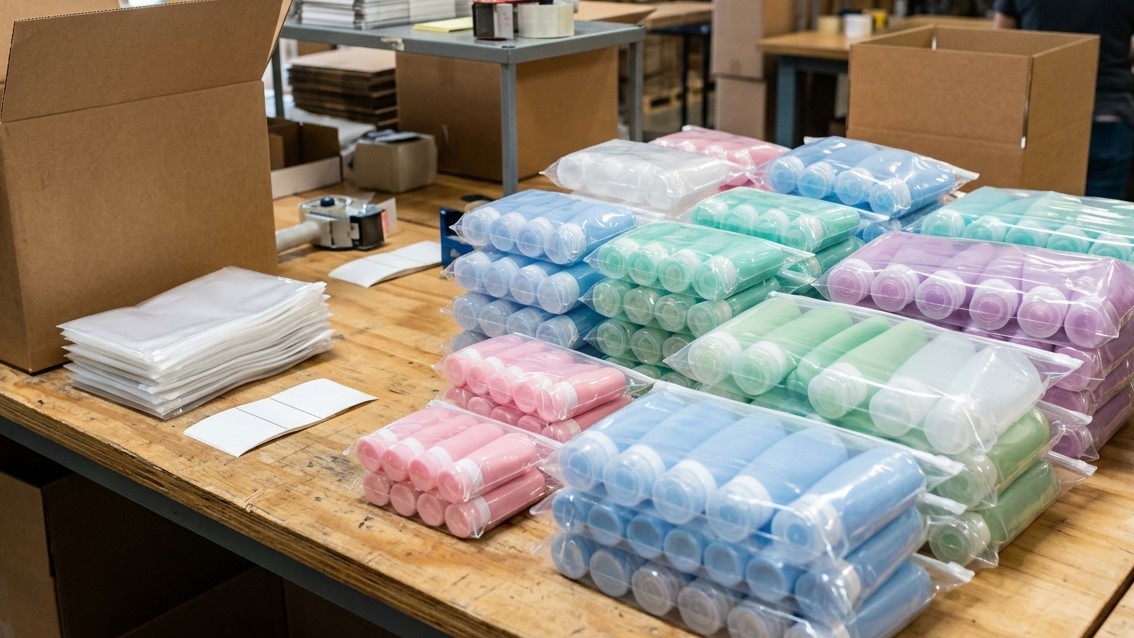
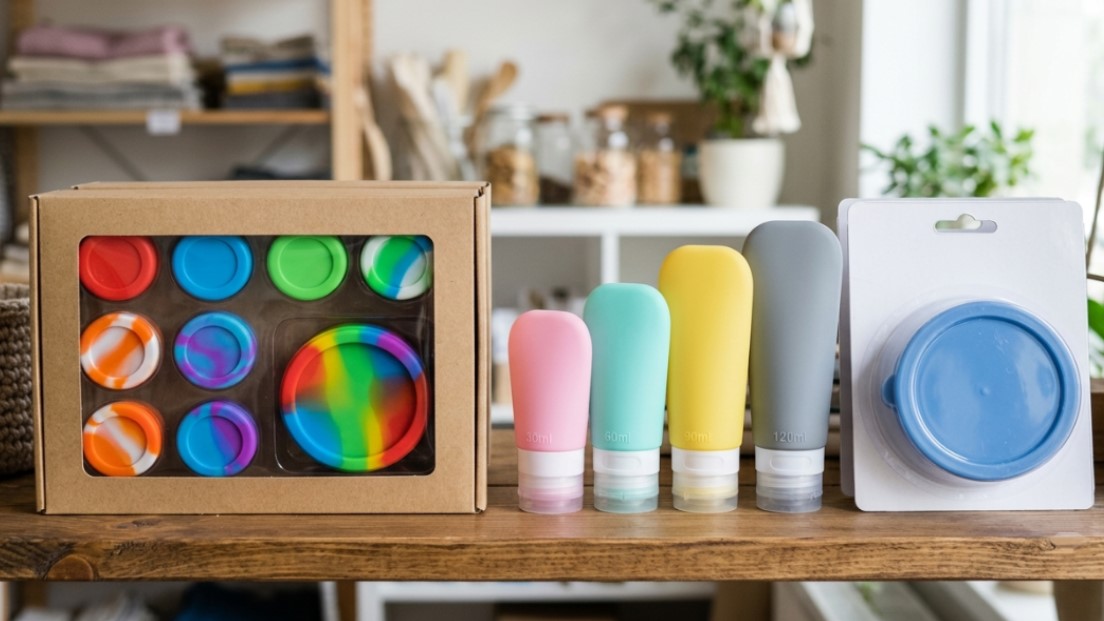
Excellent consistancy of silicone travel bottle sets in polybags with bulk packaging for distributors and wholesalers

Distributors & Wholesalers

Source silicone containers wholesale and in bulk for grocery, homeware, hospitality, and meal-prep channels. Factory-direct supply supports core SKUs and seasonal sets.
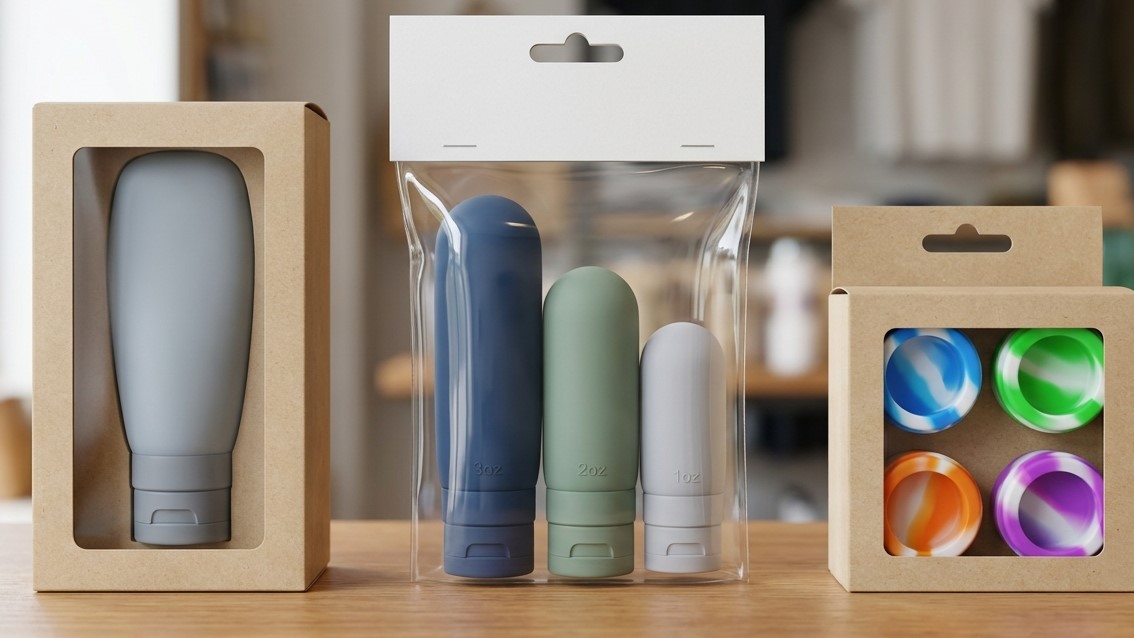
Silicone wax containers, silicone travel bottles, and silicone squeeze bottles with custom packaging for retails and ecommerce sellers

Retail & Ecommerce Sellers

Private label sets arrive with barcodes, inserts, and cartons ready to list on marketplaces and retail shelves with minimal rework and consistent pack-out.
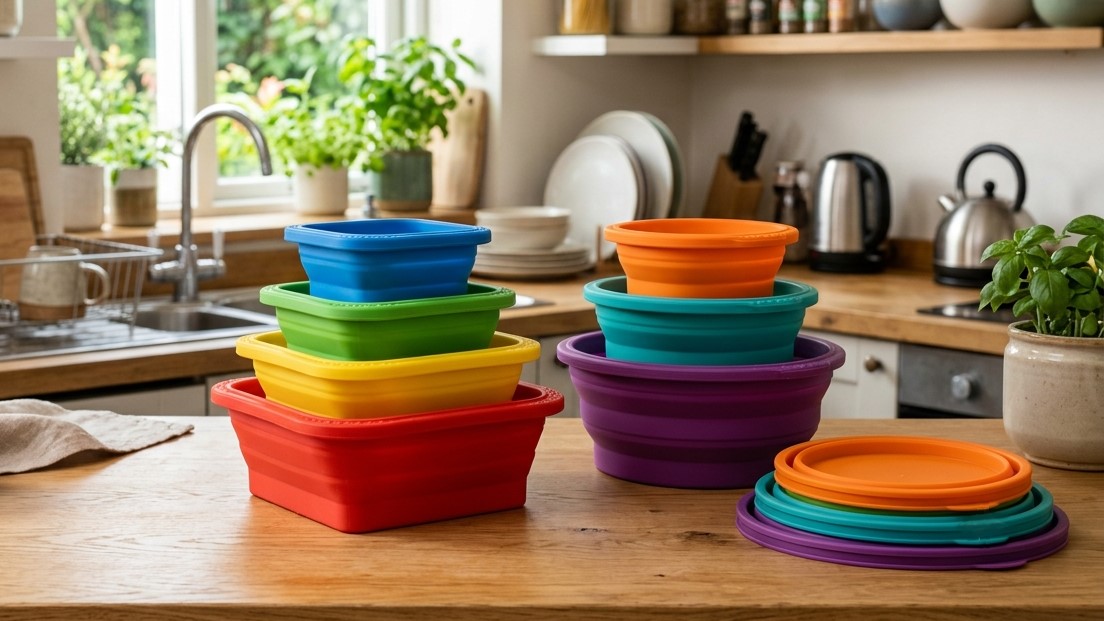
Silicone Container Types We Can Develop

Silicone Container Customization

Develop container projects beginning with size, material, lid, and set.

Distinct sizes of collapsible silicone containers

Choose capacities, footprints, and wall thicknesses to hit target weight, rigidity, and set composition. Add molded volume marks and plan nesting height for efficient storage and pack-out.

  • 50–1,500 ml capacities
  • Round, square, rectangle
  • 2.5–4.5 mm wall thickness
  • Molded volume marks
  • Nesting/stacking geometry

FDA approved silicone containers with premium silicone material excellent visibility and stiffness

We match the curing system, hardness, and post-cure to performance and documentation needs. Reinforced rims or steel rings can be added when stability is a priority.

  • Platinum/peroxide-cured
  • 45–60 Shore A hardness
  • Post-cure schedule
  • Food-contact pigments
  • Rim reinforcement option

Full silicone lid double lip PP lid with silicone gasket and clip lock structure in diverse silicone containers for better seal

Pick the sealing strategy that fits your market: full-silicone lid, PP clip-on with silicone gasket, or vented microwave lid. Valve, straw, or pour ports can be integrated.

  • Full silicone lid
  • PP lid with silicone gasket
  • Clip-lock structure
  • Vented microwave valve
  • Straw/pour options
  • Rounded or double-lip lip profile

Custom packaging for custom silicone container sets

Define the assortment by piece count, color plan, and retail position, then lock the pack format and inserts for your channel.

  • Singles or 2–6 piece sets
  • Color assortments
  • Lid rigidity and anti-slip plans for set
  • Matching bands/sleeves
  • Instruction inserts
  • Retail/Ecommerce packs

Start Your Silicone Containers Project

Send your quantity, capacities, container type, lid design, branding, and packaging needs. We will recommend the seal design, material, and production plan.

How to Specify a Better Silicone Container

Seal design and material choice should be decided together, then matched to your set and channel.

  • Hardness—45–60 Shore A: softer seals better, firmer holds shape
  • Rim geometry—target 8–12% compression at the sealing lip
  • Wall thickness—2.5–4.5 mm to improve rigidity and stacking
  • **Lid fit tolerance—**typically ±0.3 mm on mating features, and a rounded or double-lip geometry is more tolerant of minor rim variation than a sharp knife-edge.
  • Temperature rating—-40°C to 230°C with post-cure
  • Odor control—define post-cure and storage requirements
  • Fatigue resistance—improved walls, ribs, and hinges for collapsible silicone containers
  • Nesting/stacking—plan height, footprint, and set consistency
  • Documentation—align material, pigment, and market standard

Full Specification Guide

How to Specify a Better Silicone Container—seal geometry, tolerance & consistency, wall thickness, flexibility & hardness of silicone, lid tolerance, structure with rim, temperature resistance, odor conditions, and a series of strict traceable quality systems.

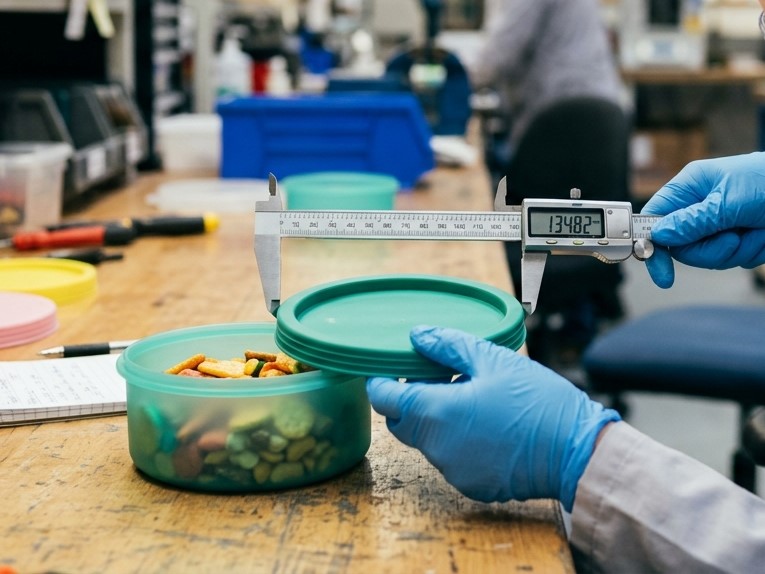
The diameter of a silicone snack container is tested by tool

Silicone Container Logo & Branding Methods

Choose the branding method that fits the logo, surface and tooling plan.

Screen Printing

Silicone inks create small, simple logos on non-contact external areas. Durability depends on the ink system and curing process.

Pad Printing

Silicone inks allow simple branding on non-contact external zones, with durability tied directly to ink quality and proper curing.

Embossed Logos

Raised, ink-free branding is permanently pressed onto lids or base areas strictly outside of any direct food contact zones.

Debossed Logos

Sunken, ink-free logos offer permanent branding on external lids or bases outside food contact areas to satisfy your claim.

Silicone Container Material & Performance Options

We match the compound, curing system, pigment and documentation to the project.

The foundational standard of each silicone container.

Best for food storage, baby food, and meal prep. Platinum-cured silicone with approved pigments supports FDA/LFGB claims when paired with proper processing and documentation.

Material comparison

Silicone Containers Vs. Plastic Containers: Which Is Better for Your Project? — Food-contact & safety, temperature resistance, chemical migration, dishwasher cycles, and odor residues.

Engineered for everyday freezing and heating,

Freezer-to-oven coverage from -40°C to 230°C (-40℉ to 446℉) allows chilling, reheating, and dishwashing without brittleness or deformation. Final limits follow the chosen compound and wall thickness.

Post-cured containers should meet the ventilated storage requirement prior to packing.

Post-curing at elevated temperature drives off volatiles that can affect odor or taste. Storage and packaging should also support neutral sensory performance.

Moreover, proper cleaning and maintenance can remove odors.

Designed for long-term reliability and seal performance.

Seal reliability over time depends on the compression set, which refers to the mechanical properties of silicone. Matching hardness, lip profile, and post-cure helps lids stay tight after repeated dishwasher cycles.

Ensure an excellent seal and fresh food.

Reinforced rims or steel rings improve carrying stability for larger sizes. Surface texture (matte or fine texture) impacts grip and appearance.

Quality assurance of material and final products with the destination standard.

Available materials and project documents may include:

  • Material data sheets and declarations
  • FDA 21 CFR 177.2600-related documentation
  • LFGB overall migration/taste/odor reports
  • REACH-related statements
  • Project-specific test reports

A raw-material report should not be presented as proof for every finished product configuration.

Wash the container before first use, avoid sharp tools, dishwash on the upper rack, dry fully, and store lids off-body when long-term storage is planned.

Leave headspace (5–10%) for expansion when frozen, heating, or in storage. Please avoid rapid temperature changes from the freezer to the extremely hot oven.

Maintenance Guide

How to Clean & Maintain Silicone Containers? —dishwasher cleaning in the top rack, odor removal, opening the valve before heating in the microwave, leaving headspace, drying completely, and storing properly.

How Silicone Containers Are Manufactured

1. Requirement Review

STEP 1: Requirement Review

Project intake confirms capacities, set composition, lid type, hardness, wall thickness, color plan, branding, packaging, and documentation.
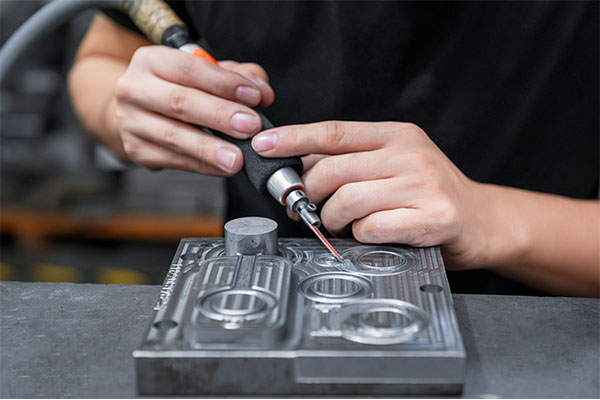
2. Mold Evaluation

STEP 2: DFM & Tooling Evaluation

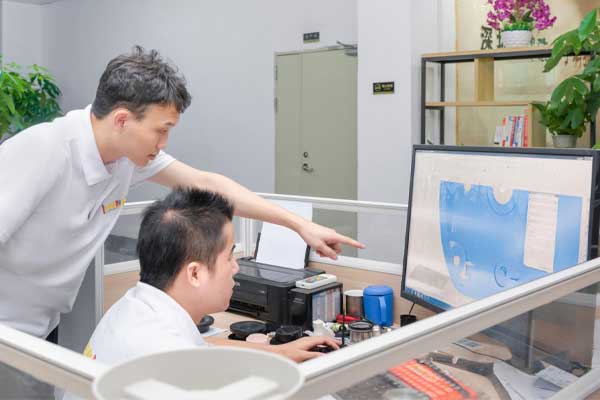
Existing tools are reviewed; new shapes, seals, or collapse features may need new tooling. Seal compression and draft angles are validated at this stage.
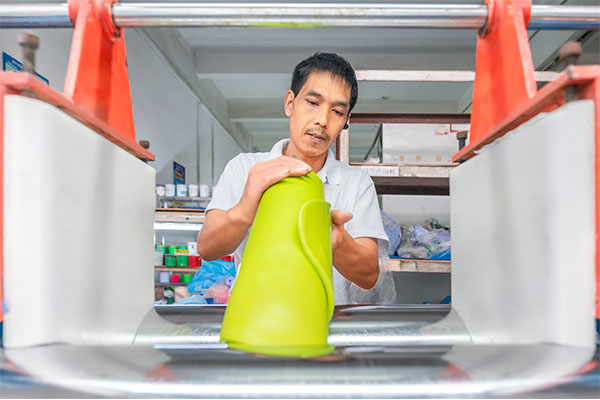
3. Material and Color Preparation

STEP 3: Compound & Pigment Preparation

Approved silicone compound is blended with food-contact pigments to the agreed formulation and color reference.
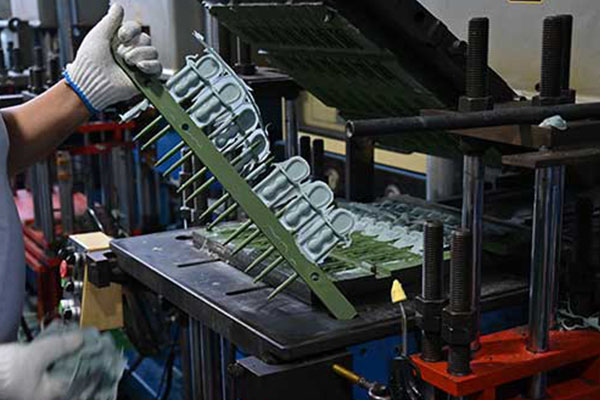
4. Silicone Molding

STEP 4: Silicone Molding

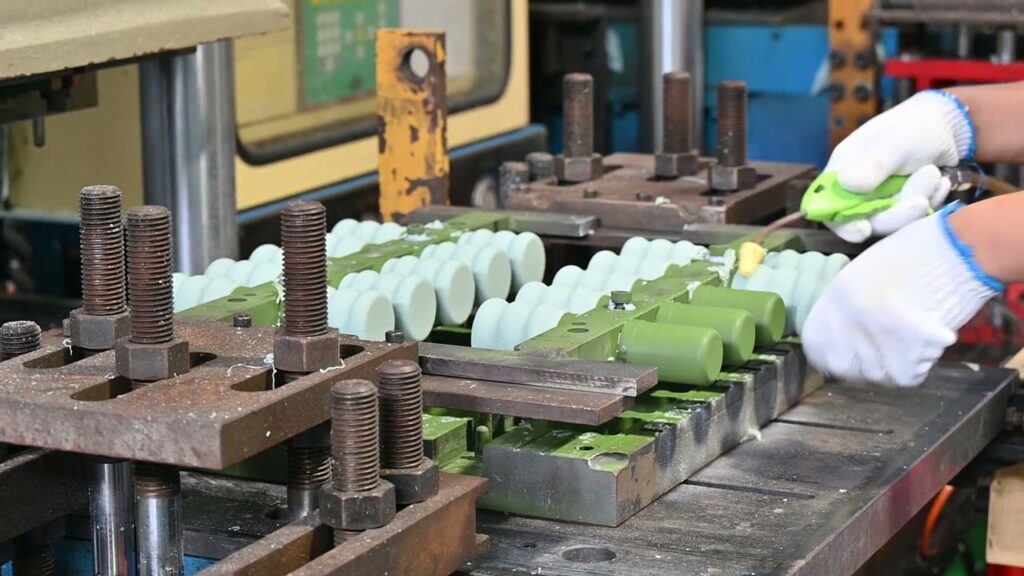
Compression or liquid silicone processes are used according to structure, volume, and tool design. Cycle timing considers wall thickness and seal features.
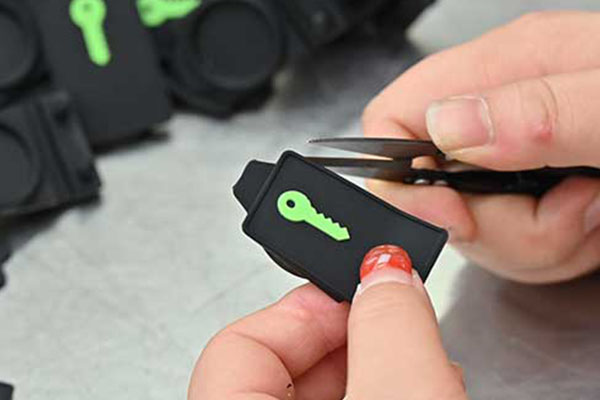
5. Demolding and Trimming

STEP 5: Post-Cure & Trimming

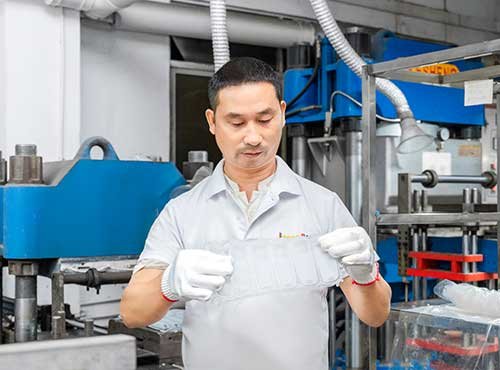
Parts are post-cured to reduce volatiles, then demolded and trimmed. Surfaces, rims, and sealing lips are checked for flash and damage.
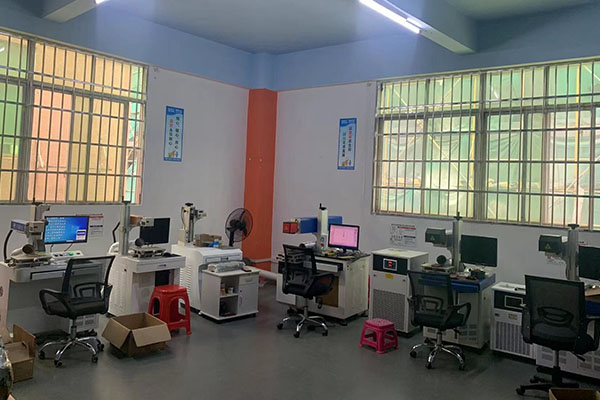
6. Logo and Surface Processing

STEP 6: Lid & Assembly

Lids and bodies are paired; PP components, gaskets, or valves are added. Mating features are verified against fit and compression targets.
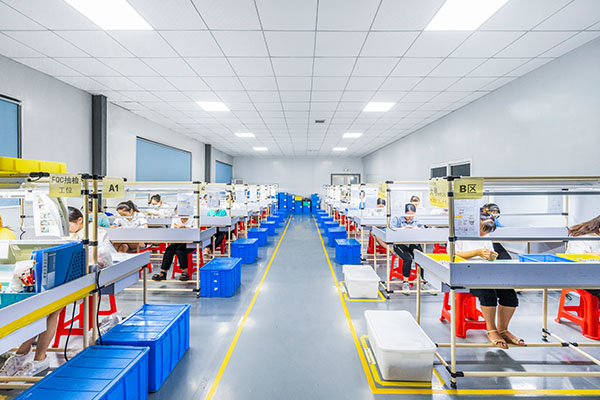
7. Quality Inspection

STEP 7: Quality Inspection

Sample-based leak tests, odor screens, and dishwasher/microwave simulations are run per the approved control plan.
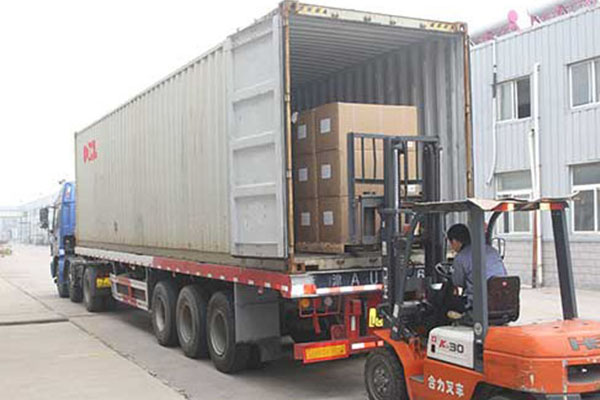
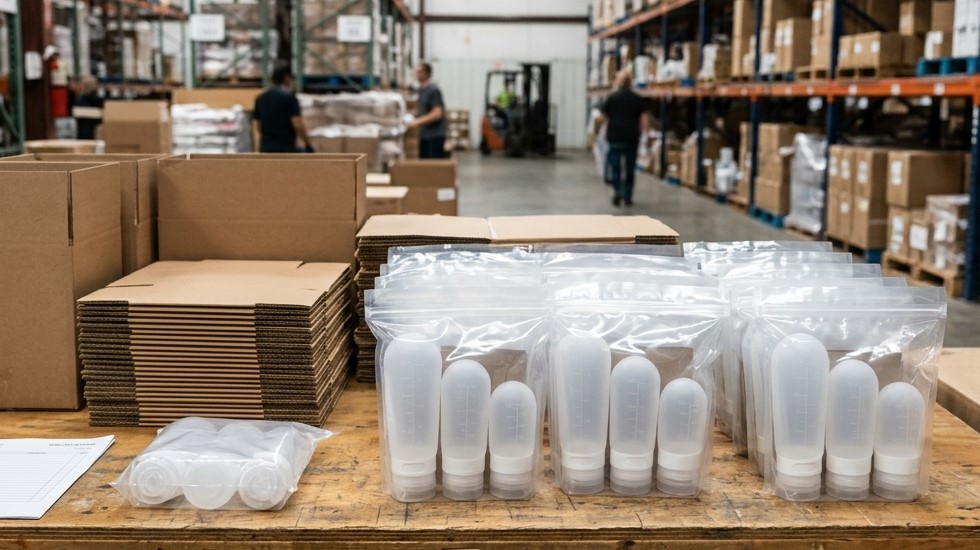
8. Packaging and Shipment

STEP 8: Packaging and Shipment

Containers are counted, packed, labeled, and carton-marked, ready for the agreed shipping method and channel requirements.
Silicone Container Quality Control

Quality control is not limited to checking the silicone material. You also need consistent color, stable cavity dimensions, clean surfaces, accurate branding and dependable packaging.

AQL 2.5 / 4.0 Standard Inspection

A greedy sampling plan verifies batch consistency

AQL 2.5

Critical / Major Defects

AQL 4.0

Minor Visual Flaws

Alternate standards can be used per PO.

One golden sample locks shape, capacity, color, hardness, logo position, and packaging hierarchy.

Silicone compound, pigments, PP parts, and documents are checked against the project file.

Molding completeness, flash at sealing lips, color consistency, and surface defects are monitored.

  • ±0.5 mm typical on footprint and height.
  • ±0.3 mm on critical lid/rim interfaces.
  • Reserve 5~10% headroom for thermal expansion in the microwave and for freezing.

Footprint, height, wall thickness, and capacity are verified to spec and tolerance. Moreover, tested silicone containers are confirmed against the approved sample.

Shore A ranges are confirmed periodically across the batch according to your requirements (stiff enough in bodies for large size).

Unless otherwise agreed, leak testing is performed via a 30-minute inversion test: containers are filled to 95% of usable volume with water, closed, and inverted at ~25°C.

A passing result requires zero drips or visible wetting. Pressure or vacuum testing may be substituted per client agreement.

Additionally, 100% inline leak testing can be specified for dedicated foodservice SKUs.

Post-cure effectiveness is checked via sensory screening; formal tests follow the agreed standard.

Agreed cycles assess deformation, printing durability, and seal performance.

Quantity, barcodes, inserts, retail boxes, and carton marks are verified before shipment.

Silicone Container Packaging Options

Plan packaging early because printed items need separate schedules.

Custom siliocne squeese bottle sets are packed in polybags for bulk packaging

Bulk Packaging

Cost-efficient polybag or simple set cartons for distributors and foodservice, with clear labels and carton marks to speed receiving and repack operations.
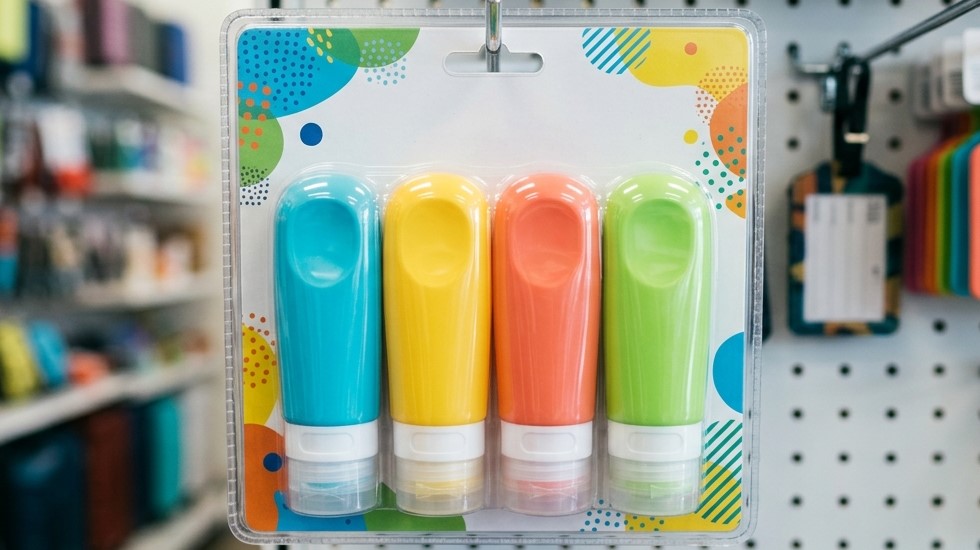
Colorful silicone travel bottles are packed in blister packaging for retail packaging requirements

Retail Packaging

Printed boxes, sleeves, window cartons, and hang solutions present sets clearly, add brand space, and protect edges without inflating shelf weight or dimensions.
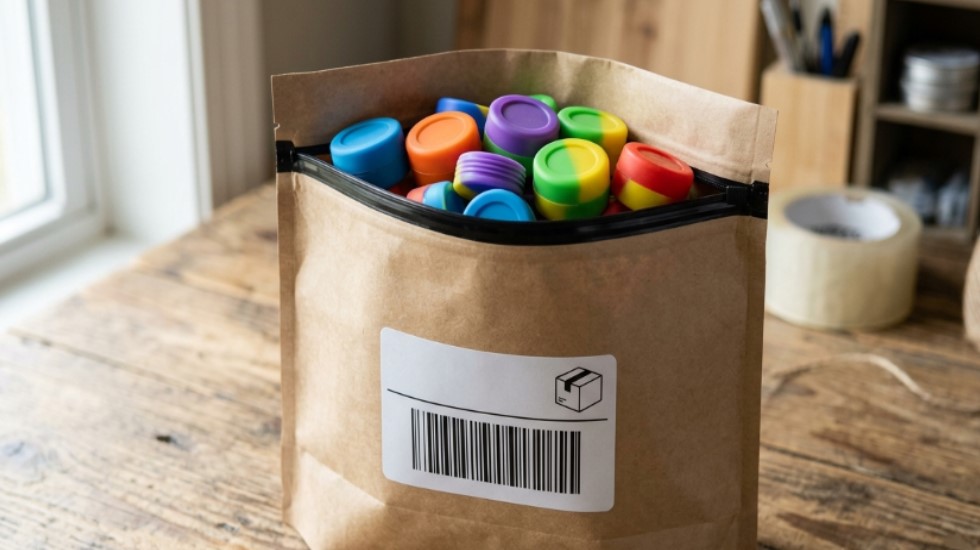
Silicone wax containers with ecommerce packaging

Ecommerce Packaging

Marketplace-compliant inner bags, scannable labels, inserts, and protective shippers reduce damages and simplify FBA or 3PL intake and outbound handling.
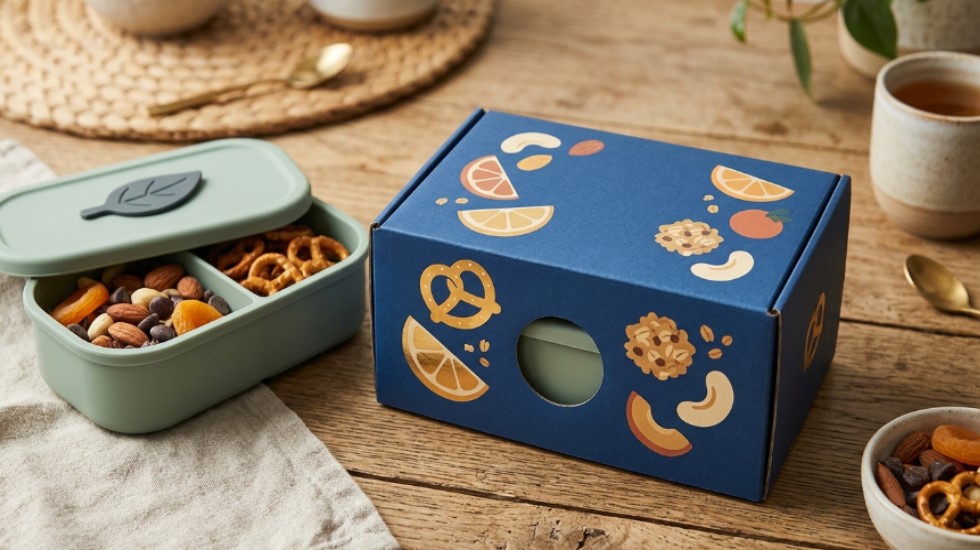
Silicone snack container with premium brand packaging

Premium Brand Packaging

Rigid boxes, gift sleeves, coordinated colorways, and recipe/instruction booklets create a premium unboxing experience for higher-priced private label lines.

Custom Silicone Container Typical Specifications

Feature / ParameterSpecification
ProductCustom silicone container (with matching lid)
ApplicationsFood storage, meal prep, baby food, freezer/microwave/oven use; condiment cups; cosmetic/travel jars (non-food)
MaterialFood-grade platinum- or peroxide-cured silicone; food-contact pigments
Hardness range45–60 Shore A
Wall thickness2.5–4.5 mm
Temperature range-40°C to 230°C (-40℉ to 446℉), depending on compound and thickness
Capacities50–1,500 ml per container; custom volumes by tooling
DimensionsFootprint 90–200 mm; height 40–120 mm; tolerance typically ±0.5 mm body, ±0.3 mm lid fit
Lid optionsFull silicone lid; PP lid with silicone gasket; clip-lock; vented microwave valve
Seal designTarget 8–12% compression at sealing lip; lip profile per DFM
ColorsStandard palette or custom Pantone matching
SurfaceMatte, glossy or fine molded texture
Logo methodsEmbossed/debossed on silicone; pad/screen printing on non-contact areas; printed sleeves/labels
ProcessCompression molding or LSR injection; post-cure 2–4 hours at elevated temperature
DocumentationFDA 21 CFR 177.2600-related, LFGB, REACH per selected material/pigment and market
Existing-style order quantityFrom 500 sets
Custom-molded order quantityFrom 2,000–3,000 sets
Sample lead time7–10 working days
Tooling lead time10–20 working days
Mass-production lead time15–25 working days after approval
InspectionApproved sample + agreed AQL; optional 100% leak test
OEM/ODMAvailable

All figures are initial project references and are confirmed against the approved sample and purchase order.

Why Work with RY Silicone

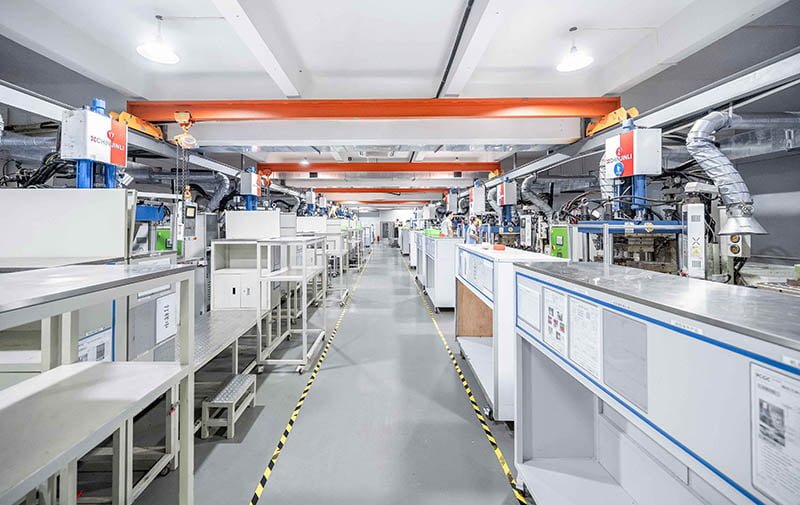
RuiYang Silicone factory

Silicone Manufacturing Experience Since 2012

RY Silicone is a China-based factory that has focused on custom silicone product manufacturing since 2012.

We support overseas clients from product evaluation and sampling through bulk production, inspection and delivery.

Video Image1

10,000+ m² Production Facility

In-house tooling, molding, post-cure, assembly, branding, inspection, and packaging are integrated to shorten lead times and stabilize quality.

silicone machine

30+ Production Machines

Capacity covers single-SKU runs and multi-SKU set builds without overextending delivery schedules.

ruiyang silicone compression mol

Up to 100,000 Silicone Products per Day

Headroom for repeat orders and seasonal peaks. Actual output depends on cavity configuration, cycle time, and inspection intensity.

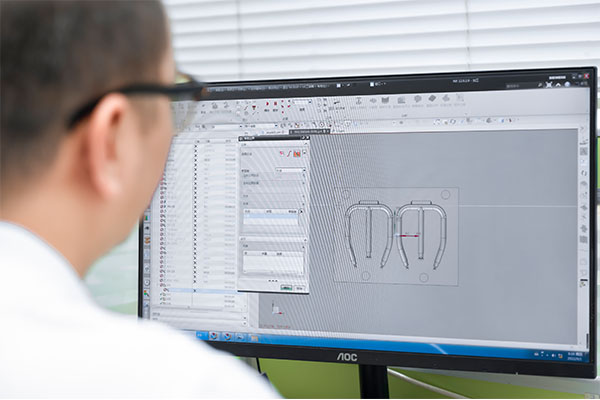
silicone Products Design

Engineering Review Before Quotation

The quotation follows an engineering review of the capacity plan, lid structure, seal compression, hardness, wall thickness, color, artwork, packaging, and destination market.

This prevents fit issues and documentation gaps.

Rysilicone quality control

Sample-Based Production

Everything is locked to one approved sample before mass production — the cavity dimensions and color first, then surface finish, logo position and packaging. On the floor that sample outranks any spec sheet: if the two disagree, we pause the run and confirm with you.

Shipping

Export Project Support

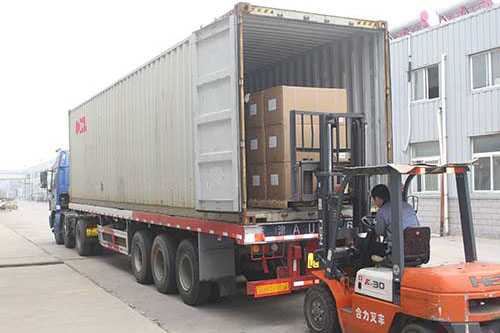
As a China-based factory supplier, we support documentation, labeling, packaging coordination, and export logistics for North America, Europe, and other markets.

Silicone Container FAQ and Final RFQ

From 500 sets for existing tooling with custom branding and from 2,000–3,000 sets for new tooling. First custom runs can sometimes split into two batches if the combined order covers tooling and setup.

Yes.

Food-grade platinum-cured silicone is available for food-contact products. Applicable reports depend on the selected silicone, pigment, ink, and destination market.

Seal performance depends on lid design and compression set. With correct lip geometry and hardness, we achieve airtight and leakproof performance under agreed test methods and usage conditions.

45–55 Shore A suits flexible bodies and lids with strong seals. 55–60 Shore A improves shape stability for larger sizes.

We match hardness to seal design and capacity for your silicone container.

Yes, within the agreed rating.

Silicone handles -40°C to 230°C (-40℉ to 446℉). PP lids with gaskets may have lower limits; confirm by component. Printing durability should be reviewed for dishwashers.

Silicone can pick up strong aromas.

Post-cure and proper storage reduce this. For sensitive use, specify a defined post-cure and packaging that allows off-gassing before retail.

Yes to molded volume marks.

For logos, use molded marks on non-food-contact areas or external surfaces. In-cavity branding for food-contact should follow your claim and market rules.

Common methods include water-fill inversion for a fixed time, low-pressure/vacuum checks, and temperature-cycle tests. We align the plan and acceptance level in the control file.

Yes.

Color assortments and spare lids/valves can be included. Replacement parts may have their own MOQs depending on color and printing.

Material data sheets, declarations, and test reports aligned to FDA 21 CFR 177.2600, LFGB, and REACH, based on the selected silicone, pigment, ink, and target market.

  • Order quantity and set composition
  • Target capacities and footprints
  • Lid structure and vent/valve needs
  • Hardness and wall thickness targets
  • Pantone colors
  • Logo artwork and position
  • Packaging file and channel
  • Destination country
  • Required reports/tests
  • Target delivery date

Ask For A Quick Quote

If you fail to submit the form, please write to us directly at [email protected]