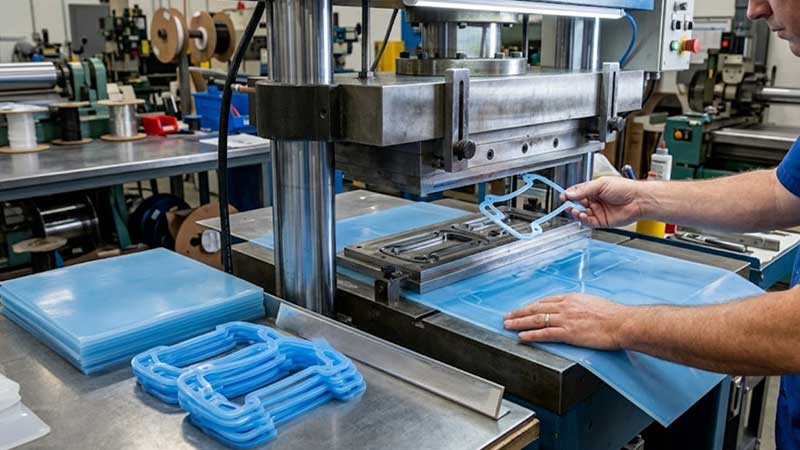
How to Cut Silicone Rubber the Right Way
Cutting silicone rubber might seem easy, but it often surprises even experienced users. The right approach depends on more than just a sharp blade. Thickness,

Cutting silicone rubber might seem easy, but it often surprises even experienced users. The right approach depends on more than just a sharp blade. Thickness,
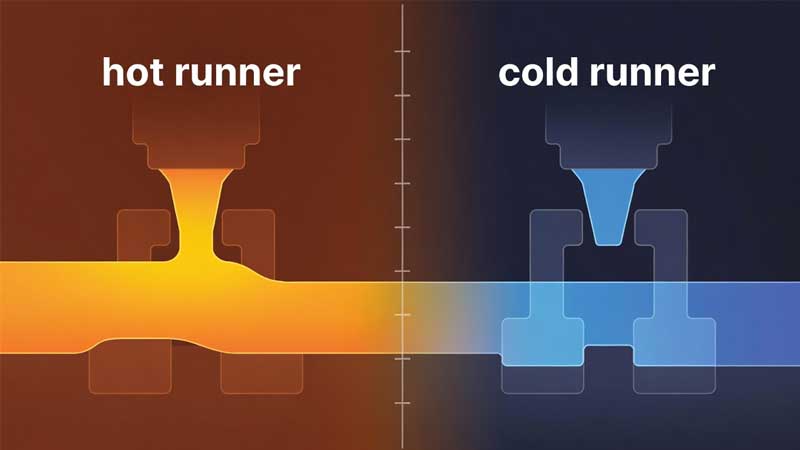
A lot of teams decide between hot runner and cold runner very early. And in many cases, the decision comes down to one thing, mold
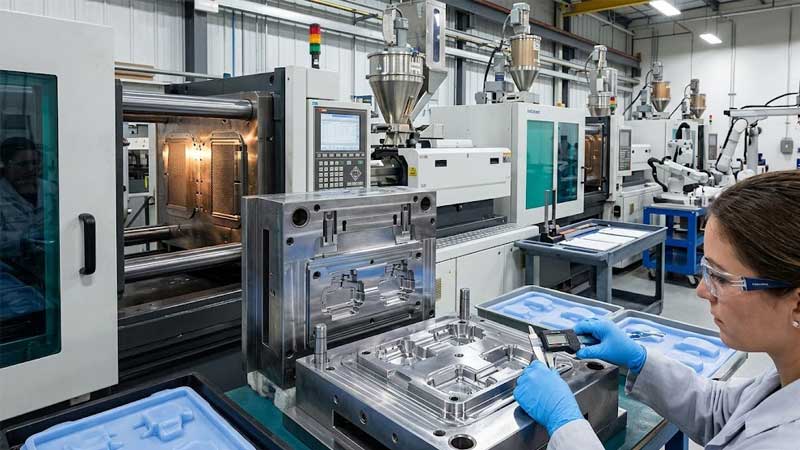
Undercuts often cause trouble on the production floor. If a part has an unplanned undercut, it may stick during ejection. Flexible materials like LSR or
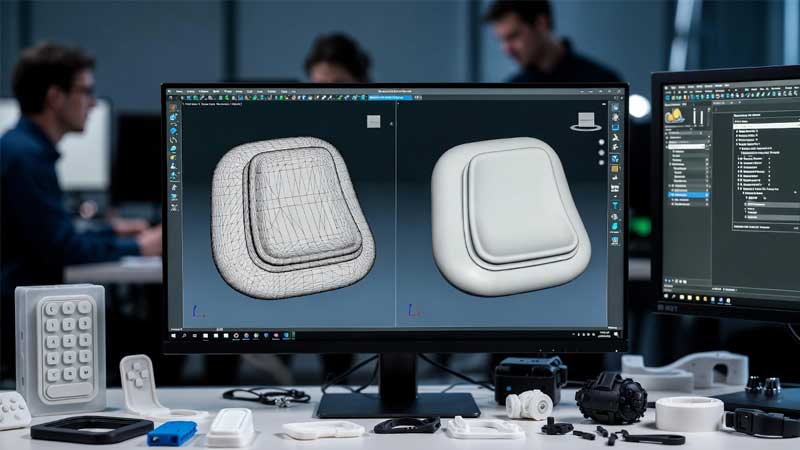
In this article, we will explore the differences between STL and STP file types and explain how choosing the right format can impact silicone part
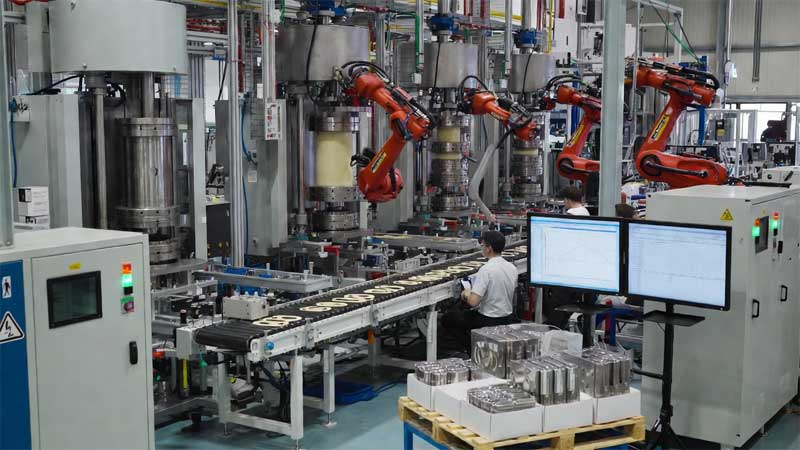
Silicone compression molding uses heat and pressure to shape raw silicone into durable parts like seals, gaskets, and medical components. It excels in high-volume production
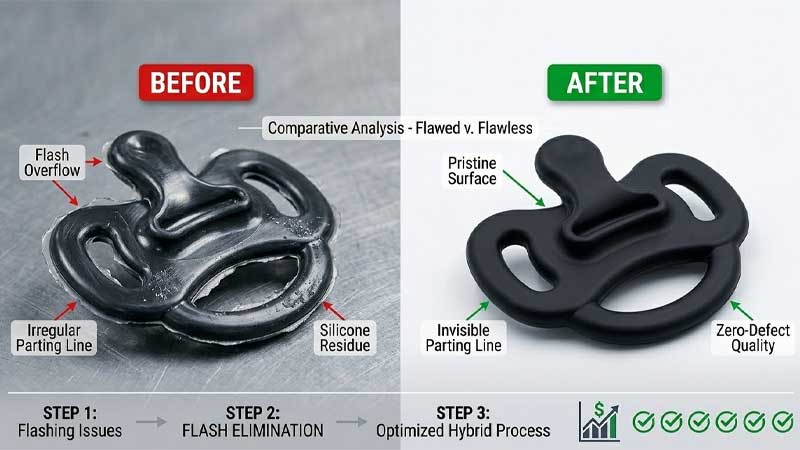
Flash-free LSR parts are essential for medical, aerospace, and high-reliability sealing applications, yet achieving them consistently remains difficult. This article focuses on the two main
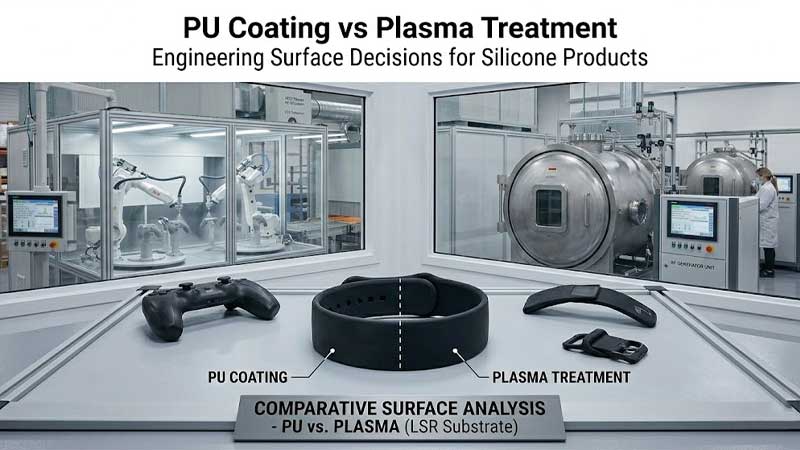
This article looks at two main ways to finish silicone surfaces, traditional PU coating and modern plasma treatment. It compares their strengths, weaknesses, and best
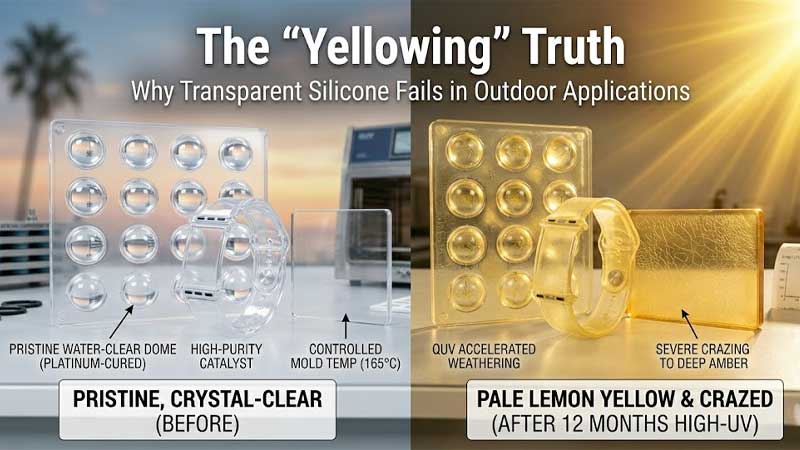
In this no-fluff, production-floor guide, we reveal exactly why non-yellowing transparent silicone turns pale lemon in 6–12 months under real California sun and how CMF
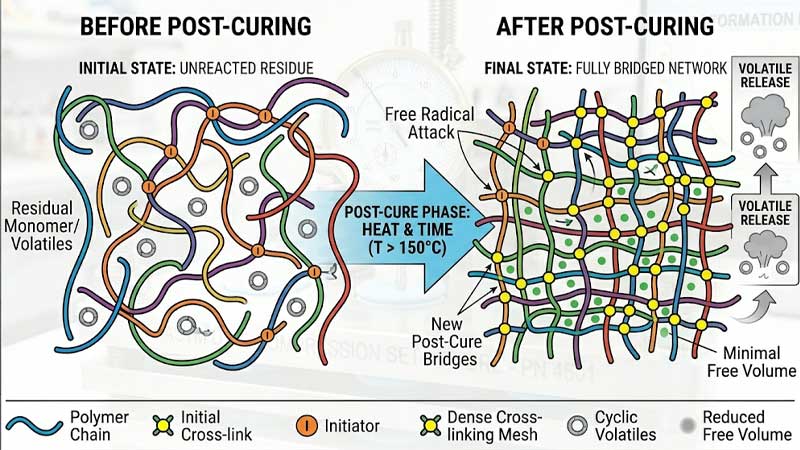
This article dives into the often-overlooked role of post-curing in ensuring the long-term durability of silicone gaskets, exploring why parts that pass initial tests can
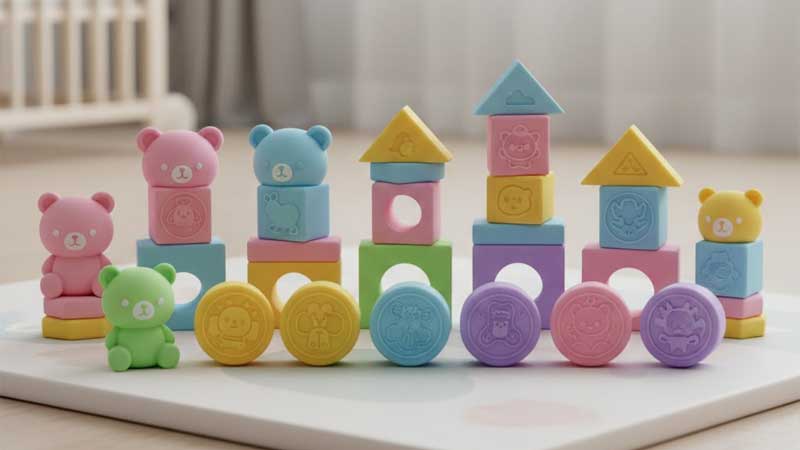
In today’s market, color strongly influences buyer choice. Natural silicone is usually milky white or semi-transparent. Silicone color masterbatch gives you consistent, controllable color while
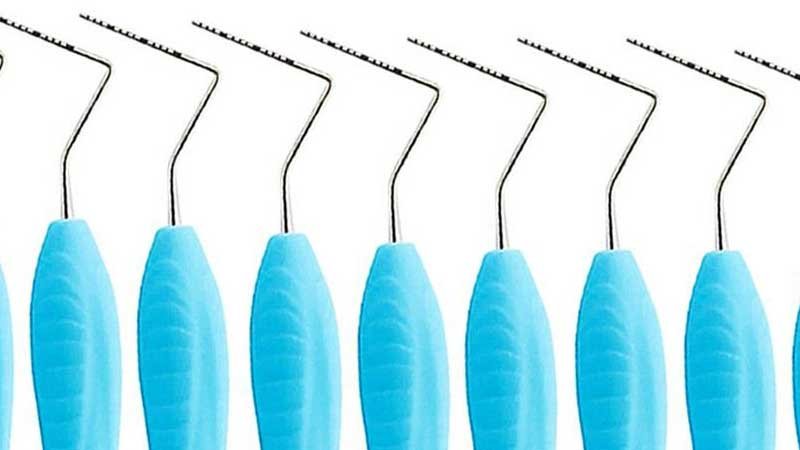
People often describe Silicone Transfer Molding as a balanced process. From our side of the factory floor, STM is less about balance and more about
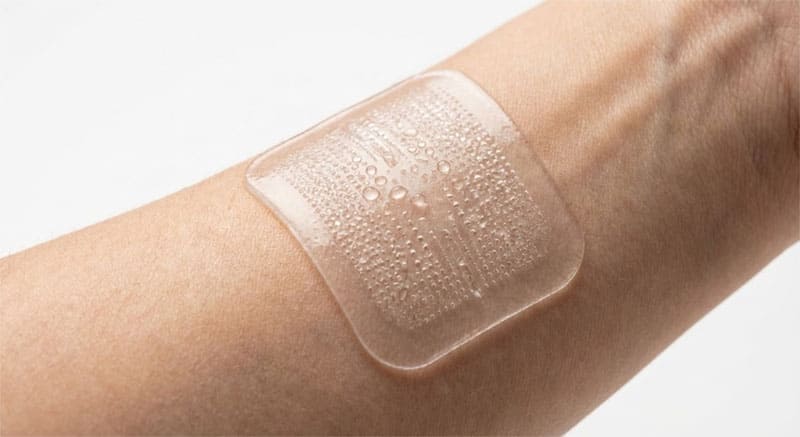
Wearables fail in the real world when the skin gets hot, wet, and irritated, even if the electronics work. I have seen good designs lose