Silicone Measuring Cup Manufacturer
Flexible measuring cups for kitchen, baking, food preparation, and portion control. Custom capacities, measurement markings, colors, handles, spouts, logos, and retail packaging for OEM/ODM programs.
What Is a Silicone Measuring Cup?
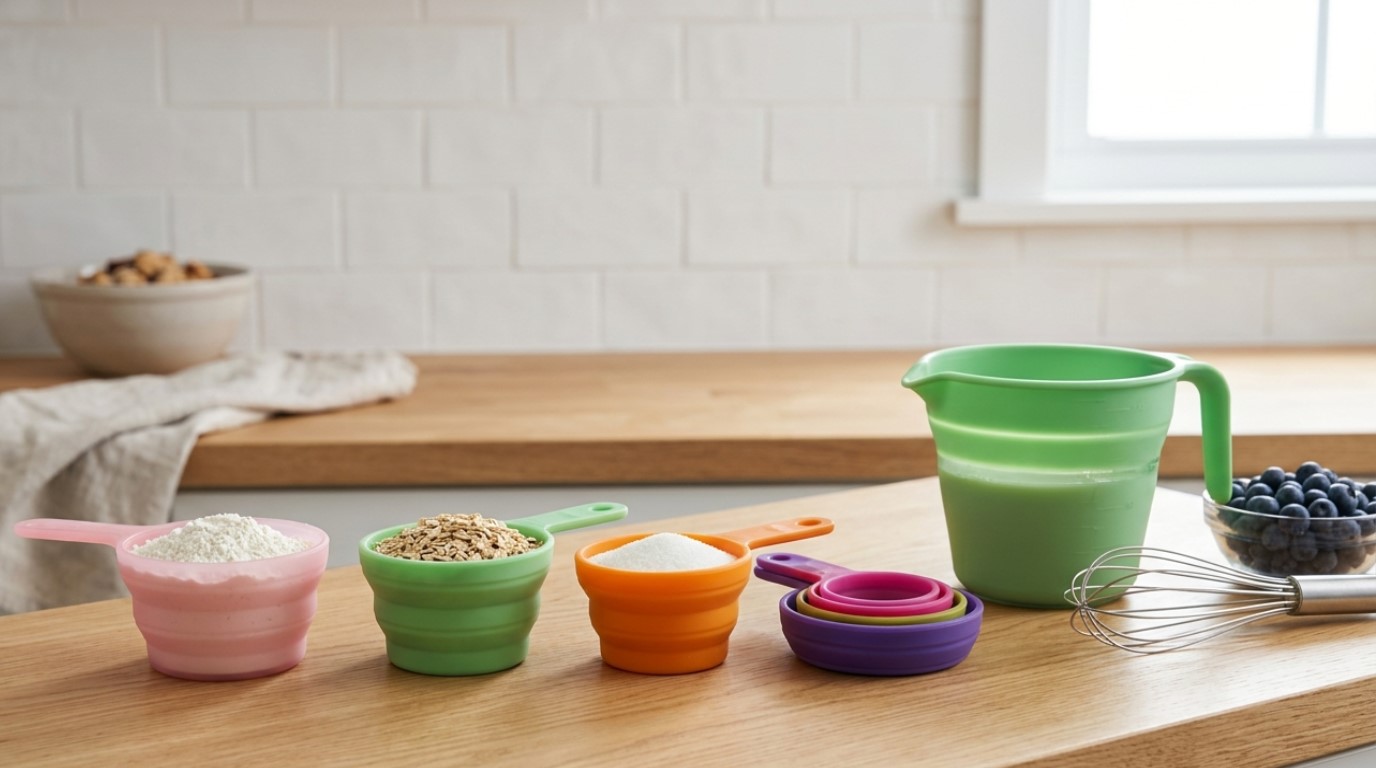
A silicone measuring cup is a flexible food-contact container with calibrated volume markings for measuring, pouring, and transferring liquids or semi-liquid ingredients. A custom silicone measuring cup is developed to your required capacity, scale system, dimensions, color, handle, spout, logo, and packaging for private-label, wholesale, or retail programs.
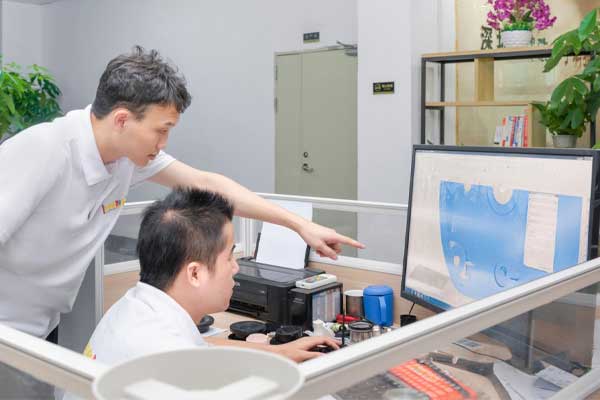
RY Silicone is a China-based custom silicone manufacturer established in 2012. Our factory supports OEM/ODM silicone products for brands, distributors, and wholesalers, with engineering review covering cup geometry, measurement accuracy, material selection, markings, pouring performance, and packaging requirements.
Silicone Measuring Cup Manufacturing at a Glance
MOQ
Tooling plans align with required capacity and volume, while existing silicone measuring cup designs support lower-volume programs.
Product Specifications
Define capacity, measurement units, cup dimensions, wall thickness, silicone hardness, handle structure, and pouring geometry around the intended use.
Measurement & Branding
Molded graduations provide durable markings, while suitable printed scales and molded logos support different product positioning and branding requirements.
Packaging
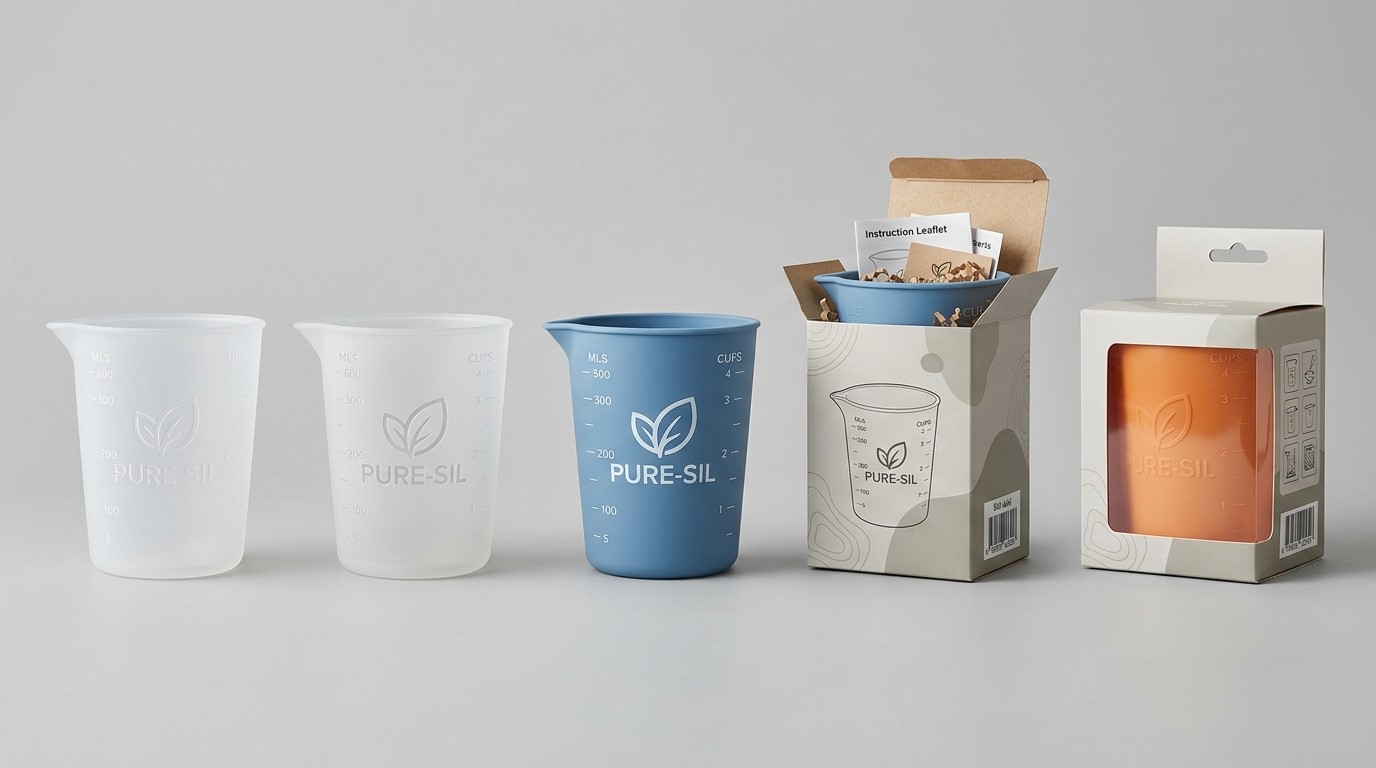
Choose bulk, individual, retail, or ecommerce-ready packaging with SKU labels, barcode information, inserts, and custom printed presentation.
Who We Manufacture Silicone Measuring Cups For
Start with capacity, measurement readability, and pouring needs across all kitchen brands.

Kitchenware & Bakeware Brands
Develop private-label measuring cups around your preferred capacity, color system, and kitchen range. Flexible walls, clear graduations, and a controlled pouring edge support for everyday measuring and transfer.

Baking & Food Preparation Brands
Create measuring cups for liquids, sauces, oils, and baking ingredients where repeatable volume indication matters. Multiple unit scales can support regional product lines without changing the basic cup concept.
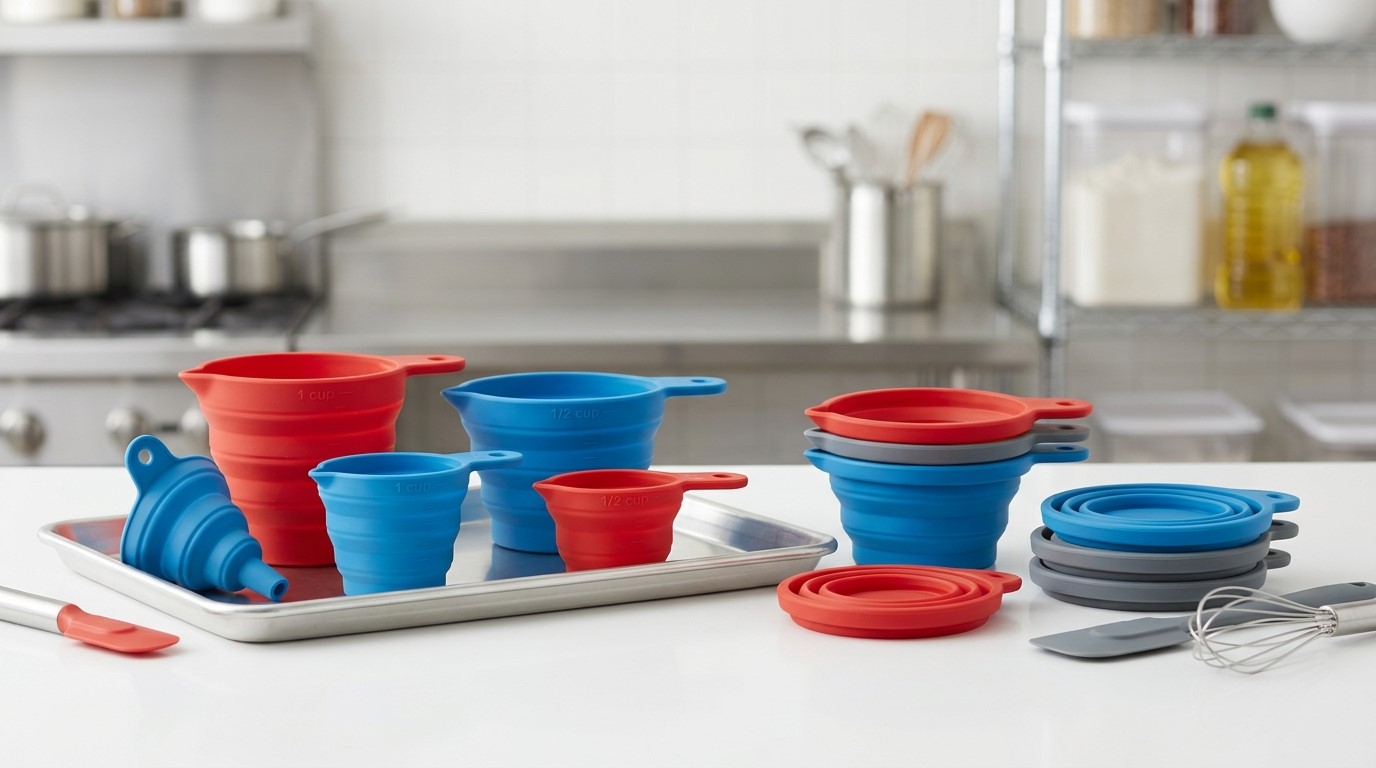
Food Service & Hospitality Suppliers
Develop durable measuring cups for commercial kitchens, preparation stations, and ingredient handling. Handle strength, pouring control, readable graduations, and repeated washing become important when the cup moves through frequent daily use.
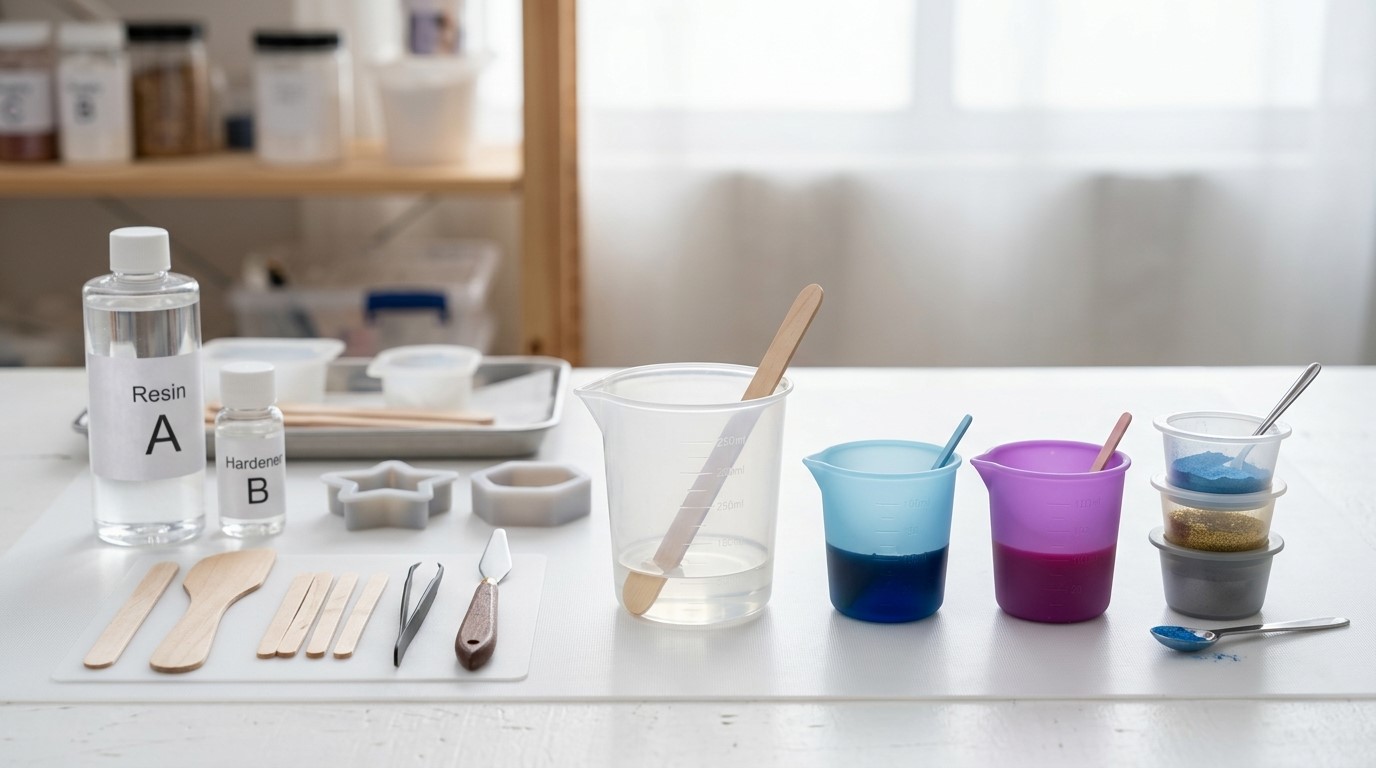
Resin Craft Brands
Feature flexible walls, precise volume markings, and easy demolding. Their reusable, clean-pouring design helps crafters maintain accurate mixing ratios for resin and pigment blending.

Flexible Detergent & Laundry Brands
Engineer flexible handling and spill-resistant pouring for liquid detergents and softeners. Brandable options, tailored capacities, and measurement scales create practical accessories for daily household dispensing.

Promotional & Private-Label Programs
Add a branded silicone measuring cup to kitchen campaigns, cooking events, or coordinated promotional product ranges. Logo placement, color matching, and packaging can be aligned with the campaign identity.
Silicone Measuring Cup Types We Can Develop
Silicone Liquid Measuring Cups
Silicone Baking Measuring Cups
Mini Silicone Measuring Cup
Collapsible Silicone Measuring Cups
Silicone Measuring Cups with Handles
Silicone Measuring Cups with Pouring Spouts
Multi-Scale Silicone Measuring Cup Set
Silicone Large Measuring Cups
Silicone Landry Measuring Cups
Silicone Measuring Cup Customization
Build the cup around measurement accuracy, handling, pouring, and your retail requirements.
Choose the working volume and dimensional proportions according to the ingredients and measuring tasks your customers perform.
Available options include:
- 50–250 ml compact sizes
- 250–500 ml everyday sizes
- 500–1,000 ml larger capacities
- Custom capacity
- Single or multiple capacity ranges
- Metric or imperial volume scales
We adjust the cup profile, wall structure, and pouring area so the flexible body remains practical during filling, reading, and transfer.
Available options include:
- Straight or tapered body
- Wide or narrow opening
- Custom wall thickness
- Reinforced rim
- Custom pouring spout
- Stackable geometry
- Nesting designs
Plan the graduation system with the cup geometry rather than adding markings after the structure is finalized.
Available options include:
- Milliliter markings
- Fluid-ounce markings
- Cup measurements
- Multi-unit scales
- Molded graduations
- Printed graduations
- Custom scale intervals
Match the logo and visual identity to the silicone surface, measurement scale, and intended sales channel.
Available options include:
- Embossed logos
- Debossed logos
- Molded-in branding
- Screen printing
- Pad printing
- Custom Pantone colors
- Retail packaging
- Barcode and SKU labels
- Premium brand packaging
Start Your Custom Silicone Measuring Cup Project
Send your target capacity, dimensions, measurement system, artwork, and quantity to start an engineered silicone measuring cup program.
How to Specify a Better Silicone Measuring Cup
Measurement readability, pouring control, and dimensional stability should be specified together.
- Capacity—define the nominal volume and usable fill range so the cup suits the intended measuring task.
- Graduation system—specify ml, oz, cups, or multiple units, plus the interval between markings.
- Scale placement—keep graduations visible when the cup is filled and held at a normal viewing angle.
- Dimensional stability—wall thickness and silicone hardness should limit excessive deformation when the cup is lifted or squeezed.
- Pouring geometry—the rim or spout should create a controlled stream rather than allowing liquid to spread across the edge.
- Handle structure—for larger capacities, evaluate handle attachment, grip clearance, and load-bearing performance with a full cup.
- Material Grade—select food-contact silicone and confirm documentation according to the target market and final product configuration.
- Marking durability—molded graduations avoid ink wear, while printed scales require appropriate ink, surface preparation, and process control.
- Cleaning requirements—consider repeated washing, detergent exposure, and the effect of cleaning on printed measurement markings.
Full Specification Guide
How to Specify a Better Silicone Measuring Cup — capacity, graduations, wall structure, pouring geometry, material and marking requirements.
Silicone Measuring Cup Logo & Branding Methods
Match branding to logo printing, scale, surface area, durability needs, and optional surface pretreatments.
Screen Printing
Printed logos and measurement scales support detailed artwork, multiple colors, and marking layouts.
Pad Printing
Optimal for curved surfaces with desired graphic designs.
Embossed Logos
A raised logo is formed directly into the silicone during molding, creating ink-free branding that remains part of the cup surface.
Debossed Logos
A recessed logo is molded into the silicone for a subtle appearance and durable identification without relying on a printed ink layer.
Silicone Measuring Cup Material & Performance Options
Material selection should support food-contact requirements, flexibility, dimensional stability, and repeated cleaning.
Select the compound according to the intended food-contact application and target market.
Food-contact silicone is suitable for measuring liquids and food ingredients when the selected material, pigments, and production controls meet applicable requirements. Evaluate documentation against the final configuration rather than the raw silicone alone.
Material Comparison
Silicone Measuring Cups vs. Glass or Plastic Measuring Cups: Which Is Optimal for Your Project?—Frangibility, durability, microwave & dishwasher safe, stackability, thermal conductivity, spout design, odor & stain resistance, ease of cleaning, and crack resistance.
The cup should flex enough to be handled without losing its usable measuring geometry.
Hardness and wall thickness work together. An excessively soft construction can deform when squeezed or lifted, while excessive stiffness can reduce the expected handling advantage of silicone and lead to leakage when pouring forcefully from stubby spouts.
Balance the physical design of the walls and visual indicators to optimize measurement precision.
Translucent silicone allows users to read fill levels directly through the cup wall. This can be enhanced with contrast markings or integrated clear viewing windows to maximize line visibility.
Raised internal graduation lines or reinforced measurement zones can eliminate narrow tolerances in opaque silicone measuring cups with thick wall designs, providing precise volume control.
Choose a compound that is compatible with the actual temperature range of the application.
For kitchen applications involving hot or cold ingredients, review the selected silicone formulation, color formulas, and finished wall structure together. The final specification should adhere to the approved material data and market requirements.
Moreover, thermal conductivity can be taken into consideration when it is used for hot liquids.
Rims, handles, and pouring edges need sufficient resistance to repeated flexing.
The thinnest areas are often the first to show tearing or deformation. Therefore, tooling should avoid unnecessarily sharp transitions, especially where a flexible rim meets a pouring spout or handle connection.
Graduations must remain usable when the flexible body is filled and handled.
Although a silicone cup can have accurate tooling dimensions, it can become difficult to read if the wall collapses excessively under hand pressure. Wall thickness, hardness, cup profile, and scale placement should be assessed as a whole.
Available project documentation may include:
- Material data sheets
- Material declarations
- FDA-related documentation
- LFGB-related documentation
- REACH-related reports
- Project-specific test reports
The applicable documentation depends on the selected silicone, pigments, printing system, and destination market. A raw-material report should not automatically be treated as proof for every finished silicone measuring cup configuration.
The material and branding system should withstand the intended cleaning routine.
Repeated washing can affect the appearance of printed markings and the cleanliness of the product. For measuring cups used frequently, molded measurement graduations may be more durable than printed scales.
Wipe epoxy resin, baking ingredients, food, or other materials used in silicone cups with a paper towel, then rinse thoroughly. Baking soda paste and the oven can remove sticky and greasy films, and boiling for 15 minutes can eliminate odors from pungent ingredients.
Besides, some silicone measuring cups are dishwash-safe, and you’d check it before the cycles.
Cleaning Guide
How to Clean Silicone Measuring Cups? —Removal of residue, boiling and heating in the oven for odor and stubborn stain removal, complete rinsing, and drying.
How Silicone Measuring Cups Are Manufactured

STEP 1: Requirement Review
Every project begins with capacity, dimensions, measurement units, silicone hardness, wall thickness, color, handle or spout design, logo method, packaging, and target-market requirements.
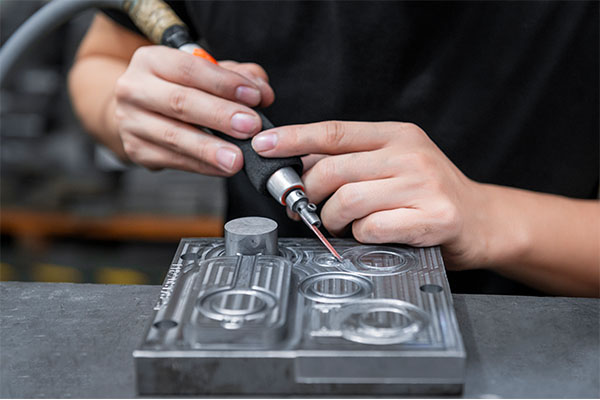
STEP 2: Tooling Evaluation
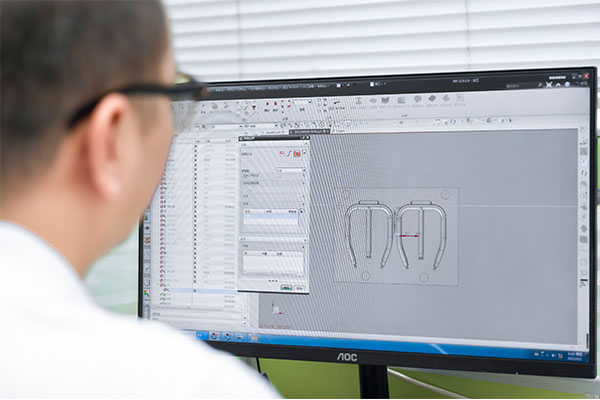
Engineering reviews the cup profile, rim, handle, pouring geometry, and graduation layout before tooling. Deep or narrow features are checked for demolding access and silicone flow.
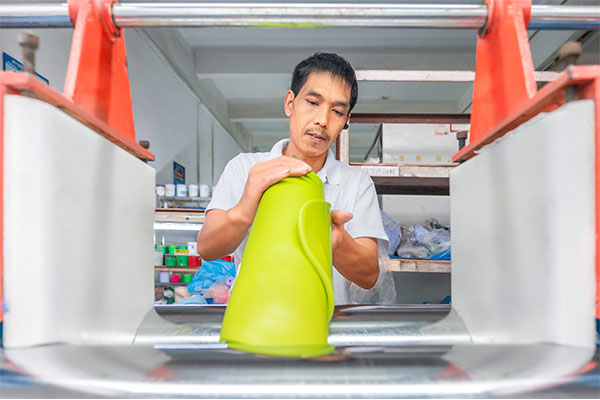
STEP 3: Material and Color Preparation
The approved silicone compound is prepared with the confirmed pigment system. Food-contact requirements and supporting documentation are matched to the selected material and destination market.
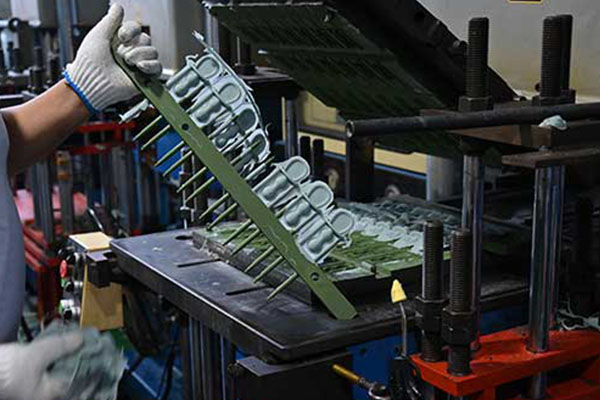
STEP 4: Silicone Molding
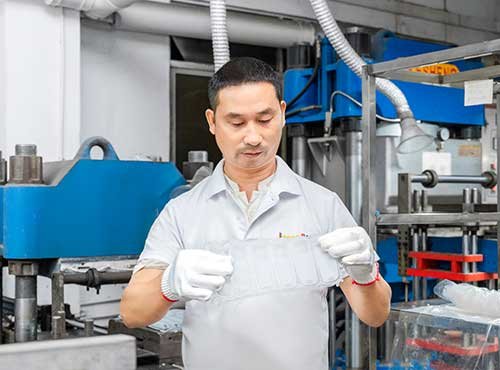
The silicone compound is formed using the approved molding process and tooling. Wall thickness, rim structure, and fine measurement features are controlled to achieve repeatable cup geometry.

STEP 5: Demolding and Trimming
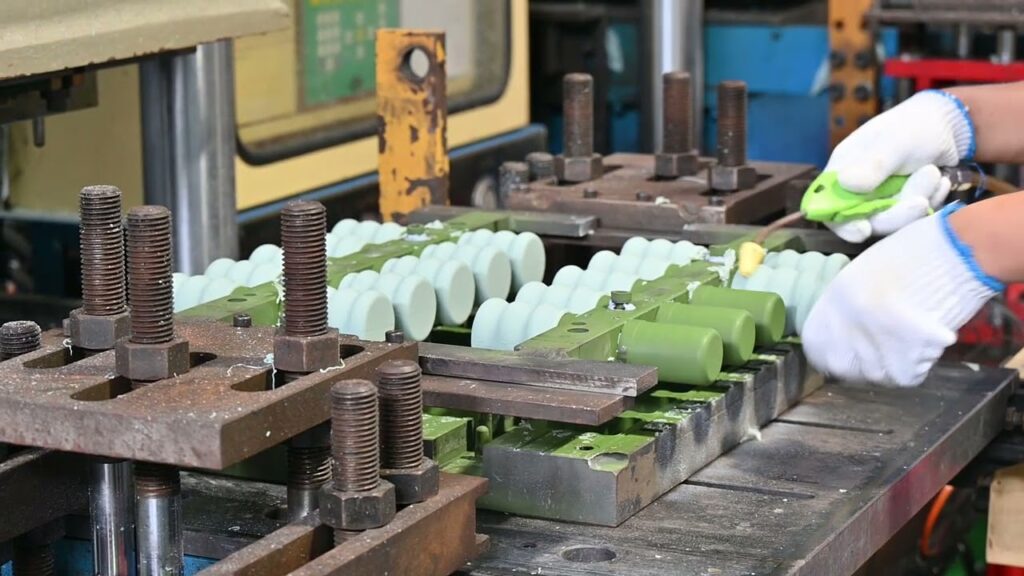
After curing, cups are removed and trimmed, focusing on removing flash from the rim, handle, spout, and graduations for usability.
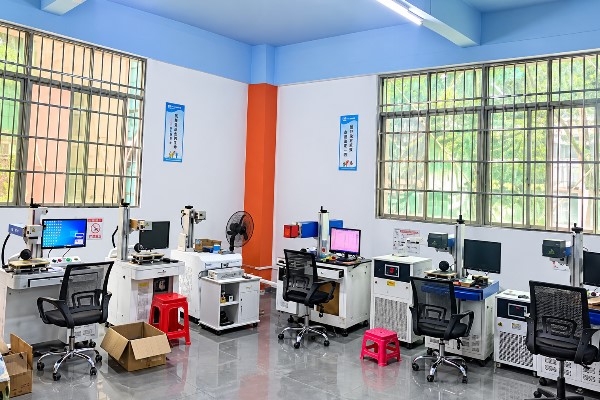
STEP 6: Logo and Surface Processing
Logos and graduations are molded via tooling, whereas printed markings follow artwork standards and are inspected for alignment and coverage.
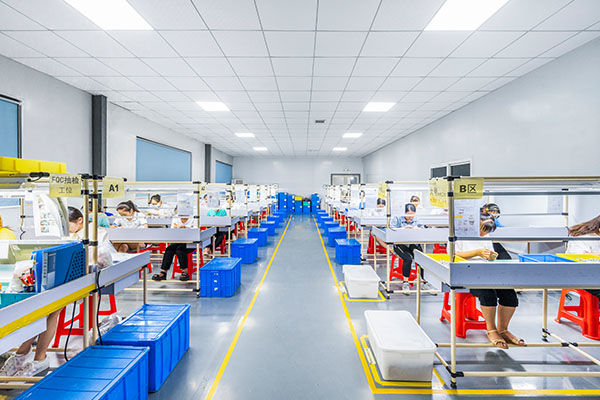
STEP 7: Quality Inspection
Finished cups are compared with the approved sample for dimensions, capacity-related geometry, hardness, color, appearance, measurement markings, logo position, and structural defects.

STEP 8: Packaging and Shipment
Finally, the cups are counted, packed according to the approved packaging specification, labeled with SKU information where required, and prepared for shipment.
Silicone Measuring Cup Quality Control
Quality control focuses on more than silicone appearance. Capacity-related dimensions, graduation accuracy, pouring behavior, and handle integrity must remain consistent across the production batch.
AQL 2.5 / 4.0 Standard Inspection
We run final random sampling plans to verify batch consistency:
AQL 2.5
Critical / Major Defects
AQL 4.0
Minor Visual Flaws
Another inspection standard can be applied when specified in the purchase order.
Approved Sample Control
The approved sample becomes the production reference for:
- Overall shape
- Capacity-related dimensions
- Wall thickness
- Silicone hardness
- Color
- Measurement scale
- Logo position
- Spout geometry
- Handle structure
- Packaging presentation
Incoming Material Review
Incoming silicone compounds and pigments are checked against the confirmed material specification. Supplier documentation is reviewed when project compliance documents are required.
In-Process Inspection
Operators monitor molding completeness, flash, surface defects, color consistency, and the formation of measurement markings during production.
Appearance Inspection
Finished cups are checked for:
- Tears
- Contamination
- Severe bubbles
- Incomplete molding
- Excessive flash
- Surface damage
- Irregular rims
- Deformed spouts
Dimensions and Weight
Overall dimensions, wall structure, and product weight are compared with the approved specification. For flexible measuring cups, dimensional inspection is performed under a consistent measurement condition because squeezing or unsupported placement can change the observed geometry.
Measurement Markings
QC checks:
- Graduation position
- Scale interval
- Unit designation
- Marking completeness
- Alignment
- Molded detail
- Printed coverage
- Visible smearing or missing sections
A useful manufacturing check is to evaluate the graduation system against the actual cup geometry rather than treating the printed or molded scale as an independent graphic element.
Handle & Spout Inspection
Handle attachment areas and pouring edges are checked for incomplete molding, excessive flash, tearing, and deformation. A spout that looks correct in an empty sample can still pour poorly if its lip geometry collapses when the cup is filled.
Material & Performance Checks
Where required by the project, agreed tests or customer protocols can be used to evaluate material properties, cleaning resistance, dimensional stability, or other specified performance characteristics.
Packaging Inspection
Before shipment, QC verifies product quantity, individual packaging, labels, barcodes, inserts, cartons, and carton markings against the approved packaging file.
Silicone Measuring Cup Packaging Options
Packaging is planned around your sales channel, order quantity, and required retail presentation.

Bulk Packaging
Individual bags or multi-piece packing help control packaging costs for distributors, wholesalers, and professional-use programs.

Retail Packaging
Printed paper boxes, header cards, or individual bags provide space for product information, branding, measurement guidance, and barcode identification.

Ecommerce Packaging
SKU labels, scannable barcodes, product inserts, and appropriately sized outer packaging support marketplace and direct-to-consumer fulfillment.
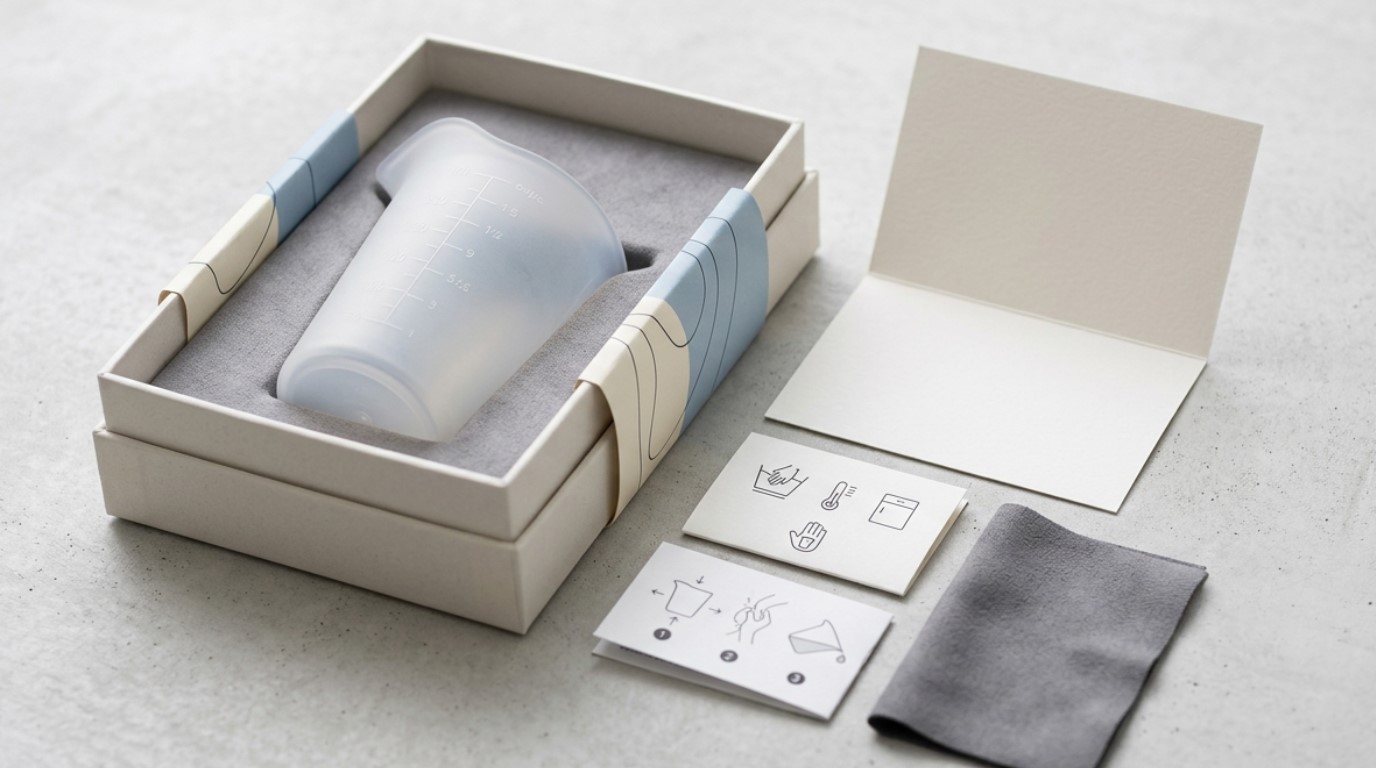
Premium Brand Packaging
Custom boxes, printed sleeves, coordinated inserts, and refined brand presentation support higher-value kitchenware collections and private-label programs.

Silicone Measuring Cup Typical Specifications
| Specification | Typical Reference |
|---|---|
| Product Type | Flexible silicone measuring cup for liquid, semi-liquid, and food-preparation applications |
| Capacity | 50–250 ml, 250–500 ml, 500–1,000 ml; custom capacities available |
| Material | Food-contact silicone: material selection depends on application and target-market requirements |
| Hardness | Approx. 30–60 Shore A, adjusted for flexibility, handling, and dimensional stability |
| Wall Thickness | Approx. 1.5–3.0 mm, depending on capacity, geometry, and structural requirements |
| Measurement Units | ml, oz, cups, or multi-unit scales |
| Graduation Interval | Custom based on capacity and required measurement readability |
| Measurement Markings | Molded graduations, embossed/debossed markings, screen printing, or pad printing |
| Temperature Range | -40°C to 230°C (-40°F to 446°F) generally; selected according to silicone grade, application, and compliance requirements |
| Color | Custom solid colors, translucent options, and Pantone-matched colors where applicable |
| Handle | Integrated, reinforced, or custom-shaped handle configurations |
| Pouring Design | Standard rim, controlled pouring lip, or integrated spout |
| Surface Finish | Smooth, matte, or mold-defined texture |
| Logo Methods | Embossed, debossed, molded, screen printed, or pad printed |
| Manufacturing Process | Silicone molding, followed by trimming, marking/printing, and final inspection |
| MOQ | Existing-style programs from approximately 500 pcs; new custom tooling typically from 3,000 pcs |
| Sample Lead Time | Approximately 5–10 working days for standard/custom sample development |
| Custom Tooling | Approximately 10–20 working days, depending on geometry and tooling complexity |
| Mass Production | Approximately 15–25 working days after sample approval and production confirmation |
| OEM / ODM | Custom capacity, geometry, measurement scale, color, branding and packaging |
These ranges are initial project references. Final specifications should be confirmed against the approved drawing, sample, silicone grade, measurement requirements, and target-market compliance.
Why Work with RY Silicone
Silicone Manufacturing Experience Since 2012
RY Silicone has manufactured silicone products since 2012, supporting custom product development for brands, distributors, wholesalers, and other B2B customers across different application categories.
10,000+ m² Production Facility
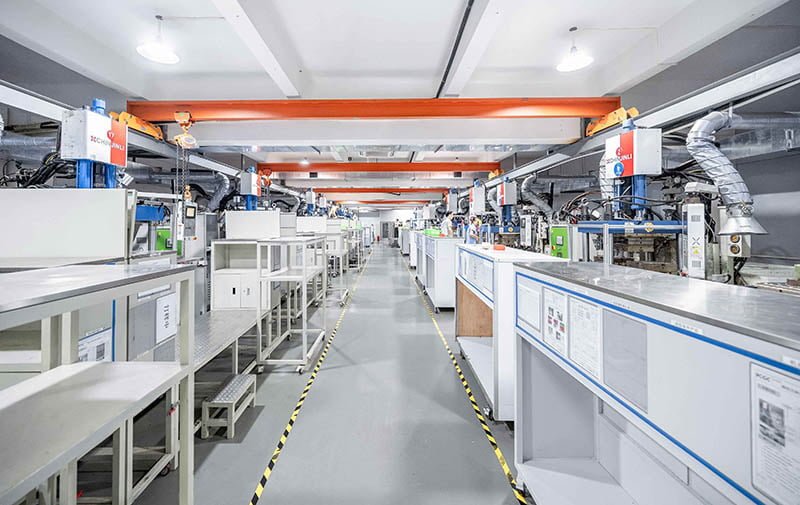
Our 10,000+ m² facility supports tooling, silicone molding, finishing, inspection, and packaging operations within an organized production workflow.
30+ Production Machines
With 30+ production machines, RY Silicone can coordinate different silicone molding requirements while maintaining consistent process control across repeat production orders.
Up to 100,000 Silicone Products per Day
Our production capacity can reach up to 100,000 pieces per day, depending on product structure, tooling configuration, molding cycle, and order requirements.
Engineering Review Before Quotation
Our engineering team reviews cup geometry, capacity, wall structure, measurement markings, handles, and pouring features before tooling or production to identify practical manufacturing risks.
Sample-Based Production
Approved samples provide the production reference for dimensions, hardness, color, measurement markings, logo placement, surface appearance, and other agreed specifications.
Export Project Support
RY Silicone supports international B2B programs with quotation coordination, sampling, production communication, inspection, and packaging arrangements for export orders.
Silicone Measuring Cup FAQ and Final RFQ
What is the MOQ for custom silicone measuring cups?
The MOQ depends on whether you use an existing design or require new tooling. Existing-style programs typically start at 500 pieces, while new custom tooling usually starts at 3,000 pieces.
Can you manufacture silicone measuring cups in custom capacities?
Yes.
Capacities can be developed around your required volume, dimensions, and measurement system. Multiple sizes can also be developed as one product series.
Can you add mL, oz, and cup measurement markings?
Yes.
We can develop metric, imperial, or multi-unit measurement scales. The graduation layout and cup geometry should be reviewed together to ensure clear and practical measurement references.
Are the measurement markings molded or printed?
Both options are available. Molded markings provide an integrated surface feature, while screen or pad printing can support detailed scales, colors, and specific graphic requirements.
How do you control measurement accuracy on a flexible silicone cup?
The approved cup geometry, dimensional specifications, and measurement marking position are controlled together.
Since silicone deforms under pressure, capacity-related dimensions and measurement conditions must be defined during development.
Can silicone measuring cups be used with hot liquids?
The suitable temperature range depends on the silicone grade selected, the product's construction, and the intended application.
You should confirm your actual temperature requirement before selecting a material and beginning production.
Can you provide food-contact compliance documentation?
We can arrange project-specific documentation according to the selected silicone, pigments, printing system, and destination market. Where applicable, requirements may include FDA-, LFGB-, or REACH-related documentation.
Can you customize the handle and pouring spout?
Yes, the handle shape, grip dimensions, reinforcement, and connection structure can be customized. Pouring lips and spouts can also be adjusted according to the required pouring direction and liquid control behavior.
Can I customize the silicone measuring cup color and logo?
Yes. The color can be customized according to an agreed-upon color reference. Logos can be molded, embossed, debossed, screen printed, or pad printed, depending on the design.
Can I use silicone measuring cups used as liquid measuring cups?
Yes.
Our custom silicone measuring cups have wear-resistant markings in both the US customary (cups) and metric (milliliters) systems. This allows you to accurately measure liquids such as milk, water, and oil.
Please note that these cups are not recommended for measuring dry ingredients such as sugar, nuts, grains, and flour. However, if a minor variance can be tolerated, silicone measuring cups are also available for uses other than baking.
Do you provide samples before mass production?
Yes, samples can be produced for design, material, color, measurement markings, and functional review prior to mass production. New tooling may be required for fully customized geometries.
What artwork files are needed for a custom measuring cup?
Vector artwork in AI, EPS, or PDF format is preferred for logos and measurement graphics. The final artwork should specify the dimensions, position, units of measurement, graduation intervals, and colors, if applicable.
What information is needed for a silicone measuring cup quotation?
Please provide:
- Design files, product drawings, or reference samples
- Required capacity and dimensions
- Measurement units and graduation intervals
- Silicone material or application requirements
- Hardness preference, if known
- Color requirements
- Handle and pouring-spout design
- Logo and measurement artwork
- Target quantity
- Packaging requirements
- Destination market
- Required compliance or documentation
Final RFQ: Send your capacity, drawings, measurement scale, material requirements, branding artwork, quantity, and packaging specifications so RY Silicone can review the project and prepare an accurate quotation.