Silicone Candle Molds Manufacturer
Silicone candle molds for pillar candles, container inserts, decorative shapes, and branded collections. Custom cavities, dimensions, silicone hardness, surface detail, and retail packaging for OEM/ODM projects.
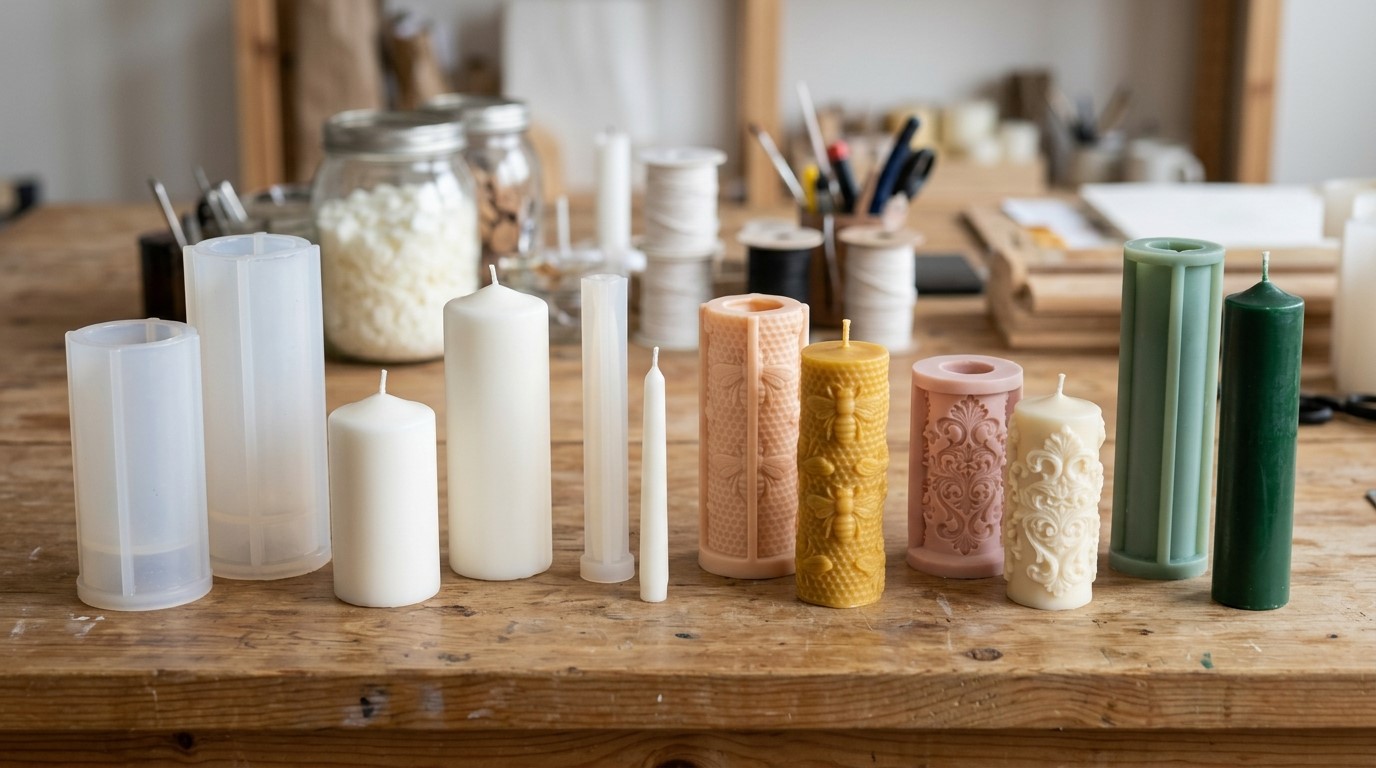
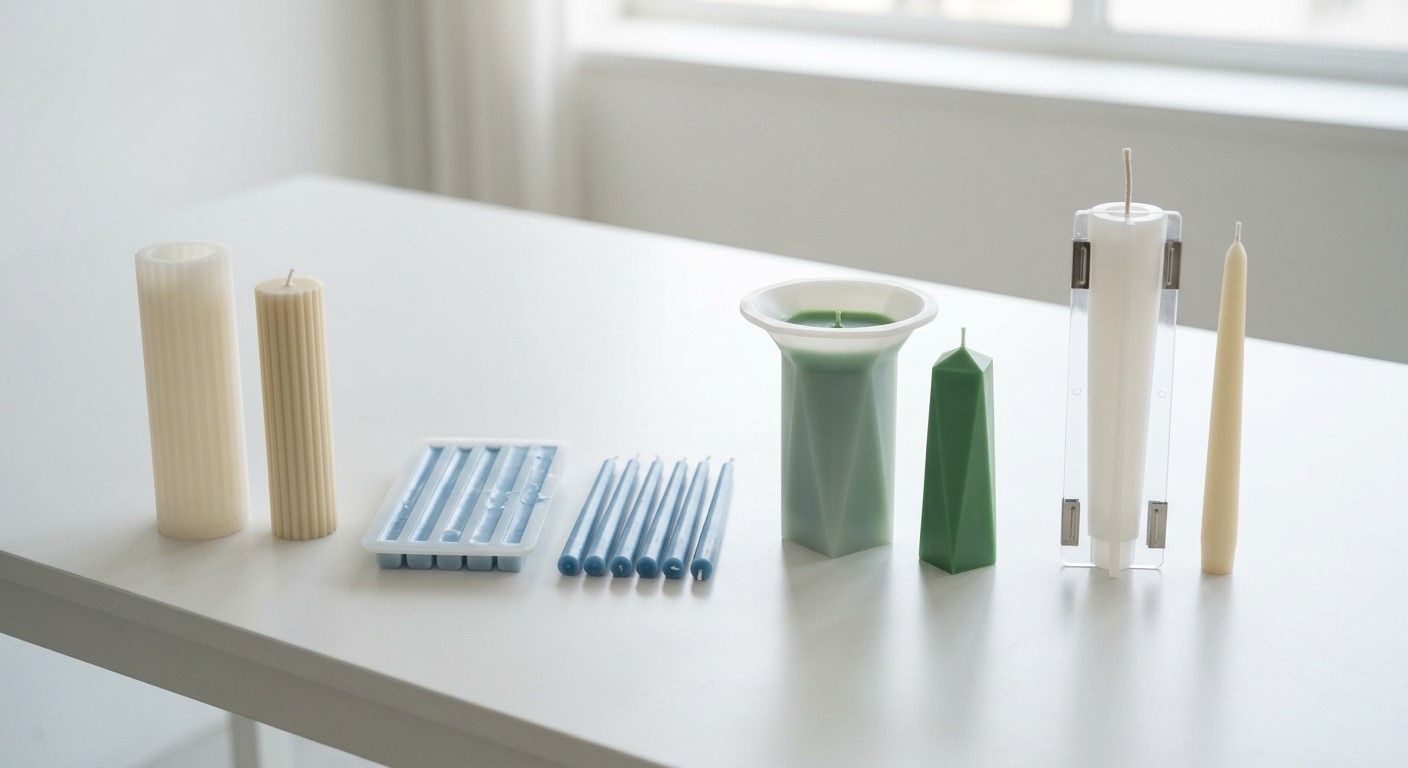
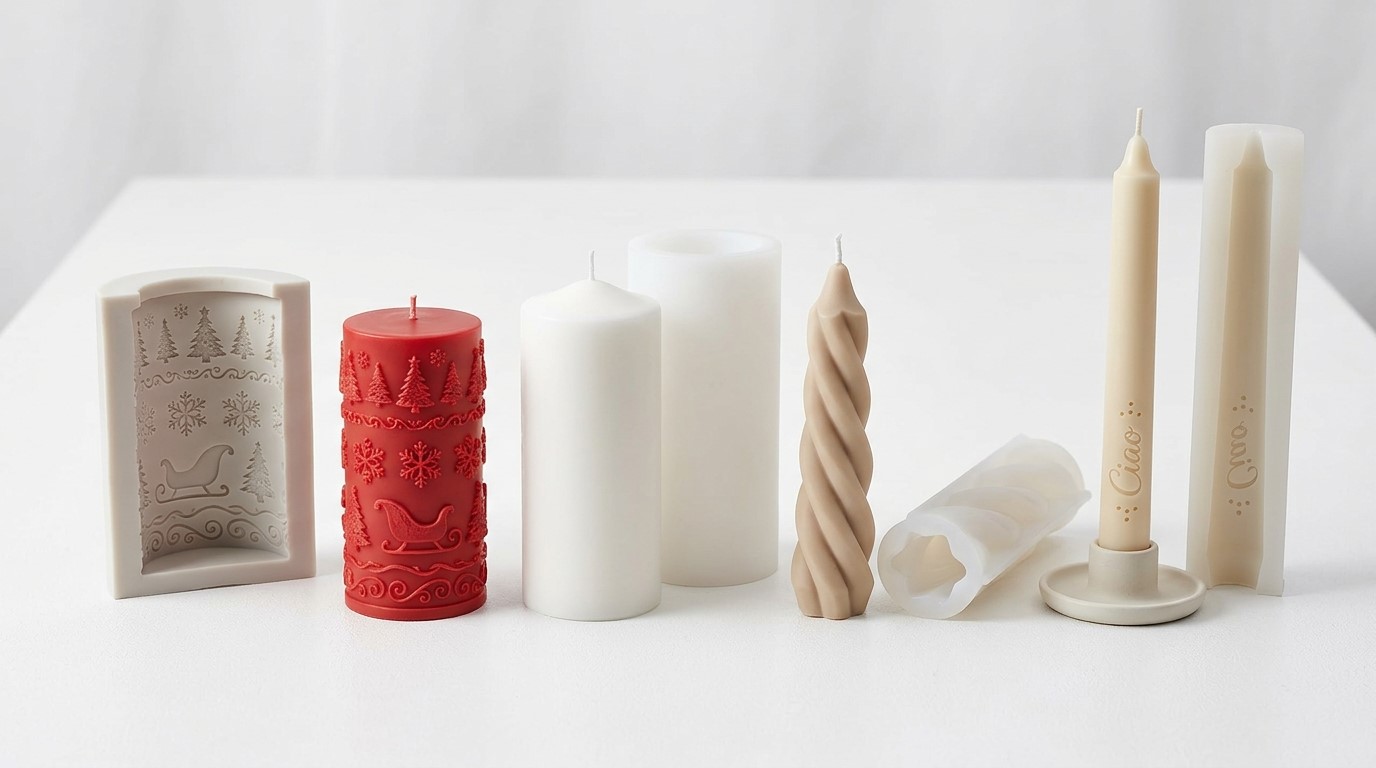
A silicone candle mold is a flexible molding tool that shapes molten wax into candles with defined dimensions, surface details, and release characteristics. A custom silicone candle mold is developed around your candle shape, cavity structure, size, surface texture, logo, and production requirements.
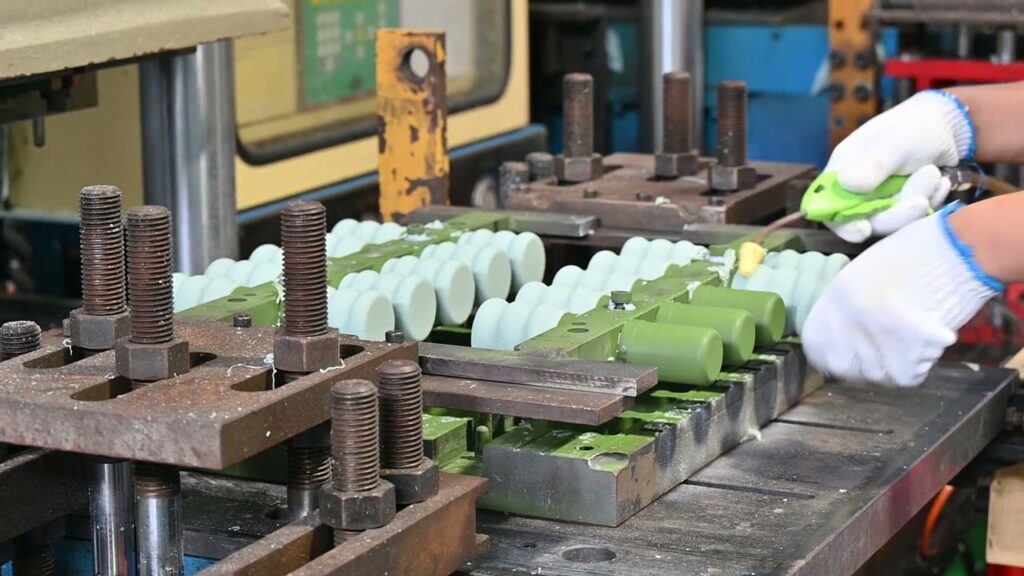
RY Silicone is a custom silicone manufacturer based in China, established in 2012. The factory covers 10,000+ m², runs 30+ machines, and can produce up to 100,000 silicone products per day. We support OEM/ODM silicone projects for brands, distributors, and wholesalers in North America, Europe, and other international markets.
Silicone Candle Mold Manufacturing at a Glance
MOQ & Development
Start from 500 pieces for selected existing designs or develop new tooling for custom candle shapes, cavity structures, and branded details.
Product Specifications
Define cavity dimensions, mold height, wall thickness, and hardness around your wax, candle geometry, and intended demolding method.
Branding Options
Add molded logos, embossed details, or custom cavity artwork where the design allows clear wax reproduction and reliable release.
Packaging
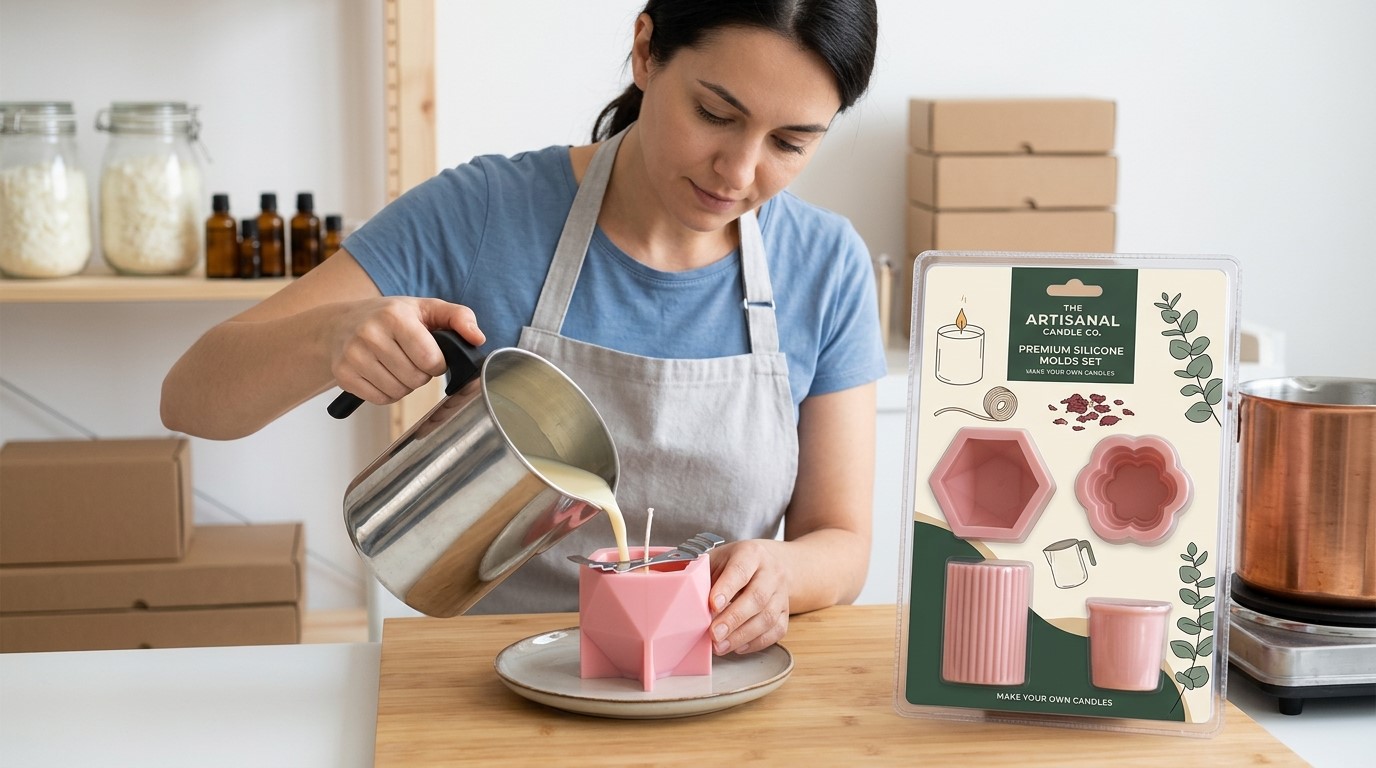
Choose bulk, individual, or retail-ready packaging based on your sales channel, SKU structure, and candle mold positioning.
Who We Manufacture Silicone Candle Molds For
From candle design to packaging, each project is planned around your production model.

Candle Brands
Develop distinctive candle shapes that strengthen collection identity across seasonal launches, signature series, and permanent product ranges. Custom cavities, surface details, and branded forms help you create designs that are harder to replicate with standard stock molds.

Candle Makers & Studios
Create molds around your intended wax, candle dimensions, and production workflow. We review cavity depth, release behavior, and mold flexibility so detailed shapes remain practical for repeated pouring, cooling, and demolding during small-batch production.

Craft & DIY Suppliers
Supply reusable molds for hobbyists and makers producing decorative wax products at home or in workshops. Product design focuses on easy handling, recognizable cavity detail, and packaging suitable for instructional or retail-oriented sales.
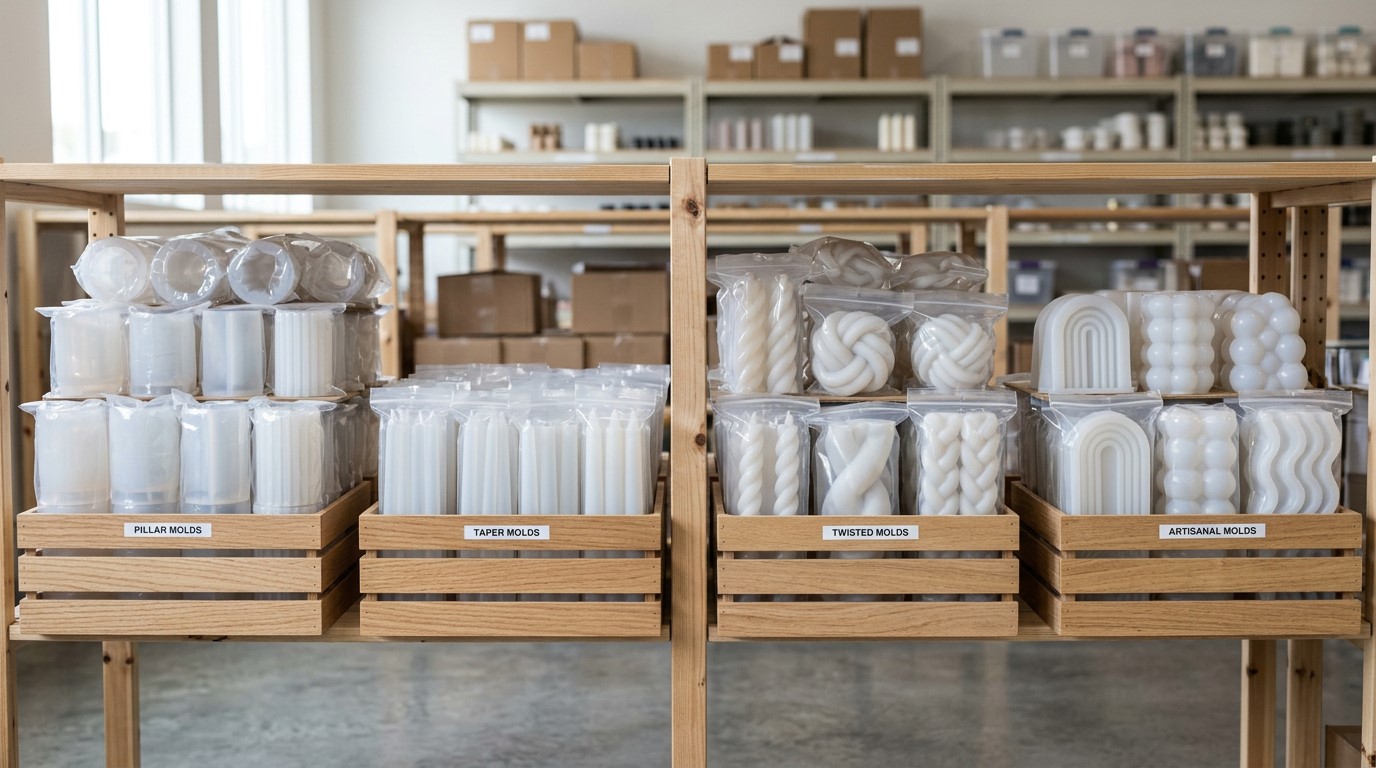
Distributors & Wholesalers
Source silicone candle molds for craft, home fragrance, and DIY channels in bulk. Existing designs support faster assortment building, while coordinated colors, packaging, and SKU planning help distributors create product ranges for different customer segments.
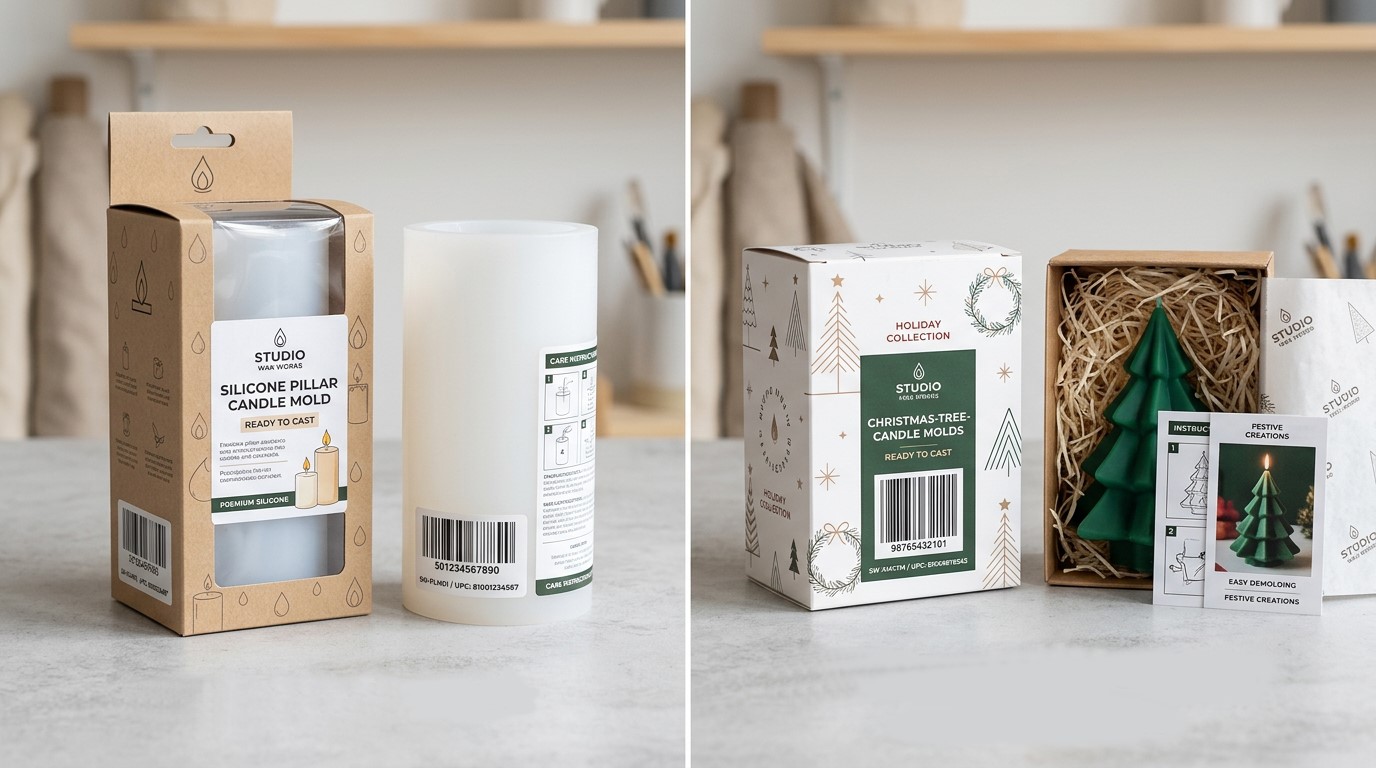
Retail & Ecommerce Brands
Prepare silicone candle molds with private-label packaging, barcode labels, and product inserts for direct-to-consumer or marketplace sales. Packaging can be aligned with your product photography, fulfillment method, and shelf presentation before production begins.
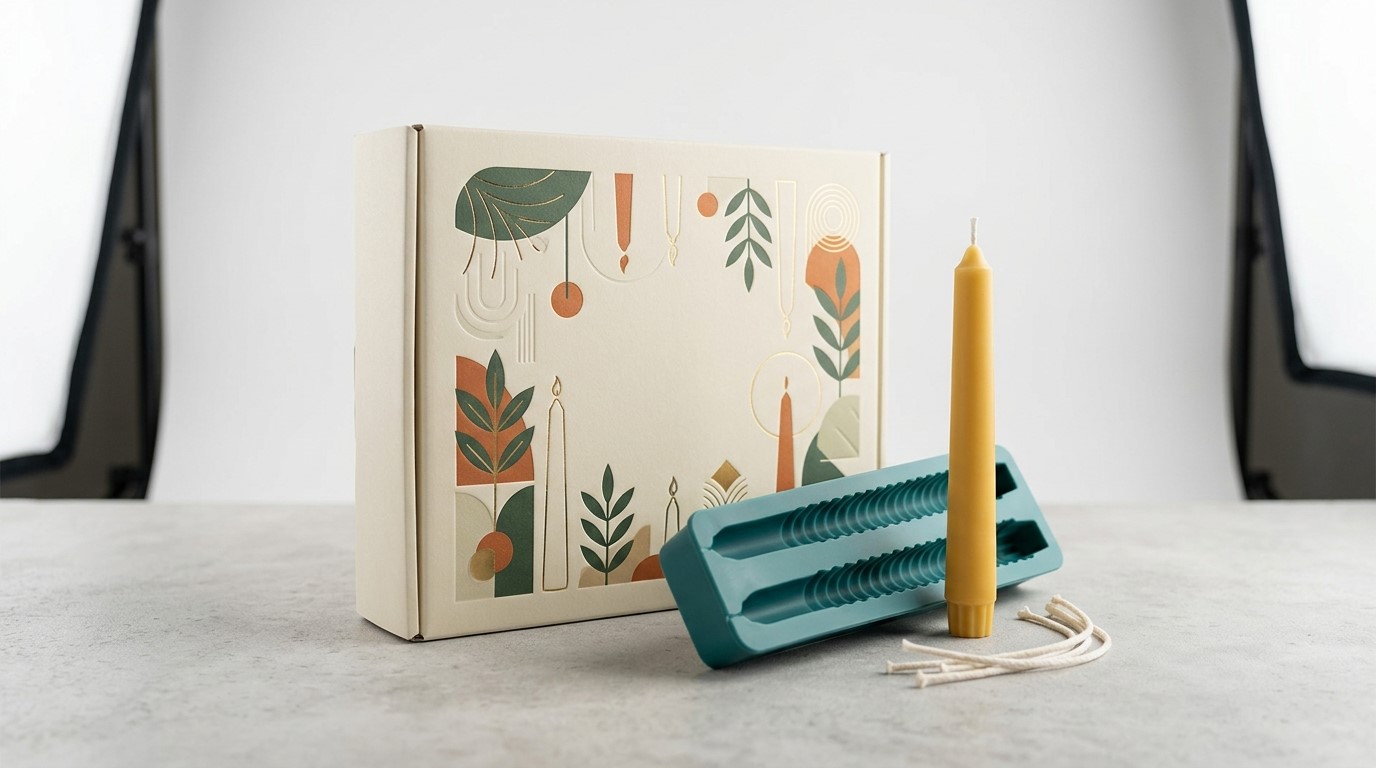
Promotional & Gift Companies
Develop custom candle molds for seasonal campaigns, corporate gifts, and branded creative projects. Unique shapes, molded symbols, and campaign-specific packaging create stronger visual recognition when the product itself is part of the promotion.
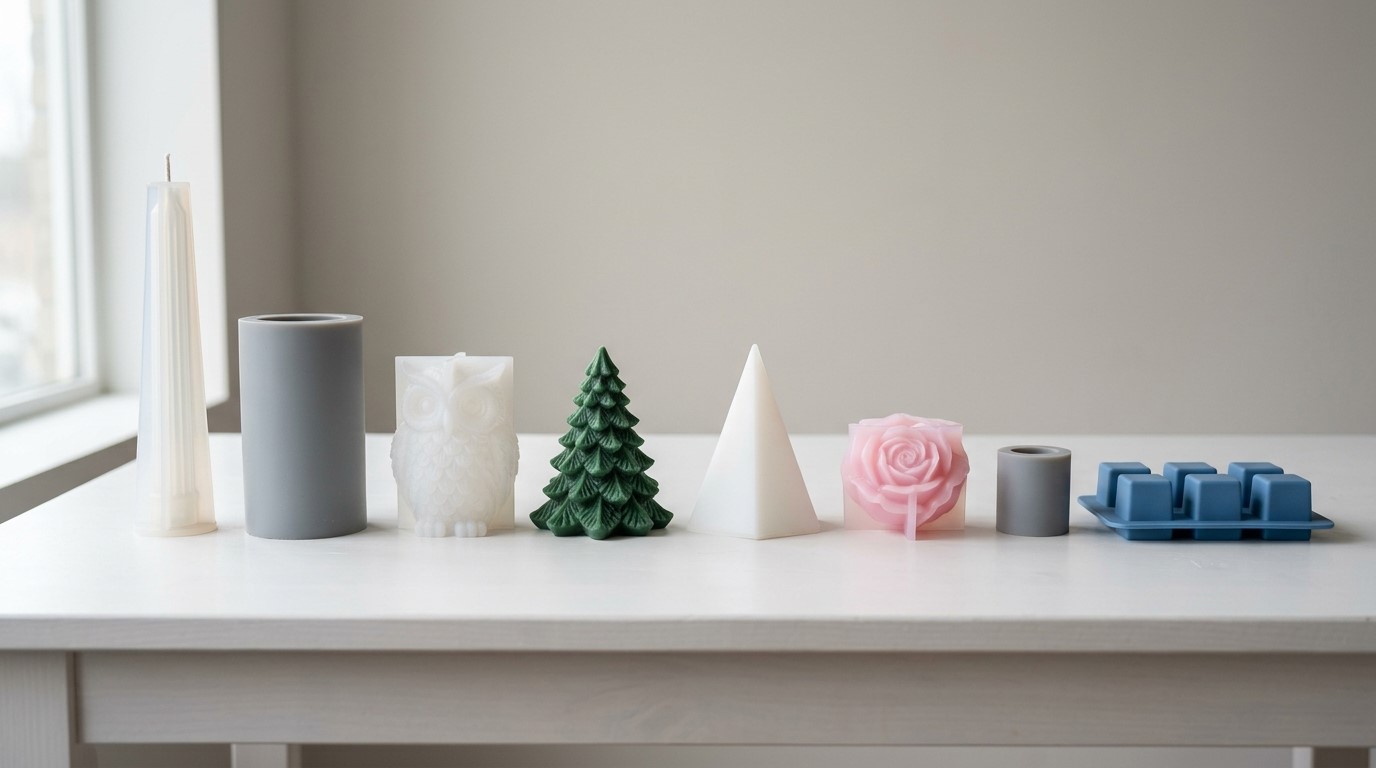
Silicone Candle Mold Types We Can Develop
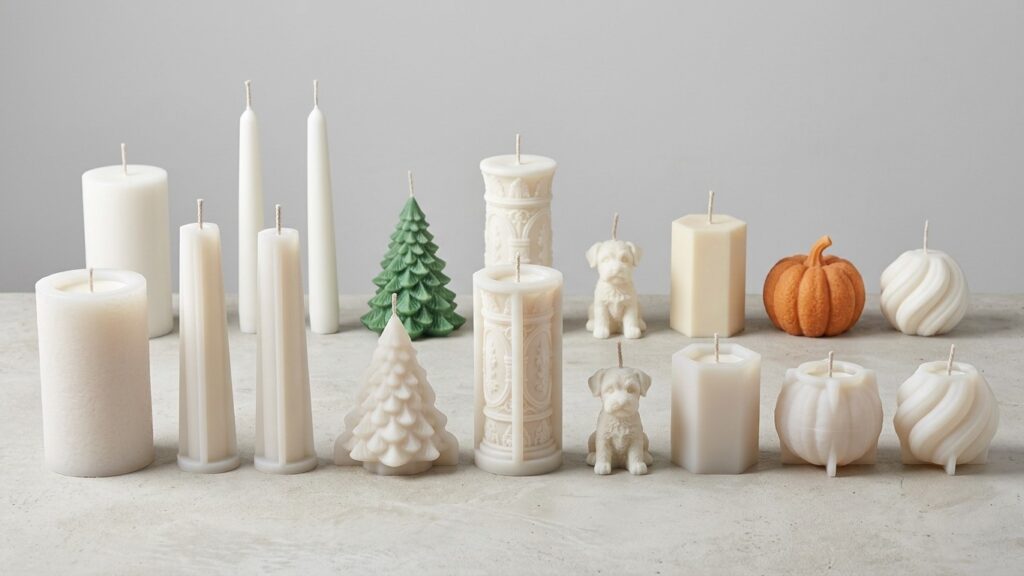
Silicone Pillar Candle Molds
Silicone Taper Candle Molds
Silicone Molds Candle Cat
Silicone Twisted Candle Molds
Bubble Candle Silicone Mold
Custom Silicone Molds for Candles
Silicone Candle Mold Customization
Customize the mold structure around your candle design, wax behavior, and production process.
Develop the cavity around the final candle silhouette rather than simply copying a visual concept. We evaluate whether curves, fine details, and undercuts can release cleanly after the wax has cooled.
Available options include:
- Existing candle mold shapes
- Custom candle silhouettes
- Geometric structures
- Sculptural forms
- Taper forms
- Pyramid and cone shapes
- Seasonal designs
- Decorative designs
- Flowers, plants, or animals shapes
- Single or multi-cavity layouts
- Custom cavity arrangements
- Molded decorative details
- Branded candle shapes
After the shape is confirmed, we define the technical structure of the mold. The goal is to balance flexibility, support, easy release and long-term durability, so the mold is not only attractive but also practical for filling, moving, demolding, cleaning and repeated use.
Available options include:
- Custom cavity dimensions
- Target cavity volume
- Mold thickness
- Wall thickness adjustment
- Rim reinforcement
- Draft angle for easier release
- Flexible or firmer structure
- Stackable or lid-compatible structure when required
Plan the mold construction around the candle geometry and release direction. Complex designs may require a split structure or controlled seam position because deep undercuts can trap the finished wax inside a one-piece cavity.
Available options include:
- One-piece flexible molds
- Split mold structures
- Custom seam positions
- Open-top cavities
- Reinforced bases
- Stable pouring openings
- Deep cavity designs
- Controlled release directions
- Support structures
- Custom alignment features
Match the cavity surface to the appearance required on the finished candle. A smooth cavity can reproduce a clean wax surface, while textures and molded patterns can create decorative details directly during casting.
Available options include:
- Smooth cavity surfaces
- Matte surface textures
- Fine decorative patterns
- Ribbed structures
- Geometric details
- Molded artwork
- Embossed patterns
- Debossed details
- Custom surface textures
- Branded cavity elements
Start Your Custom Silicone Candle Mold Project
Send your candle design, dimensions, wax type, and target quantity. We will review cavity structure, mold construction, and the production plan.
How to Specify a Better Silicone Candle Mold
Good candle molds balance cavity detail, release direction, and structural stability.
- Candle geometry—Fine details, sharp edges, and undercuts affect tooling and demolding.
- Cavity dimensions—Define the finished candle size and expected wax volume.
- Mold structure—One-piece and split designs suit different candle geometries.
- Wall thickness—Supports the cavity while maintaining enough flexibility for release.
- **Surface detail—**Determines how accurately patterns transfer to the finished candle.
- Release direction—Should be planned before tooling to avoid trapped shapes or damaged details.
- Wax compatibility—The pouring and cooling behavior should be considered during mold development.
- Production method—Hand pouring and repeated commercial production can require different mold structures.
A visually complex candle shape should be reviewed for release before the tool is made.
Full Specification Guide
How to Specify a Better Silicone Candle Mold—cavity dimensions, mold structures, wall thickness, undercuts, surface detail, and a complete development checklist.
Silicone Candle Mold Logo & Branding Methods
Choose the branding method according to the candle design, cavity structure, and required product surface pattern.
Printed Exterior Marks
Add printed logos or identification marks to suitable outer mold surfaces when branding the mold itself rather than the finished candle.
In-Cavity Details
Build logos into mold surfaces for permanent branding without ink processing.
Embossed Details
Create raised candle patterns by forming recessed mold artwork with release clearance.
Debossed Details
Produce recessed candle details through raised cavity features for durable demolding.
Silicone Candle Mold Material & Performance Options
The silicone compound and mold structure should match the candle geometry and intended production cycle.
This is optimal for molds used to create candles for commercial and consumer use.
Choose the right silicone grades and compounds for the candle mold design, curing process, and target market (e.g., paraffin, soy, beeswax, or palm wax).
Verify the documentation requirements for the selected material and project, particularly those related to heat resistance and thermal stability during hot wax pours.
Complete guides for silicone material grades are available from your supplier or in technical data sheets.
Material Comparison
Silicone vs. Metal vs. Polycarbonate Candle Molds: Which Is Better for Your Project? —considerate flexibility, clarity, ease of release, heat temperature, cooling, finish of formed candle needs, and geometric candles.
Provides the necessary movement to release finished candles without excessive distortion.
The mold must be flexible enough to release the candles while remaining stable during pouring and cooling. Very soft silicone may deform under larger cavities, and a firmer structure may make complex candles harder to remove.
Protects thin edges and detailed sections during repeated candle removal.
Fine decorative features often create stress points in the mold. Therefore, wall thickness, cavity geometry, and material performance should be considered together instead of relying on hardness alone.
Transfers cavity texture and decorative detail directly onto the finished candle.
Smooth surfaces create clean finishes, while molded textures can reproduce patterns, ribs, and sculptural details. The final result also depends on the wax formulation and how the candle cools.
Helps the cavity maintain its intended shape throughout repeated production.
Large or tall candle molds may need additional structural support because repeated filling and handling can gradually distort unsupported cavity walls.
Supports repeated wax pouring within the operating range of the selected silicone compound.
Select the appropriate material according to the wax temperature and production process. The final operating range depends on the chosen silicone formulation.
Available documentation may involve:
- Material declarations
- Data sheets of silicone material
- Design files
- Silicone safety and other relevant compliances
- Compound specs
- The raw material reports
- Test reposts and standards that decide specs
The proper documentation determines the selected silicone formulation, pigments, curing system, printing process, and specific users from the destination market.
Proper cleaning helps preserve cavity detail and release performance between production cycles.
Allow residual wax to cool before removal, then clean the mold using methods suitable for the selected silicone and production environment. Abrasive tools can damage fine cavity details or textured surfaces.
Maintenance Guide
How to Clean and Care for Silicone Candle Molds—covering wax residue removal, drying, storage, and protection of detailed cavities.
How Custom Silicone Candle Molds Are Manufactured

STEP 1: Requirement Review
Every project begins by confirming the candle design, target dimensions, wax type, cavity count, surface detail, expected production method, quantity, and packaging requirements.
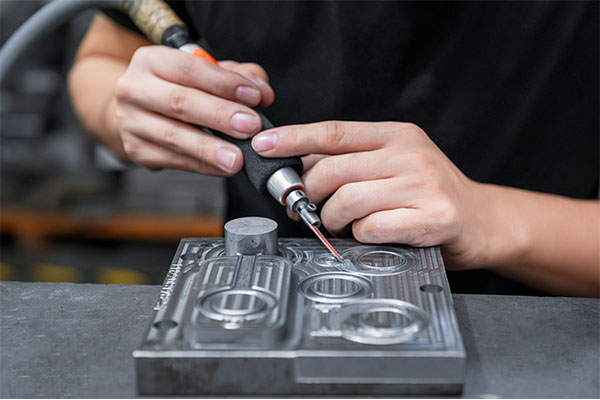
STEP 2: Mold Evaluation
The candle geometry is reviewed for undercuts, deep details, and release direction. Complex shapes may require split tooling or planned seam locations.
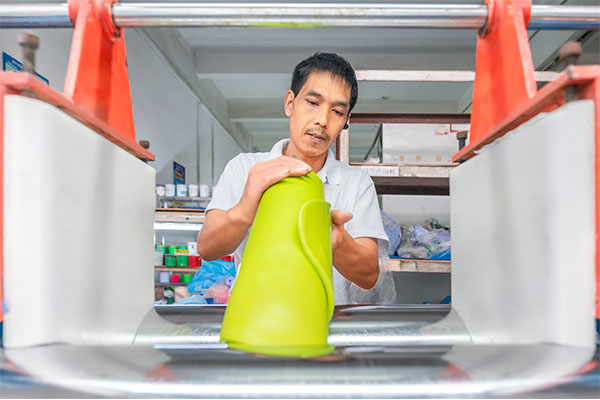
STEP 3: Material Preparation
The selected silicone compound is prepared according to the required flexibility, structural support, and production conditions defined during the project review.
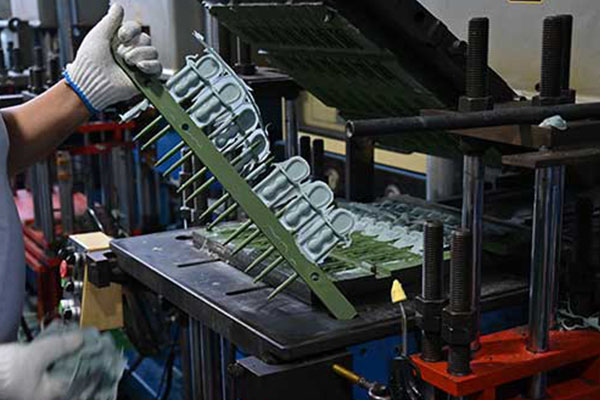
STEP 4: Silicone Molding
The LIM (liquid injection molding) or compression molding process is used to manufacture silicone candle molds with specific volume or geometry designs.

STEP 5: Curing & Demolding
Once the silicone has cured, the mold is removed and checked for complete cavity formation, clean edges, and structural consistency.
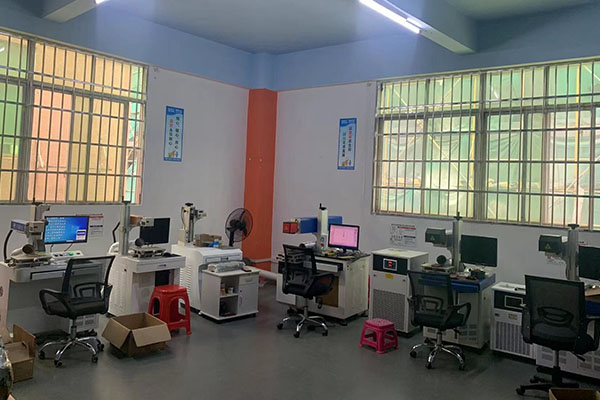
STEP 6: Trimming & Surface Processing
Excess material is trimmed from the mold, while approved exterior markings or additional surface treatments are completed where required.
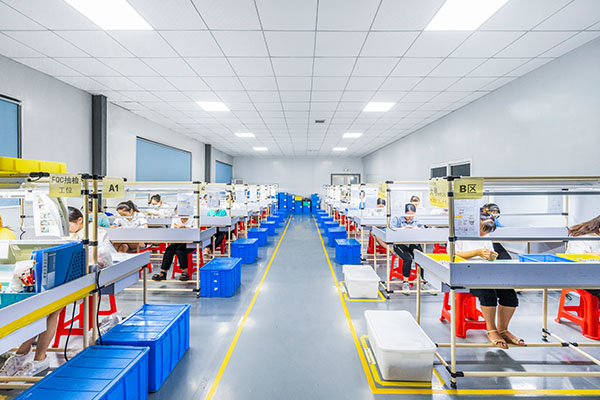
STEP 7: Quality Inspection
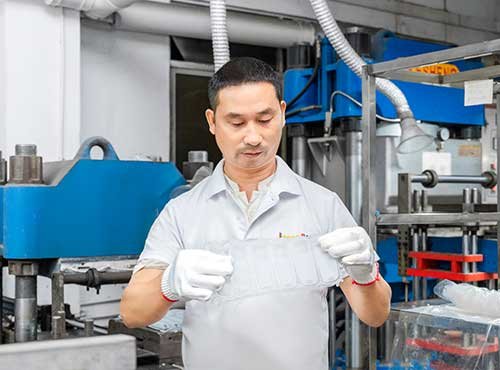
Our QC team compares the finished mold with the approved sample, checking cavity dimensions, surface detail, flexibility, appearance, and structural integrity.

STEP 8: Packaging and Shipment
Finally, the molds are counted, packed, and labeled according to the approved packaging plan before carton marking and shipment preparation.
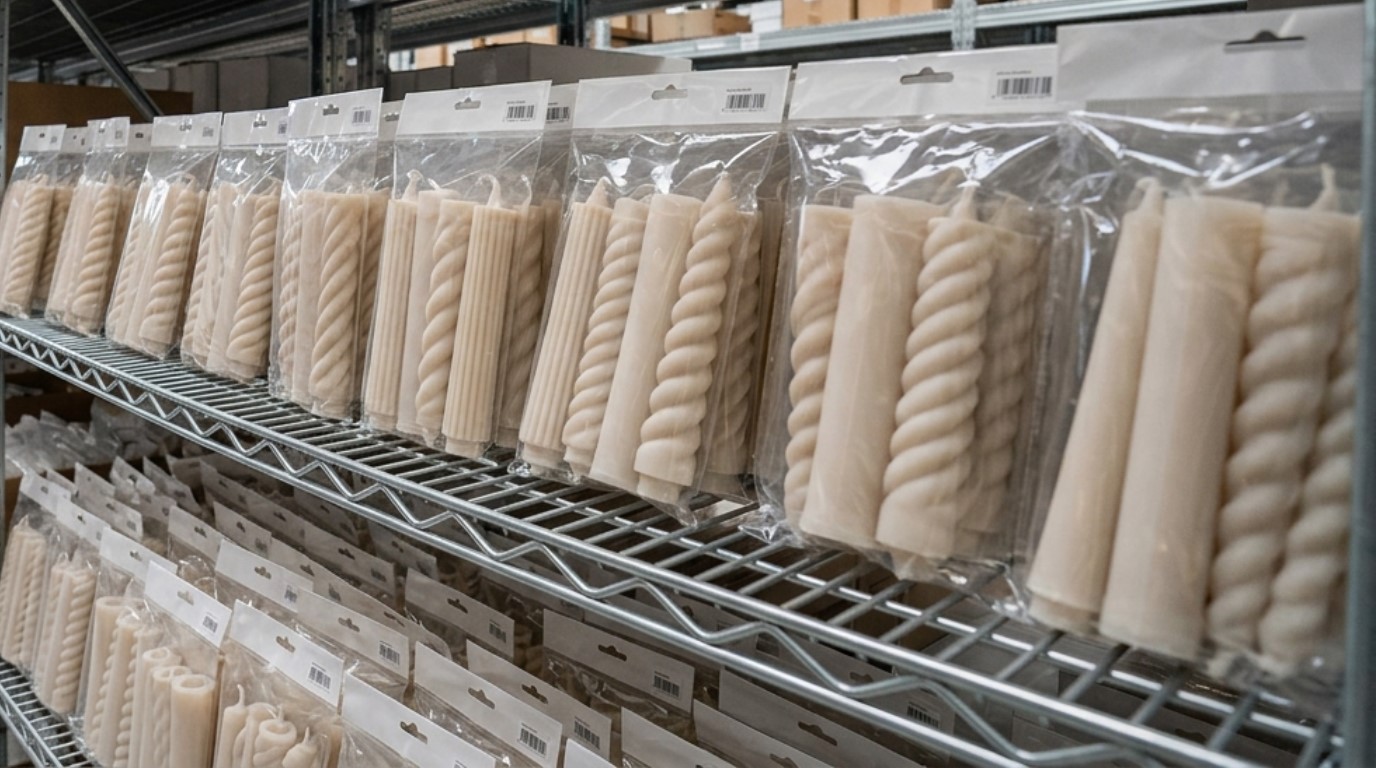
Silicone Candle Mold Quality Control
Quality control starts with the approved candle design and continues through cavity formation, trimming, inspection, and final packaging.
AQL 2.5 / 4.0 Standard Inspection
We conduct final random sampling plans to verify batch consistency.
AQL 2.5
Critical / Major Defects
AQL 4.0
Minor Visual Flaws
Final random sampling verifies batch consistency according to the agreed inspection level. Alternative inspection requirements can also be applied when specified in the purchase order.
Approved Sample Control
The approved sample defines the reference for cavity shape, dimensions, surface detail, flexibility, exterior appearance, and packaging presentation before mass production begins.
Incoming Material Review
Selected silicone compounds and supporting materials are checked against the confirmed project requirements before production.
In-Process Inspection
Production checks focus on complete cavity formation, wall consistency, visible defects, and the accuracy of fine decorative details before the batch proceeds.
Cavity Dimensions
The finished mold is checked against the approved specification, including:
- Overall mold dimensions
- Cavity height and width
- Cavity depth
- Wall thickness
- Multi-cavity positioning
- Alignment features for split structures
Surface & Detail Quality
Detailed candle designs require additional attention because small defects inside the cavity can transfer directly onto the finished wax product.
Inspection may cover:
- Incomplete cavity details
- Damaged decorative features
- Surface contamination
- Bubbles or voids
- Irregular edges
- Excess flashing
- Unwanted surface marks
Structure & Flexibility
The mold should maintain its intended shape while providing enough flexibility for candle removal. Larger cavities and detailed forms are reviewed for distortion, weak sections, and tearing risks.
Split-Mold Alignment
For multi-part or split structures, the alignment points and seam areas are checked before packing. Poor alignment can create visible seam lines or dimensional mismatches on the finished candle.
Packaging Inspection
Stretch and recovery can be reviewed using an agreed internal method or customer test protocol.
Silicone Candle Mold Packaging Options
Plan the packaging early because branded materials and retail components may require separate artwork approval and production schedules.

Bulk Packaging
Simple individual bags or multi-piece packaging helps control costs for distributors, candle workshops, and professional production environments.
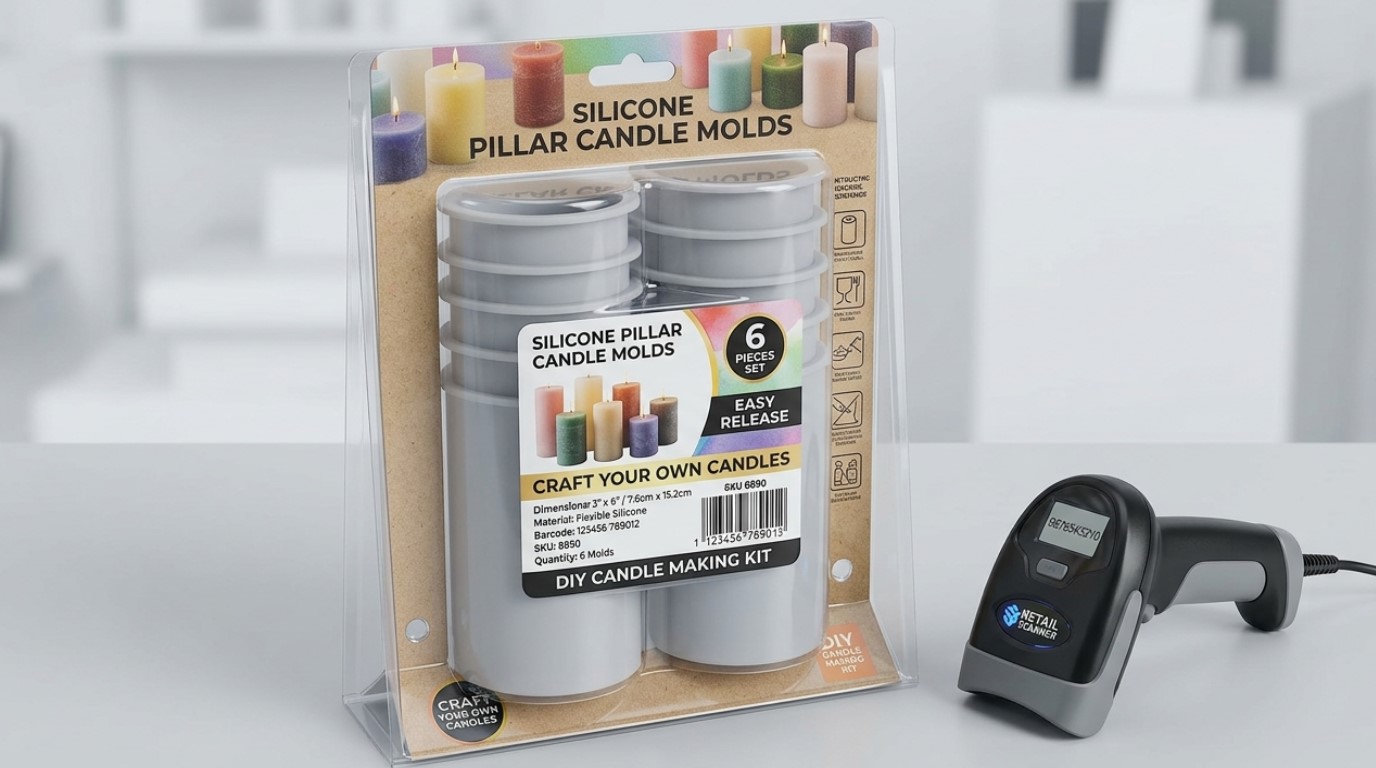
Retail Packaging
Header cards, printed boxes, and branded inserts improve shelf presentation while providing space for product information and barcode identification.

Ecommerce Packaging
Header cards, printed boxes, care steps card, and branded inserts improve shelf presentation while providing space for product information and barcode identification.
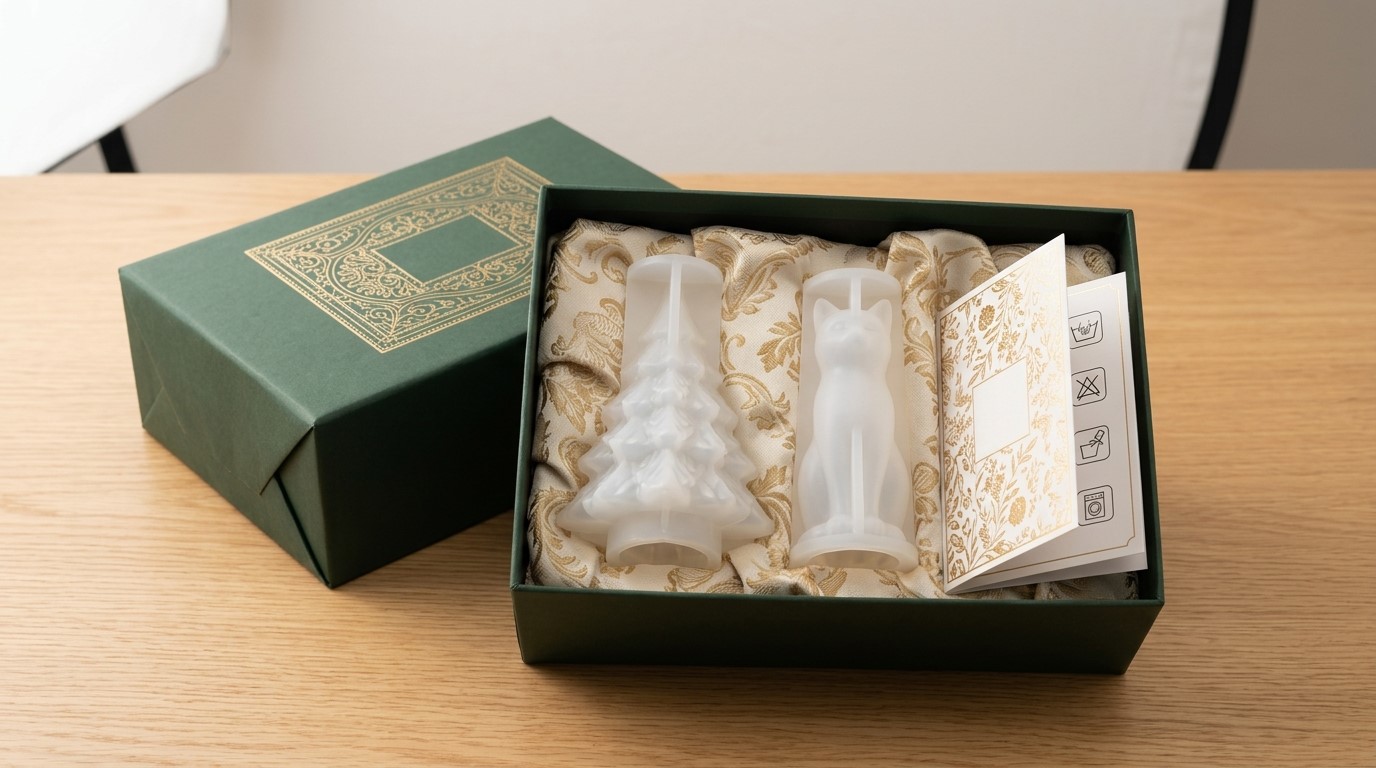
Premium Brand Packaging
Custom boxes, sleeves, instruction cards, and coordinated brand elements support gift-ready candle mold collections and higher-value retail positioning.

Typical Silicone Candle Mold Specifications
| Specification | Typical Reference |
|---|---|
| Product | Custom silicone candle mold |
| Application | Pillar, decorative, geometric, sculptural and novelty candles |
| Material | Silicone compound selected for candle mold production |
| Mold structure | One-piece or split structure |
| Cavity layout | Single or multi-cavity |
| Cavity dimensions | Custom according to candle design |
| Mold dimensions | Custom |
| Wall thickness | Defined according to cavity size and structural requirements |
| Hardness | Selected according to flexibility and support requirements |
| Surface | Smooth, matte, textured or custom decorative cavity |
| Detail | Geometric, ribbed, sculptural or custom-molded features |
| Release design | Planned according to candle geometry and release direction |
| Branding | Molded logos, decorative cavity details or exterior identification |
| Color | Standard colors or custom color matching |
| Packaging | Bulk, individual, retail or custom packaging |
| Existing-style order quantity | From 500 pieces, depending on design and customization |
| Custom project quantity | Confirmed according to tooling, structure and production requirements |
| Sample lead time | Confirmed after design and tooling review |
| Mass-production lead time | Confirmed after sample approval and order requirements |
| Inspection | Approved sample plus agreed AQL or customer inspection standard |
| OEM and ODM | Available |
All figures are initial project references. Final specifications depend on the selected design, cavity structure, silicone formulation, packaging, and approved sample.
Why Work with RY Silicone
Silicone Manufacturing Experience Since 2012
RY Silicone is a China-based manufacturer focused on custom silicone product development and production since 2012.
From early design evaluation to sampling, mass production, inspection, and export preparation, our team supports each stage of your silicone candle mold project.
10,000+ m² Production Facility
Our 10,000+ m² facility supports silicone molding, finishing, inspection, and packaging under one coordinated production system.
This helps us review mold development requirements before production moves into the next stage.
30+ Production Machines
RY Silicone operates 30+ production machines to support different silicone product structures and scalable order requirements.
Production planning is matched to the approved mold design, cavity complexity, and required output rather than applying one process to every project.
Up to 100,000 Silicone Products per Day
Our facility can produce up to 100,000 silicone products per day across supported product categories.
Actual silicone candle mold capacity depends on mold size, cavity complexity, curing time, finishing requirements, and inspection standards.
Engineering Review Before Quotation
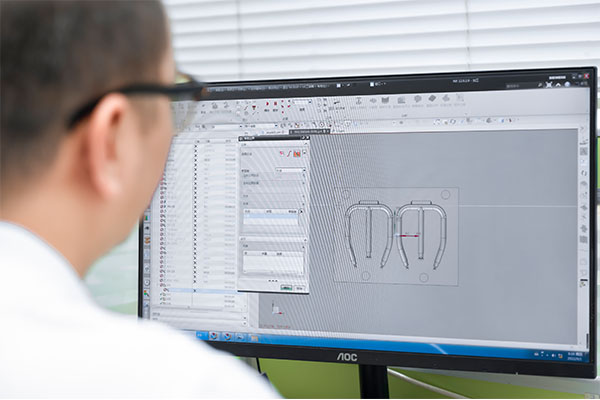
We cannot quote custom candle molds from images alone. Engineers must first review geometry, dimensions, undercuts, and fine details to determine the proper release direction and split structure.
This thorough pre-tooling evaluation prevents difficult demolding paths and costly redesigns, ensuring your decorative candle design is manufactured efficiently.
Sample-Based Production
Mass production follows the approved sample and confirmed project specification.
The reference locks the cavity shape and dimensions first, followed by surface detail, flexibility, exterior appearance, and packaging. If a production requirement conflicts with the approved reference, the project should be reconfirmed before the batch continues.
Export Project Support
As a China-based silicone manufacturer, RY Silicone supports brands, distributors, and wholesalers in North America, Europe, and other international markets.
Our team can coordinate product specifications, packaging information, commercial communication, and shipment preparation for overseas orders.
Silicone Candle Mold FAQ and Final RFQ
What is the MOQ for custom silicone candle molds?
MOQ depends on whether you select an existing design or develop a new custom mold. Selected existing-style projects can start from 500 pieces, while new custom tooling is evaluated according to the candle size, cavity structure, silicone requirements, and production plan.
The final MOQ is confirmed before quotation because a large sculptural mold and a small multi-cavity mold do not use the same tooling or production resources.
Can you develop a silicone mold from my candle design?
Yes. You can provide a drawing, 3D file, reference image, or physical sample for initial evaluation.
Before tooling, we review the dimensions, fine details, undercuts, and expected release direction. If the geometry cannot release reliably from a one-piece mold, a split structure or adjusted design may be recommended.
When does a candle mold need a split structure?
A split mold may be required when the candle shape contains deep undercuts, enclosed sections, or geometry that prevents the finished candle from being removed directly.
The seam should be planned carefully. A poorly positioned seam can leave a visible line on the finished candle, especially on smooth or highly detailed surfaces.
Can you make molds for complex sculptural candles?
Yes. We can evaluate geometric, twisted, ribbed, bubble, floral, and other sculptural candle designs.
However, visual complexity alone does not determine whether a design is suitable. The critical factors include cavity depth, negative angles, thin features, and the path required to remove the finished candle.
What information do you need to quote a custom candle mold?
Please provide:
- Target order quantity
- Candle design or reference image
- Finished candle dimensions
- Physical sample or 3D file, if available
- Intended wax type
- Single or multi-cavity requirement
- Surface detail requirements
- Target mold color
- Logo or branding artwork
- Packaging requirements
- Destination country
- Target delivery date
The more complete the design information is before tooling evaluation, the more accurately we can recommend the mold structure and production plan.
Can the mold reproduce fine patterns and small details?
Yes, but fine detail should be reviewed before the cavity is finalized.
Very thin lines, sharp corners, and deep recessed features may create weak sections in the silicone or make wax removal more difficult. In some cases, small adjustments to depth or edge geometry produce a more durable mold while preserving the intended visual effect.
Which silicone hardness is best for candle molds?
The appropriate hardness depends on the candle geometry and the flexibility required for demolding.
A softer material can make complex shapes easier to release, while a firmer structure can provide better support for larger or deeper cavities. Hardness should therefore be selected together with wall thickness and cavity design.
Does the type of wax affect silicone candle mold development?
Yes. The intended wax should be considered during project evaluation because pouring, cooling, and shrinkage behavior can affect how the finished candle interacts with the cavity.
Providing your intended wax type helps us understand the production process, although final candle performance should still be verified through sampling and your own production conditions.
Can you add a logo or custom branding to the candle mold?
Yes. Branding can be incorporated through molded details, decorative cavity features, or suitable exterior identification.
For logos reproduced directly on the finished candle, minimum line width, depth, and release direction should be reviewed before tooling. A logo that is too fine may lose definition in wax or create unnecessary demolding resistance.
How long does it take to develop a custom silicone candle mold?
The development schedule depends on the design complexity, tooling requirements, sample revisions, and order specifications.
Simple projects generally move faster than large sculptural designs or molds requiring split structures and detailed cavity evaluation. A project schedule can be confirmed after reviewing the approved design and development requirements.
Can you provide samples before mass production?
Yes. Samples can be developed for project evaluation before mass production proceeds.
The sample stage is especially important for custom candle molds because cavity detail, mold flexibility, and release behavior should be reviewed using the intended production process whenever possible.
What should I confirm before approving a candle mold sample?
Before approval, review the complete project rather than the appearance alone:
- Finished cavity dimensions
- Surface detail
- Edge definition
- Mold flexibility
- Structural stability
- Split-mold alignment, if applicable
- Seam position
- Demolding method
- Branding details
- Packaging requirements
A sample that looks correct before wax testing may still require adjustment if the intended candle geometry does not release as expected.