Silicone Dog Flying Disc Manufacturer
Silicone dog flying discs for supervised fetch and training. Rim shape and weight distribution affect flight, pickup, and handling; evaluate these details on project samples.
Home » Silicone Pet Products » Silicone Pet Flying Disc
What Is a Silicone Dog Flying Disc?
A silicone dog flying disc is a flexible throwing toy designed for a person to toss and a dog to retrieve. It belongs to the silicone pet products category; its rim, diameter, weight, and material affect handling and flight. A custom version specifies those features for a target dog size and use case, with branding and packaging defined for the sales channel.
RY Silicone is a custom silicone products manufacturer based in China, established in 2012. Its stated factory-wide resources include a 10,000+ m² facility, 30+ production machines, and a capacity of up to 100,000 silicone products per day across categories. Those figures do not establish flying-disc output; each design needs its own tooling and production assessment.
Silicone Dog Flying Disc Manufacturing at a Glance
MOQ & Schedule
Order minimums, sampling time, tooling needs, and production dates follow the selected design, quantity, artwork, and packaging plan.
Disc Specifications
Specify diameter, weight, rim geometry, thickness, flexibility, target dog size, and intended throwing environment before selecting a compound.
Logo & Branding
Discuss molded marks or suitable printing locations; keep exposed bite and catch surfaces practical for the intended use.
Packaging Options
Plan bulk packs, retail sleeves, hanging cards, or cartons around product dimensions, SKU identification, and destination requirements.
Who We Manufacture Silicone Dog Flying Discs For
Build a disc program around your channel, target dogs, and use conditions.

Pet Product Brands
Develop a recognizable fetch toy with a defined silhouette, color range, and packaging system. Specify handling and durability criteria before presenting performance claims to customers.
Distributors & Wholesalers
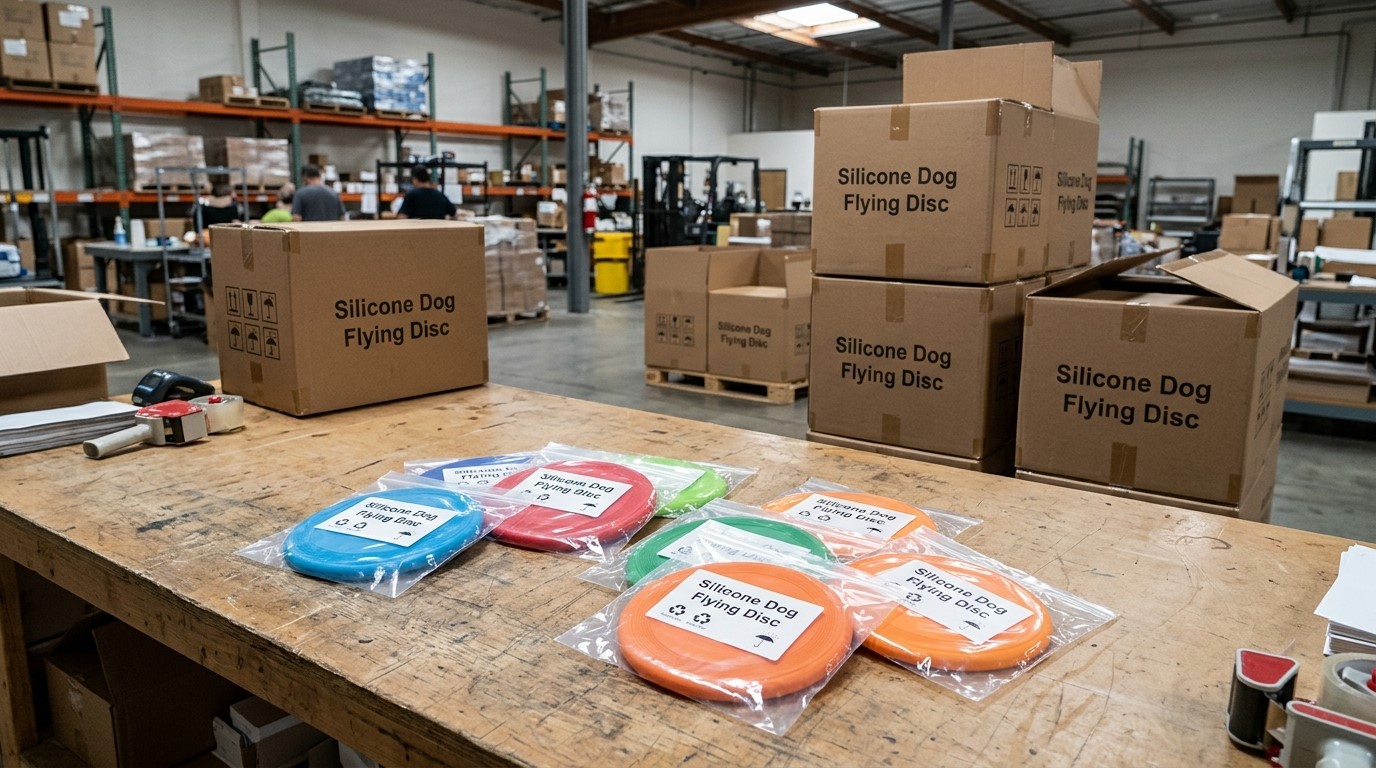
Source wholesale silicone dog flying discs with clear SKU specifications and bulk packing requirements. Compare existing tooling with new designs before committing to artwork or assortment depth.
Pet Stores & Retail Chains
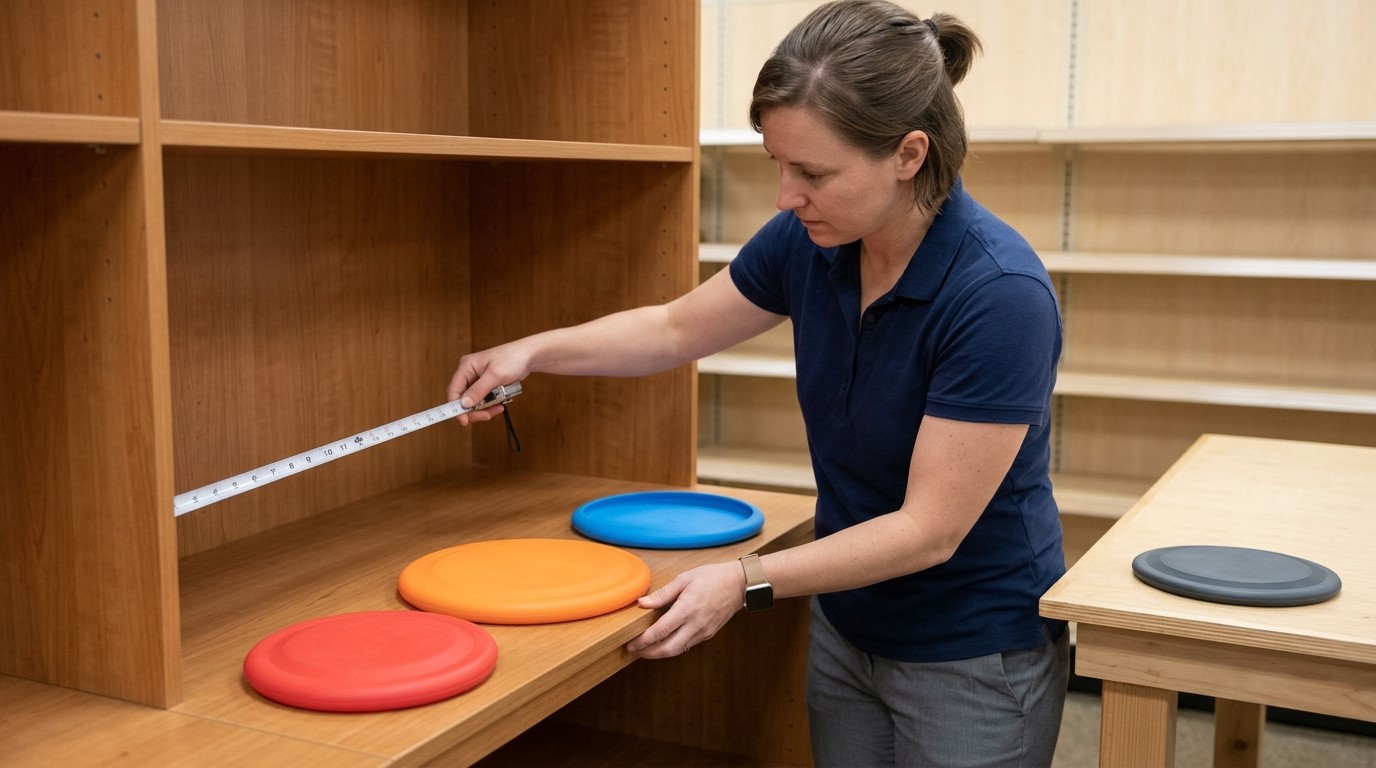
Plan shelf presentation, barcode placement, and product information for retail buyers. Match disc size and packaging dimensions to the display format and expected stock handling.
Ecommerce & Private-Label Sellers
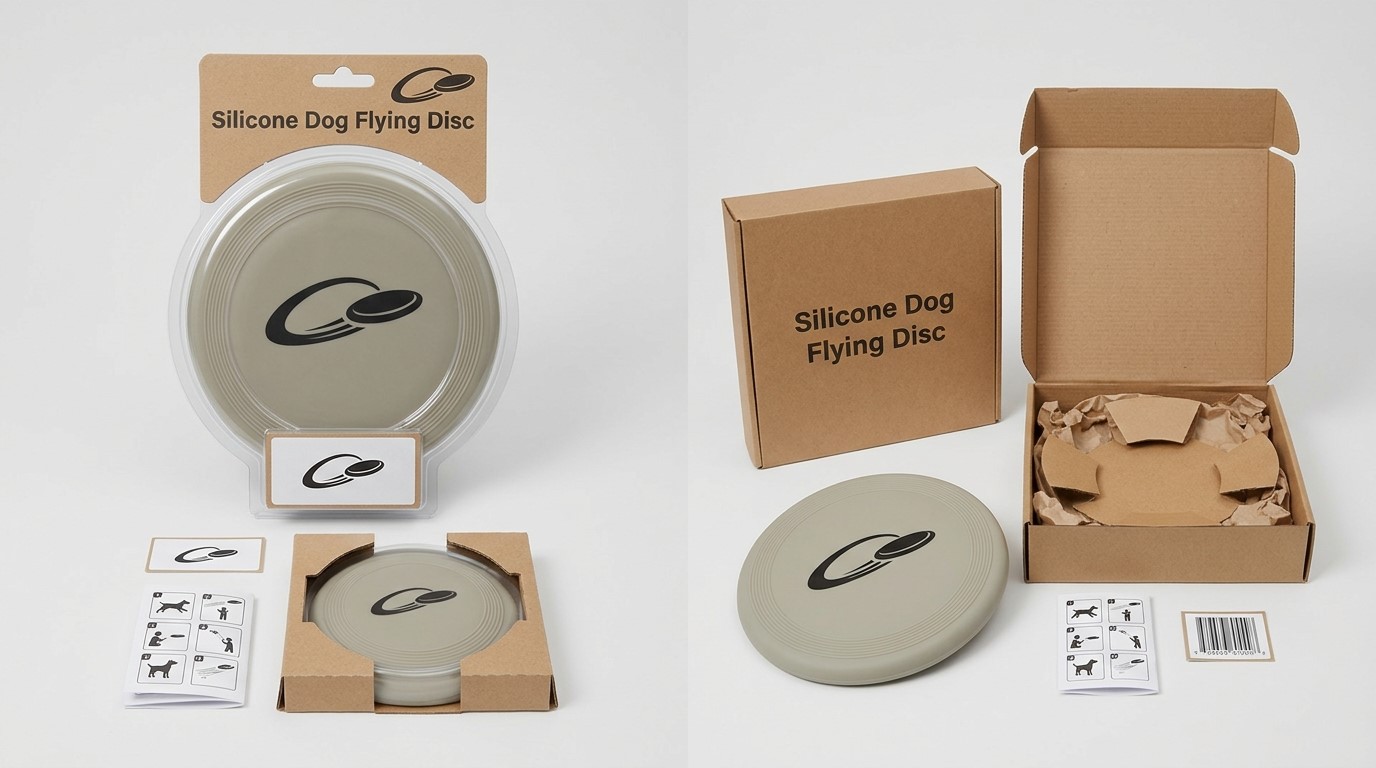
Create differentiated listings with consistent colors, size information, and private-label packaging. Use an approved physical sample to align product photography with the delivered disc.
Dog Trainers & Clubs
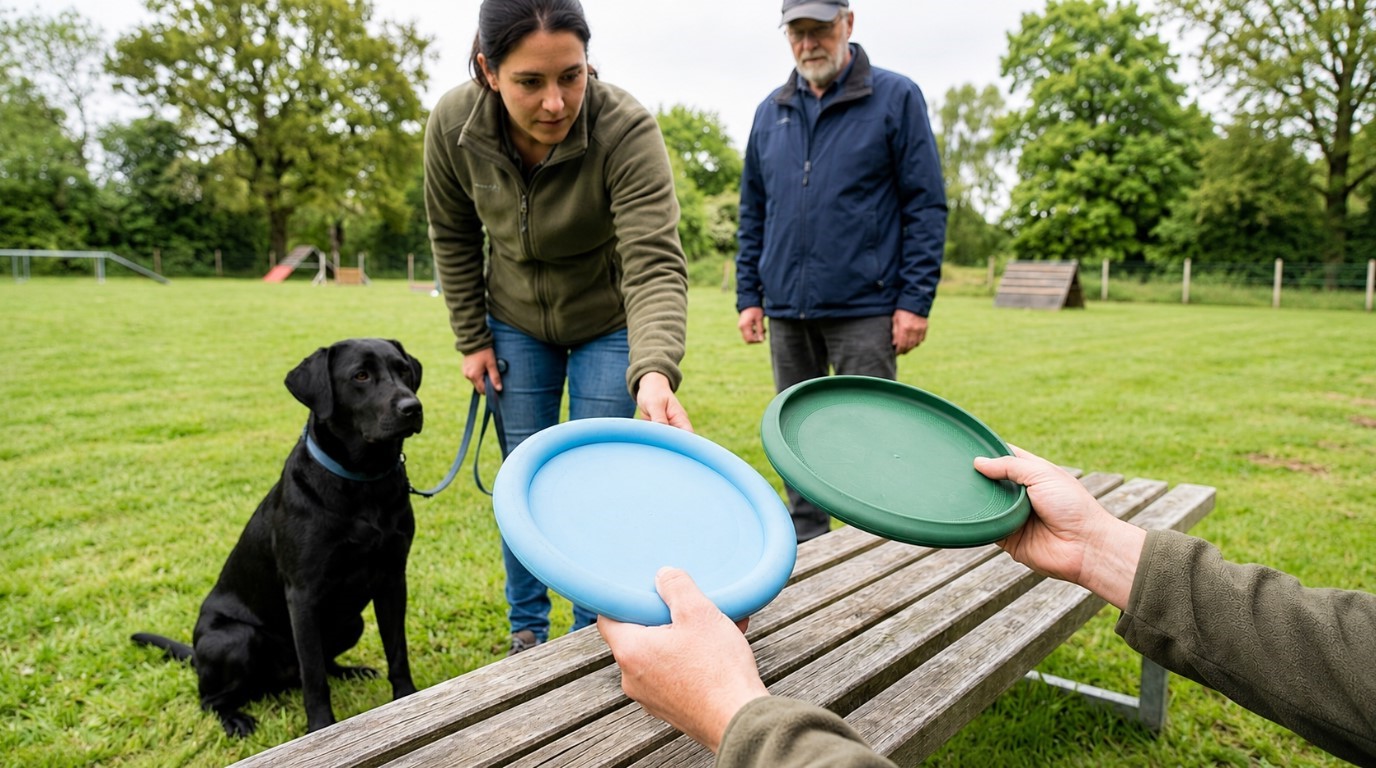
Define throwing distance, handling preference, and target dog size for training or recreational programs. A disc intended for supervised fetch needs its own use guidance.
Promotional Pet Brands
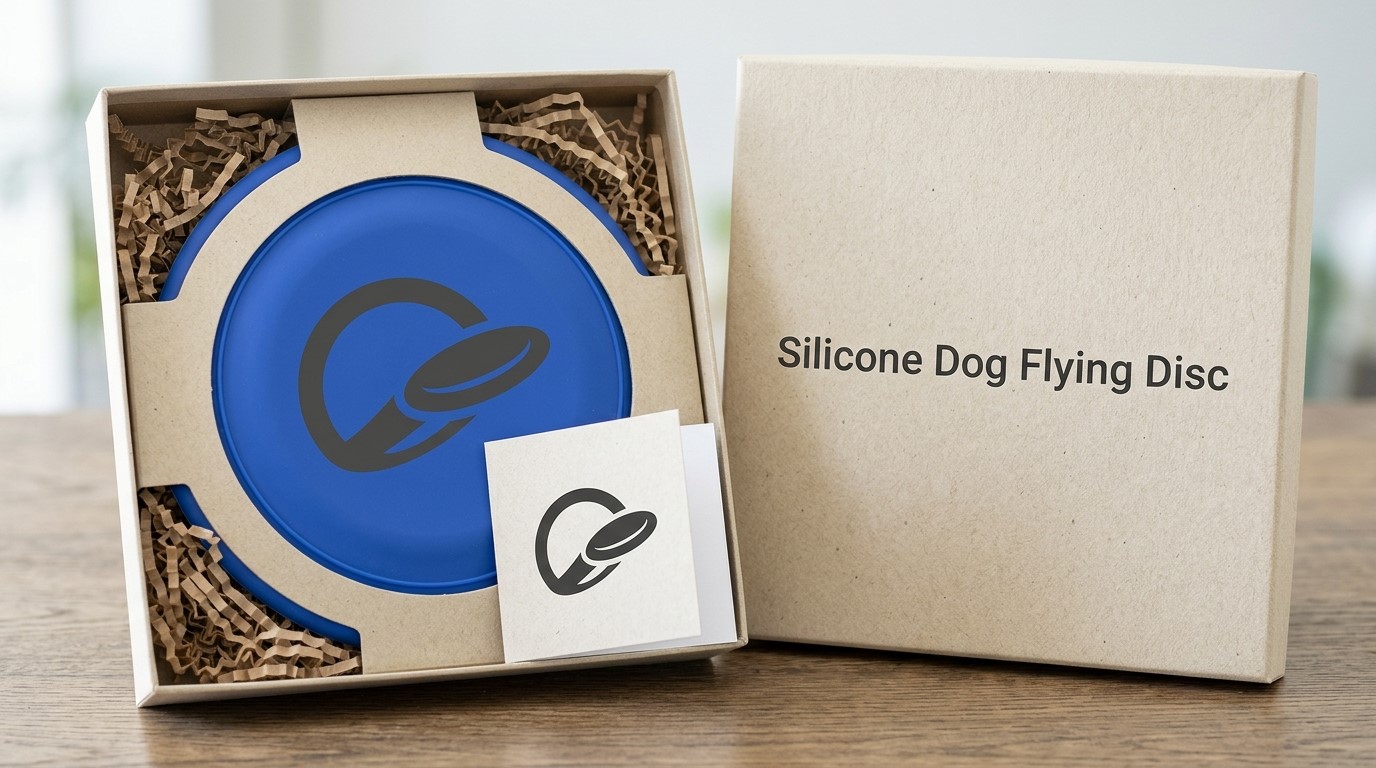
Coordinate logo visibility, pack presentation, and order quantity for branded giveaways. Material and construction choices still need to fit the intended dog interaction.
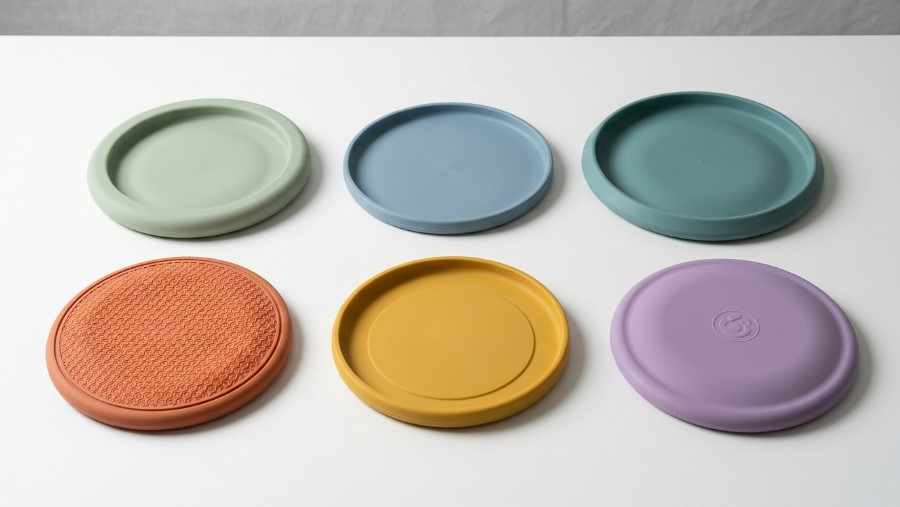
Silicone Dog Flying Disc Types We Can Develop
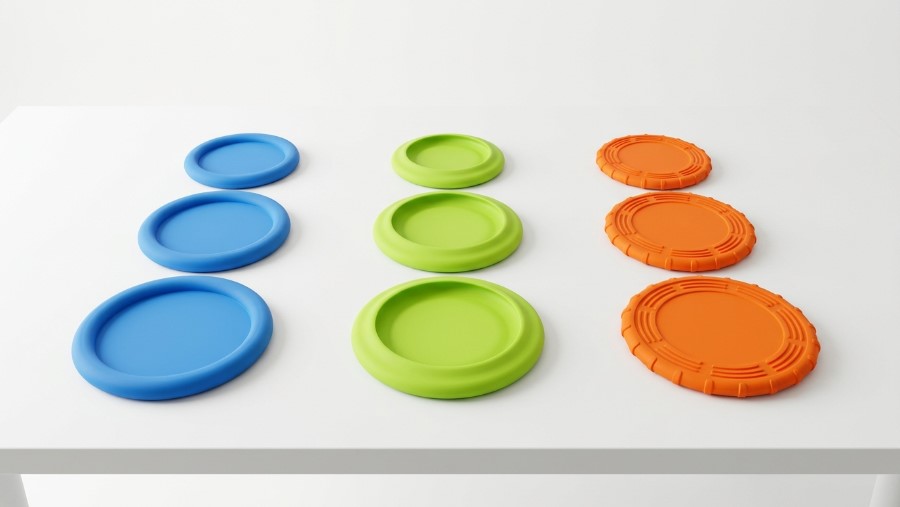
Soft-Rim Silicone Fetch Disc
Mini Silicone Dog Flying Disc for Pup
Standard Silicone Dog Flying Disc
Textured-Grip Silicone Dog Flying Disc
Travel-Friendly Flexible Silicone Flying Disc
Large Competition Silicone Disc
Silicone Dog Flying Disc Customization
Start with the dog’s interaction, throwing behavior, and function designs.
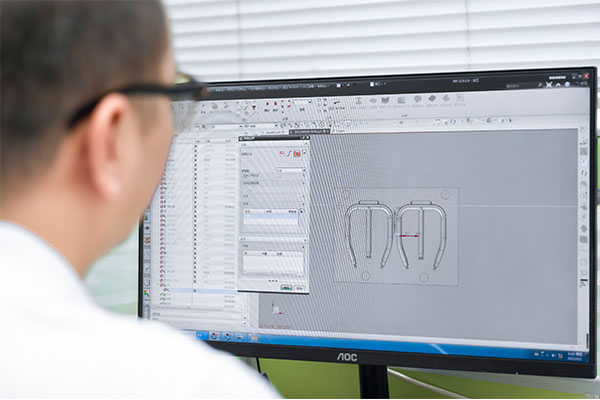
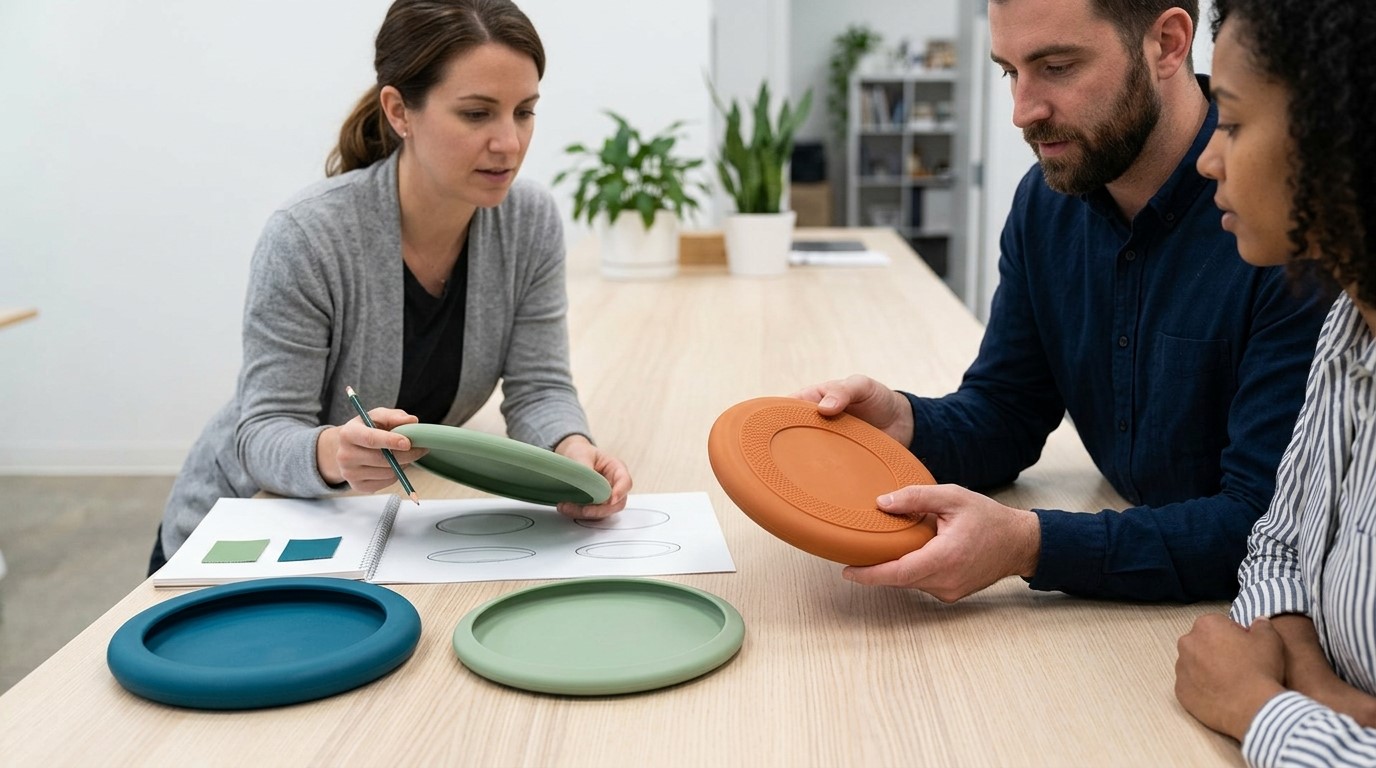
Define the outline, center profile, rim cross-section, and thickness distribution before adding visual detail. A shallower center and flatter profile can be evaluated for the intended throwing conditions; their effect depends on the finished geometry and weight. Specify molded texture by location, depth, and coverage. Avoid thin raised details at likely bite-contact edges, and compare the design with physical samples before finalizing tooling.
Available options include:
- Choose a round or distinctive outline.
- Define the rim cross-section, edge radius, and center-to-rim thickness distribution.
- Evaluate a shallower center and flatter profile for the intended throwing conditions.
- Specify texture location, depth, coverage, and cleaning access.
- Specify pickup features for your intended use.
Select diameter, mass, and thickness for the target dog and throwing distance. The same diameter can behave differently when the center and rim distribute weight differently. Record the complete geometry and weight on the approved specification, then evaluate handling using production-representative samples.
Available options include:
- Specify overall diameter and height.
- Define center and rim thickness separately.
- Set a target finished-product weight.
- Identify the intended dog size and use setting.
Choose flexibility alongside tear resistance and shape recovery. Hardness alone does not predict durability: sharp transitions, voids, and thin sections can still initiate damage. Agree on the compound, pigment, and acceptance tests for the proposed design rather than relying on a universal material grade.
Available options include:
- Set a project-specific hardness target.
- Evaluate flexibility and recovery on samples.
- Define visual and sensory acceptance criteria.
- Specify documentation needed for the destination market.
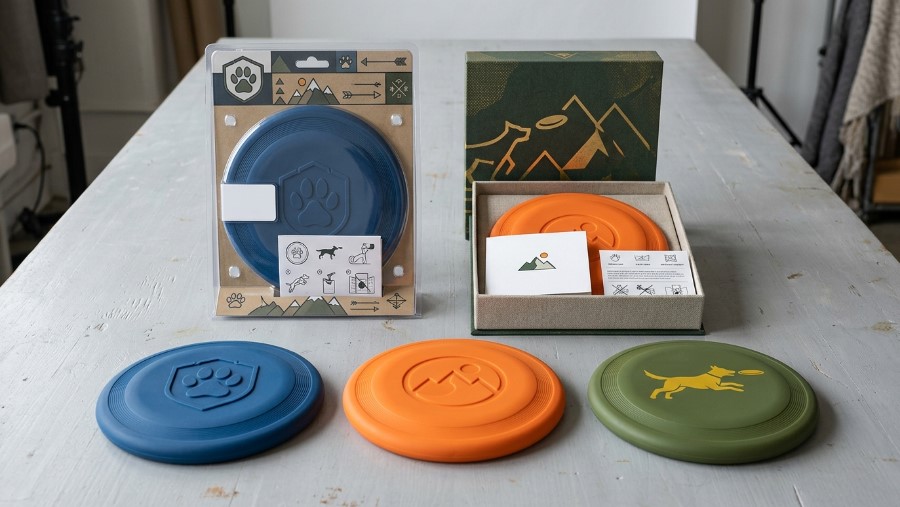
Plan the logo and packaging after the contact surfaces are understood. Molded relief may be preferable to exposed ink in repeatedly mouthed areas; any printing requires placement and adhesion assessment. Artwork size, color, and retail information should match the approved sample and sales channel.
Available options include:
- Position an embossed or debossed logo.
- Assess printing on a suitable surface.
- Choose colors against physical samples.
- Provide packaging artwork and SKU information.
Start Your Custom Silicone Dog Flying Disc Project
Send your reference design, target dog size, expected quantity, and packaging needs. RY Silicone can evaluate tooling, samples, and a project-specific quotation.
How to Specify a Better Silicone Dog Flying Disc
Balance flight and handling with the way the dog catches and carries the disc.
- Diameter: Match the disc to the target dog’s size and mouth reach.
- Weight: Set a target that supports the planned throwing distance and handling feel.
- Rim: Specify edge radius and thickness where catches and bites concentrate.
- Center: Record thickness and profile; excessive flex can change flight.
- Material: Test flexibility, tear behavior, and shape recovery on the actual geometry.
- Surface: Keep logos and textures away from fragile bite-contact features.
- Use: Distinguish supervised fetch from unsupervised chewing in product guidance.
Full Specification Guide
How to Specify a Silicone Dog Flying Disc—diameter, weight distribution, rim geometry, flexibility, structural rigidity, hardness, tear strength & tensile strength, anti-wrapping, safety to pets and humans, and sample acceptance criteria.
Silicone Dog Flying Disc Logo and Branding Methods
Place brand details where they withstand handling and preserve function.
Screen Printing
Assess suitable broad surfaces outside repeated mouth contact. Ink selection and durability requirements belong in the artwork and sample plan.
Pad Printing
Consider smaller accessible areas when the design calls for printed detail.
Embossed Logos
Raised marks are formed in the tool. Keep relief shallow enough to avoid delicate edges in likely bite zones.
Debossed Logos
Recessed marks offer ink-free branding. Check depth and cleanability on the approved physical sample.
Silicone Dog Flying Disc Material and Performance Options
Select the material based on the finished disc’s geometry and how the dog will use it.
After normal handling, the disc must recover its intended profile.
A soft feel alone is not enough to establish flight performance or long-term shape retention. Compare samples after bending and repeated catches using an agreed recovery criterion. Rim and center thickness influence the result as much as the compound. Do not describe a flexible disc as suitable for every dog or throwing style.
Material Comparison
Silicone vs. TPE: Which Material Is Optimal for Dog Flying Discs? — flexibility, tear behavior, shape recovery, surface feel, and documentation needs.
Eliminate obvious tear starters before selecting a test method.
Dogs may bite the outer lip or molded logo edges with concentrated force. Even when the bulk material appears strong, a thin rim, abrupt thickness change, or sharp raised detail can fail. Define the sample inspection process and any agreed bite or tear tests for the intended use. No silicone toy is indestructible.
Finished geometry and weight distribution influence flight and handling.
Center depth, rim cross-section, thickness distribution, and finished weight can change how a disc flies and how it is picked up. Compare flatter and more curved profiles using production-representative samples under agreed throwing and environmental conditions.
Record flight stability, distance, handler grip, and the target dog’s pickup behavior before making performance claims.
Floating performance must be checked on the finished disc.
For projects intended for supervised water retrieval, specify the finished diameter, weight, rim and center geometry, and expected water conditions. Agree on a test method and the time the disc must remain afloat and visible. Evaluate production-representative samples before describing the finished design as floating.
Match documentation to the finished disc and its intended claims.
Specify the destination market and the evidence needed for the chosen material and branding method:
- Compound and pigment records for the selected formulation.
- Printing material information where applicable.
- Agreed finished-product tests and reports tied to specific claims.
A raw-material report alone does not establish safety or compliance for every finished disc.
Plan molded texture around handling, dog contact, and cleaning access.
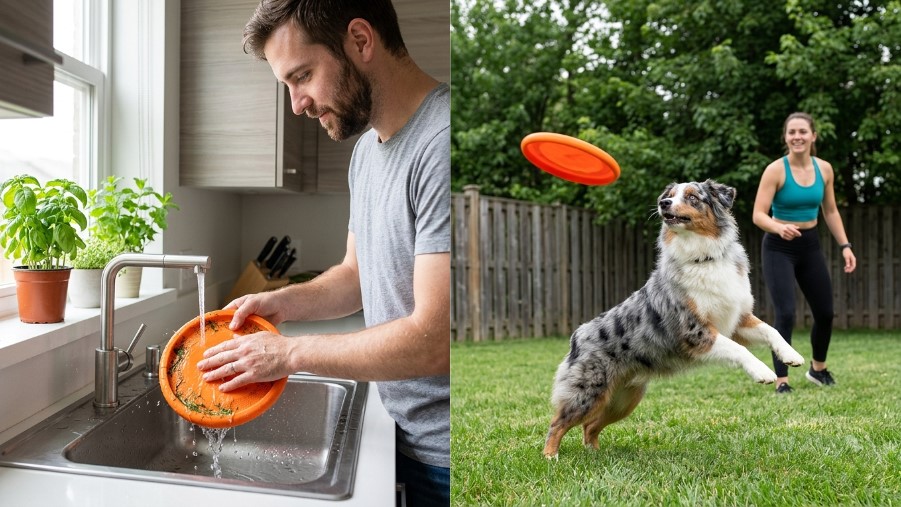
Specify where texture is intended to support the handler’s grip, then assess catching and ground pickup with the target dog.
Keep grooves accessible for washing, and avoid thin raised details at likely bite-contact points where damage may begin.
Clean the finished disc according to its confirmed material and any printed or attached elements. Inspect the rim for tears and remove a damaged toy from use. Do not make unsupported claims about dishwasher or sterilization safety.
Care Guide
How to Clean and Inspect a Silicone Dog Flying Disc—washing, drying, storage, and damage checks.
How Silicone Dog Flying Discs Are Manufactured

STEP 1: Requirement Review
The project brief defines target dog size, disc geometry, intended use, order volume, branding, packaging, and the acceptance criteria needed for a meaningful sample.
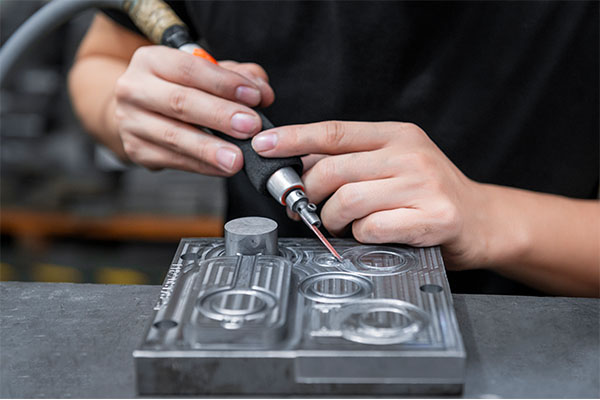
STEP 2: Tooling Evaluation
Our team compares the proposed profile with available tooling. New rim geometry, dimensions, or molded branding may require a dedicated tool and sample plan.

STEP 3: Material and Color Preparation
The selected silicone compound and pigment follow the agreed project specification. Material documentation is matched to the actual formulation and any requested destination-market evidence.
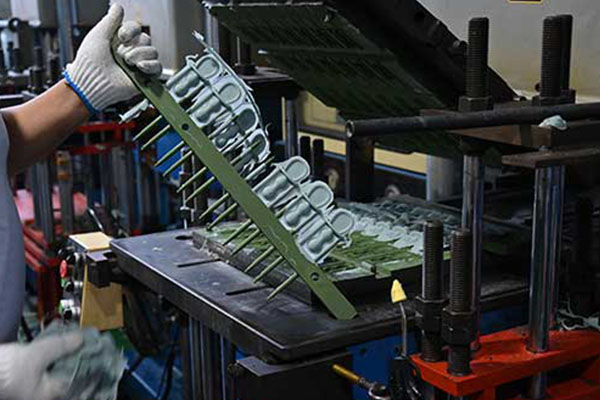
STEP 4: Silicone Molding
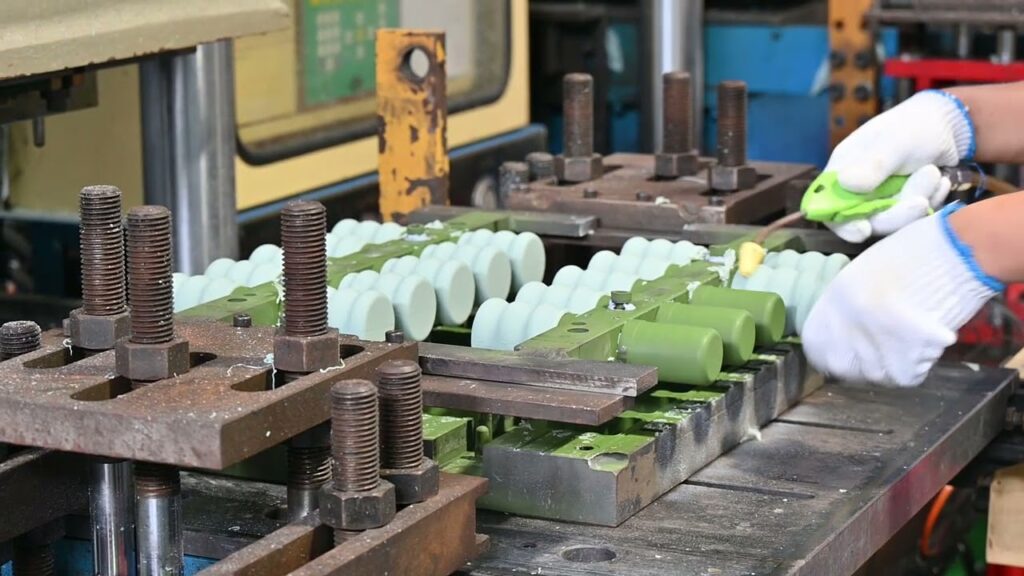
The approved tooling forms the disc's center, rim, and surface details. The molding route and production parameters are established for the selected geometry.
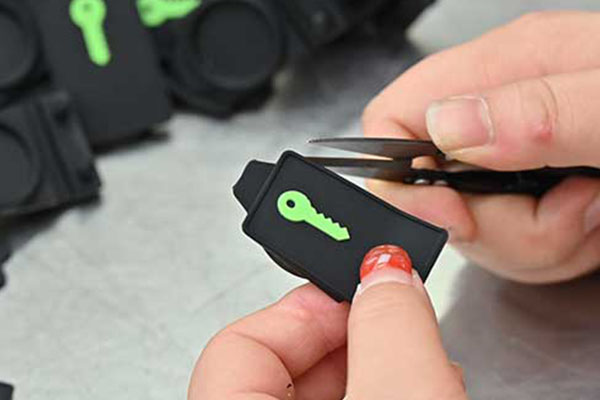
STEP 5: Demolding and Trimming
After curing, discs are released and excess material is trimmed. Particular attention goes to the rim, where uneven trimming can leave catch or tear points.

STEP 6: Logo and Surface Processing
Molded marks are formed during production. If printing is specified, placement and ink suitability follow the approved artwork and project-specific handling requirements.

STEP 7: Quality Inspection
Finished discs are compared with the approved sample for dimensions, weight, appearance, rim condition, flexibility, and logo quality; functional tests follow the agreed protocol.

STEP 8: Packaging and Shipment
Accepted discs are counted and packed to the approved SKU plan. Labels, inserts, carton marks, and shipping documents follow the confirmed order requirements.
Silicone Dog Flying Disc Quality Control
A good-looking disc still needs a consistent rim and predictable handling. Agree on acceptance criteria before sampling.
AQL 2.5 / 4.0 Standard Inspection
We run final random sampling plans to verify batch consistency:
AQL 2.5
Critical / Major Defects
AQL 4.0
Minor Visual Flaws
Another inspection standard can be used when specified in the purchase order.
Approved sample control
Keep one signed reference for diameter, profile, weight, color, logo position, surface finish, and packaging. Any mismatch between sample, drawing, and purchase order must be resolved before production release.
Incoming material inspection
Match silicone, pigment, and any printing materials to the selected formulation and supplier documents. Separate material evidence from finished-disc performance or market compliance claims.
In-process molding
Inspect fill quality, visible contamination, surface defects, and rim formation during production. A locally thin lip may look acceptable from above yet tear at the first concentrated bite.
Dimensions and weight
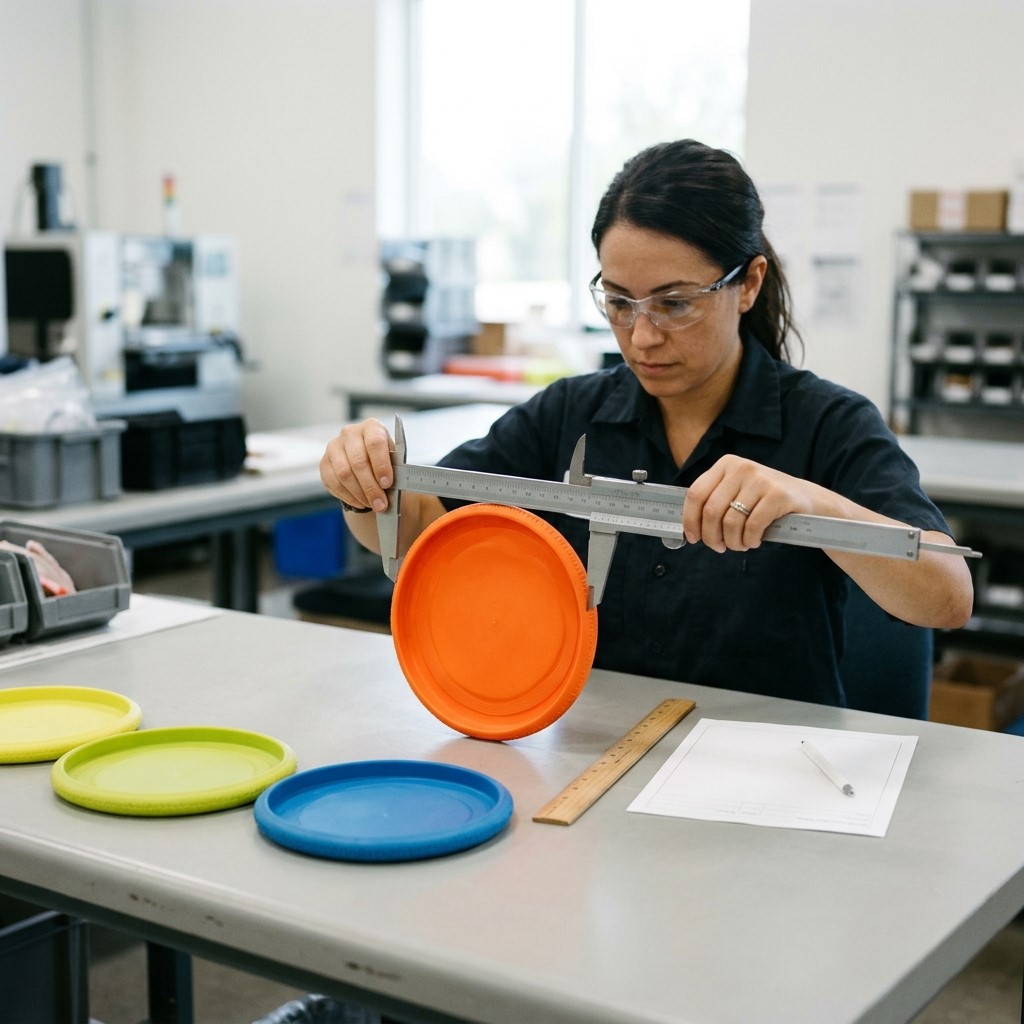
Measure overall diameter, rim section, center thickness, and finished weight against the approved drawing. Record tolerances for the features that affect handling or fit.
Appearance and color
Check for tears, severe bubbles, incomplete molding, irregular trimming, and unacceptable color variation against the approved physical sample.
Logo quality review
Inspect molded depth, edge definition, position, and any printed coverage. Evaluate printing durability only against an agreed method, particularly near handling surfaces.
Functional performance
Define bending recovery, flight trials, or tear checks in the project protocol if required. Sample approval does not by itself prove universal bite resistance or a guaranteed throwing distance.
Final packaging inspection
Verify count, SKU labels, barcode readability, instructions, pack integrity, and carton identification against the approved packaging file.
Silicone Dog Flying Disc Packaging Options
Choose a pack that protects the rim and presents the intended use clearly.

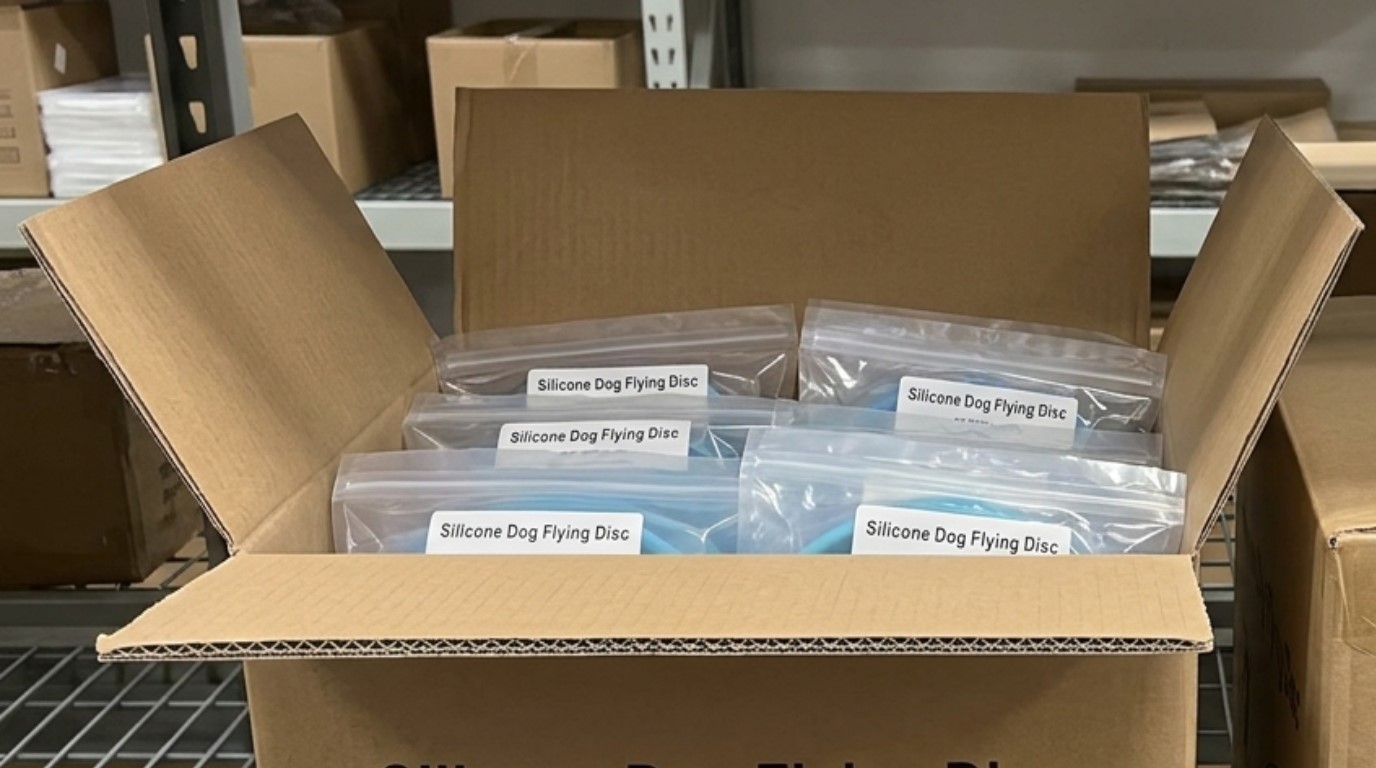
Bulk Packaging
Group identified discs for distributors and training programs while preventing deformation in transit. Set packing quantities and carton limits for the selected geometry.
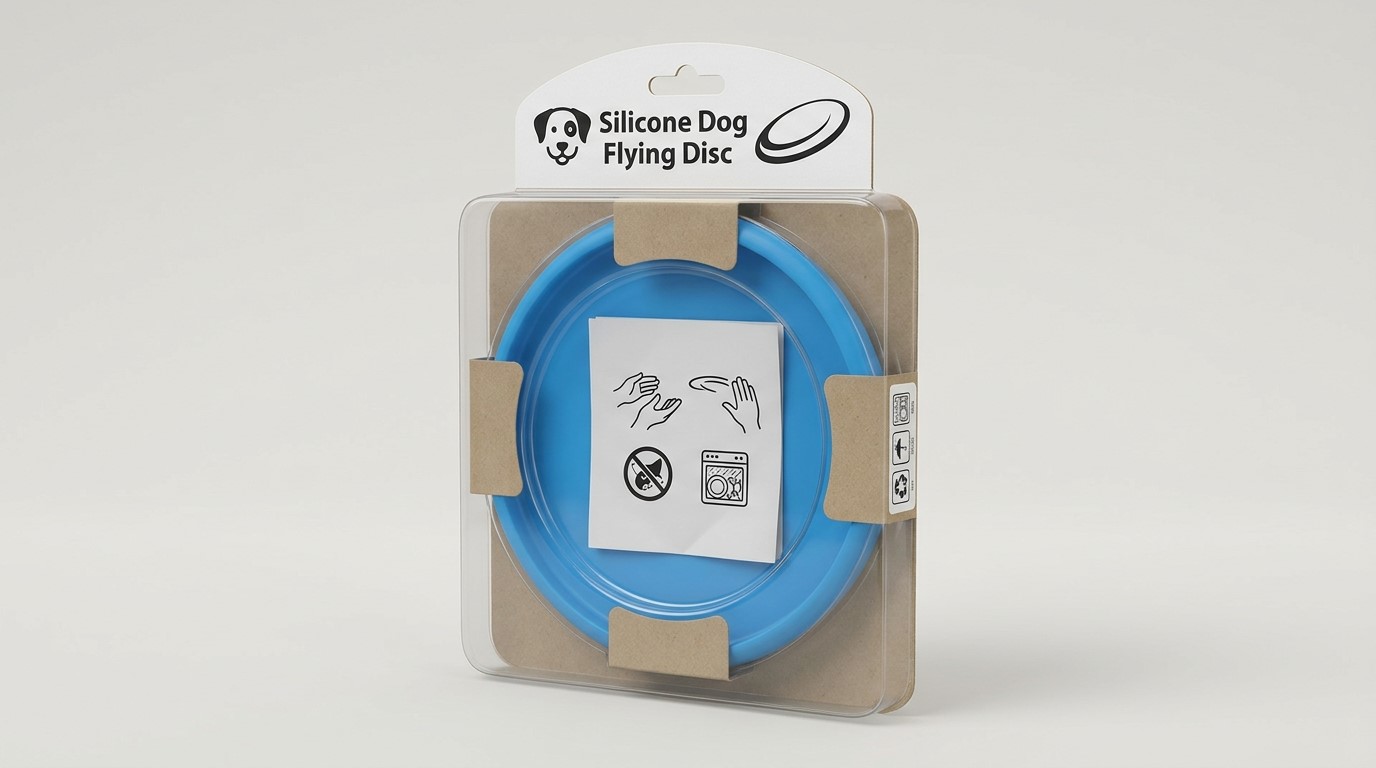
Retail Packaging
Use sleeves, hanging cards, or printed boxes with clear size and use information. Confirm barcode position and display fit against a physical sample.
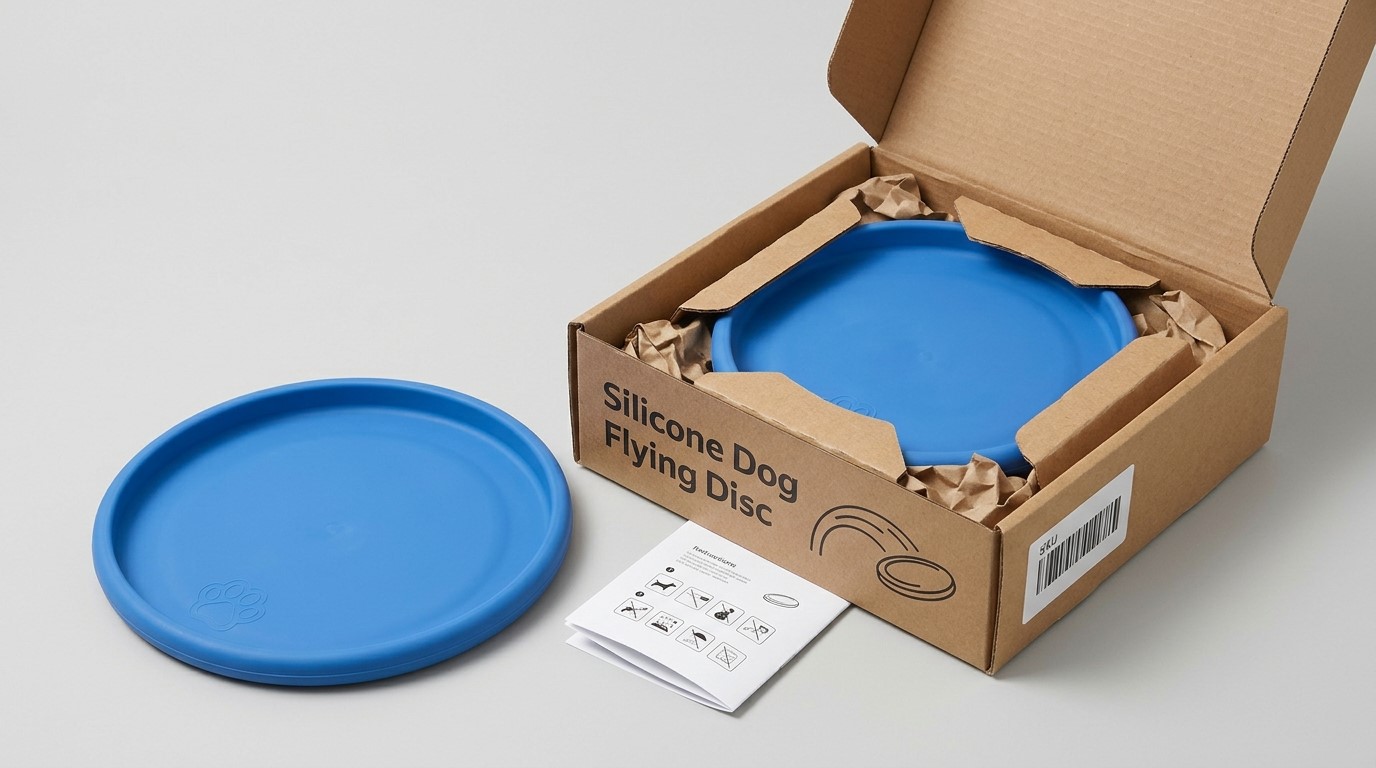
Ecommerce Packaging
Coordinate SKU labels, product inserts, and protective outer packs for individual orders. Avoid compression that could distort the disc before a customer receives it.
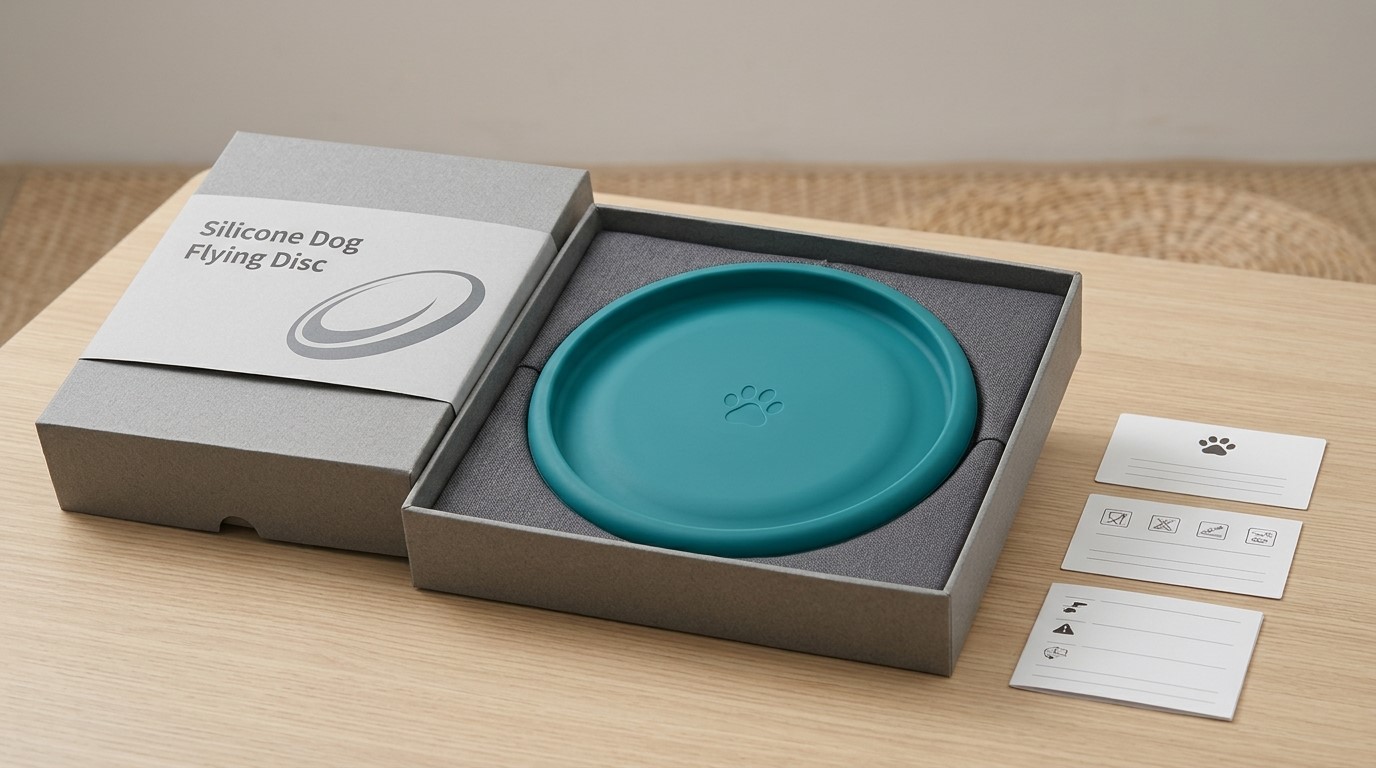
Premium Brand Packaging
Develop coordinated colorways, printed sleeves, and branded boxes for a distinct retail range. Approve artwork and pack dimensions alongside the finished disc.

Typical Silicone Dog Flying Disc Specifications
| Specification | Project Reference |
|---|---|
| Product | Silicone dog flying disc for supervised fetch or training |
| Target user | Dog size, age, and intended activity specified by the customer |
| Diameter | Defined on the drawing and approved sample |
| Rim cross-section | Edge radius, rim width, and thickness specified separately |
| Center thickness | Defined against desired flex and shape recovery |
| Finished weight | Target and tolerance agreed for each design |
| Material | Selected silicone compound and pigment; grade agreed by project |
| Hardness | Project-specific Shore A target, verified on suitable samples |
| Surface | Smooth or molded texture, subject to cleaning and durability assessment |
| Color | Approved physical color sample or agreed color reference |
| Logo | Molded mark; printing considered where suitable |
| Molding route | Selected after geometry, tooling, and material evaluation |
| Performance criteria | Agreed recovery, tear, handling, or flight methods where required |
| Packaging | Bulk, retail, ecommerce, or branded pack specification |
| Existing-tool MOQ | Quoted against verified tooling, color, and packaging |
| New-tool MOQ | Quoted after design and tooling evaluation |
| Sampling and tooling time | Quoted for the selected design and approval sequence |
| Production lead time | Confirmed against approved sample, quantity, and schedule |
| Documentation | Matched to the compound, finished configuration, and destination market |
| OEM / ODM | Scope established through project evaluation |
Final values follow the approved drawing, physical sample, test plan, and purchase order.
Why Work with RY Silicone
Silicone Manufacturing Experience Since 2012
RY Silicone has manufactured custom silicone products since 2012. For a dog flying disc project, development starts with the intended use and geometry before material, tooling, and packaging decisions.
10,000+ m² Production Facility
The 10,000+ m² figure describes RY Silicone’s overall facility across product categories. It is not floor area dedicated to dog flying discs; project arrangements follow the selected design.
30+ Production Machines
RY Silicone states 30+ machines across its silicone manufacturing activities. This company-wide count does not identify flying-disc equipment or a dedicated production line.
Up to 100,000 Silicone Products per Day
The stated upper limit covers silicone products across categories. It is neither a dog flying disc daily capacity nor a delivery promise; output depends on tooling, cycle time, and inspection requirements.
Engineering Review Before Quotation
We examine rim thickness, center profile, weight distribution, and likely bite-contact points before specifying tooling. These details influence handling and where damage may begin.
Sample-Based Production
An approved disc establishes diameter, mass, flexibility, color, and branding references. If drawing and sample differ, settle the discrepancy before production; any performance test needs an agreed method.
Export Project Support
RY Silicone coordinates specifications, packaging, and shipping preparation for overseas projects. Required product claims and documents are established for the chosen configuration and destination before they appear on packaging.
Silicone Dog Flying Disc FAQ and Final RFQ
What is the MOQ for a silicone dog flying disc?
The minimum depends on whether suitable tooling exists and whether your project needs a new shape, color, logo, or retail pack. Share the target quantity and design so the order minimum can be quoted for that configuration.
Can we use an existing disc shape before developing our own?
An existing-tool route is possible only if a suitable design is available and its use fits your specifications. Compare the physical sample, branding space, and packaging requirements before choosing it over new tooling.
Which silicone hardness is best for a dog flying disc?
There is no universal Shore A value. The useful choice depends on diameter, rim and center thickness, target dog, and desired flexibility. Evaluate a sample for handling, shape recovery, and damage behavior.
How should we specify disc diameter and weight?
State the target dog size, throwing setting, and handling preference. Put diameter, rim geometry, center thickness, and finished weight on the same drawing; a size alone does not describe how a disc flies.
Will a silicone flying disc withstand aggressive chewing?
No silicone disc should be represented as indestructible or suitable for every chewing style.
This product should be specified for its intended activity, with rim and tear risks examined on samples. Remove damaged toys from use.
Can you guarantee a particular flight distance?
A distance claim needs a defined disc design and test method, including throwing and environmental conditions.
RY Silicone should assess production samples against your agreed target before any flight figure is used in marketing.
Can the logo be molded into the disc?
Molded branding can be evaluated with the disc design. Provide vector artwork and a preferred location. Logo depth and line width must leave practical edges and cleaning access in the finished product.
Is printing suitable on a dog flying disc?
Printing may suit a surface away from repeated mouth contact. The selected ink, placement, adhesion method, and durability check need agreement for the actual design; molded branding is another option.
What material or safety reports can you provide?
The available documentation must be checked against the chosen compound, pigment, finish, and destination market. Specify the report or claim you need. A raw-material document does not certify the complete dog toy.
What happens during custom development?
Send a drawing or reference sample with the target dog, expected quantity, and packaging plan. The next steps are design and tooling evaluation, sample production, agreed checks, sample approval, and a production quotation or order plan.
How should customers clean and inspect the disc?
Give care instructions for the approved finished configuration. Routine washing should reach the rim and any recessed branding. Inspect for tears, detached material, or sharp damage, and replace a damaged disc.
What do you need to quote a dog flying disc project?
Please provide:
- A drawing, design files, CAD file, or reference sample.
- Target dog size and intended use.
- Diameter, rim profile, thickness, and target weight.
- Preferred flexibility or sample performance target.
- Color and logo artwork.
- Expected order quantity and annual demand.
- Packaging artwork and destination market.
- Required documentation or agreed tests.
- Target delivery window.