Silicone Jar Opener Manufacturer
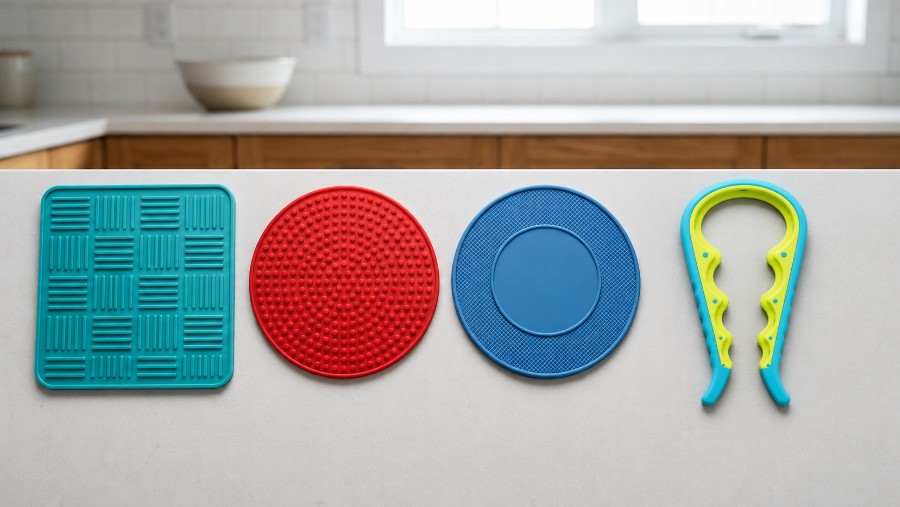
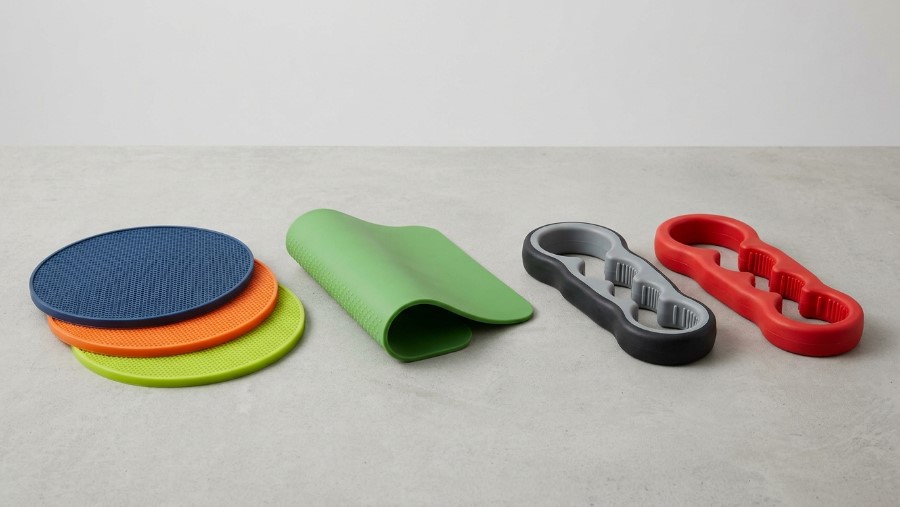
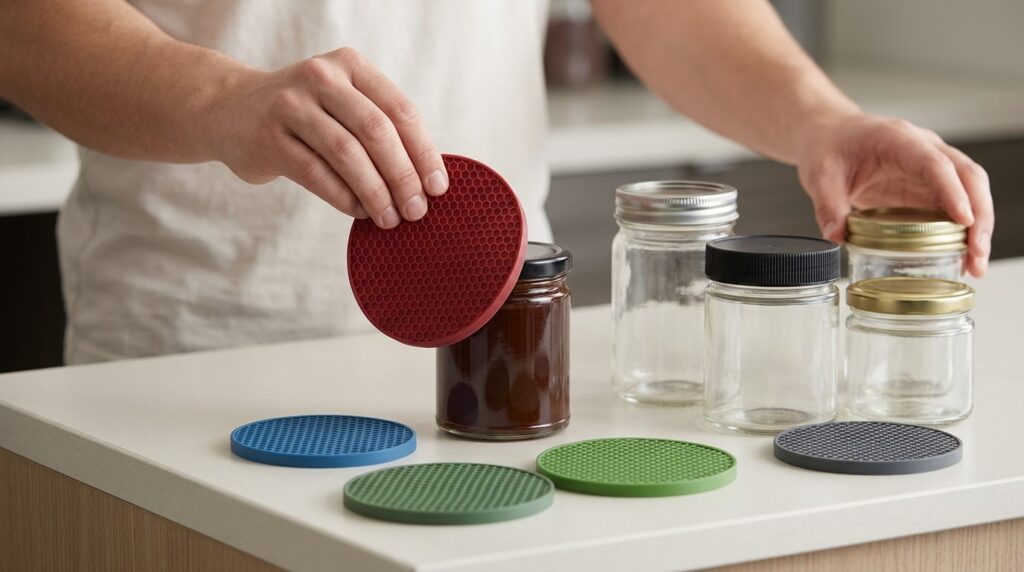
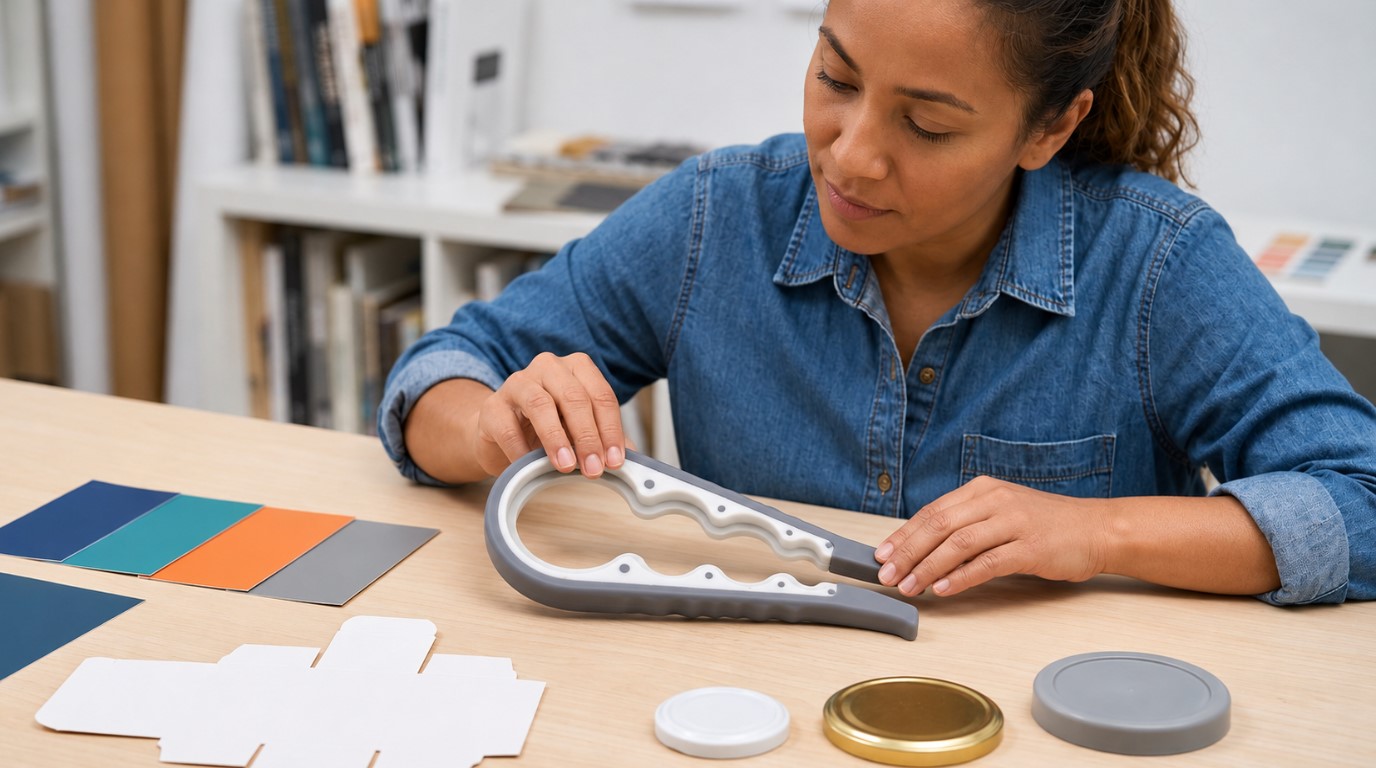
Silicone jar opener designs include textured gripper pads, bowl-shaped grips, and multi-opening profiles tailored to selected lids for custom kitchenware lines.
Home » Silicone Kitchen Products » Silicone Kitchen Gadgets » Silicone Jar Opener
What Is a Silicone Jar Opener?
A silicone jar opener is a kitchen grip aid that helps a user hold and twist a jar lid as an effortless silicone kitchen gadget. Flat pads and textured discs sit between the hand and lid; bowl-shaped grips cover selected lids, while multi-opening designs engage specified rims. A custom design defines contact geometry, target lids, color, and packaging.
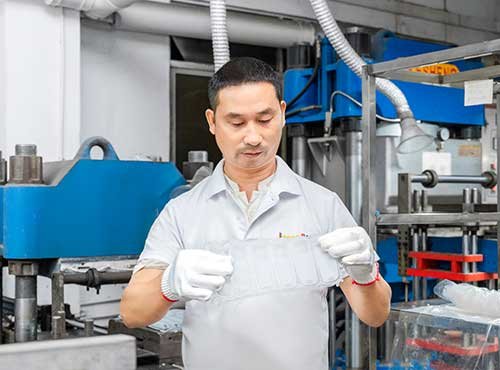
RY Silicone is a China-based silicone product manufacturer established in 2012. We assess jar opener designs against the intended lid range, grip method, and approved sample before proposing a production specification. Our factory-wide area, machine count, and output describe the business as a whole; they are not jar-opener-specific capacity figures.
Silicone Jar Opener Manufacturing at a Glance
Order Arrangement
Share the intended shape, quantity, and sales channel; tooling, sampling, minimum order, and schedule follow the chosen configuration.
Grip Specification
Define the lid diameter range, contact pattern, thickness, flexibility, and hand position against the jars your customers actually use.
Logo and Color
Choose a visible branding area and color target; molded detail or printing needs artwork and sample approval before production.
Packaging Options
Specify loose bulk units, individual bags, retail cards, or cartons according to handling, barcode, presentation, and destination requirements.
Who We Manufacture Silicone Jar Openers For
The right opener depends on how your customers hold jars and source kitchen aids.

Kitchenware Brands
Build a coordinated kitchen-accessory range around your chosen silhouette, color, and texture. A physical sample helps settle lid contact and perceived grip before artwork and packaging are finalized.
Distributors & Wholesalers
Compare flat pads and shaped grips for your customer mix, then specify pack count, carton labeling, and the lid sizes represented in your catalog or wholesale offer.
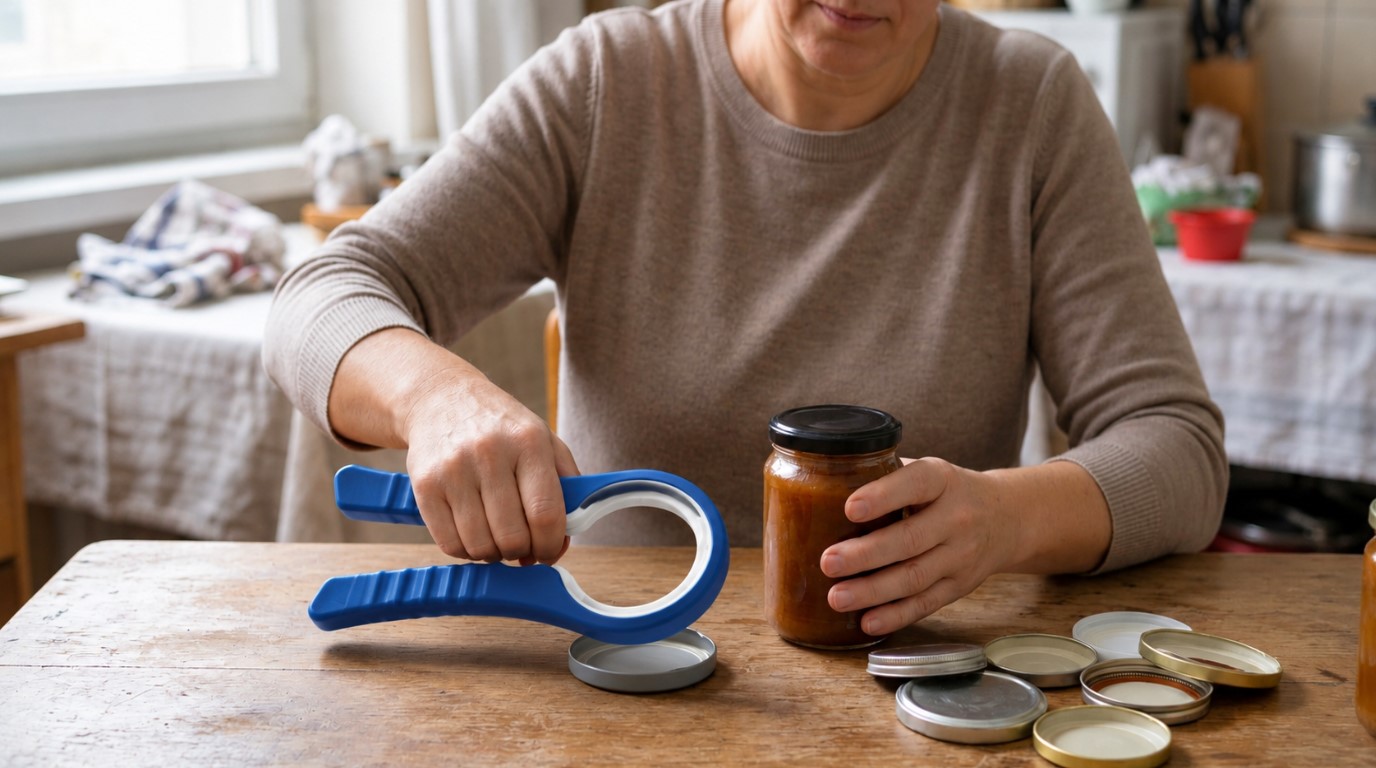
Homeware and Accessibility Sellers
Choose a grip format that suits the intended hand position and typical jar lids. Any claim about reduced effort or suitability for a medical condition requires appropriate product-specific evidence.
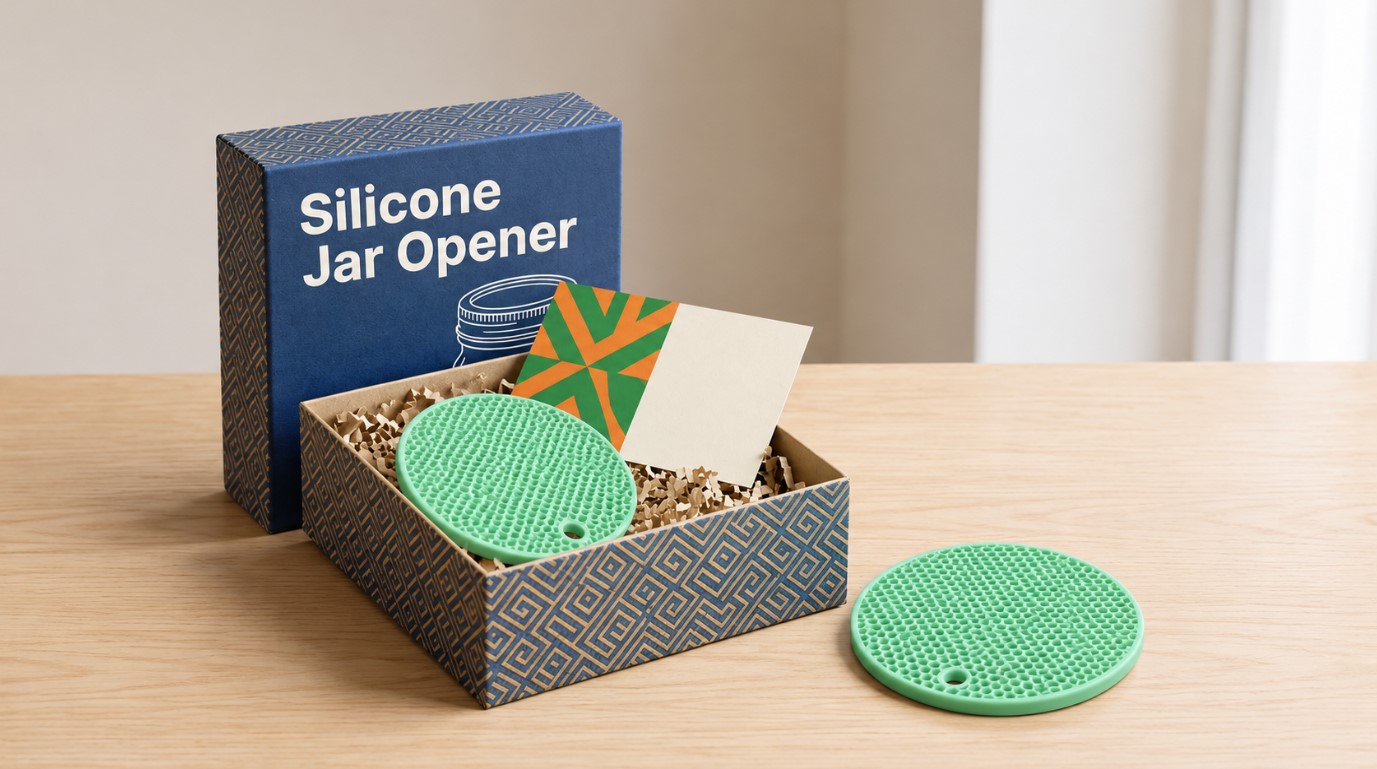
Promotional Programs
Plan an unobstructed logo area and a packaging format suited to distribution. A highly raised texture can improve finger contact yet leave less space for a legible mark.
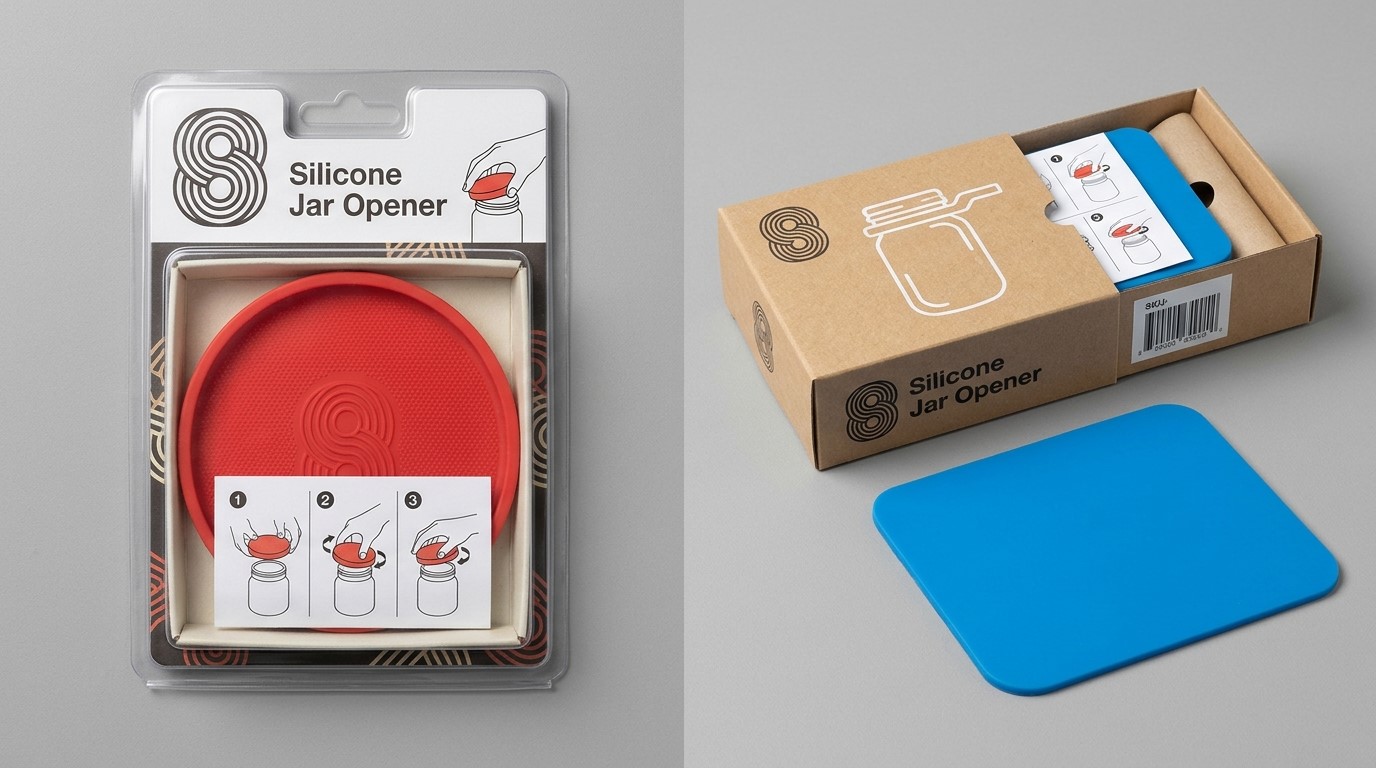
Retail and Ecommerce Sellers
Define the product dimensions, color consistency, barcode placement, and pack presentation before photography. Your listing should describe the tested lid range rather than imply universal fit.
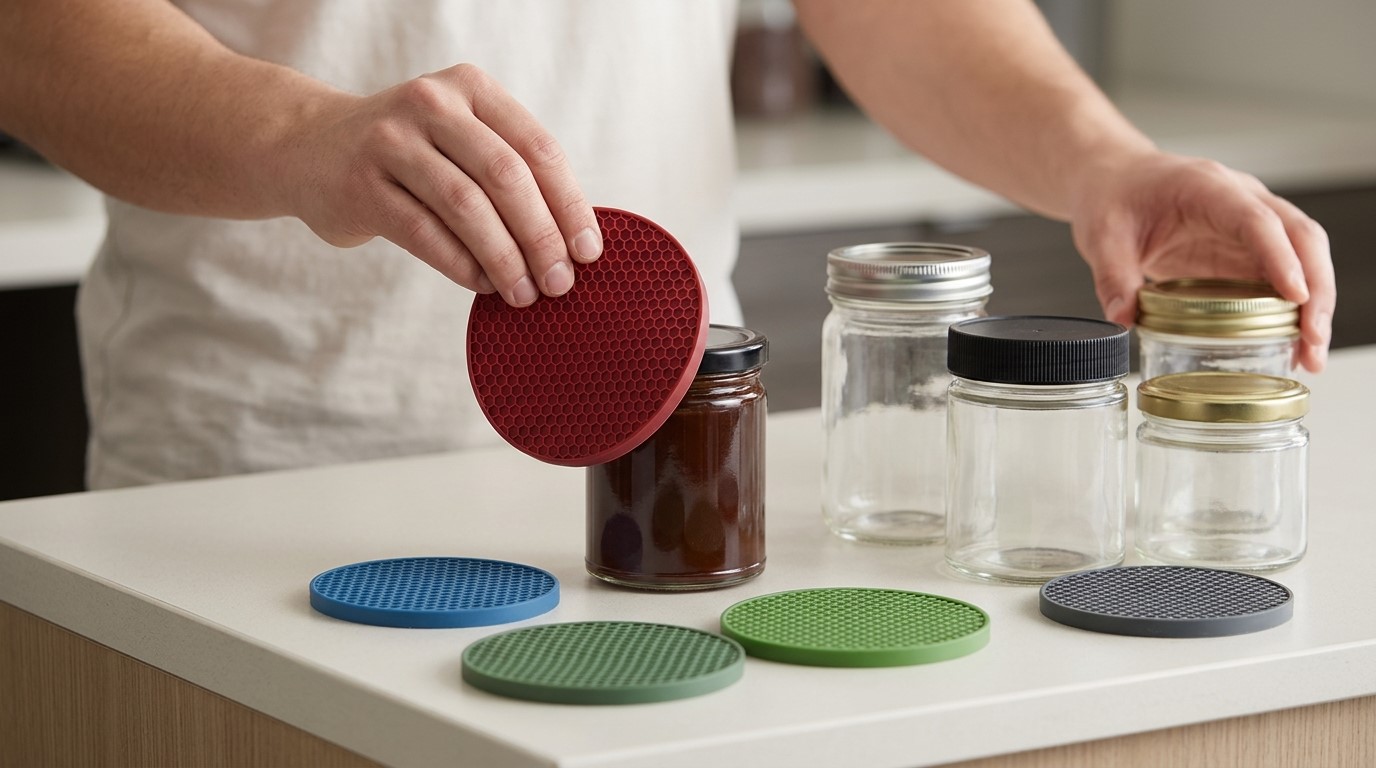
Food and Hospitality Suppliers
Select a washable grip aid for staff or customers where jar opening is common. If direct food contact is intended, set separate material and finished-product documentation requirements.
Silicone Jar Opener Types We Can Develop
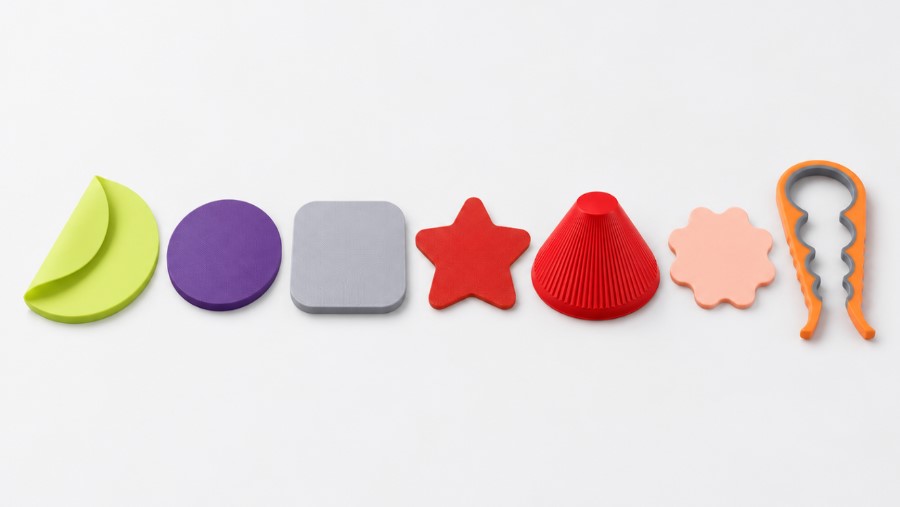
Silicone Jar Opener Gripper Pad
Round Textured Silicone Jar Opener Discs
Square or Contoured Silicone Jar Opener Pads
Bowl-Shaped Round Silicone Jar Opener
Multi-Opening Silicone Jar Grip Opener
Brand-Shaped Silicone Jar Opener
Silicone Jar Opener Customization
Start with the jars and users, and channel your design must serve.
Choose a pad, disc, bowl-shaped grip, multi-opening grip opener, or wrapping band for the target lid. For bowl-shaped designs, define interior profile and rim contact using physical samples. For multi-opening designs, define each opening and hand-contact area. Tooling follows approved geometry.
Available options include:
- Silicone jar opener gripper pads and round discs
- Square or contoured pads
- Bowl-shaped round grips
- Multi-opening grip profiles
- Pull tabs and hanging loops
- Lid-wrapping bands
- Existing shapes were suitable
- New tooling for a distinct silhouette
Set the contact texture, thickness, and flexibility together. Deep ribs can provide finger purchase but may reduce contact with a smooth lid; very thin edges may curl when twisted. Compare the sample grip on dry and damp lids using a method agreed upon for the project. No one texture guarantees grip in every condition.
Available options include:
- Raised ribs or dot patterns
- Fine molded texture
- Smooth logo zones
- Different pad thicknesses
- Target lid-contact diameter
- Agreed grip assessment conditions
Choose a color that supports your range and keeps the molded texture visible. Silicone thickness and finish can change perceived color, so approve a physical sample against your target reference. Printed graphics require a suitable surface and separate durability criteria. Artwork placement should stay clear of the working grip area.
Available options include:
- Standard project colors
- Pantone-referenced color targets
- Single-color designs
- Molded logo relief
- Printed branding where suitable
- Physical color approval
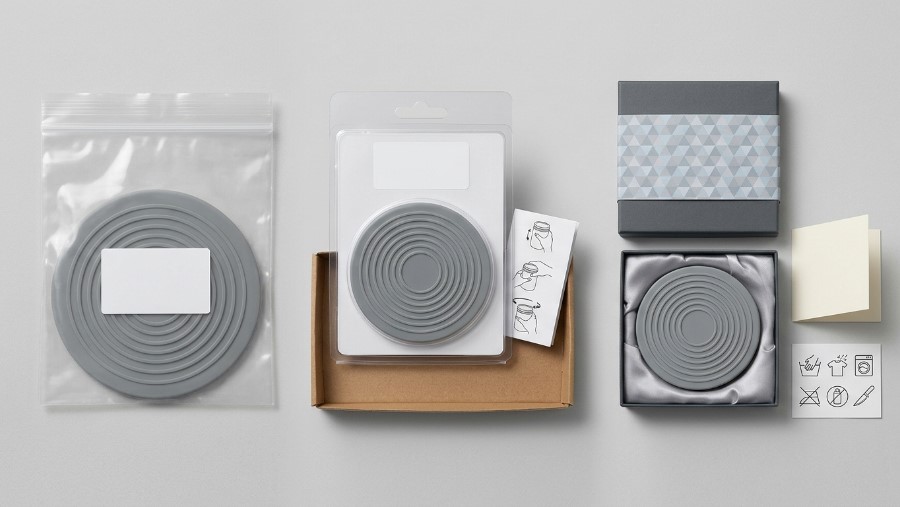
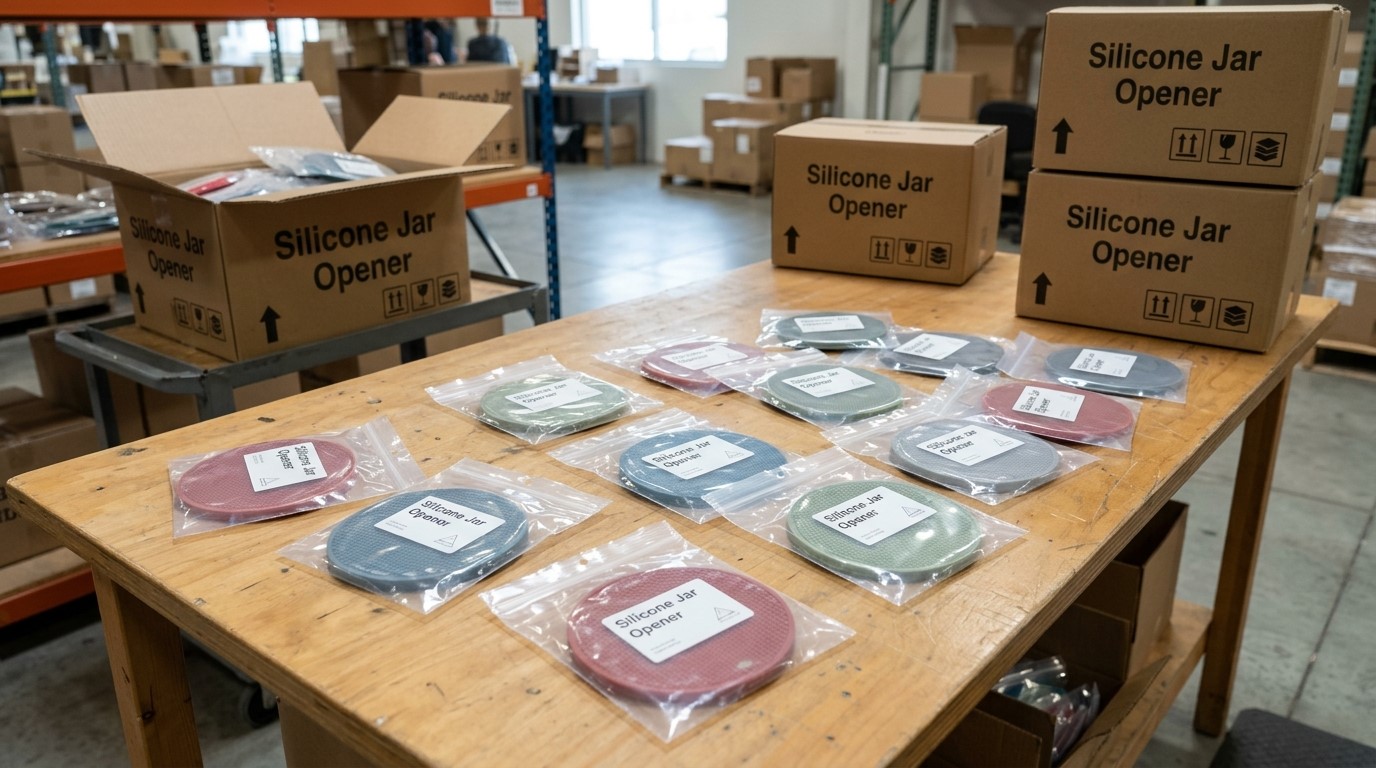
Plan packaging around the sales channel and the opener’s flexible shape. A folded pad may arrive with a visible crease, while a loose disc can shift behind a retail card. Agree on folding, bag size, card attachment, barcode, and carton count before the approved packing sample is signed off.
Available options include:
- Bulk carton packing
- Individual bags
- Header cards or sleeves
- Printed retail boxes
- Barcode and SKU labels
- Packing samples for approval
Start Your Custom Silicone Jar Opener Project
Send your target lids, design reference, quantity, and packaging brief. RY Silicone can evaluate the shape, sample plan, and quotation requirements.
How to Specify a Better Silicone Jar Opener
Test the proposed grip on the lids and hand positions that matter to your customers.
- Lid range: Provide minimum and maximum lid diameters plus smooth or ribbed examples.
- Contact layout: Identify where fingers press and where the silicone touches the lid.
- Thickness: Balance hand comfort and flexibility against edge curling during twisting.
- Texture: Compare the working face on clean, damp, and oily lids as relevant.
- Handling: Decide whether the product must hang, fold, or lie flat in a drawer.
- Branding: Reserve a logo zone without interrupting the primary grip surface.
- Acceptance: Agree on sample jars and a practical grip assessment before production.
Full Specification Guide
How to Specify a Silicone Jar Opener—lid range, pad geometry, texture, thickness, handling, and a sample assessment checklist.
Silicone Jar Opener Logo and Branding Methods
Place branding where it remains readable without weakening the working grip.
Screen Printing
Printing may suit a smooth, nonworking zone when the chosen design and ink system support the requested appearance and durability.
Packaging Branding
A printed card, sleeve, or box carries detailed information when the opener itself has limited room for legible graphics.
In-Cavity Logos
A logo built into the cavity so the brand or shape appears on the finished chocolate, candy or ice.
Embosse & Debossed
A raised, ink-free brand mark formed in the mold for a premium look.
Silicone Jar Opener Material and Performance Options
Choose the silicone based on its grip, flexibility, ease of cleaning, and intended use.
A usable grip depends on the entire geometry.
While compound hardness affects how a pad wraps around a lid, thickness and texture also influence contact. Instead of adopting a range from another kitchen product, specify a target Shore A hardness through sample comparison.
The selected material grade, pigment, and cure system determine which documentation applies.
Material Comparison
Silicone vs. Rubber: Which Grip Material Is Optimal for Jar Openers? — Compare flexibility, surface feel, ease of cleaning, and documentation needs for the intended use of each material.
Fit must be checked across the specified lid range.
For silicone jar opener gripper pads, compare contact on smooth and ribbed lids. Bowl-shaped grips need inner-rim contact checks; multi-opening silicone jar grip openers need each opening checked against a representative lid. Record dry or damp handling conditions before making easy-opening or non-slip claims.
Edges and narrow connections need different checks.
A gripper pad can curl at a thin edge during twisting, while a multi-opening tool concentrates stress between openings. Understanding silicone mechanical properties helps buyers distinguish material tear resistance from geometry-related failure risks.
The texture must be practical for cleaning.
Deep grooves can trap residue after use in the kitchen. Match the depth of the pattern to the intended cleaning method, and inspect the corners, recesses, and logo relief. Care instructions should be based on the selected silicone compound and finished design.
Claims about dishwasher or heat safety require supporting evidence for that configuration.
A fast screen for filler or curing problems.
A strong chemical odor or oily residue may indicate issues with fillers, curing or material selection. Visual and sensory screening can flag obvious risks, although laboratory testing is required for formal compliance claims.
Check available material declarations or test reports against the project specification. During quotation, identify the exact document or standard needed for:
- The selected silicone compound and pigments.
- Any surface graphics or treatments on the finished opener.
- The destination market and intended use.
- Any direct food-contact claim, which requires a separate assessment and finished-product evidence because a jar opener typically contacts the lid exterior.
For the proposed care label, define the cleaning and drying steps based on the finished opener’s texture and print. Remove visible residue and allow the product to dry before storing it. Avoid making claims about dishwasher, sterilization, or temperature tolerance until supporting evidence is available for the selected design.
Care Guide
How to Clean a Silicone Jar Opener — texture cleaning, drying, storage, and care label decisions for printed or molded designs.
How Custom Silicone Jar Openers Are Manufactured

STEP 1: Requirement Review
The project starts with target lid samples, preferred grip method, dimensions, quantity, color, artwork, packaging, and any destination-market documents needed for the quotation.
STEP 2: Mold Evaluation
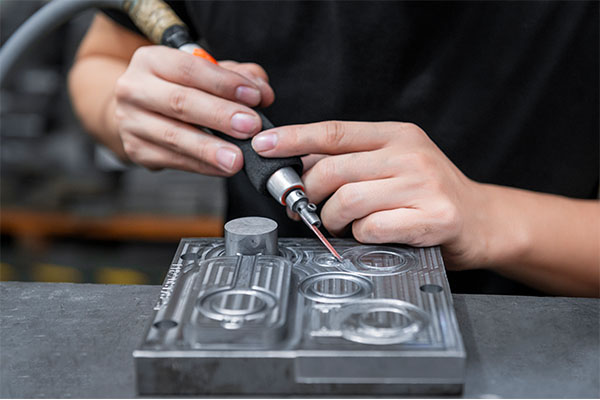
Existing shapes are assessed against target lids; bowl-shaped rims and multi-opening profiles also need tooling checks for contact geometry, release, and narrow connections.
STEP 3: Material and Color Preparation
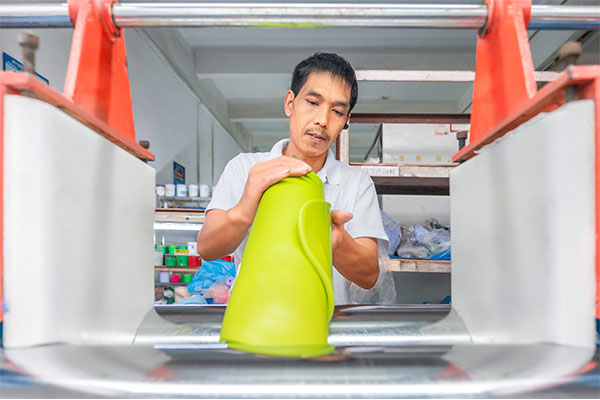
The selected silicone and pigment are prepared to the approved formulation; compound identity, color target, and any requested documentation are tied to the project.
STEP 4: Compression Molding
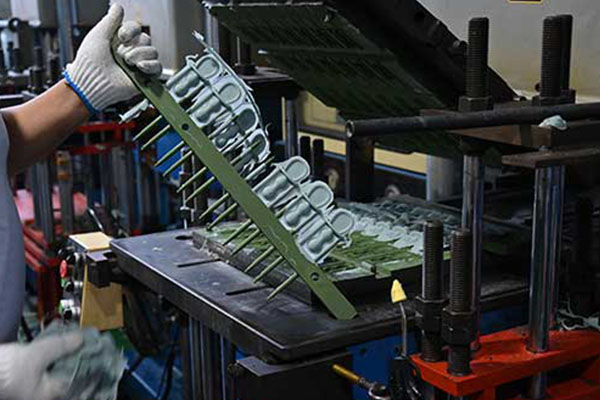
Silicone compression molding is one manufacturing route to evaluate; the final process depends on the approved geometry, material, and tooling plan.
STEP 5: Demolding and Trimming
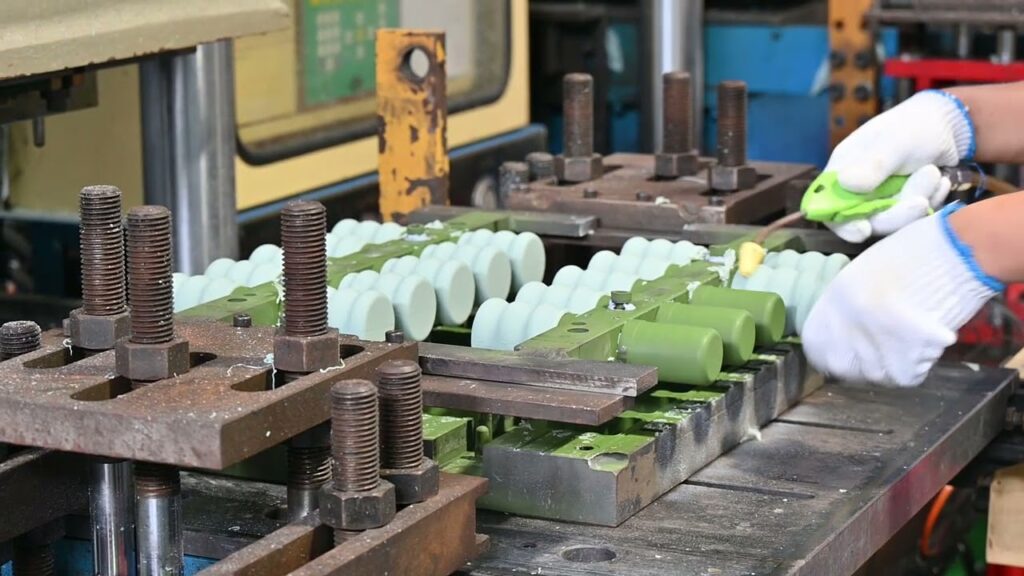
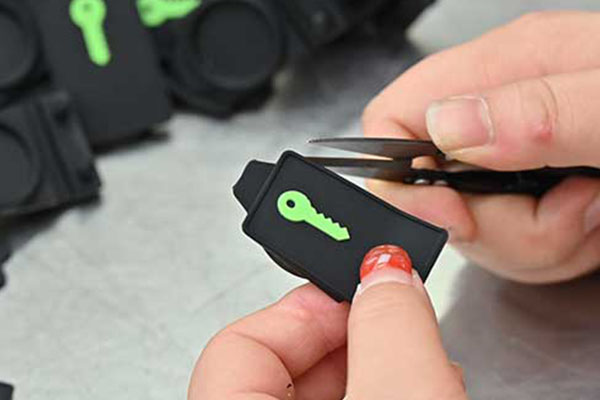
After curing, parts are removed and trimmed; edges, hanging holes, and narrow tabs need inspection because small defects can grow under repeated twisting.
STEP 6: Logo and Surface Processing
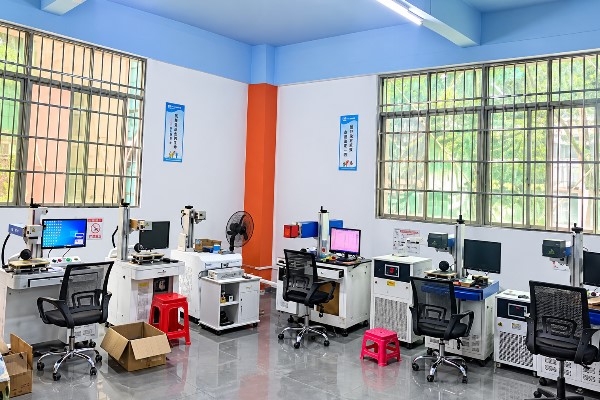
Molded marks are checked for definition, while any approved printing follows the specified position and surface; working texture stays clear of unintended deposits.

STEP 7: Quality Inspection
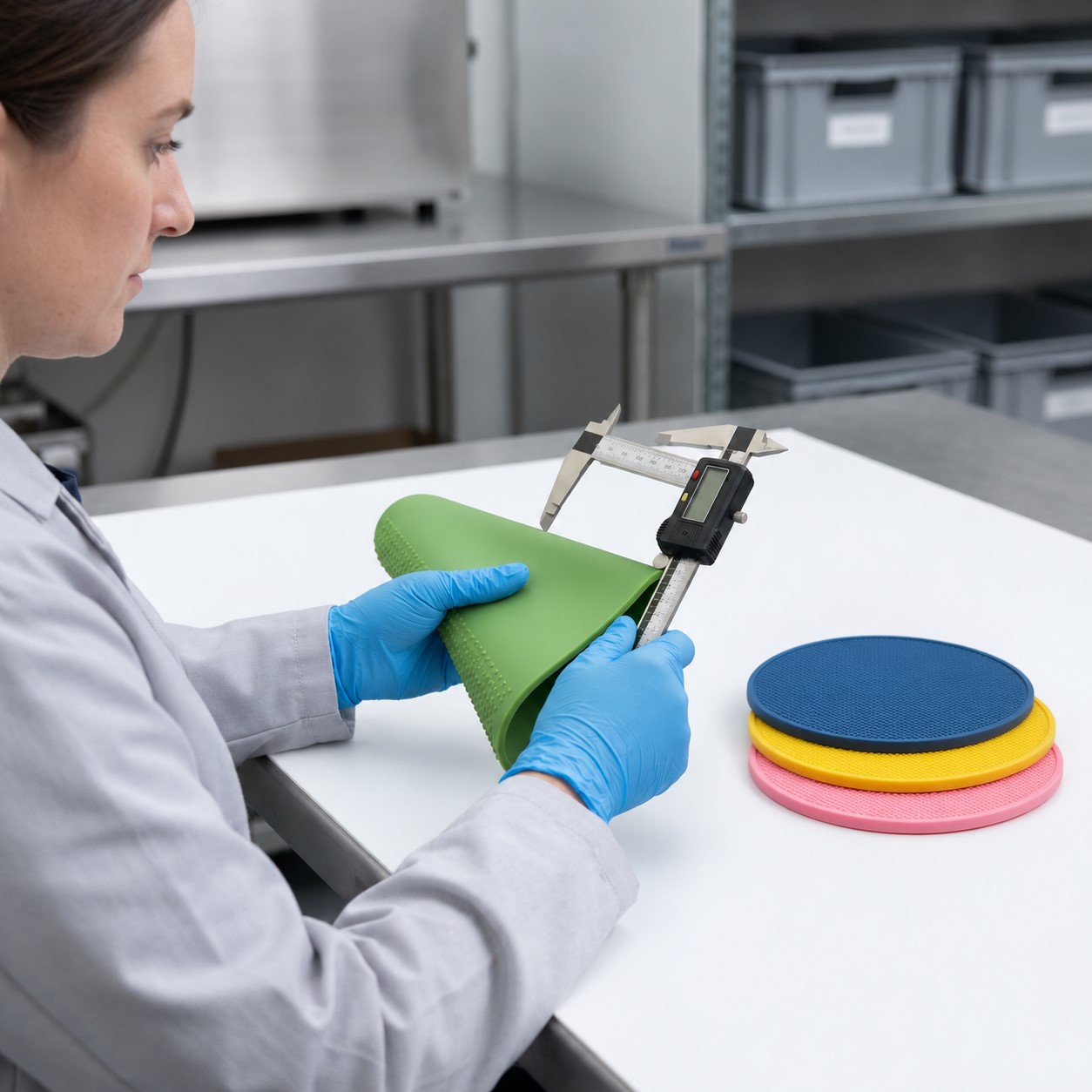
Finished samples are compared with the approved reference for dimensions, color, texture, logo, and representative lid fit under the agreed inspection method.

STEP 8: Packaging and Shipment
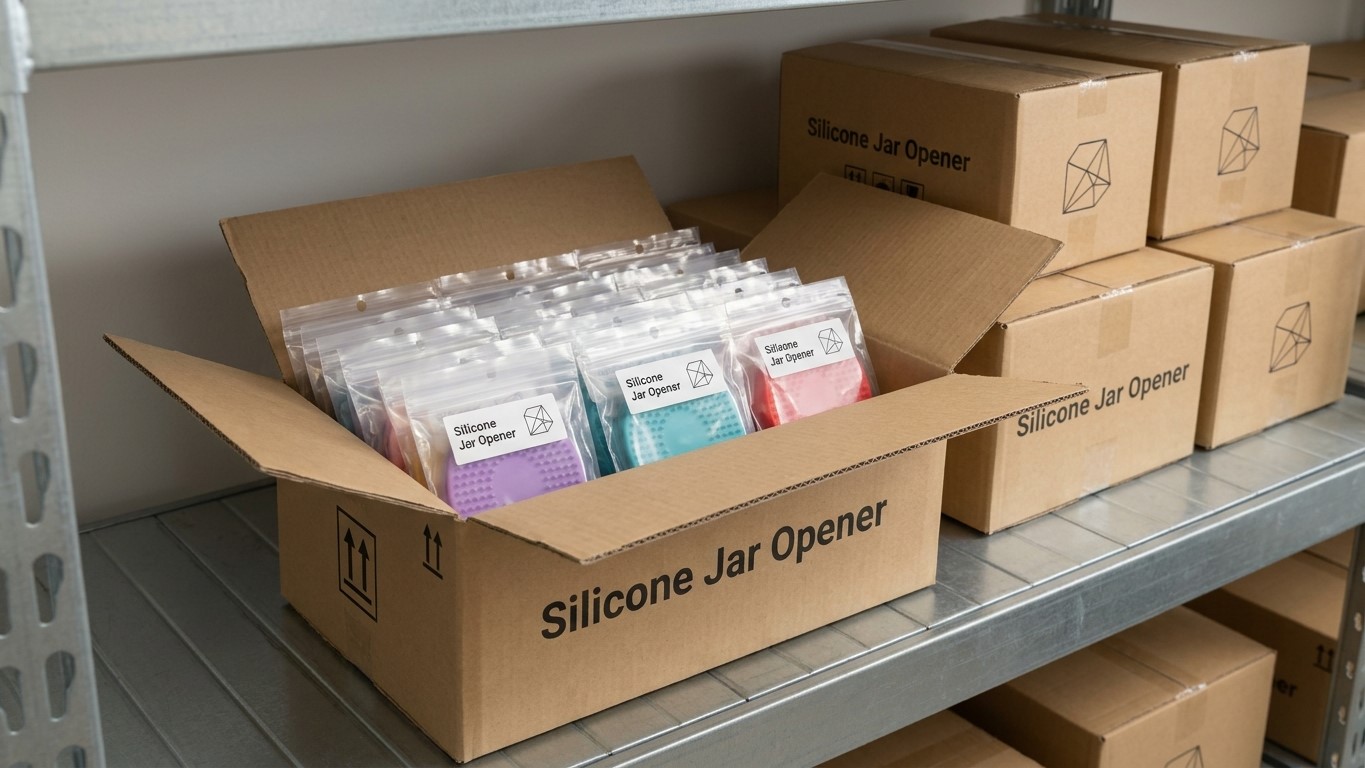
Units are counted and packed to the approved configuration; folding, card attachment, barcode placement, and carton marks are checked before shipment preparation.
Silicone Jar Opener Quality Control
Grip is a product-level outcome. The inspection plan should connect the approved design to representative lids, clear cosmetic limits, and the order specification.
AQL 2.5 / 4.0 Standard Inspection
We run final random sampling plans to verify batch consistency:
AQL 2.5
Critical / Major Defects
AQL 4.0
Minor Visual Flaws
Another inspection standard can be used when specified in the purchase order.
Approved sample
Keep a signed reference for outline, thickness, texture, color, logo, and packaging. Include the representative lid set and the conditions used to assess grip if performance is part of acceptance.
Incoming material
Match compound and pigment identifiers to the agreed specification and available supplier documents. A material report alone does not establish the compliance of every finished color or printed version.
In-process molding
Watch for incomplete texture, trapped air, flash, and thin areas at tabs or hanging holes. A nominal overall thickness can still hide a weak transition at a narrow feature.
Appearance and dimensions
Set measurable limits for outline, thickness, hole position, and weight where relevant. Check visible contamination, surface damage, sharp flash, and distortion against the approved sample.
Color and logo
Compare production color with the physical reference under agreed viewing conditions. Assess molded line clarity or printed coverage after flexing where that action is part of normal use.
Grip and flexibility
Use agreed sample jars to compare pad contact and edge curling. For bowl-shaped designs, inspect rim contact and deformation; for multi-opening designs, check each opening and narrow connection against the specified lid set.
Record handling conditions. State any reduction in opening force only when a defined finished-product test supports it.
Packaging review
Verify unit count, orientation, folding method, barcode, inserts, and carton marks against the approved packing sample and purchase order.
Silicone Jar Opener Packaging Options
Choose the pack after deciding how the flexible opener should arrive and display.

Bulk Packaging
Loose or grouped units suit wholesale and promotional distribution. Specify count per bag or carton and protect textures from scuffing.
Retail Packaging
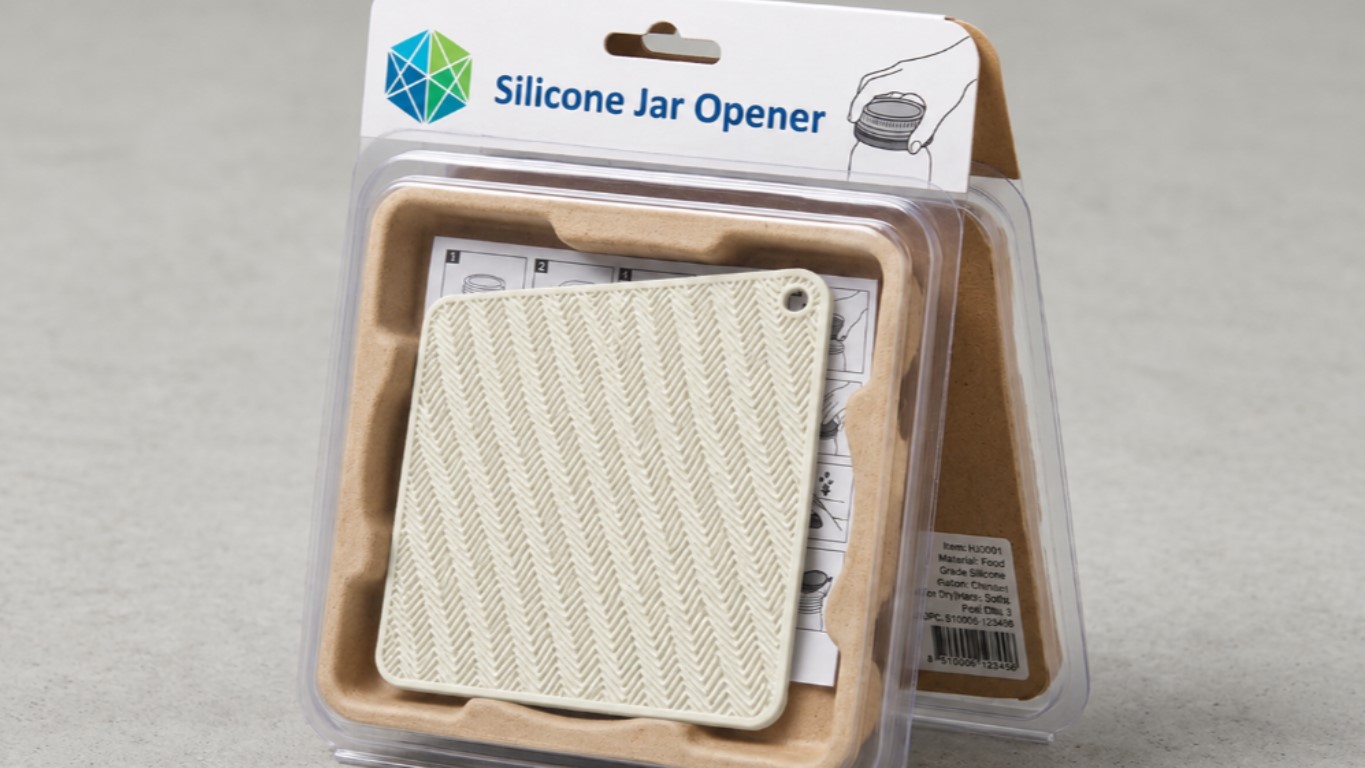
Header cards, sleeves, or boxes create shelf space for branding. Set attachment points so the opener is not distorted.
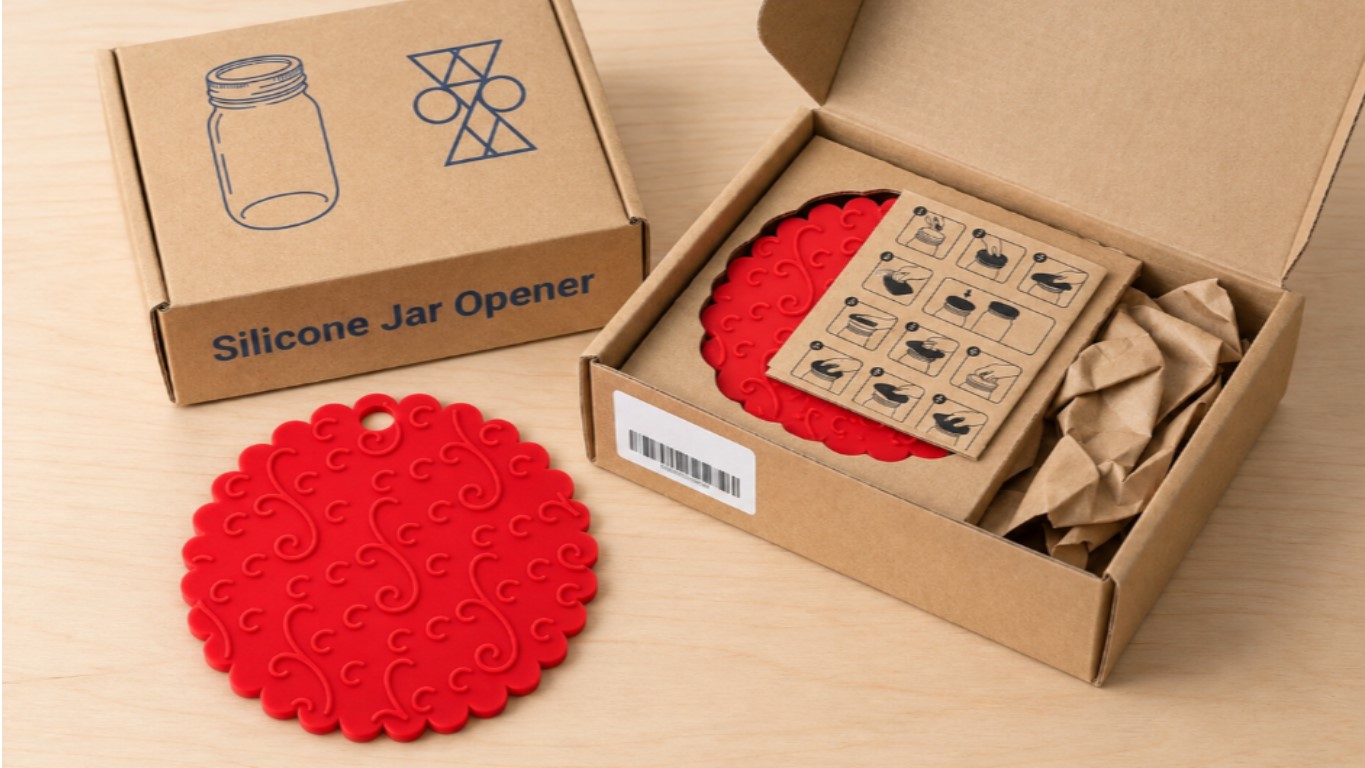
Ecommerce Packaging
Individual packs can carry SKU labels and product instructions. Decide whether a pad lies flat or folds during fulfillment.
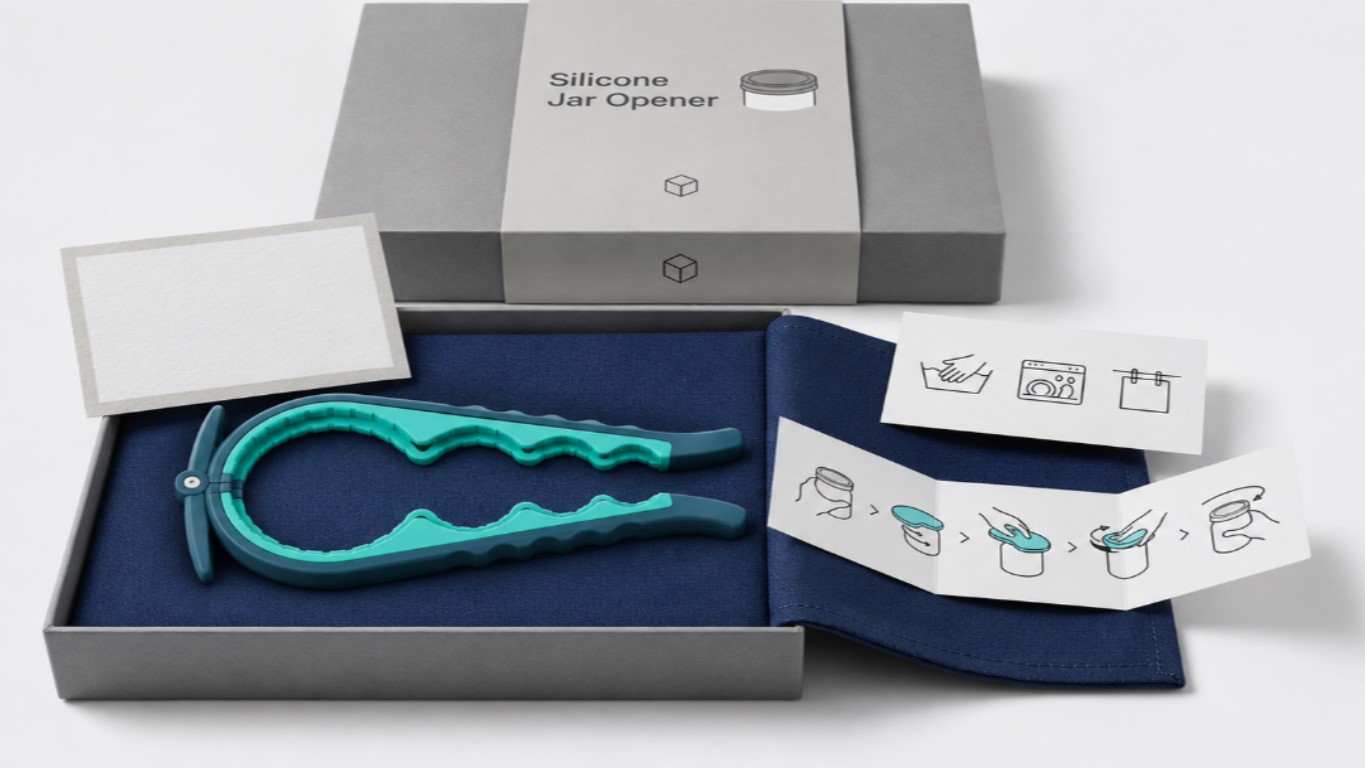
Premium Brand Packaging
Printed boxes or coordinated sleeves support a branded accessory range. Approve insert copy, color presentation, and the packed sample.

Typical Custom Silicone Jar Opener Specifications
| Specification | Project Reference / Quotation Input |
|---|---|
| Product | Silicone jar opener |
| Intended use | Grip aid for specified screw-top jar lids |
| Format | Gripper pad, textured disc, contoured pad, bowl-shaped round grip, multi-opening grip opener, or lid-wrapping band |
| Lid compatibility | Provide representative lid diameters, rim profiles, and surfaces for each proposed format |
| Bowl profile | Set interior depth and rim-contact geometry from the target lids and approved sample |
| Opening geometry | For multi-opening designs, specify the number and profile of openings from drawings or target lid samples |
| Hand-contact area | Define the grip position and local thickness for the selected format |
| Overall dimensions | Set from drawing or approved sample |
| Thickness | Set by grip format and edge design; specify drawing tolerance |
| Weight | Set from approved geometry and sample |
| Hardness | Target Shore A value selected through sample evaluation |
| Grip pattern | Ribbed, dotted, or fine molded texture as specified |
| Material and color | Silicone compound and pigment selected for intended use; physical color approval |
| Logo | Molded relief, suitable surface printing, or packaging graphics |
| Molding route | Project-specific tooling and process evaluation |
| Grip assessment | Define sample lids, handling conditions, and acceptance method if required |
| Packaging | Bulk, bag, card, sleeve, or box; artwork and pack sample specified |
| MOQ | Quoted by shape, tooling, color, and packaging configuration |
| Sample and production lead time | Quoted after design, tooling, artwork, and order scope are assessed |
| OEM / ODM scope | Assessed against supplied design, use case, and development requirements |
| Documentation | Specify destination market, intended contact, and exact reports needed |
Final dimensions and acceptance criteria follow the approved drawing, physical sample, and purchase order.
Why Work with RY Silicone
Silicone Manufacturing Experience Since 2012
RY Silicone is a China-based silicone product manufacturer established in 2012. For a jar opener project, we gather lid references, design files, packaging requirements, and sample decisions before the production specification is set.
10,000+ m² Production Facility
The 10,000+ m² figure describes RY Silicone’s overall manufacturing facility, not floor area dedicated to jar openers. Project-specific tooling and production arrangements are assessed separately.
30+ Production Machines
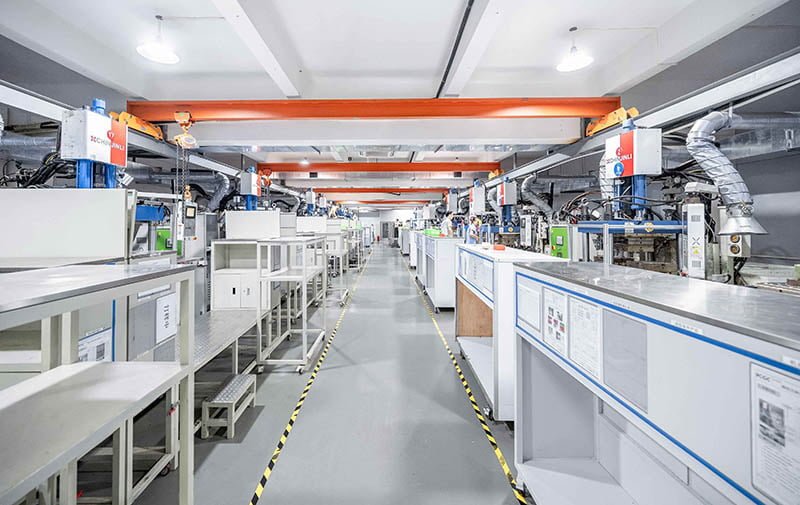
RY Silicone operates 30+ production machines across its silicone product activities. This is a factory-wide equipment count; the equipment assigned to a jar opener design depends on its approved process.
Up to 100,000 Silicone Products per Day
The factory-wide figure covers silicone products across categories. It is not a jar-opener daily output or delivery promise; order capacity and timing require a project-specific production plan.
Engineering Review Before Quotation
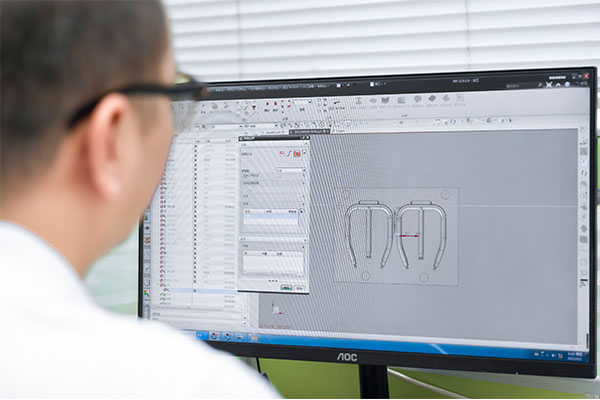
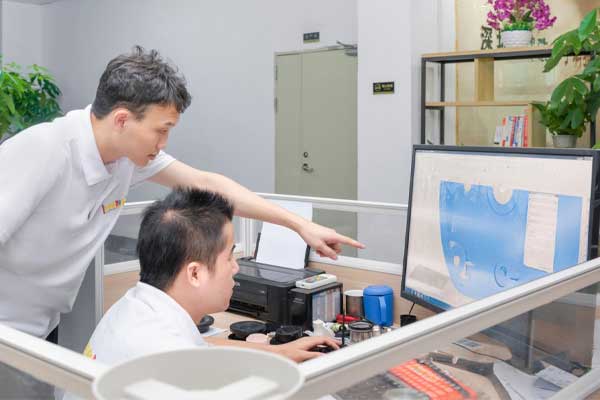
We compare the proposed outline, lid-contact pattern, thickness transitions, and branding zone with the target lids. The result informs tooling, sampling, and the quotation scope; it is not a performance test.
Sample-Based Production
An approved sample defines the opener’s fit, texture, flexibility, color, and logo. The transition from silicone prototyping to mass production also requires consistent specifications, defined inspection criteria, and controlled design changes.
Any conflict between the sample, drawing, and purchase order is resolved before production release; optional functional testing has its own agreed protocol.
Export Project Support
RY Silicone coordinates specifications, packaging files, available documents, and shipment preparation for overseas clients. Destination-market requirements are checked against the chosen finished configuration rather than presumed from a raw-material declaration.
Silicone Jar Opener FAQ and Final RFQ
What is the MOQ for a silicone jar opener order?
MOQ depends on whether the design uses a suitable existing shape or requires new tooling, and on color and packaging choices. Send your target quantity and configuration for a project quotation.
Which jar lids should we provide for development?
Provide representative narrow and wide lids, including any smooth or ribbed closures named in your product claim. A diameter alone cannot describe surface texture, rim shape, or seal resistance.
Which silicone jar opener format suits our target lids?
A flat pad covers the lid top, a bowl-shaped grip sits over a selected lid, and a multi-opening grip opener engages selected rim sizes through its openings.
A band wraps around the rim. Compare each format with your target lid samples and intended hand position; none should be described as fitting every jar.
How should we choose silicone hardness and thickness?
Set both against the chosen shape and lid range. A thicker or firmer pad may feel substantial but can lose useful wrap on small lids. Use samples to balance contact, control, and edge stability.
Can a silicone jar opener open every sealed jar?
No single grip aid guarantees that result. Lid diameter, surface, seal force, moisture, and user strength affect performance. Define any advertised compatibility or effort claim from an agreed finished-product assessment.
Can we add a molded logo to the grip surface?
The mark needs enough area and relief for clear molding without interrupting the working contact pattern. Send vector artwork and the desired position so the sample can show the tradeoff.
Can you match a brand color and add retail packaging?
Provide a color reference and packaging artwork. A physical sample and packing proof establish the production targets; printing and pack components are included in the quotation after their specifications are set.
Are silicone jar openers food-contact compliant?
An opener normally touches the outside of a lid, so intended contact should be stated first.
Any food-contact claim requires documentation appropriate to the selected compound, pigments, finished configuration, and destination market.
Which test reports or declarations can be supplied?
Availability depends on the chosen materials and the exact report or standard requested. Identify the destination market and whether the requirement applies to raw material or the finished, colored, branded opener.
When is new tooling needed for a jar opener?
A new outline, grip pattern, integrated tab, or molded logo may require new tooling. An existing shape is only useful when its dimensions and working surface fit the proposed product.
What information is needed for a jar opener quotation?
Please send:
- Desired format: pad, disc, bowl-shaped grip, multi-opening grip opener, or band
- Design files, reference images, drawings, or a physical sample
- Representative jar lids and their diameter and rim profiles
- Bowl interior profile or multi-opening layout, if applicable
- Intended users and any proposed performance claims
- Target quantity and color reference
- Logo artwork and branding position
- Packaging artwork and pack count
- Destination country and required documents
- Target delivery window