
Silicone Fidget Toys Manufacturer
Silicone fidget toys designed for tactile play, sensory engagement, and repeated use. Custom shapes, colors, functions, branding, and retail packaging for OEM and private-label projects.
What Are Silicone Fidget Toys?
A silicone fidget toy is a reusable tactile product made from flexible silicone rubber that users press, squeeze, stretch, flip, or manipulate for hands-on sensory play and repetitive interaction. Common designs include pop bubble toys, squeeze toys, sensory shapes, and other portable silicone products developed for play, retail, and promotional use.
A custom silicone fidget toy is built around your own product concept, including the shape, tactile structure, color, size, branding, and packaging. RY Silicone is a China-based silicone product manufacturer established in 2012, supporting OEM and ODM development for brands, distributors, wholesalers, and international retail projects.
Silicone Fidget Toy Manufacturing at a Glance
MOQ & Development
Existing-style projects can start with lower quantities, while new shapes and functional structures usually require dedicated tooling and project evaluation.
Product Specifications
Size, hardness, wall thickness, and tactile structure are developed together because each affects flexibility, durability, and the final interaction experience.
Branding Options
Custom colors, molded logos, printed graphics, and distinctive shapes help transform a simple sensory product into a recognizable branded collection.
Retail Packaging
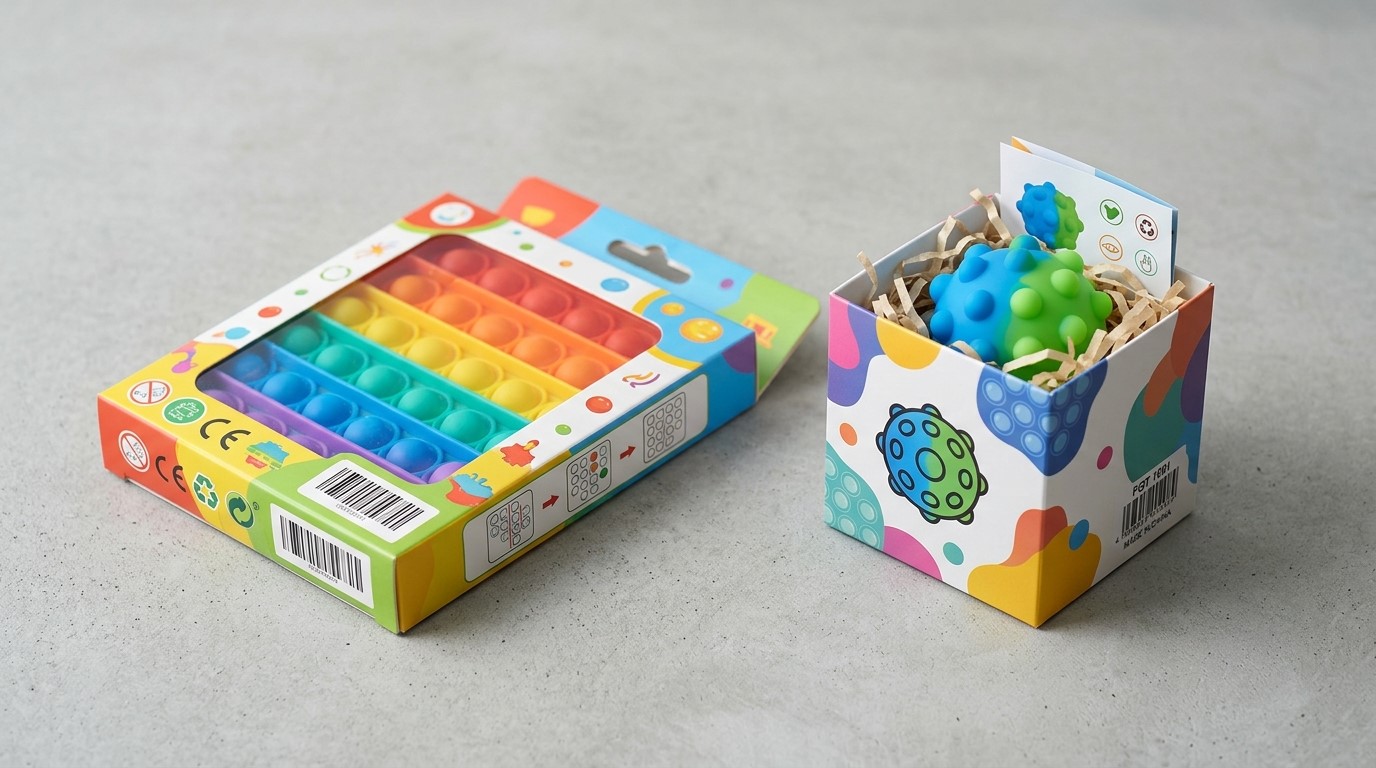
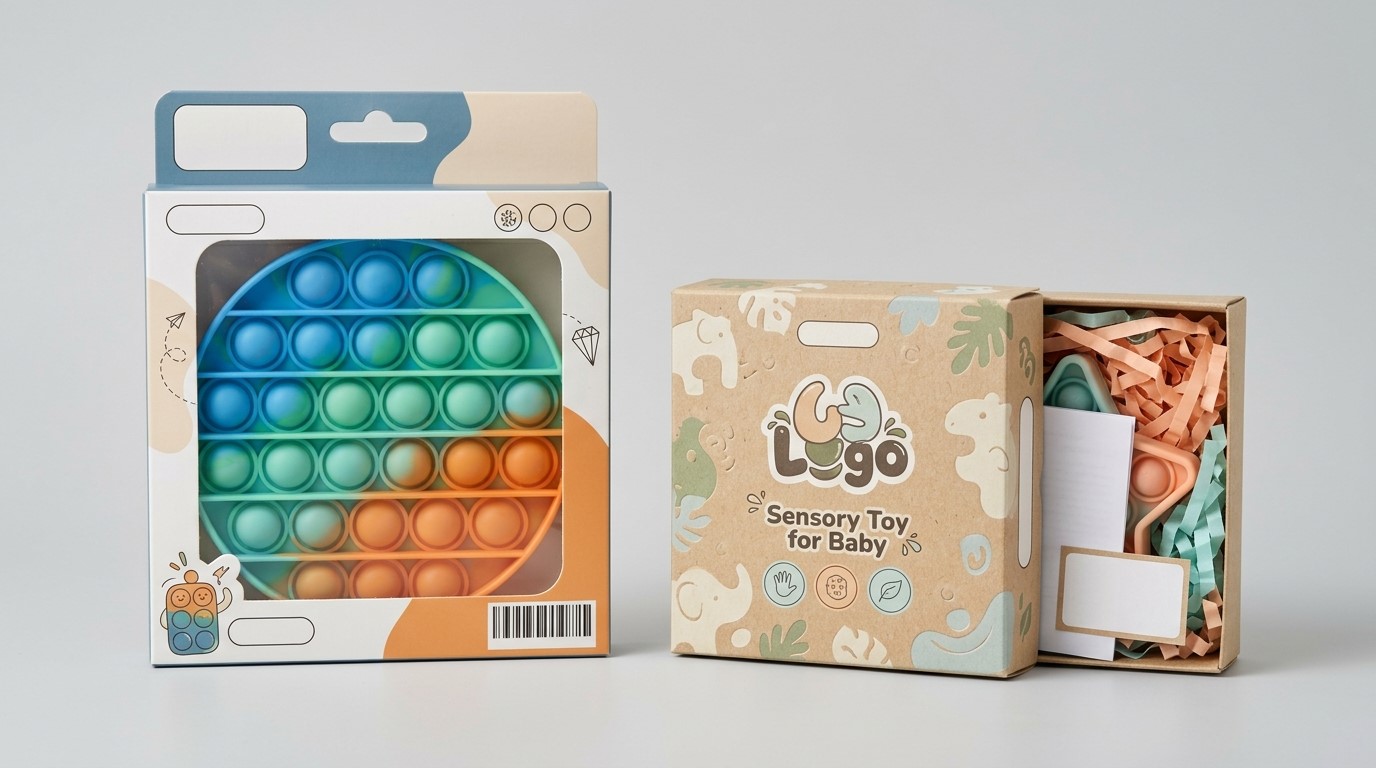
Bulk packing, individual bags, header cards, and printed retail boxes can be matched to wholesale, e-commerce, and promotional sales channels.
Who We Manufacture Silicone Fidget Toys For
Silicone fidget toy projects vary by sales channel, user group, and product positioning.

Private-Label Toy Brands
Develop a recognizable sensory toy collection around your own shapes, colors, and packaging. We support existing concepts and new OEM developments designed for different retail price points and product ranges.

Educational & Sensory Product Brands
Create tactile products for structured play, classroom activities, and sensory-focused product collections. Material selection, shape design, and repeated-use durability should be reviewed together during development.

Gift & Novelty Brands
Build seasonal, collectible, or novelty-focused silicone toys with distinctive themes and tactile functions. Custom tooling provides stronger differentiation when standard pop designs cannot support your product concept.
Promotional Product Companies
Develop branded silicone fidget toys for campaigns, events, and corporate promotions. Custom shapes or molded logos can turn a simple interactive product into a more memorable promotional item.
Retail & Ecommerce Sellers
Prepare products for online marketplaces and physical retail with private-label packaging, barcode labels, product inserts, and coordinated SKU presentation suitable for your chosen sales channel.

Distributors & Wholesalers
Source silicone fidget toys in bulk for toy stores, gift channels, and general merchandise customers. Product assortments can combine multiple shapes, colors, and packaging formats across different SKUs.
Silicone Fidget Toy Types We Can Develop
Silicone Pop Bubble Toys
Silicone Fidget Balls
Silicone Sensory Fidget Toy
Silicone Magnetic Fidget Balls
Silicone Stretchy Fidget Toys
Silicone Fidget Board
Silicone Cube Fidget
Silicone Fidget Spinner
Custom-Shaped Fidget Toys
Silicone Fidget Toy Customization
A successful fidget toy starts with the interaction experience, then develops the structure around it.

Select a product shape that aligns with your visual concept and intended tactile function. Standard geometric shapes can reduce development time, while original characters, animals, and themed designs can create stronger private-label differentiation.
Available options include:
- Round and square shapes
- Octopus shapes
- Star or heart shapes
- Crab, unicorn, or other animal-inspired designs
- Fruit and food shapes
- Blooming flower or other plant designs
- Stone, strip, or stick shapes
- 3D ball designs
- Geometric patterns
- Original character-inspired designs
- Holiday and seasonal themes
- Custom silhouettes
- Multi-section, interactive structures
- Portable, pocket-sized designs

Design the tactile interaction based on how users will press, squeeze, stretch, flip, or manipulate the product. The functional structure is reviewed during development because the geometry of the bubbles and the flexibility of the material directly affect performance when used repeatedly.
Available options include:
- Push-and-pop bubbles
- Single-sided pop structures
- Double-sided pop structures
- Multi-bubble layouts
- Squeeze functions
- Rubb functions in worry stones
- Spin function in sensory spinners
- Roll function
- Weave function with silicone strings and sensory boards
- Stretchable sections
- Twistable structures
- Combined tactile functions with textured silicone
- Different resistance levels

Match the product’s appearance to your brand, collection, or retail theme by choosing from solid colors, coordinated combinations, or multicolored layouts. Because silicone thickness and surface texture can influence the final visual result, physical samples are recommended.
Available options include:
- Standard silicone colors
- Custom Pantone matching
- Single-color products
- Two-color combinations
- Colorful or multi-color layouts
- Swirl designs
- Rainbow arrangements
- Color-coded product collections
- Seasonal color themes
- Matte or glossy surfaces

Consider the intended sales channel when planning packaging because retail artwork, barcode systems, and product information often require separate approval before mass production begins.
Available options include:
- Bulk packaging
- Individual OPP or PE bags
- Header cards
- Printed paper boxes
- Blister packaging
- Barcode labels
- Product information inserts
- Ecommerce-ready packaging
- Custom private-label presentation
Start Your Silicone Fidget Toy Project
Send your product idea, quantity, design reference, and branding requirements. RY Silicone will help evaluate the structure, manufacturing approach, and production plan.
How to Specify a Better Silicone Fidget Toy
A better fidget toy balances tactile response, durability, and practical manufacturing from the first design review.
- Interaction type—Define whether users will press, squeeze, stretch, twist, or manipulate the product.
- Silicone hardness—Match flexibility and resistance to the intended tactile experience.
- Wall thickness—Control recovery, durability, and resistance to tearing during repeated use.
- Functional geometry—bubble depth and structural shape influence tactile feedback.
- Product size—Confirm portability, handling comfort, and retail positioning before tooling.
- Fine details—Review narrow sections carefully because decorative features can create manufacturing weak points.
- Target market—Confirm applicable material and documentation requirements before final production.
Full Specification Guide
How to Specify a Silicone Fidget Toy—covering tactile structures, hardness, wall thickness, durability, and a practical development checklist.

Silicone Fidget Toy Logo & Branding Methods
Choose the branding method according to the product structure, logo artwork, and expected durability.
Screen Printing
Supports clear graphic elements and selected color designs on suitable product surfaces where needed.
In-Cavity Logos
Molded directly into the silicone structure for durable branding without using surface ink.
Embossed Branding
Raised graphics create a tactile identity, making logos part of the molded structure.
Debossed Branding
Recessed artwork provides a clean, permanent brand mark for stable silicone product surfaces.
Silicone Fidget Toy Material & Performance Options
Material selection should support the intended interaction instead of focusing only on softness.
The right flexibility creates the intended tactile response.
Selected silicone material grades with softer compounds make pressing and squeezing easier, while firmer structures provide stronger resistance and better shape retention. The correct balance depends on the toy’s design.
Material Comparison
Silicone Fidget Toy vs. TPU Fidget Toy: Which One Is Optimal for Your Project? —Flexibility, elasticity, a smooth and quiet “pop” experience, service life, fatigue resistance, tear resistance, glossy level options, ease of maintenance, and eco-friendliness.
Repeated deformation should be considered during product development.
Fidget toys are handled differently from static silicone products. Areas that flex repeatedly require appropriate thickness and geometry because the same location may be pressed thousands of times during normal use.
Thin features usually require more engineering attention than large surfaces.
The mechanical properties of silicone, including tear resistance, must be considered during the initial design phase to ensure durability and reliability.
Narrow bridges, deep pop structures, and decorative extensions can become stress points. Increasing the thickness is not always the solution because excessive material can alter the tactile experience.
A good design returns to its intended form after repeated manipulation.
Material hardness, wall thickness, and molded geometry work together to control recovery. Testing an approved sample through repeated use gives more useful feedback than evaluating appearance alone.
A consistent color system improves product presentation at the collection level.
Custom colors can be matched to the approved project standard. Production batches should be compared to the confirmed sample under controlled viewing conditions.
More information about silicone color masterbatch and silicone coloring is here.
Available documentation may include:
- Material data sheets
- Material declarations
- Project-specific test documentation
- FDA-related documentation where applicable
- LFGB-related documentation where applicable
- REACH-related reports where applicable
The final documentation scope should match the selected silicone compound, pigment, product configuration, and destination market.
A material report should not automatically be treated as proof for every finished-product configuration.
Proper cleaning helps maintain the appearance and surface condition of reusable silicone products.
The recommended cleaning method should match the finished product design and its intended use. Avoid harsh tools that can scratch printed surfaces or damage fine structural details.
Care Guide
How to Clean and Care for Silicone Products—practical guidance on washing, drying, storage, and maintaining reusable silicone items.
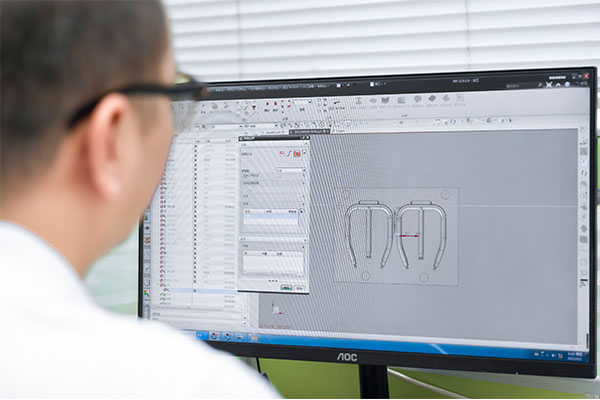
STEP 1: Requirement Review
Every project starts by confirming the toy type, interaction method, dimensions, target market, colors, branding, packaging, and requested documentation.
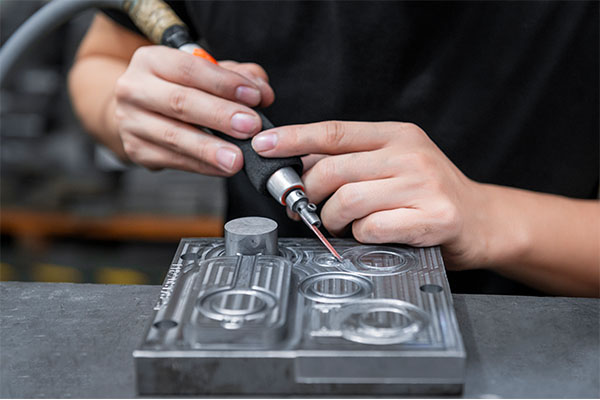
STEP 2: Tooling Evaluation
The engineering team reviews bubble geometry, thin sections, and undercuts to determine whether existing tooling works or new tooling is required.
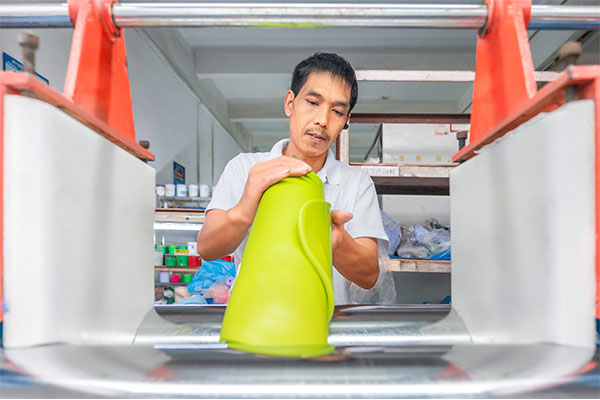
STEP 3: Material and Color Preparation
The selected silicone compound is prepared with the approved pigment and formulation, then checked against the confirmed production requirements.
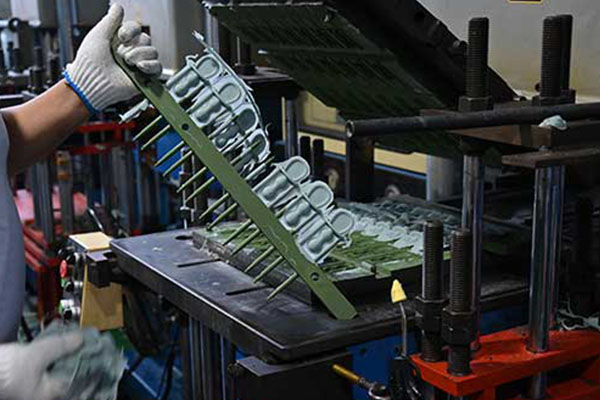
STEP 4: Silicone Molding
The material is molded using the selected production process, with tooling conditions controlled to reproduce the required shape and tactile structure.
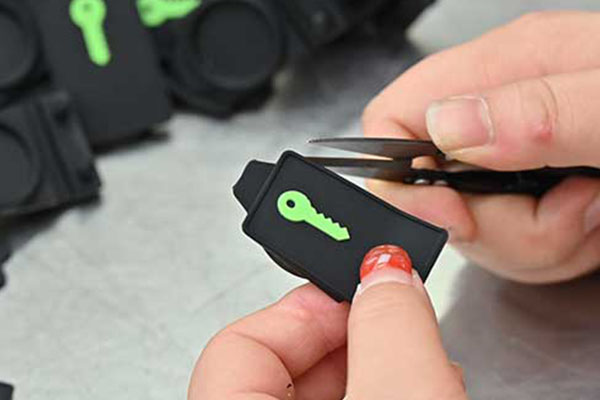
STEP 5: Demolding and Trimming
Once cured, each product is removed carefully and trimmed. Thin features, bubble edges, and functional areas receive additional visual inspection.
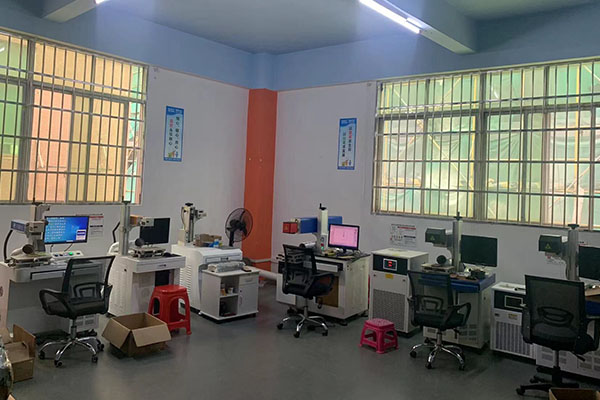
STEP 6: Branding and Surface Processing
Molded logos, embossed details, or approved printed graphics are completed according to the confirmed artwork, position, and appearance requirements.
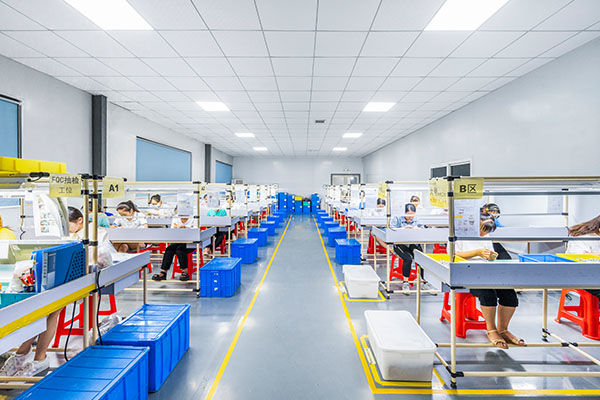
STEP 7: Quality Inspection & Testing
Finished products are checked against the approved sample for dimensions, color, tactile performance, appearance, functional structure, and branding quality.
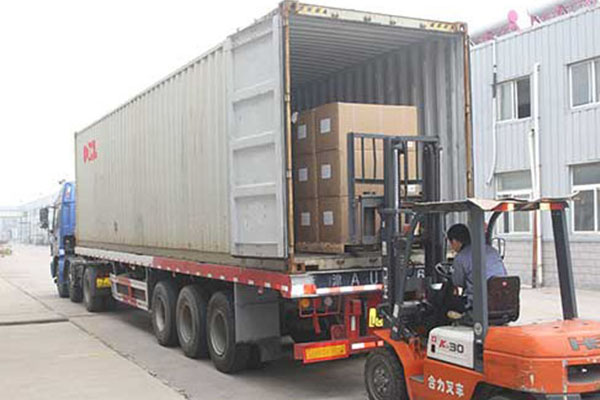
STEP 8: Packaging and Shipment
After final inspection, products are counted, packed, labeled, and carton-marked according to the approved packaging and shipping requirements.
Silicone Fidget Toy Quality Control
Quality control begins with the approved product standard, not just the final inspection table. While appearance is important for silicone fidget toys, consistent tactile performance and structural durability are equally important.
AQL 2.5 / 4.0 Standard Inspection
Final random inspection can follow an agreed AQL sampling plan.
AQL 2.5
Critical / Major Defects
AQL 4.0
Minor Visual Flaws
Another inspection standard can also be followed when it is specified in the purchase order.
Approved Sample Control
The approved sample becomes the production reference for:
- Overall shape
- Product dimensions
- Color
- Surface finish
- Bubble or tactile structure
- Functional response
- Logo position
- Packaging presentation
Incoming Material Review
Before production, silicone compounds, pigments, and relevant supplier documentation are checked against the confirmed project requirements.
In-Process Inspection
Production teams monitor the completeness of the molding, the consistency of the color, the condition of the surface, and whether the functional structures are formed correctly during manufacturing.
Appearance Inspection
Each finished product is checked for:
- Tears or cracks
- Surface contamination
- Severe bubbles
- Incomplete molding
- Flash or irregular edges
- Visible deformation
- Surface damage
Dimensions and Structure
The overall dimensions and critical functional areas are checked against the approved specifications. Particular attention is given to bubble spacing, wall transitions, and thin structural sections.
Color Consistency
Production colors are compared with the approved sample under controlled viewing conditions to identify unacceptable variations between products or batches.
Logo Quality
Where branding is included, inspection covers:
- Position
- Size
- Edge definition
- Molded depth
- Ink coverage
- Missing details
- Blurred printing
- Visible adhesion issues
Functional Performance
A fidget toy should be evaluated by using it, not only by looking at it.
The agreed inspection method can include repeated pressing, squeezing, stretching, or manipulation of the relevant functional area to confirm that the product performs as intended.
Packaging Inspection
Product quantity, SKU identification, labels, barcodes, inserts, bags, boxes, and carton markings are verified before shipment.
Silicone Fidget Toy Packaging Options
Plan packaging ways early for separate artwork approval and production schedules.

Bulk Packaging
Simple individual bags or multi-piece packing help control cost for wholesalers, promotional distribution, and high-volume supply projects.

Retail Packaging
Header cards, printed boxes, and display-oriented packaging provide space for branding, product information, and barcode identification.

Ecommerce Packaging
SKU labels, scannable barcodes, product inserts, and marketplace-specific labeling can be prepared according to your approved packaging requirements.

Premium Brand Packaging
Custom boxes, printed sleeves, and coordinated inserts create a stronger presentation for gift collections and higher-value private-label products.
Typical Silicone Fidget Toy Specifications
| Specification | Typical Project Reference |
|---|---|
| Product | Custom silicone fidget toy |
| Product category | Consumer, sensory, novelty, or promotional product |
| Main functions | Pressing, popping, squeezing, stretching, or tactile manipulation |
| Material | Silicone rubber selected for the project |
| Hardness | Confirmed according to tactile function and product structure |
| Product shape | Standard or custom-designed shape |
| Size | Custom dimensions according to product design |
| Wall structure | Developed according to flexibility and durability requirements |
| Colors | Standard colors or custom color matching |
| Surface | Smooth, matte, glossy, or molded texture |
| Functional structure | Pop bubbles, squeeze sections, stretchable areas, or custom tactile features. |
| Molding Process | Compression molding or liquid injection molding (LIM) typically |
| Logo methods | Embossed, debossed or approved printed branding |
| Packaging | Bulk, OPP/PE bag, header card, retail box, or custom packaging |
| MOQ | Depends on existing tooling, custom structure, and packaging |
| Sample lead time | Confirmed after project evaluation |
| Mass-production lead time | Confirmed after sample and order approval |
| Inspection | Approved sample plus agreed inspection standard |
| OEM and ODM | Available |
Final specifications are confirmed according to the selected product structure, material, artwork, packaging, and approved sample.
Why Work with RY Silicone

Silicone Manufacturing Experience Since 2012
RY Silicone is a China-based manufacturer focused on custom silicone product development and production since 2012.
We support projects from early concept evaluation through sampling, bulk production, inspection, and export preparation.
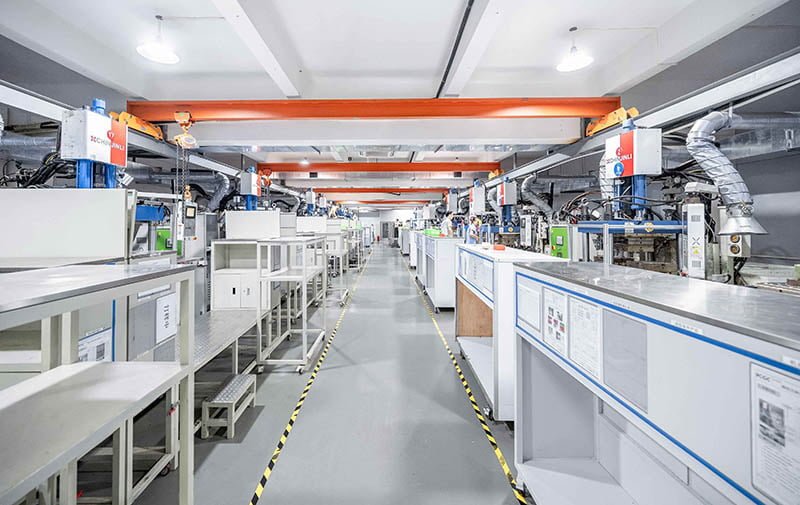
10,000+ m² Production Facility
Our production facility supports silicone molding, finishing, branding, quality inspection, and packaging within a coordinated manufacturing workflow for different custom product requirements.

30+ Production Machines
Multiple production machines support different product structures and scalable order volumes. Production planning is adjusted according to tooling, molding requirements, finishing processes, and confirmed delivery schedules.

Up to 100,000 Silicone Products per Day
Our production capacity supports repeat orders and larger-volume projects. Actual output depends on product size, structure, molding cycle, finishing requirements, and inspection standards.
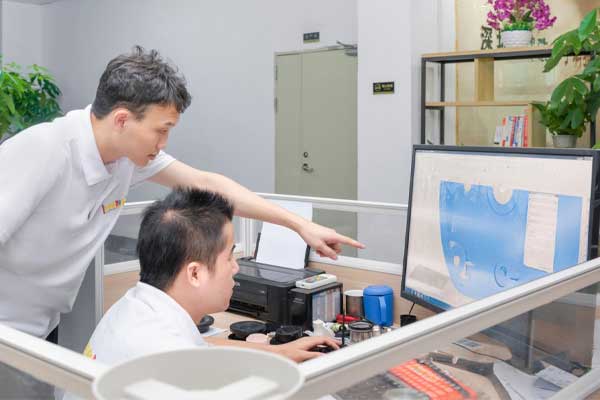
Engineering Review Before Quotation
We do not quote a custom fidget toy from a product name alone.
Our team first reviews the interaction method and product structure, then checks dimensions, material behavior, colors, branding, and packaging. Functional areas such as pop bubbles or thin stretchable sections are evaluated before the manufacturing proposal is confirmed.

Sample-Based Production
Mass production follows an approved product reference.
The sample establishes the standard for shape and tactile performance first, followed by color, surface finish, branding, and packaging. If a production detail conflicts with the approved standard, the issue should be reviewed before continuing.
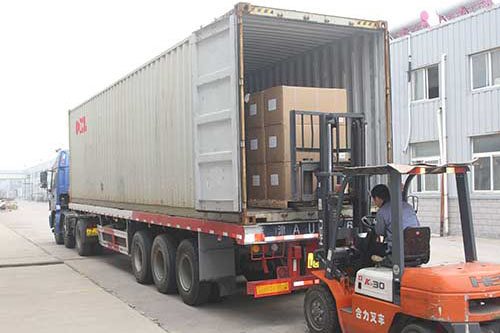
Export Project Support
RY Silicone supports international OEM and private-label projects for brands, distributors, and wholesalers.
Our team can coordinate product documentation, commercial communication, packaging requirements, and shipment preparation according to the confirmed project requirements.
Silicone Fidget Toy FAQ and Final RFQ
What is the MOQ for custom silicone fidget toys?
The MOQ depends on whether you select an existing product structure or develop a completely new custom design. Tooling requirements, product size, colors, branding, and packaging also affect the final minimum order quantity.
For a new project, send us your design or reference product so we can evaluate the appropriate production plan.
Can you manufacture custom-shaped silicone fidget toys?
Yes.
We can evaluate custom shapes based on your drawings, 3D files, physical samples, or reference images. The engineering review considers the product geometry, functional areas, wall structure, and whether new tooling is required.
Can I create my own private-label silicone fidget toy?
Yes.
Private-label projects can include your own product colors, molded branding, logo artwork, and retail packaging. A custom shape can also be developed when stronger product differentiation is required.
Which silicone hardness is best for a fidget toy?
The best hardness depends on how the product is intended to work.
A squeeze toy, stretchable design, and pop-bubble structure may require different material behavior. Hardness should therefore be selected together with wall thickness and functional geometry rather than as an isolated specification.
Can you match custom colors?
Yes.
Provide your preferred color reference, such as a Pantone reference, and confirm the production color through the agreed sampling process before mass production.
The final appearance can be influenced by silicone thickness and surface texture.
Can one silicone fidget toy have multiple colors?
Yes.
Multi-color layouts can be developed according to the product structure and selected manufacturing process. The feasibility should be reviewed during product development because complex color separation can affect tooling and production planning.
How durable are silicone fidget toys?
Durability depends on the material, product structure, and type of repeated interaction.
Areas designed for continuous pressing, stretching, or bending require suitable geometry and thickness. The approved sample should be tested according to the intended use before mass production.
Can you add a logo to a silicone fidget toy?
Yes.
Available branding methods can include embossed logos, debossed logos, and approved printed graphics.
The best option depends on your artwork, logo detail, product surface, and expected handling conditions.
Do custom silicone fidget toys require new tooling?
A new mold tool is generally required when the project includes:
- A unique product shape
- New functional geometry
- Custom bubble layouts
- Different dimensions
- Original molded structures
- New tactile features
- Significant structural changes
Existing tooling may provide a faster route when a suitable product structure is already available.
Can you provide material or compliance documentation?
Available documentation depends on the selected silicone compound, pigment, finished-product configuration, and destination market.
Please provide your target market and required standards before production planning so the appropriate documentation requirements can be reviewed.
How long does silicone fidget toy production take?
The production schedule depends on whether new tooling is required, the complexity of the product, sampling requirements, order quantity, branding, and packaging.
A project timeline is confirmed after the product specifications and manufacturing requirements have been reviewed.
What information do you need to quote a custom silicone fidget toy?
Please provide:
- Target order quantity
- Product type or reference image
- Intended tactile function
- Product dimensions
- Custom shape or design files
- Color requirements
- Logo artwork
- Branding position
- Packaging requirements
- Destination country
- Required documentation or testing
- Target delivery date
The more complete the project information, the more accurately the product structure and manufacturing plan can be evaluated.