
Silicone VS. Other Materials
Silicone is often compared to “other materials” as if it were just one more plastic or rubber. In real product development, silicone behaves differently because it sits between worlds: it can act like an elastomer, it can function as an electrical insulator, it can survive harsh weathering, and it can be formulated for food-contact and medical use.
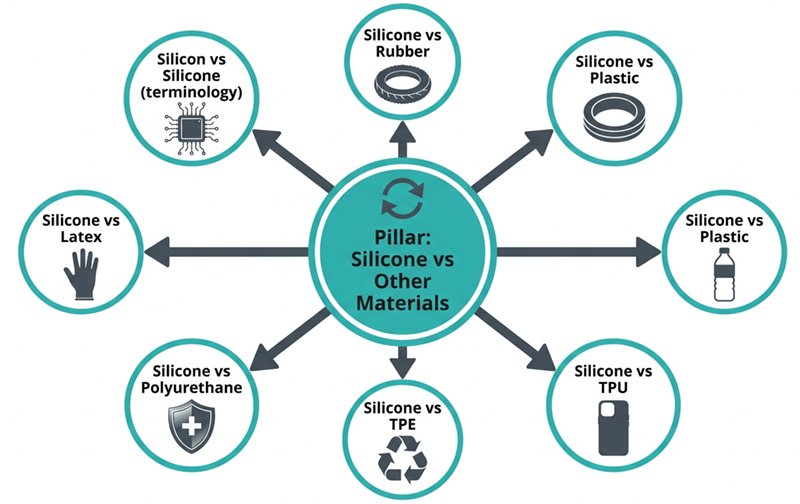
This pillar guide explains how to compare silicone vs other materials in a practical way—then links to deeper “spoke” articles for each material pair (for example, silicone vs rubber).
What This Pillar Covers (and What It Doesn’t)
This article helps you decide when silicone is a strong default choice and when another material family is more appropriate by looking at:
- Temperature exposure (continuous vs intermittent)
- UV/ozone/weathering (outdoor aging)
- Chemical and media exposure (oil, fuel, solvents, cleaners)
- Mechanical demands (abrasion, tear strength, impact, flex cycling)
- Compliance needs (food contact, medical)
- Manufacturing route (molding, extrusion, overmolding, tolerance control)
- Total cost of ownership (not only piece price)
It does not replace a final compound selection. Final selection should always be validated against your exact operating conditions and compliance requirements.
A Practical Comparison Framework
Start with failure modes, not material names
Ask what you cannot tolerate:
- leaking after long compression?
- cracking outdoors?
- swelling in oil?
- permanent deformation after heat cycling?
- cosmetic yellowing?
- regulatory non-compliance?
Map the environment
- Temperature: max/min + cycling frequency
- Media: oils/fuels/solvents/water/cleaners + contact time
- Load: compression, dynamic movement, abrasion
- Exposure: indoor/outdoor, UV, ozone, humidity
- Lifetime: prototype vs multi-year program
Only then compare “silicone vs X”
Once the environment is clear, comparisons become much more reliable.
Silicone vs Key Material Families (High-Level Guidance)
Silicon vs Silicone (terminology and sourcing risk)
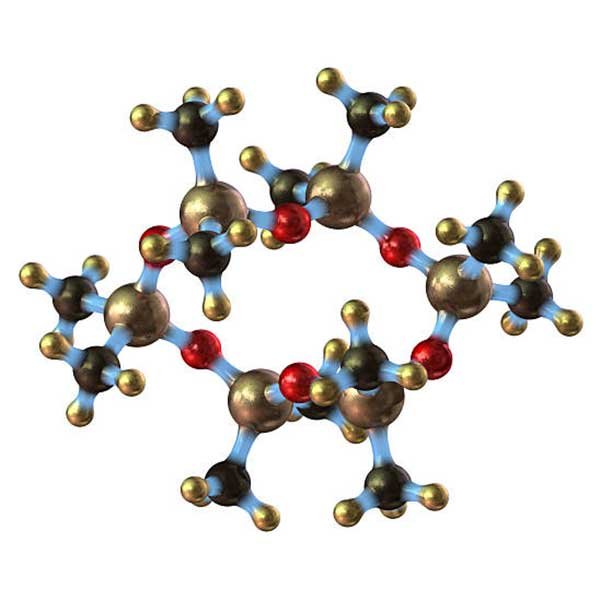
This is a common procurement mistake: silicon (element, semiconductors) vs silicone (polymer, rubber/sealants). If you source molded rubber parts, you almost always mean silicone.
Silicone vs Rubber (Elastomer choice)
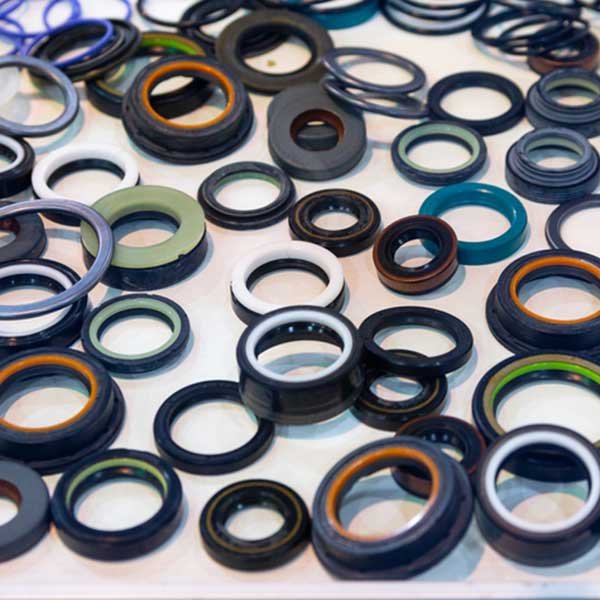
Rubber is not one material—EPDM, NBR, FKM, NR, etc. each solve different problems. Silicone is commonly chosen for temperature stability and outdoor aging, while many rubbers can outperform silicone in abrasion/tear strength or oil/fuel resistance.
Read the full spoke:
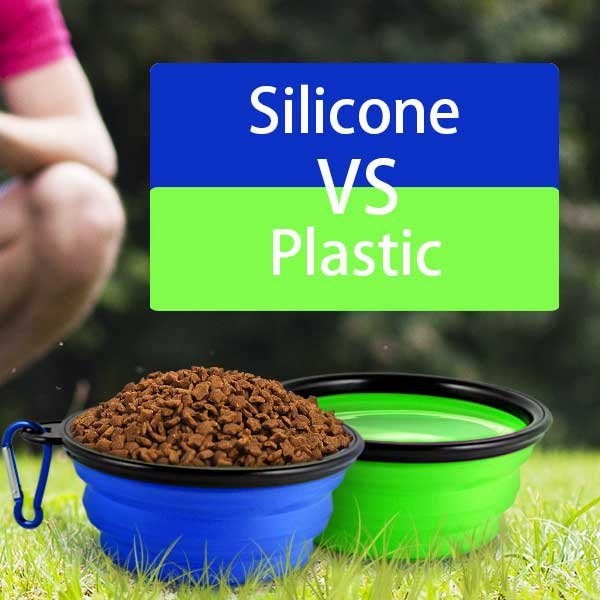
Silicone vs Plastic (Rigid/semirigid polymers)
Plastics are often chosen for low cost, rigidity, and fast cycle times, but many plastics struggle with heat, long-term aging, and some compliance contexts. Silicone is often chosen for flexibility + heat resistance + long service life.
Silicone vs TPU (Durability vs soft-touch)
TPU is popular for abrasion resistance, toughness, and consumer protective parts. Silicone is often selected for temperature stability, soft-touch feel, and weathering resistance—but TPU may win in high-wear conditions.
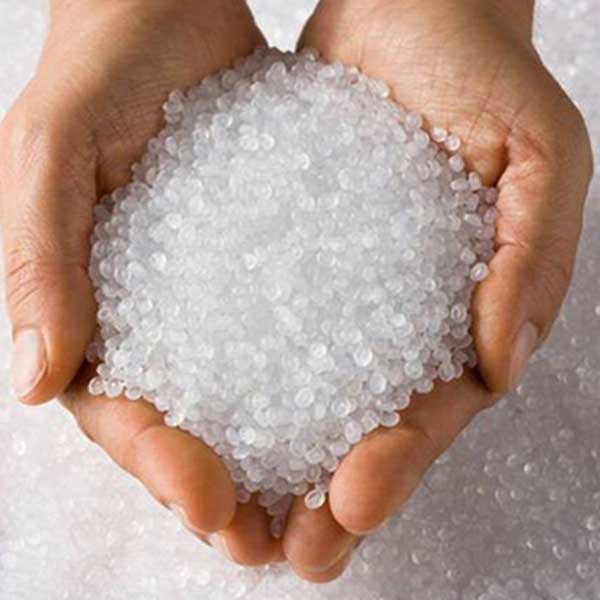
Silicone vs TPE (Cost + recyclability vs stability)
TPEs are often selected for cost efficiency, recyclability, and high-volume consumer parts. Silicone is often selected when heat, aging, and long-term stability matter more than initial cost.
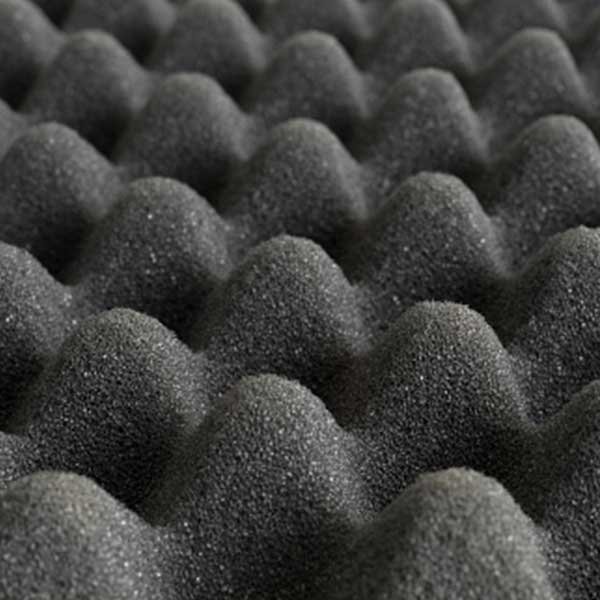
Silicone vs Polyurethane (PU)
PU is often chosen for abrasion resistance, mechanical strength, coatings, and certain industrial environments. Silicone is often chosen when temperature stability, weathering, and insulation dominate.
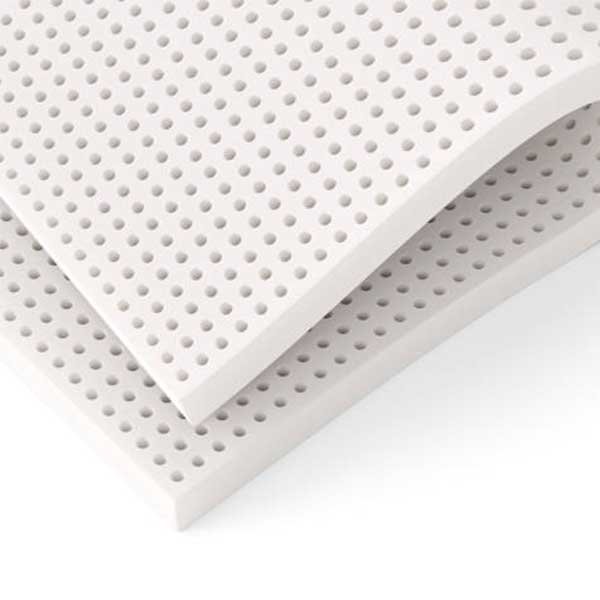
Silicone vs Latex (Allergy + aging concerns)
Latex can be very elastic and cost-effective, but allergy risk and aging behavior matter in many applications. Silicone is often selected when hypoallergenic requirements, stability, and durability are prioritized.

Silicone vs Nylon (Engineering plastic vs elastomer)
Nylon (PA6, PA66) is a rigid engineering plastic chosen for structural strength, stiffness, and abrasion resistance in gears, brackets, fasteners, and wear parts. Silicone is chosen when the part must flex, seal, insulate, or hold up to heat and weathering. The decisive differences are moisture absorption — nylon takes up water and shifts dimensionally, silicone does not — and load behavior: nylon carries structural load, silicone recovers from deformation.
FAQ
Not universally. Silicone is often “better” when the environment is harsh (temperature cycling, UV/ozone, long-term aging) or when compliance matters. Other materials may be better for abrasion, oil resistance, structural rigidity, or cost.
At minimum: operating temperature range, exposure media (oil/fuel/solvents/water/cleaners), indoor/outdoor exposure, mechanical loading (compression/abrasion), lifetime target, and any compliance needs (food/medical).
Because early tests often miss boundary conditions: long compression time, repeated thermal cycling, outdoor aging, or intermittent chemical exposure. These factors can change hardness, rebound, and sealing force over time.