Have you ever faced the challenge of designing a product with both durability and a soft feel? Silicone overmolding may be the perfect solution. In this article, we’ll dive into the process of silicone overmolding, its key benefits and wide range of applications.
What is Silicone Overmolding?
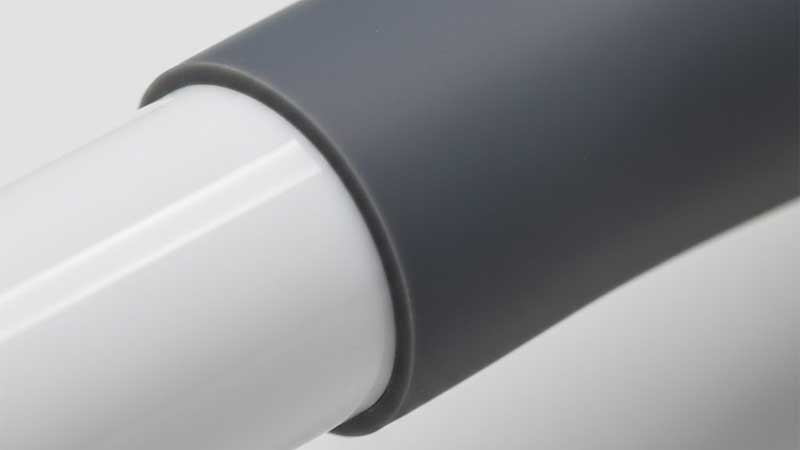
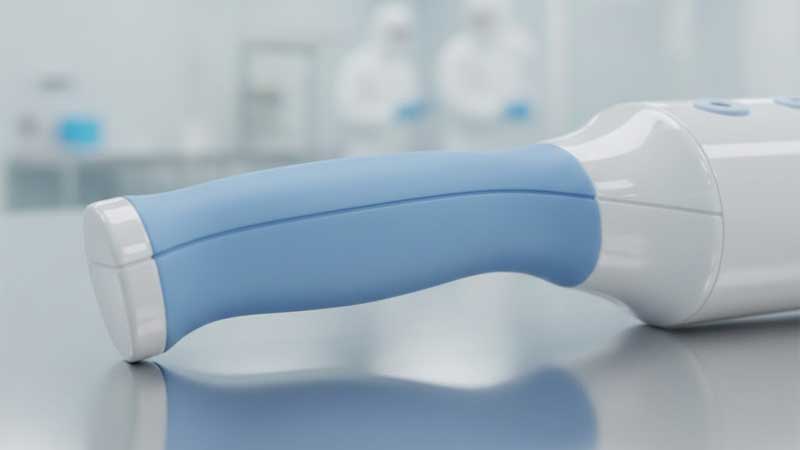
Silicone Overmolding molds silicone onto a substrate such as plastic, metal, or glass. This technique combines the strength of hard materials with the softness and flexibility of silicone. It’s commonly used in products like catheter grips, steering wheel grips, button pads, and kitchen tool handles. The result is a durable and comfortable product with enhanced functionality.
Overall, silicone overmolding is a versatile and efficient process. It allows for the creation of high-quality, multi-functional products across various industries.
Process Flow of Silicone Overmolding
The silicone overmolding process involves several key steps, from preparing the rigid substrate to injecting and curing the silicone. Here’s a detailed breakdown of each step:
Preparation of the Rigid Substrate
The process begins with creating the rigid part, typically made of materials like plastic, metal, or glass. This part is usually produced using methods such as injection molding, stamping, or die-casting. It must be carefully designed to fit into the overmolding mold.
Cleaning and Surface Treatment
Before overmolding, the substrate’s surface is thoroughly cleaned to remove any contaminants, such as oil, dust, or mold release agents. A clean surface ensures strong adhesion between the rigid material and the silicone. In some cases, surface treatments like plasma or corona treatment are used to improve bonding strength. This step is critical for achieving a long-lasting, reliable bond.

Mold Setup
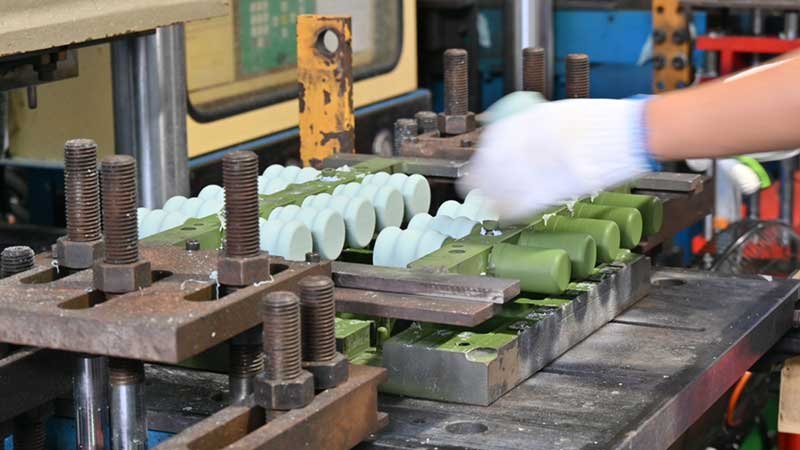
The cleaned substrate is placed into a specially designed mold with two cavities—one for the rigid material and the other for the silicone. The mold is then preheated to the required temperature to ensure proper curing of the silicone. This preheating reduces curing time and helps the silicone flow smoothly into the mold.
Silicone Injection
Silicone is injected into the mold cavity surrounding the rigid substrate under high pressure. This helps the silicone fill every intricate detail of the substrate. Both the injection speed and pressure are carefully controlled to avoid air bubbles or uneven silicone distribution.
Curing and Cooling
After injection, the mold is heated to cure the silicone. The curing time and temperature are carefully controlled to ensure that the silicone solidifies and bonds effectively to the rigid substrate. After curing, the mold is cooled down to solidify the silicone further.
Part Removal and Finishing
Once the part has cooled and cured, it is removed from the mold. Any excess silicone, called flash, is trimmed off to give the part a clean finish. The final part is inspected for quality and functionality.

Advantages of Silicone Overmolding
Silicone overmolding offers several key benefits:
- Functionality
By combining the strength of the rigid substrate with the softness of silicone, overmolding enhances product functionality. It improves grip, provides shock absorption, and offers water resistance, making products more practical and user-friendly.
- Cost-Effectiveness
Silicone overmolding helps reduce assembly steps. This results in lower manufacturing and assembly costs, making it an economical choice for mass production.
- Aesthetic Appeal
The process allows for a wide range of color options and a soft tactile feel. These features not only improve the product’s look and feel but also help elevate the brand image by offering a high-quality, visually appealing design.
Overall, silicone overmolding enhances product performance, reduces production costs, and improves both functionality and aesthetics, making it a preferred choice for many industries.
Common Applications of Silicone Overmolding
Silicone overmolding is widely used across multiple industries, thanks to its ability to merge the durability of rigid materials with the flexibility and softness of silicone.
| Application | Products/Uses |
| Medical Devices | Catheters, syringes, surgical tools, medical grips |
| Automotive Parts | Steering wheel grips, knobs, gaskets, seals |
| Consumer Electronics | Mobile phone cases, button pads, headphones |
| Household Products | Kitchen utensils, bath accessories, toothbrushes |
| Sports and Fitness Equipment | Exercise equipment grips, sports gear, fitness accessories |
| Toys and Baby Products | Teething rings, pacifiers, bottle nipples, children’s toys |
| Industrial Applications | Seals, gaskets, insulation components |
| Electrical and Wiring Components | Connectors, switches, cables |
Medical Devices
Silicone overmolding plays a key role in the medical sector by providing comfort and reliability. It’s often used in products like catheters, surgical instruments, and syringes. The silicone layer ensures a soft touch, making these devices more comfortable for patients.
Automotive Parts
In the automotive world, silicone overmolding is applied to produce steering wheel grips, knobs, gaskets, and seals. Silicone enhances comfort with its soft touch, while the solid base material ensures these parts remain durable and capable of withstanding harsh conditions.
Consumer Electronics
Common items like mobile phone cases, button pads, and headphones are produced by silicone overmolding. The silicone layer acts as a shock absorber, protecting devices from damage.
Household Products
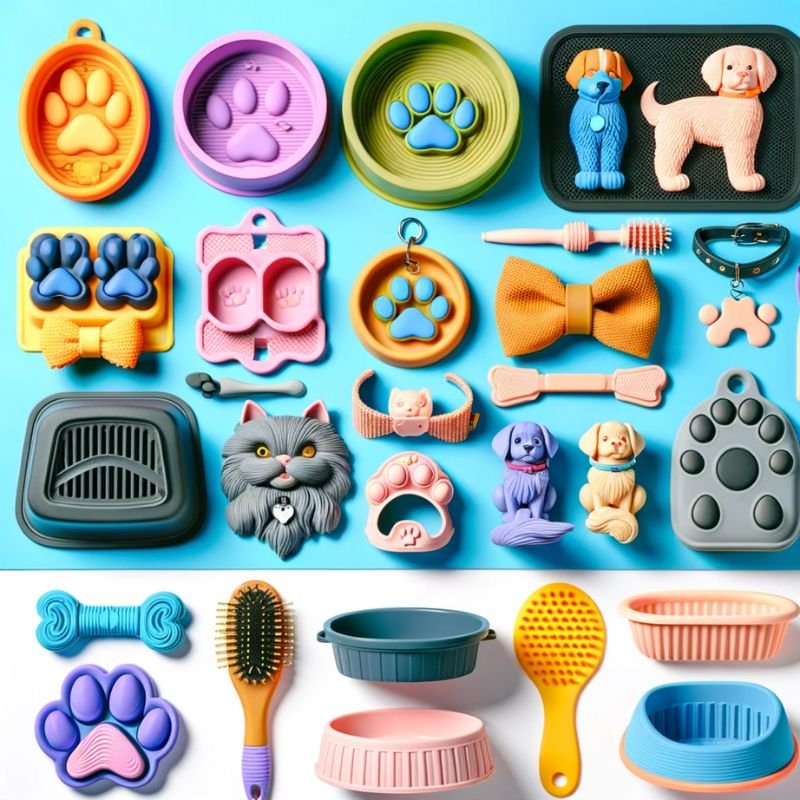
Many household products rely on silicone overmolding for both functionality and comfort. Items such as kitchen utensils, bath accessories, and toothbrushes benefit from this technique.

Sports and Fitness Equipment
Silicone overmolding is widely used in the sports and fitness industry to create ergonomic, durable products. Exercise equipment handles, sports gear, and fitness accessories are commonly produced with this method. Silicone’s flexible and slip-resistant properties ensure these items are both comfortable and safe during intense use.
Toys and Baby Products
Silicone overmolding is especially valuable in the production of baby items such as teething rings, pacifiers, and bottle nipples. It makes these products safe, soft, and non-toxic. It’s also used in children’s toys, combining safety with durability.
Industrial Applications
The industrial sector uses silicone overmolding for producing parts that need to endure extreme environments. Seals, gaskets, and insulation materials often rely on this technology. These parts are designed to withstand high temperatures, harsh chemicals, and physical wear.
Electrical and Wiring Components
Silicone overmolding is used to protect electrical components such as connectors, switches, and cables. The silicone coating provides insulation, moisture resistance, and added flexibility.

Substrates Commonly Used in Silicone Overmolding
Choosing the right substrate is one of the most critical factors in successful silicone overmolding. The bonding performance, durability, and final product quality all depend on how well the silicone interacts with the base material. Below are the most commonly used substrates in silicone overmolding and their typical characteristics.
Plastics
Plastics are the most widely used substrates in silicone overmolding due to their versatility, light weight, and cost efficiency. Common plastics include ABS, PC, PC/ABS, nylon (PA), PBT, and polypropylene.
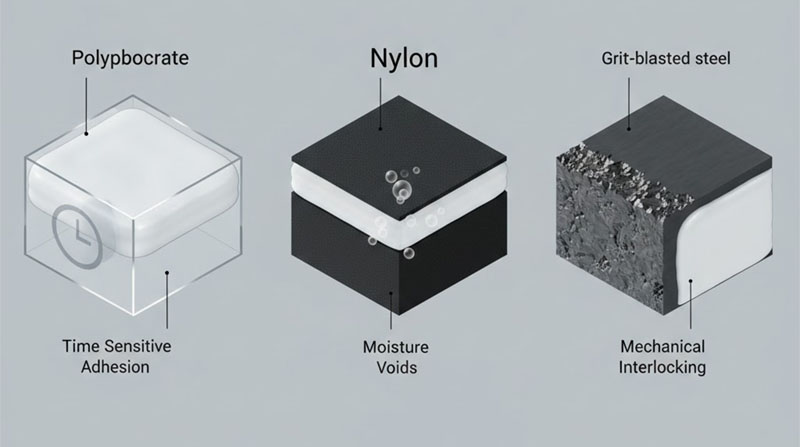
Certain plastics, such as PC and PC/ABS, offer better natural adhesion to silicone, especially when combined with proper surface treatment. Others, like polypropylene, usually require special primers or mechanical locking structures to achieve reliable bonding. Plastic substrates are commonly used in consumer electronics, household products, and medical devices where weight and design flexibility matter.
Metals
Metal substrates such as aluminum, stainless steel, and carbon steel are often chosen when high strength, durability, or heat resistance is required. Silicone overmolding on metal is common in industrial components, automotive parts, and medical instruments.
Metals typically provide excellent mechanical stability, but surface preparation is essential. Degreasing, sandblasting, or plasma treatment helps improve adhesion. In many cases, silicone bonds more consistently to metal than to low-surface-energy plastics, resulting in strong and long-lasting overmolded parts.
Glass
Glass is less common but still important in certain applications, especially in medical, laboratory, and high-end consumer products. Silicone overmolding on glass provides cushioning, sealing, and impact protection.
Because glass has a smooth and non-porous surface, adhesion relies heavily on surface treatment and silicone formulation. When properly processed, glass-silicone combinations offer excellent chemical resistance and a clean, premium appearance.
Ceramics and Other Rigid Materials
In specialized applications, ceramics or engineered composites may be used as substrates. These materials are selected for extreme temperature resistance, electrical insulation, or chemical stability.
Although bonding silicone to these substrates can be challenging, the use of primers and customized silicone compounds makes reliable overmolding possible in demanding environments such as electronics insulation and industrial sealing.
Key Design Tip:
When selecting a substrate for silicone overmolding, engineers should consider surface energy, operating temperature, chemical exposure, and mechanical stress. Early material compatibility testing can significantly reduce development risk and production cost.

Common Challenges in Silicone Overmolding and Solutions
In the silicone overmolding process, manufacturers may face several technical challenges. These issues can affect the quality, performance, and efficiency of the final product. Below are some common problems and the solutions to address them:
Adhesion Issues
- Problem: Poor adhesion can lead to the silicone layer peeling off during use.
- Solution: Surface treatment techniques like plasma treatment can improve adhesion by cleaning and roughening the substrate. Selecting silicone materials that are compatible with the substrate material can enhance bond strength. Correct temperature and pressure are also important for a strong bond.
Material Compatibility
- Problem: Different materials may not always work well together, leading to issues like poor adhesion, shrinkage, or material degradation over time. For instance, some types of plastic may not bond effectively with silicone, causing the silicone to peel off or not adhere properly.
- Solution: Use compatibility charts and conduct feasibility tests before production. Testing the silicone with the chosen substrate can help identify potential issues and allow for adjustments in material selection.
Curing Inconsistencies
- Problem: Inconsistent curing of silicone leads to areas that are either too soft or too hard.
- Solution: Monitoring and adjusting temperature and curing time based on material specifications can help achieve uniform curing.
Frequently Asked Questions About Silicone Overmolding
Does silicone overmolding peel off over time?
Silicone overmolding does not peel off when the process is properly designed and controlled. Peeling usually happens due to poor surface preparation, incompatible materials, or incorrect curing conditions.
In professional manufacturing, adhesion is improved through surface treatments such as plasma or chemical primers, combined with optimized molding temperature and pressure. With the right material pairing and process control, silicone overmolded parts can remain securely bonded throughout their intended service life.
What materials bond best with silicone in overmolding?
Silicone bonds more reliably with certain materials than others. Plastics like PC, PC/ABS, and some grades of nylon generally show better bonding performance. Metals such as stainless steel and aluminum also provide strong and stable adhesion after proper surface treatment.
Low surface energy plastics, including polypropylene, are more challenging. These materials often require special primers or mechanical interlocking features to ensure long-term bonding strength.
Is silicone overmolding suitable for medical and food-contact products?
Yes, silicone overmolding is widely used in medical and food-contact applications when compliant materials are selected. Medical-grade and food-grade silicone can meet standards such as FDA and LFGB, safe for direct skin or food contact.
In these applications, manufacturers must also control contamination, curing conditions, and post-processing steps to ensure product safety, cleanliness, and consistent performance.
What is the difference between silicone overmolding and insert molding?
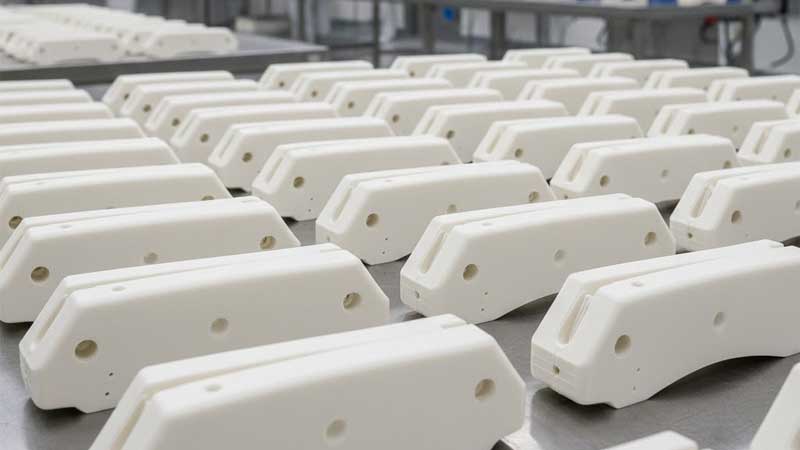
Silicone overmolding involves molding silicone directly onto a pre-formed rigid substrate, such as plastic or metal. Insert molding typically refers to placing a rigid insert into a mold and molding plastic around it.
The key difference lies in material behavior. Silicone remains flexible and elastic after curing, while plastics form rigid structures. Silicone overmolding is mainly used to add grip, sealing, cushioning, or insulation to a rigid part.
Can silicone overmolding be used for complex shapes and fine details?
Silicone overmolding is well-suited for complex geometries and fine surface details. Liquid silicone rubber flows easily into narrow gaps and intricate mold features, allowing for precise replication of textures and patterns.
However, mold design plays a critical role. Proper venting, gate design, and silicone viscosity selection are essential to avoid air traps and ensure uniform coverage.
Does silicone overmolding increase production cost?
Silicone overmolding may increase tooling and material costs compared to single-material molding. However, it often reduces total production cost by eliminating secondary assembly steps such as gluing or mechanical fastening.
For medium to high-volume production, the process can be highly cost-effective while delivering superior durability and product performance.
How long does silicone overmolding last in real-world use?
The service life of silicone overmolded products depends on the application environment, including temperature, chemical exposure, and mechanical stress. In normal consumer and industrial applications, silicone overmolding can last for many years without cracking, hardening, or losing adhesion.
Silicone’s resistance to heat, UV exposure, and aging makes it especially suitable for long-term use in demanding conditions.
What should be considered when designing a part for silicone overmolding?
Successful silicone overmolding starts at the design stage. Engineers should consider substrate material selection, bonding method, wall thickness, and mechanical locking features.
Early testing and design validation help avoid adhesion problems and ensure stable mass production. A well-designed overmolded part not only performs better but also reduces manufacturing risk.
Conclusion
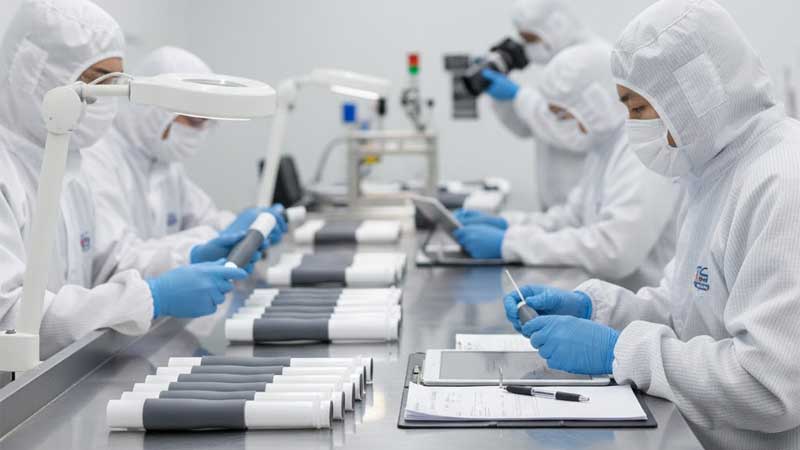
Silicone Overmolding is transforming how industries manufacture products, from medical devices to automotive components. Its ability to combine the strength of rigid materials with the flexibility and comfort of silicone makes it a valuable choice for creating high-quality, multi-functional products.
Are you looking for a reliable solution to silicone products? Contact us today. Our custom services can help turn your ideas into reality with the perfect blend of innovation and quality.