Manufacturing custom silicone products since 2012

Silicone Wine Stopper Manufacturer

Silicone wine stoppers for branded wine accessories and bottle-closure projects. RY Silicone evaluates custom shapes, sealing structures, colors, and packaging against your target bottles.

Home » Silicone Stopper » Silicone Wine Stopper

What Is a Silicone Wine Stopper?

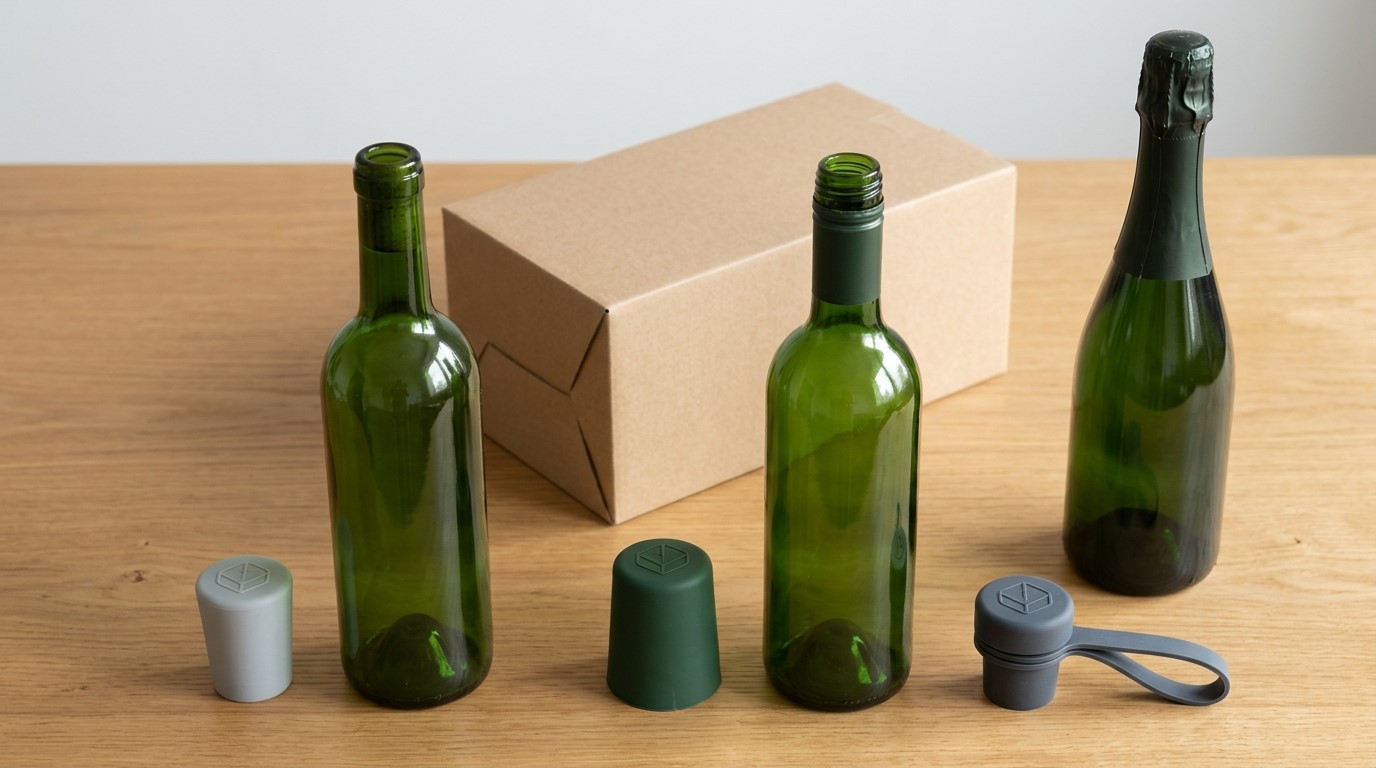
A silicone wine stopper is a reusable closure made wholly or partly from silicone that reseals an opened wine bottle. This type of silicone stopper contacts either the inner bottle neck or outer rim. A custom OEM or ODM version adapts that structure to a specified bottle, brand design, and sales channel.

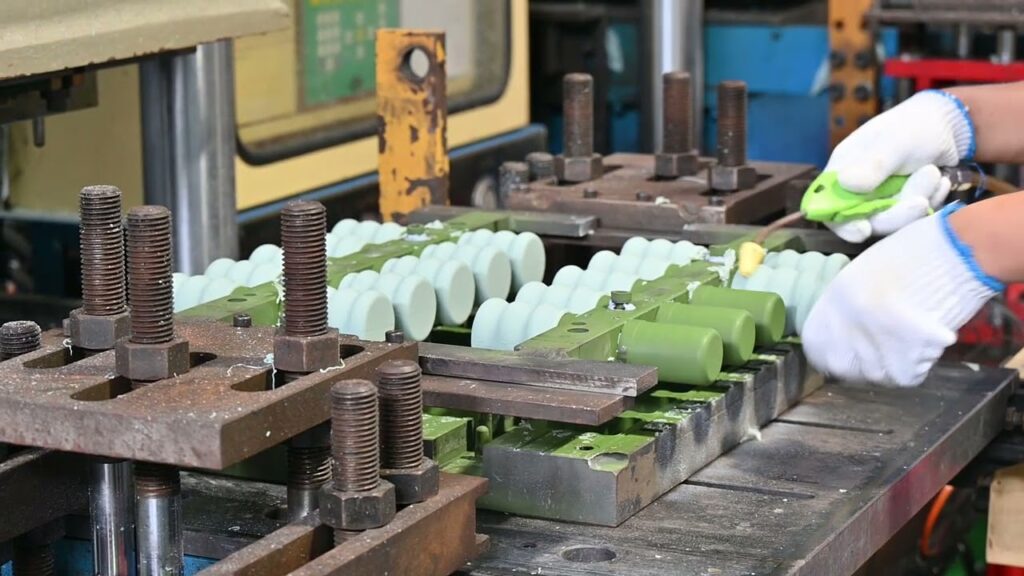
RY Silicone is a China-based silicone product manufacturer established in 2012. Its 10,000+ m² facility, 30+ production machines, and capacity of up to 100,000 silicone products per day describe factory-wide operations across product categories, not wine-stopper output. Wine-stopper geometry, tooling, material, assembly, and validation requirements are assessed for each project.

Silicone Wine Stopper Manufacturing at a Glance

MOQ and Project Route

Share your design and quantity. Existing tooling, new molds, components, and packaging determine the project minimum and quotation.

Bottle Fit

Define the bottle-neck opening, sealing position, and intended bottle set before selecting a stopper profile or cap structure.

Branding Methods

Choose a molded mark, suitable printed surface, or separate decorative top after checking artwork and contact areas.

Packaging Options

Match bulk packs, individual sleeves, retail cards, or gift boxes to the approved product and sales channel.

Who We Manufacture Silicone Wine Stoppers For

Bottle fit, presentation, and order structure differ across wine-accessory channels.

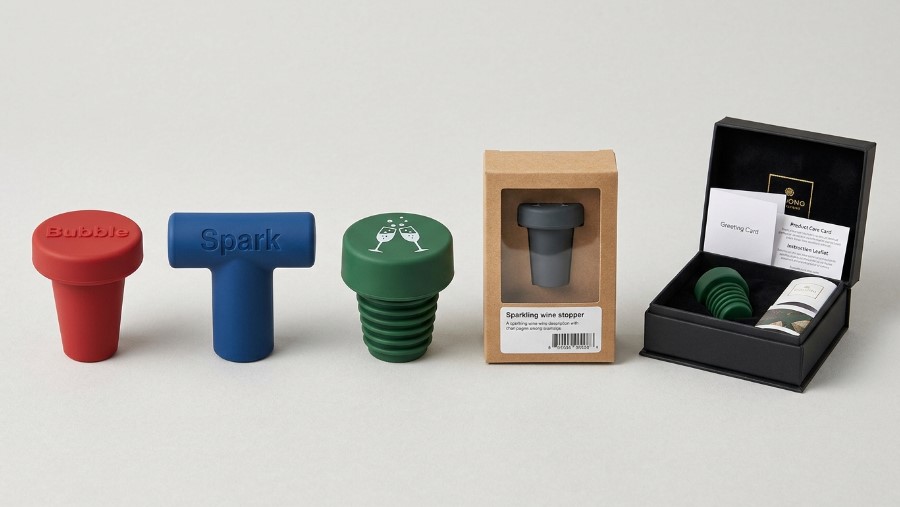
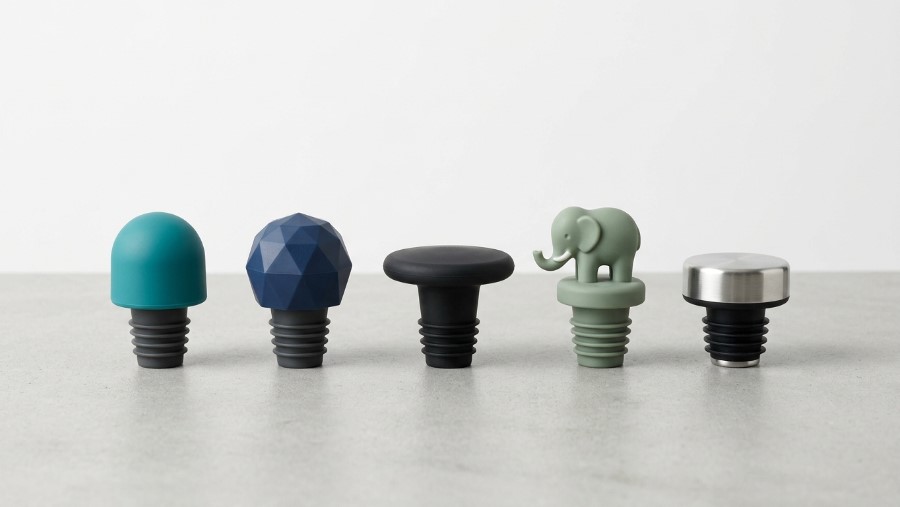
Several custom silicone wine stoppers with desired dimension and geometry designs for Wine and Beverage Brands

Wine and Beverage Brands

Develop a closure around your bottle-neck drawing and brand identity. Define whether the stopper is for still wine, sparkling wine, or a gift set before assessing its sealing structure.
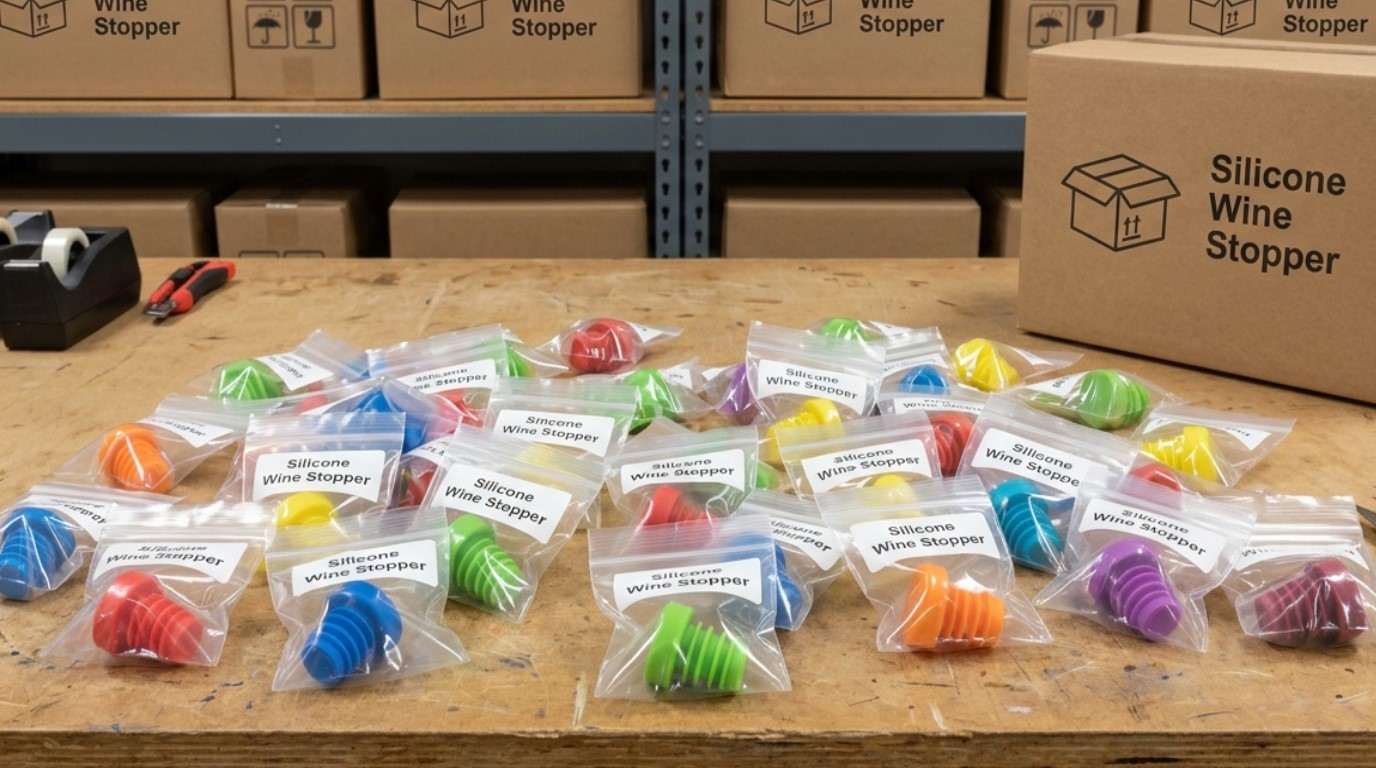
Multiple custom silicone wine stoppers in polybags for Distributors and Wholesalers

Distributors & Wholesalers

Source silicone wine stoppers for wholesale catalogs with clear SKU distinctions. Bottle compatibility, color allocation, packing units, and documentation requests help separate standard inquiries from new tooling projects.
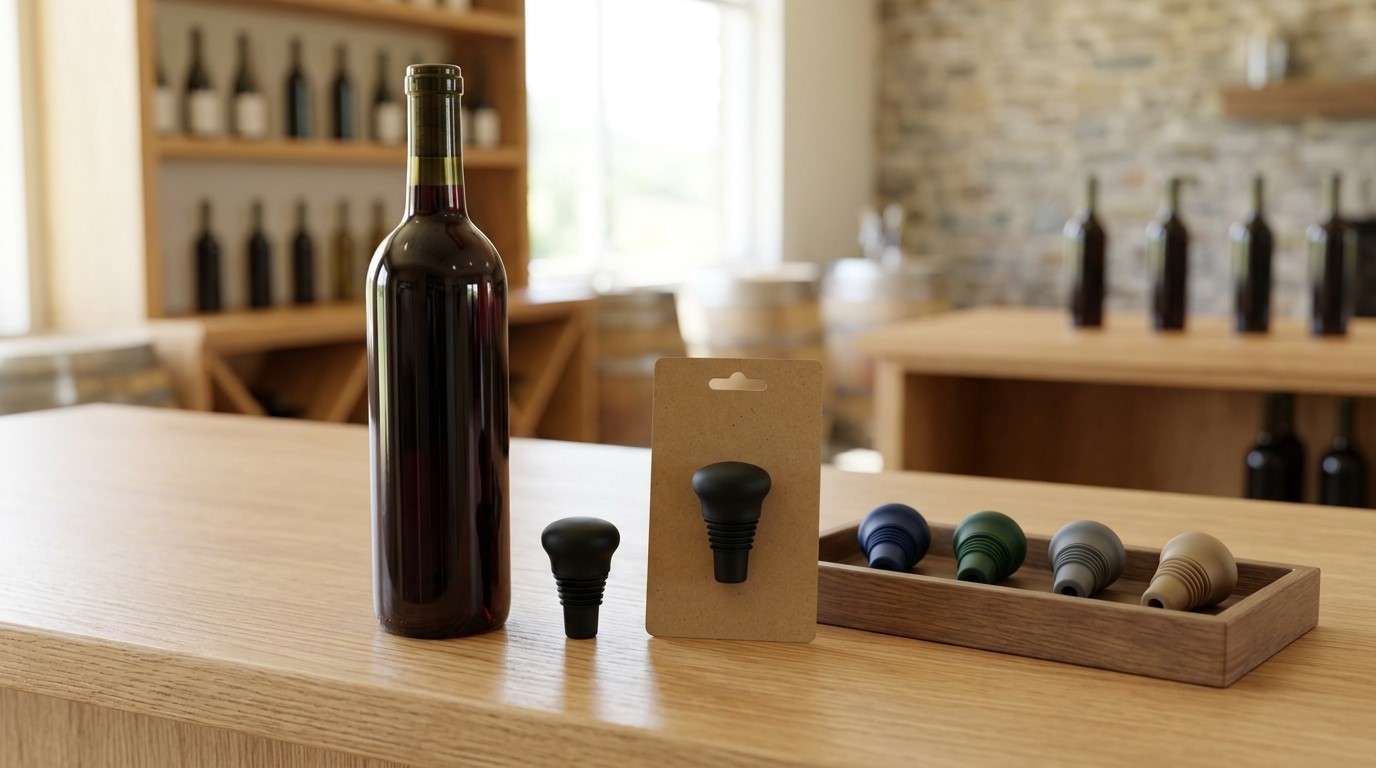
Leakproof, and reusaeable custom silicone wine flexible packaging and brand methods for Wineries and Tasting Rooms

Wineries and Tasting Rooms

Plan merchandise that customers can reuse after opening a bottle. Supply the actual bottle profile, intended display format, and logo artwork so the product can be assessed as one set.
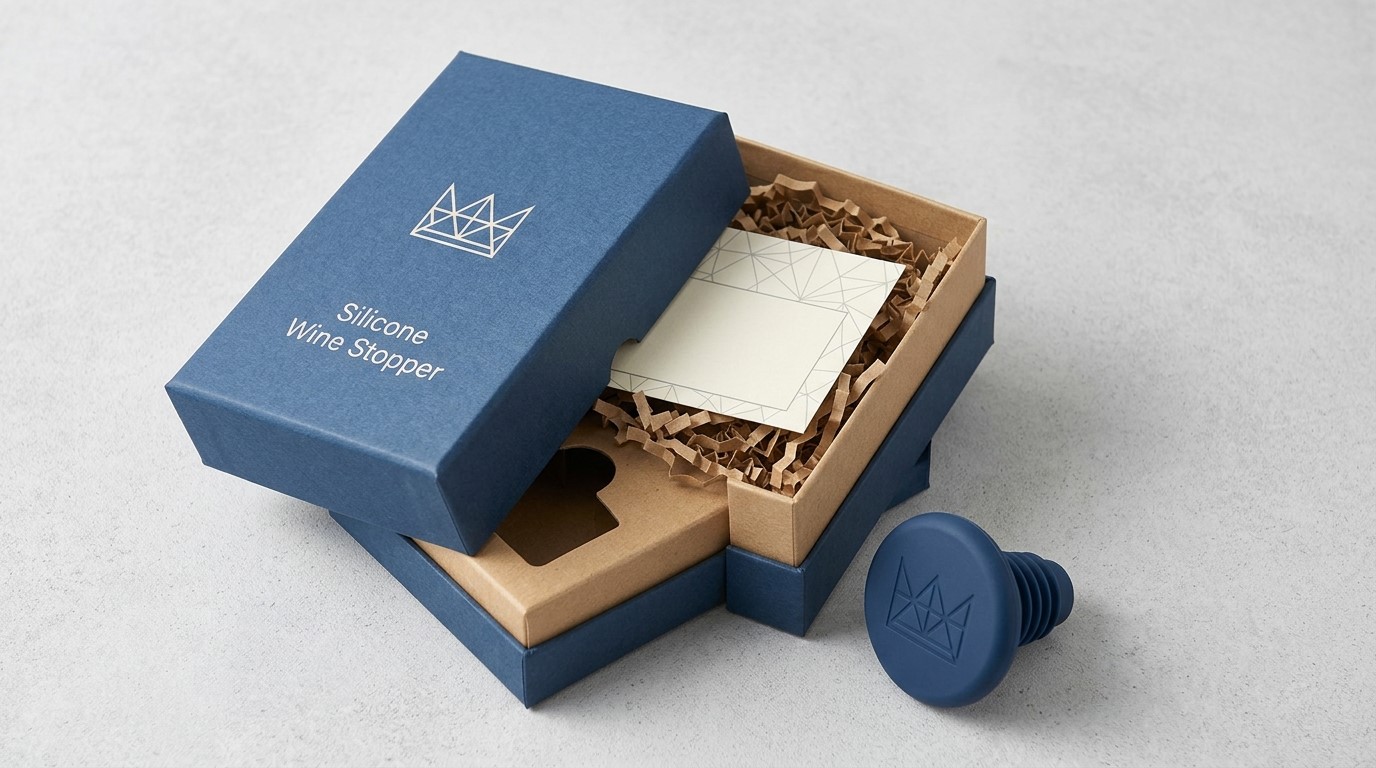
A silicone wine stopper in designed packaging for Event and Promotional Companies

Event & Promotional Companies

Coordinate branded stoppers for campaigns, hospitality gifts, and seasonal programs. The chosen top shape, print area, color split, and packaging artwork affect tooling and order planning.
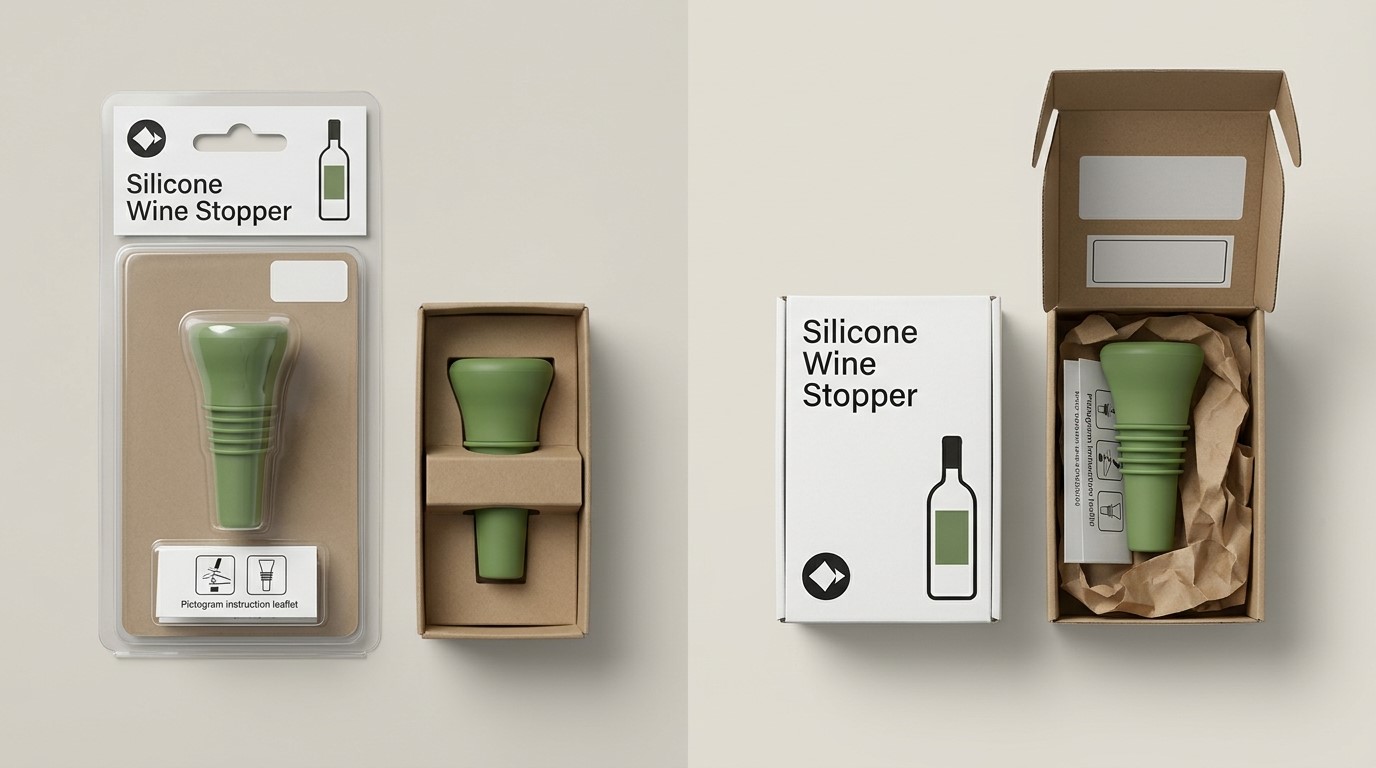
Tapered silicone wine stoppers in designed packaging for Retail and Ecommerce Sellers

Retail & Ecommerce Sellers

Build private-label listings around a defined stopper structure rather than a universal-fit claim. Final SKU labels, care instructions, carton presentation, and product photographs should match the approved configuration.
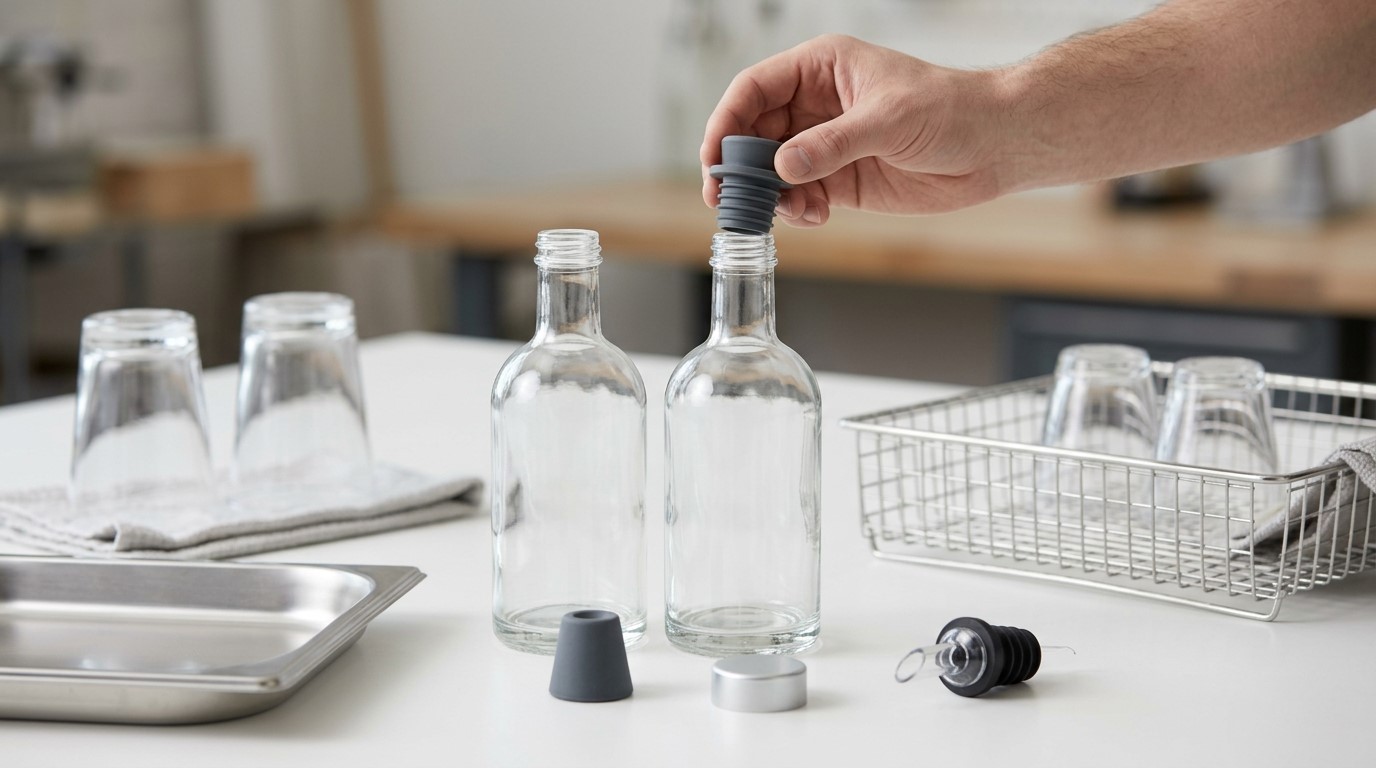
Dishwasher safe silicone wine stoppers with specific customizable geometry for Hospitality and Barware Suppliers

Hospitality and Barware Suppliers

Specify the bottles used at service and the handling routine between pours. An agreed sample can then establish insertion feel, removal grip, cleaning access, and storage instructions.
Silicone Wine Stopper Types We Can Develop

Silicone Wine Stopper Customization

Customize silicone wine stoppers through top, plug, size, branding, and packaging choices.

Custom silicone wine stoppers with diverse top designs for your wine stopper program

Choose the top geometry and material to achieve the desired appearance, grip, and weight.

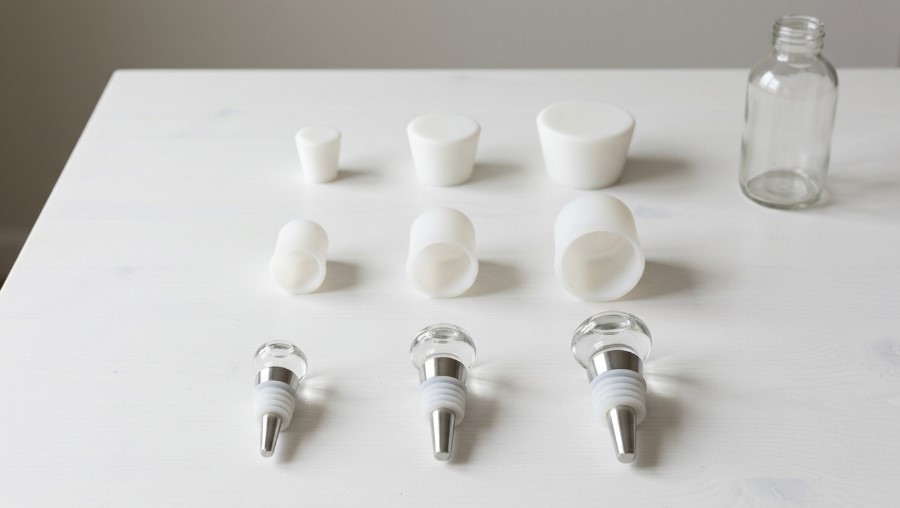
  • Ball / Dome / Mushroom Tops: Rounded or hemispherical designs.
  • Faceted / Geometric Tops: Angular and sculptural shapes.
  • Flat Disc / Puck Tops: Broad, low-profile surfaces.
  • Beaded / Stacked Tops: Segmented or layered designs.
  • Custom / Novelty Tops: Sculpted figures, icons, or brand mascots.
  • Metal / Mixed-Material Tops: Metal or combined-material constructions with adjustable weight and finish.

Top attachment, grip, and overall balance require evaluation.

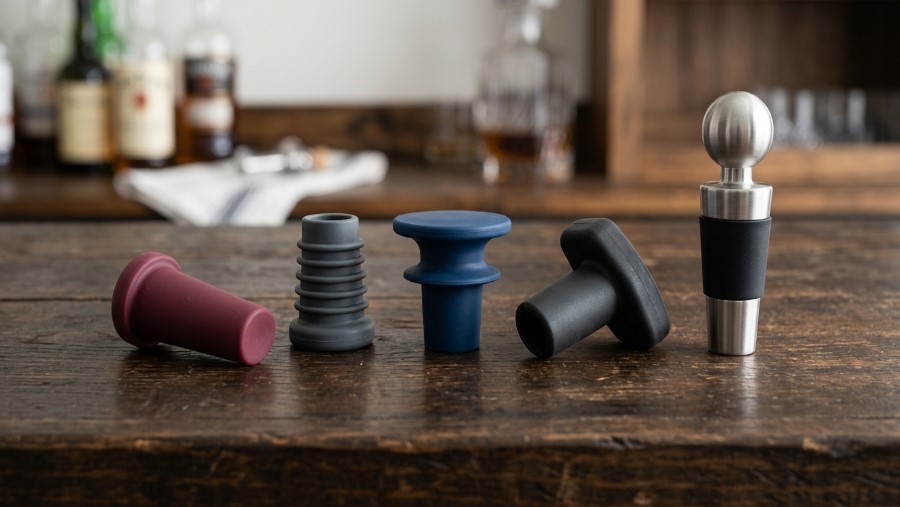
Custom silicone wine stoppers with distinct plug designs for your wine stopper project

Select the sealing geometry and construction according to the intended bottle neck and closure design.

  • Tapered / Conical Plug: Smooth, angled sealing profile.
  • Multi-Ring / Ribbed Plug: Raised rings for bottle-neck contact.
  • Flanged / T-Shaped Plug: Wider head or flange combined with an insertion stem.
  • Silicone Sleeve with Metal / Plastic Core: Multi-material construction with optional threaded component connections.
  • Short Cylindrical Plug: Short, straight-sided silicone plug designed for insertion into the bottle neck.

Plug diameter, insertion force, removal force, and component fit should be verified using bottle samples.

Custom silicone wine stoppers with flexible diameter, length, dimension, and size options for your wine stopper program

Define the stopper dimensions using the actual bottle opening and selected design. Inner neck diameter and entry geometry guide insertion-style plugs, while outer rim dimensions determine over-neck cap fit.

Available project options include:

  • Customize plug diameter, taper, insertion depth, and rib dimensions.
  • Specify cap engagement and critical wall thickness.
  • Adjust top diameter, height, and overall proportions.
  • Establish sample fit, retention, and removal criteria.

Custom silicone wine stoppers with designed packaging, logo, and branding methods

Customize the stopper’s appearance and packaging to match your brand identity and sales channel. Logo placement and decoration methods should suit the selected top material and geometry.

Available project options include:

  • Add embossed or debossed logos.
  • Apply suitable printing on non-contact surfaces.
  • Develop separate branded tops or decorative inserts.
  • Match colors to approved physical references.
  • Select bulk packaging, retail cards, individual boxes, or gift sets.
  • Include approved labels, barcodes, and packaging artwork.

Start Your Custom Silicone Wine Stopper Project

Send your bottle drawing or sample, desired closure type, quantity, logo, and packaging brief. RY Silicone can assess the development route and quotation inputs.

How to Specify a Better Silicone Wine Stopper

Start with the bottle interface; appearance follows a closure that fits its intended use.

  • Bottle neck: State whether the seal contacts the inner opening or outer rim, and provide measured bottle samples.
  • Wine type: Separate still wine from sparkling wine; pressure changes the closure requirement.
  • Seal structure: Identify a plain plug, cap, expanding seal, pourer, or pump-compatible valve.
  • Handling: Agree on insertion, removal, cleaning, and the intended storage orientation.
  • Materials: List every food-contact component, colorant, insert, and visible branded part.
  • Verification: Define the bottle set and the functional checks needed before production approval.

Full specification guide

How to Specify a Silicone Wine Stopper: Bottle-Neck Measurements, Seal Structures, and Sample Fit Checks.

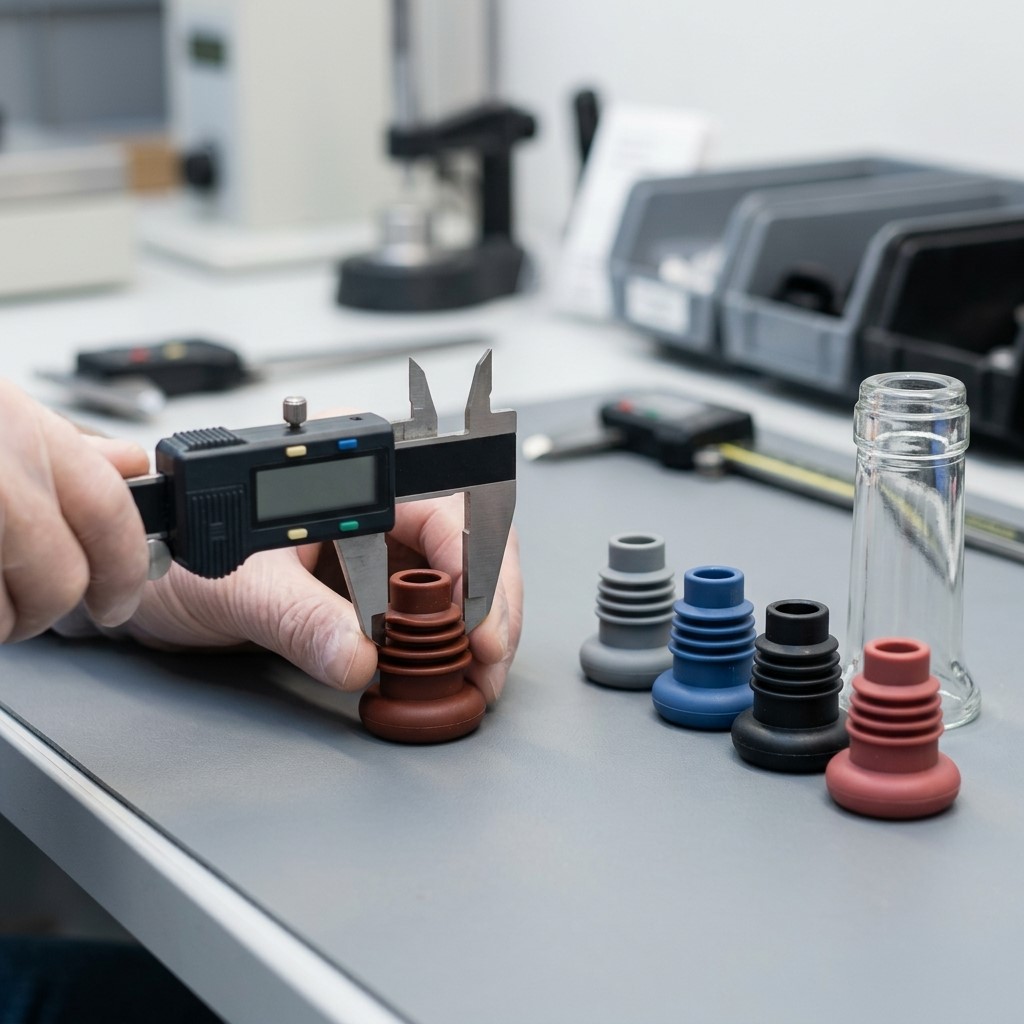
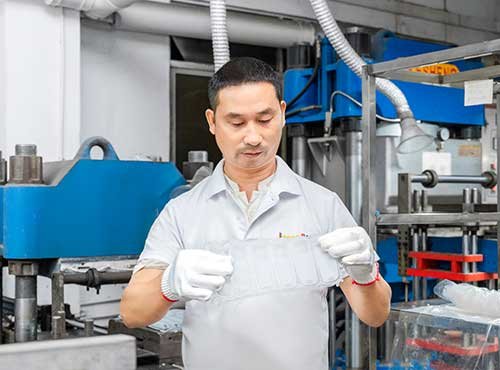
A tester evaluating the dimensions and appearance consistency of a custom silicone wine stopper

Silicone Wine Stopper Logo and Branding Methods

Place the mark where branding remains visible without changing the seal.

Printed Graphics

Printing can be assessed on a suitable non-contact surface. Ink selection, placement, and durability criteria follow the final design and destination market.

Separate Decorative Tops

A metal or other rigid top can carry branding when the stopper is a multi-part design.

Embossed Marks

Raised silicone marks create tactile branding on suitable tops without touching the seal.

Debossed Logos

Recessed logos sit within molded tops; check line depth, edge clarity, and grip.

Silicone Wine Stopper Material and Performance Options

Specify the contact materials and the behavior required from the complete closure.

Material grade selection begins with the actual contact surface.

A one-piece stopper and a silicone seal on a rigid top have different component lists. Compound, pigment, any insert, and any ink must be considered against the intended wine & food contact and destination market.

A material name alone does not establish compliance for the finished configuration.

Material Comparison

Silicone vs. Plastic: Which Neck-Contact Material Is Optimal for Wine Stoppers? — Compare silicone and plastic neck-contact parts by insertion deformation, sealing geometry, cleaning access, and finished-product food-contact evidence; assess each against the intended bottle.

A nominal diameter cannot establish fit across every bottle.

The neck entry, internal taper, and rim finish can vary between bottles. A plug that inserts easily into one neck may sit too loose in another; a cap may grip one outer rim but not the next. Set sample criteria using the target bottle set.

The seal must also be practical to remove.

Rib depth, silicone hardness, grip size, and top weight affect insertion and pull-out feel. A deep rib can improve contact yet raise removal force. Repeated-use requirements should specify a cycle method and an acceptable change in fit rather than rely on a generic durability claim.

Horizontal storage is a design-specific claim.

Some cap or expanding-seal designs are marketed for bottles laid on their sides, while pump-compatible vacuum systems can require upright storage. The finished stopper, chosen bottle set, and agreed leak protocol must support the instruction printed on the package. Otherwise, provide an upright-storage recommendation.

Still-wine fit does not establish sparkling-wine suitability.

Internal pressure changes the stopper’s retention requirement. A sparkling-wine design needs a defined bottle finish, closure mechanism, and validation condition before any pressure or carbonation claim is made. A plain push-in still-wine stopper should not be presented as suitable for carbonated wine.

Document the finished stopper configuration and destination market before making a food-contact claim. A silicone compound report alone cannot establish compliance for the finished closure.

  • Identify the silicone, pigment, rigid inserts, valves, and inks.
  • Specify market-specific documents and finished-product tests where required.
  • Match declarations and reports to the approved materials and supplied assembly.

Cleaning instructions depend on whether the stopper is one piece, assembled, printed, or fitted with a valve. An open silicone profile may be easier to access than a multi-part interior. Establish washing and drying directions against the approved sample; do not promise dishwasher, boiling, or sterilization suitability for every design.

Care Guide

How to Clean and Store Silicone Wine Stoppers: Seal Ribs, Pour Spouts, Valves, and Locking Caps—Dry seals and spouts after washing; inspect valves and cap recesses for moisture. Follow care instructions; keep a bottle with a silicone vacuum-seal wine stopper upright when required.

How Silicone Wine Stoppers Are Manufactured

1. Requirement Review

STEP 1: Requirement Review

The project brief identifies wine type, target bottles, closure structure, quantity, branding, packaging, and required evidence before a manufacturing route is proposed.
2. Mold Evaluation

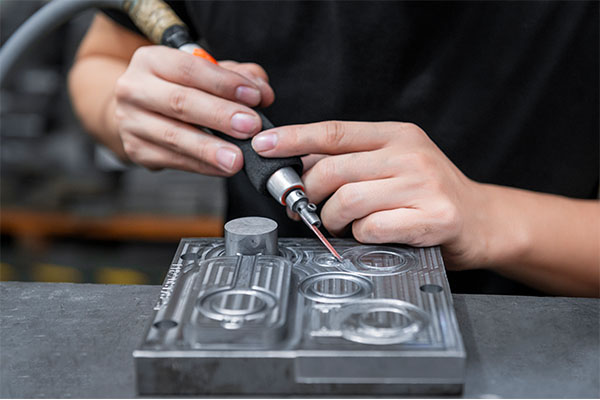
STEP 2: Tooling Evaluation

Engineers compare the intended seal geometry with available tooling and assess a new mold where bottle fit, grip shape, or branding requires it.
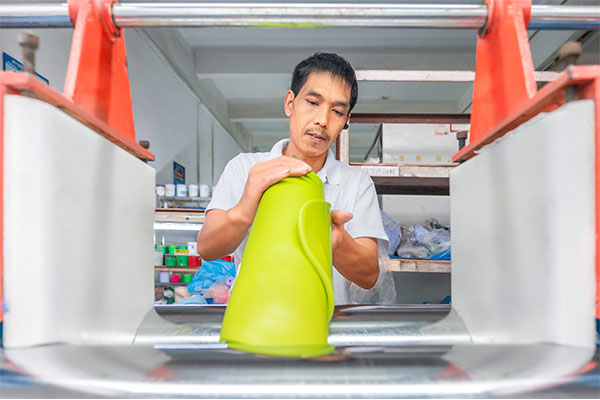
3. Material and Color Preparation

STEP 3: Material and Color Preparation

The selected silicone, pigment, and any separate components are specified against the approved design and destination-market requirements before production materials are released.
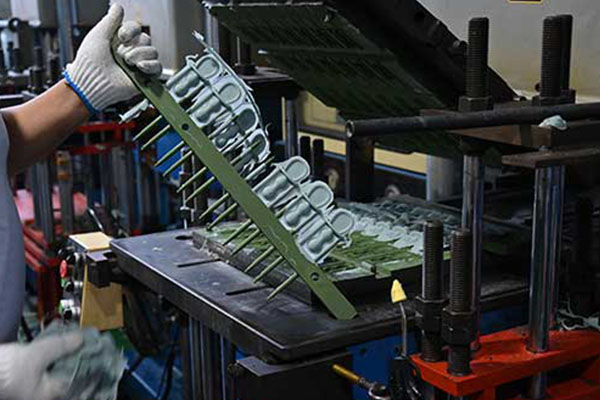
4. Silicone Molding

STEP 4: Silicone Molding

The sealing component is molded by a process selected for its geometry and material; equipment and production method are established during project planning.
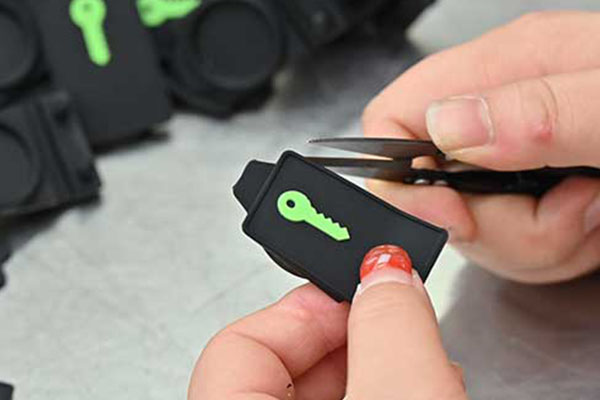
5. Demolding and Trimming

STEP 5: Demolding and Trimming

After curing, molded pieces are removed and trimmed, with particular attention to flash on the contact ribs or cap edge that could disturb fit.
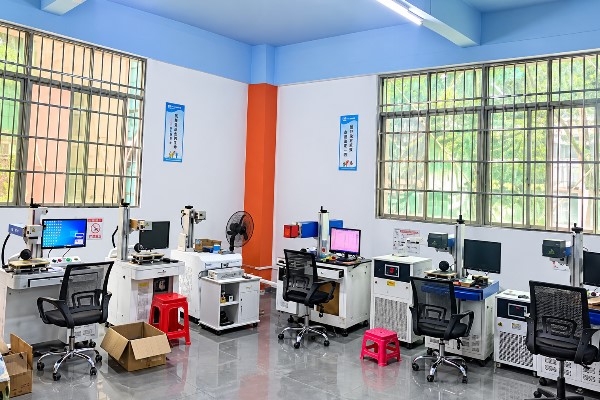
6.-Logo-and-Surface-Processing

STEP 6: Branding and Assembly

Approved marks or separate tops are added where specified. Assembly checks focus on secure attachment, clean contact surfaces, and unobstructed valve or pour paths.
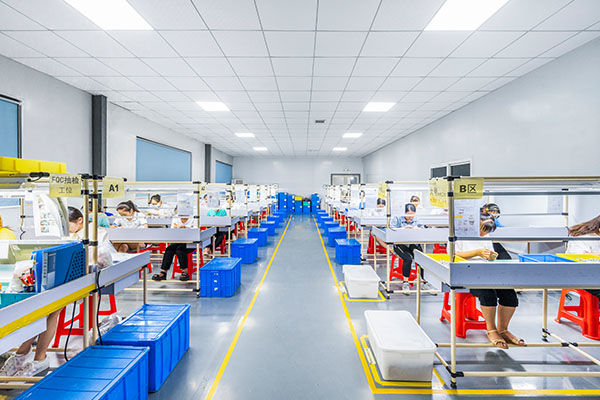
7. Quality Inspection

STEP 7: Quality Inspection

Finished samples are compared with the agreed drawing and approved reference. Bottle-fit and functional checks follow a project-defined method where those claims are required.

8-Packaging-and-Shipment-enhanced

STEP 8: Packaging and Shipment

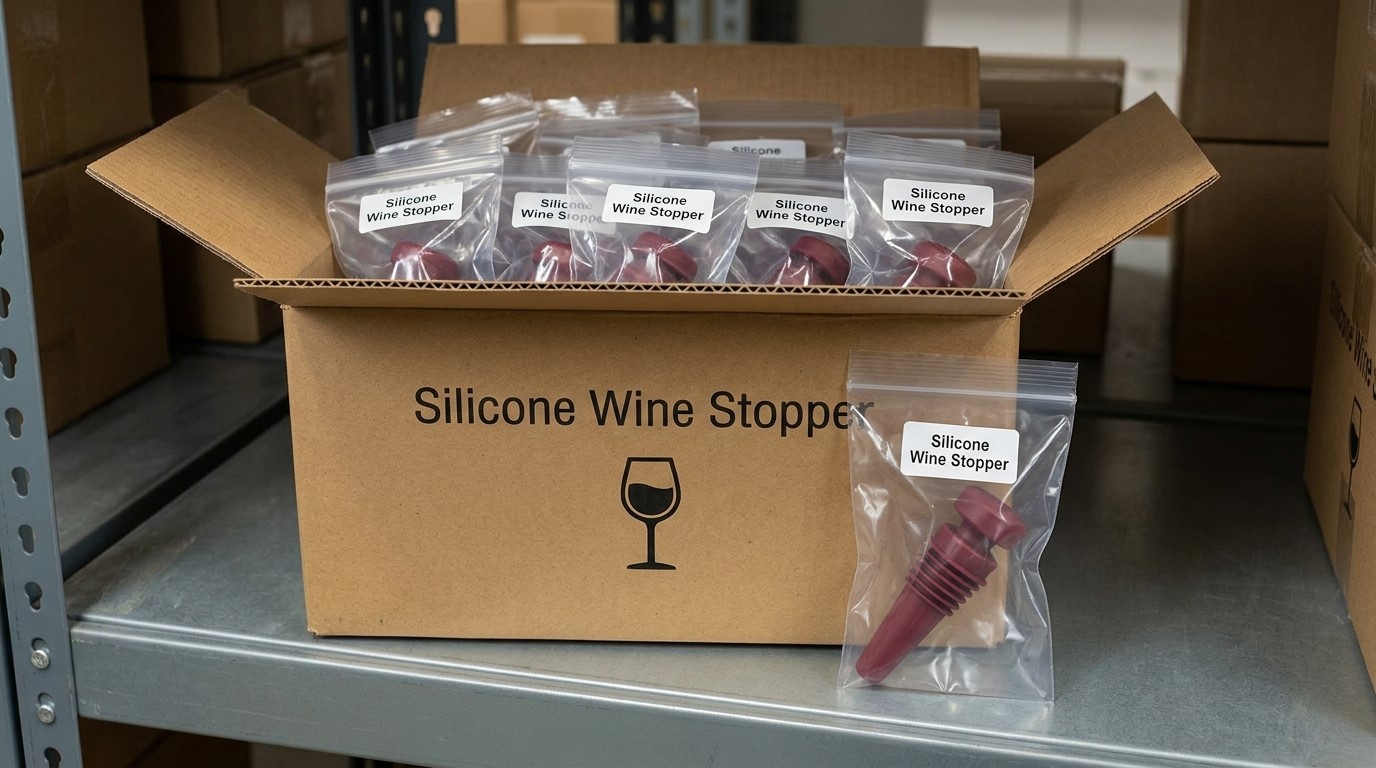
The approved configuration is counted, packed, and labeled by SKU. Matched pumps or other components are checked against the order before shipment preparation.
Silicone Wine Stopper Quality Control

Inspection should connect the approved stopper to its actual bottle and agreed use conditions.

AQL 2.5 / 4.0 Standard Inspection

We run final random sampling plans to verify batch consistency:

AQL 2.5

Critical / Major Defects

AQL 4.0

Minor Visual Flaws

Another inspection standard can be used when specified in the purchase order.

The signed sample and drawing establish the stopper profile, contact dimensions, color, logo position, assembly, and packaging. If the sample and drawing differ, the controlling requirement is settled before production release.

Silicone compound, pigments, inserts, valves, and packaging materials are matched to the approved bill of materials and requested document scope. A supplier report is checked for the actual component it covers.

Seal ribs and cap edges deserve close attention. Flash on a sealing line can create a leak path even when the stopper’s overall diameter appears correct; underfilled ribs can change contact pressure around the neck.

Critical seal diameter, rib profile, insertion depth, and top dimensions are compared with the drawing. Visual inspection covers contamination, tears, incomplete molding, color variation, and trim quality.

For multi-part designs, the top-to-seal connection, valve seating, and moving mechanism need their own agreed checks. Molded or printed marks are compared with the approved artwork and location.

An agreed bottle set should be used to assess insertion, removal, and seal behavior. Horizontal leakage, vacuum retention, or sparkling-wine pressure claims require separate project-defined procedures and results; visual inspection alone cannot substantiate them.

SKU count, component pairing, labels, instructions, and carton markings are checked against the purchase order. Any market-specific food-contact file should identify the configuration supplied, not a different sample or raw compound alone.

Silicone Wine Stopper Packaging Options

Match the pack to the closure structure, sales channel, and required instructions.

Custom silicone wine stoppers in individual bags and a bulk warehouse

Bulk Packaging

Grouped or individually protected stoppers can support distributor orders. Define pack count, color separation, and handling protection for the approved design.
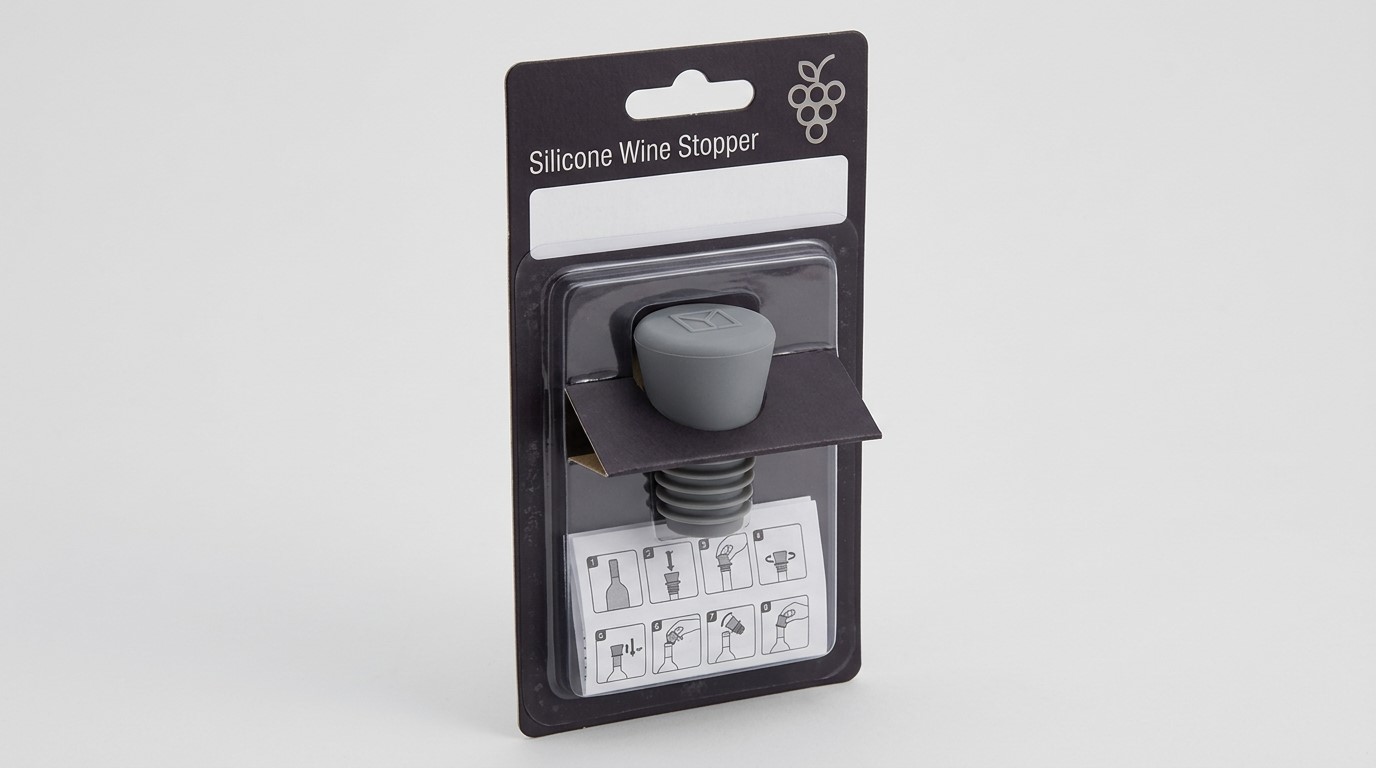
Custom silicone wine stopper in retail packaging with a clear cover and backing card

Retail Packaging

Cards or boxes can present the stopper and its instructions. Confirm the final product name, barcode, artwork, and applicable claims before printing.
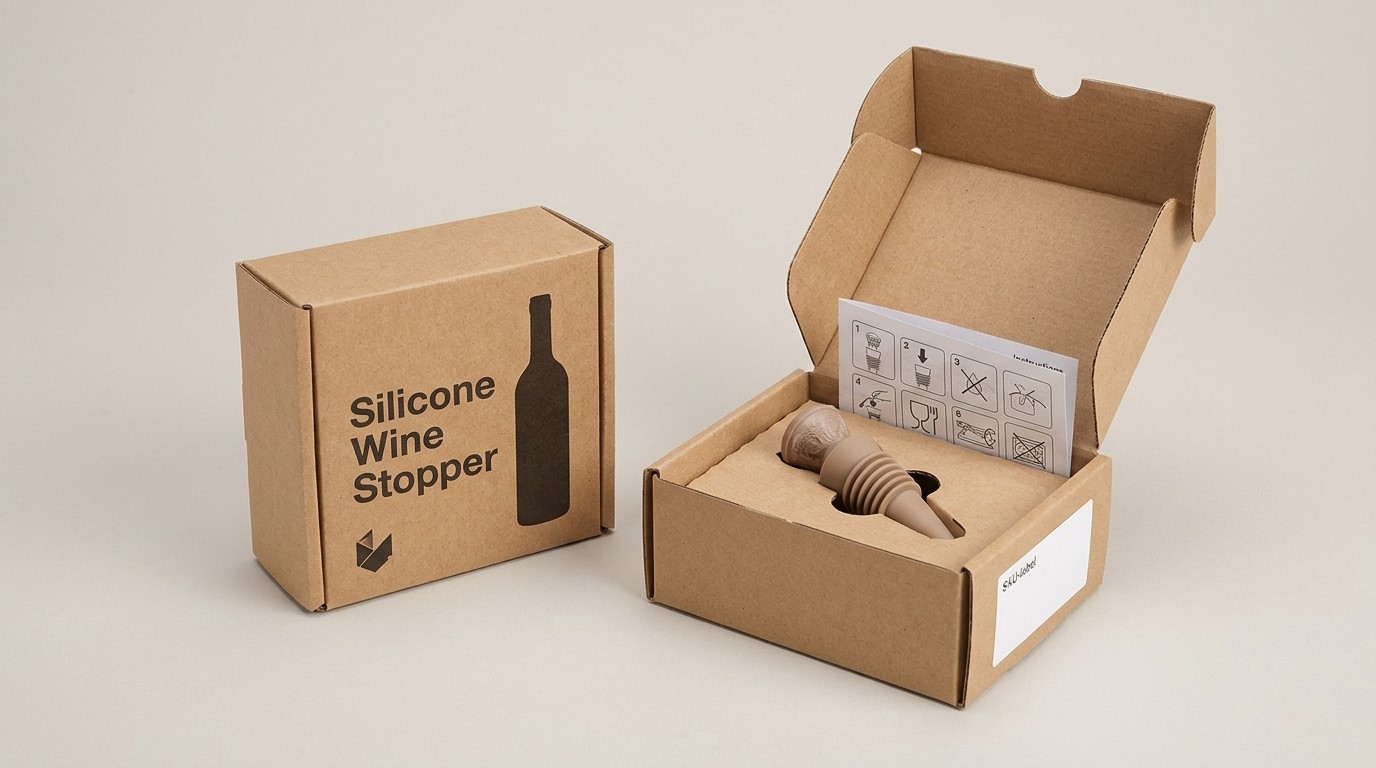
Custom silicone wine stopper and inserts in protective e commerce paper box packaging

Ecommerce Packaging

Individual packs can carry SKU identification and protect shaped tops in fulfillment. Set dimensions and component counts against the approved listing configuration.
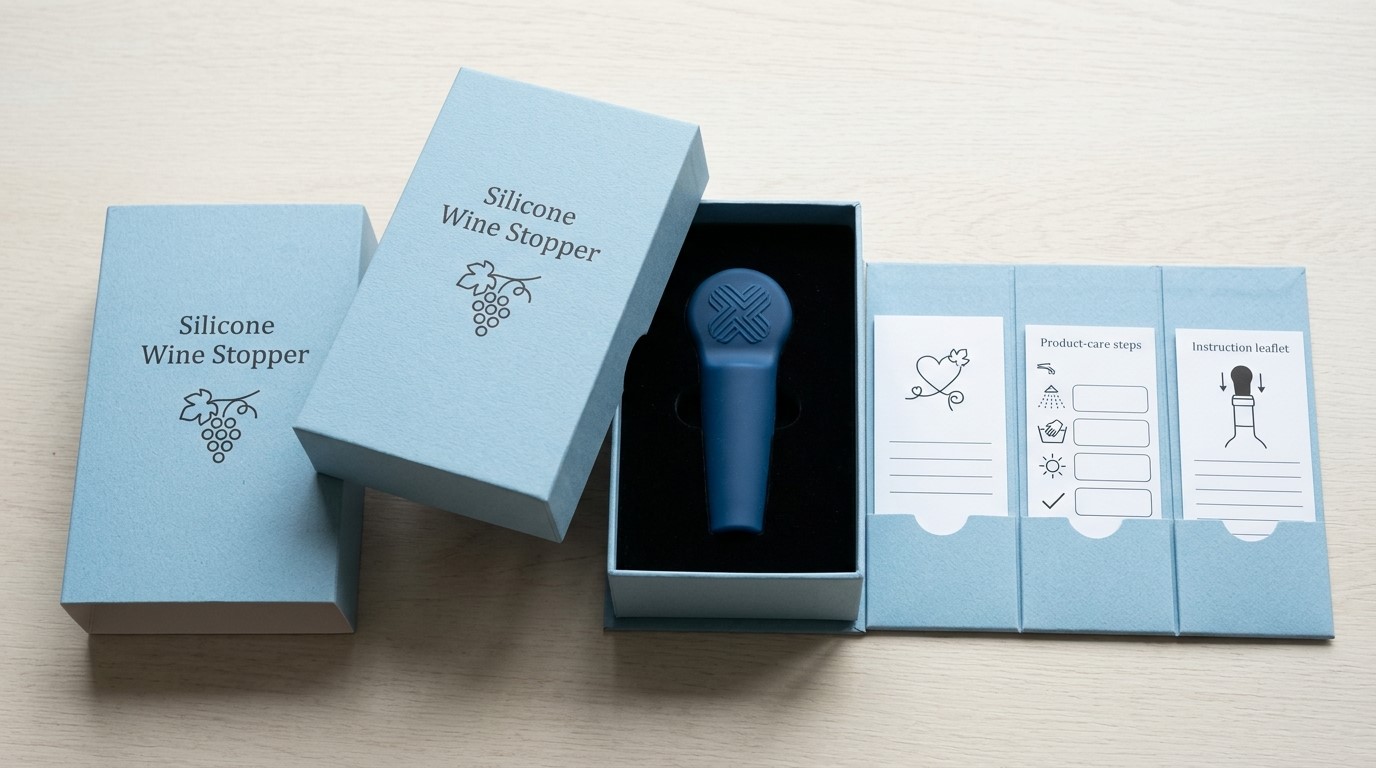
Custom silicone wine stopper with embossed mark in premium gift box packaging

Premium Brand Packaging

Gift boxes can combine a stopper with approved matching accessories. Specify inserts, presentation, and assembly protection before artwork and quotation are finalized.

Typical Custom Silicone Wine Stopper Specifications

SpecificationProject Reference
ProductCustom silicone wine stopper or silicone-sealed wine closure
Intended wineStill wine; sparkling wine only for a separately specified closure
Closure structurePush-in plug, over-neck cap, expanding seal, decorative top, stopper-pourer, pump-compatible valve, or retained sparkling-wine closure, subject to design assessment
Push-in bottle-neck inner diameter18–19 mm in one published market example; not a RY Silicone fit specification. Discuss other sizes using your drawing or sample.
Stopper-pourer bottle-neck inner diameter18–22 mm in a separate published market example; not a RY Silicone fit specification. Discuss other sizes using your drawing or sample.
Over-neck cap fitSet from the target bottle’s outer rim and finish. Discuss other profiles using your drawing or sample.
Critical dimensionsSeal diameter, rib profile, cap opening, insertion depth, and grip dimensions set by the approved design
Weight and wall thicknessSet by stopper structure, material, and approved sample
Molding ProcessCompression molding for low volumes, LSR molding for high-volume automation, and transfer molding for rigid cores with silicone sleeves or intricate designs.
Silicone hardnessSelected against insertion force, sealing geometry, and handling requirements; project value to be specified
Contact materialsSilicone compound and any exposed rigid component identified in the approved bill of materials
Color and surfaceApproved physical color reference and selected molded surface
BrandingMolded mark, suitable printing, or separate branded top, according to structure and contact position
Functional verificationTarget-bottle fit and project-defined checks; leakage, vacuum, or pressure testing only where agreed
PackagingBulk, individual, retail, ecommerce, or gift pack according to the approved SKU
MOQQuoted according to tooling, design, component sourcing, color split, and packaging
Sample and production timingQuoted after design scope, tooling, quantities, and approvals are set
Food-contact documentsIdentified for the finished configuration and target market before a compliance claim is made
OEM / ODMDevelopment route assessed from drawings, bottle samples, artwork, and order requirements

These references guide discussion; final values follow the approved bottle, design, sample, and order.

Why Work with RY Silicone

RuiYang Silicone factory

Silicone Manufacturing Experience Since 2012

RY Silicone has manufactured silicone products since 2012.

For a wine-stopper project, the team can assess the bottle interface, proposed structure, material, branding, and packaging before a production route is agreed.

Video Image1

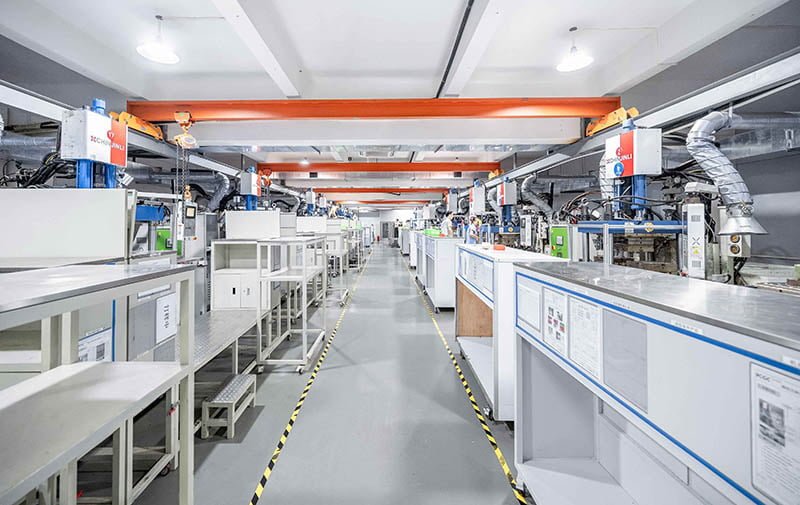
10,000+ m² Production Facility

The 10,000+ m² figure describes RY Silicone’s overall manufacturing facility.

It is not an area dedicated to wine stoppers; tooling, molding, finishing, and assembly arrangements are established for the specific project.

silicone machine

30+ Production Machines

RY Silicone’s 30+ production machines are a factory-wide equipment count across silicone products.

The count does not identify machines assigned to wine stoppers or establish a particular stopper molding process.

ruiyang silicone compression mol

Up to 100,000 Silicone Products per Day

Up to 100,000 silicone products per day describes factory-wide capacity across categories.

Wine-stopper output and delivery timing depend on the selected design, tooling, component assembly, inspection scope, and production schedule.

silicone Products Design

Engineering Review Before Quotation

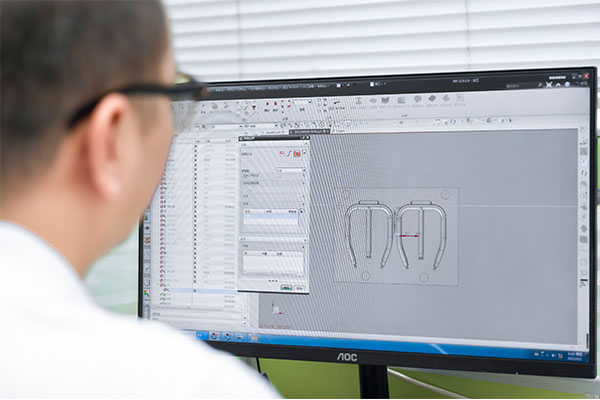
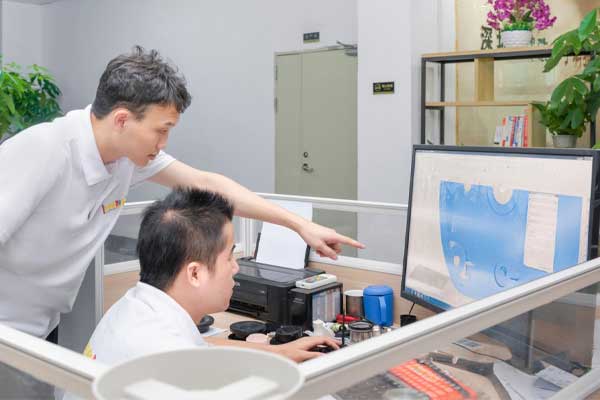
Engineering starts with the target bottle’s inner neck or outer rim, then examines the seal profile and removal grip.

Vacuum and sparkling-wine concepts add system compatibility or retention requirements before quotation.

Rysilicone quality control

Sample-Based Production

An approved stopper sample anchors profile, color, logo, and assembly. Bottle-fit criteria must identify the actual bottle set.

Any difference between the sample, drawing, and order is settled before production release.

8-Packaging-and-Shipment-enhanced

Export Project Support

RY Silicone coordinates specifications, packaging, available documentation, and shipment preparation for international projects.

Destination-market claims are tied to the selected materials, finished configuration, and evidence requested for that order.

Silicone Wine Stopper FAQ and Final RFQ

MOQ is quoted for the selected stopper structure, tooling route, component set, colors, and packaging. Share the intended quantity per SKU and whether you need an existing design assessed or a new shape developed.

No design should be assumed to fit every bottle. For still wine, assess a push-in stopper against the inner neck or an over-the-neck cap against the outer rim.

Expanding seals add mechanism checks; pump-compatible and sparkling-wine closures need separate validation.

Share target bottle samples to assess fit, removal, and intended storage.

Not without a separately specified design and validation. Fit on a still-wine bottle does not establish pressure retention.

For sparkling wine, assess a retained closure against the target bottle finish and define pressure, retention, and release checks before approving the sample or claiming suitability.

No.

A vacuum stopper includes a valve and must work with a specified pump or integrated mechanism.

A plain silicone plug reseals a bottle without removing air through a pump system.

Horizontal storage must be assessed for the finished stopper and target bottle combination.

Specify the bottles, storage position, and duration, then agree on a filled-bottle leakage check before printing that instruction.

Pump-compatible systems may require upright storage to keep wine out of the valve and pump.

Start with the actual contact surface and destination market.

The selected silicone, pigment, inserts, and any exposed rigid material should be recorded for the finished design and its required documentation.

State the destination market and exact document or test requirement in the inquiry.

The available evidence and any new testing scope must be checked against the selected finished configuration before a claim is made.

Molded marks can suit a silicone top; printing or a separate branded insert may suit other layouts.

Artwork position must keep the sealing and intended food-contact surfaces functional.

A new sealing profile, cap opening, top geometry, or molded logo can require tooling changes.

Existing tooling is evaluated against the target bottle and approved design before the tooling route is quoted.

Cleaning instructions follow the approved materials and assembly.

Valve cavities, moving parts, and separate tops may need different care from a one-piece silicone plug; dishwasher suitability should be established for the final design.

A quotation starts with the target bottle and intended use. Please provide:

  • Bottle and use: Bottle drawing or sample, still or sparkling wine, any pump system, and intended storage direction. These define the seal interface and functional checks.
  • Stopper and order: Stopper drawing, design file, or reference, plus estimated quantity per SKU. These help scope tooling and sampling.
  • Brand and market: Color reference, logo artwork, packaging brief, destination market, and required documents. These complete the branding and documentation brief.

Ask For A Quick Quote

If you fail to submit the form, please write to us directly at [email protected]