In daily life, bags are everywhere. From food storage and takeout packaging to household organization, plastic bags have long been the most common choice. But as awareness of health and sustainability grows, people are paying closer attention to the risks of plastic bags.
At the same time, silicone bags have entered the market as a newer alternative, often seen as safer and more eco-friendly. But are silicone bags really safer than plastic ones? Let’s take a closer look.
What Do the Material Differences Between Silicone and Plastic Mean?
The first step in judging safety is to understand the material. Silicone bags are made from siloxane polymers with a stable molecular structure. They do not require BPA or phthalates, so they stay safe even when exposed to heat or oils. Their wide temperature range, from -40℃ to 230℃, makes them suitable for freezing, steaming, or microwaving.
Plastic bags are usually made from polyethylene (PE), polypropylene (PP), or polyvinyl chloride (PVC). While PE and PP are fairly stable at room temperature, they have limited heat resistance. PVC is more concerning because it often contains plasticizers that can release harmful substances when heated or in contact with fatty foods.
Comparison table:
| Feature | Silicone Bags | Plastic Bags |
| Main material | Siloxane polymer | PE, PP, PVC |
| BPA | Not needed | May be present in some |
| Temperature | -40℃ to 230℃ | Usually below 80℃ |
| Stability | High, does not break down | Can release under heat or acids |
From a material standpoint, silicone bags are safer and more versatile, especially in high-temperature or reusable scenarios.
How Do Silicone Bags Perform in Food Safety?
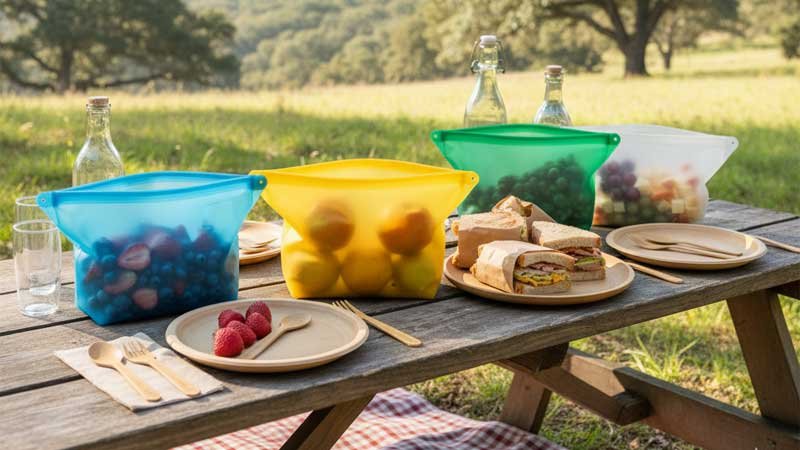
Food safety is a top priority for consumers. Silicone is widely used in baby pacifiers, baking molds, and medical devices. This already shows its high safety. Whether heated, frozen, or used for long-term storage, silicone bags do not release harmful chemicals or react with food.
Plastic bags can be less reliable. PE and PP are safe at room temperature but may deform or melt in microwaves or hot oil. PVC bags pose a bigger risk, as plasticizers can migrate into food when exposed to heat or oils.
International standards such as FDA (USA), LFGB (Germany), and EU 1935/2004 set strict requirements for food-contact materials. While qualified plastic bags can also meet these standards, silicone bags stand out for their stability under extreme conditions. This makes them better suited for repeated heating or long-term food storage.
Are Silicone Bags More Durable?
Durability is another clear advantage of silicone. These bags are flexible, tear-resistant, and resistant to aging. A single silicone bag can be reused hundreds of times for solids, liquids, or semi-liquids. This saves money for households and greatly reduces single-use waste.
Plastic bags, while cheap, are often disposable. Even if reused a few times, they tear easily and lose their seal. Over time, heavy reliance on plastic adds to waste and pollution.

What Advantages Do Silicone Bags Offer in Daily Use?
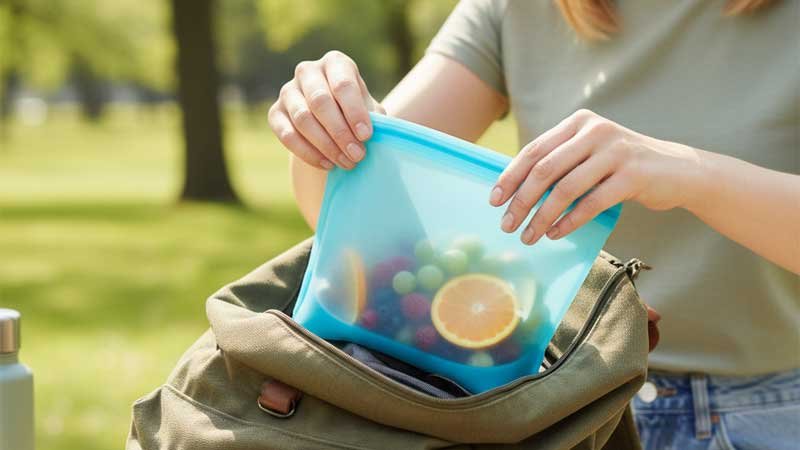
In practice, silicone bags offer more reliable performance. They can handle a wide range of household tasks, such as freezing ingredients, heating meals, storing snacks, or organizing small items. Their flexibility and airtight seals give users peace of mind.
Plastic bags remain popular for their low cost and convenience, but they are better suited for short-term and low-temperature use. They are not ideal for hot food or oily items.
Comparison table:
| Use case | Silicone Bags | Plastic Bags |
| Freezing | Withstand low temperatures | May turn brittle |
| Heating | Safe in microwave or steam | May deform or release |
| Seal | Strong, leakproof | Limited, single-use |
| Durability | Long-lasting, reusable | Short lifespan |
From these comparisons, silicone bags clearly perform better across most household scenarios.
Are Silicone Bags More Eco-Friendly?
Plastic pollution has become a global issue. Plastic bags do not biodegrade easily, and after disposal, they break down into microplastics that spread into soil, water, and even food chains. This creates long-term environmental and health risks.
Silicone bags are reusable and long-lasting. They do not break down into microplastics and rarely release harmful substances. One silicone bag can replace hundreds of plastic bags, cutting down single-use waste significantly.
From a sustainability perspective, silicone is the greener choice.

How to Choose a Truly Safe Silicone Bag?
Not all silicone bags on the market meet the same standards. Here are some practical tips:
- Certification: Look for FDA, LFGB, or similar approvals.
- Smell: Food-grade silicone should have little to no odor.
- Appearance: Smooth surface, no impurities, and consistent color.
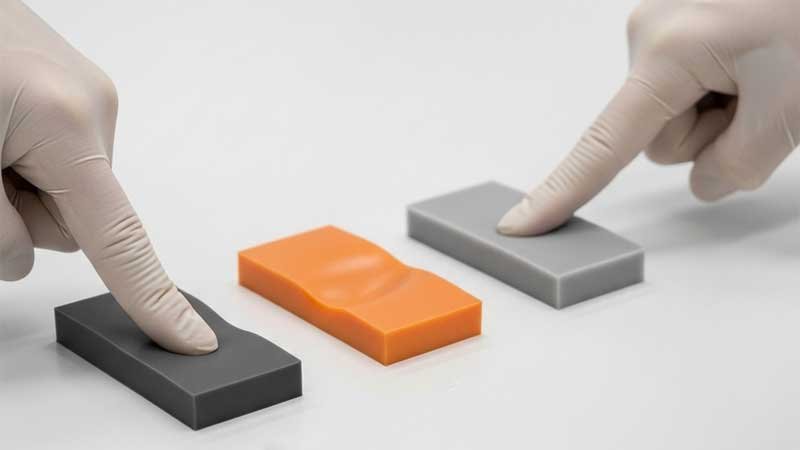
- Feel: Soft, elastic, and able to recover quickly after stretching.
- Brand: Trust established brands and avoid unverified products.
These details help ensure that the silicone bag you buy is safe and reliable.
Conclusion
Overall, silicone bags outperform plastic bags in material safety, food contact performance, durability, and environmental impact. While they cost more than plastic bags, the long-term value and protection they offer make them a smarter choice for households that prioritize health and sustainability.
If you are looking for safer, more durable, and eco-friendly storage solutions, silicone bags are a smart choice. For businesses or households with specific needs, we also offer custom silicone bag designs. Contact us today to explore tailored options that fit your lifestyle or brand.