
Silicone Lick Mat Manufacturer
Silicone lick mats for dogs and cats, featuring custom feeding textures, suction-cup designs, food-contact silicone, molded branding, and retail-ready OEM/ODM packaging.
What Is a Silicone Lick Mat?
A silicone lick mat is a type of flexible, textured silicone pet product for feeding that holds spreadable food within raised patterns and grooves, encouraging dogs and cats to lick rather than consume soft treats quickly. A custom (OEM/ODM) silicone lick mat is developed with your specified shape, texture layout, suction structure, color, branding, and retail packaging.
RY Silicone is a silicone product manufacturer based in China, established in 2012. Our factory covers over 10,000 m² and operates more than 30 production machines, with a total silicone product capacity reaching 100,000 pieces daily. We manufacture silicone pet feeding accessories for international brands, wholesalers, distributors, and private-label retailers.
Silicone Lick Mat Manufacturing at a Glance
MOQ & Lead Times
MOQ follows the selected existing tooling or new design. Sample, tooling, and production schedules are confirmed during project review.
Texture & Suction Design
Custom groove patterns, textured zones, suction-cup layouts, and reinforced edges were developed for spreading, licking, and surface attachment.
Logo & Branding
Molded logos, custom Pantone colors, and selected printing methods help create distinctive silicone lick mat collections for your brand.
Packaging Options
Bulk polybags, printed header cards, e-commerce cartons, and premium retail boxes, with optional labels, inserts, and bundled accessories.
Who We Manufacture Silicone Lick Mats For
Engineered pet product businesses with tailored designs, production, and packaging.

Pet Product Brands
Develop silicone lick mats around your brand's feeding concept, visual identity, and product positioning. Our OEM/ODM service supports distinctive feeding patterns, signature colors, and product families suited to different pet sizes.
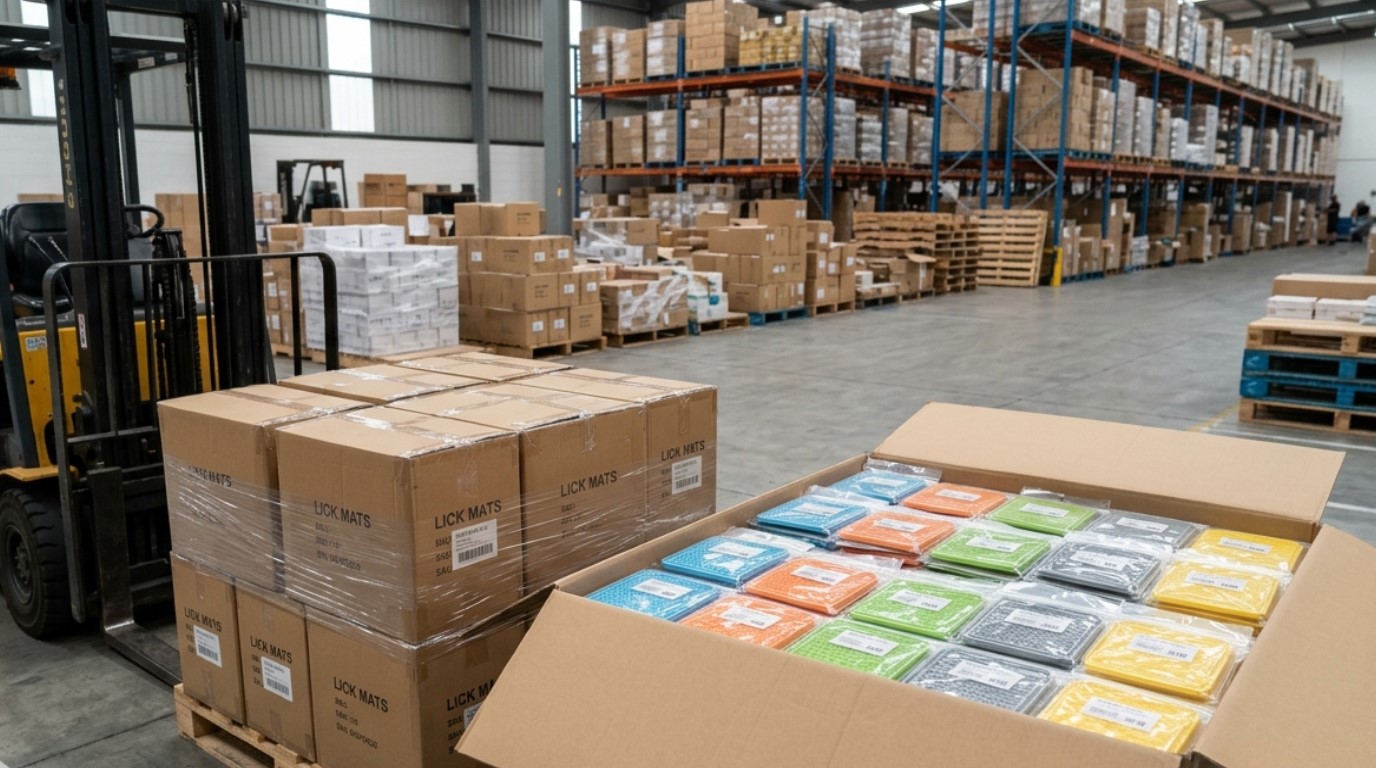
Distributors & Wholesalers
Source silicone lick mats wholesale for pet stores, grooming suppliers, and regional distribution networks. Existing designs simplify product selection, while coordinated colors and bulk packaging support efficient replenishment.

Pet Grooming Salons
Choose suction-backed lick mats for use during bathing, brushing, and grooming. We review attachment geometry and positioning to support use on compatible smooth surfaces under supervised conditions.

Veterinary & Pet Care Facilities
Specify easy-clean feeding accessories for supervised enrichment and handling routines. Smooth transitions between textured zones help reduce trapped residue, while material and cleaning requirements are established before production.

Retail & Ecommerce Sellers
Build private-label product ranges with custom colorways, printed packaging, and coordinated accessories. Barcode labels, instructions, and SKU-specific cartons support retail displays and marketplace fulfillment.

Pet Subscription & Promotional Brands
Create seasonal lick mat designs, pet gift sets, and branded promotional items. Existing tooling can reduce development work when custom colors, molded branding, or tailored packaging meet the campaign requirements.
Silicone Lick Mat Types We Can Develop
Silicone Lick Mats for Dog with Suction
Flat Silicone Lick Mats
Silicone Slow Feeder & Lick Mat
Deep-Groove Silicone Lick Mats
Silicone Lick Mats for Cat
Custom-Shaped Silicone Lick Mats
Silicone Lick Mat Customization
Customize the feeding surface, attachment structure, material, and product presentation.

Feeding texture is the functional center of a silicone lick mat. Shallow patterns allow easier access to soft foods, while deeper grooves can retain more spread and require additional licking. Pattern dimensions must also allow practical cleaning and reliable demolding. We review raised feature thickness, groove spacing, and corner transitions before tooling; the guide to molded silicone surface patterns explains why texture depth and release direction affect manufacturing risk.
Available options include:
- Shallow or deep feeding grooves
- Raised dots, grids, waves, ripples, waffle, maze patterns, or shaped motif textures
- Flat, multi-zone, or compartmented textured feeding surfaces
- Rounded groove intersections
- Brand-specific surface designs
- Texture layouts for wet food and soft treats

Mat geometry affects placement stability, suction attachment, and resistance to repeated handling. The overall outline should provide sufficient feeding area without creating unsupported corners that curl excessively. For suction-backed designs, cup diameter and lip thickness must be considered alongside the flexibility of the mat base.
Available options include:
- Rectangular, round, custom geometric or pet-themed outlines
- Compact, medium, and large formats
- Custom base and rim thickness
- Integrated suction cups with specific diameter and distribution
- Custom groove or pattern width, height, and spacing
- Reinforced peripheral edges, rim & spill lip
- Hanging tabs
- Matching silicone spreading spatulas or cleaning brushes

Silicone hardness and formulation influence flexibility, texture recovery, suction performance, and repeated-use durability. Softer compounds help a mat conform to smooth surfaces, but overly flexible edges may curl or deform during handling. We match the compound to the required design and intended use, then assess the finished sample for suction retention, surface integrity, and cleaning behavior. Color pigments and curing conditions are included in material approval.
Available options include:
- Platinum-cured VMQ silicone
- Food-contact material formulations
- Project-specific Shore A hardness
- Standard and custom Pantone colors
- Matte or smooth surface finishes
- Freezer-use formulations
- Odorproof material selection
- Application-specific test requirements
- Material declarations and available test reports
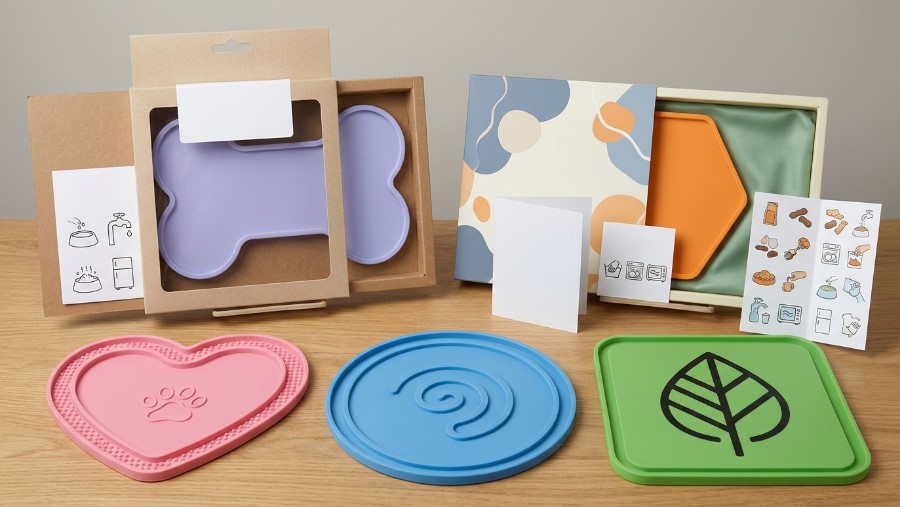
Ensure branding visible without interrupting feeding textures or creating hard-to-clean recesses. Place molded logos on edges or back sides, while printed graphics stay on outer surfaces. Packaging offers room for instructions and storytelling. We coordinate artwork and packaging approval with tooling and sampling for consistency.
Available options include:
- Embossed or debossed logos
- Custom molded brand marks
- Logo placement on non-feeding areas
- Solid, dual, or multi-color, or marbleized color-matched product collections
- Printed header cards
- Branded paper boxes
- Barcode and SKU labels
- Instruction leaflets
- Retail gift sets
- Ecommerce-ready packaging
Start Your Custom Silicone Lick Mat Project
Share your desired mat shape, feeding pattern, suction structure, quantity, and packaging. We will assess tooling, material selection, and sampling requirements.
How to Specify a Better Silicone Lick Mat
Effective designs balance food retention, cleaning access, and attachment stability.
- Texture depth: Select grooves for the intended food consistency and licking difficulty.
- Groove spacing: Allow sufficient access for cleaning brushes and repeated washing.
- Suction structure: Define attachment surfaces before choosing cup size and distribution.
- Base thickness: Balance flexibility with edge stability and handling.
- Material hardness: Match suction deformation and structural recovery.
- Pet size: Provide a feeding area suited to the intended animal.
- Edge design: Avoid thin, easily torn perimeter sections.
- Cleaning: Confirm whether the finished design supports the intended dishwasher or hand-washing method.
Full Specification Guide
How to Design a Silicone Lick Mat—Texture Depth, Suction Cups, Hardness, Temperature Resistance, Surface Texture, Structural Stability, and Ease of Cleaning & Maintenance.

Silicone Lick Mat Logo & Branding Methods
Select branding methods that preserve feeding functionality and cleaning accessibility.
Screen Printing
Printed graphics for sufficiently flat surfaces where artwork size and positioning allow reliable transfer.
Pad Printing
Small single- or multi-color designs applied to suitable non-feeding areas.
In-Cavity Logos
A logo built into the cavity so the brand or shape appears on the finished chocolate, candy or ice.
Embossed & Debossed
Raised or recessed branded graphics or logos into final lick mats with excellent durability.
Silicone Lick Mat Material & Performance Options
Choose compounds according to food contact, texture geometry, and repeated-use needs.
Platinum-cured VMQ silicone is a preferred material option for reusable pet lick mats.
It provides flexible molded surfaces, good dimensional recovery, and compatibility with food-contact formulations. When selecting a material, consider the intended pet food, color pigments, and curing process. Any food-contact claims must be supported by relevant documentation for the specified material or finished product.
For distribution in the EU and US, review the food-grade silicone requirements relevant to the selected compound and intended pet-food contact. Verify the applicable evidence for the actual finished lick mat and destination market; FDA or LFGB terminology alone does not establish universal product approval.
Material Comparison
Silicone vs. TPE: Which Material Is Better for Lick Mats? —Flexibility, suction behavior, cleaning, durability, and material documentation for pet feeding accessories.
Moderate silicone hardness balances flexible feeding textures with stable edges and suction structures.
The preliminary development range of 20–50 Shore A covers many flexible lick mat concepts. The range of 30–40 Shore A is a good place to start when evaluating soft, suction-backed designs. These are engineering starting points, not verified specifications for every mat.
Softer materials deform more readily against smooth surfaces but may allow thin rims to curl during handling. Firmer compounds improve structural support but reduce the compliance of some suction geometries.
Select Silicone Shore A hardness as a material-selection reference, then evaluate the chosen grade on molded samples with the intended base thickness and suction geometry.
Reliable suction depends on cup geometry and surface compatibility, not just the number of cups.
The quality of attachment is influenced by cup diameter, rim profile, material flexibility, and contact quality with the supporting surface. Smooth glass, glazed tiles, and other nonporous surfaces generally provide better contact than rough or textured materials.
During the design review process, we assess:
- Suction cup diameter and depth
- Lip thickness and edge consistency
- Cup distribution across the underside
- Local reinforcement around cup connections
- Attachment to defined test surfaces
- Detachment and repeated application behavior
Suction performance should be verified using an agreed-upon testing method. A lick mat should not be advertised as adhering to every surface.
The texture and geometry determine how easily soft food spreads, remains in place, and can be removed.
Shallow grids support easy access to food and washing. Deeper maze patterns and dense raised features can retain more spreadable food, but they introduce additional cleaning and molding considerations.
When designing new tooling, review the relationship between groove depth, minimum feature width, and corner radii before finalizing the texture. Extremely narrow channels may create regions that are difficult to clean without providing a meaningful feeding benefit.
Edges, thin ridges, and suction-cup connections require targeted durability evaluations.
Repeated peeling, bending, and removal concentrate stress near transitions between thick and thin sections. Rounded intersections and adequate material around suction-cup roots can reduce local stress concentration. Compare relevant silicone mechanical properties, including tear strength, while checking the actual ridge and cup geometry on finished samples.
The inspection plan should include repeated flexing, representative peeling forces, and visual checks for tearing. Product durability should be assessed separately from resistance to deliberate chewing.
Suitable silicone compounds support chilled and frozen feeding applications.
A compound reference range of -40°C to 230°C is available for select silicone formulations. However, the approved use of the finished lick mat must reflect its complete structure and intended conditions.
For products intended for freezer use, the design should be checked after filling, freezing, thawing, and washing. A high compound temperature rating does not automatically justify claims for oven, microwave, or dishwasher use for every finished product.
Accessible textures are easier to clean and inspect after feeding.
Silicone lick mats should be washed after each use, especially when soft food remains in the grooves. Warm water, mild detergent, and a soft cleaning brush help remove residue. Rinse thoroughly and dry before storage.
Only state that a lick mat is dishwasher-safe when its finished design and care instructions support that claim. Dense grooves may still need brushing to remove food residue. Inspect regularly for torn ridges or damaged sections, and discontinue use if damage is found.
Cleaning & Care Guide
How to Clean Silicone Lick Mats—Deep Grooves, Suction Cups, Food Residue in Textured Grips, and Storage in Cool and dry environments.
Depending on the project, available documentation may include:
- Silicone compound technical data sheets
- Supplier material declarations
- Food-contact test reports, where applicable
- Applicable FDA regulatory references
- EU food-contact documentation, where applicable
- LFGB-related testing for relevant market requirements
- REACH-related declarations or reports
- Finished-product test reports commissioned for the project
Check the scope of each document against the actual material, pigments, intended contact conditions, and target market. A raw material test report does not establish compliance for every colored or printed finished product.
How Custom Silicone Lick Mats Are Manufactured
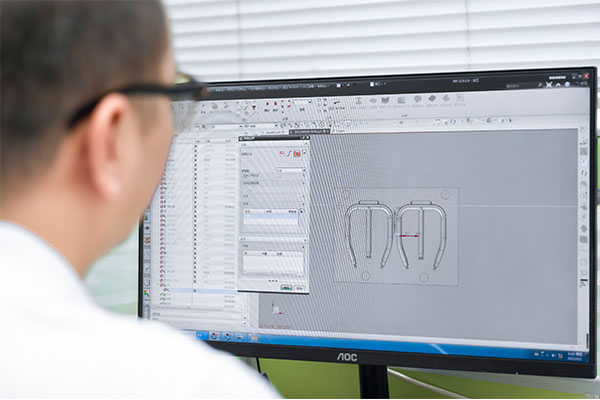
STEP 1: Requirement Review
Confirm pet category, mat dimensions, texture, suction, quantity, branding, packaging, cleaning needs, and destination documentation to start the project.
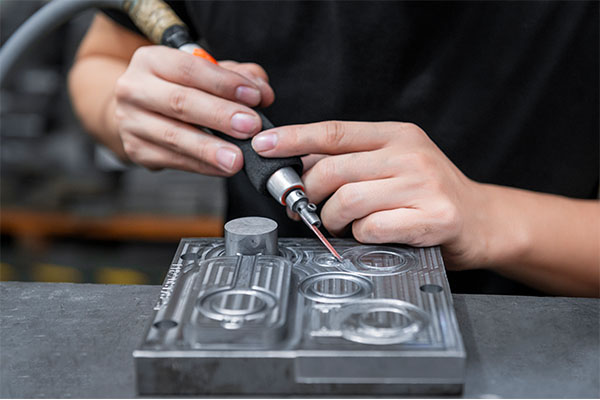
STEP 2: Mold Evaluation
Existing tooling is reviewed for shape and texture compatibility. New designs require checking groove spacing, feature thickness, venting, suction geometry, and demolding before mold construction.
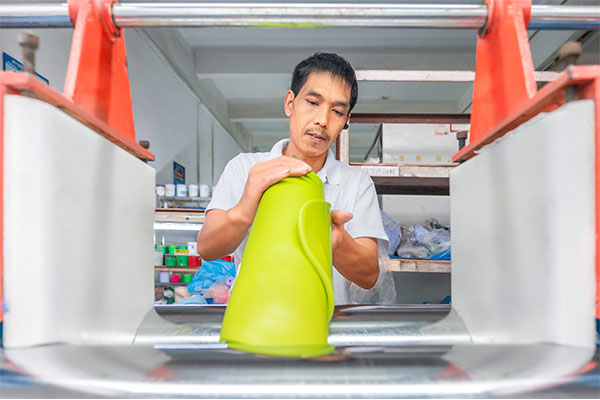
STEP 3: Material and Color Preparation
With selected pigments, the approved silicone compound follows confirmed formulation and sampling requirements for material, color, and preparation.
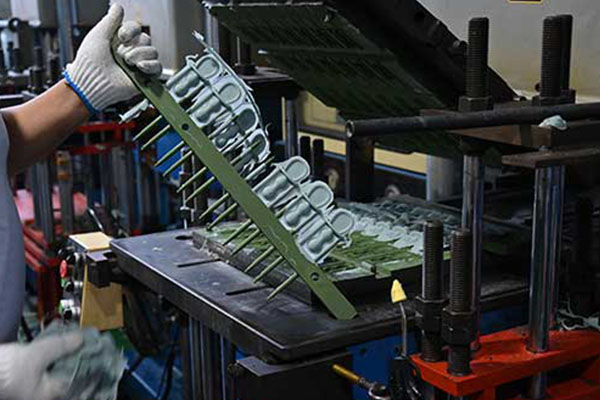
STEP 4: Compression Molding
Silicone is formed under controlled heat and pressure using suitable compression-molding tooling. Cure conditions and mold filling are adjusted for texture detail and integrated suction cups.
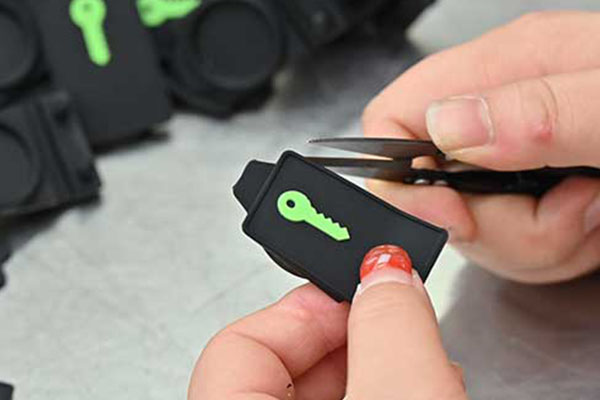
STEP 5: Demolding and Trimming
After curing and trimming, operators inspect the mat's textured features, edges, and rims for defects or excess flash.
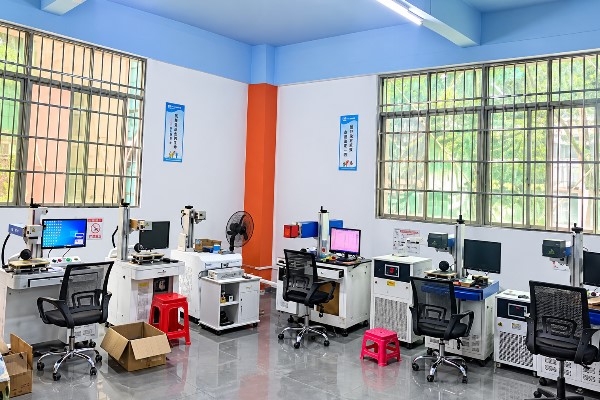
STEP 6: Logo and Surface Processing
Inspected post-demolding, molded logos require approved artwork, silicone-compatible inks, and agreed adhesion procedures whenever printing is specified.
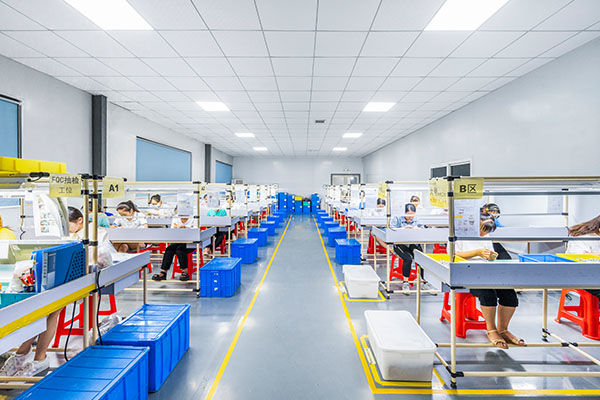
STEP 7: Quality Inspection
Finished mats are compared to approved samples. Texture, dimensions, suction, color, and packaging are checked using agreed inspection procedures.

STEP 8: Packaging and Shipment
Inspected mats are packed per approved specifications, while SKU labels, inserts, quantities, and shipping marks are verified prior to final dispatch.
Silicone Lick Mat Quality Control
Quality control is not limited to checking the silicone material. You also need consistent color, stable cavity dimensions, clean surfaces, accurate branding and dependable packaging.
AQL 2.5 / 4.0 Standard Inspection
We run final random sampling plans to verify batch consistency:
AQL 2.5
Critical / Major Defects
AQL 4.0
Minor Visual Flaws
Another inspection standard can be used when specified in the purchase order.
Approved Sample Control
The approved sample becomes the reference for:
- Shape
- Color
- Weight
- Surface finish
- Logo position
- Printing quality
- Packaging presentation
Incoming Material Review
Silicone compounds, pigments and relevant supplier documents are checked against the confirmed project requirements.
In-Process Inspection
Operators review molding completeness, rim condition, visible color variation and surface defects during production.
Appearance
Products are checked for:
- Tears
- Contamination
- Severe bubbles
- Incomplete molding
- Surface damage
- Irregular edges
Dimensions and Weight
Dimensions and weight are checked against the approved specification.
A standard 56 g design may use a target tolerance of ±1 g when confirmed during sampling.
Color
Production colors are compared with the approved sample under controlled viewing conditions.
Logo Quality
The inspection covers:
- Position
- Size
- Edge definition
- Color coverage
- Missing ink
- Blurred printing
- Visible adhesion problems
Stretch and Recovery
Stretch and recovery can be reviewed using an agreed internal method or customer test protocol.
Packaging
Product quantity, labels, barcodes, inserts, bags, boxes and carton marks are verified before shipment.
Silicone Lick Mat Packaging Options
Packaging arrangements should match the sales channel and protect raised feeding patterns.

Bulk Packaging
Individual polybags or grouped cartons support wholesale distribution and professional supply while reducing packaging complexity for repeated bulk silicone lick mat orders.
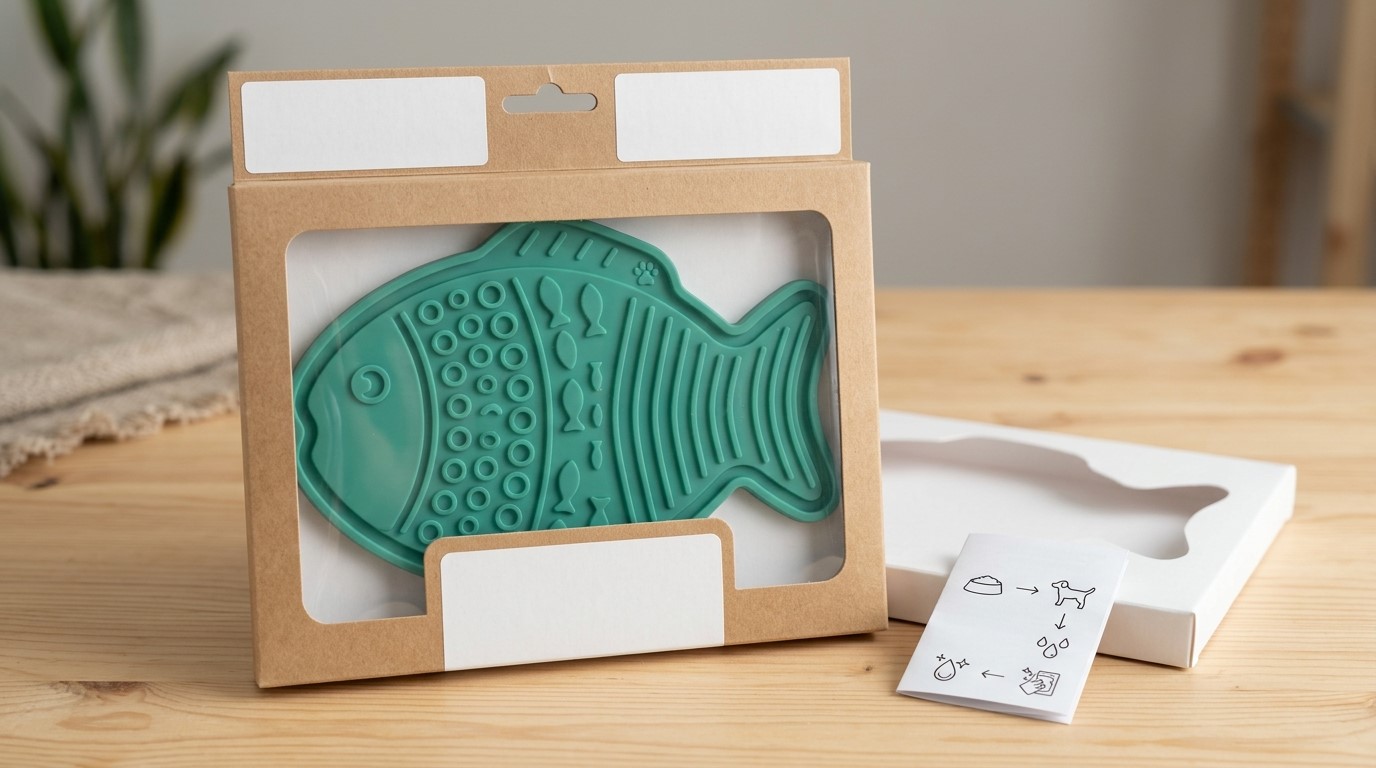
Retail Packaging
Printed header cards, paper sleeves, and display boxes provide branding space, product information, and barcode placement for pet store shelf presentation.
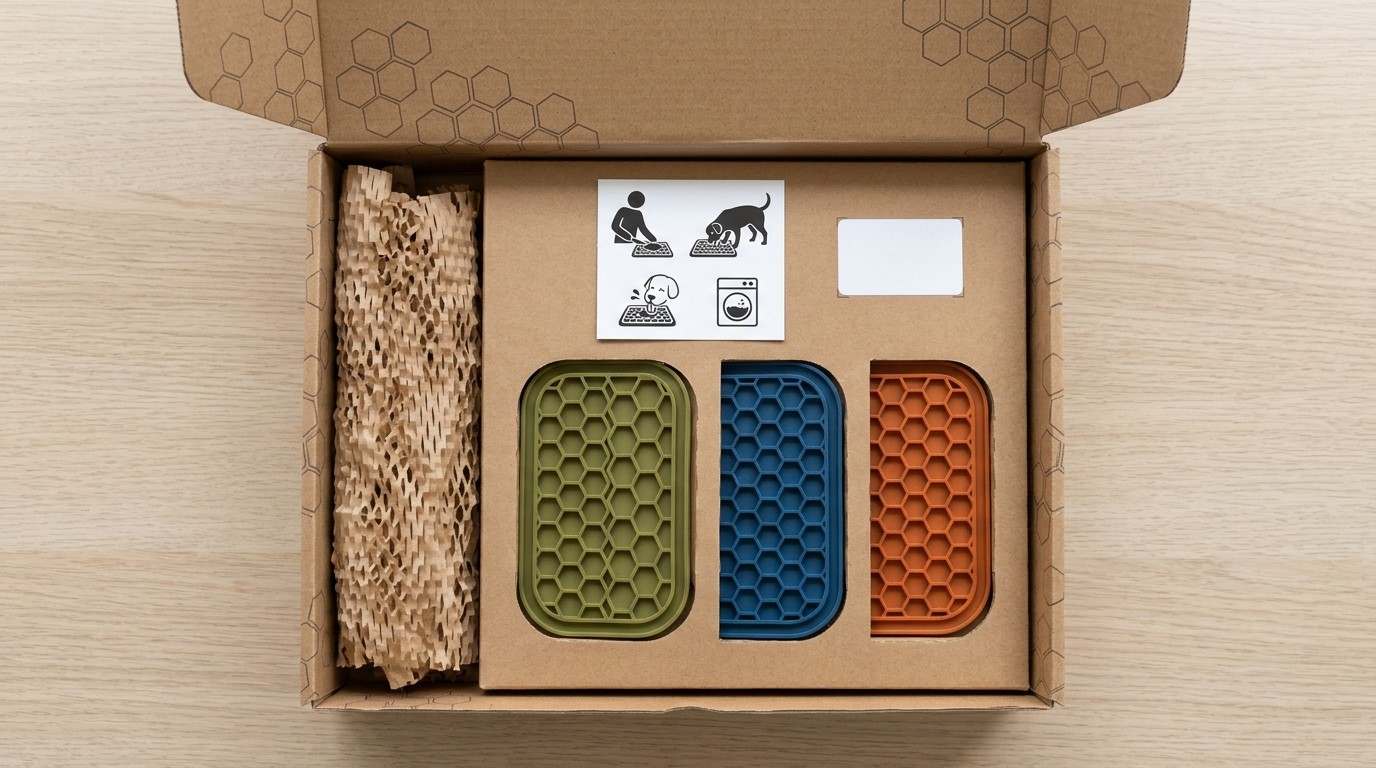
Ecommerce Packaging
Protective cartons, SKU labels, and product inserts help prepare silicone lick mats for marketplace fulfillment, direct shipping, and private-label online stores.

Premium Brand Packaging
Custom-printed boxes, fitted inserts, and bundled cleaning accessories create coordinated gift sets for premium pet collections and promotional product launches.
Custom Silicone Lick Mat Typical Specifications
| Specification | Typical Reference / Available Options |
|---|---|
| Product | Silicone lick mat |
| Intended users | Dogs and cats |
| Applications | Soft-treat feeding, supervised enrichment, grooming and bathing distraction |
| Material | Food-contact-grade VMQ silicone formulation |
| Curing system | Platinum-cured; other systems subject to project review |
| Hardness | 20–50 Shore A preliminary design range |
| Starting hardness for suction designs | 30–40 Shore A for sample evaluation |
| Standard size reference | 220 × 130 mm; 215 × 150 mm |
| Additional size reference | 280 × 250 mm; 384 × 250 mm |
| Custom dimensions | According to drawings and tooling |
| Feeding texture | Raised dots, grids, mazes, grooves and mixed-pattern zones |
| Groove geometry | Custom depth, width, spacing, and corner radii |
| Base thickness | Custom, subject to design review |
| Suction cups | Integrated multi-point designs or suction-free bases |
| Suction arrangement | Custom diameter, count, depth, and distribution |
| Mat shape | Rectangular, round, paw, bone, heart, or custom outline |
| Color | Standard colors or custom Pantone matching |
| Surface | Smooth, matte, or textured, as specified |
| Logo methods | Embossing, debossing, or approved printing |
| Production method | Compression molding; alternative processes evaluated by design |
| Temperature capability | Compound-dependent; finished-product use rating requires validation |
| Cleaning | Hand washing; dishwasher claims subject to finished-product verification |
| Testing | Dimensions, hardness, visual defects, suction, and agreed durability checks |
| Existing-design MOQ | Confirm against available tooling and color requirements |
| New custom-design MOQ | Quoted after tooling and project evaluation |
| Sample lead time | Confirm the selected style and development scope |
| New tooling lead time | Confirm after DFM and mold review |
| Production lead time | Confirm after sample approval and quantity review |
| Packaging | Bulk, retail, e-commerce, or premium custom packaging |
| OEM/ODM | Available |
Final specifications, minimum quantities, and production schedules follow the approved design and quotation.
Why Work with RY Silicone

Silicone Manufacturing Experience Since 2012
RY Silicone has manufactured custom silicone products since 2012. Our experience covers material selection, tooling evaluation, compression molding, finishing, and packaging for consumer and industrial silicone applications.
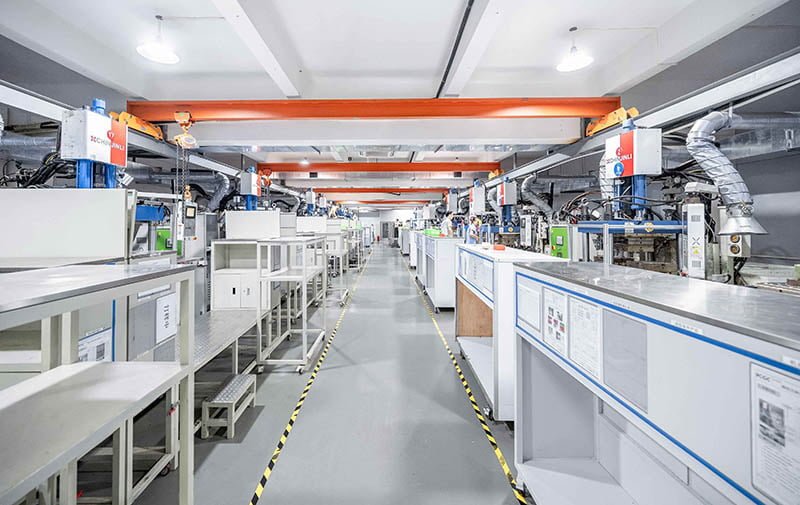
10,000+ m² Production Facility
Our manufacturing facility supports silicone product development, molding, inspection, and packaging. Silicone lick mat projects are reviewed for texture complexity and production requirements before confirming the manufacturing route.
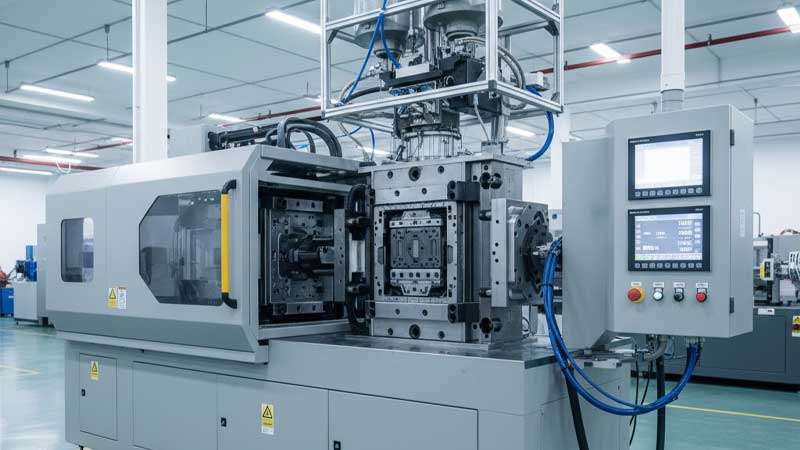
30+ Production Machines
Multiple molding machines support different product geometries and order requirements. Machine selection is based on tooling dimensions, cavity configuration, silicone formulation, and production efficiency.
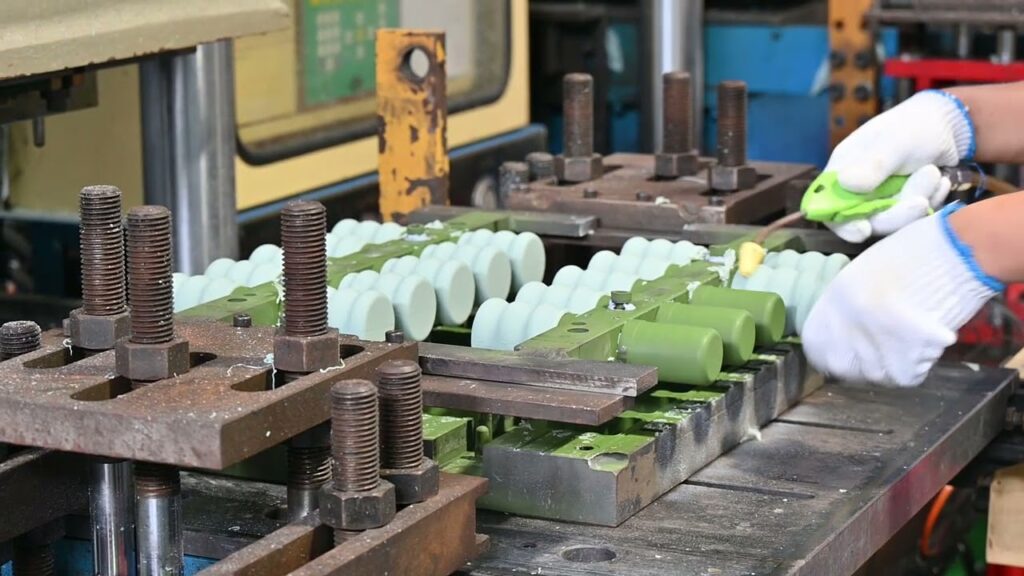
Up to 100,000 Silicone Products per Day
Our total silicone product production capacity can reach 100,000 pieces daily. Actual silicone lick mat output is determined by mold cavity count, cure cycle, trimming work, and inspection requirements.
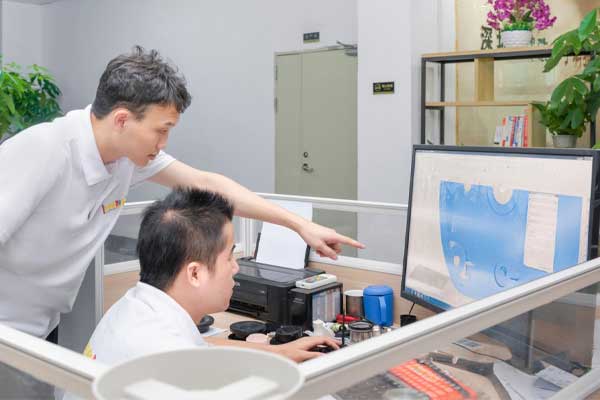
Engineering Review Before Quotation
We evaluate the feeding surface, suction-cup structure, and material requirements before quoting a new design. Fine grooves and integrated suction features receive particular attention because they directly influence tooling complexity and manufacturing consistency.
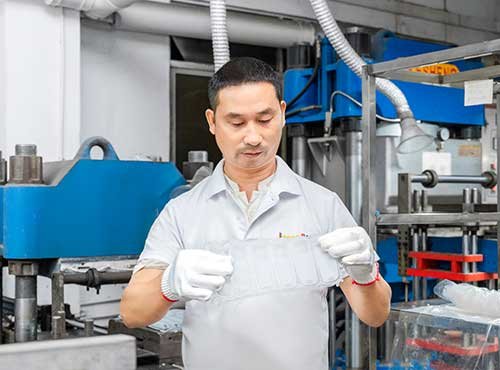
Sample-Based Production
An approved sample establishes the physical reference for production. Feeding textures and suction features are checked first, followed by dimensions, color, branding, and packaging. Any proposed changes require confirmation before mass production.

Export Project Support
As a China-based silicone manufacturer, RY Silicone supports international clients with OEM/ODM development, material documentation coordination, packaging preparation, and shipment arrangements for wholesale and private-label silicone pet accessories suppliers.
Silicone Lick Mat FAQ and Final RFQ
What is the MOQ for custom silicone lick mats?
Minimum order quantity depends on whether your project uses an existing design or requires new tooling. Existing styles may support lower initial quantities, while custom textures, suction structures, and Pantone colors require separate production evaluation. Send your selected design and target quantity for confirmation.
What silicone material is best for pet lick mats?
Platinum-cured, food-contact-grade VMQ silicone is a preferred starting material for reusable lick mats. A 30–40 Shore A formulation is worth evaluating for flexible suction-backed designs, while other geometries may require different hardness. The final compound should be approved using finished samples and relevant material documentation.
Can you manufacture silicone lick mats with custom feeding textures?
Yes. We can develop raised dots, grids, maze patterns, and combinations of feeding textures. Groove depth, spacing, and ridge thickness are evaluated together to balance food retention, accessibility, cleaning, and moldability. New proprietary patterns generally require custom tooling.
Do silicone lick mats need suction cups?
Not every design requires suction cups. Flat mats can suit supervised placement on stable surfaces, while suction-backed designs provide additional attachment on compatible smooth materials. The selection should reflect the intended feeding location and required stability.
How do you evaluate suction strength for custom lick mats?
Suction performance can be evaluated using an agreed test surface and attachment procedure. We review the initial attachment and resistance to detachment, then inspect the cups after repeated application and removal. Test conditions should specify surface finish, cleanliness, and relevant forces.
Can silicone lick mats be used in a freezer?
Silicone lick mats made from suitable formulations can support frozen soft-food applications. The finished product should be checked for flexibility, dimensional recovery, and durability after the intended freezing and thawing conditions. Freezer compatibility is confirmed for the selected design rather than assumed from the silicone material alone.
Are silicone lick mats dishwasher safe?
Selected silicone lick mat designs can be suitable for dishwasher cleaning. However, the finished product's cleaning instructions should reflect material selection and actual testing. Dense grooves may still require brushing to remove trapped food before or after washing.
Are silicone lick mats safe for aggressive chewers?
Silicone lick mats are feeding accessories, not chew-resistant toys. Pets should be supervised during use, and damaged mats should be removed to reduce the risk of detached silicone pieces being swallowed. No silicone lick mat should be marketed as indestructible or chew-proof.
Can you add our brand logo and custom packaging?
Yes. We support molded branding and selected printing options on suitable non-feeding surfaces. Custom colors, header cards, printed boxes, inserts, and bundled accessories can also be developed. Provide vector artwork and packaging requirements for evaluation.
Can you provide FDA, LFGB, or REACH documentation?
Available reports depend on the selected silicone formulation, pigments, and requested testing scope. We review the destination market and applicable requirements before confirming available documentation or arranging additional testing. FDA and LFGB should not be described as universal product certifications.
What information is required to quote custom silicone lick mats?
Please provide the following information:
- Product style or reference images
- Design files, CAD files, or dimensional drawings, if available
- Target size and feeding area
- Texture patterns and groove requirements
- Suction-cup requirements
- Target material and hardness
- Order quantity
- Color or Pantone reference
- Logo artwork and placement
- Packaging requirements
- Destination market and required documents
- Target delivery date
Send your reference design or technical drawings; the design-files guide for custom silicone parts explains what to include when preparing a new-tooling enquiry. RY Silicone will review the lick mat's texture, suction geometry, material requirements, and quantity before preparing a project-specific proposal.