Silicone Popsicle Mold Manufacturer
Reusable silicone popsicle molds for fruit pops, yogurt treats, and frozen desserts, with custom shapes, cavity layouts, colors, lids, branding, and retail packaging.
What Is a Silicone Popsicle Mold?
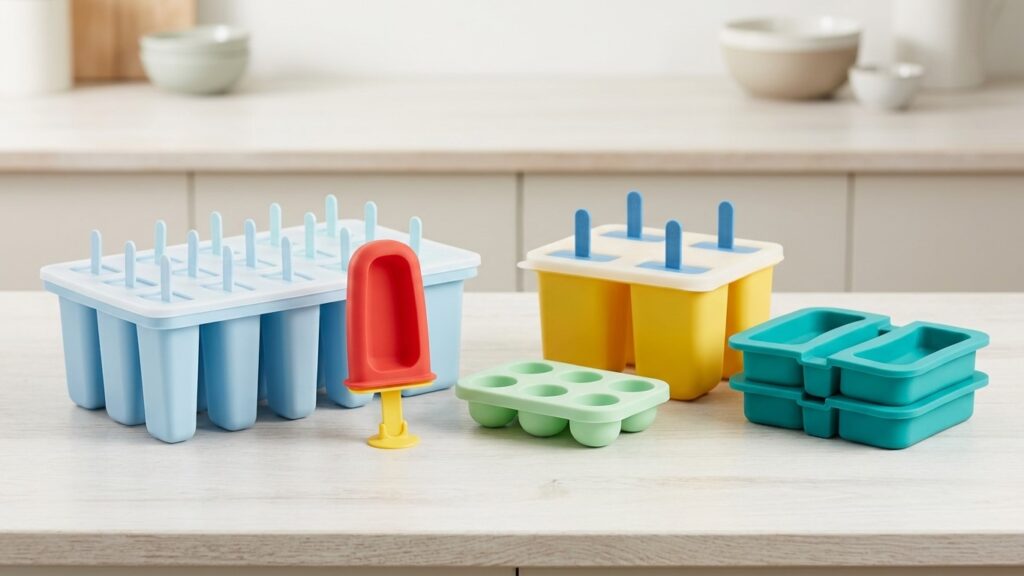
A silicone popsicle mold is a flexible food-contact silicone mold designed to shape and freeze homemade popsicles, fruit bars, yogurt treats, and other frozen desserts. A custom silicone popsicle mold is developed around your required cavity size, shape, quantity, stick system, color, logo, and packaging for retail or promotional use.
RY Silicone is a custom silicone manufacturer based in China, established in 2012. Our factory supports silicone product development, molding, finishing, branding, inspection, and packaging for international brands, distributors, and wholesalers with OEM solutions. Custom popsicle molds can be developed from an existing structure or through new tooling for a specific product concept.
Silicone Popsicle Mold Manufacturing at a Glance
MOQ
From 500 pieces for selected existing mold structures with custom branding, or 3,000 pieces for a new custom-molded design.
Mold Design
Choose single- or multi-cavity layouts, cavity volumes, custom silhouettes, stick systems, and lid structures for your frozen-product format.
Material & Performance
Food-contact silicone options can be matched to freezer use, repeated flexing, release performance, cleaning requirements, and the target market.
Branding & Packaging
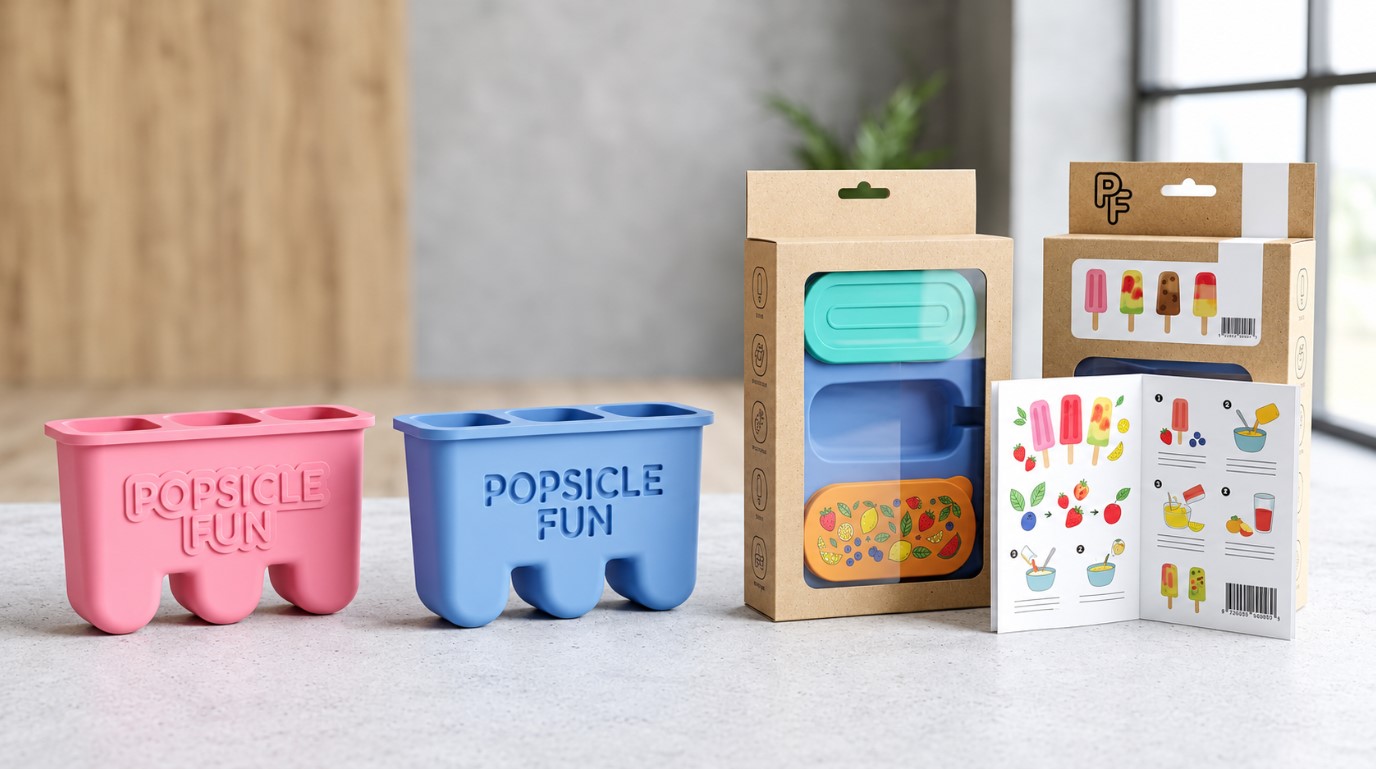
Add molded logos, suitable surface printing, and retail-ready bags, header cards, boxes, inserts, barcode labels, or promotional packaging.
Who We Manufacture Silicone Popsicle Molds For
Start with your sales channel, then define cavity design, release behavior, branding, and packaging.

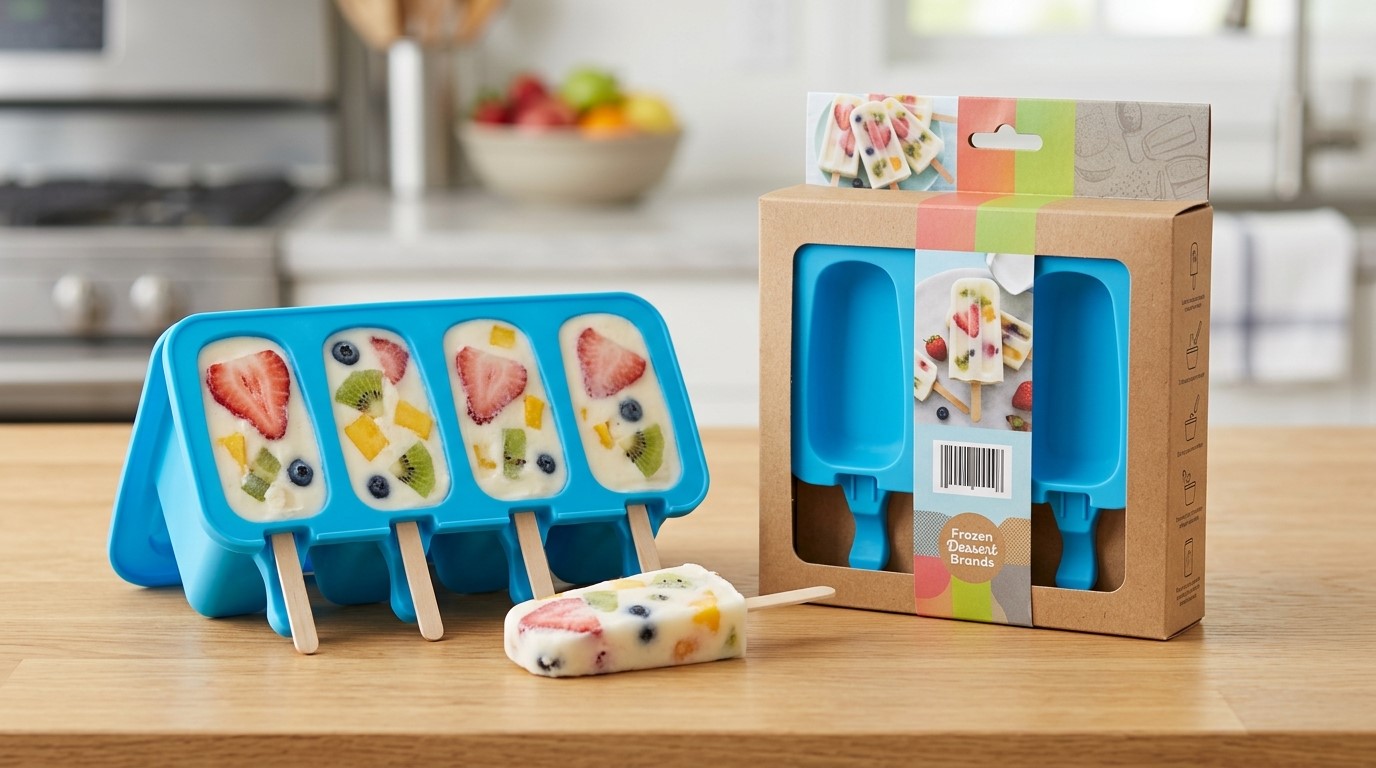
Frozen Dessert Brands
Develop branded popsicle molds around your recipe format, serving size, and product identity. Custom cavity shapes help create recognizable frozen products while consistent dimensions support repeat production.
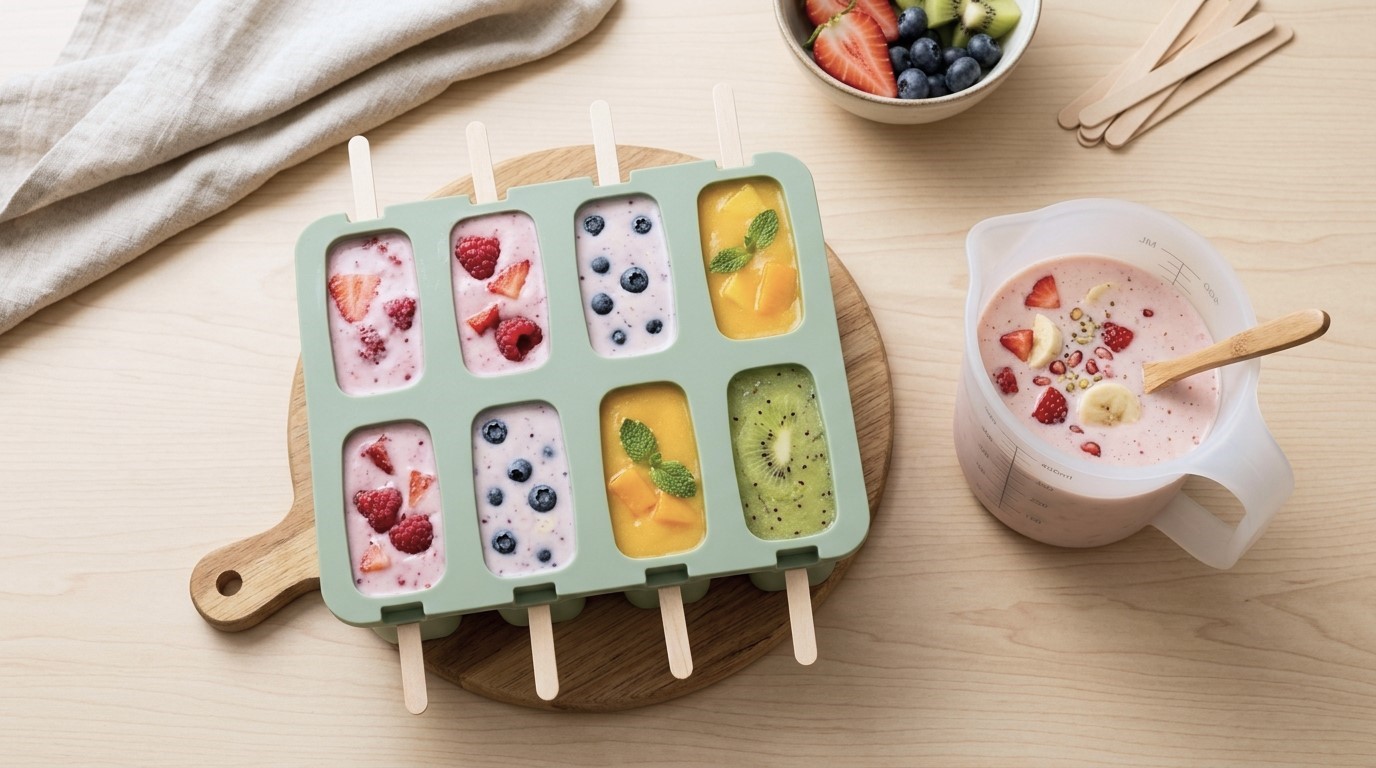
Kitchenware Brands
Add reusable silicone popsicle molds to kitchen and homeware collections with coordinated colors, shapes, and packaging. Existing structures can support faster launches, while custom tooling creates a more distinctive SKU.
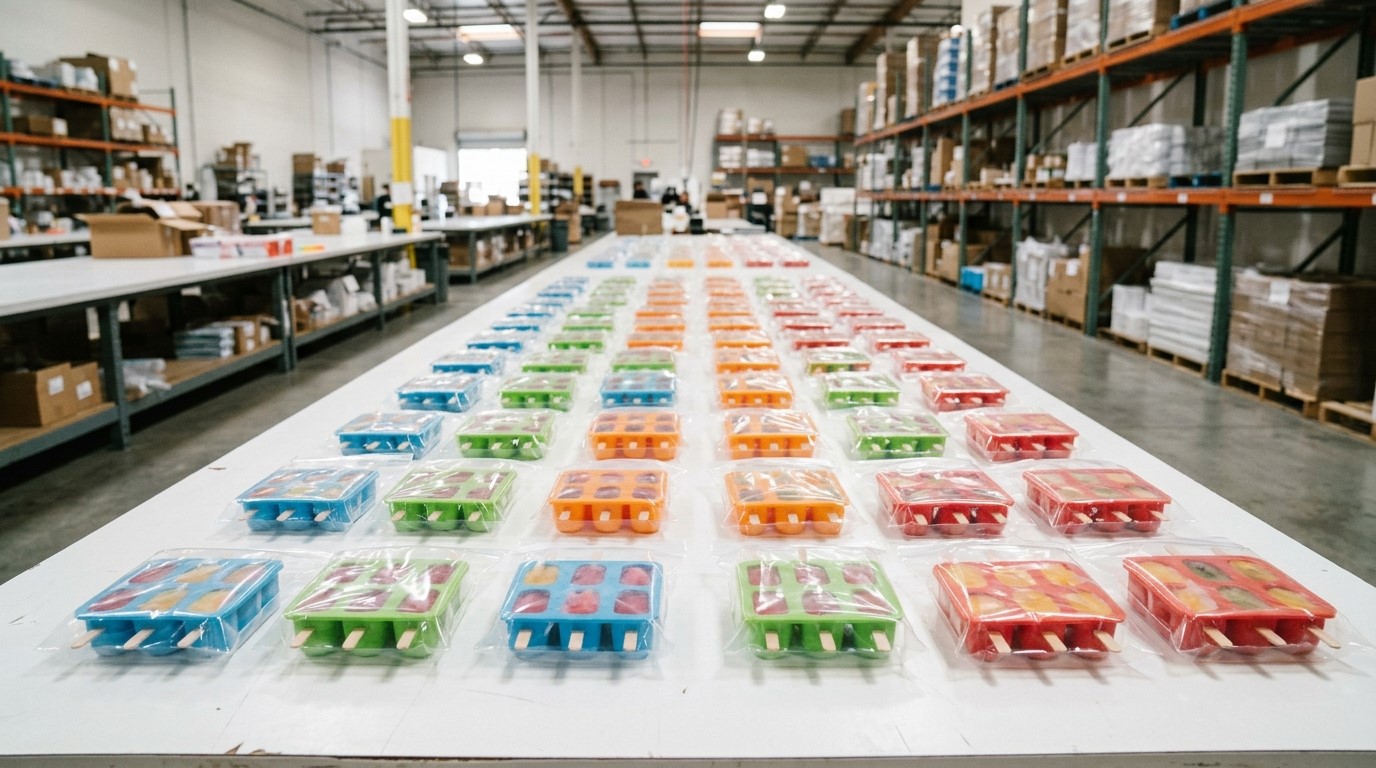
Distributors & Wholesalers
Source silicone popsicle molds in bulk for kitchenware, baking, frozen dessert, and seasonal product channels. We can coordinate multiple colors, packaging formats, and private-label requirements for wholesale programs.
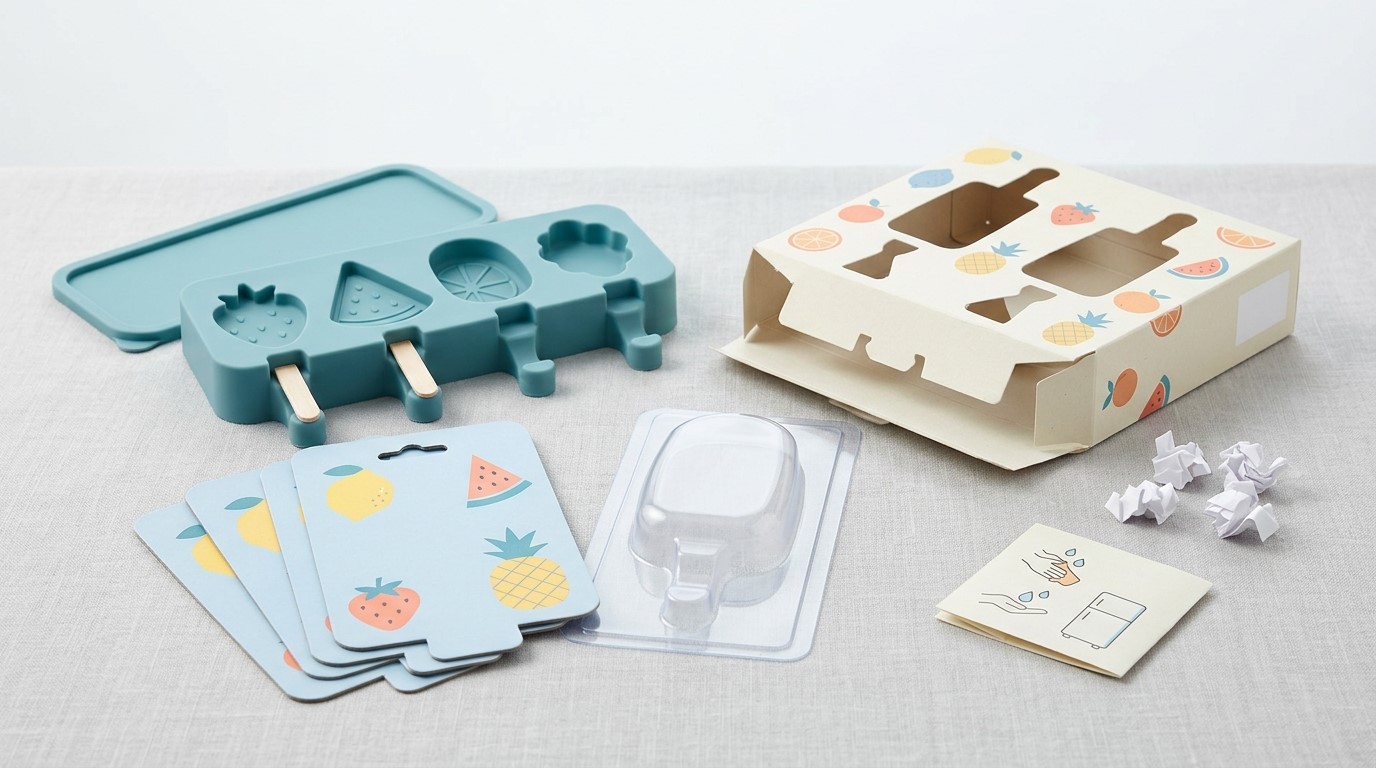
Retail & Ecommerce Sellers
Prepare molds for online and retail sales with individual packaging, SKU labels, barcode areas, instruction inserts, and product-specific presentation. Packaging can be developed around your marketplace or retail requirements.
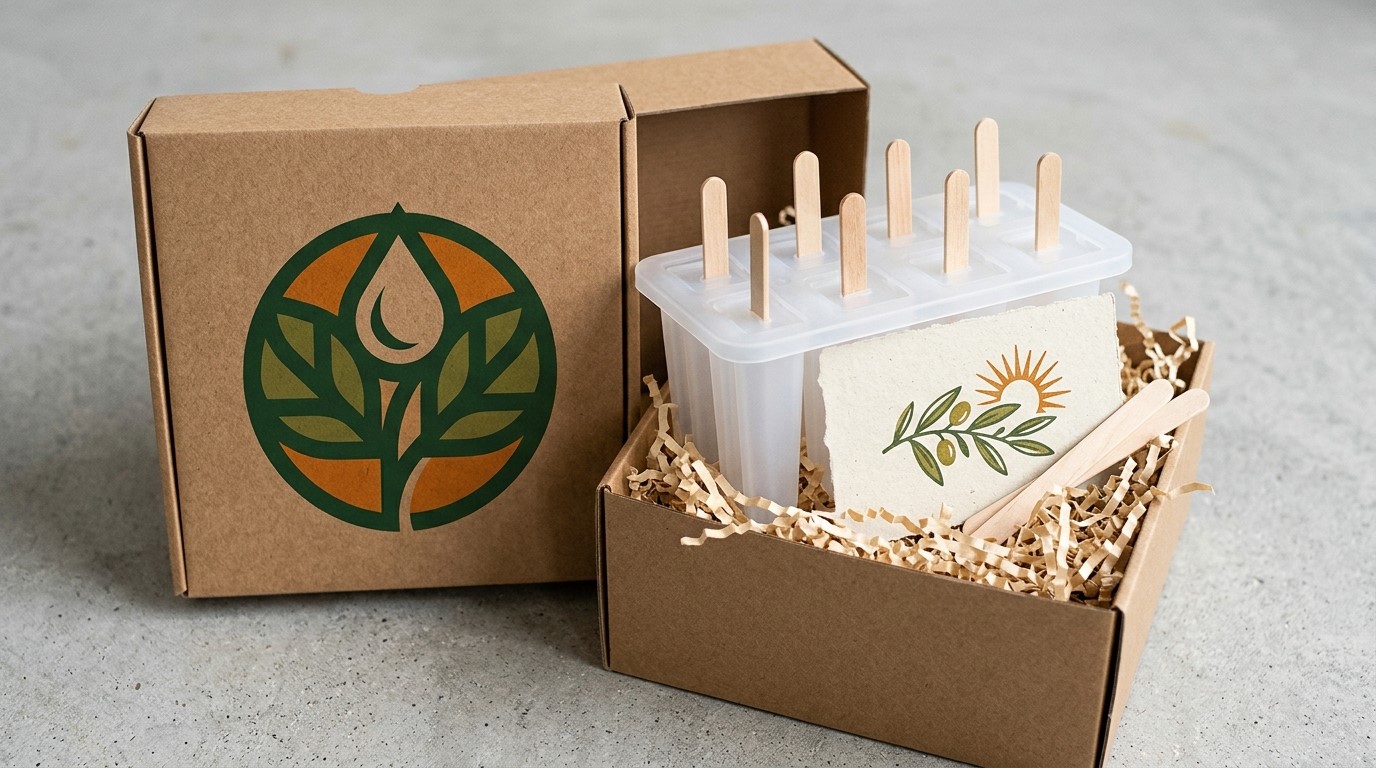
Promotional & Event Companies
Create custom popsicle molds for summer campaigns, branded events, hospitality promotions, and corporate programs. Molded shapes, custom colors, and logo treatments can turn a functional frozen dessert tool into a branded giveaway.
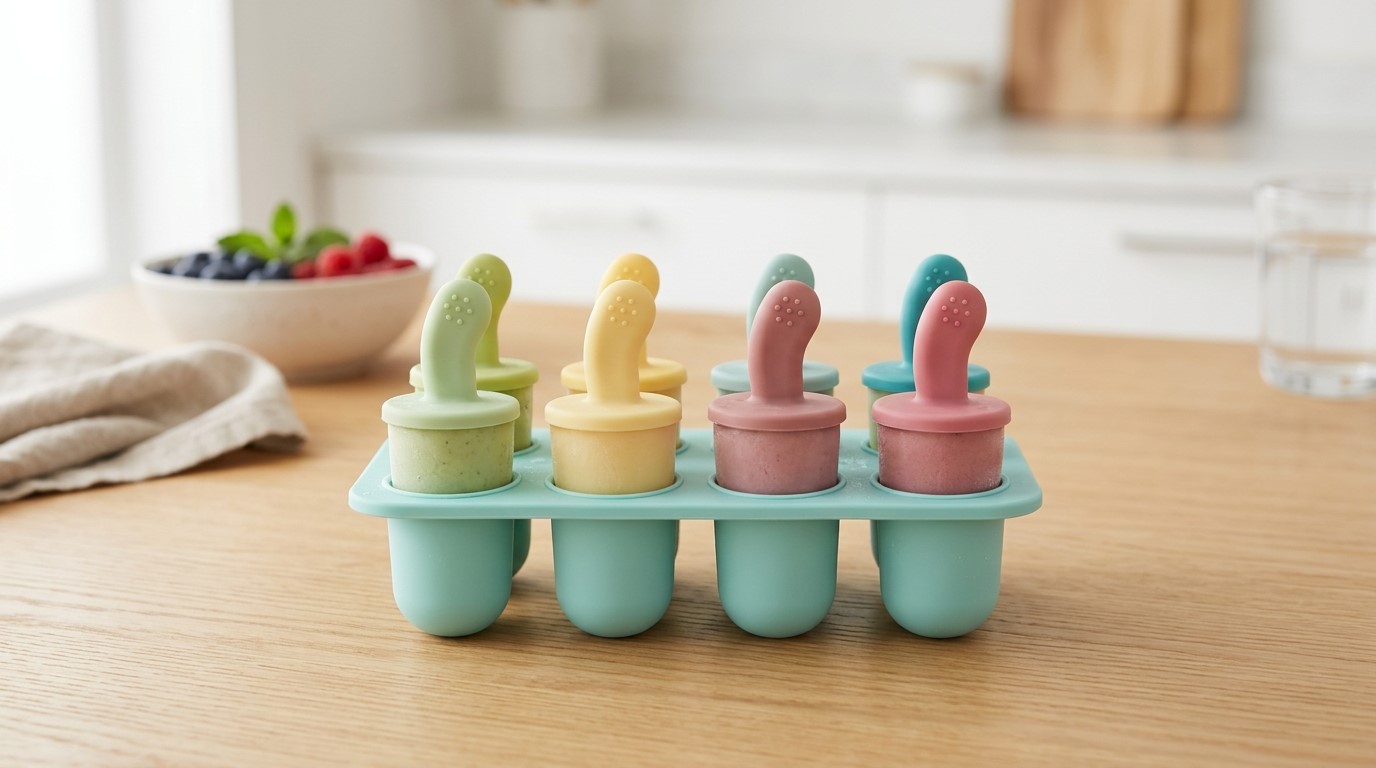
Family & Baby Product Brands
Develop smaller cavity formats and easy-to-handle structures for family-oriented frozen treats. Cavity dimensions, flexibility, stick retention, and cleaning requirements should be reviewed together before sampling.
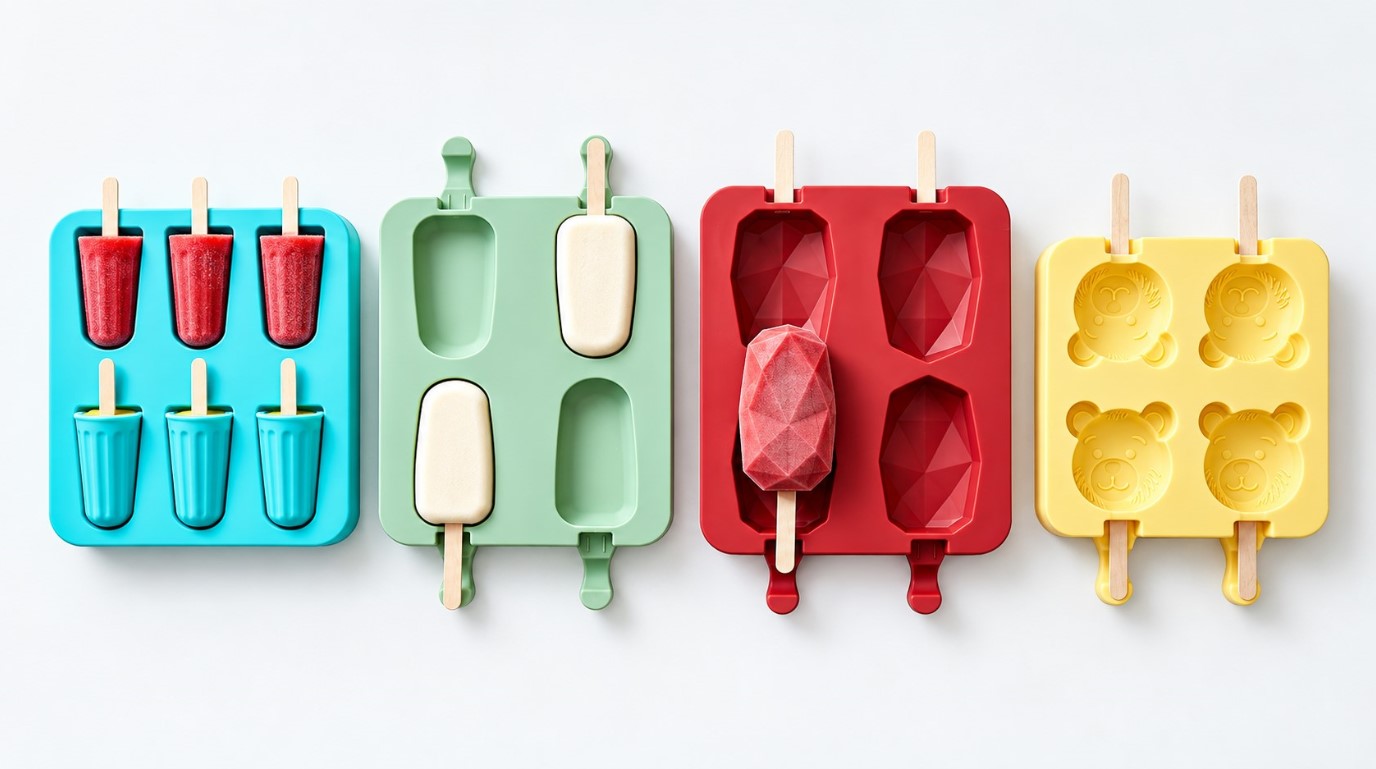
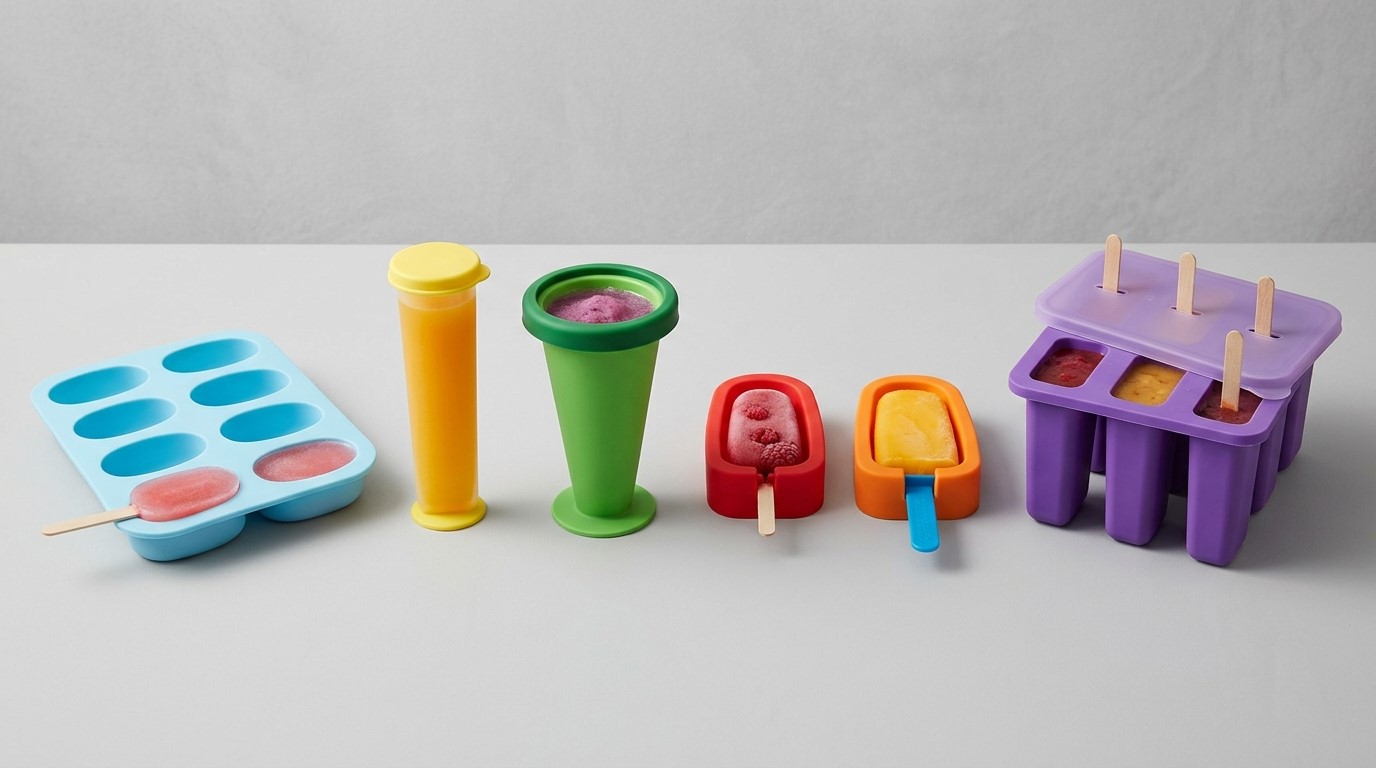
Silicone Popsicle Mold Types We Can Develop
Classic Silicone Popsicle Molds
Silicone Popsicle Molds with Lids
Silicone Popsicle Molds with Animals
Mini Silicone Popsicle Molds
Multi-Cavity Silicone Popsicle Molds
Custom Silicone Popsicle Molds
Silicone Popsicle Mold Customization
Custom mold projects start with shape, size, color and packaging.
Define the popsicle’s final shape and serving size before tooling.
Available options include:
- Custom cavity silhouettes
- Single-cavity or multi-cavity layouts
- Mini or standard portion (20 ml ~ 130 ml)
- Custom cavity volume
- Character or seasonal shapes
- Mascot logos or geometric patterns
- Ovals, cubes, rounded or detailed profiles
- Brand-specific frozen-dessert shapes
- In-cavity mold patterns
- Segmented or multi-layer cavity designs
Match the mold structure to freezing, storage, and demolding requirements.
Available options include:
- Wall thickness adjustment
- Flexible or firmer silicone structure
- Reinforced outer rim
- Cavity spacing
- Stick-hole dimensions
- Lid-compatible structures
- Top-down options
- Horizontal-oriented tray molds
- Easy-release cavity geometry
Select silicone according to food-contact use, freezer conditions, and repeated flexing.
Available options include:
- Food-contact silicone
- Platinum-cured silicone
- Peroxide-cured silicone
- 30–60 Shore A hardness options
- Custom silicone colors
- Matte and glossy surfaces
- Material documentation for the target market
- Freezer-use performance requirements
Build your brand identity into the mold of its retail presentation.
Available options include:
- Embossed logos
- Debossed logos
- Molded-in graphics
- Suitable screen or pad printing
- Custom Pantone colors
- Printed packaging
- Barcode and SKU labels
- Instruction or recipe inserts
Start Your Custom Silicone Popsicle Mold Project
Send your cavity design, quantity, stick requirements, and packaging plan for a matched production proposal.
How to Specify a Better Silicone Popsicle Mold
Release performance depends on cavity geometry, flexibility, and the way the frozen product is handled.
- Cavity volume—Define the target serving size before tooling so every cavity produces a consistent frozen portion.
- Cavity geometry—Deep cavities and narrow openings require careful release planning, especially around detailed shapes.
- Wall thickness—Balance flexibility for demolding against enough structural support to prevent distortion during filling and freezing.
- Stick system—Confirm stick diameter, insertion depth, and retention so the stick stays aligned without creating an unnecessary leak path.
- Lid fit—If a cover is required, check its engagement with the mold before mass production.
- Hardness—Select silicone hardness according to cavity size, handling method, and required release behavior.
- Cavity spacing—Leave enough separation for molding, trimming, and comfortable handling without making the finished mold unnecessarily large.
- Freezer conditions—Confirm the expected temperature range and repeated-use requirements before selecting the final compound.
Geometry and release behavior must be assessed together. Besides, a reliable silicone mold design is refined through controlled venting, shrinkage, wall thickness, and physical validation.
Full Specification Guide
How to Specify a Better Silicone Popsicle Mold—cavity volume, wall thickness, stick retention, lid fit, hardness, and release considerations.
Silicone Popsicle Mold Logo & Branding Methods
Choose the branding method according to logo detail, surface location, and durability requirements.
Screen or Pad Printing
Printed branding can add colored graphics to suitable non-contact surfaces where the artwork requires visual detail beyond molded geometry.
In-Cavity Graphics
Custom graphics or brand shapes are molded into suitable areas, creating a permanent visual identity.
Embossed Logos
A molded raised logo enables ink-free branding and stays permanently integrated into the product structure.
Debossed Logos
A recessed logo creates a subtle molded mark, ideal for clean designs requiring a low-profile brand appearance.
Silicone Popsicle Mold Material & Performance Options
Silicone selection affects release, flexibility, durability, cleaning, and food-contact performance.
For popsicle molds, silicone is ideal for repeated contact with frozen ingredients and liquids with safety for food. Food-grade silicone can be selected to match the target market, formulation, color system, and documentation requirements.
Material Comparison
Platinum-Cured vs. Peroxide-Cured Silicone Popsicle Molds: Which is Optimal for Your Project? —Curing system selection, silicone material formulation, post-processing, residuals, and market-specific food-contact requirements.
A flexible silicone structure allows the cavity to deform during demolding, which helps release frozen popsicles without pulling excessively on the stick or product.
However, softer silicone does not automatically provide better release. Cavity depth, opening geometry, wall thickness, and hardness should be evaluated together.
The silicone compound should remain flexible under the intended freezing conditions without becoming excessively brittle or losing dimensional stability during repeated use.
Typical custom options may fall within the range of 30–60 Shore A, and the final hardness is selected according to cavity size, wall thickness, release behavior, and structural requirements.
Deep cavities, narrow openings, and thin walls place greater demands on tear resistance and dimensional stability. Therefore, material hardness and mold geometry should be evaluated together during development.
Material documentation confirms silicone suitability for food contact, intended applications, safety and regulations, and destination-market requirements for commercial popsicle molds.
Available project documentation may include:
- Material data sheets
- Material declarations
- FDA-related documentation
- LFGB-related documentation
- REACH-related reports
- Color formulation and color matching files
- Project-specific test reports
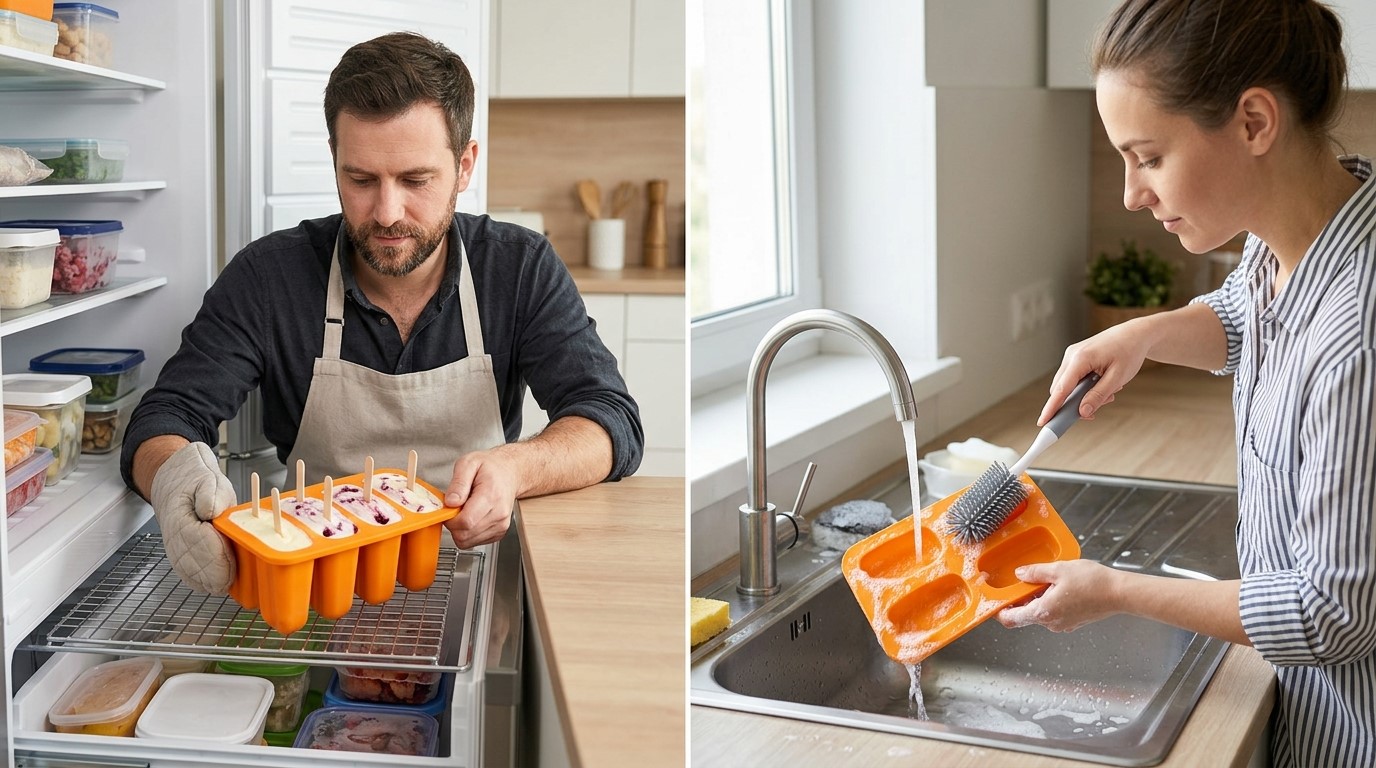
Smooth silicone surfaces support routine washing, and removable sticks or lids simplify cleaning around the cavity opening. Dishwasher compatibility depends on the selected silicone (specific material grade), structure, and target application.
Material selection should balance food contact requirements, flexibility, release behavior, freezer durability, and cleaning conditions rather than focusing on hardness alone.
Cleaning Guide
How to Clean Silicone Popsicle Molds? —Residue removal, gentle hand-wash or dishwashing cycles for cleaning, rinsing completely without soap or detergents, proper storage, and inspection before next use.
How Silicone Popsicle Molds Are Manufactured

STEP 1: Requirement Review
Your drawings, cavity dimensions, volume targets, stick system, lid requirements, silicone hardness, color, logo, and packaging specifications are reviewed before production planning.
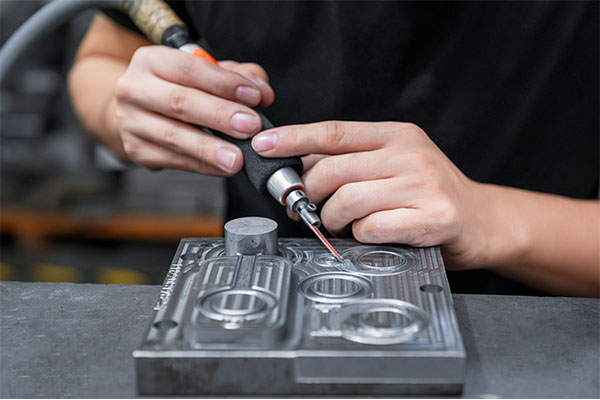
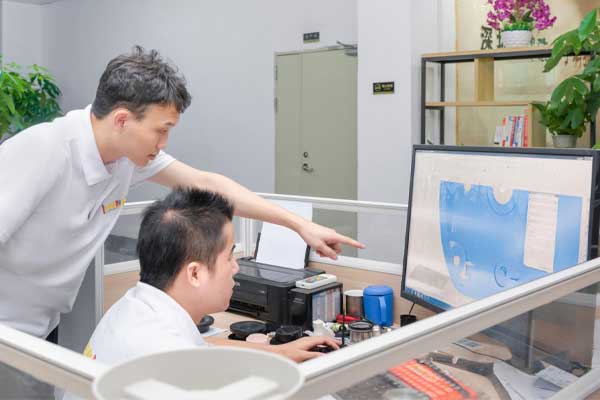
STEP 2: Tooling Evaluation
The proposed cavity geometry is evaluated for draft, wall thickness, opening size, parting structure, and demolding access. Deep or narrow cavities may require design adjustment.
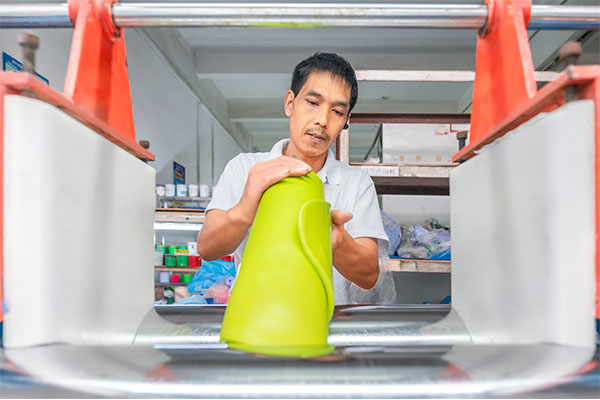
STEP 3: Material and Color Preparation
The selected silicone compound, curing system, and color are prepared according to the approved specification. Color samples can be confirmed before mass production.
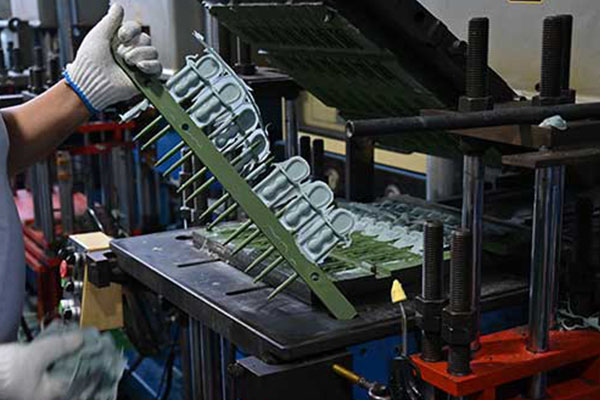
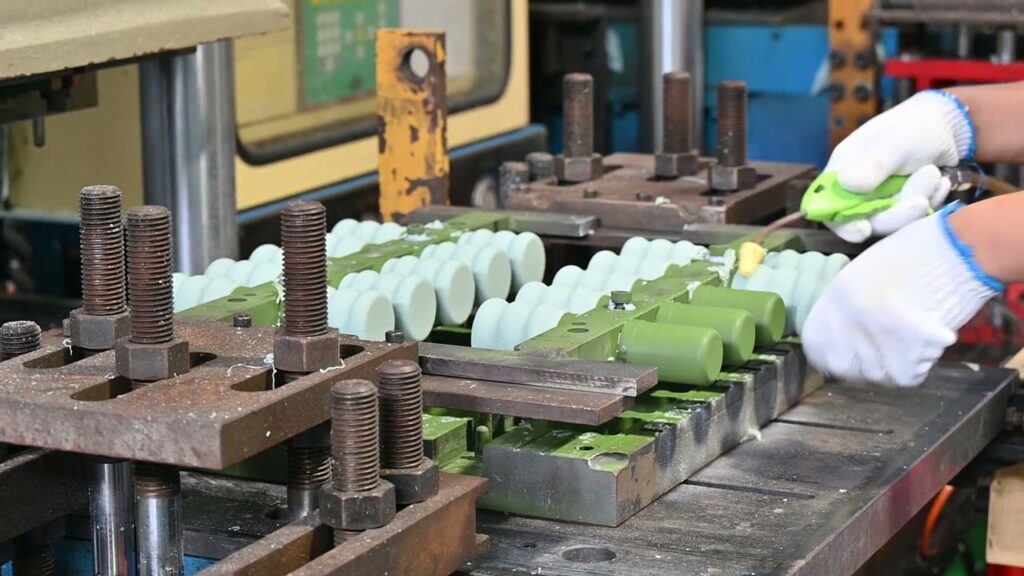
STEP 4: Silicone Molding
Silicone material is formed through the selected molding process to create the cavity layout, outer rim, stick openings, structural details, and integrated design features.
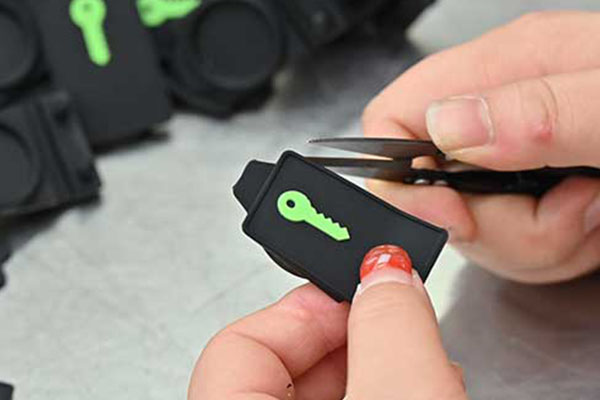
STEP 5: Demolding and Trimming
After curing, each mold is carefully removed from the tooling. Flash, excess material, and unwanted edges are trimmed while preserving cavity geometry and opening dimensions.
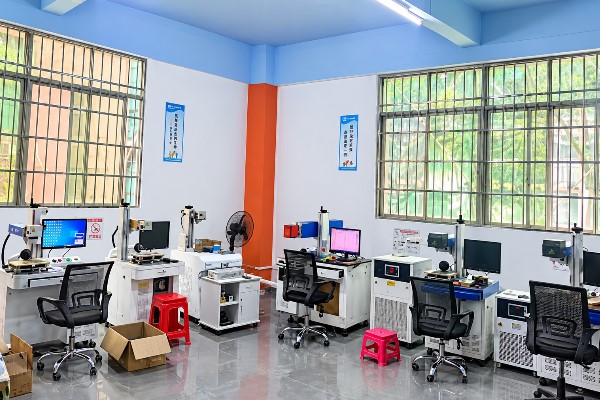
STEP 6: Logo and Surface Processing
Embossed, debossed, or molded branding is formed with the product geometry. Suitable printed graphics can be added where the surface and application allow.
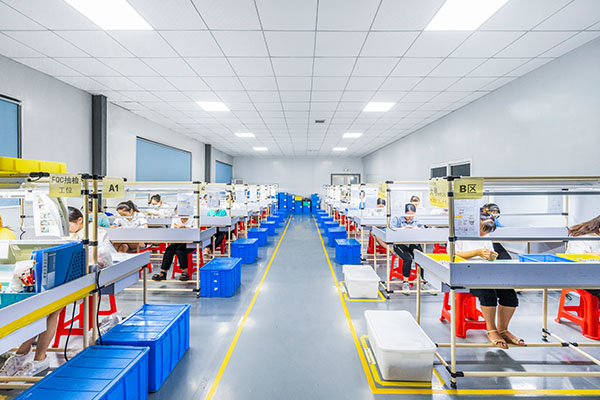
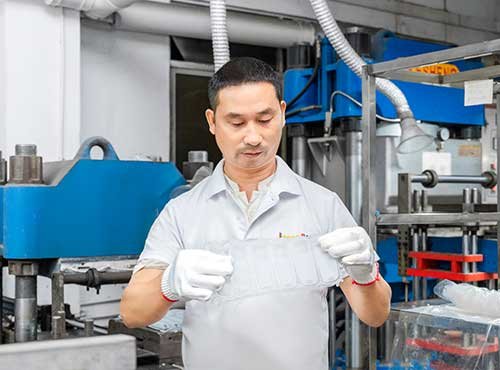
STEP 7: Quality Inspection
Finished molds are checked against the approved sample for appearance, dimensions, cavity consistency, color, logo execution, flexibility, stick-hole fit, and packaging requirements.
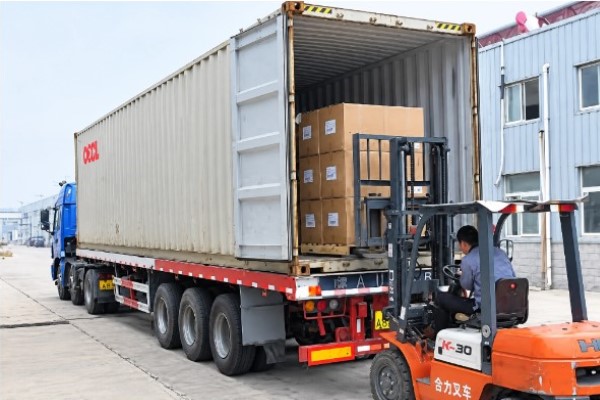
STEP 8: Packaging and Shipment
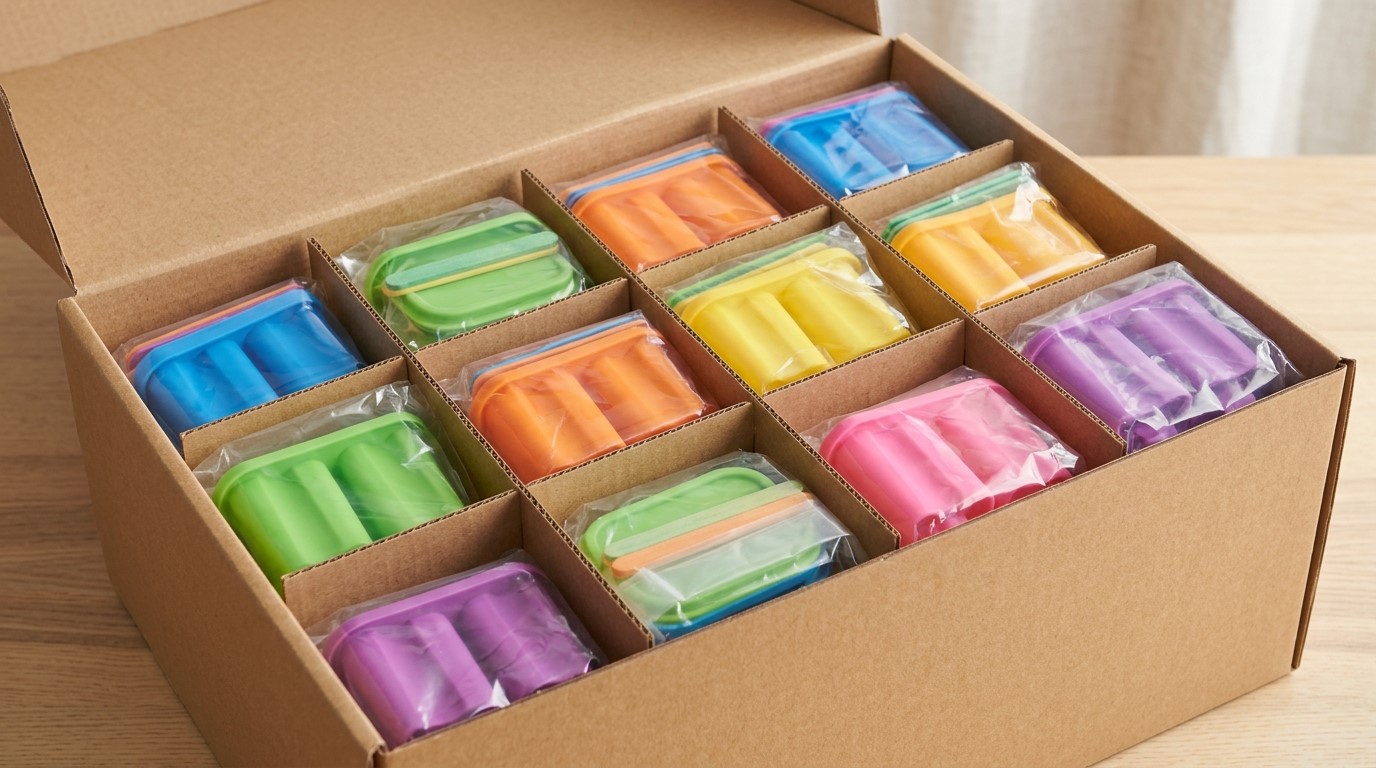
Approved molds are packed according to bulk, retail, or e-commerce requirements, with components such as sticks, lids, inserts, and barcodes matched to the final packing specification.
Silicone Popsicle Mold Quality Control
Quality control focuses on the features that directly affect release, portion consistency, structural durability, and retail presentation.
AQL 2.5 / 4.0 Standard Inspection
We run final random sampling plans to verify batch consistency:
AQL 2.5
Critical / Major Defects
AQL 4.0
Minor Visual Flaws
Another inspection standard can be used when specified in the purchase order.
Approved Sample Control
Mass production follows the approved sample or confirmed production specification. Changes to cavity geometry, color, hardness, or components should be reviewed before implementation.
Incoming Material Review
Silicone materials and color compounds are checked against the approved material requirements before entering production.
In-Process Inspection
During molding and trimming, production checks focus on cavity formation, wall consistency, flash, edge condition, stick openings, and structural deformation.
Appearance Inspection
Finished molds are inspected for:
- Surface defects
- Air marks or visible molding defects
- Flash and trimming quality
- Uneven edges
- Color consistency
- Logo clarity
- Contamination or foreign material
Dimensional Inspection
Critical dimensions can include:
- Overall mold dimensions
- Cavity length and width
- Cavity depth
- Cavity volume
- Wall thickness
- Cavity spacing
- Stick-hole dimensions
- Lid-fit dimensions
Functional Inspection
The mold structure is evaluated for flexibility, cavity release behavior, and compatibility between the mold, stick, and lid system where applicable.
For molds with integrated stick openings, the opening should retain the stick securely without creating excessive resistance during demolding.
Logo Quality
Logo quality is checked against the approved artwork, sample, and production specification to ensure consistent position, dimensions, clarity, and finish across silicone popsicle molds.
Branding inspection covers:
- Logo orientation
- Logo position and dimensions
- Color consistency
- Surface condition
- Fine details
- Sample-to-production consistency
Packaging Inspection
Final checks confirm that molds, sticks, lids, inserts, and other accessories are correctly matched and packed according to the approved packaging specification.
For frozen-food molds, dimensional consistency and functional release should be checked alongside appearance—not treated as secondary quality criteria.
Silicone Popsicle Mold Packaging Options
Plan packaging early because printed items need separate schedules.

Bulk Packaging
Suitable for distributors and wholesalers requiring efficient packing. Individual molds, sticks, and lids can be grouped by SKU with protective bags or cartons.
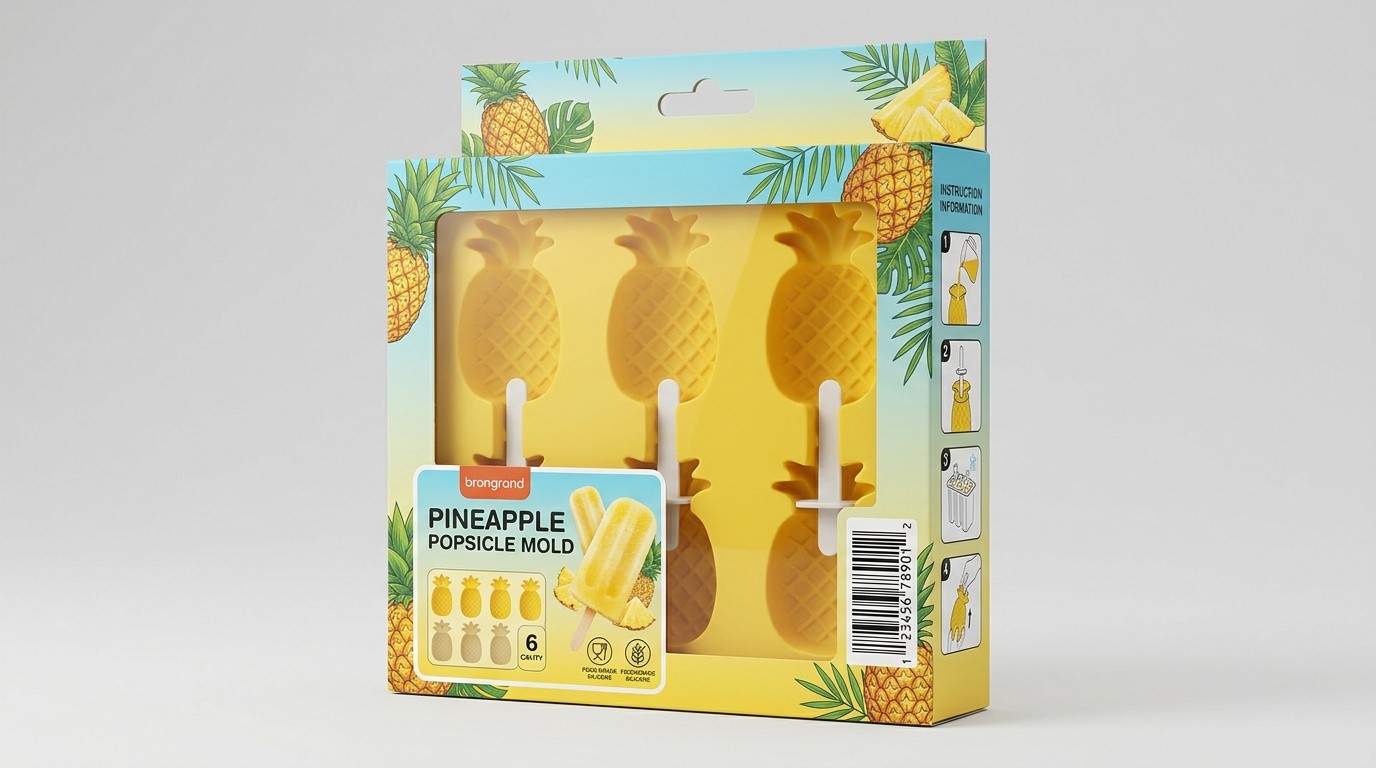
Retail Packaging
Retail-ready packaging can combine the silicone mold with sticks, lids, product information, barcode labels, and branded inserts for direct shelf presentation.
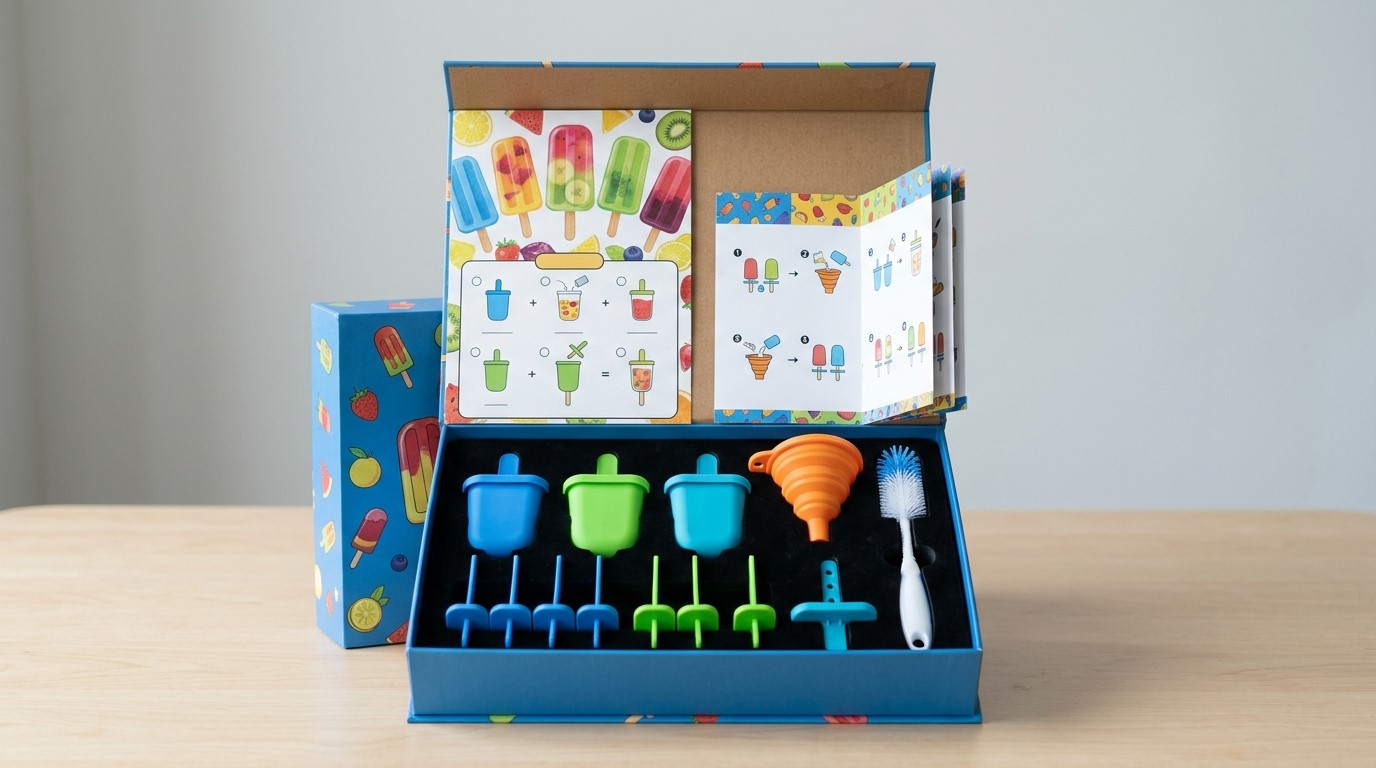
Ecommerce Packaging
Compact packaging can be developed around individual orders, with protective inner packing and an outer carton designed to reduce movement during shipping.
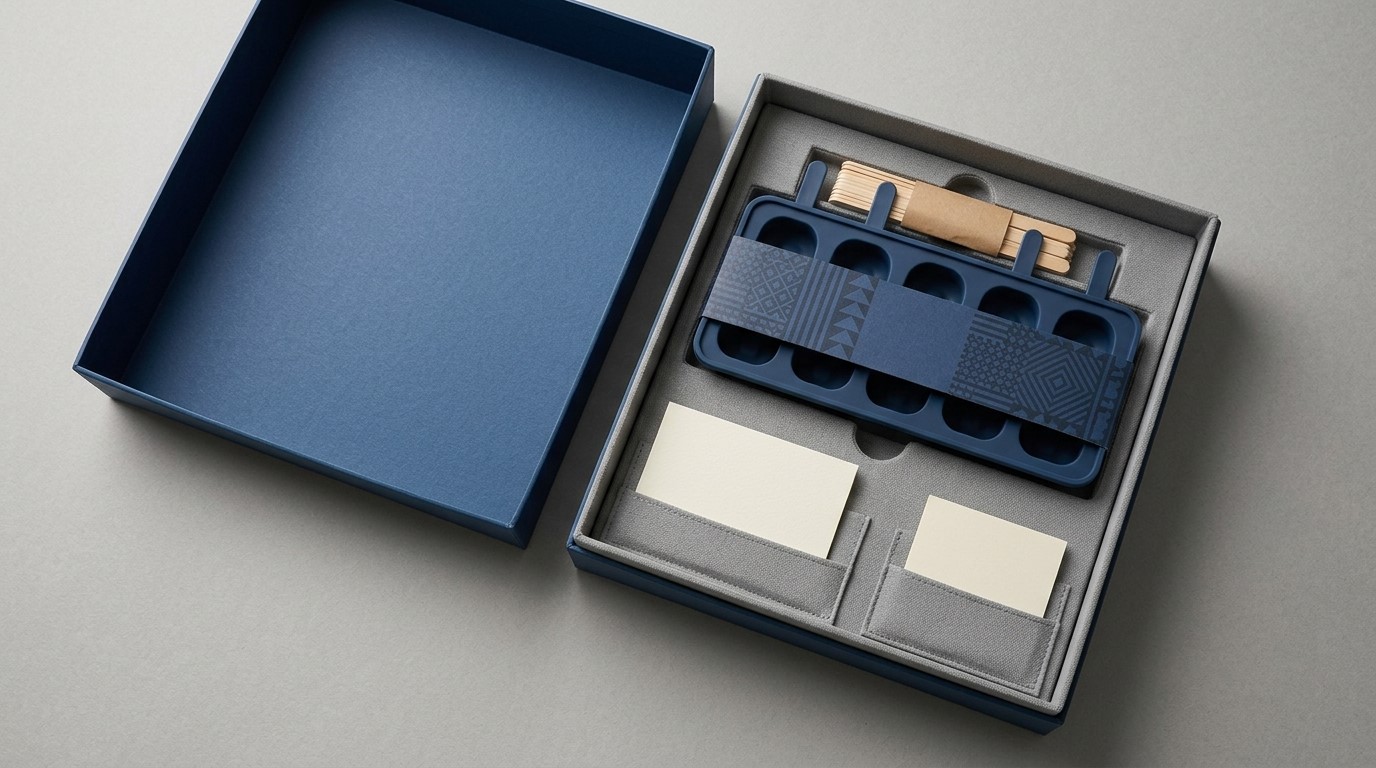
Premium Brand Packaging
For branded campaigns, schools, events, or seasonal programs, packaging can incorporate custom colors, printed cards, logos, campaign information, and individually packed sets.

Silicone Popsicle Mold Typical Specifications
| Specification | Typical Options |
|---|---|
| Product Type | Silicone popsicle mold, popsicle mold with lid, popsicle mold with sticks, mini or multi-cavity mold |
| Silicone Material | Food-contact silicone options matched to target market and application |
| Hardness | Approx. 30–60 Shore A, depending on cavity structure and release requirements |
| Cavity Count | Single cavity, 2–4 cavities, 6+ cavities, or custom layouts |
| Cavity Volume | Custom according to required popsicle size and serving portion |
| Cavity Shape | Standard, rounded, geometric, character, seasonal or brand-specific shapes |
| Wall Thickness | Customized according to cavity depth, flexibility and dimensional stability |
| Stick System | Separate stick, reusable stick, integrated stick opening or custom retention design |
| Lid | Optional; flat, fitted or custom-designed according to mold structure |
| Temperature Use | Designed for intended freezer conditions; final range depends on selected silicone formulation |
| Color | Custom silicone colors; Pantone matching available subject to material evaluation |
| Branding | Embossed, debossed, molded graphics, screen or pad printing where suitable |
| Surface | Smooth molded finish or specified surface texture |
| Packaging | Bulk bag, retail box, ecommerce set, promotional packaging or custom packaging |
| Existing Mold MOQ | From approximately 500 pcs for selected existing designs |
| New Custom Mold MOQ | From approximately 3,000 pcs, subject to design and production requirements |
| Sample Lead Time | Typically 5–10 working days after specifications and artwork are confirmed |
| Custom Tooling | Typically 10–20 working days, depending on geometry and tooling complexity |
| Mass Production | Typically 15–25 working days after approval, depending on quantity and configuration |
| OEM / ODM | Available for custom cavity geometry, structure, color, branding and packaging |
Final specifications should be confirmed from the approved drawing, sample, material selection, and intended market before quotation.
Why Work with RY Silicone
Silicone Manufacturing Experience Since 2012
RY Silicone has manufactured silicone products since 2012, supporting custom product development for international brands, distributors, and wholesalers.
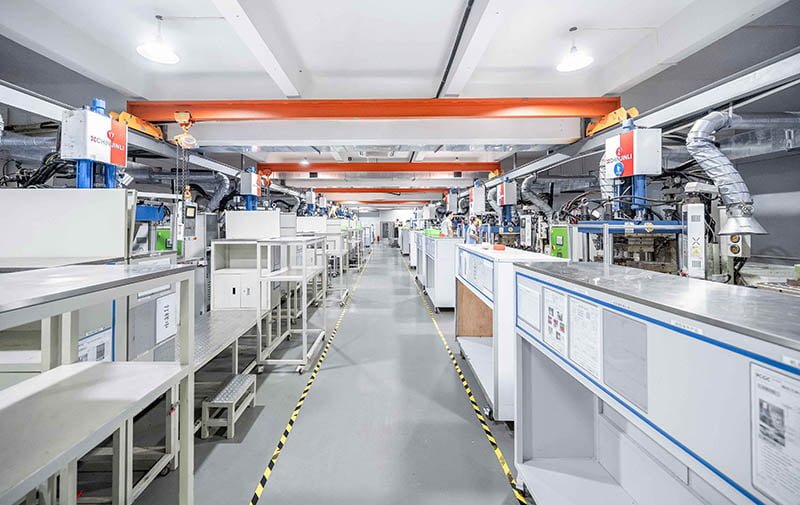
10,000+ m² Production Facility
Our manufacturing facility covers more than 10,000 m², supporting tooling, molding, finishing, inspection, and packaging within an integrated production workflow.
30+ Production Machines
With 30+ machines, production resources can be allocated according to mold structure, order volume, material requirements, and required finishing processes.
Up to 100,000 Silicone Products per Day
Available production capacity can reach up to 100,000 pieces per day, depending on product design, machine allocation, cavity configuration, and order requirements.
Engineering Review Before Quotation
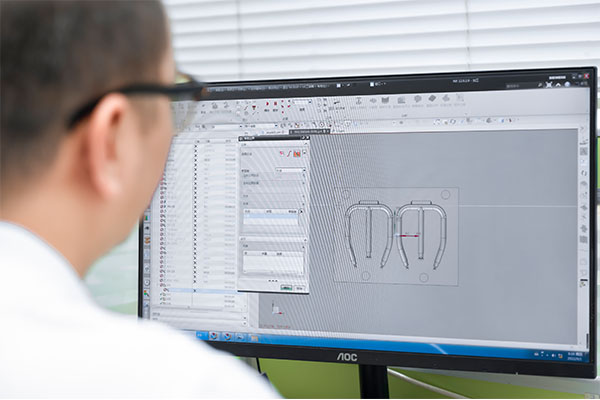
Before quoting, engineering can review cavity geometry, wall thickness, stick-hole structure, lid compatibility, and other production-sensitive details to identify potential manufacturing issues.
Sample-Based Production
An approved sample or confirmed specification provides the production reference for appearance, dimensions, color, structure, branding, and other agreed requirements.
Export Project Support
From bulk shipment to retail-ready packaging, the production process can accommodate packaging specifications, labeling requirements, and export-oriented order preparation.
Silicone Popsicle Mold FAQ and Final RFQ
What is the MOQ for silicone popsicle molds?
For selected existing designs, the MOQ can start from approximately 500 pieces. New custom molds generally start from approximately 3,000 pieces, depending on cavity design, tooling requirements, colors, components, and packaging.
Can you customize the popsicle mold shape and cavity volume?
Yes. Custom development can include cavity shape, cavity count, cavity volume, dimensions, wall thickness, cavity spacing, and overall mold geometry. The final design should be reviewed for demolding and structural stability before tooling.
What silicone hardness is suitable for a popsicle mold?
Typical options may range from approximately 30 to 60 Shore A. The appropriate hardness depends on cavity depth, wall thickness, required flexibility, stick retention, and release behavior rather than hardness alone.
Can you make silicone popsicle molds with sticks and lids?
Yes. The mold can be developed with compatible sticks, integrated stick openings, and optional lids. Stick-hole dimensions and retention should be evaluated together with the frozen product and cavity geometry.
Can you develop custom-shaped silicone popsicle molds?
Yes. Custom silhouettes can include geometric, character, seasonal, or brand-specific shapes. Detailed or deep cavities should be reviewed carefully because narrow openings and sharp transitions can affect demolding.
Are silicone popsicle molds suitable for freezer use?
They can be designed for repeated frozen-food applications using an appropriate silicone formulation. The actual operating conditions should be confirmed against the selected material, mold structure, and intended use.
Can you provide food-contact compliance documents?
Documentation can be discussed according to the destination market and selected material system. Depending on the application and market, relevant food-contact documentation may include FDA, LFGB, or other applicable requirements. Final compliance should be confirmed for the specific formulation, pigments, and production configuration.
Can you add our logo to a silicone popsicle mold?
Yes. Available approaches may include embossed logos, debossed logos, molded graphics, and suitable screen or pad printing. Logo dimensions, location, artwork detail, and surface geometry should be reviewed before production.
Can I order a sample before mass production?
Yes. Samples can be used to verify cavity dimensions, appearance, color, flexibility, stick compatibility, lid fit, and release behavior before the production specification is finalized.
What information is needed for a silicone popsicle mold quotation?
For an accurate quotation, please provide:
- Product drawings, design files, or reference samples
- Cavity count and cavity dimensions
- Target cavity volume
- Overall mold dimensions
- Popsicle shape and geometry
- Stick type and retention requirements
- Lid requirements, if applicable
- Silicone material or application requirements
- Preferred hardness, if known
- Color or Pantone reference
- Logo artwork and branding requirements
- Packaging requirements
- Target quantity
- Destination market
- Required compliance documents
- Expected delivery schedule
Final RFQ
Send your popsicle mold drawings, product references, or existing samples together with your target quantity and market requirements. RY Silicone can review the cavity structure, material, branding, tooling, and packaging requirements before preparing a production quotation.