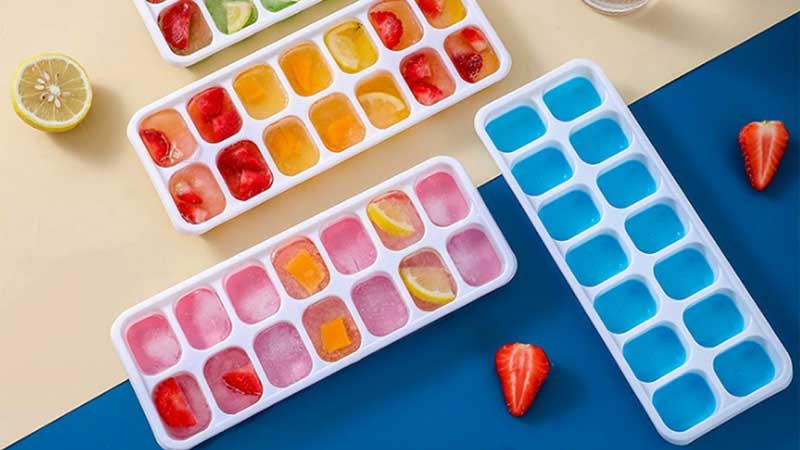
A practical and safe ice cube tray can greatly improve everyday life. Many people hesitate when choosing between plastic, metal, or silicone trays. If you want ice cubes that form perfectly, release easily, and are safe to use, silicone trays often offer the most reliable option. In the following, we’ll explore the advantages of silicone, its versatile uses, and tips for daily care, giving you a complete picture of the value silicone ice trays bring to your kitchen.
What Are the Advantages of Silicone Ice Trays?
Silicone ice trays have quickly become popular in home kitchens in recent years, and there are good reasons for this.
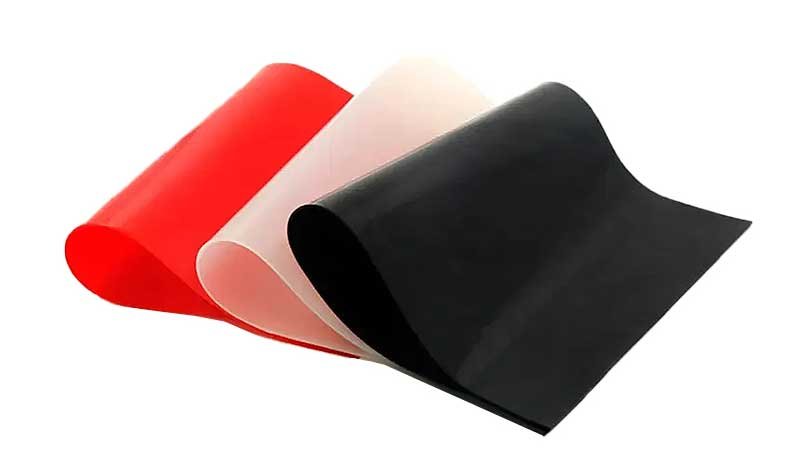
Food-grade silicone is an ideal material for kitchenware. It can withstand both low and high temperatures, so it stays soft and resilient even after long-term use in the freezer. The material is virtually odorless and passes safety tests such as FDA and LFGB, ensuring stable contact with beverages and food over time.
Silicone allows ice cubes to release easily. Simply press the bottom, and the cubes pop out smoothly without force. This is especially useful when making large ice spheres, blocks, or juice-based ice, keeping shapes intact and making the overall process easier and more enjoyable.
Silicone also resists absorbing odors and does not become brittle or crack at low temperatures like plastic trays. Cleaning is convenient, even in the dishwasher, and the tray remains stable after long-term use. Its lifespan is generally longer than plastic trays, reducing replacement costs and making it a more environmentally friendly choice.
The differences between materials are summarized in the table below:
| Material | Easy Release | Low-Temperature Resistance | Odor Absorption | Lifespan | Cleaning Ease |
| Silicone | High | High | Low | Long | Easy |
| Plastic | Low | Medium | Medium | Medium | Medium |
| Metal | Medium | High | Low | Long | Easy |
Overall, silicone performs more evenly across release experience, safety, and durability, making it a more convenient and reliable choice for home ice-making.
What Are the Uses of Silicone Ice Cube Trays?
Silicone ice cube trays are more versatile than most people imagine, extending far beyond simple ice-making.
In daily home use, they can create ice cubes for various beverages, including plain water, juice, coffee, or milk tea. The softness and easy-release property of silicone help ice cubes maintain their shape, making the overall experience more convenient and enjoyable.
For families with babies, silicone ice cube trays are ideal for portioning and freezing baby food such as pureed fruits, vegetables, or broths. Each compartment holds a suitable amount, allowing parents to control meal portions and store food efficiently. The pliable silicone makes it easy to remove frozen cubes without breaking them, while keeping the food safe and hygienic.
Silicone trays can be used to make small desserts or snacks. Homemade chocolates, jellies, or puddings can be poured into the trays and cooled until set. Thanks to silicone’s low-temperature resistance and safety, removing the treats is simple, and the shapes remain intact. This makes silicone trays not only a practical ice-making tool but also a versatile kitchen mold that encourages creativity in home cooking.
Common Types and Structural Designs of Silicone Ice Cube Trays
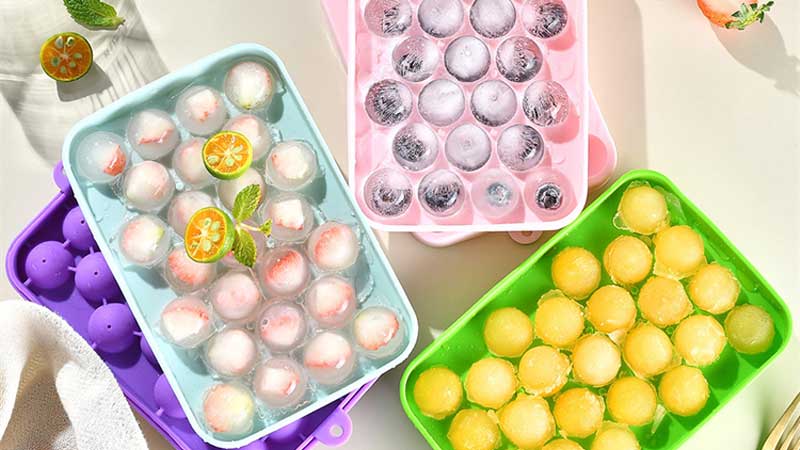
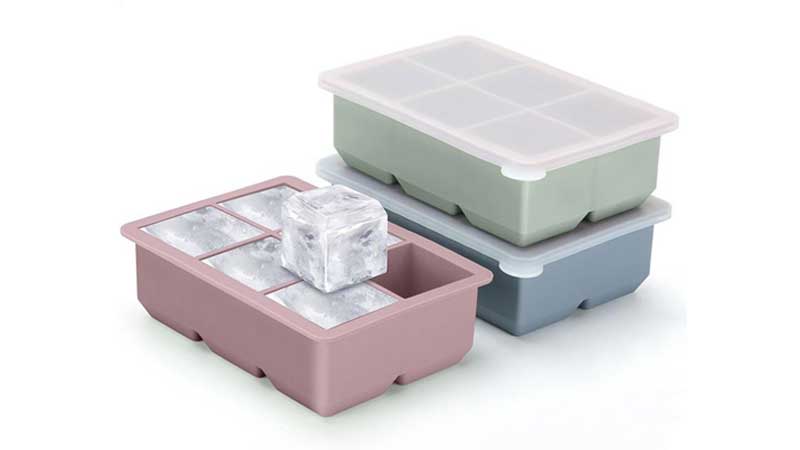
Different types of silicone ice cube trays suit different needs. Common shapes include small cubes, large cubes, large spheres, diamond shapes, and hearts. Cocktail enthusiasts often prefer large spheres because they melt more slowly, keeping the drink’s flavor stable. Those who make cold brew coffee may favor one-inch cubes for faster cooling and easier portioning.
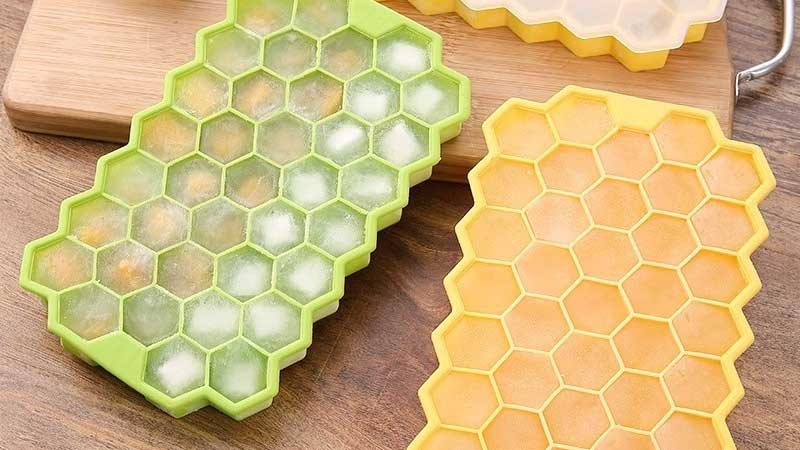
Regarding structural design, silicone trays with lids help prevent odor transfer in the freezer and make it easier to move the tray without spilling water. Some trays combine silicone with a PP frame, which keeps the tray level while filling and still allows easy release of the ice. This design ensures ice cubes come out neatly and maintain an appealing shape.
The hardness of silicone also matters. Softer silicone is easier to release, ideal for small or delicate ice shapes. Firmer silicone provides more support, suitable for larger cubes or more complex molds.
How to Use a Silicone Ice Cube Tray?
Before using a silicone ice cube tray for the first time, give it a thorough cleaning to remove any residues or odors from production. You can wash it with warm water and a small amount of baking soda, or use a mild dish detergent, then rinse thoroughly.
To reduce air bubbles in the ice, it’s best to use filtered water or boiled water that has been cooled. Pour the water steadily and avoid overfilling to prevent spills during handling or freezing.
To make clear ice cubes, try layering or directional freezing. Pour a small amount of water and freeze it first, then add the remaining water and freeze again. This helps minimize bubbles and improves transparency. The soft silicone allows ice to form completely, even for large spheres or special shapes, and makes removal easy. Simply press the bottom of the tray or twist the edges gently—no pulling needed—to keep ice intact and extend the tray’s lifespan.
For daily cleaning, silicone trays can go directly into the dishwasher or be cleaned with lemon water or baking soda to remove odors or mineral buildup. After washing, make sure the tray is completely dry before returning it to the freezer to prevent leftover moisture from affecting the ice’s taste or causing unwanted smells.

Conclusion
A high-quality silicone ice tray makes ice-making easier. Silicone is stable, safe, easy to clean, and highly durable, allowing you to enjoy a healthier and more convenient home freezing experience.
With decades of experience and advanced technology, our company can help you create custom silicone products tailored to your needs. Contact us today to bring your ideas to life with high-quality, safe, and practical silicone solutions.