You may wonder, what is food grade silicone, and is it really safe?
This question comes up almost every week in our daily work. Some clients worry about safety. Others worry about smell, heat resistance, or long-term use. Food grade silicone has become popular not because of marketing, but because it performs well in real production and real use.
In this article, I will walk you through what food grade silicone is, how we judge it in practice, which standards really matter, and where people often make the wrong choice. This is not textbook theory. It is based on production, testing, and years of customer feedback.
What Is Food Grade Silicone?
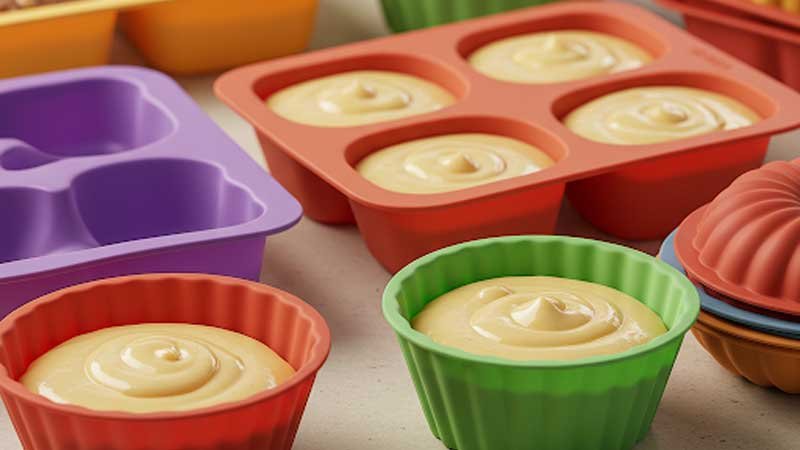
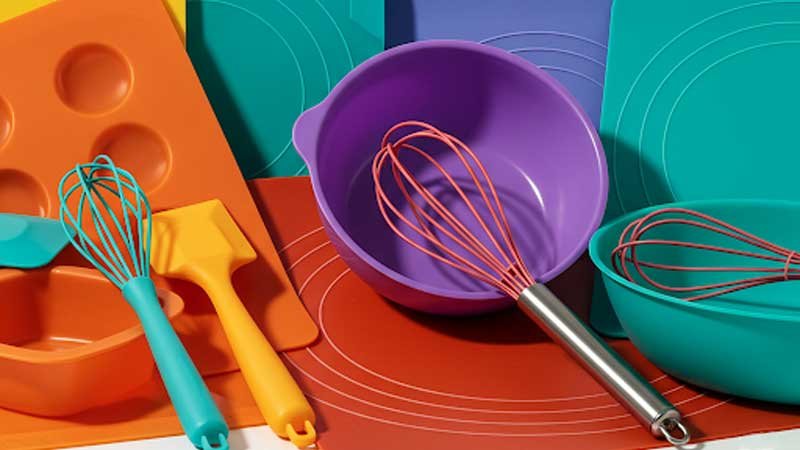
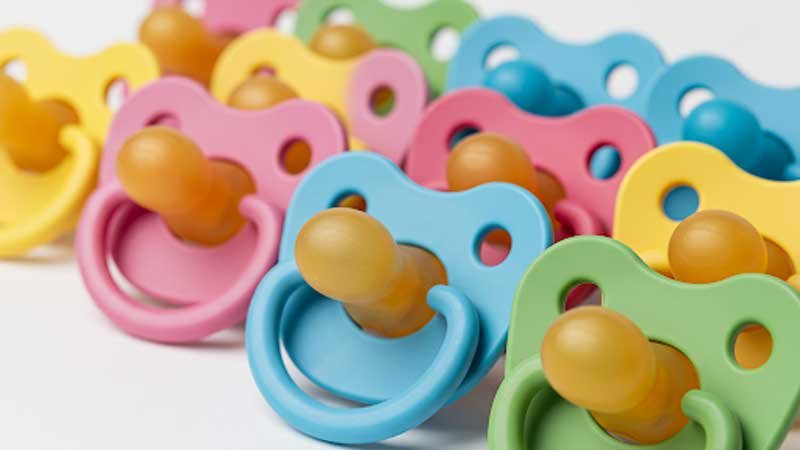
Food grade silicone is silicone material designed for direct contact with food. You will see it in kitchen tools, baking molds, baby pacifiers, bottle nipples, and food-processing seals.
From a manufacturing point of view, the key is control. The raw silicone must be clean. The curing system must be stable. Post-curing is often required to remove volatile residues. Without these steps, silicone may look fine but fail food-contact tests later.
True food grade silicone is non-toxic, odorless after proper treatment, and stable across a wide temperature range. It does not release harmful substances into food when used correctly.
To legally enter many markets, food grade silicone must comply with standards such as FDA in the United States or LFGB in Germany. These standards focus on migration, smell, taste, and chemical safety. We will talk about them later.
What Are the Core Features of Food Grade Silicone?
When we talk about food grade silicone with clients, we rarely start from technical charts. We start from real use. How does it behave after repeated heating? Does it keep its shape? Does it still smell after washing? These practical questions matter far more than numbers on a datasheet. Below is a clear overview of the core features we focus on in real production and daily use.
| Core Feature | What It Means in Real Use | Why It Matters |
| Safety | Non-toxic and does not affect food taste or smell when properly made | Poor post-curing in low-cost production often causes odor issues |
| Chemical Stability | Does not react with acids, oils, or salt | Keeps food safe and unchanged during cooking and storage |
| Temperature Resistance | Works from about -40°C to 200°C or higher | Suitable for ovens, microwaves, dishwashers, and freezers |
| Flexibility & Resilience | Bends and stretches, then returns to shape | Ideal for baking molds, lids, and baby products |
| Easy Cleaning | Smooth surface resists grease and residue | Saves time and supports daily kitchen use |
| Durability | Resists aging, moisture, and UV | Fewer replacements and more stable long-term performance |
Food Grade Silicone vs Other Common Materials
Many buyers ask one simple question: why silicone and not something else?
Food Grade Silicone vs Plastic
Plastic is cheap and easy to mold. But many plastics soften, warp, or release substances at high temperatures. Some also age quickly. Food grade silicone stays stable under heat and repeated washing. For baking and baby products, silicone is the safer long-term choice.
Food Grade Silicone vs Rubber
Natural rubber has good elasticity, but it often carries a strong smell and degrades faster. It is also sensitive to oils and heat. Silicone has better chemical stability and does not rely on additives that may migrate into food.
Food Grade Silicone vs Latex
Latex can cause allergic reactions. This is a serious concern for baby and medical-related products. Silicone is hypoallergenic and widely accepted for sensitive applications.
Is Food Grade Silicone Safe for Babies and Infants?
This is one of the most important questions we hear.
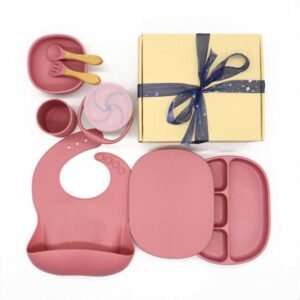
From our experience, properly certified food grade silicone is very safe for baby products. It contains no BPA, PVC, phthalates, or heavy metals. That is why it is widely used for pacifiers, teethers, bottle nipples, and feeding tools.
Another key point is heat resistance. Baby products are often boiled or steam-sterilized. Food grade silicone can handle these conditions without breaking down or releasing harmful substances.
That said, quality matters. Low-grade silicone may pass basic appearance checks but fail long-term odor or migration tests. For baby products, we always recommend LFGB-level material, not just basic FDA compliance.
Parents should also inspect products regularly. If a silicone item becomes sticky, cracked, or starts to smell, it should be replaced.
How to Identify Real Food Grade Silicone in Practice?
Certificates are important, but they are not everything. In real sourcing work, we also rely on physical judgment.
First, smell. High-quality silicone should have little to no odor. A strong or chemical smell usually means poor post-curing or mixed fillers.
Second, surface feel. Good silicone feels smooth and dry. If it feels oily or sticky, the formulation may be unstable.
Third, stretch test. When stretched, pure silicone may turn slightly lighter in color, but it should not show heavy white marks. Obvious whitening often means fillers were added.
Fourth, dust attraction. Low-quality silicone attracts dust easily. This is common with cheap kitchen products.
These checks do not replace lab testing, but they help avoid obvious mistakes early.
Common Myths About Food Grade Silicone
There are several misunderstandings we see again and again.
“If it smells, it is unsafe.” Not always. New silicone may carry residual odor from production. Proper washing or airing usually solves this. Persistent odor is the real warning sign.
“All silicone is food grade.” This is false. Many industrial silicones are not suitable for food contact. Always check application and certification.
“Transparent silicone is safer.” Color has nothing to do with safety. What matters is formulation and processing.
“Food grade silicone lasts forever.” Silicone is durable, but not eternal. Mechanical wear and misuse still shorten its lifespan.
What Are the Standards for Food Grade Silicone?
Food grade silicone must pass strict safety standards. These standards focus on migration, smell, taste, and chemical safety.
United States: FDA 21 CFR 177.2600
This regulation applies to rubber and silicone materials used in repeated food contact.
Silicone must not release harmful substances, even after long use or heat exposure. Migration limits are clearly defined. First-use migration must stay under 20 mg per square inch. After repeated use, it must be below 1 mg.
Testing uses food simulants such as water, acetic acid, ethanol, and n-heptane.
In practice, FDA compliance is a baseline. It is acceptable for many kitchen tools, but not always enough for baby products.
European Union: EC No. 1935/2004
This regulation covers all food-contact materials. It emphasizes safety, traceability, and clean production.
Silicone must not contaminate food or change taste and smell. Total migration must stay under 10 mg per square decimeter. Manufacturers must provide compliance documents and clear labeling.
Germany: LFGB
LFGB is one of the strictest standards. It includes sensory testing and harsher migration conditions, such as high-temperature baking and steam sterilization.
For products used by babies or under high heat, LFGB is often the better choice. It costs more, but it reduces risk.
Where Can We Find Food Grade Silicone in Daily Life?
Food grade silicone is widely used across many common products. It is chosen not just for safety, but also for its flexibility, strength, and resistance to both heat and cold.
The table below gives a clear overview of where this material appears in everyday life and what makes it a smart choice in each case.
| Application Area | Product Examples | Characteristics |
| Infant Products | Pacifiers, Teethers, Sippy Cups | High purity, odorless, soft, durable, safe for sterilization. |
| Kitchenware | Baking Molds, Spatulas, Mats | Heat-resistant (-50°C to 230°C), non-stick, easy to clean. |
| Food Sealing | Lids, Seals, Bottle Stoppers | Strong sealing, anti-aging, corrosion-resistant, flexible. |
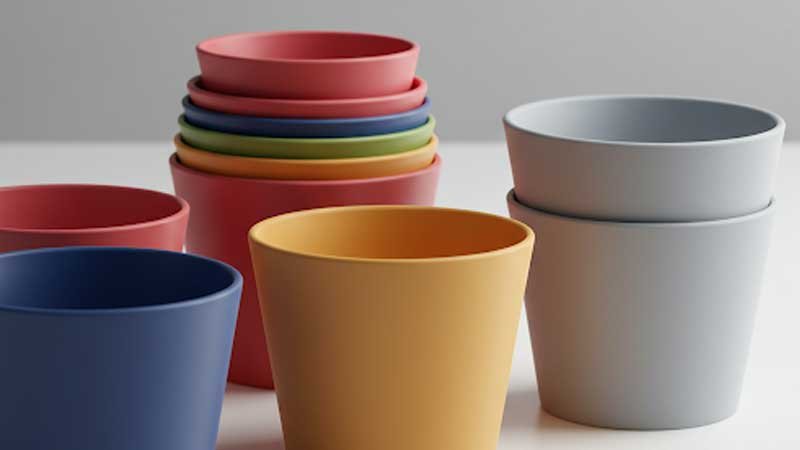
| Portable Drinkware | Collapsible Cups, Straw Bottles | Flexible, impact-resistant, lightweight, cold/heat-tolerant. |
Conclusion
Food grade silicone is safe, durable, and practical when made correctly. It works because of material choice, process control, and proper testing.
If you are looking for custom silicone products, material selection is only the first step. Tooling, curing, and quality control matter just as much.
With years of experience in silicone manufacturing, we help clients choose the right material and avoid common mistakes. If you have a project in mind, feel free to contact us to discuss your requirements.