Manufacturing custom silicone products since 2012

Silicone Strainer Manufacturer

Custom silicone strainers for food preparation, kitchen drainage, and everyday household use. Develop branded designs with tailored filtration structures, flexible materials, custom colors, and retail-ready packaging.

Home » Silicone Strainer Manufacturer
versatile custom silicone strainers for specific applications and programs

What Is a Silicone Strainer?

A silicone strainer is a flexible household or kitchen gadget designed to separate liquids from solids, drain water from food, or capture debris in drainage systems. Made from silicone rubber, it can feature perforated surfaces, molded openings, reinforced rims, or collapsible structures for different filtration and drainage applications.

A custom silicone strainer is an OEM/ODM product developed around your required shape, dimensions, hole pattern, material, color, branding, and packaging. RY Silicone manufactures custom silicone products for brands, distributors, and wholesalers, supporting product development from design evaluation and sampling through bulk production.

Silicone Strainer Manufacturing at a Glance

MOQ & Lead Times

Existing-mold orders start from 500 pieces with custom branding; new custom-molded designs start from 3,000 pieces, subject to project review.

Product Specs

Define dimensions, capacity, drainage hole patterns, wall thickness, silicone hardness, and structural support to match your intended application.

Branding & Customization

Add molded logos, embossed or debossed details, custom colors, and suitable printing methods to develop a consistent branded product range.

Packaging & Distribution

Choose bulk packaging, individual bags, retail boxes, or e-commerce-ready presentation with SKU labels and barcode coordination.

Who We Manufacture Silicone Strainers For

Build silicone strainer collections around your sales channels, product requirements, and target markets.

Durable silicone food strainers for Kitchenware & Houseware Brands

Kitchenware & Houseware Brands

Develop coordinated strainer collections with consistent colors, functional designs, and branded details. Custom dimensions and filtration structures help align each product with your kitchenware range and retail positioning.

Custom silicone strainers with desired capacity and size designs for Foodservice & Hospitality Suppliers

Foodservice & Hospitality Suppliers

Develop practical strainers for restaurants, catering operations, and commercial kitchen supply channels. Capacity, drainage performance, handling stability, and cleaning requirements should match the intended food-preparation environment.
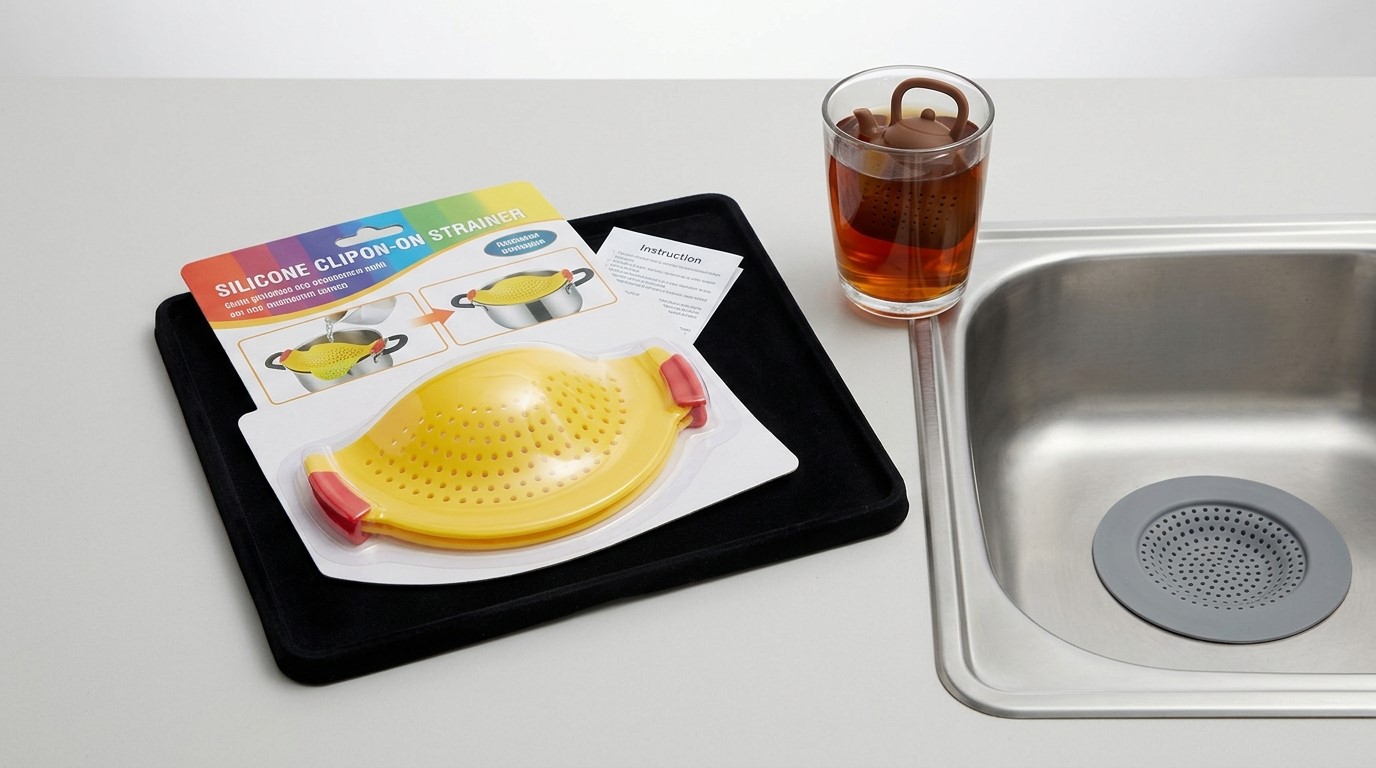
Custom silicone clip on sink strainer and tea infuser for Household Kitchen Accessory Brands

Household & Kitchen Accessory Brands

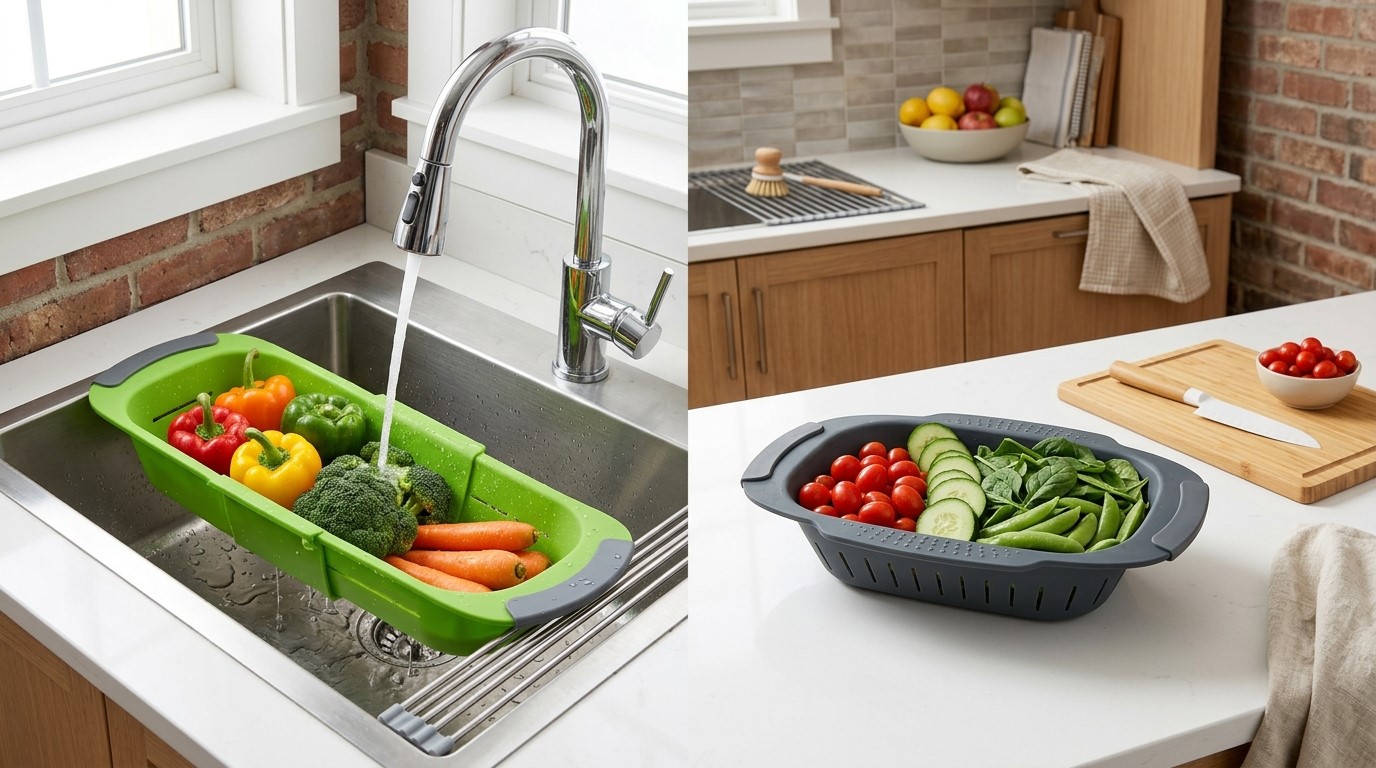
Expand kitchen accessory collections with collapsible colanders, sink strainers, and multipurpose drainage tools. Product dimensions, storage convenience, and compatibility with existing kitchen equipment guide development.

Food-contact silicone colander strainers with desired packaging for Retail & E-commerce Sellers

Retail & E-commerce Sellers

Prepare silicone strainers for online marketplaces, retail stores, and private-label websites. Individual packaging, barcode labels, SKU information, and product inserts support organized inventory management and fulfillment.

Silicone strainers with custom pacakging for Promotional Corporate Gift Companies

Promotional & Corporate Gift Companies

Create branded silicone strainers for promotional campaigns, kitchenware gift sets, and corporate merchandise. Custom colors, molded logos, and coordinated packaging help align products with campaign identity and distribution needs.

Silicone strainers with handles in polybags for Distributors & Wholesalers

Distributors & Wholesalers

Source silicone strainers in bulk for kitchenware, cookware, and household product channels. Existing designs support broader product selection, while custom options help differentiate private-label collections.

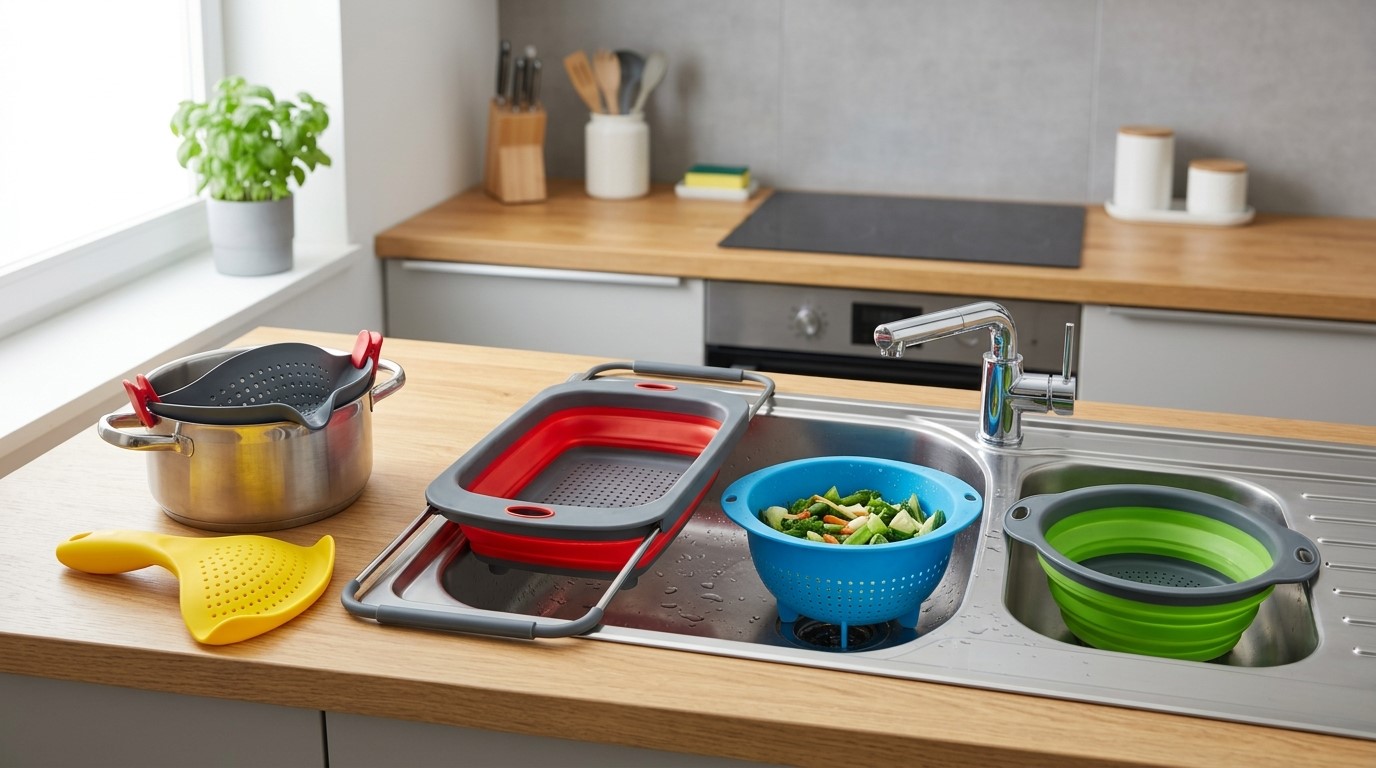
Silicone Strainer Types We Can Develop

Silicone Strainer Customization

Design silicone strainers around filtration, structure, branding, and sales channel.

Custom silicone strainers with specific sizes for distinct needs

Dimensions influence capacity, drainage performance, storage convenience, and compatibility with surrounding kitchen equipment. We define the overall dimensions and internal structure together, ensuring the strainer maintains practical support and usable capacity during rinsing, draining, or food preparation.

Available options include:

  • Overall length and width
  • Outer diameter and inner diameter
  • Product height and bowl depth
  • Internal capacity and usable volume
  • Drainage hole diameter and spacing
  • Wall and base thickness
  • Rim width and support dimensions
  • Collapsed height and expanded dimensions
  • Handle length and adjustable span

Custom silicone strainers with desired shape designs

Shape determines how a silicone strainer holds food, fits its intended position, and directs water through the drainage openings. Existing designs provide a practical starting point, while custom tooling supports distinctive silhouettes, specialized drainage structures, and application-specific configurations.

Available options include:

  • Round, oval, triangle, square, and rectangular designs
  • Bowl-shaped and basket-shaped structures
  • Over-the-sink and countertop configurations
  • Collapsible and fixed-wall designs
  • Integrated handles and support rims
  • Custom drainage layouts
  • Multi-purpose strainer structures
  • Custom-shaped tea and food strainers

Heat resistant durable and dishwash safe silicone strainers for green life and convenience in kitchen

Material selection depends on the intended application, temperature exposure, flexibility requirements, and applicable compliance standards. Food-contact strainers require material documentation appropriate to their intended use, while sink drainage products should be evaluated for their actual operating environment and cleaning conditions.

Available options include:

  • Food-contact silicone compounds
  • Different silicone hardness grades
  • Balance of flexibility and stability
  • Reinforced geometry structures of collapsible design with fatigue resistance
  • Platinum-cured silicone options
  • Custom color formulations
  • Heat-resistant material grades
  • Material options for kitchen drainage accessories
  • Project-specific material documentation

Flexible logo and packaging designs for branding in your silicone strainers project

Branding can be integrated into the silicone structure or applied to suitable surfaces, depending on logo complexity, available space, and intended product use. We coordinate the branding method with tooling, color selection, and packaging requirements to maintain consistent presentation across your product range.

Available options include:

  • Embossed logos
  • Debossed logos
  • Molded-in brand marks
  • Select printing methods of screen, pad, or transfer printing
  • Custom Pantone color matching
  • Molded texture and surface finish
  • Branded packaging and product inserts
  • SKU labels and barcode coordination

Start Your Custom Silicone Strainer Project

Send your strainer design, target dimensions, filtration requirements, and order quantity. We will review the material, tooling, branding, and packaging plan for your project.

How to Specify a Better Silicone Strainer

Filtration performance depends on opening geometry, structural support, and application-specific dimensions.

  • Hole Diameter: Select openings according to the size of the particles you need to retain and the required drainage rate.
  • Open Area: Balance total perforated area with structural strength to avoid excessive flexibility or slow drainage.
  • Wall Thickness: Match the thickness to the intended load, flexibility, and product dimensions.
  • Rim Structure: Reinforce the rim when the strainer must support food or span a sink.
  • Hardness: Select Shore A hardness according to the required flexibility and shape retention.
  • Capacity: Define usable volume rather than relying only on external dimensions.
  • Temperature: Confirm the material’s operating limits for hot water, steaming, or other intended exposure.
  • Compatibility: Provide sink, cookware, or equipment dimensions when the strainer must fit another product.

A larger drainage opening does not automatically deliver better filtration; the opening pattern must match the intended food or debris size.

Full Specification Guide

How to Specify a Better Silicone Strainer—drainage hole dimensions, open area, capacity, structural support, hardness, and application compatibility.

A tester is evaluating the dimension and wall thickness of a silicone strainer

Silicone Strainer Logo & Branding Methods

Choose a branding method that fits your logo design, product surface, and intended use.

Screen Printing

Printed logos and simple graphics on suitable surfaces, with ink selection and placement reviewed for the intended cleaning and contact conditions.

Pad Printing

Small logos are applied to suitable surfaces. Available on a handle, rim, or other designated area.

Embossed Logos

Durable raised logos molded directly into the silicone surface like the rim or handle.

Debossed Logos

A raised, ink-free brand mark formed in the mold for a premium look.

Silicone Strainer Material & Performance Options

Match compound, structure, and finish to intended use, market, and filtration.

Supports food preparation when the selected material meets the applicable requirements.

Food-contact silicone is suitable for colanders, tea strainers and food-preparation strainers when the compound and finished product meet the intended use conditions.

Material selection should account for food type, temperature exposure and the destination market’s compliance requirements.

Furthermore, color formulation and color matching should be taken into considerations for food-contact safety in your strainer project.

Material Comparison Guide

Silicone or Stainless Steel Strainer? —Flexibility, drainage structure, temperature resistance, lightweight needs, durability and intended applications.

Balances liquid flow with the retention of food particles and debris.

Drainage performance depends on the diameter of the holes, the distribution of the openings, the total open area, and the viscosity of the liquid being filtered.

Smaller openings retain finer particles, but they may also slow drainage. Larger openings improve flow for coarser ingredients.

The dimensional stability of the holes is controlled for long-term drainage performance when in contact with hot water.

Combines convenient handling with sufficient support during use.

Flexible silicone allows strainers to conform to various storage and handling requirements. The wall thickness, hardness, rim reinforcement, and base geometry must work together to maintain the product’s shape when it holds wet ingredients or spans a sink.

Matches the operating temperature of the intended kitchen application.

Silicone compounds can be selected for cold storage, hot-water rinsing, and other applications involving exposure to different temperatures.

The approved temperature range depends on the silicone formulations selected, the product’s structure, and its intended use. Actual limits should be confirmed before marketing the product for boiling, steaming, or oven use.

It protects perforated sections and flexible structures during repeated handling.

Drainage holes, thin walls, and fold lines create areas that require particular attention during the design process. We evaluate hole spacing, edge geometry, and material hardness together to reduce tearing and deformation during repeated use.

We use suitable surface finishes to support handling and routine cleaning.

Smooth surfaces help reduce the buildup of food residue, while selected textures can improve the grip on handles or outer surfaces.

The finish should be evaluated around drainage holes, corners, and folding sections because trapped residue can complicate cleaning in these areas.

Available project documentation may include:

  • Silicone material data sheets
  • Material declarations
  • FDA-related documentation
  • LFGB-related documentation
  • REACH-related reports
  • Migration and toxicity or other test reports
  • Project-specific test reports

All documentation must correspond to the selected silicone, pigments, printing inks, and intended market. A raw material report alone does not guarantee compliance for every finished product configuration.

Keeping flexible silicone strainers stain-free and hygienic ensures reliable long-term performance.

The fine mesh perforations, clip grooves, and micro-holes create tight crevices that easily trap oily residues, tea leaves, and food particles during kitchen tasks.

We examine the slickness of the material, its heat tolerance, and its surface texture together to streamline dishwashing and prevent stubborn buildup from daily use.

Daily cleaning and proper care are also necessary.

Care Guide

How to Care for Silicone Strainers—washing methods, food residue removal, drying, storage, and care for perforated and collapsible structures.

Custom Silicone Strainer Manufacturing Process

1. Requirement Review

STEP 1: Design & DFM Review

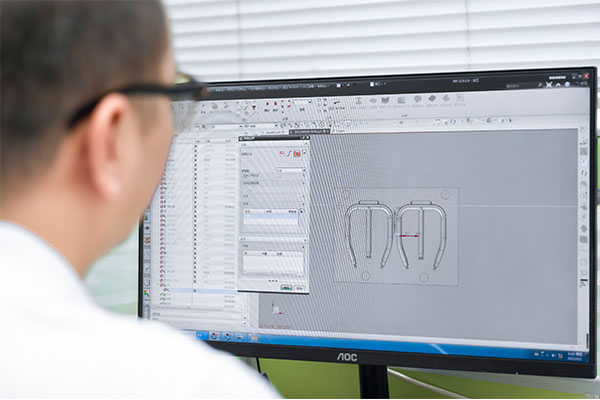
We review product drawings, 3D files, dimensions, drainage-hole layouts, rim structures, and intended applications to identify molding limitations and potential deformation risks before tooling begins.
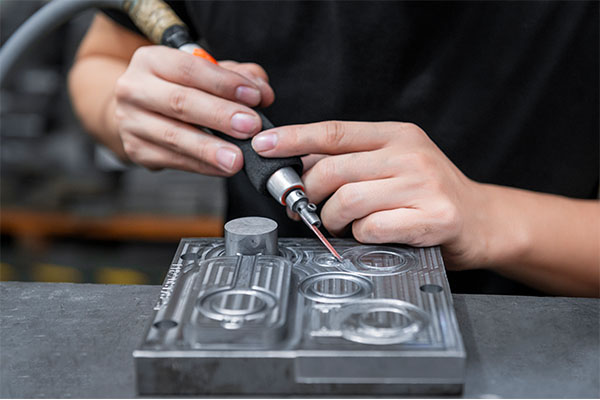
2. Mold Evaluation

STEP 2: Mold Evaluation

Mold design considers hole geometry, wall thickness, parting lines, and demolding access. Closely spaced openings and thin sections require careful tooling design to maintain consistent dimensions and reduce tearing risks.
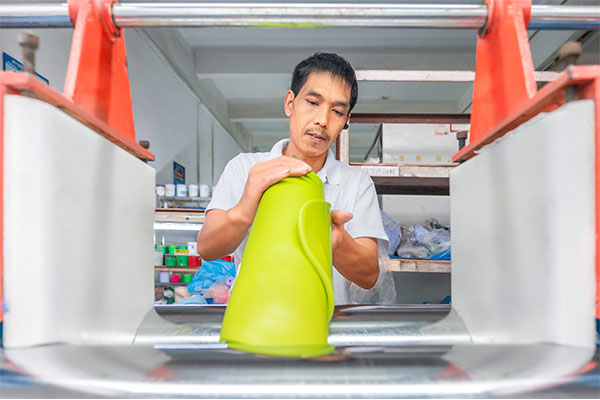
3. Material and Color Preparation

STEP 3: Raw Material Preparation

Silicone selection depends on food safety, flexibility, temperature, and use. Material and color specifications are confirmed before production.

silicone compression molding5 1

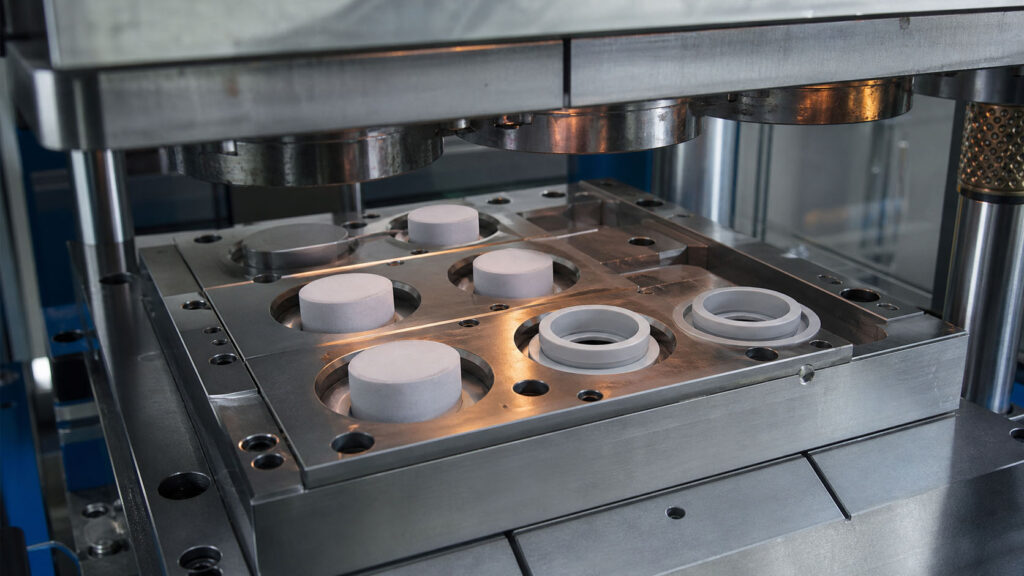
STEP 4: Silicone Molding

Silicone is molded using the selected production process and tooling. Mold parameters are controlled to support consistent filling, curing, surface appearance, and dimensional stability across the strainer structure.

5. Demolding and Trimming

STEP 5: Trimming & Hole Inspection

Once cured, each product is demolded and trimmed, then the cavities and rim are checked for damage or irregular edges.
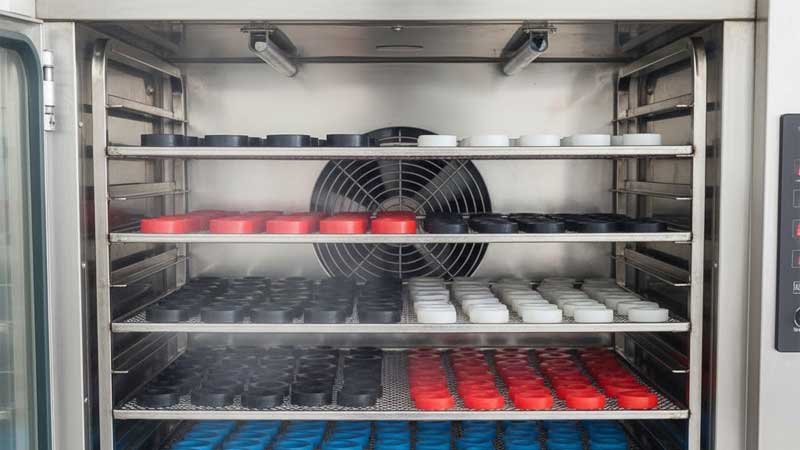
silicone post curing

STEP 6: Post-Curing & Finishing

Where required by the selected material and process, post-curing and additional finishing are carried out according to the approved production specifications and intended application.
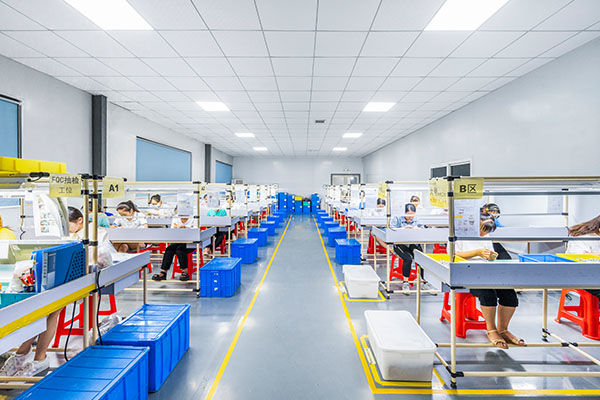
7. Quality Inspection

STEP 7: Logo Application & Assembly

Approved logos are applied using chosen branding methods. For products with rigid supports or handles, assembly and fit are verified against approved designs.
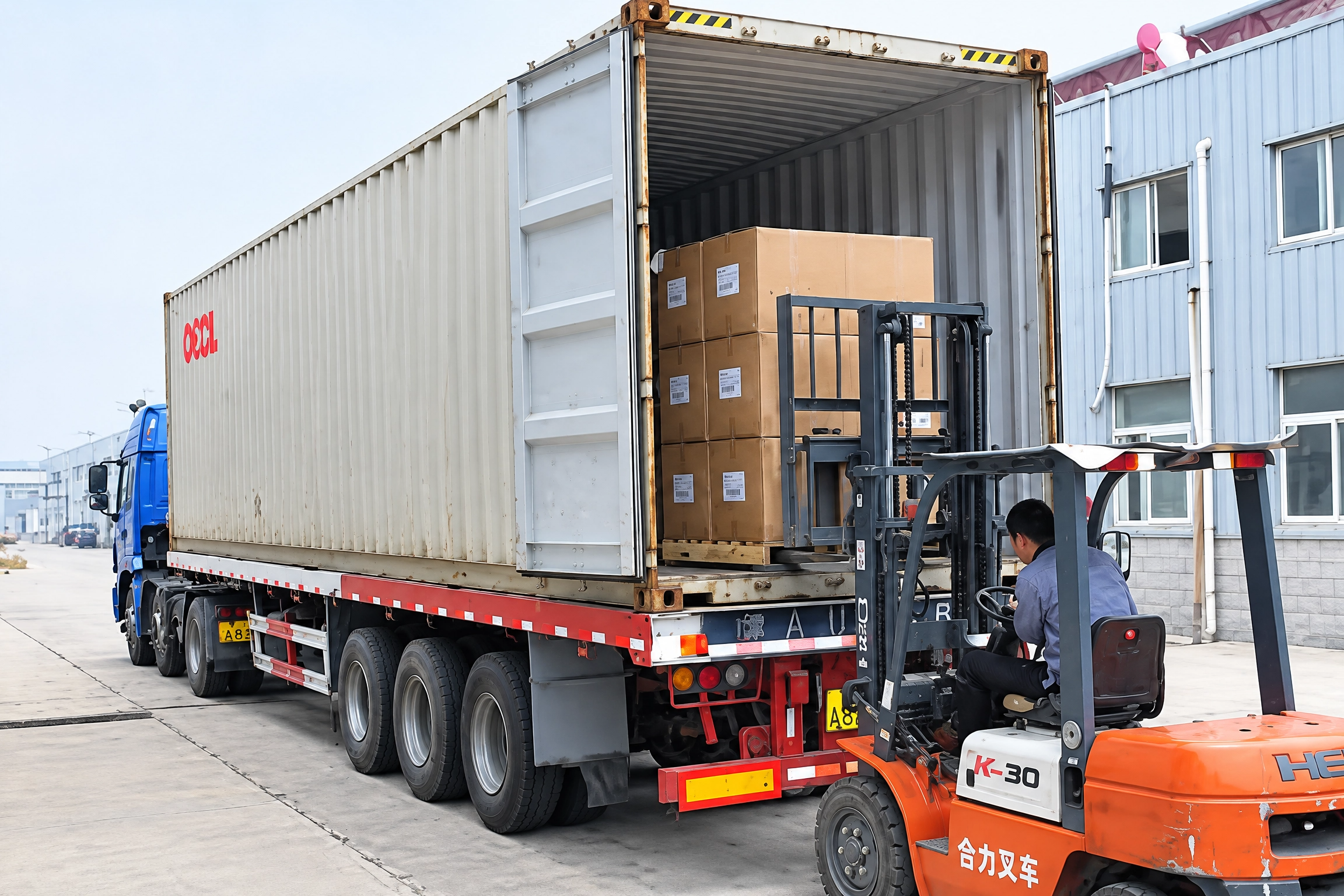
8-Packaging-and-Shipment-enhanced

STEP 8: Final Inspection & Packaging

Inspected for appearance, dimensions, and hole quality, finished strainers are packed according to approved plans and shipment specifications.

Silicone Strainer Quality Control

RY Silicone establishes inspection criteria based on the strainer’s drainage function, structural stability, dimensional compatibility, and appearance. Inspection methods and acceptance limits are confirmed based on the approved sample and project specifications.

AQL 2.5 / 4.0 Standard Inspection

We run final random sampling plans to verify batch consistency:

AQL 2.5

Critical / Major Defects

AQL 4.0

Minor Visual Flaws

Another inspection standard can be used when specified in the purchase order.

The approved sample serves as the reference for production. Critical dimensions, hole patterns, rim geometry, color, hardness, branding, and packaging requirements are documented before mass production.

Incoming silicone materials are checked against purchasing specifications, including material identification, color requirements, and relevant documentation.

Food-contact compliance documents are reviewed according to the target market and intended application.

Production checks focus on mold completeness, flash, surface defects, wall thickness, and dimensional consistency.

Particular attention is given to thin sections around drainage holes and transitions between flexible walls and reinforced rims.

Drainage openings are checked for blockages, inconsistent dimensions, excess flashing, and irregular spacing.

If filtration performance is specified, the size and distribution of the holes are evaluated against the approved design and applicable test method.

Rims, bases, handles, and support structures are checked for dimensional consistency and deformation. Collapsible models receive additional attention at folding transitions and areas subject to repeated bending.

Critical dimensions, including overall diameter, height, rim dimensions, and mounting or sink-contact areas, are measured against approved drawings.

Fit checks are conducted to ensure the product matches a specified sink, container, or supporting component.

Products are checked for visible contamination, surface defects, color variation, and branding quality. The position, legibility, and consistency of logos are evaluated against approved artwork and samples.

Depending on the product design, testing may include evaluating drainage behavior, load-bearing stability, folding and unfolding capabilities, dimensional recovery, and resistance to tearing.

Acceptance criteria are established before testing begins.

Final inspections cover product appearance, critical dimensions, functional requirements, labeling, and packaging.

When suitable for the project, AQL sampling levels may be specified, including AQL 2.5 for major defects and AQL 4.0 for minor defects. Critical defects require acceptance criteria that are agreed upon separately.

Silicone Strainer Packaging Options

Packaging details adjust based on product size, order volume, and destination.

Silicone strainers in polybags for bulk packaging

Bulk Packaging

Bulk packaging suits distributors and wholesalers purchasing larger quantities for warehouse storage or downstream repacking. Inner protection, carton quantities, and packing arrangements can be adjusted to reduce unnecessary packaging volume.
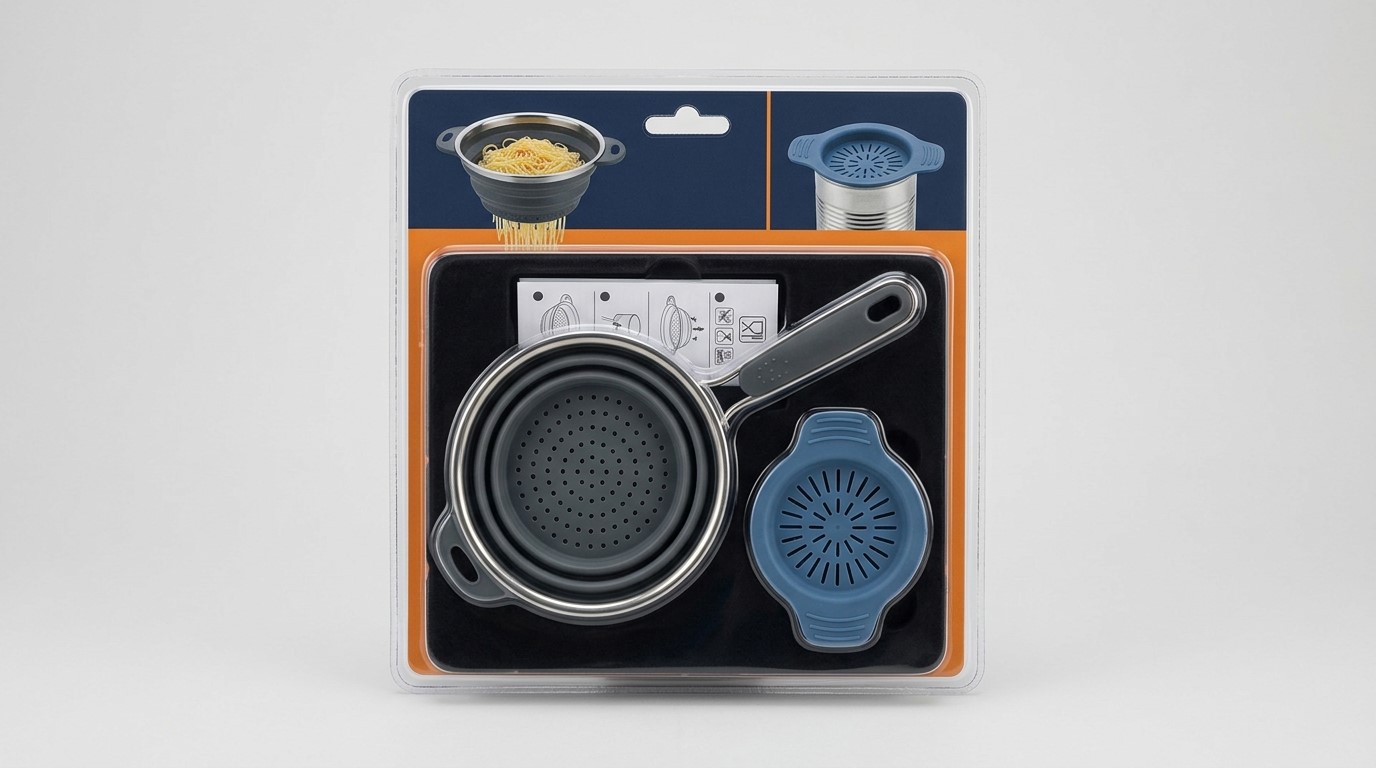
Reliable silicone strainers with dimensional stability in custom retail packaging

Retail Packaging

Retail packaging can include individual polybags, header cards, printed boxes, or product inserts. Packaging dimensions, product information, and barcode placement can be coordinated with retailer and private-label requirements.
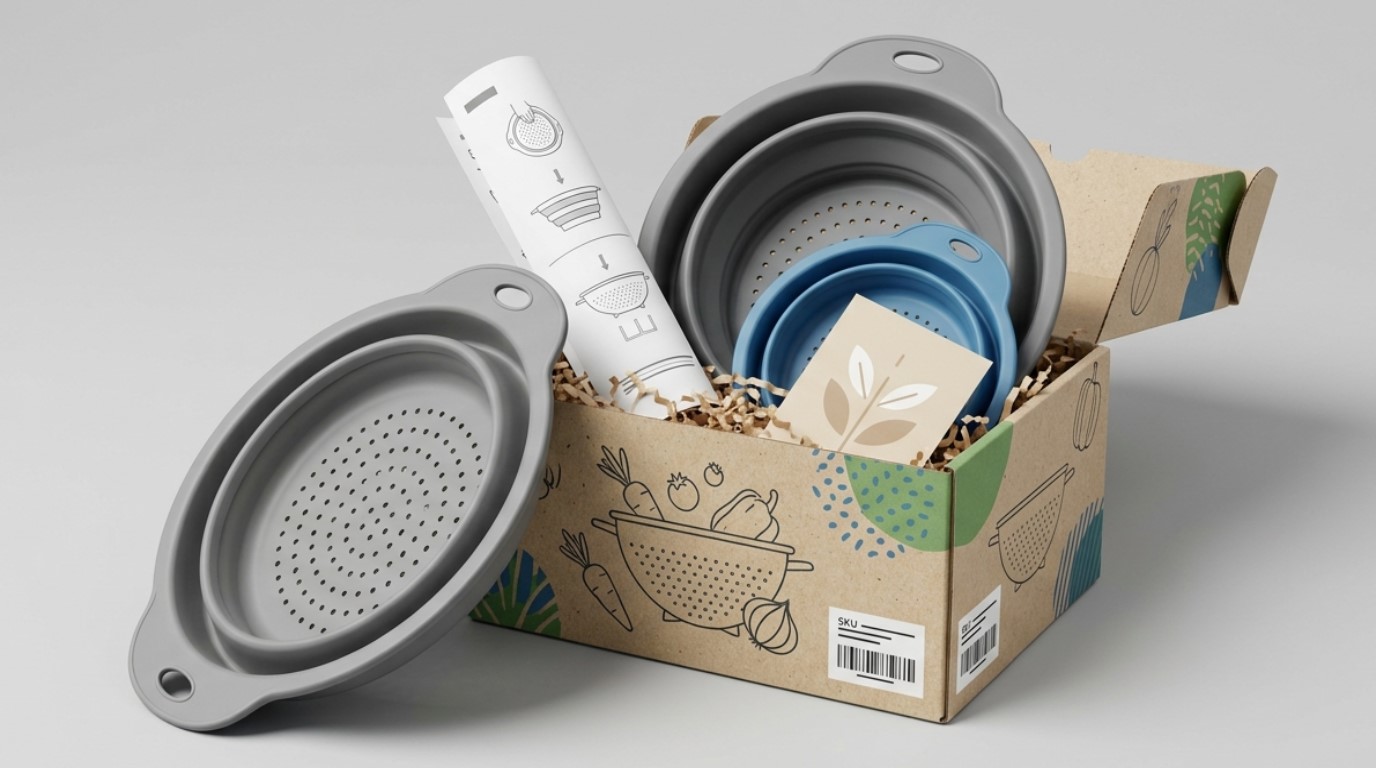
Collapsible silicone colander strainers in custom ecommerce packaging

Ecommerce Packaging

E-commerce packaging focuses on product protection, compact dimensions, and efficient fulfillment. Individual packaging and protective outer cartons can help reduce movement and cosmetic damage during transportation.

A silicone sink strainer kit in custom premium brand packaging

Premium Brand Packaging

Premium packaging can include customized printed boxes, coordinated inserts, and branded presentation materials. Design and packaging specifications can be developed together to support gift-oriented or higher-positioned kitchenware collections.

Custom Silicone Strainer Typical Specifications

SpecificationTypical Reference
Product TypeSilicone colander, sink strainer, over-sink strainer, food strainer, tea strainer, collapsible strainer
ApplicationWashing, draining, rinsing, filtering, food preparation, sink drainage
MaterialFood-contact silicone or application-specific silicone compound
Silicone HardnessTypically specified in Shore A according to flexibility, support, and handling requirements
Overall SizeCustom diameter, length, width, and height according to application and available space
CapacityCustomized according to overall dimensions, wall height, and intended food load
Drainage Hole SizeCustom diameter, slot width, or other opening geometry according to filtration requirements
Drainage Hole PatternRadial, grid, distributed, slot, or custom pattern
Open AreaCustomized according to required drainage speed and filtration level
Wall ThicknessCustomized according to flexibility, load-bearing requirements, and molding feasibility
Rim StructureFlexible rim, reinforced rim, integrated support, or custom mounting structure
Support StructureFoldable, standing, over-sink, container-mounted, or custom support design
ColorStandard or custom color matched to an approved reference
Logo & BrandingEmbossed, debossed, screen-, pad-, transfer-printed, subject to design suitability
Temperature PerformanceSpecified according to selected silicone compound and intended operating conditions
Molding ProcessCompression molding or other approved silicone molding process according to design
Inspection StandardApproved sample plus agreed inspection or AQL requirements
OEM / ODMAvailable for custom product development and private-label programs

Final specifications should be confirmed through approved drawings, material documentation, functional testing, and sample approval.

Why Work with RY Silicone

RuiYang Silicone factory

Silicone Manufacturing Experience Since 2012

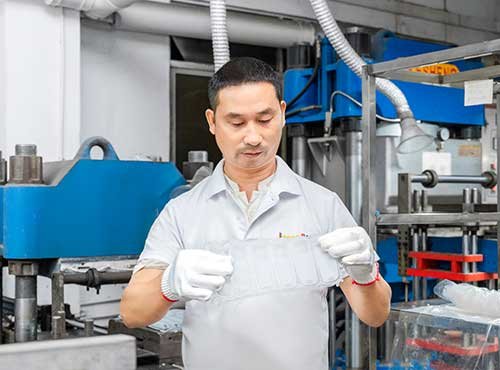
RY Silicone has focused on custom silicone product manufacturing since 2012, supporting overseas B2B projects from product evaluation and sampling through molding, finishing, inspection, packaging, and delivery.

Video Image1

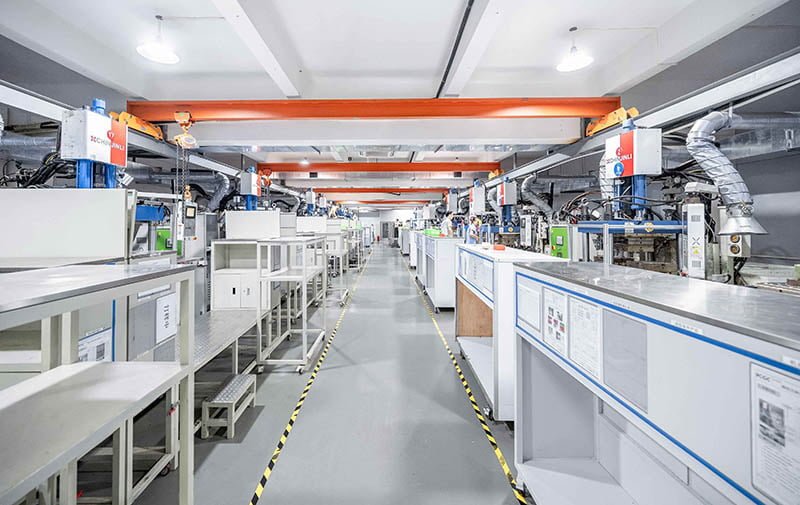
10,000+ m² Production Facility

Our production facility supports tooling, silicone molding, trimming, branding, inspection, and packaging, allowing major manufacturing stages to be coordinated within one supplier.

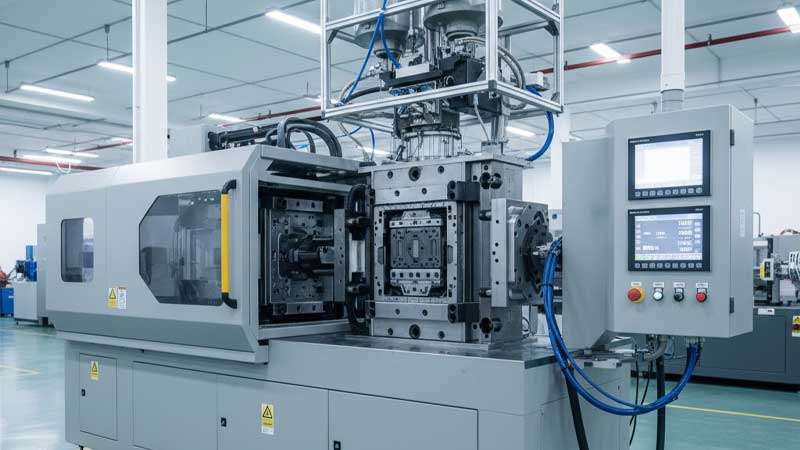
Liquid-Silicone-Rubber-Injection-Molding-Machine

30+ Production Machines

Our production equipment supports different silicone product structures and order requirements. Machine selection can be matched to product geometry, tooling configuration, production volume, and required process conditions.

02 htv compression molding

Up to 100,000 Silicone Products per Day

Our production capacity provides room for repeat and larger-volume orders. Actual output depends on product structure, mold cavities, molding cycle, inspection requirements, and production scheduling.

silicone Products Design

Engineering Review Before Quotation

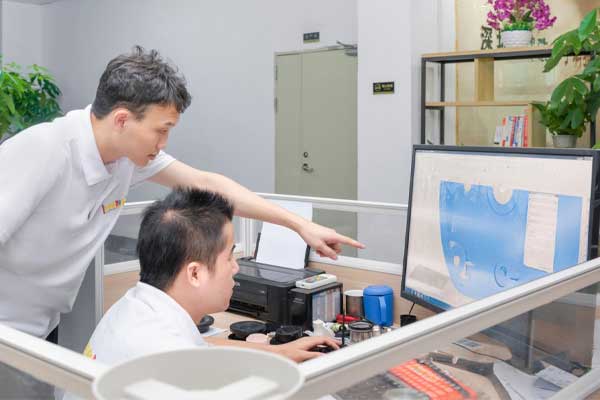
Before quotation, engineers review the strainer structure, drainage-hole geometry, wall thickness, rim design, dimensions, material, branding, and packaging. This helps identify tooling and production risks before sampling.

Rysilicone quality control

Sample-Based Production

Mass production follows an approved product sample and confirmed specifications. Critical references can include dimensions, color, surface finish, drainage-hole formation, logo position, and packaging configuration.

8-Packaging-and-Shipment-enhanced

Export Project Support

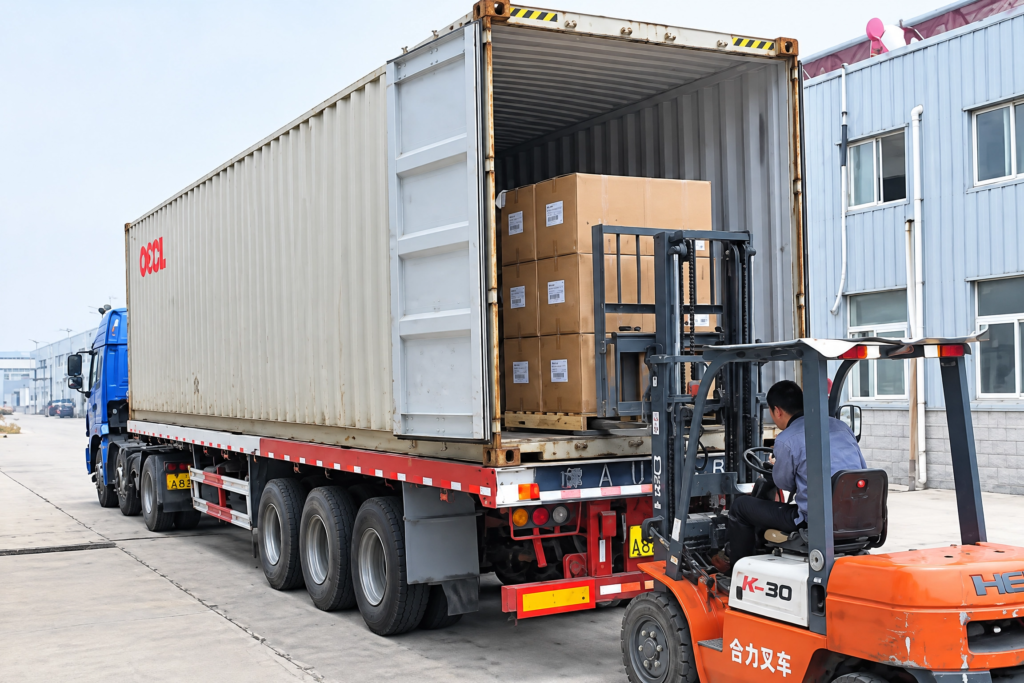
RY Silicone supports overseas B2B orders with product documentation, packaging coordination, labeling requirements, and shipment preparation. Target-market requirements can be reviewed during project evaluation before production.

Silicone Strainer Manufacturer FAQ and Final RFQ

The MOQ depends on the product's design, tooling requirements, material, branding, and packaging.

Existing mold products and newly developed custom designs may have different minimum quantities. Confirm the MOQ for your project before sampling or production.

Yes. We can review 2D drawings, 3D files, reference samples, design files, and written specifications to assess feasibility, tooling requirements, and production considerations.

Potential designs include silicone colanders, over-sink strainers, sink strainers, tea strainers, food strainers, and collapsible strainers, subject to design and manufacturing feasibility.

Yes.

The diameter, shape, spacing, and distribution of the holes can be customized according to filtration and drainage requirements.

The design must also account for wall thickness, moldability, and resistance to tearing.

Food-contact silicone materials can be selected for suitable applications.

The required testing and documentation depend on the target market, intended use, and applicable regulations. Compliance with applicable regulations should be verified for the finished product and its intended conditions of use.

Yes.

You can customize the overall dimensions, rim geometry, depth, capacity, and support structures.

Products designed to fit sinks or containers should include relevant dimensions and compatibility requirements.

Collapsible designs with flexible walls and folding structures can be developed.

Wall thickness, folding transitions, recovery behavior, and repeated-use durability should be evaluated during the design and sample validation processes.

Depending on the design and surface, branding options may include embossed or debossed logos, screen printing, transfer printing, or pad printing.

Before mass production, logo placement, legibility, and durability should be reviewed.

Quality control can include material verification, dimensional inspection, consistency of drainage holes, surface appearance, structural stability, logo quality, functional testing, and final packaging inspection.

Acceptance criteria are defined according to the approved specifications.

Lead time depends on tooling development, material availability, product complexity, sampling, and order quantity.

A project-specific schedule will be confirmed after the design and requirements are reviewed.

Yes.

We can develop packaging for wholesale, retail, e-commerce, or premium presentation.

This includes customized labels, printed boxes, barcode placement, and other agreed-upon packaging details.

Please provide the following information: product type, dimensions, drawings or reference images, material requirements, drainage-hole specifications, hardness, color, logo artwork, packaging preferences, order quantity, target market, and required compliance documentation.

  • Product type and intended application
  • 2D drawings, 3D files, or reference samples
  • Overall dimensions, capacity, and fit requirements
  • Drainage-hole size, pattern, and filtration requirements
  • Silicone material, hardness, and temperature requirements
  • Color and logo artwork
  • Target quantity and estimated annual demand
  • Packaging and labeling requirements
  • Target market and compliance documentation
  • Destination country and requested delivery schedule

Ask For A Quick Quote

If you fail to submit the form, please write to us directly at [email protected]