Silicone Bowl Manufacturer
Food-grade silicone bowls for babies, toddlers, kitchens, and promotional programs. Develop custom OEM/ODM silicone bowls with your preferred size, capacity, suction base, colors, logos, and retail packaging for wholesale and private-label markets.
Home » Silicone Bowl Manufacturer
What Is a Silicone Bowl?
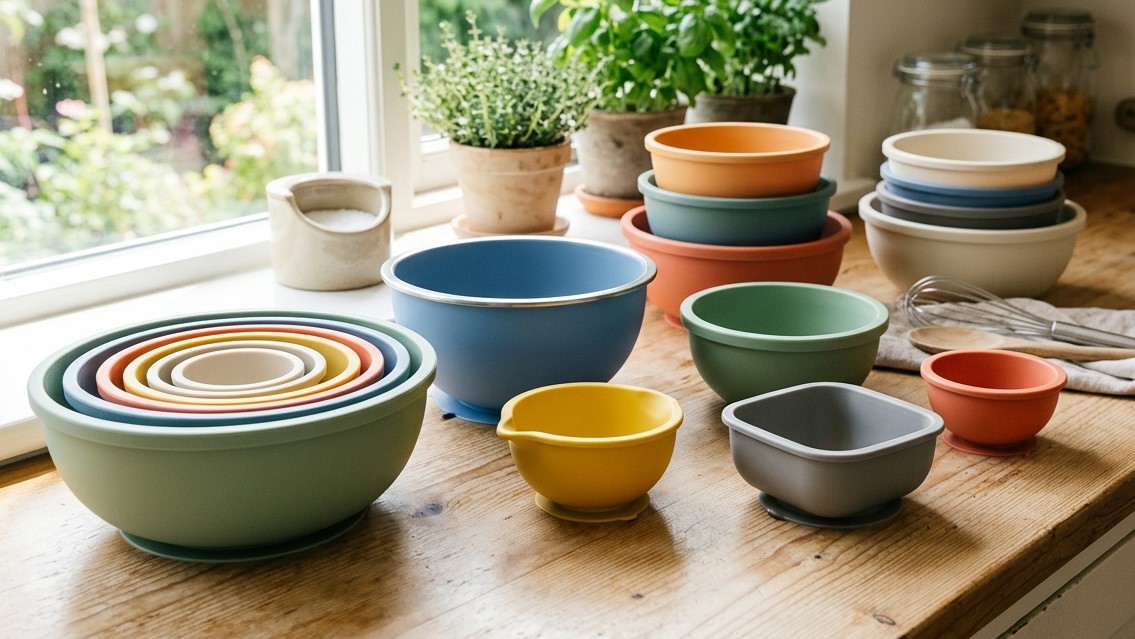
A silicone bowl is a reusable food-contact container molded from food-grade silicone rubber for serving, preparing, or storing food. It is flexible, durable, and designed to withstand both hot and cold temperatures while remaining easy to clean. A custom (OEM/ODM) silicone bowl is manufactured with your own dimensions, capacity, color, logo, packaging, and product features for retail or promotional sales.
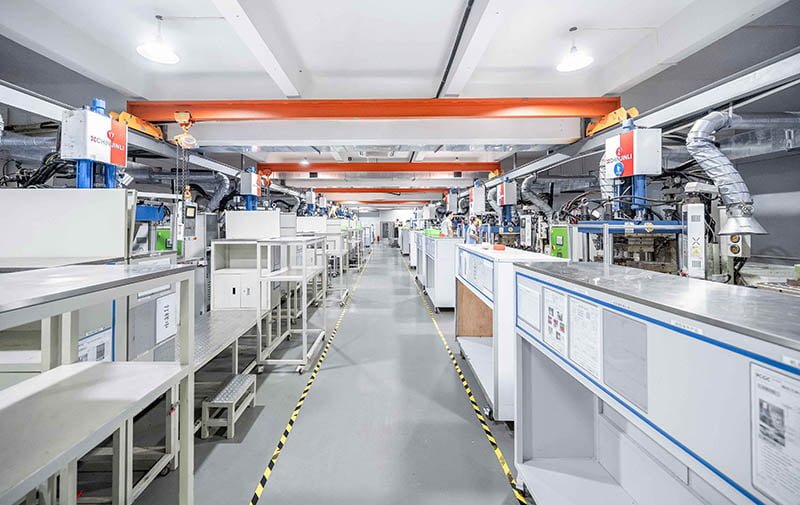
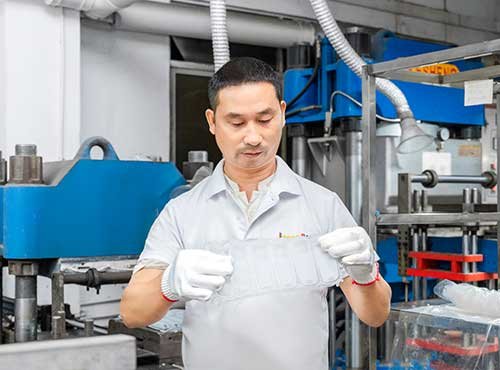
RY Silicone is a custom silicone manufacturer based in China, established in 2012. Our factory covers over 10,000 m², operates 30+ production machines, and produces up to 100,000 silicone products per day. We manufacture OEM and ODM silicone bowls for baby brands, kitchenware companies, wholesalers, distributors, and private-label retailers throughout North America, Europe, and other international markets.
Silicone Bowl Manufacturing at a Glance
MOQ & Lead Times
Existing bowl designs with custom branding require 500+ pieces; new tooling starts at 3,000. Samples take 5–10 working days, and mass production takes 15–25 post-approval.
Material & Performance
Food-grade platinum- or peroxide-cured silicone, 30–70 Shore A, suitable for temperatures from -40°C to 230°C depending on the selected compound and product structure.
Branding Options
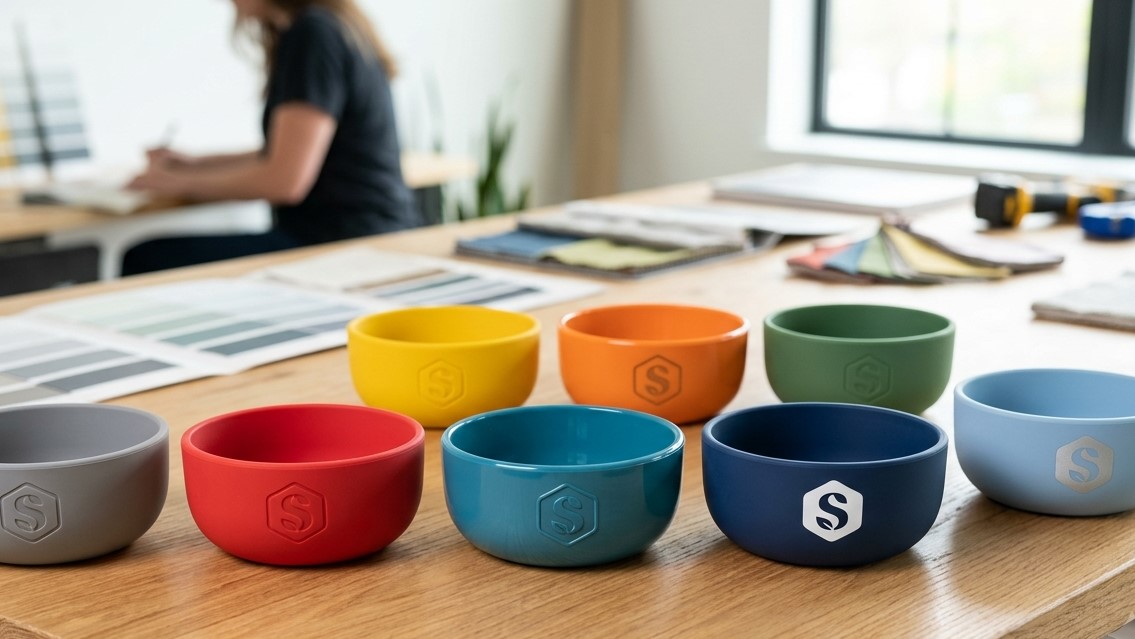
Embossed logos, debossed logos, pad printing, laser engraving, and custom Pantone color matching help create products that fit your brand identity and retail positioning.
Packaging Solutions
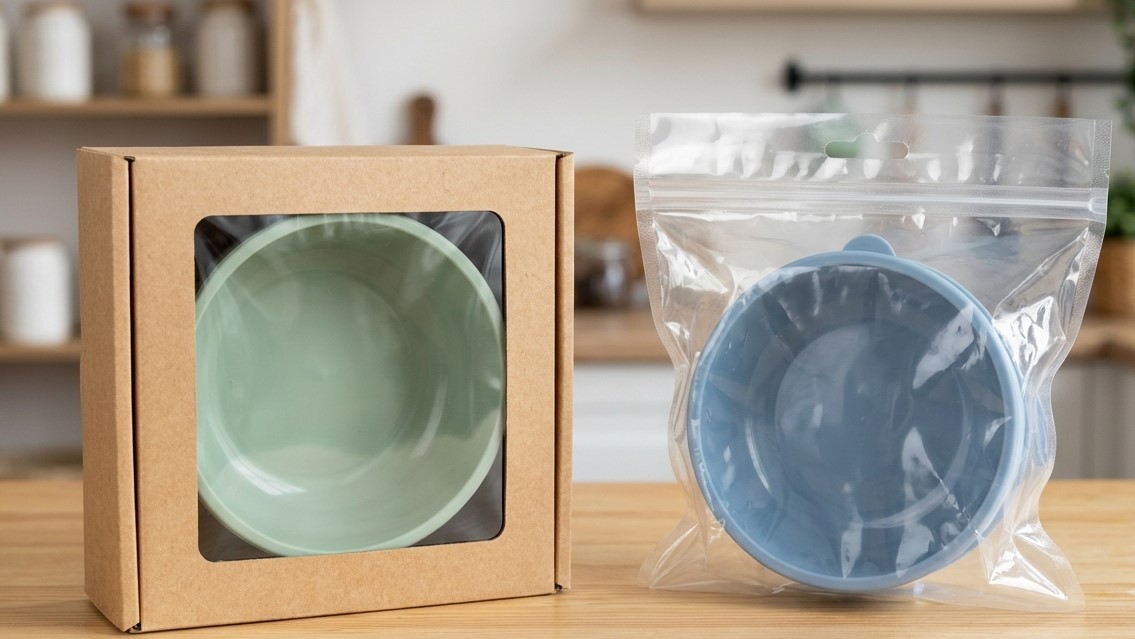
Bulk export packaging, barcode labels, printed retail boxes, gift packaging, and ecommerce-ready packs are available for different sales channels.
Who We Manufacture Silicone Bowls For
Choose the market first, then develop the bowl structure, branding, and packaging around your sales strategy.

Baby Product Brands
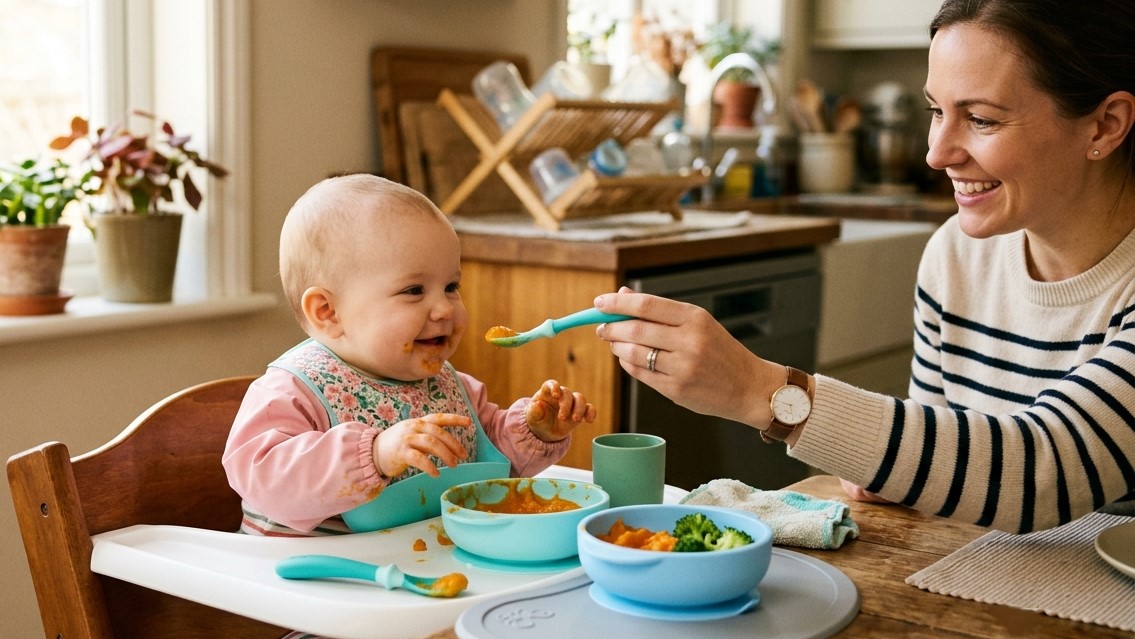
Develop coordinated feeding collections that include silicone bowls, spoons, bibs, cups, and feeding sets with consistent colors, branding, and packaging.Many brands begin with proven bowl designs before investing in exclusive tooling for new product launches.
Daycare & Educational Organizations
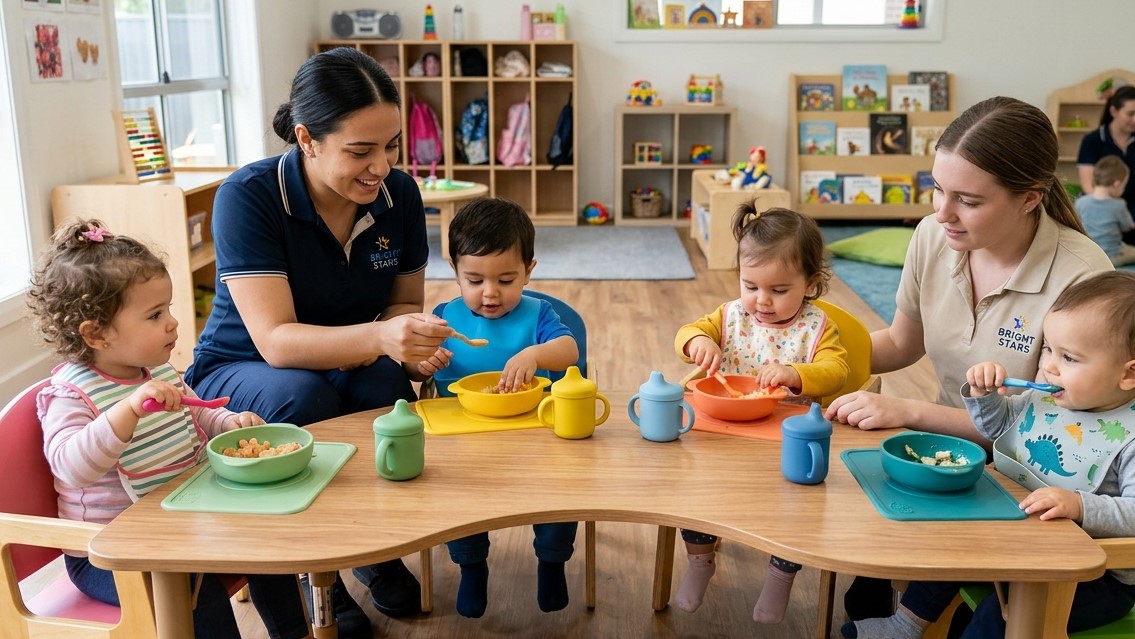
Supply durable silicone bowls for childcare centers, nurseries, and early learning environments where repeated daily use and simple cleaning are important.Bright colors and practical bowl sizes make them suitable for different age groups.

Kitchenware Brands
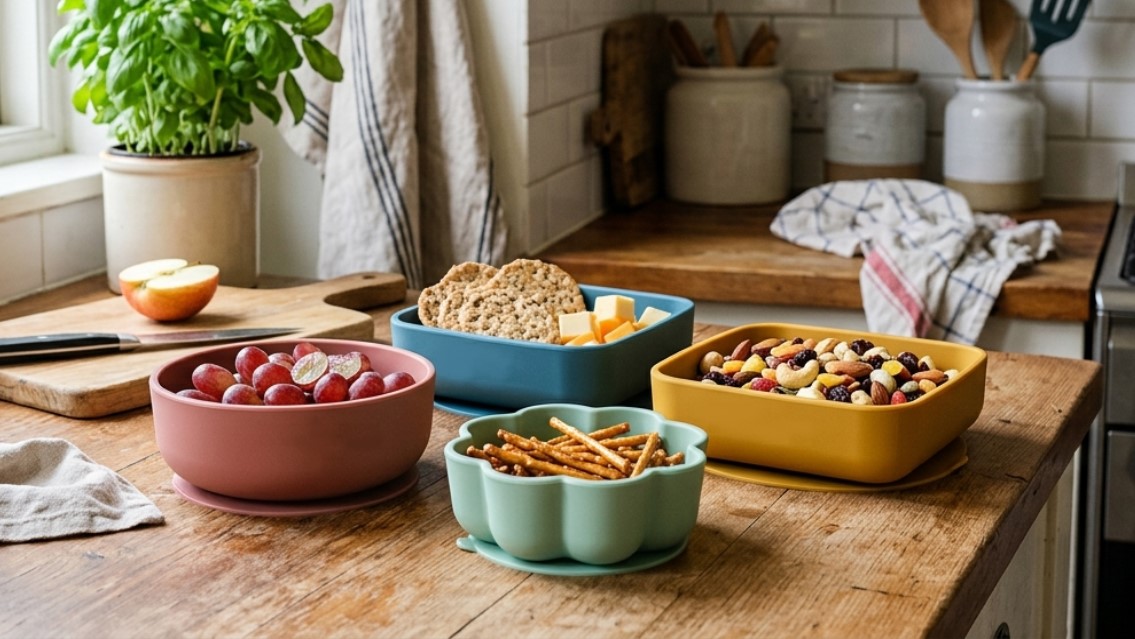
Produce versatile silicone bowls for food preparation, serving snacks, mixing ingredients, and everyday household use.Capacity, wall stability, and comfortable handling are usually prioritized for these product ranges.

Wholesalers & Distributors
Source silicone bowls in bulk for baby stores, supermarkets, online retailers, and kitchenware distributors.Our factory supports stable production capacity, private-label branding, and flexible packaging suitable for wholesale programs.
Retail & Ecommerce Sellers
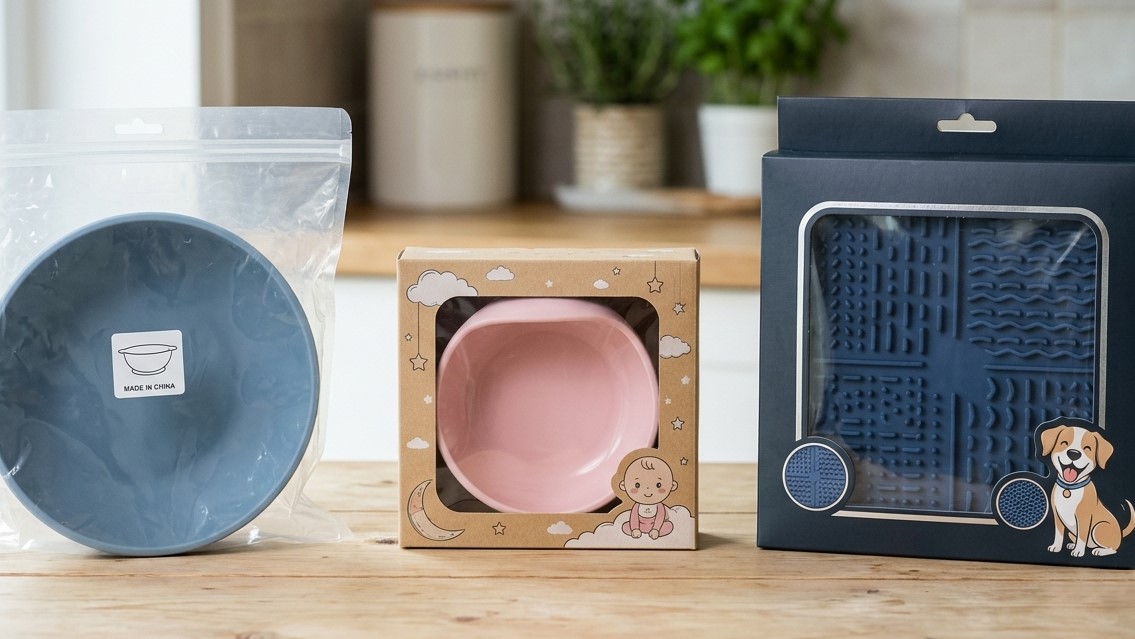
Launch private-label silicone bowls with customized packaging, barcode labels, instruction cards, and marketplace-ready presentation.Packaging is planned alongside production so every SKU arrives ready for retail or online fulfillment.
Promotional & Gift Companies
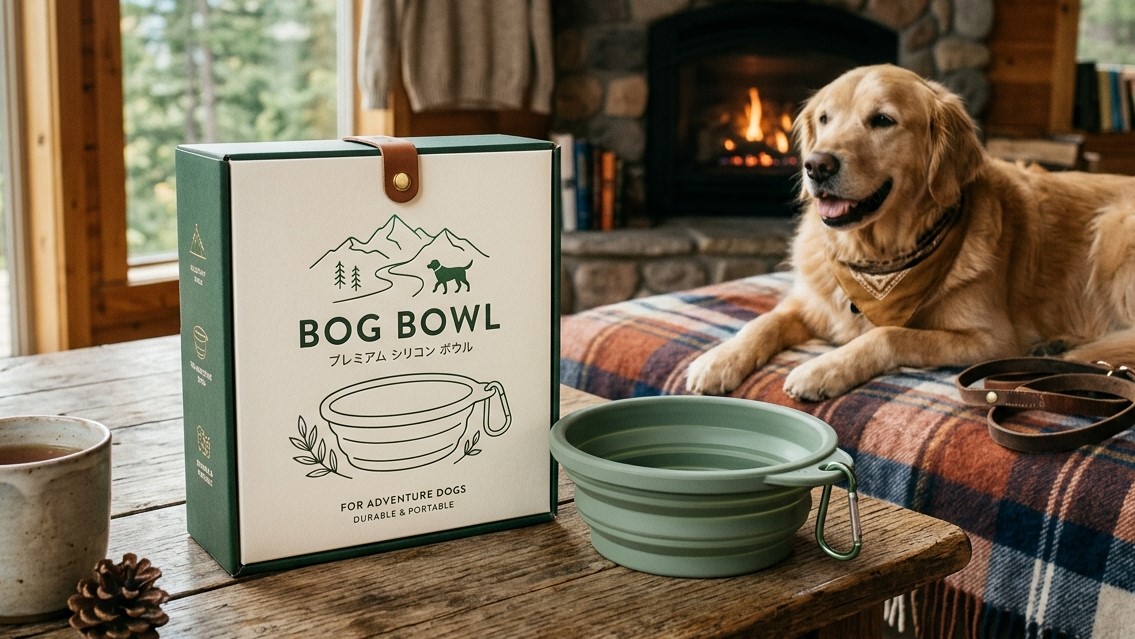
Develop branded silicone bowls for promotional campaigns, family events, and corporate gift programs.Custom colors and molded logos help reinforce brand recognition while maintaining long-term product usability.
Silicone Bowl Types We Can Develop
Silicone Baby Bowls
Silicone Suction Bowl
Silicone Mixing Bowls
Collapsible Silicone Bowls
Silicone Snack Bowls
Silicone Dog Bowl
Silicone Divided Bowl
Custom Silicone Bowls
Silicone Bowl Customization
Every custom project starts by defining how the bowl will be used, then matching the structure, appearance and packaging to your market.
Choose a bowl profile that matches your product positioning and intended users. Existing molds reduce development time, while new tooling creates exclusive designs for your brand.
Available options include:
- Round bowls
- Square bowls
- Oval bowls
- Divided bowls
- Deep bowls
- Wide bowls
- Suction or non-suction designs
- Custom structural designs
Select dimensions that balance serving capacity, handling comfort and production efficiency. We help optimise bowl geometry for both appearance and practical daily use.
Available options include:
- Capacity options
- Bowl diameter
- Bowl height
- Base diameter
- Wall thickness
- Rim thickness
- Overall weight
- Custom dimensions
Color influences shelf appeal and brand recognition. We match production colors to your approved standard while selecting the most suitable branding method for long-term durability.
Available options include:
- Standard silicone colors
- Custom Pantone matching
- Matte finish
- Gloss finish
- Embossed logos
- Debossed logos
- Pad printing
- Laser engraving
Packaging should be confirmed before production begins because printed materials often require separate approval and manufacturing schedules.
Available options include:
- Bulk export cartons
- Individual polybags
- Paper sleeves
- Printed retail boxes
- Gift packaging
- Barcode labels
- Instruction manuals
- Ecommerce packaging
Start Your Custom Silicone Bowl Project
Send your quantity, bowl type, logo artwork, and packaging requirements. RY Silicone will review the project and recommend a suitable bowl, material, branding method, and production plan.
How to Specify a Better Silicone Bowl
A well-designed silicone bowl performs as a complete system, where material, dimensions, and structural details work together to deliver reliable everyday use.
- Capacity—Match the bowl volume to the intended age group and meal size.
- Material—Choose platinum- or peroxide-cured silicone according to compliance requirements and budget.
- Hardness—Balance flexibility with structural stability for comfortable handling.
- Suction Base—Evaluate the base diameter, sealing edge, and flatness together rather than focusing on the suction area alone.
- Wall Thickness—Maintain enough rigidity to support hot food while preserving flexibility.
- Branding Method—Select a logo process that matches the required appearance and expected service life.
A larger suction cup does not automatically provide stronger adhesion because surface flatness and sealing quality have an even greater influence on performance.
Complete Specification Guide
How to Specify a Better Silicone Bowl—capacity selection, suction performance, wall thickness, material comparison, and a complete purchasing checklist.
Silicone Bowl Logo & Branding Methods
Choose the branding method according to your artwork, production quantity, and expected product lifespan.
Pad Printing
Suitable for colorful logos and simple graphics applied to smooth exterior surfaces with clean, consistent detail.
Pad Printing
Produces permanent markings with precise detail, making it suitable for selected silicone formulations and premium product collections.
Embossed Logos
A permanent raised logo formed during molding that provides excellent durability without additional ink.
Debossed Logos
Creates a recessed brand mark with a refined appearance that remains clear after repeated washing and daily use.
Silicone Bowl Material & Performance Options
We match the silicone compound, hardness, pigment, and compliance documentation to your product positioning, target market, and intended application.
The key to a reliable silicone bowl is using the right food-contact material.
We offer platinum- and peroxide-cured silicone compounds for different product ranges. The most suitable material depends on your performance requirements, compliance standards, and target price, rather than there being a single universal solution.
For food contact, our silicone bowls are free from BPA, PVC, BPS, and phthalates to ensure they are safe for your health by using real food-grade materials.
Material comparison
Platinum Silicone vs. Peroxide Silicone Bowls: Which Is Better? — Compare food-contact compliance, durability, odor resistance, production cost, and recommended applications.
One bowl should be suitable for everyday cooking, serving, and storage.
Depending on the food-grade silicone formulas selected, silicone bowls remain stable between -40°C and 230°C (-40℉ and 230℉), making them suitable for use in refrigerators, freezers, microwave ovens, and dishwashers. The maximum service temperature should always be confirmed according to the approved material specification.
The bowl should be flexible enough for comfortable handling without becoming unstable during use.
Material hardness, wall thickness, and rim design work together to maintain the bowl’s shape when filled with food. Extremely soft silicone may feel comfortable but can reduce stability, particularly on larger-capacity bowls.
Reliable suction comes from structural accuracy as much as material selection.
The suction base is evaluated as a complete system, including base diameter, sealing lip, silicone hardness, and bottom flatness. A larger suction area alone does not guarantee stronger adhesion if the molded base is not perfectly flat after production.
Long-term durability depends on the complete product structure.
Frequent folding, washing, and everyday handling place continuous stress on the rim and suction base. We optimize wall thickness and material selection to improve resistance to tearing and permanent deformation during normal use.
Available documents may include:
- Design files
- Material Data Sheet (MDS)
- Material Declaration
- FDA-related documentation
- LFGB-related documentation
- REACH-related reports
- CPSIA-related documentation when applicable
- Project-specific testing reports
Documentation is confirmed according to the selected silicone compound, pigment, decoration method, and destination market.
A raw material certificate should not be presented as evidence for every finished product configuration without verifying the complete manufacturing process.
Silicone bowls perform best when cleaned after use, thoroughly dried, and stored away from sharp utensils that may damage the surface over time.
Care Guide
How to Clean & Care for Silicone Bowls—Learn proper cleaning methods, stain removal, storage recommendations, and maintenance tips to extend product life.
How Silicone Bowls Are Manufactured

STEP 1: Requirement Review
Every project begins by confirming the bowl type, application, target market, dimensions, capacity, material, color, logo, packaging, and compliance requirements.
STEP 2: Mold Evaluation
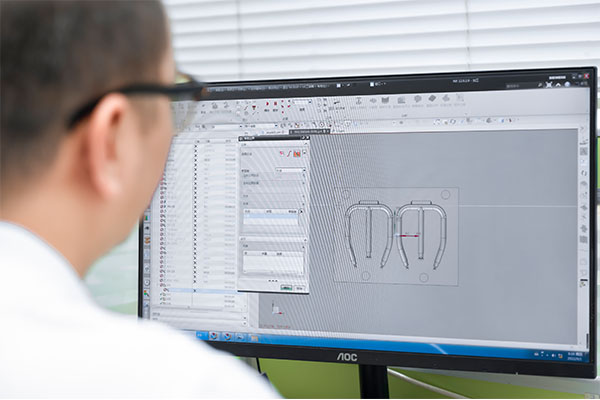
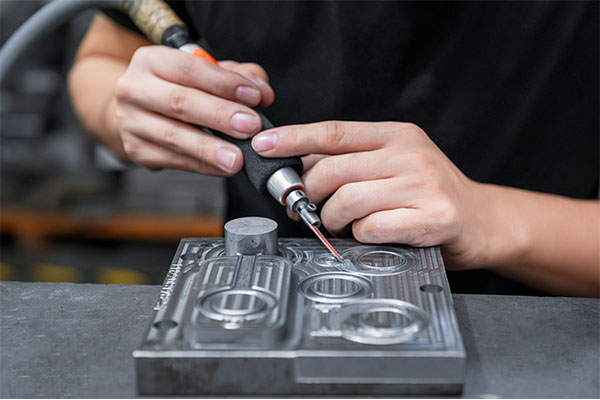
Our engineering team evaluates whether an existing mold can be used or whether new tooling is required. Bowl geometry, suction structure, wall thickness, and draft angles are reviewed before tooling begins.
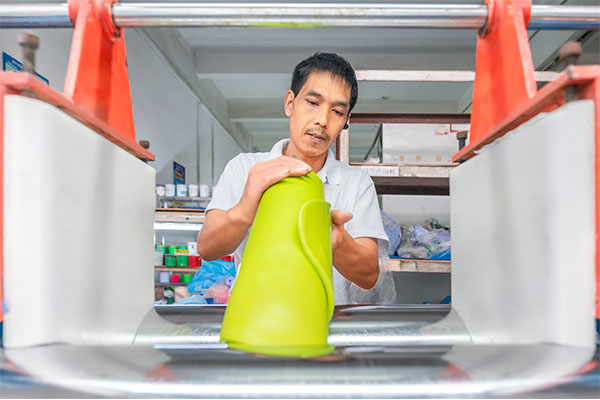
STEP 3: Material Preparation
The approved silicone compound is blended with the specified pigment and mixed according to the confirmed production formulation.
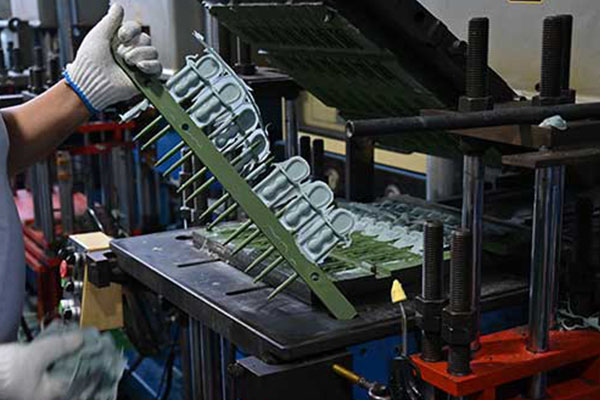
STEP 4: Compression Molding
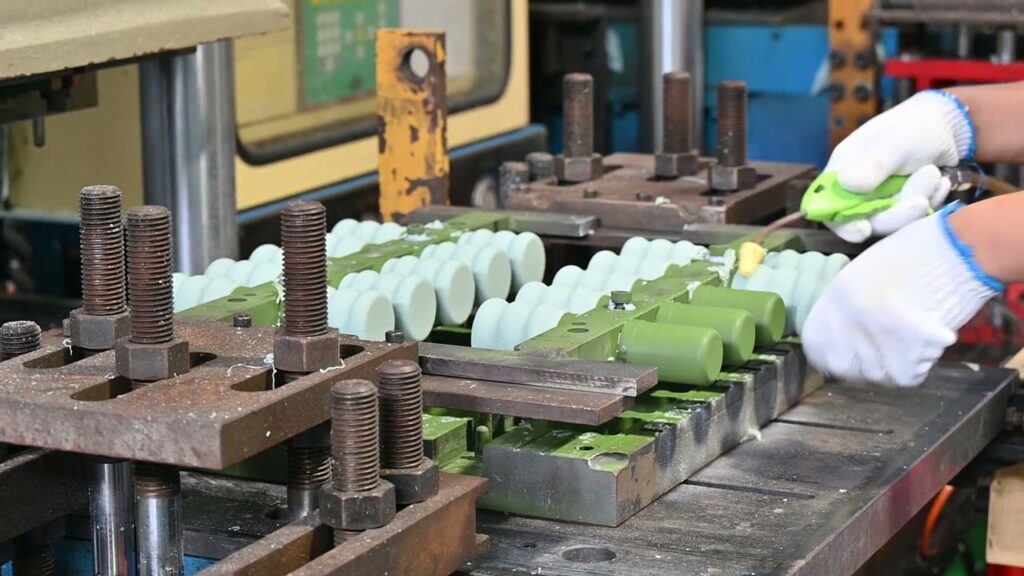
The silicone compound is molded under controlled temperature and pressure to achieve the required dimensions, surface finish, and structural consistency.
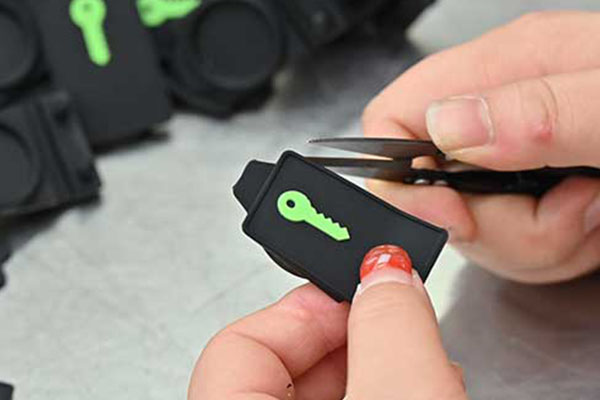
STEP 5: Demolding and Trimming
Bowls are trimmed of flash before finishing and inspection. For suction bowls, consistent edge trimming is critical, as remaining flash impairs suction on smooth surfaces.
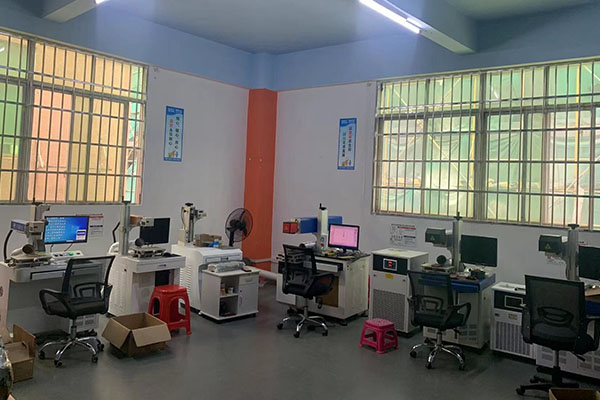
STEP 6: Logo and Surface Processing
Embossing, debossing, pad printing, or laser engraving is completed according to the approved artwork and positioning standard.
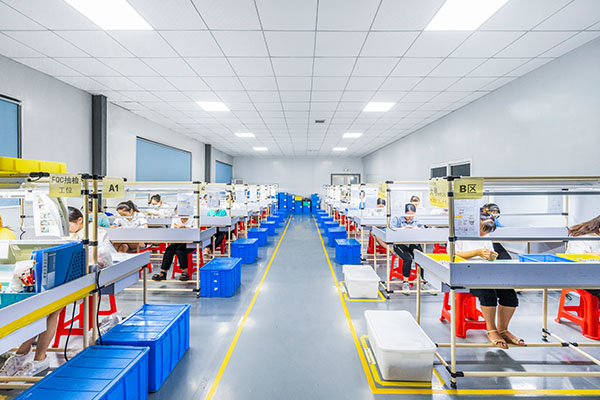
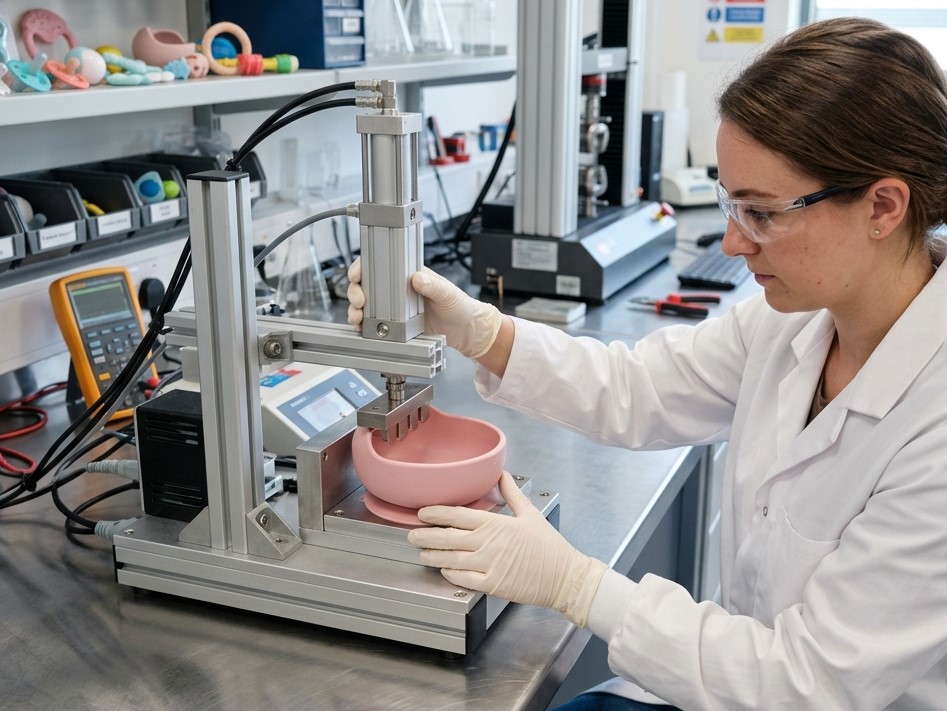
STEP 7: Quality Inspection & Testing
Before packaging, finished bowls are inspected against specs and orders. We also test every suction base's flatness, as curing warpage ruins suction despite correct dimensions.
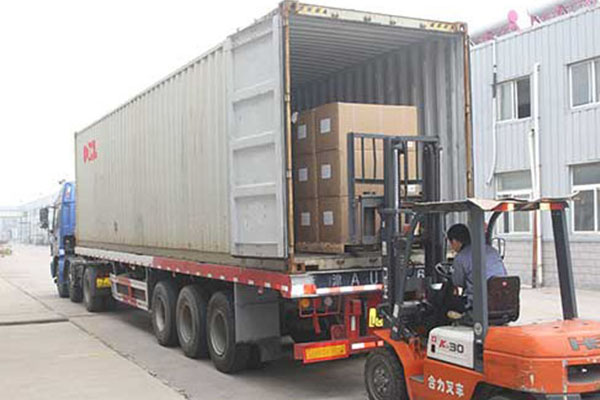
STEP 8: Packaging and Shipment
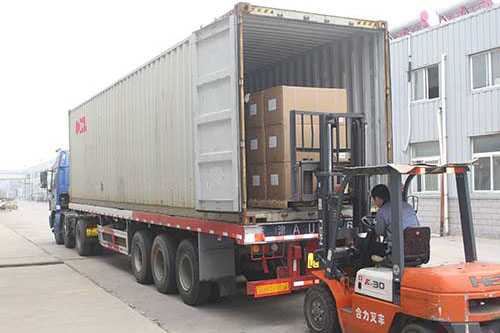
Approved products are counted, packed, labelled, and prepared according to the agreed packaging specification before export.
Silicone Bowl Quality Control
Quality control extends beyond material verification. Every production batch is evaluated for appearance, dimensions, branding consistency, suction performance, and packaging accuracy before shipment.
AQL 2.5 / 4.0 Standard Inspection
Final inspections are performed using agreed-upon random sampling plans.
AQL 2.5
Critical / Major Defects
AQL 4.0
Minor Visual Flaws
Alternative inspection standards can also be applied when specified in the purchase order.
Approved Sample Control
The approved sample becomes the production reference for:
- Capacity
- Overall dimensions
- Weight
- Color
- Surface finish
- Logo position
- Packaging presentation
Incoming Material Review
Silicone compounds, pigments, and supplier documentation are verified before production begins.
In-Process Inspection
Operators monitor mold-filling, trimming quality, color consistency, and visible molding defects throughout production.
Appearance
Each bowl is checked for:
- Flash
- Contamination
- Air bubbles
- Incomplete molding
- Surface damage
- Irregular edges
Dimension Verification
Bowl diameter, height, wall thickness, base diameter, and capacity are inspected against the approved specification.
Color Inspection
Finished products are compared with the approved color standard under controlled lighting conditions.
Logo Quality
Inspection includes:
- Position
- Size
- Edge definition
- Ink coverage
- Embossing or debossing quality
- Printing adhesion where applicable
Functional Performance
Suction bowls are tested on qualified smooth reference surfaces to verify base sealing performance and product stability before shipment.
Packaging
Product quantity, labels, cartons, barcode information, inserts, and shipping marks are verified before export.
Silicone Bowl Packaging Options
Plan packaging early by choosing packaging ways carefully to meet strict production and approval schedules.

Bulk Packaging
Bulk polybags and export cartons offer wholesalers two efficient, protective, and cost-effective packaging choices.
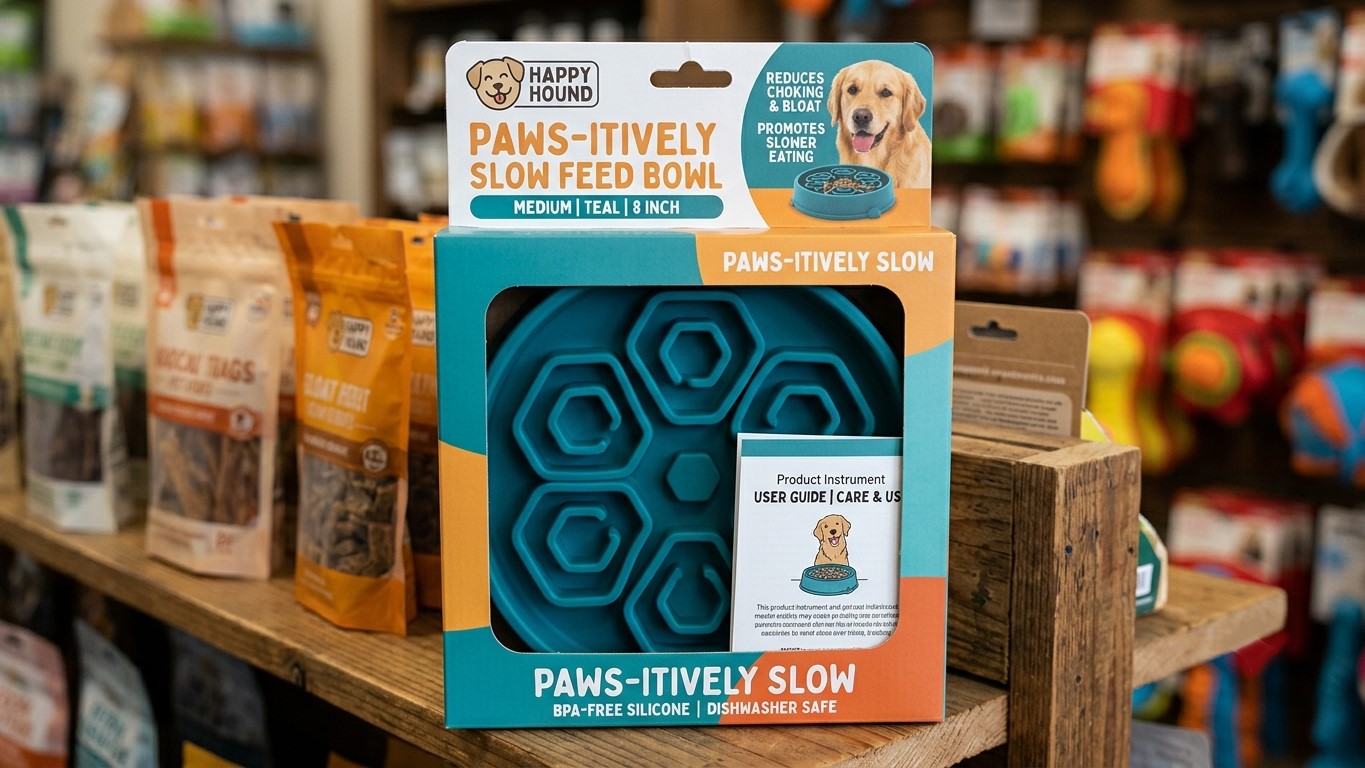
Retail Packaging
Printed boxes, sleeves, plus tags produce attractive shelf displays, integrating brand graphics and barcode labels.

Ecommerce Packaging
Designed packaging protects items during parcel delivery, meeting standards while enhancing unboxing experiences.
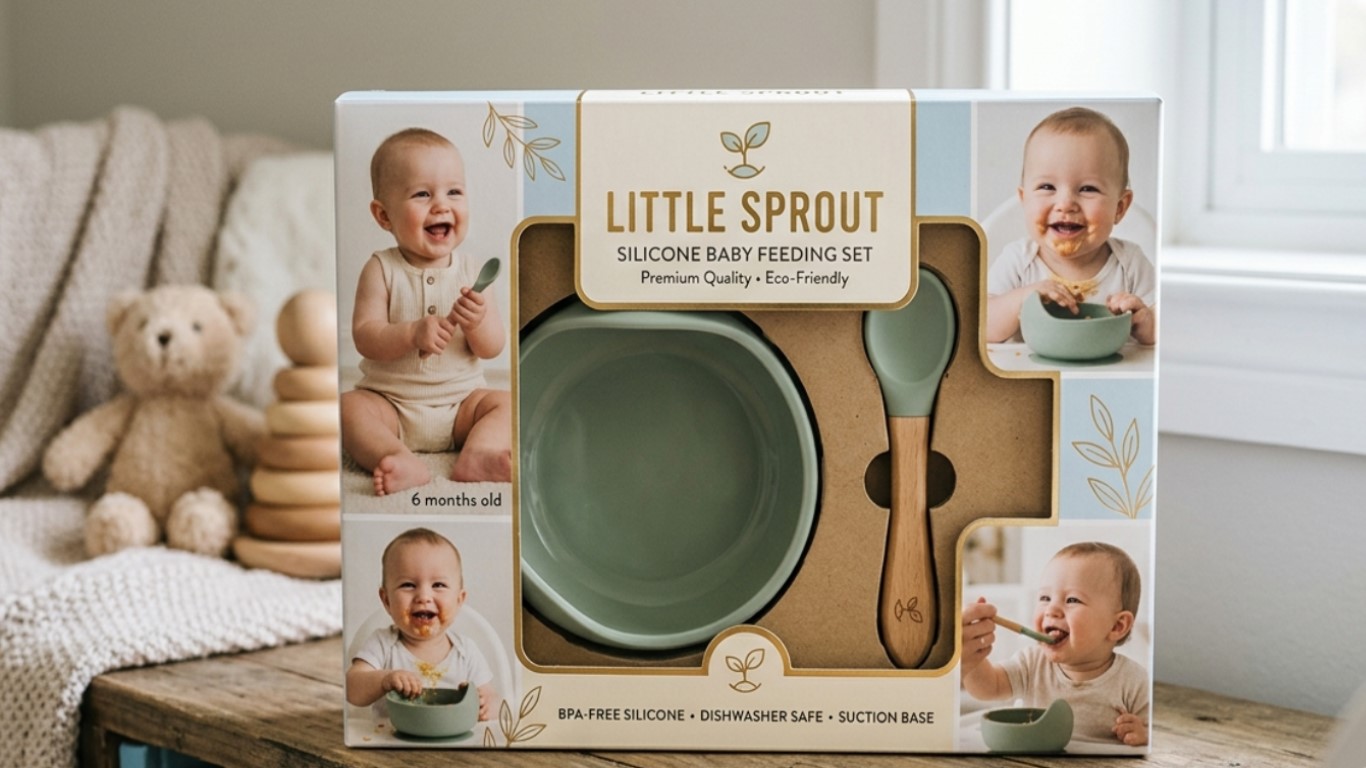
Premium Brand Packaging
Rigid gift boxes with premium finishes elevate high-value collections, reflecting brand positioning during transit.

Typical Silicone Bowl Specifications
| Specification | Typical Reference |
|---|---|
| Product | Custom silicone bowl |
| Applications | Baby feeding, toddler meals, kitchen, food preparation, and promotional gifts |
| Material | Food-grade platinum- or peroxide-cured silicone |
| Capacity | 150–800 ml |
| Bowl Diameter | 90–180 mm |
| Bowl Height | 45–90 mm |
| Base Type | Standard base or suction base |
| Hardness | 30–70 Shore A |
| Temperature Range | -40°C to 230°C, depending on material |
| Colors | Standard colors or custom Pantone matching |
| Surface Finish | Matte, glossy, or fine texture |
| Logo Methods | Embossed, debossed, pad printing, or laser engraving |
| Manufacturing Process | Compression molding |
| Packaging | Polybag, paper sleeve, retail box, or custom packaging |
| Existing Design MOQ | From 500 pieces |
| Custom Tooling MOQ | From 3,000 pieces |
| Sample Lead Time | 5–10 working days |
| Mass Production | 15–25 working days after approval |
| Inspection Standard | Approved sample with agreed AQL inspection |
| OEM & ODM | Available |
All specifications are project references and are confirmed according to the selected material, structure, branding method, and approved production sample.
Why Work with RY Silicone
Silicone Manufacturing Experience Since 2012
RY Silicone has specialized in custom silicone product manufacturing since 2012, supporting brands from initial product development through sampling, mass production, and international delivery.
10,000+ m² Production Facility
Our integrated production facility combines mold development, compression molding, trimming, printing, inspection, and packaging under one roof, giving better control over quality and production schedules.
30+ Production Machines
Multiple molding presses support different bowl sizes, structures, and production volumes, allowing us to manage both repeat orders and new product launches efficiently.
Up to 100,000 Silicone Products per Day
Scalable production capacity helps maintain stable lead times for long-term supply programs and seasonal demand.
Actual daily output depends on bowl size, mold cavity quantity, production cycle time, and inspection requirements.
Engineering Review Before Quotation
Every quotation begins with an engineering assessment rather than a simple price calculation.
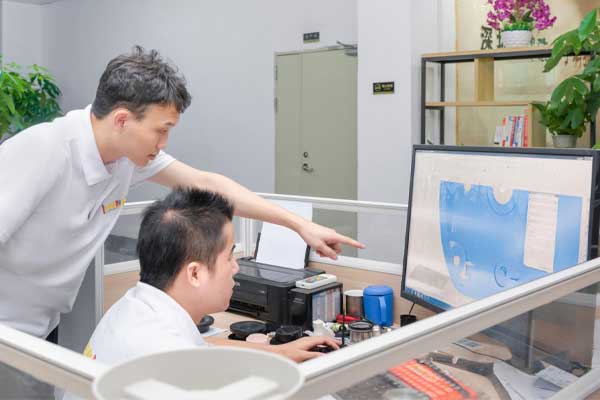
Our team reviews the bowl capacity, wall thickness, suction structure, material, logo, packaging, and destination market before recommending the most suitable manufacturing solution. This process helps identify potential production risks early and avoids unnecessary tooling revisions later.
Sample-Based Production
Mass production always follows an approved production sample.
The approved sample defines the reference for color, dimensions, capacity, logo position, surface finish, and packaging. If any production result differs from the approved sample, manufacturing is paused until confirmation is received.
Export Project Support
RY Silicone supplies custom silicone bowls to customers across North America, Europe, and other international markets.
We assist with product documentation, packaging coordination, export labeling, and shipment preparation according to your project requirements.
Silicone Bowl FAQ and Final RFQ
What is the MOQ for custom silicone bowls?
The MOQ starts from 500 pieces for existing bowl designs with custom branding and generally 3,000 pieces for completely new molded products. The final MOQ depends on the bowl structure, material, logo method, and packaging requirements.
Which silicone is better for baby bowls, platinum-cured or peroxide-cured?
Both materials can be suitable when correctly selected.
Platinum-cured silicone is commonly chosen for premium baby products because it offers lower odor, excellent purity, and broader international market acceptance, while peroxide-cured silicone provides a more economical solution for many general food-contact applications.
Can you manufacture silicone suction bowls?
Yes.
We produce both standard bowls and suction bowls with customized base diameters, capacities, and structural designs.
Successful suction performance depends on the combination of base flatness, sealing edge geometry, silicone hardness, and the smoothness of the supporting surface.
Can you match our Pantone colors?
Yes.
Production colors are matched according to your approved Pantone reference, followed by physical sample approval before mass production.
Minor visual differences can occur because wall thickness, surface texture, and lighting conditions influence color perception.
Which logo method lasts the longest?
Embossed and debossed logos provide the most durable branding because they are molded directly into the product rather than printed on the surface.
The most appropriate method still depends on your artwork, branding style, and product positioning.
Are your silicone bowls microwave- and dishwasher-safe?
The selected silicone compounds are generally suitable for microwave ovens within their specified operating temperature range and dishwashers with safety.
Product suitability should be confirmed according to the approved material and the intended application.
What compliance documents can you provide?
Available documentation may include FDA-related, LFGB-related, REACH-related, CPSIA-related, and material declarations, depending on the selected silicone compound, pigment, decoration process, and destination market.
When is new tooling required?
New tooling is normally required when changing the bowl profile, capacity, suction structure, wall thickness, molded logo, or overall product dimensions.
Minor branding or color changes on existing products can often be completed without developing a new mold.
Can you develop a complete private-label silicone bowl collection?
Yes.
We regularly develop coordinated collections that include silicone bowls, feeding spoons, bibs, plates, cups, and complete feeding sets with unified colors, logos, and retail packaging.
What information do you need to prepare a quotation?
To provide an accurate quotation, please send:
- Estimated order quantity
- Bowl type and intended application
- Capacity or dimensions
- Suction or standard base
- Preferred silicone material
- Pantone color reference
- Logo artwork (AI, EPS, or SVG)
- Packaging requirements
- Destination country
- Required compliance documents
- Target delivery schedule