On paper, many materials are labeled waterproof. In actual use, things rarely stay that simple.
A seal might pass initial testing, hold pressure, and show no leakage. Then it goes through a summer, a winter, maybe a few cleaning cycles with chemicals. Somewhere along the way, it stiffens a bit. Compression drops slightly. Nothing dramatic, but enough. Water does not need much space.
This kind of failure is common in outdoor assemblies and even in indoor equipment that sees temperature variation. The issue is not that the material could not block water at the beginning. It is that it could not keep doing it.
Silicone tends to behave differently in this situation. It does not change as quickly. Even after long exposure, it usually keeps enough elasticity to maintain contact. That small detail often decides whether a system stays sealed or not.
What You Don’t See in Silicone Matters More
Material Behavior Is Not Just a Number
Datasheets list hardness, tensile strength, elongation. Useful, but not enough.
In sealing work, compression set tells a more honest story. A material can feel soft and look ideal during assembly, yet fail slowly because it does not recover after being compressed for weeks or months.
Silicone generally holds its shape better. Not perfectly, but better than most. The internal structure helps it return instead of staying flattened.
Fillers complicate things. Add too little, and the material feels weak under load. Add too much, and flexibility drops. The right balance is rarely chosen in one step. Most projects go through at least a couple of adjustments before the behavior feels right.
Processing Can Quietly Change Everything
Two parts, same design, same raw material, different results. This happens more often than people expect.
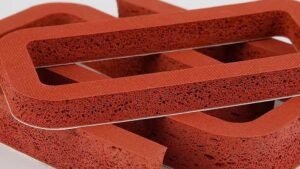
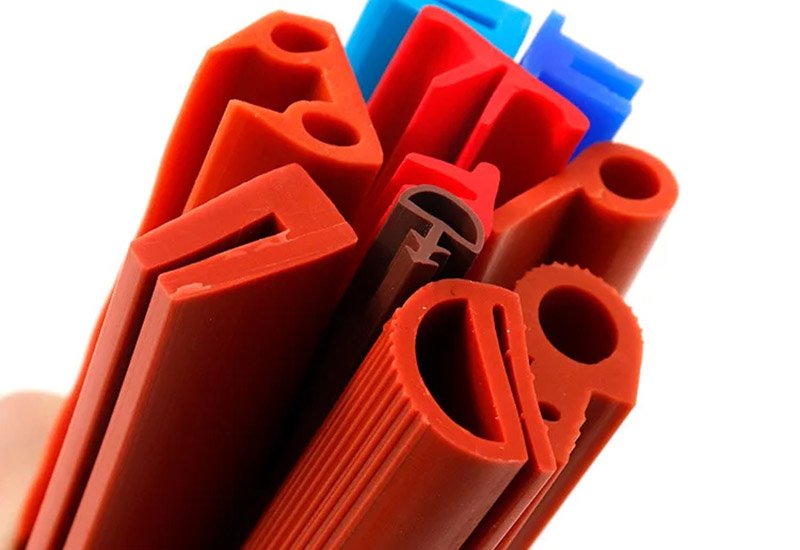
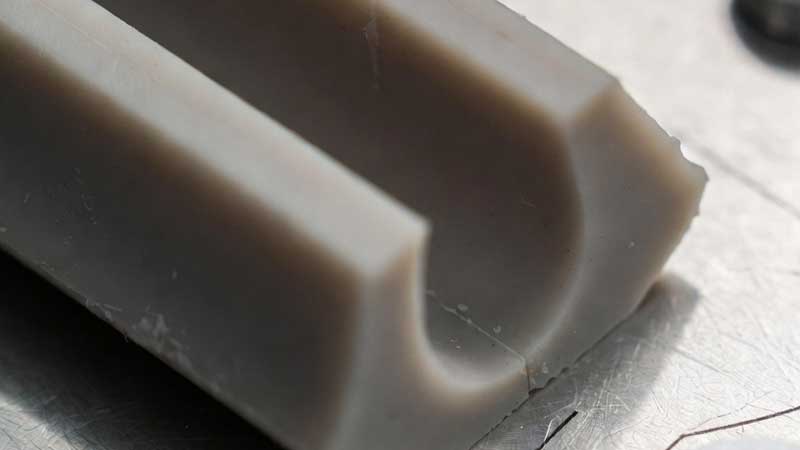
In extrusion, temperature control and die design influence surface density. A slight variation can introduce subtle inconsistencies along the profile. They are not always visible, but over time they affect sealing.
Injection molding with LSR looks cleaner, but it has its own sensitivities. Air control is one of them. If venting is not well handled, tiny pockets remain inside. Not enough to fail immediately, but enough to weaken long-term performance.
Some manufacturers check hardness and dimensions and stop there. Others go further, cutting samples, checking density, sometimes even tracking batch-to-batch variation more closely. The difference shows up months later in the field.
| Process | Typical Use | What Often Gets Overlooked |
| Extrusion | Continuous seals, tubing | Internal consistency along length |
| LSR Molding | Complex shapes | Air entrapment, curing balance |
Construction Use Is Less Forgiving Than It Looks
Movement Changes Everything
Buildings move more than expected. Temperature shifts, structural load, even wind pressure.
A rigid seal might look fine during installation but lose contact after repeated cycles. Once that happens, water finds a path.
Silicone handles movement better, mostly because it does not crack or harden quickly. But even here, small decisions matter. Hardness selection, profile shape, compression range. These are usually adjusted after testing, not guessed correctly at the start.
It Rarely Works Alone
In many designs, silicone is doing more than sealing. It absorbs vibration, protects wiring, and deals with heat at the same time.
In electrical systems exposed to humidity, this becomes important. A material that blocks water but degrades under heat will still fail. Silicone tends to stay stable across those conditions. This is why it shows up repeatedly in these environments.
Everyday Products Tell the Same Story
Footwear
Repeated bending is where many materials start to break down.
Silicone holds up well under this kind of stress. After many cycles, it usually keeps its structure instead of forming cracks. That is one reason it appears in higher-end footwear. Not always visible, but noticeable over time.
Kitchen Use
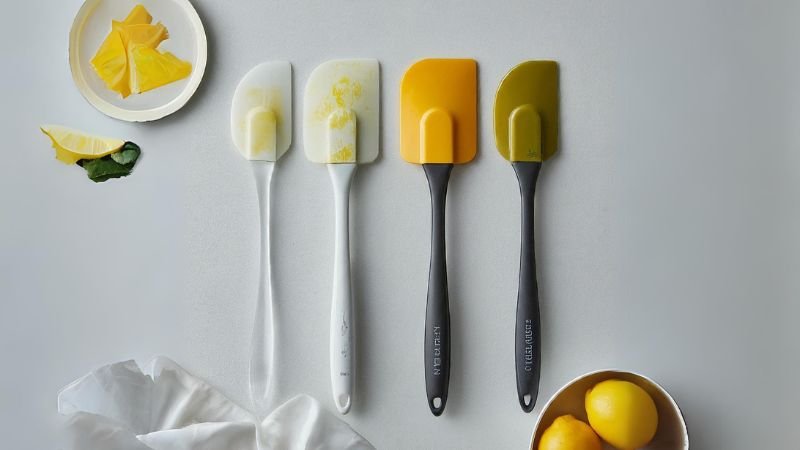
Kitchen environments are harsher than they seem. Heat, oil, detergent, constant washing.
Silicone handles this combination without much change. Still, processing quality matters. Poor venting during molding can leave internal bubbles. These do not look serious, but they affect durability and cleaning over time.
Medical Applications
Here, consistency matters more than anything.
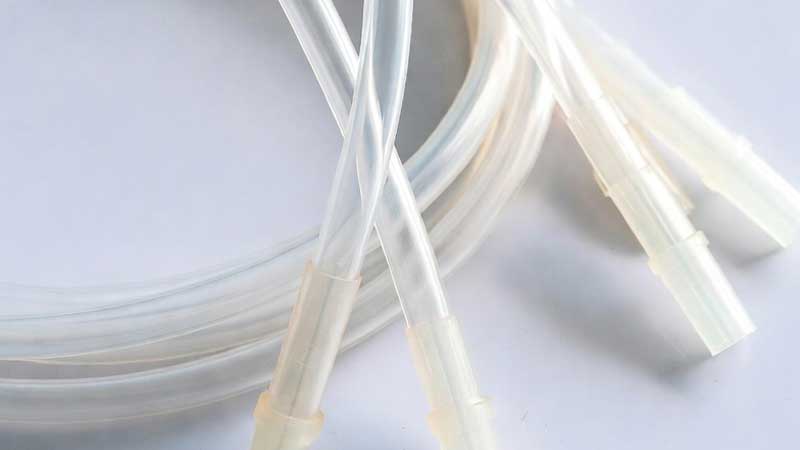
Materials go through sterilization, chemical exposure, repeated use. Any small change in structure can affect performance. Silicone remains relatively stable. This is why it is often selected for tubing, masks, and similar components.
Not because it is perfect, but because it behaves predictably.
Toys and Water-Exposed Products
For products that stay in water frequently, long-term behavior matters more than initial feel.
Silicone does not become brittle easily. If processed well, it also avoids internal voids that could trap moisture. That helps reduce odor and microbial growth, especially in humid conditions.
Comparing Materials in Real Use
On paper, several elastomers look similar. In actual environments, differences show up faster.
| Material | What Usually Fails First |
| Natural Rubber | UV and heat degradation |
| EPDM | Limited resistance to certain chemicals |
| Silicone | Cost, not performance |
In many cases, silicone is chosen not because it is the strongest, but because it changes the least over time.
Design Choices That Quietly Decide Performance
Material selection is only part of the story. A few design factors tend to decide the outcome:
- Softer materials seal better, but may lose shape under load
- Harder materials last longer, but need better surface matching
- Surface finish affects how easily water finds a path
- Small geometric changes can improve sealing pressure more than changing materials
Many failures trace back to design details rather than the material itself.
What Becomes Clear After a Few Iterations
Most projects do not get it right the first time.
Initial samples often look fine. Testing reveals small issues. Adjustments follow. Hardness changes, geometry shifts slightly, processing conditions get refined.
After a few rounds, the difference becomes obvious. Parts last longer. Performance stabilizes.
Silicone works well in this process because it is flexible, not just physically, but in how it can be adjusted.
Conclusion
Calling silicone waterproof does not really explain why it works.
It performs because it stays consistent when conditions change. Heat, movement, chemicals, time. Those factors usually break other materials down first.
When the design and processing are aligned, silicone tends to keep doing its job quietly, without much attention. And in many applications, that is exactly what is needed.