Silicone compression molding uses heat and pressure to shape raw silicone into durable parts like seals, gaskets, and medical components. It excels in high-volume production thanks to its low cost and reliability.
But in large runs, defects become expensive, causing scrap, downtime, rework, and even recalls. This article dives into the most common defects seen in high-volume silicone compression molding, based on real factory experience across automotive, electronics, and healthcare. You’ll find practical causes, impacts, and step by step troubleshooting fixes that have helped teams push yields above 95% in runs exceeding 10,000 units per shift.
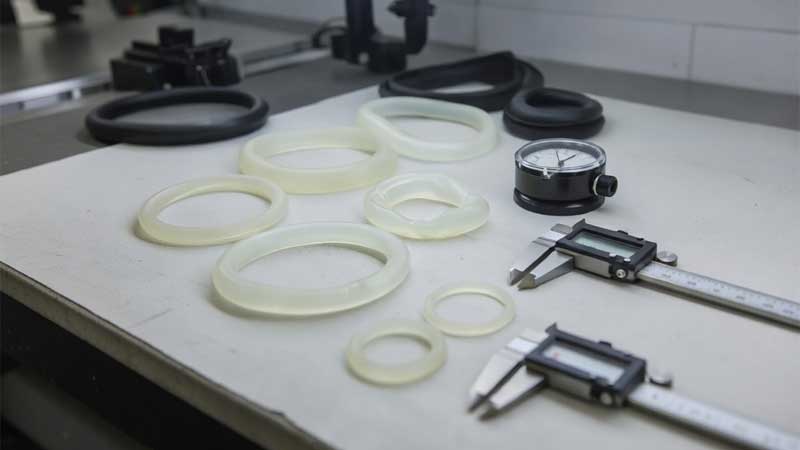
Fundamentals of Silicone Compression Molding in High-Volume Contexts
Key parameters include temperature from 150 to 200°C. Pressure ranges from 500 to 2000 psi. Cure time is 2 to 10 minutes per cycle. Material viscosity affects flow.
High-volume runs bring challenges. Molds wear out from repeated use. Material batches vary. Faster cycles can leave processes incomplete. Humidity impacts silicone behavior.
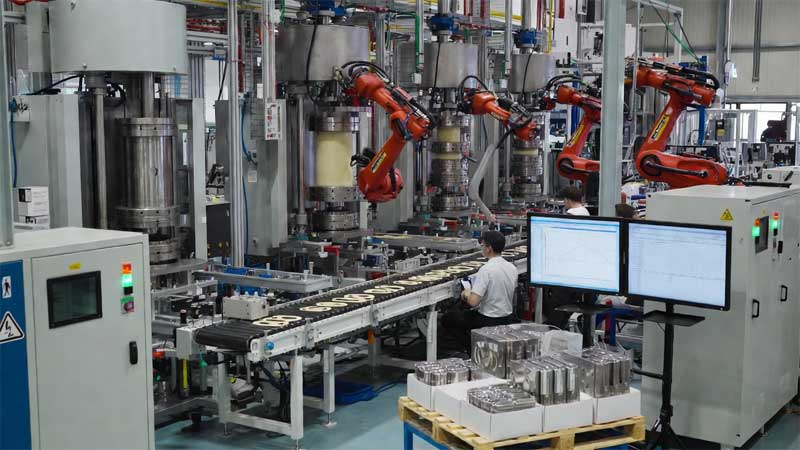
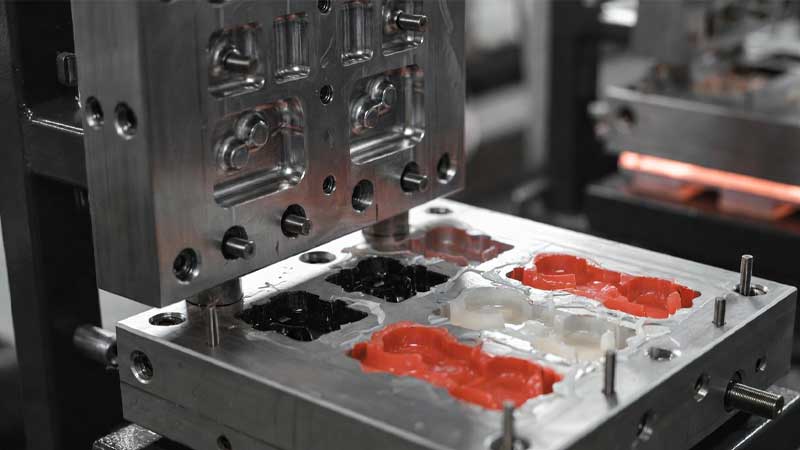
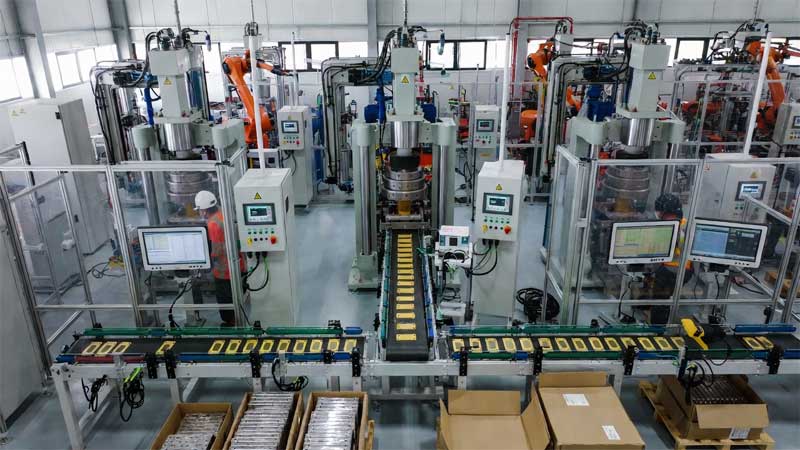
Equipment plays a big role. Multi-cavity molds increase output. Automated presses ensure consistency. Real-time sensors monitor pressure.
From my time on automotive lines, scaling up often raises defect rates by 20%. This happens due to poor material flow in larger setups.
Common Defects: Identification, Causes, and Troubleshooting
Here, I cover 10 common defects. They are ranked by how often they appear in high-volume runs, based on industry data. For each, I describe symptoms, causes from material, process, or tooling. I explain the impact on efficiency. Then, I give step-by-step troubleshooting. Each includes a real example from production floors.
Bubbles or Air Entrapment (Voids)
Bubbles show as air pockets on the surface or inside parts. They create weak spots or visual flaws.
Causes include weak vacuum during molding. Fast press closure traps air. High viscosity in big batches worsens it. Moisture in preforms adds to the problem.
In high-volume, this cuts part strength. Rejection rates hit 15%. Batch mixing issues grow with scale.
To troubleshoot:
- Raise vacuum to 25-29 inHg during compression.
- Slow the initial press closure for air escape.
- Degass material before loading. Use automated mixers.
- Clean mold vents every 500 cycles.
- Run small pilots to tweak settings.
In a medical device plant making 20,000 seals daily, bubbles came from humid storage. Dehumidified warehouses cut defects by 80%.
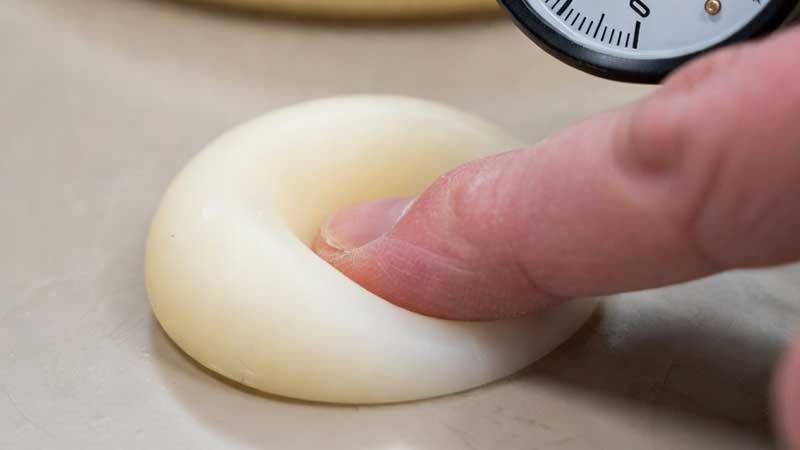
Incomplete Curing (Soft or Tacky Parts)
Parts feel sticky or soft. Durometer readings drop 10-20% below spec. They deform after molding.
Low mold temperature causes this. Short cure times for quotas add to it. Uneven heat in multi-cavity molds matters. Expired catalysts in large batches hurt too.
This halts lines in high-volume. Rework reaches 25%. It affects bonding or coating steps.
Troubleshooting steps:
- Check mold heat uniformity with infrared tools each shift.
- Add 10-20% to cure time. Watch cycle speed.
- Test batch reactivity. Rotate stock.
- Switch to zoned heating platens.
- Add inline durometer checks.
An electronics firm producing 50,000 gaskets per day fixed this by recalibrating timers. Scrap fell from 12% to 2% after a week-long audit.
Flash (Excess Material at Edges)
Flash appears as thin excess silicone on edges. It needs trimming.
Overfilled cavities cause it. Low clamping force helps. Worn mold edges contribute. Material expands in hot cycles.
In high-volume, it adds 30% post-mold work. It risks dirt and speeds mold wear.
Steps to fix:
- Weigh preforms with auto dispensers.
- Boost clamping pressure in 10% steps.
- Resurface mold edges every 1,000 cycles.
- Adjust viscosity with additives for better flow.
- Add overflow grooves to molds.
In automotive bumper lines at 15,000 units per shift, robotic loading cut flash. It saved two hours of trimming per batch.
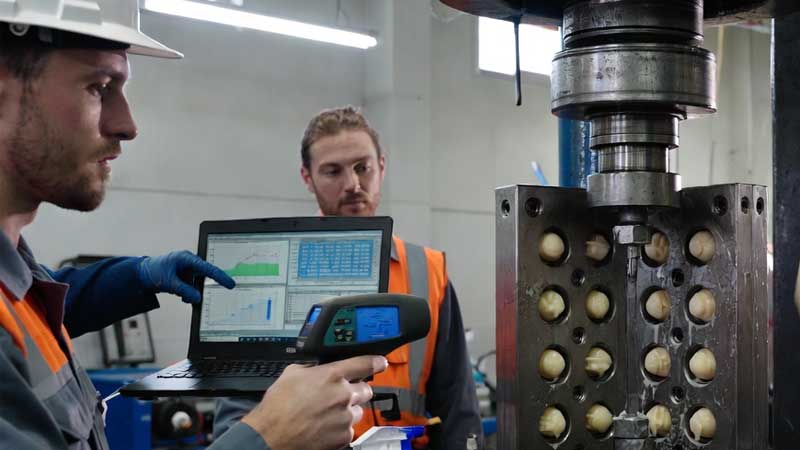
Surface Imperfections (Scratches, Blemishes, or Roughness)
Surfaces show uneven texture, pits, or marks.
Mold dirt causes this. Poor release agent use adds to it. Abrasive fillers in silicone hurt. Fast demolding scratches.
High-volume sees 10-20% cosmetic rejects in consumer items.
Troubleshoot like this:
- Clean molds with gentle solvents between shifts.
- Apply release agents evenly. Test stickiness.
- Filter material for debris. Pick pure silicone.
- Slow demolding to avoid tears.
- Use profilometry on samples.
A kitchenware line making 10,000 spatulas daily fixed roughness with Teflon-coated molds. Yield rose from 85% to 98%.
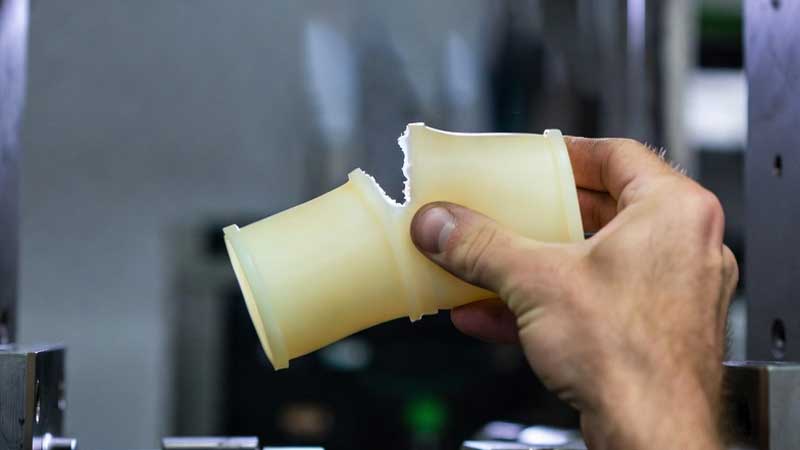
Tearing or Ripping During Demolding
Parts rip at thin spots or edges when removed.
Weak release agents cause it. Over-cured brittle material adds. Mold undercuts trap parts. Rushed demolding in quick cycles worsens.
This creates 15% downtime for cleaning in high-volume.
Fixes:
- Try different release agents for fit.
- Tune cure to prevent brittleness.
- Redesign molds without undercuts.
- Use ejector pins with steady force.
- Teach operators careful handling.
Medical tubing at 30,000 units daily saw 90% fewer tears with air-assisted ejection.
Shrinkage or Dimensional Inconsistencies
Parts shrink below spec. They warp or vary in size.
Uneven cooling causes it. High-shrink formulations hurt. Inconsistent pressure adds. Thermal differences in big molds matter.
Assembly fails in high-volume due to tolerances.
Steps:
- Add cooling channels for even drop.
- Choose low-shrink silicones.
- Calibrate pressure daily.
- Measure with CMM for patterns.
- Account for humidity on material.
Aerospace gaskets at 8,000 per day hit ±0.1mm tolerances by pre-heating. This came from a six-month trial.
| Defect | Common Causes | Impact on Yield | Quick Fix Tip |
| Shrinkage | Uneven cooling, high-shrink material | Up to 20% rejects | Add mold cooling channels |
| Discoloration | Overheat, impure pigments | 10% aesthetic loss | Use data loggers for temps |
| Blisters | Trapped gases, moisture | 20% scrap | Dry materials first |
Discoloration or Yellowing
Color shifts unevenly, often from heat or dirt.
Excessive heat causes it. Bad pigments or oxidation in storage add.
Visible parts see 10% rejects in high-volume.
Troubleshoot:
- Log peak temps.
- Add stabilizers and antioxidants.
- Clean lines between colors.
- Store in sealed spots.
- Test batches for color hold.
Consumer electronics casings at 25,000 daily fixed yellowing by dropping cure temps 10°C. Supplier checks helped.
Blisters or Delamination
Bulges or layer splits appear.
Gases trap. Moisture or poor wet-out causes.
Structural fails lead to 20% scrap in high-volume.
Steps:
- Ensure good wet-out if reinforced.
- Dry materials pre-mold.
- Raise pressure.
- Check mold flex.
- Heat up slowly.
Industrial seals in 12,000-unit runs cut blisters with better vacuum.
Flow Lines or Knit Lines
Streaks show from material flow.
Too much heat or uneven spread causes.
Weak spots drop strength 15% in high-volume.
Fixes:
- Place charge optimally.
- Lower temps.
- Add flow aids.
- Simulate in CAD.
- Try multi-gate molds.
Toy parts at 40,000 daily erased lines with pyramid charging.
Mold Sticking or Poor Release
Parts stick, damaging surfaces.
Low release or buildup causes.
Cycles delay and molds wear in high-volume.
Troubleshoot:
- Refresh release agents.
- Clean routinely.
- Time demold right.
- Pick self-releasing silicones.
- Watch for dirt.
Footwear soles at 18,000 daily improved with auto sprayers.
Preventive Strategies and Best Practices for High-Volume Production
Pick consistent silicone suppliers. Store in cool, dry spots. Track batches.
Optimize with Six Sigma or experiments. Automate loading and checks.
Maintain tooling: Inspect often. Resurface every 5,000-10,000 cycles. Use tough alloys.
Use inline inspections and SPC charts. Apply root cause tools like 5 Whys.
Train on defect spotting with floor drills. Focus on safe handling in fast paces.
In a 100,000-unit medical run, predictive maintenance halved defects.
Conclusion
These defects and fixes highlight key areas in silicone molding. Proactive steps shift from fixes to prevention. This builds reliable high-volume output.
With our decades of experience and cutting-edge tech, we solve complex silicone needs. Contact us today to customize your silicone products for peak performance.