
Silicone Cutting Board Manufacturer
Specify silicone cutting boards for your cutting tasks, countertop, and cleaning routine. Develop custom sizes and finishes with RY Silicone, then assess branding and packaging against the approved sample.
Home » Silicone Kitchen Products » Silicone Cutting Board
What Is a Silicone Cutting Board?
A silicone cutting board is a flexible food-preparation surface made primarily from silicone rubber for cutting and transferring ingredients. A custom board is specified for your intended knife work, footprint, thickness, surface texture, edge profile, color, and presentation. Its suitability depends on how the finished surface withstands cutting, cleaning, and repeated handling.
RY Silicone is a China-based silicone manufacturer established in 2012. Its reported 10,000+ m² facility, 30+ production machines, and capacity of up to 100,000 silicone products per day describe the factory across categories, not cutting-board output. For board projects, material, design, sample checks, and market-specific documentation need a defined specification.
Silicone Cutting Board Manufacturing at a Glance
Order Planning
Share your target quantity and design. Tooling, minimum order quantity, sample schedule, and production timing are quoted for the selected board.
Board Specifications
Set length, width, thickness, edge geometry, and surface texture against actual knife use and the approved sample.
Branding Methods
Place molded marks away from the cutting area; evaluate any printed decoration against abrasion and food-contact requirements.
Packaging Options
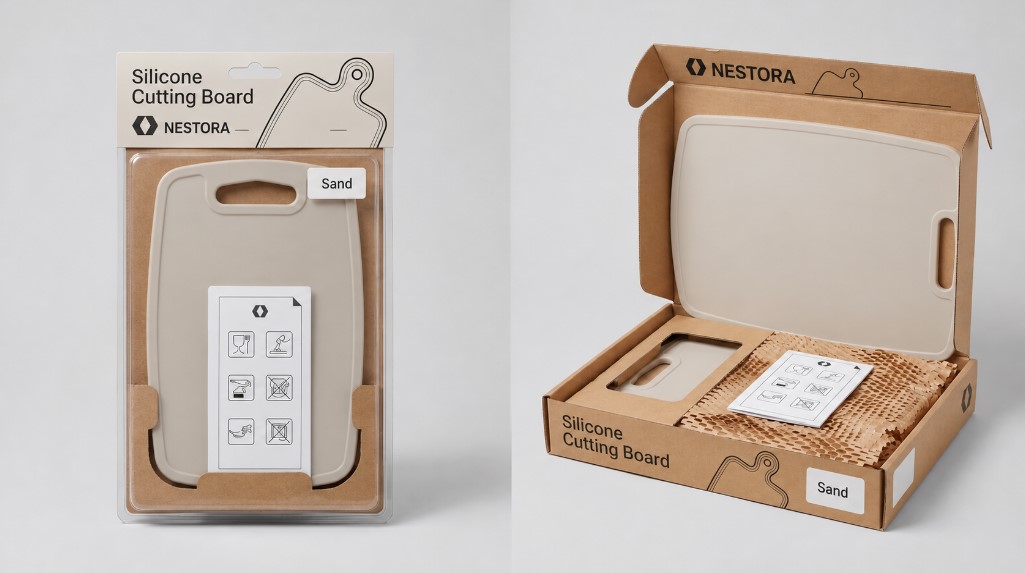
Select bulk packs or retail presentation after checking board dimensions, folding limits, labeling needs, and shipping protection.
Who We Manufacture Silicone Cutting Boards For
Develop board specifications around the way each customer sells and uses them.
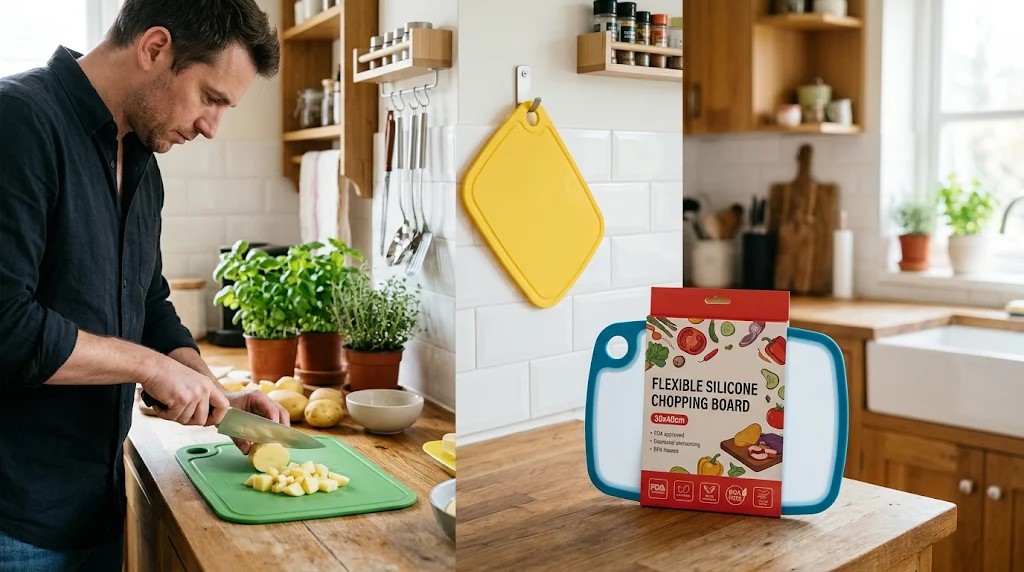
Kitchenware Brands
Build a recognizable range through board shape, color, hanging details, and packaging. Your intended chopping tasks determine the surface and thickness decisions before artwork is approved.
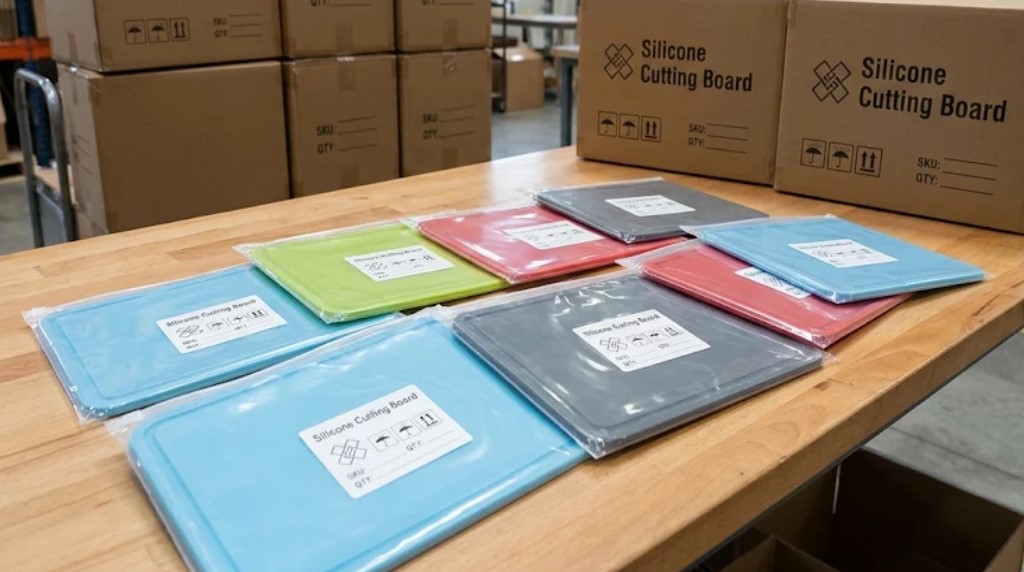
Distributors & Wholesalers
Plan silicone cutting boards for bulk orders with clear size variants and carton identification. A factory quotation separates existing-tool possibilities from designs needing new tooling.
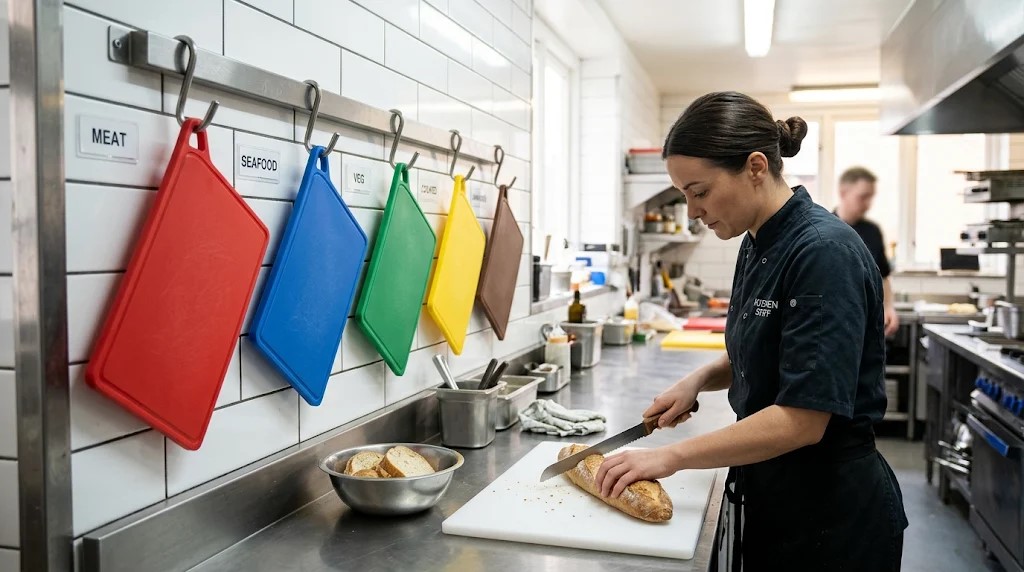
Foodservice and Hospitality Suppliers
Specify work-surface fit, cleaning routine, and handling frequency for commercial settings. Any hygiene or regulatory claim needs evidence for the finished configuration and destination market.
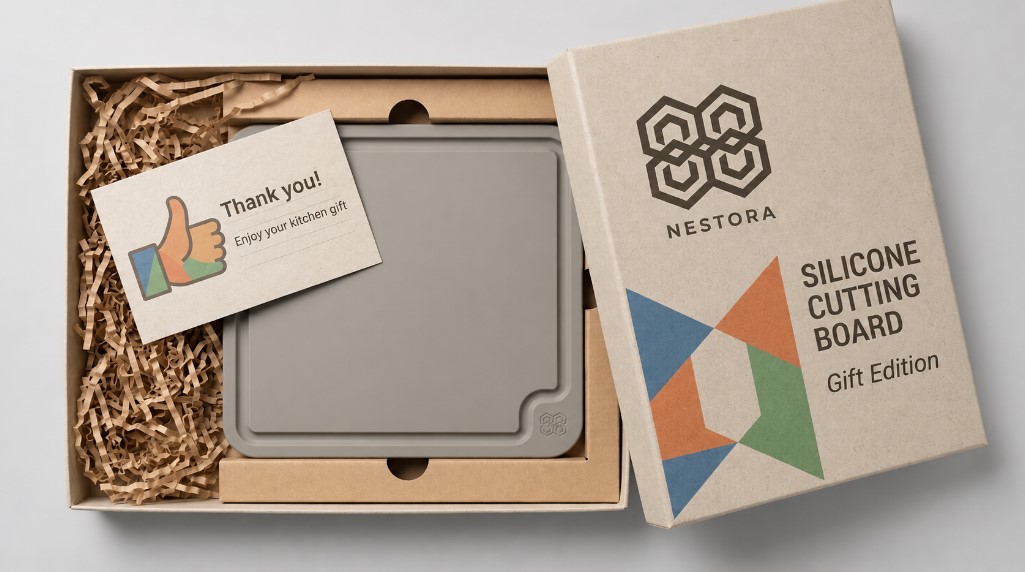
Promotional Product Companies
Use color, packaging, and a molded mark to build a campaign item. Knife-contact placement and minimum feature size affect which branding approach is practical.
Retail & Ecommerce Sellers
Coordinate private-label packaging, SKU labels, and product information with the approved board. Selling claims about durability, dishwasher use, or food contact require product-specific support.

Meal-Prep and Outdoor Brands
Consider portability, storage footprint, and ingredient transfer alongside stability while chopping. A flexible board still needs adequate support on the intended worktop.
Silicone Cutting Board Types We Can Develop
Full-Size Silicone Cutting Boards
Compact Silicone Cutting Boards
Flexible Silicone Cutting Boards
Thick Silicone Cutting Boards
Textured-Grip Silicone Cutting Boards
Silicone Cutting Board Sets
Silicone Cutting Board Customization
Start with the cutting task, then specify the board and presentation.
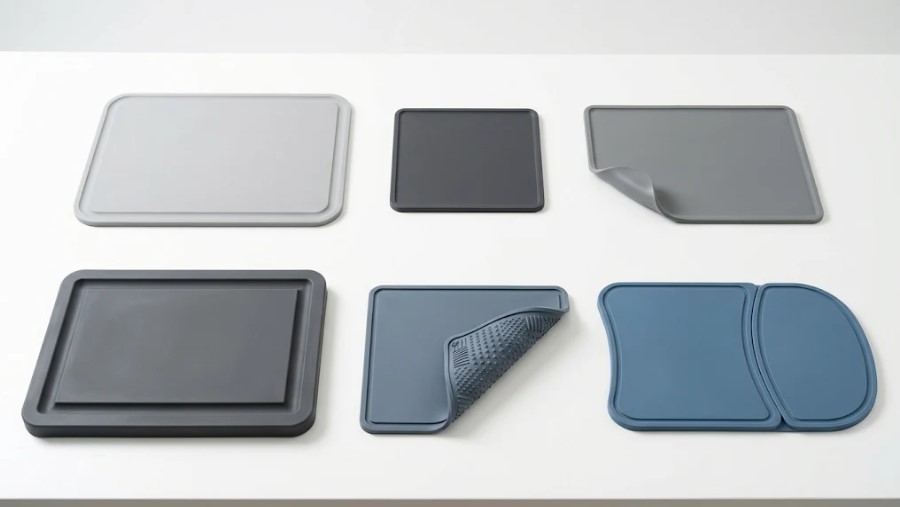
Define the usable work surface before choosing the outline. Corners, hanging openings, and any pouring edge should support handling without creating weak areas or awkward cleaning points. A sketch or existing sample gives engineering a starting point; the proposed geometry still needs sample evaluation under the intended cutting motion.
Available decisions include:
- Choose a rectangular, rounded, or project-specific outline.
- Set the usable cutting area separately from overall dimensions.
- Position a hanging opening outside the main cutting zone.
- Assess edge or corner details for ingredient transfer.
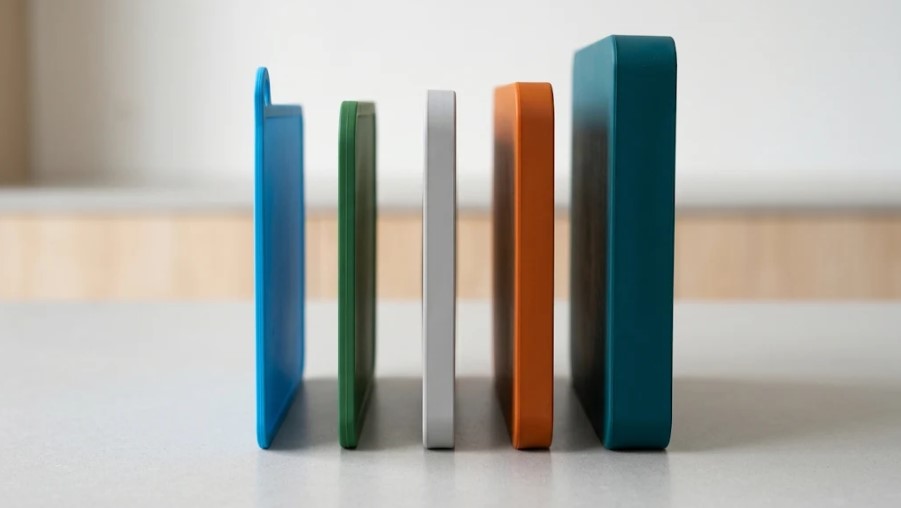
Set thickness with flexibility and worktop support in mind. A board that bends easily for transfer may also curl or shift under a knife. Discuss a target thickness and allowed variation, then compare the sample on the intended surface. To make that decision usable for quotation, document nominal thickness, tolerance, and measurement points in the project drawing.
Available decisions include:
- Specify nominal thickness and measurement points.
- Compare flexible and firmer sample constructions.
- Check edge thickness after molding and trimming.
- Agree on flatness and movement criteria for sample approval.
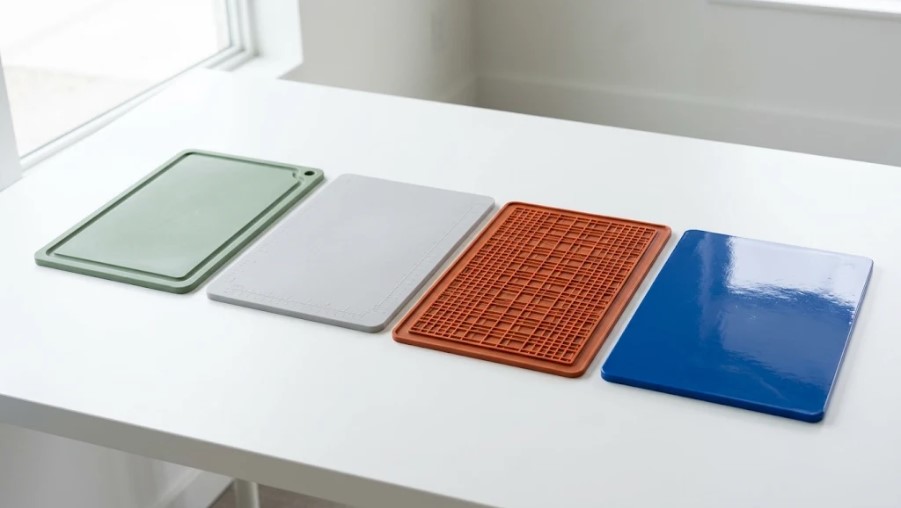
Choose the top texture and underside geometry as separate decisions. A chopping surface must remain practical to wash after use, while the underside should be assessed on your target counter. Deep texture can trap residue, and fine features can lose definition when molded or repeatedly cut.
Available decisions include:
- Select a smooth or defined molded texture.
- Locate any grip pattern on the underside.
- Set acceptable surface marks against an approved sample.
- Define the cleaning method used during evaluation.
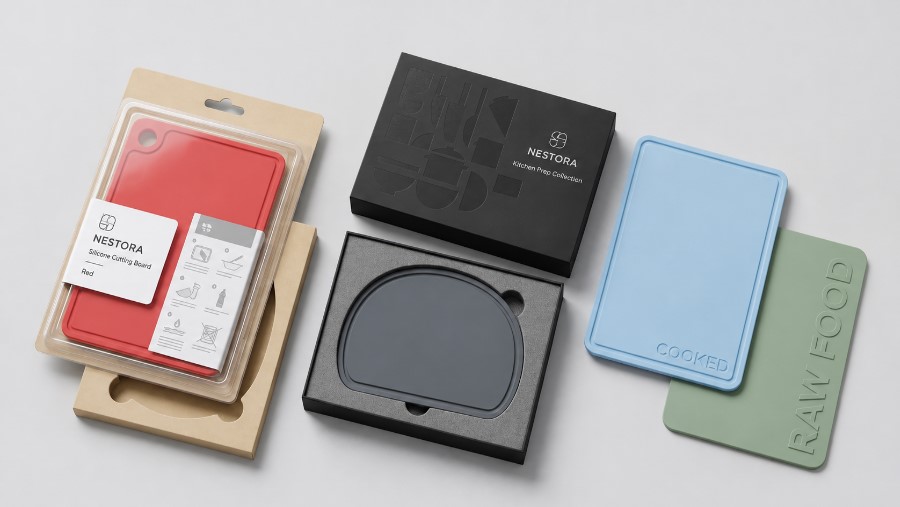
Plan color, packaging, and branding together. A logo placed in the cutting zone faces knife abrasion, so molded branding is usually evaluated on a border or underside. Package dimensions must allow the board to remain flat or follow an approved fold or roll configuration during storage.
Available decisions include:
- Specify a color target and viewing reference.
- Position an embossed or debossed brand mark.
- Provide retail artwork and required market information.
- Choose a flat, folded, or rolled pack after sample checks.
Start Your Silicone Cutting Board Project
Send your drawing or sample, cutting use, estimated quantity, destination market, and packaging brief. RY Silicone will assess the design and quotation scope.
How to Specify a Better Silicone Cutting Board
Evaluate a chopping board by how it cuts, stays in place, washes, and stores.
- Cutting surface: Define the knives and food-preparation tasks used in sample evaluation.
- Usable size: Measure the clear work area, not just overall length and width.
- Thickness: Compare flexibility with support on the intended counter.
- Grip: Test movement on dry and wet worktops rather than relying on texture alone.
- Surface wear: Agree how knife marks and edge damage will be assessed.
- Cleaning: Check whether molded details retain residue after the planned wash routine.
Full Specification Guide
How to Specify a Silicone Cutting Board—board dimensions, thickness, knife-use criteria, worktop grip, cutting experience, scratch resistance, and a sample-approval checklist.
Silicone Cutting Board Logo and Branding Methods
Ensure brand details readable while protecting the board’s cutting area.
Screen Printing
Strong, clean coverage for simple one- or two-color logos in bulk orders.
Pad Printing
Prints small or curved areas that flat screen printing cannot easily reach.
Embossed Logos
A raised mark can sit on a border or underside where knife contact is limited; tooling feasibility depends on the detail.
Debossed Logos
A recessed mark avoids ink, but groove depth and cleanability need evaluation before approval.
Silicone Cutting Board Material and Performance Options
Compound and construction must suit intended cutting tasks and destination-market needs.
Specify the finished board rather than relying on a generic food grade.
Define intended food contact and destination market before selecting silicone. Include pigment, processing route, and any additional components in the compliance scope.
For a platinum silicone cutting board, specify a platinum-cured silicone formulation and confirm its suitability for the intended food-contact conditions. Platinum curing alone does not establish finished-product compliance.
Where required, seek documentation for the finished board. A raw-material report alone does not establish compliance of the final configuration.
Material Comparison
Silicone vs. Plastic: Engineering Material Selection—Compare formulation, tooling, compliance scope, and production trade-offs. Assess knife wear, cleaning, and stability on the proposed cutting board separately.
Visible cuts require an agreed acceptance method.
Since silicone is softer than a metal blade, knife action can mark or damage the board. Compare representative knives and cutting motions on a sample. Do not claim that the surface is cut-proof. Any statement about appearance after use or replacement should match the agreed test evidence.
Silicone cutting boards are generally lightweight and easy to carry for portable food preparation. Their softer surfaces are gentler on knife edges than hard materials such as glass or metal, although repeated cutting can still leave knife marks.
Stability depends on the board and the counter.
Check the approved sample on the countertop material used in practice, under both dry and expected wet conditions. Record movement during representative cuts and whether the edges lift from the worktop. Underside texture, thickness, and board size should be assessed together; a molded grip pattern alone does not establish stability.
A bendable cutting board needs enough support.
Evaluate ingredient transfer and knife work as separate sample tasks. The board should bend as intended when lifted, then provide the agreed support and usable area when laid on the target counter.
Compare thickness, board size, and edge lift together; greater flexibility does not automatically make a better chopping surface.
A compact pack needs an unpacking check.
For boards intended to be folded or rolled, agree on the pack format and storage period. After unpacking, check whether the board lies flat on the target worktop and whether lifted edges interfere with cutting.
Adjust thickness or packaging if the sample does not recover to the agreed usable shape.
Color supports an established kitchen separation procedure.
For foodservice ranges, define which board color belongs to each preparation task and how each variant is identified in the pack.
Color alone does not prevent cross-contact; the kitchen’s handling and cleaning procedure remains necessary.
Include every selected pigment in the finished-product documentation scope required for the destination market.
Smooth geometry makes inspection after washing easier.
For a solid silicone cutting face, the intact non-porous surface does not prevent residue in knife marks, grooves, or openings. Wash the sample using the planned routine, then inspect those details.
Dishwasher suitability and temperature limits require evidence for the finished board, including branding, before appearing on packaging or listings.
Care Guide
How to Clean Silicone Products Safely? — General washing, rinsing, and drying guidance. Check knife marks, grooves, and replacement criteria against the approved cutting board and its care instructions.
How Silicone Cutting Boards Are Manufactured

STEP 1: Requirement Review
The project brief defines cutting tasks, usable area, thickness, target market, order quantity, branding, and packaging before the board design moves to tooling assessment.
STEP 2: Tooling Evaluation
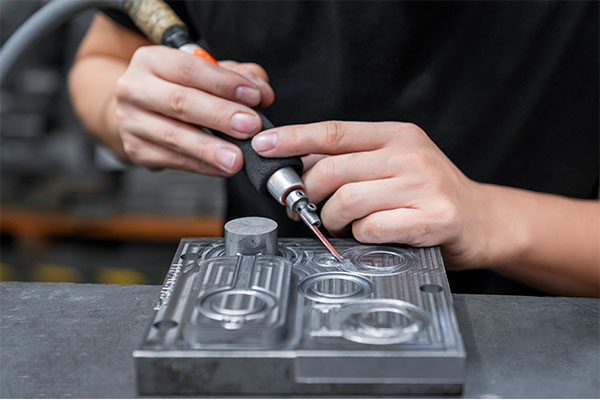
Engineering examines the outline, thickness transitions, texture, and hanging opening. Thin edges or deep grooves can complicate release and cleaning in the finished board.
STEP 3: Material and Color Preparation
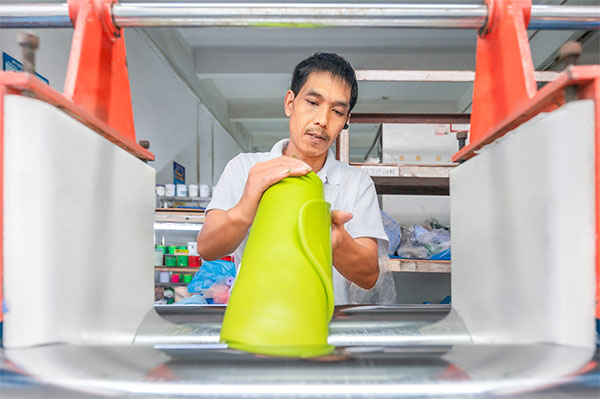
The selected silicone and pigment are prepared against the approved specification. Food-contact documentation requirements are tied to the final formulation and intended market.
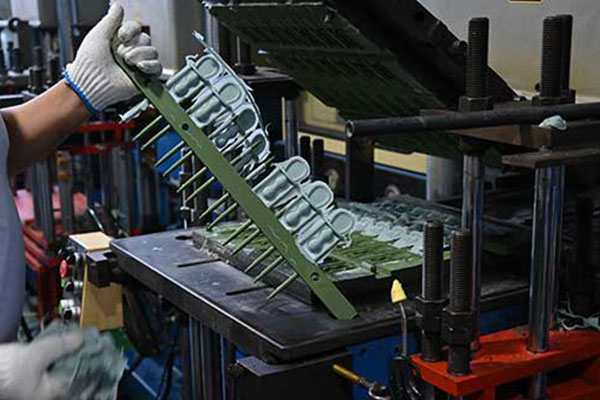
STEP 4: Board Molding
The approved molding route forms the board and its surface details. If compression molding is selected, its parameters follow the agreed material, tooling, and verified project capability.
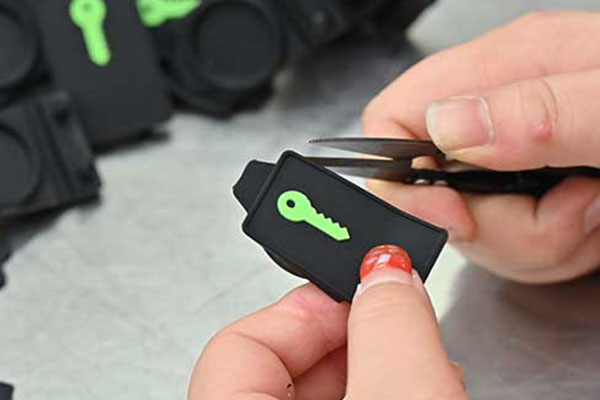
STEP 5: Demolding and Trimming
After curing, the board is removed and excess material trimmed. Edges and hanging openings need close inspection because small tears can grow during handling.
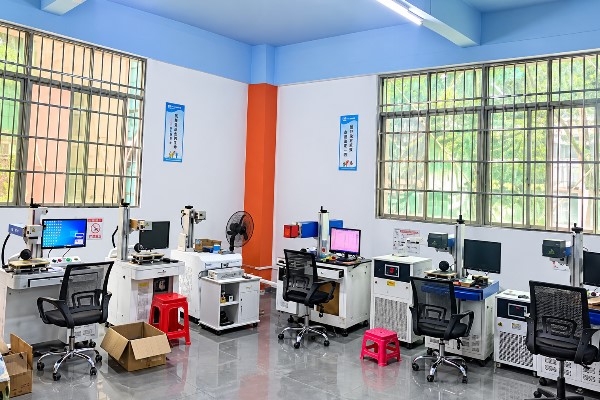
STEP 6: Surface and Branding Finishing
Molded texture and logo detail are checked against the approved sample. Any separate decoration process requires agreed placement and evidence for its intended use.
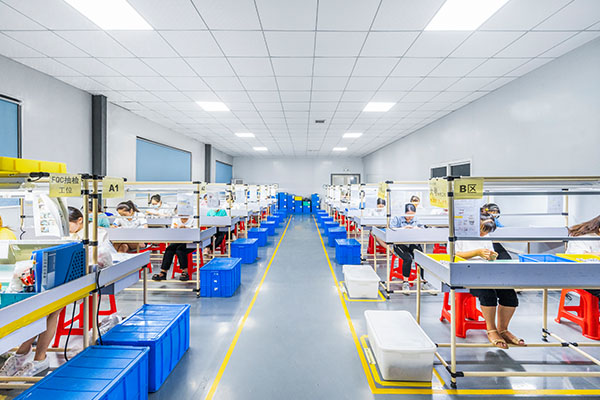
STEP 7: Quality Inspection
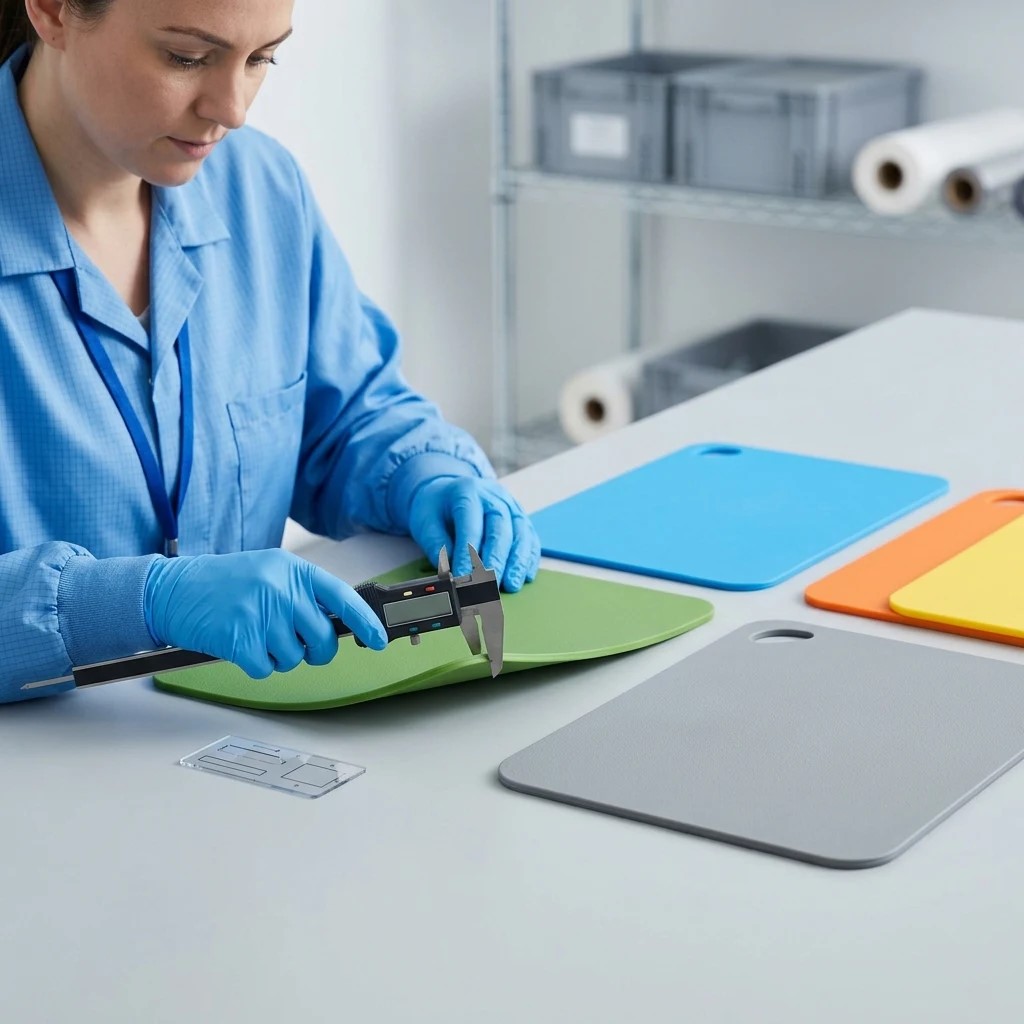
Inspectors compare size, thickness, flatness, visible defects, and branding with the approved reference. Knife-use or grip tests follow only an agreed project protocol.

STEP 8: Packaging and Shipment
Boards are counted and packed in the approved configuration. The carton labeling and packing method follows the purchase order and protects the board shape during transit.
Silicone Cutting Board Quality Control
Inspection should reflect the risks of a knife-contact surface, including cutting wear, worktop movement, flatness, and cleaning access.
AQL 2.5 / 4.0 Standard Inspection
We run final random sampling plans to verify batch consistency:
AQL 2.5
Critical / Major Defects
AQL 4.0
Minor Visual Flaws
Another inspection standard can be used when specified in the purchase order.
Approved Sample Control
The sample anchors overall shape, usable area, thickness, color, texture, edge finish, logo, and packaging. Record drawing differences before production release.
Incoming Material Review
Match the selected silicone and pigment to the purchase specification and available supplier documents. Finished-product compliance needs its own evidence scope.
In-Process Inspection
Look for incomplete molding, inconsistent texture, edge flash, and distortion near openings. A thin section around a hanging hole can tear when demolded even if the rest of the board looks sound.
Dimensions and flatness
Measure the overall and usable area, thickness at agreed points, and how the board lies on the specified worktop. A flat board at rest can still curl during use.
Flexibility and foldability
Verify that the board bends or folds as intended without structural damage, white stress marks, or permanent deformation. For foldable designs, inspect hinge zones and flex lines for air traps, thinning, or micro-tears caused by repetitive bending.
Perform a functional transfer test to ensure the board restores its flat shape immediately after flexed use, maintaining stability on the worktop during cutting.
Appearance and branding
Compare color and surface against the approved sample; inspect contamination, bubbles, damaged edges, and logo definition. Place any branded feature outside the agreed cutting area.
Use and care review
Define representative knife-use, movement, and cleaning checks if required. State the method and acceptance criteria in the project specification before presenting durability or hygiene claims.
Packaging inspection
Verify pack count, labels, barcode data supplied by the customer, carton marks, and whether the chosen fold or roll leaves the board in its approved shape.
Silicone Cutting Board Packaging Options
Select packaging after the board’s size and storage shape are approved.
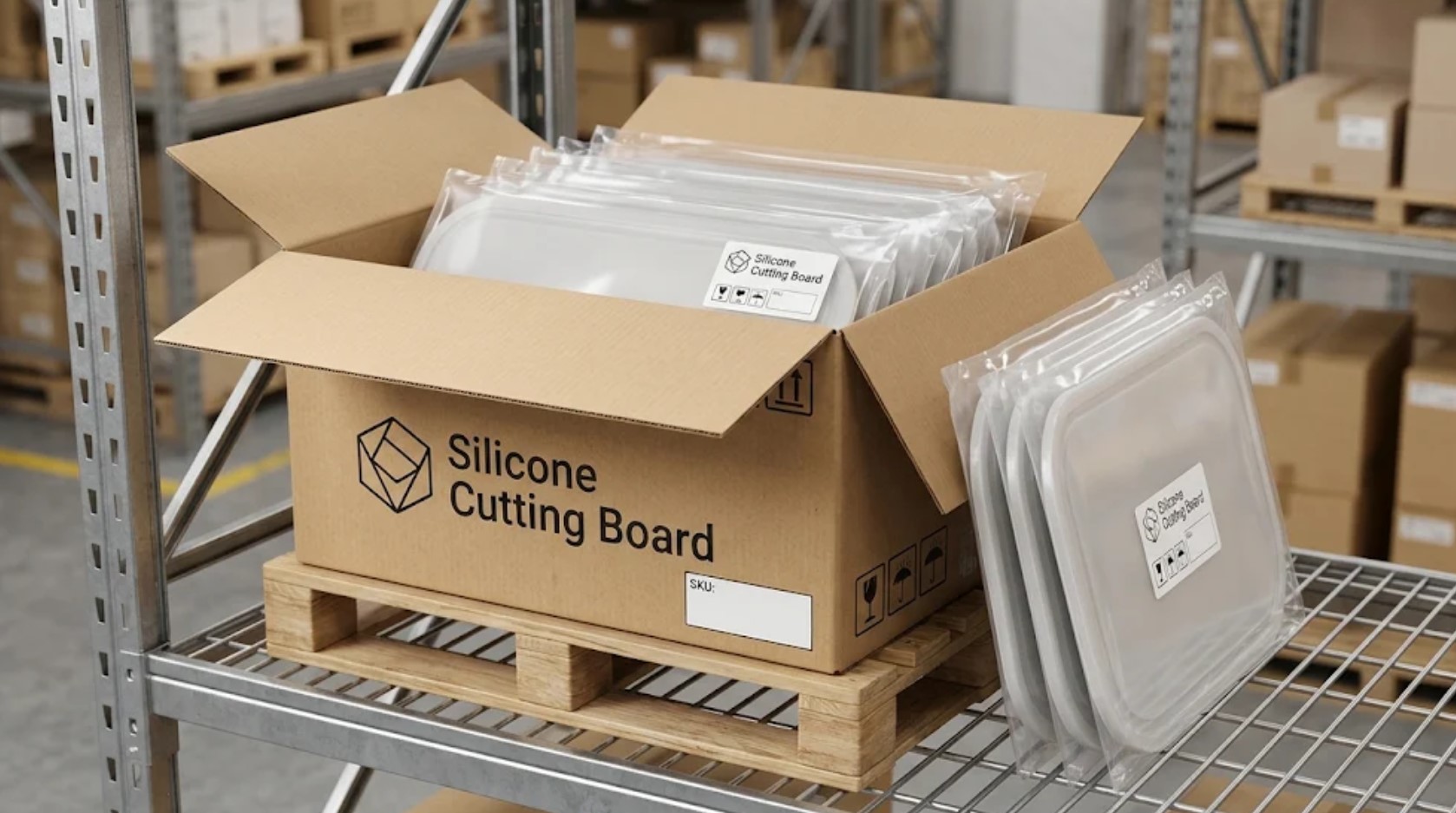
Bulk Packaging
Protect stacked boards with an agreed inner pack and carton layout. Set quantities per pack so distributors can count and handle stock efficiently.
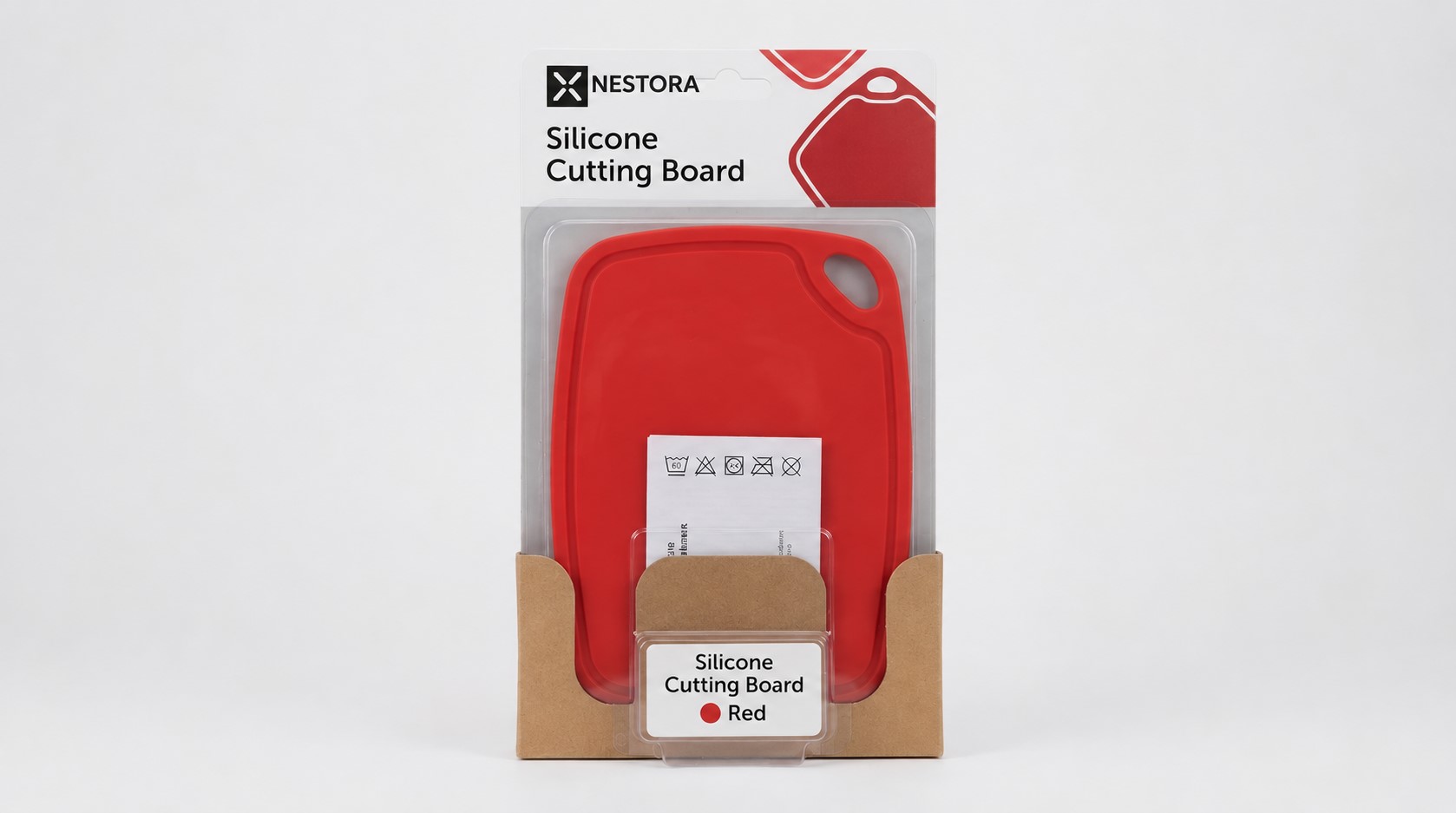
Retail Packaging
Use a sleeve, bag, or box suited to the board's approved shape. Reserve space for supplied branding, care information, and market labeling.
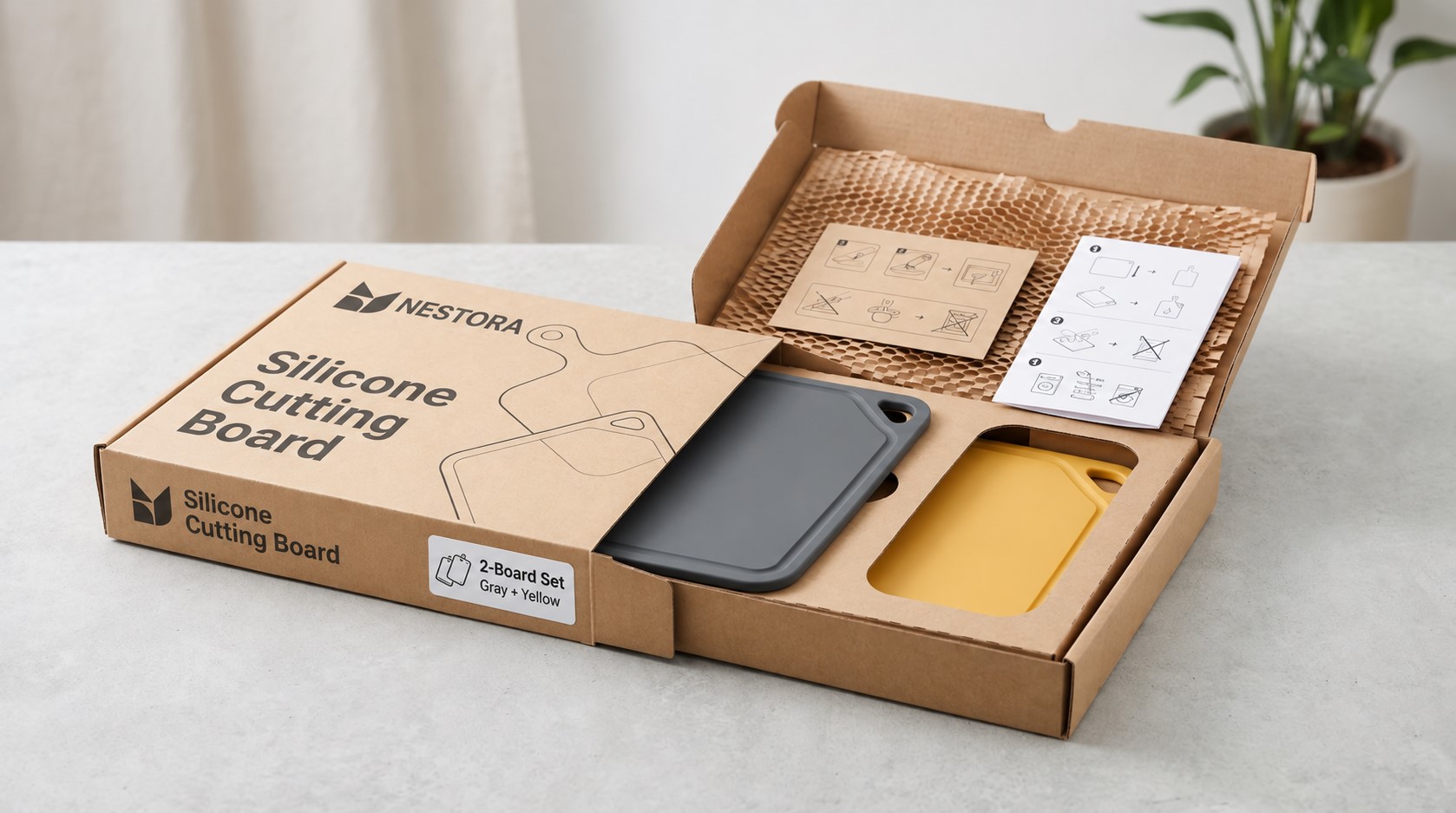
Ecommerce Packaging
Match the pack to parcel handling and product dimensions. Check barcode placement and whether folding or rolling changes the board's presentation after unpacking.
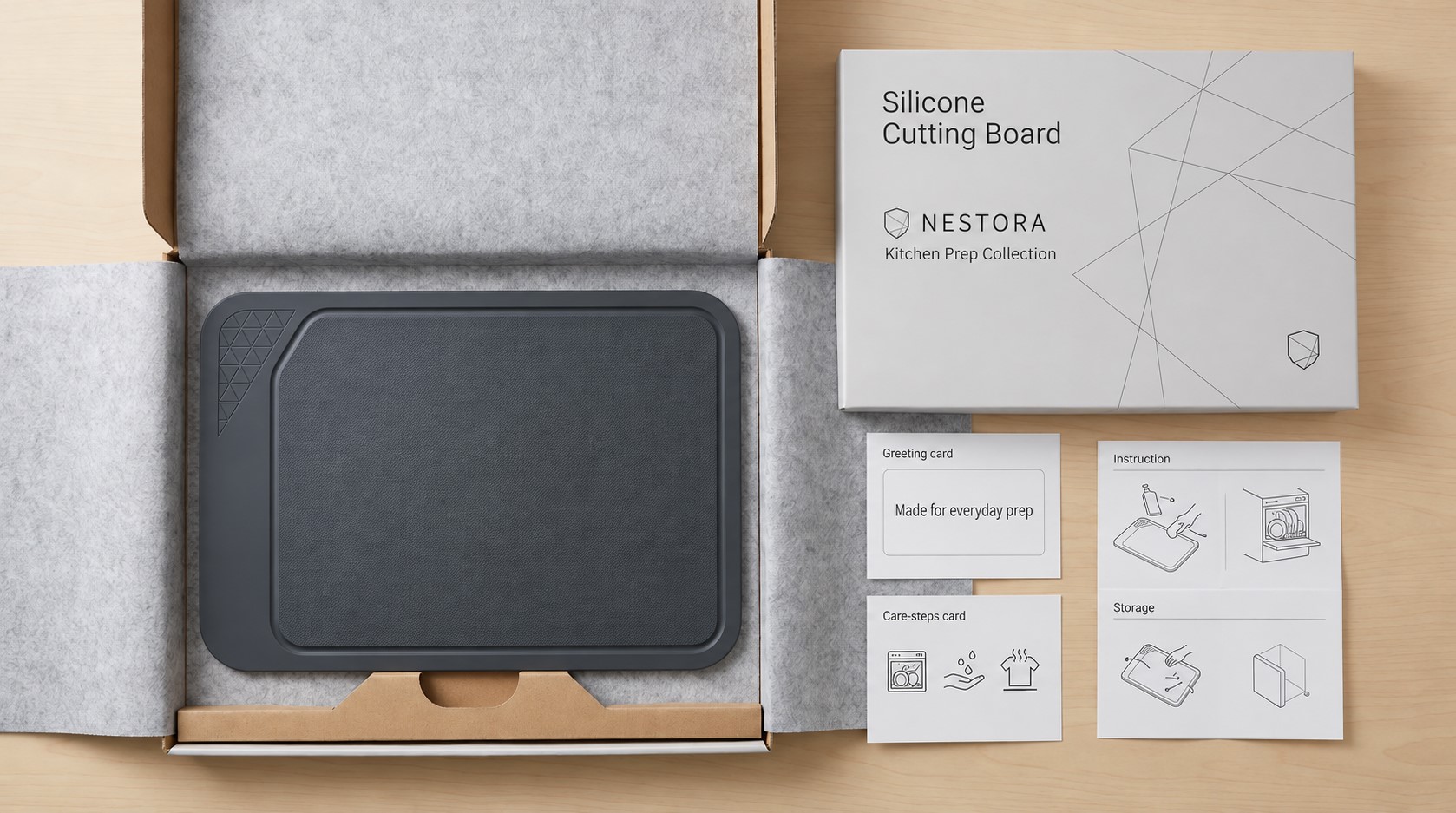
Premium Brand Packaging
Coordinate color, molded branding, and printed packaging as one presentation. Approve inserts and protective support before the final pack is released for production.
Typical Silicone Cutting Board Specifications
| Specification | Typical Reference |
|---|---|
| Product Type | Flexible silicone board, foldable board, textured-grip board, or silicone-edged composite board |
| Available Sizes | Market examples include about 230 × 180 mm, 320 × 230 mm, and 370 × 250 mm for flexible boards; send your desired sizes to our engineers for more options |
| Thickness | Market examples include 4–5 mm for selected flexible boards; confirm actual thickness and tolerance for each design |
| Weight | One retail example lists approximately 190 g for a small board, 400 g for a medium board, and 550 g for a large board |
| Set Configuration | Single board or coordinated sets, including small, medium, and large sizes |
| Material and Construction | Specify the silicone formulation, pigment, and any backing, insert, coating, or rigid substrate |
| Hardness | Select through material review and sample evaluation; record the agreed value and test method |
| Surface Design | Smooth or textured cutting face; optional underside grip pattern |
| Edge Features | Rounded corners, hanging opening, raised border, juice groove, or ingredient-transfer edge |
| Color | Single color or coordinated color-coded sets; approve a physical sample or agreed color reference |
| Branding Methods | Molded, embossed, or debossed details; assess any printed decoration separately |
| Food-Contact Requirements | Define the destination market, intended food contact, and required documentation for the finished configuration |
| Cleaning and Care | Confirm washing method, dishwasher suitability, and any temperature limits for the finished product |
| Inspection | Specify dimensions, thickness, flatness, surface defects, edge finish, and agreed sample acceptance criteria |
| Packaging Arrangements | Bulk, retail, ecommerce, or custom packaging; specify set count and storage configuration |
| MOQ and Lead Time | Confirm after design, material, tooling, quantity, and packaging requirements are reviewed |
| OEM/ODM Scope | Custom dimensions, thickness, texture, color, branding, and packaging based on the approved specification |
Market examples are indicative, not industry standards. Actual dimensions, weights, material properties, tolerances, and performance requirements must be verified for the selected design and approved sample.
Why Work with RY Silicone

Silicone Manufacturing Experience Since 2012
RY Silicone is a China-based silicone manufacturer established in 2012. Its broader manufacturing background supports design discussion and sample planning for a cutting-board project; the date does not establish category-specific production history.
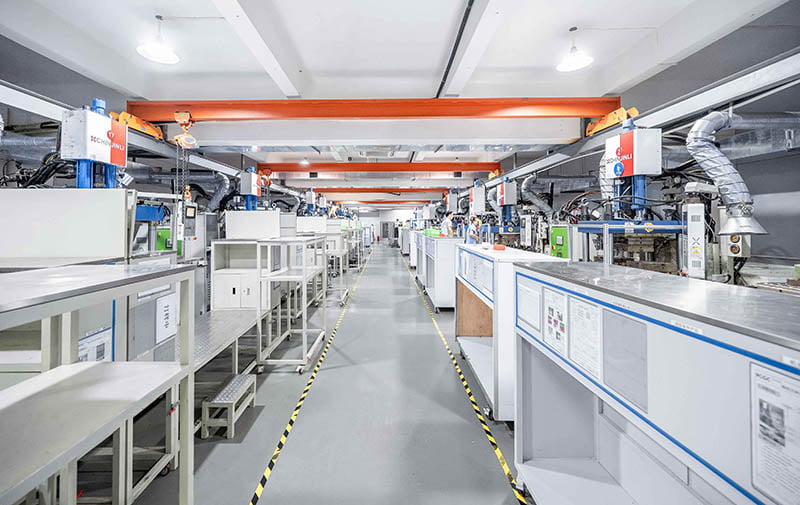
10,000+ m² Production Facility
The 10,000+ m² figure describes the overall facility across silicone product categories. Space or production arrangements assigned to cutting boards need project-specific verification.

30+ Production Machines
RY Silicone reports 30+ production machines across its manufacturing activities. That total does not identify equipment dedicated to cutting boards or establish a particular molding route.
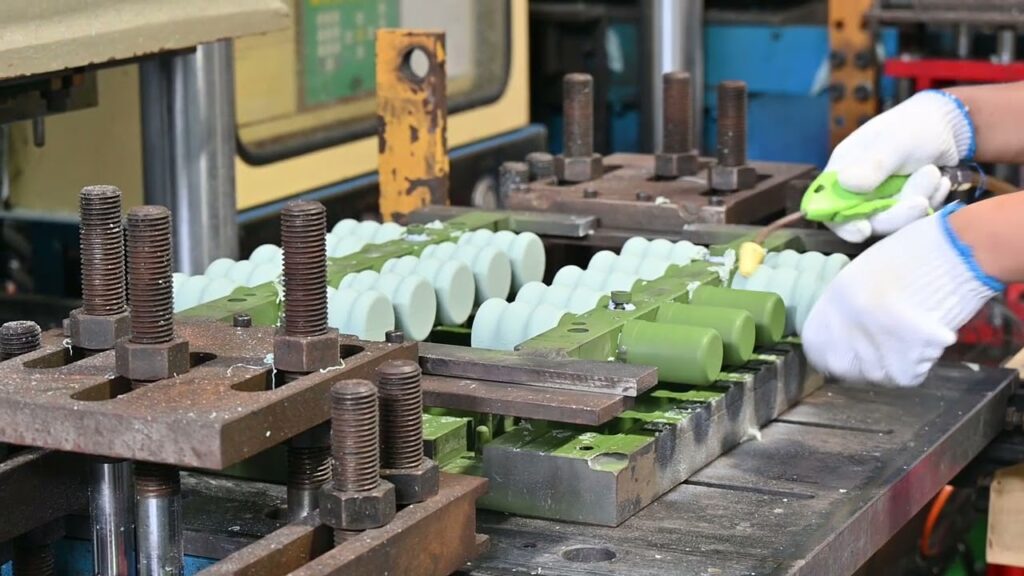
Up to 100,000 Silicone Products per Day
This factory-wide upper capacity spans product categories. Cutting-board output and delivery timing require a separate quotation based on board size, tooling, cycle, inspection, and packaging.

Engineering Review Before Quotation
We assess the usable cutting area, thickness distribution, worktop contact, surface geometry, and hanging details before proposing a board construction. Tooling and claimed performance remain tied to the approved project scope.

Sample-Based Production
An approved sample sets the reference for dimensions, flatness, texture, color, edge finish, and logo position. Any gap between drawing and sample is resolved before production release.

Export Project Support
RY Silicone coordinates overseas project specifications, packaging information, and shipment preparation. The documents needed for food contact or market entry depend on the finished board and destination requirements.
Silicone Cutting Board FAQ and Final RFQ
What is the MOQ for custom silicone cutting boards?
MOQ is quoted for your board design, tooling route, material, color, and packaging. Send the target quantity so the proposal can distinguish available options from a new-tool project.
Which silicone should we specify for a cutting board?
Start with intended food contact, knife use, destination market, and the finished design. Material and pigment selection should be documented against those requirements, with any compliance evidence scoped to the actual product.
How do silicone, rubber, TPU, and bamboo cutting boards compare?
Silicone offers flexibility and easy ingredient transfer but may develop knife marks.
Rubber boards provide resilient cutting surfaces, often with greater weight and firmness. TPU combines flexibility with a firmer cutting feel, depending on formulation. Bamboo offers rigid support but generally requires hand washing and maintenance.
For background on material selection, see our silicone vs. rubber and silicone vs. TPU guides. Evaluate the proposed cutting boards separately for knife wear, countertop stability, cleaning, and finished-product food-contact requirements.
How thick should a silicone cutting board be?
There is no universal thickness for every use. Specify the usable area and desired flexibility, then assess support, curling, and handling on a representative sample.
Will knives cut or mark the silicone surface?
Knife action can mark or damage silicone. Define the knives, cutting motions, and acceptable wear during sample evaluation; avoid promising a cut-proof board.
Will the board grip a wet countertop?
Grip changes with the board underside, counter material, and moisture. Evaluate the sample on the intended dry and wet surfaces rather than assuming a texture guarantees stability.
Can a flexible board be rolled or folded for packaging?
That depends on the approved thickness, geometry, packing duration, and recovery after unpacking. Test the intended pack before choosing a folded or rolled presentation.
Can you add our logo to the cutting board?
Provide artwork and preferred placement. A molded mark on a border or underside can be assessed for tooling, visibility, and cleaning; other methods need separate use-specific evaluation.
Are these cutting boards food-contact compliant?
Compliance is assessed for the finished material, pigments, any decoration, and the destination market. Request the exact document or test scope you need; a generic material label is insufficient proof.
Are silicone cutting boards dishwasher safe?
Do not state dishwasher suitability until it is verified for the finished board and its branding. The agreed care instructions should reflect actual cleaning and temperature evidence.
How do we start a new board design?
Send a drawing or sample with size, thickness target, cutting tasks, quantity, color, branding, packaging, and destination market. Engineering can then assess feasibility and the sampling plan.
What information is needed for an accurate quotation?
To provide an accurate quotation, please include the following key details:
- Product Specifications: Send a drawing, sample, design files, usable cutting area, intended knives, target countertop, and planned wash routine.
- Order & Market Details: Add quantities by size and color, destination market, required finished-product documents, logo artwork, and pack format.
- Testing & Quality Criteria: Specify any acceptance criteria for knife wear, wet or dry movement, cleaning, and shape after storage so tooling, MOQ, and timing can be quoted for the same configuration.
Final RFQ: Share your drawing, intended use, quantities, destination market, branding files, and packaging brief to request a project-specific quotation.