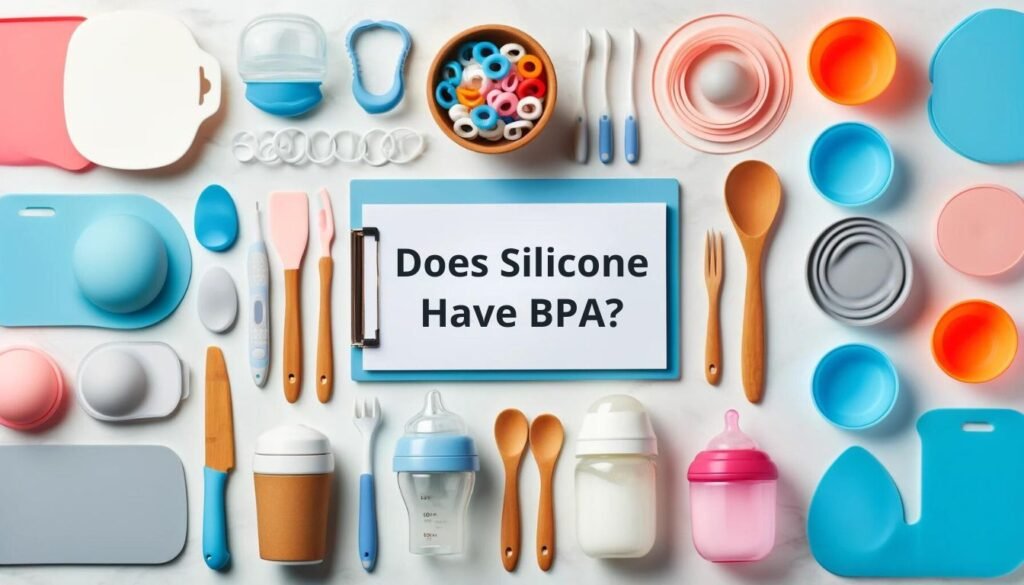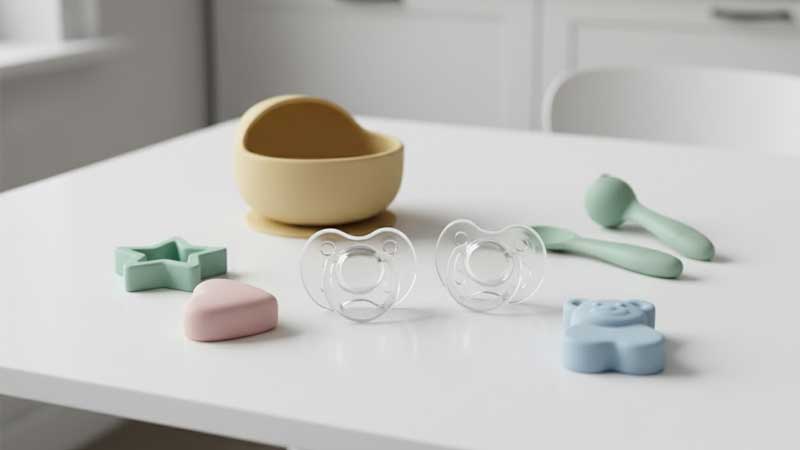
When choosing household products, you will often see two materials mentioned: silicone and TPE.
They look similar at first. Soft. Flexible. Sometimes even the same color. But in daily use, they behave very differently. And that difference shows up faster than most people expect.
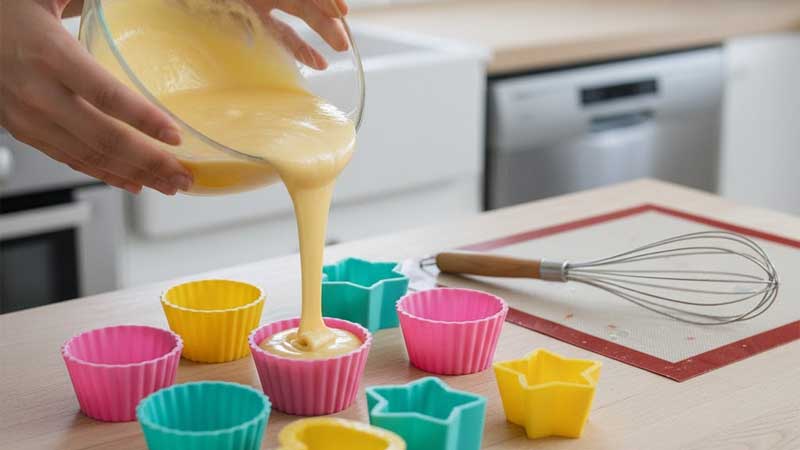
What Are Household Products?
Household products are items used almost every day. Kitchen tools. Food containers. Bathroom accessories. Cleaning tools. Pet products.
These items deal with heat, water, oil, and detergents all the time. Some go into ovens. Others stay in damp bathrooms. Many are washed again and again. Because of this, material choice is not a small detail.
Silicone and TPE are common in household products, but they are chosen for very different reasons.
Why Silicone Is Becoming More Popular in Household Products?
Silicone has become more common in household products for one main reason. It holds up.
High temperature resistance
Silicone typically works from about -40°C to 230°C.
That covers freezers, ovens, and dishwashers. In real kitchens, this matters more than spec sheets. Baking molds stay flat. Ice trays do not crack. Spatulas do not soften near heat.
Soft, but stable
Silicone feels soft in the hand. But it does not collapse over time.
After repeated bending, it still returns to its original shape. This is why silicone spatulas, lids, and baby products keep working after years of use.
Easy to clean
The surface of silicone is smooth and non-porous.
Grease and food residue do not stick easily. Most of the time, warm water or a dishwasher cycle is enough. That makes silicone practical for everyday cooking.
Food safety
Food-grade silicone meets FDA and LFGB standards.
It contains no BPA, PVC, or plasticizers. For products that touch food or a baby’s mouth, this is often the deciding factor.
Long service life
Silicone resists aging. It does not harden quickly.
Compared with common plastics or TPE, silicone usually lasts much longer in household use.
Because of this, more kitchen tools, baby products, and even bathroom items now use silicone as the main material. Not for looks, but for reliability.
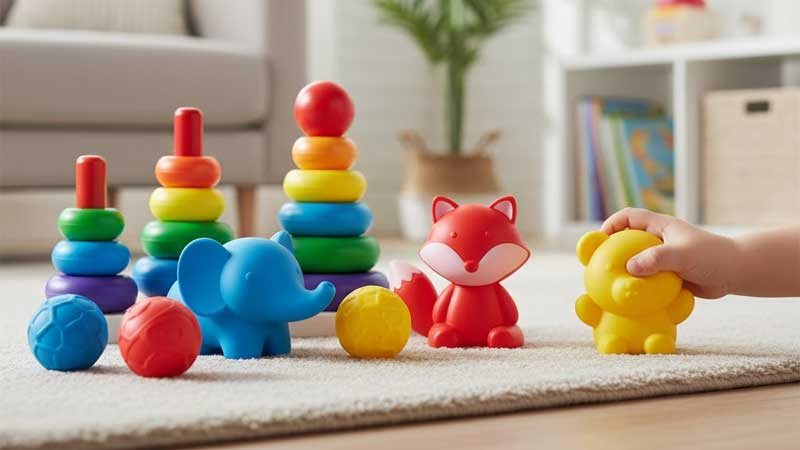
What Are the Advantages of TPE in Household Products?
TPE sits between rubber and plastic.
It feels soft like rubber, but it processes like plastic. That combination is why TPE shows up so often in household products.
Cost matters
TPE materials are relatively affordable. Processing is straightforward.
For mass-produced household items, this keeps prices under control without killing usability. That alone explains a lot of its popularity.
Comfortable to touch
TPE has a soft, elastic feel.
It works well for handles, grips, and anti-slip areas. Cleaning tools, bathroom accessories, and the outer layer of children’s toys often rely on this softness. It simply feels better in the hand.
Recyclable
Unlike silicone, TPE can be remelted and reused.
From a manufacturing and waste perspective, this gives TPE an advantage over many traditional plastics.
Color flexibility
TPE takes color easily.
Bright tones, soft finishes, and even gradient effects are easier to achieve. For household products that need visual appeal or brand identity, this is a practical benefit.
Fast production
TPE works well with injection molding and extrusion.
Cycle times are short. Output is high. For large-volume orders, this efficiency matters.
In everyday households, TPE is commonly used for cleaning tool handles, anti-slip covers, container seals, bathroom anti-slip products, and toy surfaces. It is chosen less for heat resistance and more for touch, appearance, and cost control.
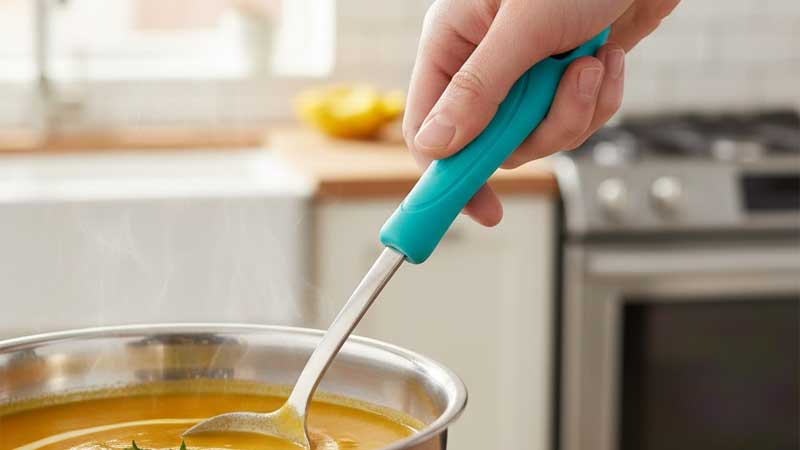
Key Differences Between Silicone and TPE
| Feature | Silicone | TPE |
| Temperature resistance | -40°C to 230°C | Around -30°C to 120°C |
| Safety and environmental | Non-toxic, food-grade safe | Depends on grade; some contain plasticizers |
| Elasticity over time | Stable, long-term | Soft at first, may harden with aging |
| Cost | Higher | Lower |
| Appearance | Matte, soft | Glossy, visually flexible |
| Recyclability | Difficult | Easy |
The choice is usually clear in practice.
If a product needs high heat resistance or long-term food contact, silicone is the safer option. If the focus is grip, soft-touch surfaces, or cost-sensitive household goods, TPE does the job.
Real-Life Use Comparison: What Happens After Months of Daily Use?
At first touch, silicone and TPE feel very similar. Soft. Flexible. Hard to tell apart.
The difference shows up later. After months of real use. In kitchens, bathrooms, and with children’s products.
In baking and cooking, silicone stays consistent. Silicone baking molds remain flexible after hundreds of oven cycles. They do not warp or crack. Dishwashers do not bother them much. Ice trays made from silicone still release easily, even after long periods in the freezer.
TPE usually feels softer at the beginning. But with repeated washing, heat, and constant moisture, some TPE grades slowly lose elasticity. In humid bathrooms, grips and anti-slip mats can become a bit harder over time. Not always, but often enough to notice.
Seals and lids show the same pattern. Silicone keeps a tight seal after frequent opening, closing, and cleaning. TPE seals tend to relax faster when exposed to warm water, detergents, or steam. This becomes obvious in food containers used every day.
The takeaway is simple. Silicone handles heat and repetition better. TPE works for general household use, but it is more sensitive to heat, moisture, and how often it gets cleaned.
Odor, Taste, and Aging in Daily Household Use
Smell and taste matter more than people think. Especially in kitchens and baby products.
High-quality silicone is naturally odorless and tasteless. It does not absorb food smells, oils, or flavors. Even after repeated heating, freezing, and washing, silicone spatulas and baking molds stay neutral. That is why silicone is widely used for food-contact and infant products.
TPE depends on formulation. Some grades perform well. Others hold onto odors or develop a slight plastic smell over time. Heat, oils, and strong detergents make this more noticeable, especially in lower-grade or non-food-contact TPE.
When it comes to aging, silicone is more predictable. It resists hardening, cracking, and discoloration, even with frequent temperature changes. TPE can age faster in tougher conditions. Long exposure to heat, UV light, or cleaning chemicals may cause some TPE materials to stiffen, fade, or lose surface quality.
If cleanliness, neutral smell, and long-term stability matter in your household, silicone usually has the edge.
Which Is Better for Your Home: Silicone or TPE?
People often ask which one is better, silicone or TPE. In real homes, the answer shows up quickly.
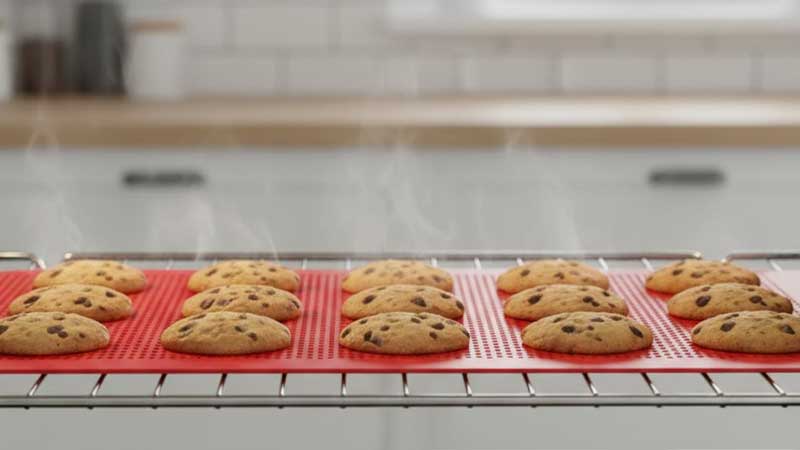
If the product goes near heat, silicone usually wins. Ovens, microwaves, freezers. Even dishwashers. Silicone handles all of that without changing much. That is why baking molds, spatulas, and food containers often use it. After years, they still feel the same.
Baby products are similar. When something stays in a baby’s mouth, I prefer silicone. It stays odorless. It does not absorb flavors. And it does not rely on plasticizers to stay soft.
TPE works in a different way. It feels very soft at first. Grips, handles, and anti-slip surfaces benefit from that. Bathroom mats, brush handles, and tool grips are common examples. They are comfortable and cheaper to produce.
But TPE has limits. Heat shortens its life. So does constant washing. In warm, humid places, some TPE products slowly get firmer. You may not notice it in the first months. Later, you will.
For long-term use, silicone is easier to trust. It ages slowly. It does not harden easily. If a product is meant to last for years, silicone is usually worth the higher price.
For simple, everyday items, TPE is fine. If there is no heat and no food contact, cost matters more. That is where TPE fits.
So the choice is not really about which material is better. It is about where the product will be used, how often, and under what conditions.
Conclusion
If heat, food contact, or long service life matter, choose silicone.
If comfort, grip, and price matter more, TPE does the job.
That is how these materials behave in real use.
We develop custom silicone household products. Material selection, mold design, and production are handled by teams who work with silicone every day, not just on paper. If you need silicone products that perform well after years of use, we can support your project.