When the temperature really drops, silicone seals in all kinds of equipment can start to leak. Automotive systems, HVAC units, medical devices, and outdoor power gear, we see the same pattern every winter. Standard parts that worked fine in mild weather suddenly lose their seal once it hits -35°C or lower. Failure rates for ordinary silicone can rise 30–50% in real cold.
If you’re facing leaks right now or you want to avoid them next season, this piece walks through exactly why it happens and what fixes it in practice. We make these seals every day in our shop, and the details below come straight from years of running the presses and testing in cold boxes.

How Silicone Seals Work and Common Types
A silicone seal does one simple job: it gets compressed between two surfaces and pushes back to close any gaps. That steady pressure keeps oil, air, or water right where it belongs.
In our shop we produce four main styles on a regular basis. Here’s how they line up:
| Type | Typical Hardness | Where We See It Most | Usual Temp Range |
| O-rings | 50–70 Shore A | Pumps, valves, engines | -55°C to 200°C |
| Flat gaskets | 40–60 Shore A | Covers, housings | -50°C to 180°C |
| Lip seals | 60–80 Shore A | Spinning shafts | -45°C to 150°C |
| Custom molded bits | 30–90 Shore A | Medical stuff, appliances | Depends on the mix |
O-rings still make up most of what comes off our lines – around 70%. The shape changes, but the rules stay the same: pick the right compound and set the right squeeze, and cold weather stops being a problem.
The Science: Why Silicone Turns Stiff and Brittle When It’s Freezing
Regular VMQ silicone has a low-temperature crystallization limit near -55°C. Stay above that temperature and the molecular chains stay loose and flexible. Drop much lower and they lock up. The seal loses its spring.
A few practical things make it worse once winter hits:
- Silicone shrinks more than metal or plastic. The gap between parts opens slightly while the seal gets smaller.
- Hardness climbs quickly. At -45°C the Shore A reading can jump 5–10 points. What felt soft in the shop suddenly feels like stiff plastic.
- Compression set gets serious. We run ASTM D395 checks on every new batch. At room temperature it might sit around 8% after 24 hours. At -40°C the same material can reach 35%. It simply stays flattened.
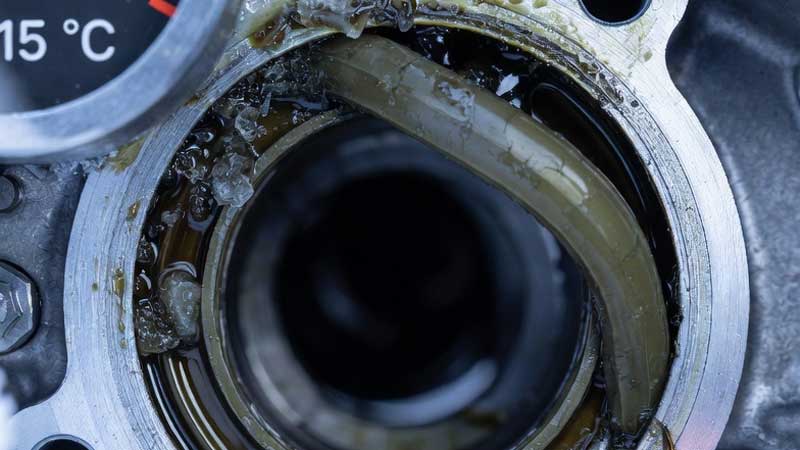
Any moisture that freezes in the groove adds extra pressure and can start cracks. Moving parts suffer most because the stiff seal can’t follow quick motion anymore.
Lessons from the Production Floor: Common Pitfalls and How We Avoid Them
Over the years we’ve learned to spot the same four issues that cause cold-weather trouble. Here’s what shows up again and again – and exactly how we build around them.
First: using standard VMQ when the application needs phenyl-modified silicone. Plain grade works down to about -55°C in static spots, but adding phenyl groups keeps the material flexible all the way to -100°C. We now default to the phenyl version for anything rated below -30°C.
Second: choosing hardness that’s too high. Many specs call for 70 Shore A because it feels strong. In freezing conditions that extra hardness makes the seal too rigid. We guide customers toward 50–60 Shore A for cold service – it keeps its elasticity much longer.
Third: short post-cure cycles. Peroxide-cured parts need a full 2 to 4 hours at 200°C after molding. We never cut that time. The extra step locks in the cross-links and keeps compression set low even at -40°C.
Fourth: too much filler. Silica fillers improve tear strength but hurts low-temperature flex. We keep filler levels modest on our cold-rated compounds and let the base polymer carry more of the load.
These choices are baked into our process now. They add almost nothing to the cost but make a big difference when the temperature falls.
Quick Checks: Will Your Seals Survive the Next Cold Snap?
You can get a good idea without lab equipment. Try these three steps:
- Squeeze test. Pinch the seal hard at room temperature. It should spring back fast and clean.
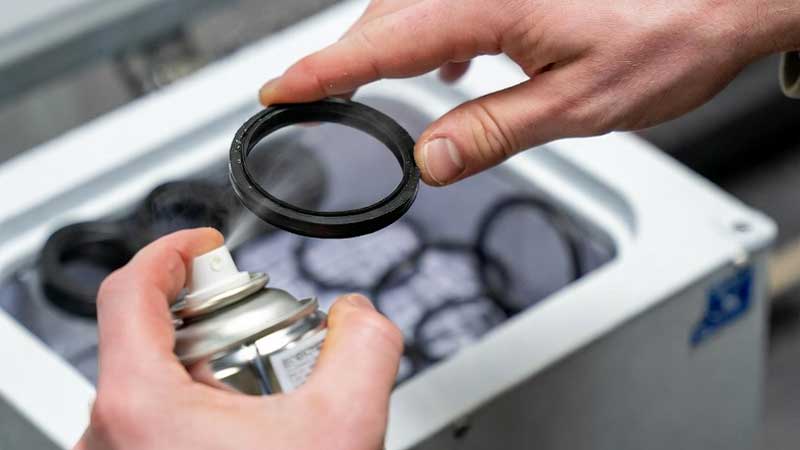
- Freeze spray. Grab a can from the electronics aisle, hit the seal for ten seconds, then press again. If it stays flat, cold weather will cause trouble.
- Freezer overnight. Compress a small piece 25%, put it in the freezer, and check recovery the next morning. Less than 80% means the material may not hold up.
For critical jobs we run full cold-box tests on samples at no charge.
Ways That Actually Stop the Leaks
Three changes usually solve the problem for good.
Better material
- Standard VMQ → phenyl low-temp grade (handles -100°C)
- Phenyl silicone → fluorosilicone when oil resistance is also needed
We keep both in stock and can mold most sizes in under two weeks.
Smarter groove design
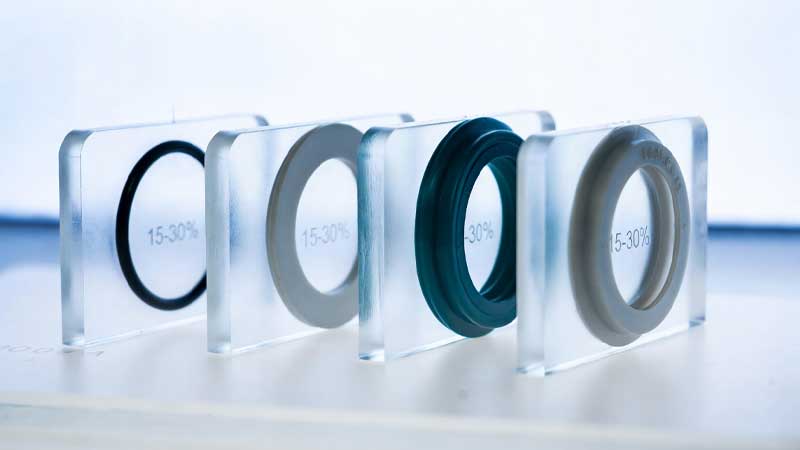
Target 15–30% compression. Make the groove width 15% wider to allow for expansion. So there’s still room when shrinkage happens. Add a small chamfer on the edges to ease stress. We draw these adjustments for customers all the time.
Simple fitting habits
Warm the seal and mating parts to at least 10°C before assembly. Use a thin layer of low-temperature silicone grease. Re-check torque after the first freeze-thaw cycle – materials move at different rates.
Our LT-100 O-rings and Extreme Cold gaskets have sat through 500 hours at -50°C on the test rig with zero leaks. Plenty of customers now run them year-round. The price difference is usually only 8–12%.
How We Build Cold-Proof Parts from Scratch
Every batch starts with raw material that has a verified glass transition temperature. We adjust the phenyl content during mixing based on the lowest temperature the customer expects. Mold temperatures stay within ±1°C. Full post-cure runs every time. First-off parts go straight into the -70°C cold box for leak testing.
We also track TR-10 retraction and cold-bend results on every new compound. Small steps like these keep winter performance reliable without raising costs.

Stories from Real Applications
An outdoor power station in Norway switched to phenyl silicone O-rings after seeing leaks at -30°C with standard material. Two full winters later the seals are still holding perfectly and service costs dropped sharply.
A medical ventilator maker needed lip seals that stayed flexible during winter shipping tests. A custom 55 Shore A compound plus a small groove tweak passed -40°C on the first run. That spec is now standard for their export units.
A Canadian HVAC builder had panel gaskets cracking in cold storage. Moving to a 45 Shore A material with better tear strength cut field issues from 22% to almost zero.
Each case started with a quick look at temperature, media, and groove design.
Frequently Asked Questions
Will regular silicone handle -40°C?
It can work in very light static use with perfect groove fit, but most real applications below -30°C need the low-temp version.
Material issue or design issue?
Usually a mix of both. Even good material fails if the groove is too shallow. We review drawings for free if you send them over.
Phenyl or fluorosilicone – which is better?
Phenyl gives the best cold flexibility. Fluorosilicone adds oil resistance but doesn’t go quite as low in temperature. We match the choice to your fluid and coldest expected reading.
How do I check my own parts?
The freeze-spray test is quick and reliable. Or run the overnight compression check. We’ll do full lab tests at no charge for serious projects.
Does harder material help in cold?
No – softer grades (50–60 Shore A) almost always perform better below freezing.
How much more for cold-rated seals?
Usually 8–15%. The savings in downtime and service calls cover it quickly.
Conclusion
Cold weather does not have to mean leaks. The right compound, proper groove, and careful production take care of it. If you’re seeing issues now or planning ahead, just let us know your lowest temperature, the media inside, and the size range. We’ll send a clear recommendation and free samples in a couple of days.