Picking the right cooking utensil material seems straightforward at first. But once you start using them day after day, it really comes down to how they hold up under real heat, constant use, and whatever style of cooking you actually do in your kitchen.
Nylon and silicone have become the go-to options in most modern kitchens. Both get the job done, both feel practical, but they shine in different ways. Instead of declaring one the absolute champion, let’s just lay out where each one actually fits best.
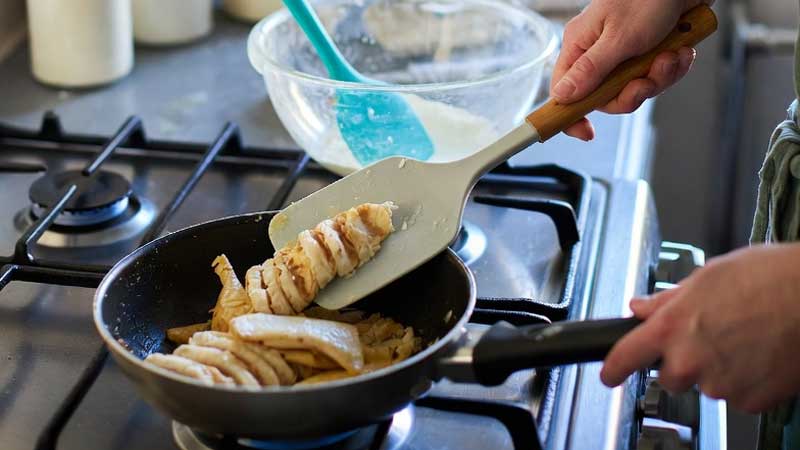
The Real Problem Behind Material Choice
Most people shopping for utensils quietly worry about the same three things.
Is it truly safe around food?
Will it last more than a few months?
Does it actually match how I cook every night?
Those questions usually decide if a tool becomes your daily favorite or ends up in the back of the drawer. And right now, the nylon versus silicone debate sits smack in the middle of that choice.
What Are Nylon and Silicone Cooking Utensils?
Nylon Cooking Utensils
Nylon has been a kitchen staple for decades. It’s a tough synthetic polymer that feels solid right from the start.
You get something relatively stiff, super lightweight, and easy on the wallet. Most folks reach for nylon when they need to stir pots, flip burgers, or handle everyday tasks where you want a bit of backbone. It just works for basic cooking without much fuss.
Silicone Cooking Utensils
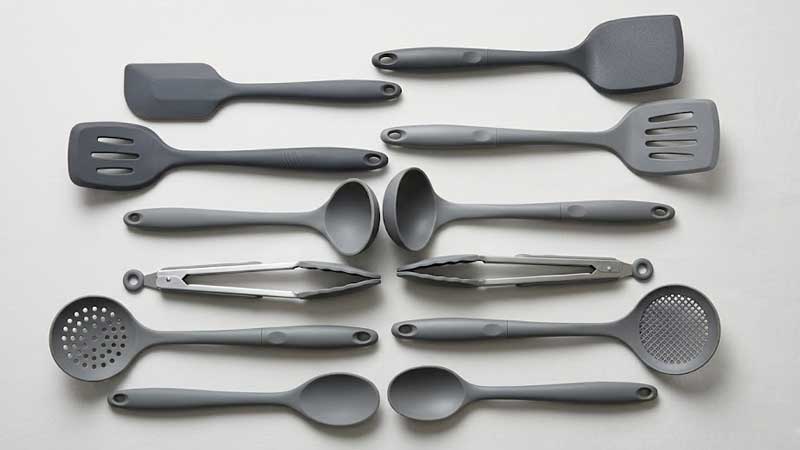
Silicone feels like the newer kid on the block, but it’s taken over a lot of kitchens lately. This stuff is soft, bendy, and built to handle serious heat.
It’s flexible, incredibly heat-resistant, and stays chemically stable when it’s made the right way. You see it everywhere now in baking spatulas, mixing spoons, scrapers, and tools for high-heat work. Higher-end sets lean heavily on silicone these days, and there’s a reason for that.
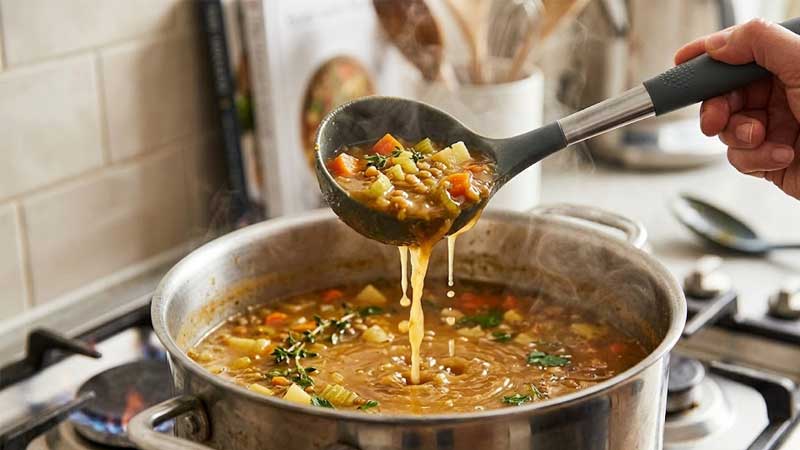
Performance Comparison: How Nylon and Silicone Utensils Behave in Real Cooking
Heat Resistance
- Temperature Limits
Here’s a quick side-by-side that actually matters when your pan is screaming hot.
| Material | Heat Resistance |
| Nylon | around 400–450°F |
| Silicone | around 500–600°F |
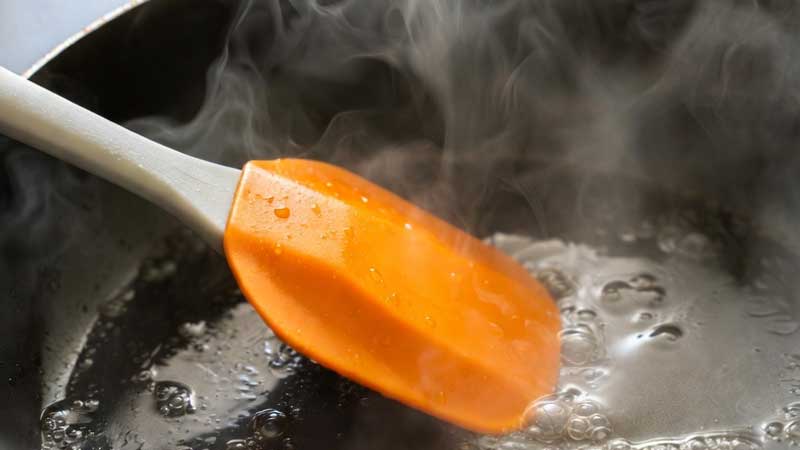
On paper they both sound fine for cooking. In real life the gap shows up fast. Nylon starts to soften if you keep it on high heat too long. Silicone just keeps its shape and keeps working, even when things get intense.
- Real Cooking Scenarios
Think about actual nights in the kitchen, frying chicken, stir-frying vegetables on full blast, baking casseroles, or boiling pasta.
In those moments silicone stays consistent. Nylon gets the job done in milder situations, but you start noticing its limits pretty quick. For anything that runs hot and heavy, silicone simply feels like the safer pick.
Safety & Chemical Stability
- Nylon Safety Risks
Nylon can be perfectly safe when you stay within its limits. The worry kicks in once heat pushes past what it can handle. The material might start breaking down, show discoloration, or even release small compounds over years of heavy use. It doesn’t happen every time you cook, but in high-heat kitchens it becomes something you actually think about.
- Silicone Safety Advantages
Good silicone, especially the food-grade stuff, checks all the boxes—BPA-free, PVC-free, and it just doesn’t react with your food. It stays stable even after hundreds of hot meals. Of course quality still matters. You’ve got basic silicone, real food-grade, and premium platinum-cured versions. The difference between a cheap import and a well-made piece is night and day. In the end, who made it matters as much as what it’s made of.
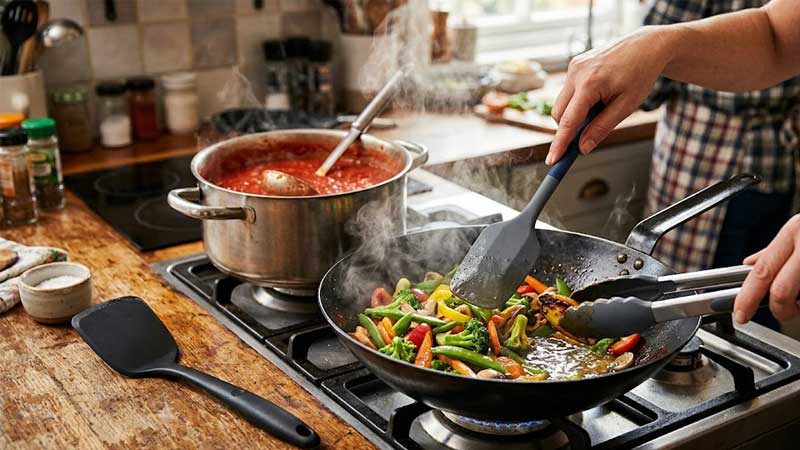
Physical and Functional Differences
- Strength vs Flexibility
Some tools need muscle. Others need a gentle touch. Here’s how the two materials actually feel in your hand.
Nylon gives you real rigidity and solid control—great when you’re lifting heavy pieces of meat or flipping something that needs a firm push. Silicone bends and flexes, so it’s kinder to delicate foods and softer ingredients. You get different results because you’re holding two completely different tools.
- Task-Based Performance
Let’s break it down by what you actually do in the kitchen.
Flipping meat? Nylon feels stronger.
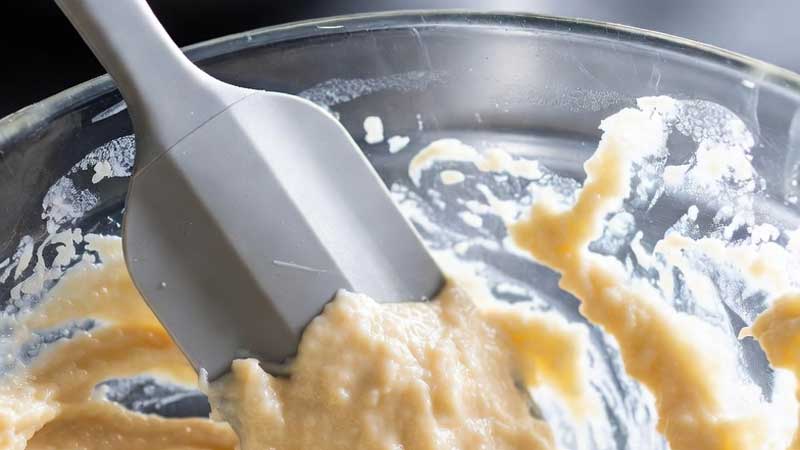
Scraping the last bit out of a bowl? Silicone wins hands down.
Mixing thick batters? Nylon has the edge.
Baking or high-heat work? Silicone pulls ahead again.
No single material rules everything. The right one depends on what ends up on your stove most nights.
Durability & Long-Term Value
- Nylon
Most nylon utensils last one to three years before they start looking tired. They gradually get brittle, pick up stains, or just don’t feel the same anymore. You replace them without thinking twice.
- Silicone
Silicone pieces regularly go five, ten, even fifteen years and still feel like new. The flexibility stays, cracks are rare, and they just keep performing. When you step back and look at the long game, silicone almost always wins on durability.
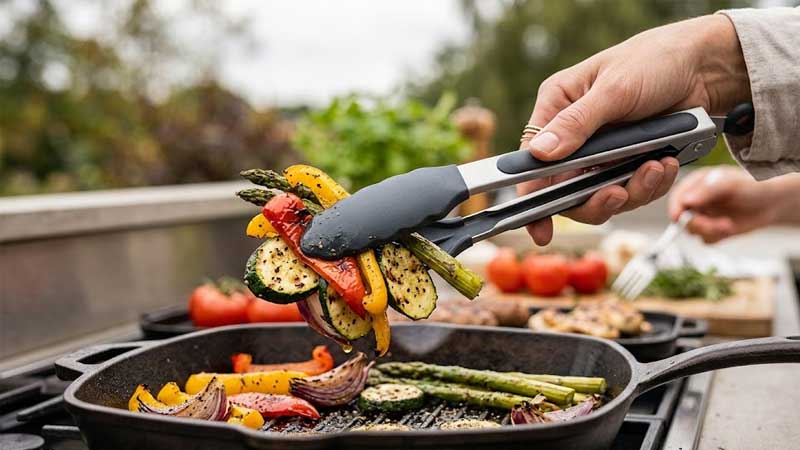
Cookware Protection & Non-Stick Safety
Both materials play nice with non-stick pans, but the way they treat the surface is different. Nylon’s firmness can slowly wear down coatings over time. Silicone’s softness lets it glide and adapt, so your expensive pans stay in better shape longer. If you’ve invested in good non-stick cookware, silicone quickly becomes the obvious choice.
Cleaning, Maintenance & Practical Use
Silicone wins this round pretty easily. It goes straight in the dishwasher without drama, shrugs off stains better, and almost never holds onto odors. Nylon can be dishwasher-safe on some pieces, but it picks up smells and marks more readily. After a year or two you notice the difference every time you pull them out of the drawer.
Odor and Aging Behavior
Nylon sometimes hangs onto light food smells after a while. Silicone can pick up odors too, but a quick blast of heat usually sends them packing. It’s one of those little kitchen tricks you learn after a few years, nothing complicated, just practical.
Cost vs Lifetime Value
Nylon wins on sticker price. You can grab a solid set for not much money and it gets the job done. Silicone costs more up front, but when you realize you’re not replacing it every couple of years, the math starts looking pretty good in its favor. Over time a lot of home cooks say the extra dollars pay for themselves.
Environmental Impact & Sustainability
Neither material breaks down in a landfill, but the way we use them matters. Nylon tools get tossed more often because they wear out faster. Silicone lasts longer, so you end up with less waste overall. From a full lifecycle view, the longer-lasting option usually wins on the environment too.
How to Choose: Use Case Decision Framework
Pick nylon when you want something cheap, need that stiff control for flipping heavier foods, or you’re just doing straightforward everyday cooking.
Go with silicone when high heat is part of your routine, you bake a lot, you care about food safety, or you want tools that will still be going strong years from now.
Hybrid Kitchen Strategy
Most of us who cook every day end up keeping both around. Nylon for the jobs that need real backbone, silicone for everything else that runs hot or needs a soft touch. It’s not about picking sides. It’s about having the right tool for whatever lands in the pan tonight. A lot of good kitchen sets now mix the two for exactly that reason.
Quality & Procurement Guide
Not every utensil on the shelf is created equal, no matter what the label says.
For nylon, look for BPA-free claims, decent heat ratings, and some extra reinforcement so it doesn’t snap early.
For silicone, insist on clear food-grade certification, platinum-cured material if possible, no cheap fillers, and one-piece construction. Those small details separate the pieces that last a decade from the ones that disappoint after six months.
Business Perspective
Nylon still rules the budget and high-volume market. It’s what you see in entry-level sets everywhere. Silicone, on the other hand, has moved into premium territory. It’s easier to brand, easier to customize, and it supports higher margins while building real customer loyalty. For anyone running a kitchenware line, silicone just feels like the future.
FAQ
Are silicone utensils safe?
Absolutely, as long as they carry proper food-grade certification. They’re one of the most reliable options out there right now.
Can nylon melt?
It can soften or warp if you push it past its heat limit. That’s why a lot of us keep the high-temp work for silicone.
Which is better for non-stick pans?
Both are safe, but silicone’s softness protects the coating way better over time.
Which lasts longer?
Silicone hands down. Most people see five to ten years or more before it shows any real wear.
What is the safest material for cooking utensils?
Right now, high-quality food-grade silicone sits at the top of the list for most home cooks who want peace of mind and performance that lasts.
Conclusion
There’s never one perfect answer that fits every kitchen. But after watching how these tools actually perform over years of real use, silicone pulls ahead on heat resistance, long-term stability, food safety, and plain old durability. Nylon still has its place, especially when price matters and you need that firm grip for certain jobs.
The smartest move most people make? Keep a few of each and use them where they shine. Your cooking gets easier, your pans last longer, and you stop replacing utensils every other year.