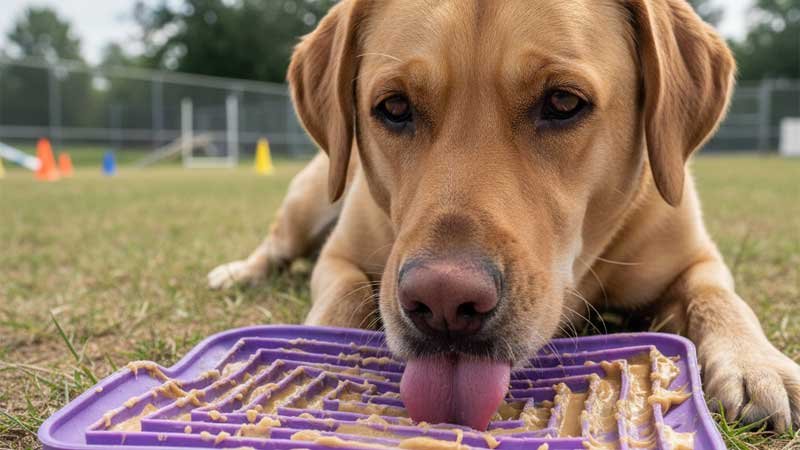
With the rapid growth of the pet market, more dog owners are paying attention to their pets’ mental health and overall quality of life. Among various enrichment tools, silicone lick mats have gained popularity for their thoughtful design and practical benefits. But are silicone lick mats suitable for every dog? What real advantages and potential risks do they carry? This article explores the topic in depth.

What Is a Silicone Lick Mat?
A silicone lick mat is a pet care tool designed for dogs. It is safe, non-toxic, and durable. The surface often has grooves, bumps, or maze-like patterns. Owners can spread wet food, peanut butter, or yogurt on the mat, and dogs get their food by licking it slowly. This activity satisfies their natural licking instinct, extends mealtime, and helps ease stress while providing mental stimulation.
Silicone material makes the mat soft, strong, and easy to clean. It is ideal for long-term use. With both fun and health benefits, a silicone lick mat has become a practical choice for many pet owners.
What Are the Benefits of a Silicone Lick Mat?
Licking is a natural behavior for dogs. It provides comfort and helps them stay calm. A silicone lick mat turns this instinct into a healthy and useful activity through thoughtful design.
Stress and Anxiety Relief
Dogs often feel anxious when left alone, exposed to loud noises, or placed in new environments. A lick mat offers a safe distraction. By licking food from the mat, dogs can find comfort and relax. Studies show that licking stimulates the release of endorphins, giving a calming effect similar to the relaxation humans feel after exercise.
Example: When the owner leaves home, spreading a small amount of peanut butter or yogurt on the lick mat can keep the dog focused on licking instead of barking or chewing furniture.
Mental Stimulation
Many household dogs lack enough mental activity. This can lead to boredom or destructive behavior. The textured surface and food placement on a lick mat encourage dogs to think and explore while licking, such as searching for food hidden in the grooves. This keeps their minds active and satisfies their natural curiosit/y.

Slower Eating
Eating too quickly can cause indigestion, vomiting, or even bloating. A lick mat forces dogs to eat at a slower pace. This supports digestion, helps with weight control, and reduces the risk of obesity. For breeds that require careful diet management, such as Huskies or Dachshunds, a lick mat is especially helpful.
Oral Health
The textured surface of the lick mat can gently massage gums and help clean food residues from teeth. While it does not replace brushing or dental products, it works as a useful aid to reduce plaque buildup and bad breath. For puppies and senior dogs, gentle gum stimulation can also improve blood circulation in the mouth.
How to Use a Silicone Lick Mat Correctly?
To get the best results from a silicone lick mat, both usage and daily care need to be handled properly. Many owners simply spread food on the mat and let the dog lick it. In fact, food choices, time control, and cleaning methods all require some attention.
Choose the Right Food
Safe, spreadable foods are the best options, such as unsalted peanut butter, plain yogurt, pumpkin puree, canned wet food, or homemade meat paste. These foods keep dogs interested while remaining healthy. Avoid harmful ingredients like chocolate, caffeine, onions, or raisins. Also limit sugary or salty foods, as they can affect long-term health.
Control the Time of Use
A lick mat is designed to ease anxiety and slow down eating, not to keep dogs occupied all day. In most cases, each session should last about 10–20 minutes. This gives comfort and satisfaction without creating dependency or mouth irritation. If used for calming, such as before the owner leaves home, the time can be slightly longer, but continuous all-day use should be avoided.

Use in Different Situations
Lick mats are versatile and can be used in many daily scenarios:
- Training rewards: Offer the lick mat after a completed task to build positive associations.
- Bath or grooming time: Stick the mat on the bathroom wall so the dog stays calm while licking, making washing or trimming easier.
- Before leaving home: Give the dog a lick mat to distract them and reduce separation anxiety.
Cleaning and Sanitizing
Cleaning after each use is essential to prevent food buildup and bacteria. Warm water usually works well. For tougher residues, use a soft brush. Since food-grade silicone is heat-resistant, the mat can be washed in a dishwasher or sterilized with hot water. Regularly check for cracks or damage to prevent pieces from breaking off and being swallowed.
Combine with Daily Life
A lick mat is a helpful tool, but not a replacement for real interaction. It supports slower eating and mental stimulation, yet it cannot replace daily walks, exercise, or play with the owner. The best approach is to use it as part of a balanced routine, combining food, mental activities, and physical exercise so the dog stays healthy and happy in every way.

What Are the Potential Drawbacks of Silicone Lick Mats?
Silicone lick mats bring entertainment and stress relief, but they also come with a few concerns. If these risks are ignored, they may affect your dog’s health or overall experience. Knowing the common drawbacks and taking simple steps can help you use lick mats more safely and effectively.
| Potential Drawback | What It Looks Like | Suggested Solution |
| Limited bite resistance | Some dogs like chewing instead of only licking. They may damage the mat or swallow small pieces. | Watch your dog’s habits, especially at the beginning. Avoid leaving it unattended for too long. Choose thicker mats with chew-resistant designs. |
| Poor cleaning may cause bacteria growth | Leftover food stuck in gaps can lead to bacteria, bad smells, or even health issues. | Clean the mat after every use. Hot water or a dishwasher can help. Check regularly for any residue or deformation. |
| Risk of dependency | If used too often, a dog may rely on the lick mat as the main way to calm down. | Limit use to 1–2 times a day. Mix it with toys, walks, and training to keep activities balanced. |
How to Choose a Silicone Lick Mat?
When selecting the right silicone lick mat for your dog, several key points deserve attention. These factors directly affect safety, durability, and the overall experience.
First, material certification is essential. Always choose products made from food-grade silicone that clearly indicate FDA or LFGB approval. These certifications provide the most direct and reliable assurance of quality.
Next, consider thickness and durability. A high-quality lick mat usually uses thicker silicone with a certain level of firmness. This design helps prevent the mat from bending or being damaged easily by chewing.
Adhesion design is equally important. Many top-notch mats feature strong suction cups or precise anti-slip textures on the bottom. This improves attachment to floors, refrigerator doors, or other smooth surfaces. It prevents the mat from sliding while your dog licks, keeping them focused and ensuring a smoother licking experience.
Finally, texture design influences usability. Choose based on your goals: if you want to extend mealtime and occupy your dog longer, select mats with deeper, more complex textures. For easier food application and quicker cleaning, mats with shallow, simple textures are preferable.

Conclusion
For most dogs, silicone lick mats offer multiple benefits: they can reduce anxiety, provide mental stimulation, slow down eating, and assist with oral care. The key lies in choosing high-quality, food-grade silicone products and using them correctly while keeping them clean. When combined with exercise, interactive play, and training, silicone lick mats can help dogs enjoy a balanced, healthy, and happy life.
Looking for custom solutions? We provide professional silicone product customization, tailored to your pets’ needs. Contact us today to create safe, durable, and engaging silicone products designed for your dog.