A dog bowl may seem like a simple feeding container, but its material has a direct impact on your pet’s health, safety, and comfort. The right bowl makes mealtime cleaner, safer, and easier to manage. Among the most common materials, silicone and plastic stand out. They look similar, yet their properties differ greatly. To choose a safer, more durable, and eco-friendly option, it’s important to understand how these materials compare.

What’s the Difference Between Silicone and Plastic?
The biggest difference lies in their composition and performance.
Silicone is made from silicon, oxygen, carbon, and hydrogen, derived from natural quartz sand. It is soft, flexible, odorless, and resistant to both high and low temperatures. Because of these features, it’s widely used in food-grade and baby products.
Plastic is usually petroleum-based, such as PP (polypropylene) or PE (polyethylene). It’s lightweight and inexpensive but tends to deform, age, or absorb odors after long-term or high-temperature use.
In essence, silicone is more stable and eco-friendly, while plastic is more affordable and widely available.
Which Material Is Safer for Pets?
Safety should always come first when choosing pet supplies.
Food-grade silicone is FDA or LFGB certified and safe for direct food contact. It doesn’t release harmful chemicals or break down under heat, making it fully compliant with hygiene standards for pet feeding.
Some plastic bowls, however, may contain BPA or phthalates, which can leach out when heated or aged, posing potential health risks to pets.
Silicone’s soft texture is also gentle on a dog’s mouth and teeth, while plastic surfaces can scratch easily and harbor bacteria. Silicone is odor-free and resists food residue, whereas plastic bowls often develop a greasy smell over time.
Overall, silicone offers better chemical stability and safety.
Which Is More Durable and Comfortable to Use?
Silicone performs well under extreme temperatures, from -40°C to 230°C. You can freeze it, clean it in the dishwasher, or heat it in the microwave without warping or discoloration. Plastic bowls are less resilient and may crack or fade when exposed to heat or sunlight.
Silicone’s flexibility also makes it highly impact-resistant. It won’t break when dropped, perfect for energetic pets. While plastic bowls are light, they’re more prone to cracking or chipping.
Another advantage is silicone’s natural non-slip grip. Even on smooth floors, it stays in place, reducing noise and spills. Plastic bowls often require an added rubber ring to achieve the same effect. For dogs that push their bowls around, silicone provides a quieter, steadier dining experience.
Which Is Easier to Keep Clean?
Cleanliness is key to your dog’s well-being.
Silicone’s non-porous surface resists stains and grease, so it’s easy to rinse clean with water or mild detergent. It’s also dishwasher safe and can be sterilized with boiling water.
Plastic surfaces, however, develop fine scratches over time where bacteria can grow, making deep cleaning harder and odor buildup more likely.
Here’s a quick comparison table:
| Feature | Food-Grade Silicone Bowl | Plastic Bowl |
| Dishwasher Safe | Yes | Limited |
| Mold & Bacteria Resistance | Excellent | Average |
| Odor Absorption | No | Yes |
| Cleaning Frequency | Low | High |
From a hygiene standpoint, silicone bowls are easier to maintain and more suitable for long-term use.
Which Is Better for the Environment?
As eco-awareness grows, more pet owners care about sustainability.
Silicone comes from natural quartz sand and contains no petroleum. It produces minimal emissions during production and lasts a long time, reducing waste and replacement frequency.
Plastic relies heavily on petroleum extraction and energy-intensive manufacturing. Although some types are recyclable, recycling efficiency is low, and much plastic waste still ends up in the environment.
Silicone can be recycled and repurposed into industrial parts or secondary materials, making it a more sustainable choice overall.
Which Offers Better Design Flexibility?
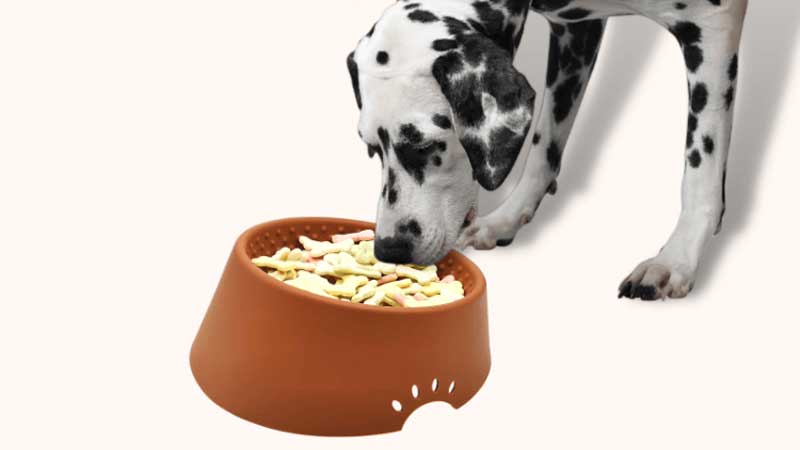
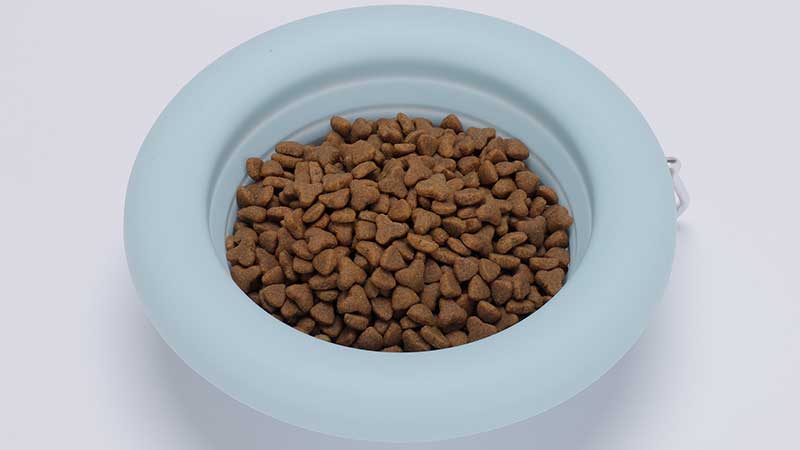
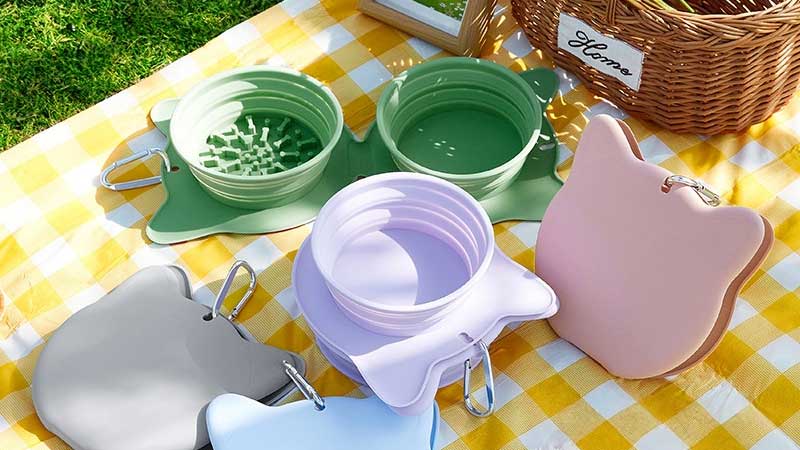
Silicone’s versatility allows for creative designs like collapsible bowls, travel bowls, or integrated feeding mats. It can also be produced in a wide range of colors and shapes, combining style and function.
Plastic can also be molded, but it scratches easily, fades over time, and lacks the premium feel of silicone.
For brands or pet owners who value both function and design, silicone offers far more possibilities.
Which Has Better Cost Performance?
Plastic bowls are cheaper upfront. This makes them appealing for first-time buyers. However, silicone bowls offer greater long-term value. They last longer, resist damage, and require fewer replacements.
If we consider lifecycle cost, silicone bowls are more economical in the long run. For brands, using silicone also leads to higher customer satisfaction and fewer warranty issues.
Conclusion
Silicone dog bowls clearly outperform plastic ones in safety, durability, cleanliness, and sustainability. Although the initial cost is slightly higher, the overall experience and health benefits make silicone the smarter investment. If you want your pet to eat safely and comfortably for years to come, a high-quality food-grade silicone dog bowl is the way to go.
If you’re looking to customize silicone pet products, we offer one-stop OEM/ODM solutions. From raw material selection and mold design to surface printing and packaging, we ensure every detail meets international standards for safety and quality.
Contact us today to create your own line of silicone pet products and make your brand stand out with quality and innovation.