
Silicone Rubber Keypad Manufacturer
Manufacturing custom OEM/ODM silicone rubber keypads for industrial, consumer, medical, and remote applications, featuring tactile feedback, backlighting, and custom mounting structures.
What Is a Silicone Rubber Keypad?
A silicone rubber keypad is a flexible molded interface with integrated conductive elements that converts key presses into electrical signals. Custom versions are fully tailored to your device’s required layout, dimensions, hardness, actuation force, travel, legends, backlighting, and mounting structure.
RY Silicone is a China-based custom silicone manufacturer established in 2012. Our factory covers 10,000+ m², operates 30+ production machines, and supports OEM/ODM silicone components for international brands, distributors, and equipment manufacturers.
Silicone Rubber Keypad Manufacturing at a Glance
MOQ & Lead Times
Existing keypad designs with custom branding can reduce tooling investment, while new tooling supports your exact key layout and housing interface.
Keypad Specifications
Define hardness, key travel, actuation force, return force, key spacing, and conductive contact structure before tooling begins.
Logo & Backlighting
We support screen-printed legends, molded markings, translucent keytops, and backlight-ready structures for functional and branded interfaces.
Packaging & Supply
Individual bags, protective separators, bulk cartons, and application-specific packaging can be matched to assembly, distribution, and export requirements.
Who We Manufacture Silicone Rubber Keypads For
Rather than relying on product names alone, we engineer keypads around individual device requirements.

Industrial Equipment Manufacturers
Build control keypads for machinery, HMI panels, instrumentation, and factory equipment where repeated operation, tactile feedback, and environmental durability are essential.
Consumer Electronics Brands
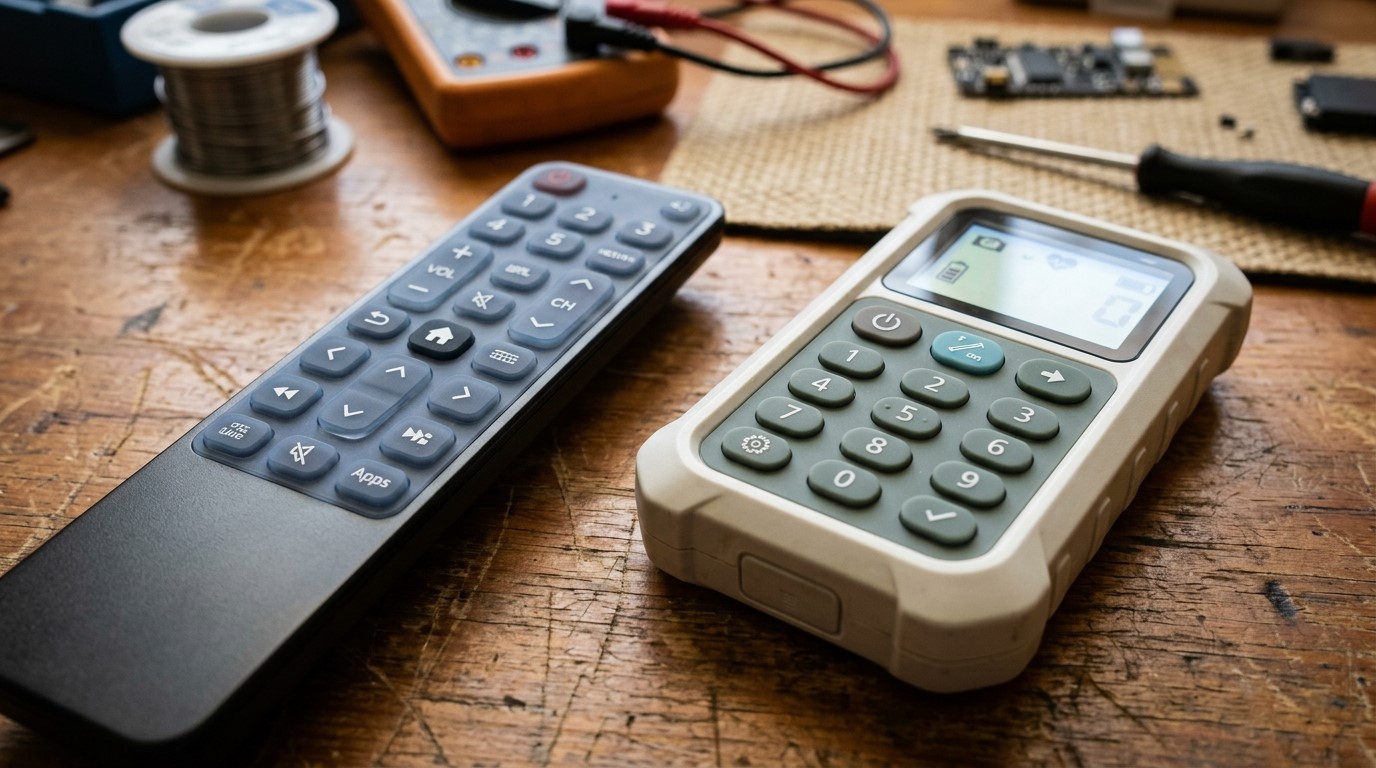
Develop silicone keypads for remote controls, household electronics, and portable devices with customized layouts, printed legends, colors, and tactile response.

Medical & Healthcare Equipment Brands
Create keypad interfaces for equipment requiring clear operation, controlled key response, and suitable silicone materials, while documentation requirements are reviewed for the target market.

Automotive & Vehicle Electronics Suppliers
Produce silicone keypad components for vehicle controls and electronic interfaces where vibration, temperature, repeated actuation, and secure mechanical installation must be evaluated together.
Aerospace & Military Instrument Brands
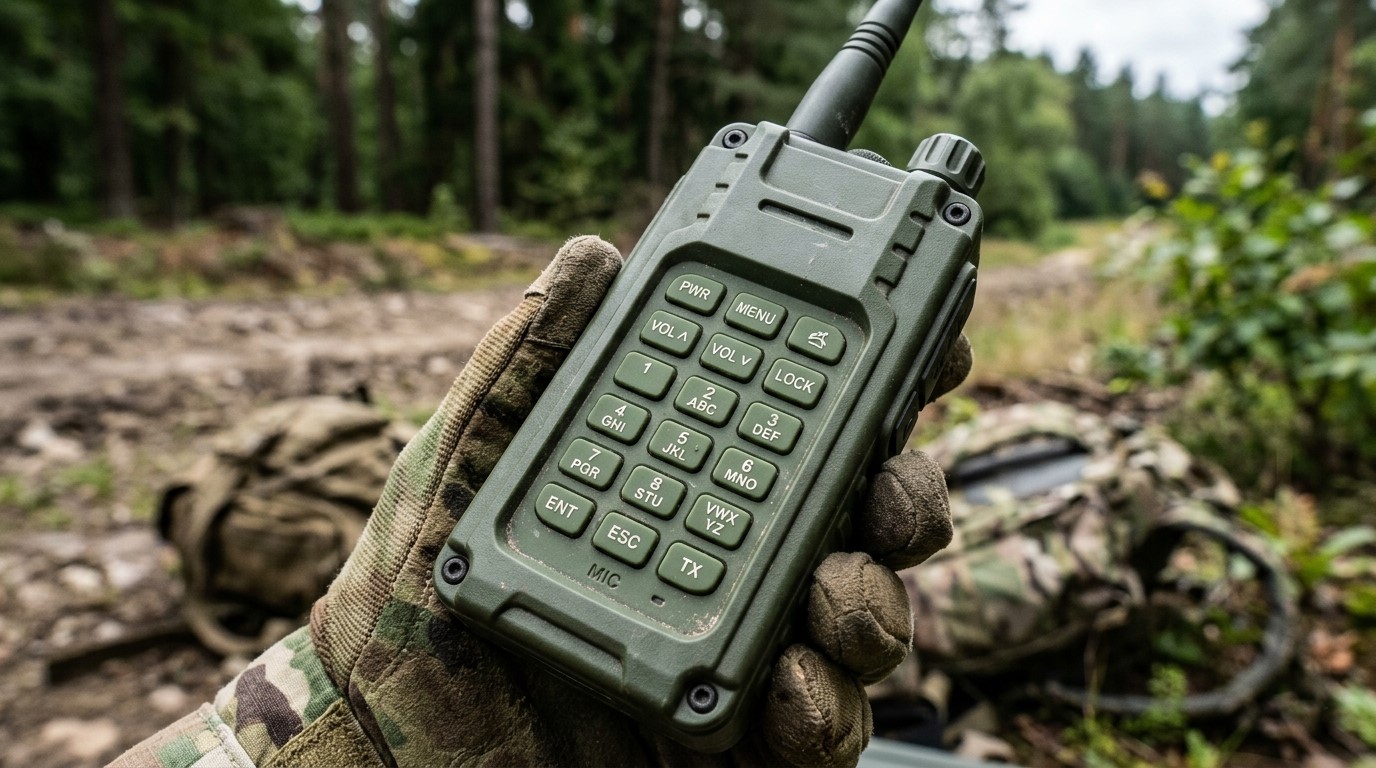
Engineered for aerospace and military brands, our rugged custom silicone keypad integrate circuit boards, metal domes, and advanced illumination for extreme reliability.

Electronics & HMI Developers
Develop prototype-to-production keypads around PCB dimensions, conductive pills, metal domes, LEDs, and housing constraints to simplify final assembly.
Silicone Rubber Keypad Types We Can Develop
Industrial Silicone Keypads
Remote Control Silicone Keypads
Silicone Rubber Membrane Keypad
Carbon Pill Silicone Keypad
Metal Dome Silicone Keypad
Backlit Silicone Keypad
Overmolded Silicone Controllers
IP67 Silicone Keypad
Hygienic Silicone Keypad
Silicone Keypad Assemblies
Custom Silicone Keypads
Silicone Rubber Keypad Customization
Reliable keypads require strong mechanical interfaces, materials, tactile response, and assembly.

We match the keypad to your PCB, housing, and user interface rather than forcing a standard key arrangement.
Available options include:
- Custom key count and spacing
- Single-key or integrated keymat structures
- Round, square, or irregular key shapes
- Bezeled or unbezeled designs
- Custom key heights and profiles
- Different key travel distances
- Locating posts and mounting features
- PCB and housing alignment features
- Sealing ribs and compression design for waterproof and dustproof design

Choose the silicone compound and hardness according to the operating environment and required tactile response.
Available options include:
- Standard silicone rubber
- LSR
- FVMQ with excellent reliability
- Different Shore A hardness levels
- Conductive silicone rubber
- Translucent silicone for backlighting
- Colored silicone compounds
- High-temperature silicone options
- Material options matched to application requirements
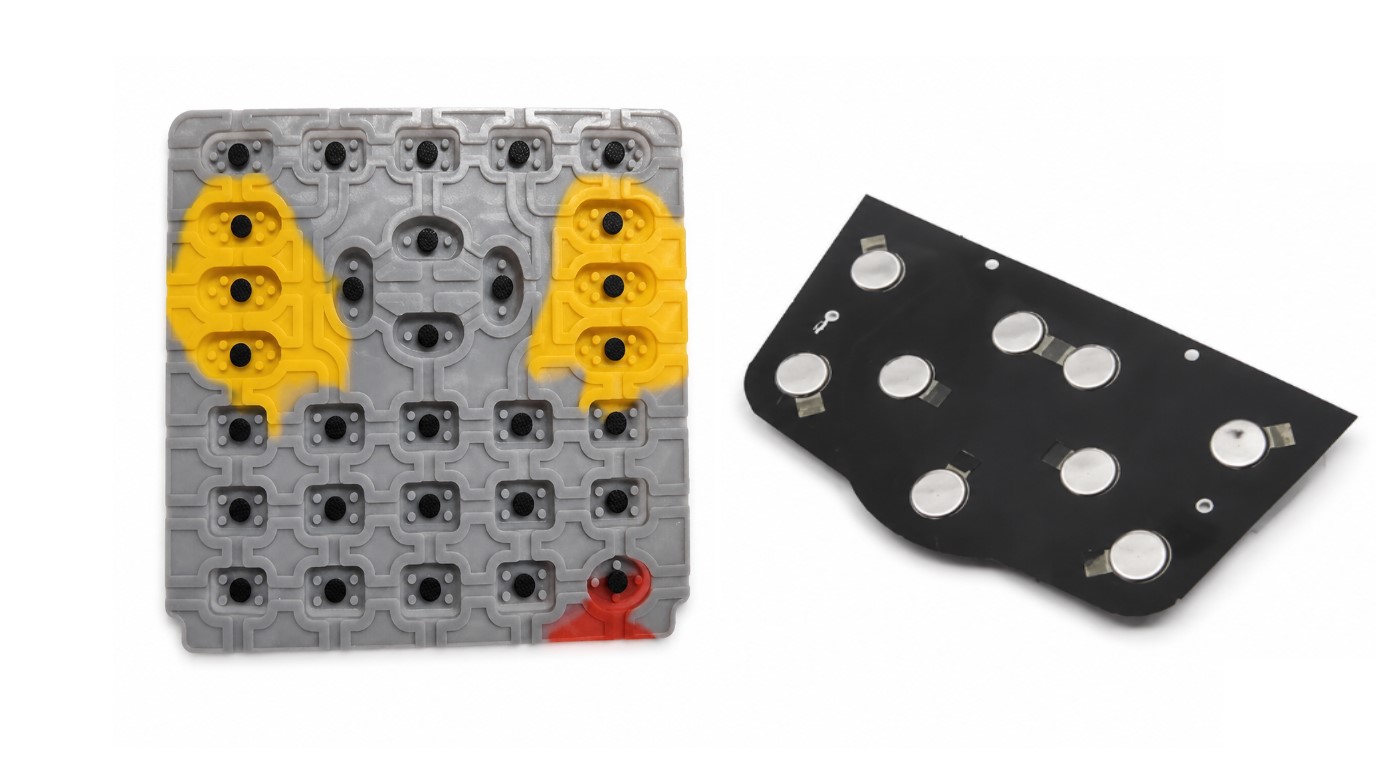
We modify the key structure to produce the required operating feel and electrical response.
Available options include:
- Light, medium, or heavy actuation force
- Short or longer key travel
- Different return force
- Conductive carbon pills
- Metal dome structures
- Polymer dome structures
- Customized key geometry
- Tactile feedback matched to the switch design
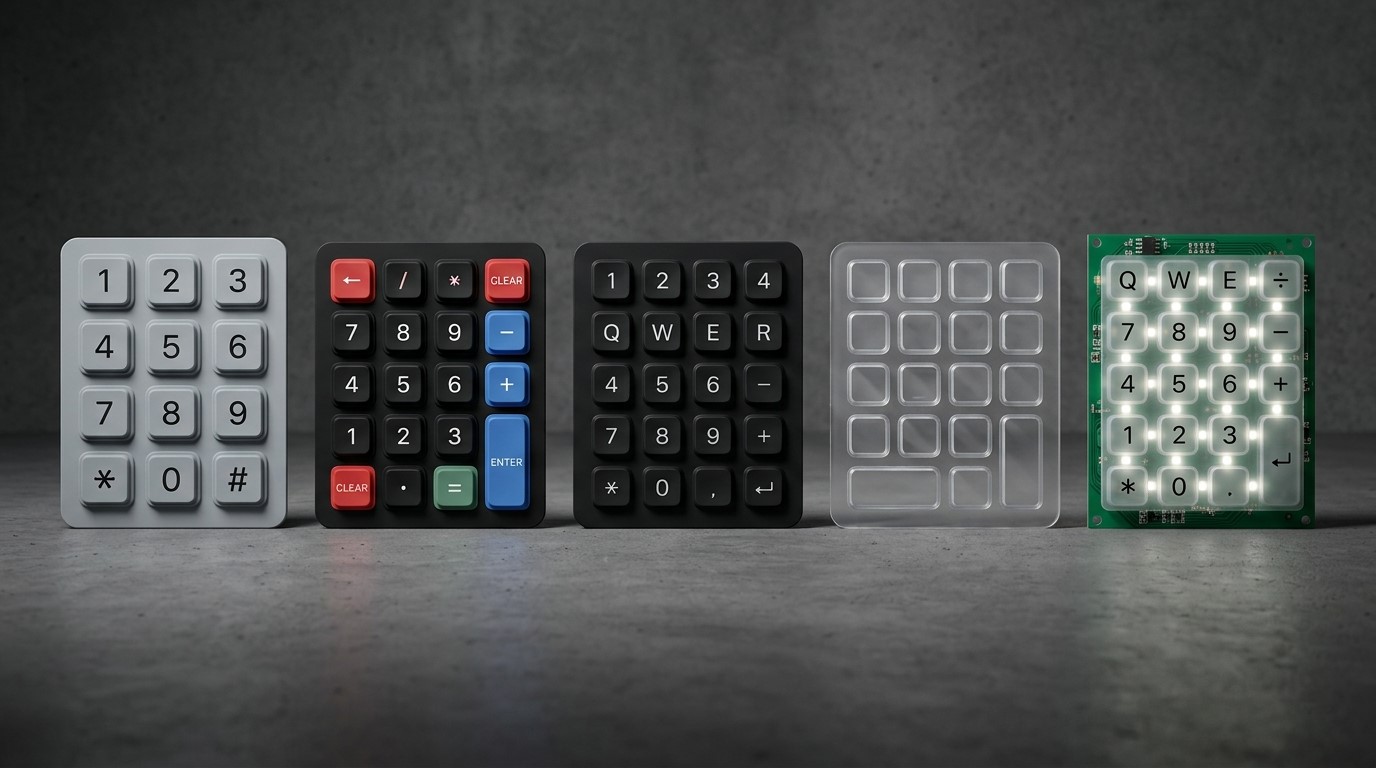
Legends and illumination are integrated around the key geometry so the interface remains readable after repeated operation.
Available options include:
- Screen-printed legends
- Multi-color printing
- Molded-in symbols
- Embossed or debossed markings
- Translucent keytops
- Backlit legends
- LED-compatible light windows
- Custom silicone colors
Start Your Silicone Rubber Keypad Project
Send your keypad drawing, quantity, tactile requirements and application details. We will review the structure and recommend a practical silicone, tooling and production approach.
How to Specify a Better Silicone Rubber Keypad
A better keypad balances electrical switching, tactile response, geometry, and environmental requirements as one system.
- Key layout — Confirm the number, position, and spacing of keys against the PCB and housing.
- Actuation force — Define the force required to register a keystroke; light, medium, and heavy responses should be selected according to the intended user experience.
- Key travel — Set sufficient travel for reliable tactile feedback without creating unnecessary overall keypad height.
- Conductive contact — Select carbon pills, metal domes, or another switching structure according to the PCB contact design.
- Return force — The rubber spring geometry determines how quickly the key returns after release.
- Hardness — Silicone hardness affects flexibility, tactile response, and structural stability.
- Key wall geometry — Thin, controlled walls can provide a softer tactile response, while stronger structures support larger or frequently operated keys.
- Backlighting — Translucent silicone, light-blocking layers, and LED positioning should be considered together when illuminated legends are required.
- Environmental requirements — Temperature, moisture, dust, chemicals, and operating frequency should be defined before material selection.
- Mounting structure — Alignment holes, perimeter seals, and housing interfaces must match the final assembly.
A heavier or harder keypad is not automatically better.
Full Specification Guide
How to Specify a Better Silicone Rubber Keypad — actuation force, travel, conductive contacts, hardness, key geometry, backlighting, and PCB compatibility.

Silicone Rubber Keypad Logo & Branding Methods
Choose the printing and labeling technologies according to the keytop geometry, legend durability, illumination requirement, and expected operating frequency.
Screen Printing
Screen printing provides clear legends, symbols, and multi-color graphics on suitable silicone surfaces for frequently used control interfaces.
Laser Etching
Laser processing creates durable silicone keypad legends where printed ink is unsuitable.
Translucent Backlit Legends
Transparent keypads use underlying LEDs to illuminate characters for low light operation.
Embossed & Debossed
Raised or recessed silicone markings form ink-free symbols integrated into the keypad.
Silicone Rubber Keypad Material & Performance Options
Choose silicone, switching structure, and key geometry together to fine-tune tactile response.
Hardness influences the flexibility and tactile character of each key.
Different Shore A grades can be used to balance key stability, return force, and user feel. The appropriate hardness depends on the key geometry and the desired actuation response.
Material Comparison
Vinyl Methyl Silicone Rubber (VMQ) Keypad vs. LSR vs. FVMQ Keypad: Which Is Best? — hardness, tactile response, conductive contacts, backlighting, chemical resistance, oil- or fuel resistance, and application requirements.
Actuation force determines the amount of pressure that the user must apply before the switch registers.
Depending on the equipment, a typical design may use light, medium, or heavy actuation. The final force comes from the geometry of the rubber spring, the key dimensions, and the conductive or dome structure rather than from the hardness of the silicone alone.
Conductive contacts convert the movement of a mechanical key into an electrical switching action.
Conductive carbon pills can bridge PCB contact points when a key is pressed. Contact geometry and compression must be controlled so that the keypad registers consistently across the production batch.
Non-conductive contacts offer responsive tactile feedback through snap domes, which indicate when a silicone button has been activated.
Metal domes in silicone rubber keypads create a connection between the user’s fingers and the circuit boards.
When designing non-conductive silicone keypads, the internal geometry, desired tactility, lead placement for backlit silicone keypads, and snap dome shape selection should be taken into consideration.
Surface finishes influence the ease of cleaning and the appearance of a product. Coatings provide protection against mechanical wear and environmental factors.
A matte finish provides some antislip resistance for fingers, while the glossy surface of silicone keypads makes them easy to disinfect and clean.
Various protective coatings improve the performance and longevity of silicone keypad and printed legends by safeguarding against abrasion, mechanical wear, chemicals, contamination, stains, fingerprints, and UV radiation. Optional coatings include durable silicone spray, wear-resistant epoxy, robust parylene, and glossy clear and PU coatings for heavy use.
The selection of surface finishes and coatings depends on the requirements of your application.
The material should match the actual operating environment.
Material selection and service life can be influenced by temperature, moisture, dust, sweat, chemical corrosion, cleaning agents, and repeated friction.
Rather than relying only on a generic silicone specification, the final compound should be evaluated against the customer’s actual conditions.
Uniform illumination depends on the complete optical structure.
Various backlighting options use translucent silicone and light guides to transmit light from LED components. Light-blocking areas prevent unwanted illumination between adjacent keys.
During sampling, the LED position, wall thickness, and internal geometry should be inspected.
The rubber spring structure must maintain its response through repeated actuation.
A keypad can pass dimensional inspection and still feel wrong if the spring geometry produces excessive compression or insufficient return force. Sampling should therefore include actual key pressing rather than visual inspection alone.
Depending on the selected compound and target application, available documentation may include:
- Silicone material data sheets
- Material declarations
- RoHS-related documentation
- REACH-related documentation
- Customer-specified test reports
- Application-specific compliance documents
Documentation depends on the selected silicone, pigments, printing system, conductive material, and destination market.
To maintain the longevity and hygiene of your custom silicone keypad, keep its surfaces free of debris and buildup.
Use rubbing alcohol to effectively clean dust and particles from the surface, or apply dry heat and autoclaving to sterilize the surface without dismantling the device.
Maintenance Guide
How to Clean & Care for Silicone Rubber Keypads—proper cleaning methods, chemical compatibility, storage, and long-term surface care.
How Silicone Rubber Keypads Are Manufactured
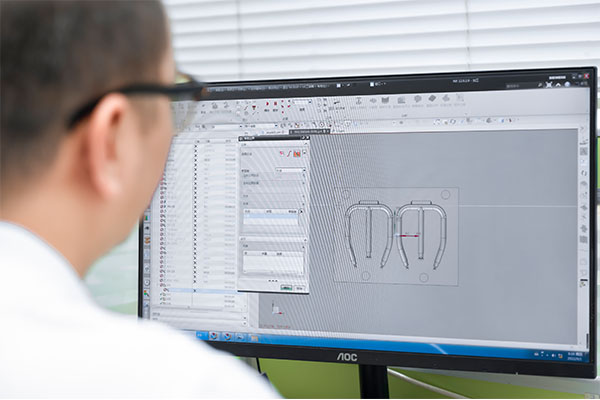
STEP 1: Requirement Review
Every project begins by confirming the key layout, PCB interface, housing dimensions, actuation force, travel, hardness, conductive structure, artwork, color and operating environment.
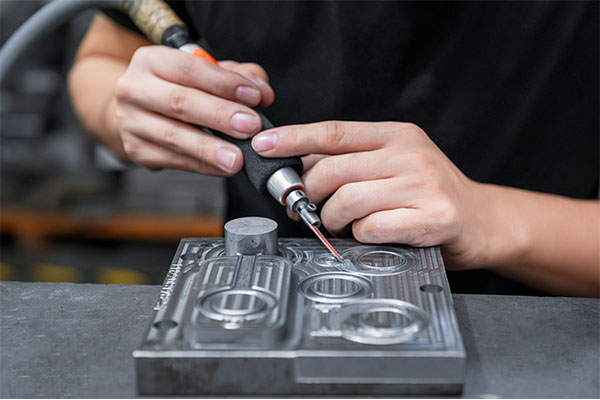
STEP 2: Structure Evaluation & Mold Creation
The engineering team reviews the keypad geometry before tooling, checking key walls, return springs, mounting features, draft, undercuts and areas that could interfere with demolding.
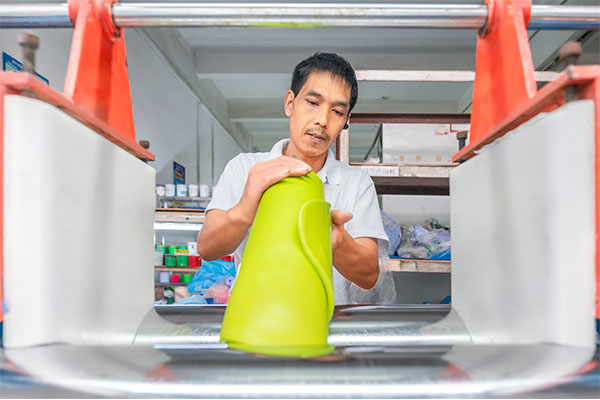
STEP 3: Silicone Material & Color Preparation
The approved silicone compound is prepared with the confirmed hardness, color, and required formulation, while conductive materials are prepared separately when carbon pills are specified.
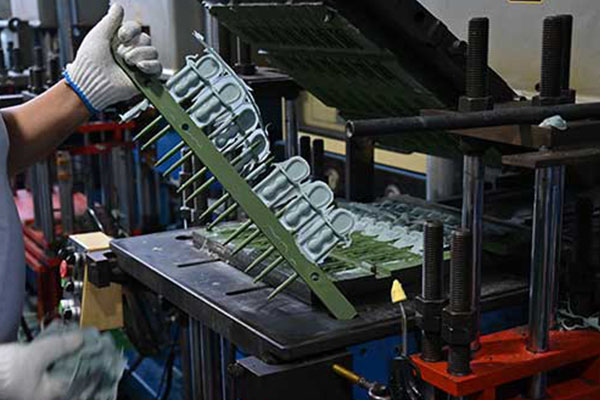
STEP 4: Silicone Molding
The prepared silicone is processed by compression molding, LIM, and transfer molding based on keypad structure, tooling design, and production requirements.
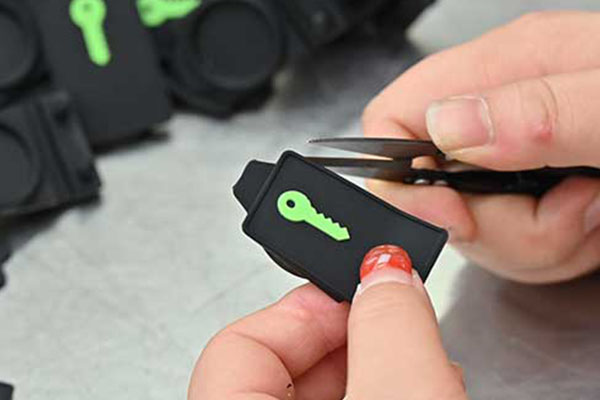
STEP 5: Demolding and Trimming
Once cured, the keypad is removed from the mold and trimmed; flash around key edges, mounting features, and sealing areas receives particular attention.
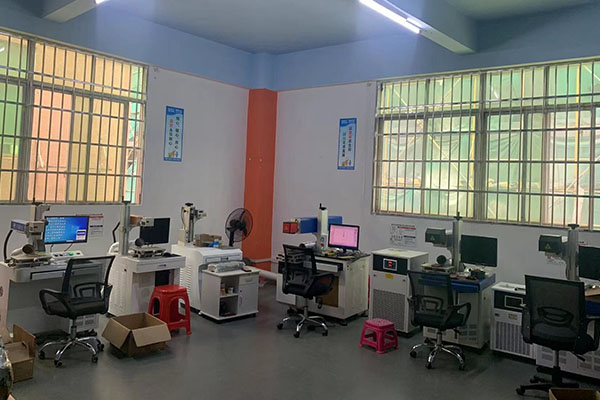
STEP 6: Printing & Surface Processing
Approved legends, symbols, coatings, or other surface treatments are applied after molding, with artwork position and color checked against the approved sample.
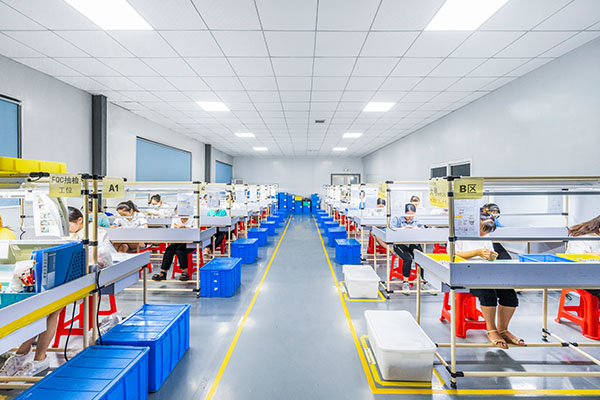
STEP 7: Quality Control & Testing
Each production batch is checked against the approved sample, including dimensions, appearance, key response, conductive contact performance, color, legends, and required functional tests.

STEP 8: Packaging and Shipment
Finally, keypads are separated or individually protected as required, counted into cartons, labeled, and prepared for the agreed shipping method and assembly requirements.
Silicone Rubber Keypad Quality Control
A keypad is not fully qualified by appearance alone. Key responses, conductive switching, dimensions, and printed legends must remain consistent with the approved sample.
AQL 2.5 / 4.0 Standard Inspection
We can be applied to final random sampling when specified for the order.
AQL 2.5
Critical / Major Defects
AQL 4.0
Minor Visual Flaws
Another inspection standard can be used when required by the purchase order.
Approved Sample Control
The approved sample becomes the production reference for:
- Key layout
- Overall dimensions
- Key height
- Key spacing
- Hardness
- Actuation force
- Snap ratio
- Key travel
- Rebound of silicone keys
- Color consistency
- Legend position
- Quality of legends, logo, and labels
- Conductive contact structure
- Non-conductive contact assembly
- Backlighting appearance
- Alignment with outer housings
Incoming Material Review
Before production, incoming silicone compounds, pigments, conductive materials, and related supplier documentation are checked against the confirmed project requirements.
In-Process Inspection
Production checks cover mold completeness, flash, key geometry, color consistency, visible surface defects, and conductive contact placement.
Appearance Inspection
Finished keypads are checked for:
- Tears
- Contamination
- Severe bubbles
- Short molding
- Excessive flash
- Surface damage
- Uneven edges
- Color variation
Dimensions & Key Geometry
The overall keypad dimensions, key height, key spacing, and critical mounting features are measured against the approved specifications.
Tactile & Functional Testing
The inspection can include:
- Actuation force
- Key travel
- Return response
- Conductive switching
- Key-to-key consistency
- Contact resistance where specified
- Backlight appearance where applicable
Even if a keypad meets the dimensional drawing, it may still fail to provide the intended user experience if the actuation force or return response is inconsistent. Therefore, functional sampling is important for production approval.
Logo Quality
Printed and molded legends are checked for:
- Position
- Size
- Edge definition
- Color
- Missing detail
- Blurred printing
- Surface adhesion
- Backlit visibility where applicable
Packaging Inspection
The final inspection verifies the quantity, protective bags, labels, cartons, and customer-specific packaging requirements before shipment.
Silicone Rubber Keypad Packaging Options
Packaging selection depends on assembly requirements, order volume, and necessary transit protection.

Bulk Packaging
Individual keypads or separated keypad sets are packed in PE or OPP bags and consolidated into cartons for distributors and high-volume industrial orders.
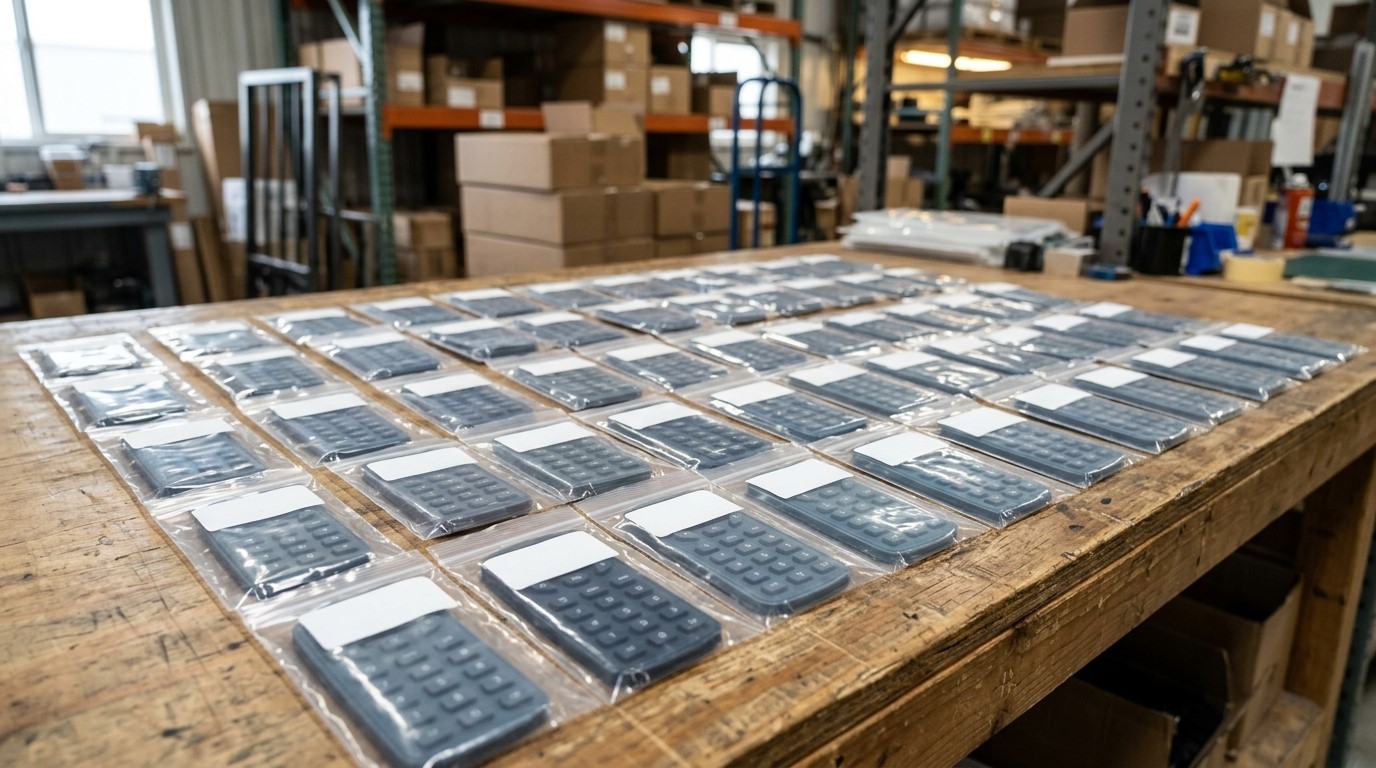
Assembly Packaging
Protective separators, individual bags, and labeled packs help keep keypads organized when they are delivered directly to an electronics or equipment assembly line.

Retail Packaging
Printed bags, cards, boxes, and barcode labels can be developed for branded replacement parts or consumer electronics products sold through retail channels.
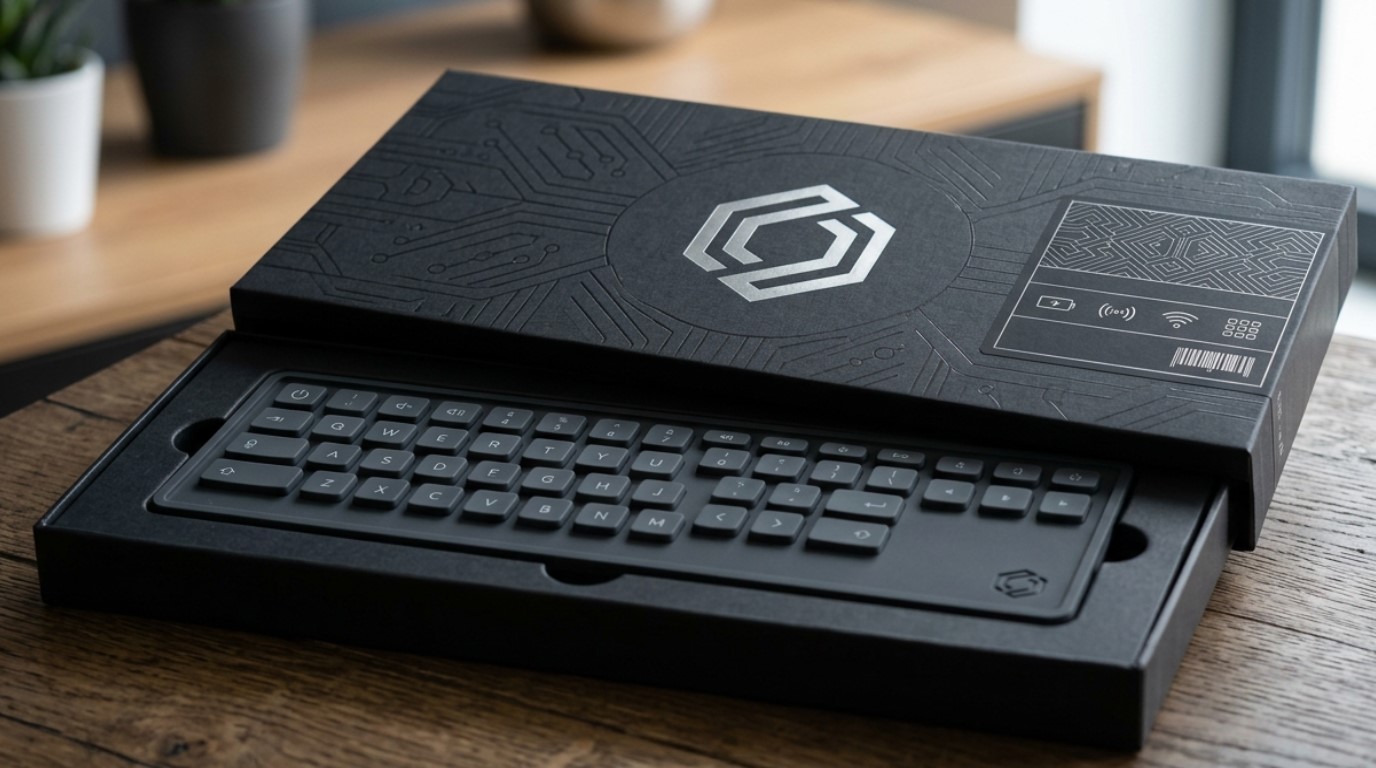
Export & Premium Packaging
Custom cartons, inserts, SKU labels, and coordinated packaging provide additional protection and presentation for distribution and higher-value branded products.
Typical Silicone Rubber Keypad Specifications
| Specification | Typical Reference |
|---|---|
| Product | Custom silicone rubber keypad |
| Applications | Industrial controls, HMI, remote controls, electronics, medical and automotive interfaces |
| Material | VMQ (vinyl methyl), FVMQ, LSR |
| Hardness | 40~70 Shore A |
| Key structure | Silicone spring, conductive pill or dome-based design |
| Conductive contact | Carbon pill or specified switching structure |
| Actuation force | Light, medium or heavy; application-specific |
| Key travel | Application-specific |
| Key layout | Custom single-key or multi-key arrangement |
| Key shape | Round, square, rectangular or custom |
| Surface | Standard silicone, matte or application-specific finish |
| Branding | Screen printing, molded legends, embossed/debossed markings |
| Backlighting | Translucent or backlight-ready structures |
| Color | Standard, dual- or multi-color, as well as custom color matching |
| Mounting | Custom posts, locating features and housing interfaces |
| Molding process | Compression molding or approved liquid-silicone process |
| Packaging | PE/OPP bags, separators, cartons or custom retail packaging |
| MOQ | Confirmed according to tooling, keypad structure and order requirements |
| Sample lead time | Confirmed according to tooling and functional requirements |
| Mass-production lead time | Confirmed after sample and specification approval |
| OEM / ODM | Available |
Final specifications are confirmed according to the keypad structure, PCB interface, selected material, tooling, and approved sample.
Why Work with RY Silicone

Silicone Manufacturing Experience Since 2012
RY Silicone is a China-based silicone manufacturer focused on custom silicone product manufacturing since 2012.
We support overseas projects from product evaluation and sampling through mass production, inspection, packaging, and shipment.
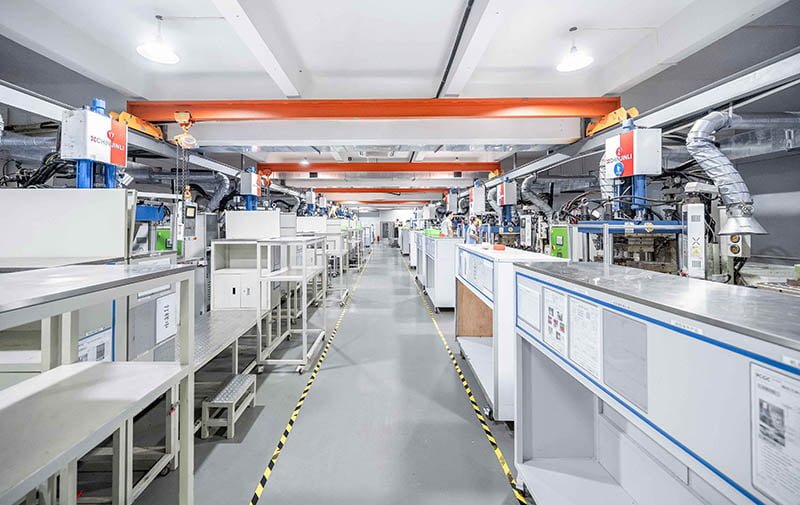
10,000+ m² Production Facility
Our production facility supports silicone molding, trimming, printing, inspection, and packaging for different keypad structures and order volumes.

30+ Production Machines
Multiple production machines support different silicone keypad geometries and production requirements, helping accommodate both development projects and repeat orders.
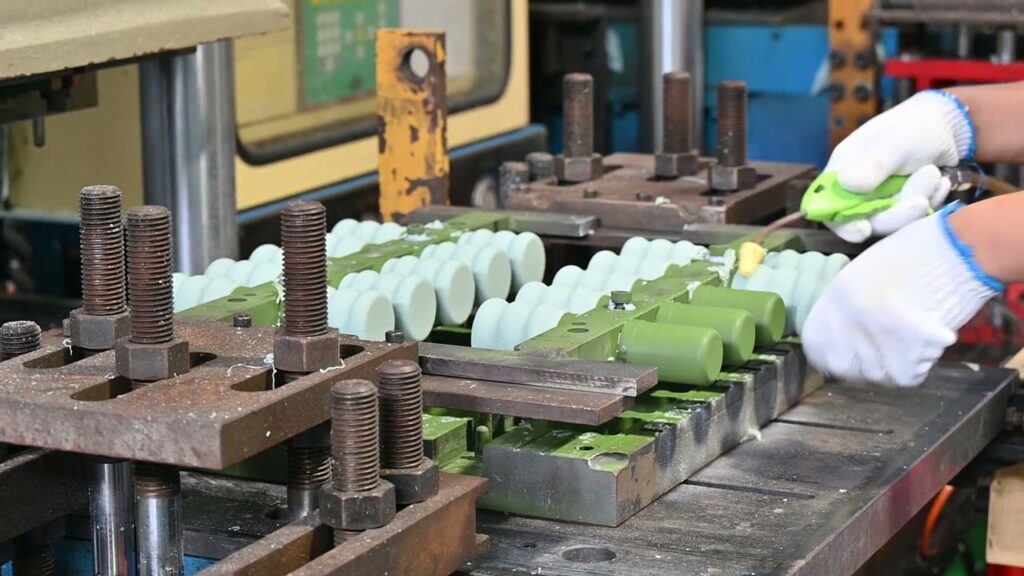
Up to 100,000 Silicone Products per Day
Our production capacity supports large-volume silicone product programs, while actual keypad output depends on cavity count, cycle time, structure, and inspection requirements.

Engineering Review Before Quotation
We do not quote only from a keypad name or reference image.
Our engineering review considers the key layout, PCB interface, housing dimensions, actuation force, key travel, conductive contact, hardness, color, legends and packaging before confirming the manufacturing proposal.
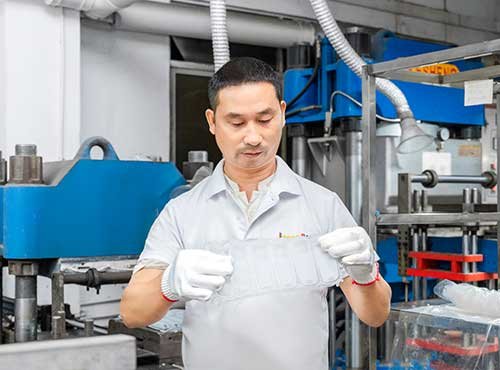
Sample-Based Production
Mass production follows the approved keypad sample. The reference locks the key geometry, tactile response, color, legend position, and conductive structure before production begins.
A useful manufacturing detail is that actuation force should be checked on the finished keypad, not predicted from silicone hardness alone. The spring geometry and conductive structure can significantly change the actual key response.

Export Project Support
As a China-based silicone keypad manufacturer and supplier, RY Silicone supports international customers with technical communication, documentation, packaging coordination, and shipment preparation.
Silicone Rubber Keypad FAQ and Final RFQ
What is the MOQ for custom silicone rubber keypads?
The MOQ depends on the keypad structure, tooling requirements, color, printing, conductive contacts, and order volume.
Provide your target quantity and drawing so the production route can be evaluated before quotation.
Can you make a silicone keypad from our existing drawing?
Yes.
We can review your CAD drawing, PCB dimensions, housing interface, or physical sample and develop the keypad around the existing assembly requirements.
What information do you need to quote a silicone rubber keypad?
Please provide the keypad drawing or reference sample, key layout, dimensions, target quantity, hardness, actuation requirements, conductive structure, color, artwork, and application.
How do you control the actuation force?
Actuation force is influenced by key geometry, silicone hardness, spring-wall structure, key travel, and the selected conductive or dome structure.
The finished sample should be tested against the agreed force requirement.
Can you add conductive carbon pills?
Yes.
Conductive carbon pills can be integrated beneath silicone keys to bridge PCB contact points when the electrical design requires this structure.
Can silicone keypads be backlit?
Yes.
Translucent silicone and backlight-compatible key structures can be developed for LED illumination.
LED position, light-blocking structure, and key geometry should be evaluated together to achieve more uniform illumination.
Can you print letters, numbers, and symbols on the keys?
Yes.
Screen-printed legends and other molded or surface-marking methods can be developed according to the key geometry, required durability, and appearance.
Can you make waterproof and dustproof silicone rubber keypads?
Yes.
A one-piece silicone structure reduces gaps around individual keys, helping to protect the underlying electronic components and circuit.
The complete keypad, waterproof sealings, compression design, membrane overlay, outer housing, and assembly design accelerate the final protection, achieving waterproof and dustproof designs for your keypads.
Which silicone hardness should we choose?
Hardness should be selected together with the key geometry and required tactile response.
A harder silicone does not automatically produce a better keypad because spring structure and key travel also influence the operating feel.
Additionally, RY Silicone also has manufactured dual-hardness in custom silicone rubber keypads based on your layout design and tactile feedback requirements.
What options are available for custom silicone rubber keypads and assemblies?
Our custom silicone rubber keypads provide extensive design flexibility and support single-, double-, or multi-layer PCBs and membrane circuits. They can be finished with gold, nickel, HASL, or matte tin.
Termination choices include connectors, headers, ribbons, and flat flex cables.
We also provide fully operational PCB assemblies with intelligent designs, half-switch assemblies, and operational PCBs with switch layouts and mechanical or tack switches.
There are also custom die-cut adhesives, PET/foam spacers, and housing interface features available, which include locating pins, ribs, bosses, lips, and gaskets, to ensure secure enclosure integration.
Which is better: conductive or non-conductive silicone keypads?
Selecting custom silicone rubber keypads from conductive and non-conductive types depends on your requirements for tactile feedback, electrical contacts, travel distance, snap ratio, audio feedback, and applications.
Conductive silicone rubber keypads feature:
- Metail pills as contact typically
- Moderate durability and wear resistance
- Medium maintenance costs for conductive pills
- Moderate tactile response and audio feedback
- Shorter travel distance generally
Non-conductive silicone rubber keypads feature:
- Metal domes as contact usually
- Excellent reliability and wear resistance for long-term operation
- Lower costs for maintenance
- Noticeable tactile feedback and rebound of keys
- Longer travel distance in general
What should be considered prior to producing a silicone keypad?
For productions including low volume or mass production, you should take these factors into consideration for your silicone keypad project:
- Determine custom silicone keypad design involving tactile feedback and actuation force
- Cost-effective aluminum mold for short runs, prototypes, pilot programs, and design verification
- Steel for medium to high volume productions with increased costs and automation
- Quantity of keypad & MOQ
- Design flexibility
- Lead time and quick turnaround requirement
- Product development and design iteration
- Budget
Should I choose small batch or medium to large scale production of silicone rubber keypads project?
Small batch features with:
- High design flexibility
- Short turnaround
- Rapid manufacturer
- Lower cost of tooling
- Higher cost of per unit pricing
- Ease of design modifying
- Optimal for prototypes and design validation prior to full production
Medium to large scale production mean:
- Higher cost for tooling
- Higher upfront cost and lower per unit cost
- Longer lead time
- Limited design change
- Automation and high output available
- Improved durability and reliability of silicone keypads
Can you provide compliance or material documentation?
Available documentation and compliances like FDA and RoHS depend on the selected silicone, pigments, conductive materials, printing system, and destination market. Provide the required standard or document so the applicable scope can be confirmed.
What is the custom silicone keypad development process?
The project normally moves from drawing or sample review to engineering evaluation, tooling, silicone preparation, molding, trimming, printing or other finishing, functional inspection, sample approval and mass production.
What should we send for a final RFQ?
Please provide:
- Target order quantity
- Keypad application
- CAD drawing or physical sample
- Key count and layout
- Overall dimensions
- PCB or housing interface
- Target hardness
- Actuation force and key travel
- Conductive contact requirements
- Silicone color
- Logo or legend artwork
- Backlighting requirements
- Packaging requirements
- Destination country
- Required reports or tests
- Target delivery date