Silicone has quietly become one of the most important materials in modern automotive manufacturing. From my years working with car components, I’ve seen it handle heat, vibration, humidity, and UV exposure better than most other elastomers. It keeps its shape under long-term compression and repeated stress. As cars get more complex, and electronics become more common, silicone’s role has expanded beyond traditional seals. Now it’s found in heat management, insulation, shock absorption, and waterproofing.
In this article, I’ll share how silicone is actually used across vehicles, covering materials, common components, molding processes, operating conditions, and some practical tips I’ve learned on the job.
Overview of Key Silicone Applications in Vehicles
The table below shows the main silicone components discussed in this article and the vehicle areas where they are used.
| Vehicle Area | Representative Silicone Parts | Main Functions |
| Engine Bay | Silicone O-rings, turbo silicone hoses, ignition coil silicone boots | High-temperature resistance, sealing, insulation, handling pressure changes |
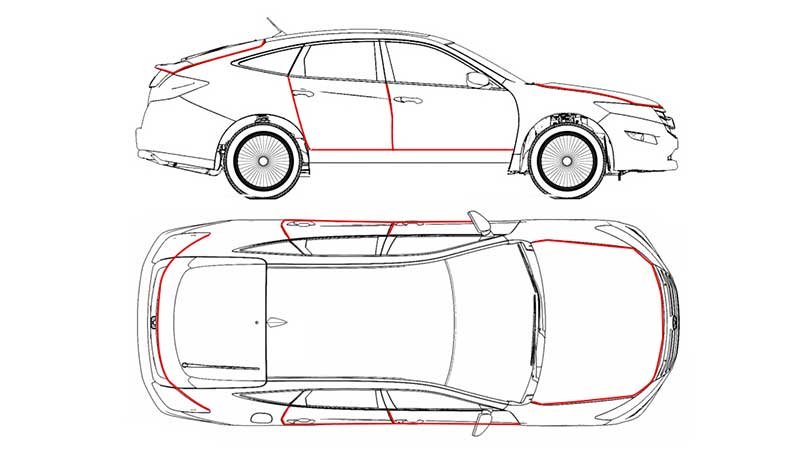
| Body Sealing System | Headlamp silicone gaskets, door-seal end silicone parts, sunroof drainage connectors | Waterproofing, dust protection, airtightness, aging resistance |
| Automotive Electronics | LED thermal silicone pads, thermal grease, ECU potting silicone, sensor protection parts | Heat dissipation, insulation, moisture protection, vibration resistance |
| Interior Components | Silicone buttons, knob covers, anti-slip pads, storage-tray bumpers, door buffer parts | Better tactile feel, noise reduction, shock absorption, anti-slip performance |
| Chassis and Exterior Parts | Silicone dust boots, sensor sealing parts | Protection from mud and water, structural stability |
Why Silicone Suits Harsh Automotive Environments?
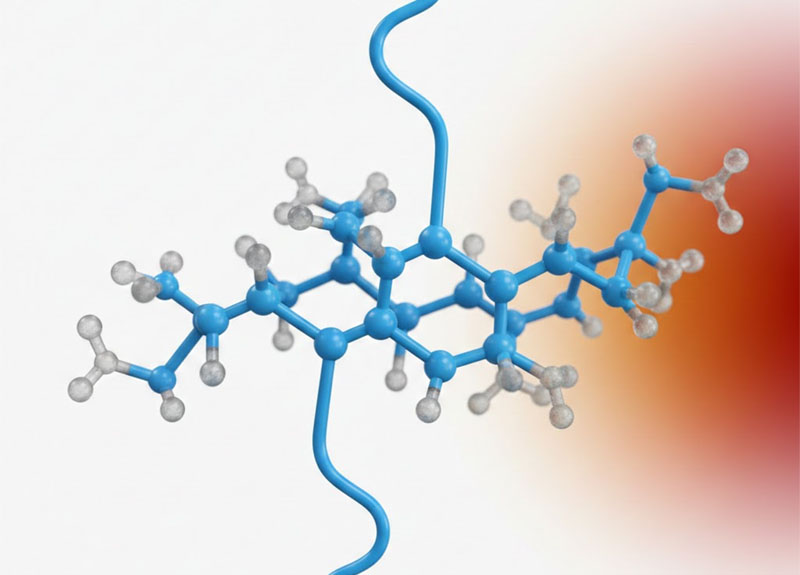
The secret lies in the material itself. Silicone is based on a siloxane (Si–O) backbone, giving it natural heat resistance and low-temperature flexibility. Cars experience extremes—from engine bays exceeding 150°C to sub-zero winters—and silicone keeps performing where most rubbers fail. Standard automotive silicone can operate between -50°C and 200°C, while specialized formulas tolerate even higher temperatures.
Silicone is also resistant to UV and ozone, making it durable for parts exposed to air over long periods. Its low compression set ensures seals retain elasticity under constant pressure, which prevents leaks and premature failure. In practice, I’ve seen cars return for repairs due to EPDM seals hardening in cold months, but silicone end caps and hoses remain intact for years.
Different types of silicone serve different needs:
- High-Temperature Vulcanized (HTV): Ideal for gaskets, seals, and parts that don’t need extreme precision. I often specify 40–70 Shore A hardness depending on location.
- Liquid Silicone Rubber (LSR): Perfect for precise shapes in lighting, electronic protection, and small complex seals. Its injection molding precision makes it indispensable in modern headlights.
- Thermally Conductive Silicone: Used between LEDs and heatsinks or in ECUs for heat transfer. Flowable grease or pads both help manage thermal load while cushioning components.
Knowing which type to choose can save headaches during testing or assembly. In my experience, mixing LSR and HTV for different areas often yields the most reliable long-term performance.
Key Application Areas of Silicone in Automotive Design
The following sections break down the main automotive areas where silicone is commonly used, along with the typical components and performance considerations based on real-world use.
Engine Bay Applications
The engine bay is one of the harshest parts of a car. High heat, pressure fluctuations, fuel vapors, and constant vibration make it unforgiving. Silicone has several applications here:
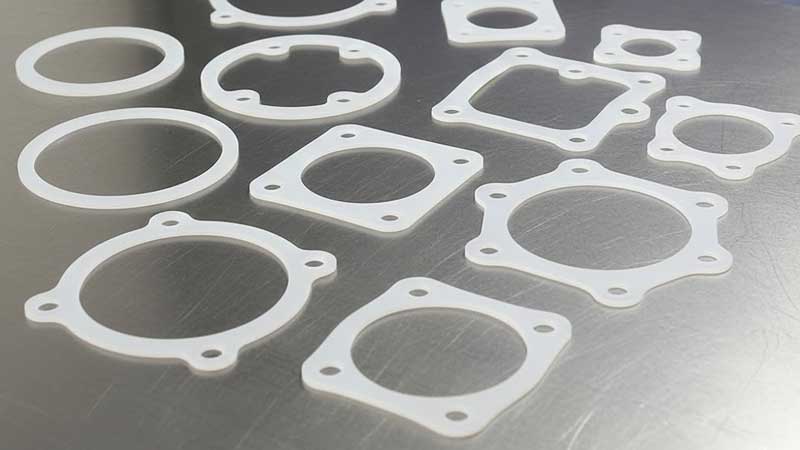
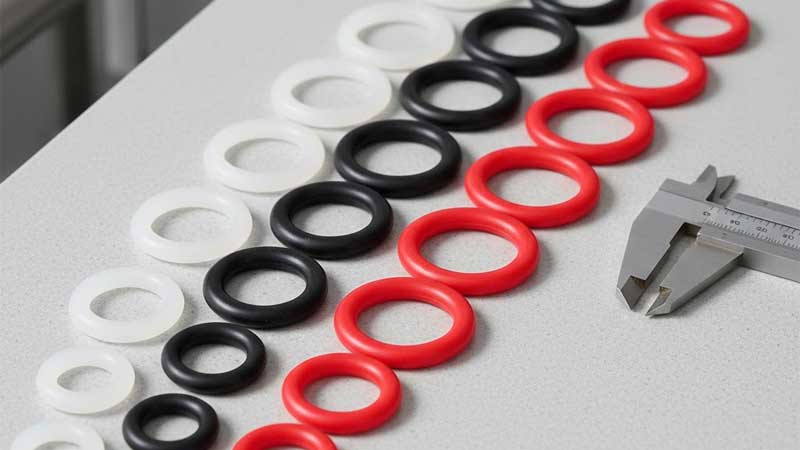
- Silicone Seals: Found in cooling systems, intake systems, and auxiliary oil circuits. Fluororubber is still used for main oil lines, but silicone is great for moderate temperatures. Its low compression set keeps seals elastic for years. HTV molding is common here. Formulas are often adjusted depending on exact placement—hardness, tear strength, and temperature tolerance all matter.
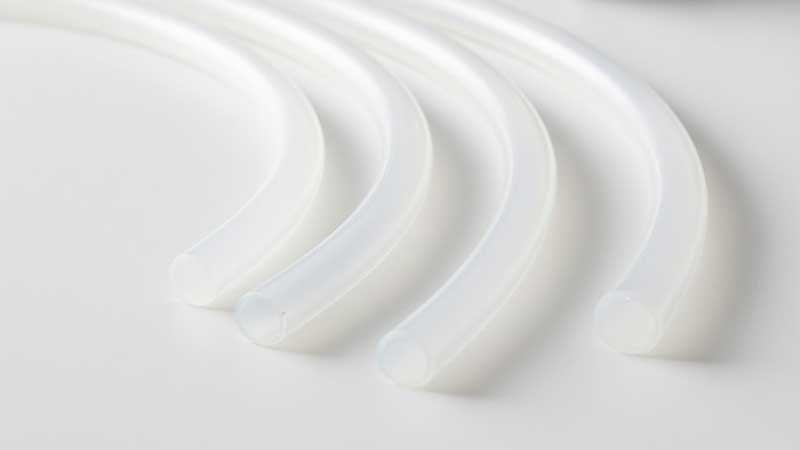
- Turbo & Intake Hoses: Turbo engines push hot, high-pressure air. Standard rubber hoses crack quickly under these conditions. Silicone hoses handle the heat and often use multi-layer fiberglass reinforcement for extra strength while maintaining flexibility. I’ve recommended these as durable upgrades for performance vehicles.
- Ignition Coils & Spark Plug Boots: Silicone provides insulation under high voltage and heat without hardening or cracking. Spark plug boots maintain their shape and protect wires, supporting stable ignition over years. In one project, swapping EPDM boots for silicone reduced coil failures in high-mileage vehicles.
Body Seals and Waterproofing
Body seals need to block water, dust, and vibration while maintaining airtight performance. Here’s how silicone fits in:
- Headlight Seals: Moisture inside headlights is a frequent issue. Silicone’s low volatility prevents internal fogging, while LSR injection molding ensures precise dimensions for modern, complex headlight designs.
- Door Seal End Caps: While EPDM forms most of the door seal, end caps are often silicone. Its softness and temperature stability improve seal performance, especially in winter. From experience, even minor differences in hardness can affect long-term seal tightness.
- Sunroof Drainage Connectors: These components must be flexible to accommodate minor body movements and weather exposure. Silicone’s elasticity makes it ideal, preventing loosening or cracking over time.
Though these parts are small, they’re critical. I’ve seen water leaks in cars traced back to a single degraded silicone connector—emphasizing the importance of quality silicone and precise molding.
Automotive Electronics and Lighting
Electronics have become increasingly complex, and silicone plays a central role in protecting sensitive components.
- Thermally Conductive Silicone Pads & Grease: LEDs are efficient but sensitive to heat. Pads fit fixed spaces between LEDs and heatsinks, while flowable grease fills small gaps. Both improve heat transfer and protect components. In my experience, skipping thermal silicone often leads to early LED failure.
- ECU and Sensor Encapsulants: Control units need insulation, moisture protection, and shock absorption. Silicone forms a soft protective layer that reduces stress on circuit boards. Formulations vary in hardness and flow depending on module design.
- Display & Touch Panel Cushions: Larger vehicle screens can rattle or produce noise under vibration. Silicone cushions stabilize screens, absorb impact, and extend service life. I’ve observed improved customer satisfaction after switching from hard plastic spacers to soft silicone cushions.
Interior Components
Silicone improves comfort, noise control, and overall feel inside vehicles.
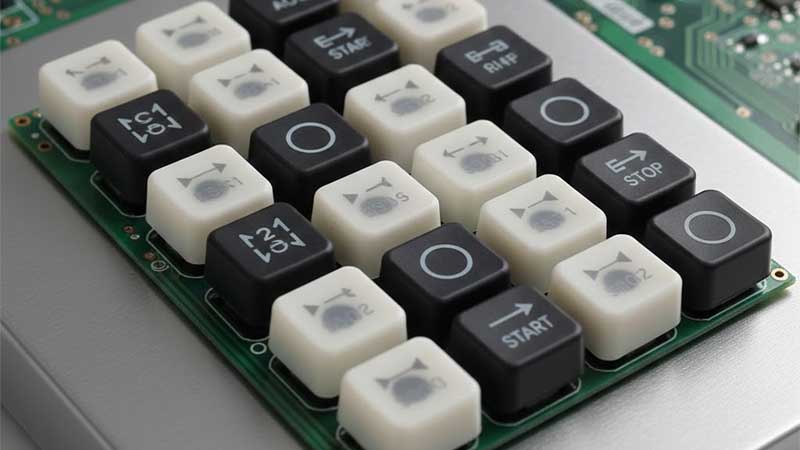
- Buttons & Knobs: Silicone caps provide a soft, fast-rebounding feel. High-frequency use requires wear and heat resistance. Printing or laser engraving must adhere well, which relies on high-quality silicone.
- Anti-Slip Mats & Storage Pads: Dashboards, cup holders, and trays benefit from silicone mats. They prevent items from sliding, reduce noise, and remain stable under sunlight and heat. Odorless silicone is preferable for interiors.
- Door Buffers & Seal Assist Components: Small silicone components soften door closing and reduce resonance. I’ve seen ride comfort noticeably improve with proper silicone door buffers installed.
Though small, these interior parts directly affect user perception of quality and comfort.
Chassis and Exterior Components
- Dust Boots: Silicone dust boots protect ball joints and tie rods from dirt and moisture. They must resist tearing, oil, and remain flexible in cold weather. A failed boot often causes grease leakage and noise.
- Sensor Seals: Tire pressure sensors, ABS, and speed sensors rely on silicone. Consistency in material properties is essential for safety. In one maintenance case, a defective silicone seal caused a speed sensor failure, emphasizing the need for strict quality control.
Silicone Molding Processes in Automotive Applications
The molding method depends on part structure and performance requirements:
- HTV Molding: Common for seals and gaskets. Cost-effective and reliable, suitable for moderate precision.
- LSR Injection Molding: Used for headlight seals, electronic parts, and complex shapes. Provides high dimensional accuracy and mass production capability.
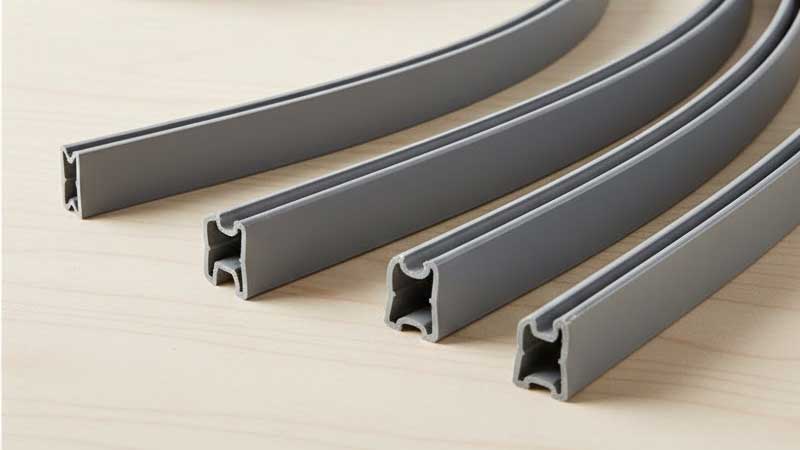
- Extrusion: For hoses and long strips. Ideal for continuous production.
- Encapsulation & Adhesive Processes: Protect ECUs, sensors, and electronics.
Choosing the right process affects hardness, dimensions, elasticity, and temperature performance. Poor process selection can lead to premature failures, so experience is crucial.
Quality Control
Automotive silicone must meet stricter standards than consumer-grade products:
- Compression Set (C-set): Ensures seals don’t deform permanently.
- Heat & Cold Aging: Simulates engine bay and winter conditions.
- Ozone Aging: Tests long-term environmental durability.
- VOC Emissions: Ensures interior air quality.
- Fluid Compatibility: Especially for hoses and auxiliary oil seals.
- Dimensional Tolerances (ISO 3302): Maintains structural stability.
- Environmental Compliance: IMDS, ROHS, and other standards.
Only silicone passing all these tests qualifies as automotive-grade. I’ve seen hoses fail because a batch didn’t meet compression set standards, underlining why testing is non-negotiable.
Electric Vehicle Era
EVs are increasing demand for silicone even more. Battery packs need thermally conductive silicone, high-voltage wiring relies on silicone insulation, and ECUs use more silicone encapsulants than traditional cars. Lightweight designs and increased electronics require new silicone formulations and molding techniques. In my work, I’ve seen LSR with high thermal conductivity become essential for EV modules that run hotter than ICE cars.
Conclusion
Silicone is everywhere in modern cars, engines, electronics, interiors, chassis, and exteriors. It seals, insulates, manages heat, absorbs shocks, and keeps water out. These functions extend vehicle life and improve user experience.
As a manufacturer with over ten years in silicone, we guide customers from material selection and design to mass production. If you need a partner with strong technical know-how, reliable communication, and controlled lead times, we can help take your concept from idea to stable, repeatable production. Share drawings, samples, or concepts, and we’ll provide professional advice and accurate quotes to move your project forward.