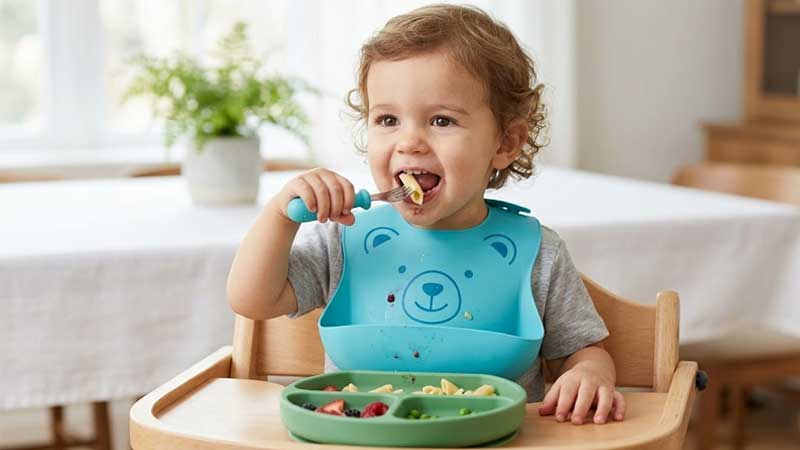
Silicone bibs are popular with parents. They feel soft on a baby’s skin, meet food-safety standards, stay waterproof, and last through many meals. They keep clothes clean and cut down on waste. But after a few weeks of regular use, many parents notice the bibs become sticky or develop a faint oily layer.
That stickiness is more than a minor issue. It feels uncomfortable on your baby and can allow bacteria to grow. Knowing why it happens and how to fix it helps keep the bib clean, comfortable, and long-lasting.
What Is a Silicone Bib?
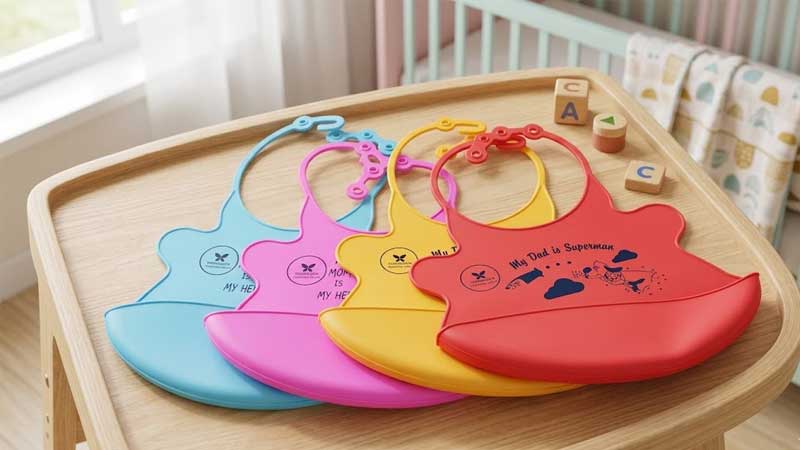
A silicone bib is made from food-grade silicone. This is a safe material. It is a type of polymer that mixes silicon, oxygen, carbon, and hydrogen in a good balance. The mix gives the bib its smooth feel and non-reactive nature. It also adds flexibility, real strength, and easy cleaning. The design aims for a surface that does not stick. It stays waterproof and handles both hot and cold temperatures without trouble.
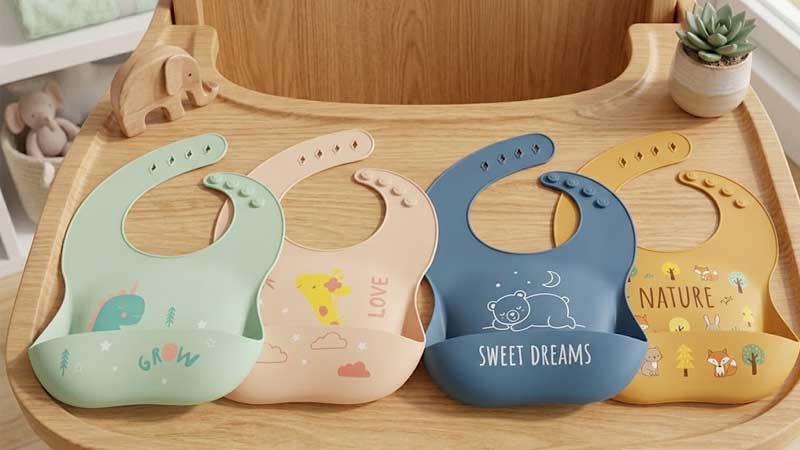
Many brands let you choose colors, patterns, logos, or sizes. You pick what fits your needs best. This choice makes the bibs useful at home. It also works well in places like nurseries or daycare centers.
Why Silicone Bibs Get Sticky?
Silicone starts out truly non-stick. But a few common things in daily life can slowly create that tacky feel or a thin oily film.
Improper Cleaning
Small traces of oil from food, sauces, or a baby’s saliva can stay behind after a normal wash. Over time those bits build up. The surface feels sticky. Sometimes a quick wash with mild dish soap does not reach deep enough.
Tip: Use warm water and a proper food-safe detergent. This lifts every trace of oil and food when you clean the bib fully.
Storage Environment
High Humidity: Silicone can pull in a little moisture from the air. Storing bibs in a damp spot makes them feel stickier.
Temperature Extremes: Too much heat can soften the surface and increase the tacky feel. Cooler spots may stiffen the material and lead to small cracks later.
Solution: Store the bibs in a dry area with good air flow. Keep them away from direct sunlight.
Chemical Factors
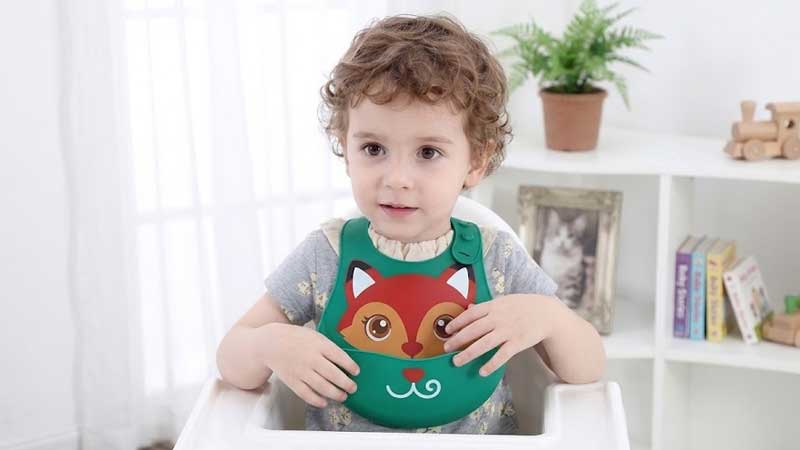
- Small Molecule Precipitation: Some additives from the making process can slowly move to the surface. They form that faint sticky layer.
- Oxidation or Degradation: Steady contact with light, oxygen, or warmth can quietly change the silicone’s surface over time.
- Loss of Release Agents: Some bibs leave the factory with a light coating that keeps them smooth at first. Once that coating wears off in normal use, a hint of stickiness can appear.
Natural Aging
Daily contact with UV light, changing temperatures, and regular air works on the material bit by bit. The surface can feel a little rougher or more tacky. This quietly shortens the bib’s useful life.
Problems Caused by Sticky Silicone Bibs
- Cleaning Difficulty: Residue clings tighter. Each wash takes longer and needs more effort.
- Reduced Comfort: A tacky surface does not feel as nice against a baby’s neck or chest.
- Health Concerns: That slight stickiness can give bacteria a better place to grow.
- Shortened Lifespan: You replace bibs more often. This raises costs and adds to waste.
How to Deal with Sticky Silicone Bibs?
Materials Needed
- Warm water
- Food-safe dish detergent
- Baking soda
- Soft brush, spatula, or spoon
Step-by-Step Cleaning Method
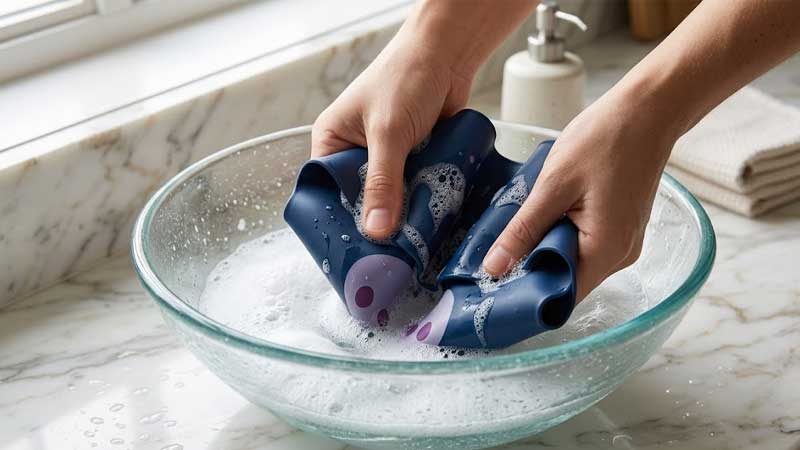
- Soak in Warm Water: Put the bib in warm water for about ten minutes. This gives dried-on oils time to loosen.
- Apply Baking Soda Paste: Stir a little water into baking soda. Make a paste that feels like toothpaste. Spread it over the sticky spots.
- Gently Brush: Use a soft brush or the flat side of a spatula. Work across the surface and edges. Lift the film without scratching.
- Rinse Thoroughly: Run warm water over the bib. Wash away every trace of paste.
- Dry Completely: Pat the bib dry or let it air-dry all the way. Any leftover moisture can undo your work.
When you finish these steps, the bib feels smooth and non-sticky again. It is ready for the next meal.
Tips to Prevent Silicone Bibs from Becoming Sticky
- Regular Cleaning: Wash the bib with warm water and mild detergent right after every use.
- Remove Food Residues Promptly: Do not let oils or food bits sit and harden. A quick rinse right away stops buildup.
- Avoid Harsh Cleaners: Stay away from bleach, abrasive pads, or strong chemicals. These can wear the silicone down too fast.
- Proper Storage: Keep bibs in a dry, airy place. Keep them out of direct sunlight.
- Check Temperature Limits: Stay within the safe range the maker lists.
- Inspect for Wear and Tear: If the surface texture changes or cracks appear, it is time for a new bib.
- Limit Cooking Sprays: Some sprays leave residues that quietly affect the non-stick quality.
- Follow Manufacturer Instructions: Different silicone products can have their own care notes. A quick look at the label helps.
FAQ
Can silicone bibs be washed in a dishwasher?
Yes, most food-grade silicone bibs do well in the dishwasher. Still, check the maker’s guidance. This keeps heat from speeding up normal aging.
How long does it take to restore a sticky silicone bib?
With the baking-soda method, the stickiness is usually gone after the bib dries for an hour or so.
Is a sticky silicone bib dangerous for babies?
The stickiness itself is not toxic. But built-up residue can give bacteria a place to grow. A good thorough cleaning removes that worry.
Can storage in sealed plastic bags prevent stickiness?
Sealed bags trap even a trace of moisture. This can make the stickiness worse. A dry, open-air spot works much better over time.
Conclusion
Sticky silicone bibs almost always come from everyday things. Leftover oils, cleaning that was not quite complete, humidity in the air, or simply the natural effects of time cause the problem. These issues are not a flaw in the bib itself. A simple cleaning routine with warm water and baking soda works well. Add sensible storage and steady daily habits. These steps usually bring back the original smooth, non-stick surface.
For parents and businesses looking for reliable silicone bibs, we offer fully controlled production and customizable designs, ensuring quality from material selection to finished product.