Once a baby begins solid foods, the right spoon can make daily feeding easier. It also helps the baby eat more safely and comfortably when learning to feed themselves. Different materials offer different levels of comfort, safety, and durability. Silicone and plastic are the two most common choices, and many parents are unsure which one fits their child better. This guide helps you understand how to choose.

Why Does the Material of a Baby Feeding Spoon Matter?
A baby’s shift from milk to solids is a period of adjustment. Their gums are still developing, and their swallowing skills are not yet strong. The spoon’s material plays a direct role in how the baby feels during each meal. A spoon that feels too hard may make eating uncomfortable. A material that cannot handle heat well or absorbs odors can also bring challenges to daily cleaning and use. Choosing the right spoon supports smoother feeding and helps families avoid unnecessary trouble.
What Are the Differences Between Silicone and Plastic?
Before comparing silicone spoons with plastic spoons, it helps to understand the materials themselves.
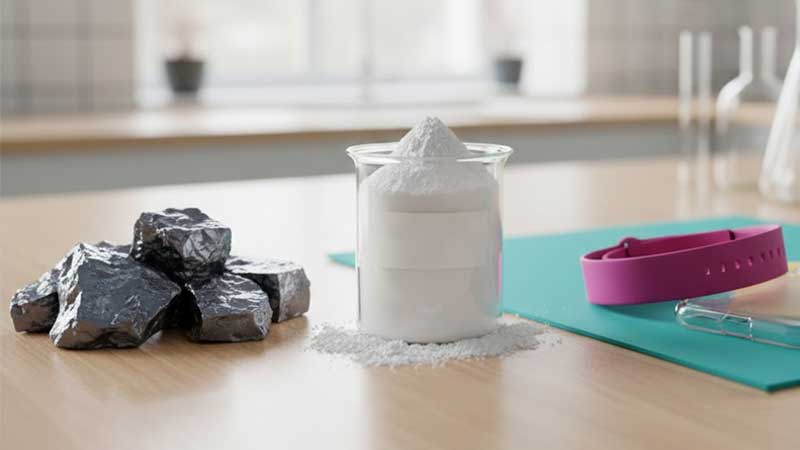
Food-grade silicone is a stable, soft, and heat-resistant material. It does not contain BPA, BPS, PVC, or similar components. It is widely used in baby nipples, feeding bowls, and baking molds. It also handles steam and boiling sterilization well. The surface feels soft and elastic, which makes it suitable for a baby’s gums.
Plastic is also common in baby products. It is lightweight, inexpensive, and easy to mold, so it takes up a large share of the market. Some plastics, however, tend to age faster when exposed to high heat.
How Do Silicone and Plastic Spoons Feel to Use?
User experience often decides if a family keeps using a spoon.
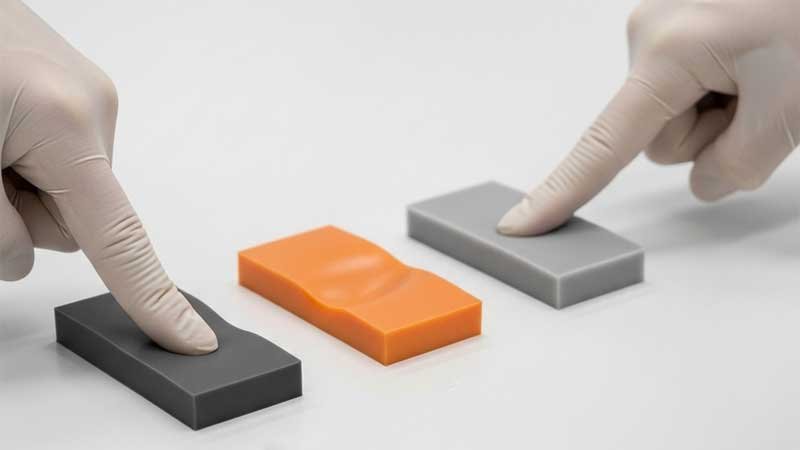
A silicone spoon stands out for its softness. Its smooth and elastic tip fits well in a baby’s mouth and feels gentle on the gums. Parents can feel the smooth glide of silicone while feeding. This helps reduce discomfort. Babies also like to chew on feeding spoons. The elasticity of silicone gives parents more confidence because it does not chip easily.
A plastic spoon is lighter and more rigid. The material feels harder in the mouth, so it lacks the gentle touch that silicone provides. Continuous chewing can leave marks on the surface. Some lower-quality plastics may even produce small flakes over time.
When serving warm food, a silicone spoon keeps its shape under heat and does not transfer temperature to the parent’s hand. A plastic spoon can soften when used with hot foods, so parents need to be more careful about the temperature.

How Do Silicone and Plastic Spoons Compare in Cleaning Convenience?
Baby utensils come into contact with food and saliva every day, so easy cleaning directly affects daily feeding. Silicone spoons can withstand high temperatures and can be rinsed with hot water, steam-sterilized, or placed in the dishwasher without worrying about deformation or lingering odors. Their smooth surface resists dirt and residue, keeping them hygienic even with frequent daily use.
Plastic spoons are relatively easy to clean, but their surface can develop tiny scratches, especially after scrubbing or contact with hot food. These scratches can trap food particles or bacteria, requiring parents to pay extra attention. Compared with silicone, cleaning plastic spoons demands more care and patience from parents.
Why Are Silicone Spoons a More Sustainable Choice Than Plastic?
As families become more eco-conscious, sustainability in baby utensils is increasingly important.
Silicone spoons are stable and can be reused for a long time, reducing household waste and conserving resources.
Plastic spoons are cheaper but prone to scratches, discoloration, or breakage, leading to more frequent replacements. Even if some plastics are recyclable, actual recycling rates are low, so discarded utensils still impact the environment.
Choosing silicone spoons not only provides safety and convenience for babies but also supports a more sustainable lifestyle.

Conclusion
Considering material, safety, comfort, and durability, silicone spoons are better suited for most families, especially babies just starting on solid foods. They are soft, heat-resistant, and easy to clean, offering a more reassuring experience in daily use. Plastic spoons still have their advantages, but for parents seeking stability and long-term use, silicone spoons are the more reliable choice.
With decades of experience and advanced silicone technology, our company can help you create custom silicone products tailored to your needs. Whether it’s utensils, kitchen tools, or baby products, we ensure safety, durability, and high-quality design. Contact us today to bring your ideas to life with premium silicone solutions.