A lot of projects start out looking straightforward. You glance at a couple of datasheets, compare temp ratings, and think you’re good to go. Then the parts hit the field, and suddenly everything goes sideways. Seals start losing their squeeze. Pieces shrink up. Cracks show up way sooner than anyone planned.
Most of the time it’s not a manufacturing screw-up. It’s just that the material never matched the real conditions it would face day after day. EPDM and silicone both look like solid outdoor performers on paper, but the way they hold up under actual heat, pressure, and time is completely different. Those differences don’t always jump out from the basic specs.
This piece is about what really happens on the shop floor and in long-term service. My goal is simple: help you dodge the expensive surprises before they bite.
What EPDM Actually Does in the Real World
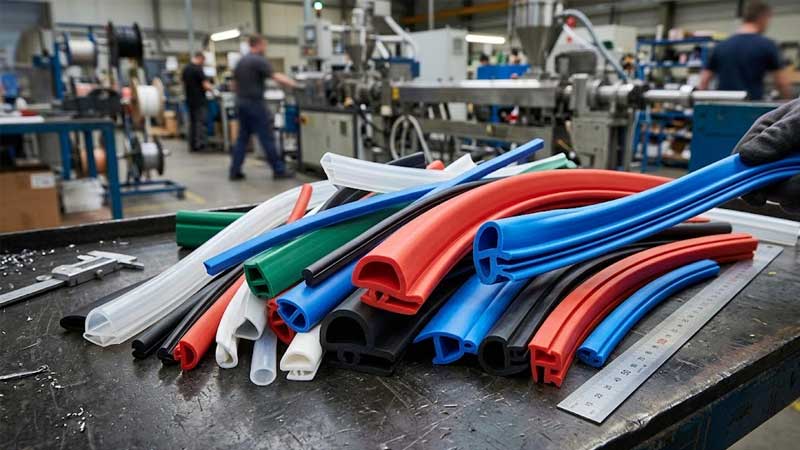
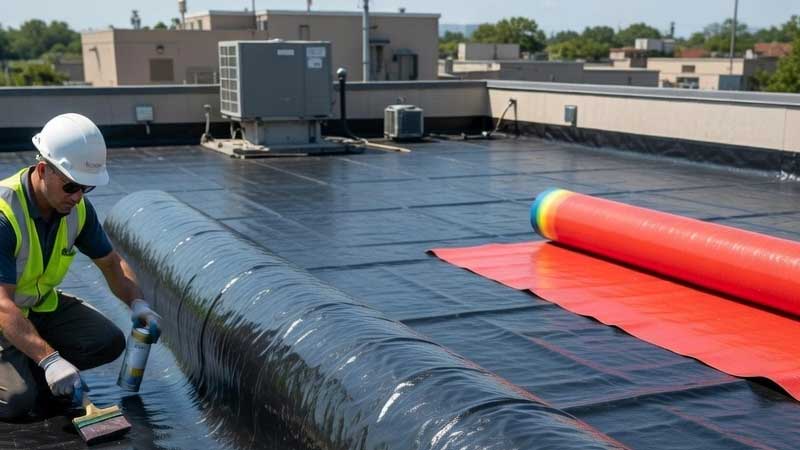
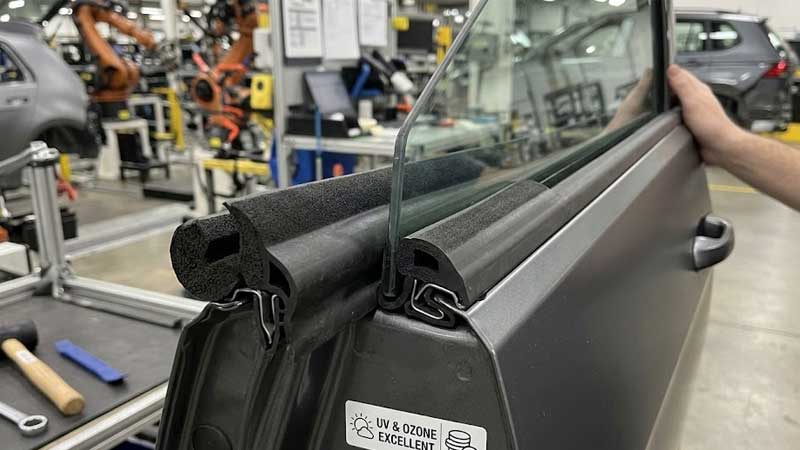
EPDM has been around forever because it’s reliable and doesn’t break the bank. It shines in outdoor jobs where UV, ozone, and weather beat on it constantly. Roofing membranes and car door seals are classic examples. It stays flexible in the cold and doesn’t crack under sunlight the way some other rubbers do.
On the production side, it’s a dream. Extrusion lines run fast and steady, so you can crank out long profiles without much drama. That keeps costs down when you’re making standard weatherstrips or gaskets.
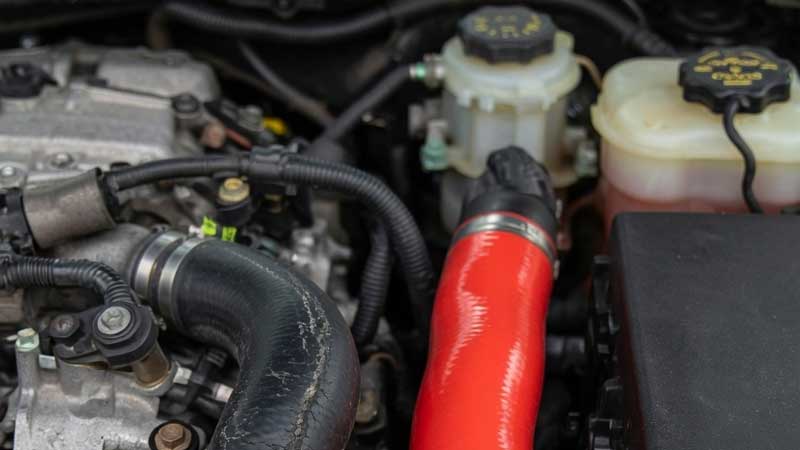
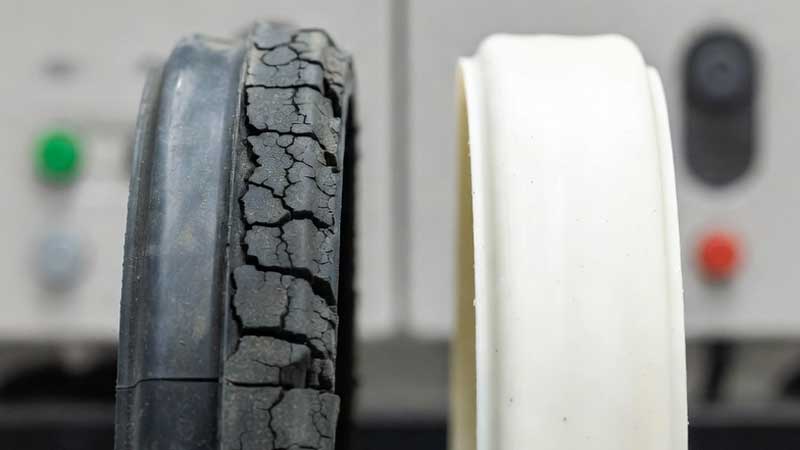
But there’s a catch I’ve seen too many times. Once you push EPDM past about 120°C continuously, things start changing inside. At first you don’t notice. Then it hardens, loses elasticity, and stops sealing properly. Throw in oil contact—like in an engine bay—and it swells over time, messing up dimensions. Not ideal when tolerances matter.
Silicone Rubber: What You Only Learn After Running It for Years
Silicone plays by different rules because its backbone is silicon-oxygen instead of carbon chains. That gives it a kind of built-in heat shield. In the shop, you see it right away: parts stay the exact size they were molded to, even after sitting in ovens for weeks.
I’ve run side-by-side tests where EPDM samples at 125°C shrank more than 50 % after a few hundred hours. The silicone pieces barely moved. Same heat, same duration—totally different story. That dimensional stability is huge when you’re sealing something that has to fit perfectly for years.
It also stays soft way down in the cold. While EPDM gets stiff, silicone keeps moving. And on the manufacturing front you get choices: liquid silicone (LSR) for tight-tolerance injection, high-temperature vulcanized (HTV) for compression molding, or straight extrusion extrusion for profiles. Each route has its quirks—LSR especially needs spot-on mold temps or you’ll fight flash and under-cure—but once you dial it in, batch-to-batch consistency is scary good.
The Differences That Show Up After the Warranty Period
Temperature Behavior
Short bursts of heat? EPDM handles them fine. Long-term exposure above 120 °C? It slowly cooks itself. Shrinkage, hardening, loss of sealing force—you name it. Silicone just keeps going. We’ve seen silicone parts still soft and sealing at 200 °C+ where EPDM would have turned to brittle plastic years earlier.
Flexibility and Stretch
Silicone can elongate like crazy without tearing. That’s why it’s perfect for parts that get flexed, stretched, or vacuum-pulled over and over. EPDM stretches too, but it fatigues faster in dynamic situations. You start seeing cracks after a few thousand cycles.
Oil and Chemicals
EPDM loves water and steam but hates oil. One little leak and it swells. Silicone isn’t immune either, but you can tweak the compound—additives, fillers, even special grades—so it copes better in mixed environments. Most failures I’ve seen came from designers who forgot to ask “Will oil ever touch this?”
Weather and UV
Both are rock stars here. But when you mix rapid temp swings with UV and ozone, silicone holds its flexibility longer. EPDM can get brittle faster in those cycling conditions.
Tear and Mechanical Toughness
EPDM wins on raw tear strength out of the box. It takes a beating during assembly. Silicone feels softer and can tear easier if you don’t spec it right—but modern formulations let you crank hardness and tear resistance while still keeping that low-temp flex. We’ve done it plenty of times.
| Property | EPDM Rubber | Silicone Rubber |
| Temp Range | -40°C to 130°C | -60°C to 230°C (270°C special) |
| High-Heat Stability | Okay for a while, then degrades | Stays dimensionally stable |
| Low-Temp Flexibility | Decent | Outstanding |
| UV / Ozone Resistance | Excellent | Excellent |
| Oil Resistance | Poor | Moderate (formulation helps) |
| Tear Strength | High | Adjustable |
| Elongation | Medium | Very high |
| Processing Cost | Lower | Higher |
| Service Life in Harsh Use | Medium | Long |
How Processing Actually Changes Everything
Datasheets tell you material limits. Production tells you what really works. EPDM is great for high-volume extrusion—cheap, fast, forgiving. Silicone needs tighter process control: mold temps, cure times, flow rates. Get it wrong and you chase defects. Get it right and you can mold complex shapes that fill evenly every shot. That’s why a lot of our tricky parts switched to silicone once the design got detailed.
Picking the Right One for Your Job
Automotive door seals? EPDM usually wins on price and is plenty good enough.
Engine bay parts? Silicone—heat will kill EPDM eventually.
Electronics enclosures? Silicone protects delicate stuff and handles thermal cycling.
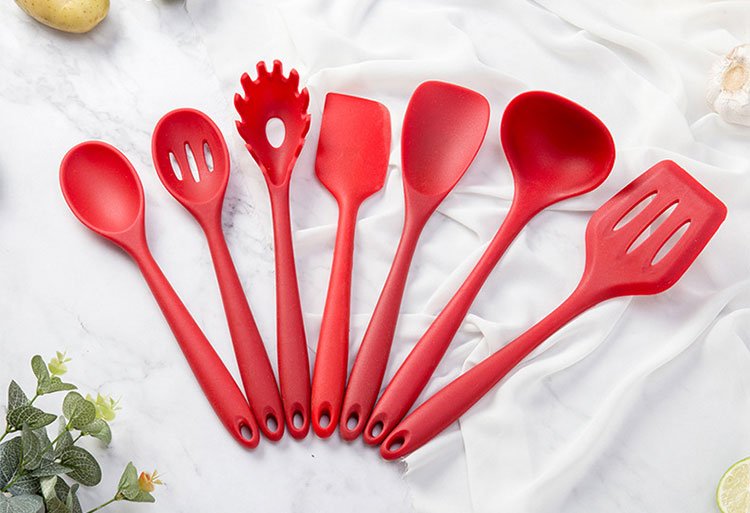
Food or medical? Silicone is basically mandatory for compliance.
Big roofing or waterproofing? EPDM still rules on cost for large flat areas, but in extreme climates silicone often outlasts it.
Mistakes I’ve Watched Companies Make
- Trusting short-term lab data only. Everything looks great for 100 hours… then real life hits.
- Ignoring how the part actually gets installed—compression set, friction, movement.
- Locking in the material before the design is final. You end up fighting the material instead of working with it.
Practical Tips From the Shop Floor
Start with the actual duty cycle, not just the max temp on the datasheet.
Map out temperature swings, oil splash, UV hours—everything.
Bring material choice and design together early. A small tweak in hardness or filler can save months of headaches.
If you’re not sure, run a quick aging test on both. The difference shows up fast.
Conclusion
Silicone wins on extreme heat, cold flexibility, and long-term shape retention. EPDM wins on cost when conditions are moderate and volumes are high.