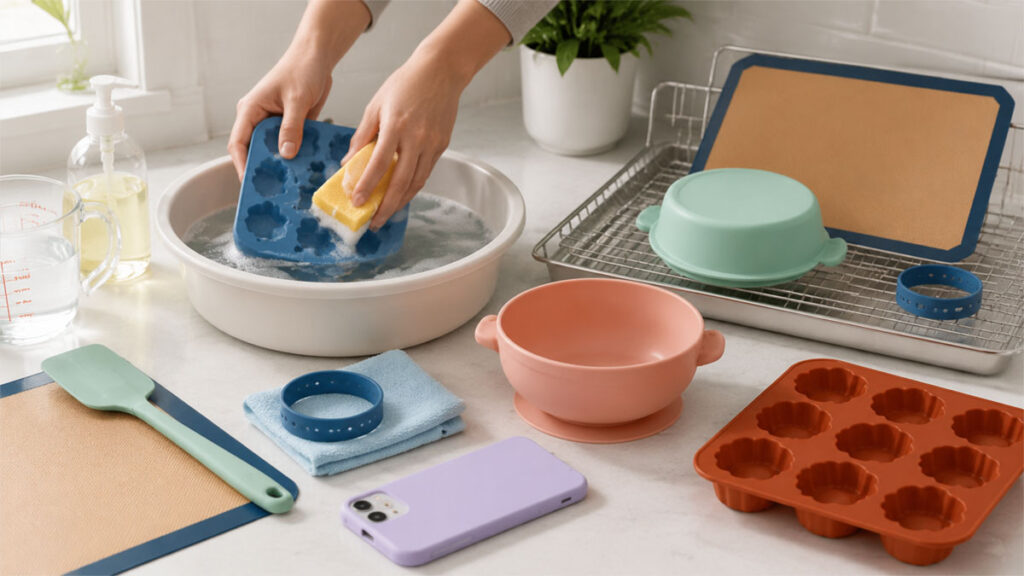
How to Clean Silicone Products Safely
Silicone is easy to rinse, but grease, soap film, pigments, skin oils, and residue can remain after a quick wash. The safest response is usually

Silicone is easy to rinse, but grease, soap film, pigments, skin oils, and residue can remain after a quick wash. The safest response is usually
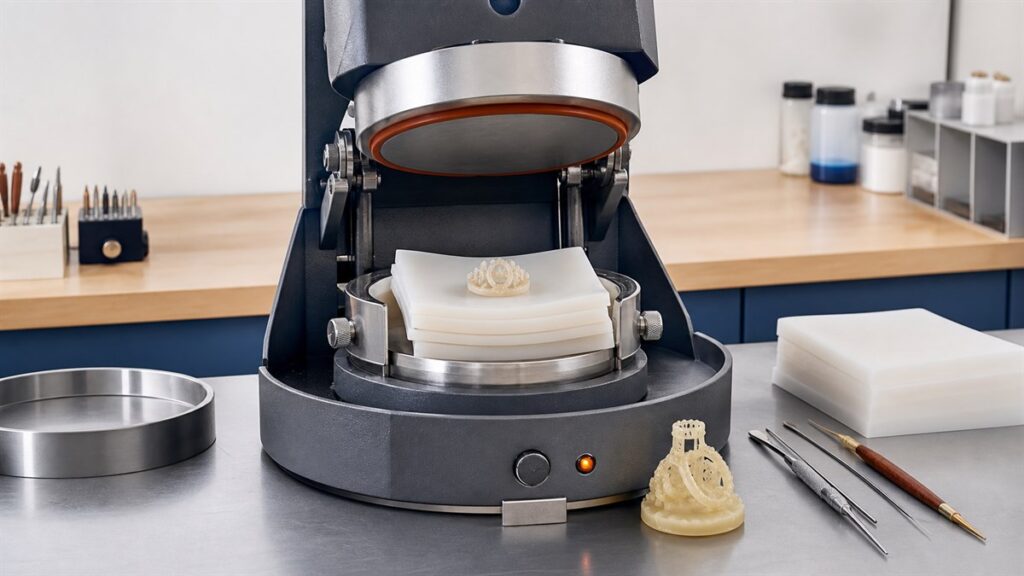
The term “low temperature” causes a basic specification error. It may describe the curing process, but buyers often read it as the material’s service-temperature performance.
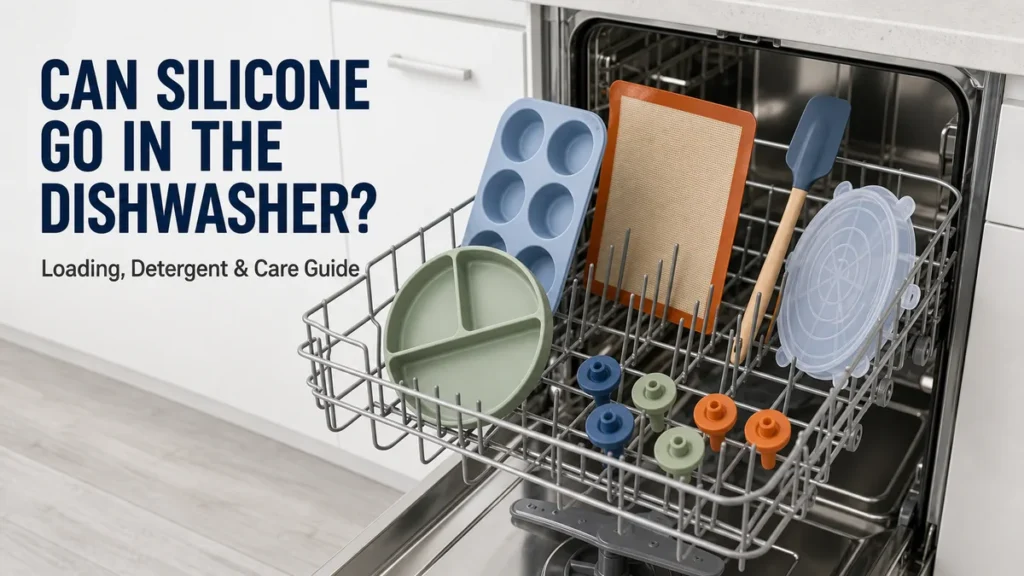
Silicone usually survives the dishwasher. The more common problems are poor loading, trapped water, detergent film, and non-silicone components. Yes. Most one-piece silicone kitchenware can
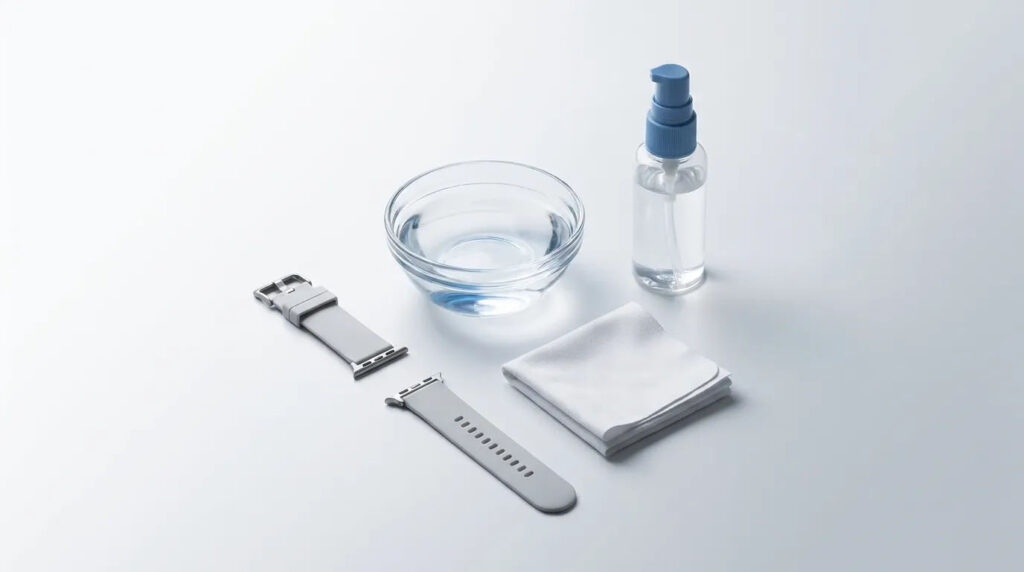
A watch band collects sweat, skin oil, soap, sunscreen, lotion, lint, and dust every day. Most residue is easy to remove, but the wrong cleaner
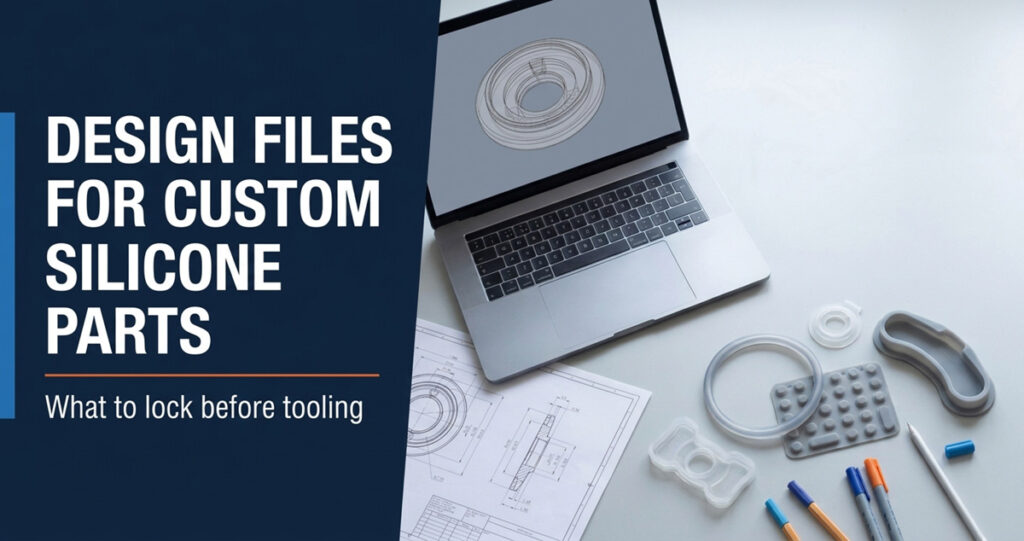
Most buyers send us a STEP file and expect a price. What they actually want to know is whether the part can be made, at
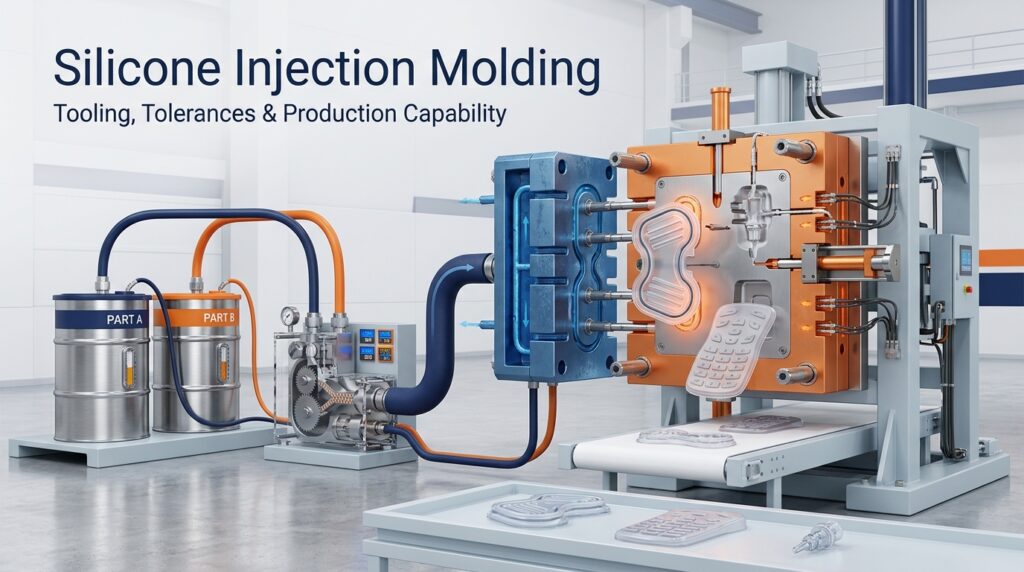
Most silicone parts that need repeatable geometry at volume end up in a heated steel tool with a cold runner. We run silicone injection molding
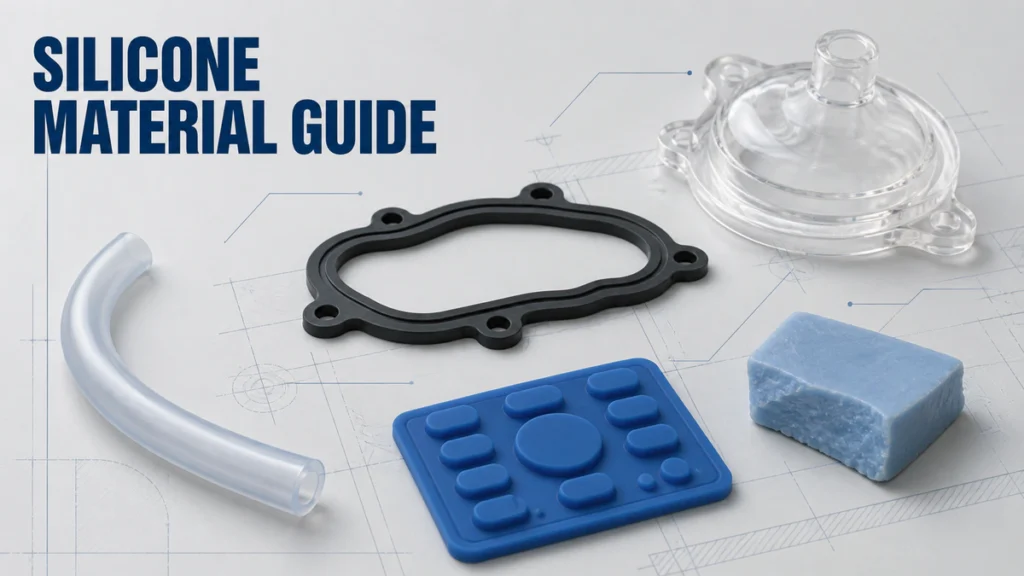
Silicones include fluids, gels, resins and elastomers. This guide focuses on cured silicone elastomers used in molded, extruded and sealed components—not on every class of
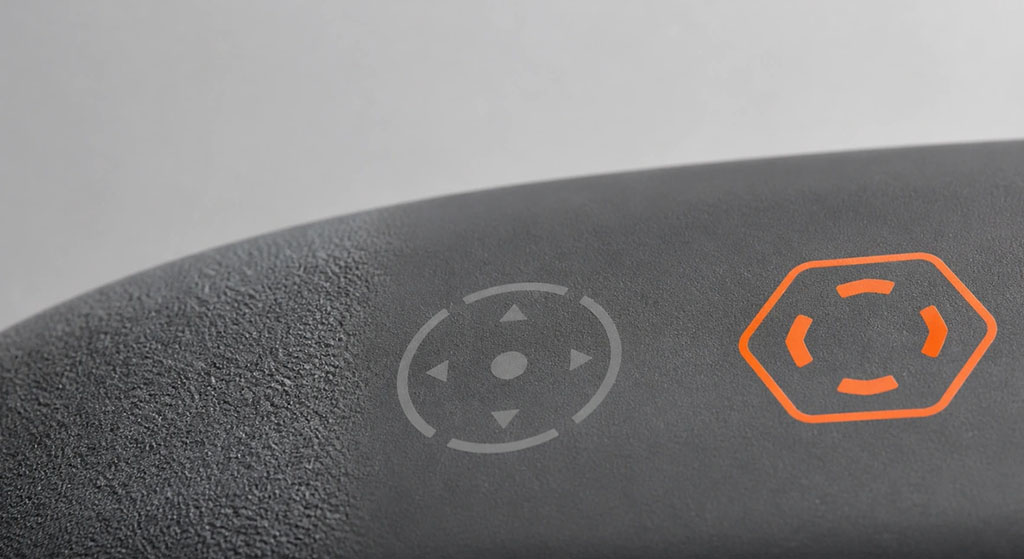
A silicone product surface pattern can be molded into the part, marked after molding, or added as a coating or printed layer. These routes may

Most adhesion failures on printed silicone are blamed on the ink. In our experience the ink is rarely the variable that changed. Silicone surface pretreatment
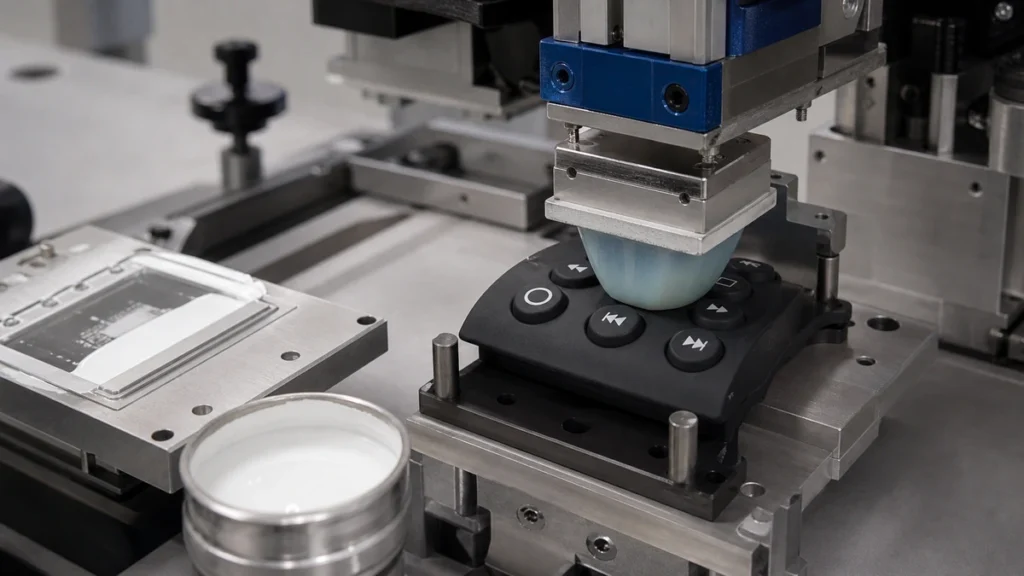
Most RFQs treat pad printing on silicone as a line item — “print our logo on the keypad” — the same way you would order
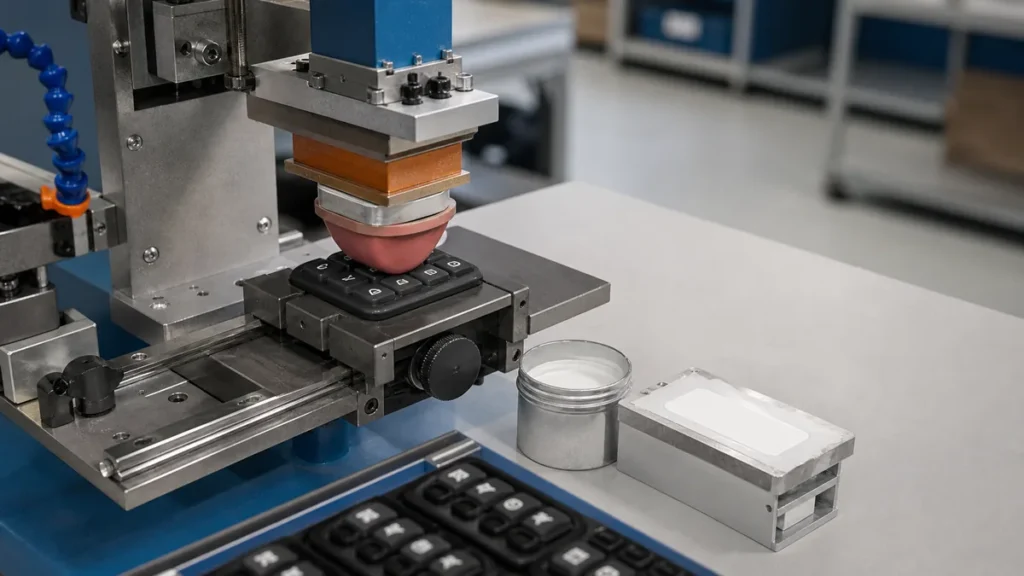
Most printing problems on silicone do not start at the press. They start when a buyer sends artwork that was approved for an ABS or
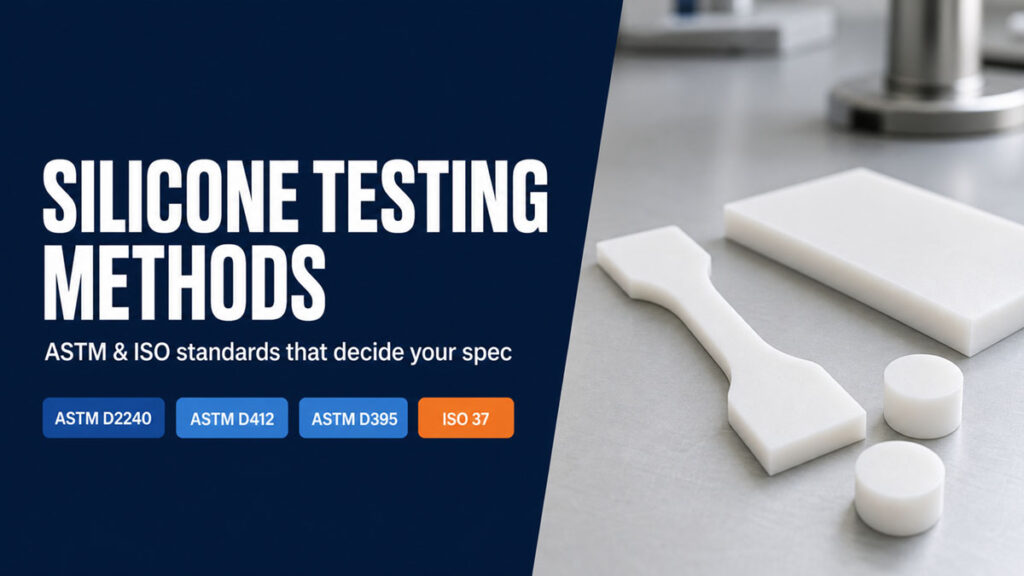
Most buyers ask for a “test report” without naming a standard. What comes back is a PDF with numbers that cannot be compared to anything.